History often remembers the grandeur of empires and the legacies of kings. Yet, it was not gold and power that saved Darius the Great—it was the healing touch of a Greek slave.
The King Crippled
In the year 522 BCE, Darius I, the formidable ruler of the Achaemenid Empire, found himself laid low, not by rebellion or war, but by a seemingly simple malady—a broken foot. Despite its vastness, stretching from the Indus Valley to the edges of Greece, the empire was suddenly vulnerable because its king was incapacitated. Darius, known for expanding his realm to its furthest capacities and organizing it with a dexterous touch, was bound to his bed, his cries echoing through the opulent halls of his palace.
His physicians, the best that Egypt could offer, had been summoned to the heart of the empire, yet they failed to alleviate the king’s suffering. The injury worsened, and whispers of doubt crept through the corridors of power. The empire might falter if its king could not even walk. Amidst this crisis, a captive slave named Democedes, a Greek physician from the city of Croton, emerged as an unlikely savior.
The Greek Healer
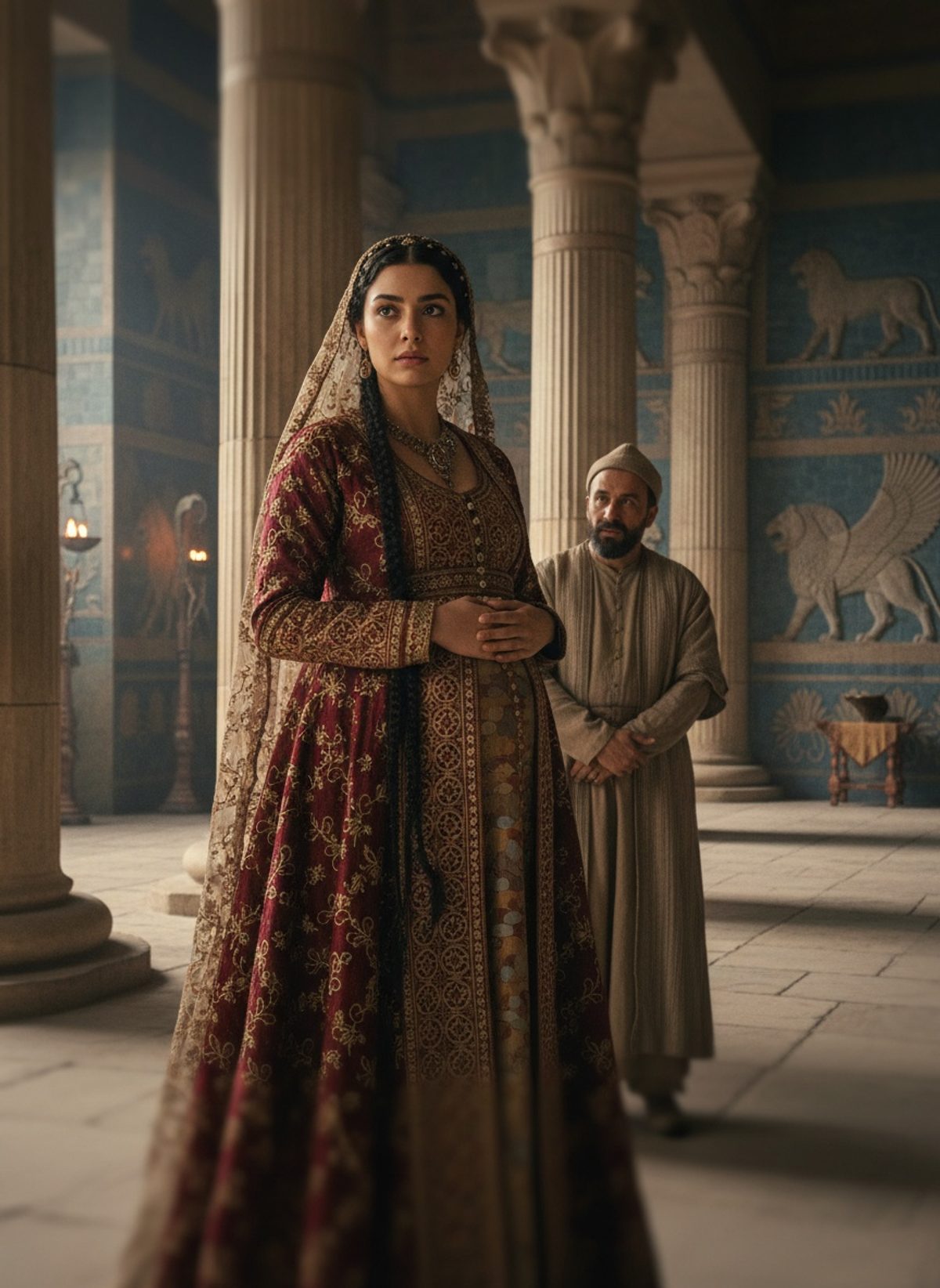
Democedes’ journey to the Persian court was fraught with peril and loss. Once celebrated as the leading doctor in Athens, his fortunes turned when he was captured and sold into slavery. The Persians, appreciating skills across their diverse territories, brought him to Darius’ court where he languished with little more than memories of his former prominence. But with the king’s dire condition, the Greek physician was summoned as a last resort.
Read next: Gobryas Knelt at the Gate. Cyrus Made a Promise.
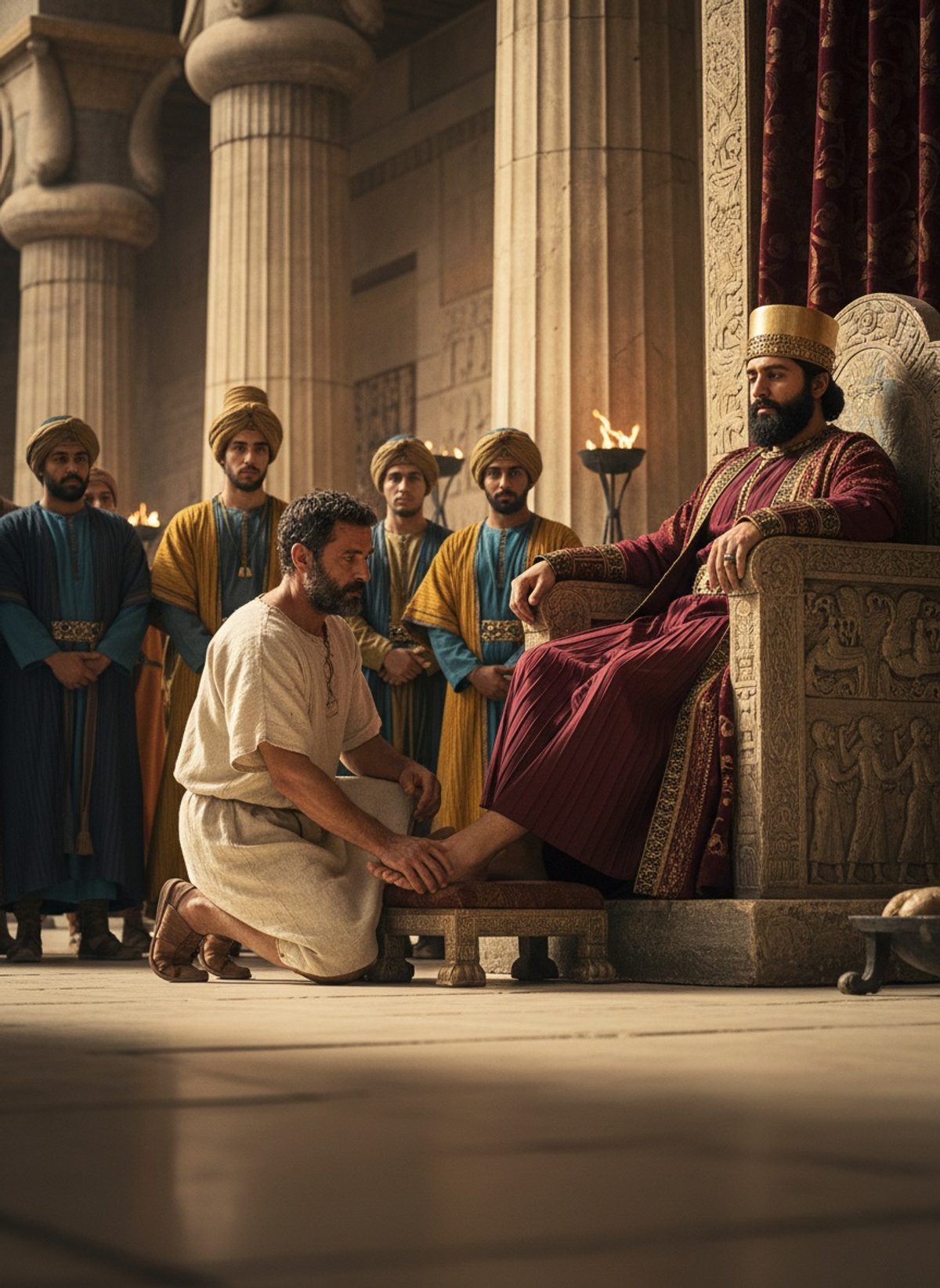
Democedes quickly analyzed the situation with a calm that belied the stakes. Eschewing the vigorous remedies enforced by the Egyptian doctors, he applied a gentler approach using traditional Greek methods. Compresses, gentle manipulation, and herbal poultices were his tools, and within days, Darius began to feel relief. His cries of pain subsided, and soon, he stood again—a testament not only to the slave’s skill but to his courage in employing methods that challenged the established norms at the Persian court.
A King’s Gratitude
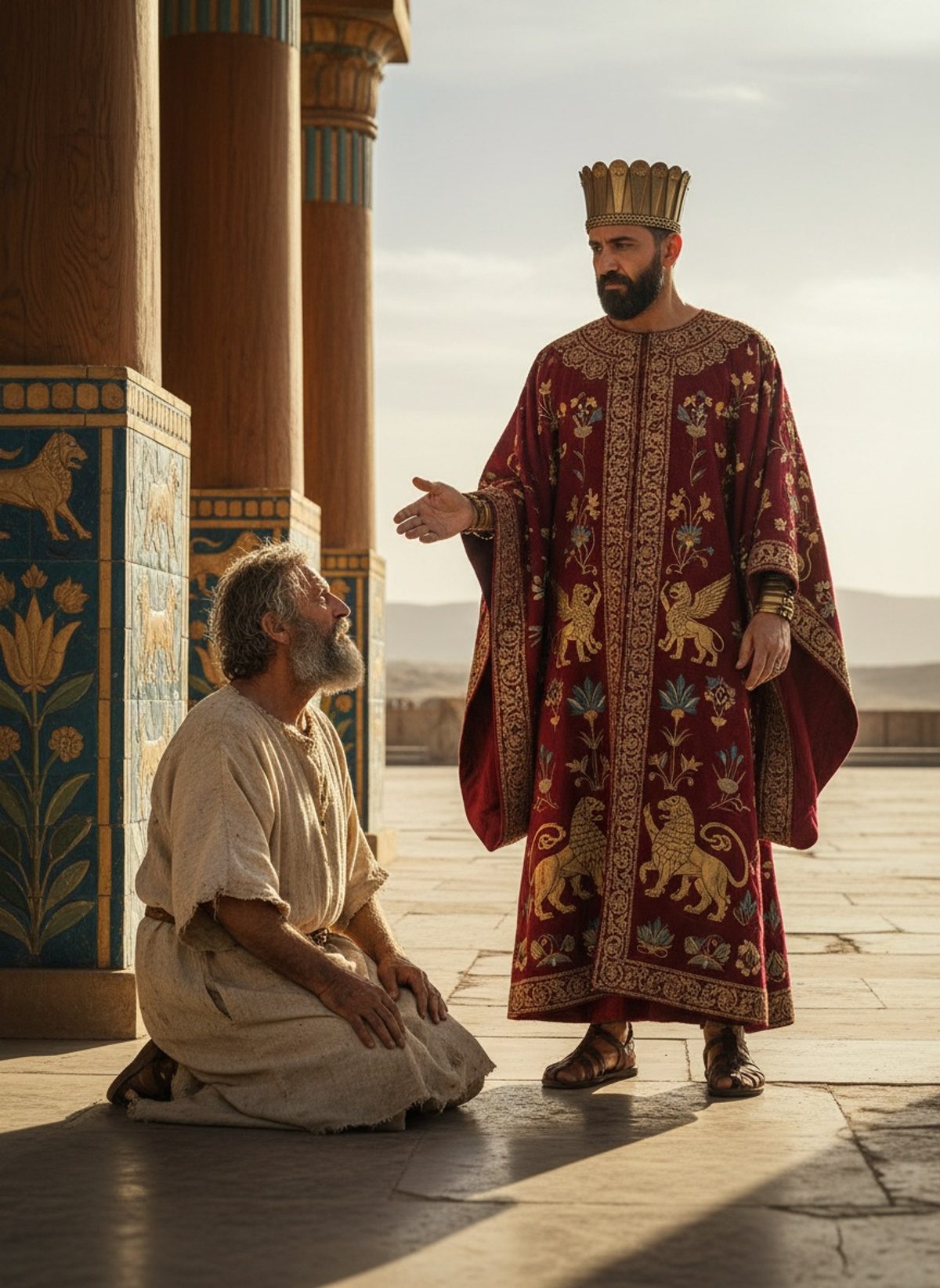
The king’s recovery was not just a personal triumph but a political triumph as well. With Darius back on his feet, the empire could once again stride confidently on the world stage. In profound gratitude, the king offered Democedes any reward he desired. The Persian standard was typically gold, jewels, or manumission from slavery—wealth and freedom beyond the wildest dreams of any enslaved man. But Democedes, though perhaps tempted, requested neither the riches nor his liberation. He asked instead for permission to return to his homeland.
Such a request baffled and intrigued the court. Here was a man who preferred the simplicity of life in Greece over the opulence of the Achaemenid Empire. Darius, puzzled yet intrigued by this request, agreed, but under a significant condition: Democedes would accompany Persian envoys on a reconnaissance mission through Greece, under the guise of surveying the land. What seemed a simple act of benevolence was also a shrewd tactical maneuver, ensuring that Darius could lay eyes on the lands he intended to rule.
The Unfinished Journey
Democedes embarked on the voyage home, a bittersweet expedition blending personal liberation with imperial ambition. However, destiny had other plans. On reaching Greece, Democedes escaped the clutches of his Persian entourage, melting into the landscape of his native land. Darius’ envoys, caught unawares by the Hellenic spirit of freedom, found themselves unable to retrieve the wily physician and returned to Persia empty-handed.
Back in Persia, Darius reacted with surprising compassion. Though he lost the man who healed him, his respect for Democedes remained untarnished. Darius believed in rule by merit and ability, concepts tellingly reflected in the governance reforms that reshaped his empire. Under his dominion, administrative provinces were established; roads improved, and a new monetary system introduced, each a tribute to the necessity of wise counsel and excellent skill—qualities he recognized in Democedes.
This tale, tucked amidst the grand chronicles of empire, stands out as a poignant reminder of the human touch behind historical behemoths. The story of Darius and Democedes is more than an anecdote—it is a testimony to the enduring bonds of expertise and need, humility and power. It reminds us that sometimes, greatness isn’t only forged in the halls of power or on the battlefields but in simple acts of healing and understanding.
For in this age of ambition and conquest, it was not the might of armies nor the wealth of nations, but the subtlety of a healer’s hands that ultimately helped hold an empire together. And so, the story of Democedes endures—not just as a chapter of Persian history, but as an enduring message that sometimes returning to one's roots outweighs all the riches of the world—a richness that even the mightiest king could not command.