The stories that shaped a nation
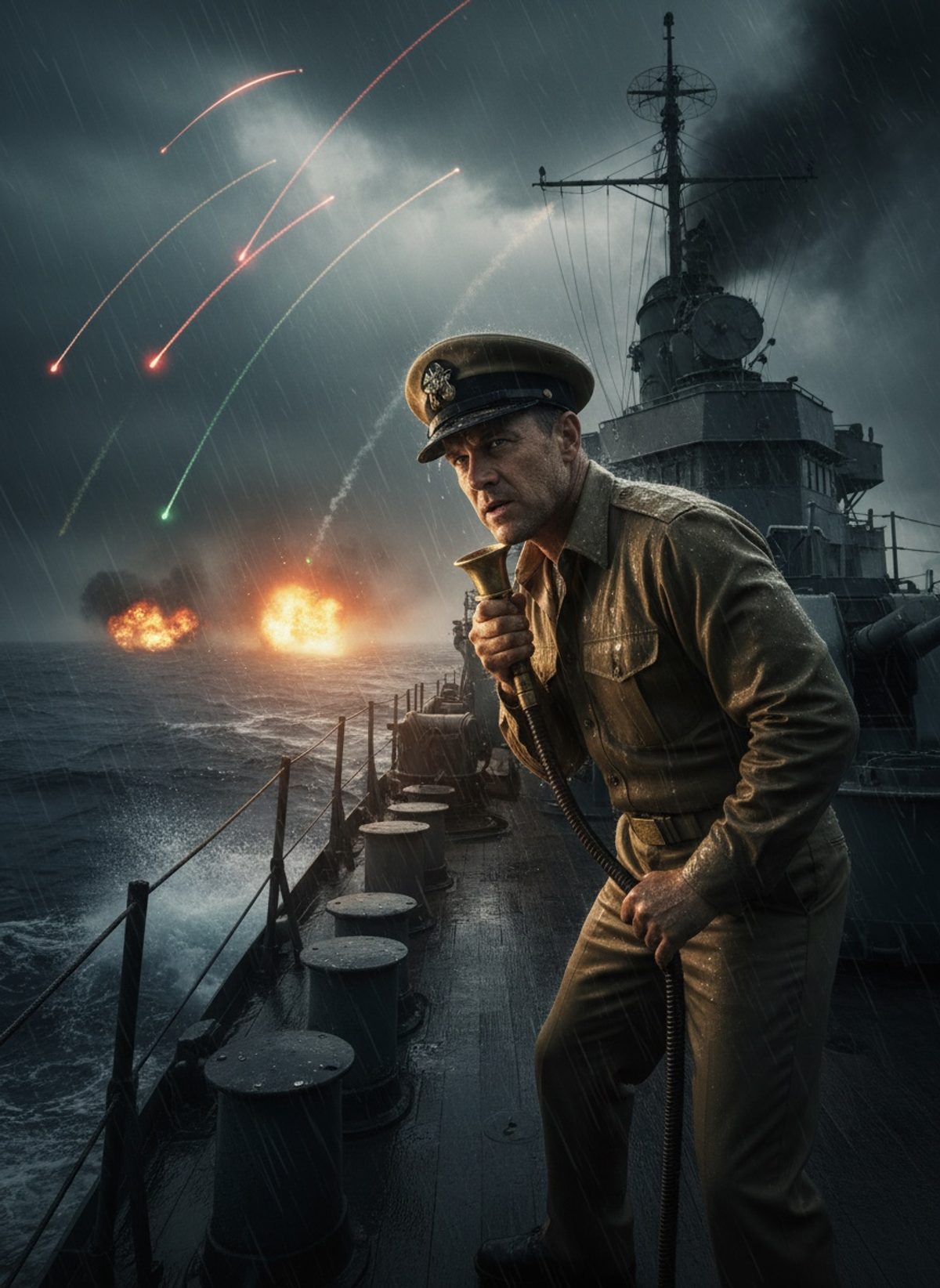
One ship. A dying engine. A suicide run into a typhoon of steel. Commander Amos Mahoney didn't wait for permission. He turned his crippled destroyer straight into the Japanese fleet and refused to stop.
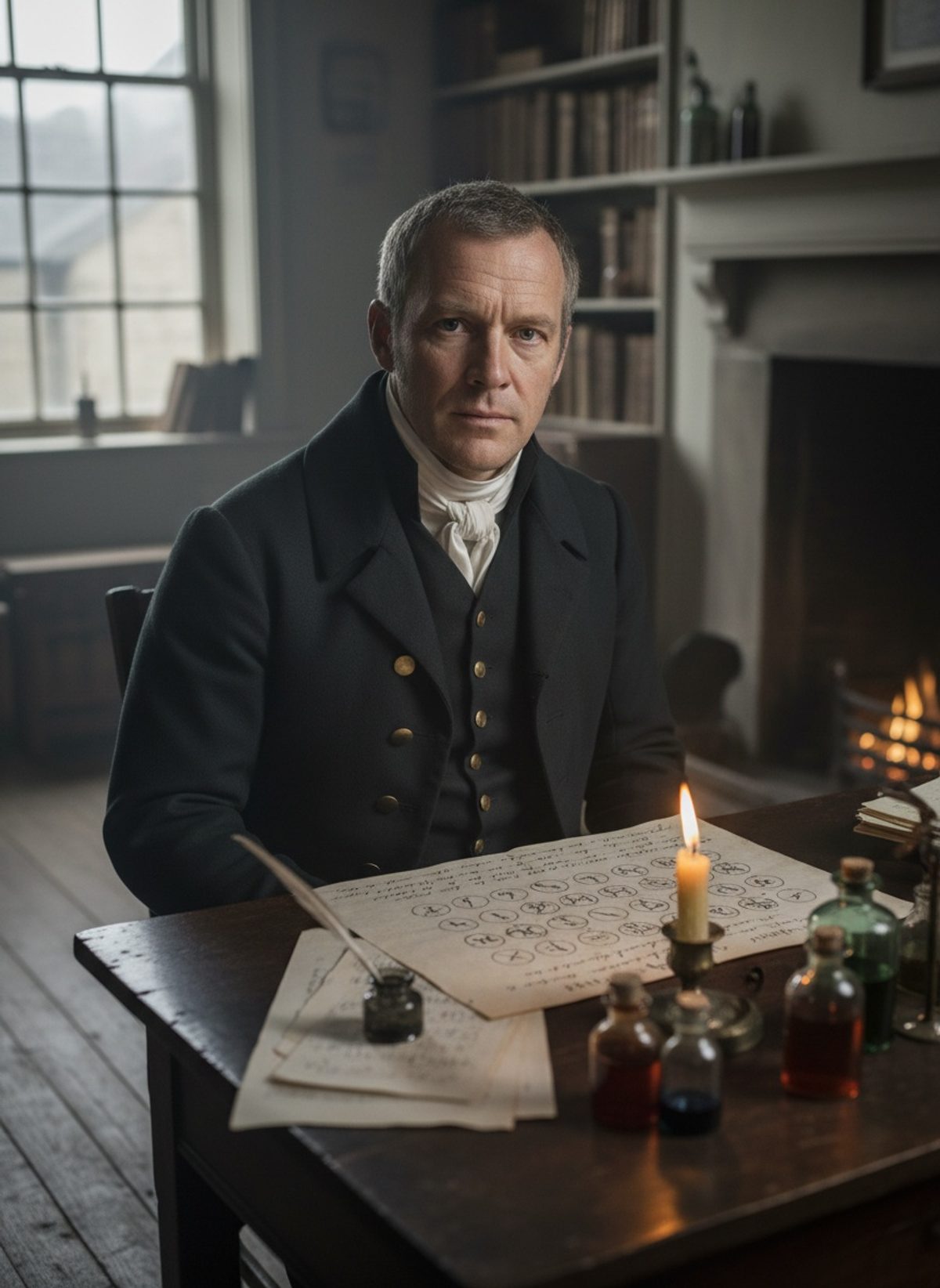
Manchester, 1803. John Dalton had no university. No laboratory. No patron. Just a rented room and an obsession. He proposed that all matter was made of atoms. Science would never be the same.
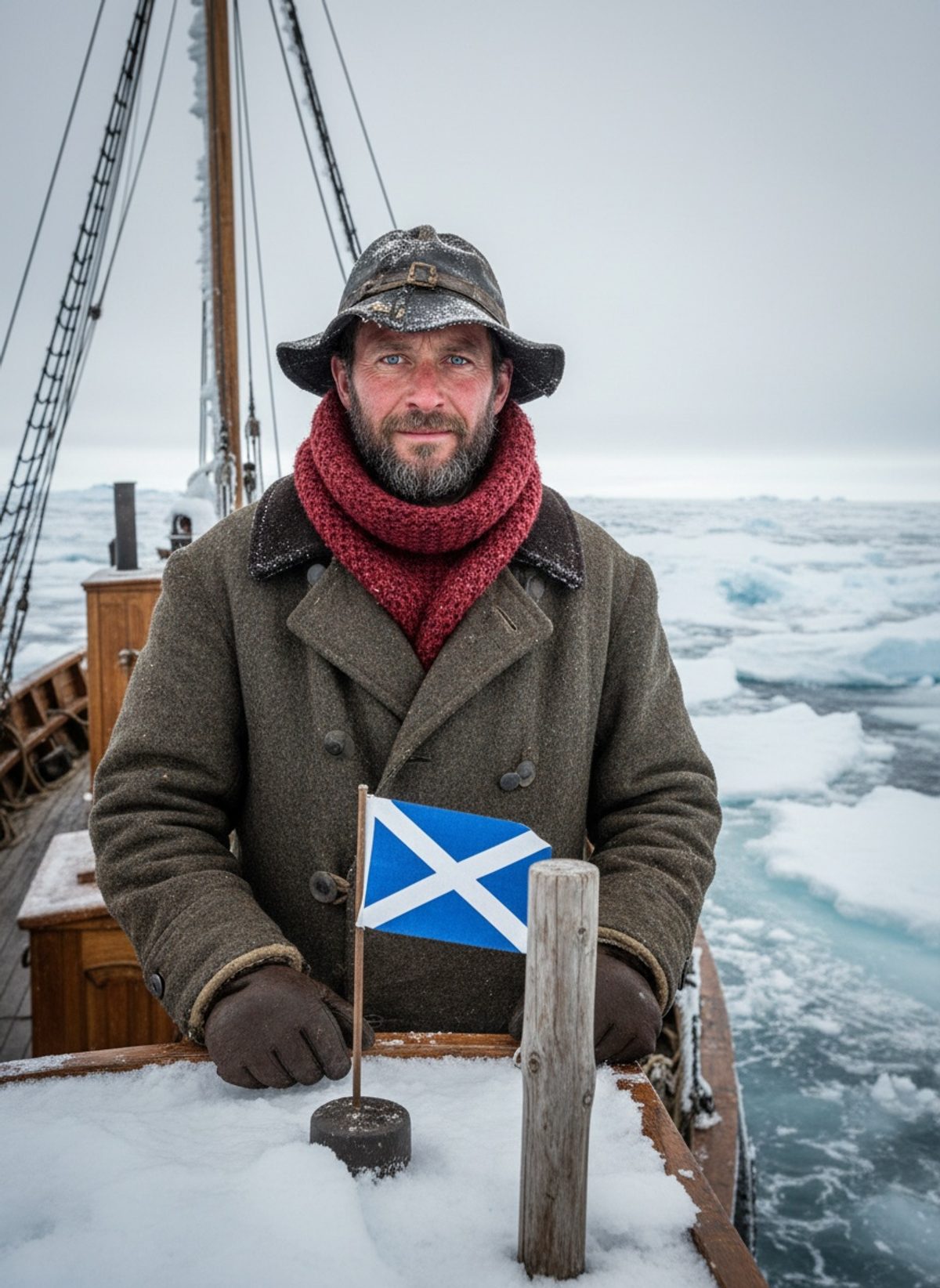
He sailed south while Scott took the glory. He found land no man had charted. He planted a Scottish flag, not a British one. And London never forgave him for it.
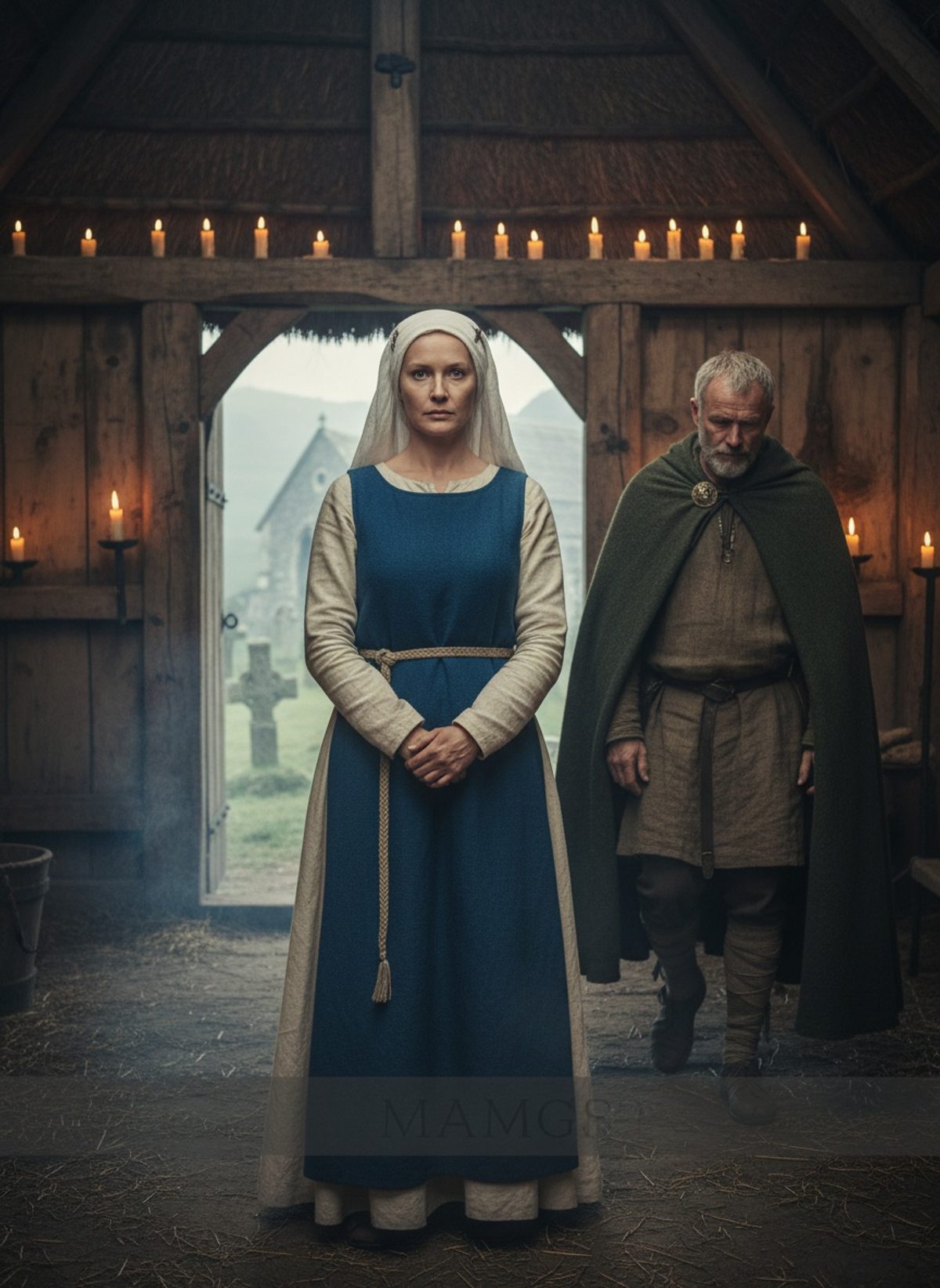
657 AD. King Oswiu had taken everything. Hild of Whitby stood firm. She faced him alone. She spoke. He stopped. The monastery lived.
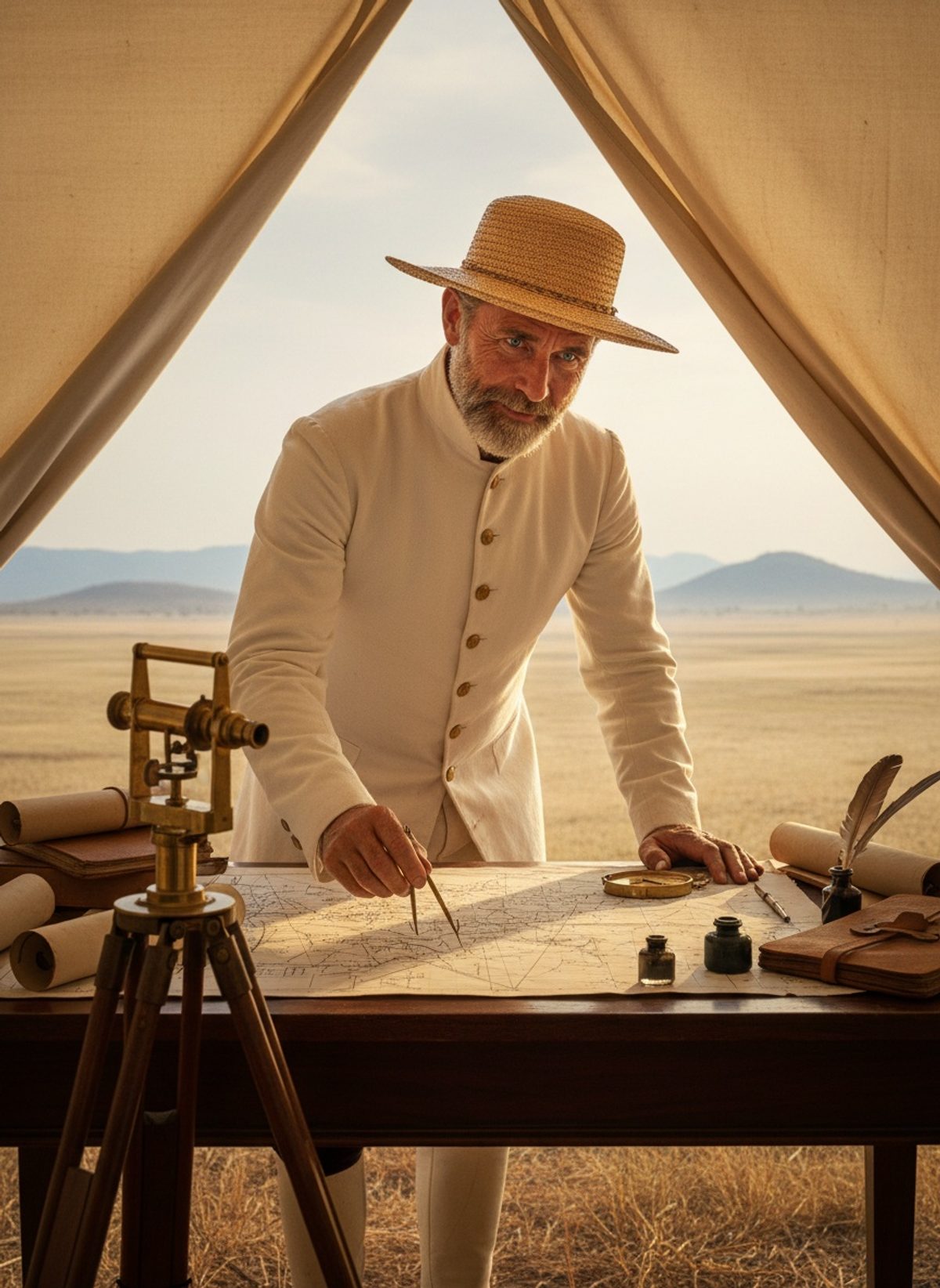
1856. A mountain with no name dwarfed everything on Earth. Andrew Waugh studied the numbers. His surveyors had measured it from six stations across the Indian plains. The calculations were undeniable. He named it after his predecessor. The man who had made it possible.
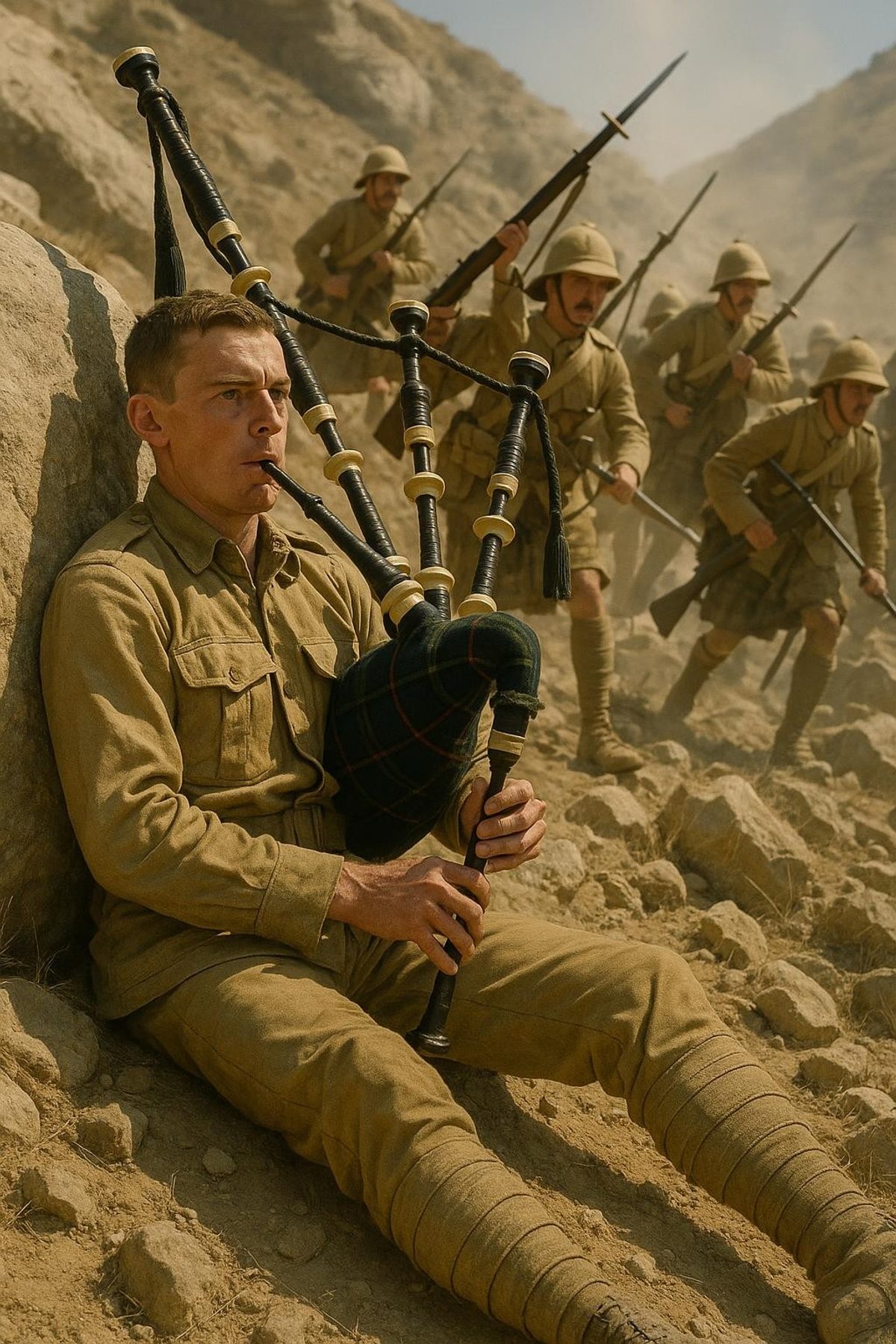
Dargai Heights, 1897. The Gordon Highlanders were pinned down. Piper George Findlater took two bullets through his ankles. He sat up in the open. And played the regimental march. The men rose and charged.
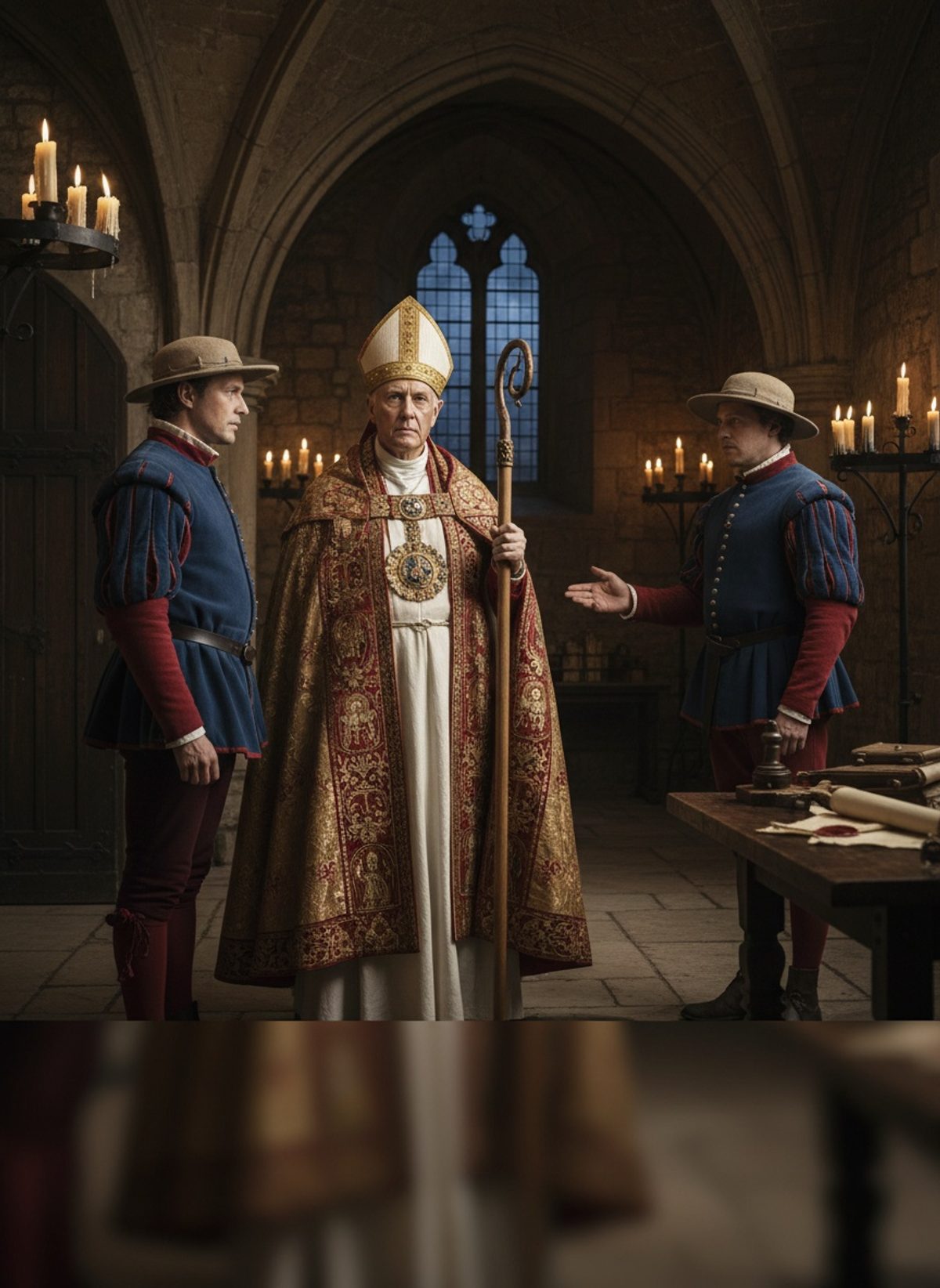
July 1483. Richard III needed a coronation. He needed Archbishop Bourchier. Bourchier complied. But one man refused outright. John Morton, Bishop of Ely, would not bend. They locked him in a castle. He never broke.
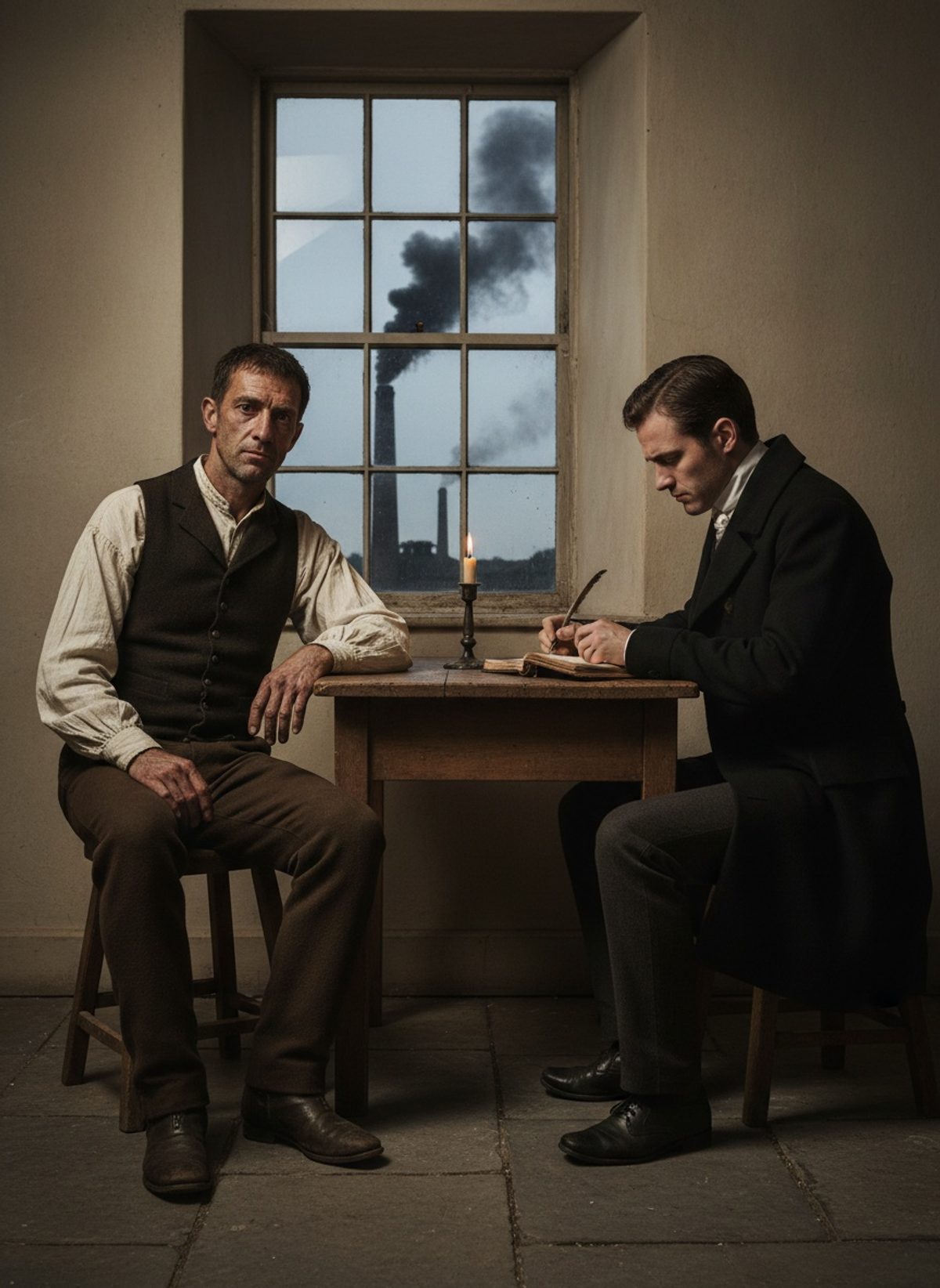
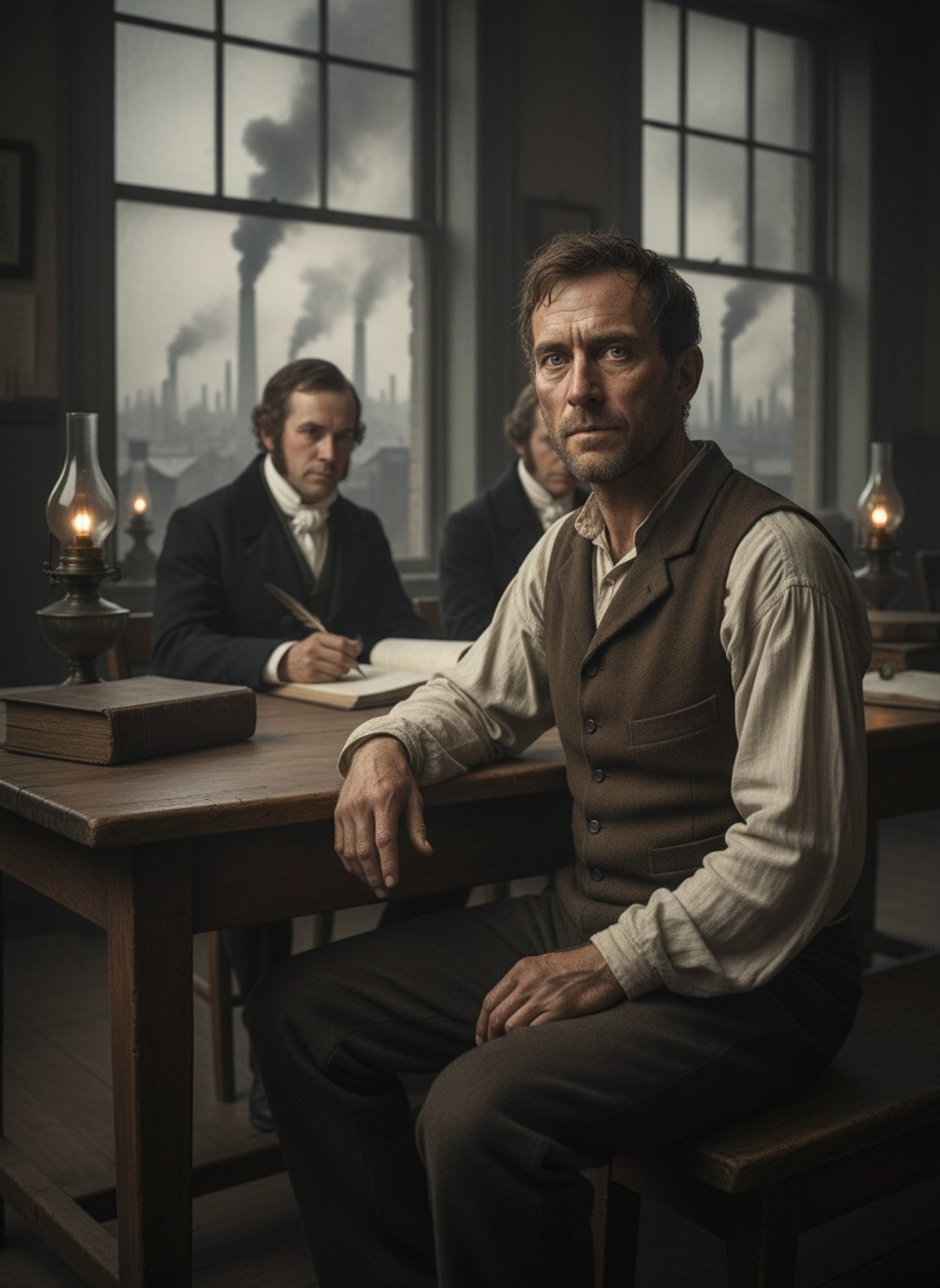
Manchester. 1832. Robert Blincoe had survived the mills as a child orphan. Now he told his story. Every word. Every scar. Parliament read it. The age limit changed. One man's testimony rewrote the law.
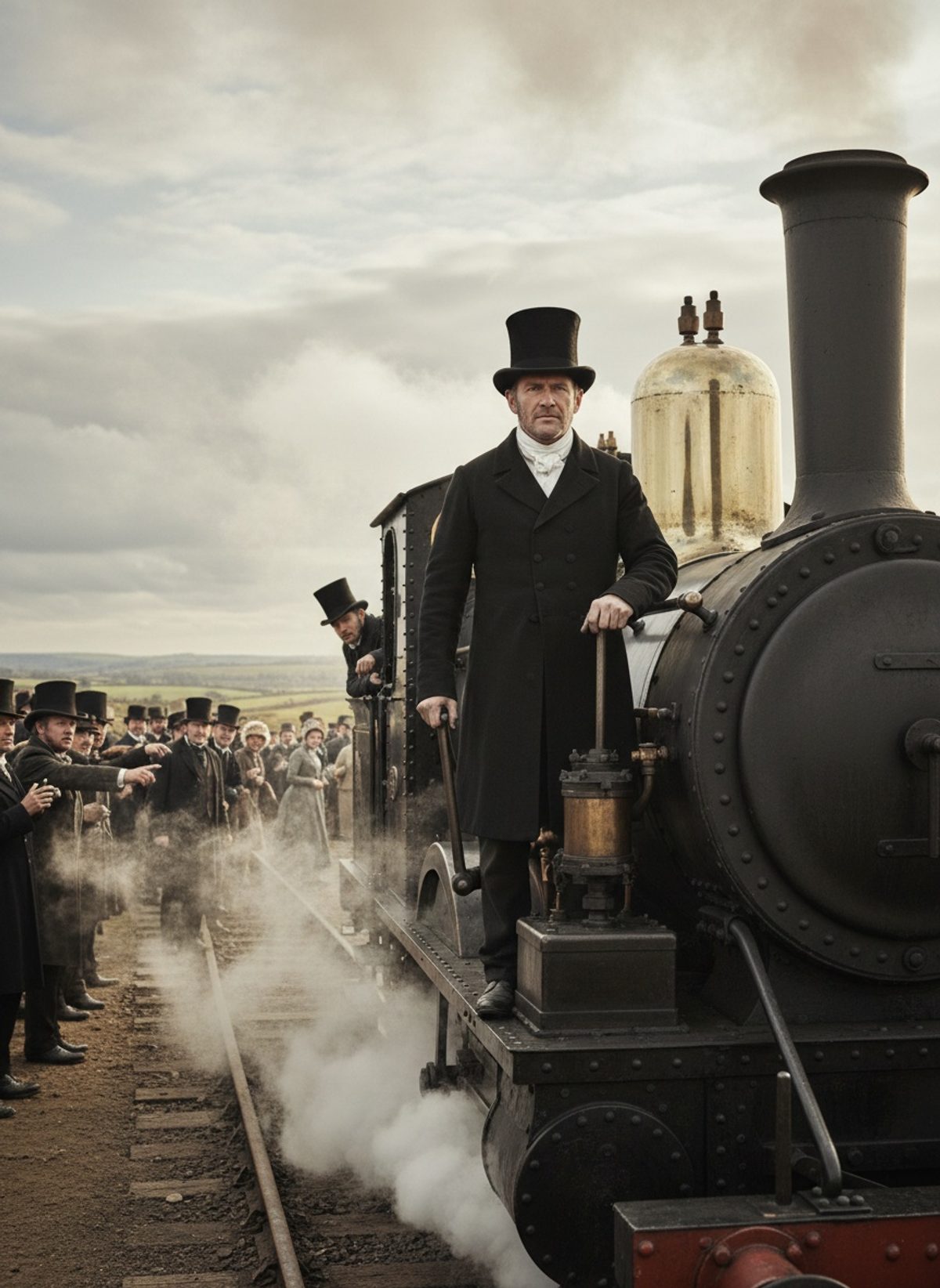
September 1825. A steam engine hissed at Darlington. George Stephenson climbed into the cab. No one believed it would move. It moved. Forty miles an hour. The world changed in an afternoon.
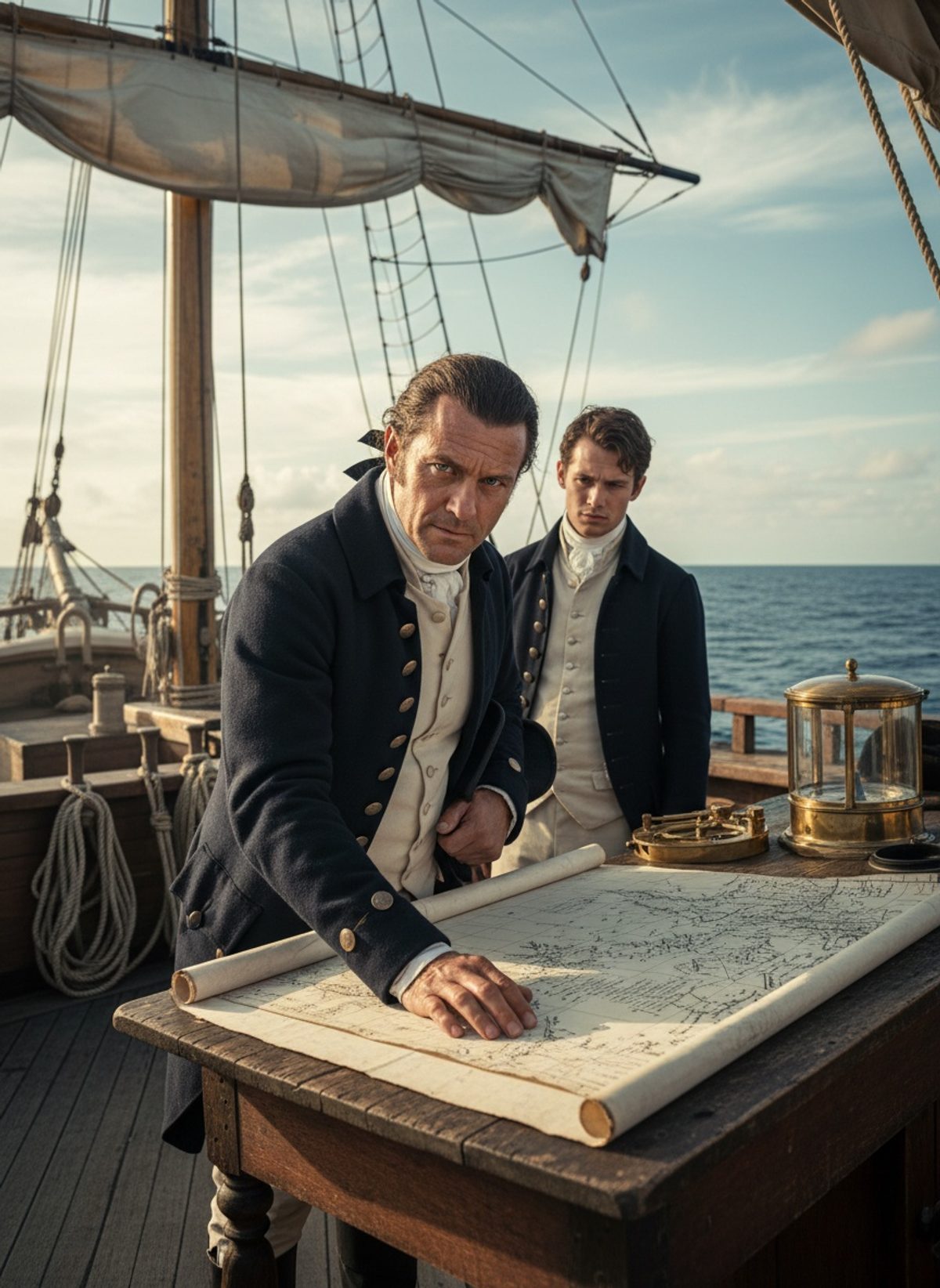
August 1768. A son of a Yorkshire farm labourer stood on a quarterdeck. No nobleman. No title. Just a chart, a compass, and a genius. James Cook sailed into the unknown. He came back with the Pacific mapped for the first time.
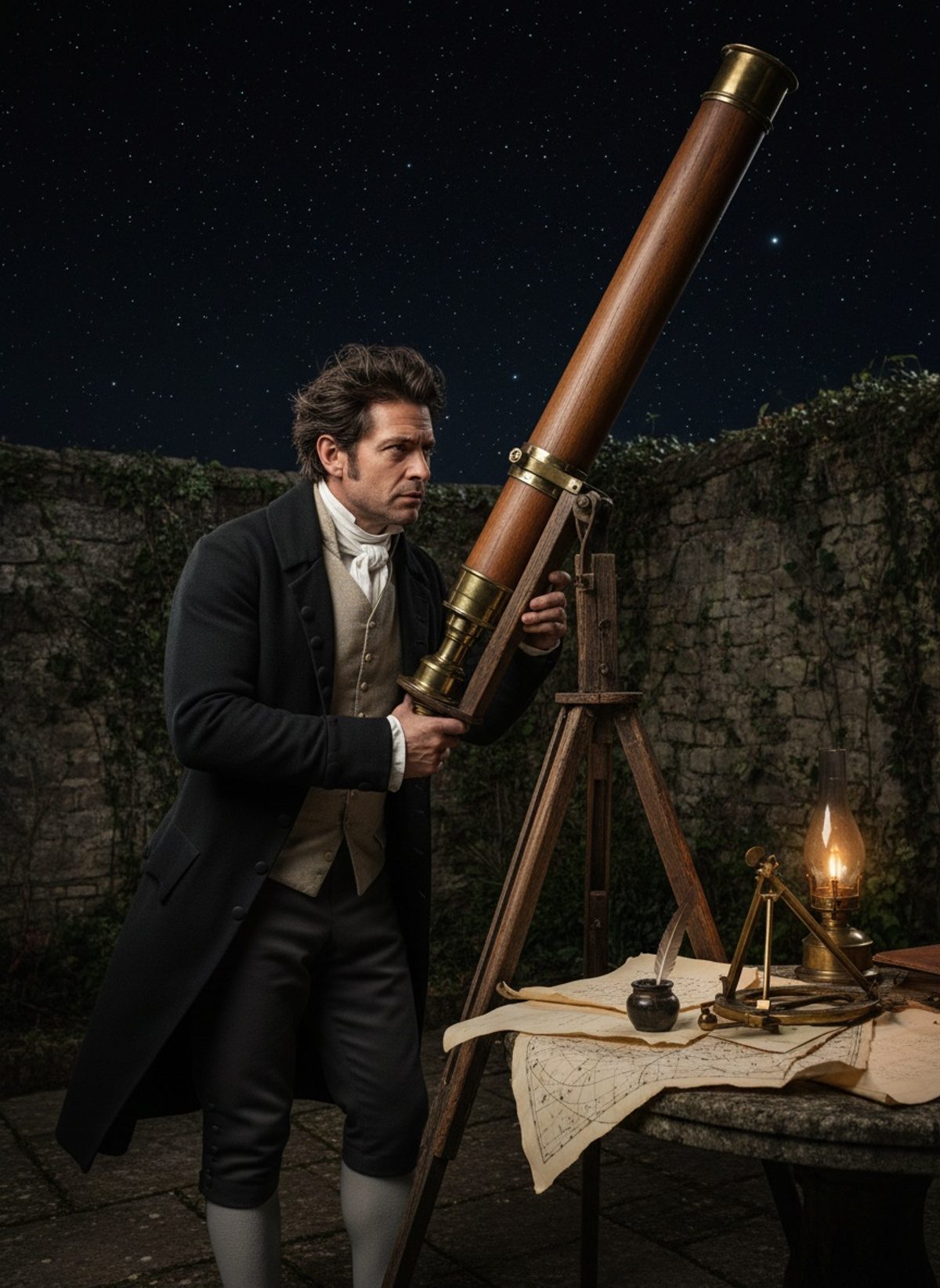
Yorkshire, 1781. William Herschel built his own telescope by hand. One night he found something that should not have been there. A wandering light. Slow. Steady. Not a star. Not a comet. A whole new world. The first planet discovered in recorded history.
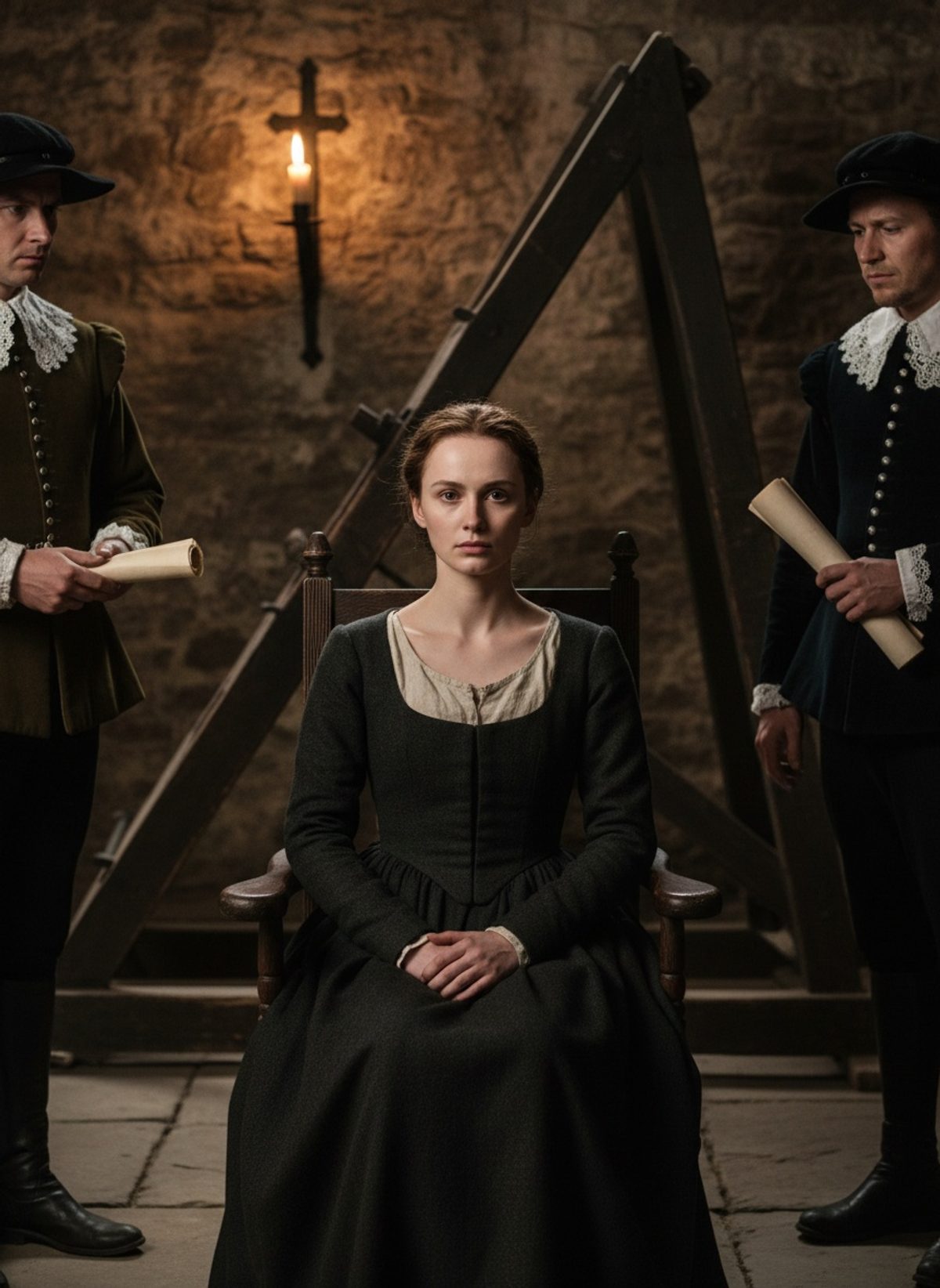
1546. Anne Askew lay broken on the rack. The King's men wanted names. She gave them nothing. They had torn her apart. She would not speak. They carried her to the stake in a chair. She burned in silence.
Manchester, 1833. The mills were full of children. Some were seven years old. Robert Blincoe had survived them. Now he sat before a government commissioner. And told the truth. Every word cost him everything.
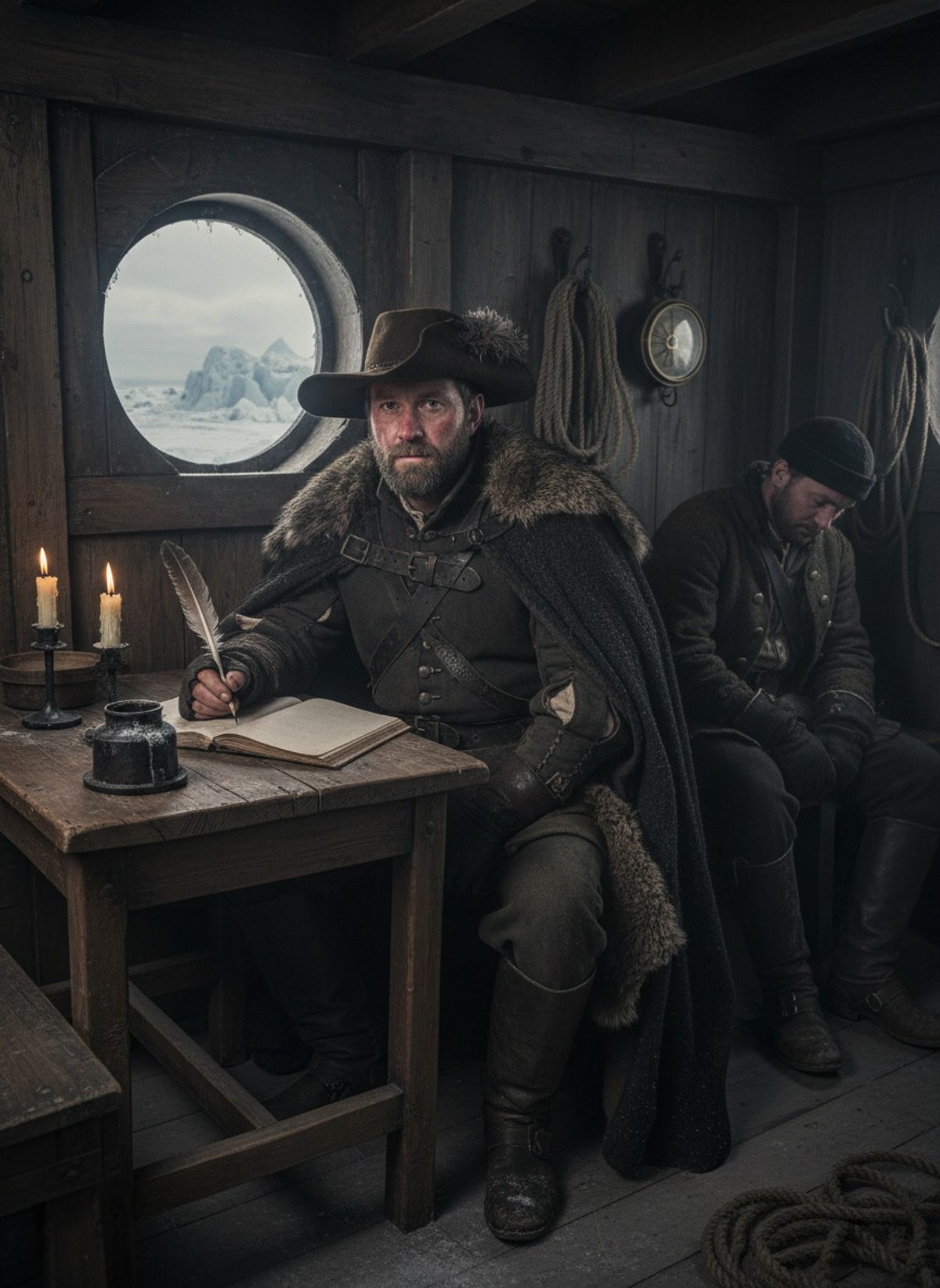
1553. Three English ships sailed northeast seeking a new route to China. Two vanished into the Arctic winter. Months later, Russian fishermen found them. The crews were frozen at their posts. Sir Hugh Willoughby still held his pen.
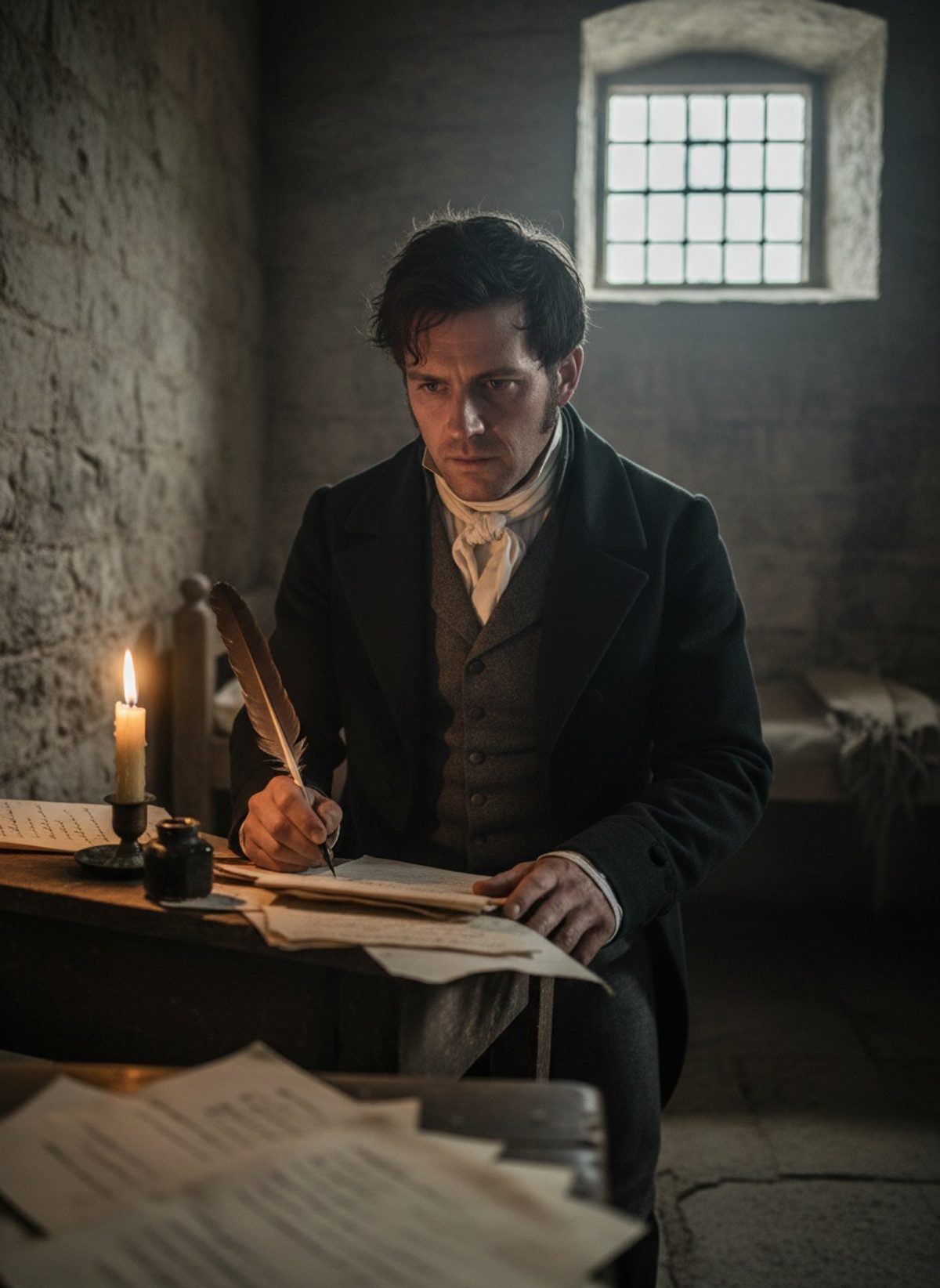
London, 1829. Edward Gibbon Wakefield sat in Newgate Prison. Disgraced. Forgotten. He began writing. His pamphlet redesigned how Britain would colonise the world. South Australia rose from those pages.
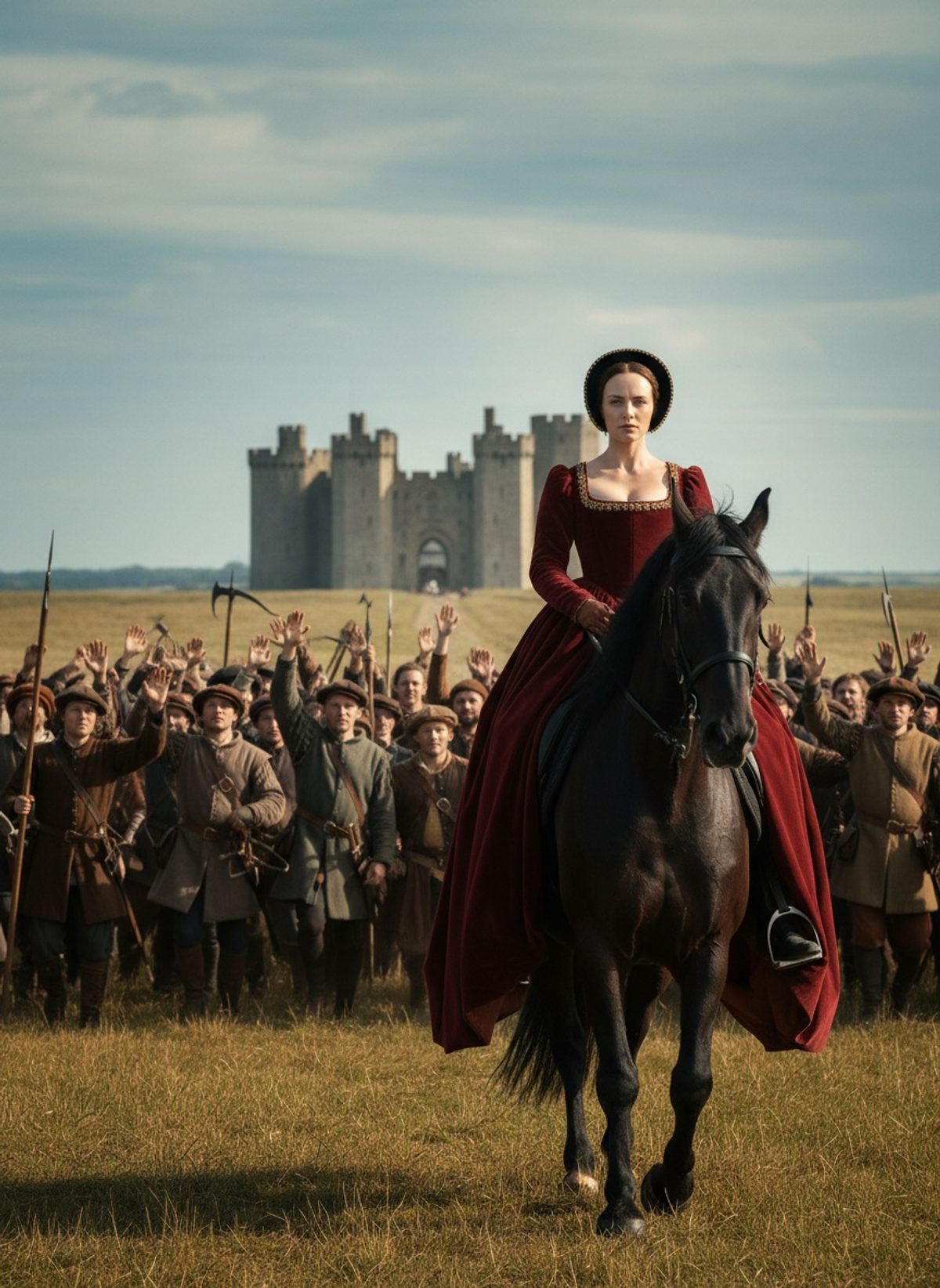
August 1553. Mary Tudor had no throne. No army. No ally. She rode to Framlingham Castle alone. Ten thousand soldiers defected to her side. England had its first queen regnant.
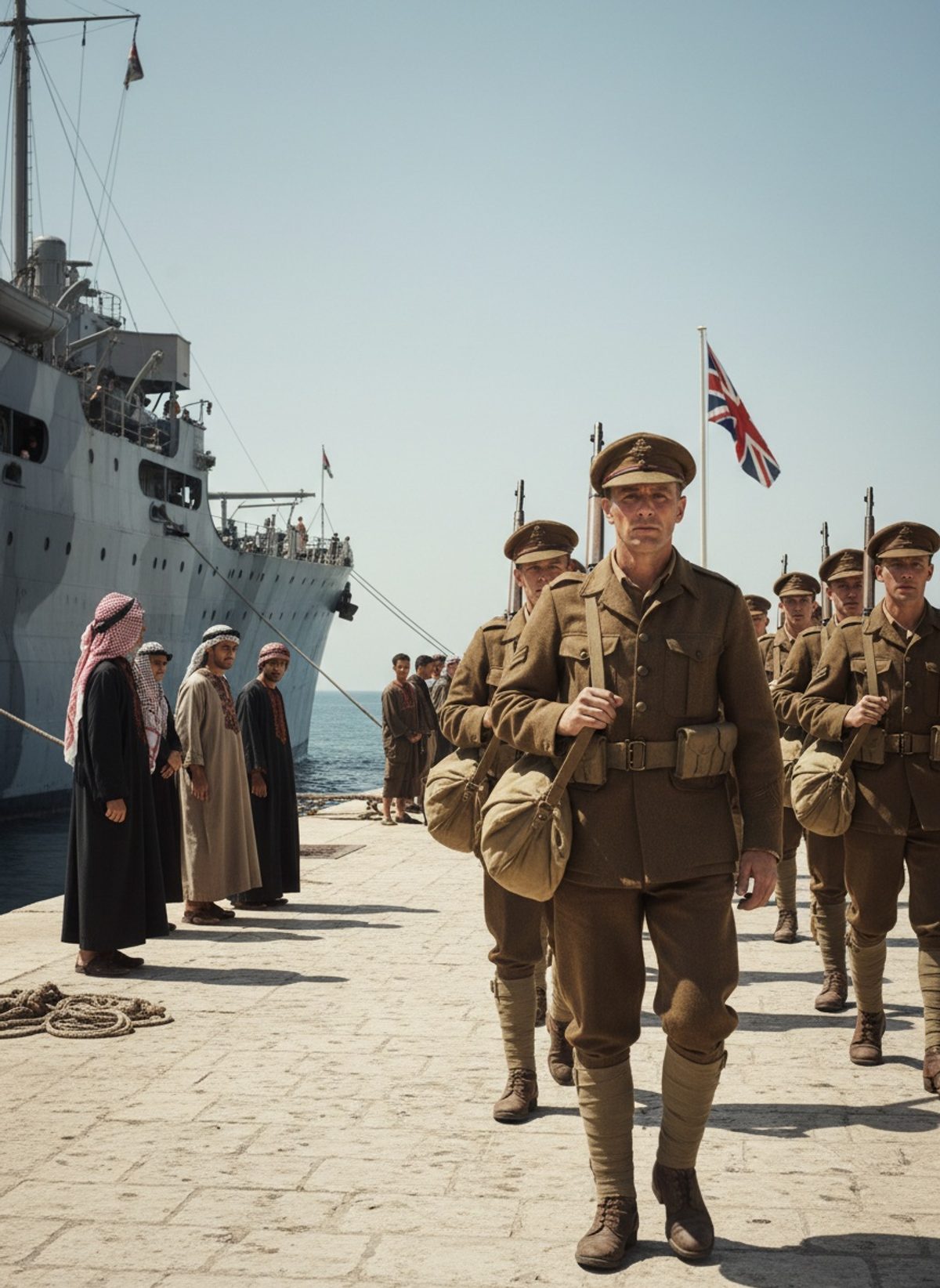
May 1948. The British Mandate in Palestine was ending. At Haifa port, the last soldiers of the King waited to board. A Union Jack came down one final time. No ceremony. No cheers. Just silence.
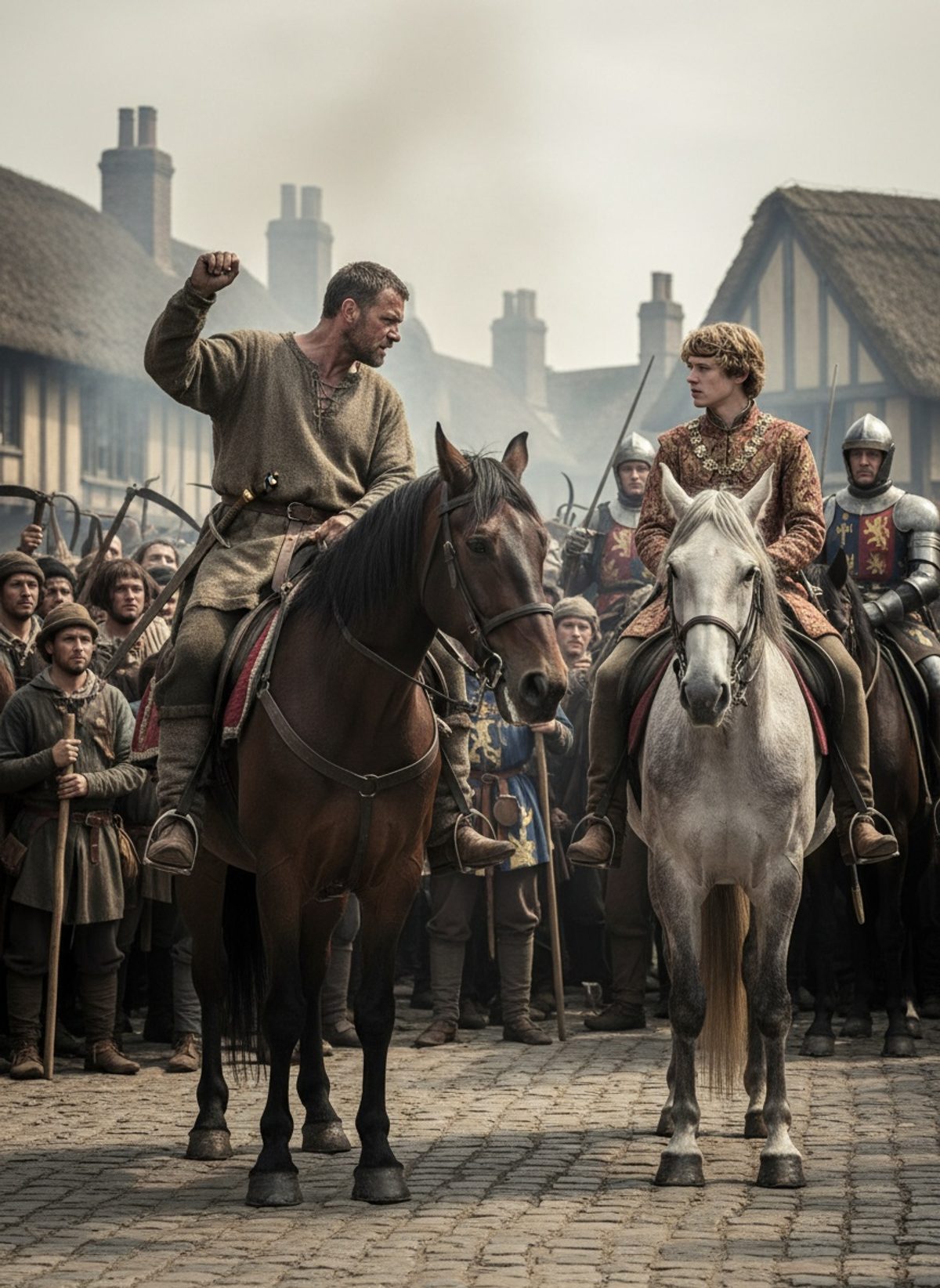
June 1381. A peasant army had seized London. Wat Tyler rode forward to meet the boy king Richard II. One city. One confrontation. One moment that shook England forever.
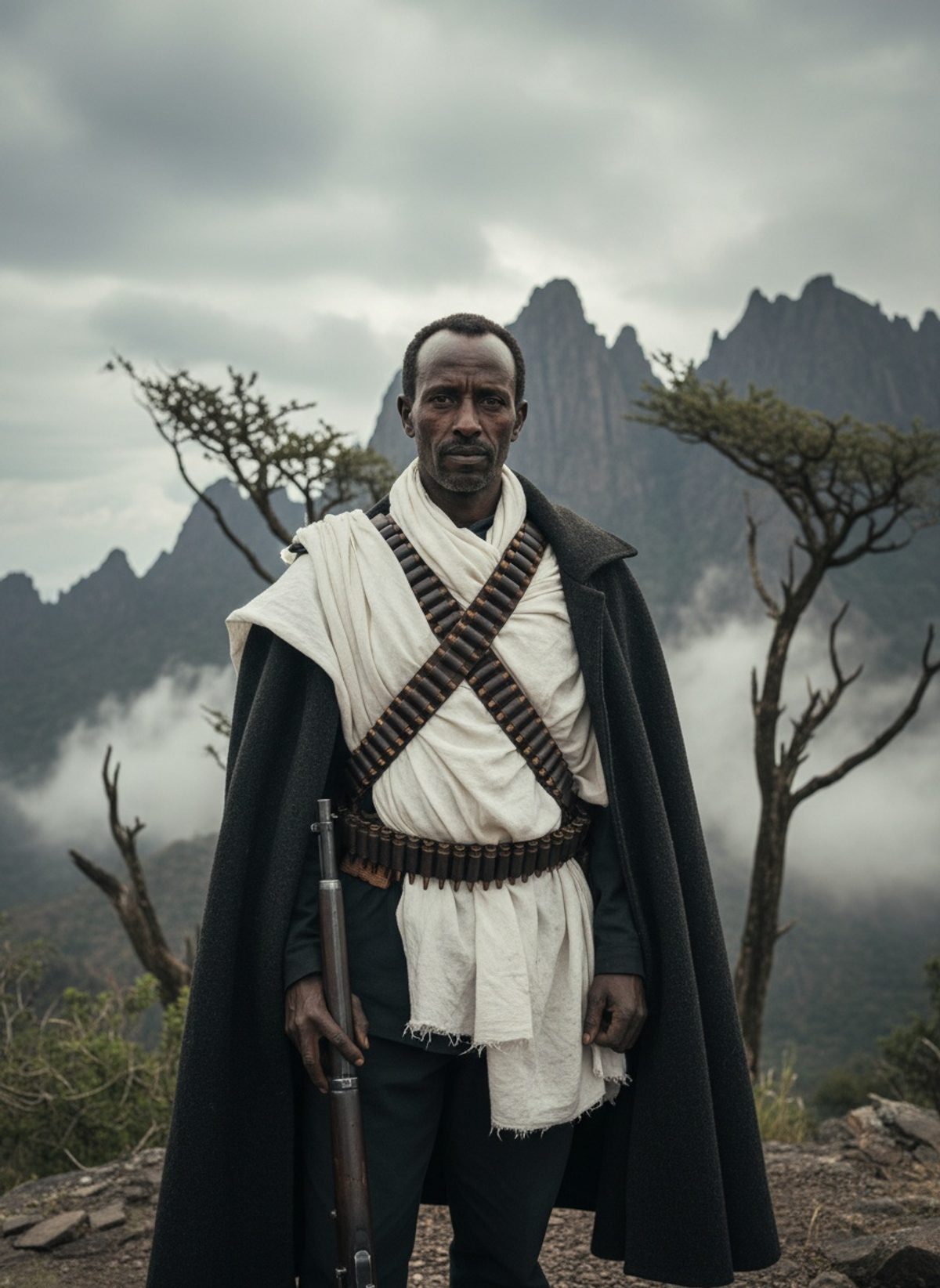
1936. Italy occupied Ethiopia. Every warlord submitted. Abebe Aregai did not. For five years he fought from the mountains. Alone. Forgotten. He never stopped.
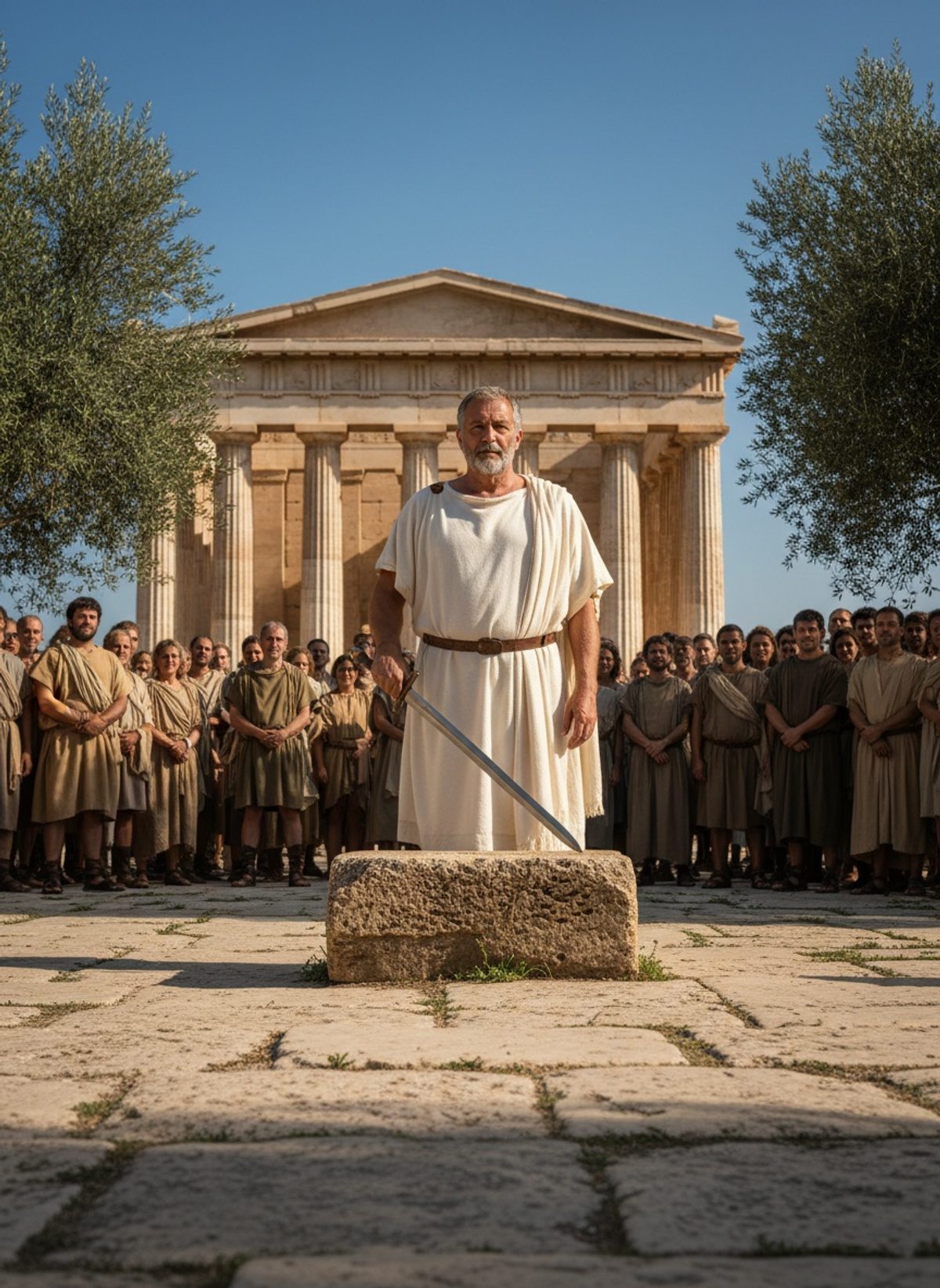
344 BC. Syracuse was enslaved by a tyrant. Timoleon sailed from Corinth with a thousand men. He freed the city. Then he destroyed his own power before it could corrupt him.
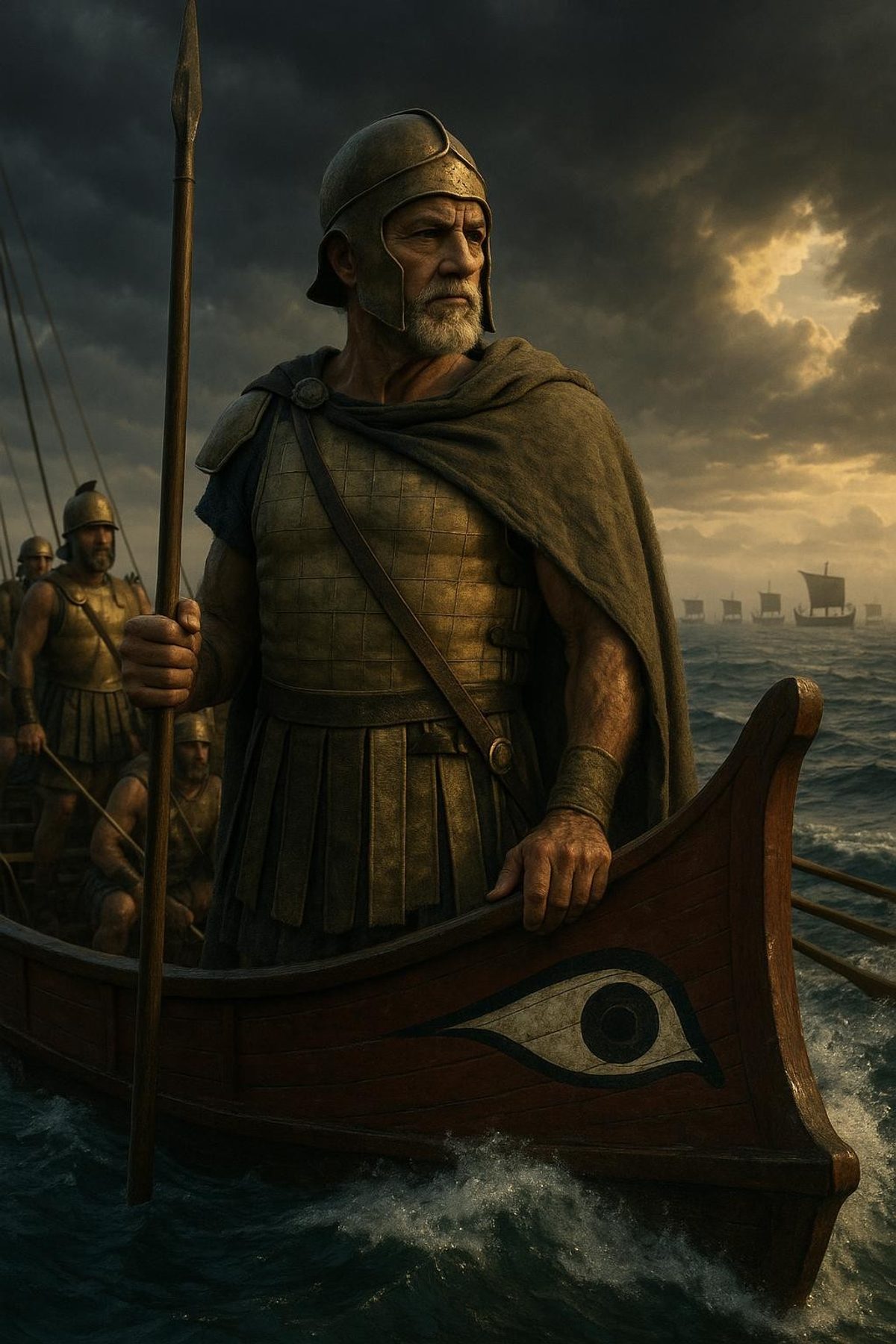
480 BC. The Persian fleet was enormous. Themistocles needed time. One Athenian admiral held the straits at Artemisium for three days. His name was Eurybiades. He was Spartan. He obeyed an Athenian. Greece survived.
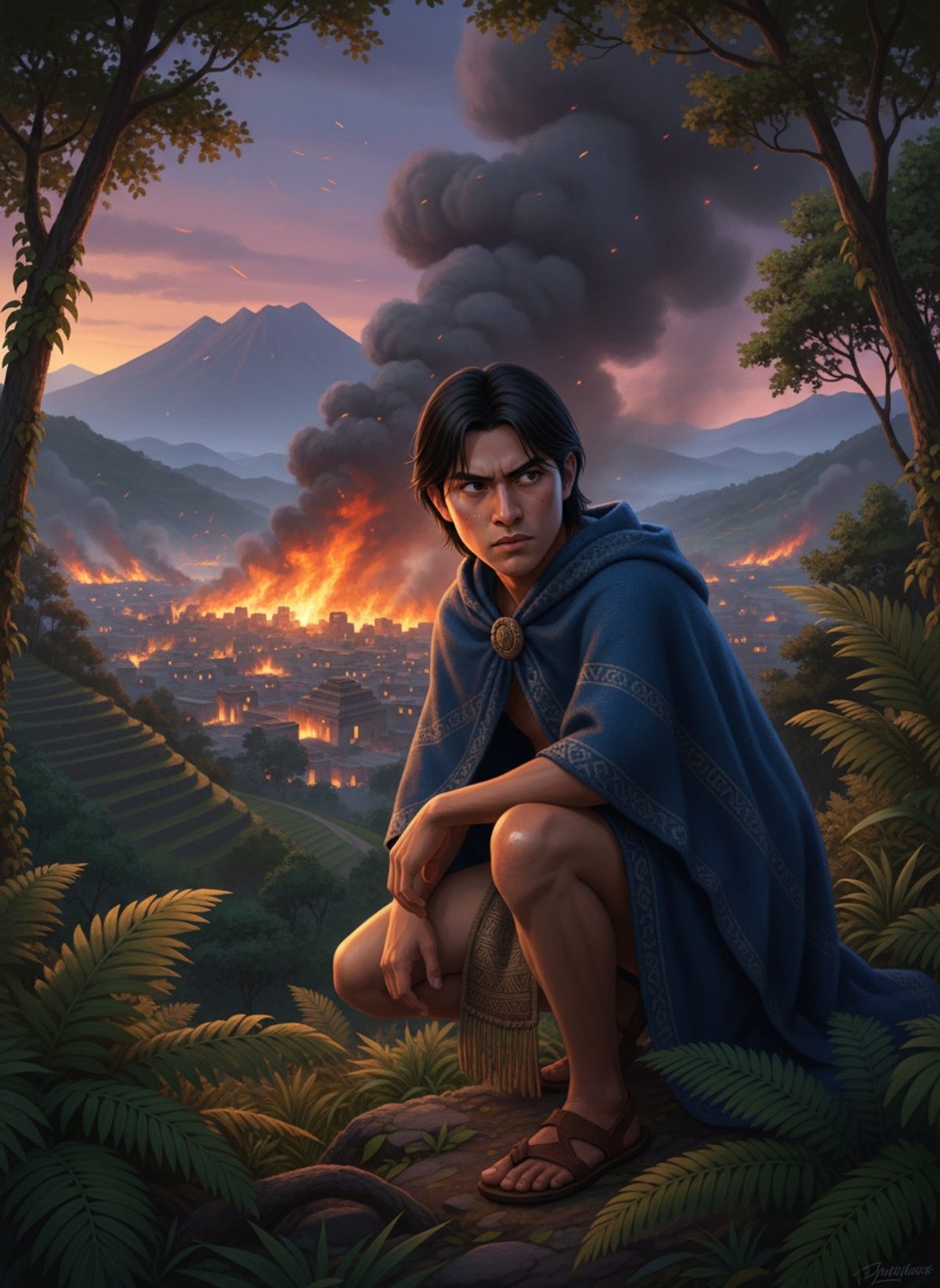
1418. Tezozomoc of Azcapotzalco destroyed Texcoco. The king was dead. Every heir was hunted. One teenage prince fled into the hills alone. His name was Nezahualcoyotl. He would come back.
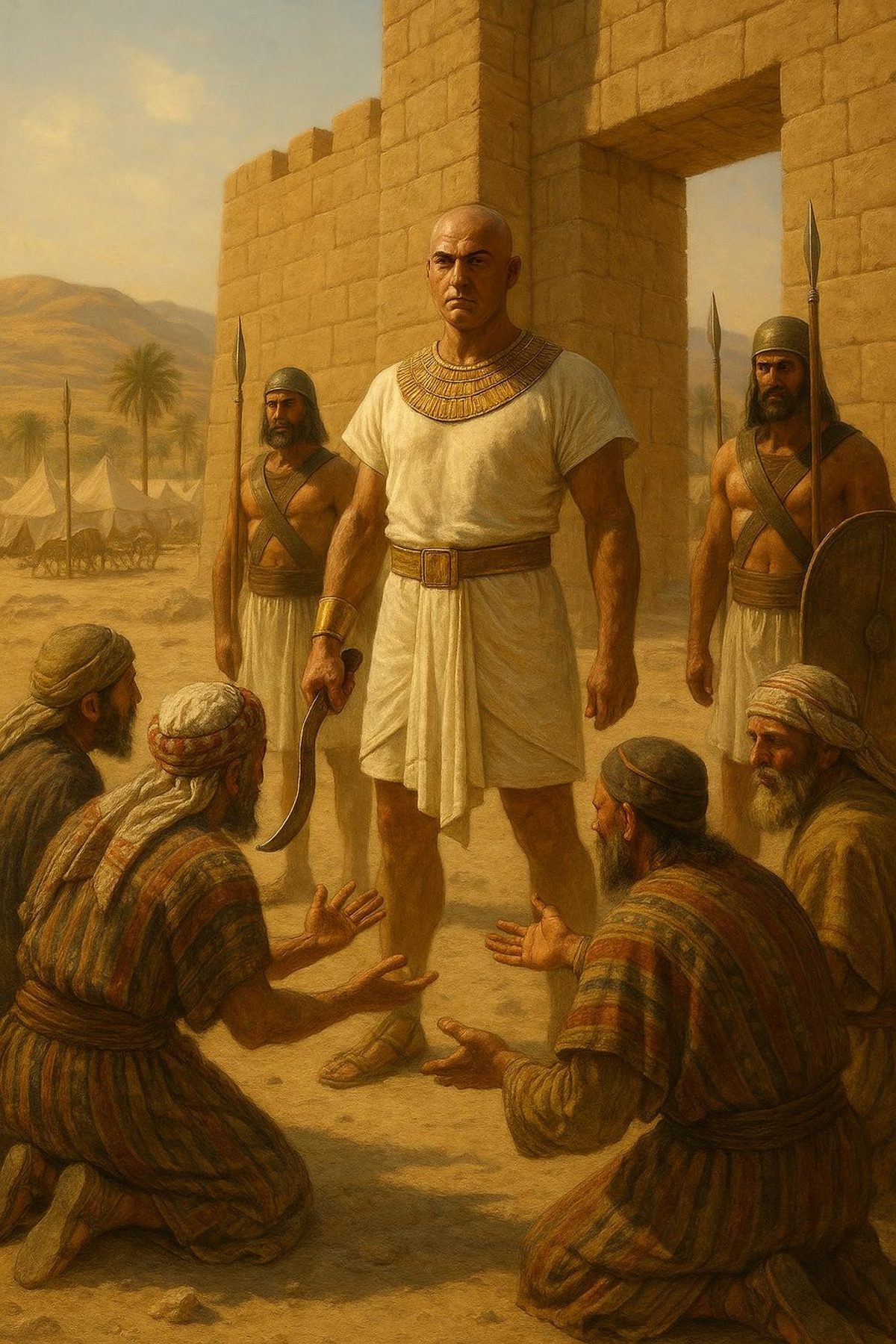
1457 BC. The city of Megiddo was surrounded. The chiefs inside had one choice. Surrender or starve. One by one, they appeared at the gates. They knelt. Egypt let them live.
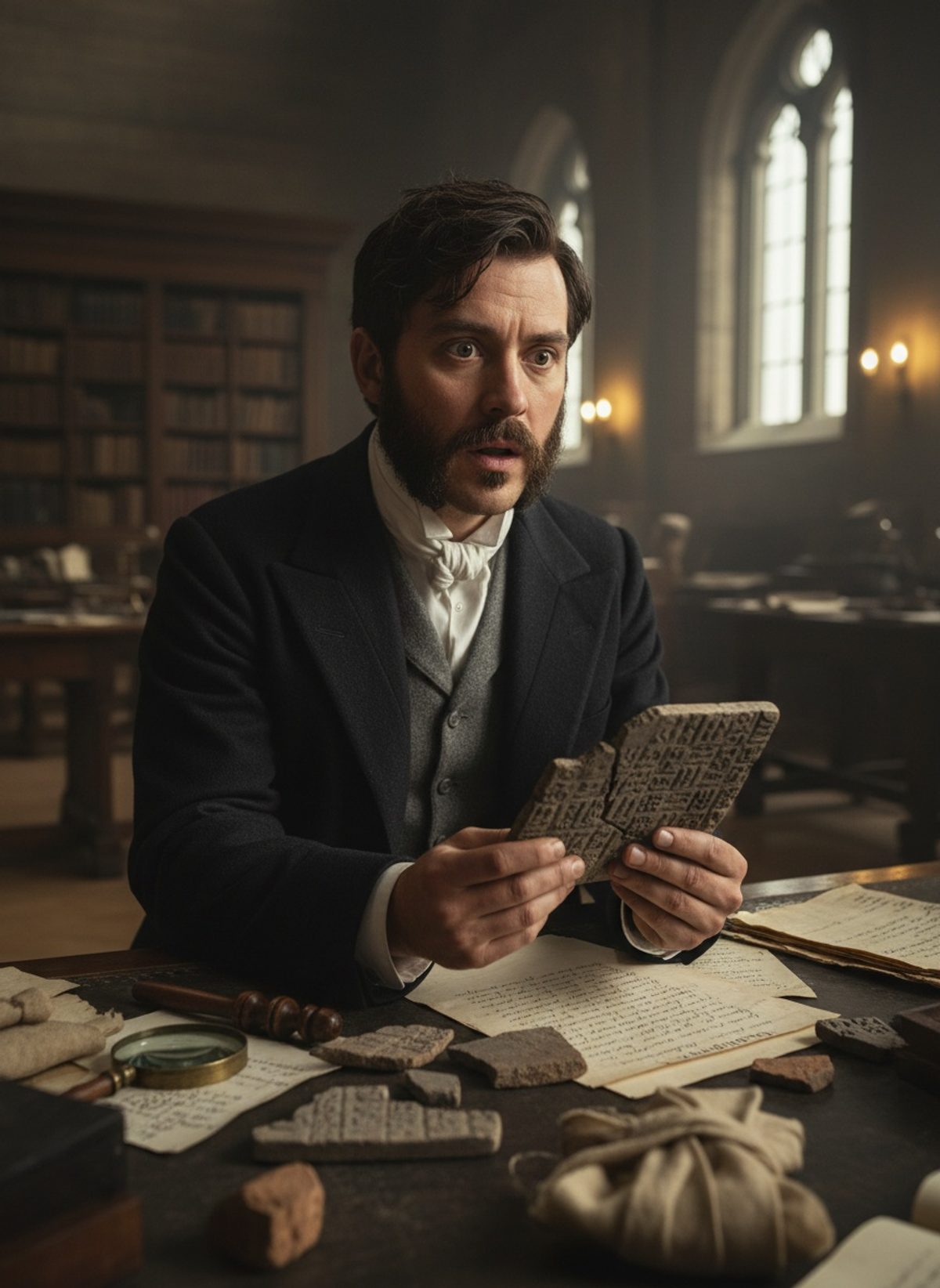
1872. A clay tablet. Three thousand years old. George Smith read it. His hands shook. It described a flood. A boat. A dove. The story existed before the Bible. The world held its breath.
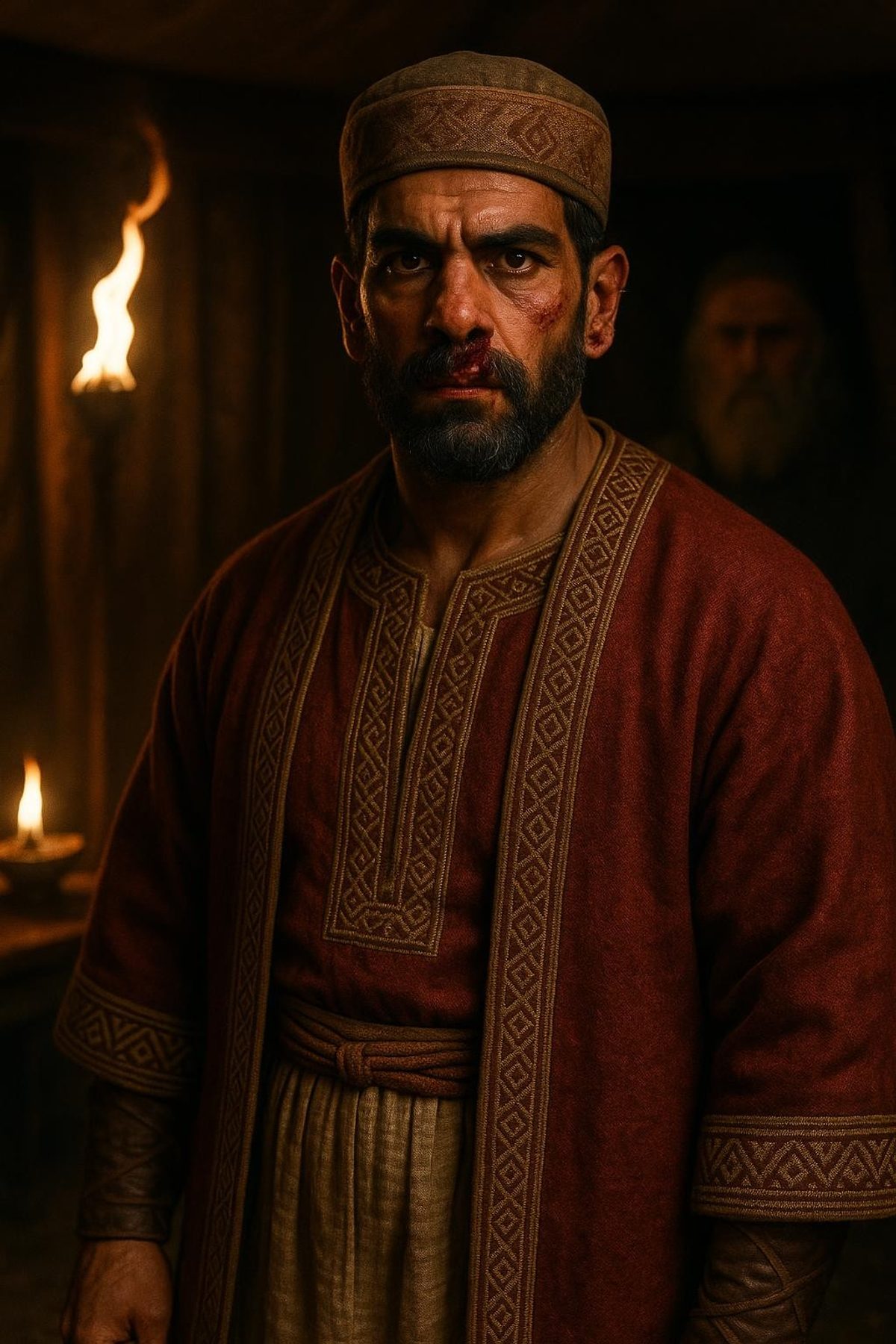
519 BCE. Babylon had revolted against Persia. Darius was furious. One noble walked into the king's tent. His face was destroyed. He had done it himself. He crossed into Babylon as a refugee. They believed him. He opened the gates.
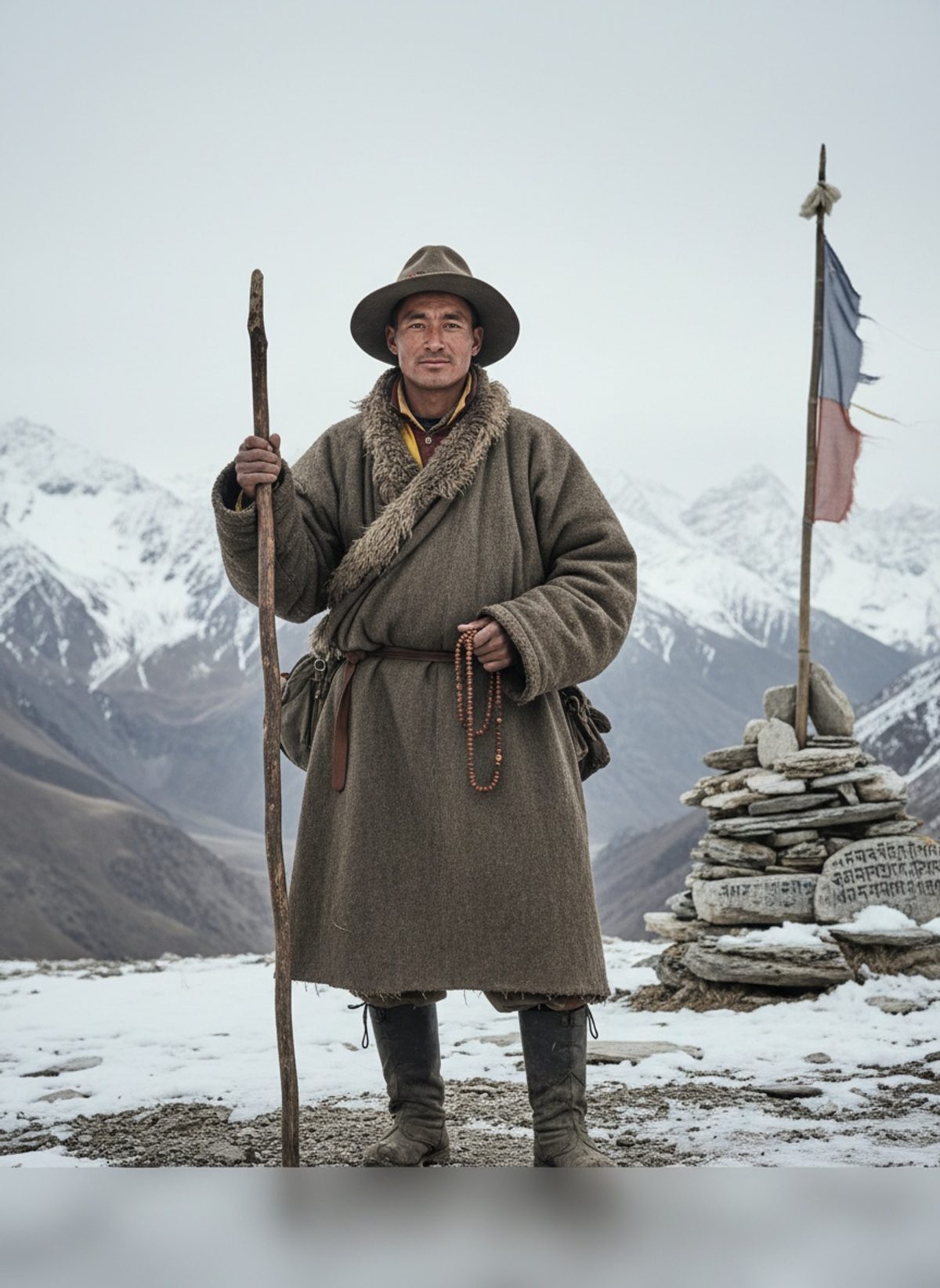
He carried no maps. No instruments. Just prayer beads hiding a compass, and a hollow walking staff concealing a thermometer. Pundit Nain Singh walked 1,200 miles through forbidden Tibet measuring every step.
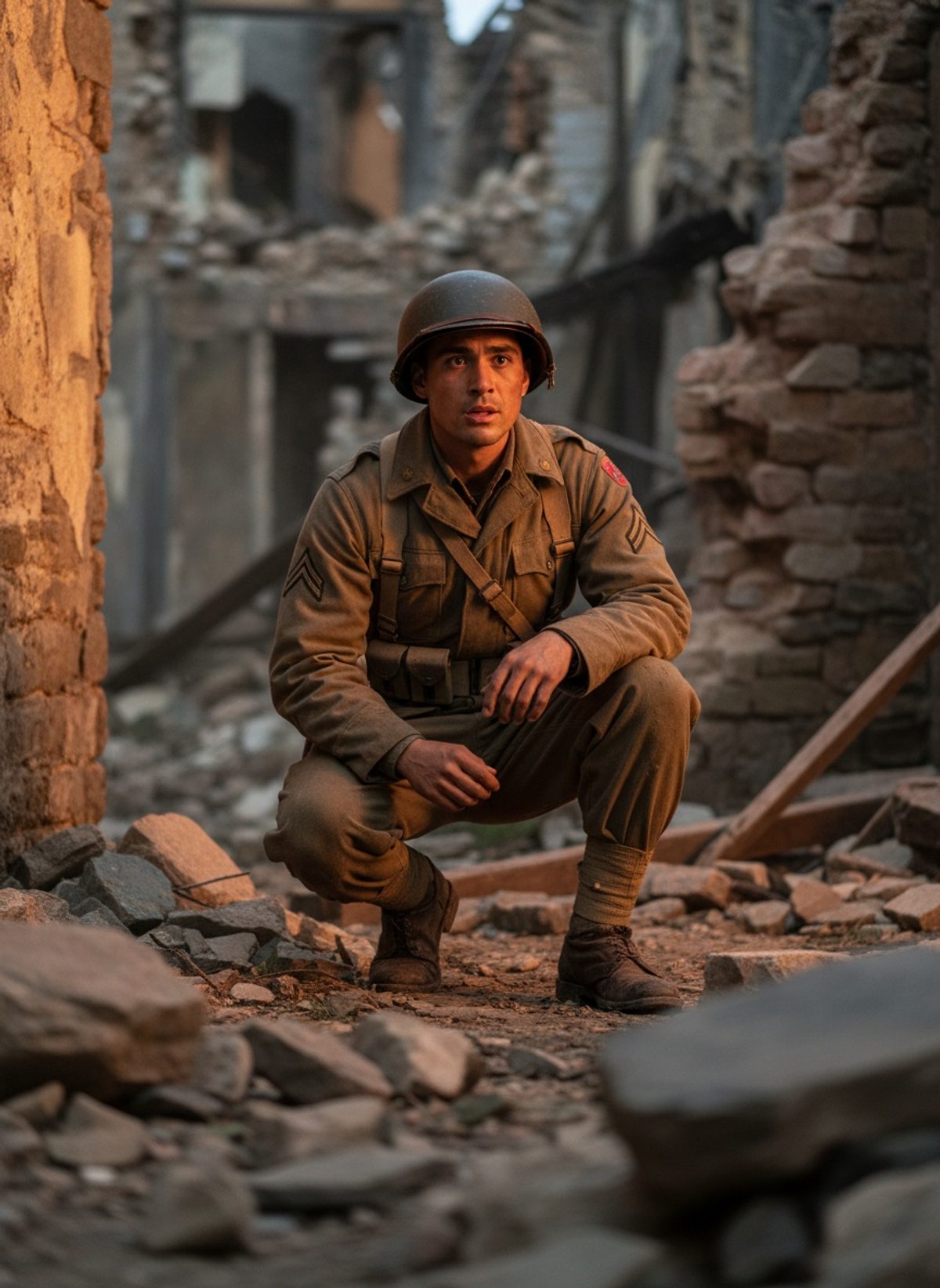
He needed four deeds to become a war chief. He did all four in Europe. In Nazi Germany. In 1945.
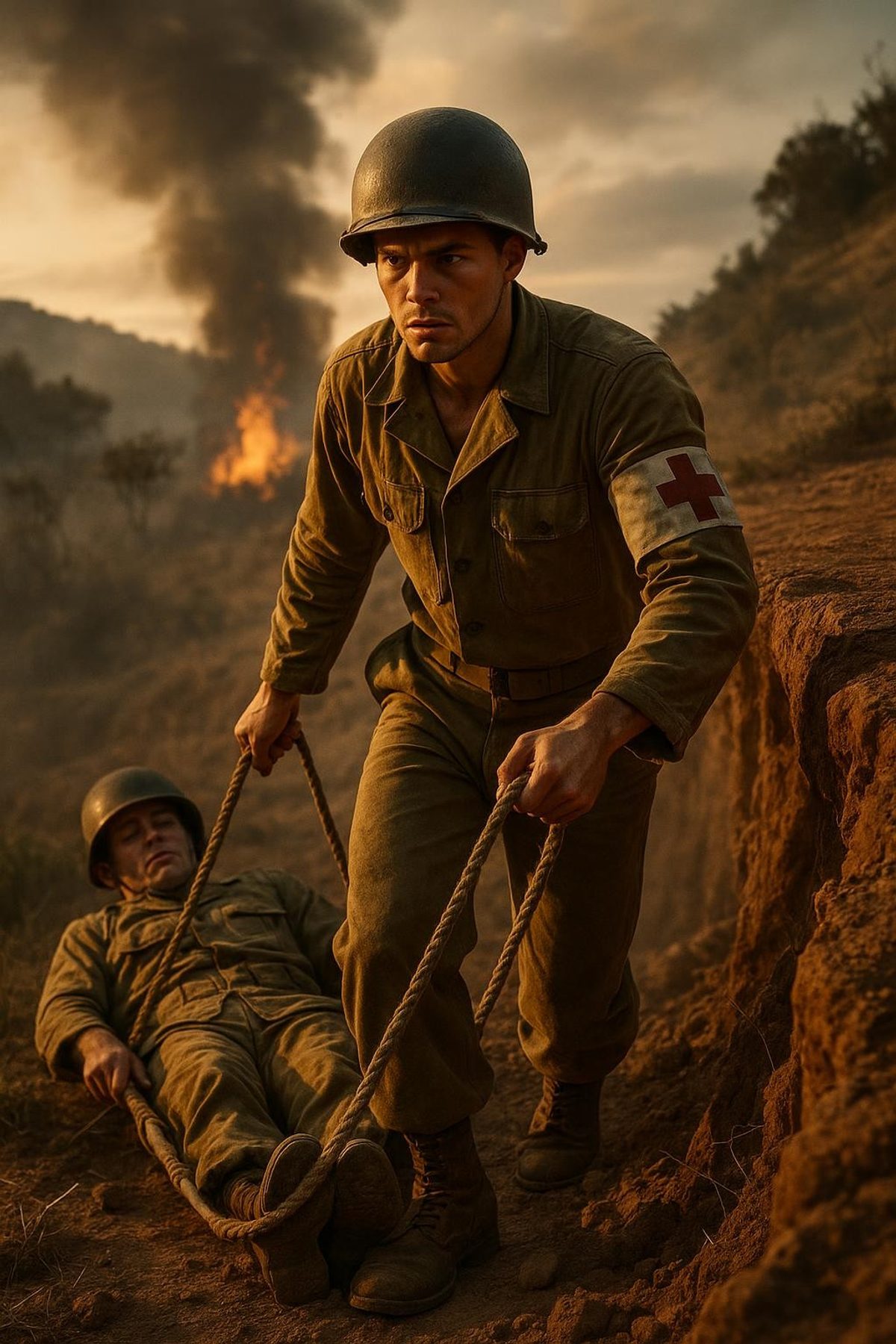
No weapon. No backup. Just rope and faith. Desmond Doss lowered 75 wounded men off a 400-foot cliff under Japanese fire. He prayed the same prayer every time. Lord, let me get one more.
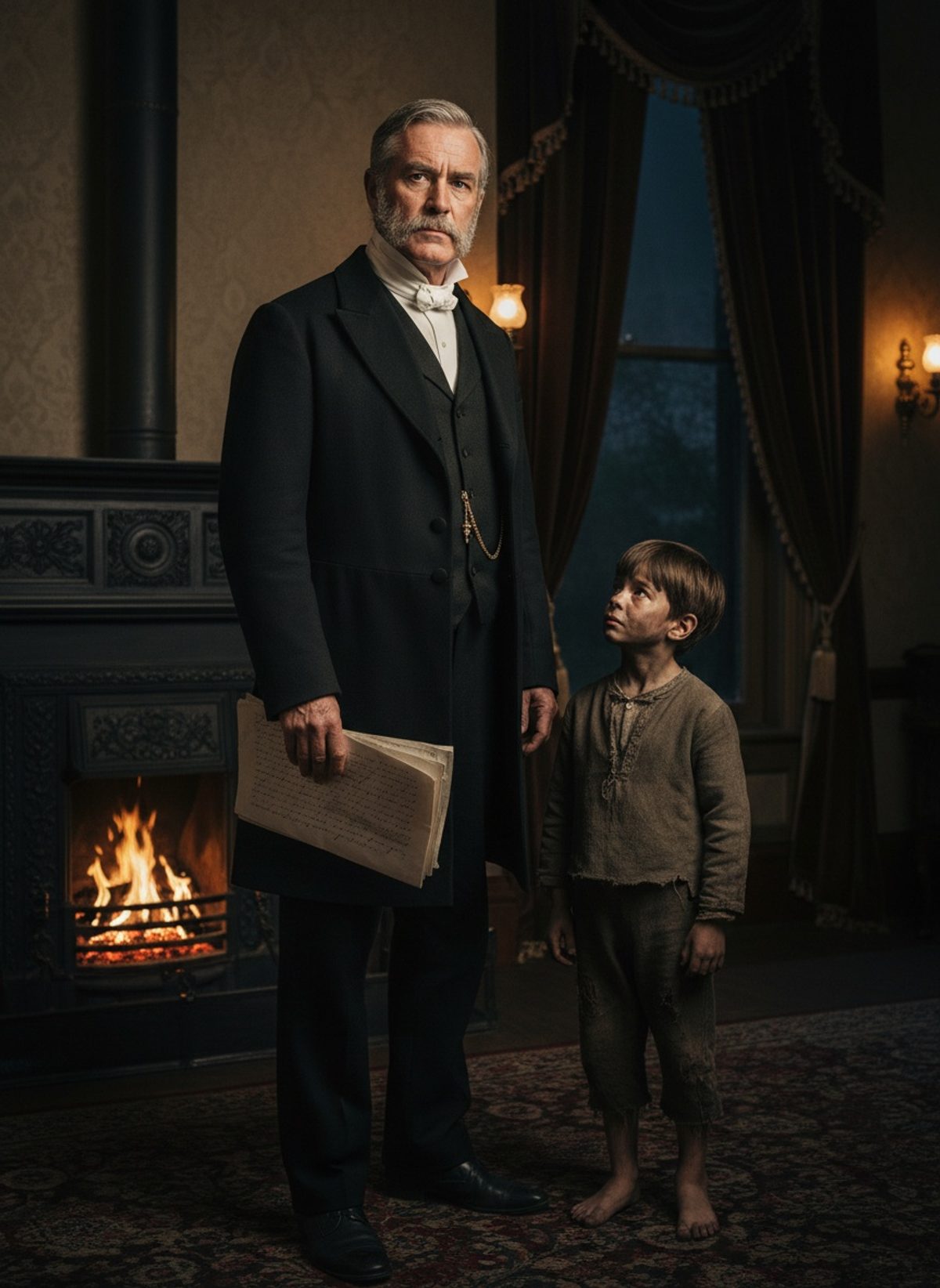
London. 1875. Anthony Ashley Cooper had fought for twenty years. Boys as young as four were still sent up chimneys. Still burning. Still suffocating. One final vote. And it was done.
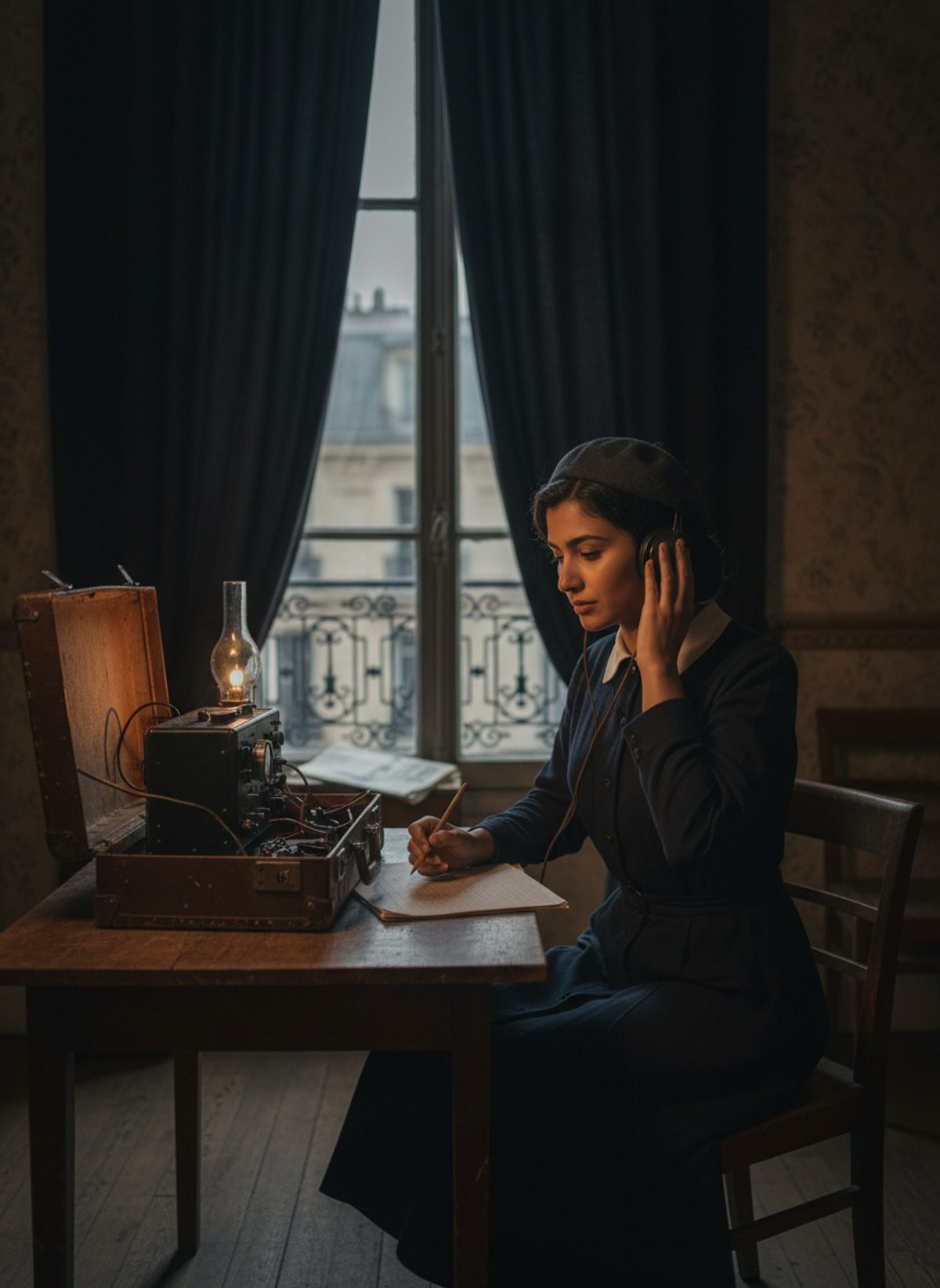
She was a pacifist. A children's author. A princess of Indian Sufi royalty. Britain sent her into occupied Paris anyway — as its last wireless operator alive. She refused to come home.
Hand-picked from Britain Untold's archive. The stories you weren't taught at school. 3-minute read.
No spam. Unsubscribe in one click. We hate spam too. Privacy Policy.