73 stories
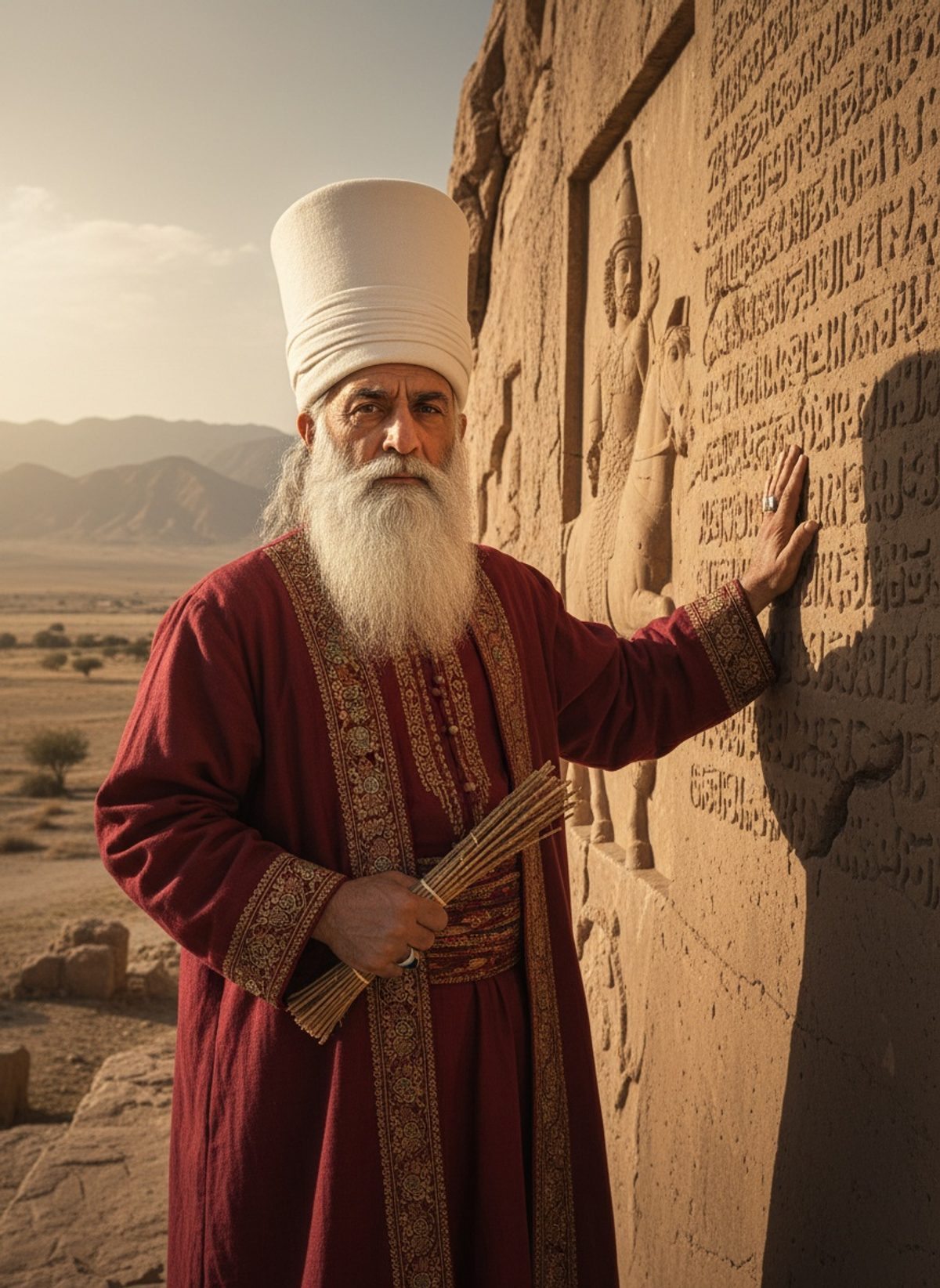
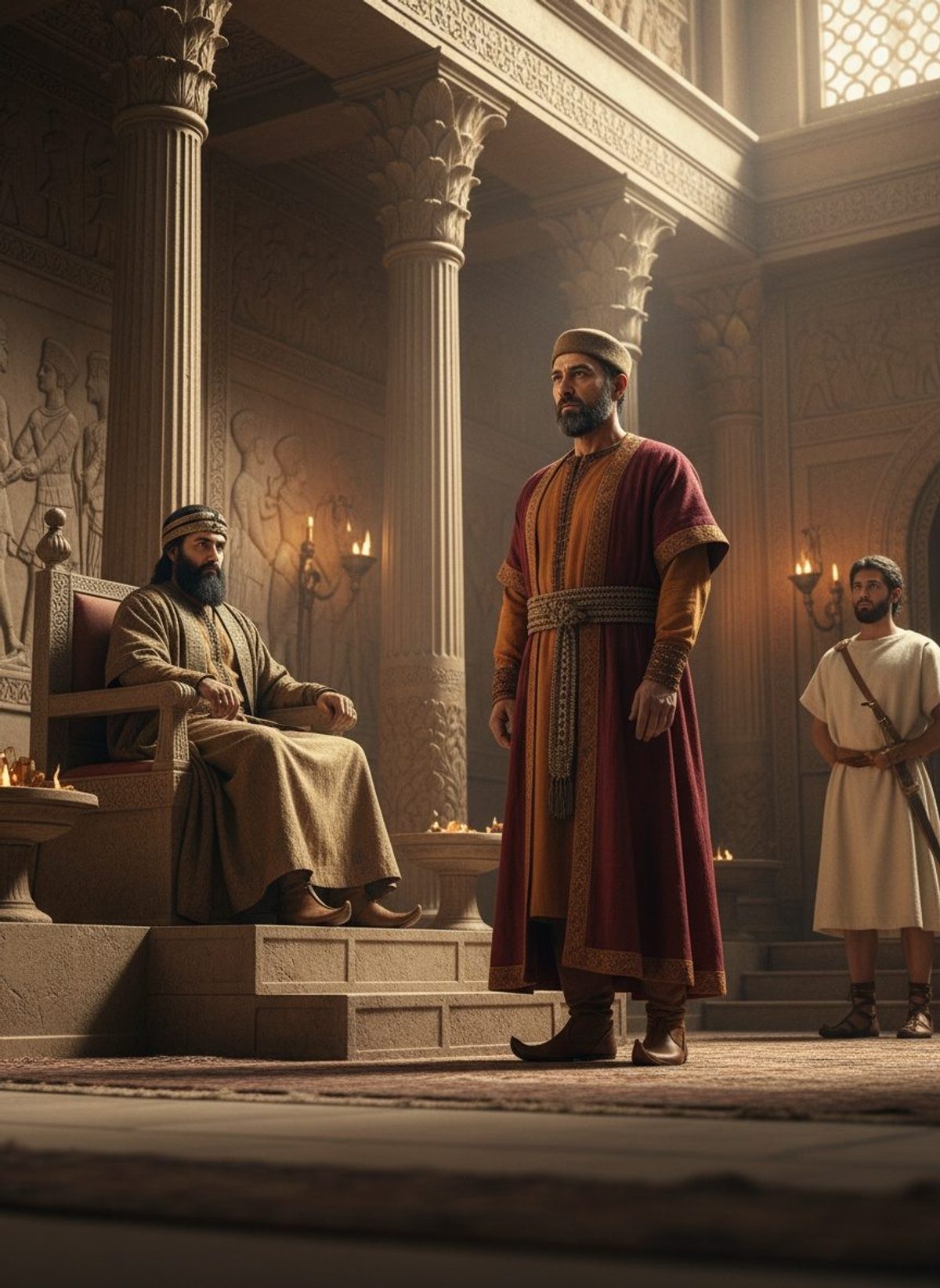
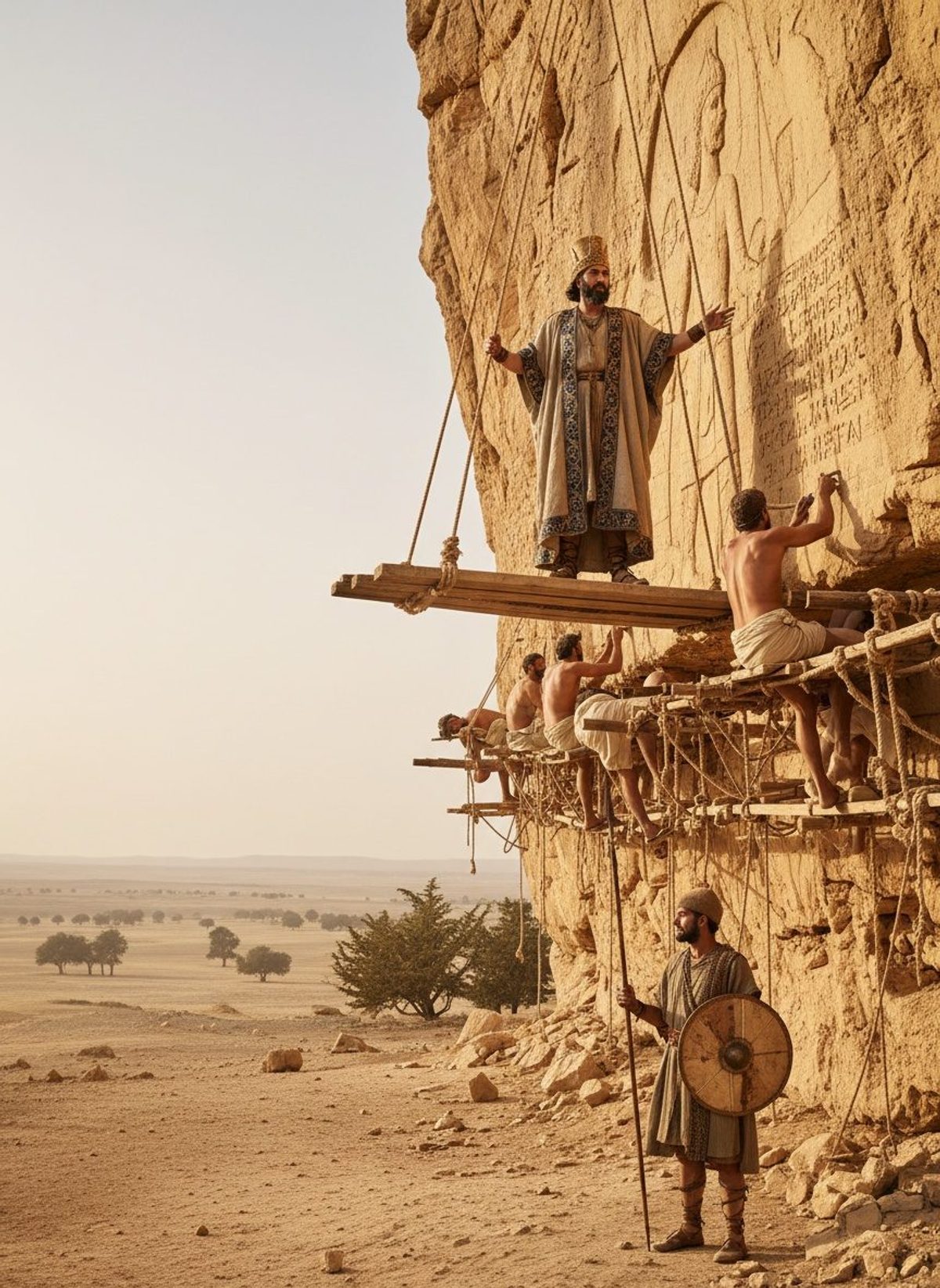
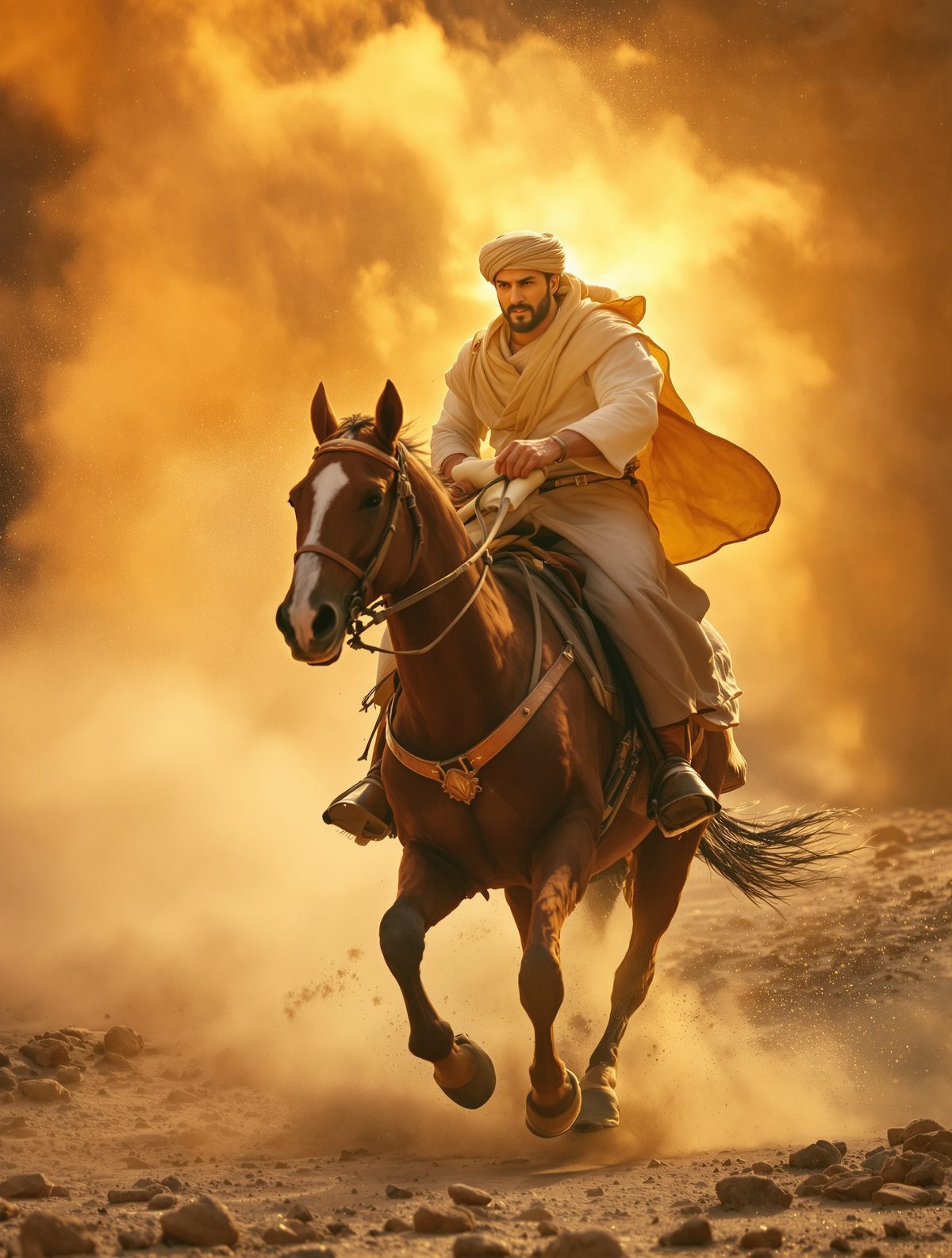
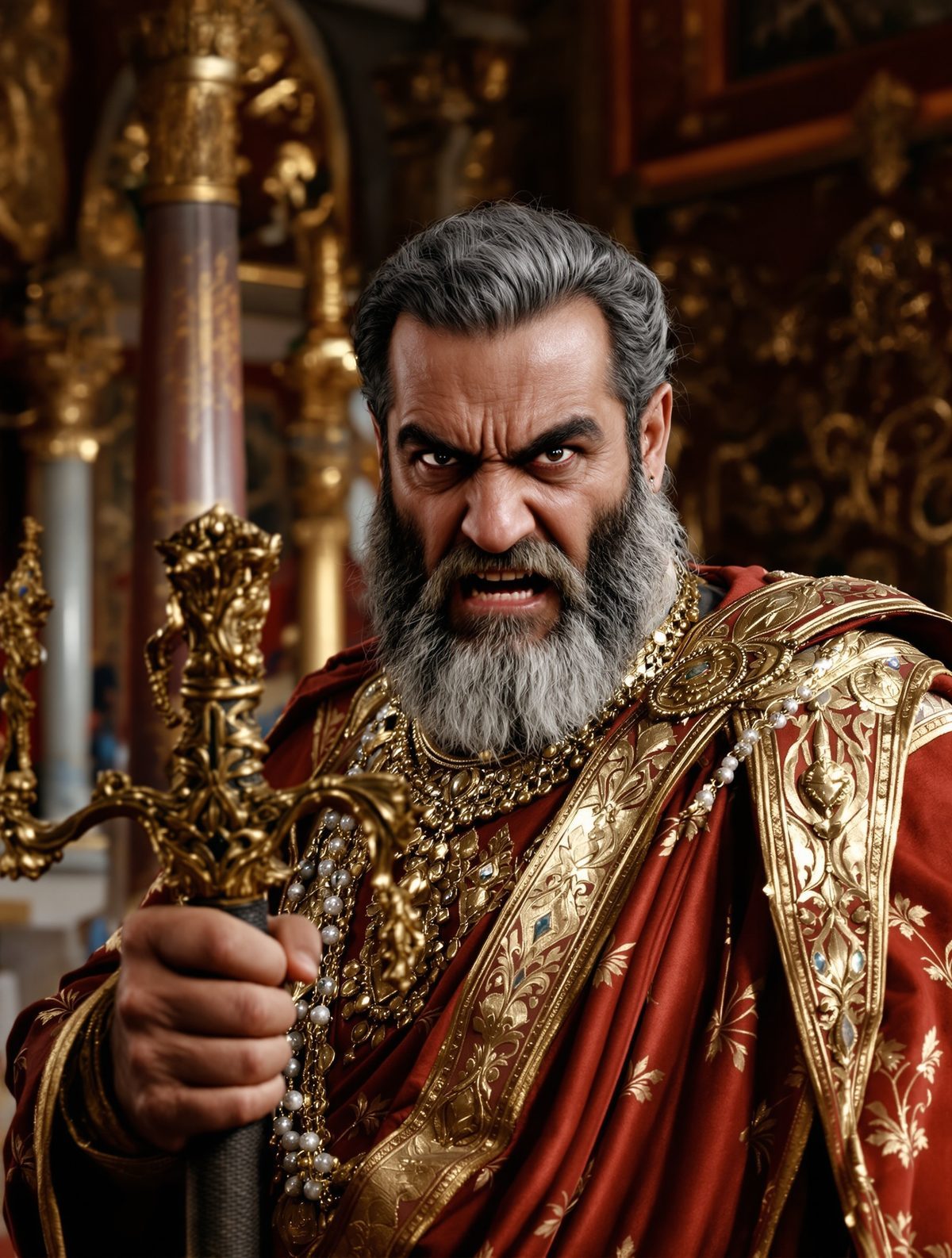
270 AD. Kartir was a priest. Not a king. Not a general. But he carved his deeds into the rock face at Naqsh-e Rostam. Beside the tombs of emperors. He had outlasted four shahs. And every one had obeyed him.
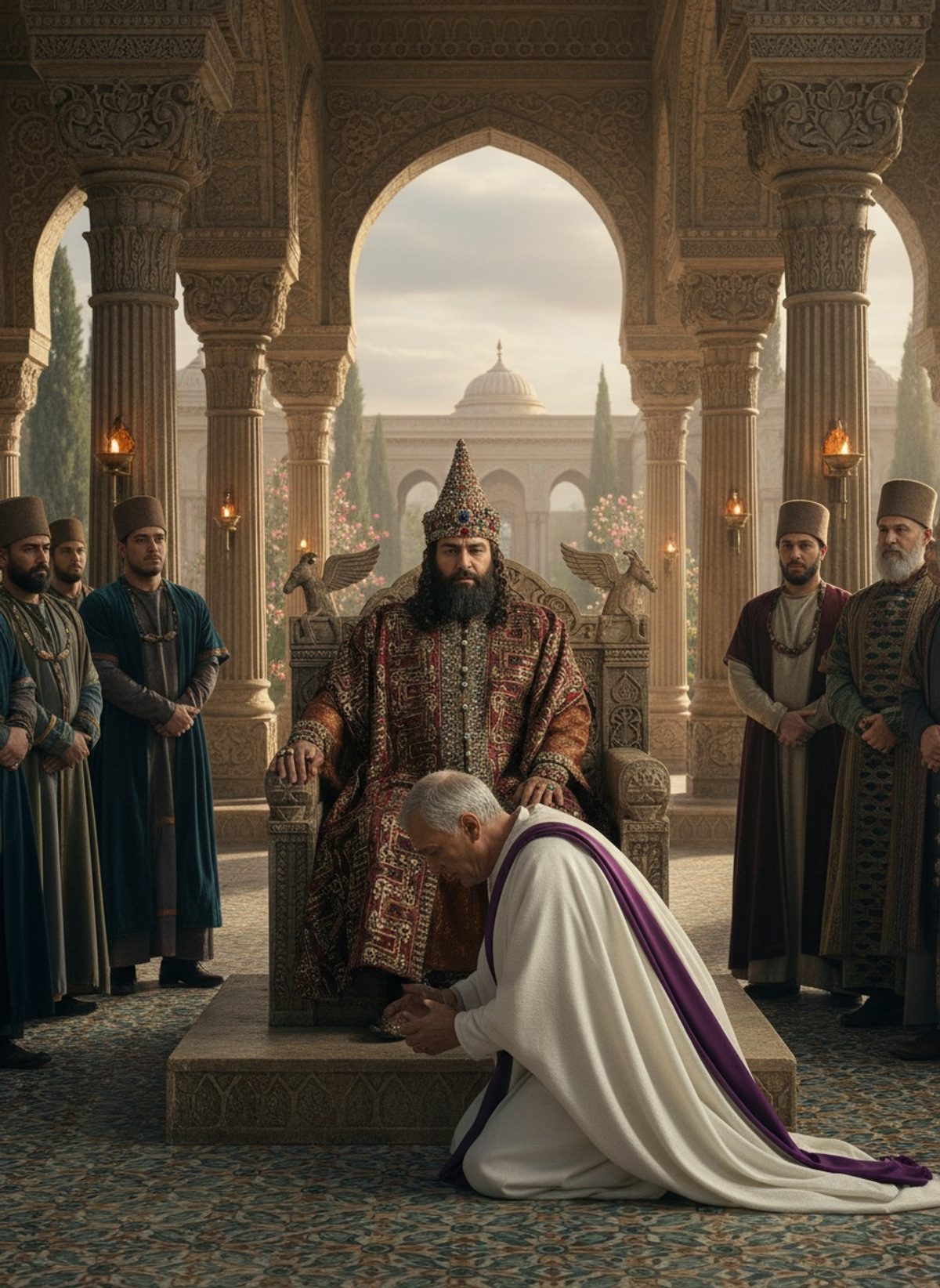
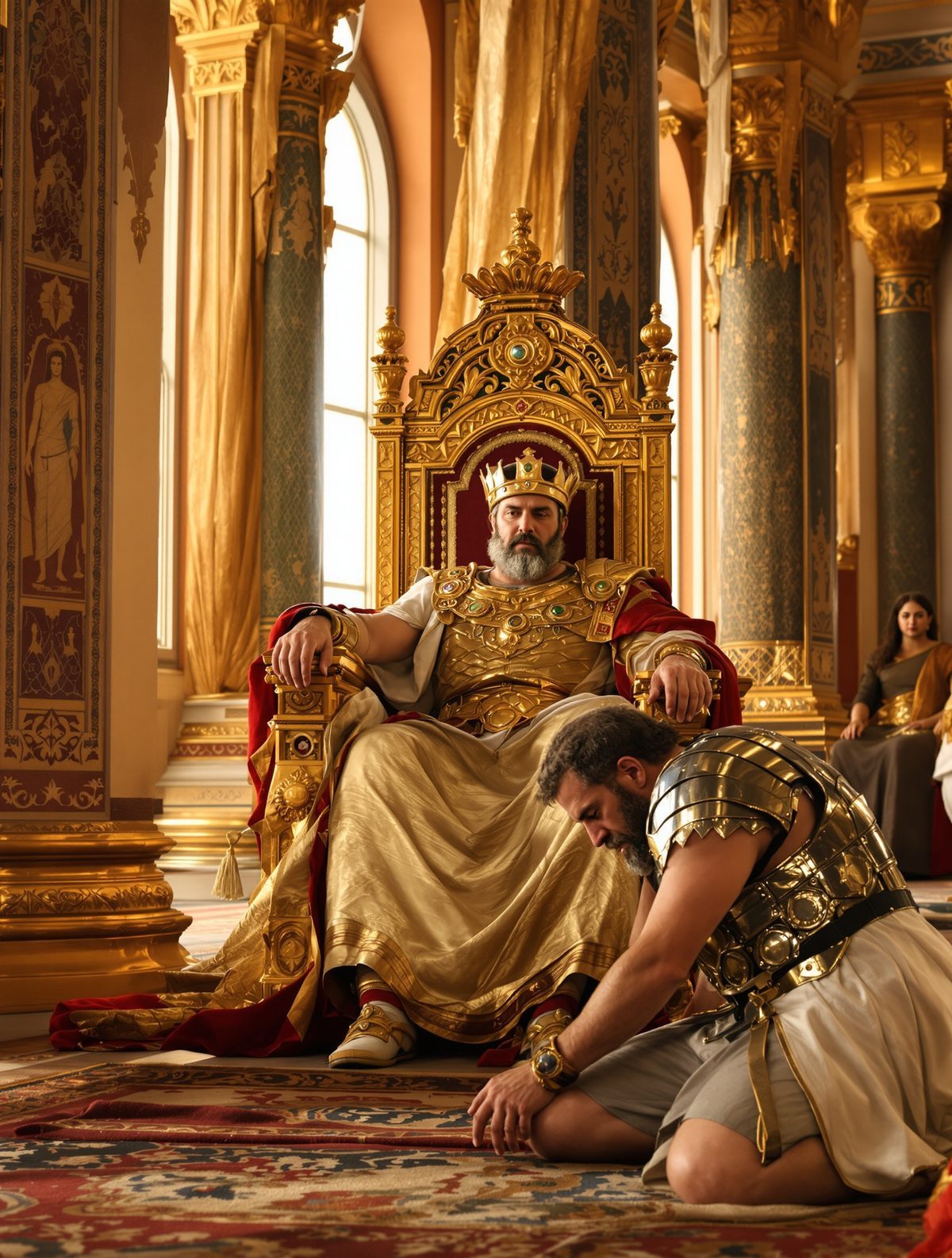
260 AD. The unthinkable happened. Rome's Emperor Valerian rode to battle against Persia. He was captured alive. No Roman emperor had ever been taken prisoner. Shapur could have executed him. He did not.
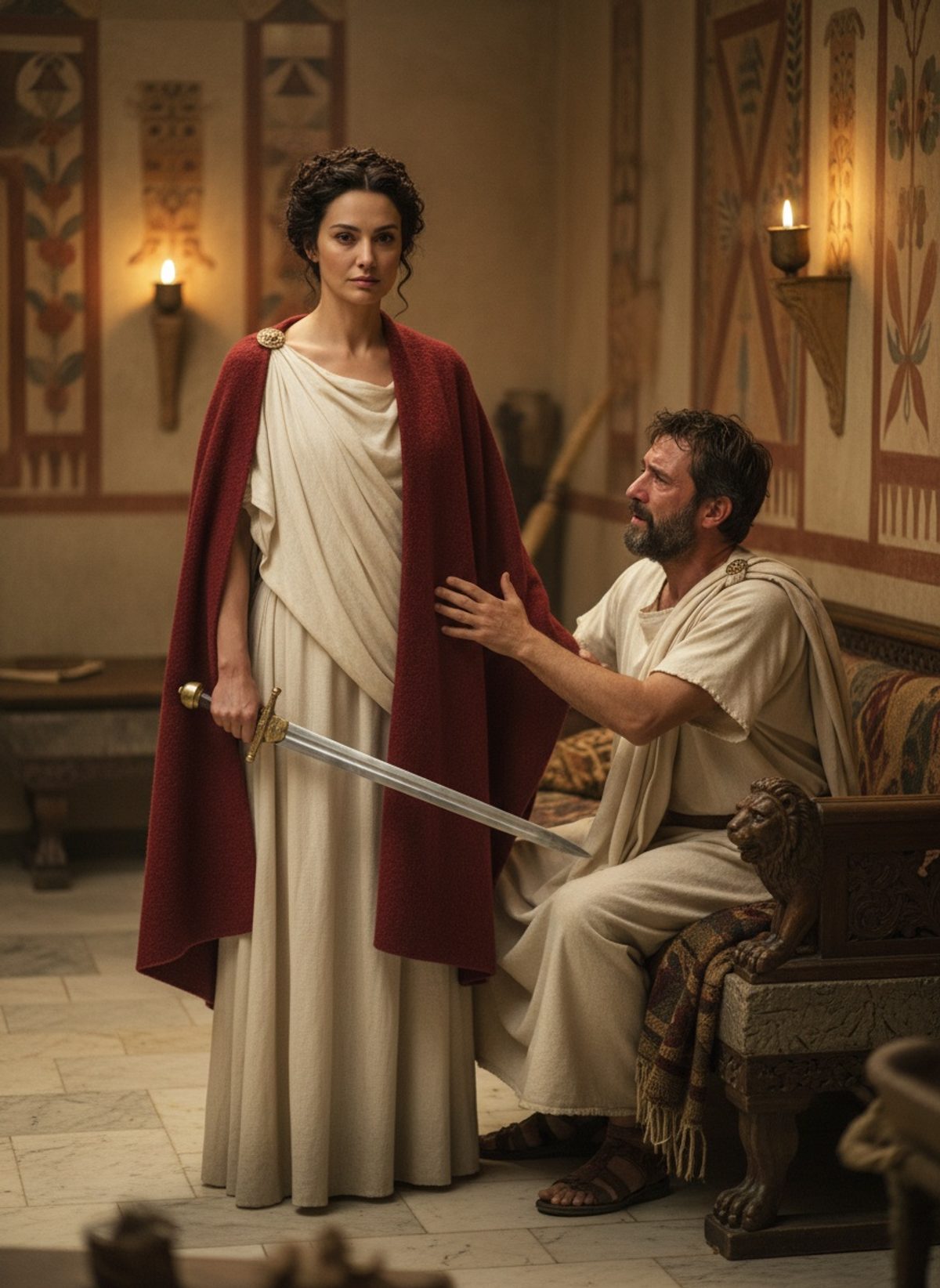
Rome, 42 AD. Her husband Paetus faced execution for treason. The sword was in her hands. She drove it into her own chest. Pulled it free. Handed it to him. 'Paete, non dolet,' she said. It does not hurt.
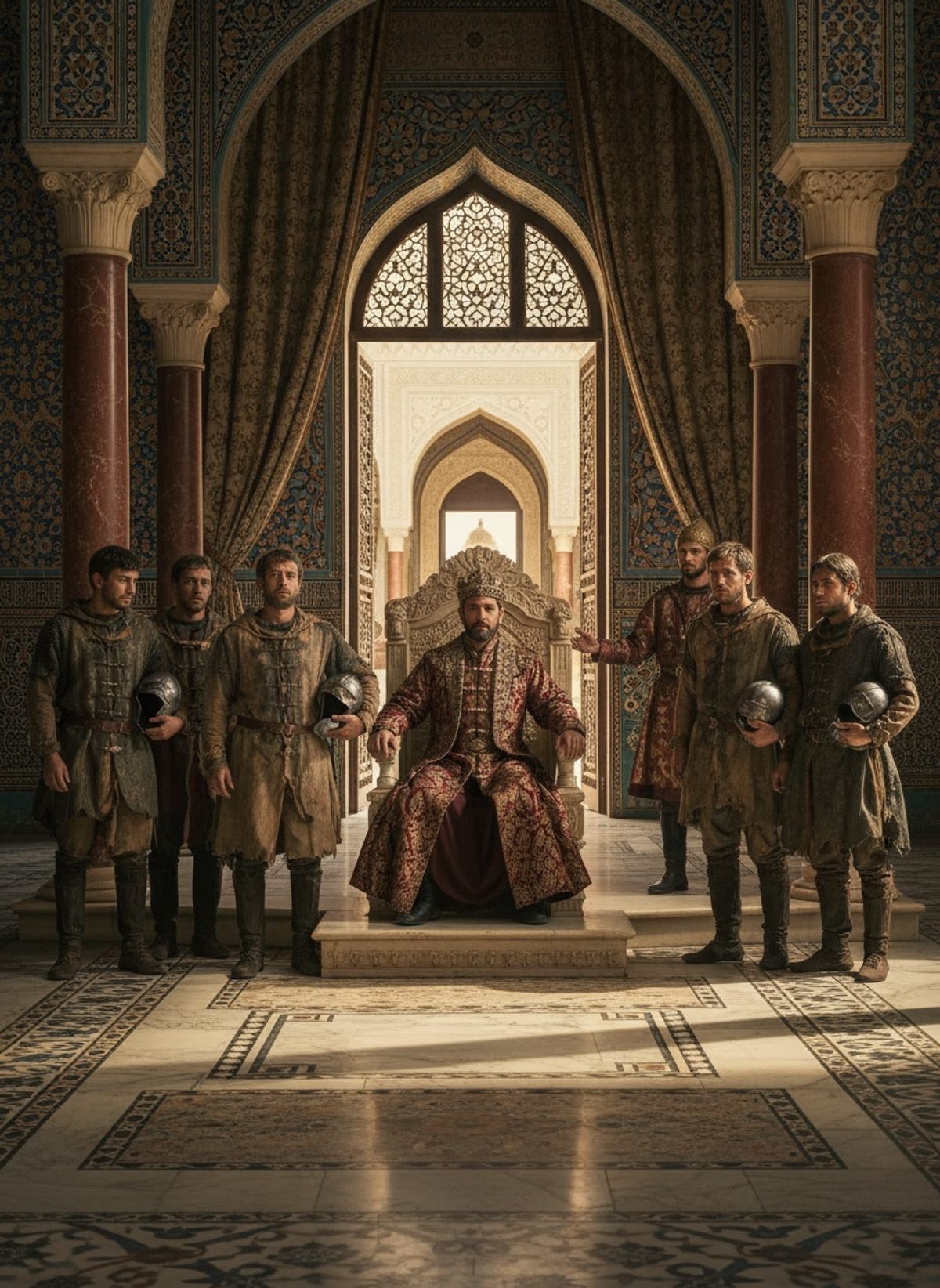
602 AD. The Sasanian Empire stood at its greatest reach. Khosrow II held thousands of Roman prisoners taken in years of war. Then, in one act, he ordered them all freed. No ransom. No conditions. He sent them home.
Sixth century Persia. King Khosrow I ordered a hospital built at Gundeshapur. Physicians trained there. No payment was asked. Rich and poor were treated alike. It became the greatest medical centre in the ancient world.
445 BC. Nehemiah served the Persian king's table. He heard his city lay in ruins. He wept. He asked for nothing but safe passage. Artaxerxes gave him an army escort instead.
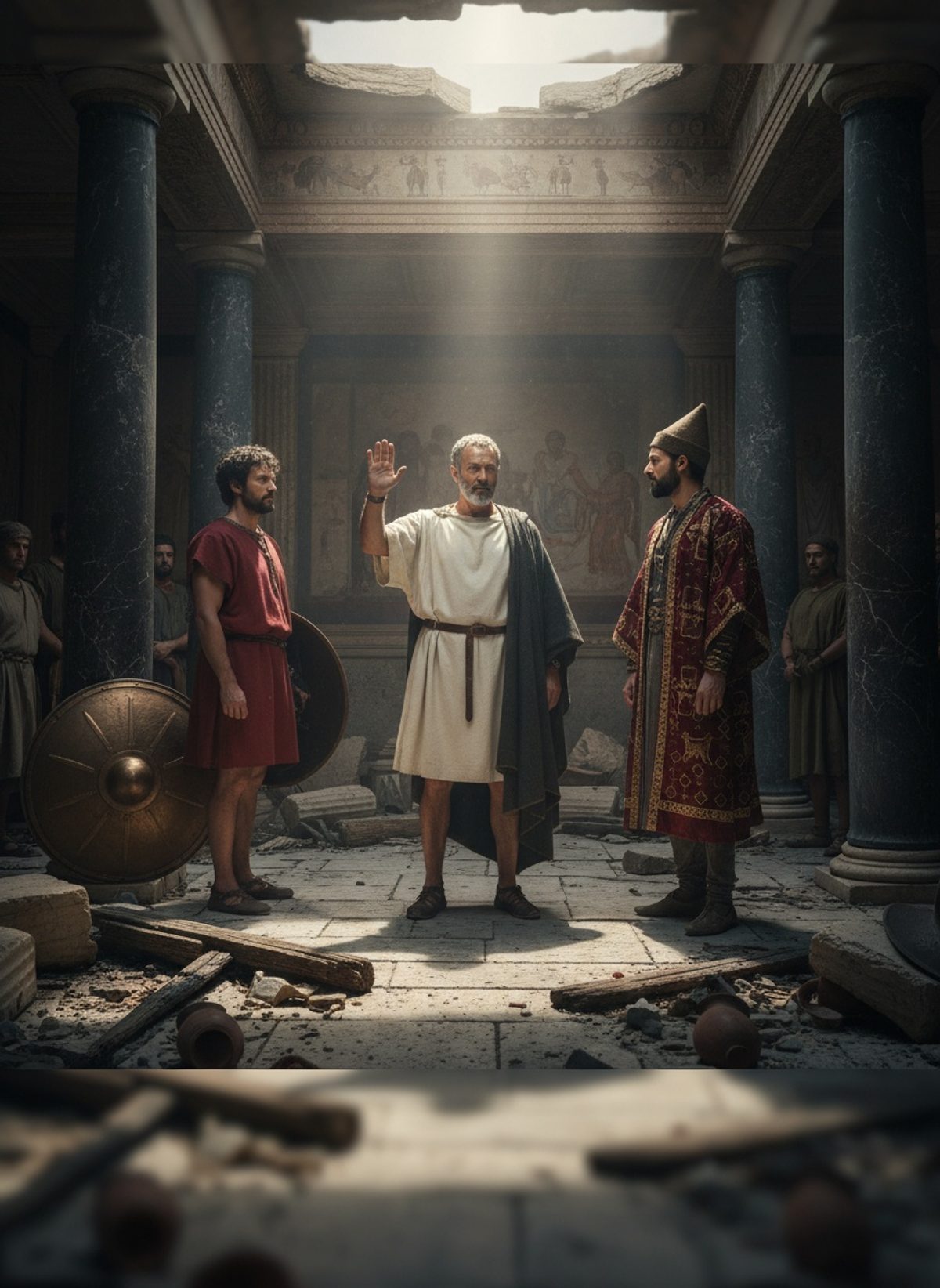
479 BC. Sparta feared Athens would accept Persia's offer. A Spartan envoy begged them to refuse. The Athenian council stood. They tore up the letter. Sent Mardonius nothing.
Babylon had fallen. Thousands sat in chains. A king entered the city. He did not raise a sword. He opened the gates. He fed the hungry. Then he sent them home.
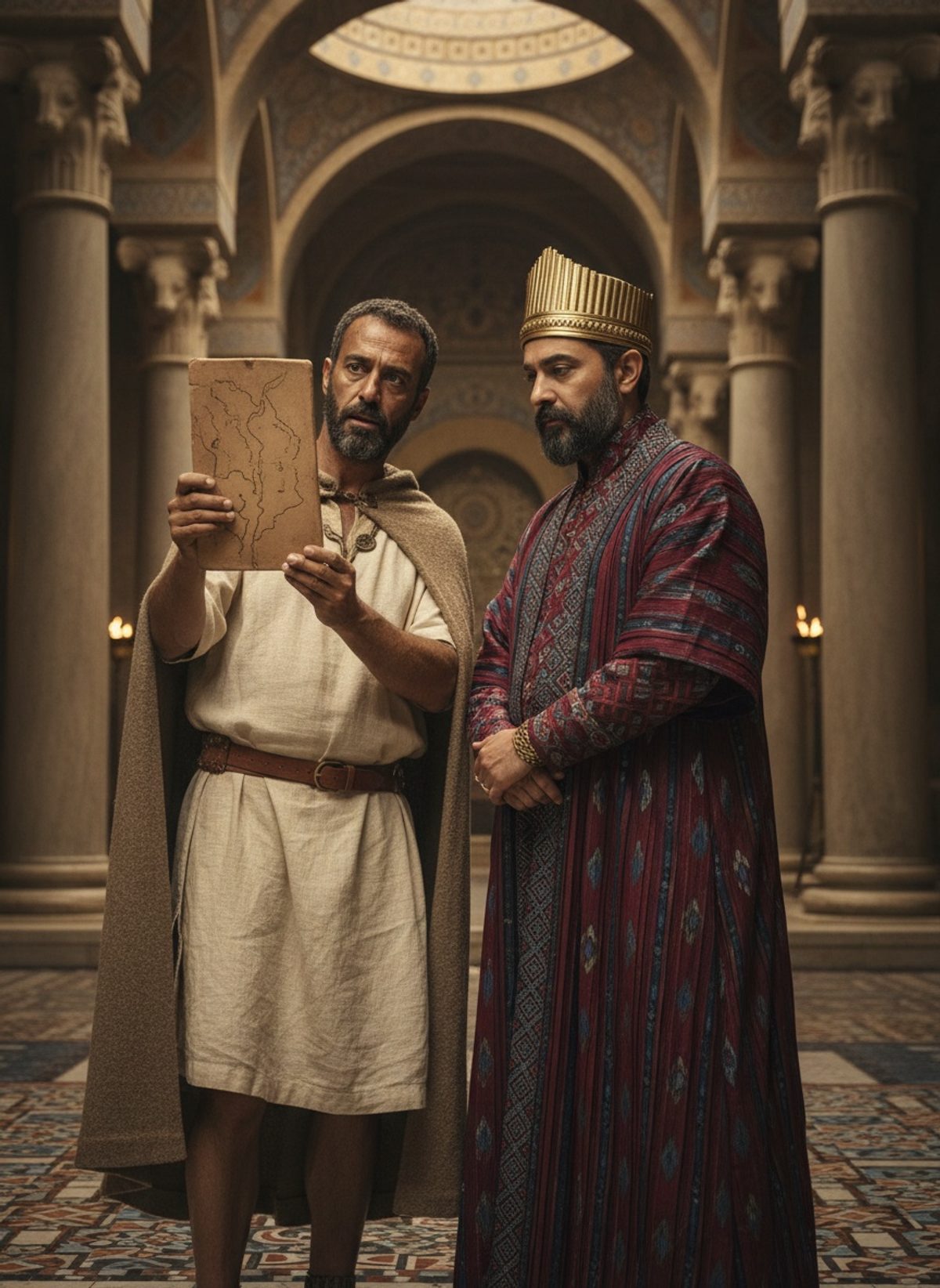
500 BCE. Scylax of Caryanda returned from the edge of the world. He had sailed the Indus River to the sea. Darius the Great offered him riches. He asked only to map the unknown. He changed how Persia saw the earth.
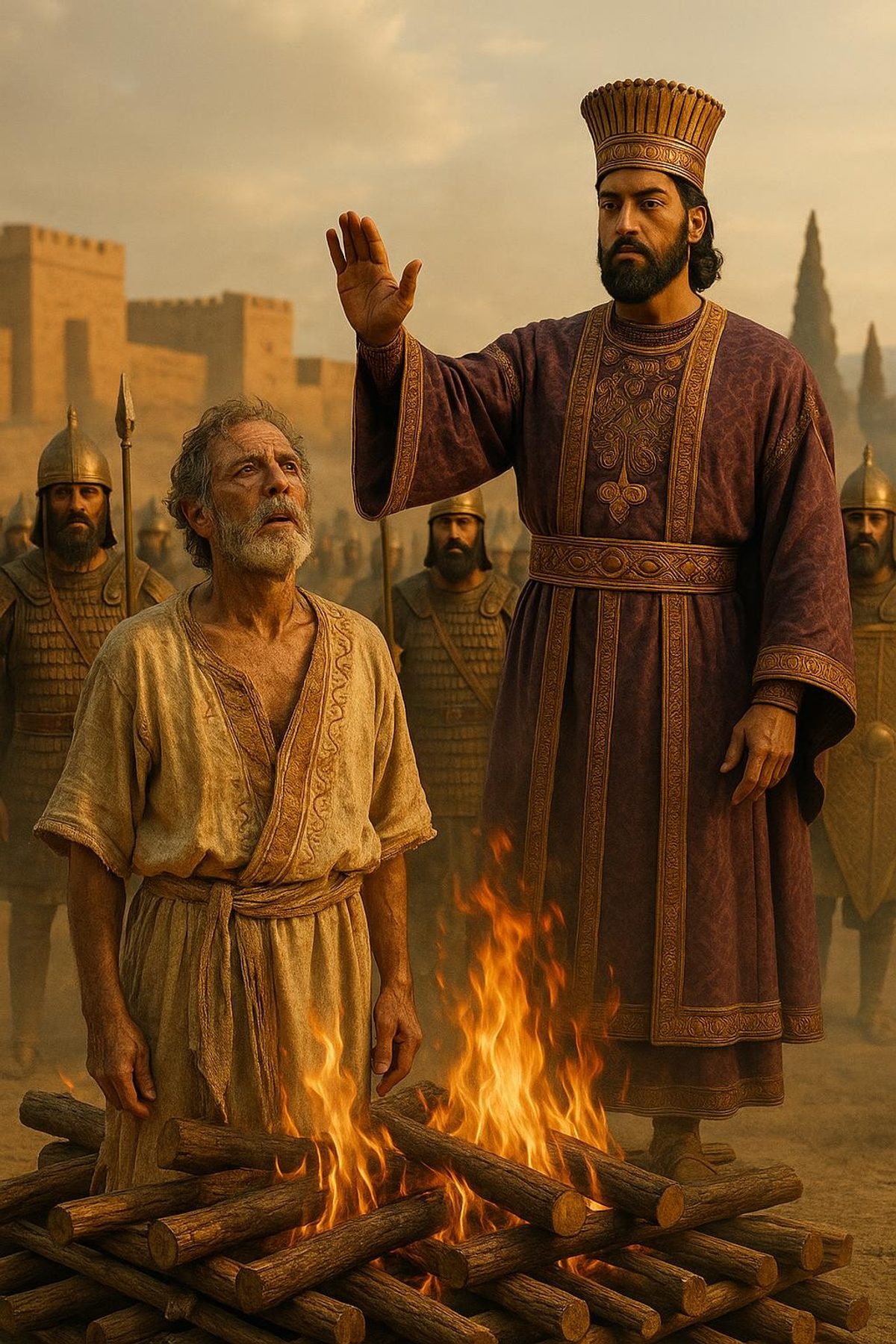
547 BC. Croesus of Lydia had lost everything. His city was taken. The flames were lit. Then Cyrus the Great stopped. He climbed down from his throne. He ordered the fire put out. He made Croesus his advisor.
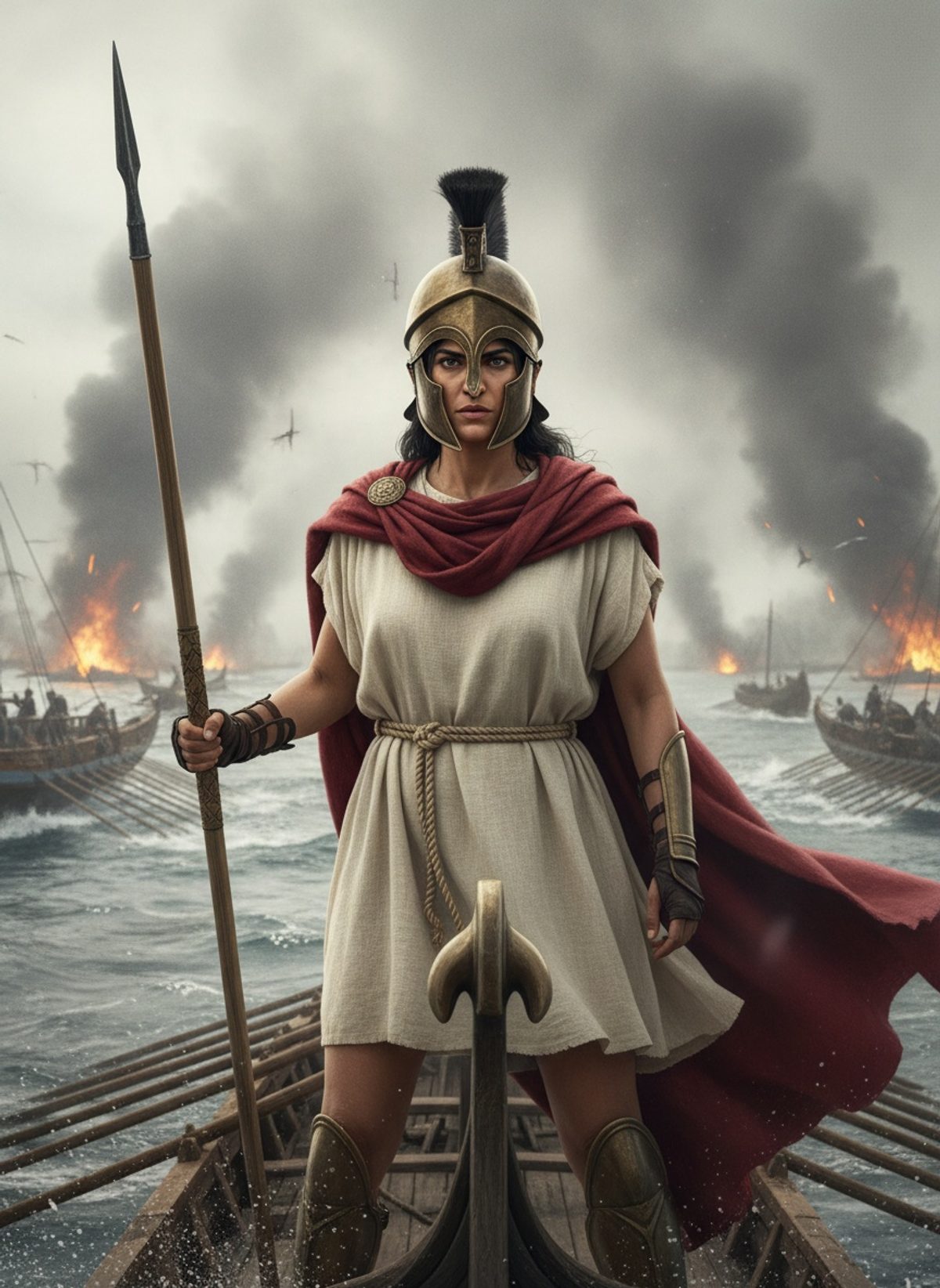
480 BC. The Battle of Salamis. Every Greek city had sent ships against Persia. One commander fought for the other side. Her name was Artemisia. She was a Greek queen. She chose Xerxes. She warned him the battle would fail. He smiled. She was right.
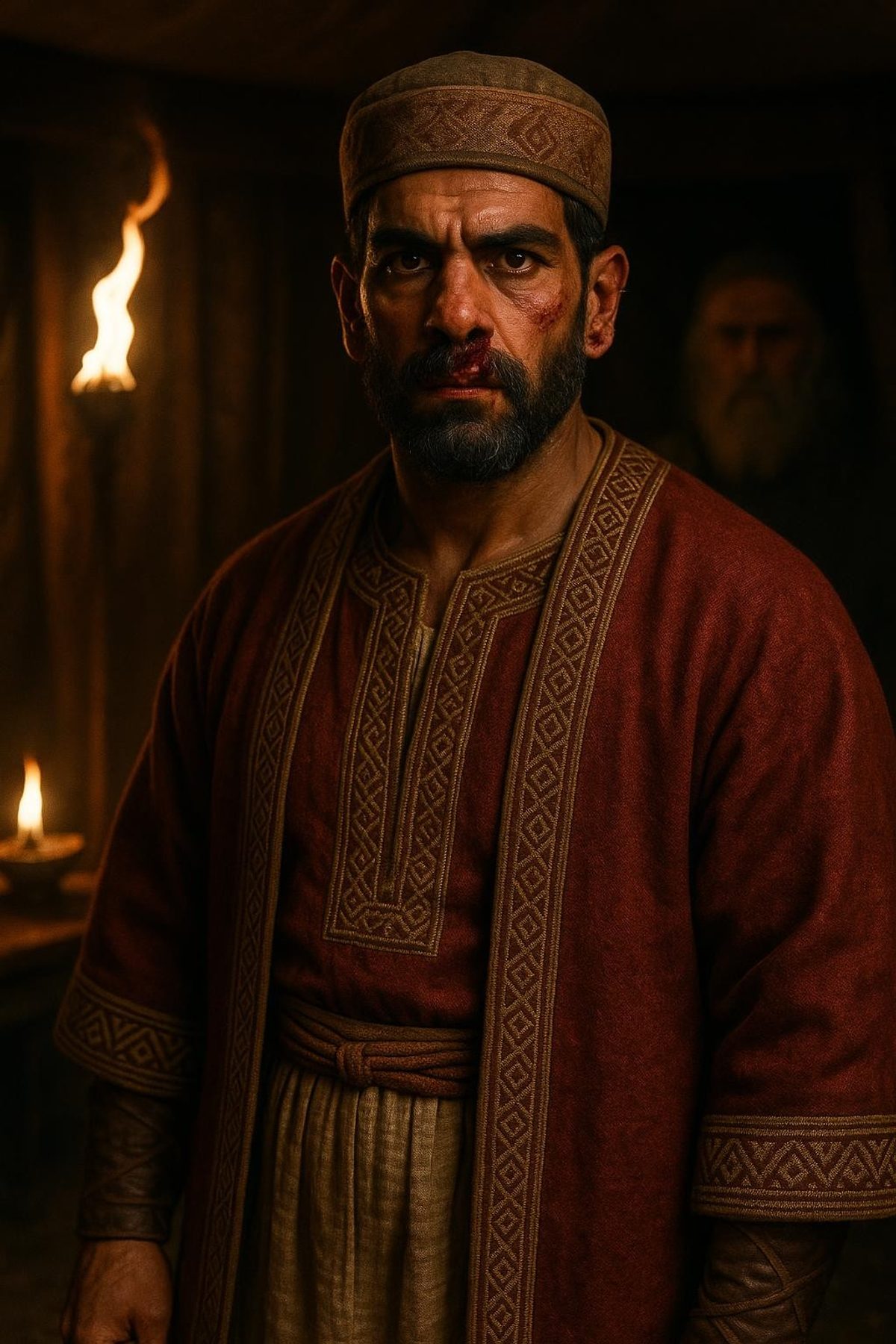
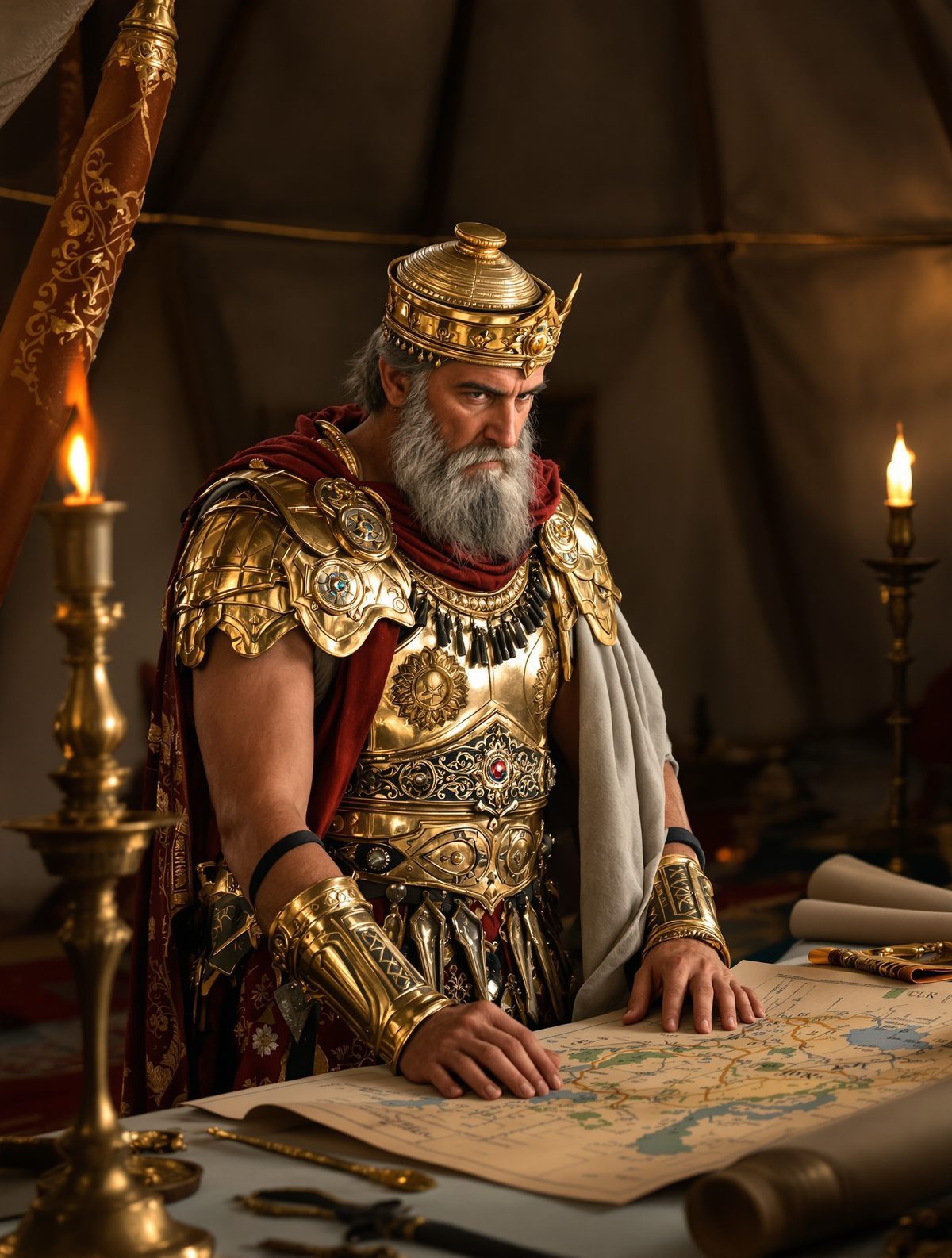
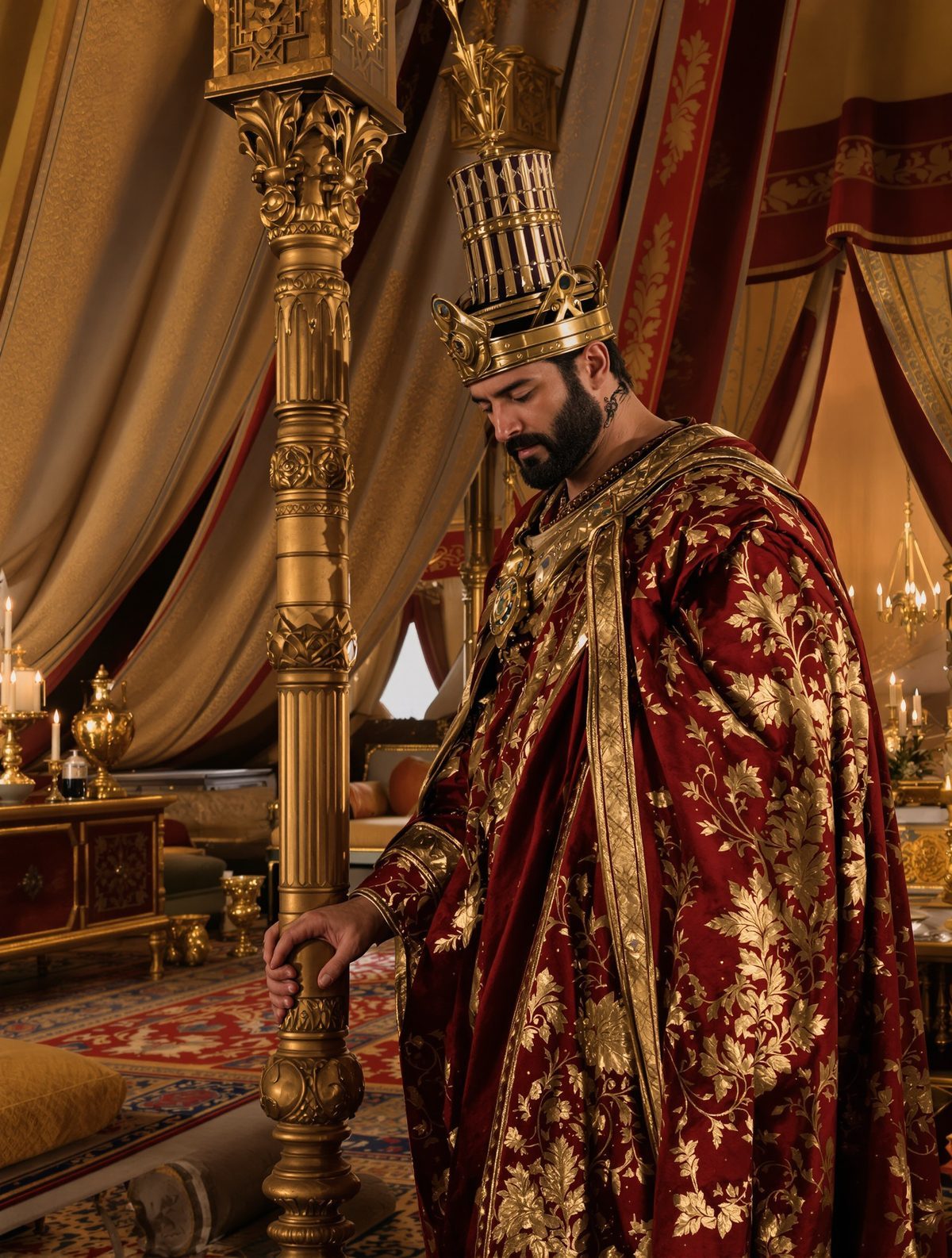
519 BCE. Babylon had revolted against Persia. Darius was furious. One noble walked into the king's tent. His face was destroyed. He had done it himself. He crossed into Babylon as a refugee. They believed him. He opened the gates.
480 BC. Xerxes stood at the edge of Europe. His uncle Artabanus knelt before him. He begged him not to cross. He listed every danger. Xerxes listened. Then he crossed anyway. Artabanus was right.
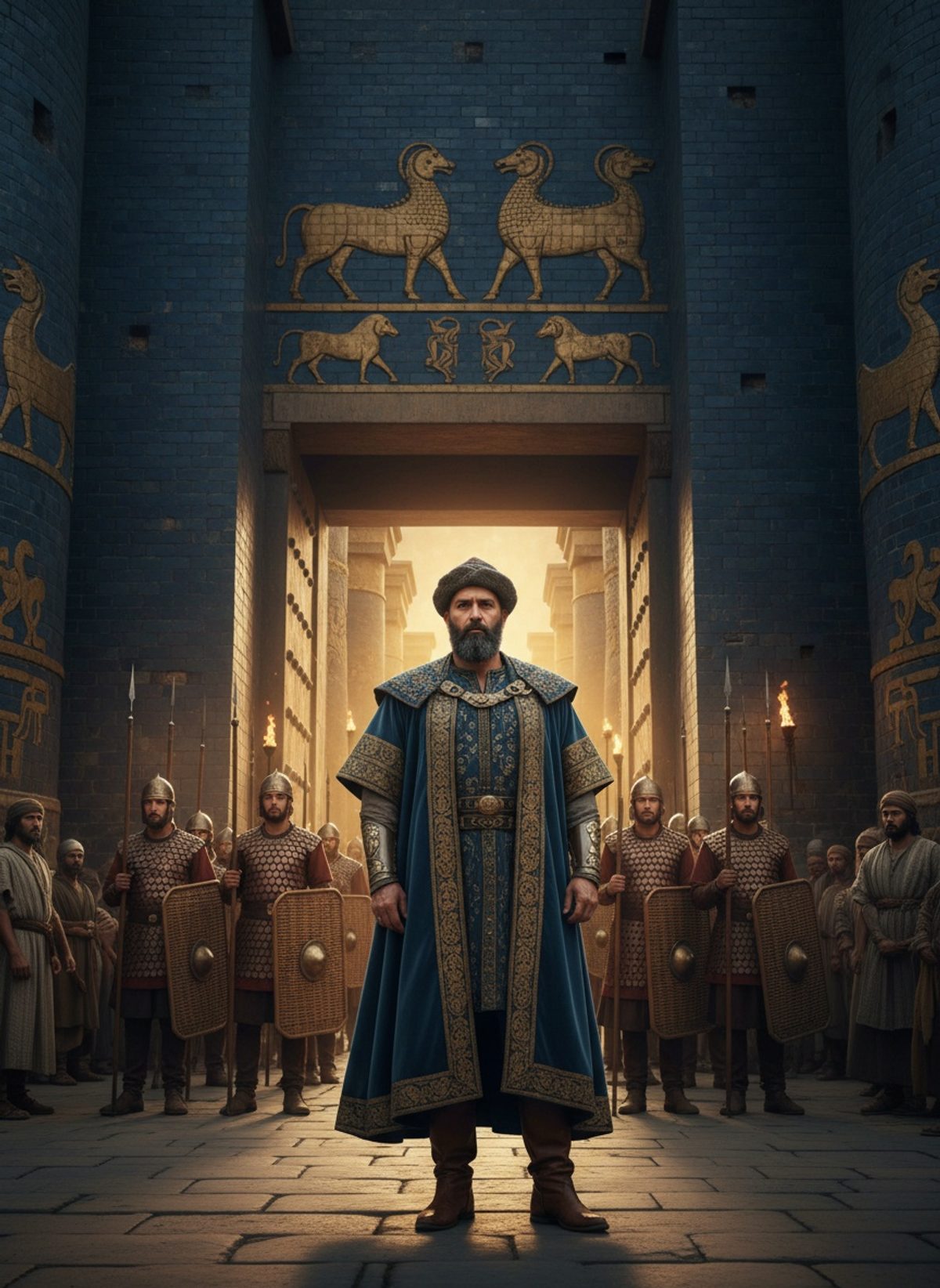
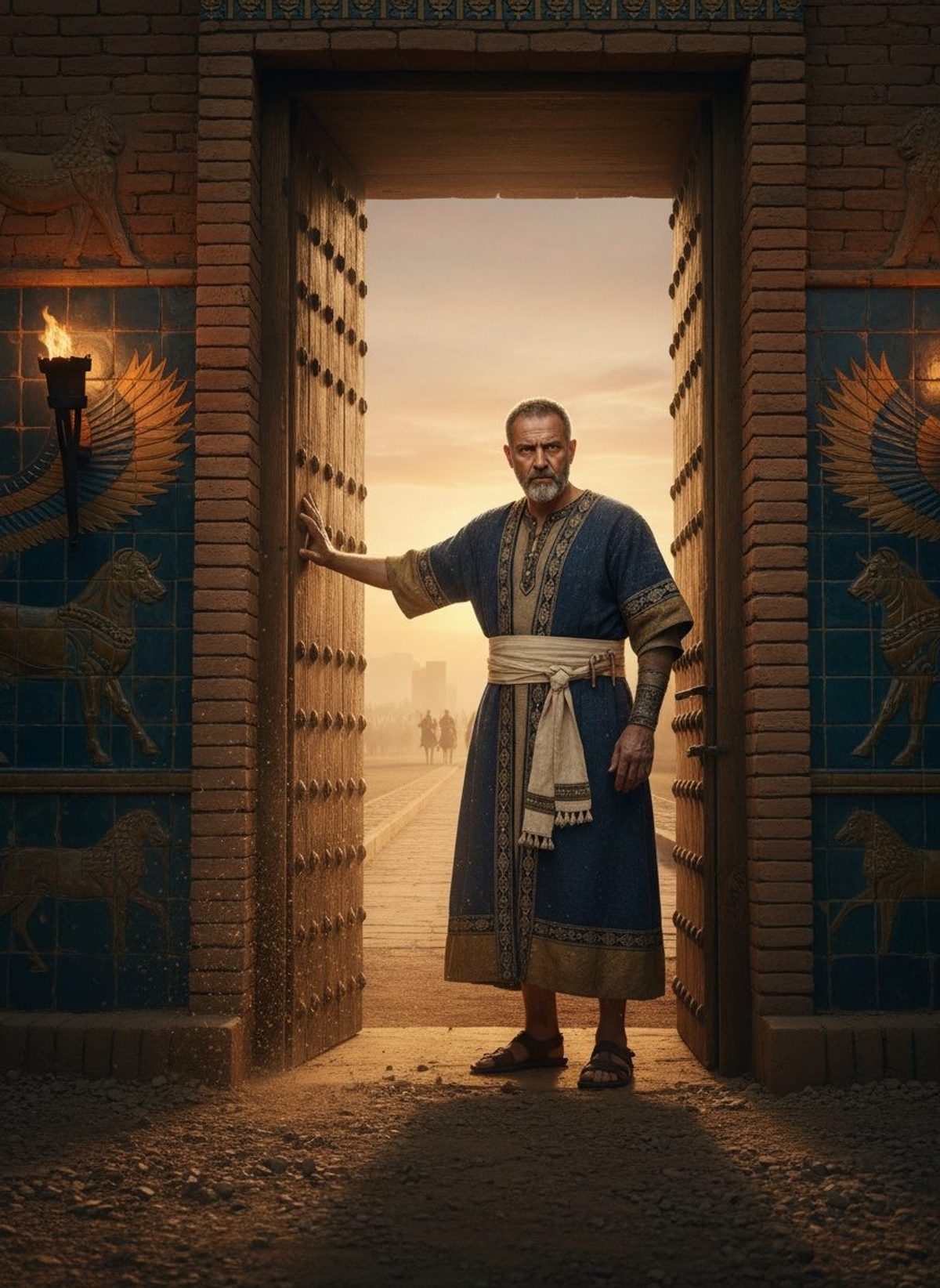
539 BC. Babylon. The greatest city on earth. Gobryas, a Persian general, swung open its gates without a battle. Cyrus rode in. He did not loot. He did not burn. He freed the captive peoples. He let them go home.
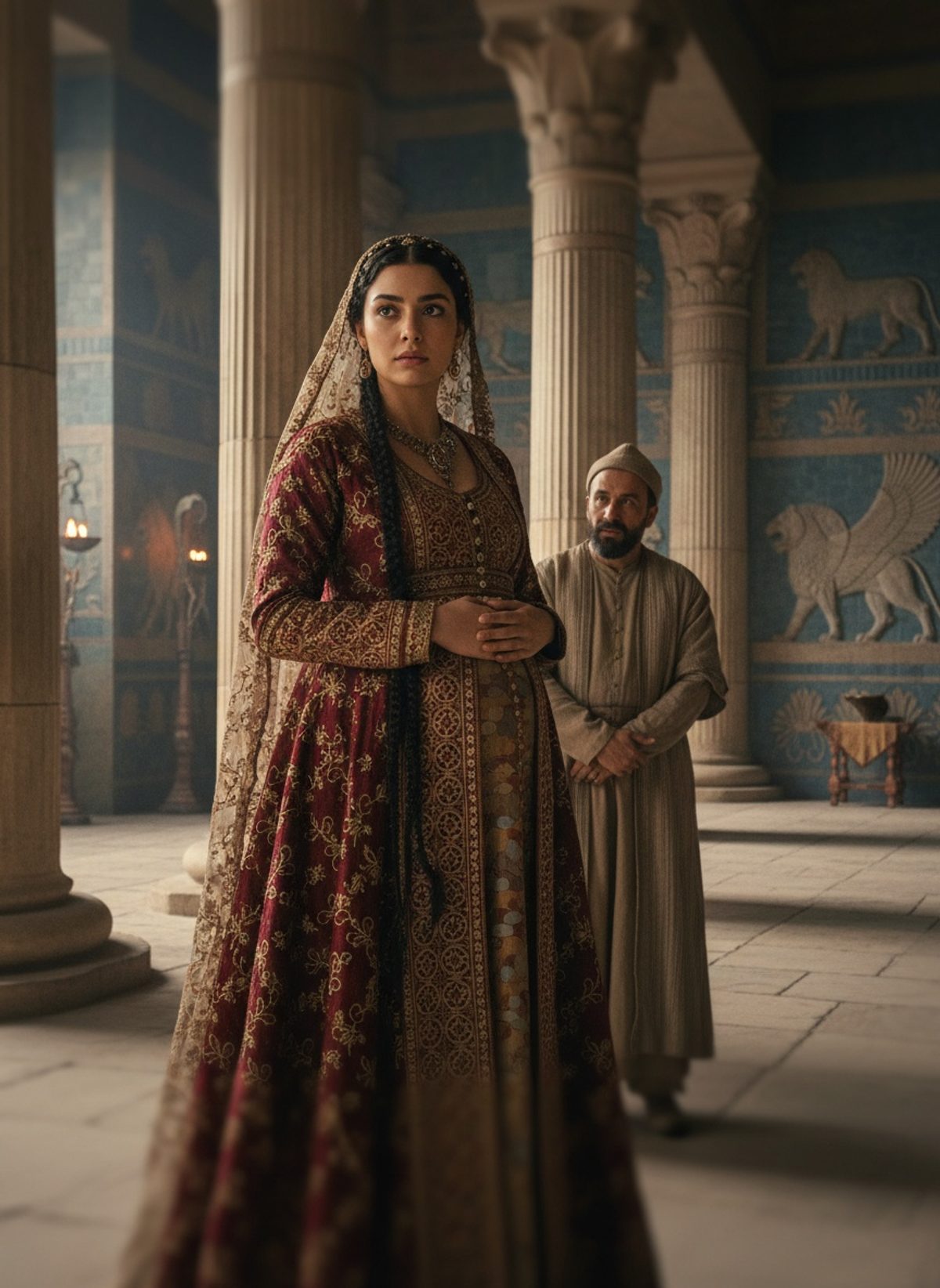
323 BC. Alexander was dead. His generals circled. Roxana, his Bactrian queen, was alone. Pregnant. Surrounded by enemies. She did not wait. She acted. Persia remembered.
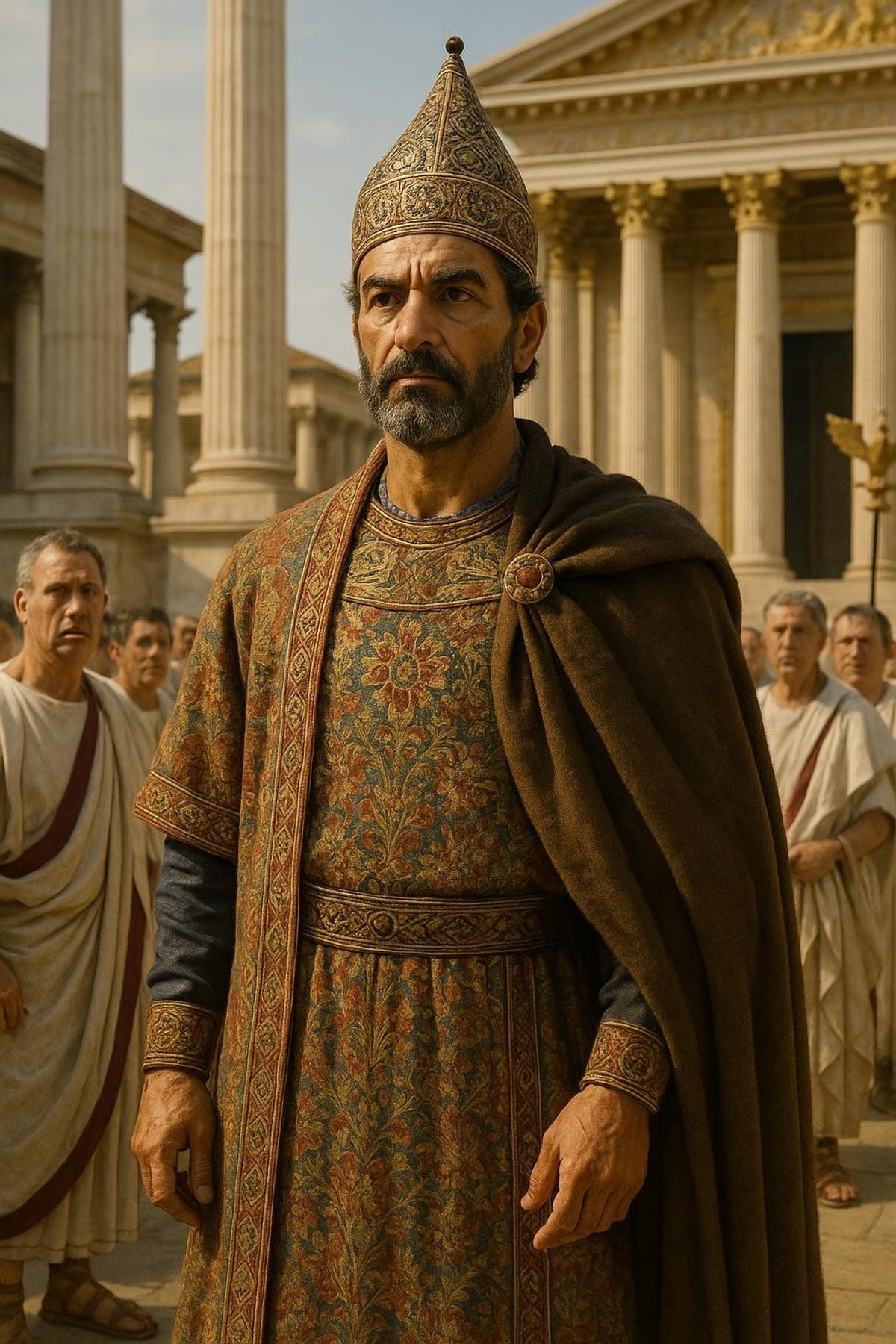
AD 63. The Parthian king Tiridates knelt before Nero in Rome. The crowd expected surrender. He spoke. He called it an honour freely given. Rome applauded. Parthia kept Armenia. He walked away a king.
546 BC. Lydia had fallen. Croesus knelt in chains. His kingdom was gone. His sons were dead. Then Cyrus listened. He struck off the chains himself. He gave Croesus a seat at his side.
546 BC. Pactyes had led a rebellion. He fled to a Greek temple. The city of Cyme was asked to hand him over. Their oracle said no. Cyrus listened. He let the Greeks keep their honor.
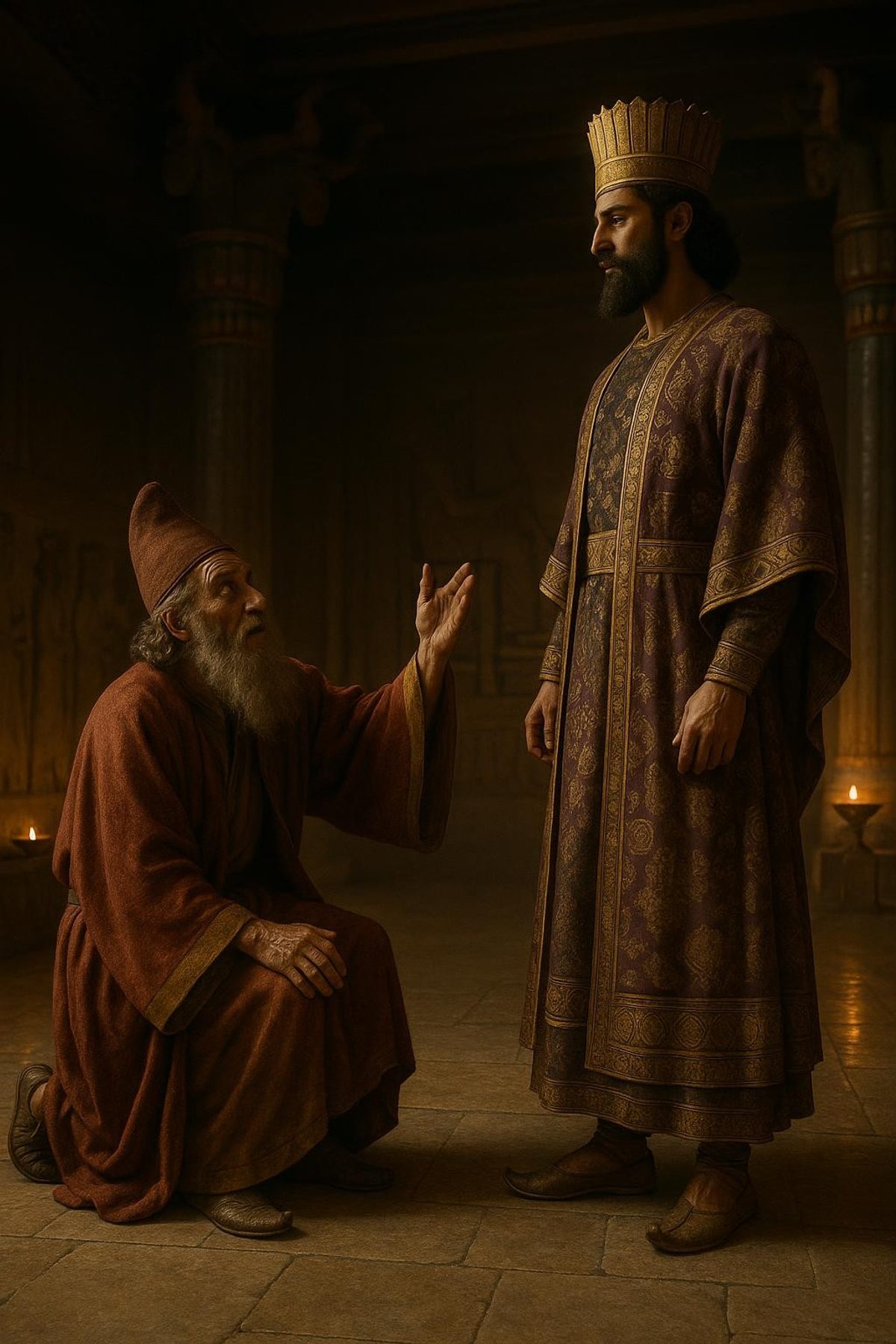
522 BC. Cambyses asked his courtiers if he was mad. Every man said no. Prexaspes stood up. He told the king the truth. Cambyses never forgave him. But Prexaspes never stopped speaking.
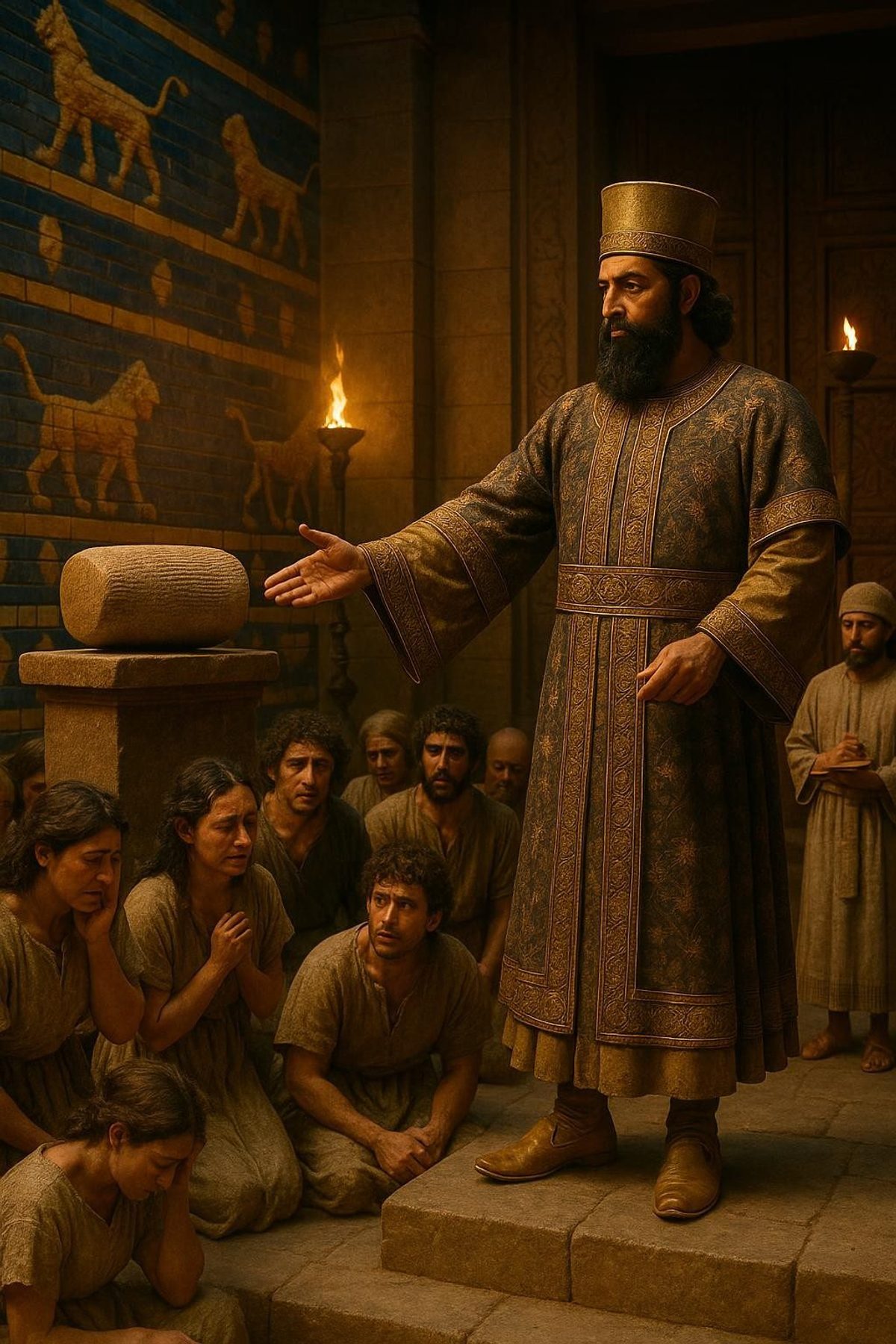
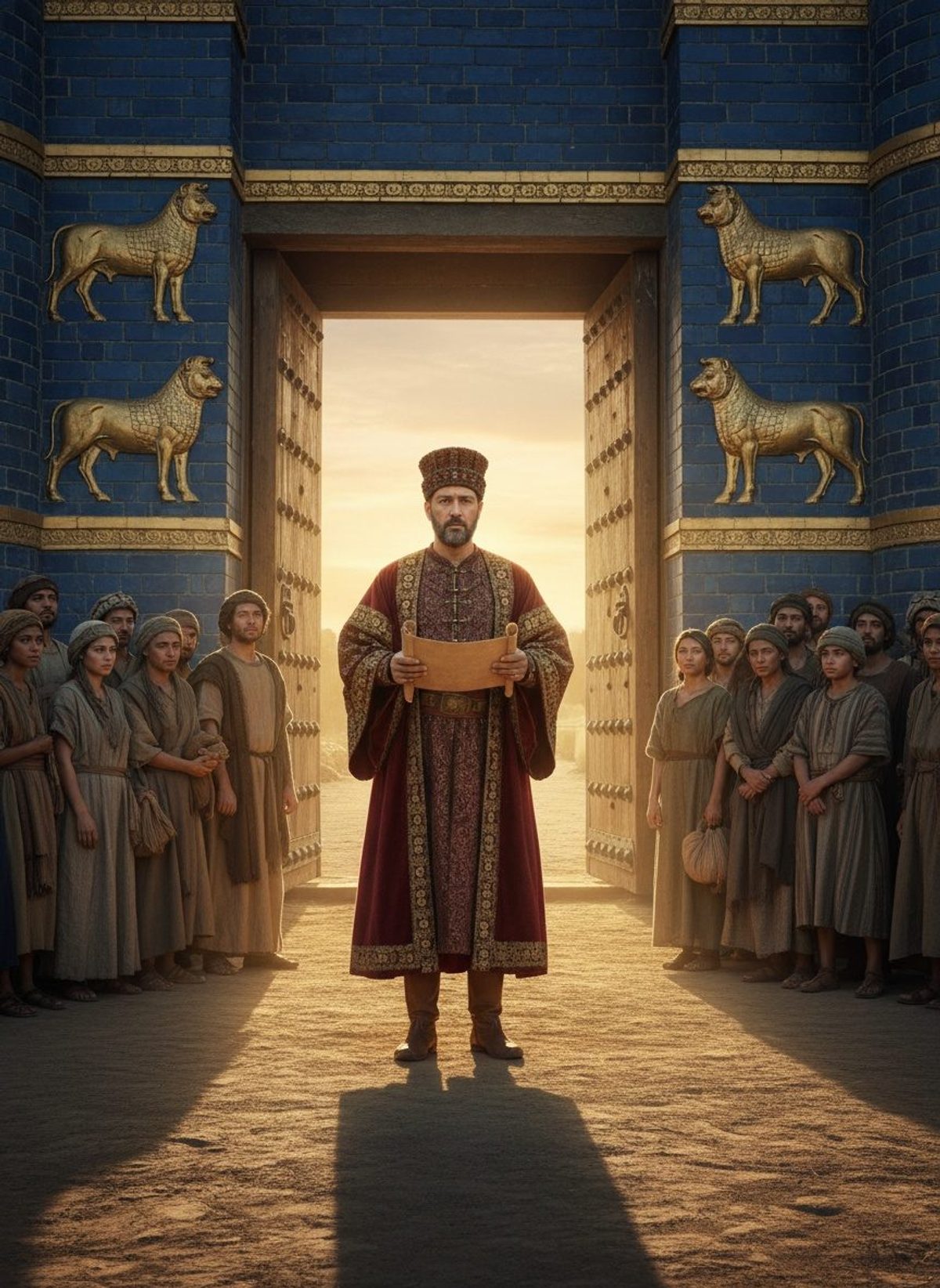
539 BC. Cyrus the Great entered Babylon. The city expected chains. Instead he freed the captives. Every enslaved people. Every exiled nation. He wrote it down. In clay. For all to read.
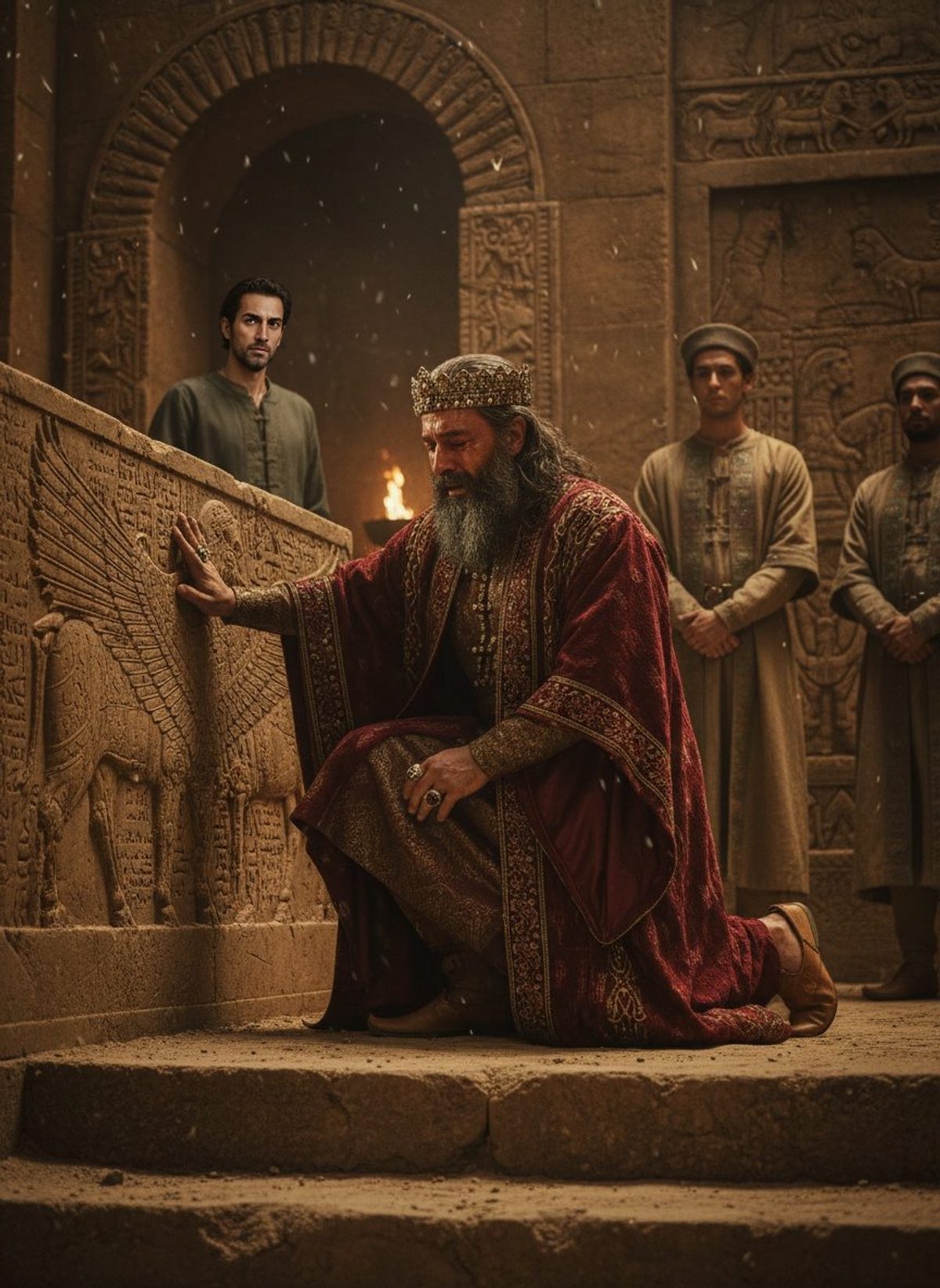
539 BC. Cyrus the Great had just conquered Babylon. He walked to the tomb of a dead king. He knelt. He wept. His generals stood in silence. The conqueror mourned his enemy like a father.
539 BC. Babylon fell without a battle. Cyrus the Great entered in silence. He broke the chains. He sent the captives home. Every one of them.
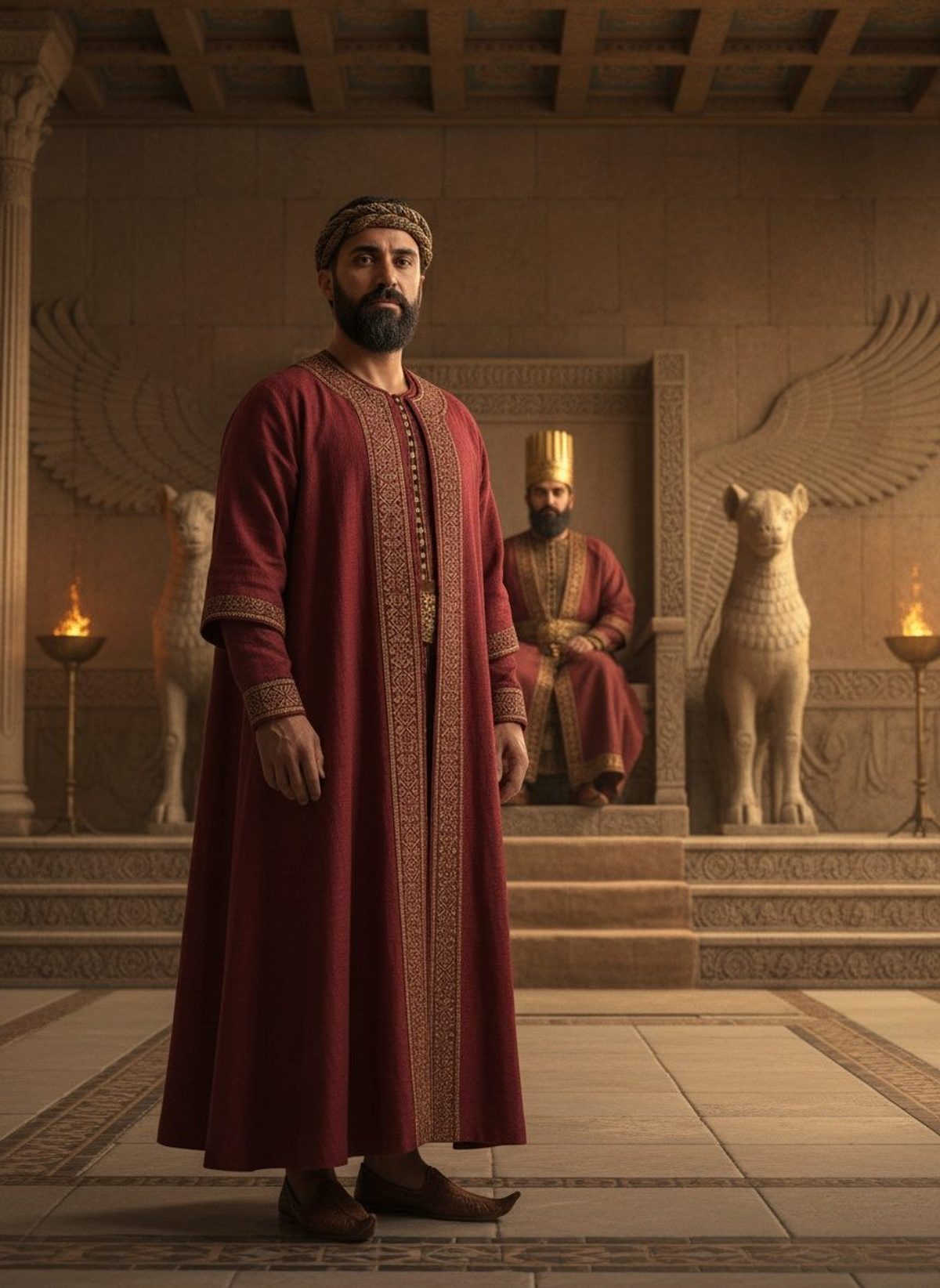
522 BC. The Persian king was dead. Three pretenders seized the throne. One general stood still. Darius had no army. No claim. No allies. He had one plan. He walked into Persepolis anyway.
539 BC. Babylon had held them for fifty years. Then the gates opened. Cyrus sent no soldiers. He sent a decree. Every captive walked home free.
522 BC. Cambyses was dead. Persia was fracturing. A royal groom named Darius held almost nothing. He had seven allies and one night. He moved before dawn. Persia held.
539 BC. Babylon had fallen. The captives waited. Cyrus walked among them. He read their names aloud. Then he sent them home. Every one.
525 BC. Cambyses had conquered Egypt. His men expected plunder. Instead he walked to the tomb of Apis. He wept. He ordered the priests paid. The conqueror bowed his head in a foreign temple.
521 BC. Babylon had fallen. The captive peoples expected chains. Darius the Great opened the temples. Restored the gods. Paid the workers. Sent every nation home.
539 BC. Babylon was impregnable. Its walls were eighty feet thick. Gobryas, a Babylonian governor, had lost his son to the king's cruelty. He walked to Cyrus. He opened the city himself.
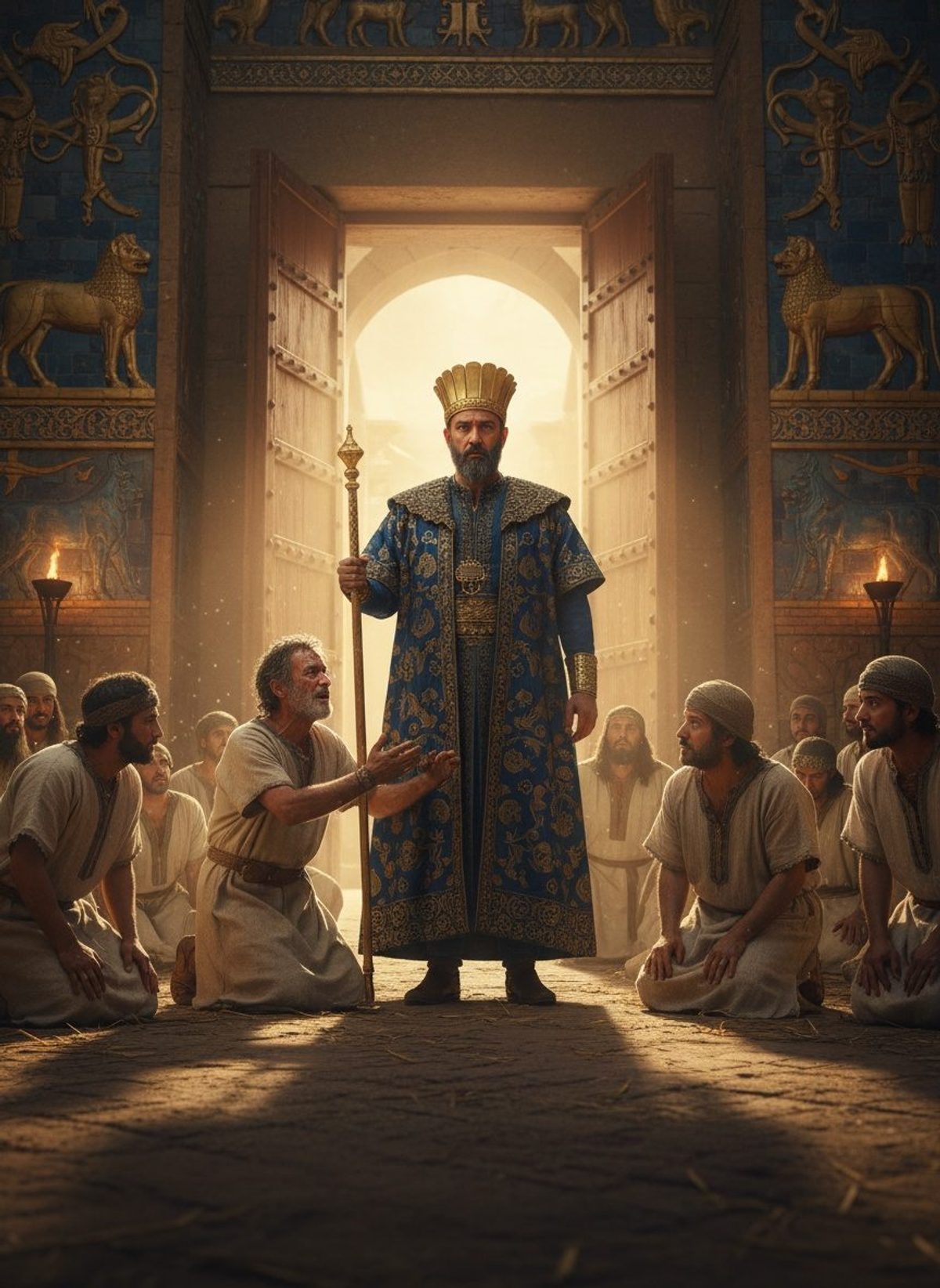
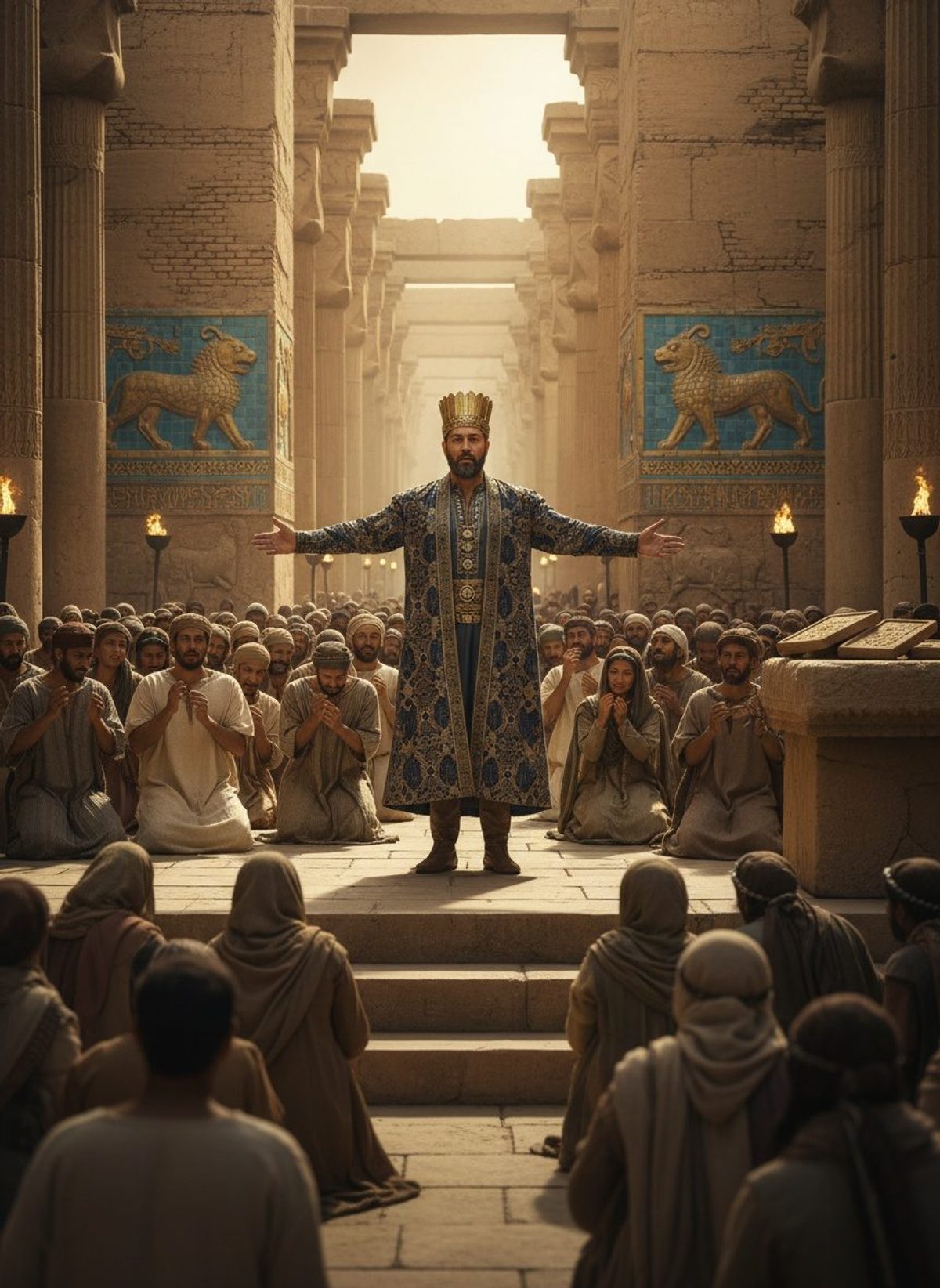
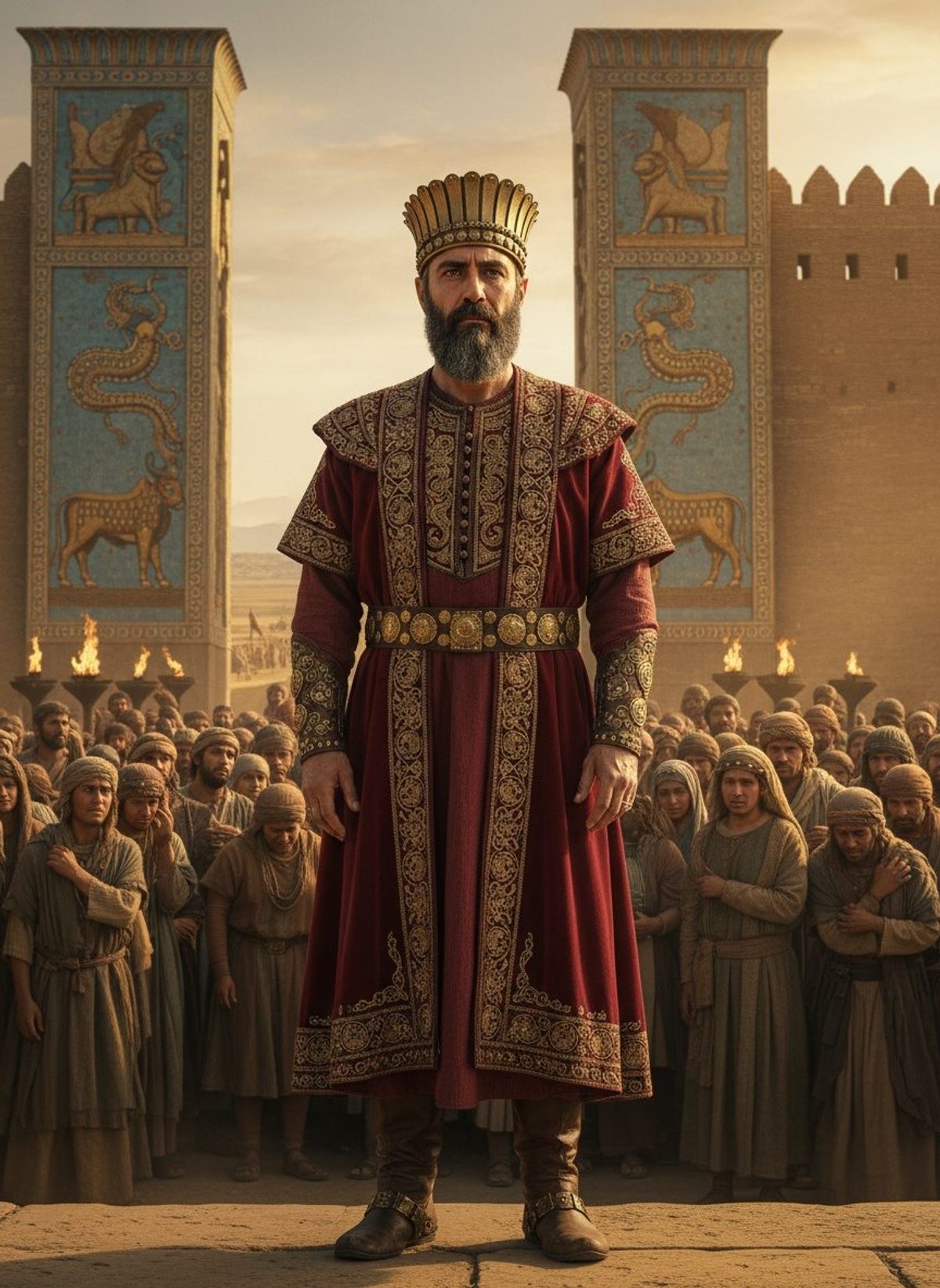
539 BC. Babylon had fallen. Cyrus the Great stood before thousands of captive peoples. He read the decree aloud. Every prisoner was free. Every exile could go home. The Jews wept. They called him the Anointed One.
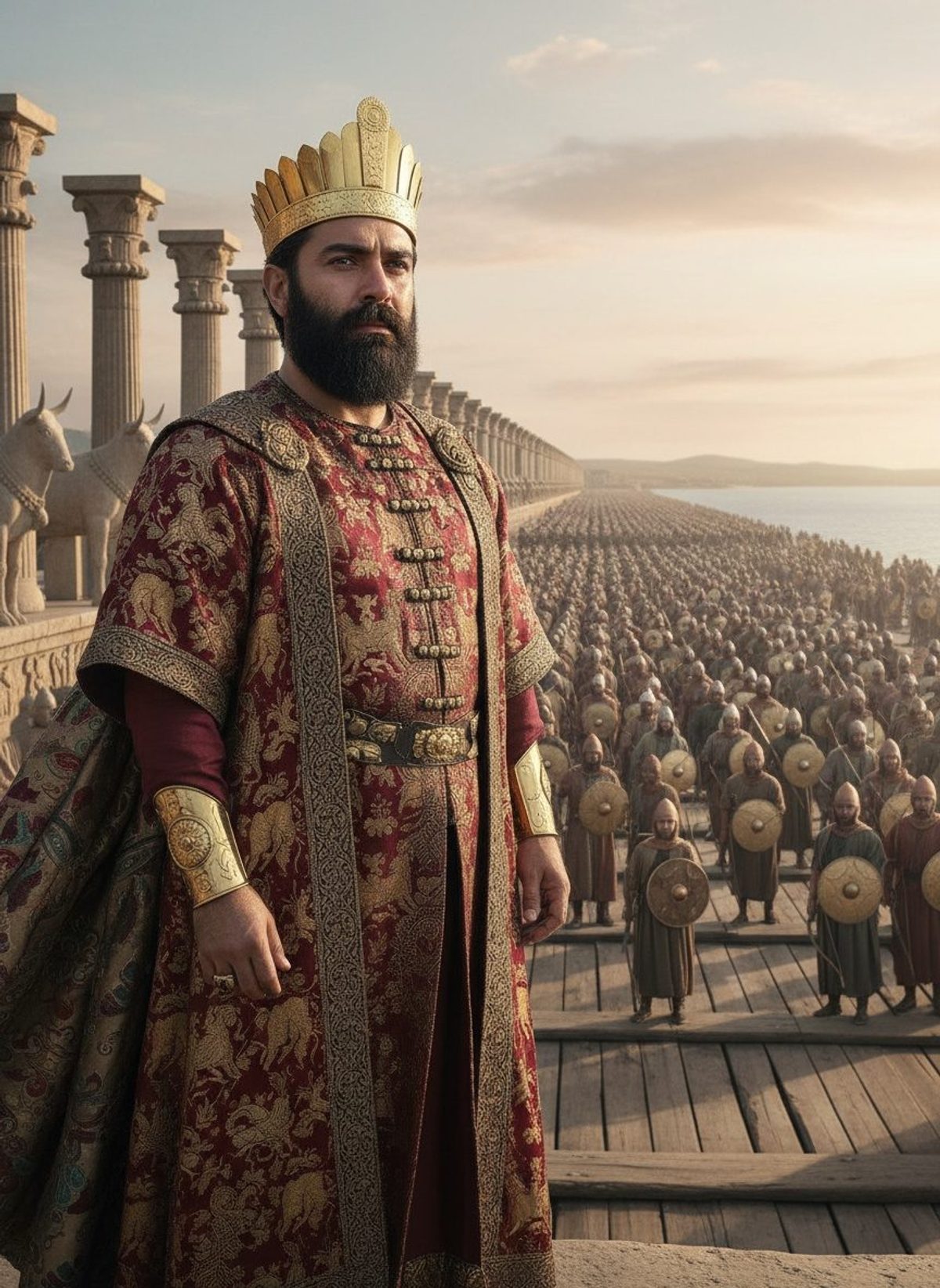
480 BC. Xerxes stood above the Hellespont. A million men stretched below him. He wept. Asked why, he said no man would live to see old age. Then he crossed. The world had never seen anything like it.
490 BC. Persia ruled the known world. One woman signed the orders. Artystone was not a queen by title. She was a wife of Darius. But the clay tablets tell the truth. She commanded workers. She set wages. She fed armies. No Persian woman held more real power.
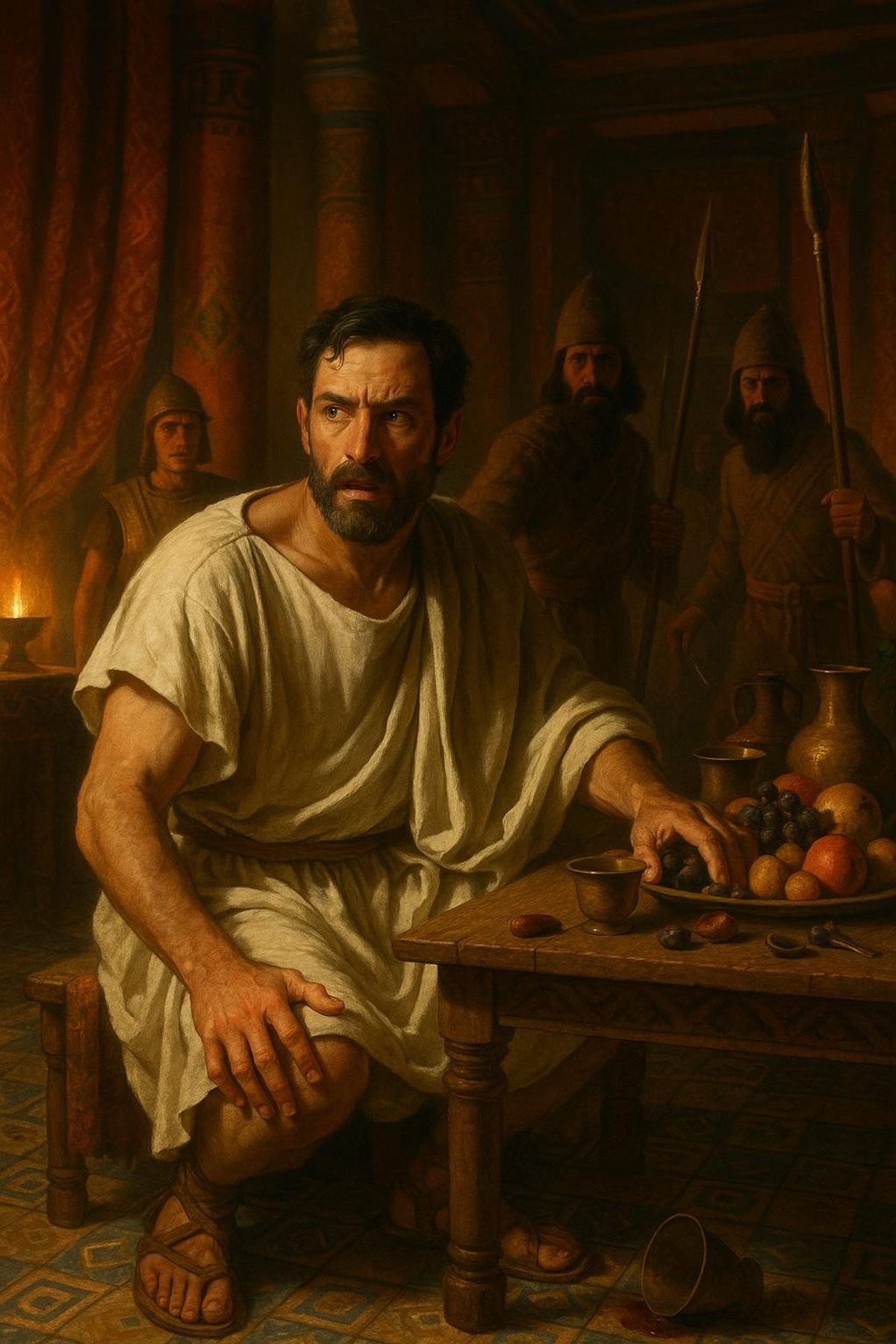
401 BC. Ten thousand Greek soldiers were deep inside Persia. Their generals accepted a dinner invitation. They never came back. The army woke to find itself leaderless. In the heart of enemy land.
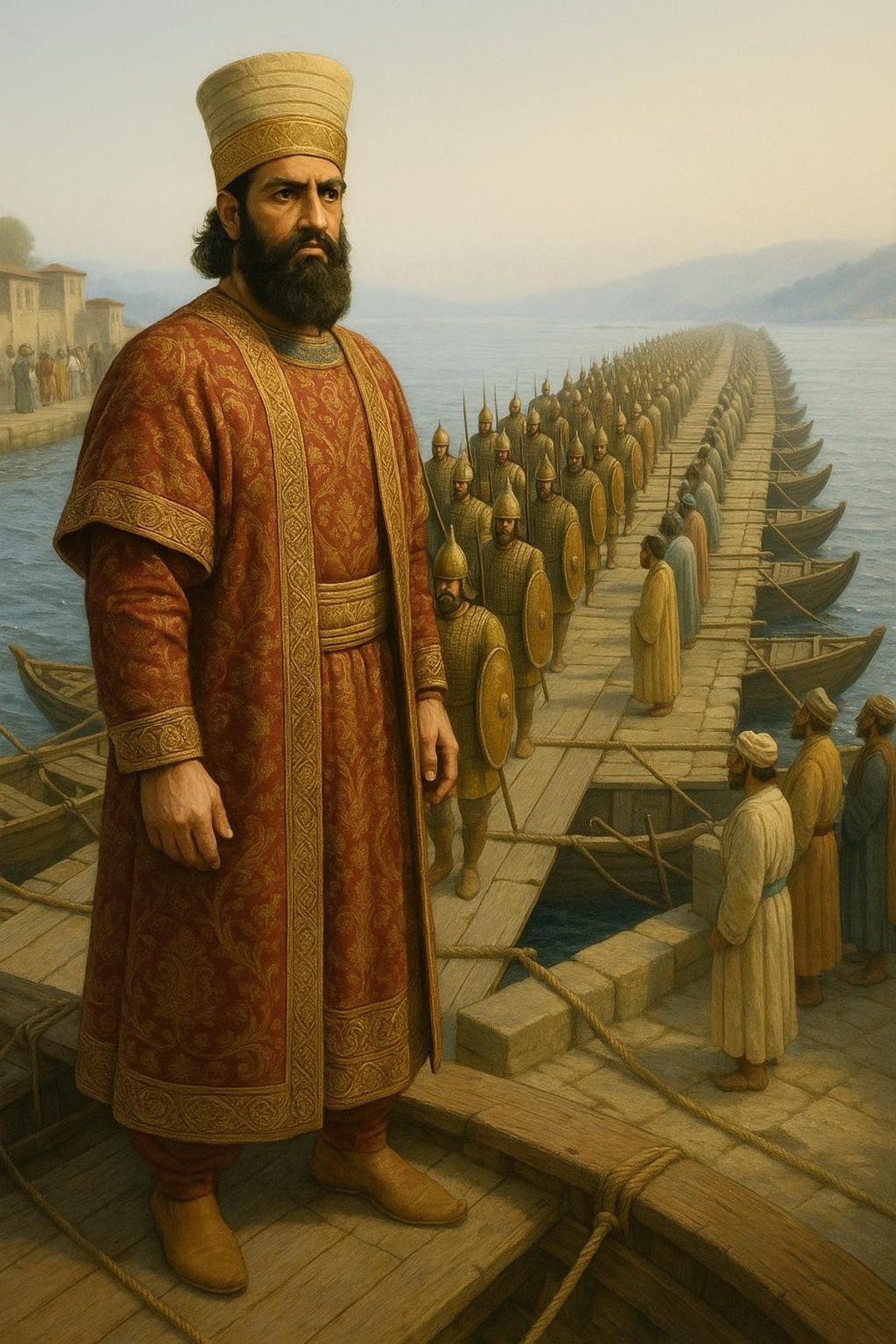
513 BC. Darius I stood at the edge of Europe. His engineers lashed 700 ships side by side across the Bosphorus. An army of hundreds of thousands walked across the sea. No one had ever done it before.
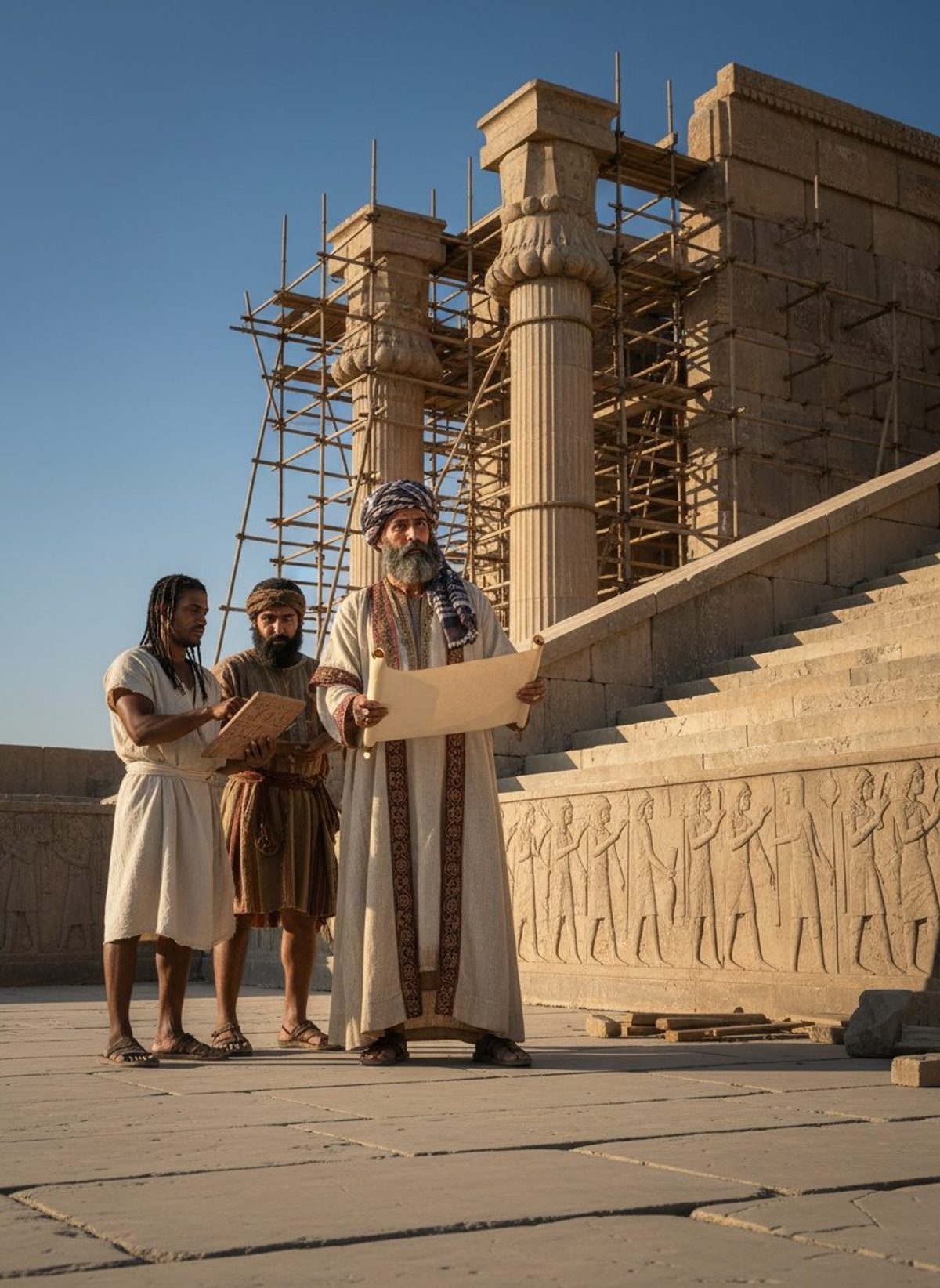
515 BC. Persepolis. Darius ordered a palace for every nation on earth. Not to live in. To show them they mattered. Craftsmen from Greece, Egypt, Babylon, and India worked side by side. No slave built it. They were paid.
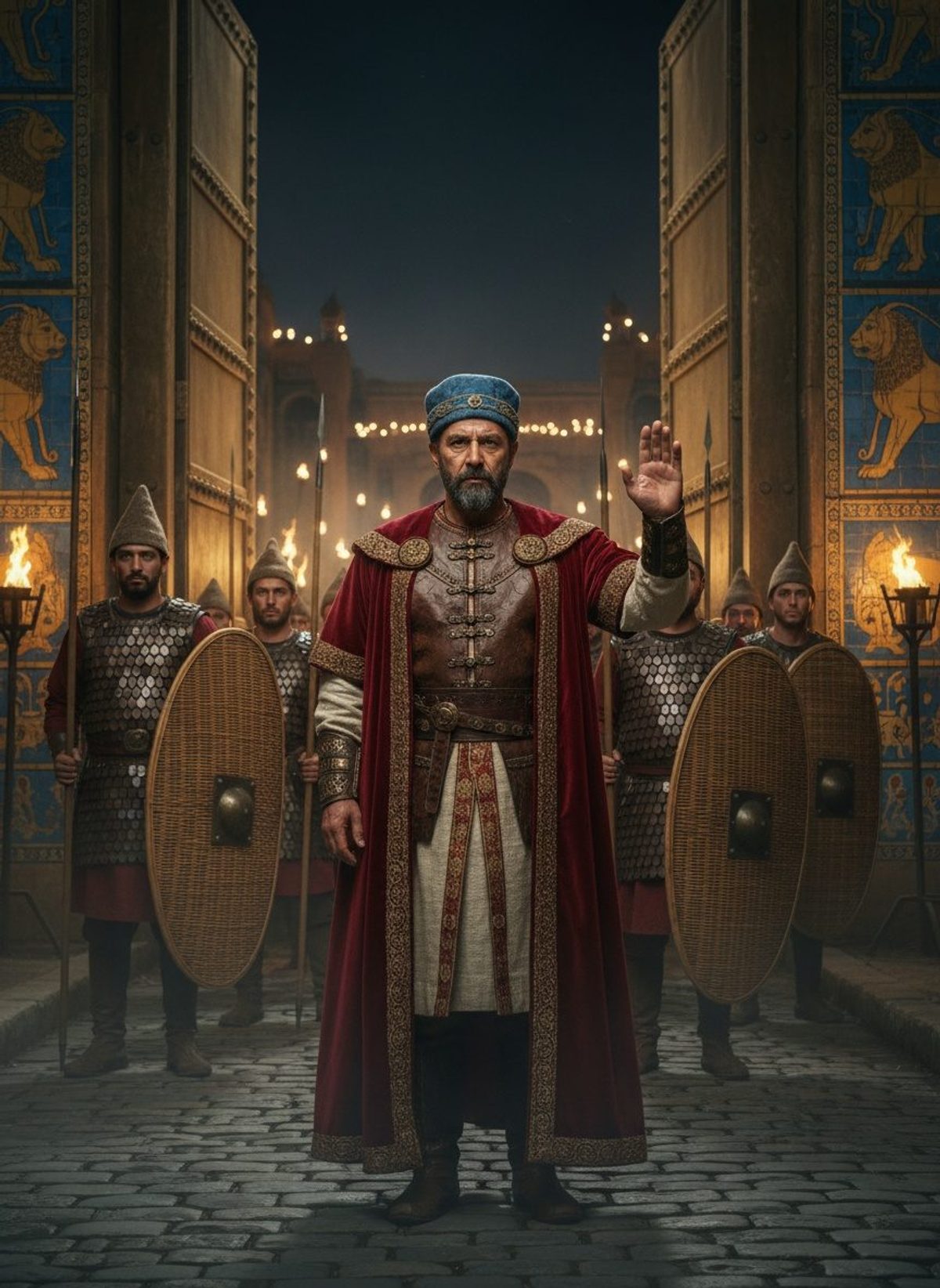
October 539 BC. Cyrus the Great stood outside Babylon. The greatest city on earth. His general Gobryas opened the gates from within. No walls were breached. No blood was spilled. The empire changed hands in a single night.
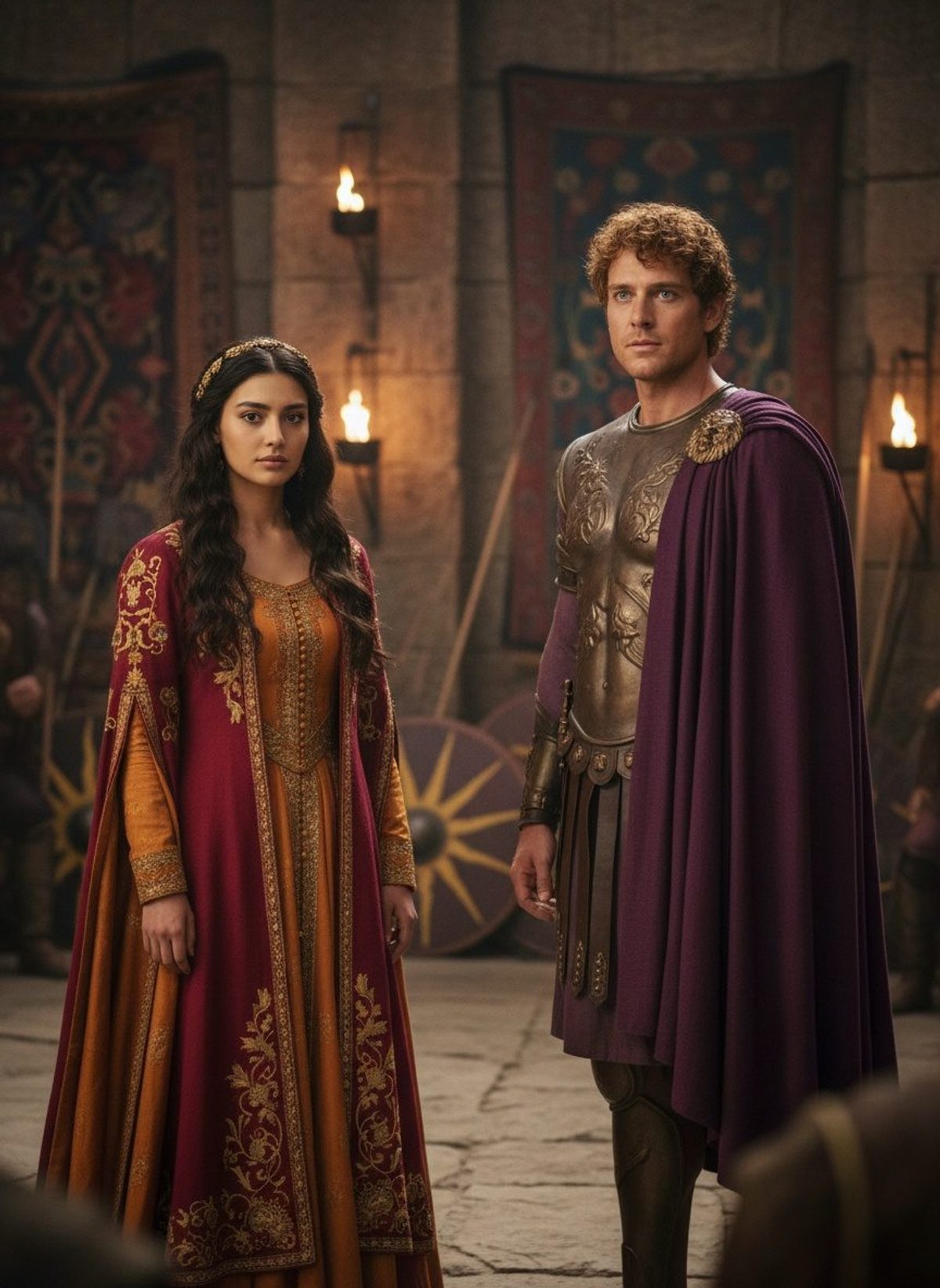
327 BC. Alexander the Great captured a Bactrian fortress. Inside was a Persian nobleman's daughter named Roxana. He did not enslave her. He married her. The conqueror of Persia knelt before a captive.
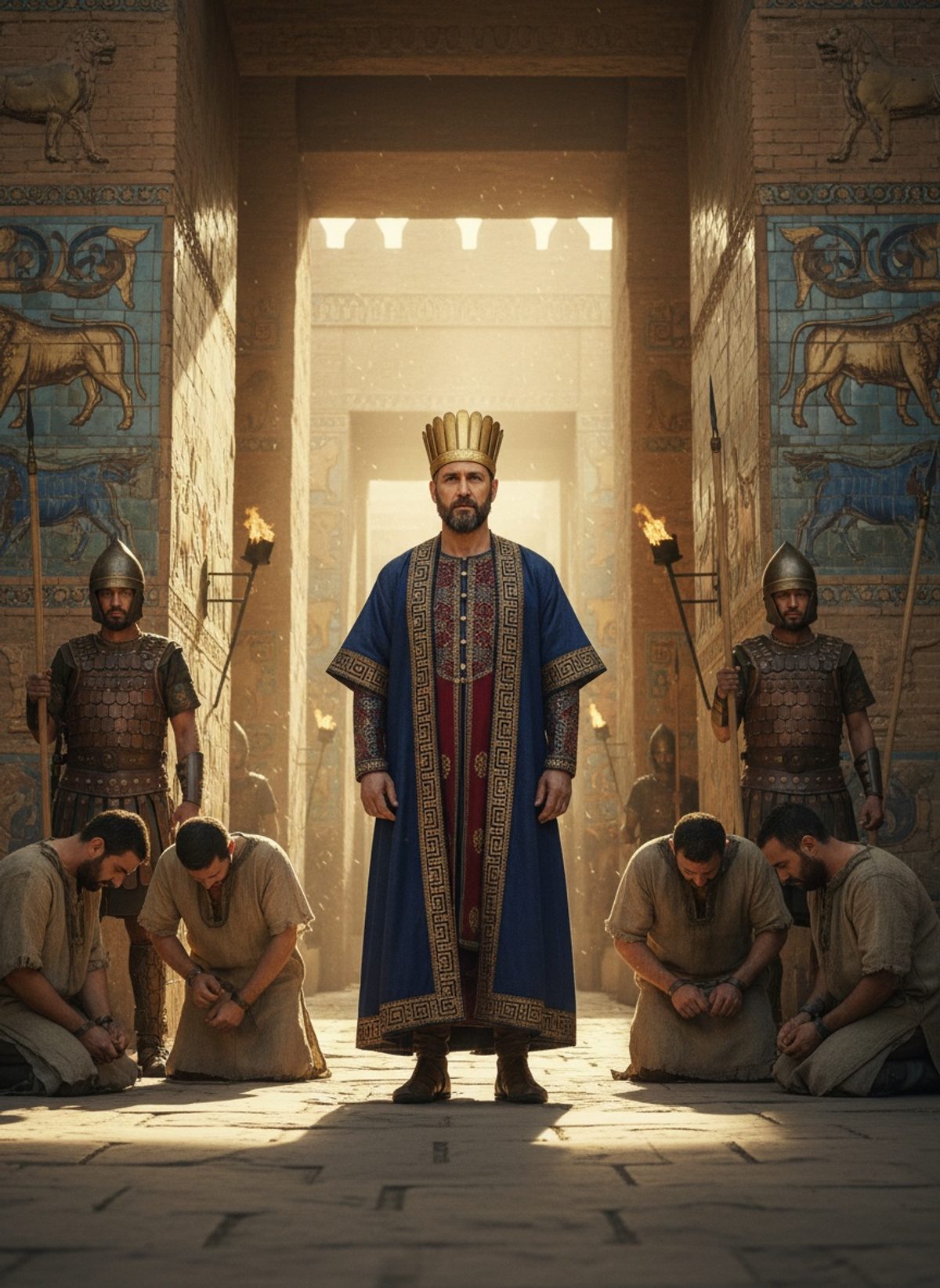
539 BC. Babylon had fallen. Cyrus the Great stood at its gates. Tens of thousands waited inside. Slaves. Exiles. Prisoners of war. He opened the gates. He let them all go home.
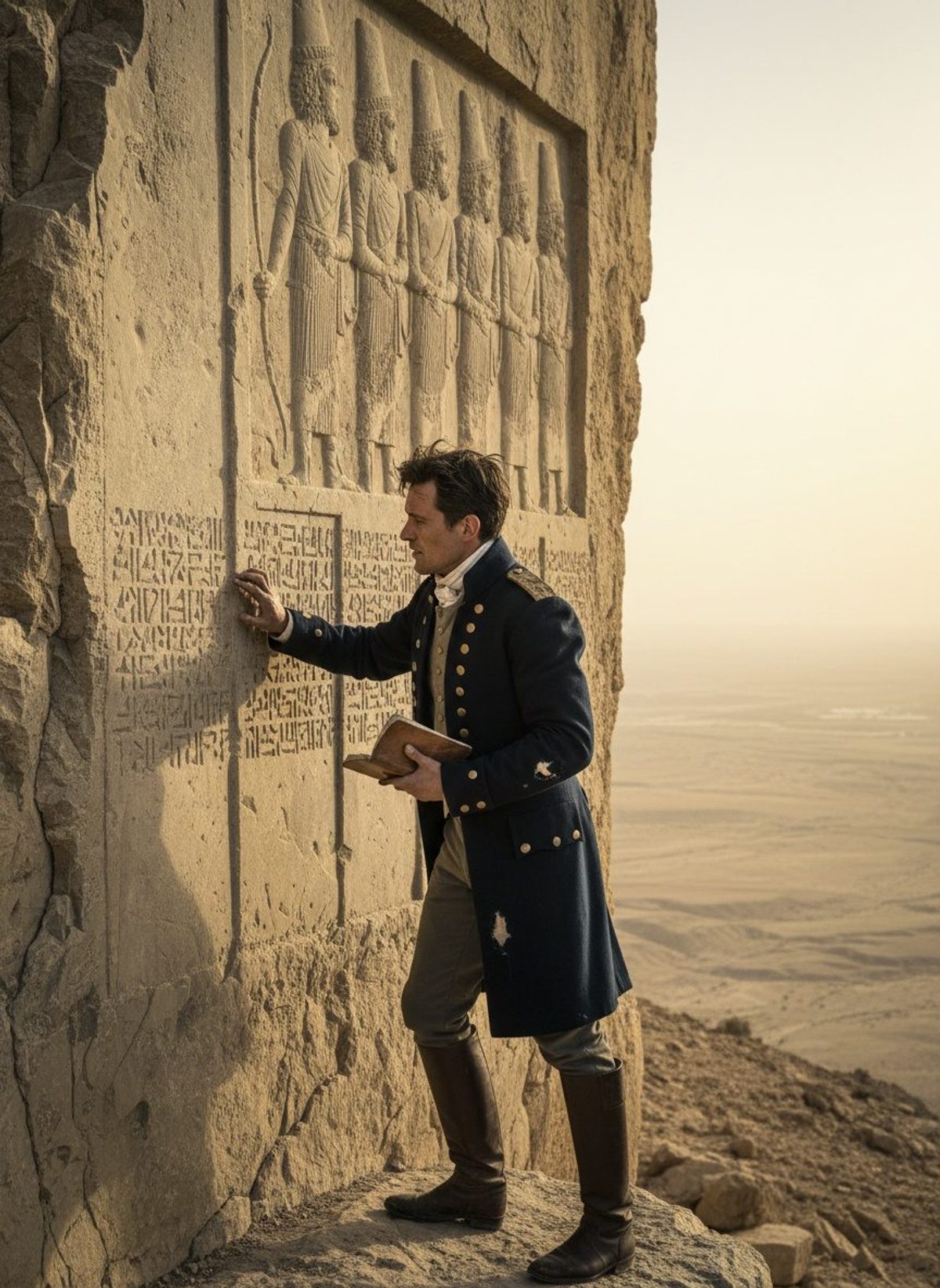
480 BC. Xerxes ordered the greatest army ever assembled. His words were carved into a cliff above the world. For 2,300 years, no one could read them. Then a young British officer arrived.
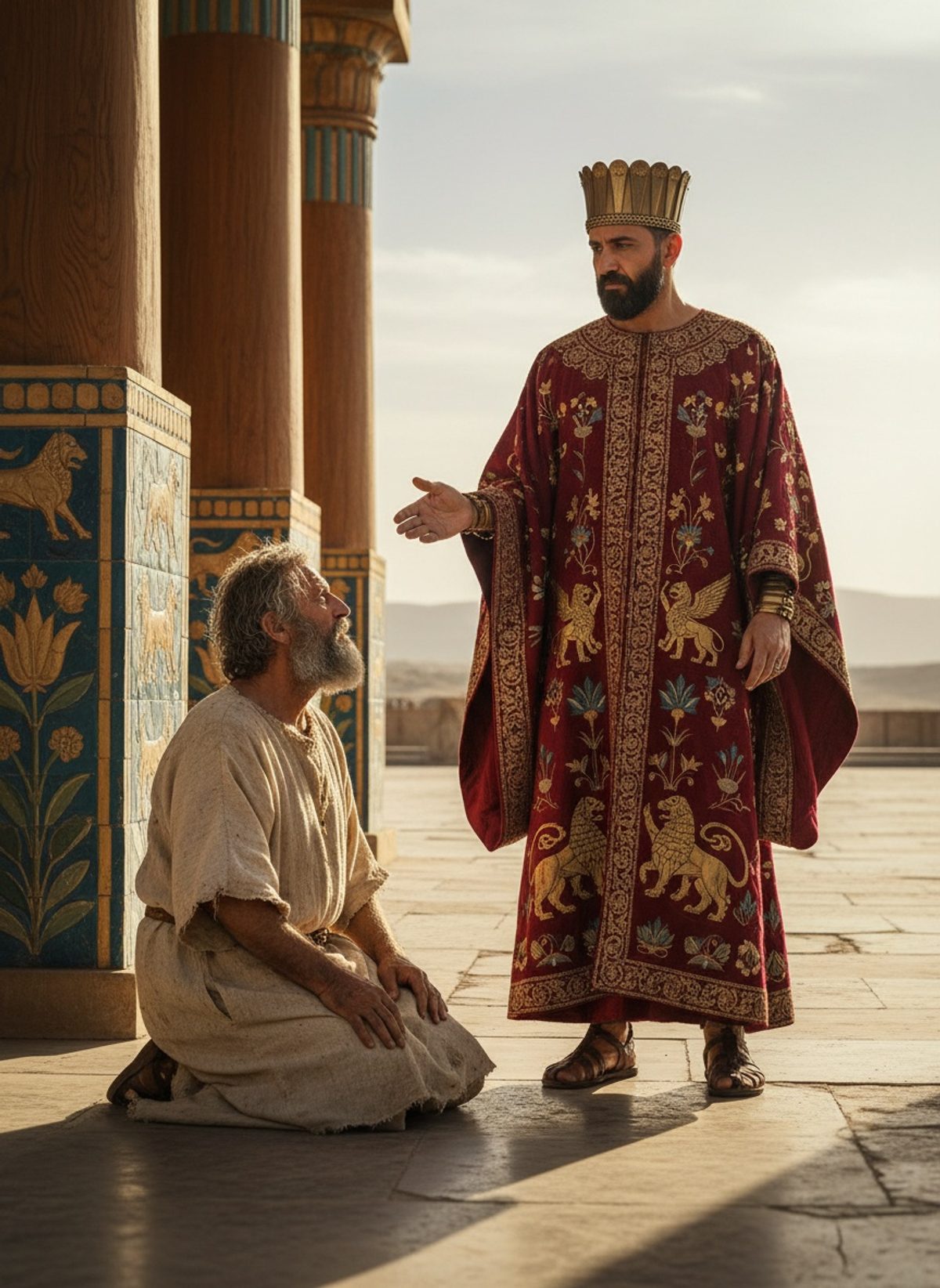
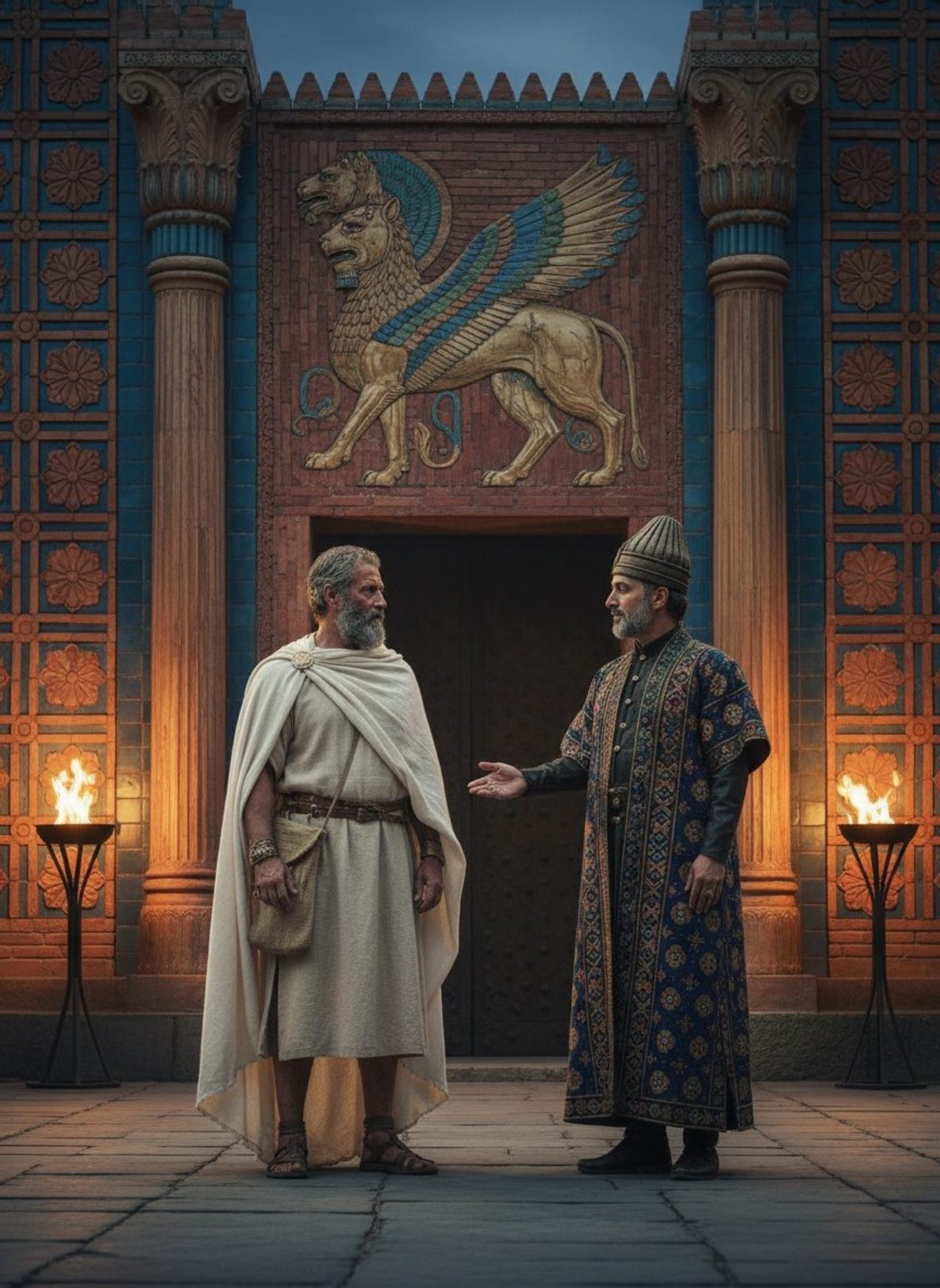
465 BC. A Greek hero stood at the Persian gate. He had saved Greece from Persia. Now he begged Persia to save him. Artaxerxes heard his name. Then laughed. Then gave him a palace.
522 BC. Darius had seized the Persian throne. His claim was shaky. So he carved a story into a cliff face 300 feet high. A British soldier risked his life to read it. The truth was buried inside.
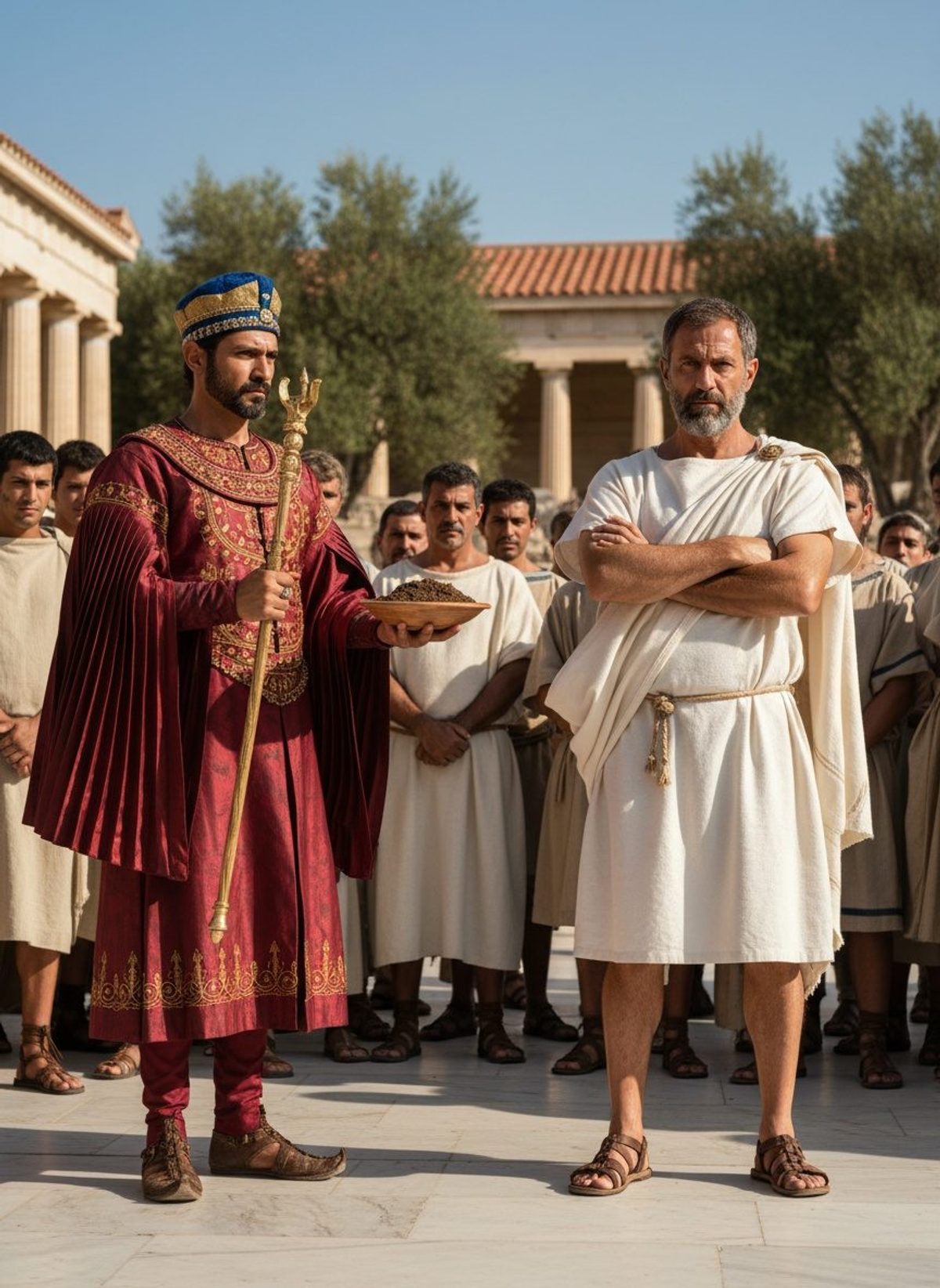
490 BC. Darius the Great sent heralds to Athens and Sparta. They demanded earth and water. The ancient tokens of submission. Athens threw them into a pit. Sparta threw theirs into a well. No negotiation. No apology.
Persian engineers built massive ice houses that kept ice frozen in 100°F desert heat
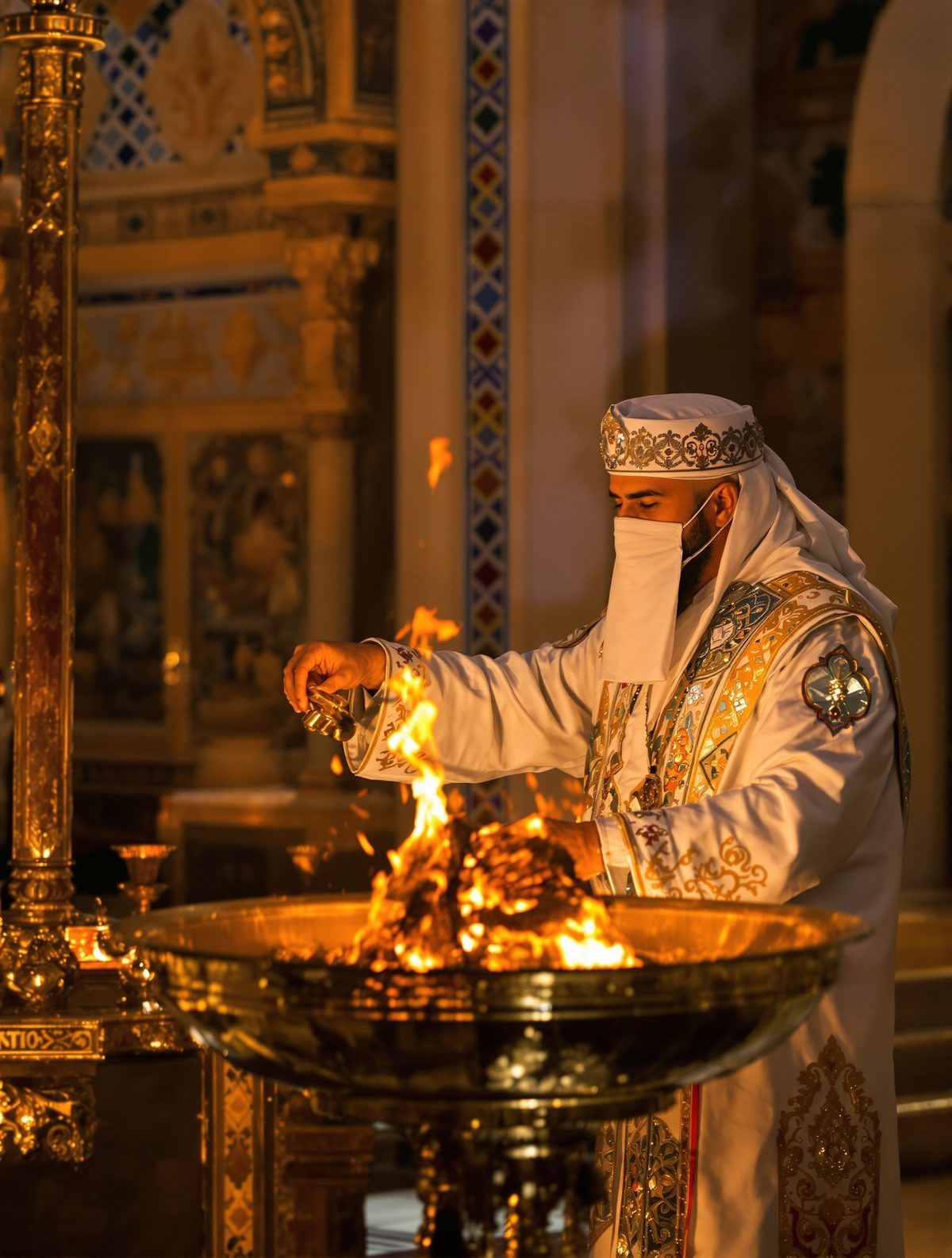
Zoroastrian priests kept sacred fires burning for over 1000 years without extinguishing
Persian messengers created the world's first postal system 2,500 years ago
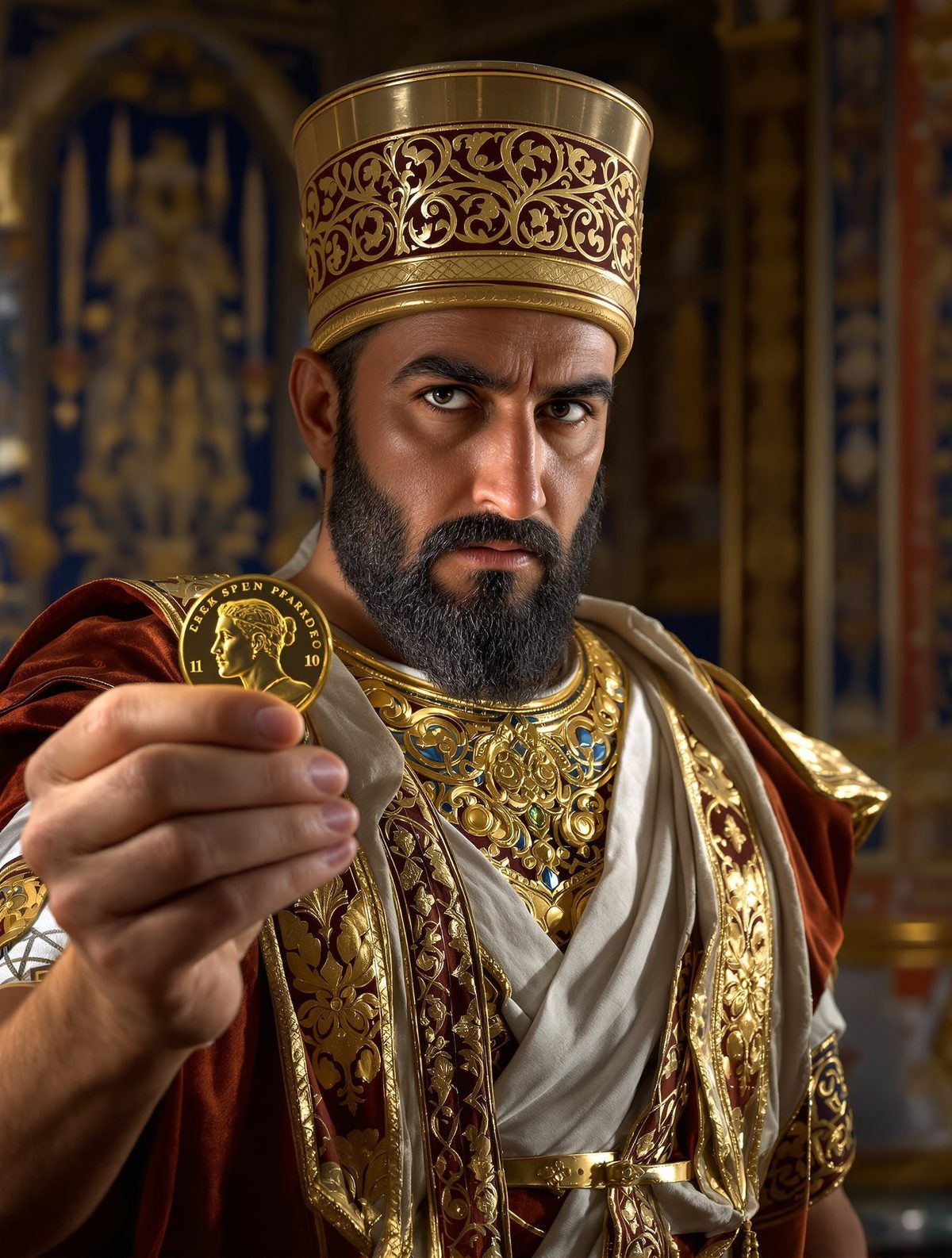
Tissaphernes ruled western Anatolia for the Persian king. But when archaeologists found his coins, they discovered something shocking. His face was on them. Not the king's. In ancient Persia, this was treason punishable by death.
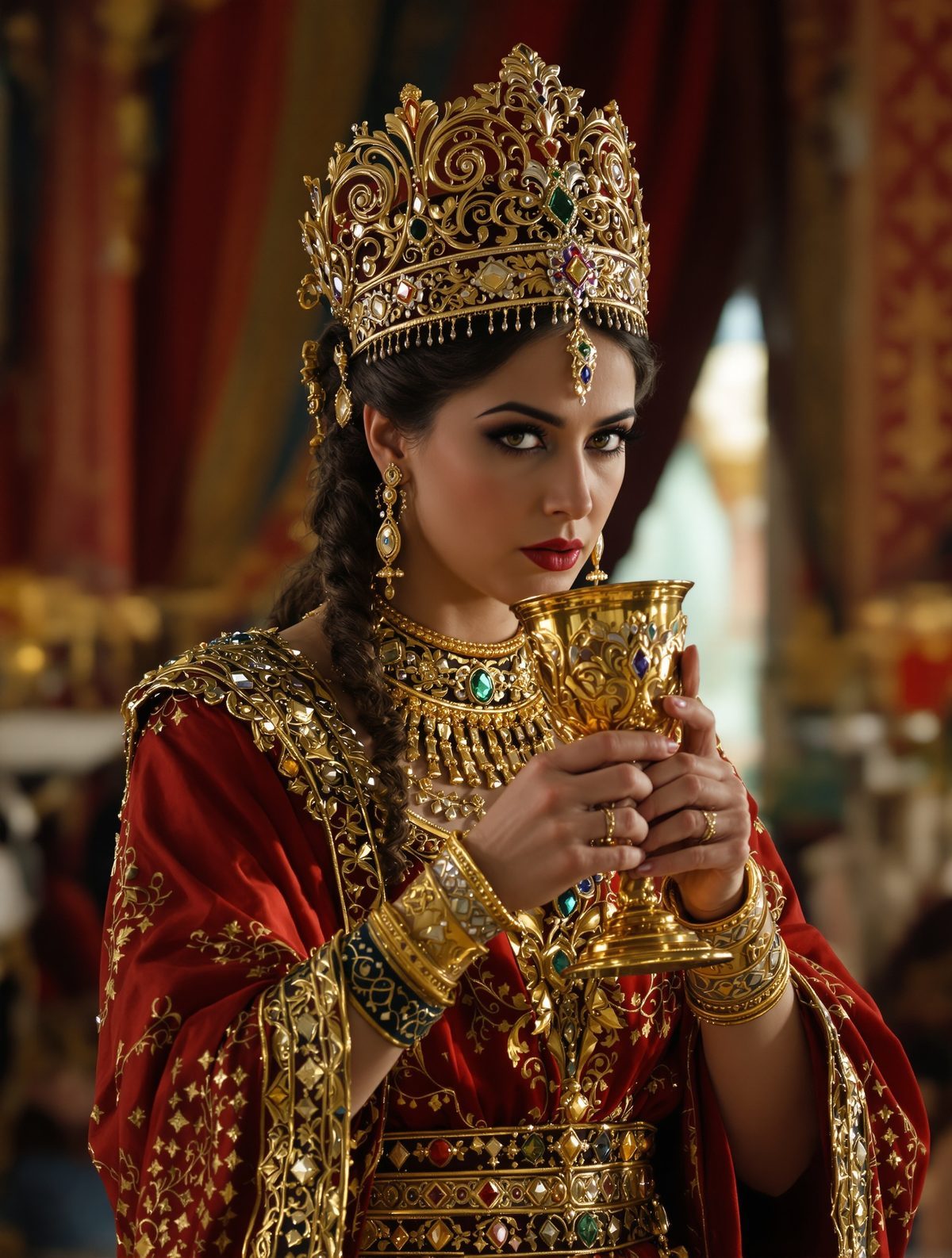
Queen Amestris discovered her husband's affair. Instead of demanding divorce, she made a horrifying request. Drink his blood in front of the Persian court. Darius agreed. She became the most feared woman in the empire.
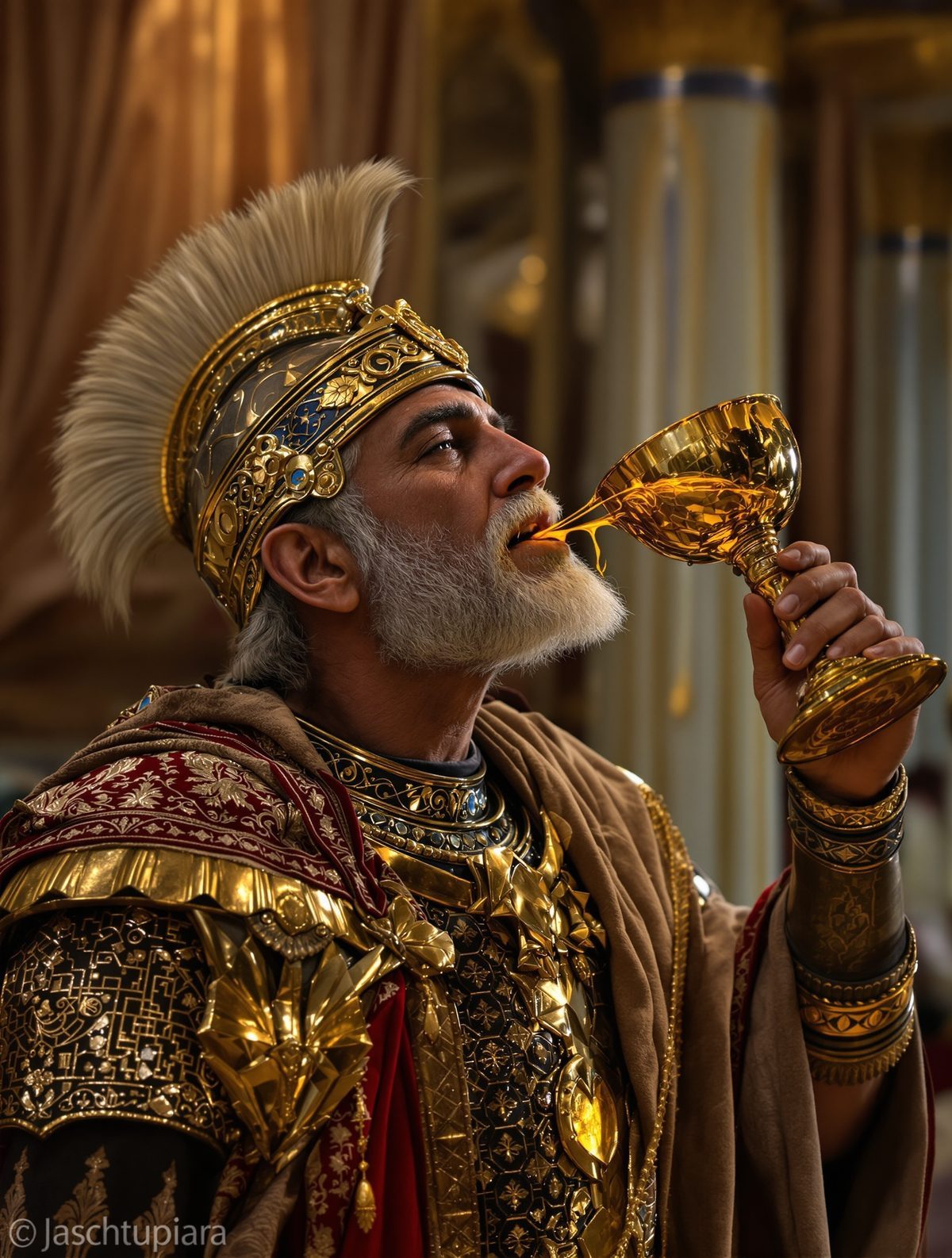
Cyrus the Great's general Harpagus captured the rebel king Croesus. The defeated ruler taunted him about Persian greed. Harpagus melted down Croesus's gold crown. Then drank it in front of him to prove Persians feared nothing.
Royal scribe Bagapates discovered King Bardiya was actually an impostor who murdered the real prince. Instead of reporting it, he secretly rewrote the official chronicles. For months, the Persian Empire was ruled by a fake king while Bagapates held the only evidence.
Queen Atossa discovered her son Prince Artaxerxes was planning to assassinate his brother King Darius III. She faced an impossible choice. Save one son by killing the other. Or watch civil war destroy Persia. She chose poison.
Prince Cyrus the Younger needed gold to pay his rebel army. His brother Artaxerxes lay dead on the battlefield. Cyrus stripped the royal corpse. Sold the golden armor to Greek mercenaries. Used the money to claim the Persian throne.
Cambyses II conquered Egypt and was presented with the sacred Apis bull. The Egyptians expected him to worship it. Instead, the Persian king drew his dagger and stabbed the holy animal. Egypt watched in horror as their god bled to death.
Bagoas was the most powerful eunuch in Persia. He murdered King Artaxerxes III with poison. Then killed the heir Prince Arses the same way. Finally tried to poison Darius III. But Darius forced Bagoas to drink his own poison instead.
King Cambyses II accused his trusted archer Prexaspes of calling him mad. To prove his sanity and skill, the king ordered Prexaspes to shoot an arrow. The target was Prexaspes' own son.
Alexander's wife Roxana watched her husband die in Babylon. Within months she ordered the execution of his pregnant second wife. Then she killed Alexander's mentally disabled half-brother. All to secure the throne for her infant son.
Artaxerxes III conquered Egypt after 60 years of independence. He then slaughtered the sacred Apis bulls worshipped as gods. The king roasted and ate the divine animals at a royal feast. Egyptians watched their gods become dinner.
Cambyses II conquered Egypt and ruled half the known world. While mounting his horse in Syria, his own sword slipped from its scabbard. The blade pierced his thigh in the exact spot where he had stabbed Egypt's sacred bull. He died from the wound weeks later.
Prince Smerdis ruled the Persian Empire in secret. His brother Cambyses had murdered him years earlier. A lookalike priest took his place on the throne. Nobody knew the real prince was already dead.
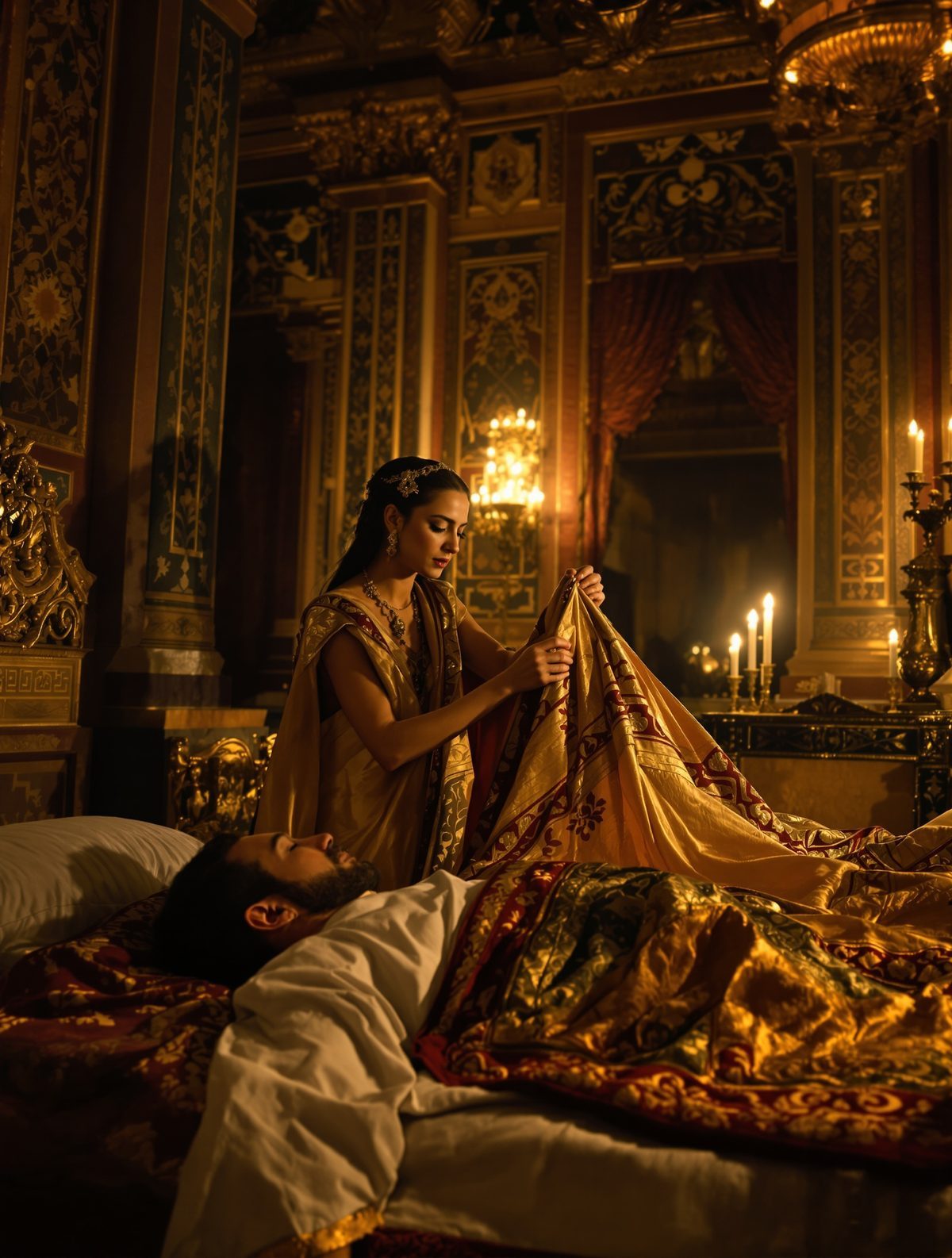
Persian noble Otanes suspected the new king was fake. Real king Bardiya had ears. The imposter magus Gaumata had his cut off as punishment. Otanes sent his daughter to check the sleeping king's head in darkness.
A Zoroastrian priest named Gaumata claimed to be Prince Bardiya. The real prince was already dead. For seven months, this impostor ruled the vast Persian Empire. Seven Persian nobles discovered his secret by checking his ears.
Intaphrenes helped crown Darius as Persian King. Expected unlimited palace access as reward. Guards blocked him one day. He drew his sword and cut off their ears. Darius executed him for mutilating royal servants. Loyalty has limits.
Persian King Artaxerxes II sat on his golden throne. His trusted general Tiribazus had just been caught plotting regicide. Instead of execution, the king forgave him completely. Tiribazus wept and became his most loyal defender.
A mysterious king ruled Persia for months. Noble Otanes grew suspicious. His daughter was married to the king. He sent her a secret mission. Check if the king has ears while he sleeps. She discovered the horrifying truth.
Cyrus the Great ruled the largest empire on Earth. He had never lost a battle. Then Queen Tomyris of the Massagetae sent him a chilling message. 'You will have your fill of blood.' He ignored her warning.
Judge Sisamnes took a bribe. King Cambyses II had him flayed alive. The king's craftsmen turned the judge's skin into leather. They upholstered the judge's chair with it. The dead man's son got his father's job. And had to sit on his father's skin every day.
King Darius I created history's first postal service across his Persian Empire. Royal messengers rode 1,600 miles in just seven days. They changed horses at 111 relay stations. Nothing stopped the mail - not snow, rain, heat, or darkness.
A Persian nobleman suspected their king was an imposter. At a royal banquet, he touched the ruler's head. No ears. The real prince's ears had been cut off years earlier. The fake king was exposed by a missing body part.
King Cambyses secretly murdered his brother Bardiya. But when Cambyses died in Egypt, someone claiming to be Bardiya seized the throne. For eight months, 'Bardiya' ruled the Persian Empire. Was it really him? Or an imposter ruling as a dead man?
Xerxes ruled the world's greatest empire. But his mother, Atossa, ruled him. She had already placed one son on the throne. Now she chose which nations would burn.
Astyages, King of the Medes, dreamed his daughter would destroy him. He gave her to a minor Persian noble to keep her powerless. She bore one son. That son was Cyrus the Great.
Darius III fled the battle. Alexander seized his camp. Inside: Darius's wife, mother, children. Alexander treated them as royalty. When Darius heard how his family was living, he wept.
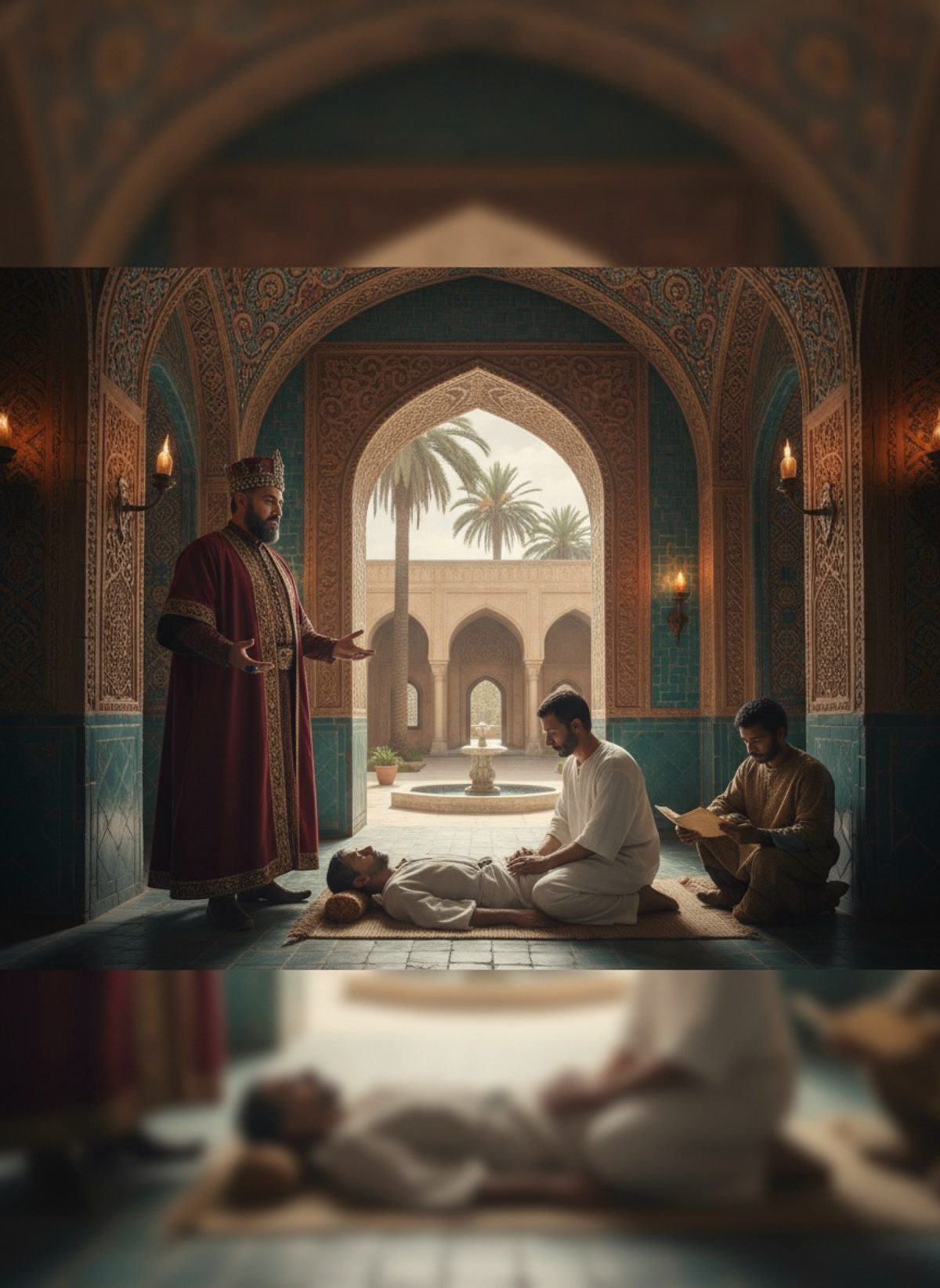
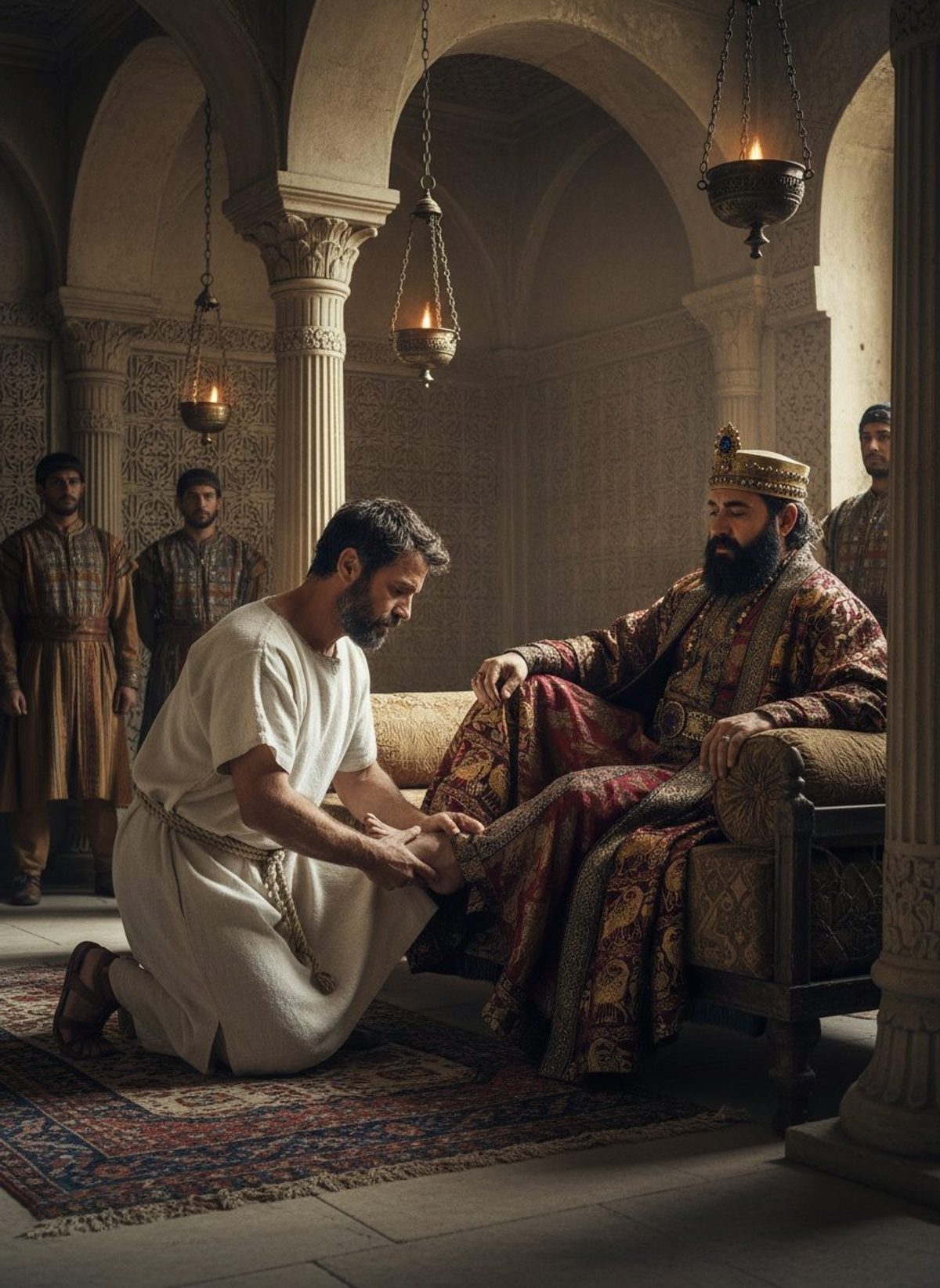
522 BC. A Greek doctor sat in a Persian dungeon. Darius the Great had broken his ankle. No Persian physician could help. The prisoner was dragged forward. He healed the king. Then he asked to go home.
522 BC. The island tyrant of Samos had outwitted everyone. Then a Persian governor sent an invitation. He sailed to the mainland alone. He never returned. His empire died with him.
Hand-picked from Britain Untold's archive. The stories you weren't taught at school. 3-minute read.
No spam. Unsubscribe in one click. We hate spam too. Privacy Policy.