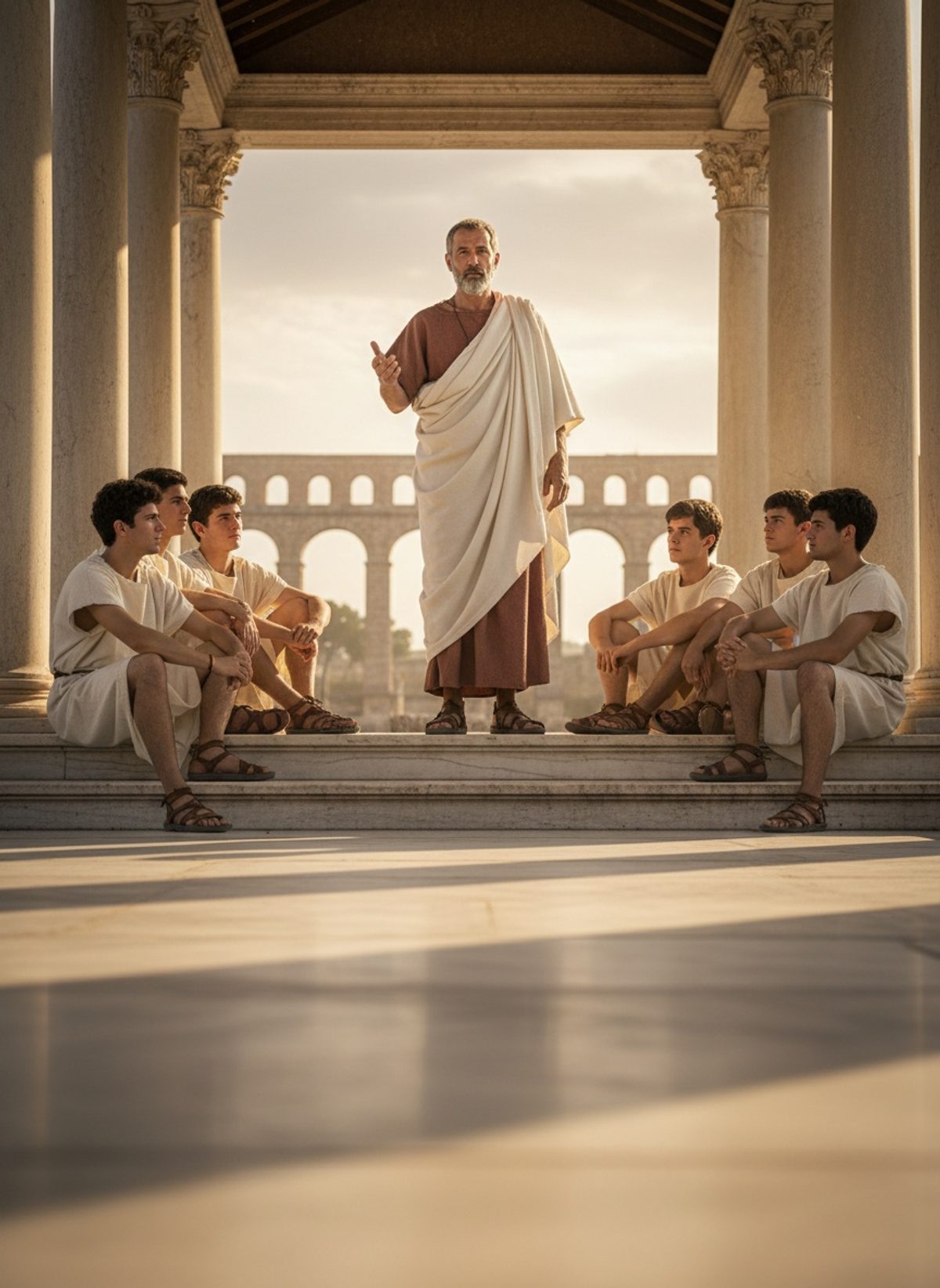
255 BC. The sweltering sun bore down on the bustling Forum Romanum.
An Unyielding Patriot
Marcus Atilius Regulus was a name whispered with reverence and fear. As he stepped onto the cobblestone streets of Rome, his presence was a striking contrast to the grandeur surrounding him. Clad in the plain tunic of a prisoner rather than the polished armor of a general, Regulus was a free man, if only for a brief and improbable moment. His face weathered by time and trial, told stories of distant battles and formidable foes.
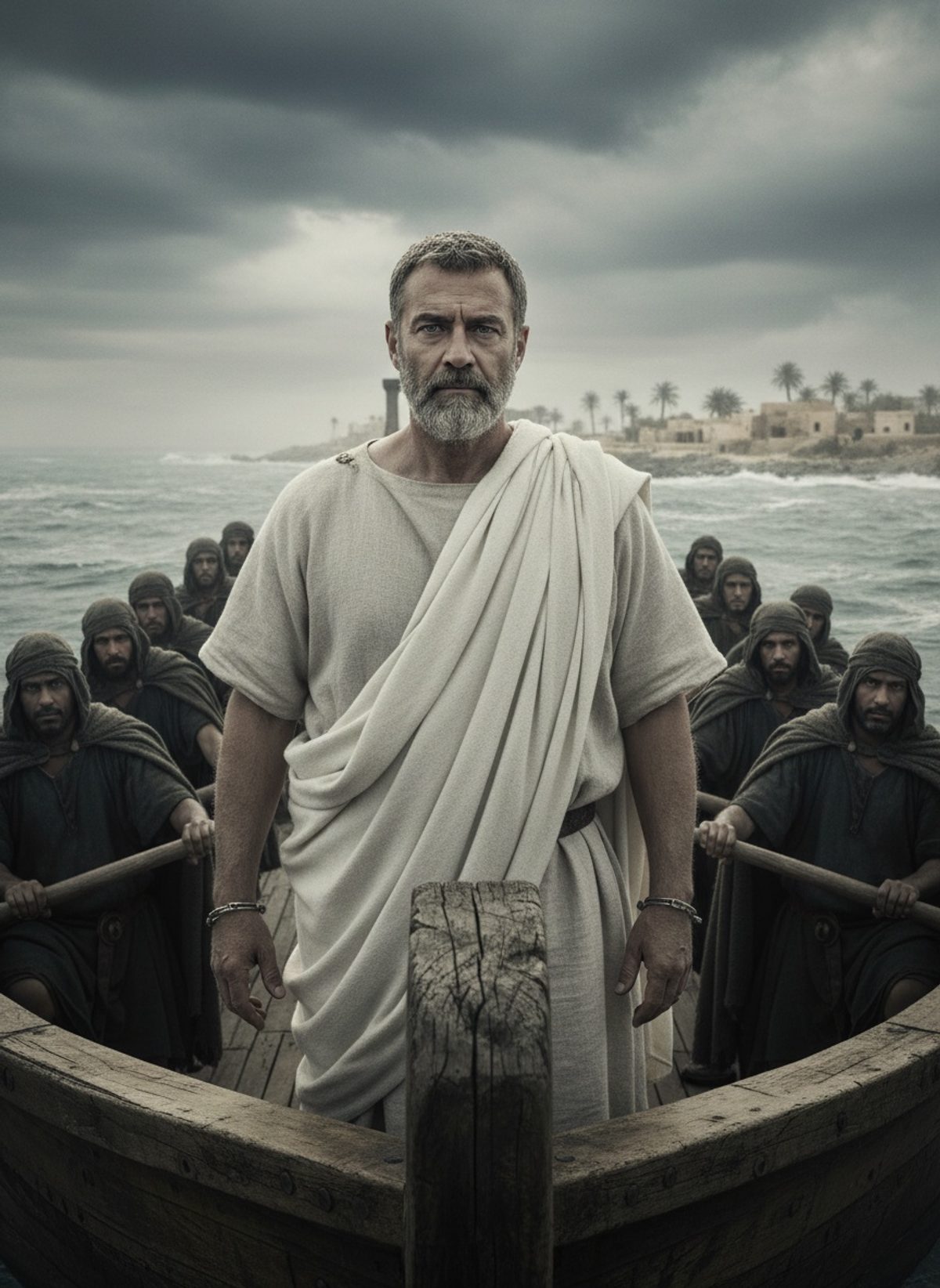
Carthage, the bitter rival across the Mediterranean, had captured him during the First Punic War. It was a conflict as grim as it was expansive, stretching over two decades in a relentless struggle for dominance over the ancient world. Carthage captured Regulus, Rome's greatest general, and held him hostage—a pivotal bargaining chip in their desperate bid for peace. They sent him back to Rome with a singular mission: secure an armistice favorable to Carthage, or face a return to chains.
The Senate's Hallowed Chambers
As Regulus entered the Senate, the solemnity of the chamber could hardly contain the anticipation that rippled through the air. Rome was weary from the strain of prolonged war; the allure of peace was tantalizing. But Regulus, standing resolute before the Senate, delivered a message that unfurled like a banner of war.
Read next: Sertorius Fed the Deer. The Soldiers Believed.
With a voice that resonated through the hallowed halls, Regulus painted a vivid depiction of Carthage's weakened state and urged his countrymen to refuse their olive branch. He implored them not to capitulate, to fight on against their adversaries. Rome's strength, he argued, must not be compromised. His words were not just a reflection of strategy but a testament to his unwavering allegiance to Rome. In a gesture that stunned and inspired, he declared he would return as promised to captivity, unwilling to break his word to his captors.
The Road Back to Captivity
Regulus's journey back to Carthage was a solitary odyssey marked by a remarkable resolve to uphold his promise. This decision, baffling to some, showcased a steadfast integrity rarely seen on the torn tapestry of war. News of his decision spread among the Roman populace, igniting a flame of admiration.
Those who encountered him on his way to the coast were often moved by his quiet dignity. He refused to disguise his purpose with sentimentality. To him, the virtues of honor and duty held an unparalleled sanctity. Carthage, a city that had become his dread, awaited with uncertain shadows. He walked back into the hands of his captors, aware of the horrors that would greet him—a fate that many could not fathom embracing willingly.
A Legacy Forged in Sacrifice
Carthage's welcome was as brutal as it was predictable. Historical accounts conflict over the details of Regulus's death, leaving a landscape littered with stories of torture and suffering—stories of a man subjected to the cruel machinations of an enemy bent on retribution. Yet, it is this grim end that immortalized Regulus in Roman lore, his sacrifice etched across the annals of history.
The story of Marcus Atilius Regulus resonates far beyond the ancient stones of Rome and Carthage. It is a narrative that raises profound questions about loyalty, promise, and the human condition. Each time his tale is recounted, it prompts reflection on the price of honor and the weight of one man's choices. While his era was one of steel and sandstone, Regulus's decision finds echoes across the ages—a reminder of the timeless conflict between commitment to one's ideals and the allure of personal safety. In the end, his walk back into chains was not merely a journey into darkness but a beacon illuminating the path of valor and virtue.