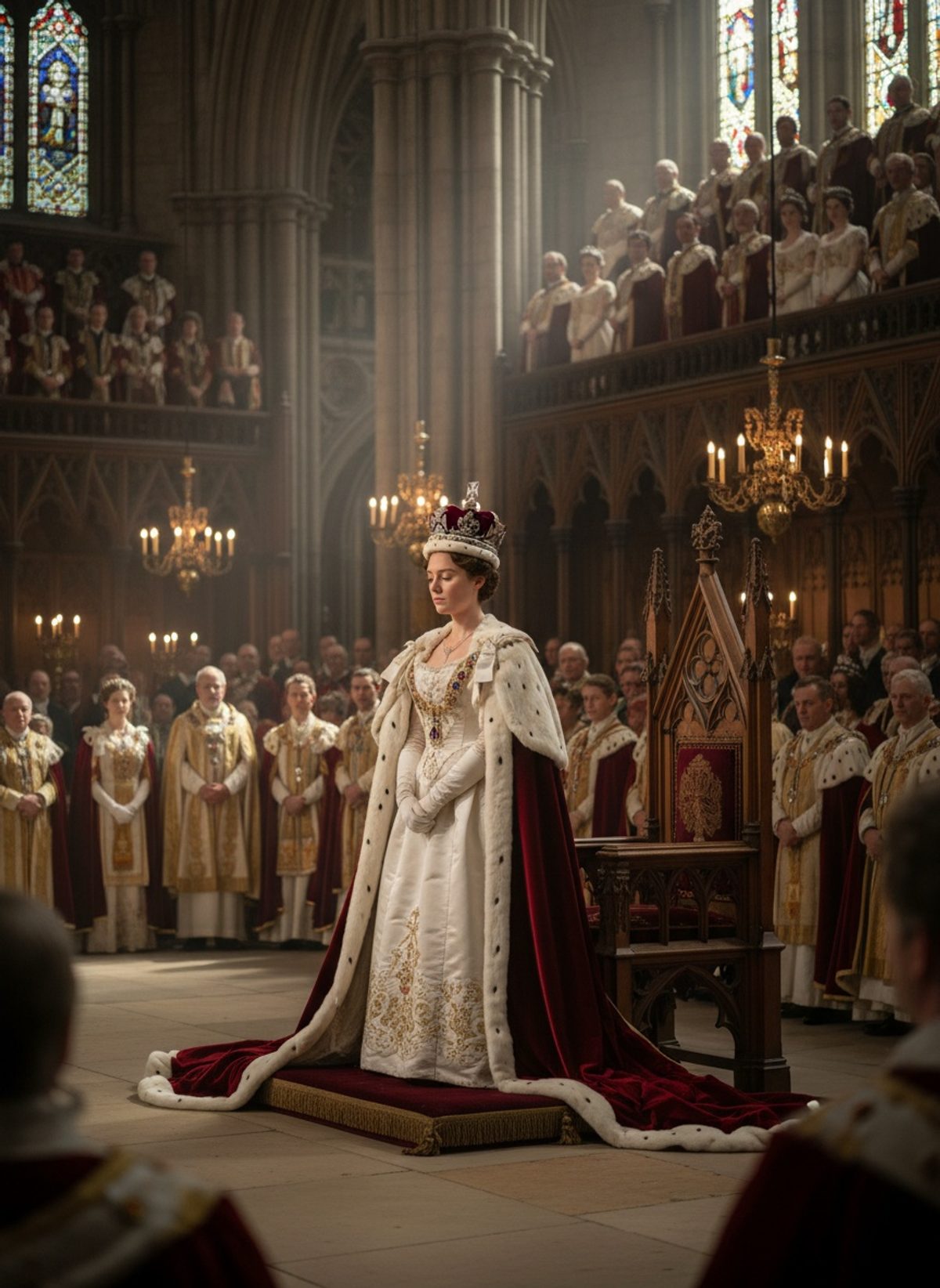
In the throne room of destiny, sometimes it's the smallest hand that pulls the strings. Picture this: a grand cathedral filled with the quiet rustle of anxious nobility, the air thick with incense and apprehension. In October 1216, England lay on the brink of annihilation—a kingdom half-claimed by foreign invaders and ruled by a boy barely old enough to read. Yet, at Gloucester Cathedral, this nine-year-old child was crowned Henry III, and he held the fate of a fractured realm in his youthful grip. His was a reign no one expected to succeed, especially not the watchful eyes of France, which saw an opportunity to seize England’s rich lands. Yet, against a maelstrom of adversity, young Henry and his indomitable regent, William Marshal, would forge a legacy that cemented a throne.
A Kingdom in Peril
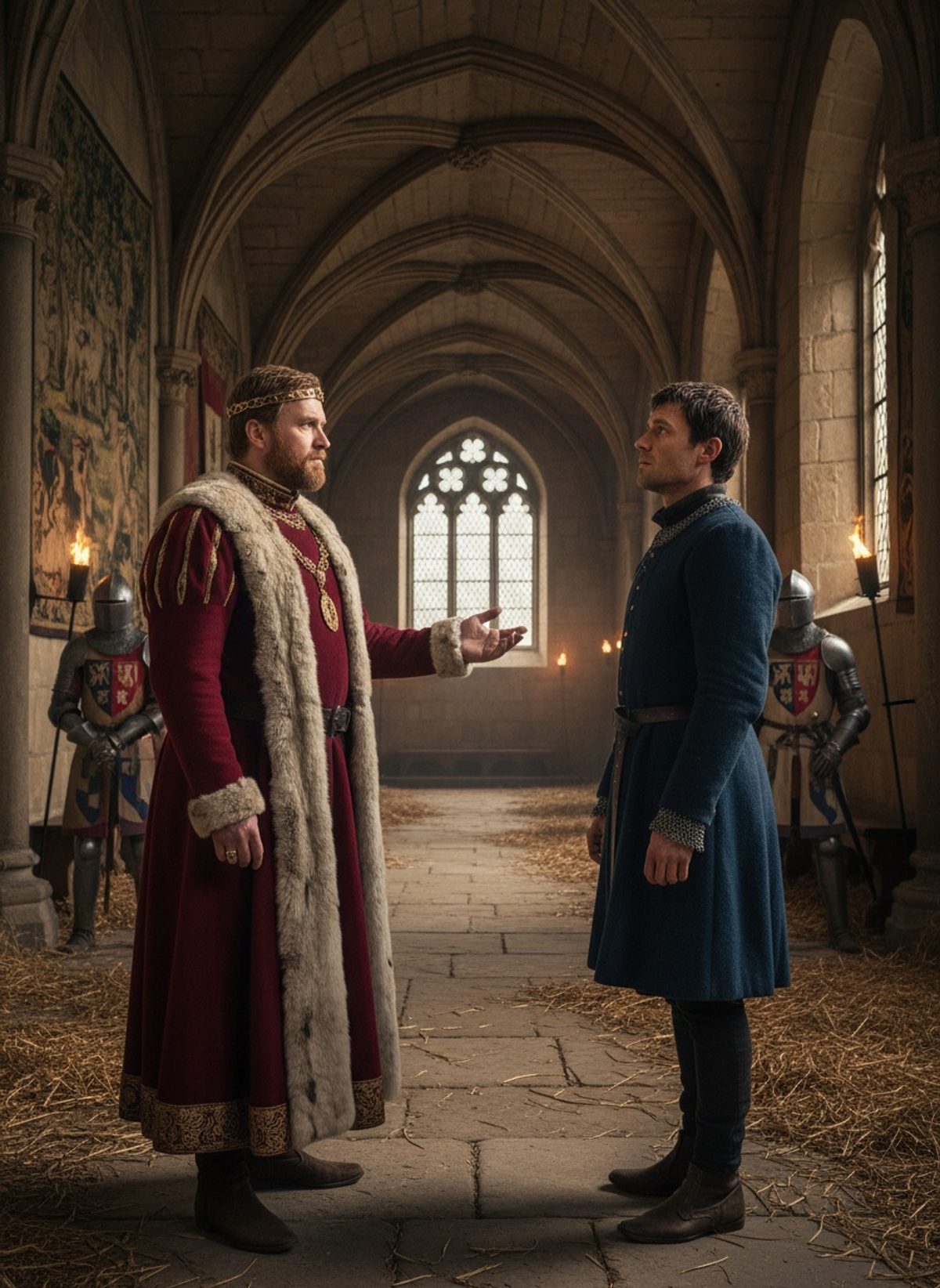
The year was 1216. England, under the turbulent rule of King John, had suffered ignominious defeat after defeat. John had been England’s "Bad King" — hated by the barons, excommunicated by the Pope, and the infamous signer of the Magna Carta in 1215. Reeling from his own misjudgments, John faced a kingdom teetering on the edge. And so, when his life was abruptly ended by an unexpected bout of dysentery on October 18, 1216, the news of his death spread faster than wildfire across an England already half-occupied by Prince Louis of France.
Louis had invaded England with audacious claims to its throne, supported by rebel barons disillusioned with John’s reign. Cities from the South Coast through London had pledged allegiance to him. The English crown seemed all but lost. Young Henry, John's child and newly christened king, was heir to little more than an idea—a crown fraught with perils and a union so fragile it looked ready to shatter under the weight of invasion. But what he lacked in years, he made up for in one invaluable asset: William Marshal, Earl of Pembroke.
The Last Knight’s Gamble
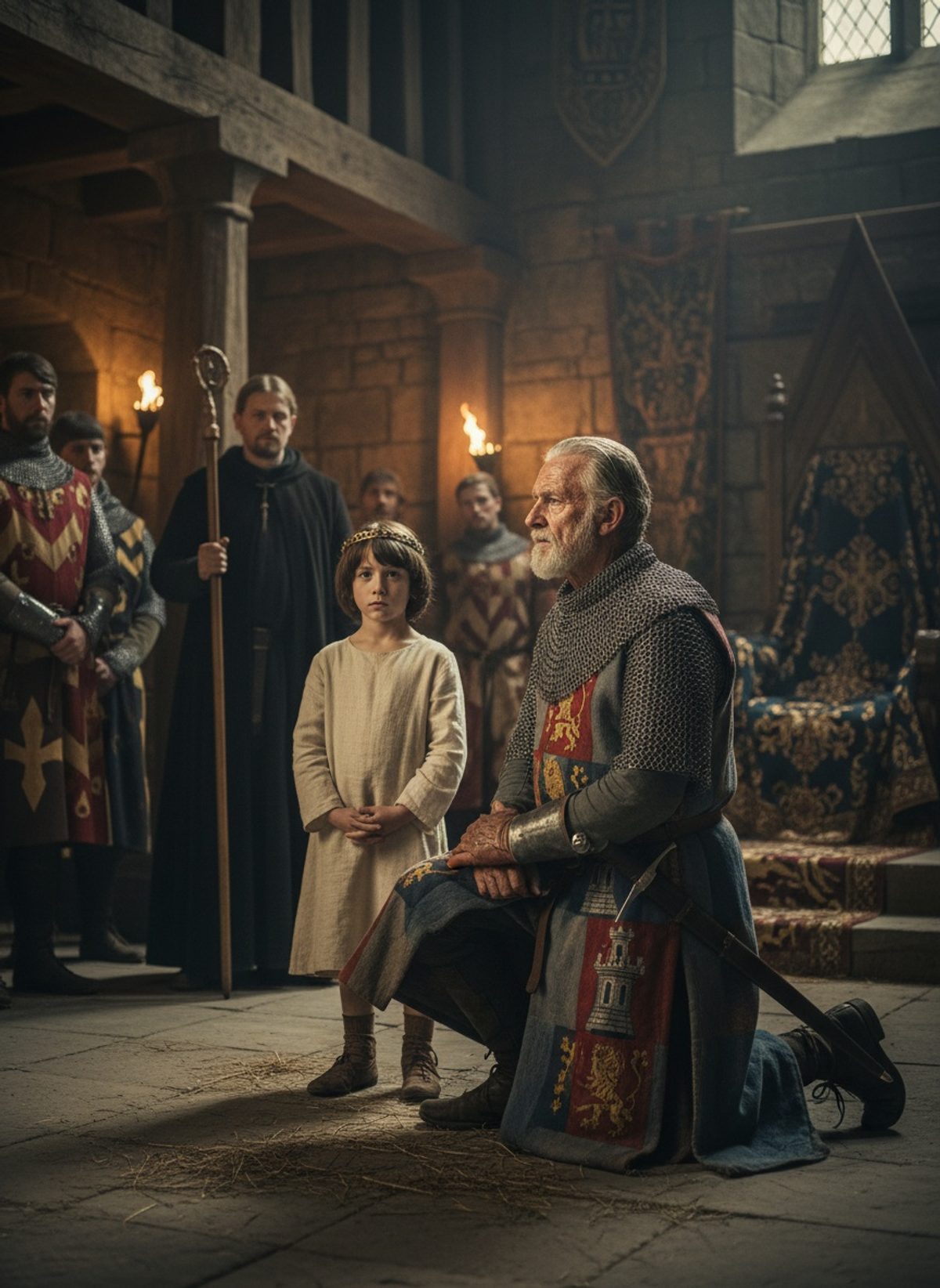
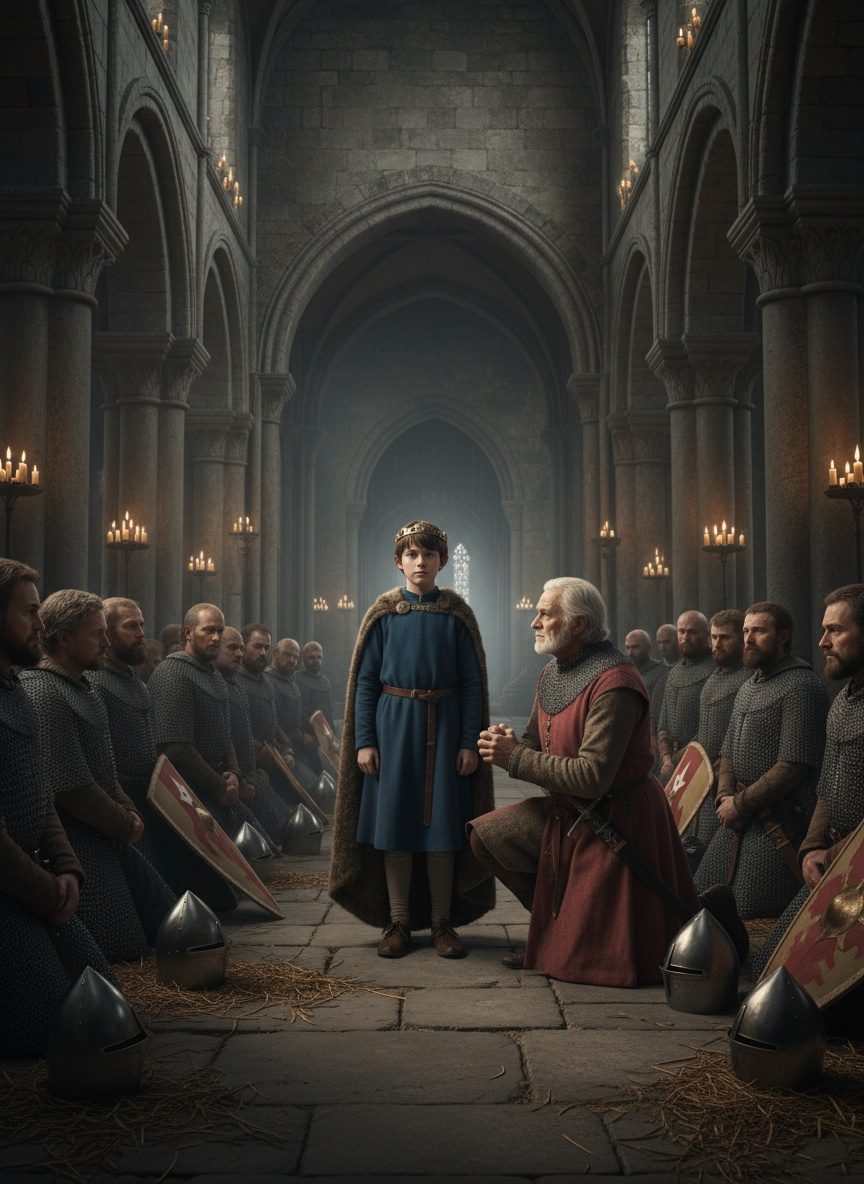
William Marshal was no ordinary man. At seventy, he was celebrated as the greatest knight of the age, his life an epic of fealty, nobility, and unrivaled skill in battlefield prowess. Just as it appeared England’s days might draw to a premature end, the grounding presence of Marshal offered a glimmer of hope. At the boy-king's coronation, it was Marshal who knelt and offered Henry his fealty, swearing to serve as his regent and protector. It was Marshal’s rugged experience and steadfast loyalty that ignited flickers of faith within the fractured remnants of England’s nobility.
Read next: The Day a King Knelt to Wash a Beggar's Feet
In the days succeeding the coronation, an odd spectacle followed: an old knight in his twilight years racing from battlefield to battlefield, guiding and inspiring an unexpectedly resilient young king. Under the wise escort of Marshal, measures were put in place to stem the tide of French dominance. Henry was moved to secure the allegiance of the Pope, who recognized him as the legitimate monarch. This Papal endorsement provided a vital boost, lending Henry a cloak of religious sanction that helped sway many undecided barons back to the English cause.
The Sword and the Olive Branch
As winter wound its shivering embrace around England, Marshal was faced with the urgent task of reclaiming lost territory. The military campaign was not simply about swords clashing; it relied on a nuanced blend of diplomacy and audacious strategy. Marshal embarked on a relentless campaign to draw away supporters from the French prince by offering pardons and restoring properties to those who would pledge allegiance to Henry.
Marshal’s patient strategy paid off. The siege of Lincoln in May 1217 marked a turning point, known as the Battle of Lincoln Fair. Here, Marshal’s forces, invigorated by his presence, stormed the streets with such ferocity that it broke the backbone of Louis's campaign. The French retreated in disarray—a retreat hastened by the timely intervention of a fleet dispatched to the Battle of Sandwich, securing a decisive naval victory. The tide of conquest ebbed away from Louis; his dreams of an English crown were lost to the sea.
The Breath of a Nation
Henry's reign would stretch across fifty-six years, transforming from an uncertain child monarch into a seasoned king. His long tenure witnessed continuous efforts to stabilize and improve England. Under the cautious guidance of Marshal, Henry III sought not merely to hold firm, but to mend bridges, uniting a kingdom splintered by civil war. The patchwork endeavor of these formative years formed a bedrock for what one could call a re-birth of a nation.
The story of young Henry stands as a potent reminder of Europe's fragile thrones and the turning tides of fortune. It highlights the dedication of a guardian like Marshal—a relic of a bygone age—who understood the rules of chivalry, politics, and the essence of leadership. His hand on Henry's shoulder provided England with continuity and a legacy reflective of unity over division in times of crisis.
Unfinished Chapters and Everlasting Lessons
This pivotal chapter, often overshadowed by more infamous or grandiose tales, served as a keystone in the emergence of modern Britain. It illustrates that even where a kingdom seems lost, the resolution of its people, marshaled by the most unexpected of leaders, can chart its future anew. It challenges the modern observer to consider the underestimated influence of youth and the power that lies in cultural stewardship.
Today, as we navigate our own turbulent times, reminiscent of fractured allegiances and societal divisions, perhaps we draw inspiration from the tapestry of history. Remember the boy in Gloucester Cathedral, adorned not with regal splendor, but crowned with hope. His is the story England wrote not just on parchment but carried in heart and memory—a testament to resilience, guarding lesser-known chapters that whisper resilience to us even now. In this unyielding spirit, history suggests: no crown, however delicate, cannot find its stronghold, no matter how young or old the head that bears it.