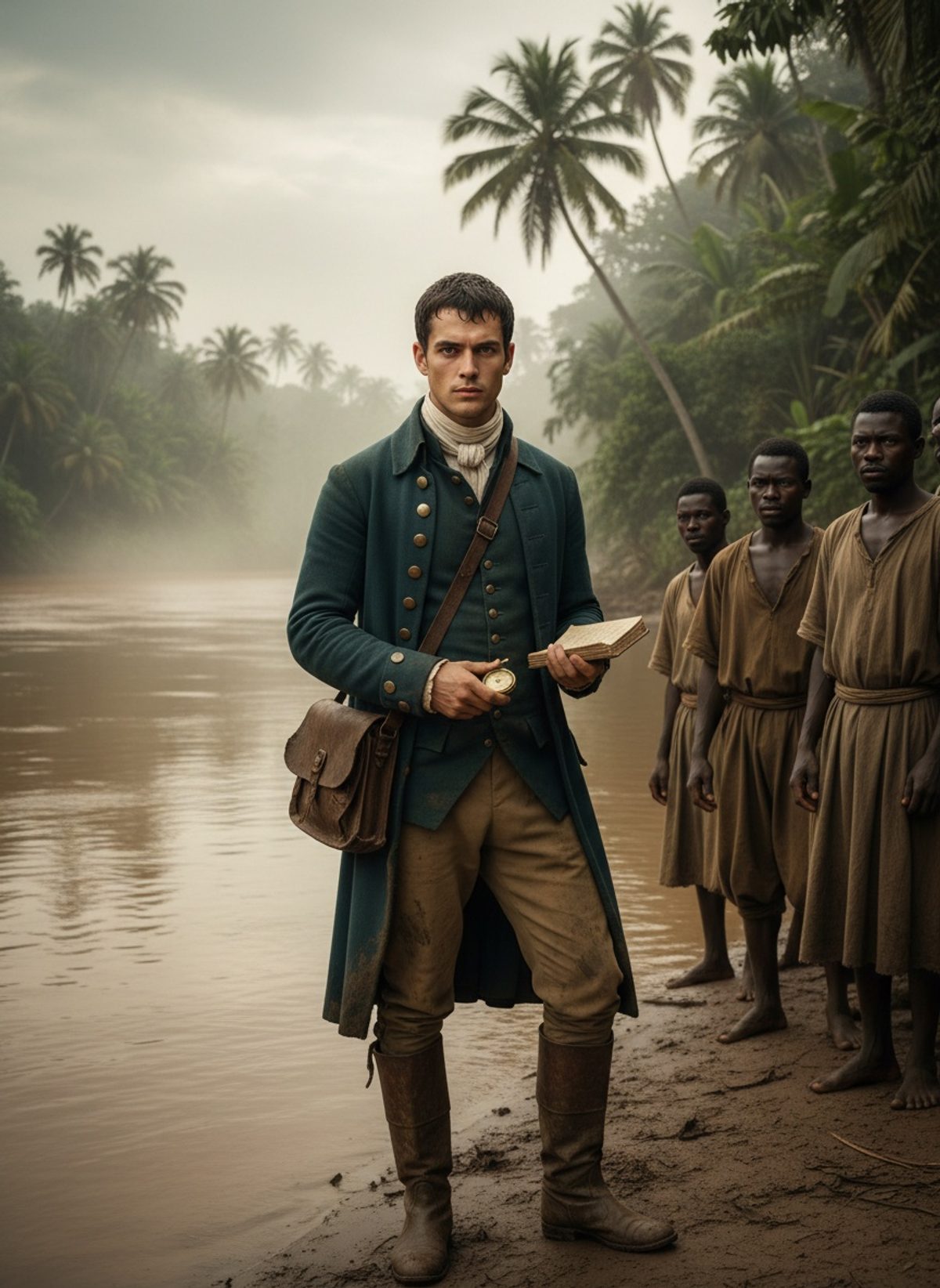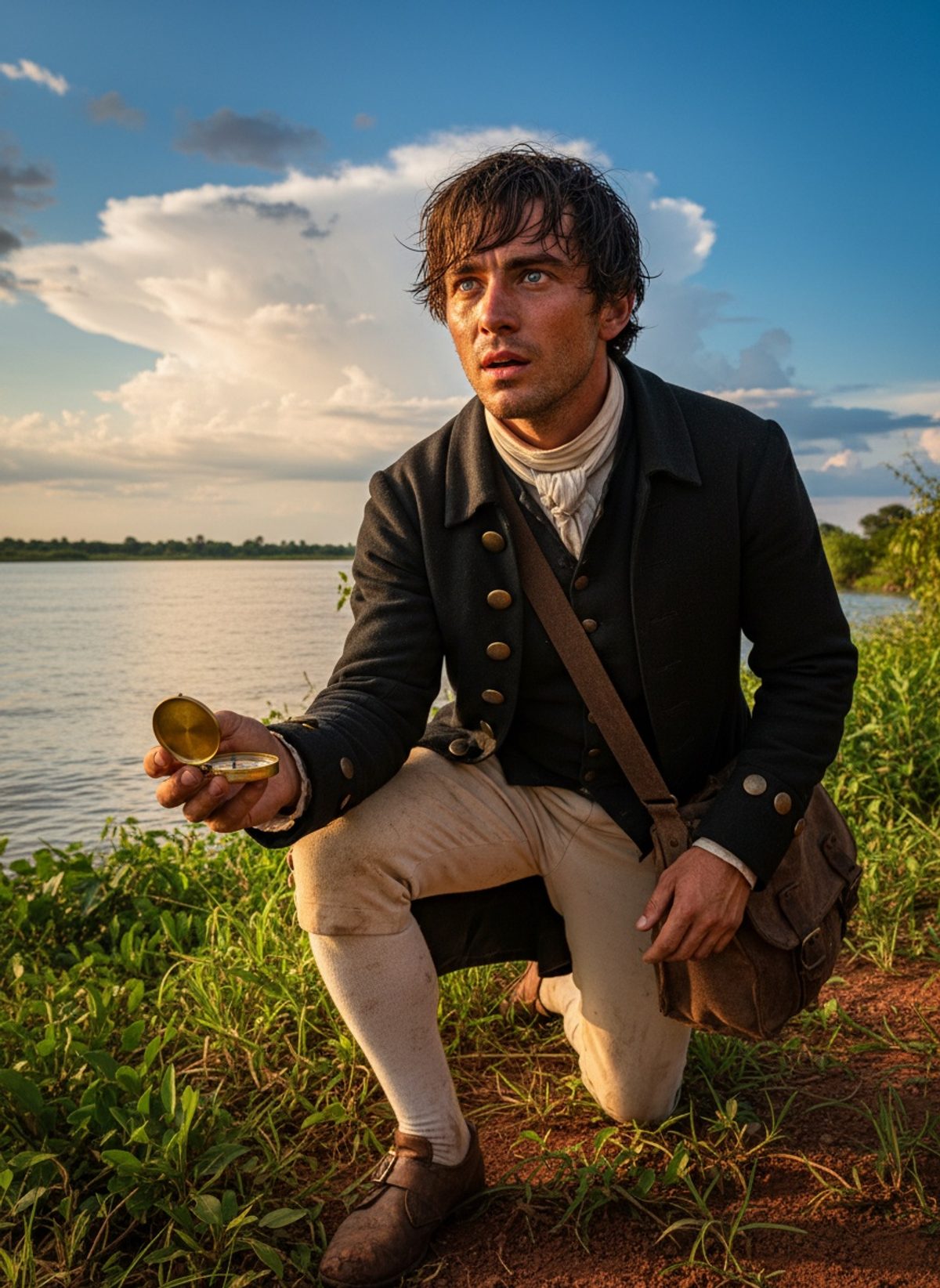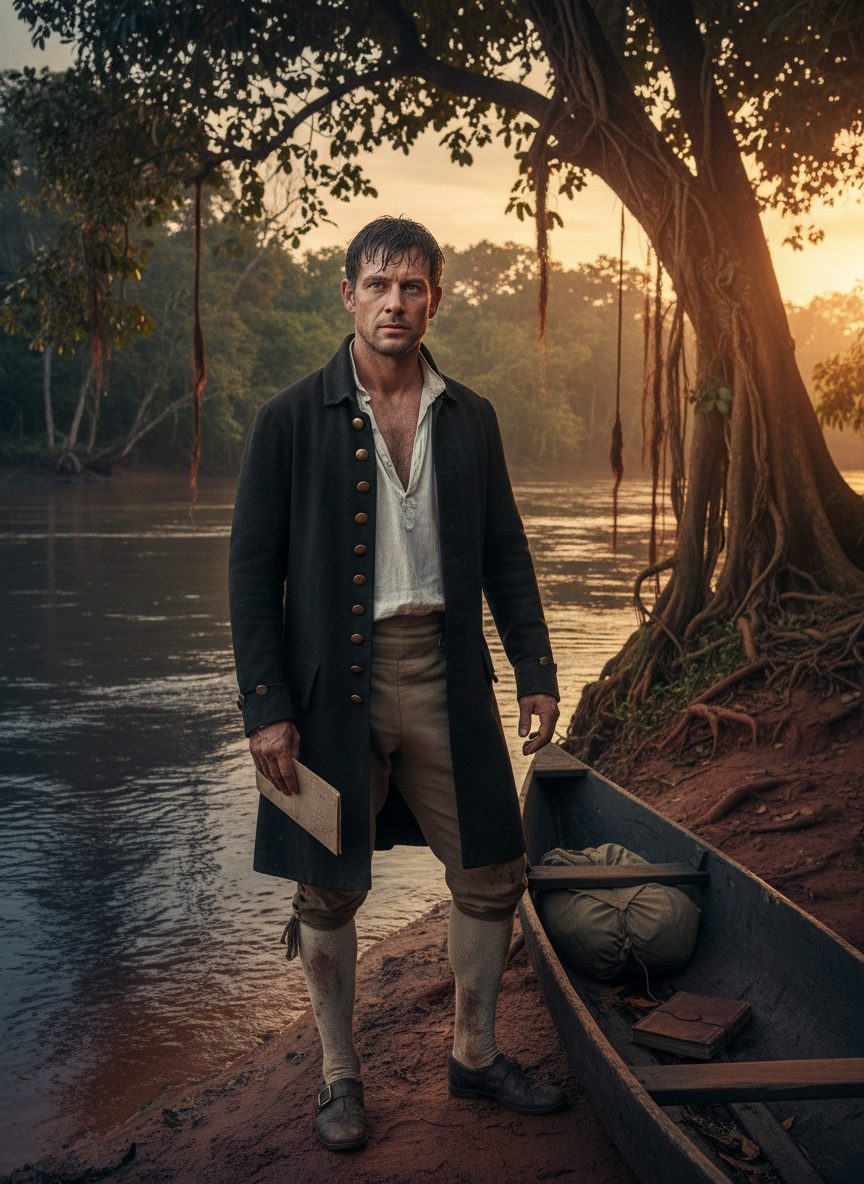
In the throes of the Georgian era, a time when the world seemed vast and full of secrets, there were men who dared to venture into the unknown. One of these was Mungo Park, a Scottish physician, whose intrepid spirits led him to the heart of Africa — only to vanish from history’s gaze. On a sultry day in 1805, he embarked on a journey up the Niger River, leaving only a haunting letter and unanswered questions that echo across time.
The Lure of the Unknown
The story of Mungo Park begins not as a tale of disappearance, but as a journey fueled by unyielding curiosity and ambition. Born in 1771 in Selkirkshire, Scotland, Park found himself entranced by the mysteries of Africa — a continent largely uncharted and subject to European fascination. Driven by this, Park joined the African Association, aimed at penetrating the secrets of the fabled Niger River.
His first expedition in 1795-1797 was groundbreaking. Park became the first European to reach the Niger and return to tell the tale. His book, "Travels in the Interior Districts of Africa," captivated the public, laying the foundation for his 1805 expedition. This time, however, the stakes were higher: to trace the river's course to its end — a feat no European had ever accomplished.
Into a Hostile Land
The expedition that set off in May 1805 was ambitious, comprising 40 men. Its path was laden with adversity. The Sahara’s oppressive heat, hostile encounters with local tribes, and the relentless spread of disease all conspired against them. By the time they reached the village of Silla, only Park and a few of his original crew remained.
Read next: The Day a Scots Surgeon Walked Into Timbuktu Alone
Despite these setbacks, Park’s resolve hardened. His journey across the land was nothing short of remarkable — trekking through searing landscapes, he navigated complex tribal politics and evaded predatory wildlife. Here was a man who had left the comforts of his Edinburgh home only to find himself adrift on a river shrouded in myth.
The Last Letter
By the time Park reached the banks of the Niger on November 19, 1805, he had been forged by loss. His men were gone, claimed by fever, violence, or the unforgiving terrain. Yet, it was here that Park penned his final letter to his beloved wife, Allison. Remarkably devoid of despair, the letter spoke of an unwavering determination to succeed in his mission.
"All is quiet right now. It is clear that I must go on with my mission… The course of the river shall speak the truths that lie within its flow," he wrote, alluding to a serenity that defied his situation. This letter, dispatched with the loyal Horace, the last of his native guides, carried a message of finality as much as hope, immortalizing the spirit of an intrepid explorer.
Into Oblivion
With one last push into the river’s embrace, Park set out in a rudimentary canoe, accompanied by a small group of men. It was December 1805, and with the current carrying them deeper, they passed through remote regions veiled in mystery. Somewhere along the journey, Park’s story becomes that of ghostly folklore; suggestions of his fate vary, but the certainty remains — he was never heard from again.
Among the most compelling accounts comes from a survivor several years later who recalled their boat being ambushed near Bussa. Finding himself trapped in the swirling waters of a shallow rapid, the explorer met his end precisely where European endeavor met African actuality — a tragic testament to both his bravery and hubris.
The Legacy of Mungo Park
While the Niger swallowed Park into oblivion, it is the compelling epistle of his endeavors that endures. His contributions to geographic and cultural knowledge of West Africa were profound. Though his final expedition seemed a tragic tale of failure, it paved the way for future explorers like Richard Lander, who eventually traced the Niger to its delta in the 1830s.
Today, Park’s journey provides insight into the human spirit’s unyielding quest for discovery. In a modern world where the mysterious is increasingly scarce, Park’s venture reminds us of the audacity bravery requires and the humility exploration demands. As continents shrink in perception, stories like Park’s teach us the value of curiosity — a force powerful enough to propel a lone man into the heart of Africa, where he left an indelible mark on history.