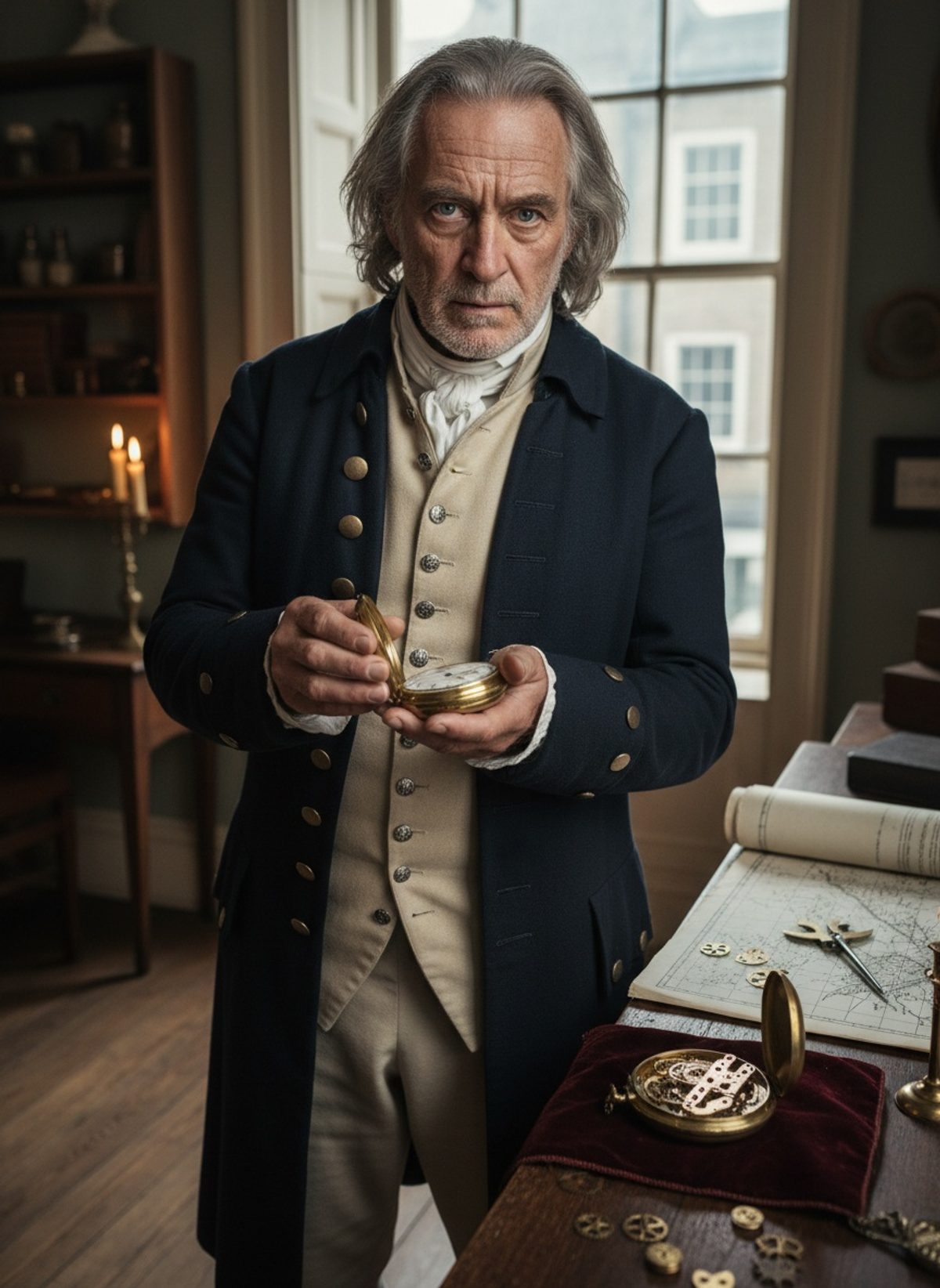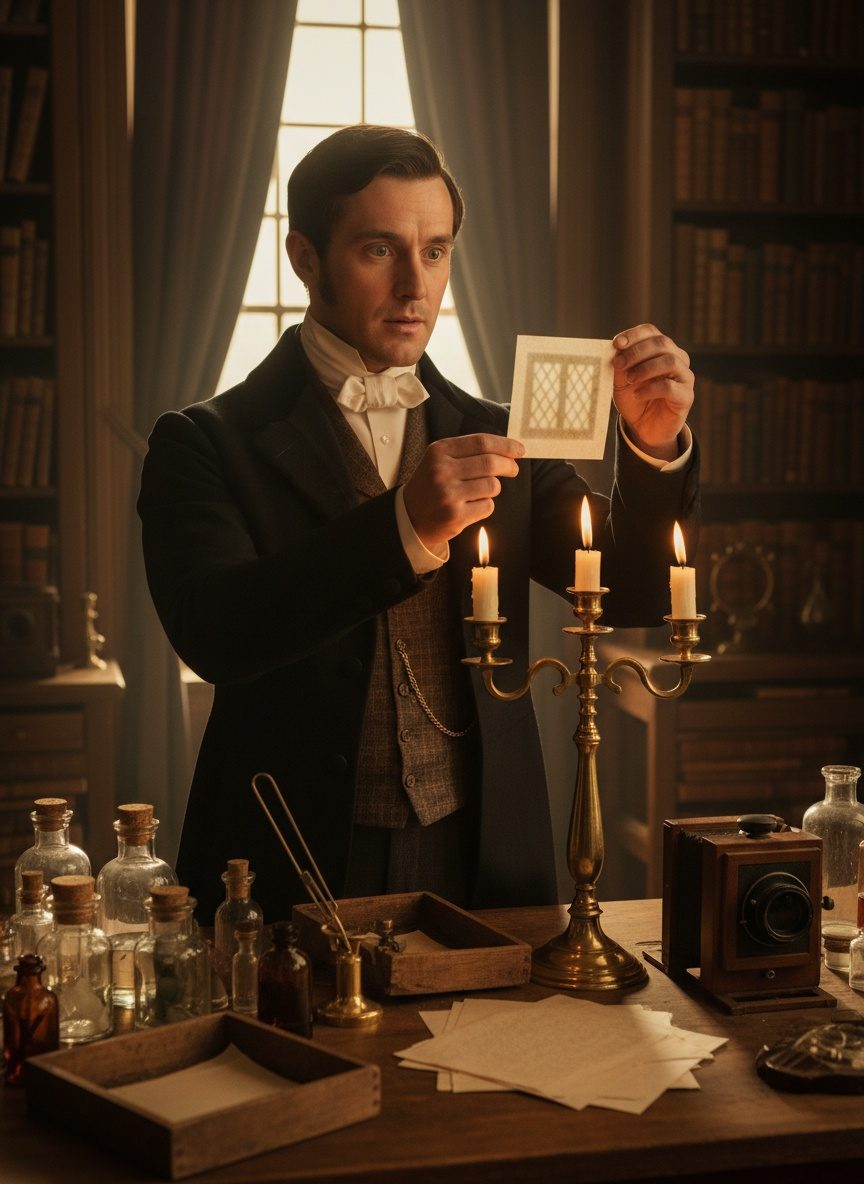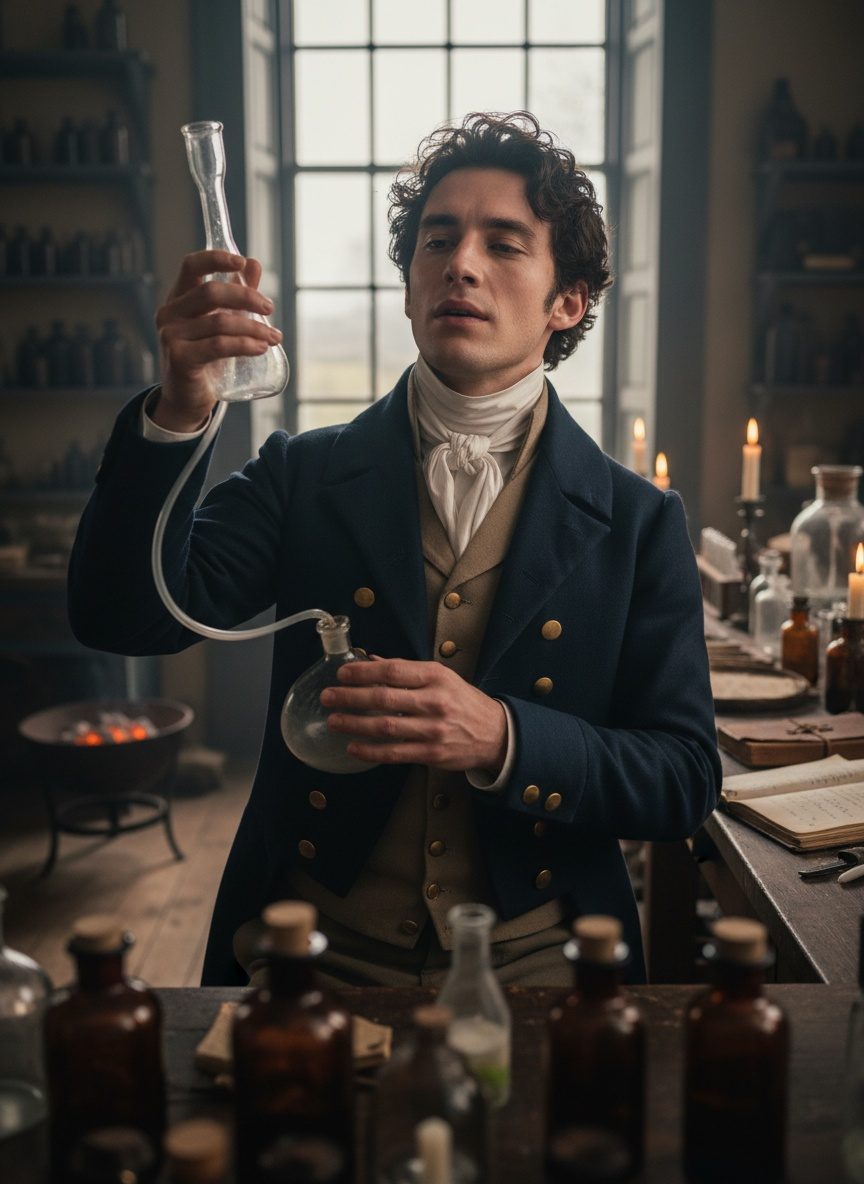
In the bustling heart of the Georgian era, nestled within the rolling hills of Somerset, a quiet revolution was brewing—not against empires or despots, but against a microscopic foe that had ravaged humankind for millennia. It was here, in the small village of Berkeley, that a country doctor named Edward Jenner embarked on a bold experiment that would echo through the annals of history, paving the way for modern medicine.
The Curious Case of the Immune Milkmaid
On a crisp May morning in 1796, Edward Jenner found himself staring at a singular phenomenon, one that had piqued the curiosity of many but had seldom been pursued with scientific vigor. For years, local farmers and villagers whispered about the peculiar immunity among milkmaids to the deadly scourge of smallpox, a disease that left its victims ravaged with scars or sent them to an early grave. They said milkmaids never caught smallpox, brazenly flaunting smooth skin unmarred by the disease.
What lay behind this bizarre immunity? Jenner, ever the curious mind, began to consider the possibility that cowpox, a much milder disease contracted from cows, held the answer. Cowpox was common among milkmaids, manifesting as mild blisters that quickly healed. The scientific establishment of the time had not connected the dots, but Jenner dared to wonder if exposure to cowpox somehow shielded these milkmaids from the ravages of smallpox.
The Bold Experiment
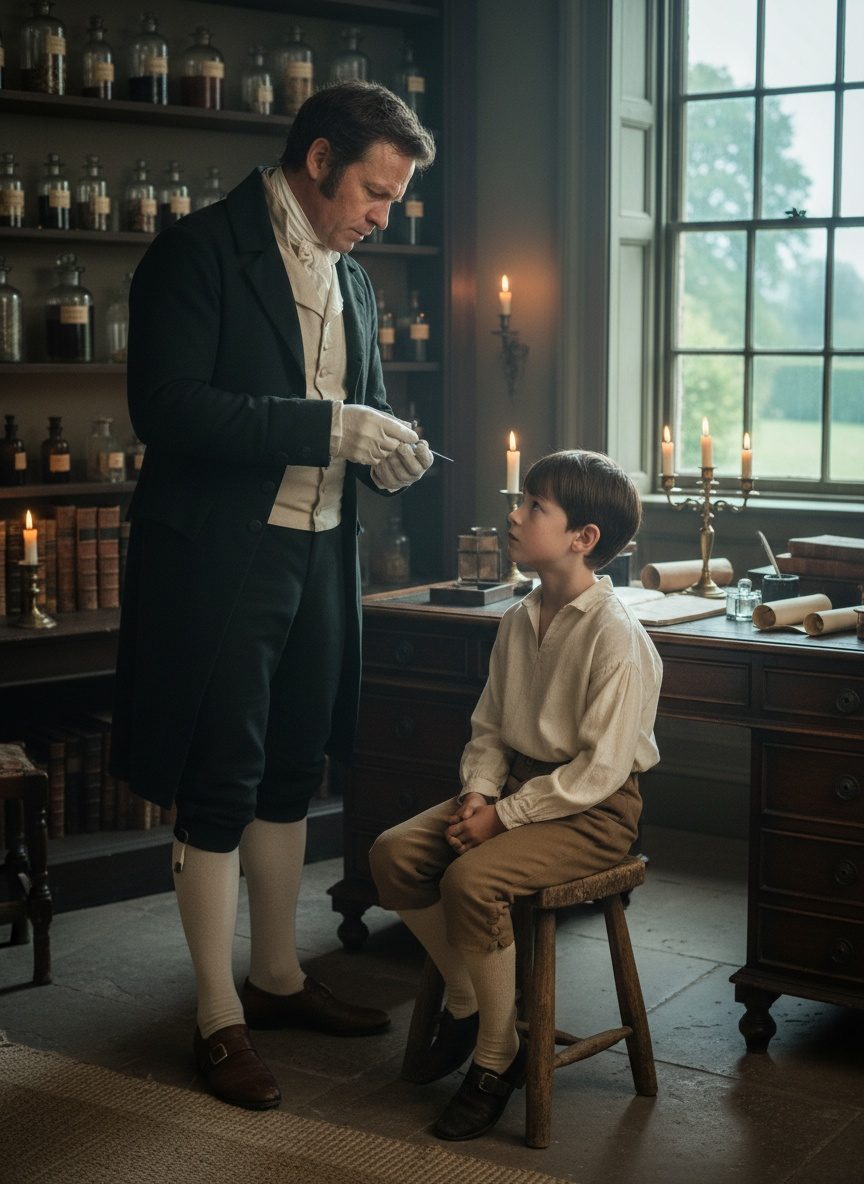
On May 14, 1796, Jenner put his daring hypothesis into practice. He selected James Phipps, an eight-year-old boy from the village, to be the subject of his groundbreaking experiment. With steady hands bolstered by conviction rather than hubris, Jenner made two small incisions in James’s arm and inserted material from a cowpox sore taken from a milkmaid named Sarah Nelmes.
Read next: The Day a Deaf Man Gave the World Its First Electric Motor
It was a moment that stood on the precipice of history—a humble initiation of the scientific method that teetered between hope and the specter of failure. After a few days, young James developed a fever and discomfort, but these symptoms quickly subsided. Jenner then subjected the boy to what seemed unthinkable: an exposure to smallpox itself. The child’s resistance was nothing short of miraculous. James did not contract smallpox, confirming Jenner’s theory with resounding success.
From Skepticism to Acceptance
Jenner's findings, though revolutionary, were initially met with skepticism and even derision by some in the medical community. The notion that an animal disease could confer immunity to a human one seemed preposterous at best. Yet, there were those who saw potential and reason to investigate further. Jenner meticulously documented his work, publishing "An Inquiry into the Causes and Effects of the Variolae Vaccinae" in 1798, making a compelling case for his method.
The early 19th century saw his defenders rise, and among them was Thomas Jefferson, who famously referred to Jenner as having 'saved more lives than any other person' throughout history. Jenner's work began to gain traction, with vaccination clinics sprouting across Europe and eventually worldwide. George Washington had long been a proponent of innoculation; now, his country embraced vaccination.
The Butterfly Effect on Medicine
What began in that small Somerset village ultimately set off a chain reaction across the medical landscape. Jenner’s vaccination paved the way not merely for the eventual eradication of smallpox in 1980 but also spawned the birth of immunology and preventive healthcare on a global scale. His methods laid the groundwork for combating diseases like measles, polio, and influenza, creating vaccines that saved countless lives.
Though Jenner faced criticism, his methodology established fundamentals that endure in modern science: rigorous observation, patient experimentation, and thorough documentation. It is the scientific process that remains alive in labs today, chasing cures for both age-old and emerging diseases.
The Legacy of a Quiet Revolutionary
In the wake of Jenner’s brave endeavor, the world learned that even the most seemingly insurmountable challenges could be systematically deconstructed and overcome. His exploration into the realms of the microcosm championed the spirit of inquiry and innovation—an ethos that defines the medical profession today. Indeed, Edward Jenner’s work resonates well beyond his era, reminding us of the boundless possibilities that await those willing to brave the unknown.
In an era where new viruses and superbugs challenge humanity, Jenner's pioneering spirit serves as a beacon. Just as he transformed the terror of smallpox into a manageable malady, so too do modern scientists rise each day with hope that new discoveries will protect future generations. Edward Jenner’s tale is a testament to a truth as perennial as the Somerset hills: knowledge is power, and in the right hands, it can change the world.