Various
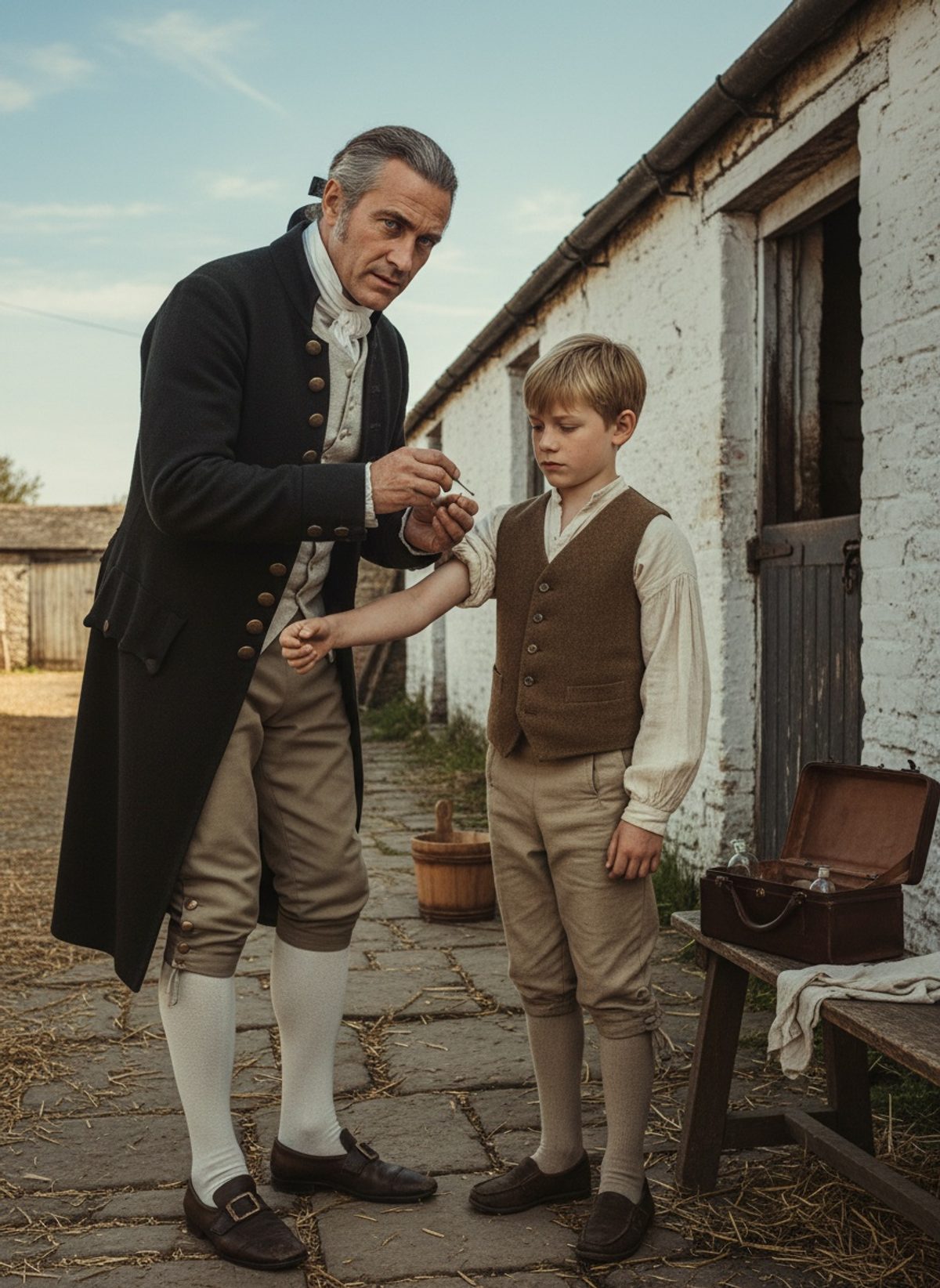
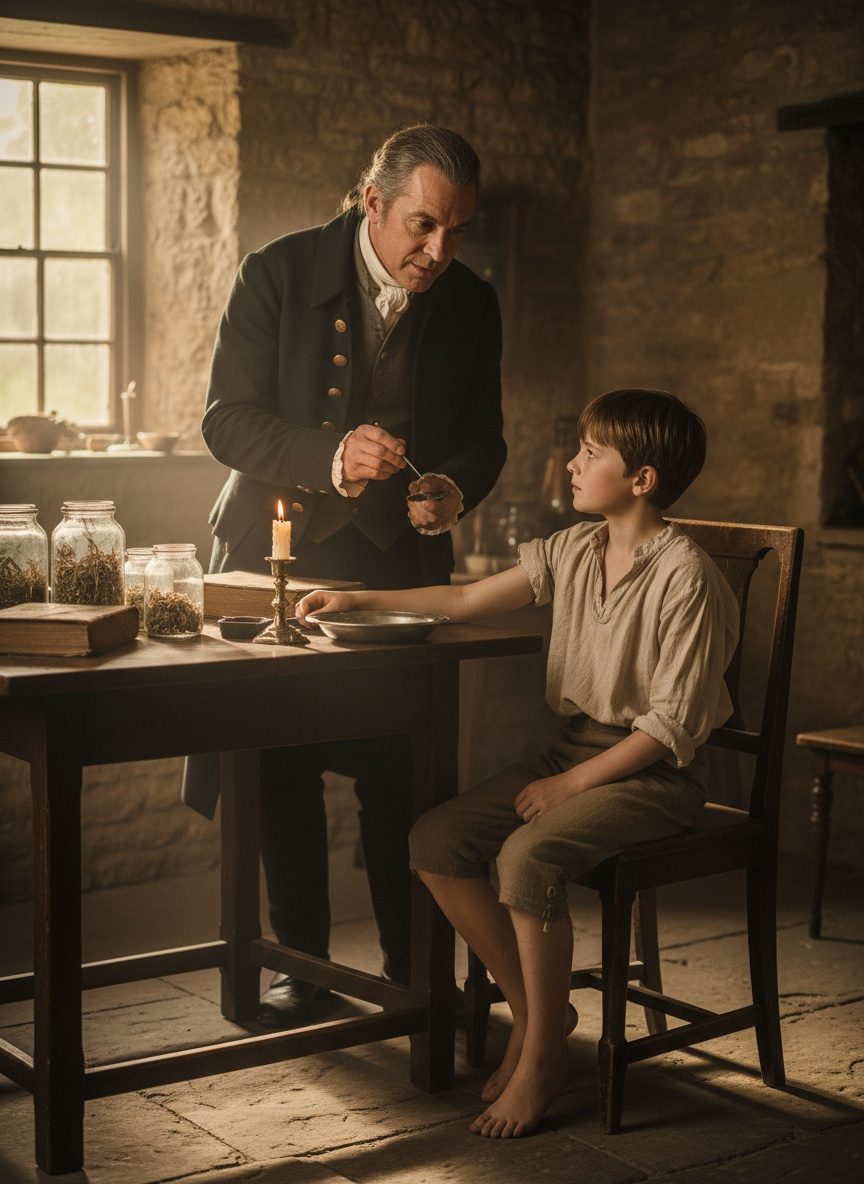
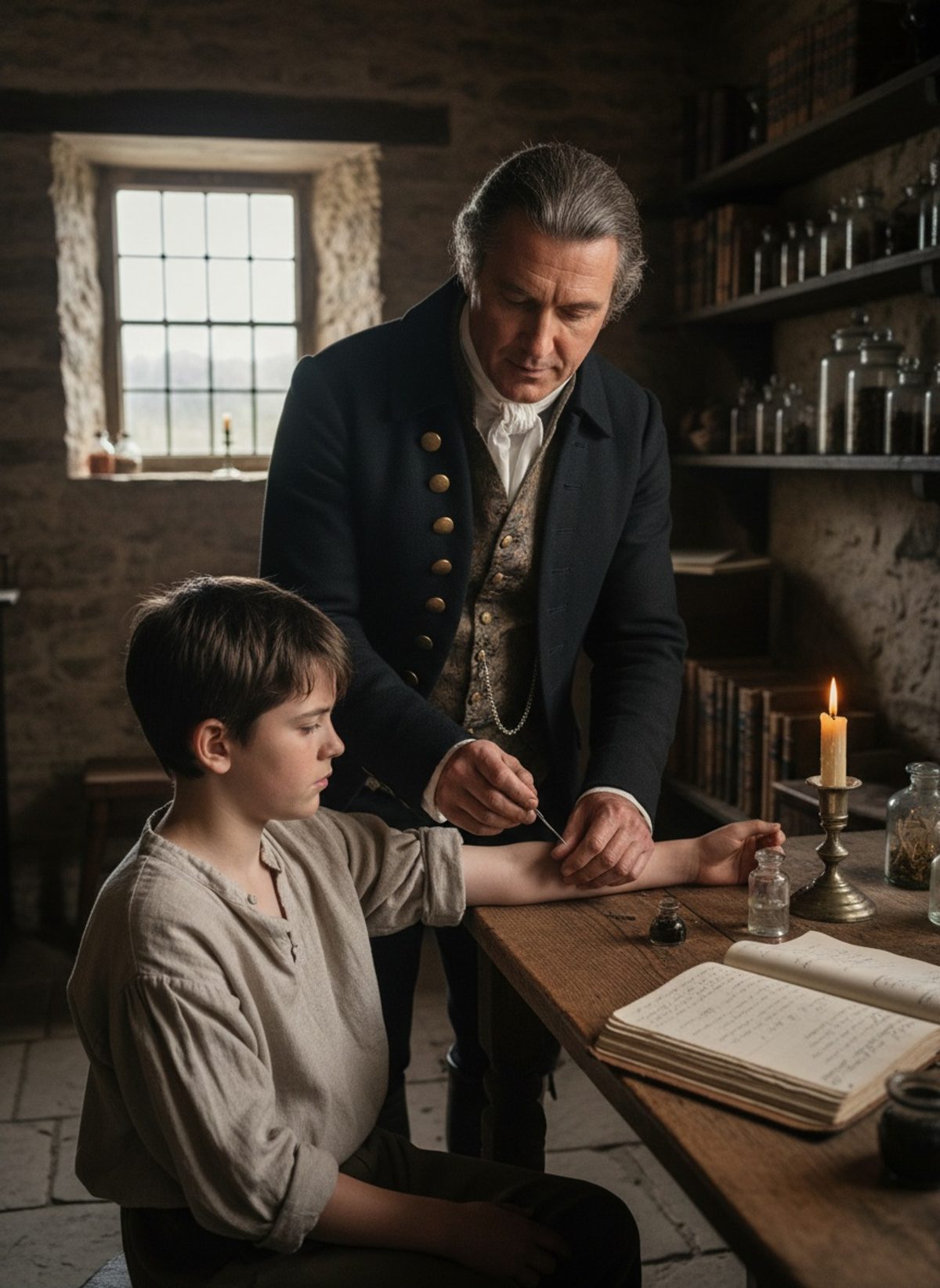
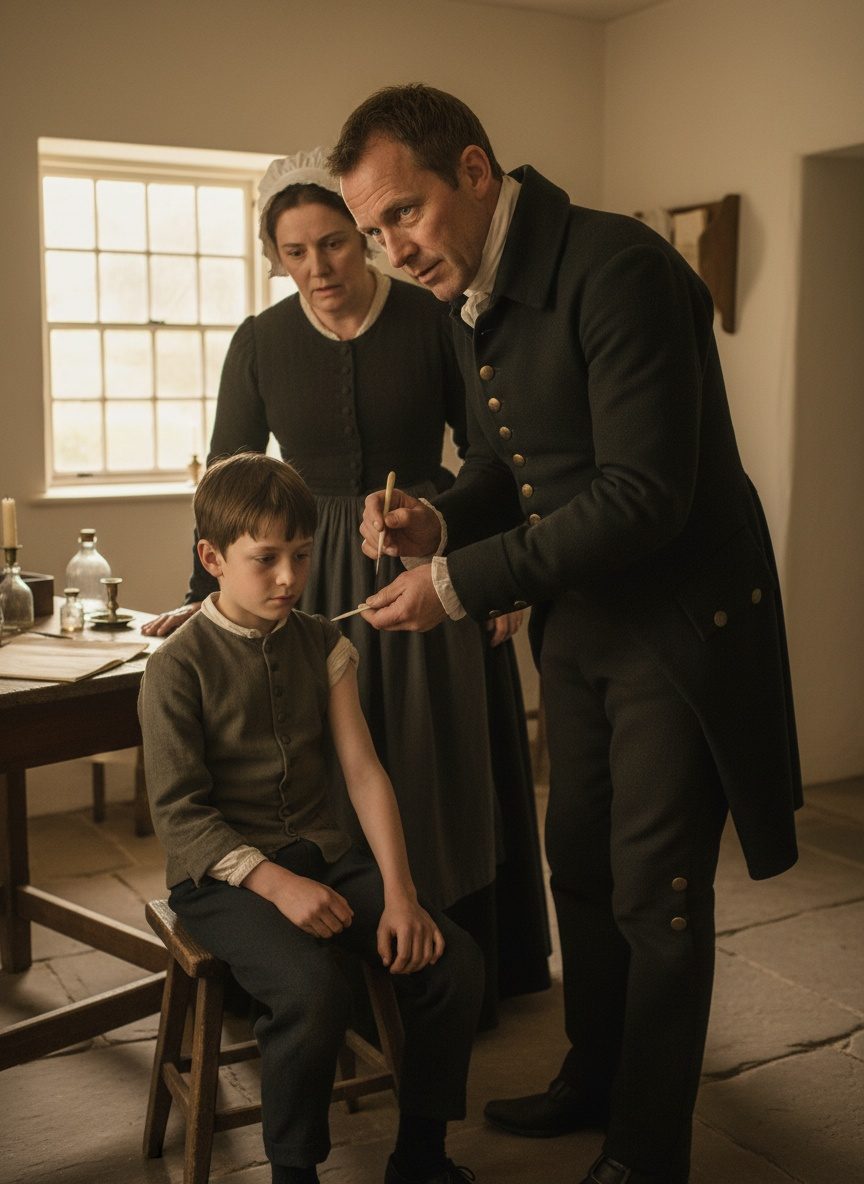
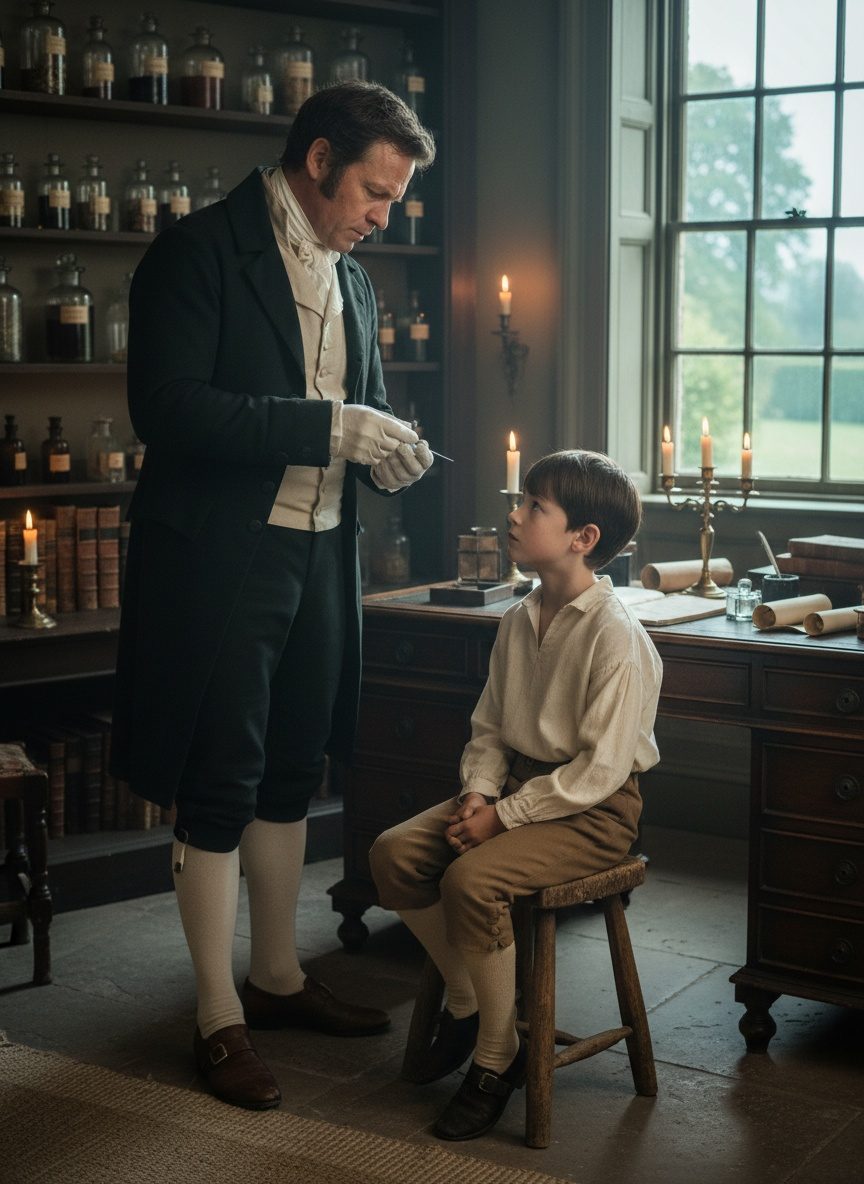
May 1796. A country doctor stood in a farmyard in Gloucestershire. He held a lancet. One child in front of him. One chance. He made two small cuts. Changed medicine forever.
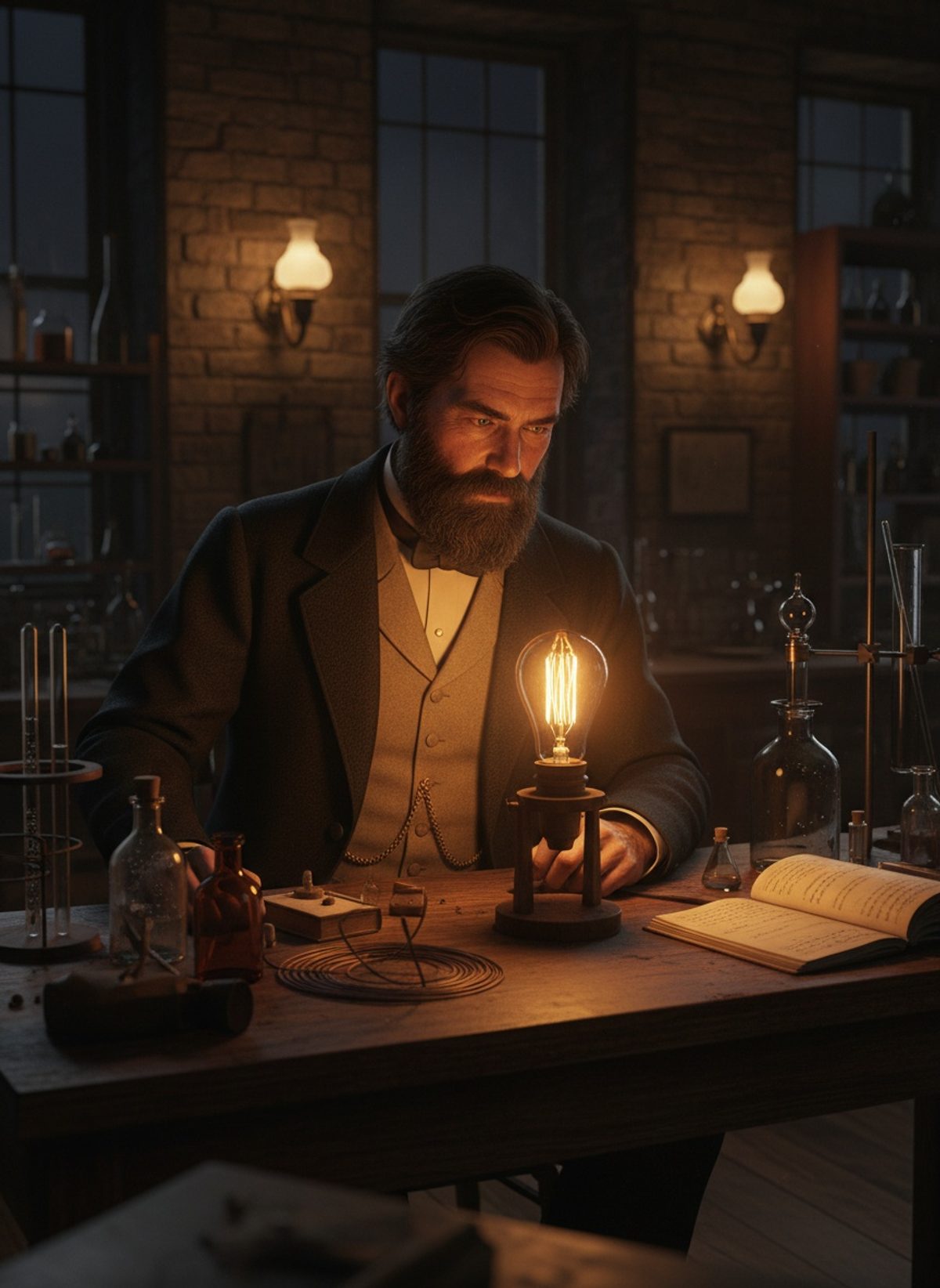
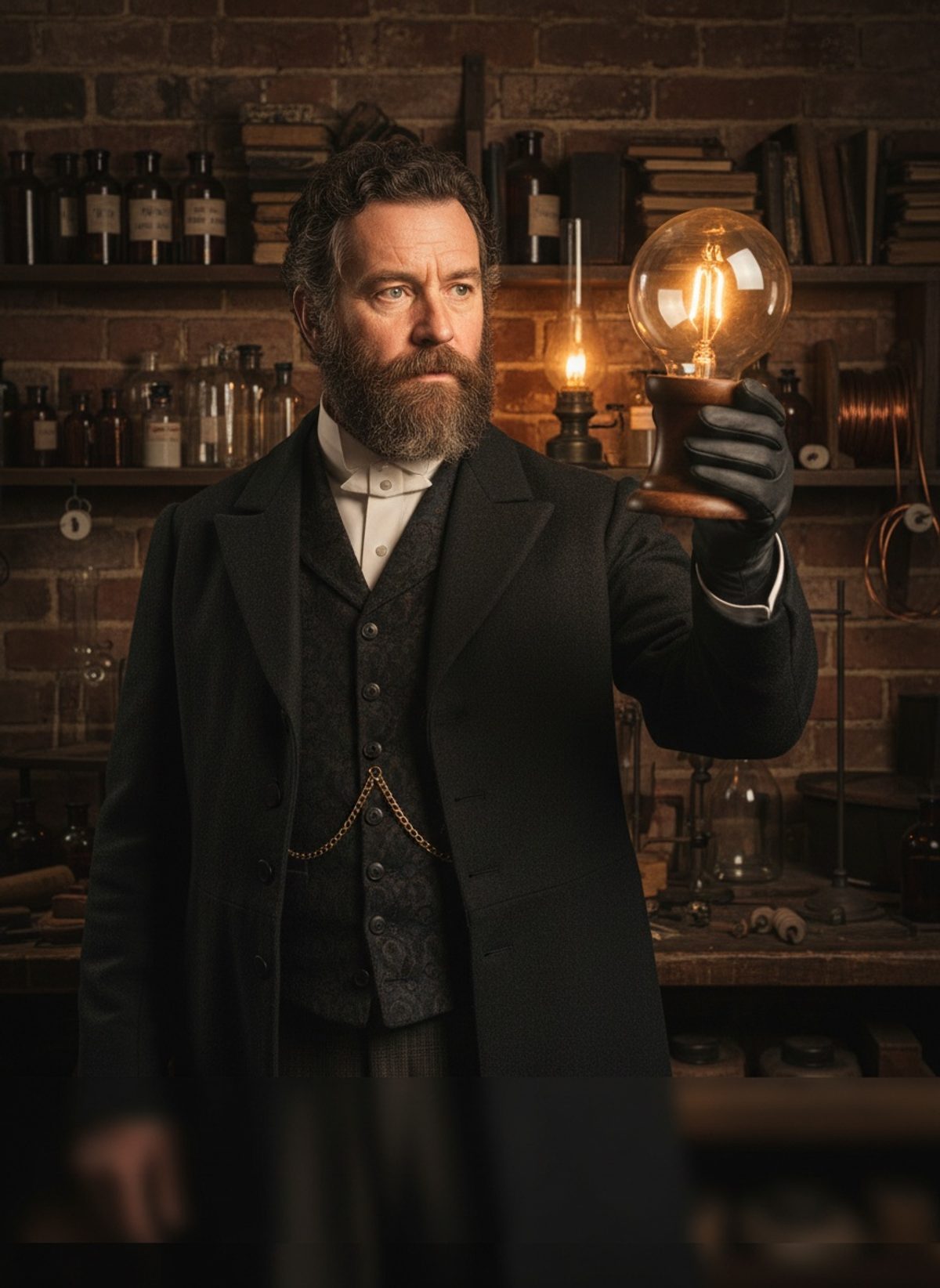
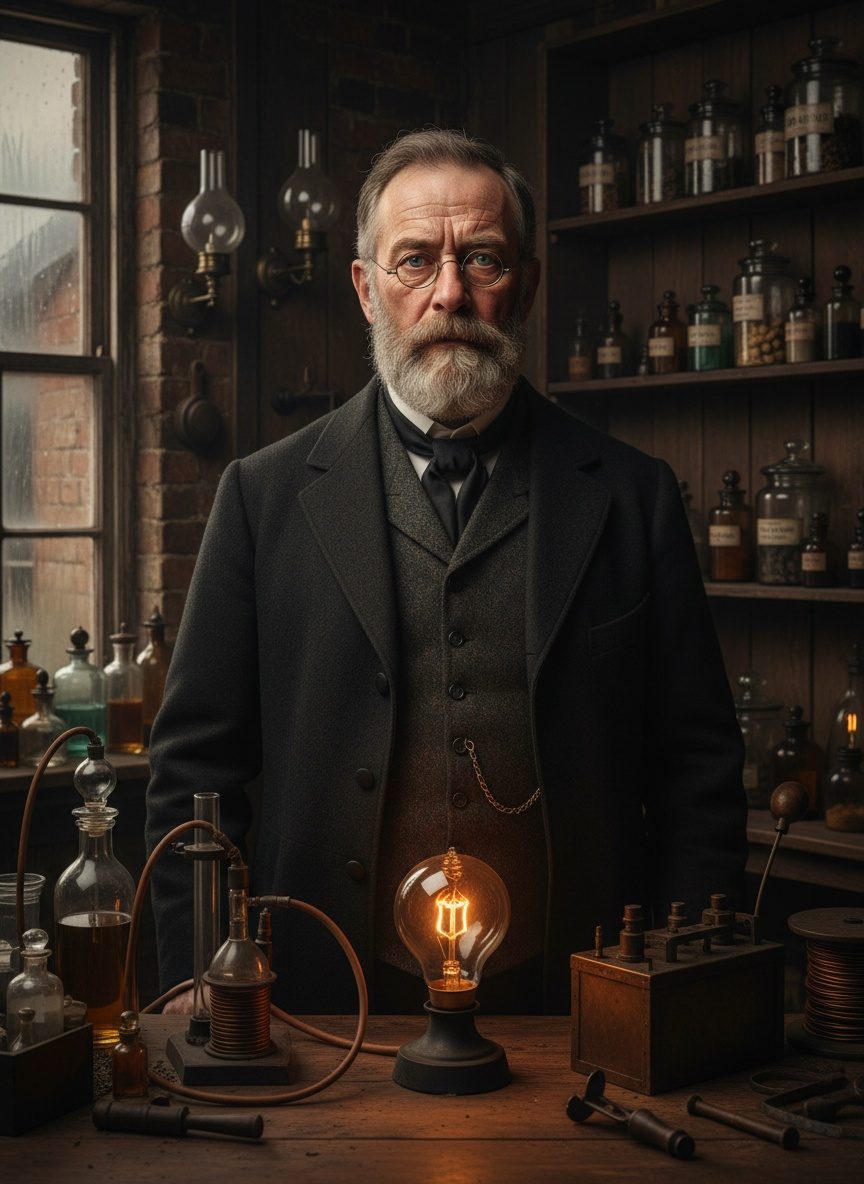
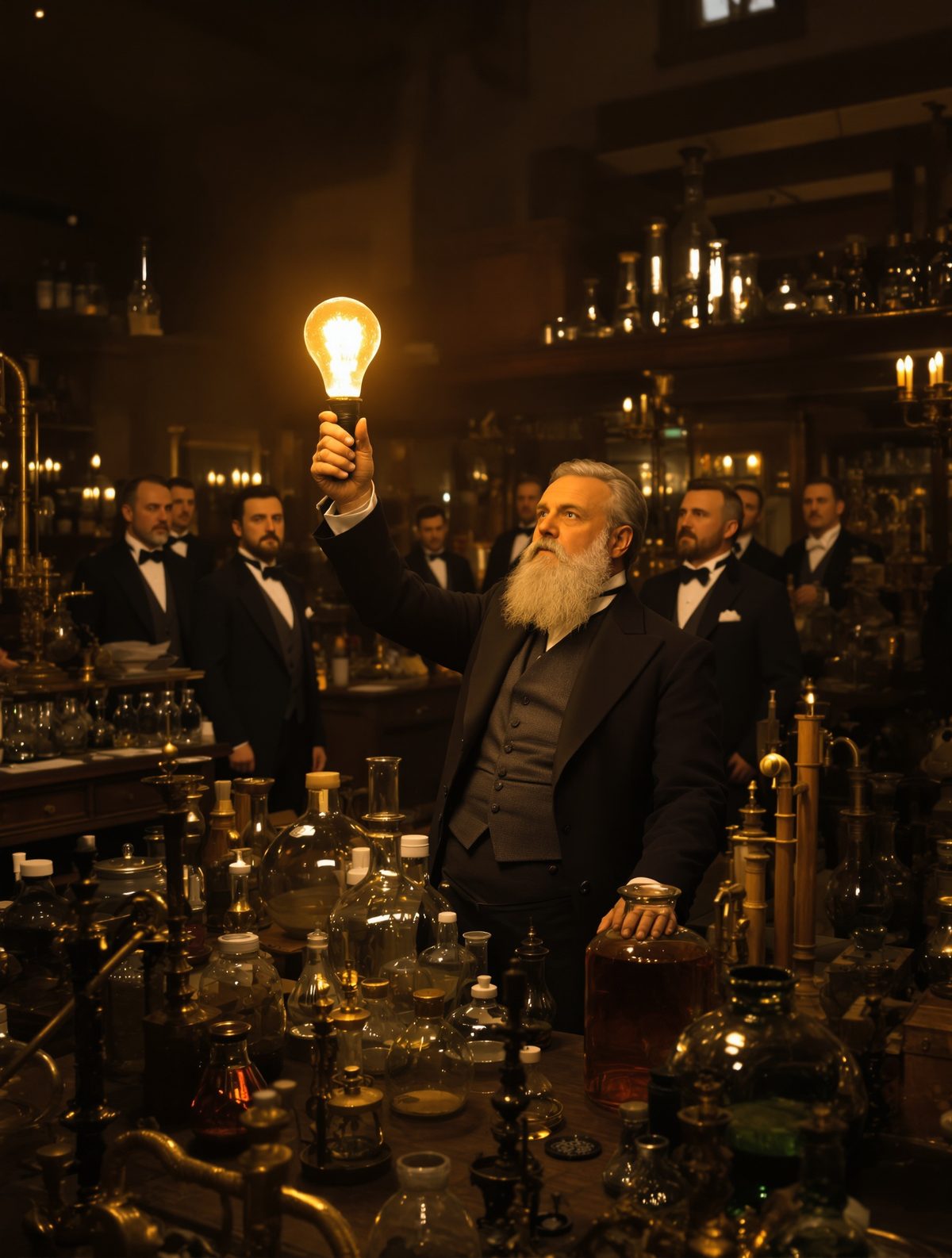
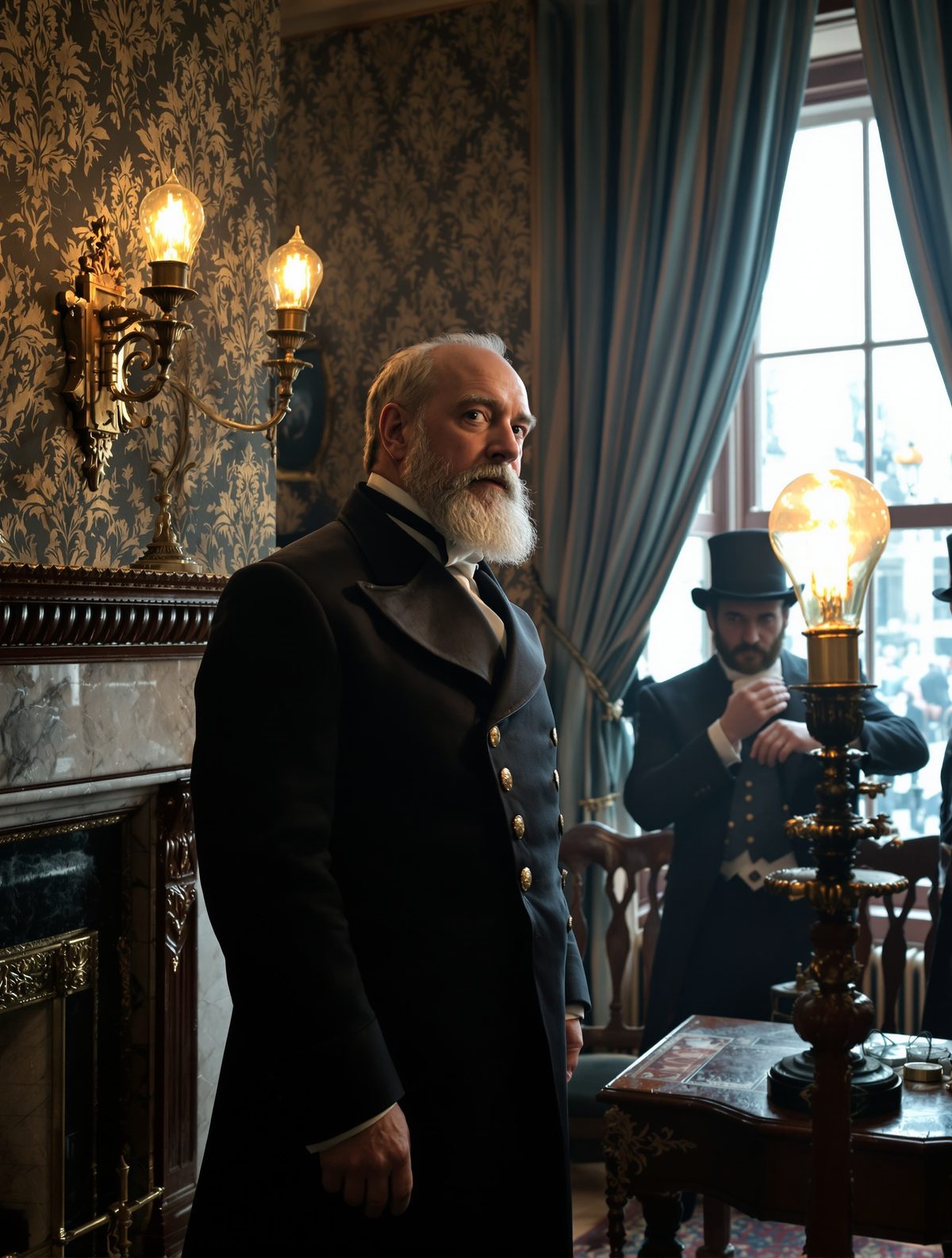
1878. Joseph Swan worked alone in his Gateshead laboratory. For thirty years he had chased the same dream. That night, a filament glowed. Steady. Bright. Unbroken. Britain had lit the world.
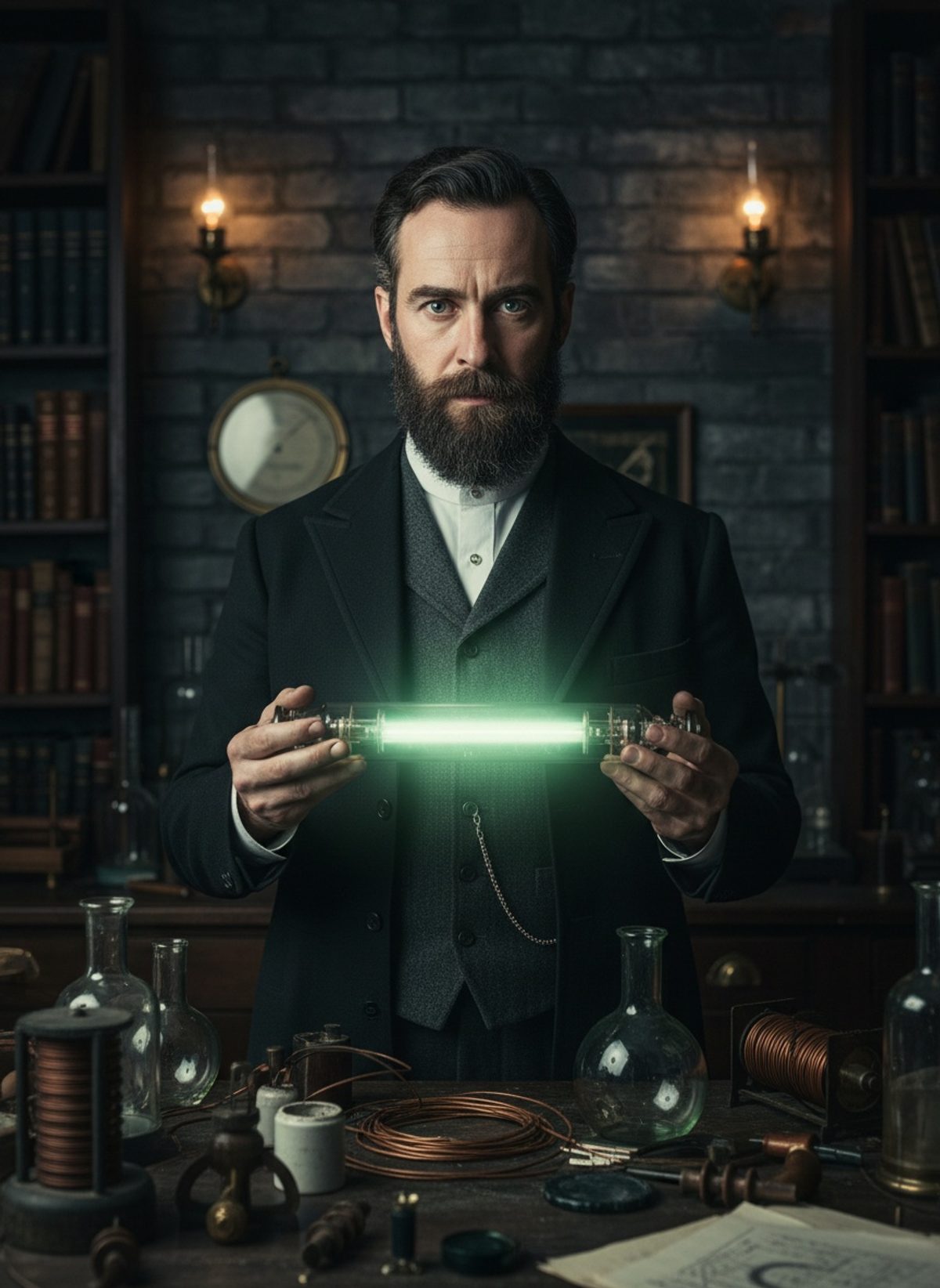
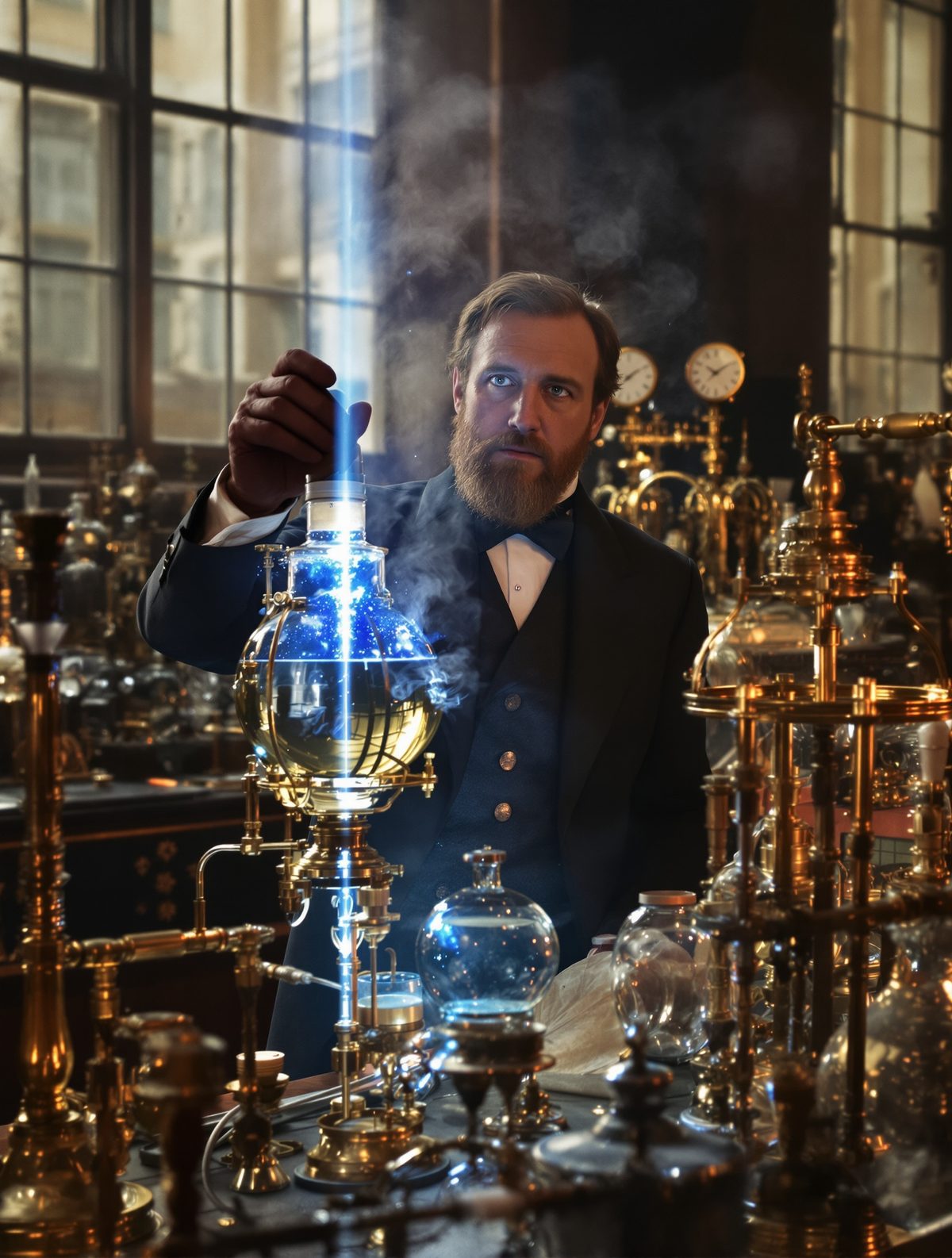
London. 1878. William Crookes held a glass tube in a darkened room. He fired electricity through it. A ghostly green light blazed across the glass. He had seen something no one had ever seen. The electron age had begun.
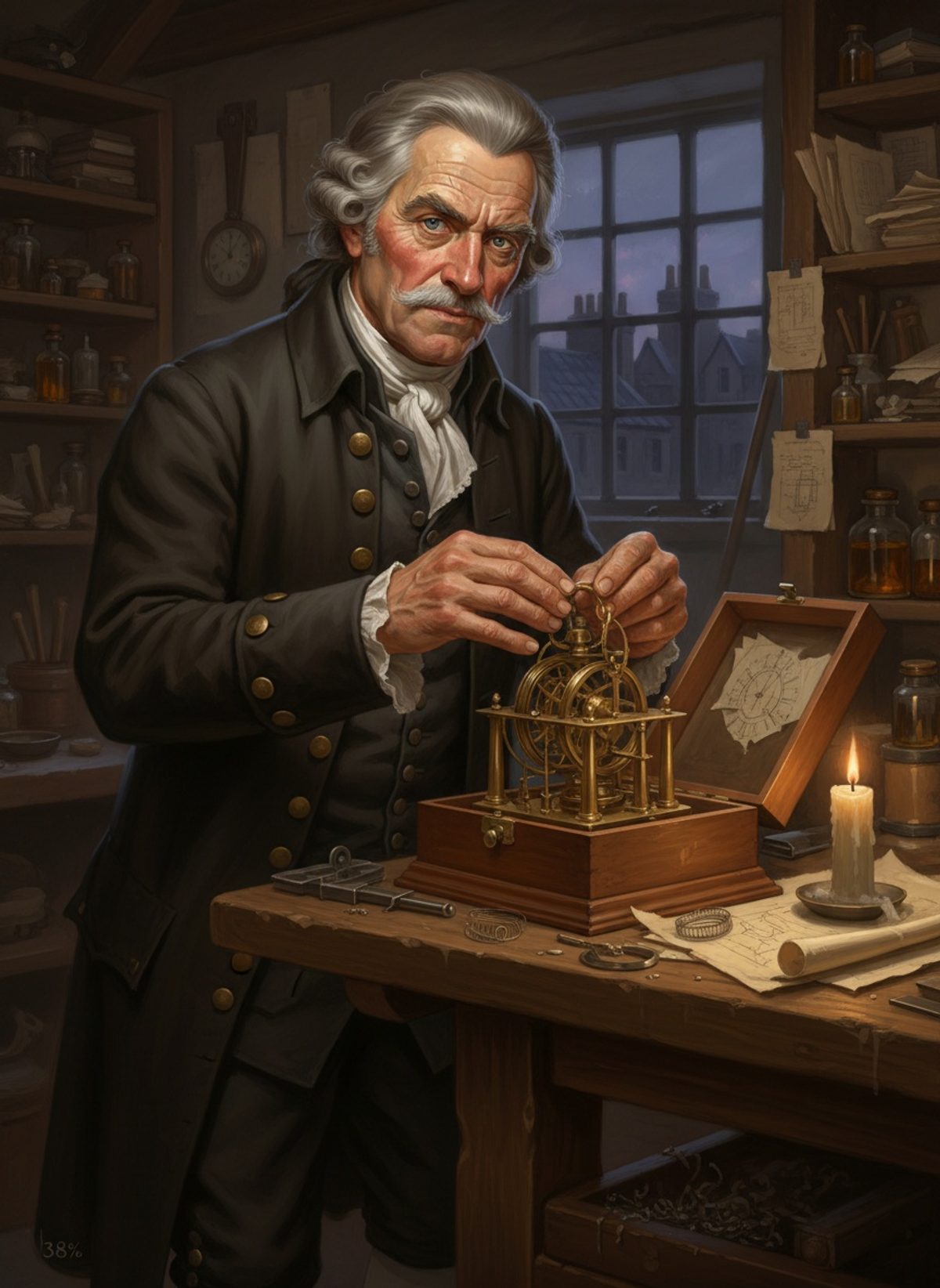
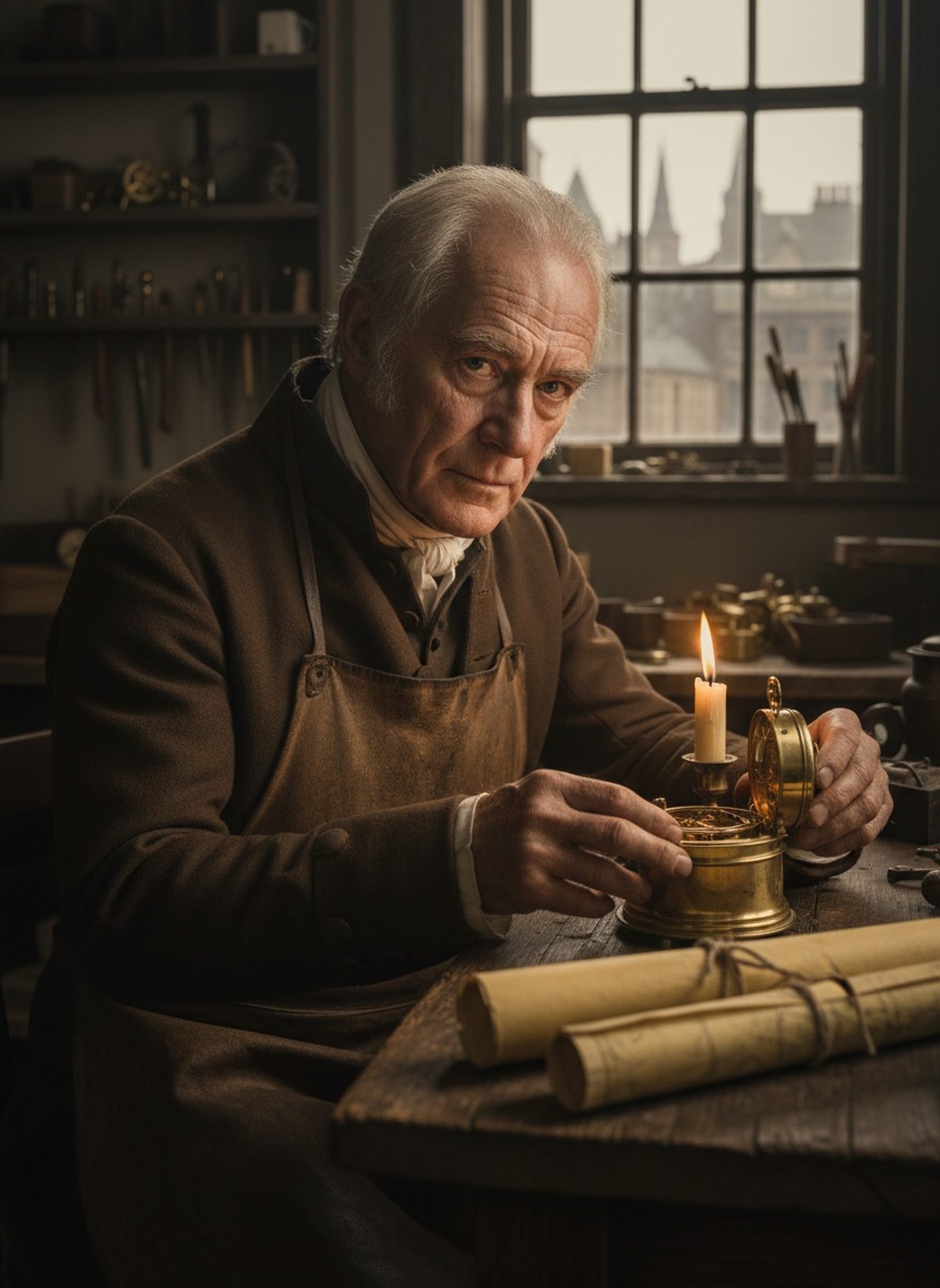
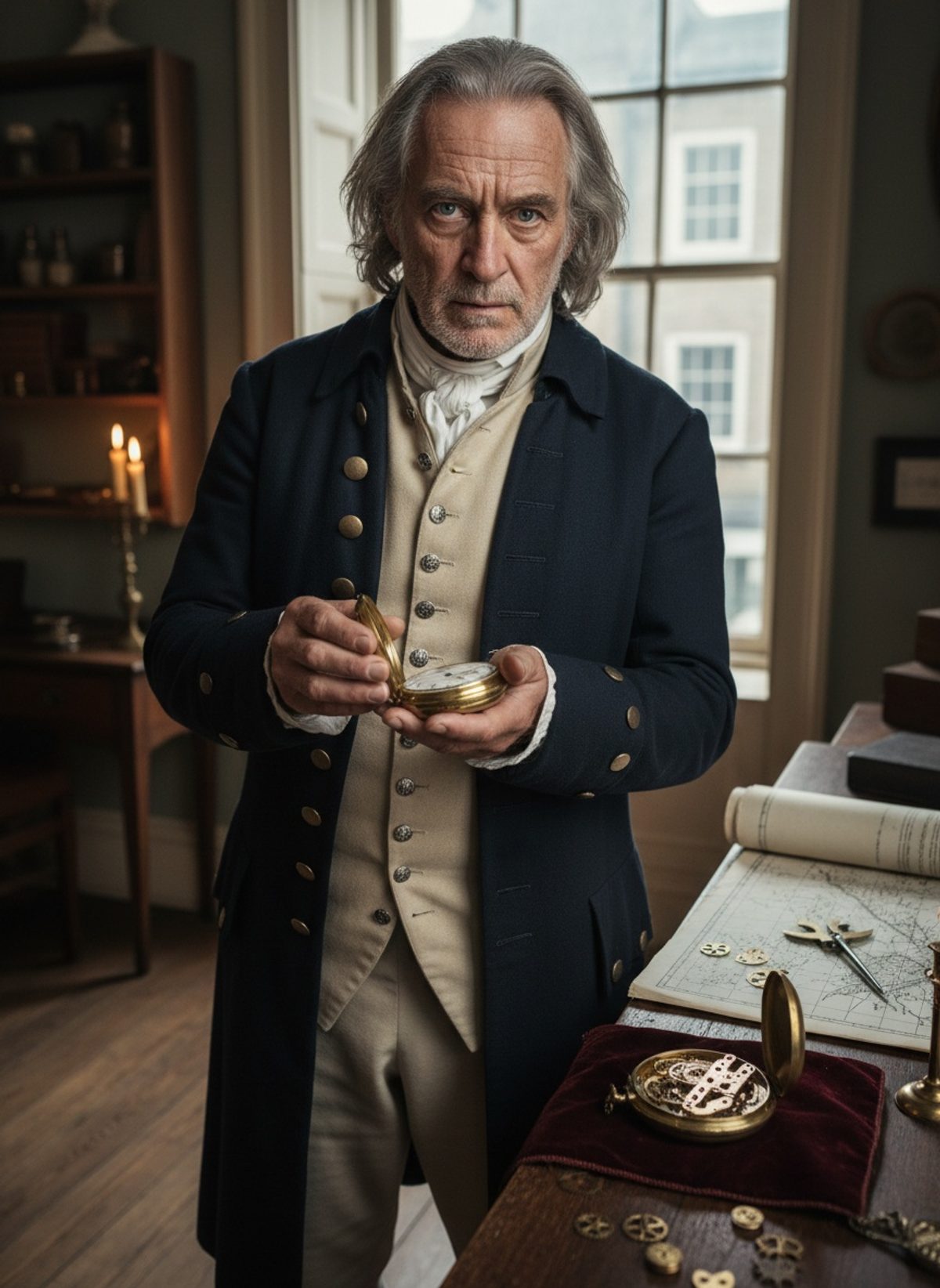
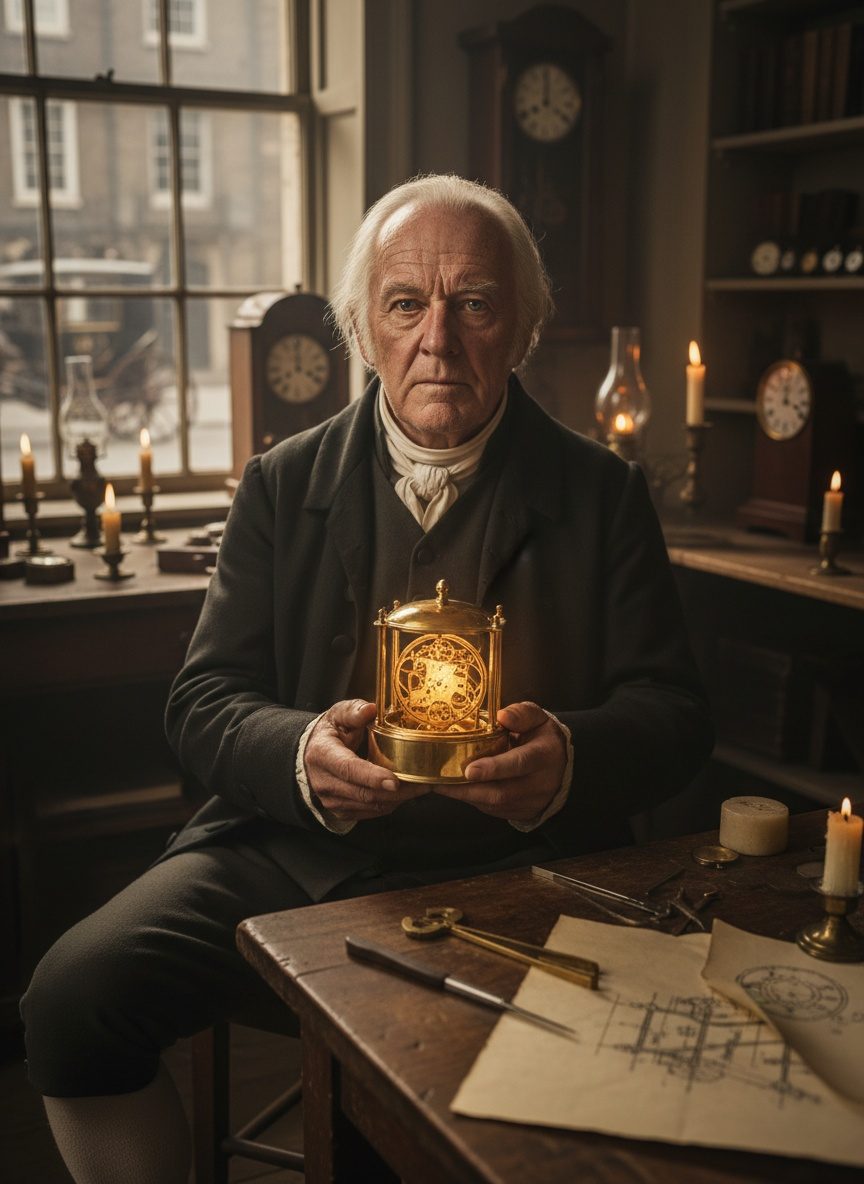
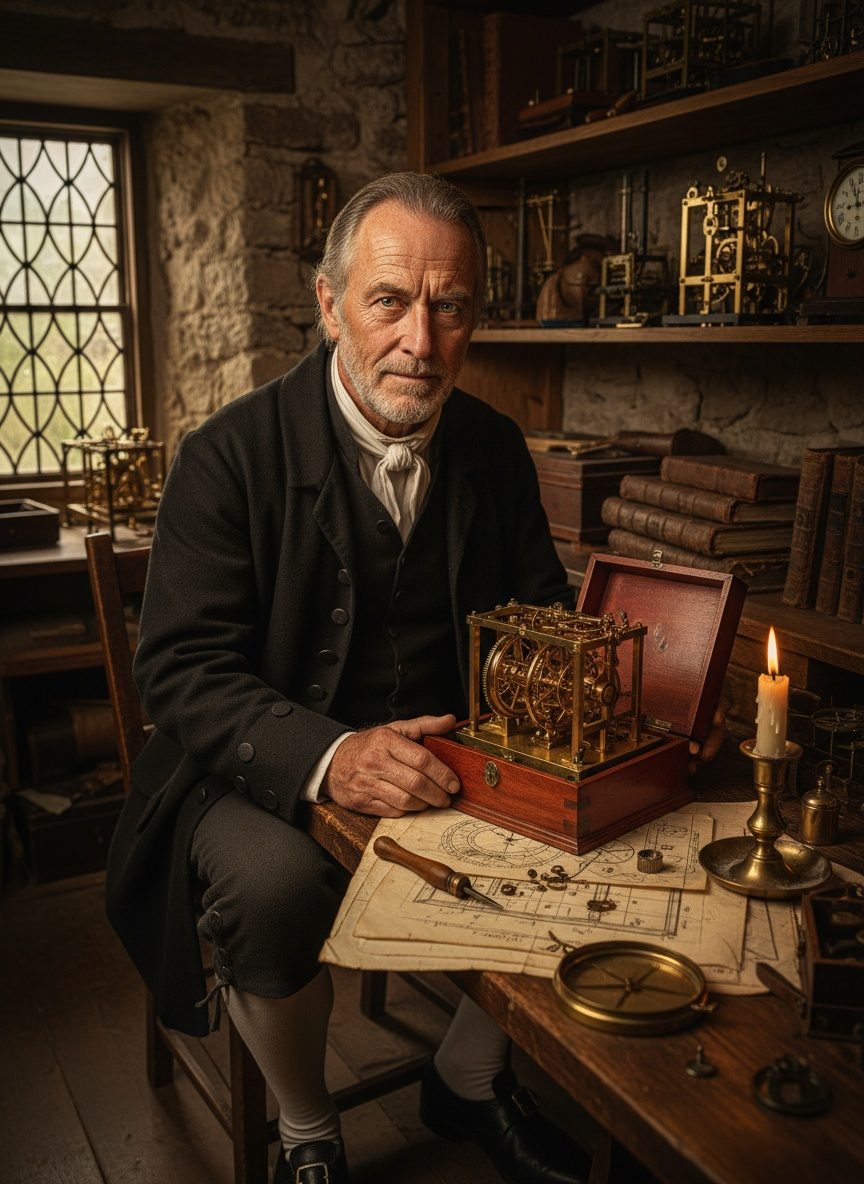
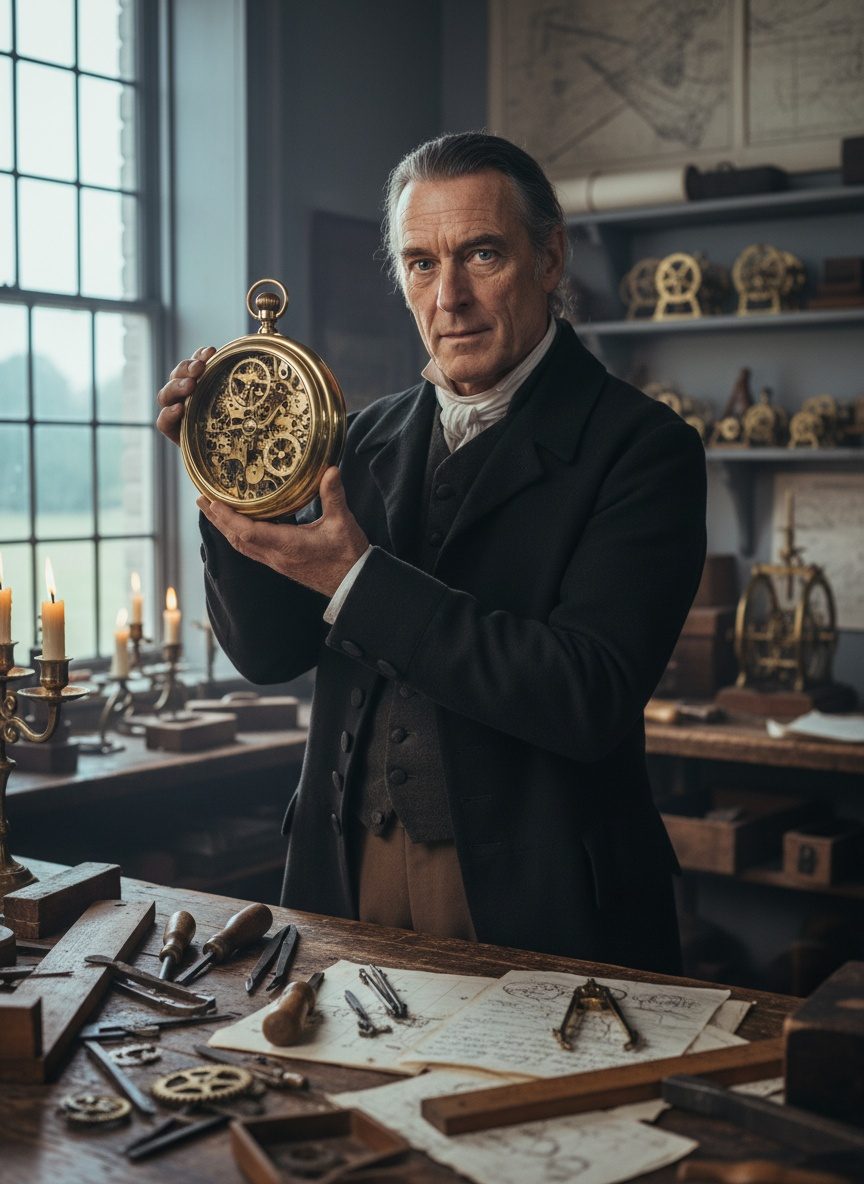
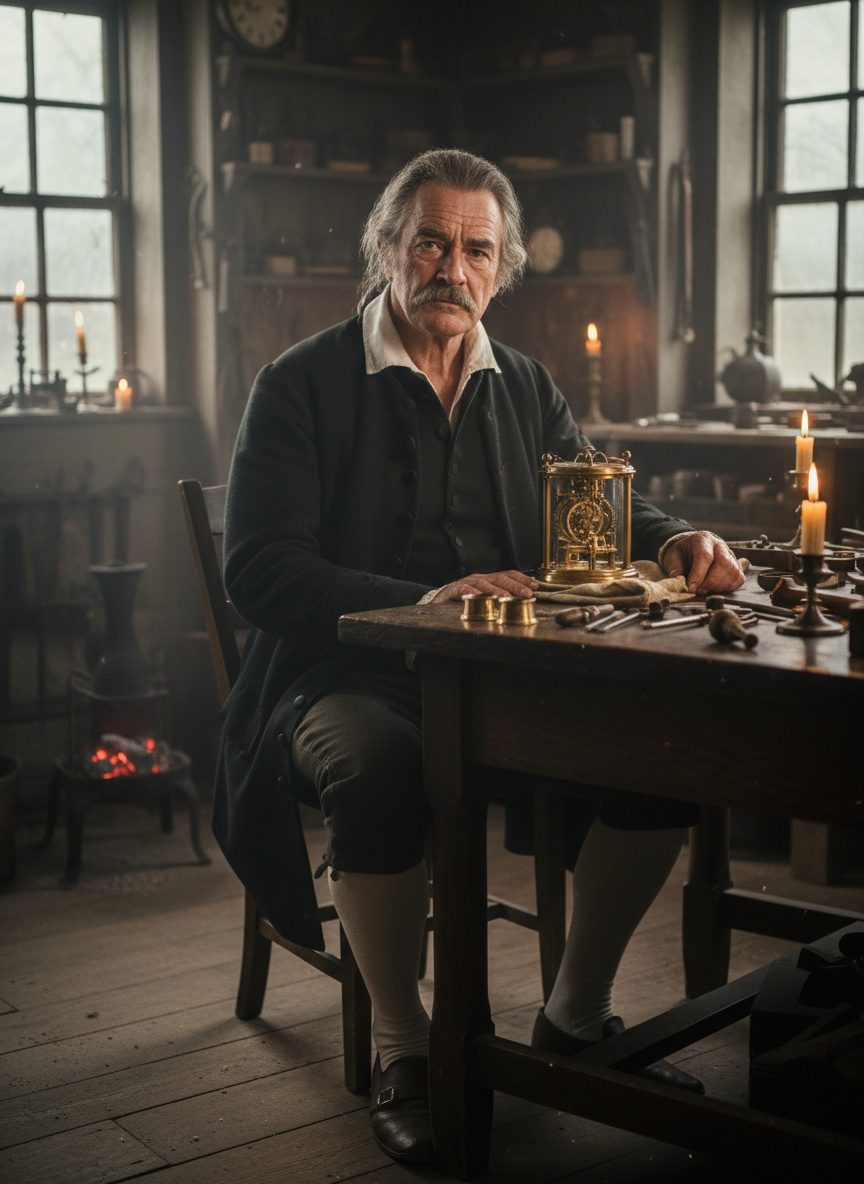
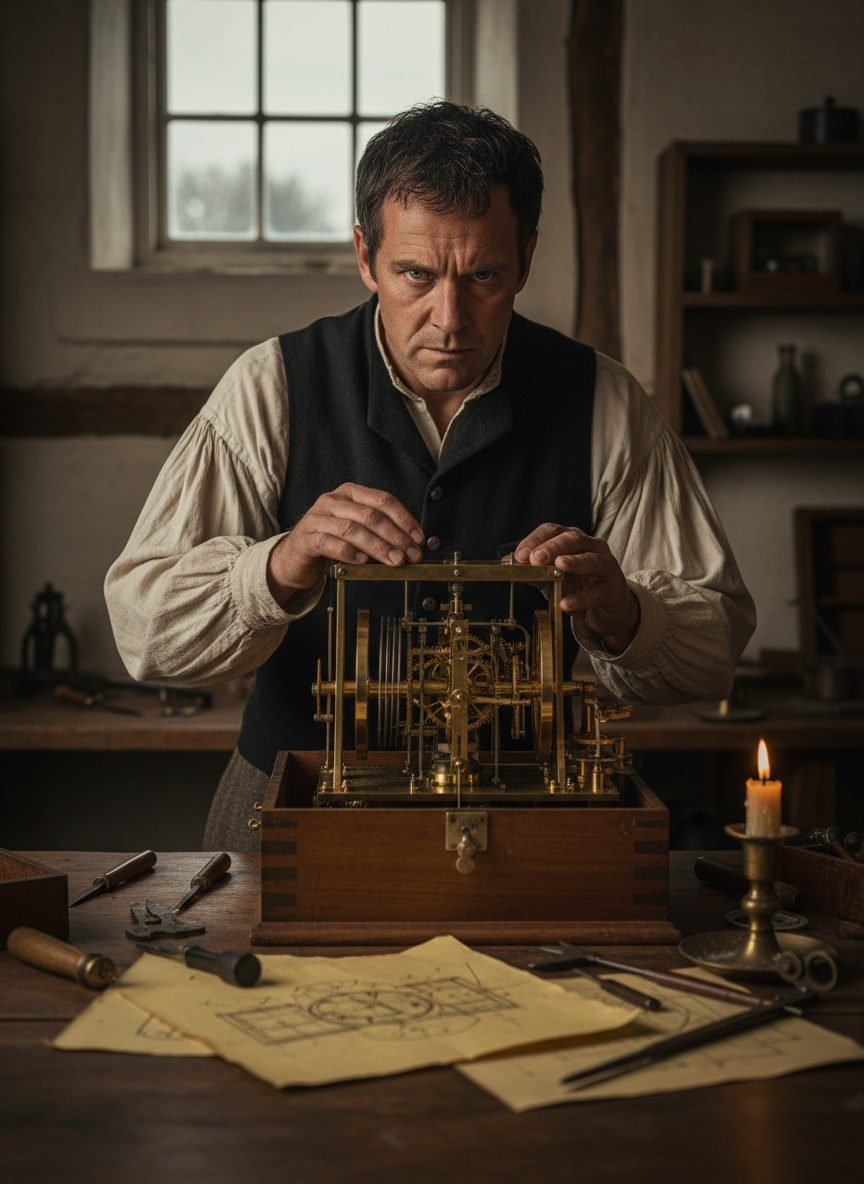
1773. John Harrison was eighty years old. He had spent fifty years building a clock that could save sailors from drowning. The Navy said it was impossible. He proved them wrong. Every ship alive today sails by his answer.
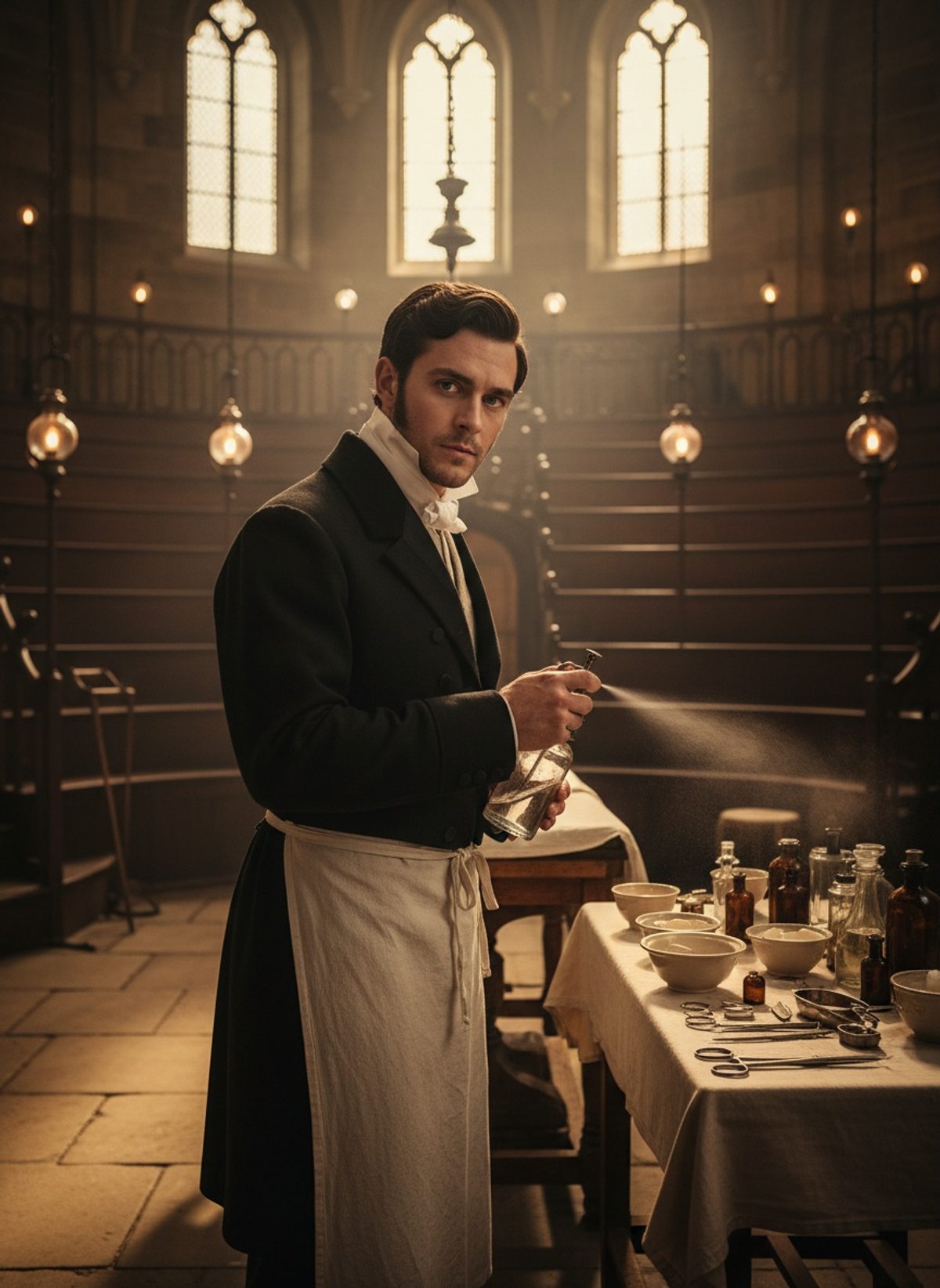
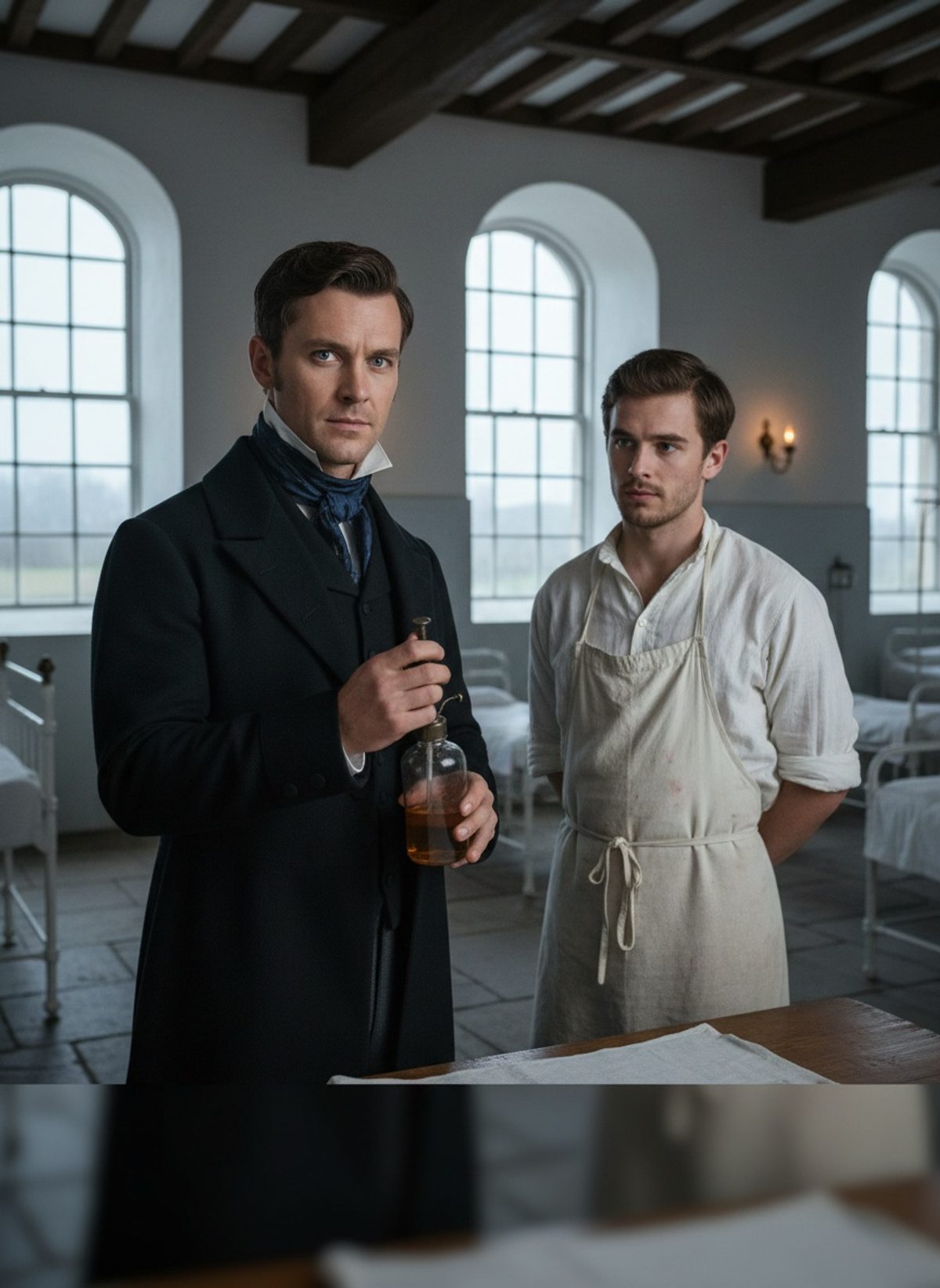
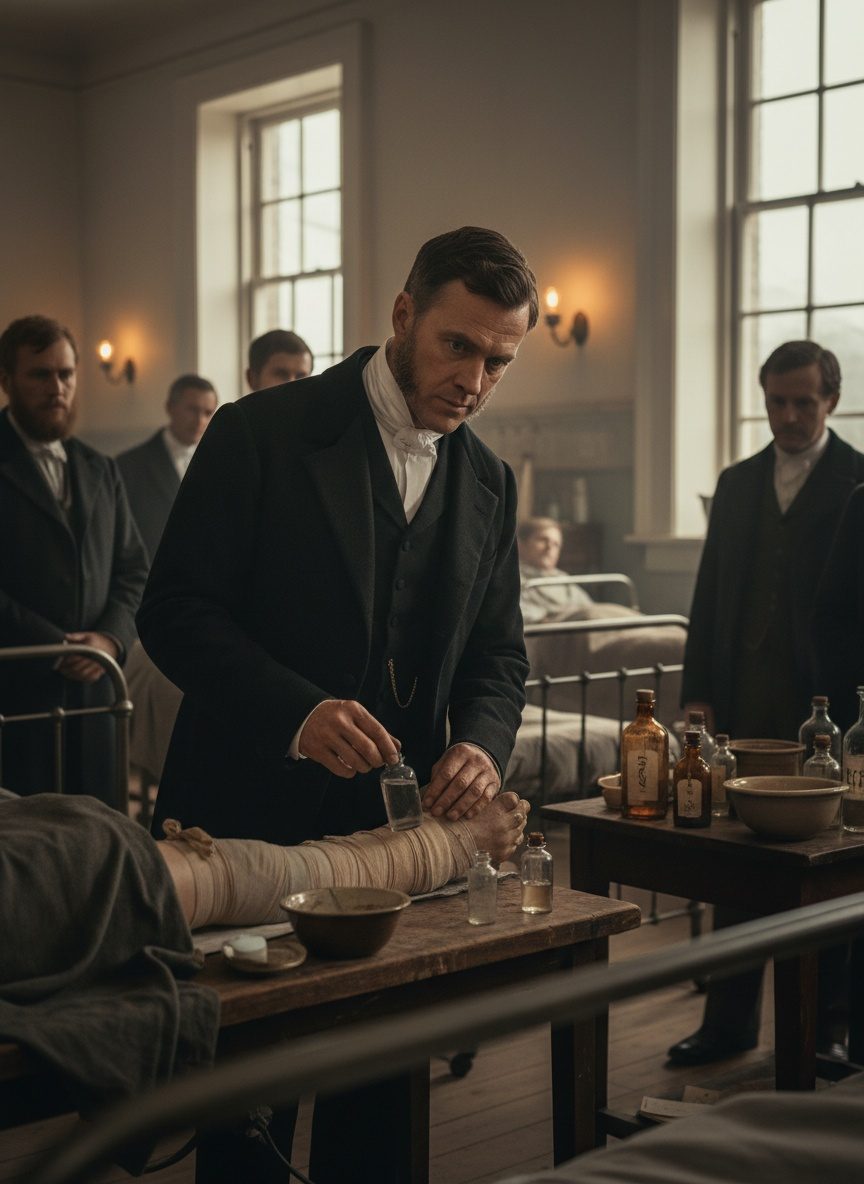
London, 1858. Joseph Lister watched a man die of a clean wound. Infection. Always infection. He would not accept it. He changed surgery forever.
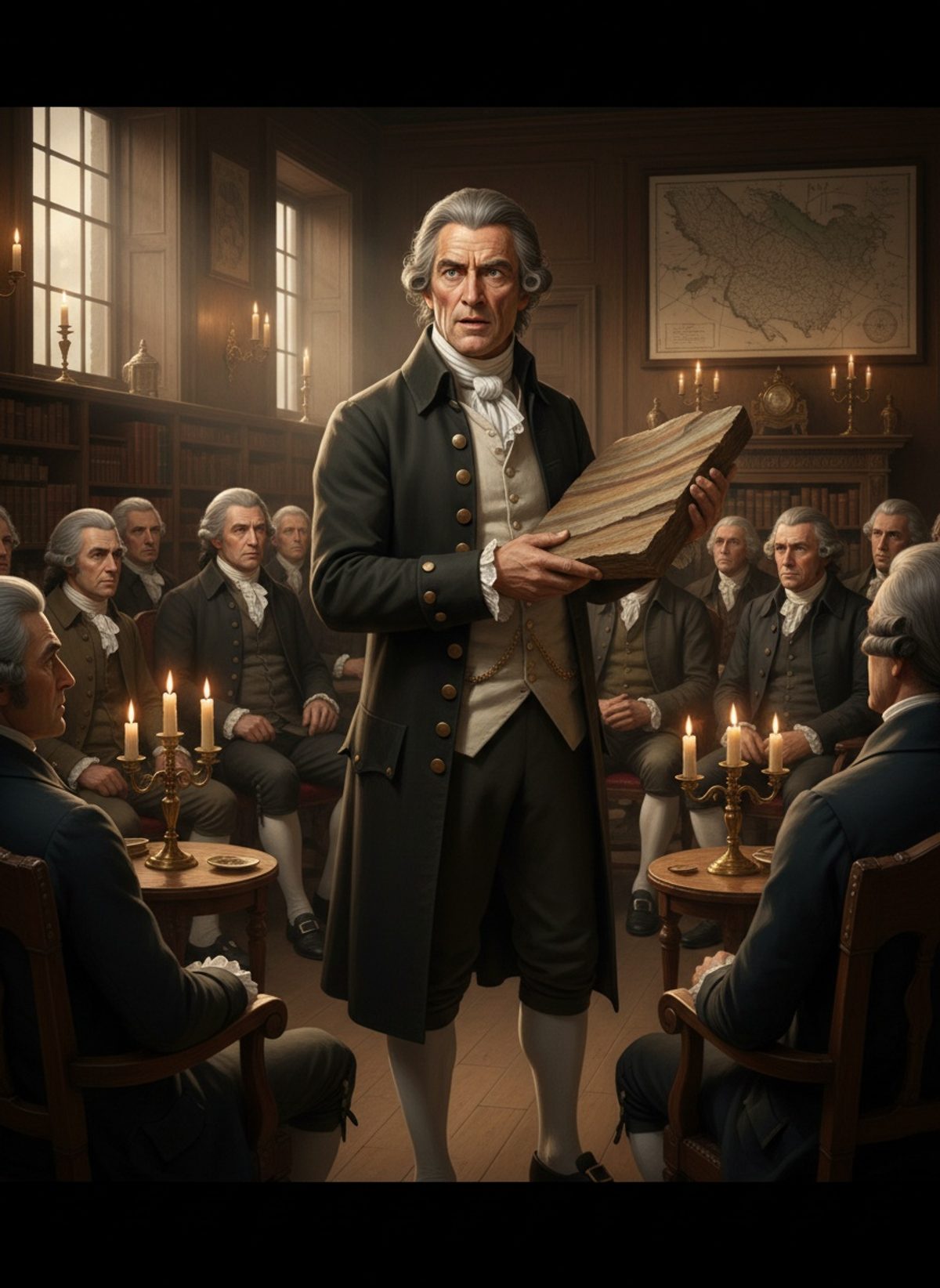
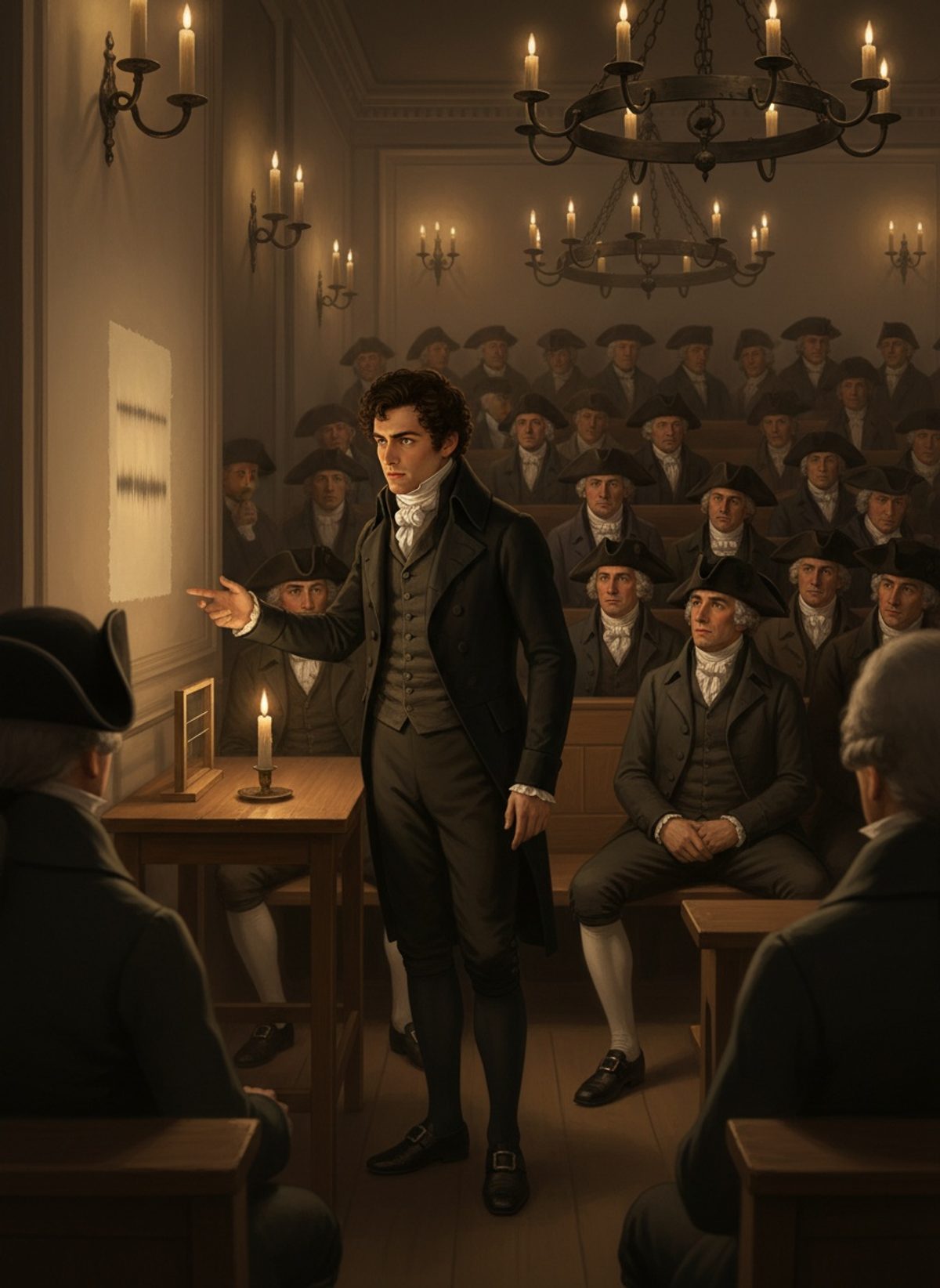
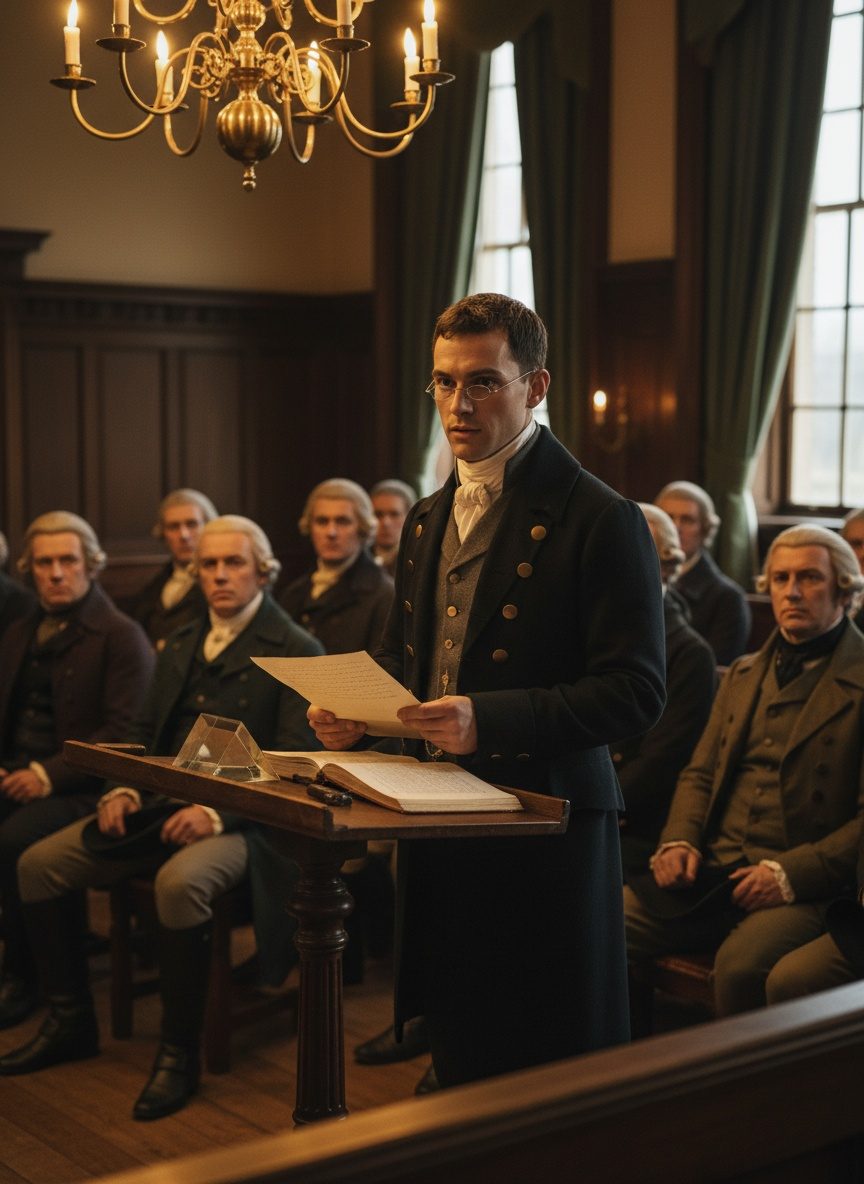
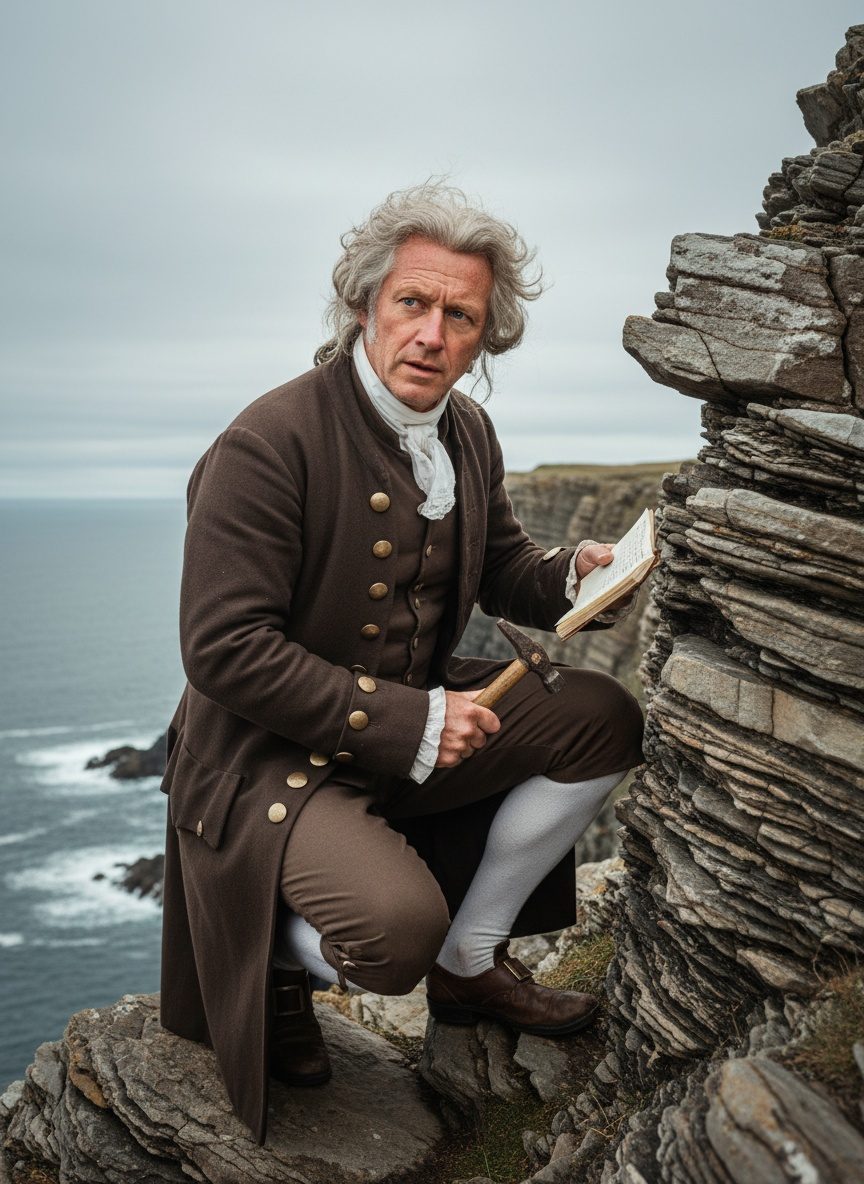
Edinburgh, 1788. James Hutton stood before the Royal Society. He held a piece of ancient rock. He told them the Earth had no beginning they could see. No end they could find. The room went silent.
Manchester, 1803. John Dalton had no university. No laboratory. No patron. Just a rented room and an obsession. He proposed that all matter was made of atoms. Science would never be the same.
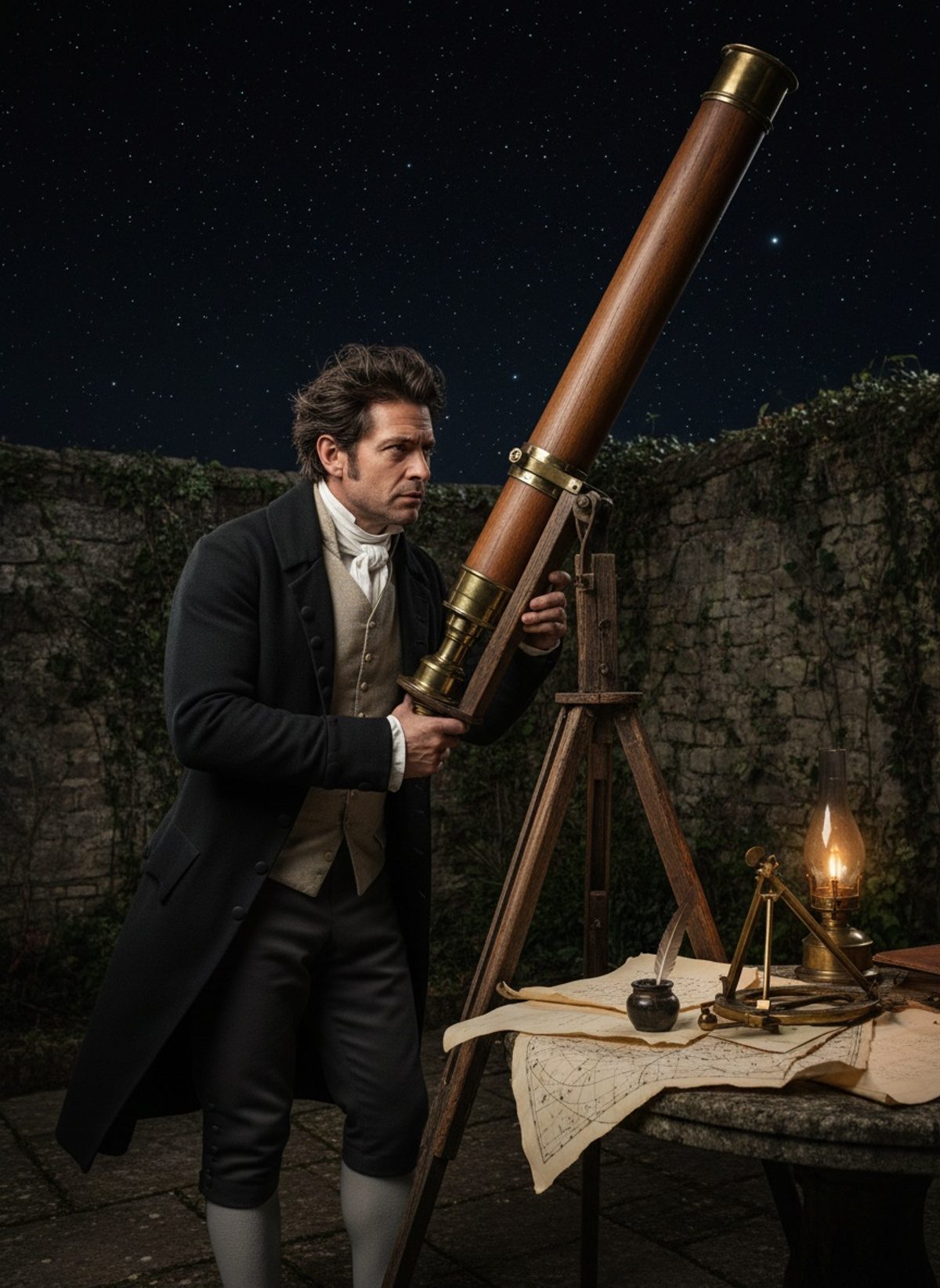
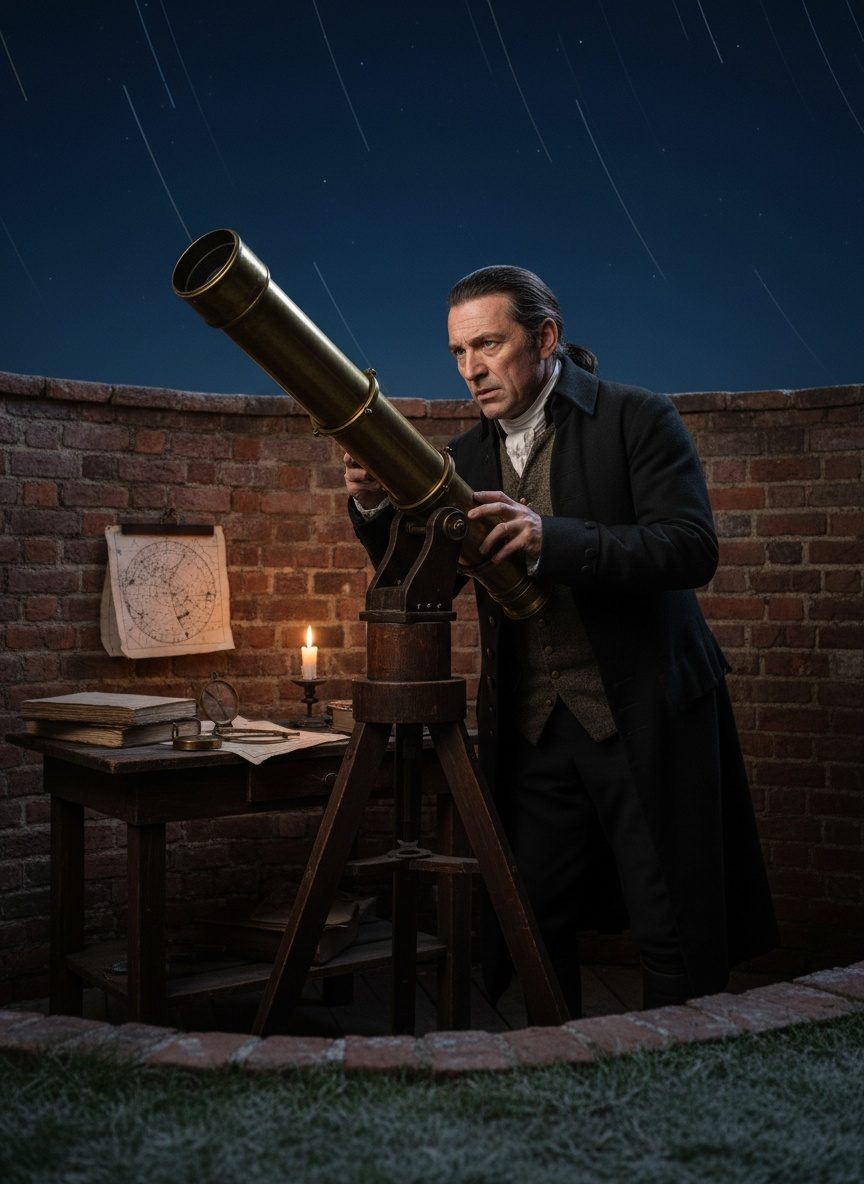
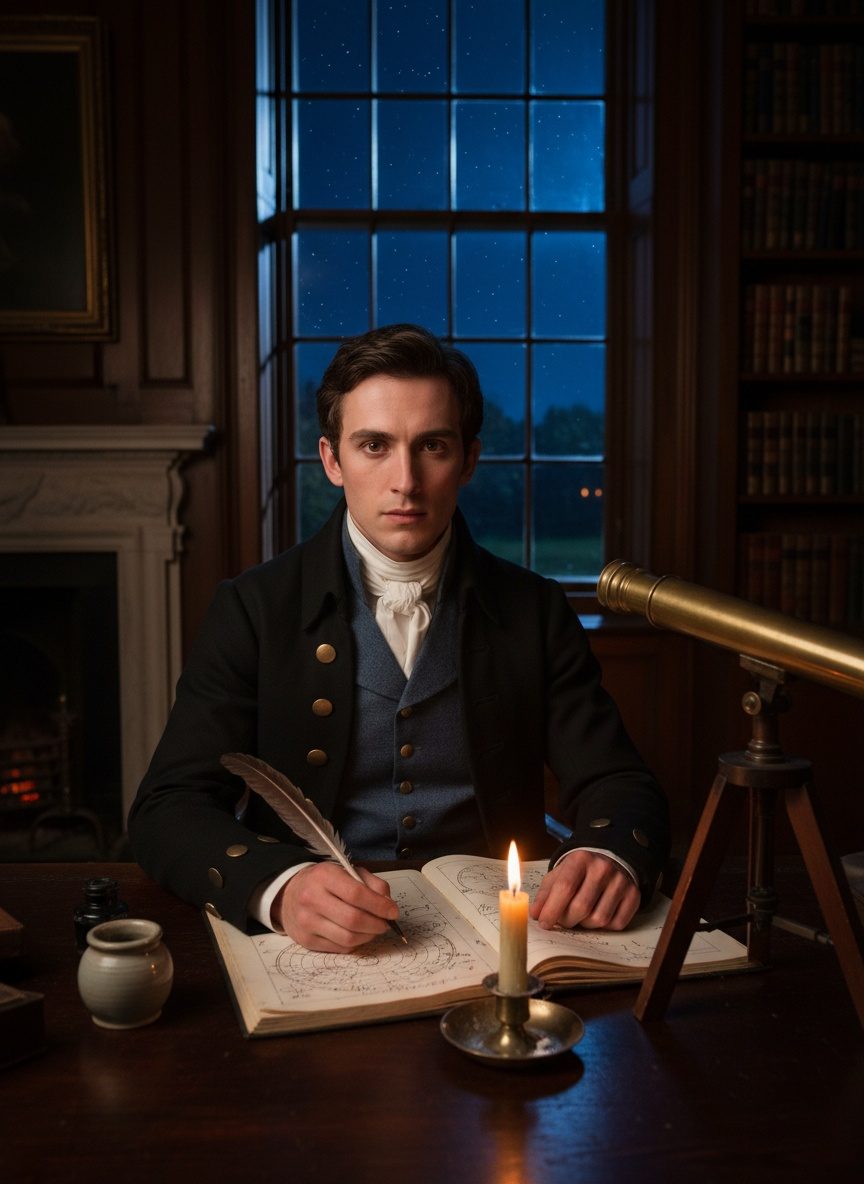
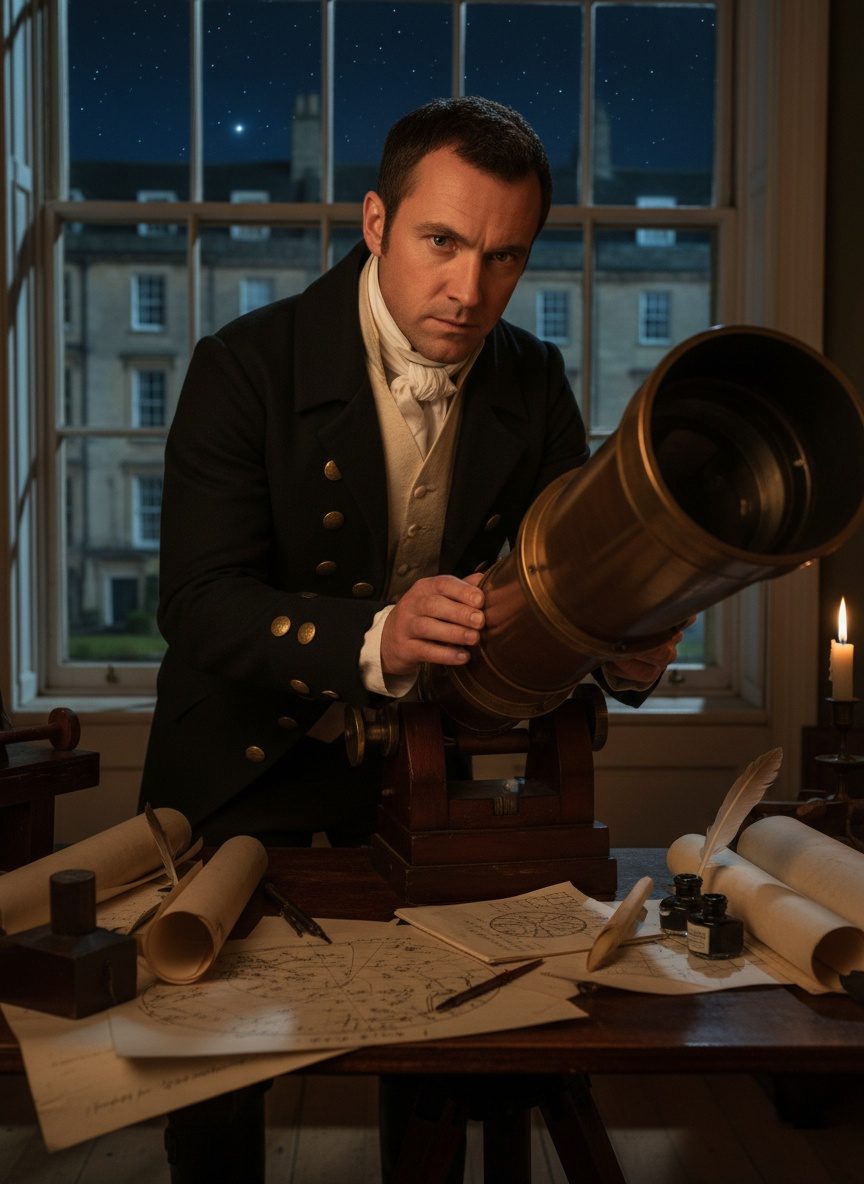
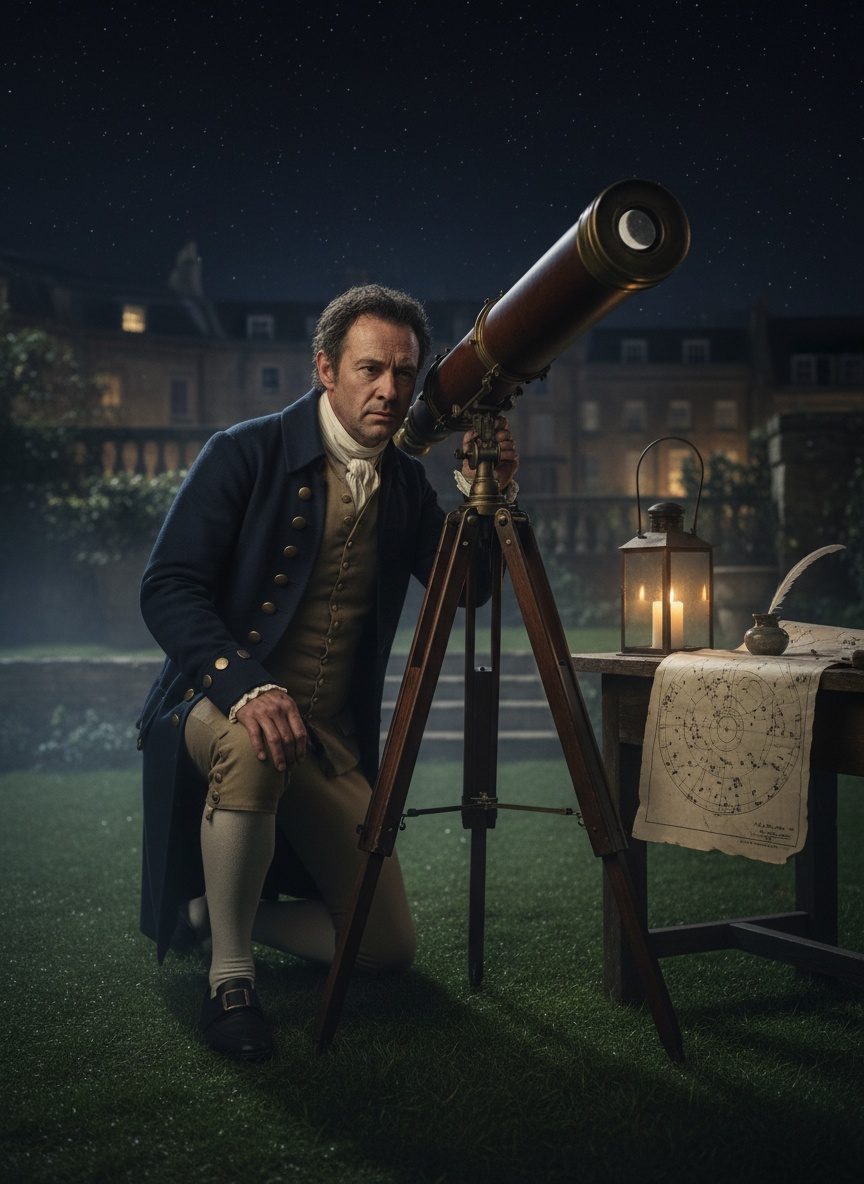
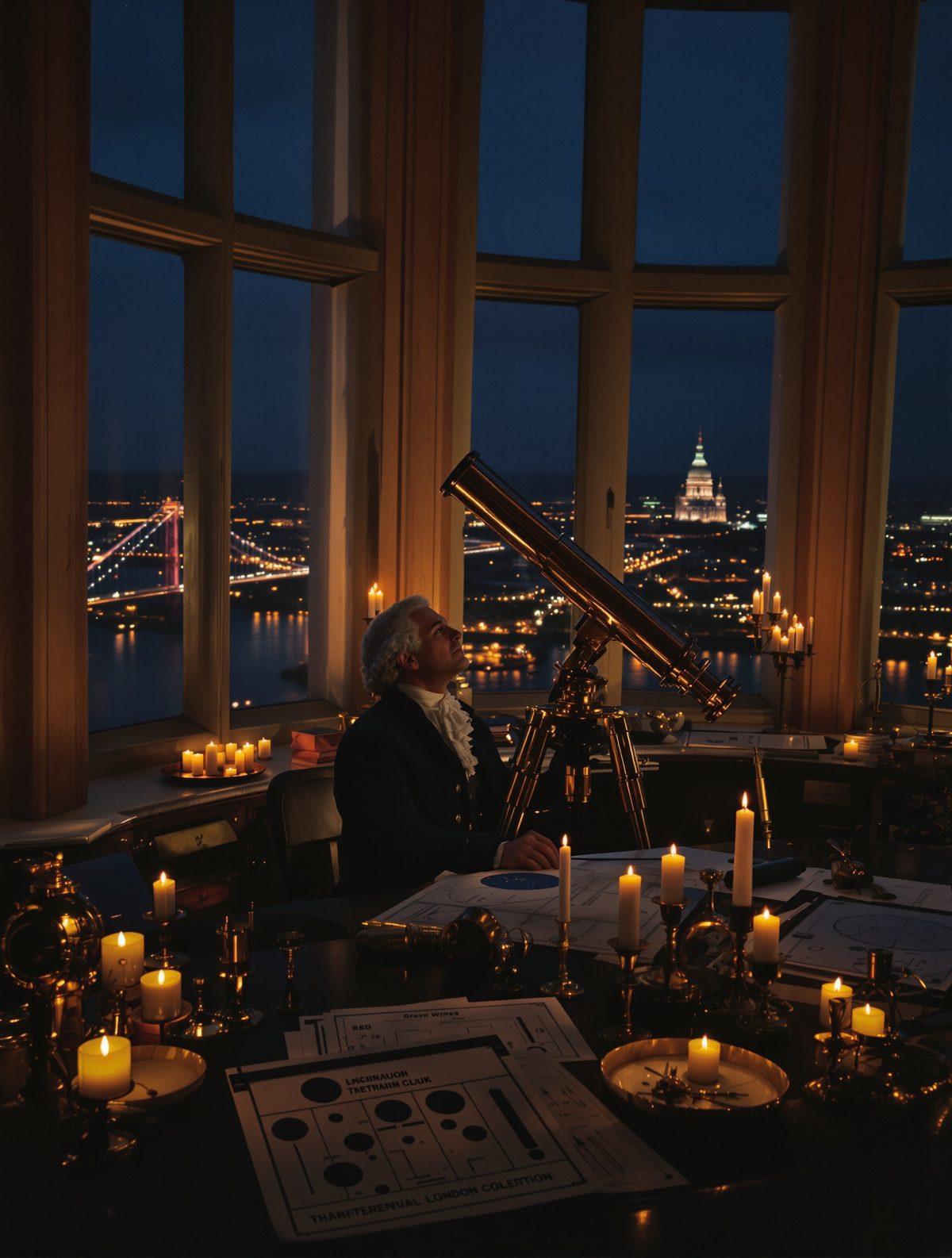
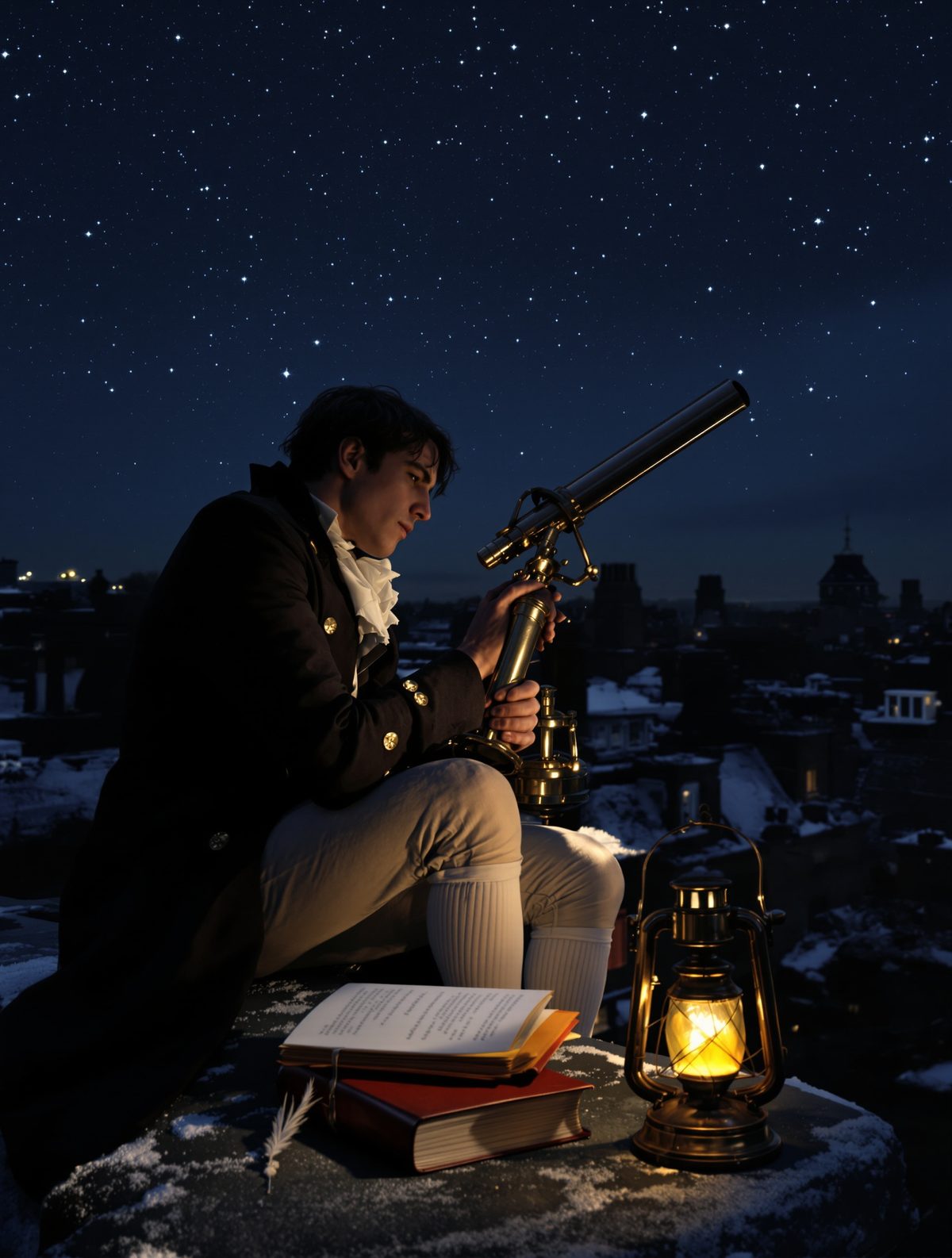
Yorkshire, 1781. William Herschel built his own telescope by hand. One night he found something that should not have been there. A wandering light. Slow. Steady. Not a star. Not a comet. A whole new world. The first planet discovered in recorded history.
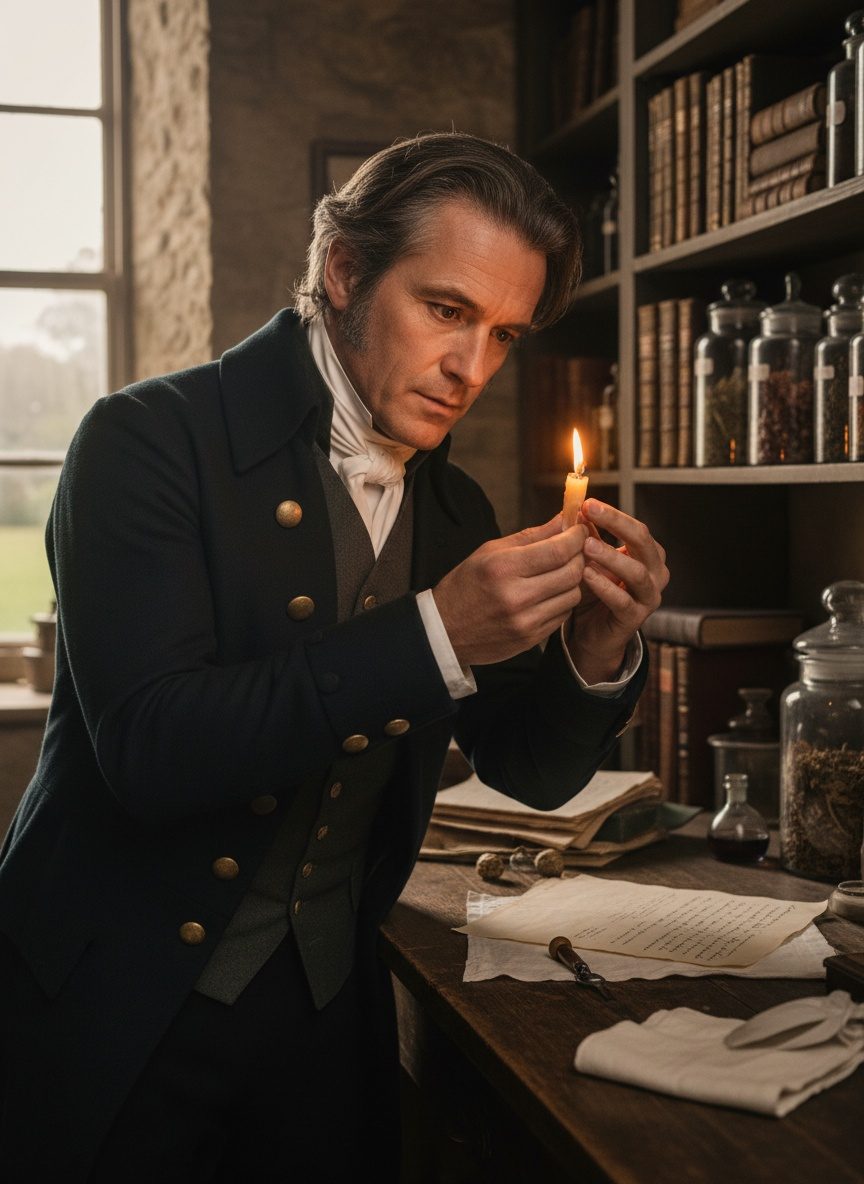
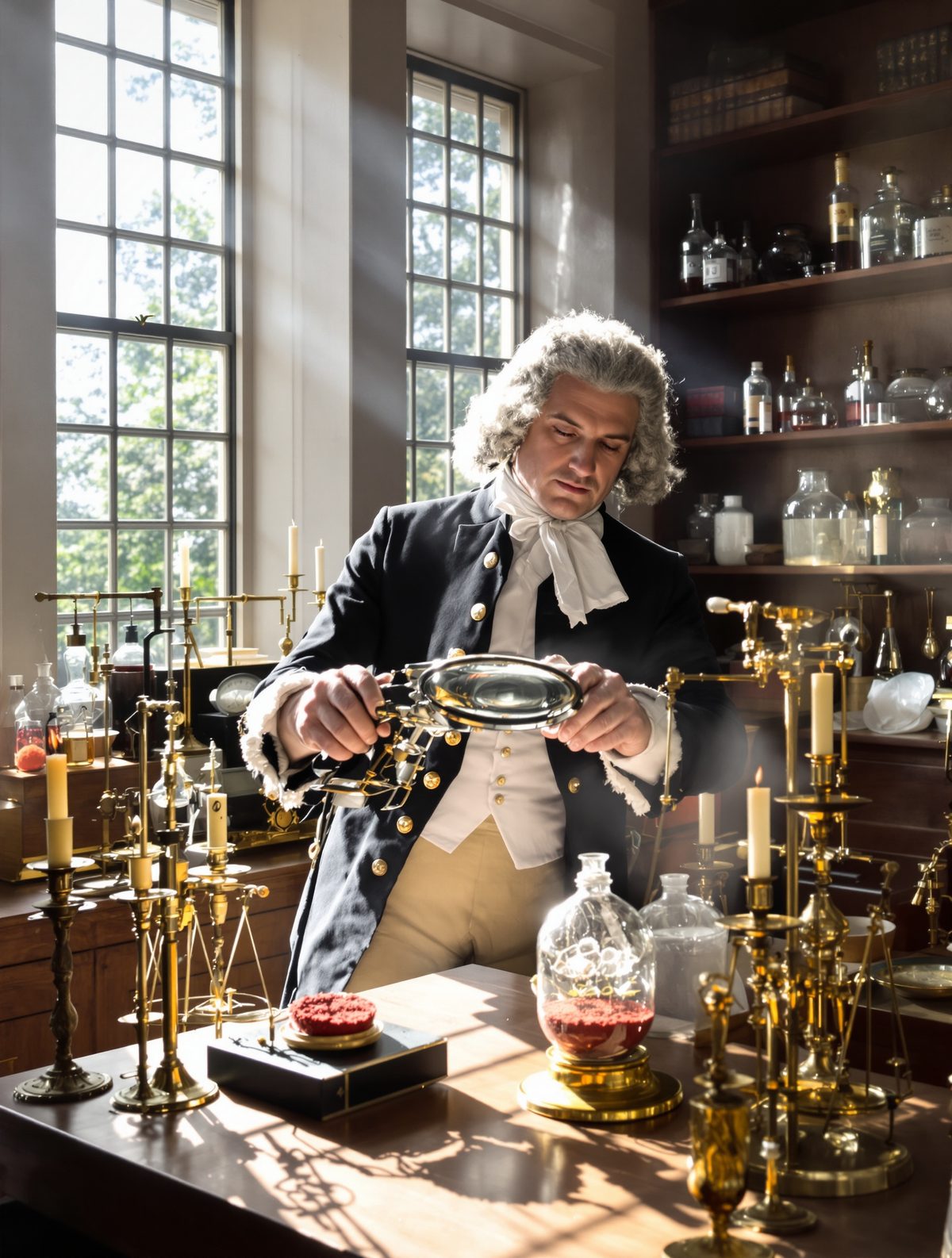
1801. The lecture hall fell silent. Thomas Young lit a candle. He split its beam through two tiny slits. Two beams became one. Stripes of light and dark appeared. Newton was wrong. Light was a wave.
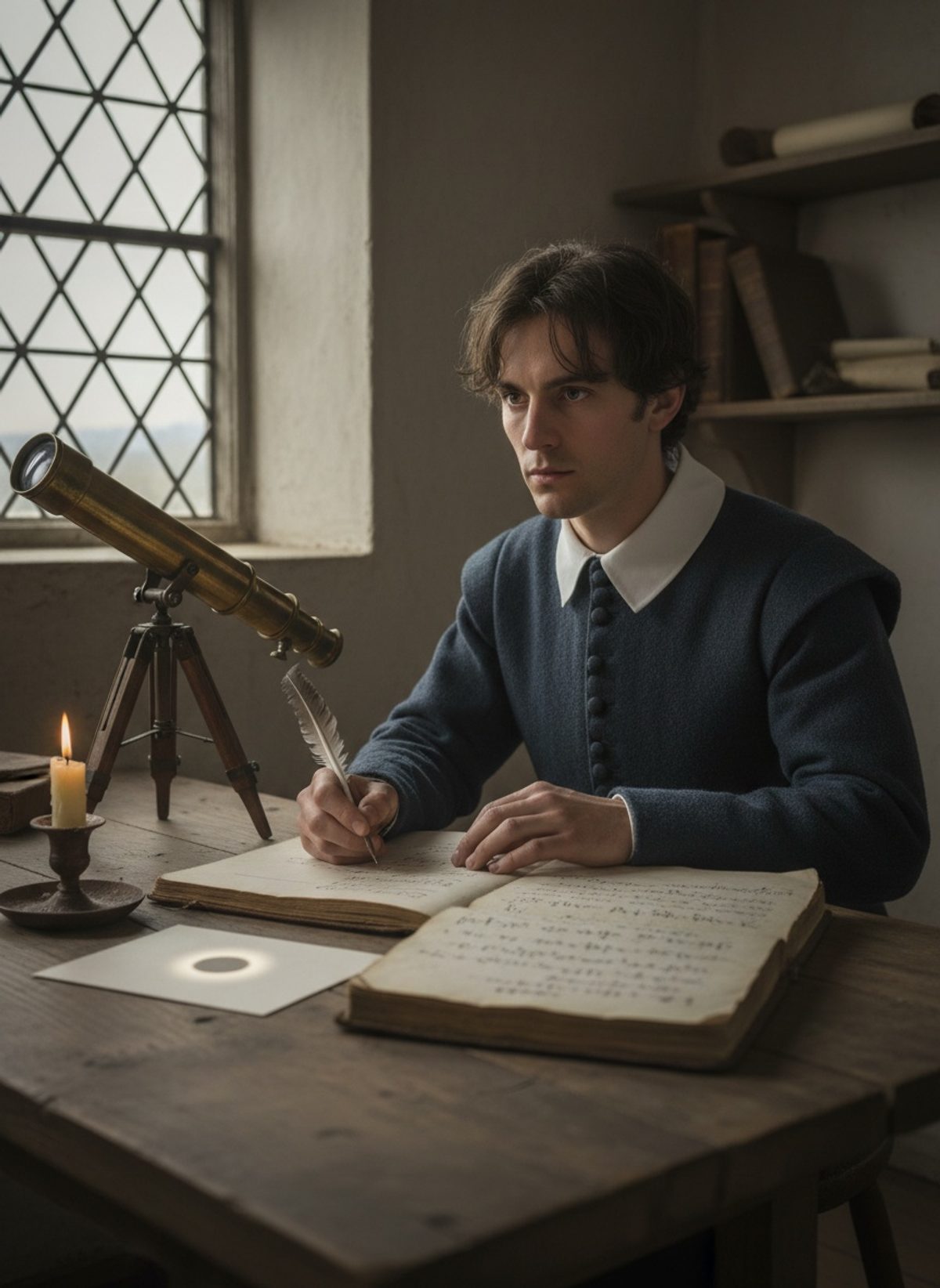
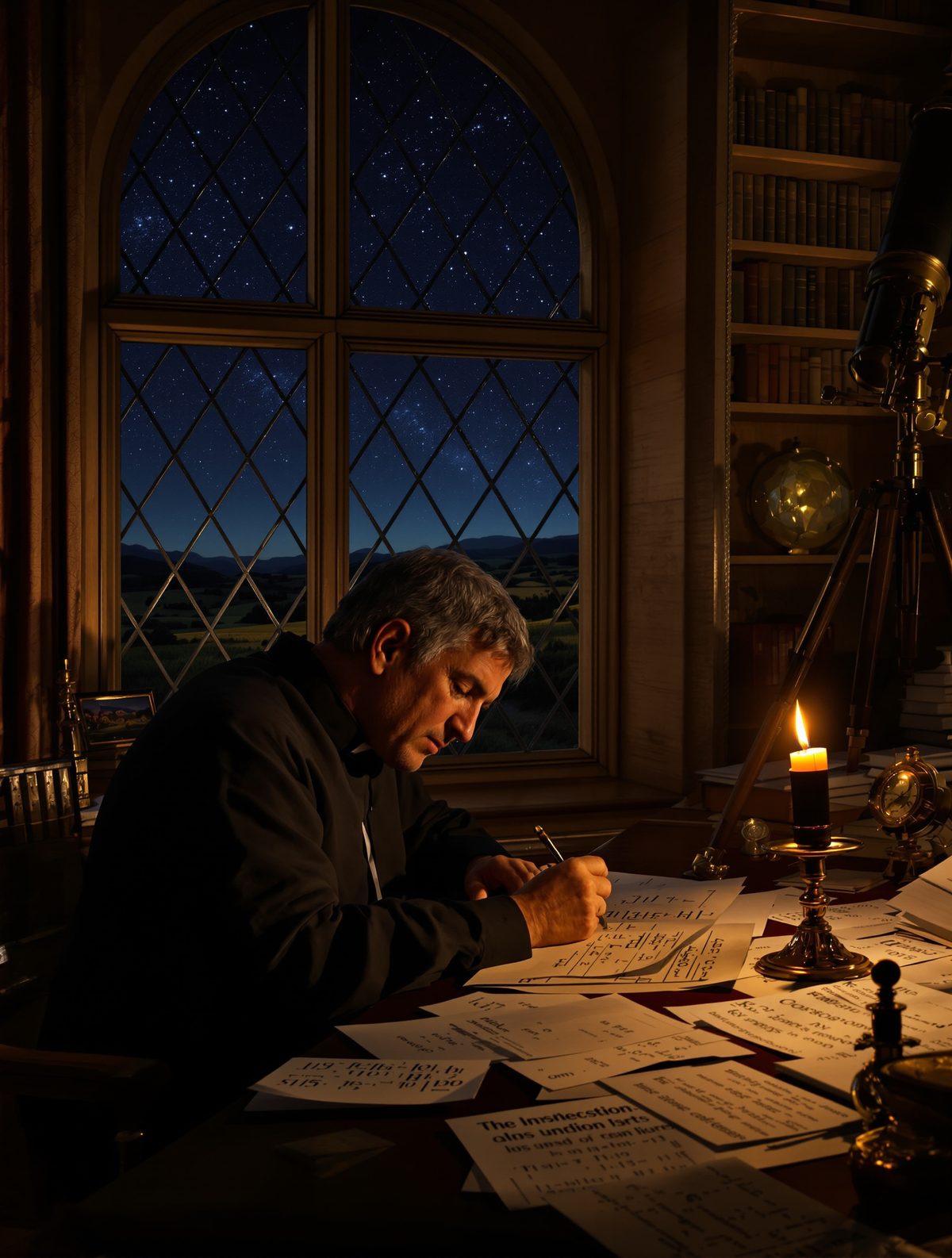
June 1769. John Goodricke was not yet born. But Jeremiah Horrocks had done it first. A Lancashire curate. Twenty years old. Alone in his study. He held a white card before a telescope. Venus crossed the sun. He wrote down everything. Then he died at twenty-two. His numbers outlasted empires.
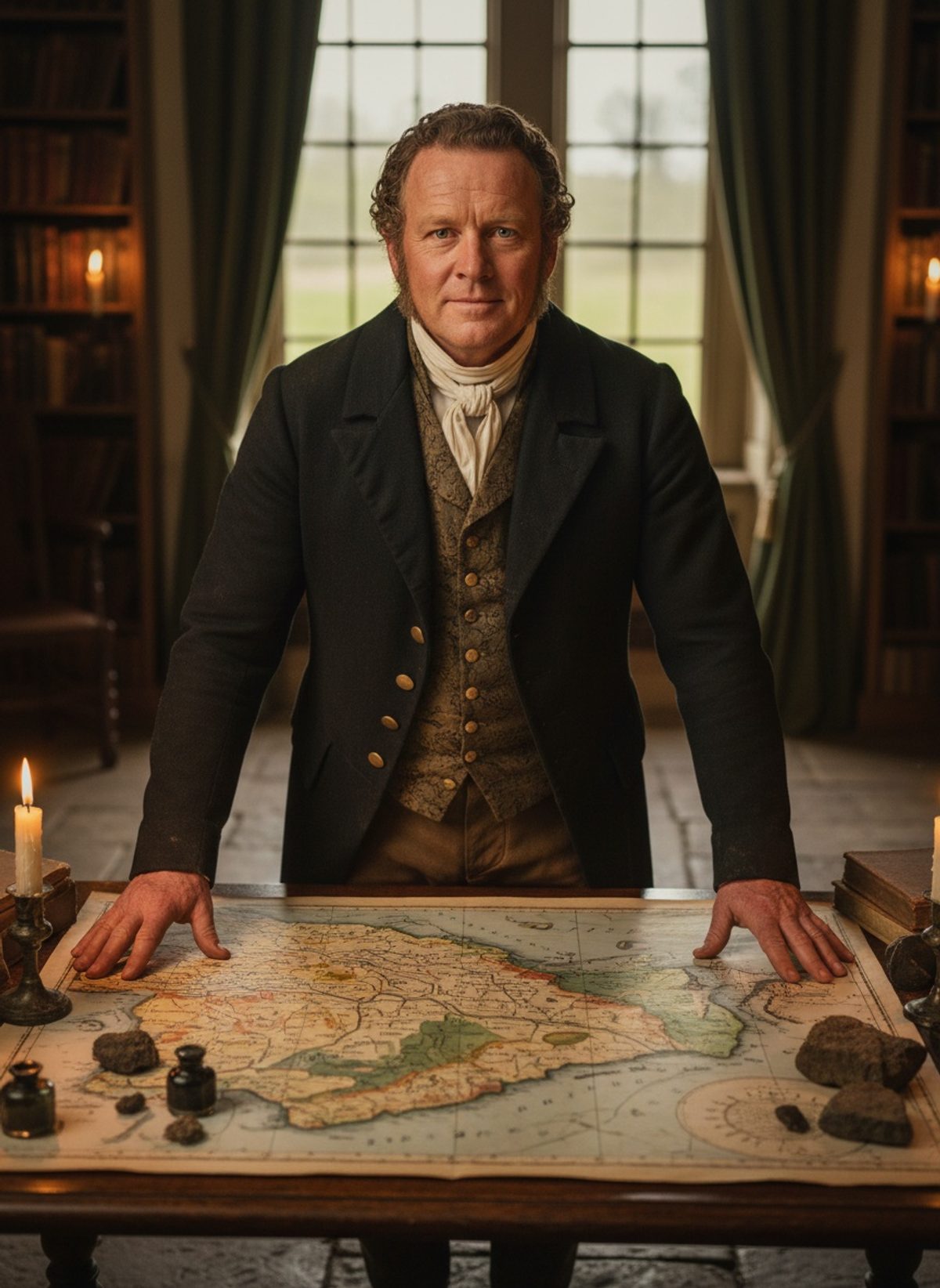
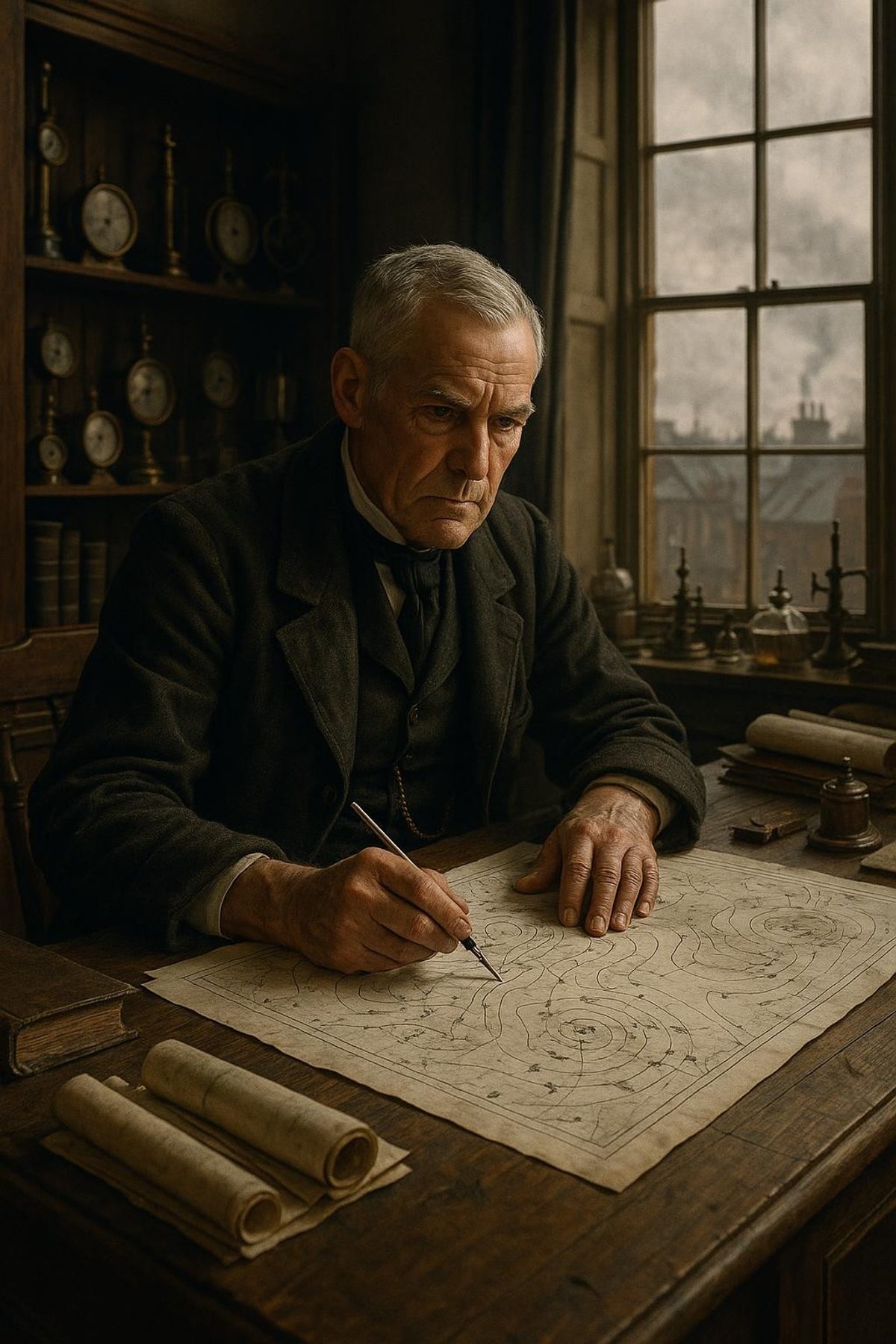
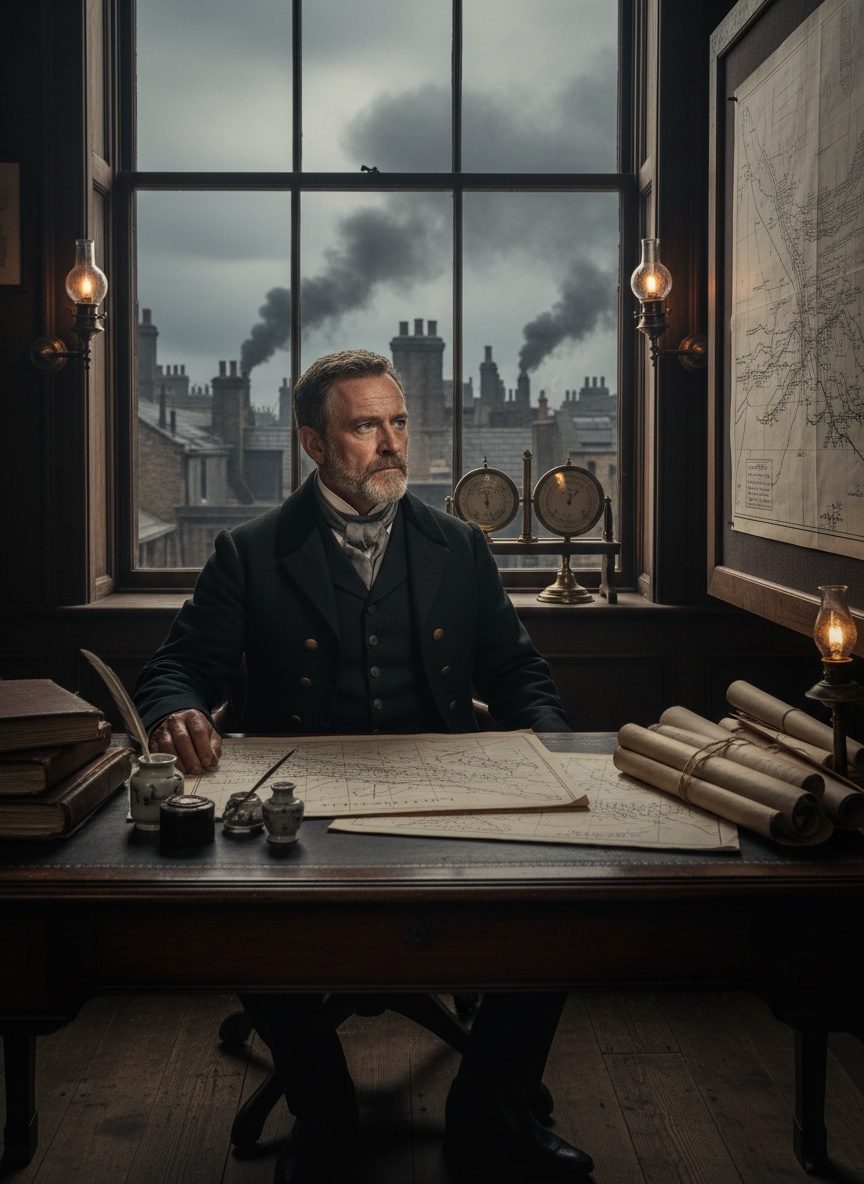
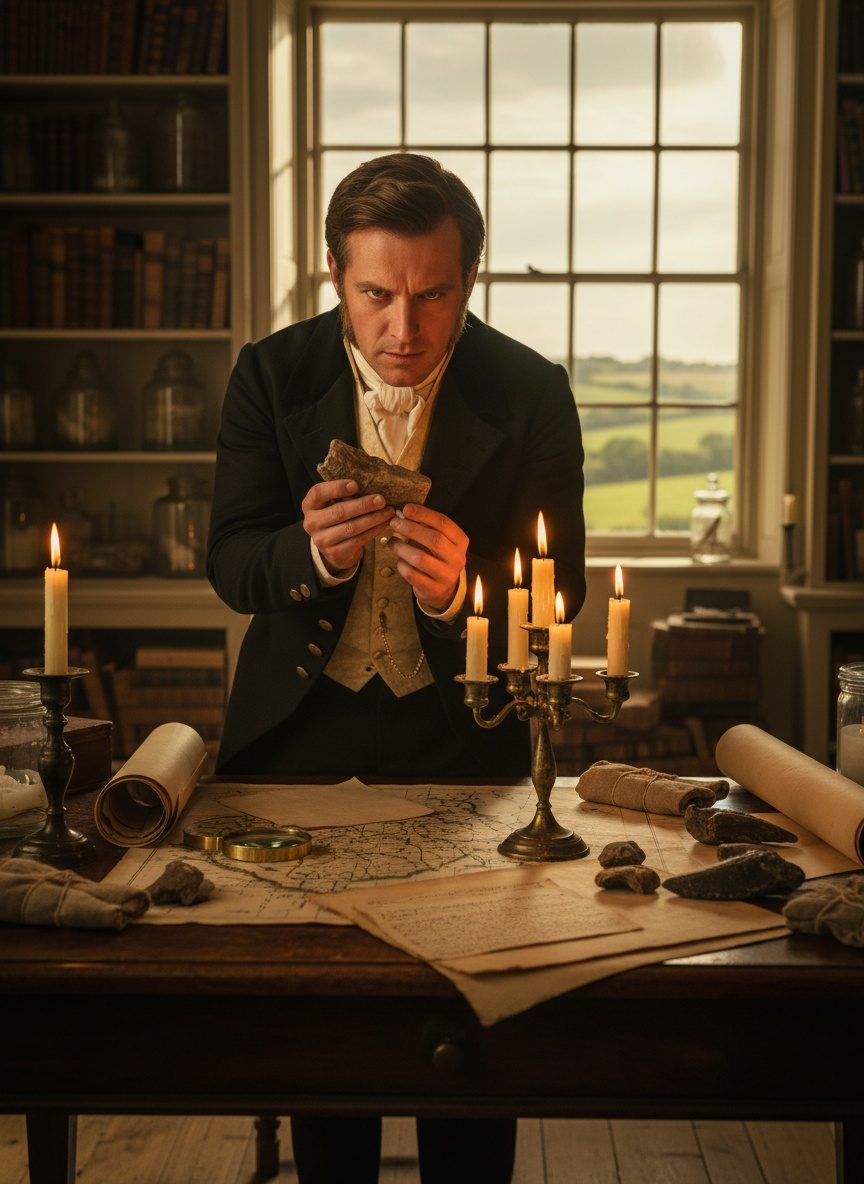
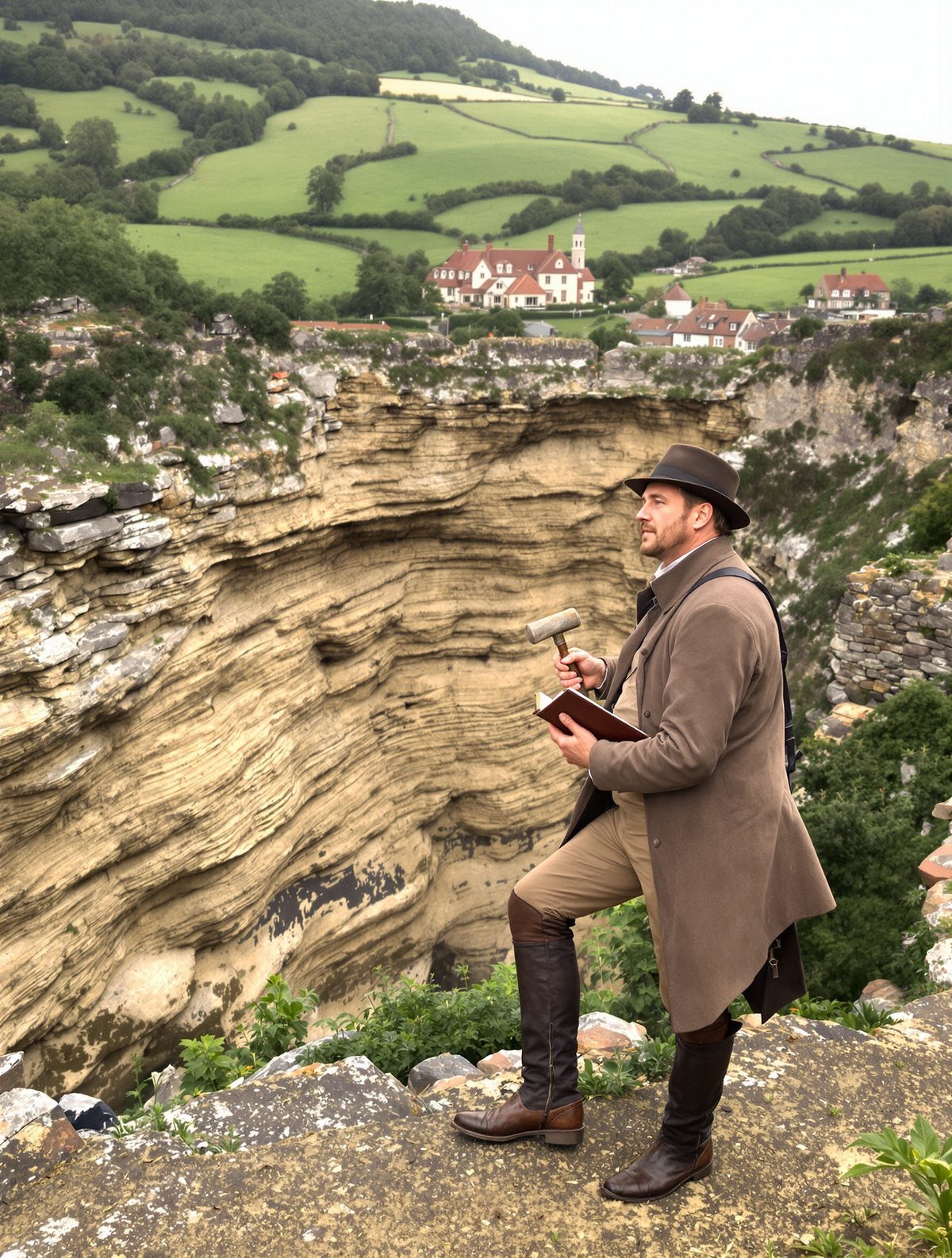
1815. William Smith was the son of a blacksmith. He had no university degree. No patron. No title. But he had spent twenty years walking England's fields and canals alone. That year he unrolled a map that changed science forever.
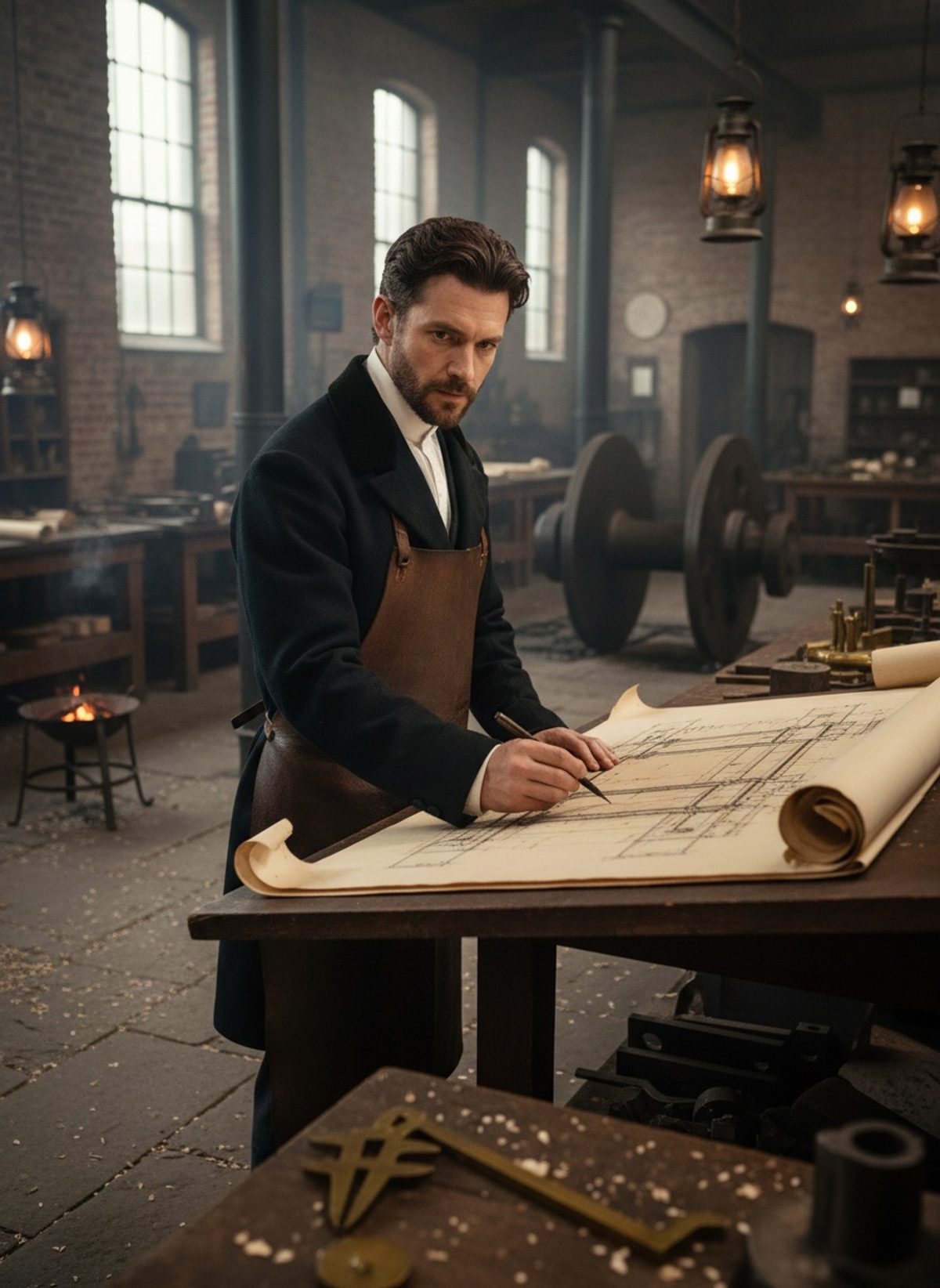
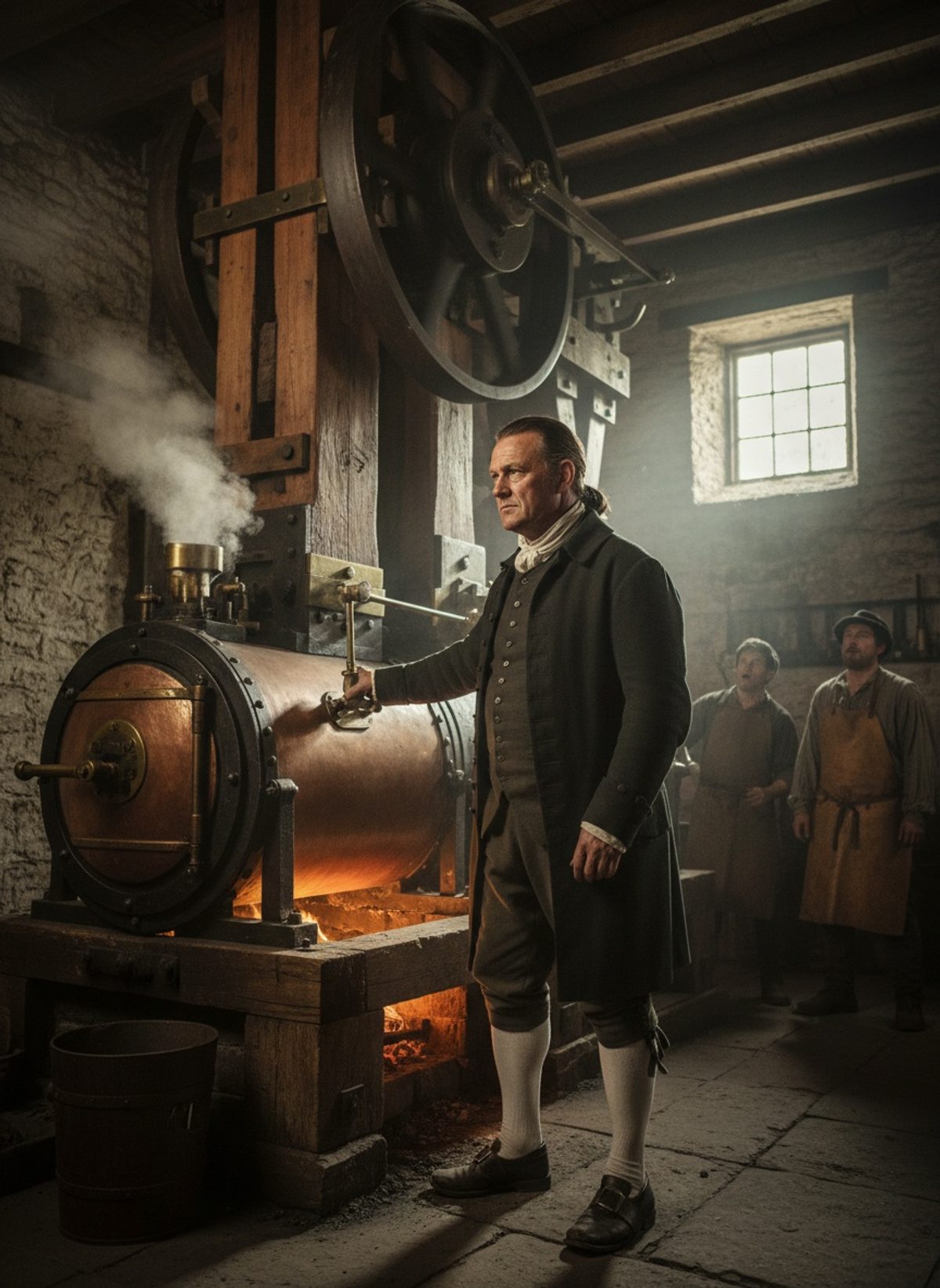
1839. A Scottish engineer watched a forge struggle. The crankshaft for Brunel's ship was too large to shape. James Nasmyth sketched a solution in twenty minutes. The steam hammer was born. It changed manufacturing forever.
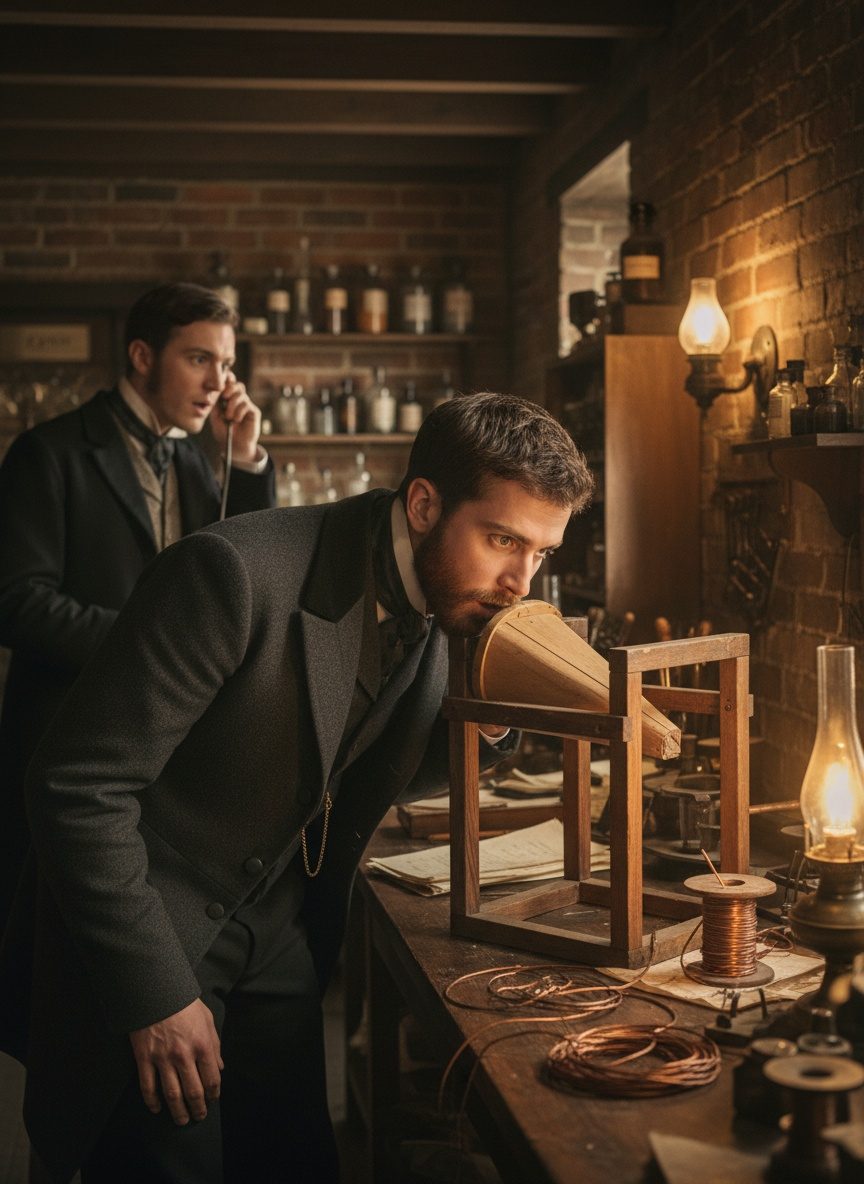
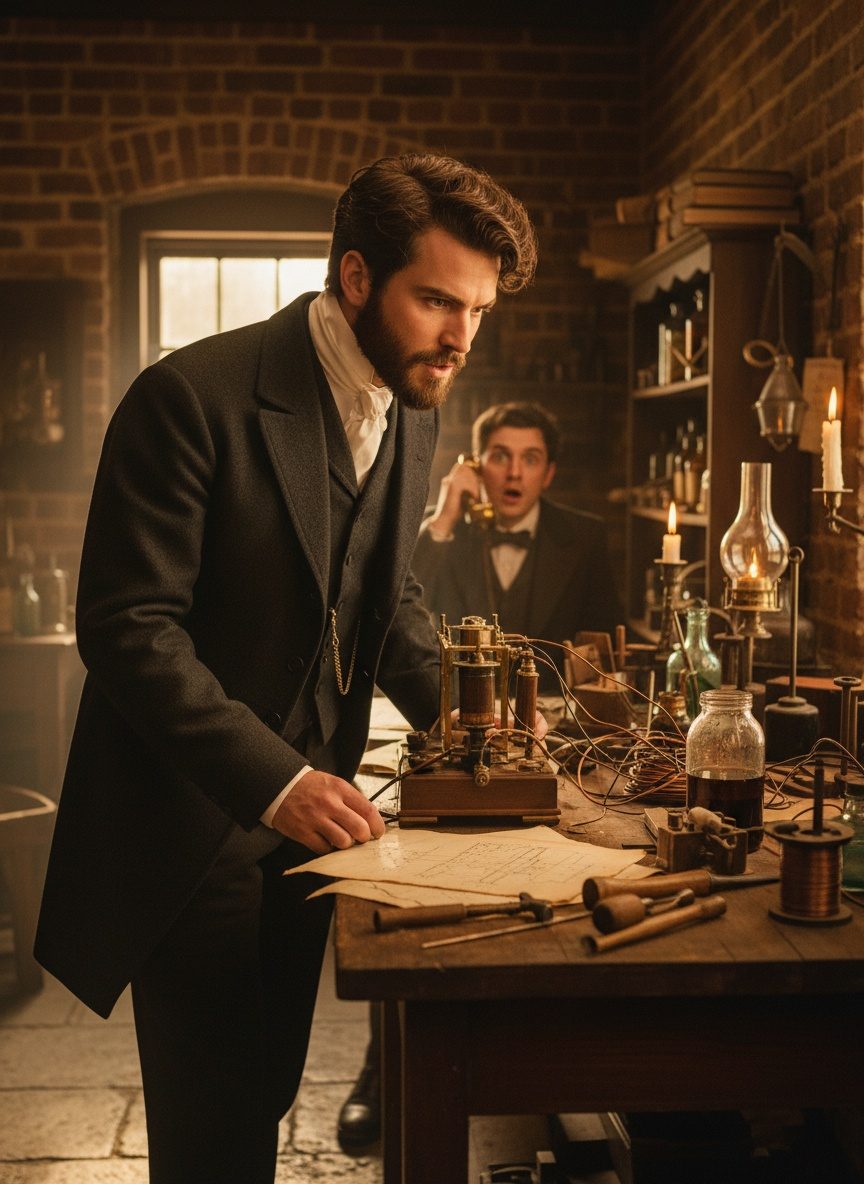
March 1876. A young Scot leaned into a wire. Spoke three words. His assistant heard them in another room. The world had never been smaller. Alexander Graham Bell had just changed everything.
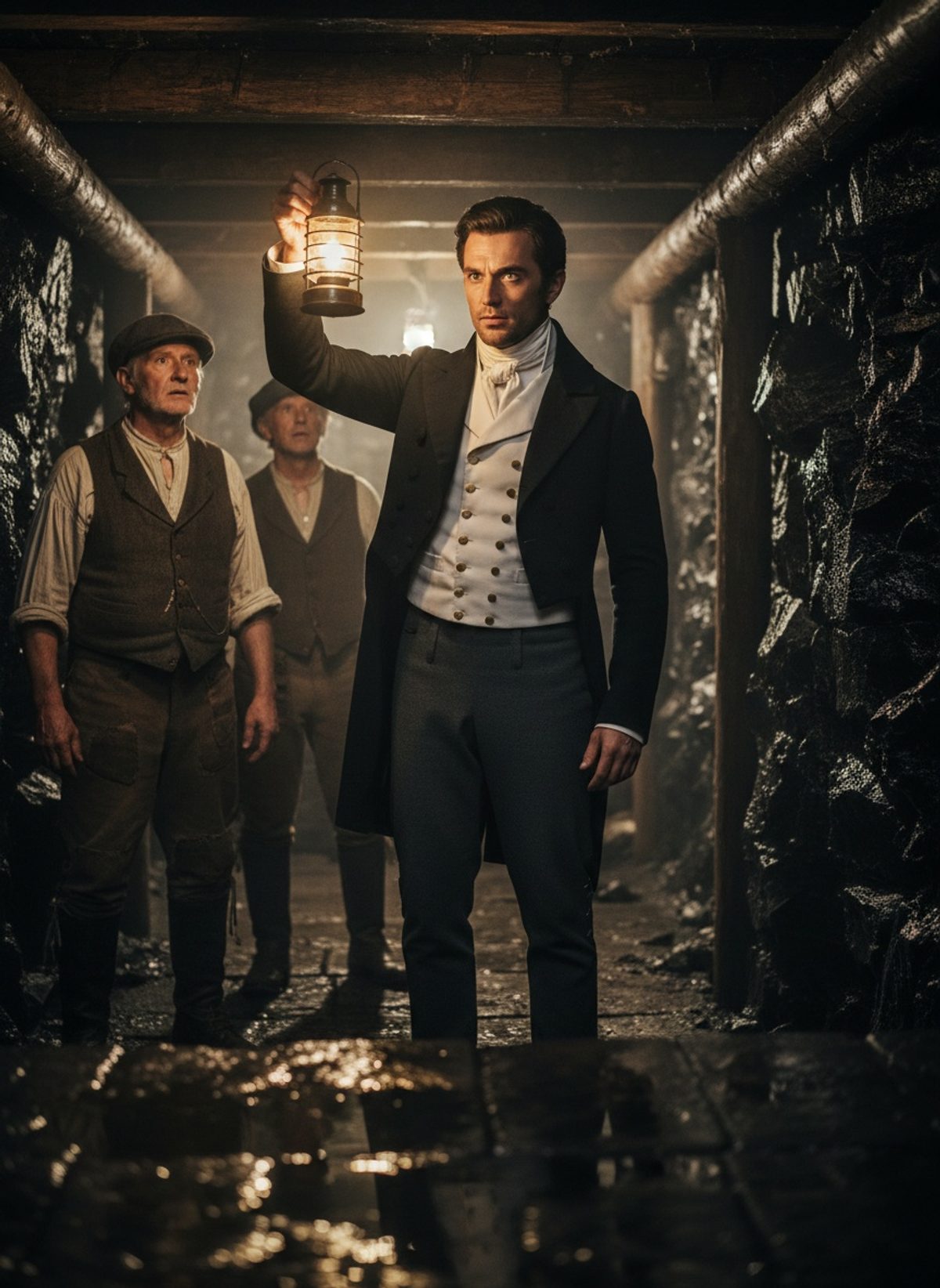
1815. Coal mines were killing men by the hundreds. A simple flame could trigger an explosion. One scientist refused to accept it. He descended into the dark himself. He came back with an answer.
1773. Every ship at sea was sailing blind. No one could calculate longitude. John Harrison spent forty years building a clock that changed that. The Navy fought him. Parliament stalled him. He never gave up.
Gloucestershire, 1796. Edward Jenner had a theory. Every doctor in England laughed. He took a needle. He took a boy. He proved them all wrong.
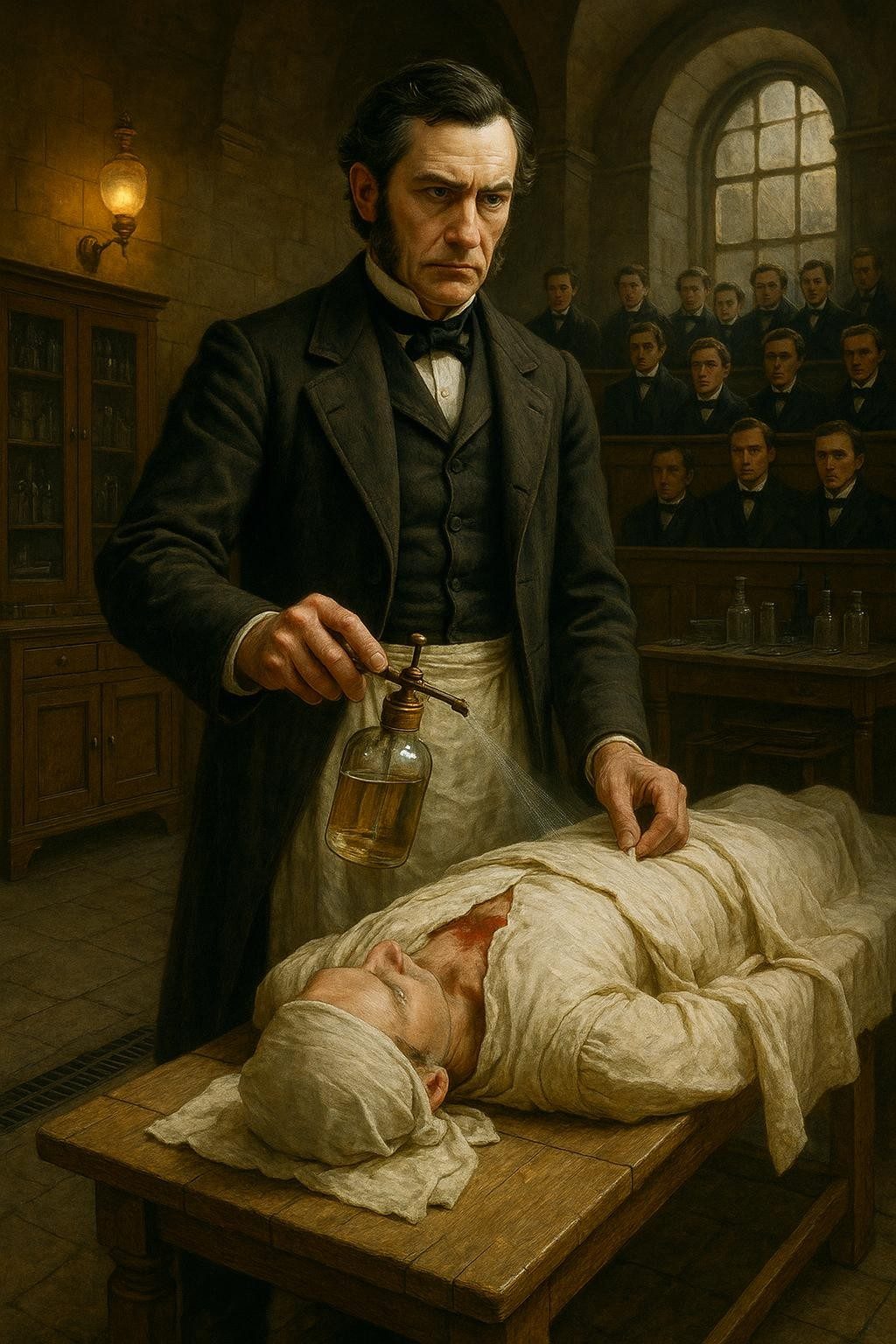
Glasgow, 1865. The wards were killing more men than the wounds. Joseph Lister watched. He thought of Pasteur. He reached for carbolic acid. Everything changed.
Gloucestershire. 1796. A country doctor had watched milkmaids. They caught cowpox. They never caught smallpox. He had a theory. He tested it. The world changed.
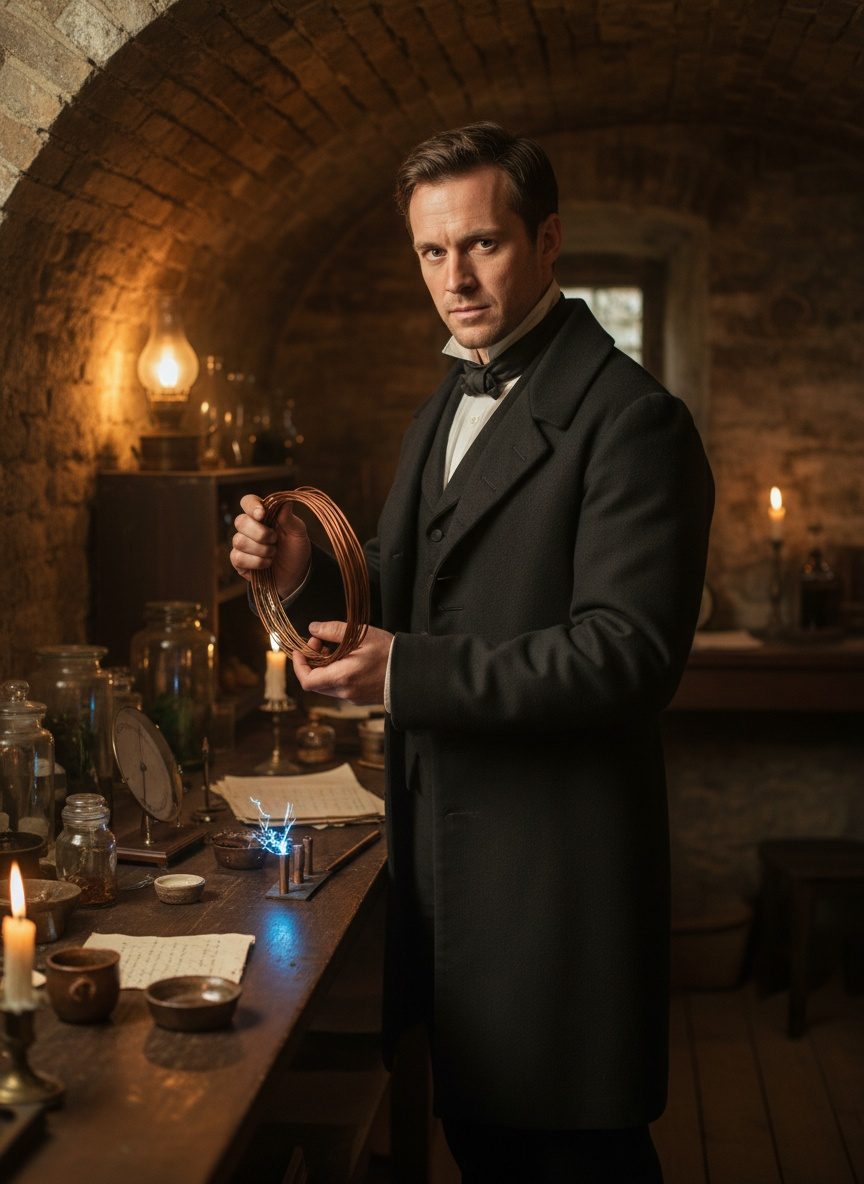
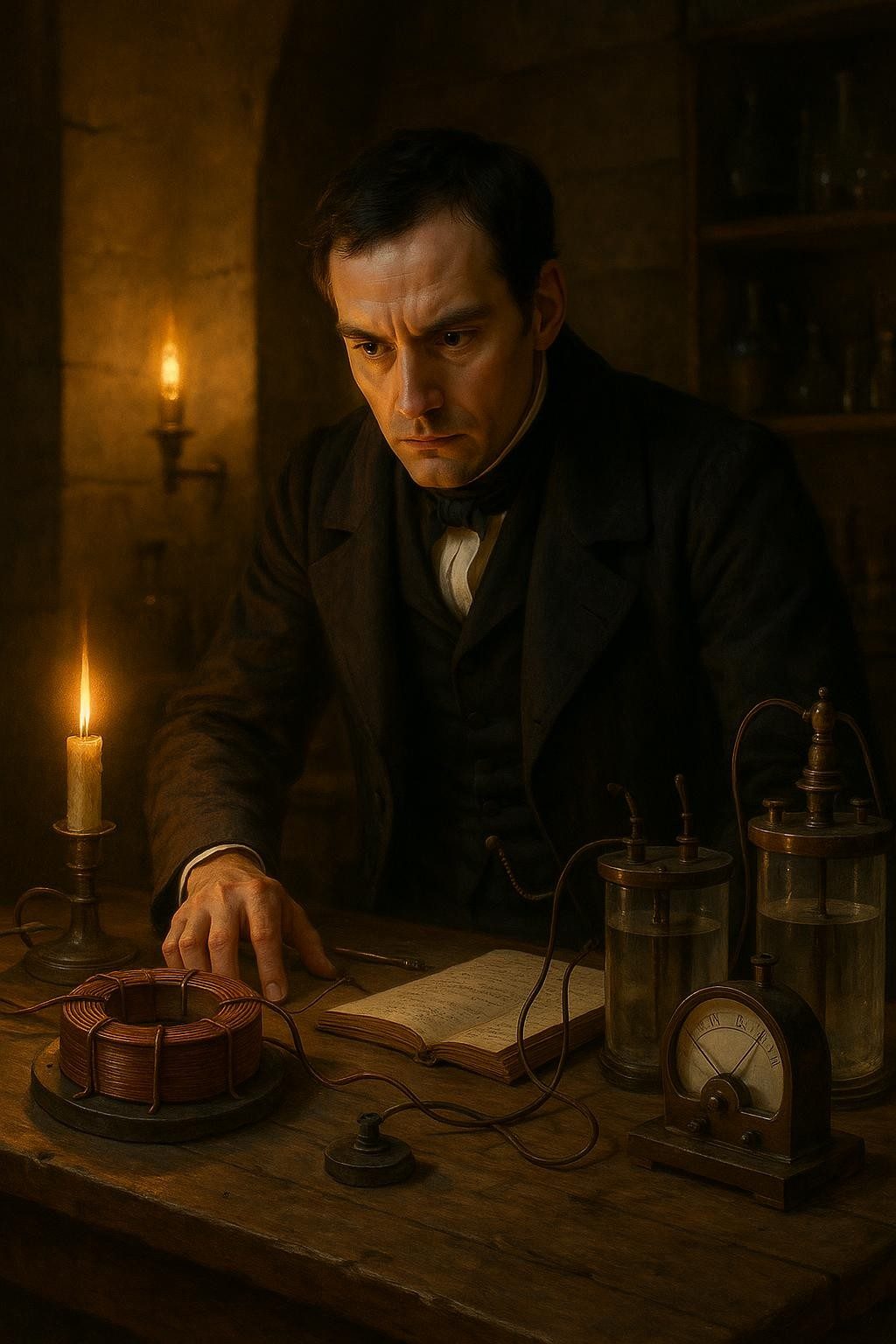
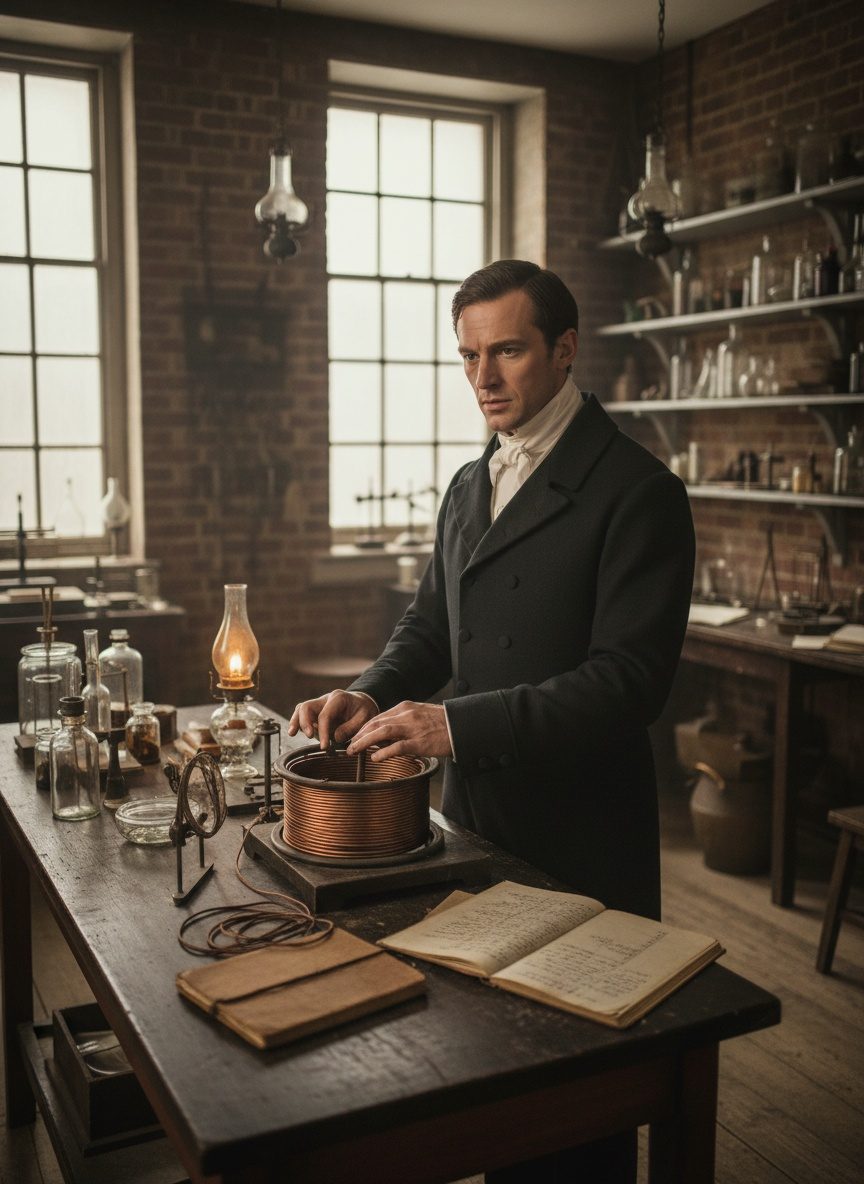
No university. No wealthy patron. No formal schooling past thirteen. Michael Faraday had none of it. What he had was a coil of wire, an iron ring, and an idea that would power every city on earth.
Dartmouth, 1712. Thomas Newcomen built a machine that no one believed could work. An ironmonger's son. No university. No patron. He lit the fire anyway. It pumped. The age of steam had begun.
A Sunderland boy. A glass bulb. A filament glowing for the first time. Joseph Swan beat Edison to the light by a year. Britain lit the world before America knew it was dark.
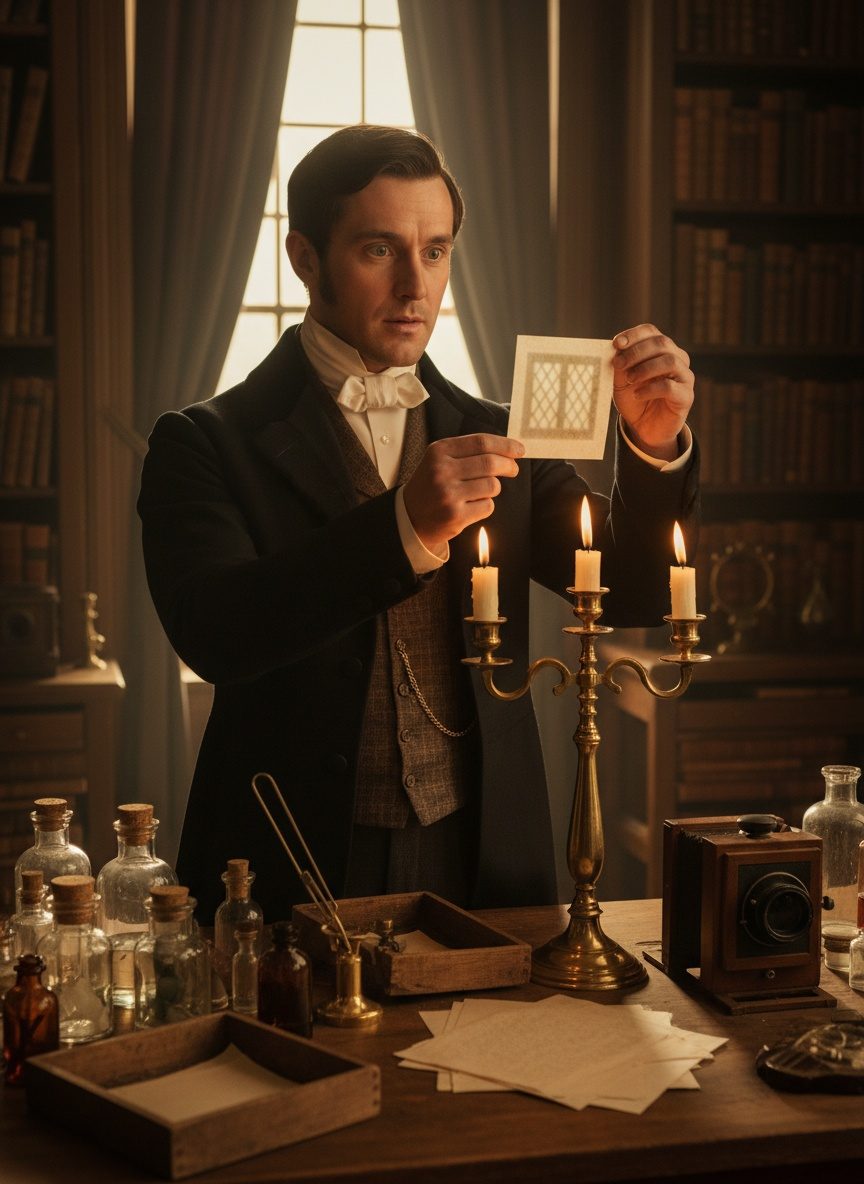
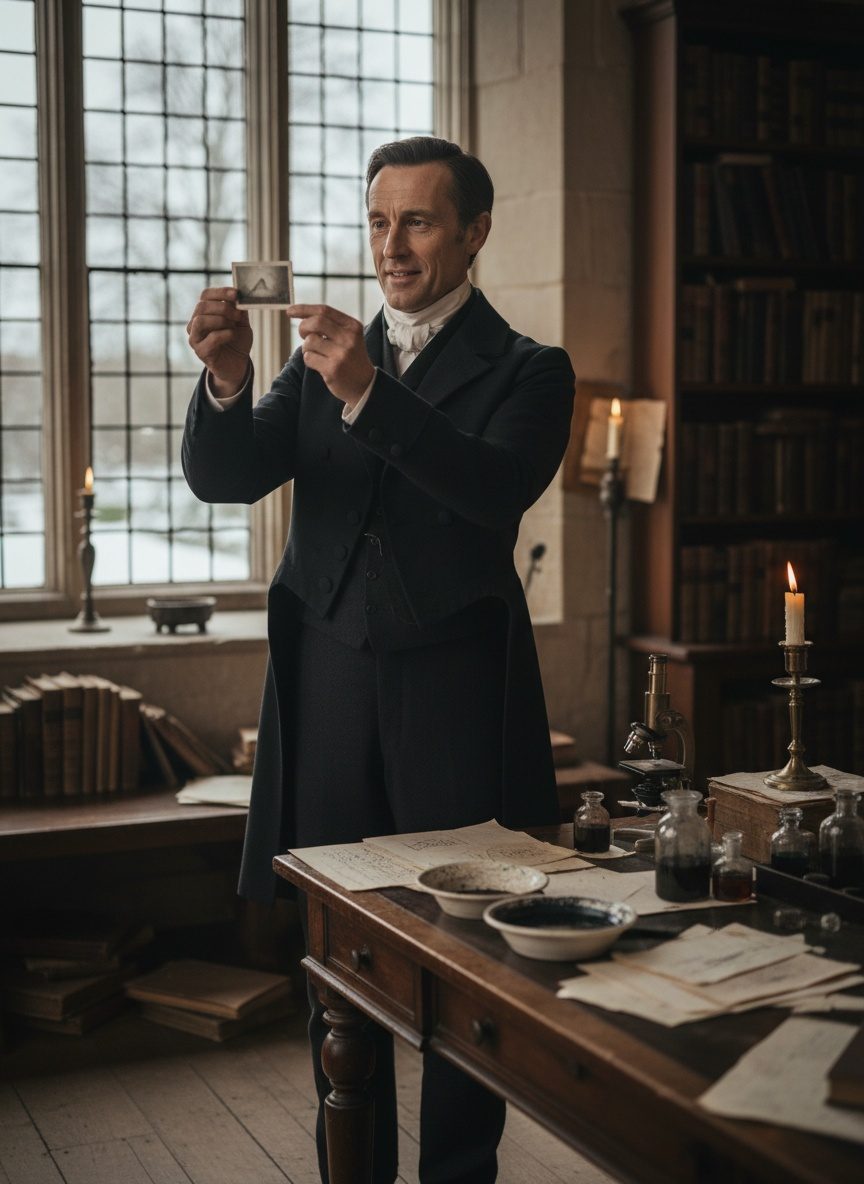
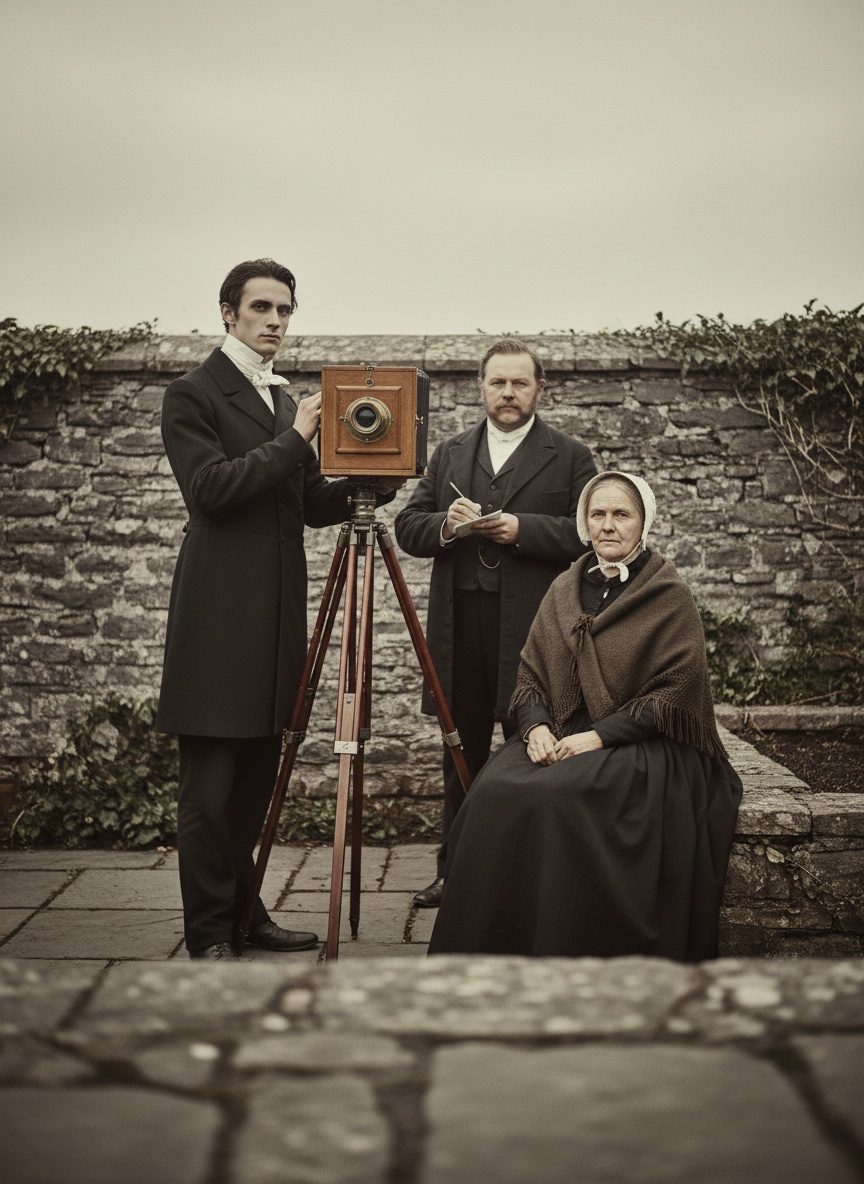
Lacock Abbey. 1835. William Henry Fox Talbot held a tiny square of paper to the light. On it sat a window. Frozen in silver. The first photograph ever made on British soil. The world would never look the same.
August 1861. A storm was coming. Robert FitzRoy knew it. He sent his warning to the fishing fleets. They stayed in harbour. Lives were saved. The world had never seen anything like it.
May 1796. A Gloucestershire doctor had a theory. Every expert laughed. He took a needle. A farm girl. A dying disease. He proved them all wrong.
Edinburgh. 1788. James Hutton held a piece of ancient rock. He said the Earth was not thousands of years old. It was millions. The room fell silent. Science would never be the same.
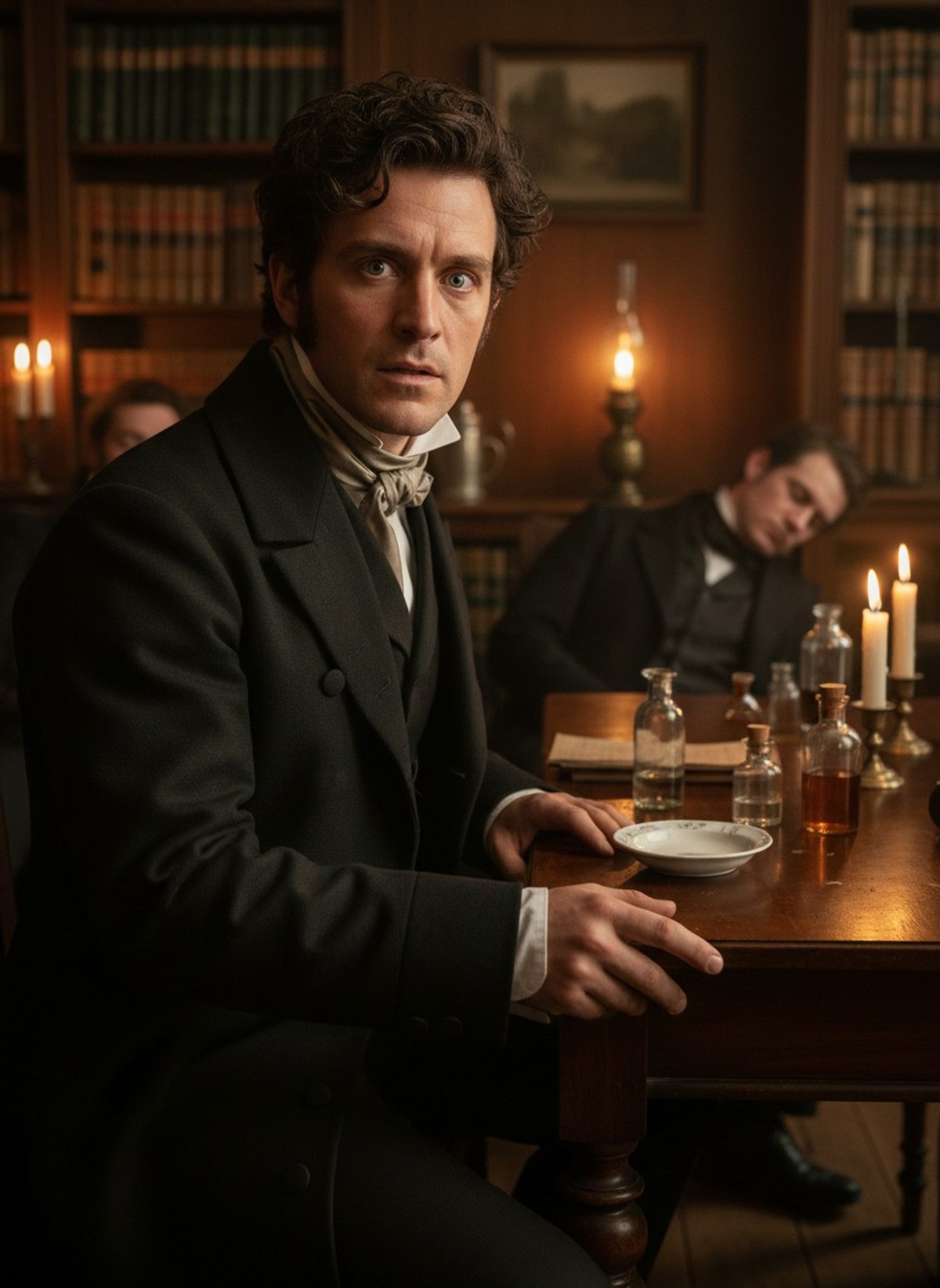
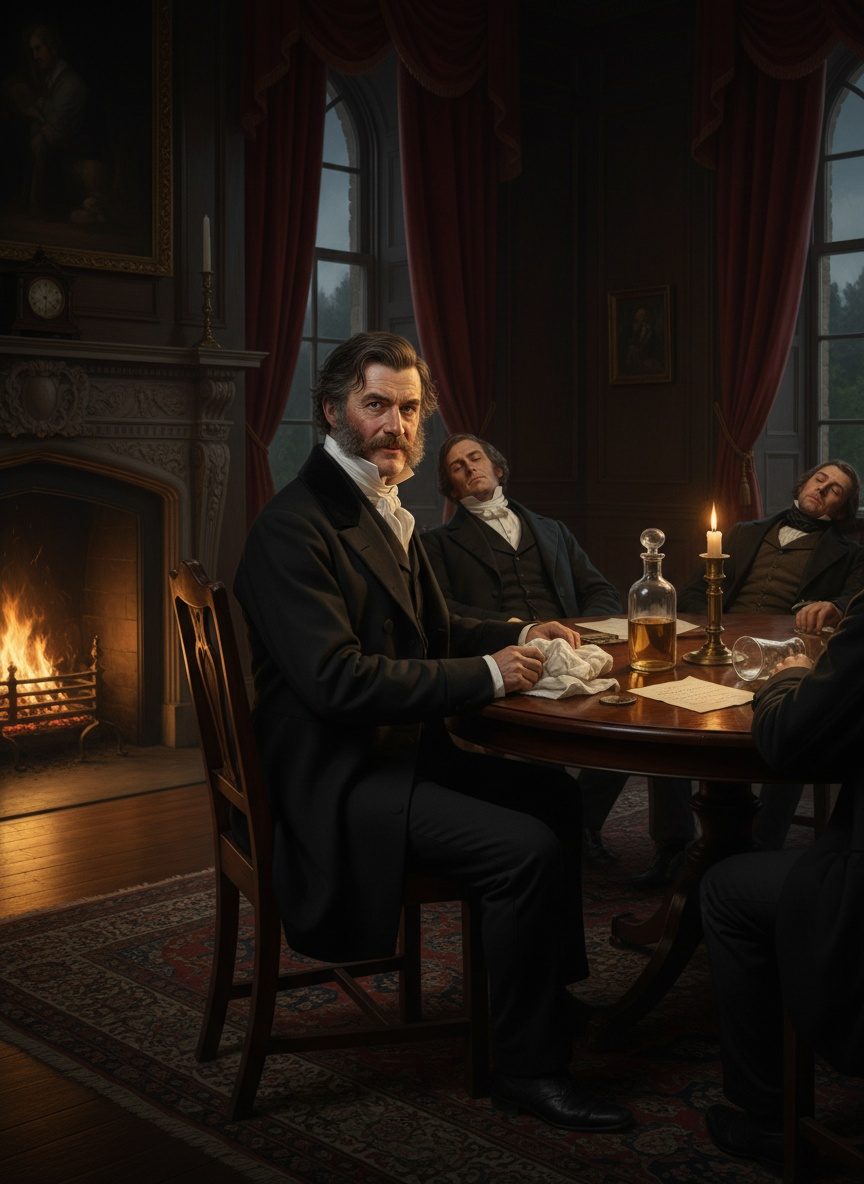
Edinburgh. 1847. James Young Simpson had tried every chemical he could find. One night he inhaled chloroform with two colleagues. They woke on the floor. He laughed. Then he understood. Surgery would never be the same.
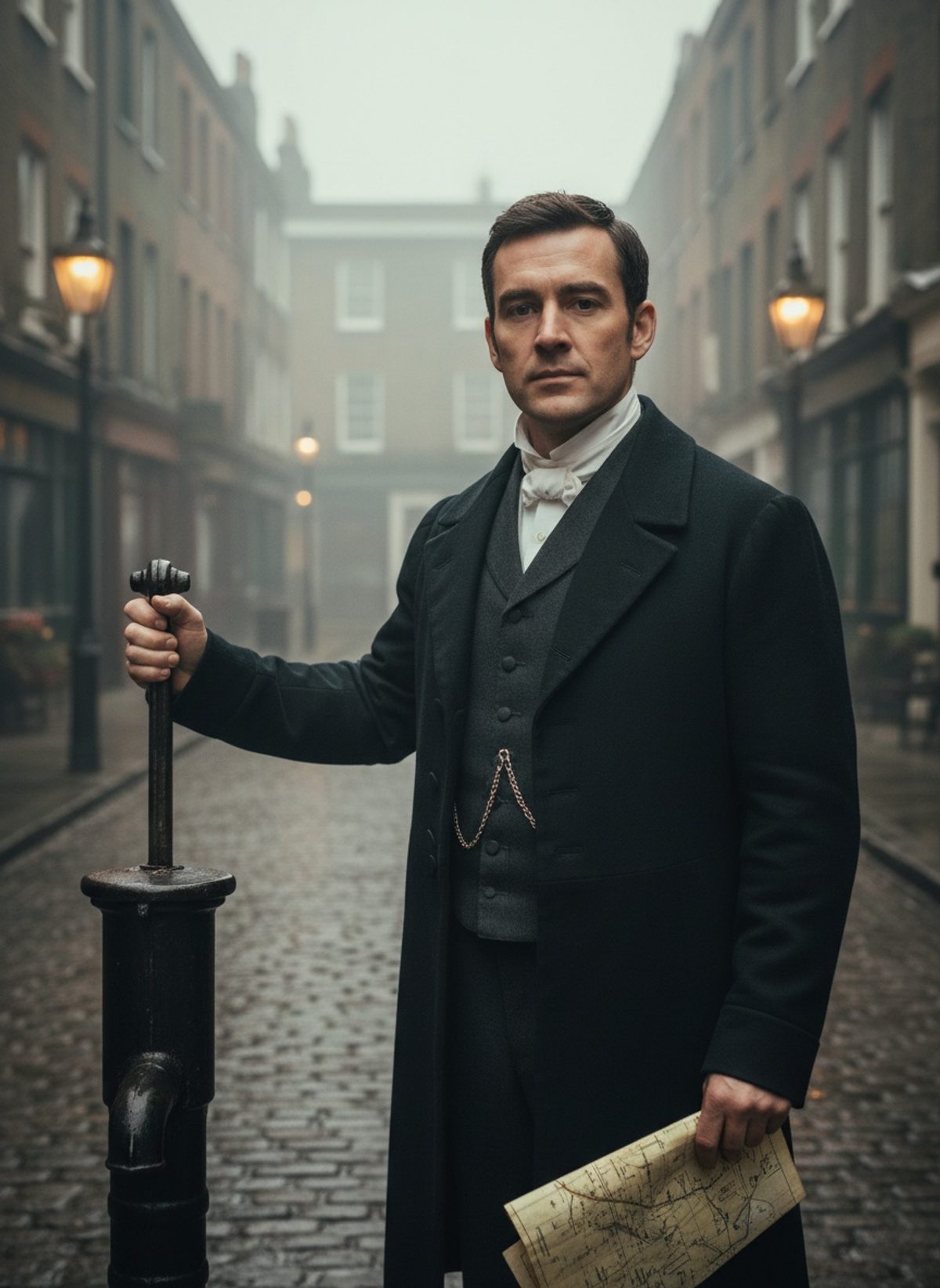
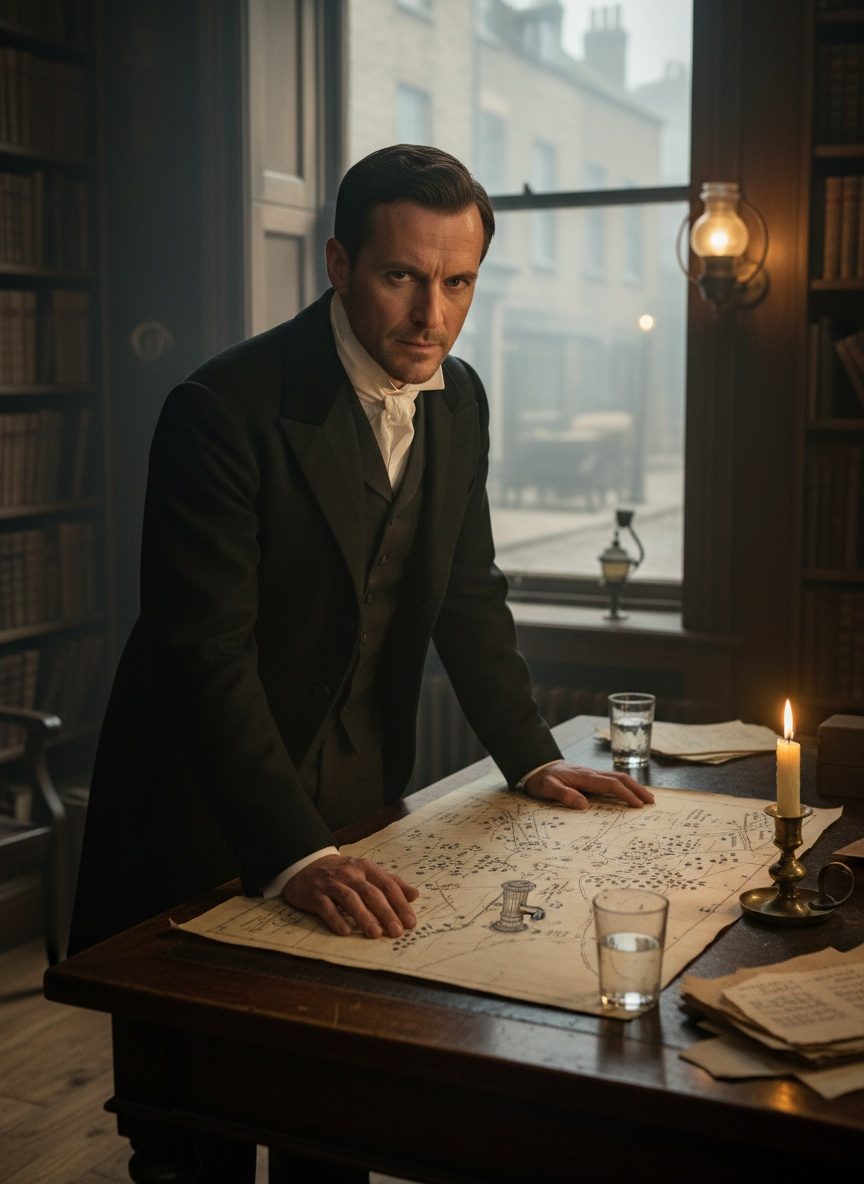
London, 1854. Cholera was killing hundreds. A doctor named John Snow had a theory. Nobody believed him. He walked into Broad Street alone. He pulled out the pump handle. The dying stopped.
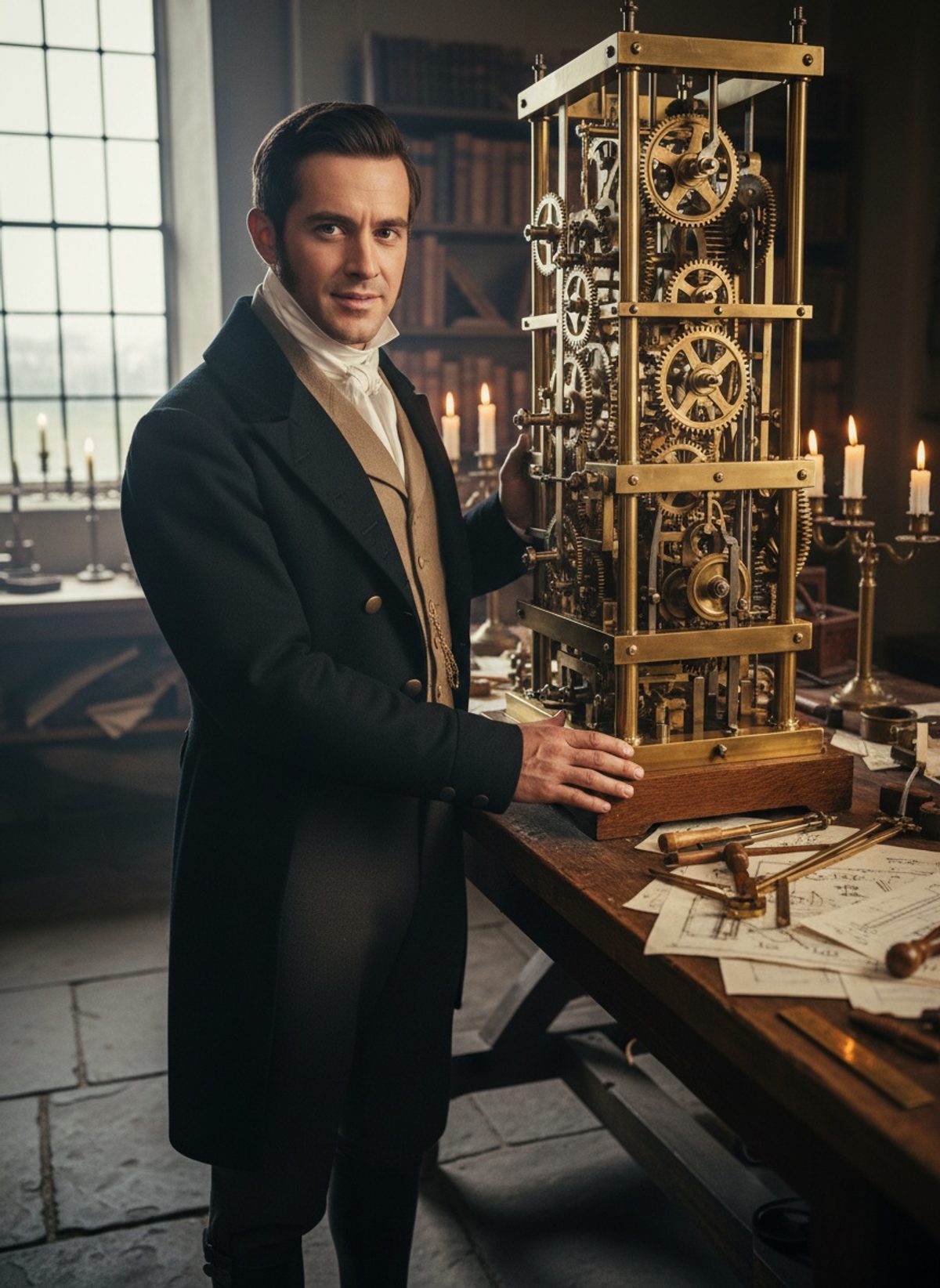
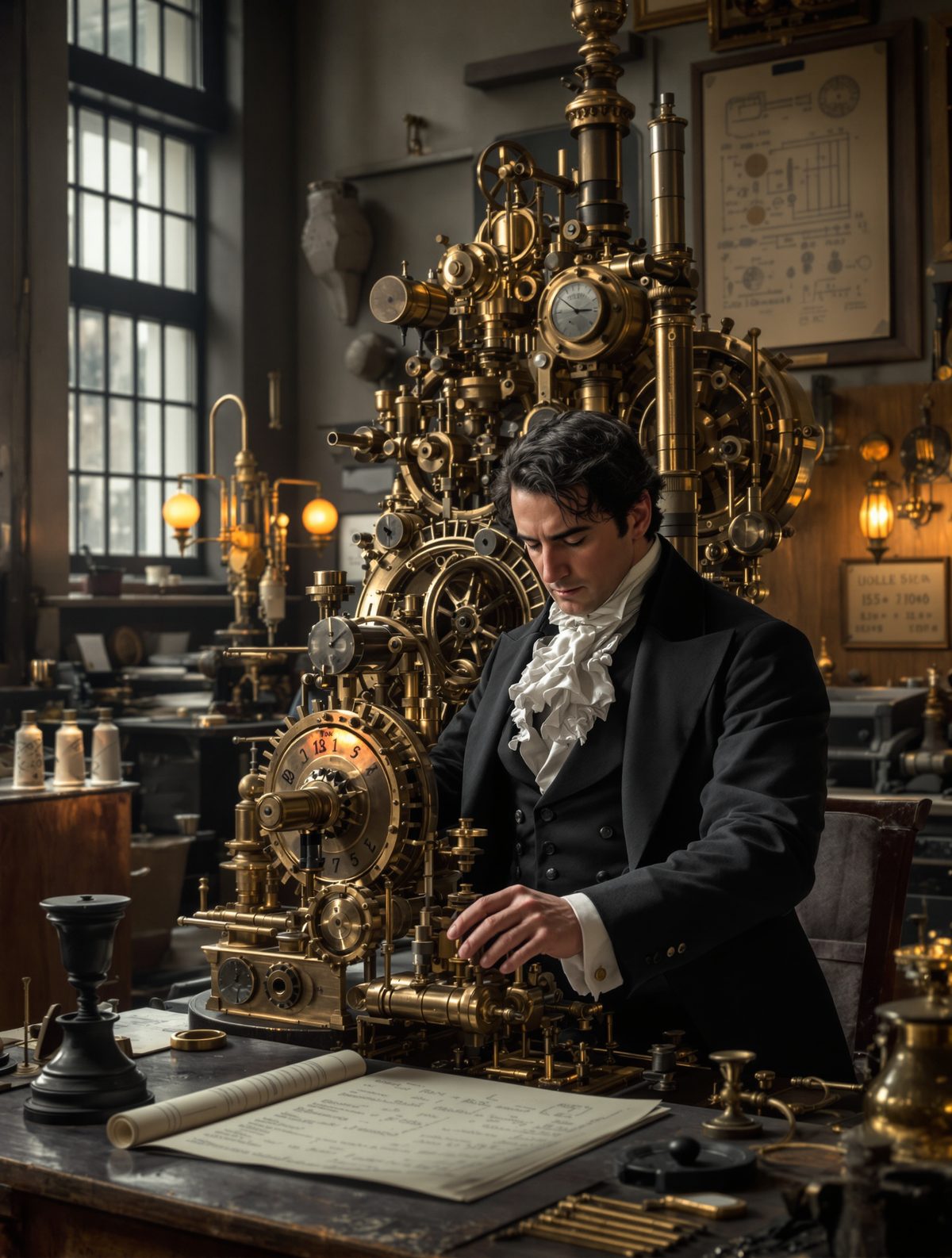
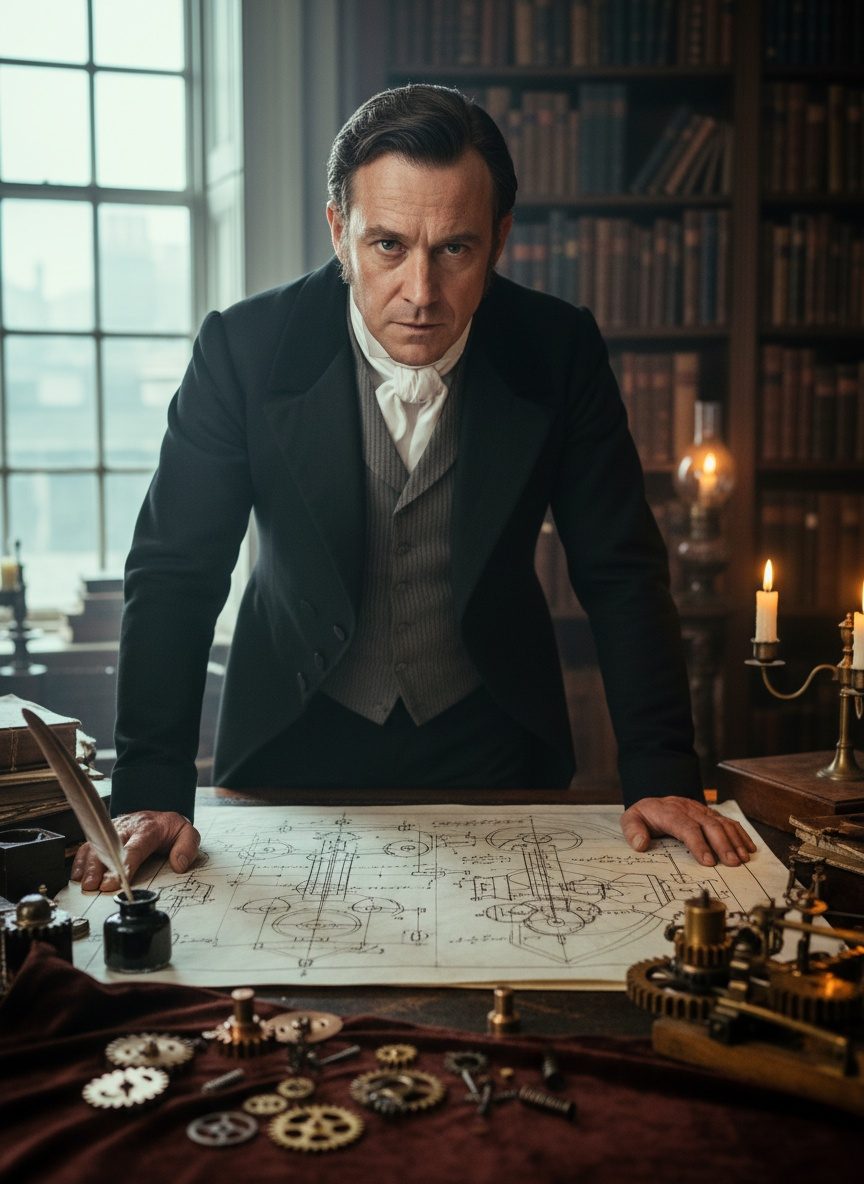
Cambridge, 1822. Charles Babbage unveiled his Difference Engine. A machine that could think in numbers. No one in the room understood what they were seeing. The modern age had just begun.
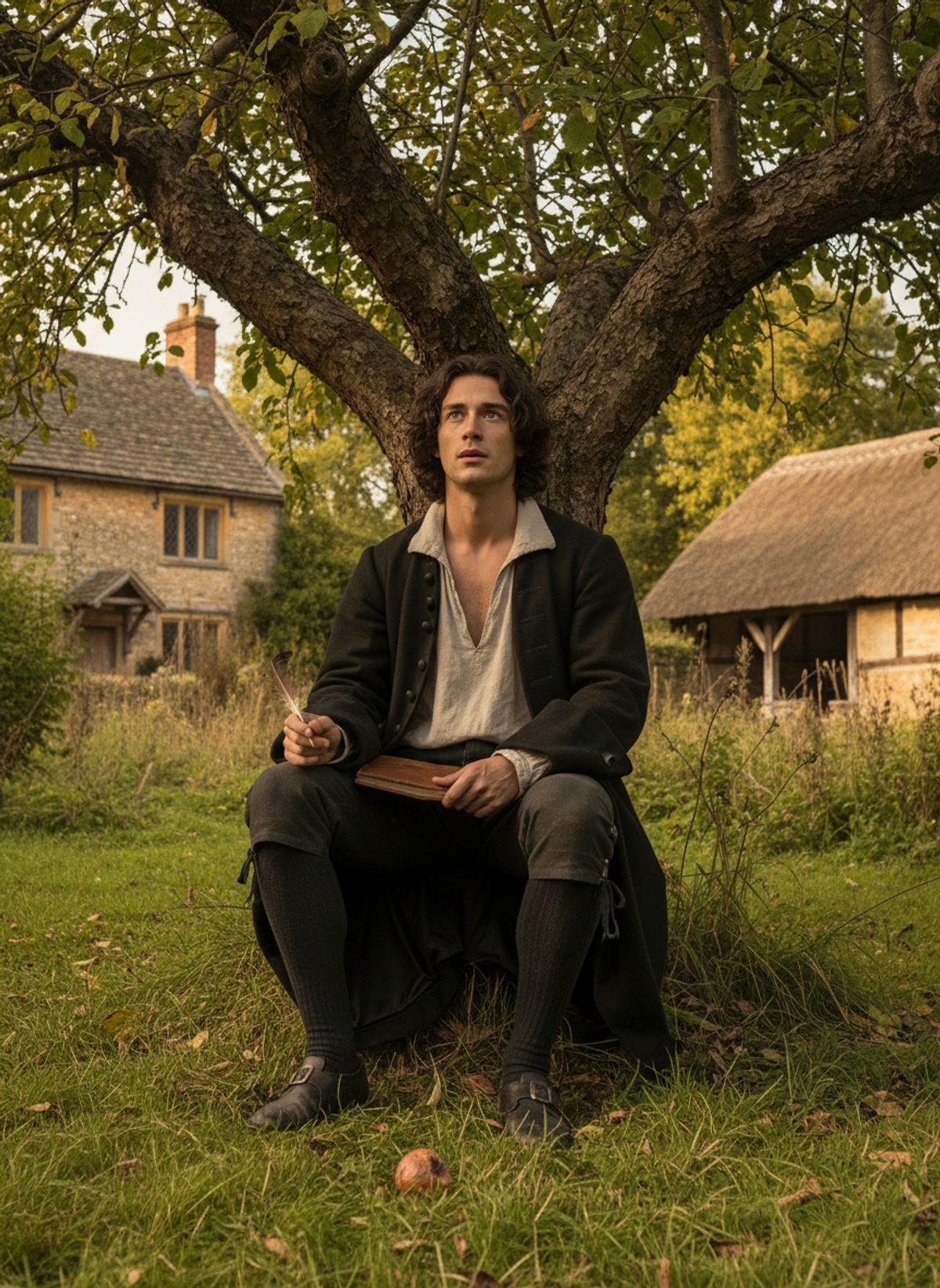
Cambridge sent him home. The plague closed the university. He was 23 years old. In eighteen months alone on a Lincolnshire farm, Isaac Newton invented modern science.
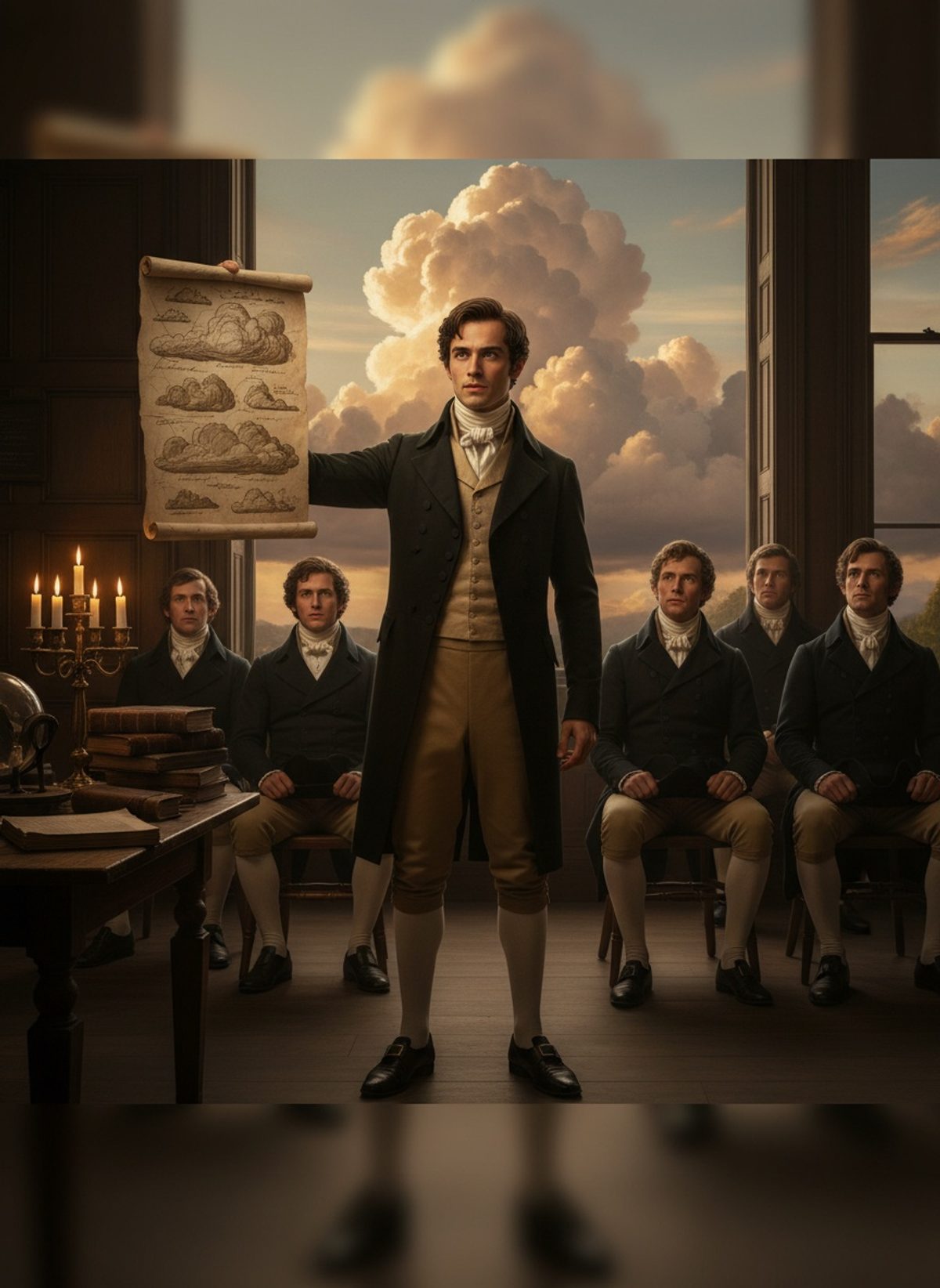
1803. Luke Howard was a chemist. No one had ever named the clouds. He stood up in a London meeting room. Named them all. Cumulus. Stratus. Cirrus. The sky has carried his words ever since.
1773. Every sailor on earth was lost at sea. John Harrison built a clock that could fix that. He spent forty years being ignored. Then he went to the King himself.
January 1839. William Henry Fox Talbot stood before the Royal Institution. He held a small square of paper. On it was a window. Fixed in light. The world had never seen anything like it.
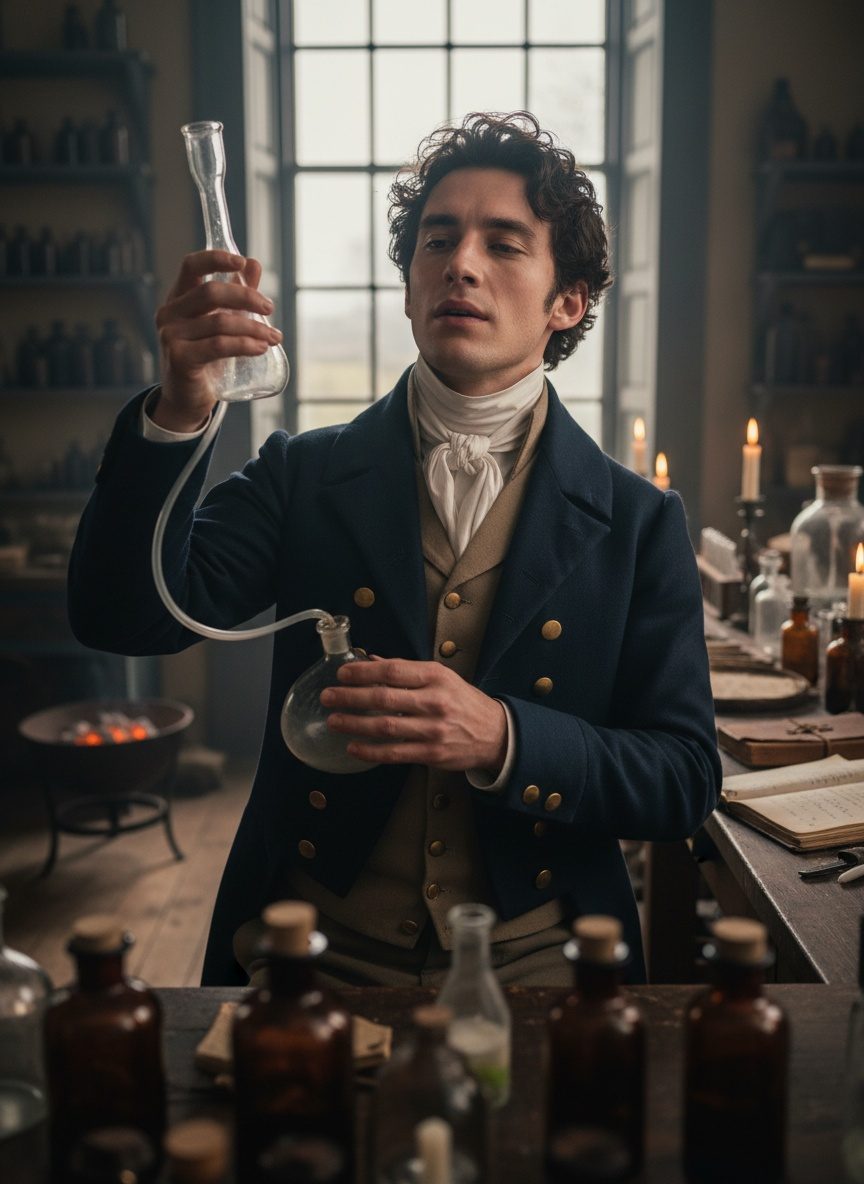
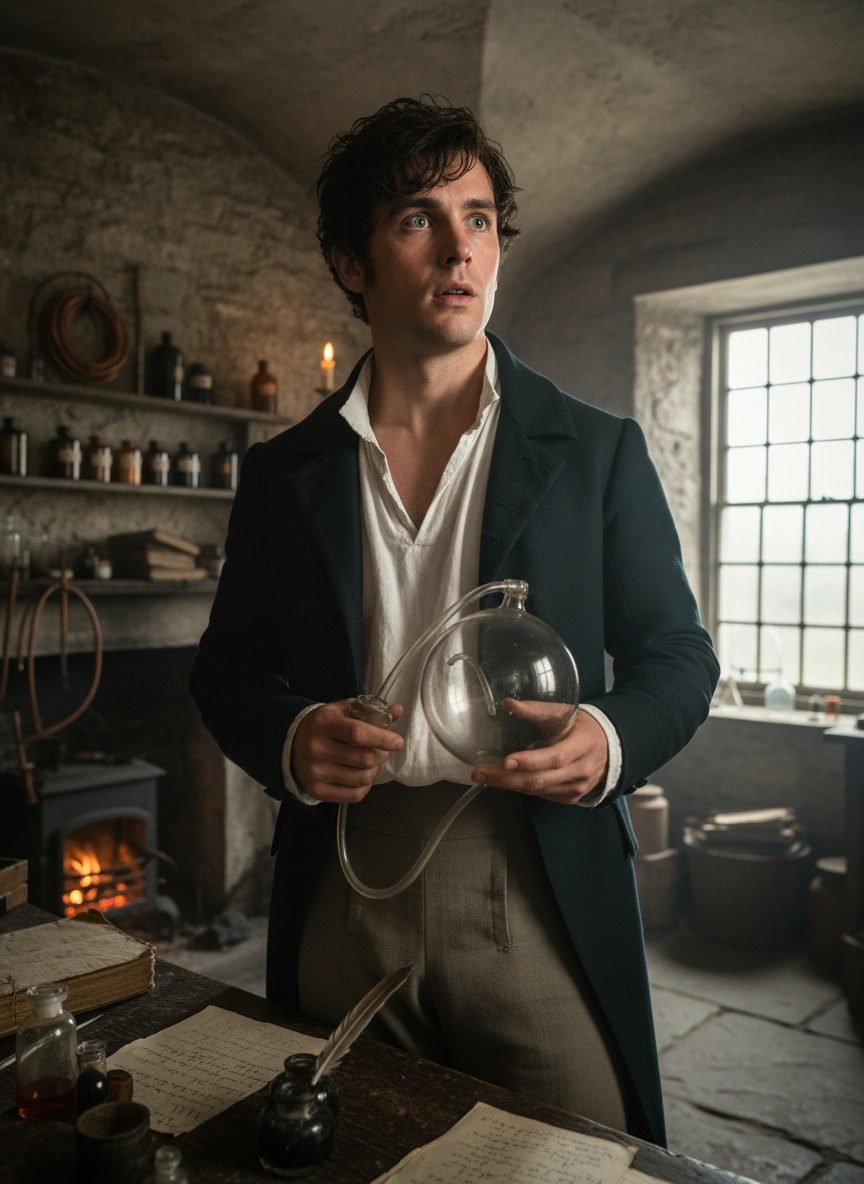
Bristol, 1800. A young surgeon inhaled an unknown gas alone. He expected nothing. He felt no pain. He felt only joy. Humphry Davy had just discovered anaesthesia. The world would never operate the same way again.
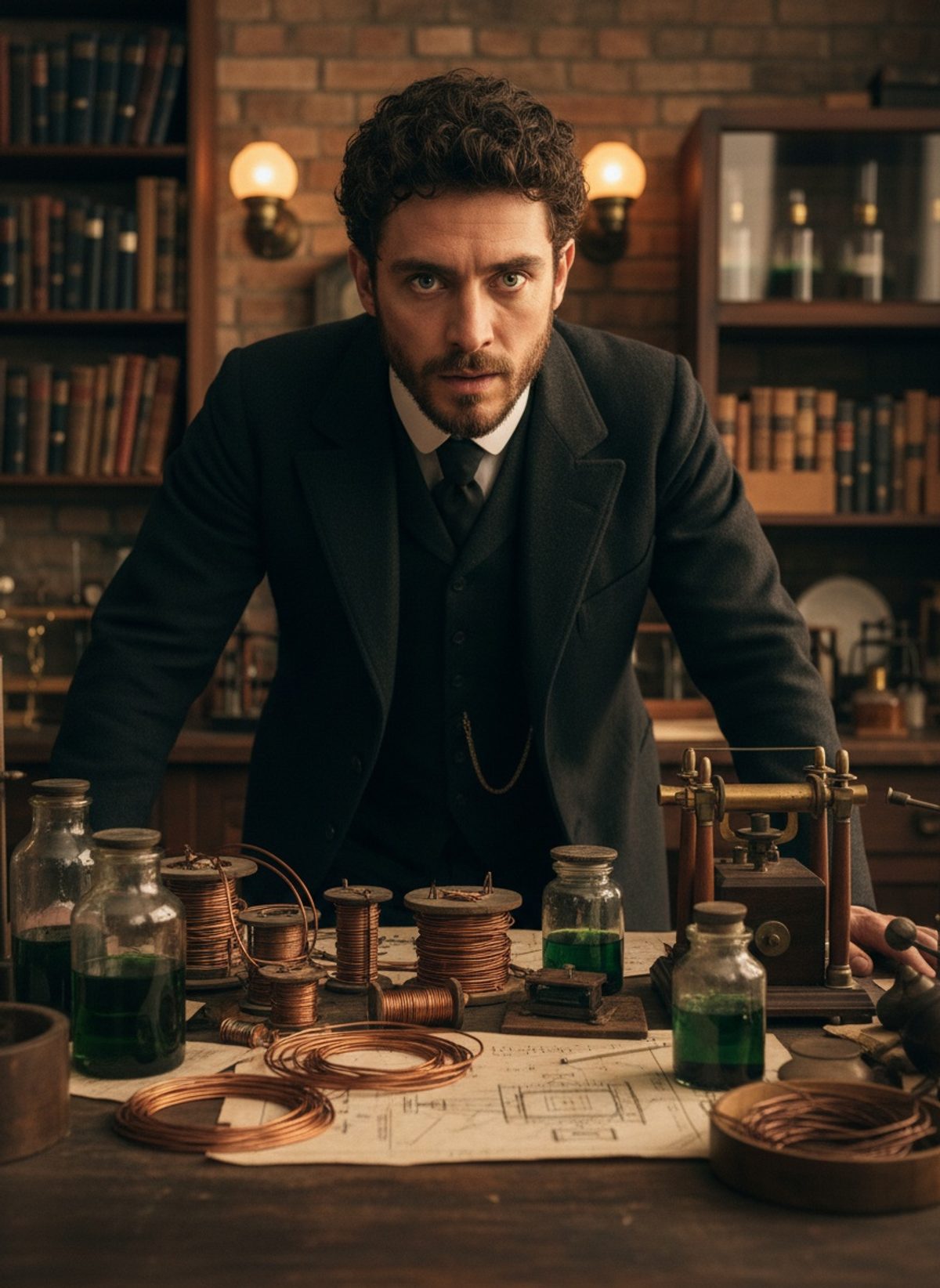
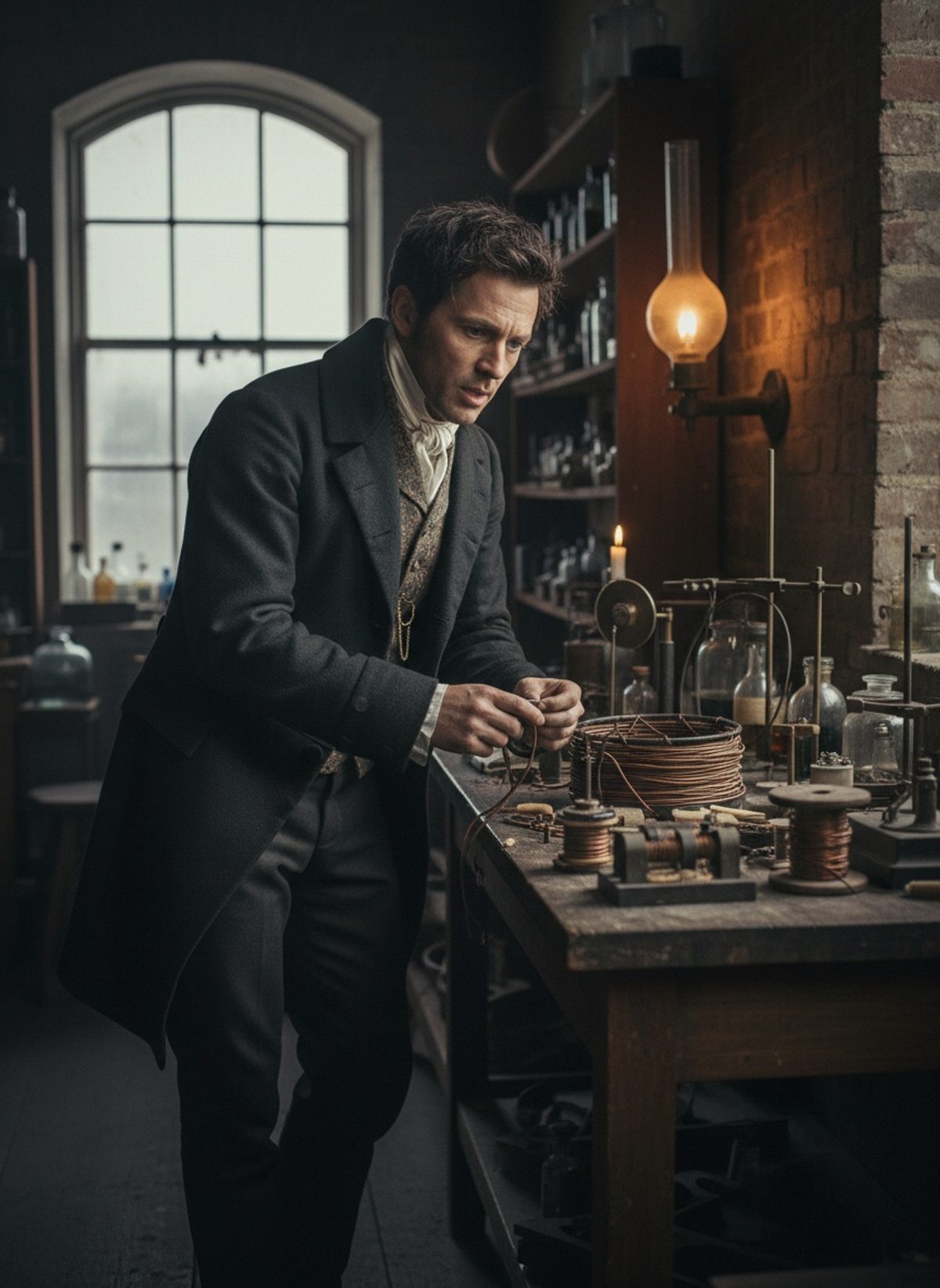
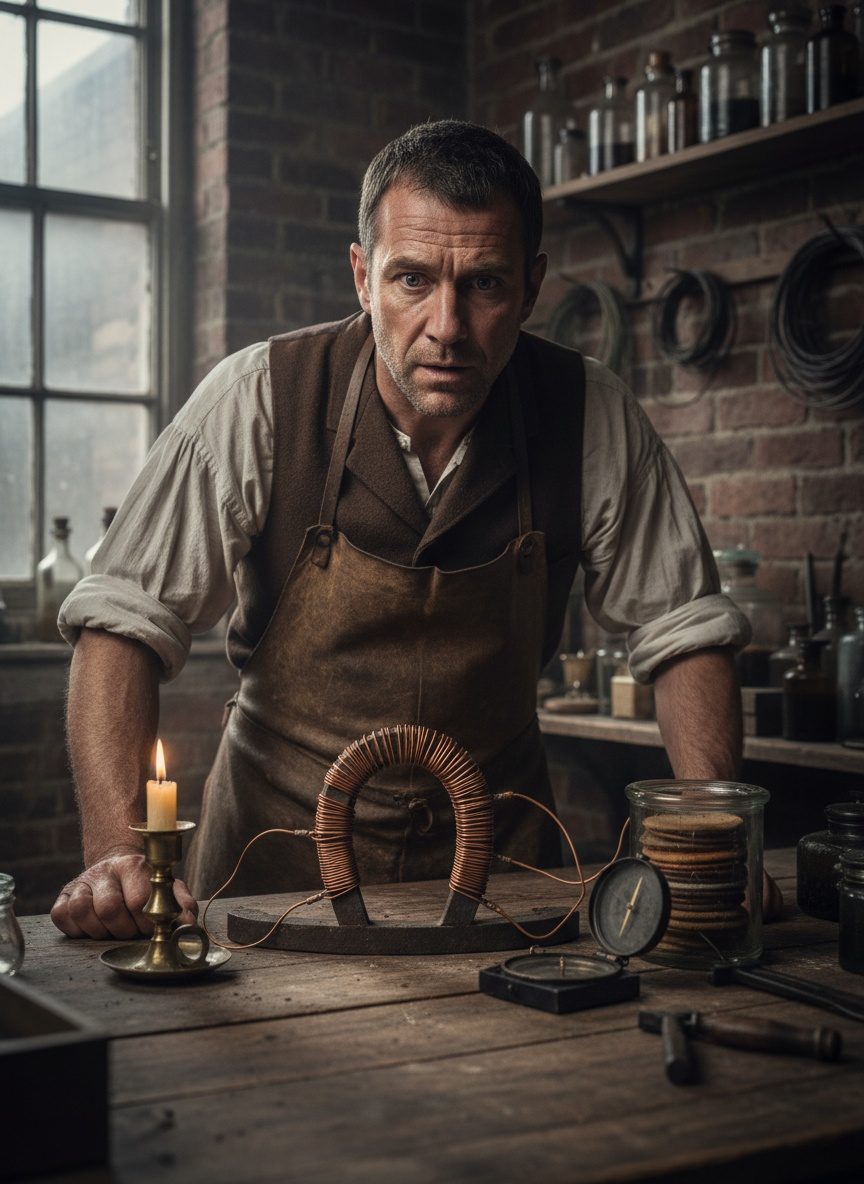
London. 1821. William Sturgeon was a shoemaker's son. Self-taught. Mostly deaf. He bent a copper wire around an iron bar. Ran a current through it. The needle moved. He had made the first working electromagnet. The modern world turned on that moment.
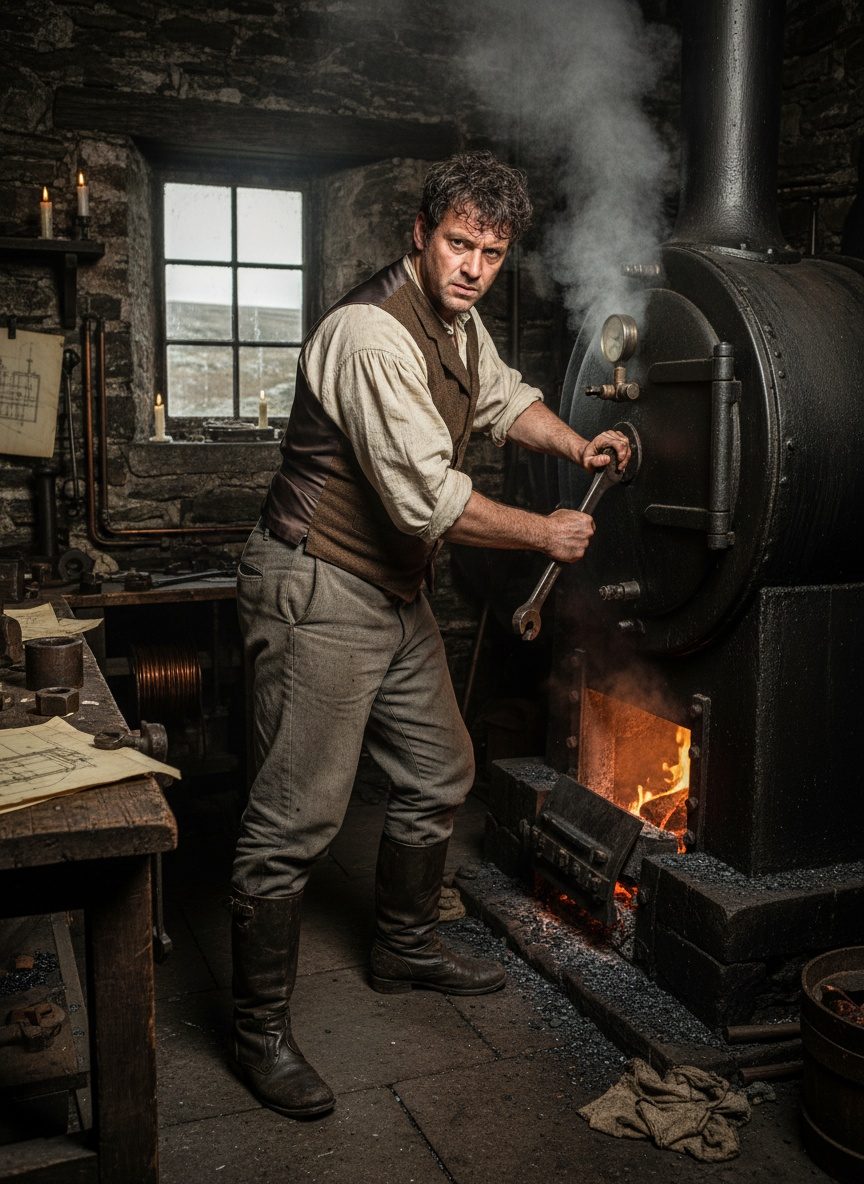
1769. A Cornish engine house. Richard Trevithick watched high-pressure steam build inside iron walls. His neighbours called it madness. He called it the future. He was right.
May 1796. A Gloucestershire doctor had a theory. Every expert laughed. He took a needle. He proved them wrong. One boy. One injection. The end of smallpox began.
No university. No wealthy father. No formal training. Just a blacksmith's son who taught himself science by reading the books he was paid to bind — and then rewired civilisation.
London. 1854. Cholera was killing hundreds a week. One man had a theory. Nobody believed him. John Snow mapped every death by hand. Then he pulled a pump handle from the ground. The dying stopped.
Edinburgh. 1847. The operating theatre smelled of blood. James Young Simpson breathed in a sweet vapour. He woke on the floor. He had found it. Chloroform. The world would never suffer the same again.
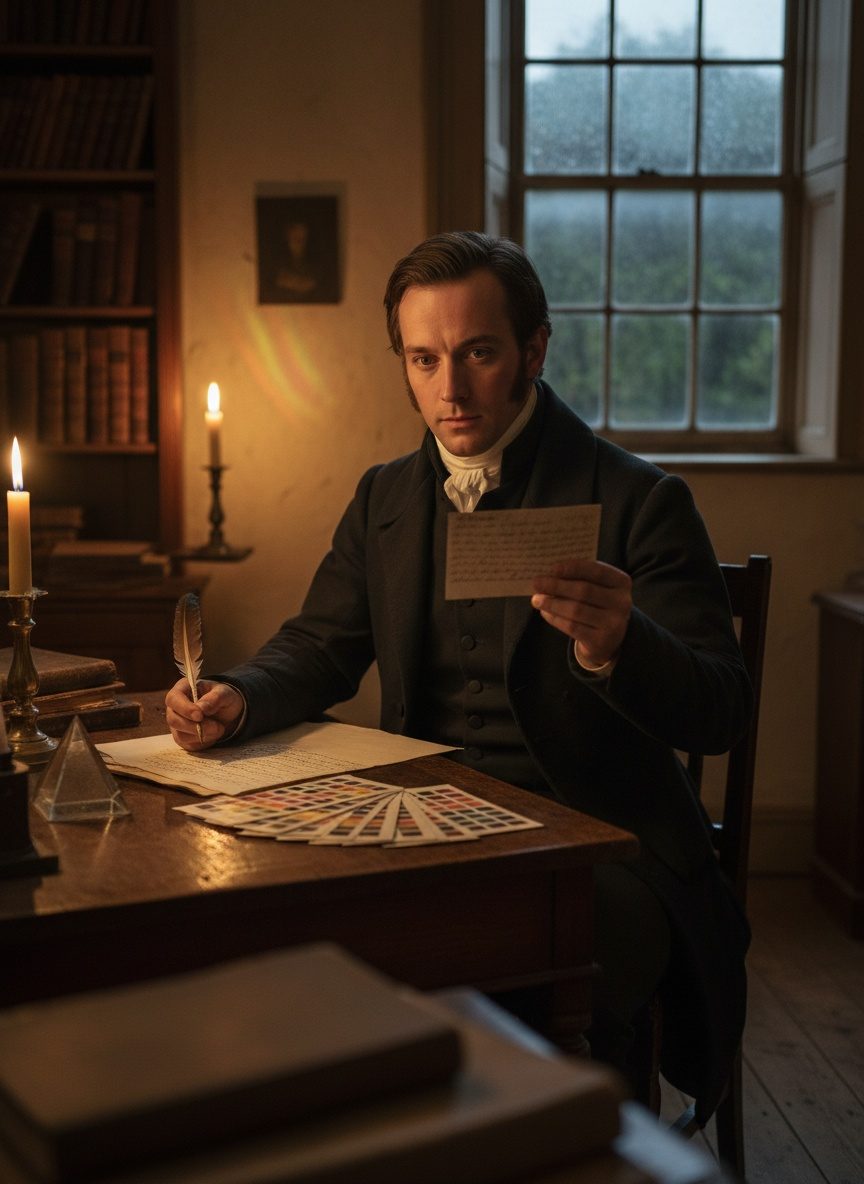
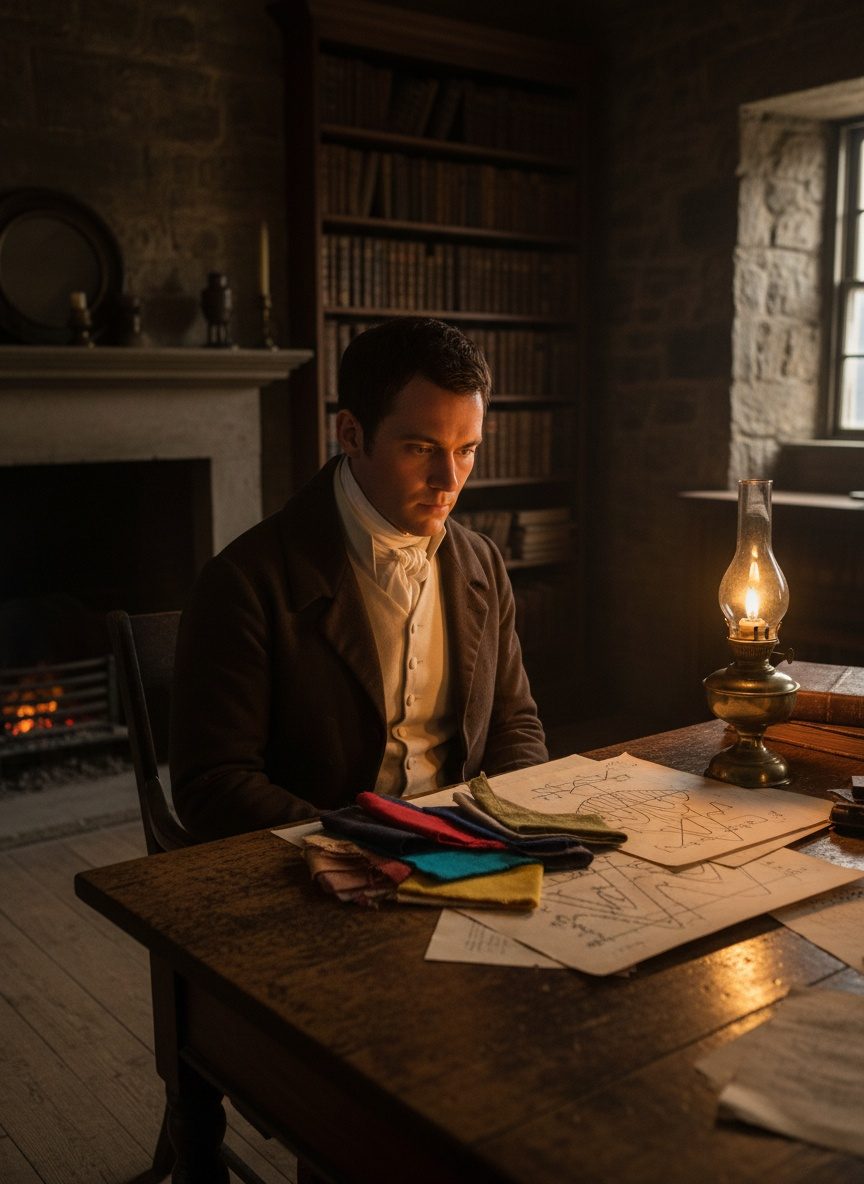
1794. John Dalton stood before the Manchester Literary Society. He had never seen red or green. He explained why. The world of science would never see colour the same way again.
Manchester, 1794. John Dalton could not see red. He turned that mystery into a question. Then an obsession. His paper on colour blindness was the first science ever written on it. He changed how the world understood the human eye.
No school. No university. No connections. Michael Faraday had none of it. Yet in a single afternoon in 1831, he proved that moving a magnet through a coil of wire could generate electricity. Every power station on earth still runs on what he found.
1773. Every ship at sea was sailing blind. No one could fix their position. A Yorkshire clockmaker named John Harrison had the answer. Parliament had ignored him for forty years. He was eighty years old. King George III heard his case. And changed everything.
London. 1861. A navy officer stood before a roomful of sceptics. He said he could predict tomorrow's storms. They laughed. He was right. Every forecast since carries his idea.
1861. James Glaisher sat at his desk at Greenwich. Outside, sailors were dying in storms no one had predicted. He picked up his pen. And changed everything.
1781. William Herschel was a musician turned stargazer. Using a telescope he built himself. One night he found something no one had seen before. A new planet. The first discovered in recorded history.
Cornwall, 1799. A young man crouched in a cold workshop. He had no university. No wealth. No backing. He breathed in a gas. And laughed. Humphry Davy had just discovered laughing gas. The world of medicine would never be the same.
1794. John Dalton stood before the Manchester Literary Society. He described his own eyes. He could not see colour as others did. In that confession he named it. Colour blindness had a face at last.
Gloucestershire, 1796. Edward Jenner had a theory. Every doctor in England mocked him. He tested it on a boy named James Phipps. It worked. Smallpox would never win again.
1761. Britain needed a clock that could survive the sea. John Harrison had spent forty years building it. The Navy said it was impossible. He proved them wrong. One watch. One voyage. Error of five seconds.
Birmingham, 1868. Henry Fawcett had been blind since twenty-five. A shooting accident. Yet he rose to become Postmaster General. He gave blind people free postage. Books reached hands that had never held them.
York, 1782. John Goodricke was twenty-one. He was deaf from birth. He could not speak. He sat at his window night after night. Watching one star. He proved it was dimming. Then brightening. Then dimming again. He had discovered a variable star. He won the Copley Medal. He died at twenty-one.
No school. No university. No connections. Michael Faraday bound books for a living. Then he read them. What he discovered in a basement laboratory gave every home on earth its lights.
1840. William Fox Talbot stood in his study at Lacock Abbey. He held a tiny square of paper to the light. A window. A tree. Captured forever. The world would never look the same.
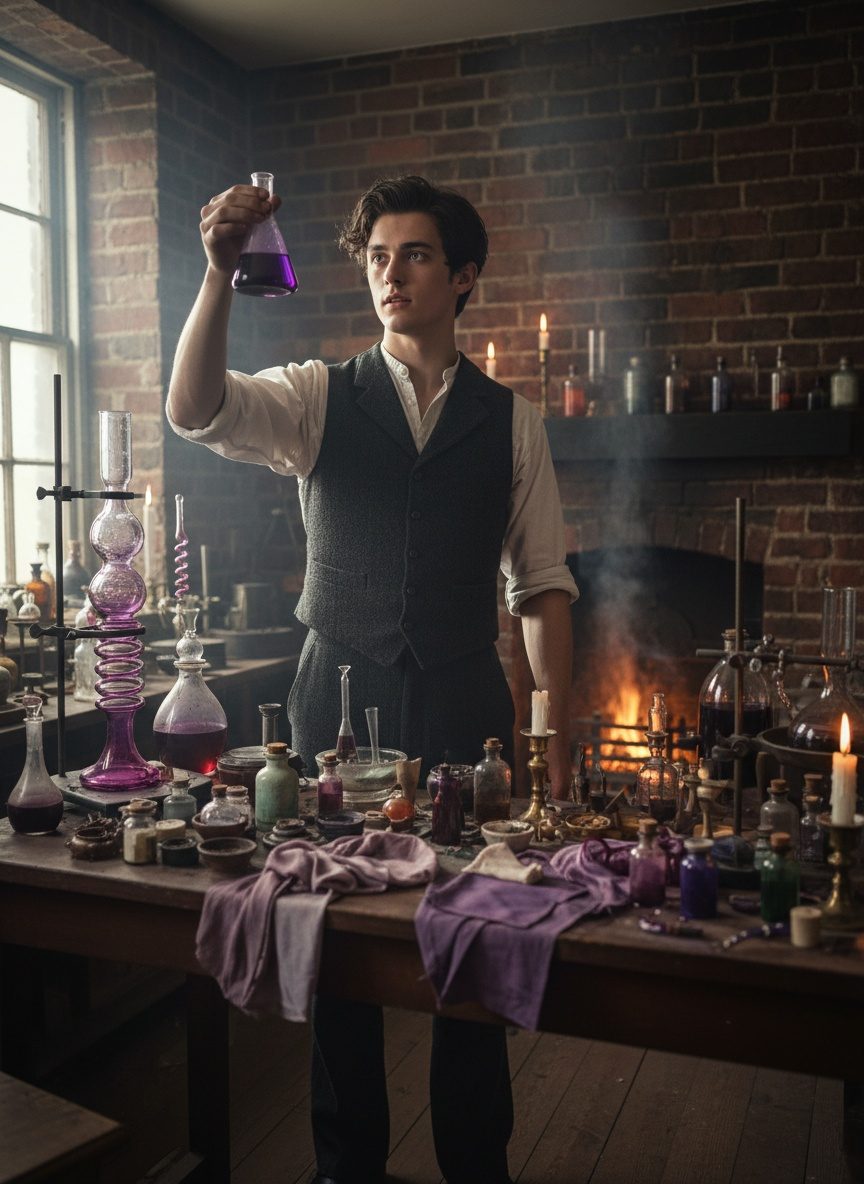
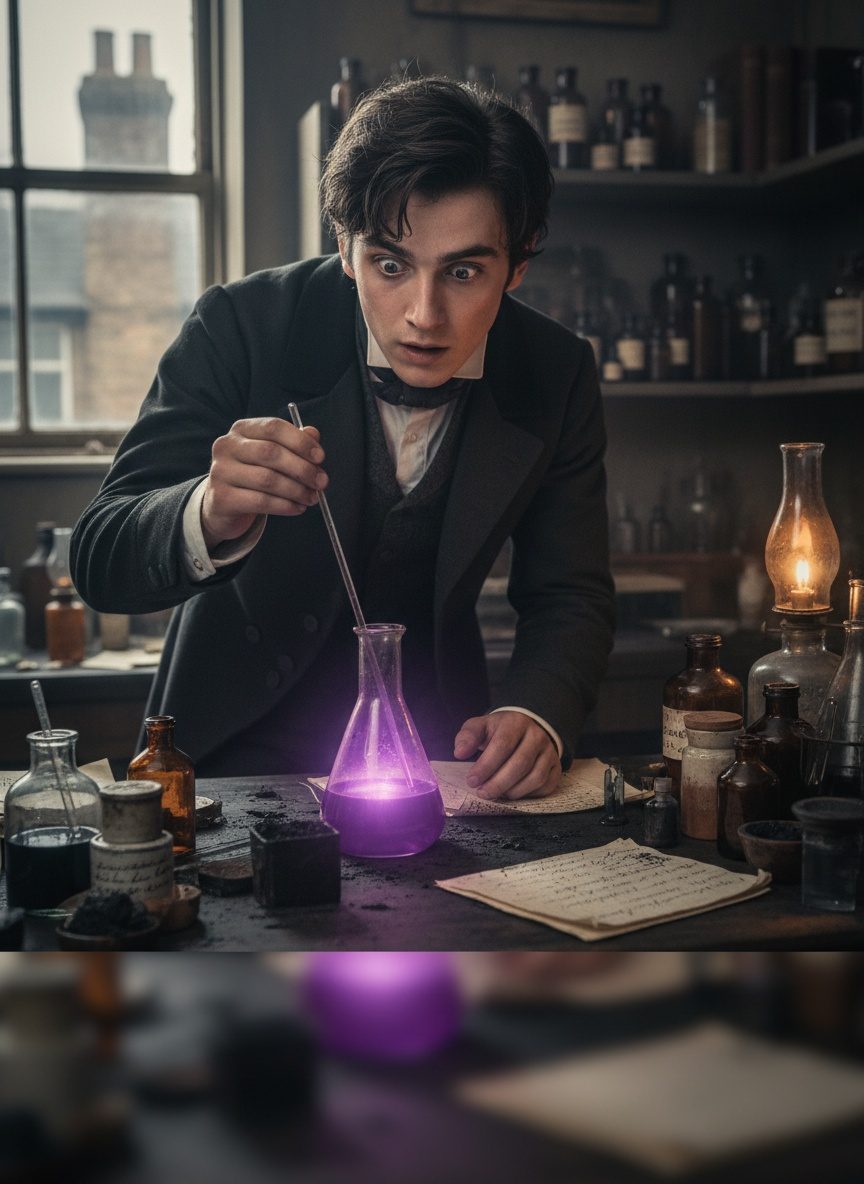
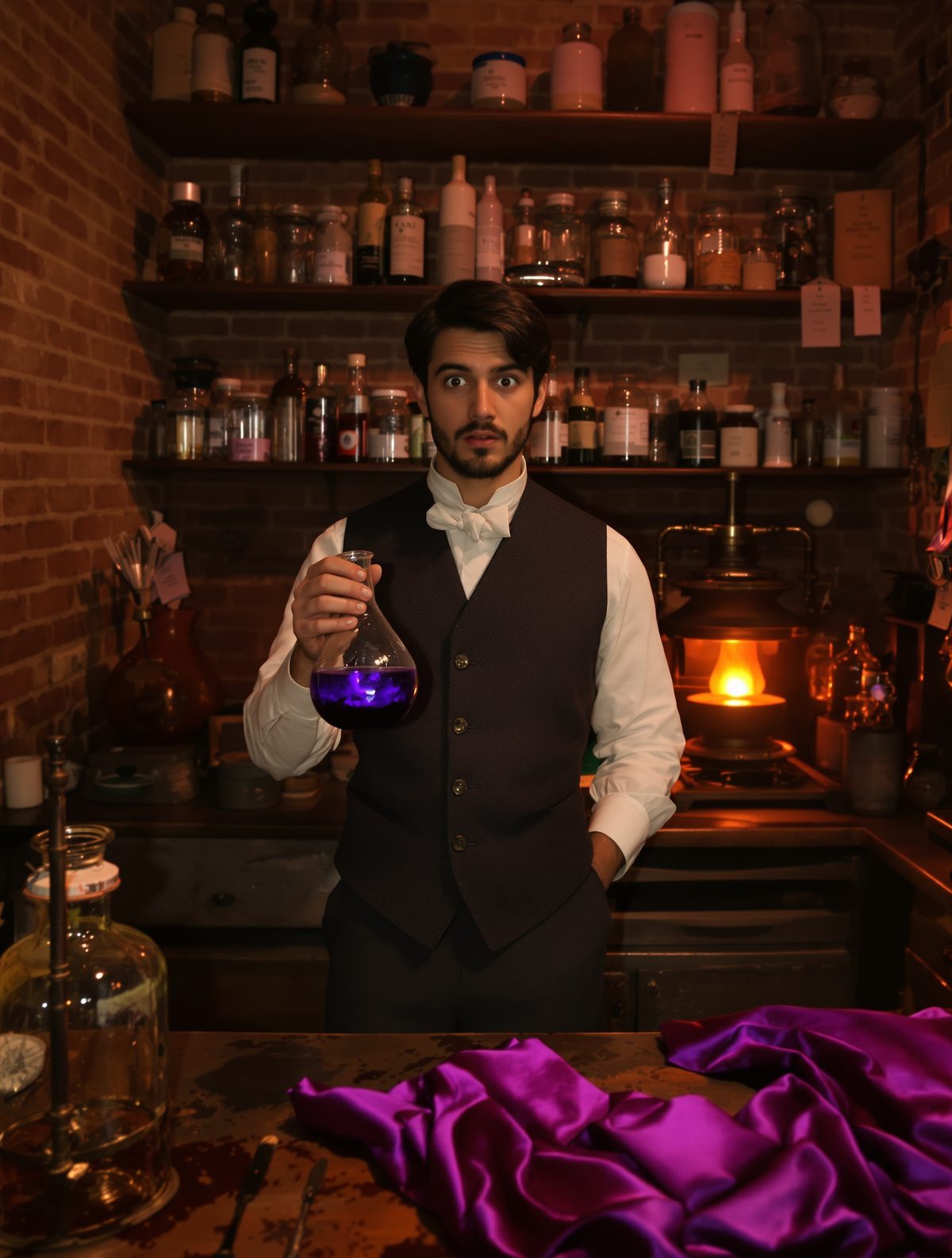
London, 1856. William Perkin was eighteen years old. He was trying to make quinine. He failed. What he found instead changed everything. A purple residue in a flask. He dipped silk into it. The colour held. Mauve was born.
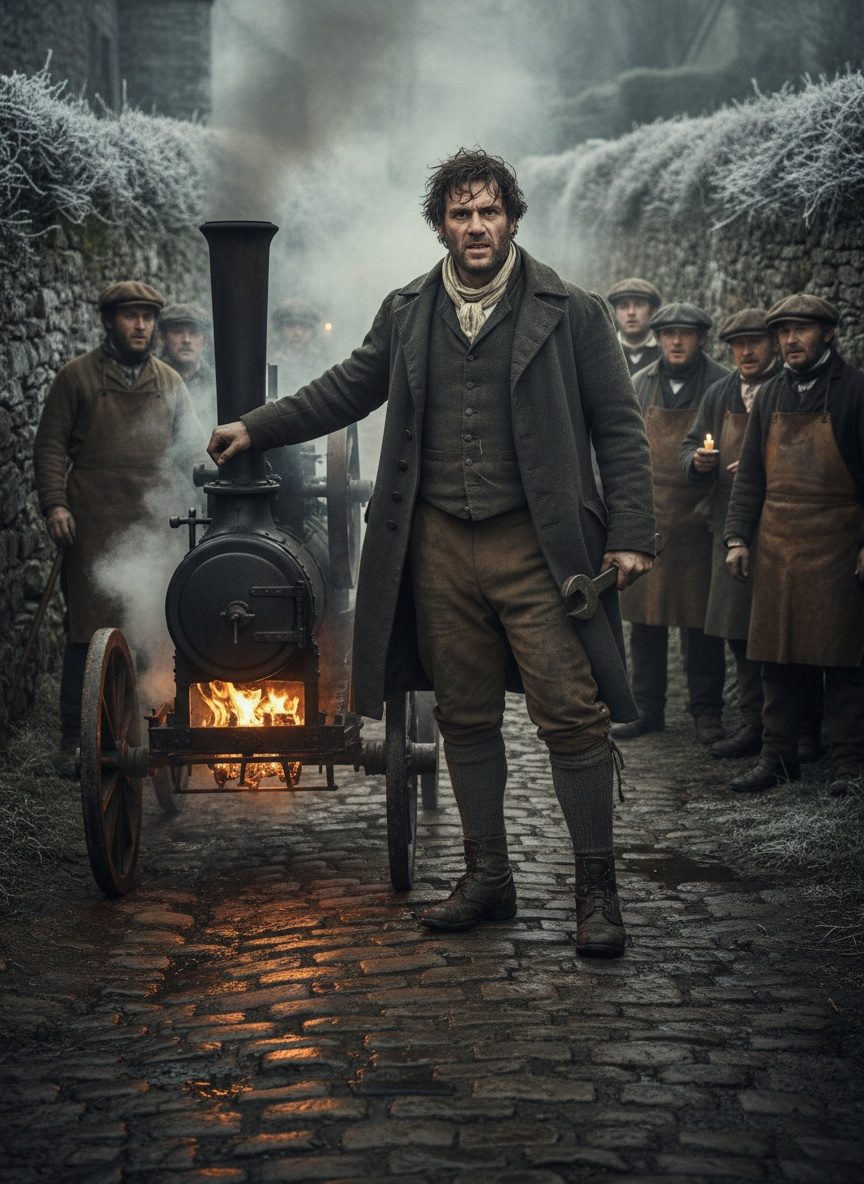
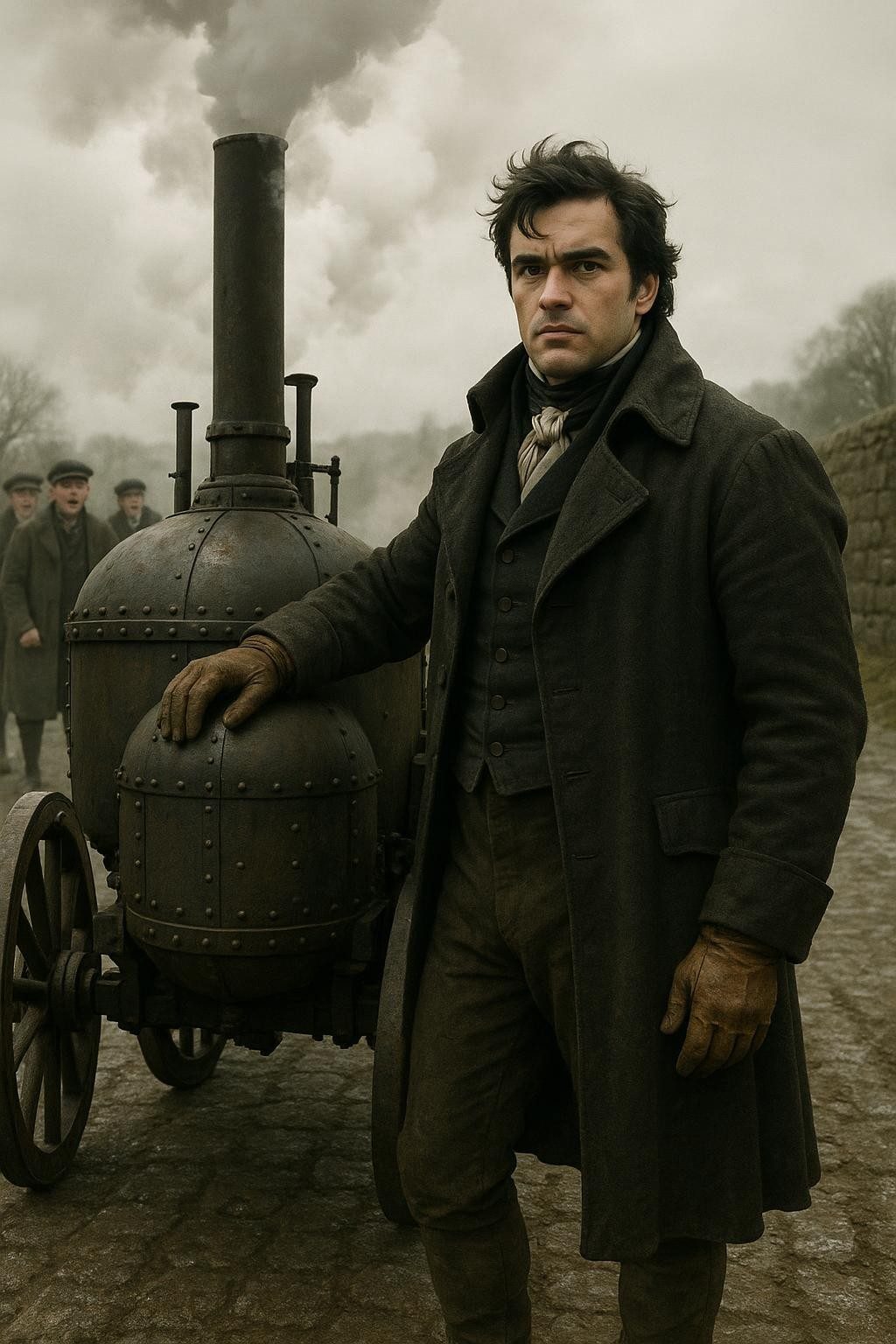
Christmas Eve, 1801. A young Cornish engineer fired up a strange iron machine. It moved. It climbed a hill. Nobody had seen anything like it. Richard Trevithick had just changed the world forever.
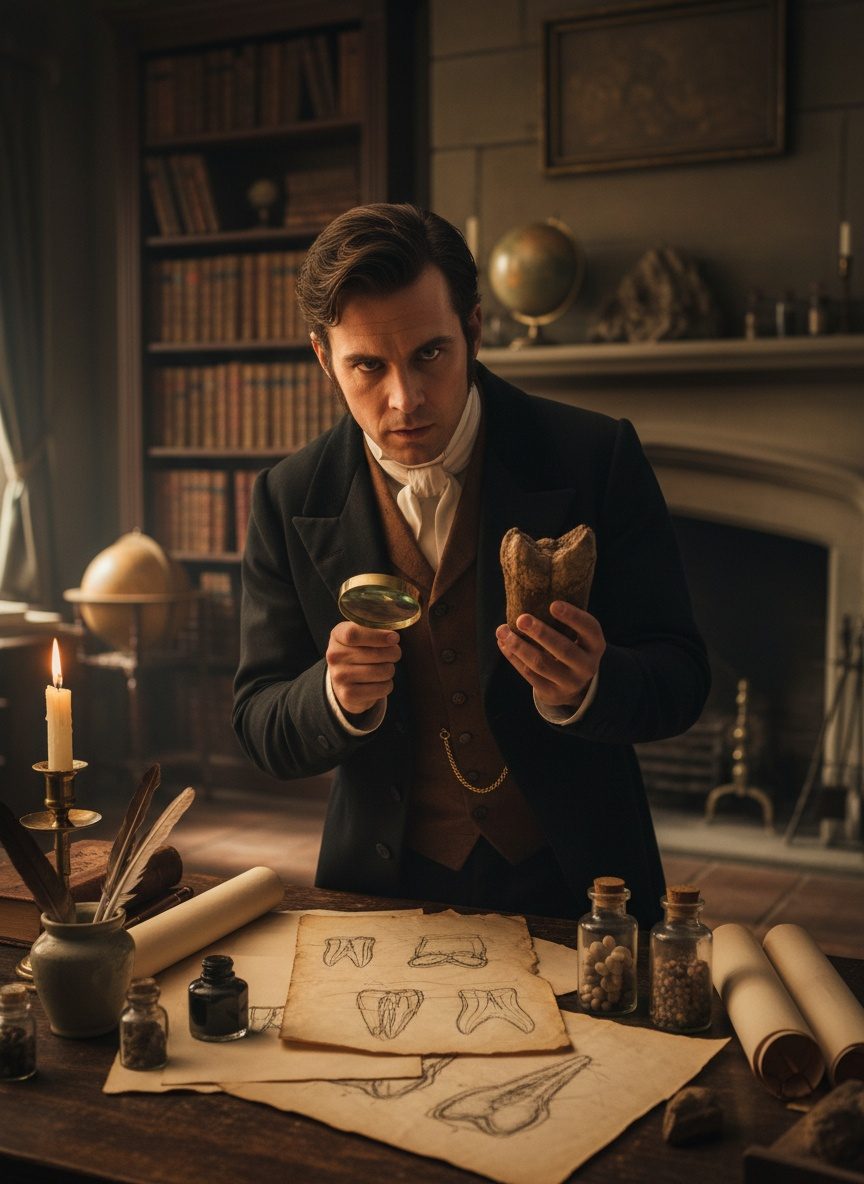
Sussex, 1822. Mary Ann Mantell found a tooth in a road stone. Her husband Gideon studied it for years. The scientific establishment laughed. Then the world changed forever.
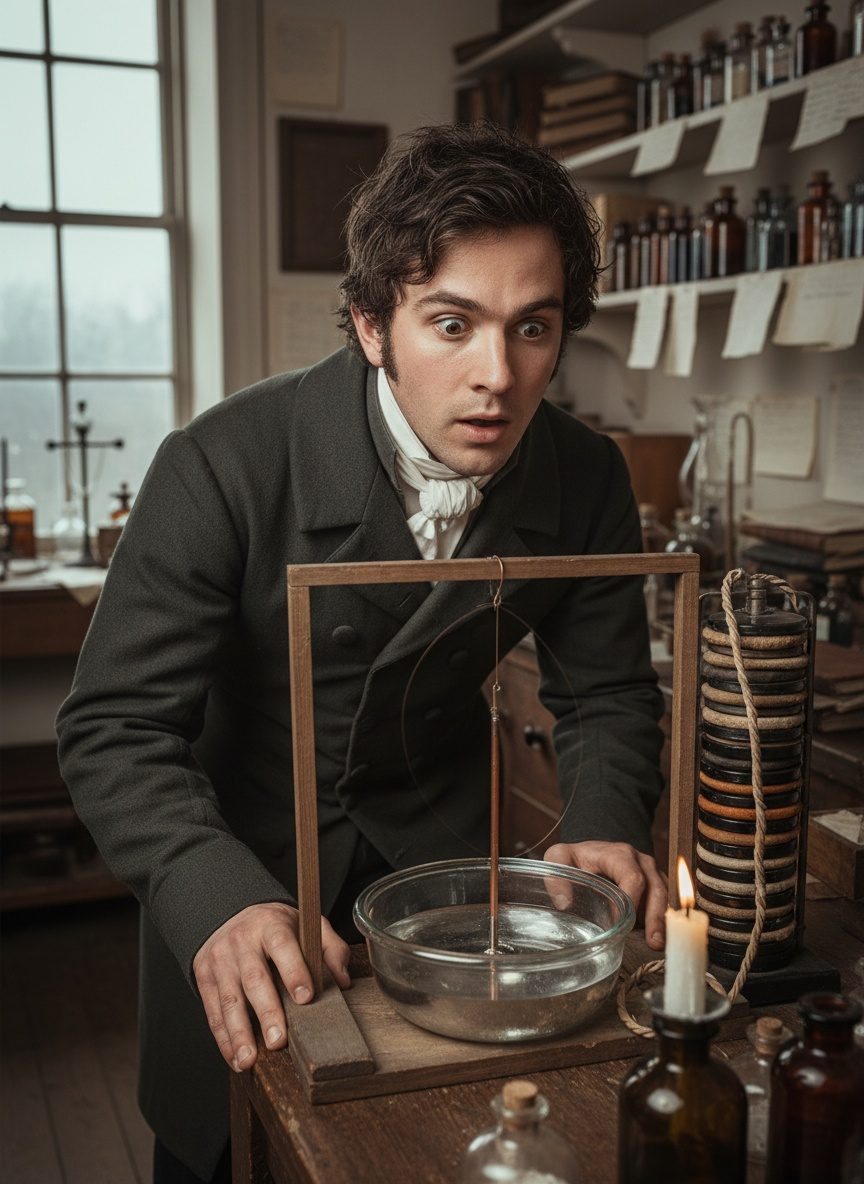
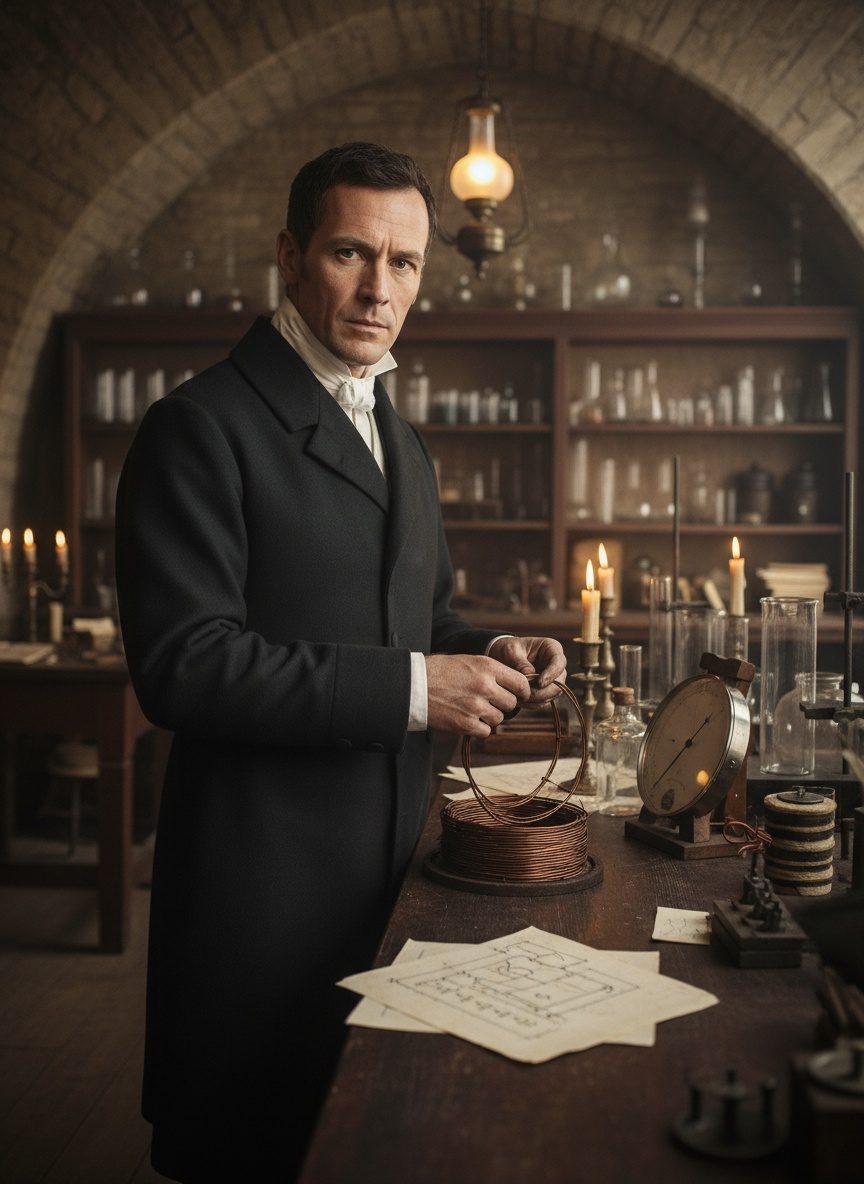
1821. A bookbinder's son in London had already split light into its colours. Now he held two wires above a bowl of mercury. The wire began to spin. He had just invented the electric motor. He told no one his hands were shaking.
Glasgow, 1865. The wards were killing men faster than the surgeon's knife. Joseph Lister watched another patient die of putrefaction. He had a theory. Nobody believed him. He proved them wrong.
1759. Britain's sailors were dying. They could not find longitude at sea. A Yorkshire carpenter's son spent forty years on one answer. He carried it to London himself. It worked.
May 1796. Edward Jenner had one chance. One boy. One needle. Every doctor in England said he was wrong. He pressed ahead anyway. The boy lived. The world changed.
Manchester, 1794. John Dalton was a poor Quaker schoolteacher. He could not see colours the way others could. So he studied his own blindness. And in doing so, he unlocked the hidden structure of matter itself.
No university. No degree. No connections. Michael Faraday left school at thirteen. By forty, he had discovered the force that powers every city on earth. The establishment laughed. Then the lights came on.
May 1796. A country doctor had a theory. Every colleague called it madness. He took a scalpel. A small boy. A single careful cut. Six weeks later, the boy survived smallpox. The world changed.
Sussex, 1822. A country doctor's wife found a strange tooth in a pile of roadside rubble. William Mantell examined it. Nothing alive had teeth like these. He presented his find to London. They laughed. He was right.
Christmas Eve. 1801. A snorting iron machine hissed to life on a Cornish road. Richard Trevithick had built it himself. The crowd ran. The world would never walk the same again.
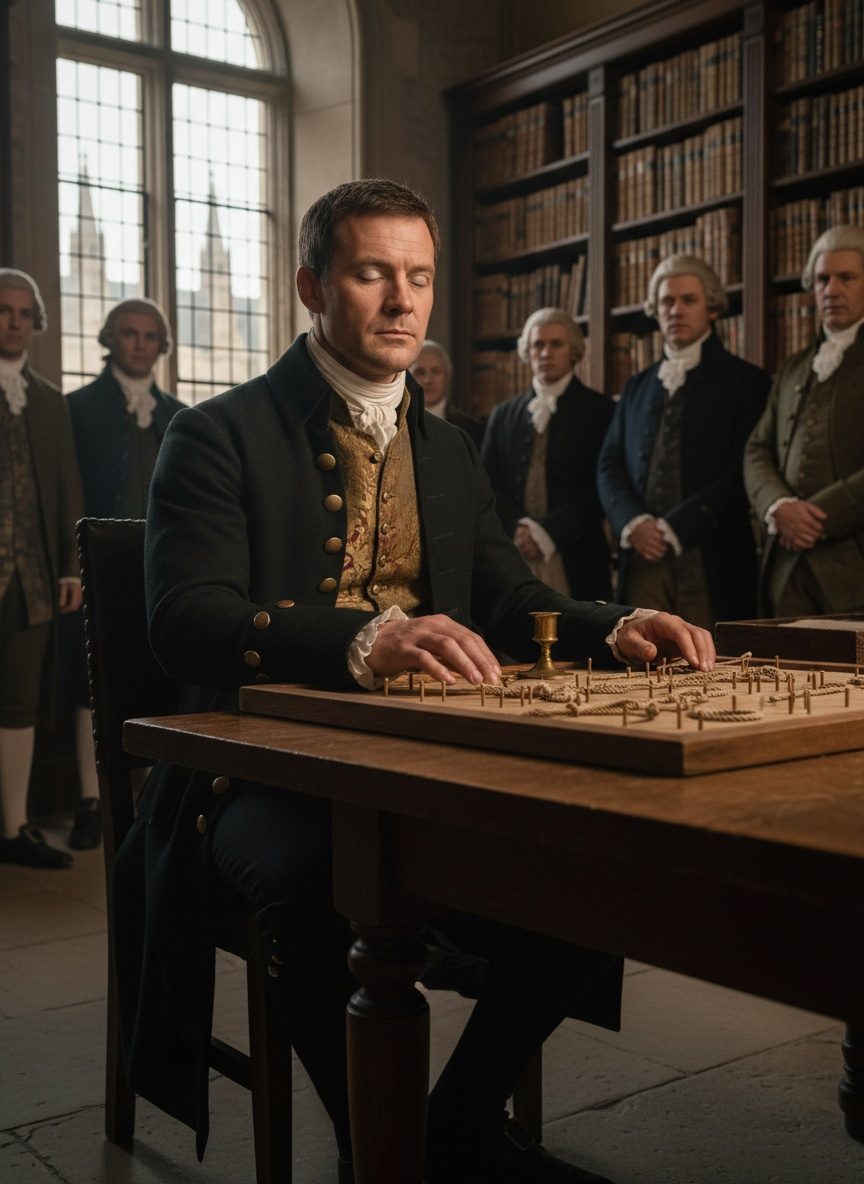
Cambridge, 1798. Nicholas Saunderson had been blind since twelve months old. He never saw a star. Yet he built the mathematics that charted the heavens. He taught Newton's optics by touch alone.
He was a Scottish elocution teacher. His mother was deaf. His obsession with the human voice led to a single sentence that changed everything. On 10 March 1876, Alexander Graham Bell spoke through a wire.
No schooling. No university. No connections. Just a bookbinder's apprentice who read the books he was paid to bind — and quietly became the greatest experimental scientist who ever lived.
Bath, 1781. William Herschel was a musician. He built his own telescope from hand-ground mirrors. One night he saw something move. It was not a star. It was a planet. No one had found one since antiquity.
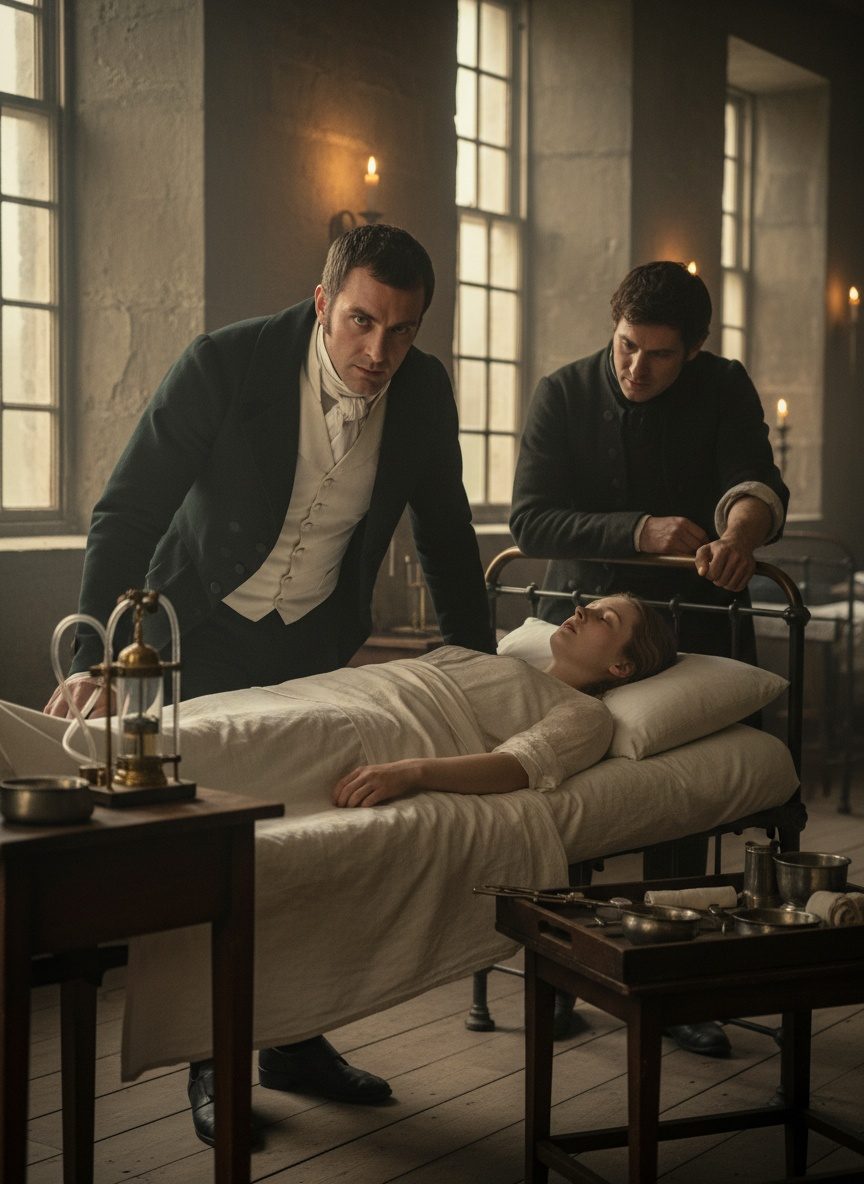
London. 1818. A young woman was dying. James Blundell had watched patients bleed to death for years. He built a device. He drew blood from a donor. He pushed it into her veins. She lived.
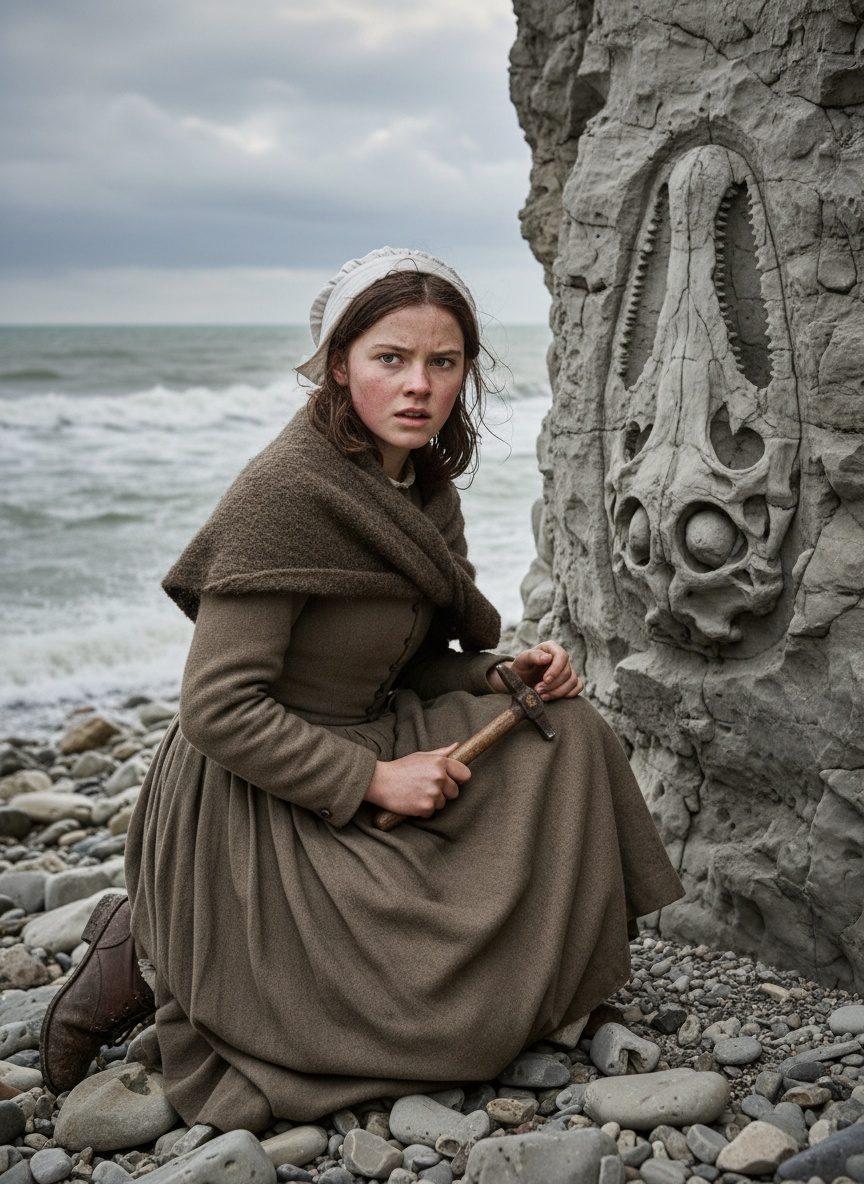
Lyme Regis. 1811. A twelve-year-old girl dug into a cliff face with bare hands. What she pulled out had never been seen alive. Mary Anning had found a creature from before human memory. Science would never be the same.
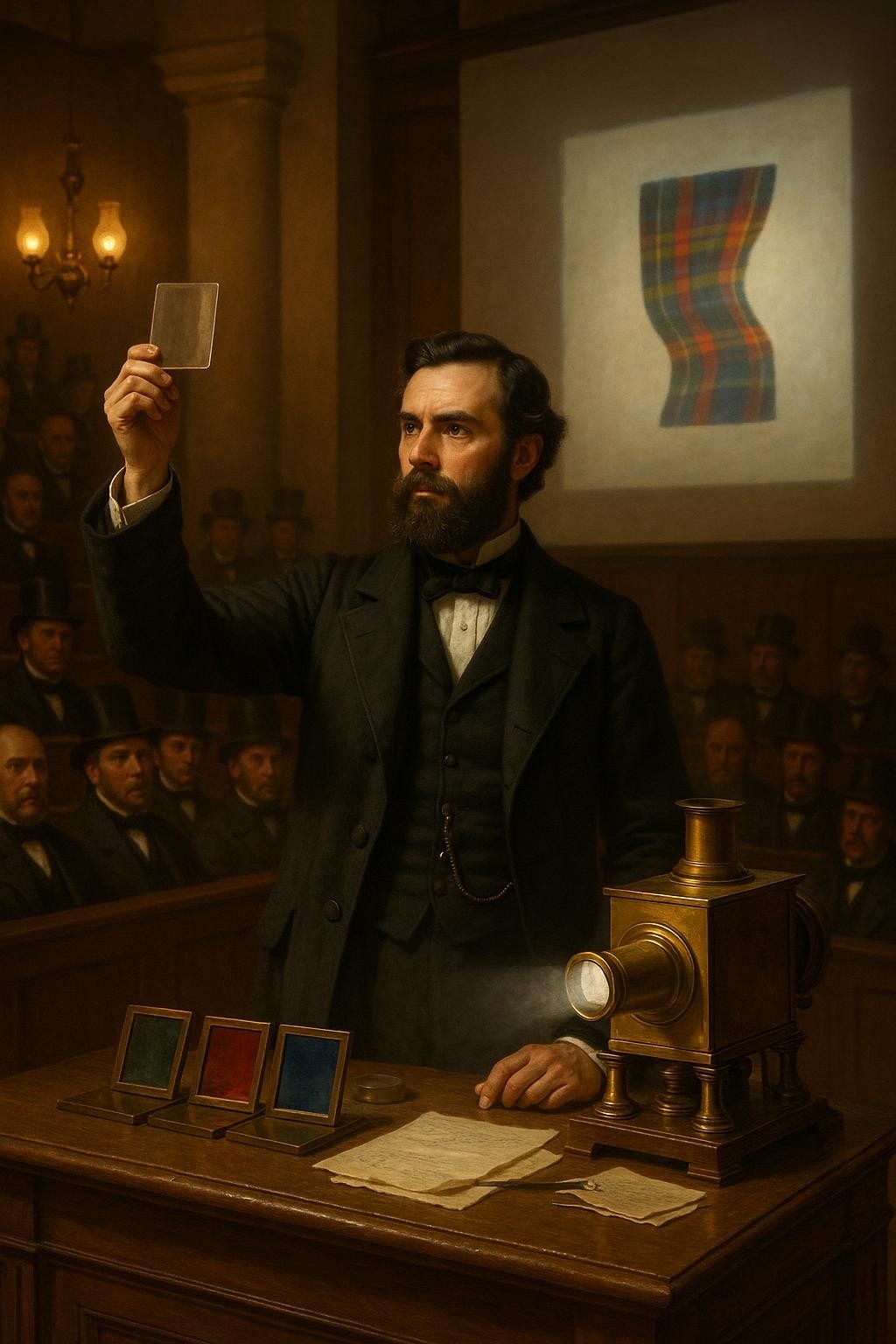
London. 1861. A Scottish physicist stood before the Royal Institution. He held up a strip of tartan. Projected it through three filters. The world's first colour photograph appeared on the screen.
London. 1856. William Perkin was eighteen years old. He was trying to make quinine. He made purple instead. That accident became the world's first synthetic dye. It changed fashion, medicine, and science forever.
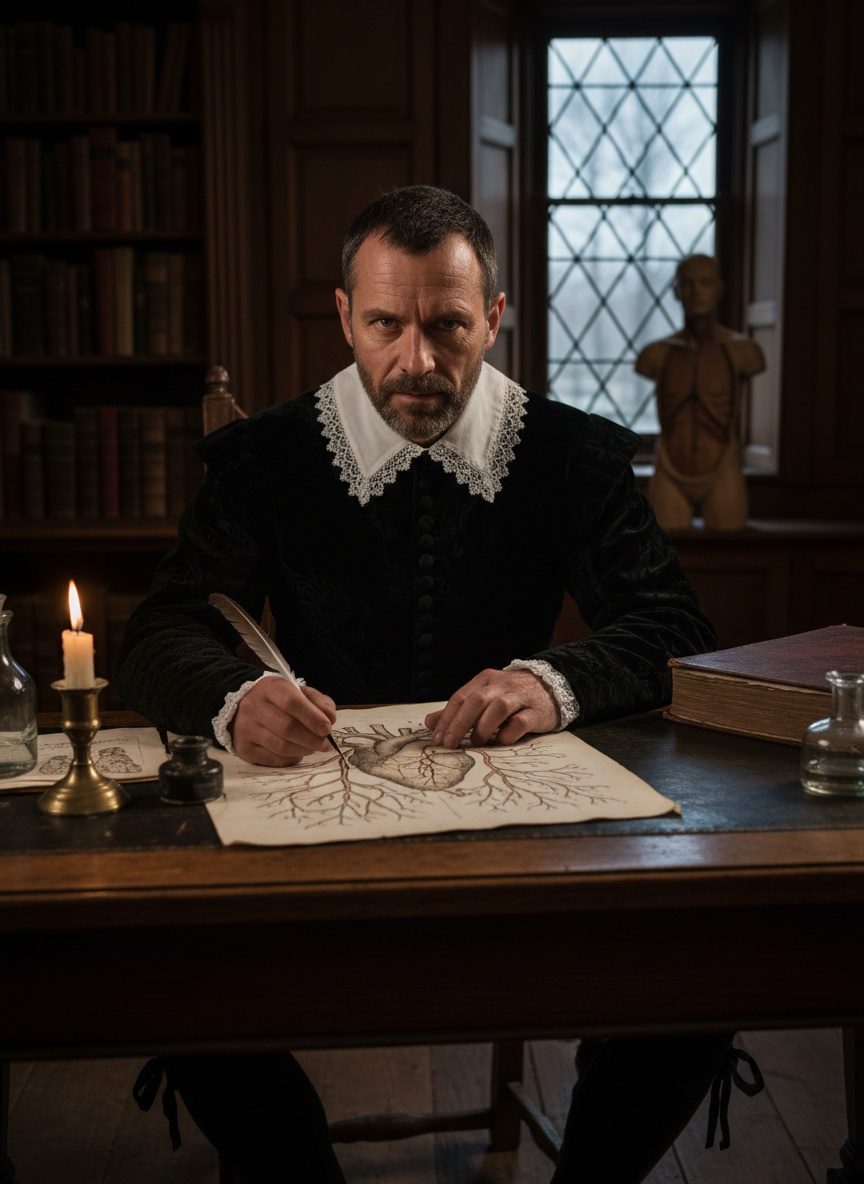
1628. A quiet study in London. William Harvey placed his hand on a living heart. He had spent twelve years proving the impossible. Blood did not seep. It circulated. Medicine would never be the same.
Edinburgh, 1876. A young Scotsman pressed a device to his mouth. Spoke into a wire. His assistant heard every word in the next room. The world would never be silent the same way again.
1761. Ships were dying on rocks they could not find. A carpenter's son from Lincolnshire had spent forty years on one answer. He handed the Navy his clock. It crossed the Atlantic. It came back perfect.
Glasgow, 1839. James Nasmyth had already built his steam hammer. But his friend Robert Adamson was dying. He gave him a camera. Adamson used it to capture human faces before they vanished. The world's first photographic portrait studio was born in a garden shed in St Andrews.
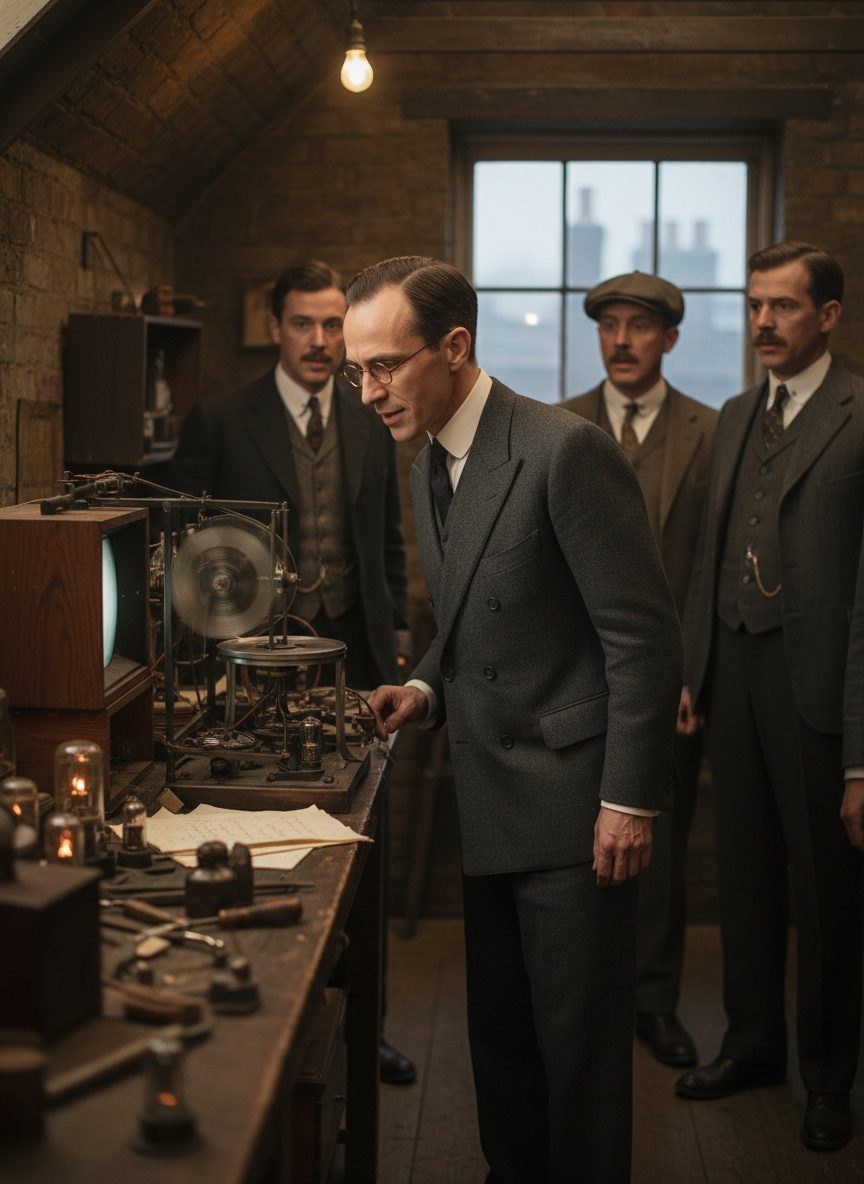
January 1926. A Scottish inventor stood in a Soho attic. He pointed a camera at a ventriloquist's dummy. Then he turned on his machine. A flickering face appeared on a screen. Television had begun.
Gloucester, 1796. A country doctor had a theory. Everyone said it was madness. He took a needle. He proved them wrong. One child. One needle. The end of the deadliest disease in human history.
Edinburgh, 1859. James Clerk Maxwell stared at his equations. No experiment. No instrument. Just mathematics. He proved light itself was an electromagnetic wave. Every radio signal, every wireless message, every modern age began here.
London. 1847. A young Scottish physicist named James Prescott Joule had a wild claim. Heat and motion were the same thing. The Royal Society laughed. He proved them wrong. The unit of energy still bears his name.
London, 1837. Two men held a wire stretched between two rooms. William Cooke pressed a key. Needles swung on a panel across the building. A message had crossed without a voice. The world would never be the same.
Glasgow. 1865. Wounds killed more men than bullets. Joseph Lister watched a ward of dying soldiers. He tried one thing. Carbolic acid. The deaths stopped. Medicine was never the same.
1735. Ships were dying. Not from storms. From ignorance. No one could calculate longitude at sea. John Harrison built a clock so precise it solved what Newton called unsolvable. Every sailor alive owed him their life.
1868. Scientists across Europe watched a solar eclipse. A faint yellow line appeared in the spectrum. No known element matched it. Norman Lockyer named it helium. The sun held a secret. Britain found it first.
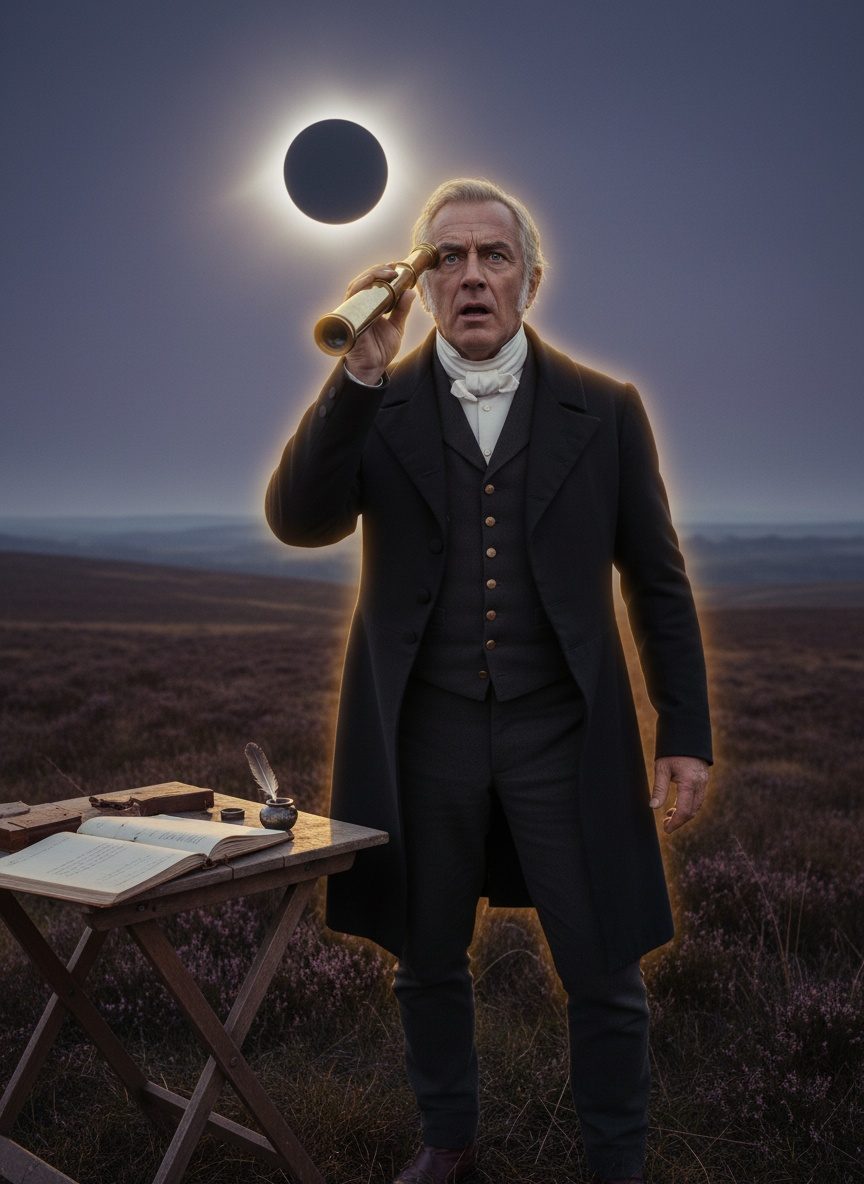
May 1836. Francis Baily watched the moon swallow the sun. A ring of blazing beads burst around the edge. He named them himself. No one had ever seen them before. Baily's Beads. The name endured forever.
1788. The cliffs at Siccar Point. James Hutton crouched over the folded rock strata. He whispered that the Earth was unimaginably ancient. Not thousands of years. Millions. The world would never look the same.
Nottingham, 1873. Joseph Swan had worked on it for years. A thin carbon filament. A glass bulb. A vacuum. He held his breath. It glowed. A steady, brilliant, electric light. Years before anyone else.
March 1781. A Hanoverian musician stood in his garden in Bath. He pointed a telescope he had built himself at the night sky. He saw something move. Not a star. A planet. No human had ever discovered one before.
1796. A country doctor had a theory. Every farmer knew milkmaids never caught smallpox. He tested it. One boy. One cowpox blister. One injection. The boy lived. The plague did not.
February 1879. Joseph Swan flicked a switch in Newcastle. His electric light bulb glowed for 13 hours straight. Ten months before Edison's famous demonstration. Britain had quietly won the race to light the world.
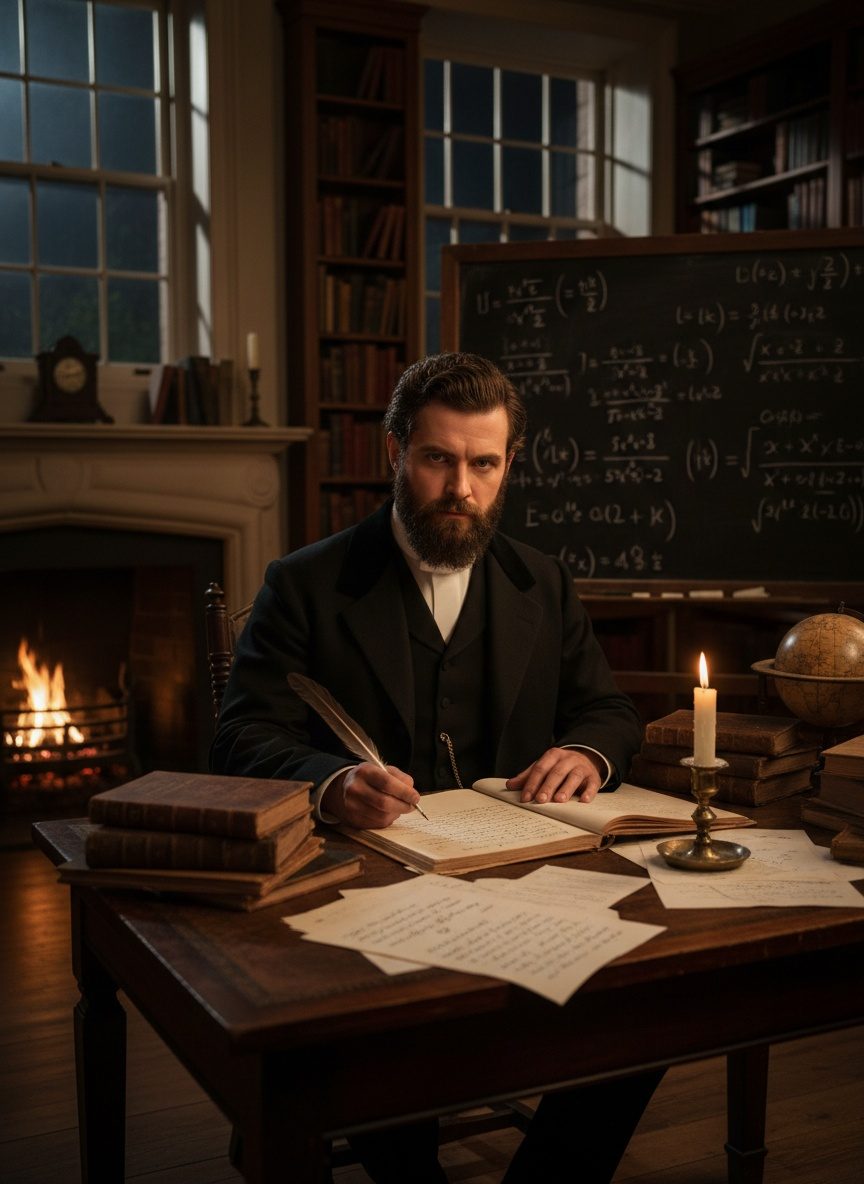
1864. A Scottish physicist stares at equations in his Cambridge study. Four elegant formulas reveal the universe's deepest secret. Light is electricity. Magnetism dances with energy. Maxwell has just discovered the invisible forces that power our world.
Dorothy Hodgkin spent eight years bombarding tiny crystals with X-rays. The patterns seemed meaningless to everyone else. Then in 1956, she cracked the code. Vitamin B12's atomic structure revealed itself — and changed medicine forever.
May 1952. King's College London. Rosalind Franklin aimed her X-ray beam at a single strand of DNA. 100 hours of exposure later, she captured 'Photo 51'. The clearest image of DNA's structure ever seen. The photograph that unlocked the double helix.
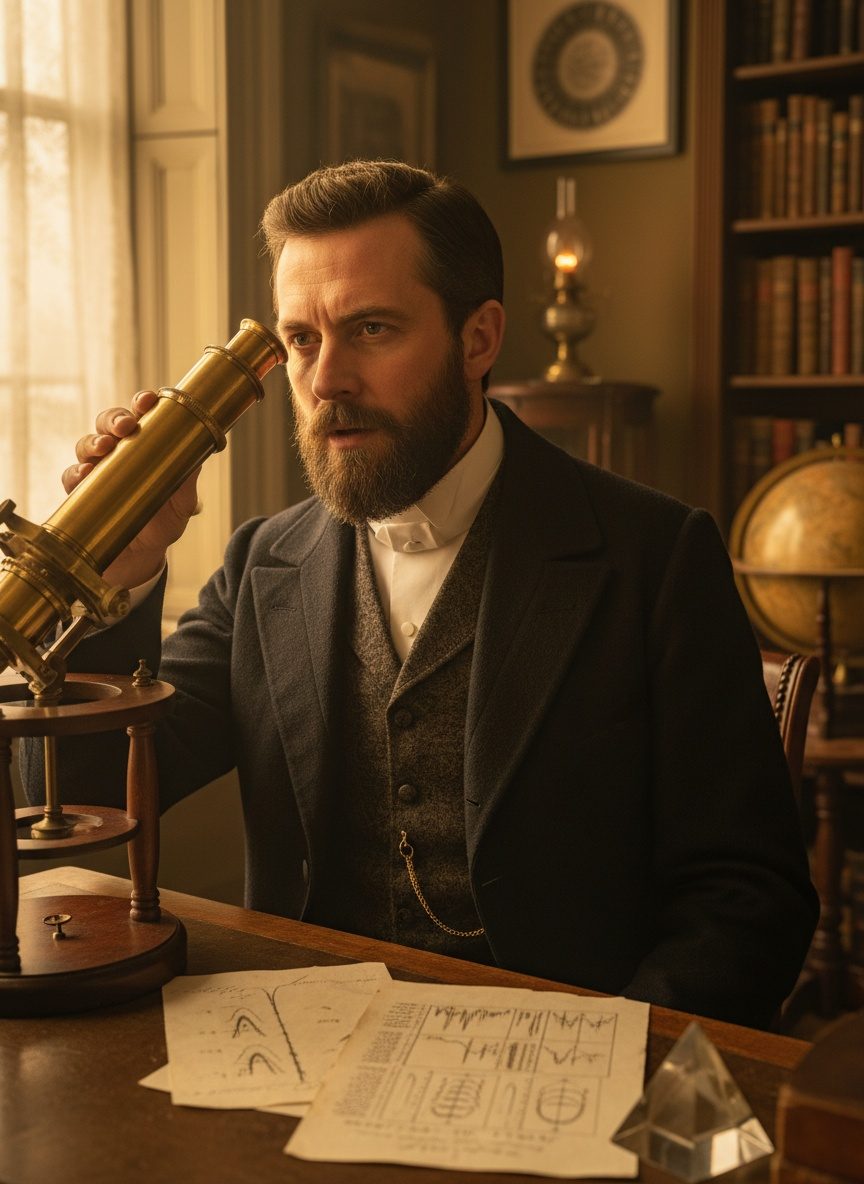
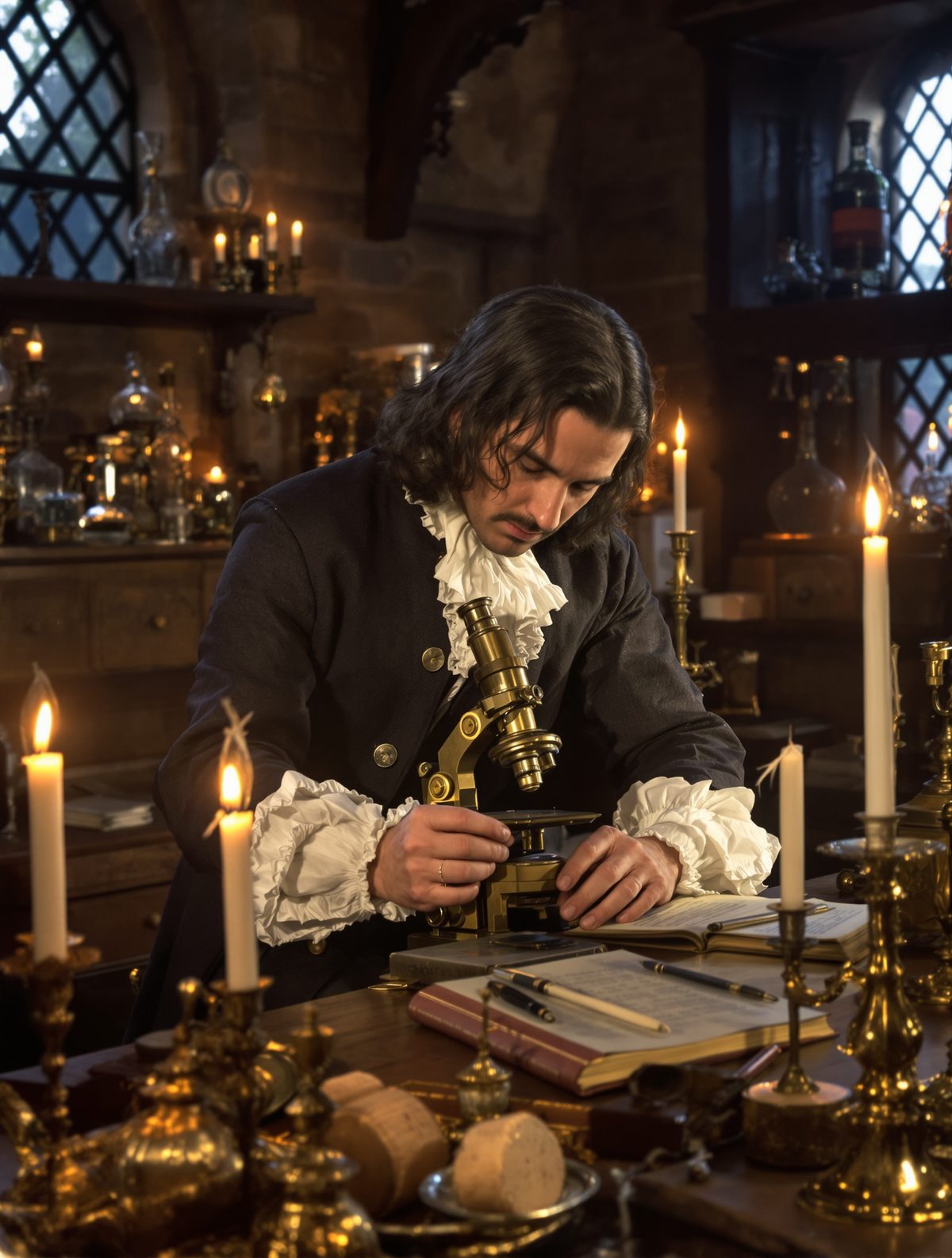
London, 1665. Robert Hooke peered through his handmade microscope at a piece of cork. What he saw changed everything. Tiny boxes. Chambers. Rooms of life itself. He called them 'cells' — and gave biology its most important word.
1783. Yorkshire vicar John Michell sat at his desk calculating the impossible. If light had weight, some stars would be too massive for light to escape. He called them 'dark stars.' Einstein wouldn't prove him right for another 200 years.
In his Royal Institution laboratory, physicist John Tyndall shone a beam of light through smoky water. The scattered blue light revealed nature's greatest optical secret. One simple experiment explained why our sky glows blue.
Royal Institution, 1869. Professor John Tyndall shines light through smoky water. The beam turns blue. After centuries of mystery, he's solved why our sky isn't colorless. One simple experiment. One eternal question answered.
Cambridge professor James Clerk Maxwell stared at his mathematical equations in 1865. He calculated the speed of electromagnetic waves. The number matched the speed of light exactly. Light was electricity and magnetism dancing together.
February 1879. Newcastle's Literary Society gasped as Joseph Swan flicked a switch. His carbon filament bulb blazed to life. America's Edison was still months away from his first success.
Young Humphry Davy inhaled every gas he could create. Nitrous oxide made him giggle. Carbon monoxide nearly killed him. His reckless experiments with his own body revolutionized chemistry and gave us anesthesia.
Royal Astronomer Nevil Maskelyne faced an impossible task in 1767. Create a star catalog so precise that every ship on Earth could navigate home. He spent 20 years watching the heavens. His Nautical Almanac saved thousands of lives at sea.
May 14th, 1796. Country doctor Edward Jenner deliberately infected 8-year-old James Phipps with cowpox. Six weeks later, he exposed the boy to deadly smallpox. The child survived. Jenner had just invented vaccination.
The miller's son had never attended school. But in his windmill above Nottingham, George Green solved mathematical mysteries that would later explain radio waves and quantum physics. His self-taught genius laid foundations for the modern world.
George Green worked his father's windmill by day. By candlelight, he taught himself calculus from borrowed books. In 1828, this miller's son published a mathematical essay that would explain electricity and light itself.
October 1829. Rainhill Trials. Five steam locomotives compete for the Liverpool-Manchester Railway contract. George Stephenson's yellow Rocket reaches 30 mph. The crowd gasps. The railway age begins.
Queen Elizabeth's physician built a tiny sphere from lodestone. He floated compass needles around it. They pointed toward the poles. Earth itself was magnetic.
He was a canal digger. No university. No title. But William Smith saw something no one else had. In 1815, he published the map that founded modern geology. And changed how humanity understood the Earth.
Cambridge professor Charles Babbage stared at his half-built machine. Steam-powered gears and wheels filled his workshop. He had designed something impossible. A machine that could think. The world's first computer was taking shape in 1837.
Glasgow, 1867. Surgery was a death sentence. Joseph Lister sprayed carbolic acid over his patient. Colleagues mocked him. Infection rates plummeted from 45% to 15%. He had discovered antiseptic surgery.
London, 1665. Robert Hooke peered through his handmade microscope at a thin slice of cork. What he saw changed everything. Tiny boxes. Perfect chambers. He called them 'cells' — the building blocks of all life.
August 1774. Joseph Priestley aimed his burning lens at a sample of mercury oxide. Suddenly, a gas escaped that made candles burn brighter than ever before. He breathed it himself. His chest felt wonderfully light. He had discovered the air that keeps us all alive.
He was 18. Trying to make quinine. He made a black sludge instead. He washed it with alcohol. And turned the world violet.
Joseph Swan beat Edison. A Sunderland chemist lit his own house in 1879. Twelve months later, a whole street blazed. London gaslight was dying — and a quiet Englishman killed it.
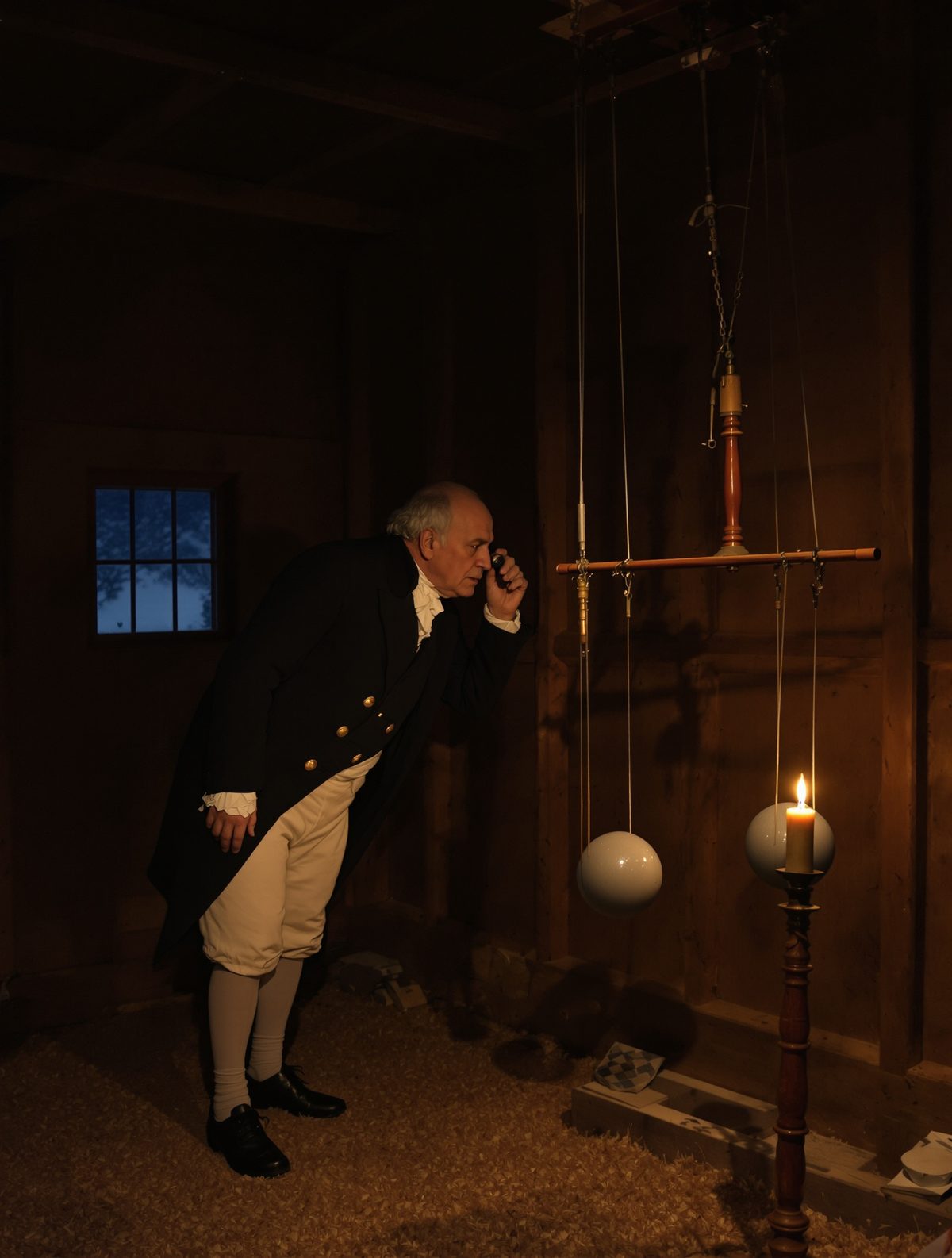
1797. Henry Cavendish had not left his house in years. He spoke to servants by written note. But alone in his garden shed, he did the impossible. He weighed the planet Earth.
He was 24. Bedridden. Given months to live. Yet John Goodricke sat at his telescope every freezing night and cracked one of astronomy's oldest mysteries. The stars were not eternal. They pulsed. And he proved it.
In 1828, James Neilson had one idea. Heat the air before it enters a furnace. Every ironmaster in Scotland laughed. Then his hot blast cut fuel costs by sixty percent. And Britain's iron age began in earnest.
London. 1833. A mathematician stared at columns of numbers. Every one contained a human error. He knew there had to be another way. He began to build a mind from brass and steel.
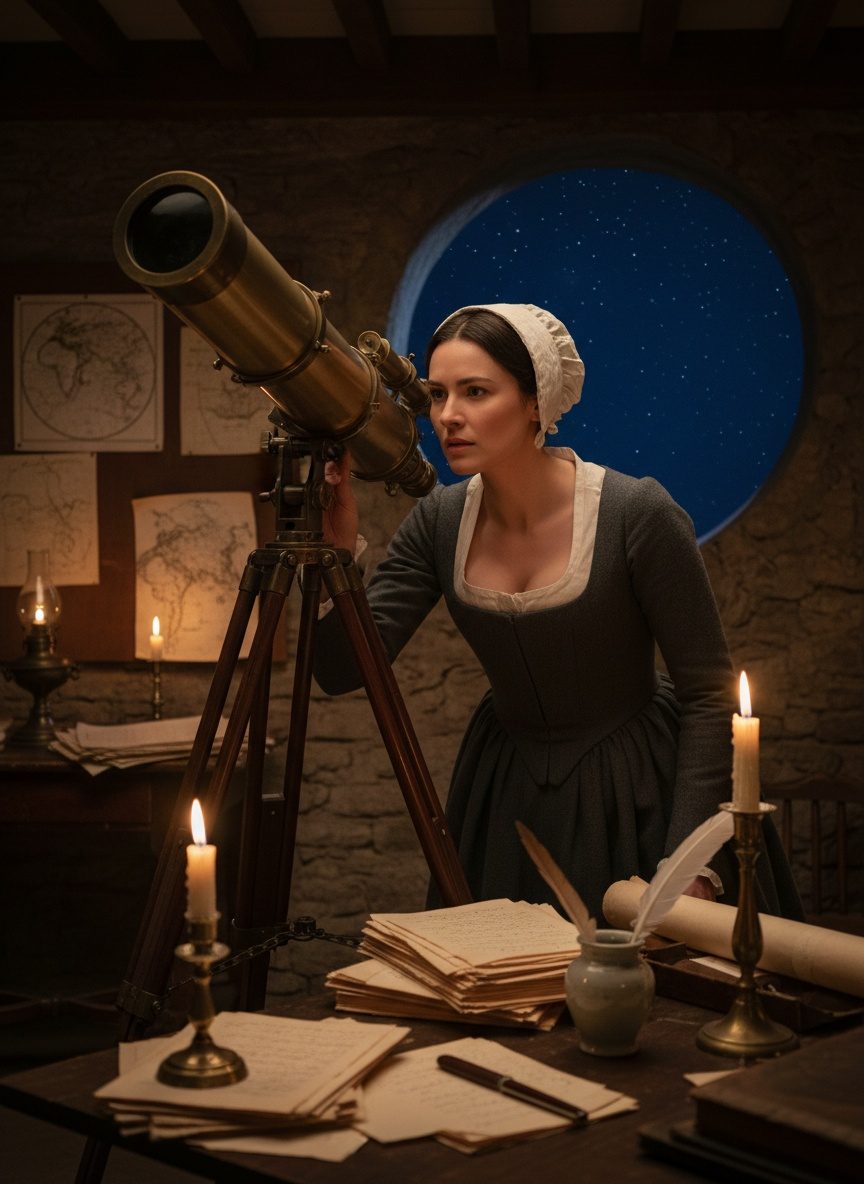
1786. A German-born woman stood alone at a telescope in Bath. Caroline Herschel swept the night sky. She found a comet no one had ever seen. Then another. Then six more. The Royal Society paid her. The first woman in history to earn a scientific salary.
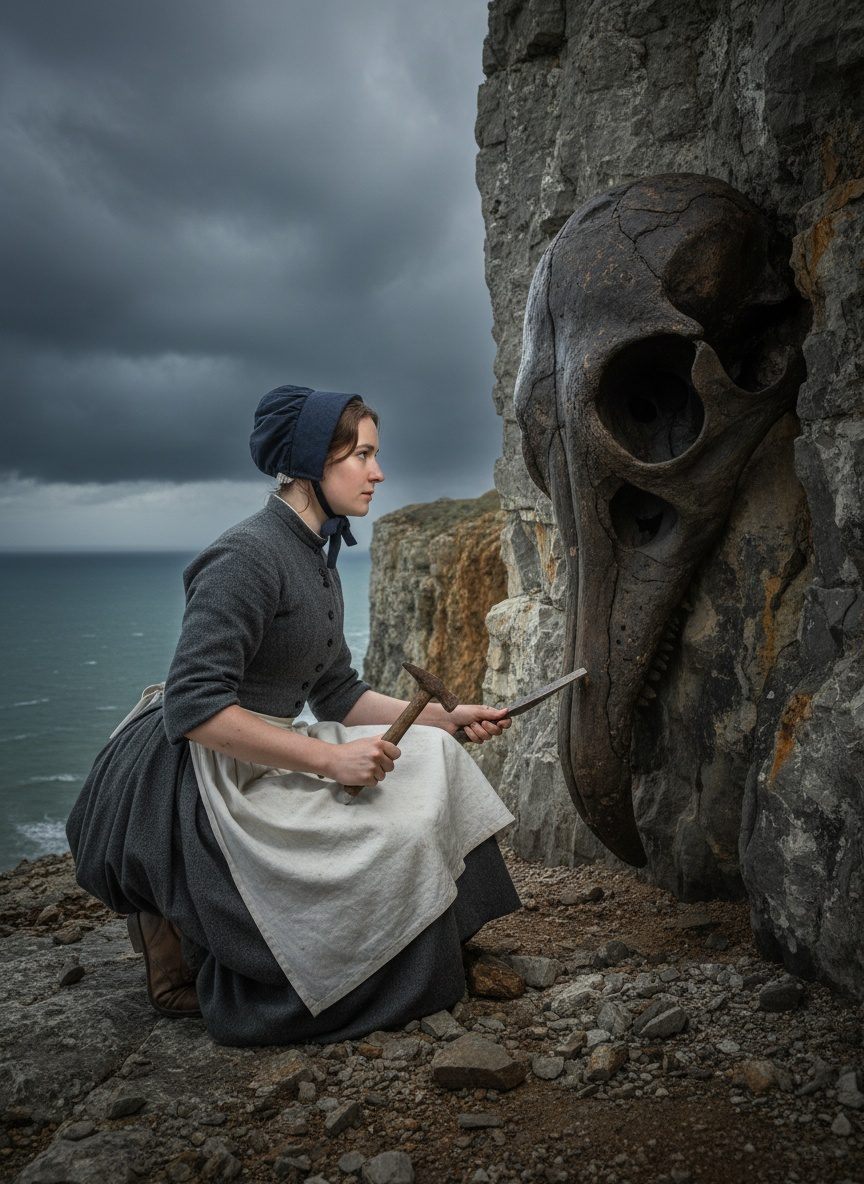
Lyme Regis, 1823. Mary Anning was twenty-four. She pulled an ancient skull from crumbling cliffs alone. Scientists said a woman could not understand such things. The skull rewrote prehistory.
Hand-picked from Britain Untold's archive. The stories you weren't taught at school. 3-minute read.
No spam. Unsubscribe in one click. We hate spam too. Privacy Policy.