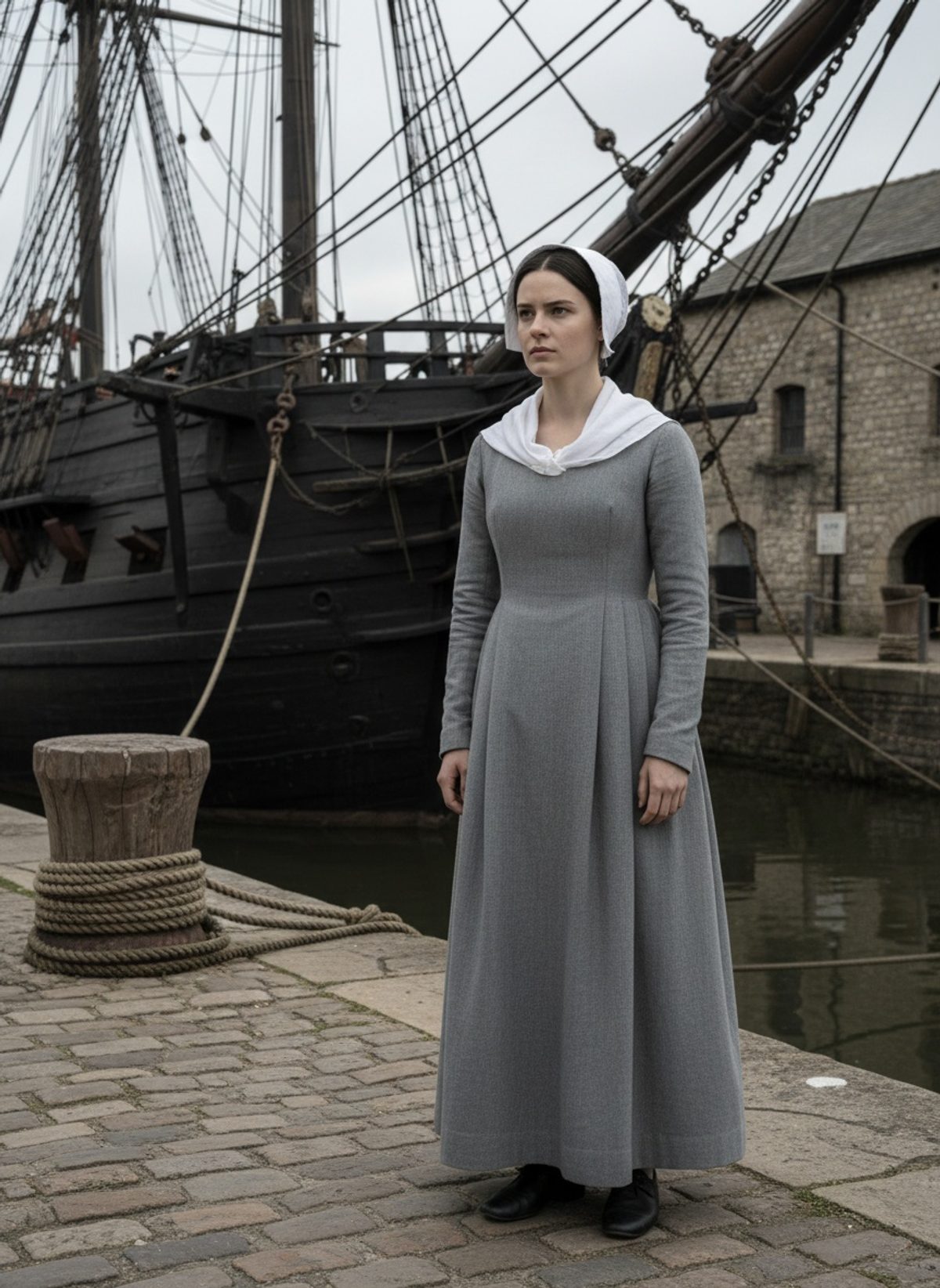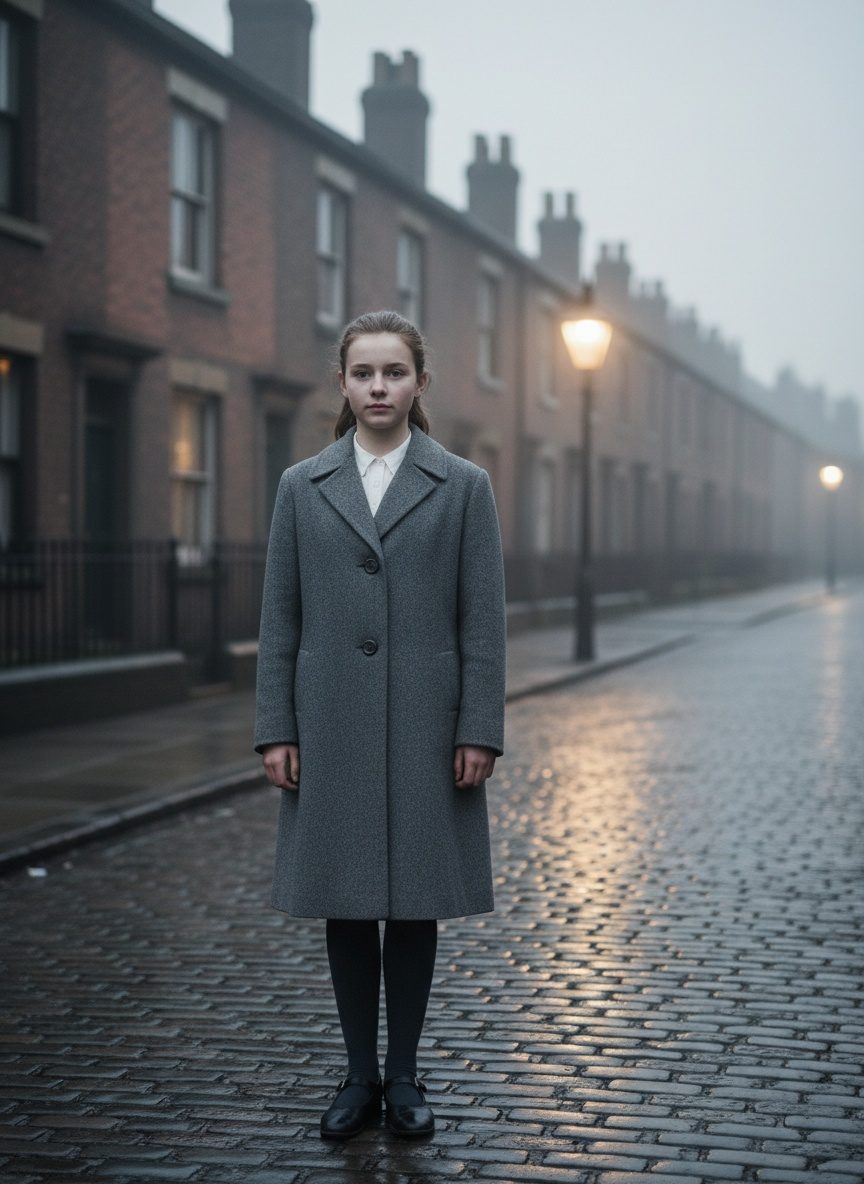
On a chill February morning in 1959, the city of Cardiff awoke to a revelation unfolding in their midst. During the filming of Tiger Bay, a plucky 12-year-old named Hayley Mills seized the attention of locals and ultimately, the world. Propelled by a family legacy in acting and extraordinary talent, she became a seminal figure in British cinema. But the seeds of this breathtaking ascent lay not just in the streets of Cardiff nor under Hollywood's glimmering lights, but in the nurturing words and stories spun by her own mother. This is the captivating tale of how one mother's written word merged with her daughter's burgeoning talent to forever change the landscape of British film.
The Theatrical Legacy of the Mills Family
Hayley Catherine Rose Vivien Mills emerged into the world on April 18, 1946, at a time when Britain was still finding its feet post-war. Her birth in Marylebone, London, signified the addition of yet another member to the distinguished theatrical Mills dynasty. Her father, Sir John Mills, was already celebrated as one of Britain’s most accomplished actors, renowned for his roles in films like Great Expectations (1946) and Ice Cold in Alex (1958). His craft was venerable, his dedication impeccable. Little did the world know then, his youngest daughter would soon follow in his illustrious footsteps—illuminating screens with her own radiant talent.
Moreover, Hayley's mother, Mary Hayley Bell, was an adept writer and actress who, while perhaps lesser known than her husband, played an indelible role in crafting Hayley’s path to stardom. Mary’s influence went beyond mere inspiration; her creative groundwork laid the foundation for Hayley’s star-making moments on screen. Together, this formidable familial backing imbued Hayley with an aura that would captivate audiences from Britain to Hollywood.
Breaking Out in Tiger Bay
The film Tiger Bay, set against the gritty backdrop of Cardiff's immigrant neighborhood, was a film primed to highlight the harsh realities of urban life. But at its heart, it was Hayley Mills who shone – her freckled face and unruly blonde hair becoming the enduring figures of innocence amid turmoil. The film, released on 12 February 1959, was remarkable not only for its gripping storyline but for its raw, authentic portrayal of a child caught in adult conflicts.
Read next: The Day a Blind Pauper Boy Sang Before a Queen
Directed by J. Lee Thompson, who had initially intended for the film’s center to spin around a Polish sailor, Hayley’s performance was so compelling that the film's narrative evolved to feature her prominently. This unexpected pivot captivated critics and audiences alike, earning Hayley not only a standing ovation but also the 1960 BAFTA Award for Most Promising Newcomer. By skilfully blending courage with vulnerability, her portrayal captivated the hearts of the British public, cementing Hayley Mills as a household name.
From Page to Screen: A Mother's Influence
While Sir John Mills often took the public spotlight, it was Mary Hayley Bell whose impact on Hayley’s career emerged subtly but significantly. Mary was a writer of formidable talent, known primarily for her novel, Whistle Down the Wind—a story steeped in wonder and innocence, encapsulating themes of childhood faith and resilience. Published in 1959, it was subsequently adapted into a film starring none other than Hayley, joining her once again with director Bryan Forbes.
Mary's capacity both to create and support was intrinsic to Hayley's development. The synergy of a mother and daughter—one wielding the pen, the other the camera—enabled Hayley to blossom as an artist. Mary’s narrative sensibilities provided Hayley with roles that were introspective yet forcefully compelling, crafting a sophisticated filmography that would transcend time.
Conquering Hollywood
While her roots were unmistakably British, Hayley's charm knew no borders. Her international breakthrough came with Disney's Pollyanna in 1960. Cast as the effervescent optimist in American suburbia, Hayley's infectious energy secured her the 1961 Academy Juvenile Award, joining the ranks alongside child stars like Shirley Temple. Unlike many of her contemporaries, Hayley transitioned effortlessly across the Atlantic, capturing audiences with her touchstone performances in The Parent Trap (1961) and beyond.
With captivating stories, warmth, and an unrivaled display of authenticity, Hayley Mills became one of the few European actresses of her time to capture the American zeitgeist without abandoning her British origins. She was not only a testament to the Mills' legacy—but was carving out a dynamic path entirely her own in the global film industry.
The Legacy of a Living Legend
As Hayley Mills matured, she gracefully navigated the complexities of transitioning from child star to esteemed actress, a feat few could manage with equal dexterity. Her legacy, built on the strong cornerstone laid by her family, continued to influence subsequent generations. Yet, despite her success, Mills retained an air of humility and a profound respect for her craft—qualities nurtured early on by her mother’s tales and her father’s tenacity.
So, why does Hayley Mills' story matter today? It serves as a timeless reminder of the role creativity and familial support play in personal growth. Her narrative envelops themes of perseverance, adaptation, and the power of storytelling—a legacy not confined to one era or one place. Amidst the whirlwind changes in both cinema and society, Hayley Mills remains a poignant symbol of youthful exuberance meeting tenacious spirit. Through these lenses, we reflect on the importance of nurturing future talents and valuing the support systems that sculpt the stars that continue to mesmerize us. It’s a lesson not just in film history, but in the cherished human experiences that inspire all stories told, the legends left out, but never forgotten.