Various
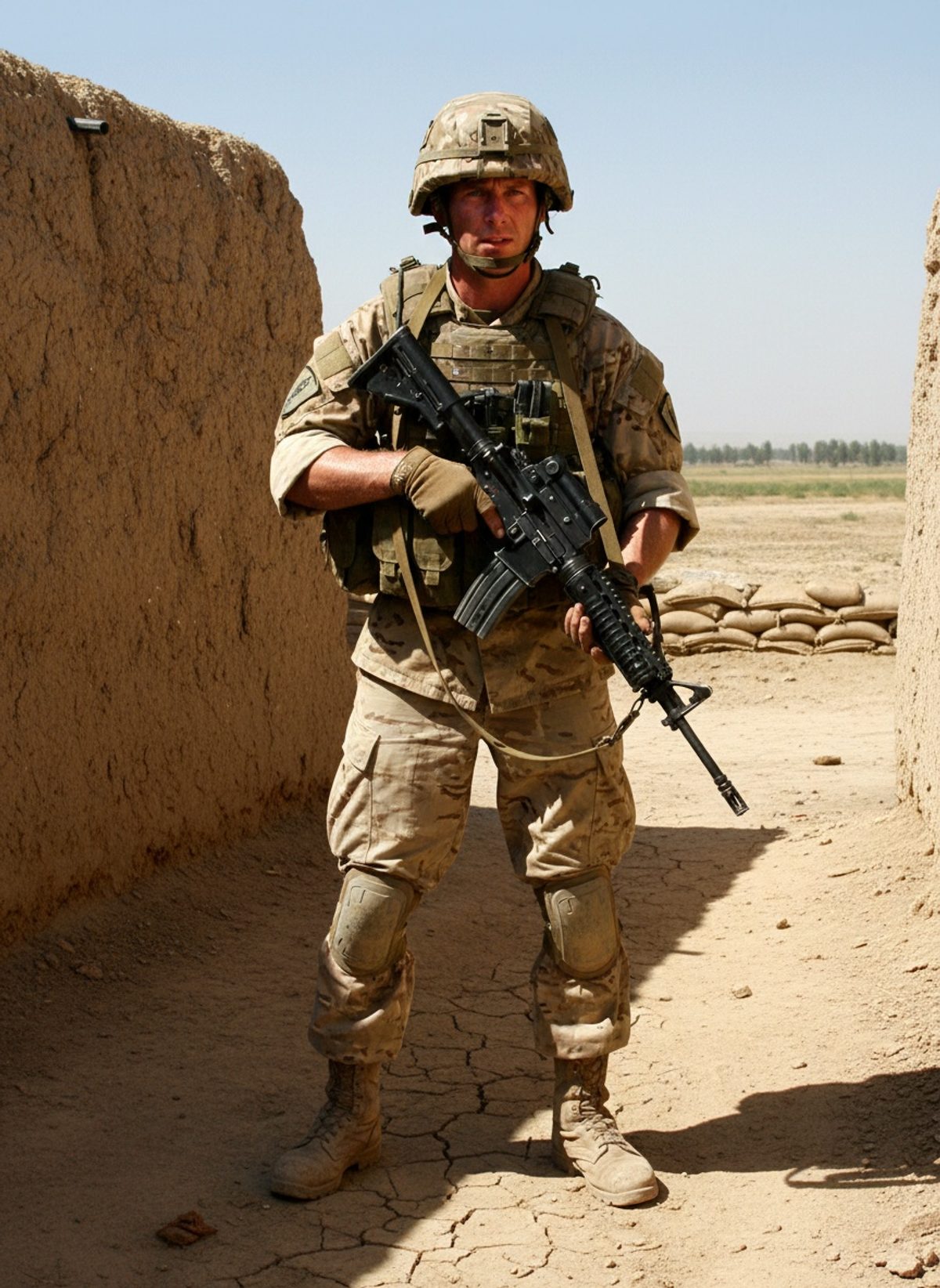
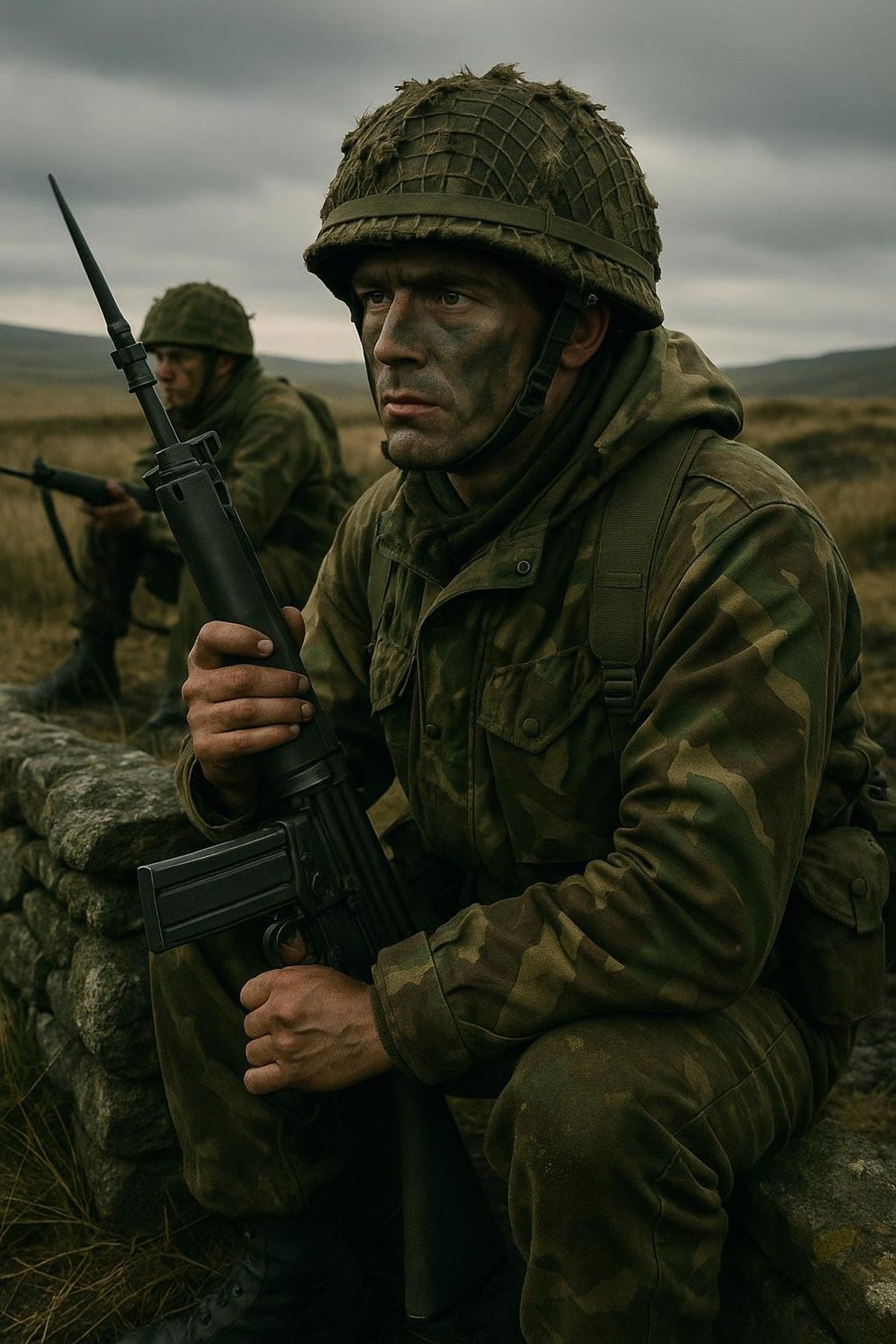
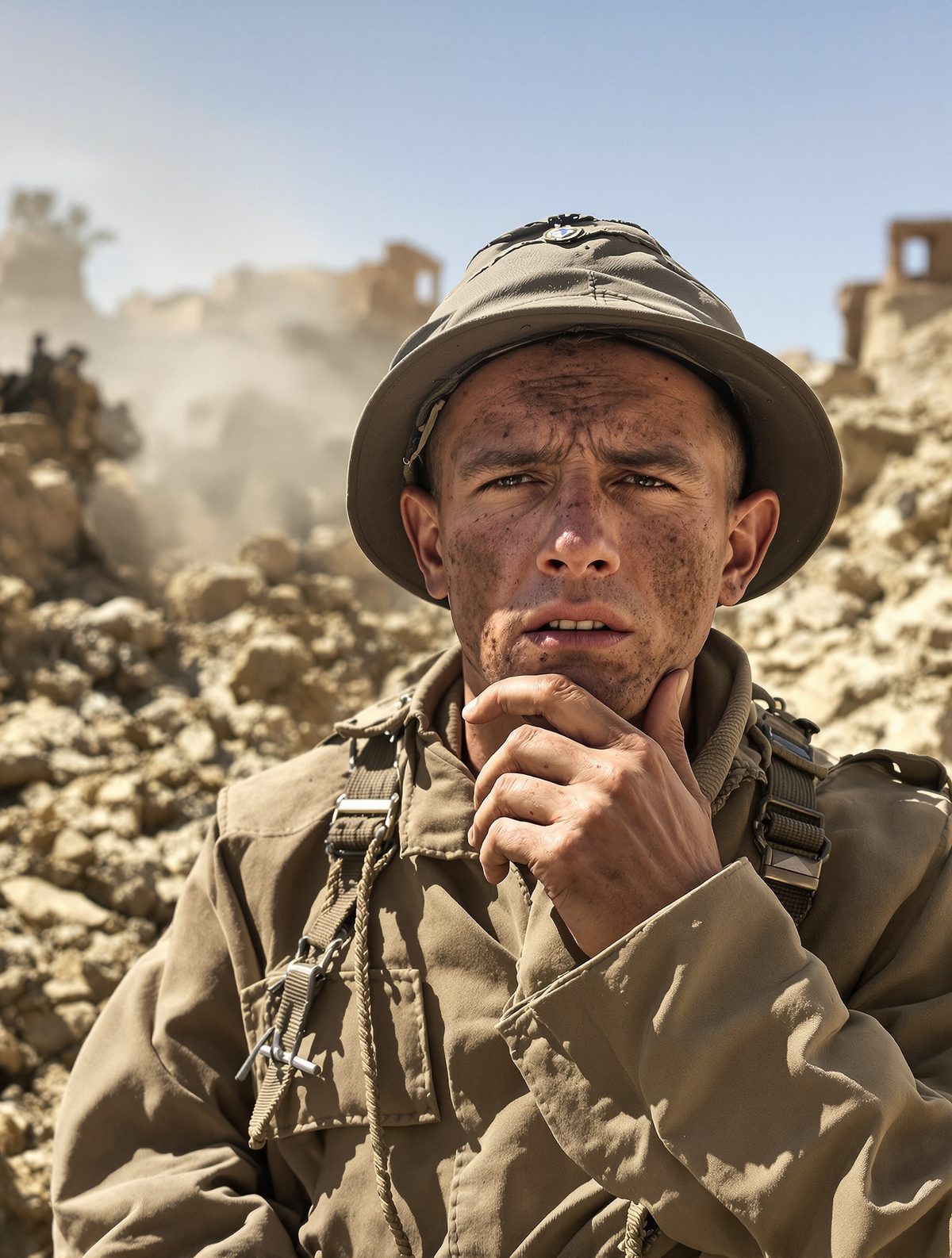
Summer 2006. 3 Para deployed to Helmand expecting reconstruction. Instead they fought 475 separate contacts in six months. One platoon fired more rounds than the entire Falklands War.
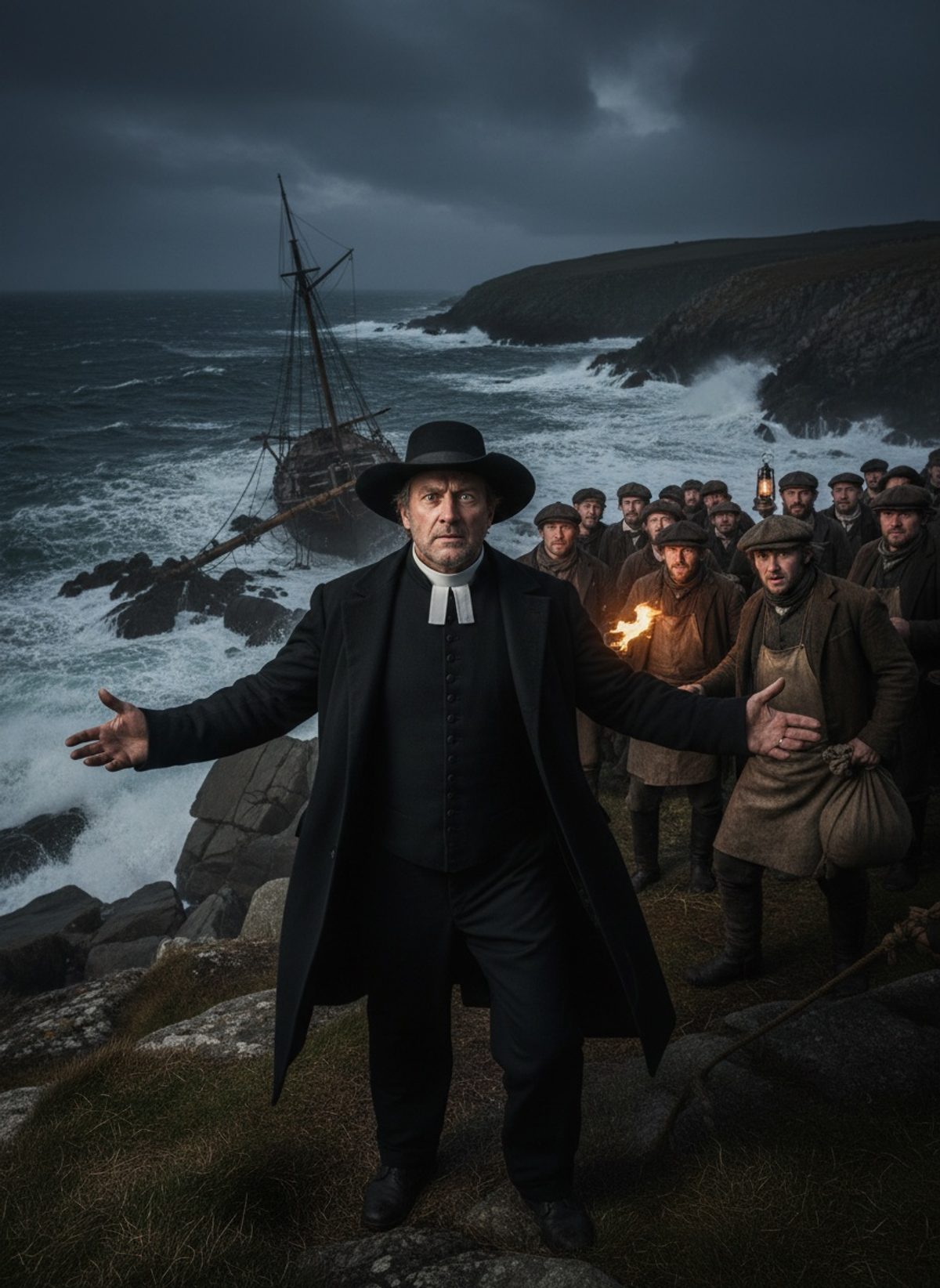
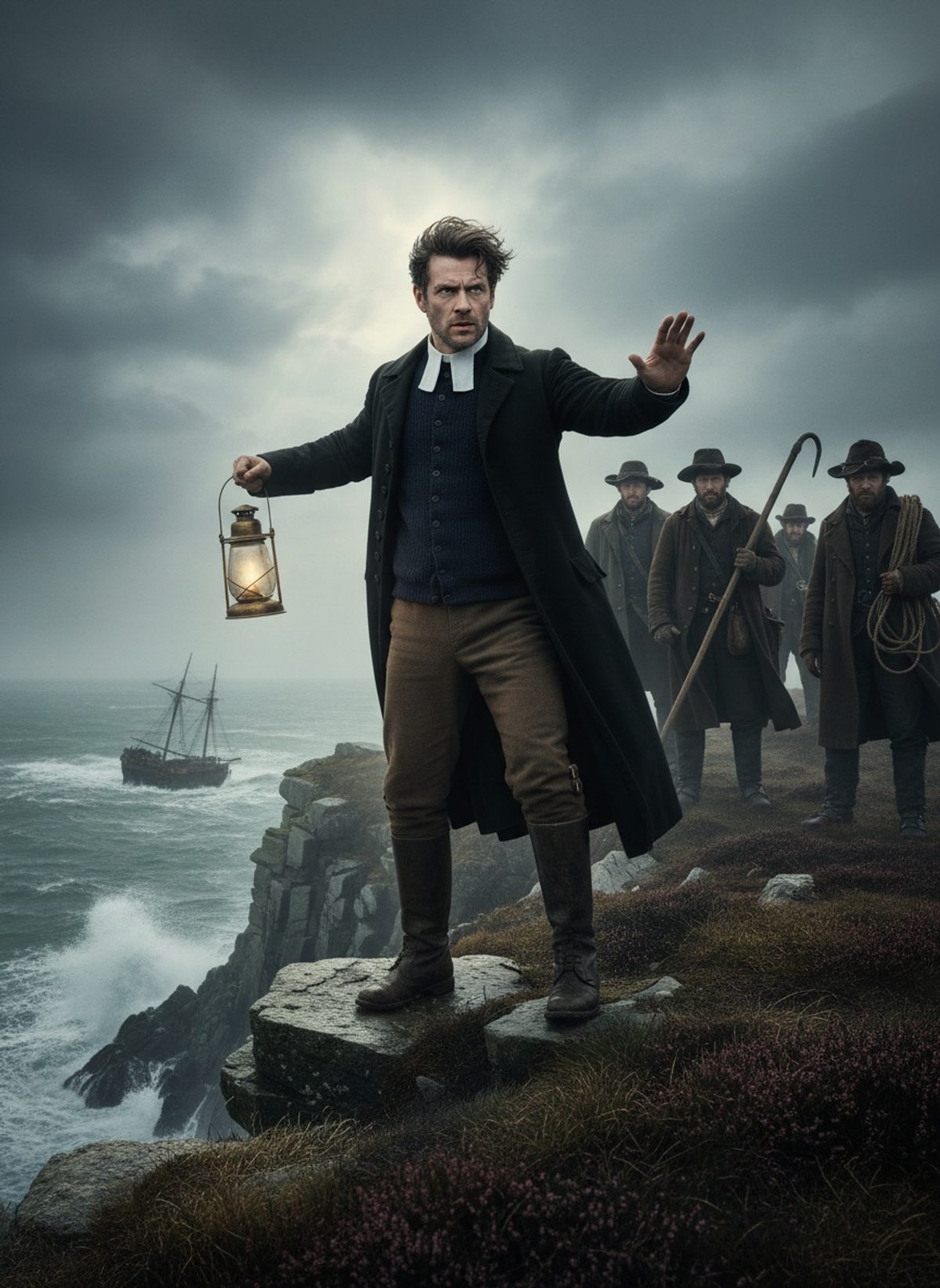
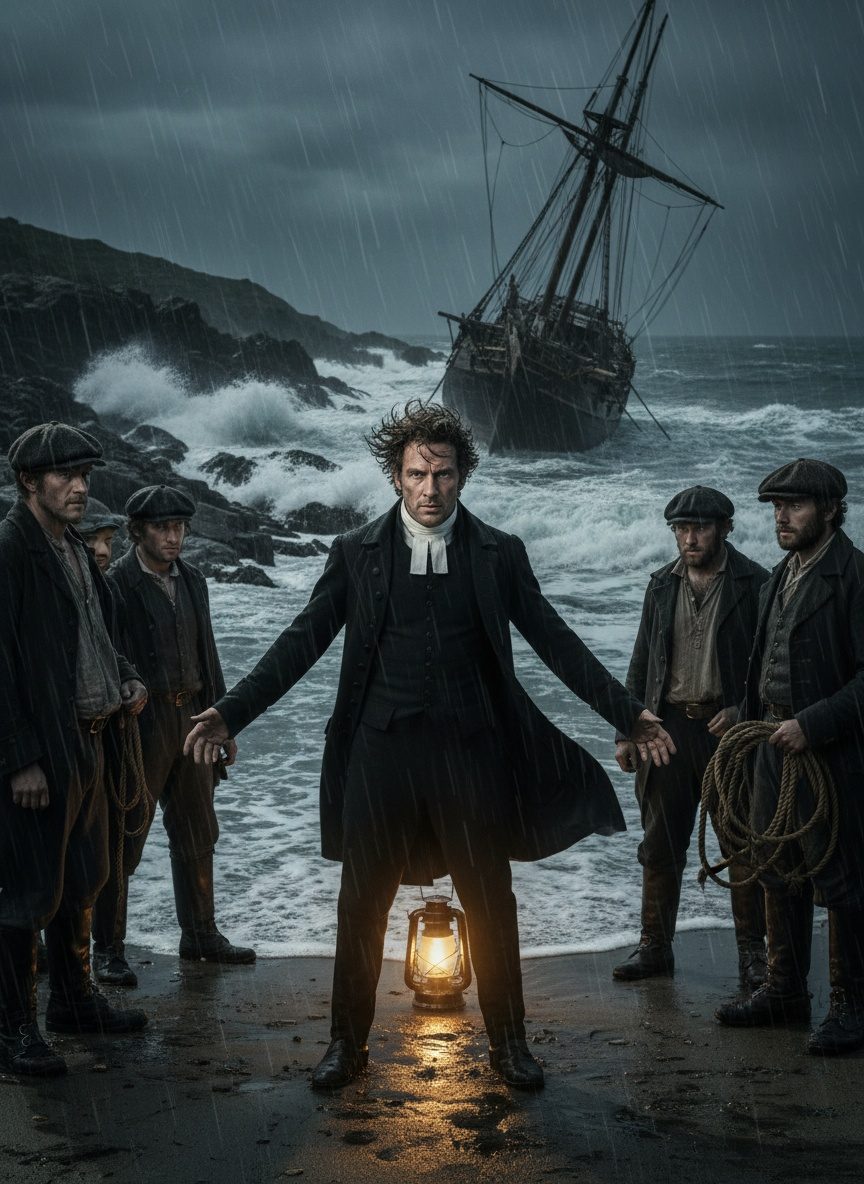
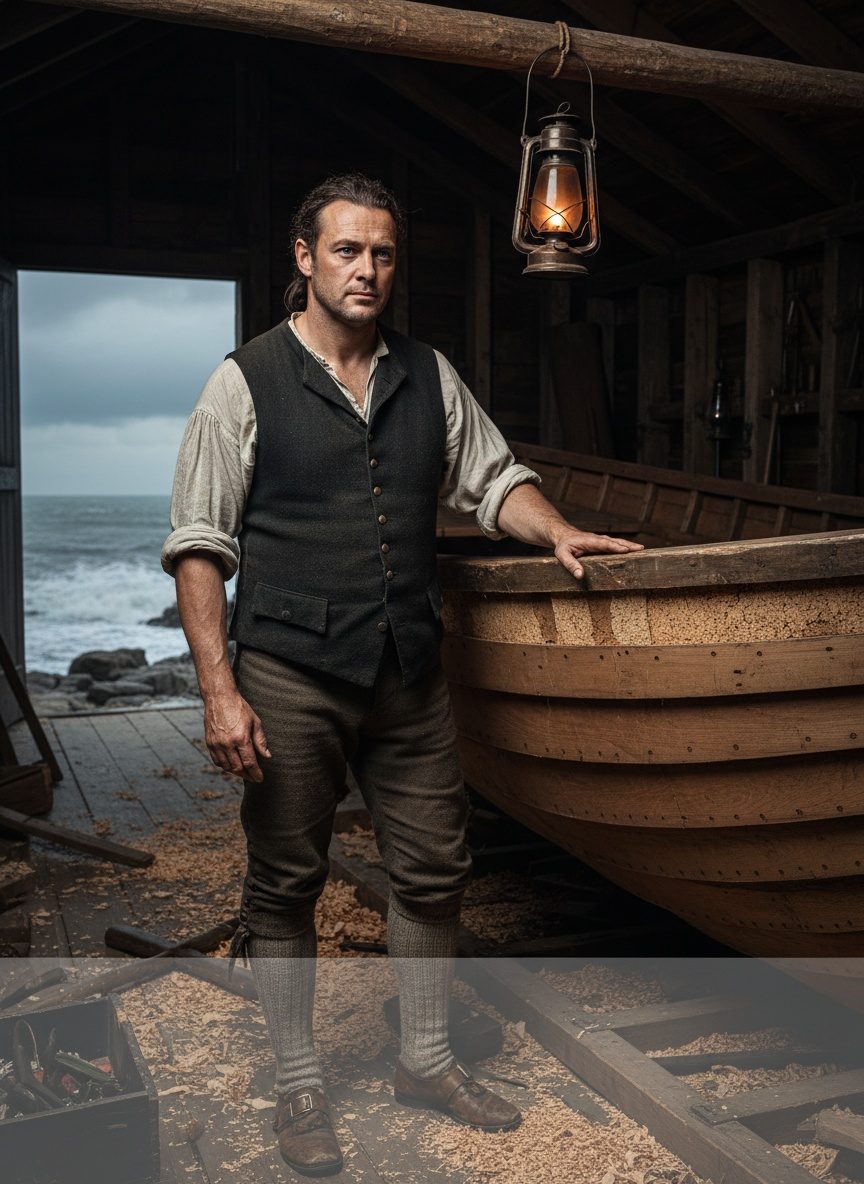
January 1807. A ship broke apart on the Cornish rocks. Locals came running. Not to help. To plunder. One man stepped forward. Vicar Robert Hawker of Morwenstow planted himself on the shore. Alone. And faced them down.
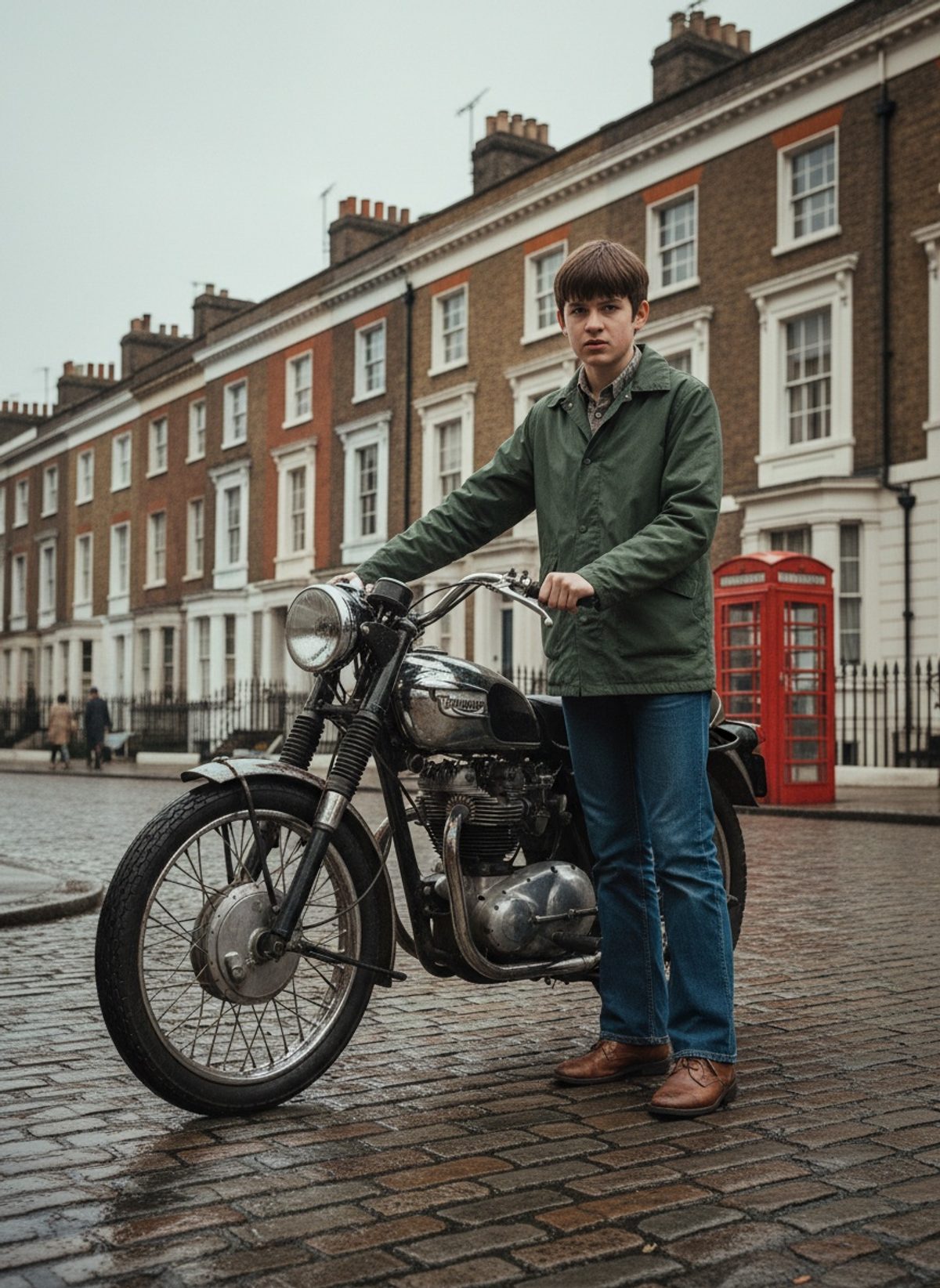
His father was a legend. Damon Hill grew up without him. Graham Hill died in a plane crash in 1975, leaving debts and a grieving family. Damon worked as a motorcycle courier to survive. Then he went racing.
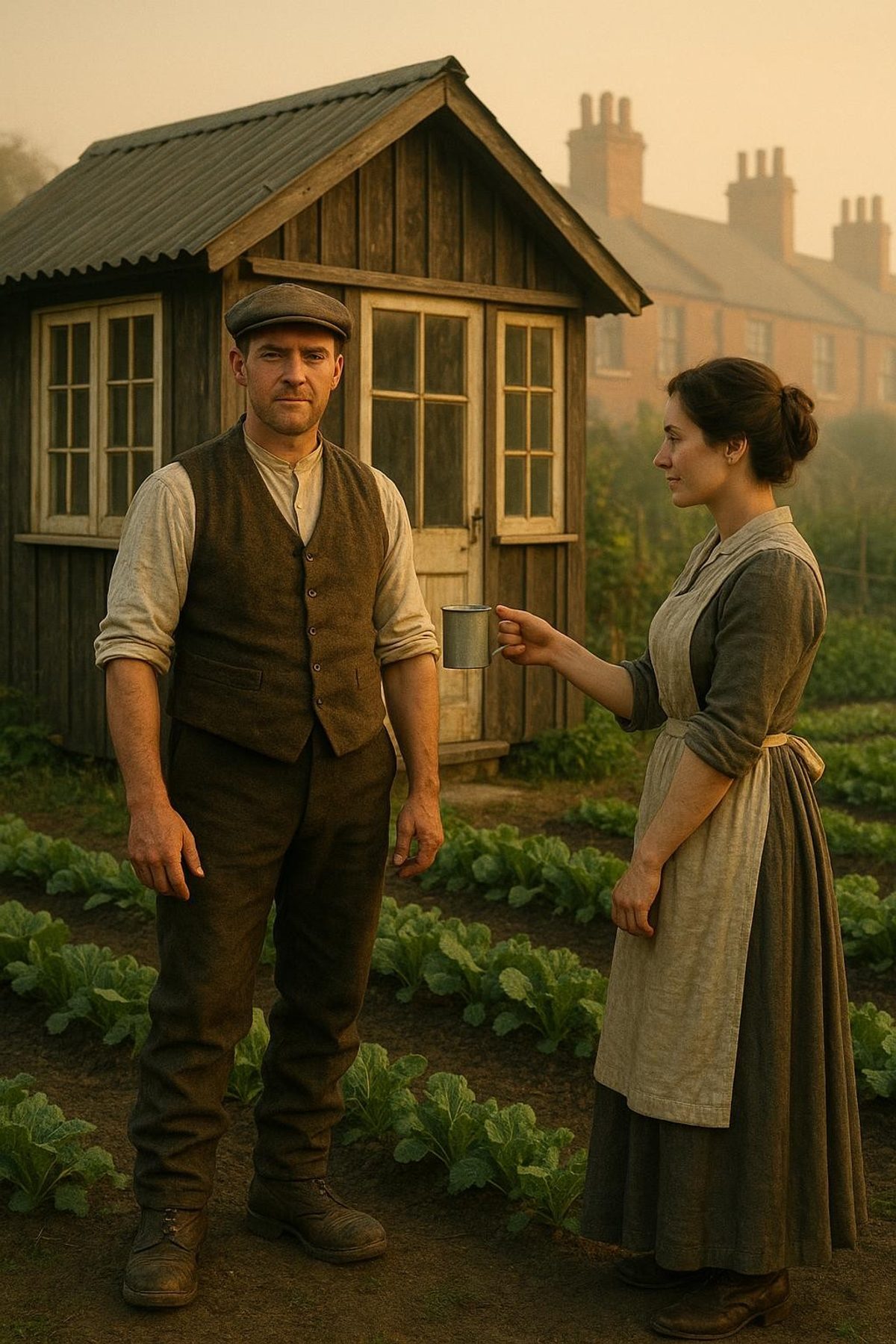
By 1914, over 600,000 British workers held allotments. They weren't just growing food. They were building a new idea: that ordinary people deserved somewhere to rest, grow, and belong.
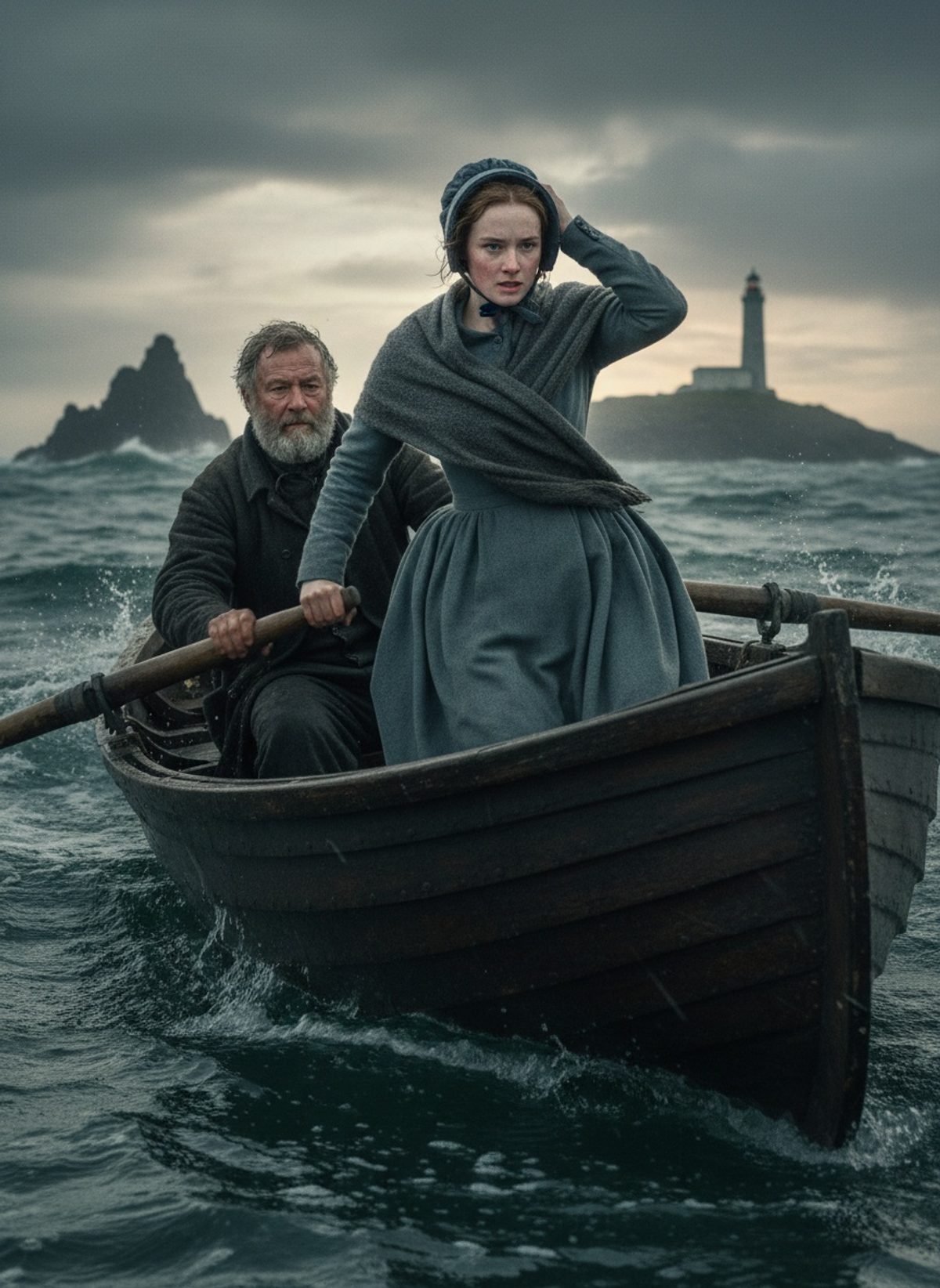
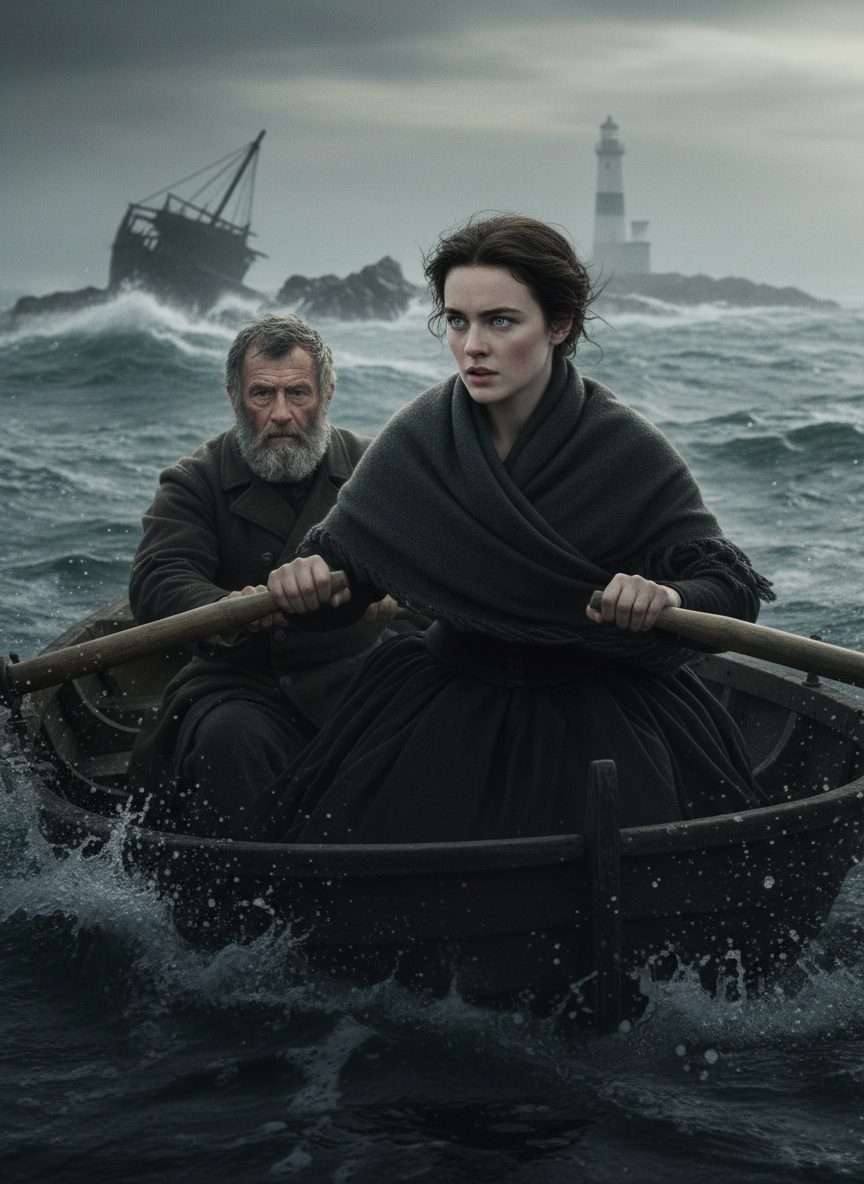
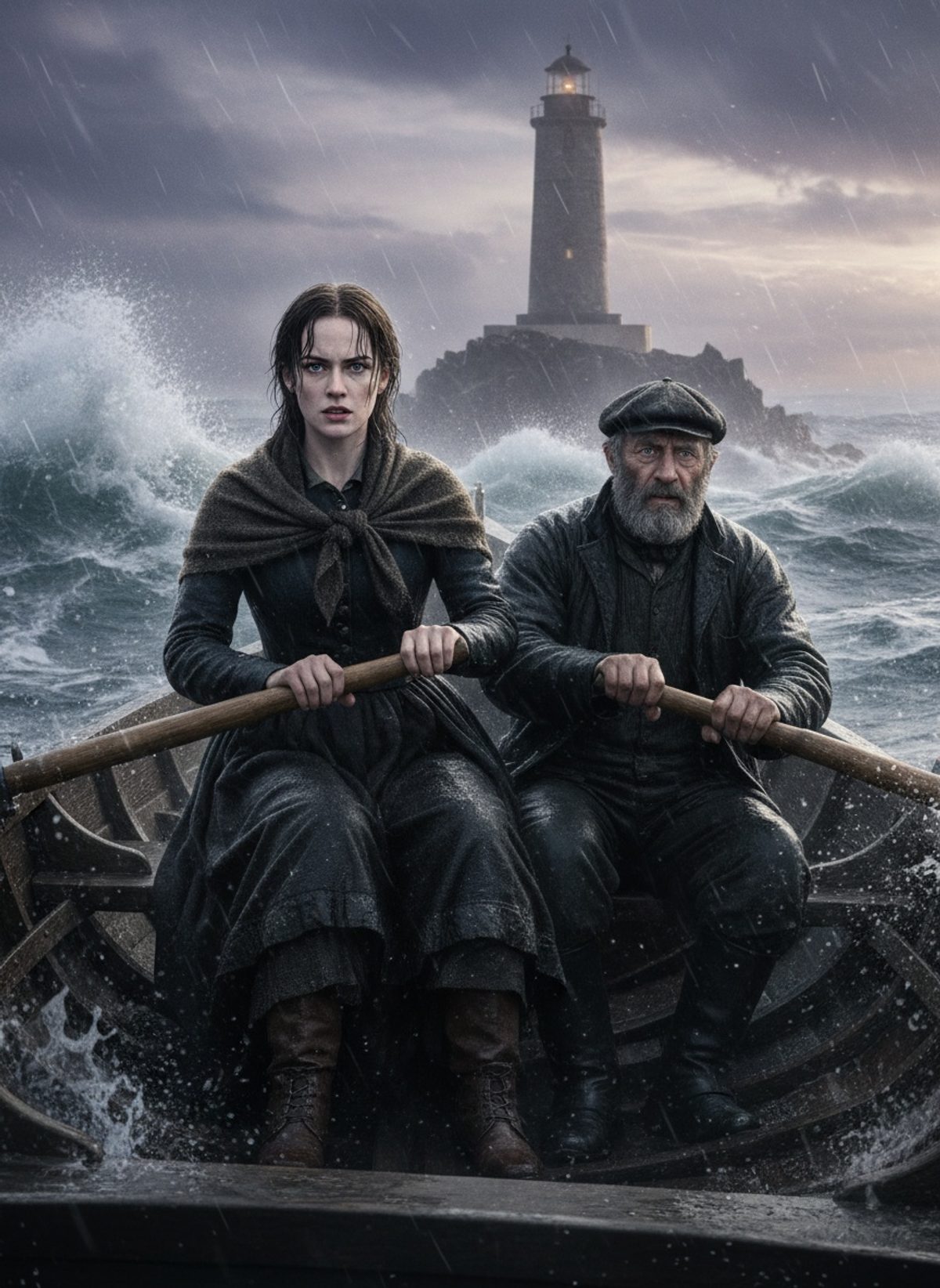
September 1838. A lighthouse keeper's daughter heard the screaming in the dark. The steamship Forfarshire had broken apart on the rocks. Grace Darling took an oar. She was twenty-two years old.
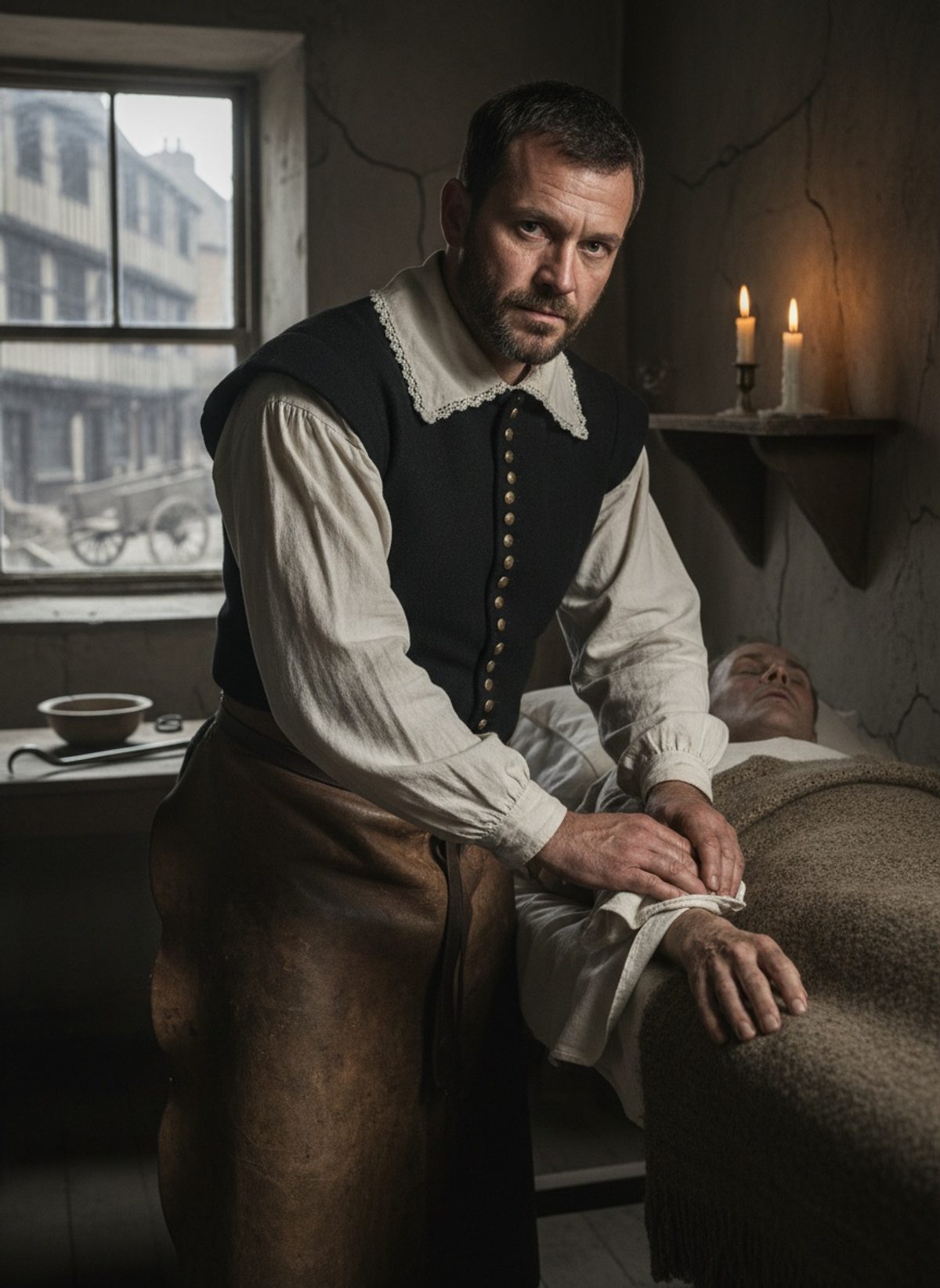
London, 1665. The plague was killing thousands a week. The rich had fled. William Boghurst was a barber-surgeon in St Giles. He stayed. He dressed sores. He held the dying. He saved every patient he could. He never caught it.
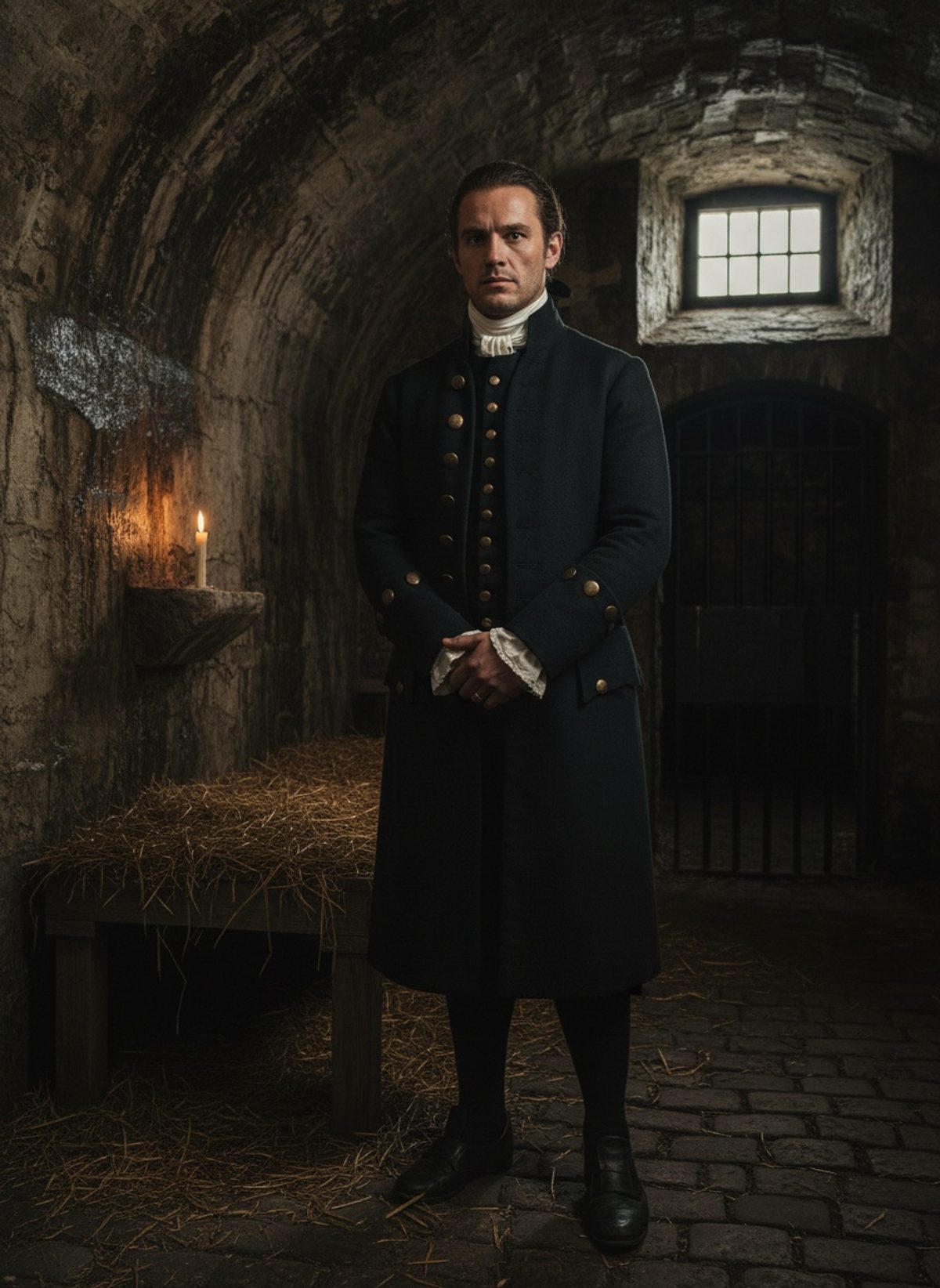
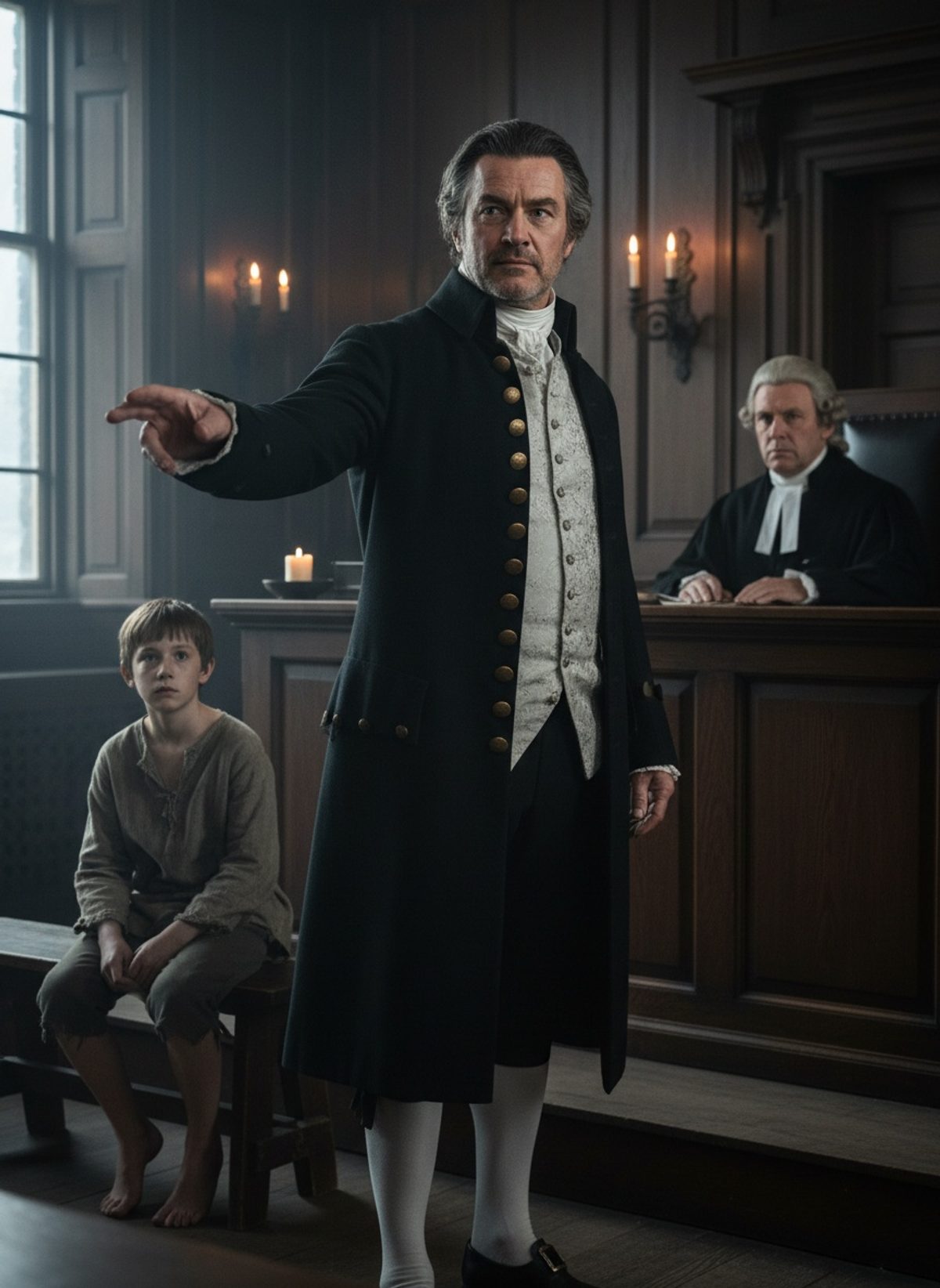
London. 1777. A young prisoner lay dying in Newgate. He had forged a document to survive. The law said hang him. William Dodd begged for his life. Samuel Johnson wrote the plea. The king said no. But the surgeon stayed anyway.
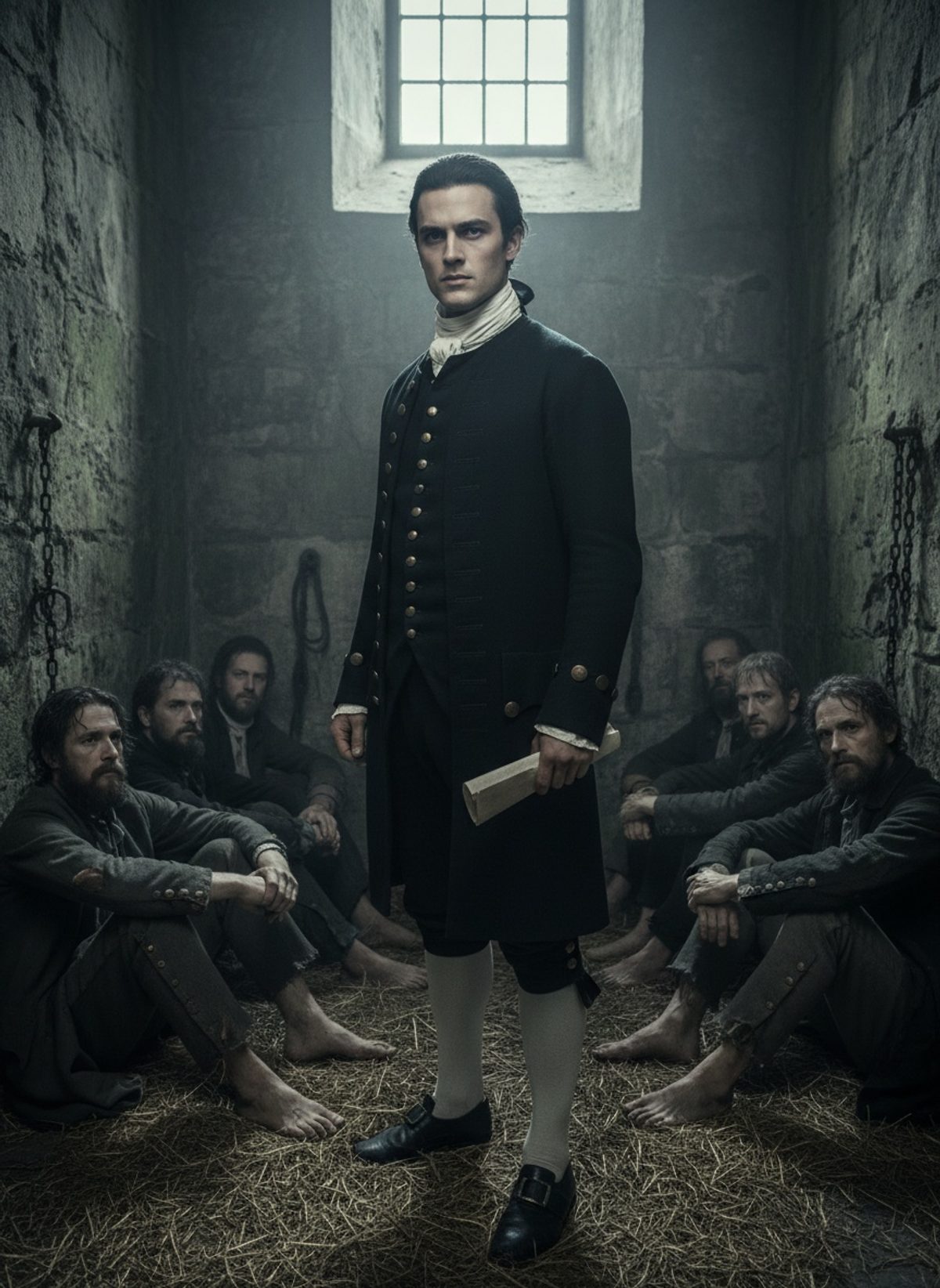
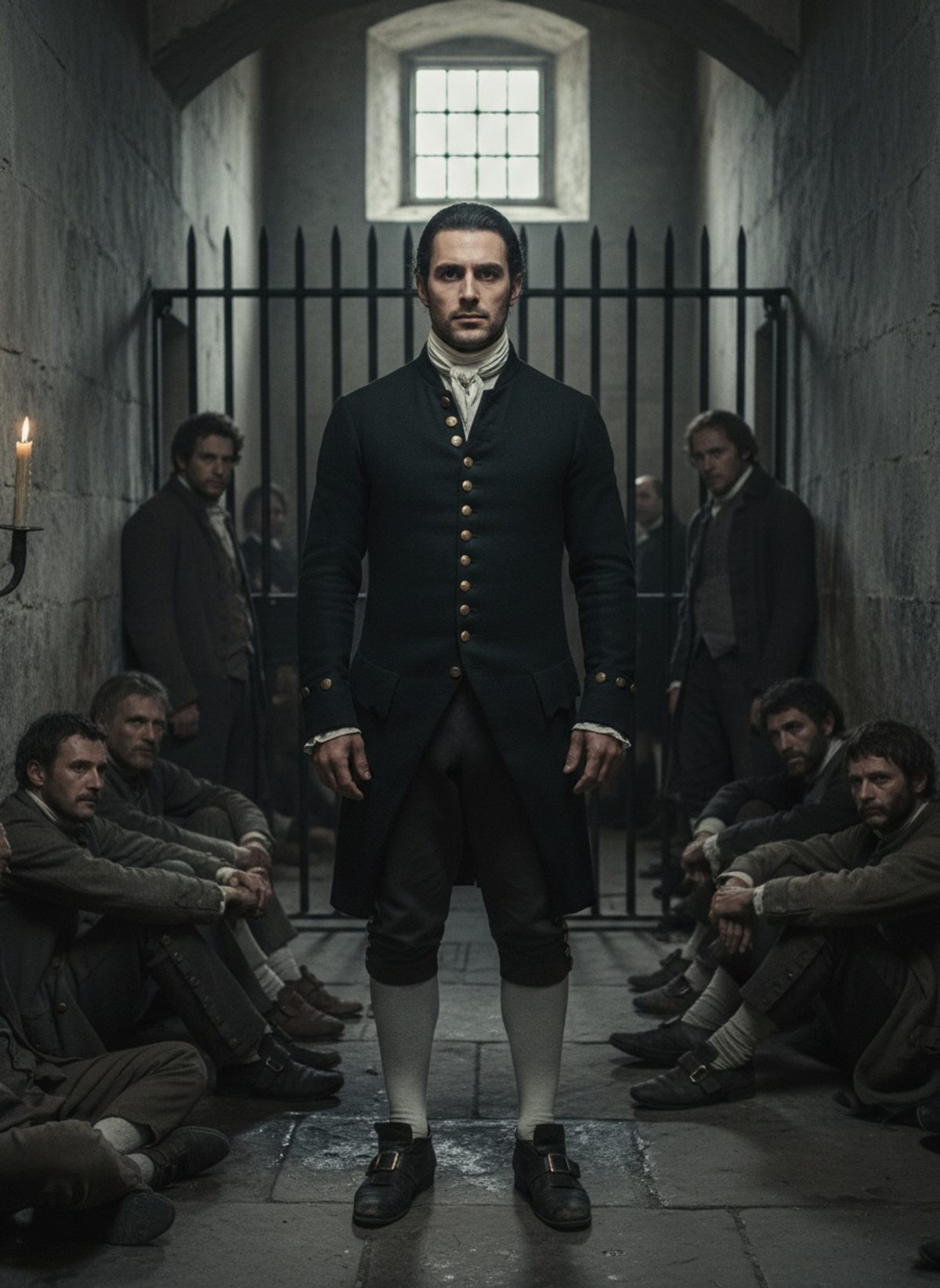
London. 1729. The cells of the Fleet Prison stank of rot and despair. James Oglethorpe walked in. What he saw changed him. He took their case to Parliament. And then he sailed them to a new world.
Liverpool. 1847. Irish famine ships were arriving full of the dying. Typhus was spreading fast. One doctor walked aboard alone. He stayed until the last patient was safe. He never came home.
Bristol, 1787. The ship sat in harbour, its cargo listed in ledgers. Elizabeth Heyrick walked aboard alone. She saw what the ledgers refused to name. She never stopped fighting until Britain listened.
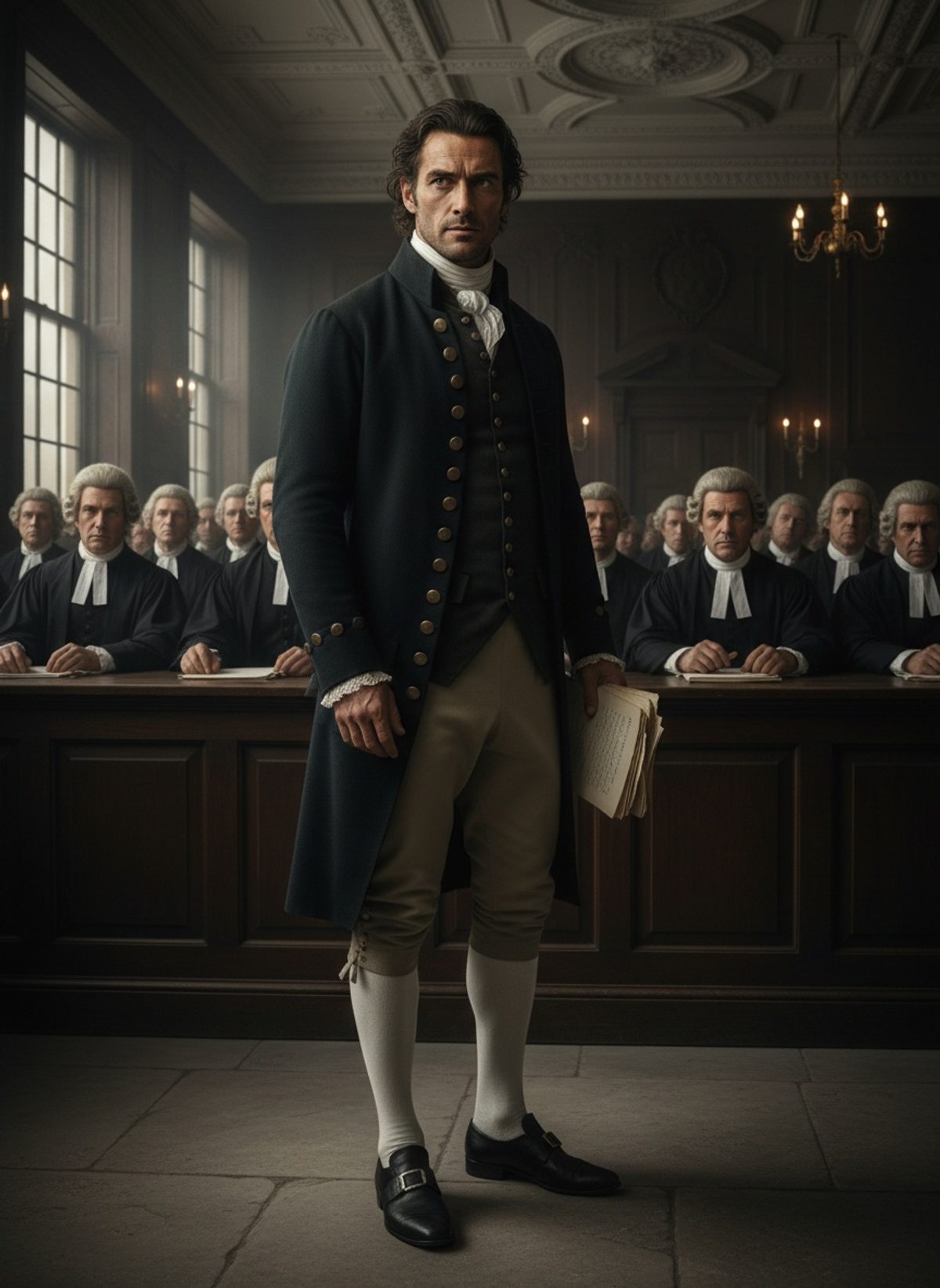
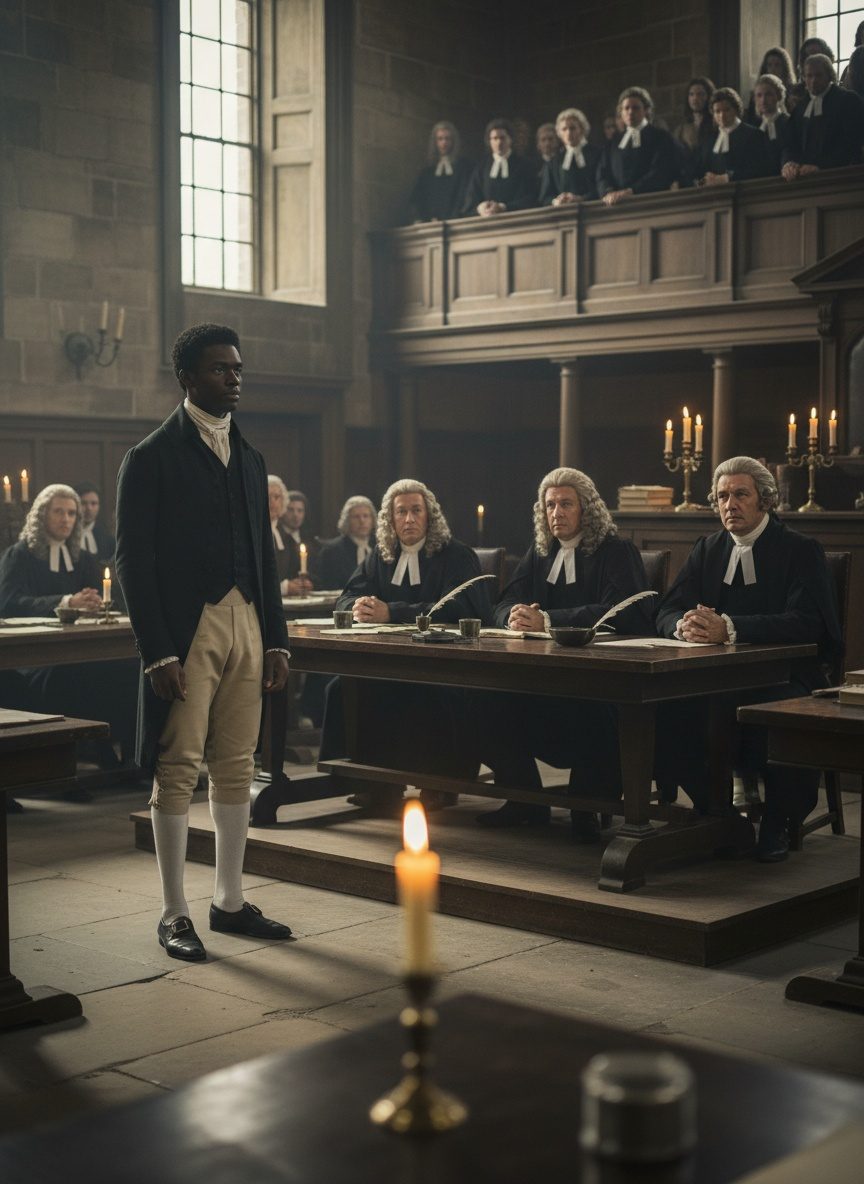
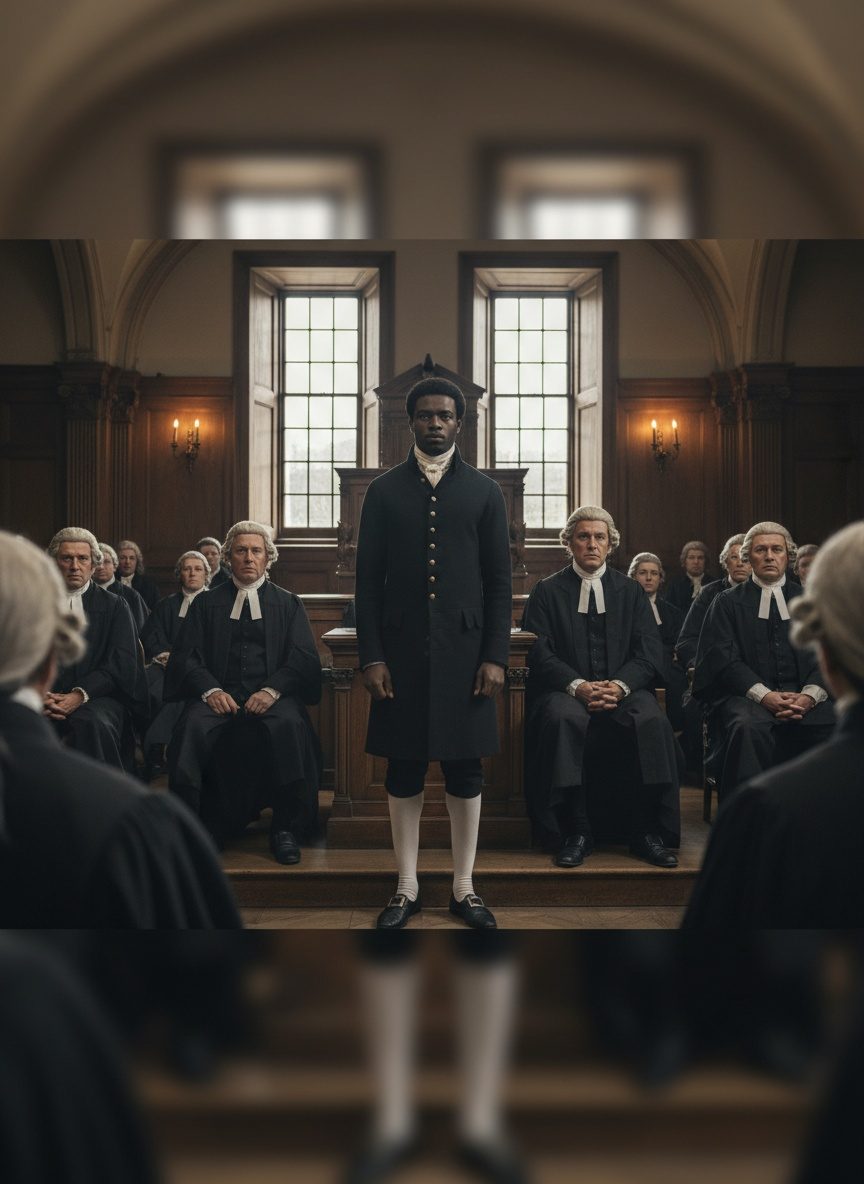
London. 1772. A young Welsh lawyer had one client. One chance. The courtroom was silent. Lord Mansfield lifted his pen. Twelve slaves in one parish would go free before nightfall.
London. 1788. A climbing boy lay dying. His master had worked him until his body gave out. Jonas Hanway had seen enough. He walked into Parliament. He did not leave until they listened.
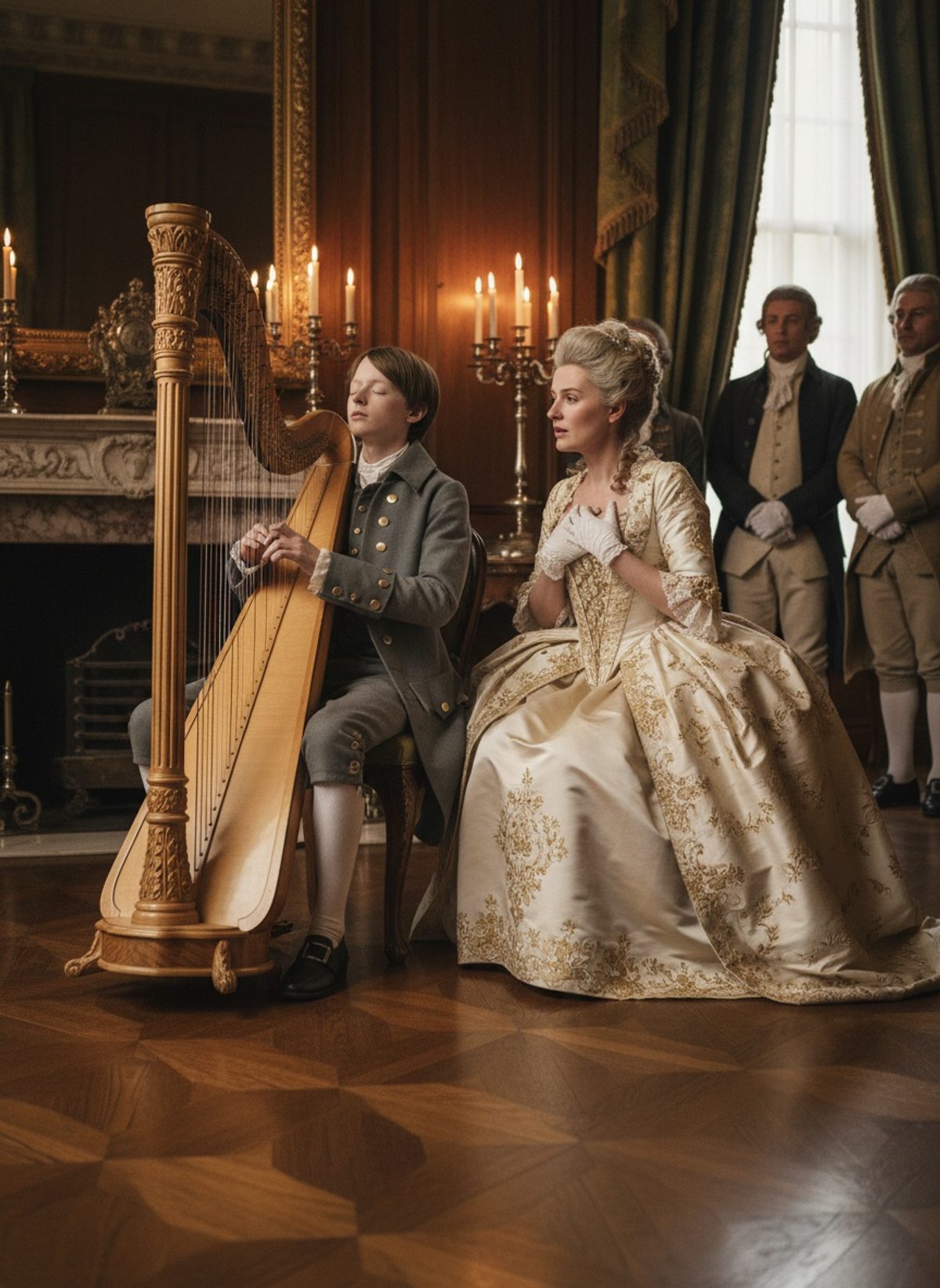
London, 1779. John Parry was twelve years old. Born blind. Born poor. He walked onto a stage. He played. The Queen wept. She paid for the rest of his life.
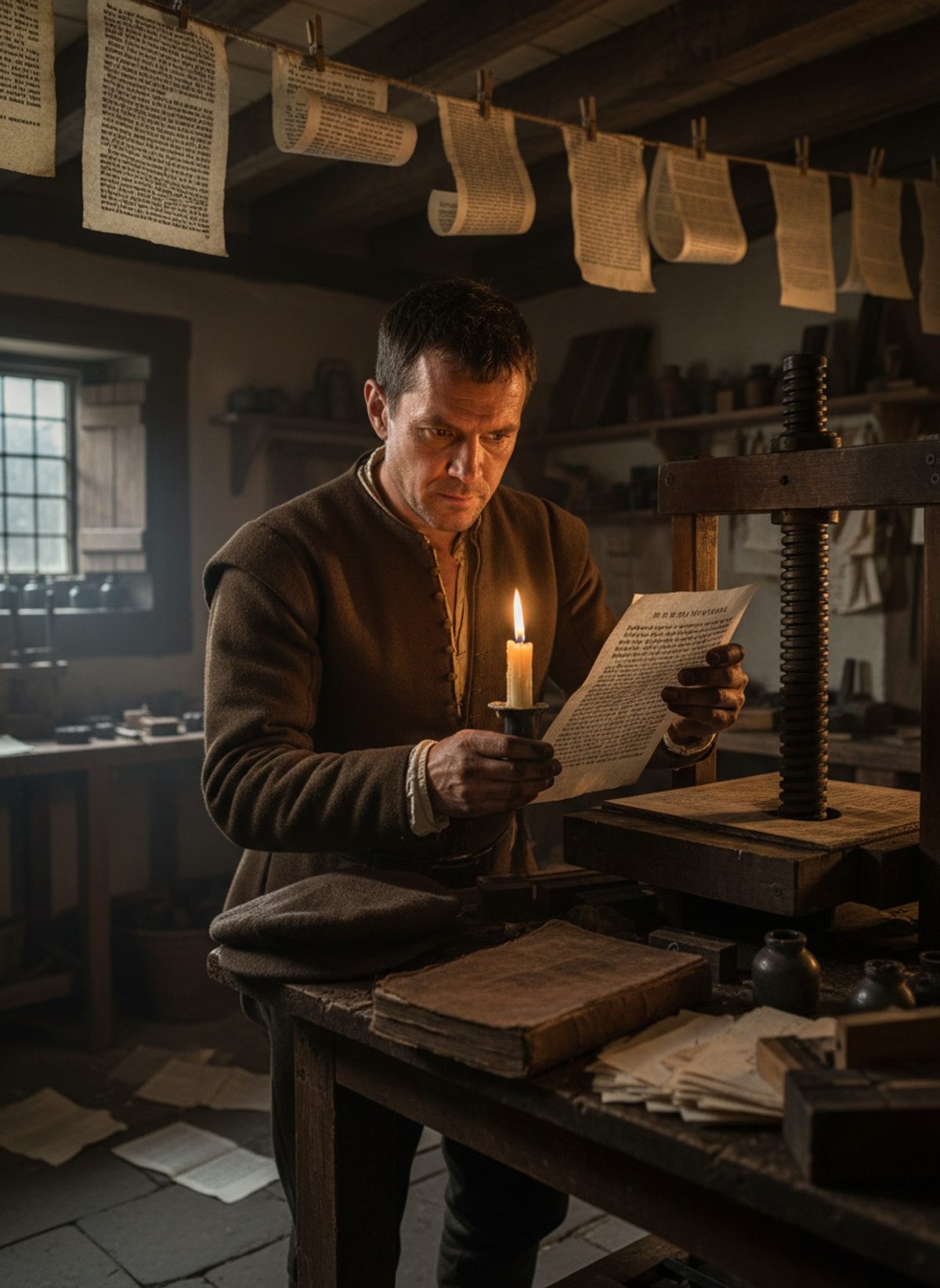
London. 1525. William Tyndale had done the unthinkable. He had printed the Bible in English. The Church called it heresy. They burned every copy they could find. He printed more.
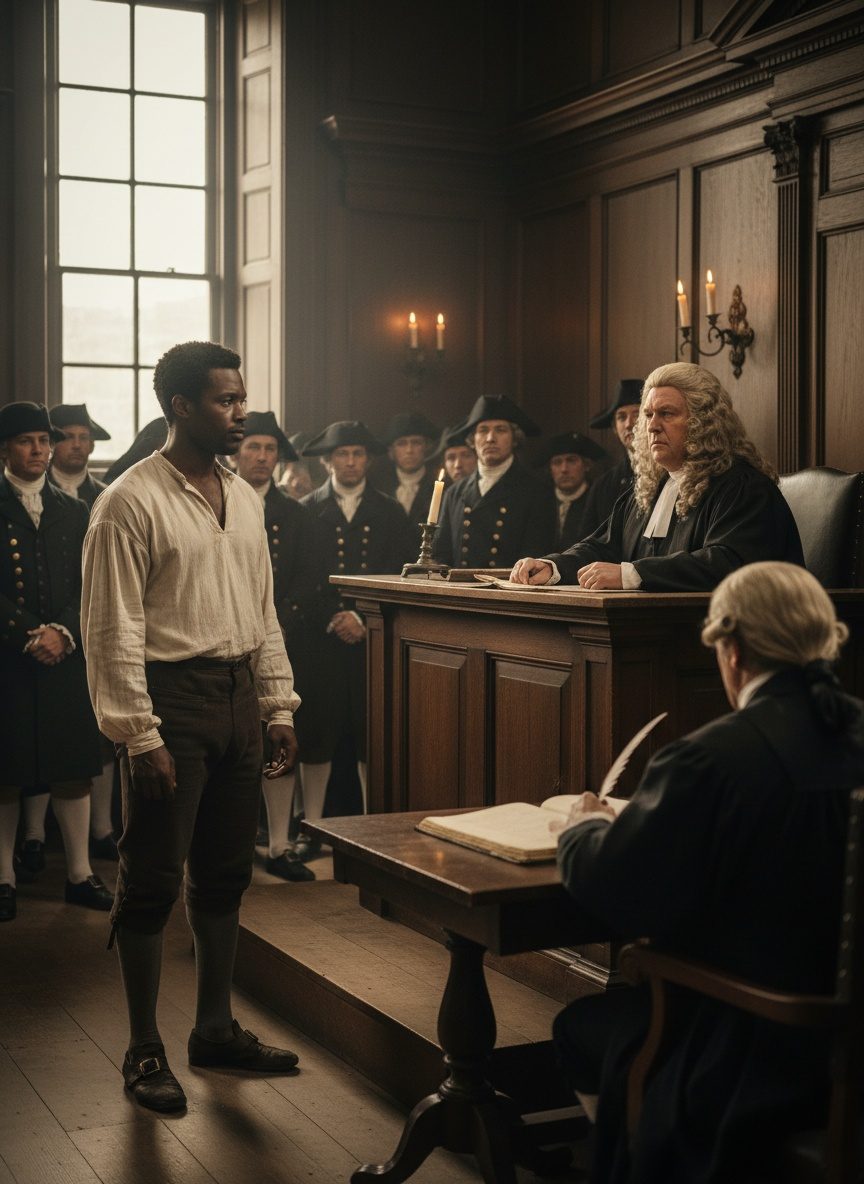
London, 1772. A Black servant named James Somerset was chained for deportation. One lawyer stepped forward. He argued the case for nothing. The judge ruled. No one in England could be a slave.
September 1838. A storm shook the Farne Islands. A steamship lay broken on the rocks. Grace Darling saw survivors from her lighthouse window. Her father said wait. She took the oar anyway.
January 1807. A merchant ship broke apart on the Cornish rocks. The wreckers came. Reverend Robert Hawker of Morwenstow stood on the shore. He ordered them back. He carried the dead to his church himself.
London, 1765. A chimney sweep's apprentice lay dying. No one spoke for him. One merchant walked into court. He demanded justice. The judge listened. The law changed.
May 1982. Two Para hit Goose Green with one company cut off and pinned down. A young sergeant held the flank with a handful of men. They did not move.
September 1838. A storm had wrecked the Forfarshire on the rocks. Grace Darling saw the survivors from her lighthouse window. Her father said it was too dangerous. She picked up an oar anyway.
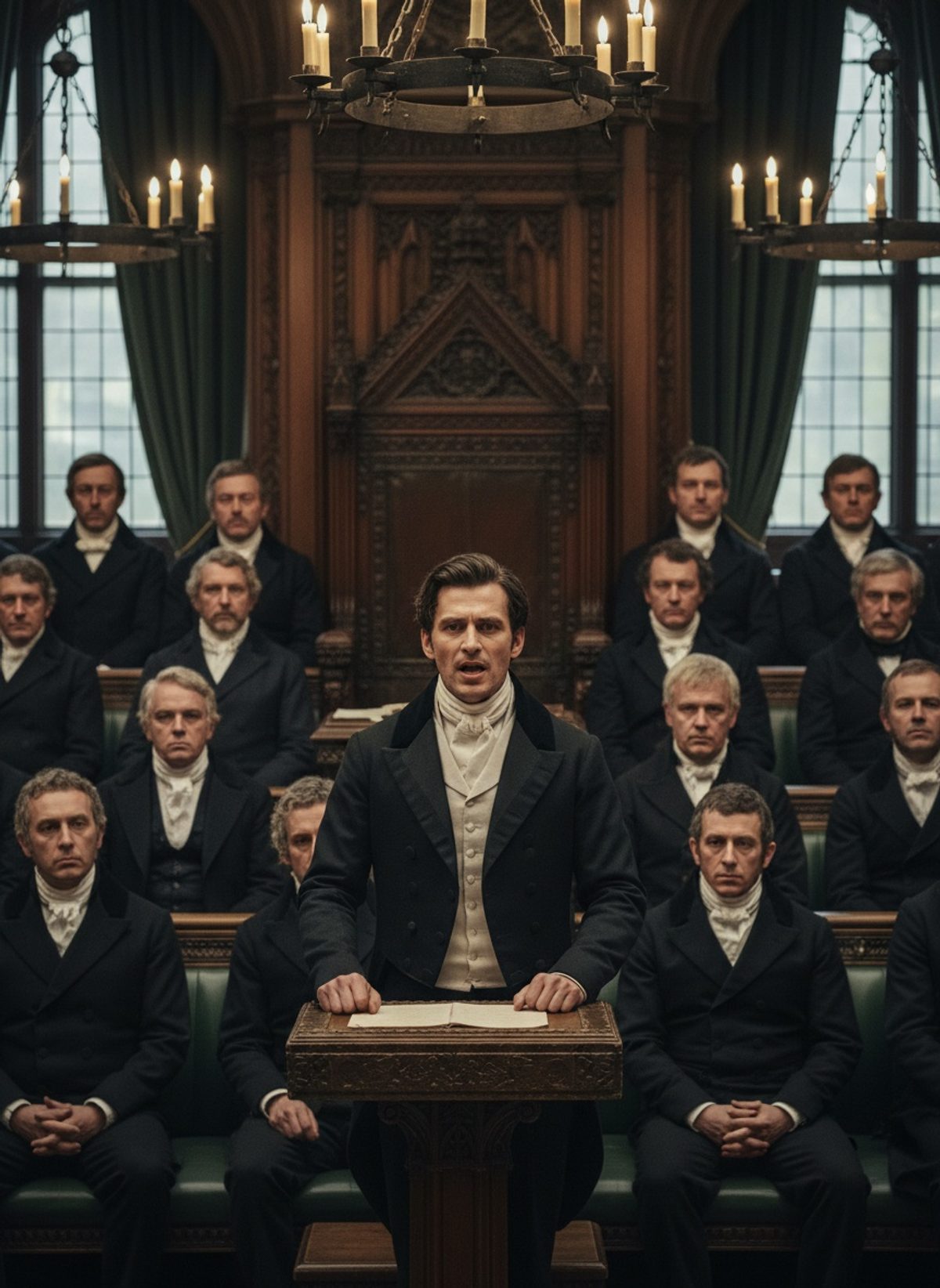
London, 1832. Anthony Ashley Cooper had one cause. Factory children. He stood at the Commons despatch box. His voice shook. He read the evidence aloud. Children as young as five. Working sixteen hours in darkness. The chamber fell silent. He did not stop.
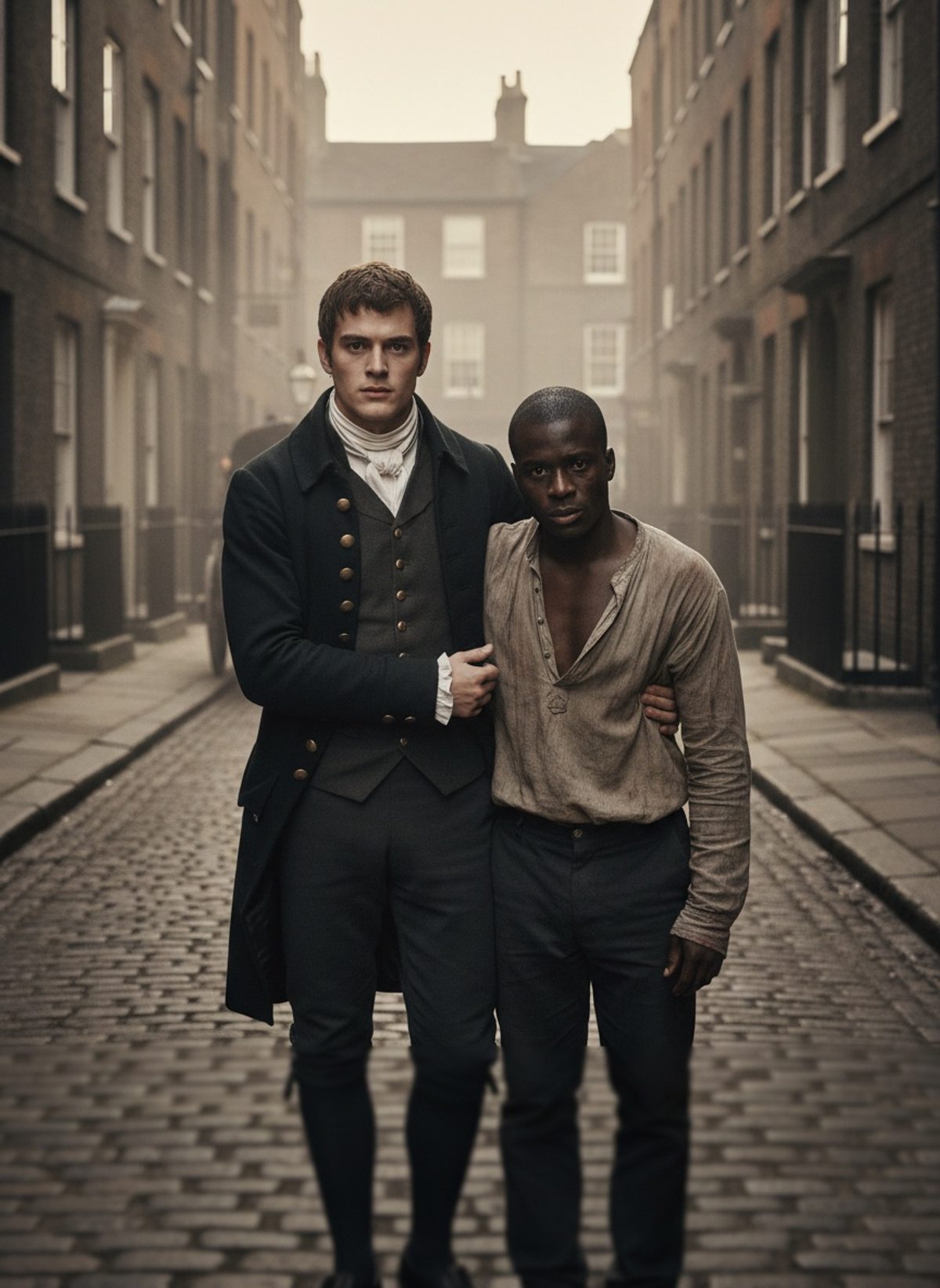
London, 1765. Granville Sharp watched a beaten African man collapse on the street. He carried him home. Nursed him back to health. Then fought every court in England to keep him free.
London, 1729. James Oglethorpe sat beside a dying friend in the Fleet Prison. The man had starved. Oglethorpe walked out. He stood before Parliament. He would not stop until 300 debtors walked free.
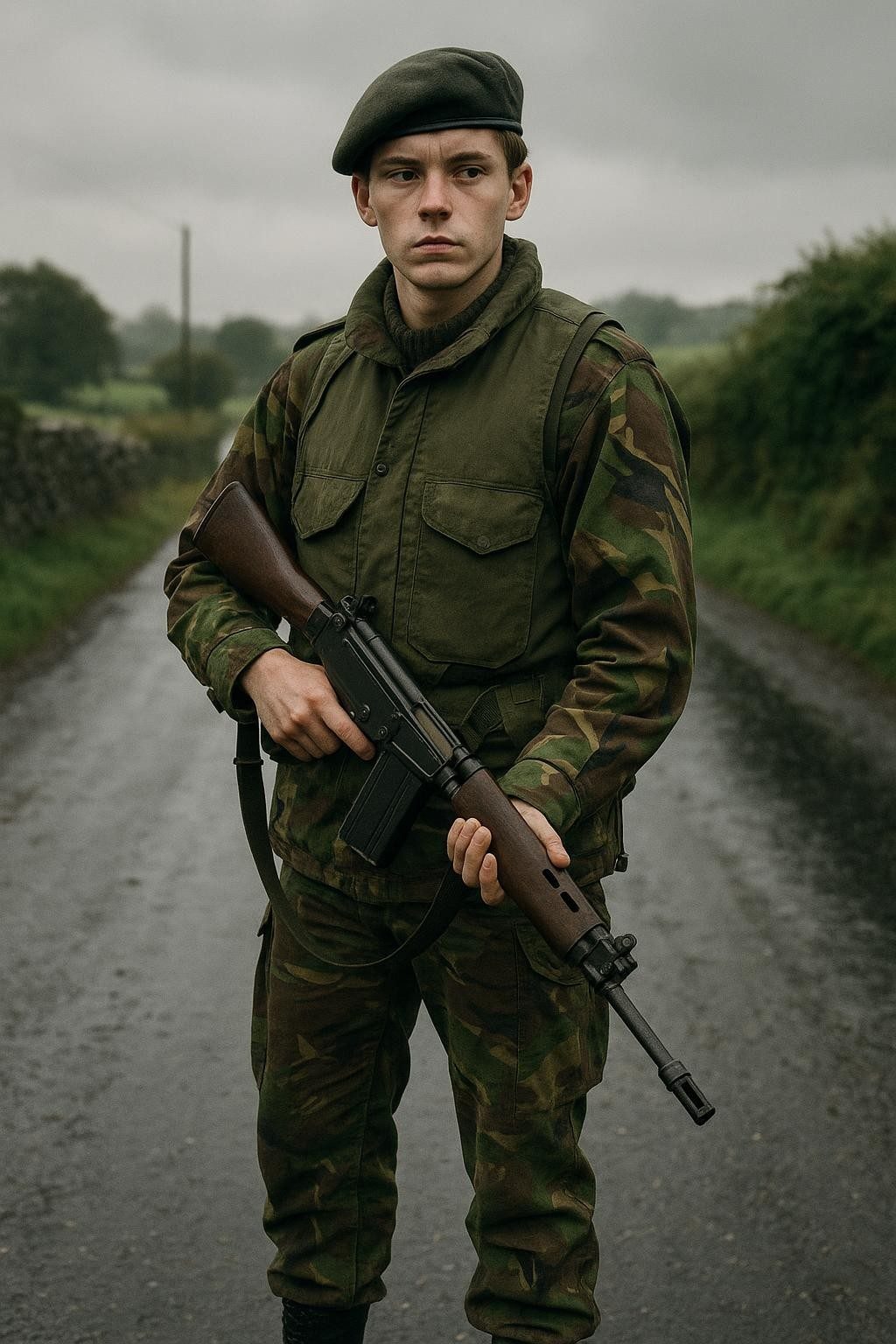
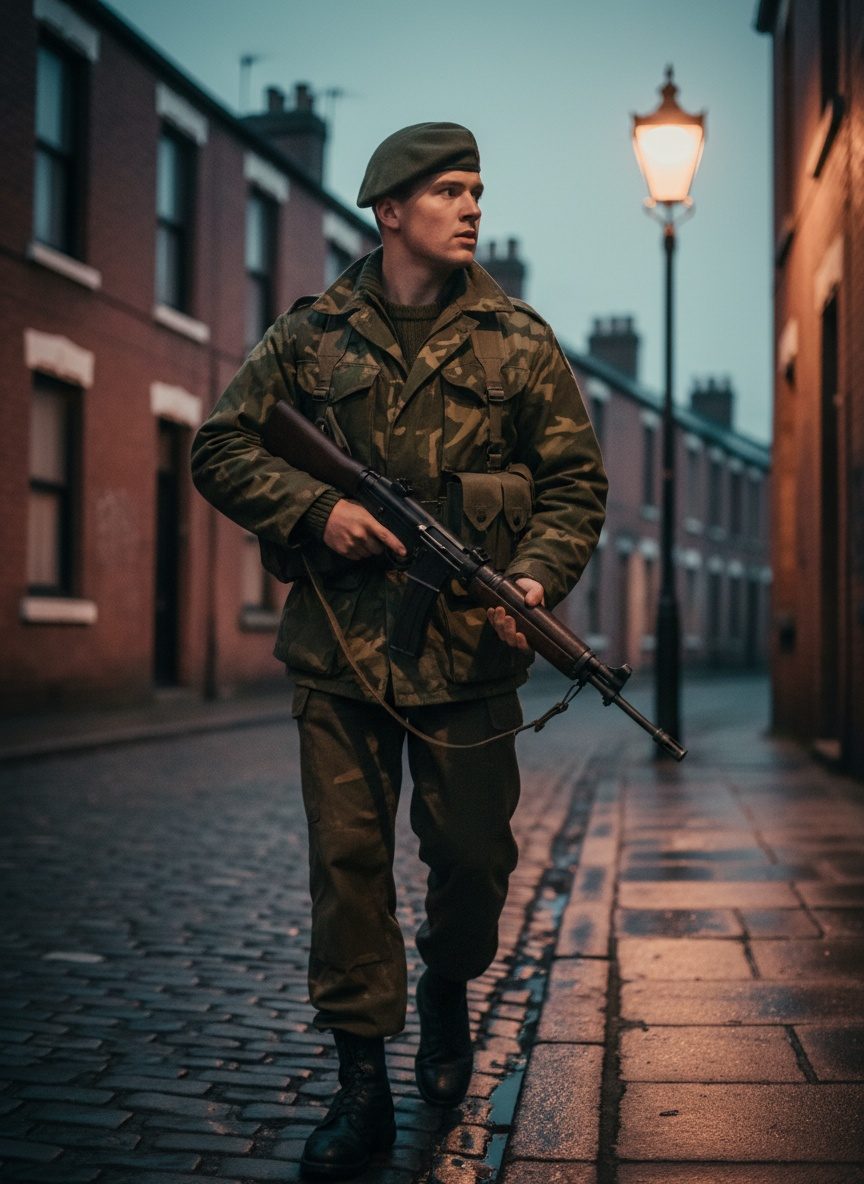
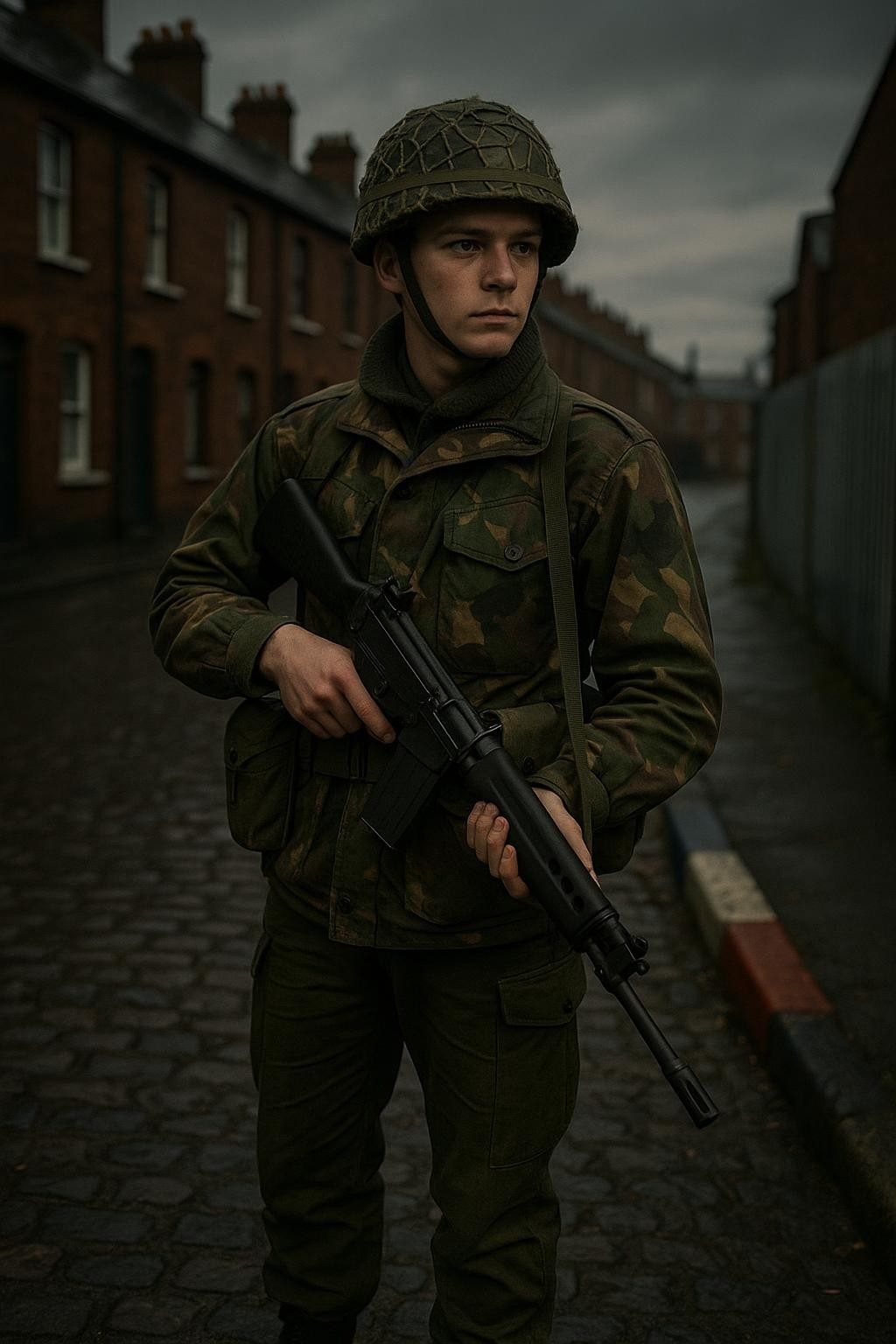
South Armagh. They called it Bandit Country. British soldiers patrolled it on foot, knowing every hedge could hide a rifle. Most were barely twenty. Most came home. Some did not.
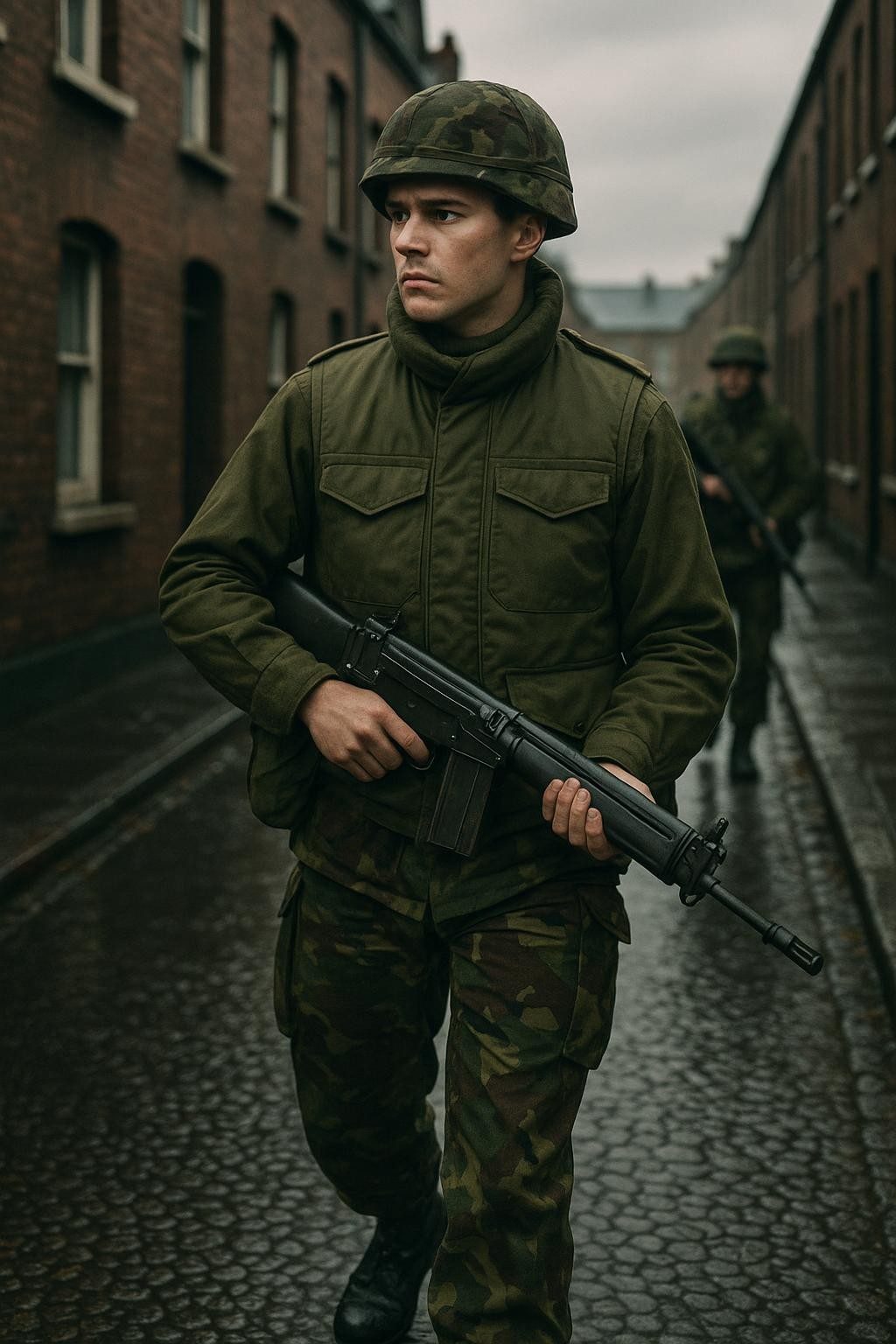
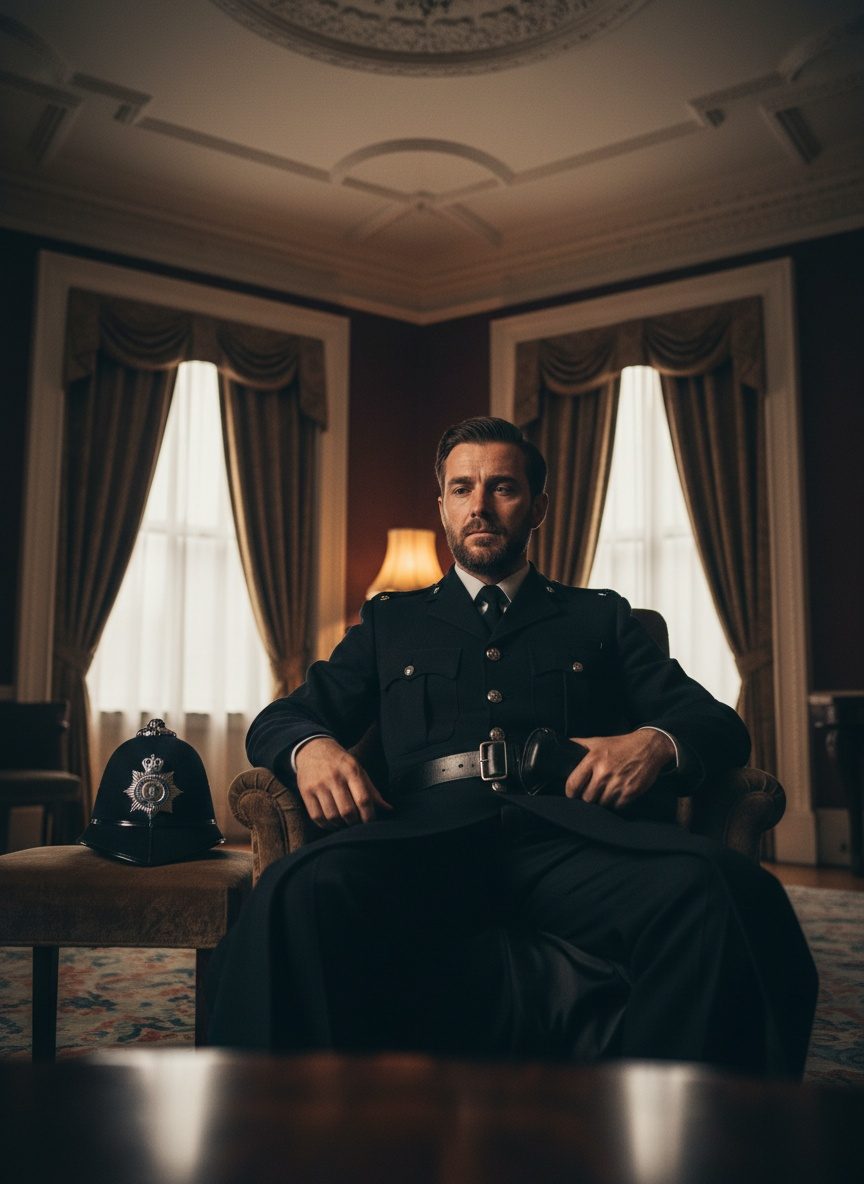
No medals. No fanfare. Just a young British soldier standing a night watch in Belfast — knowing the man who wanted him dead could be any shadow on the street.
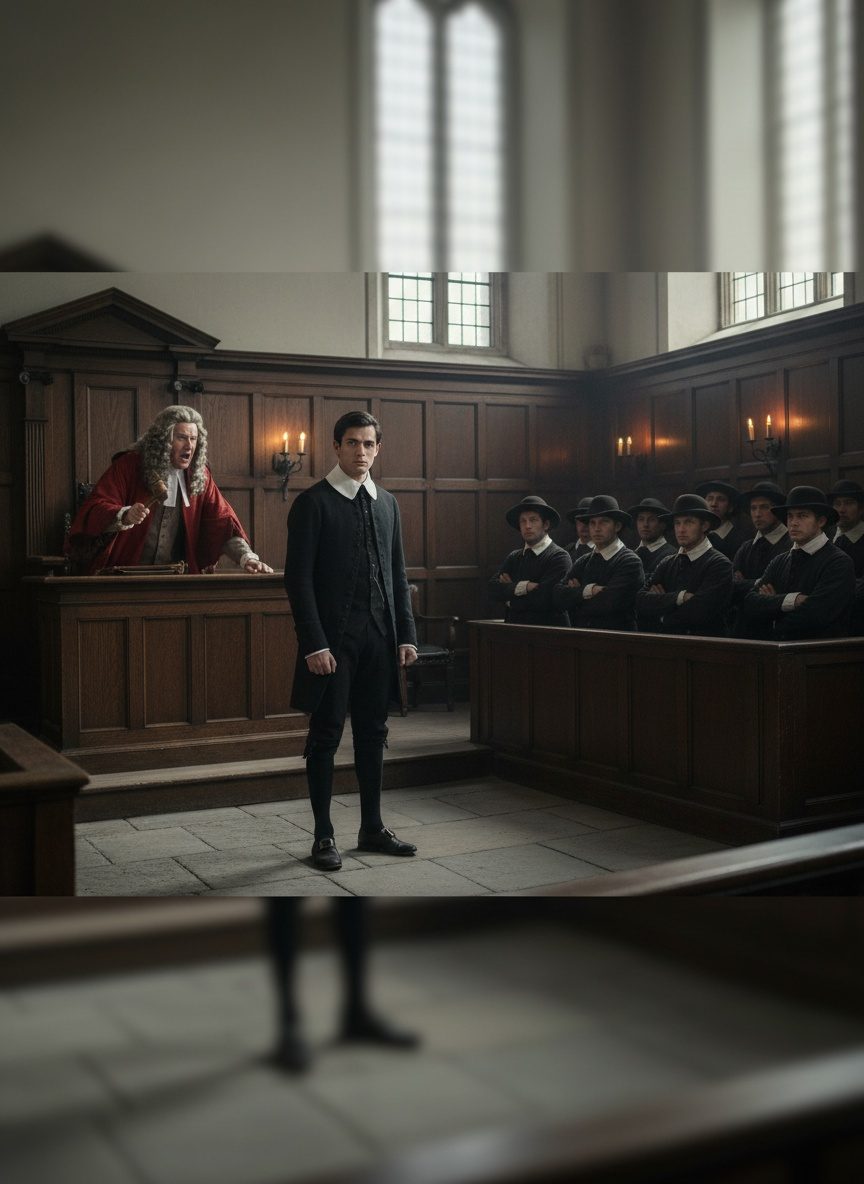
1670. William Penn stood before a London court. He had preached without a licence. The jury refused to convict. The judge locked them up without food. They still refused. England's free press was born in that room.
He was nineteen. His patrol route ran through streets where snipers had the range memorised. Nobody picked Operation Banner. It picked you.
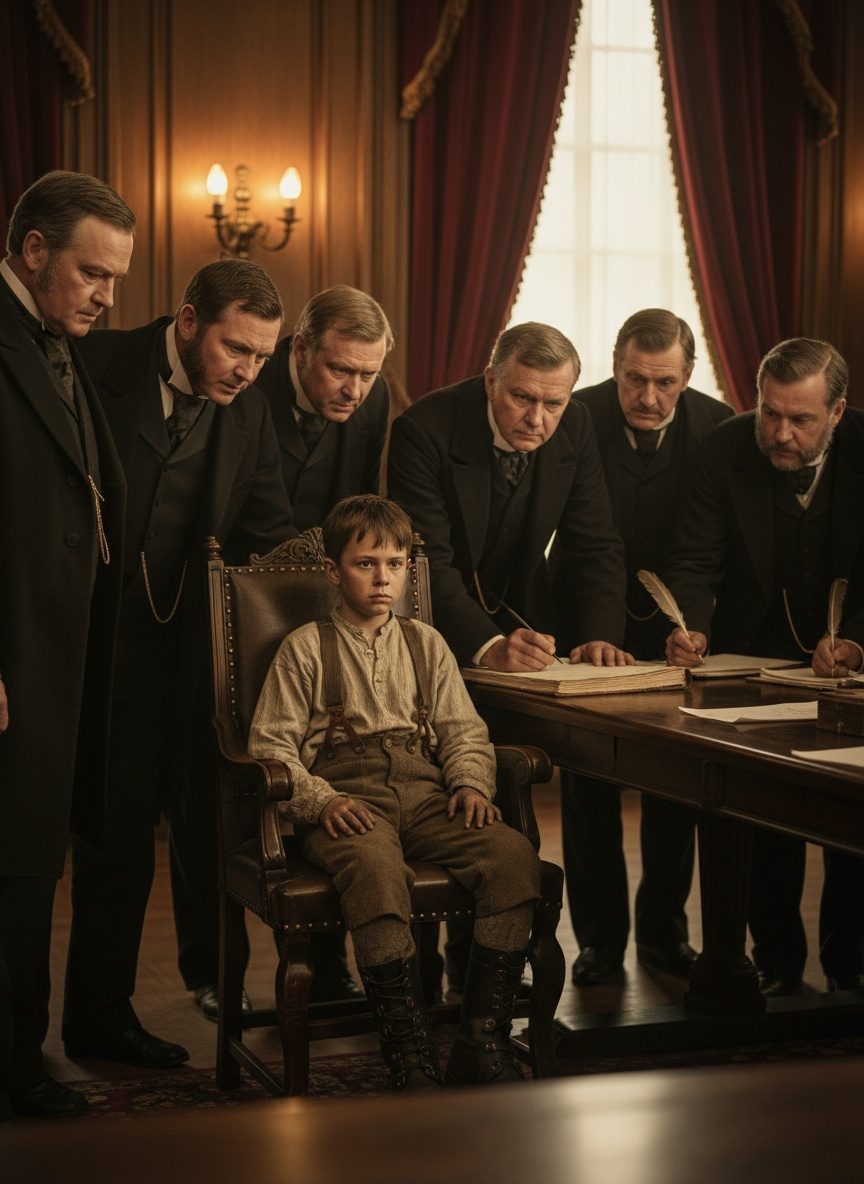
London. 1836. A boy chimney sweep sat before a parliamentary committee. He was thirteen. He described what happened inside the flues. The room fell silent. Nobody spoke for a long moment.
Cornwall, 1807. A ship hit the rocks. The local men came for the cargo. Reverend Robert Hawker stood alone on the beach. He would not move. The wreckers went home.
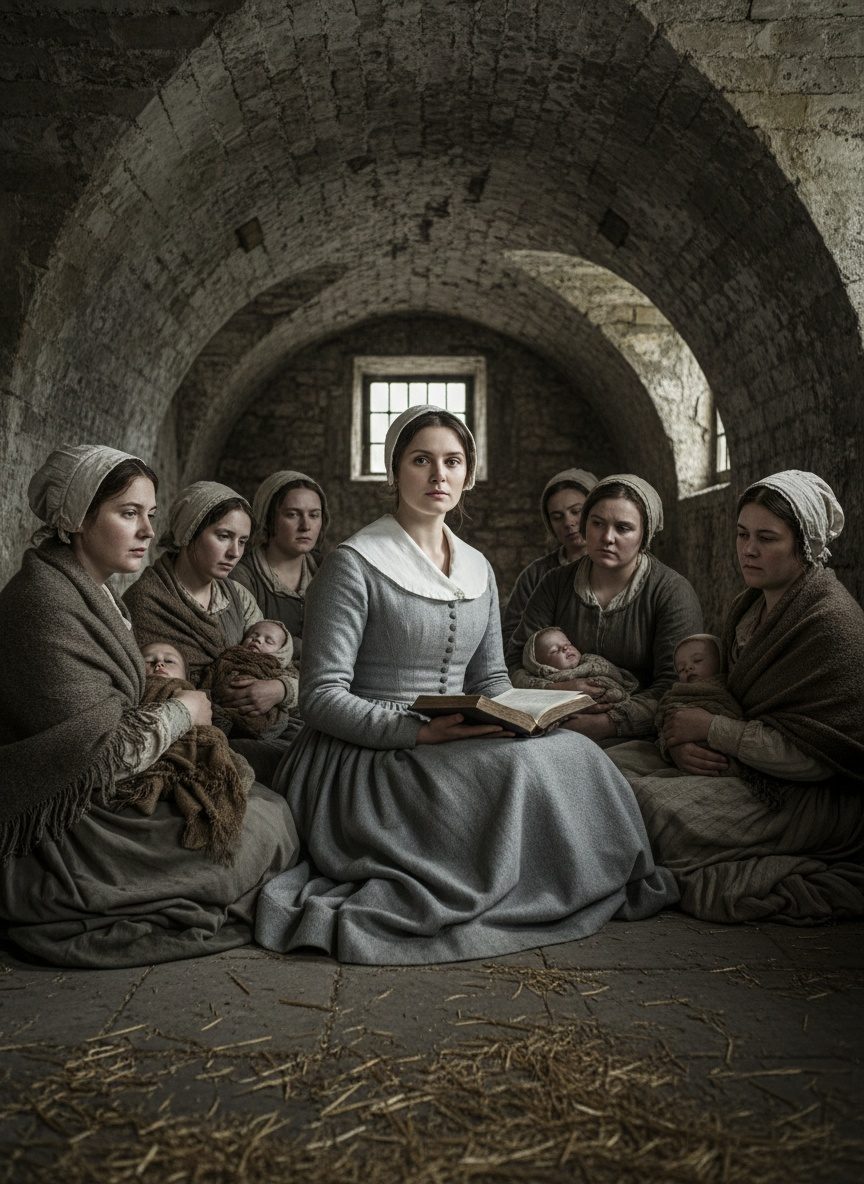
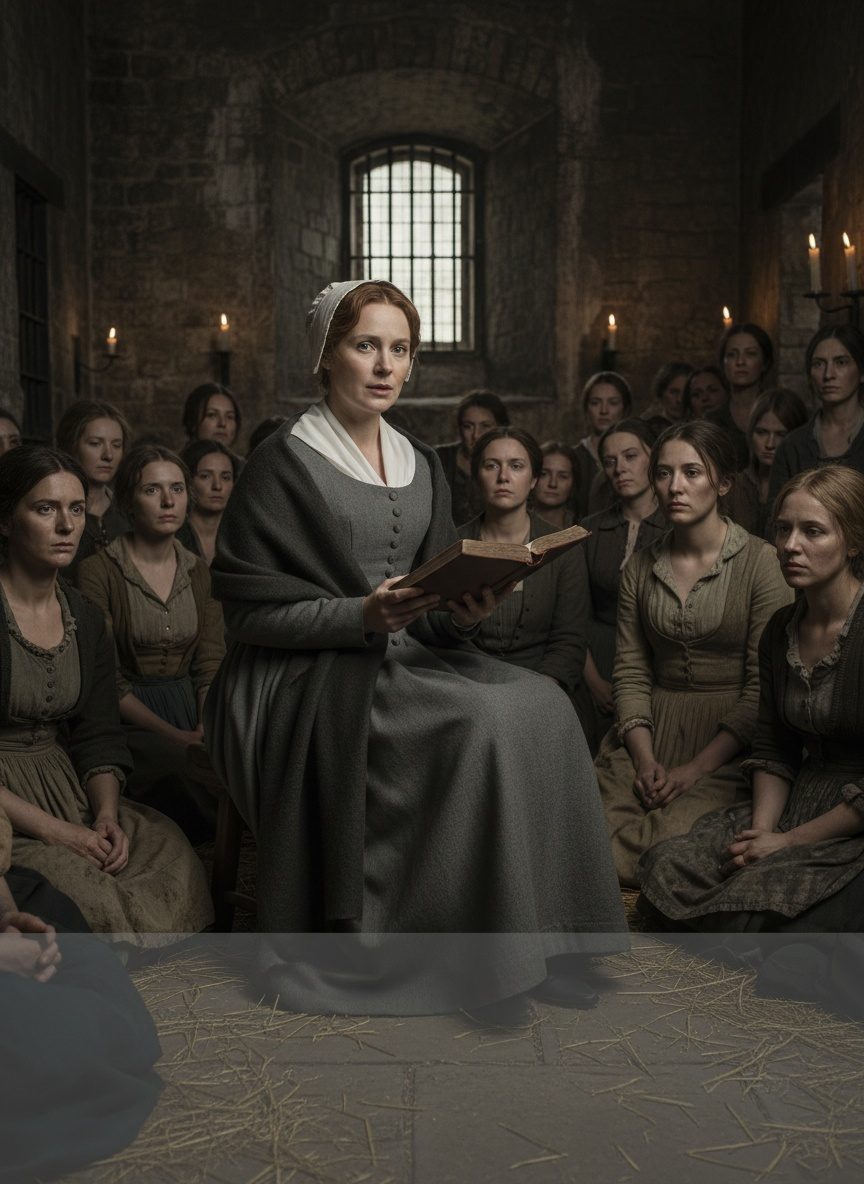
1813. Newgate Prison held three hundred women. No beds. No heat. Children lived among murderers. Elizabeth Fry walked in. She sat on the floor with them. She came back the next day. And the next.
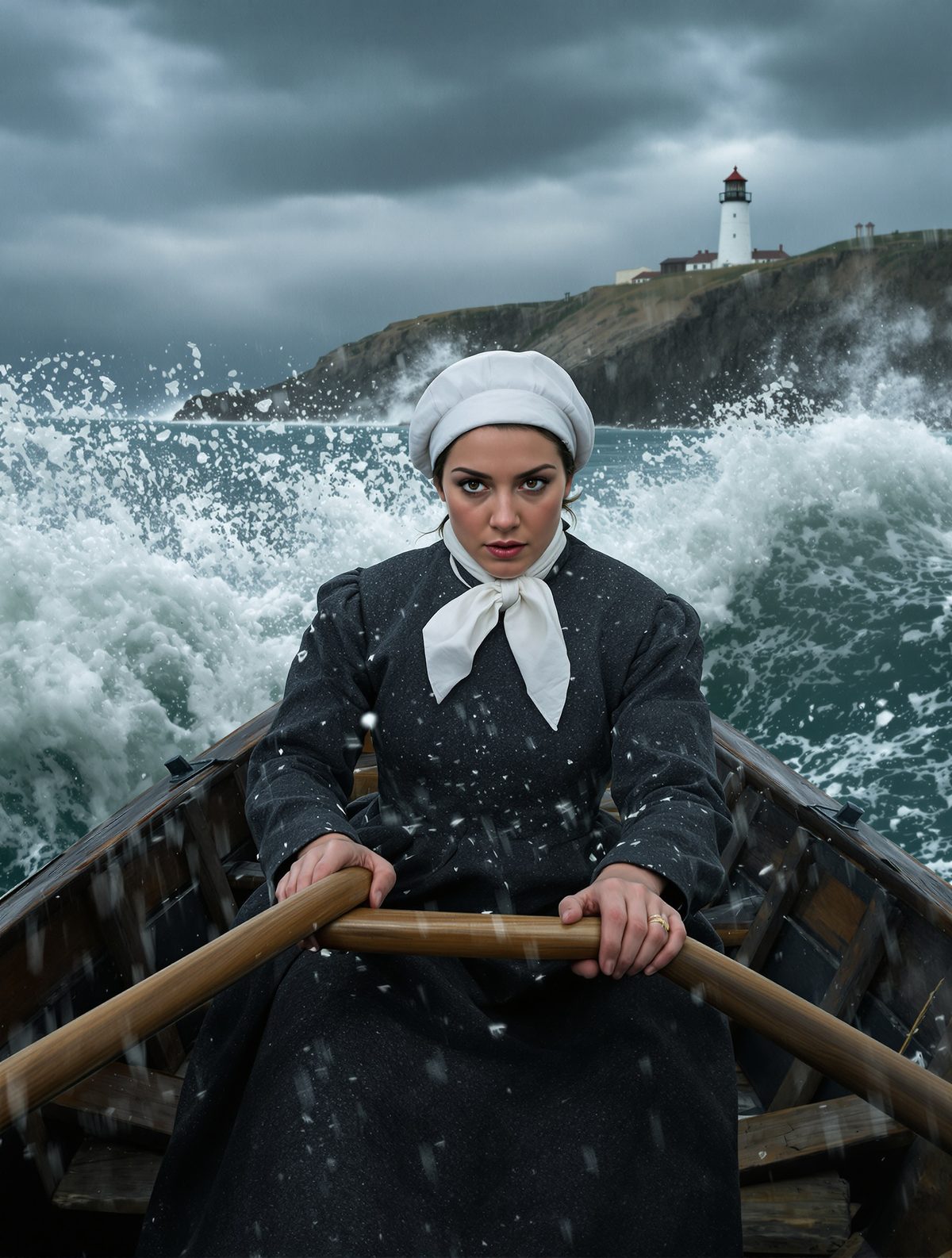
September 1838. A storm battered the Farne Islands. Grace Darling saw the wreck from the lighthouse window. Her father said it was too dangerous. She launched the coble anyway. She rowed into the dark. She brought them home.
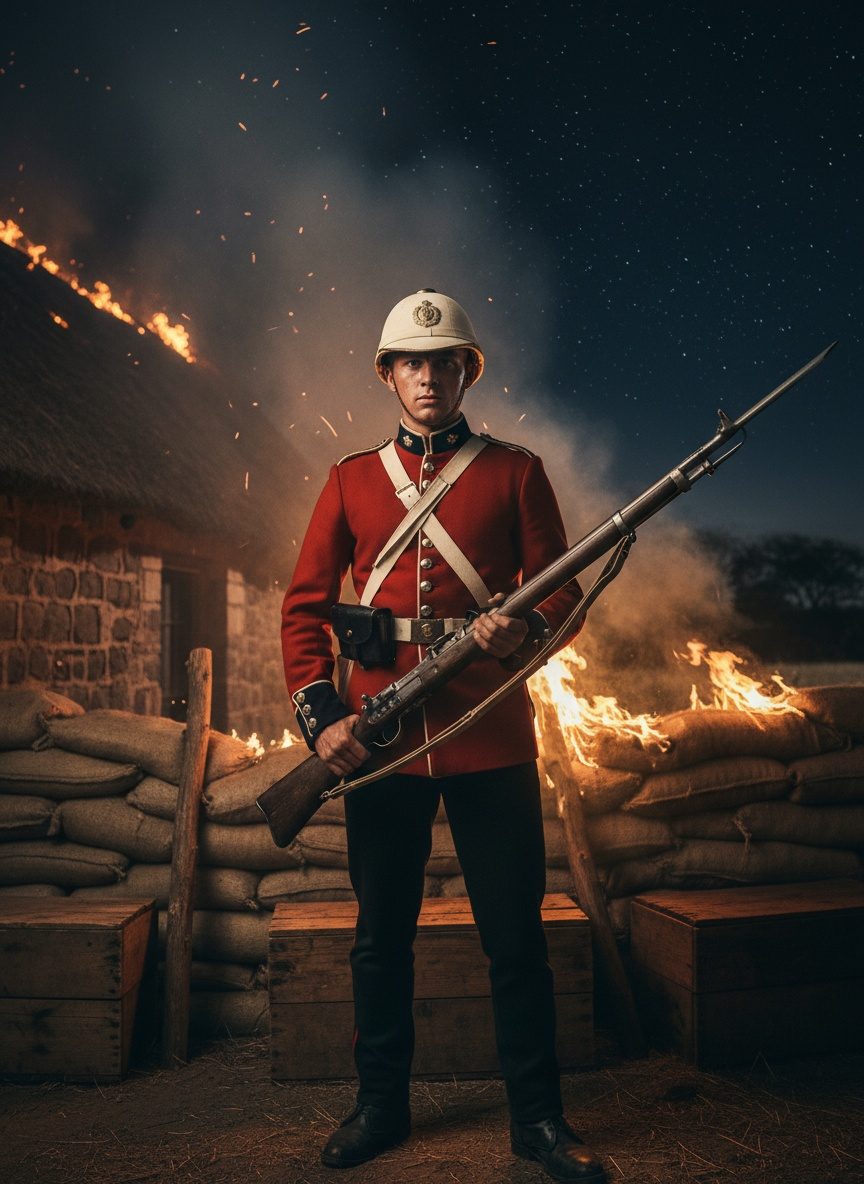
He survived 4,000 Zulu warriors. He survived the Western Front. He outlived every man who stood beside him that night. Frank Bourne died on 8th May 1945 — the day Britain celebrated victory.
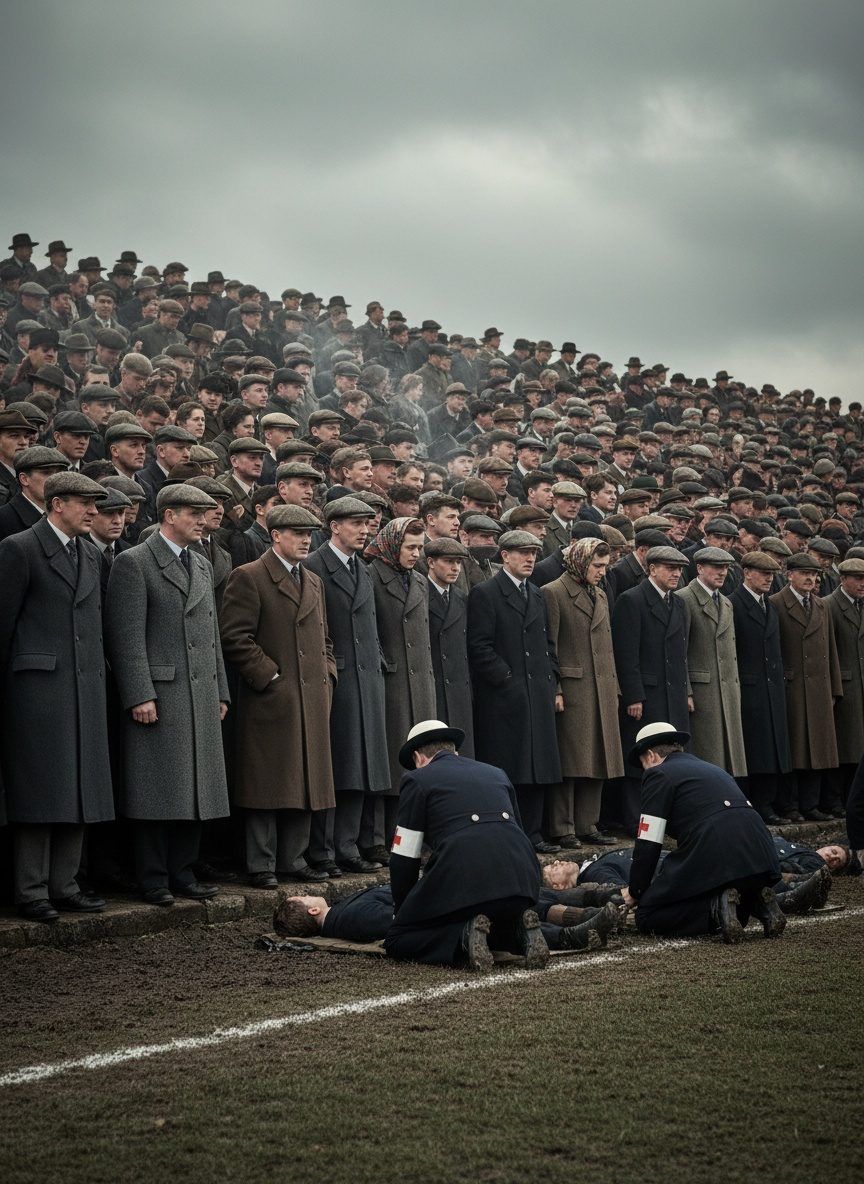
March 1946. Bolton. 85,000 fans packed into a ground built for far fewer. Barriers snapped. Bodies lined the touchline. Then — impossibly — the referee blew his whistle and the game resumed.
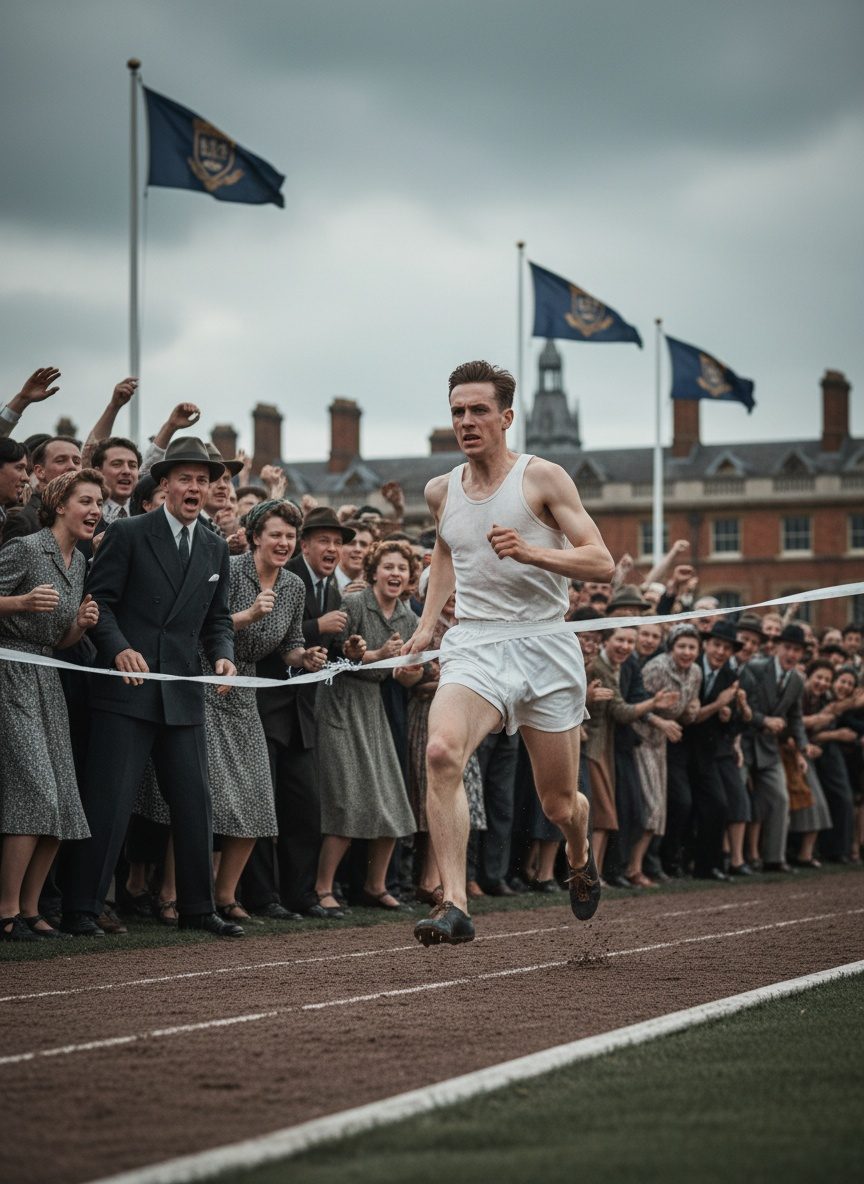
May 6, 1954. Oxford. Roger Bannister breaks four minutes for the mile. But the story behind the story is wilder than the record itself.
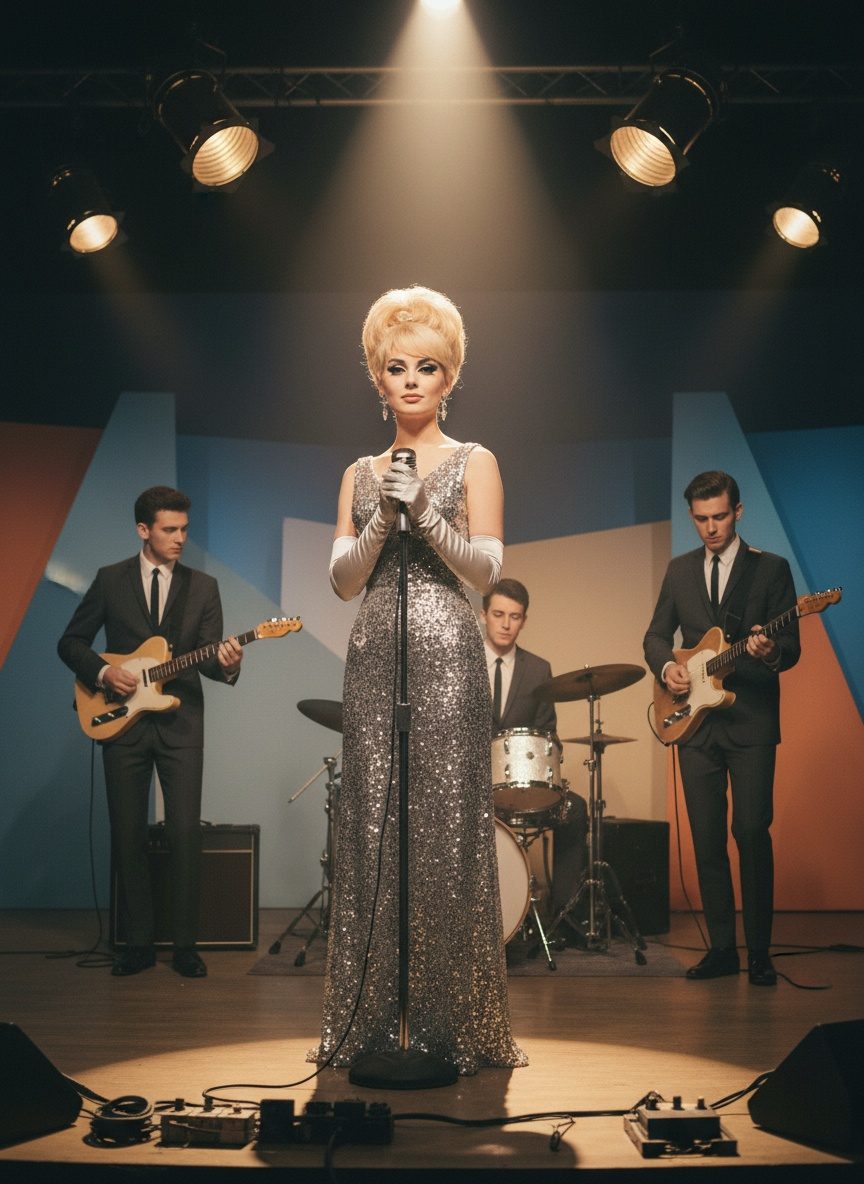
She was born Mary O'Brien in Hampstead. She died a legend in Henley-on-Thames. In between, she became the greatest British female voice of her generation — and most people never knew her real name.
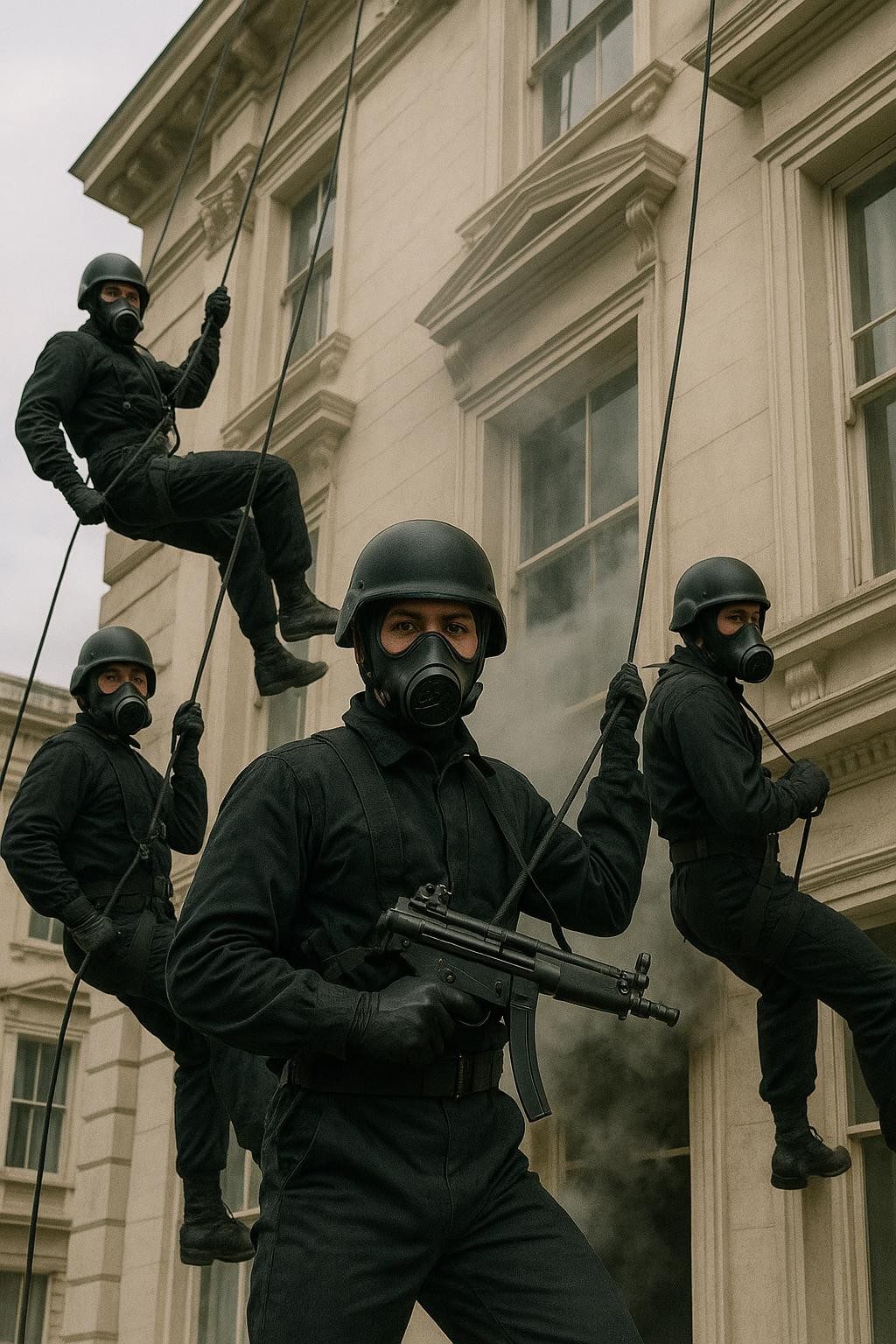
Six days. Twenty-six hostages. One order. On 5th May 1980, black-clad soldiers fast-roped from the roof of 16 Princes Gate — live on British television. Eleven minutes later, it was over.
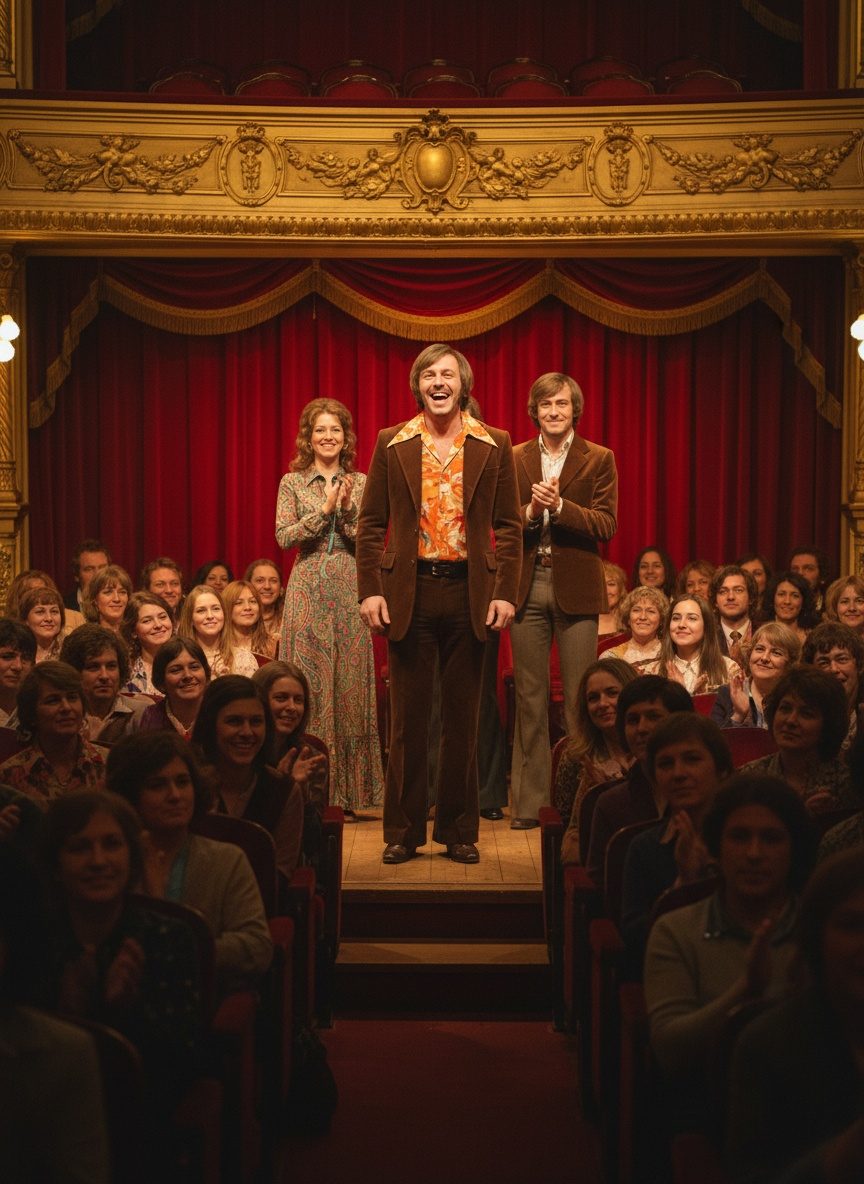
He was mid-scene. The audience thought it was part of the act. Sid James collapsed on stage at the Sunderland Empire on 26 April 1976. He never got up.
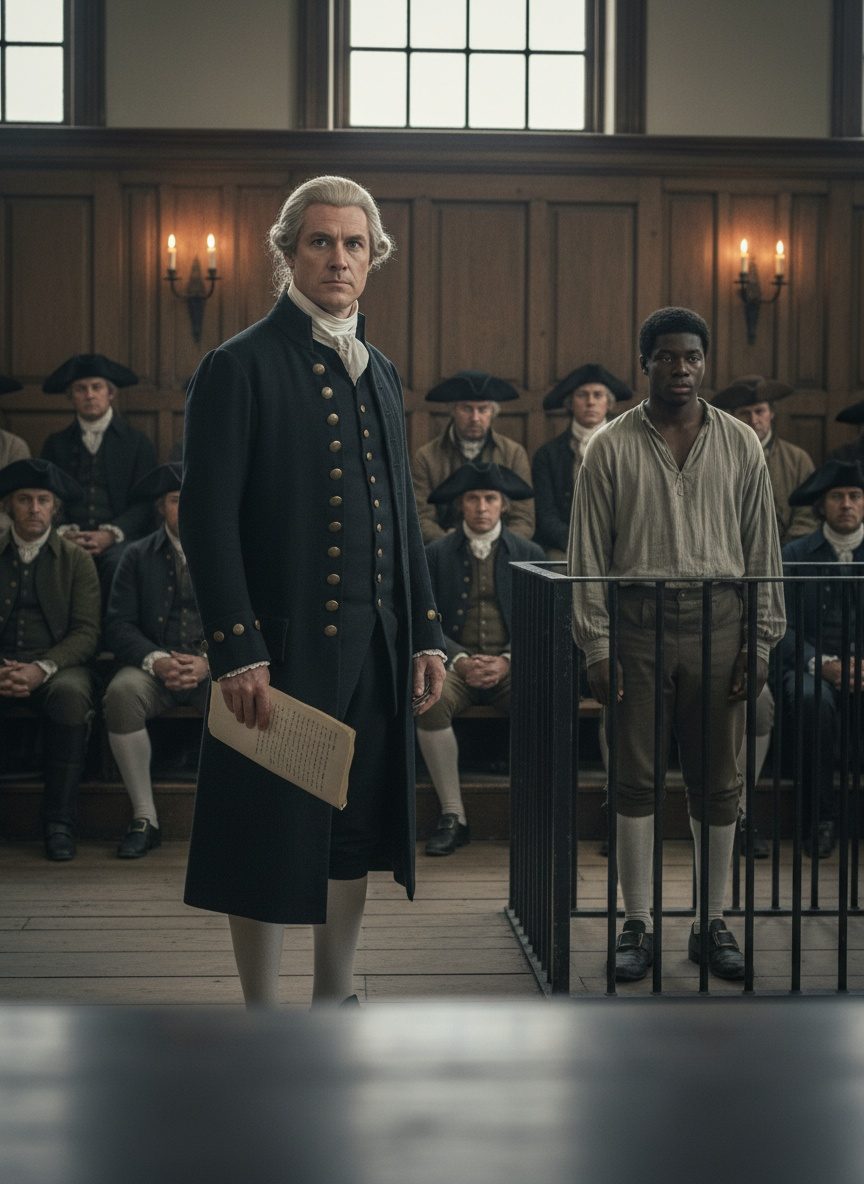
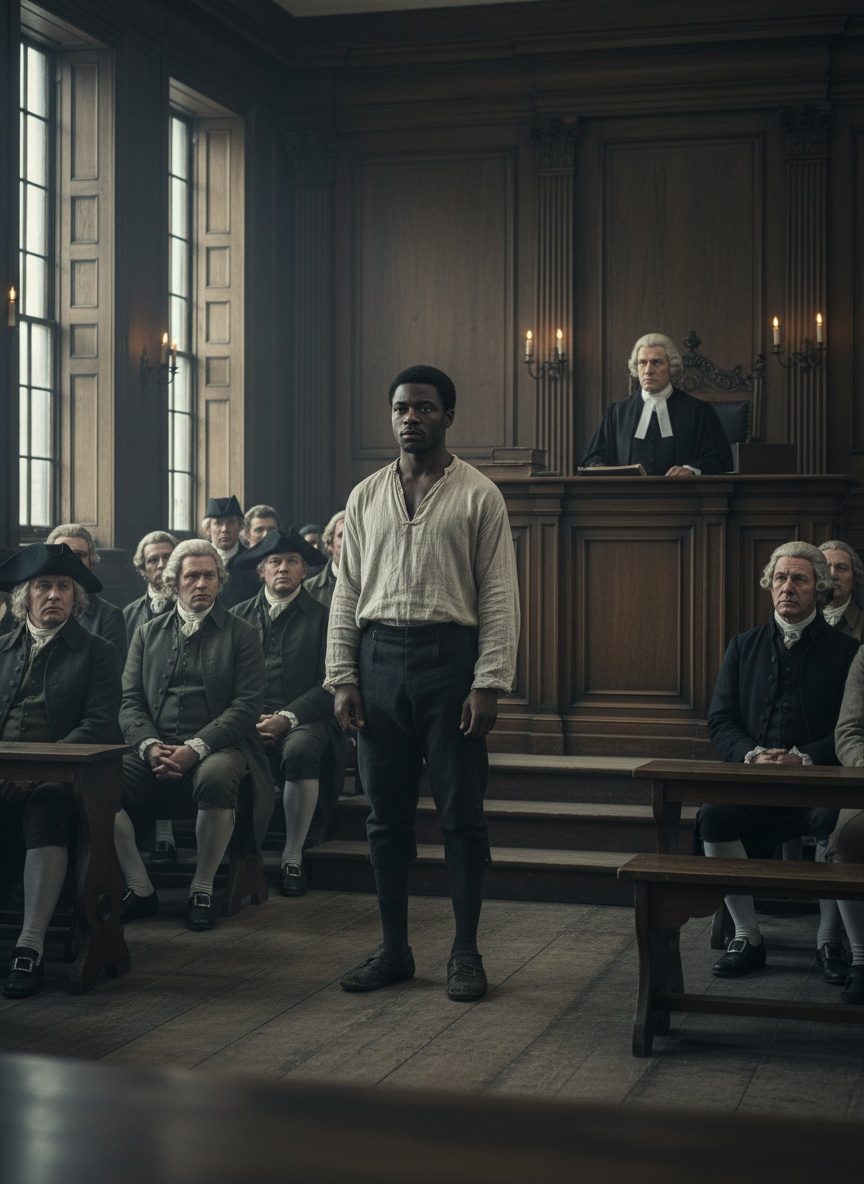
Edinburgh. 1778. A Black man named Joseph Knight stood before Scottish judges. His master said he was property. Knight said he was a man. The court agreed. He walked out free.
Born above a King's Cross barbershop, Kenneth Williams became Britain's most unlikely star. He went to war a shy boy. He came home a performer. But behind the laughter, the darkness never left.
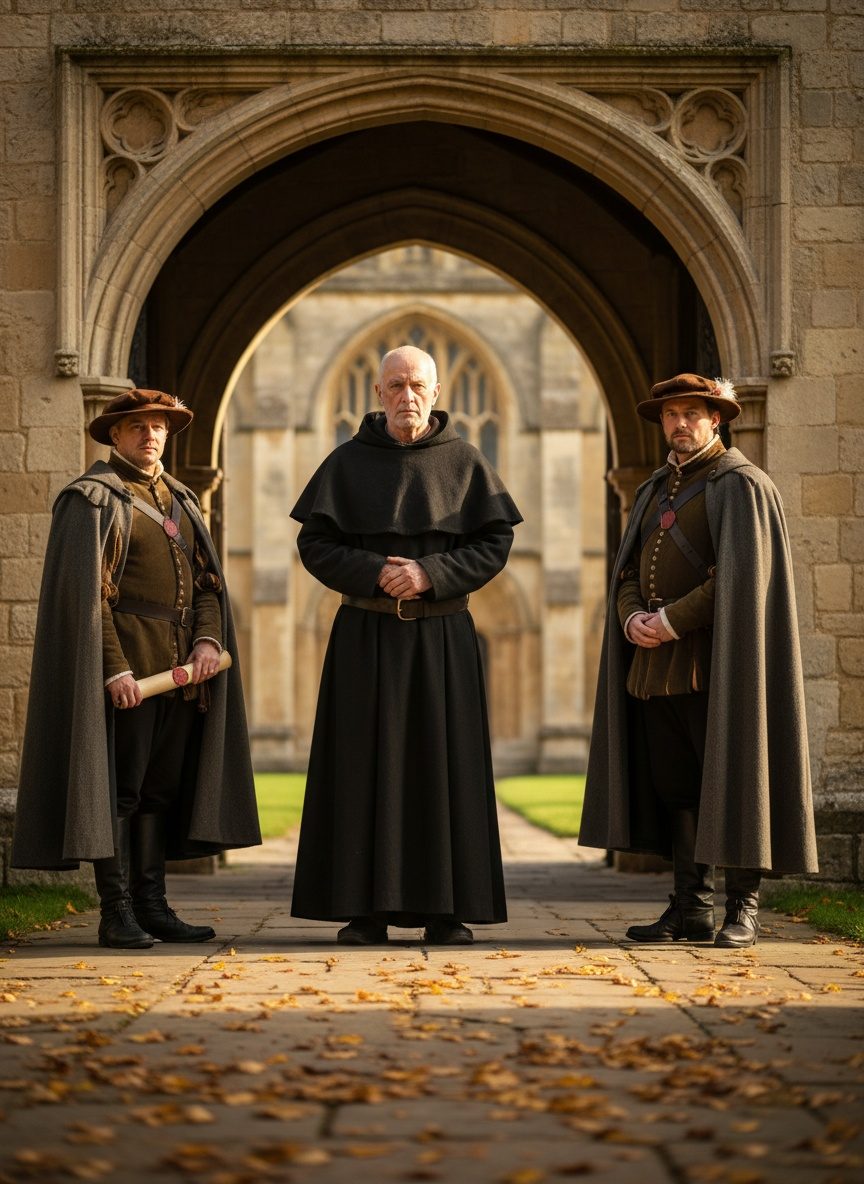
1535. Henry VIII had ordered the monasteries dissolved. One prior stood at his gate. He faced the king's commissioners alone. He refused to hand over his keys. They arrested him. He never came home.
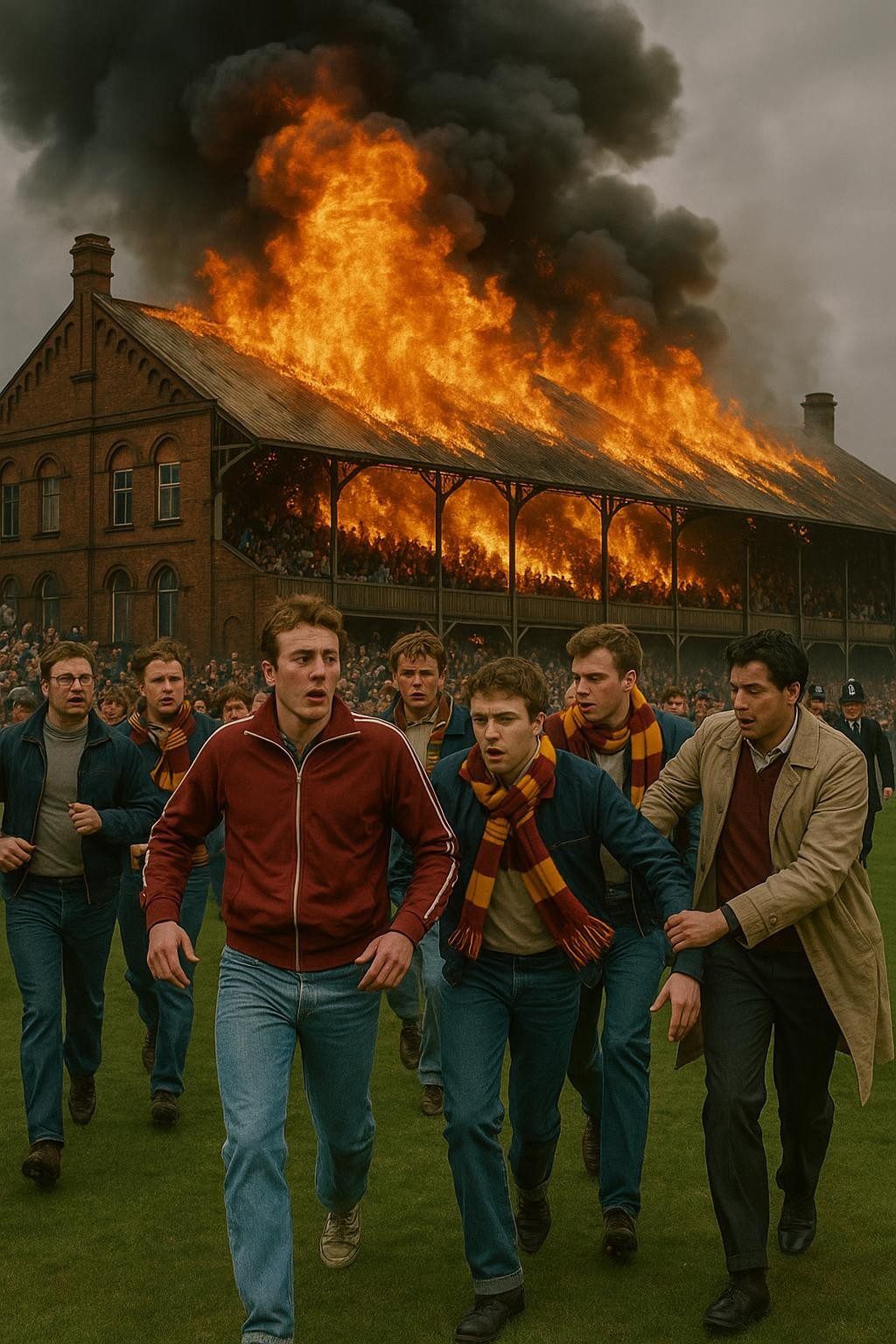
11 May 1985. Valley Parade. A promotion celebration. Within four minutes, the main stand was gone. Fifty-six people never left the ground alive. Britain watched it happen live on television.
November 1177. Baldwin IV was sixteen years old. He was going blind. His hands were numb. He rode out anyway. Eighty knights against twenty-six thousand. Saladin never forgot the boy who broke his army at Montgisard.
Edinburgh, 1778. Joseph Knight had been enslaved. His master said the law did not reach him here. The judges disagreed. Scotland, they ruled, had no slavery. Knight walked free.
1817. Newgate Prison. The most feared jail in England. Elizabeth Fry walked in alone. No guards. No weapon. Just a Bible. The rioting women fell silent. Every one of them.
London, 1772. A black sailor named Jonathan Strong lay beaten in the street. A tailor named Granville Sharp had already helped him once. Now Strong had been sold back into slavery. Sharp had fourteen days to stop it.
He was 19. Posted to Belfast. His patrol covered the same streets every day. Every doorway a question mark. Every bin a possible goodbye. Most came home. Some did not.
Six gunmen. Twenty-six hostages. Six days. One policeman with a hidden revolver nobody found. When the SAS came through the windows, PC Trevor Lock had been waiting for exactly this moment.
London. 1772. A man named James Somerset stood in chains before Lord Mansfield. His master demanded him back. Mansfield paused. Then he spoke. No man could be enslaved on English soil. Somerset walked free.
London, 1772. Jonathan Strong had been beaten, blinded, and abandoned. His master claimed him as property. Lord Mansfield looked down from the bench. He drew a breath. And ruled that no man born was another's slave on English soil.
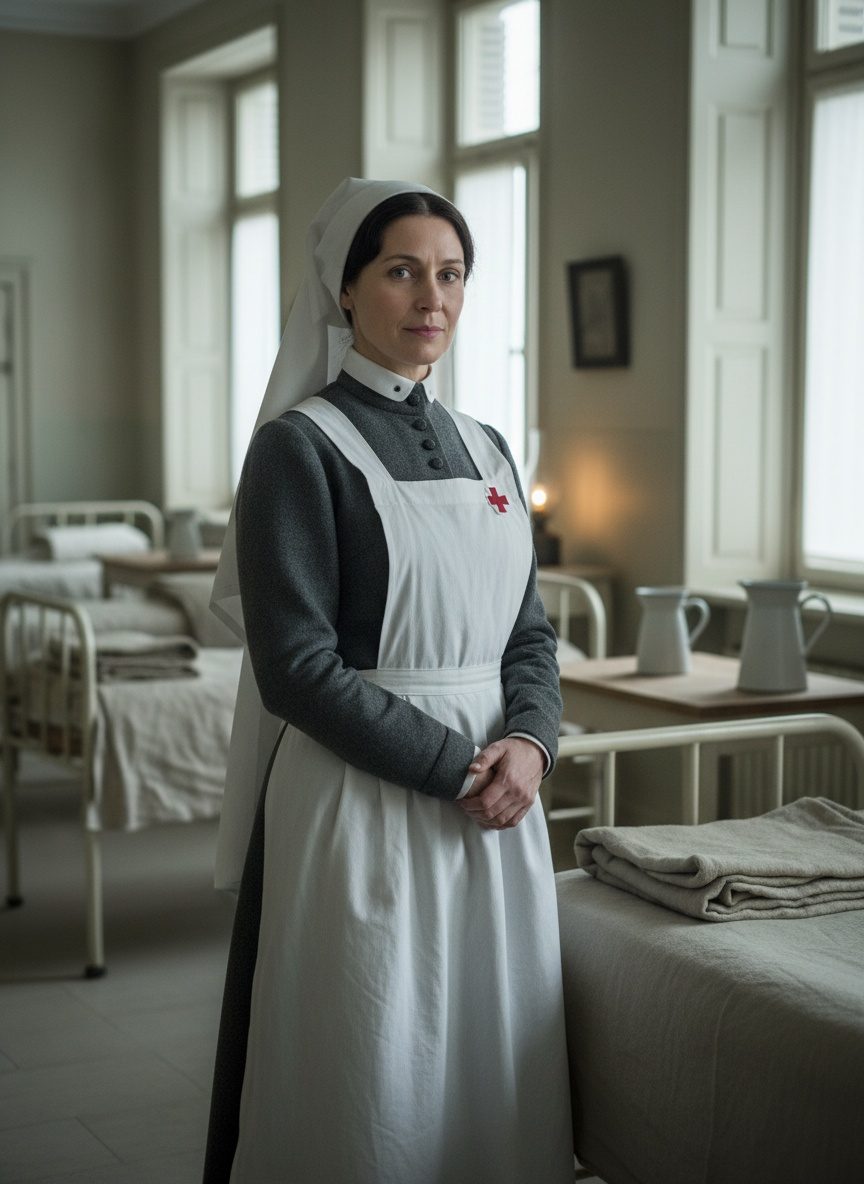
Brussels, 1915. The city was under German occupation. Edith Cavell sheltered Allied soldiers in her hospital. She helped over two hundred men escape. She was arrested. She faced a firing squad. She did not beg.
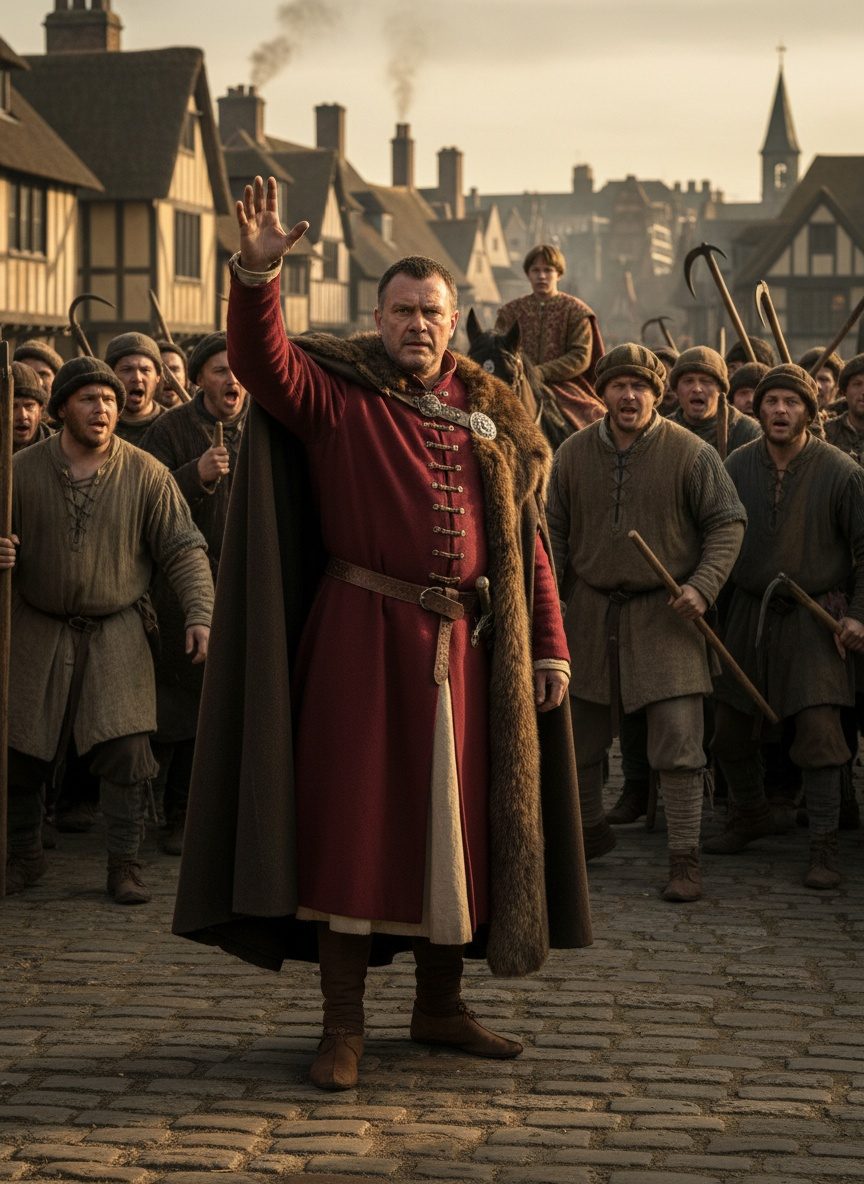
London. 1381. A boy king faced a city in flames. Richard II rode to Mile End. His escort faltered. One man stayed. A cobbler named William Walworth held the line. England did not fall that day.
Wales, 1800. Mary Jones was sixteen. She had saved for six years. She walked twenty-six miles barefoot over mountains. To buy one Bible. The man who sold it to her wept. Then changed the world.
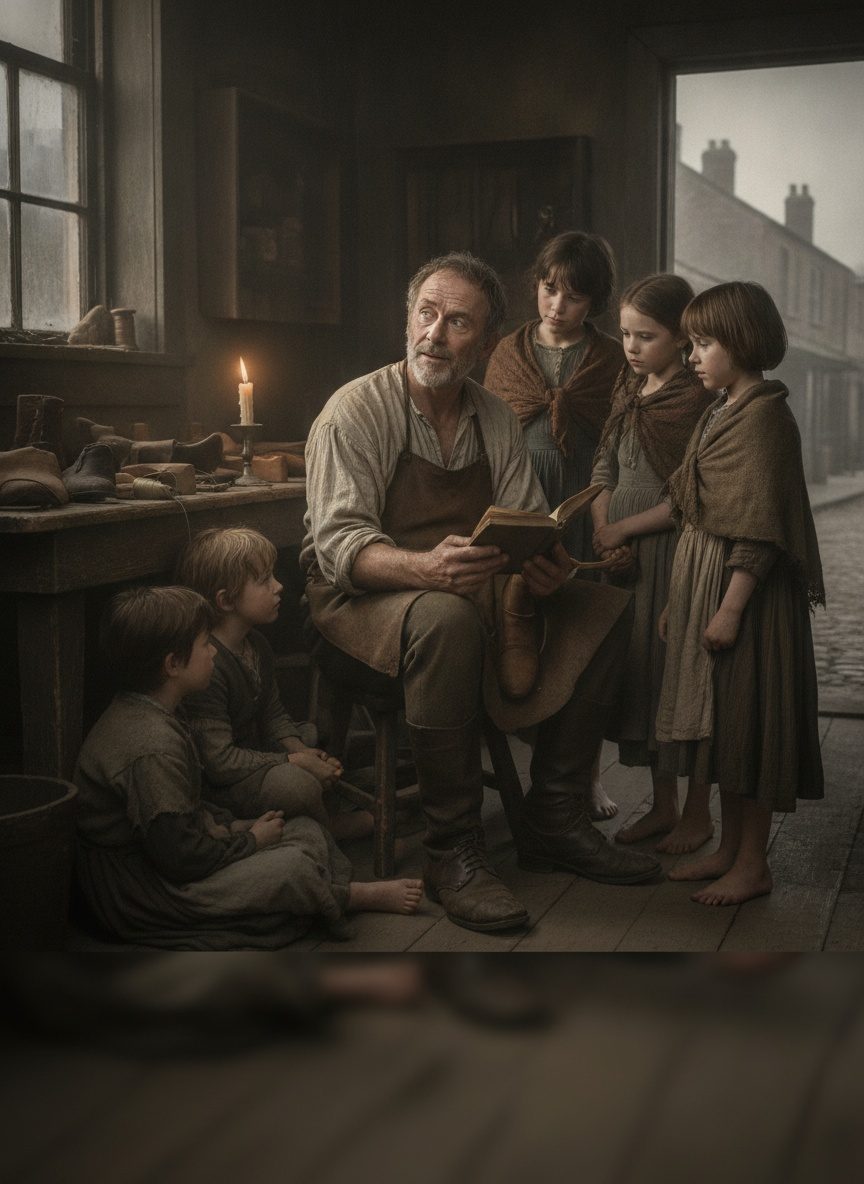
London. 1870. The rookeries were burning with fever. One man went in. John Pounds had already given his life to the lost. Now others followed. The ragged schools spread. A shoemaker changed a city.
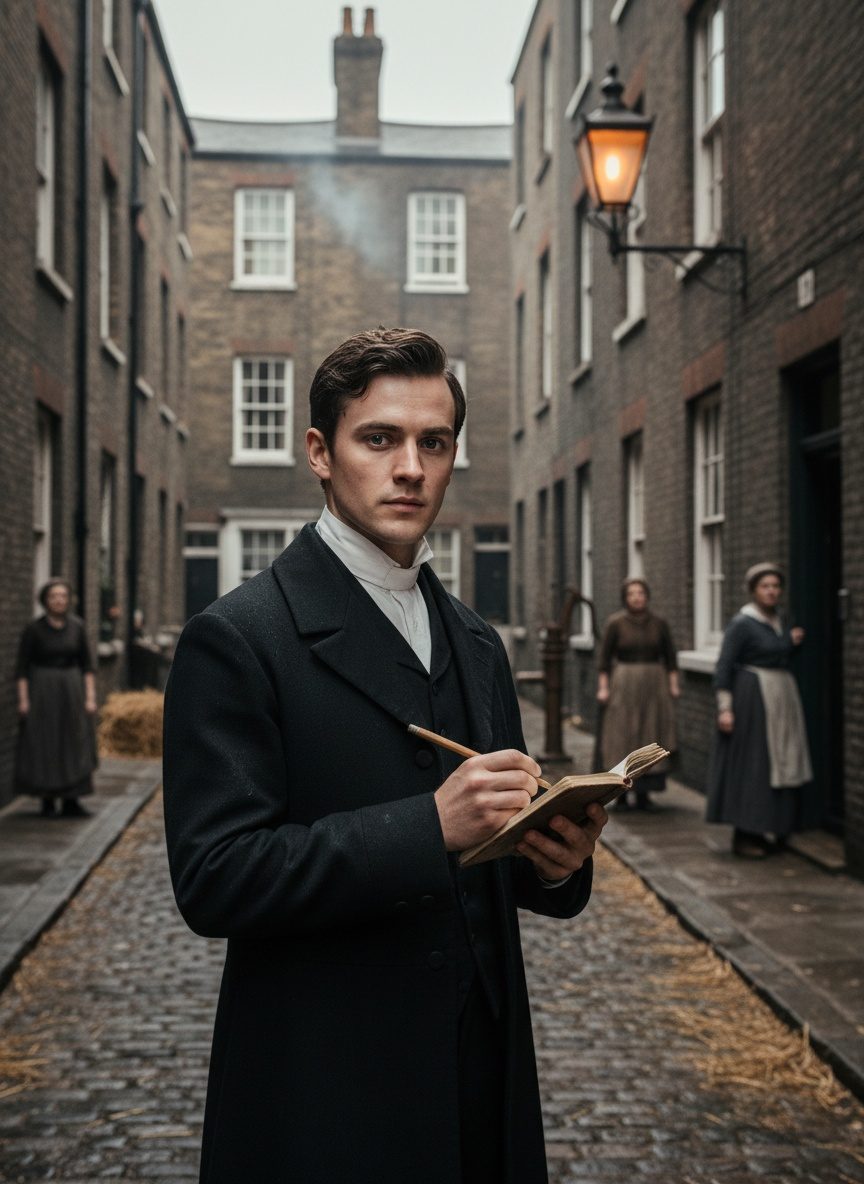
London. 1854. Cholera was killing Soho. One man refused to wait for doctors. Henry Whitehead walked every alley. Knocked every door. Found the truth they had missed.
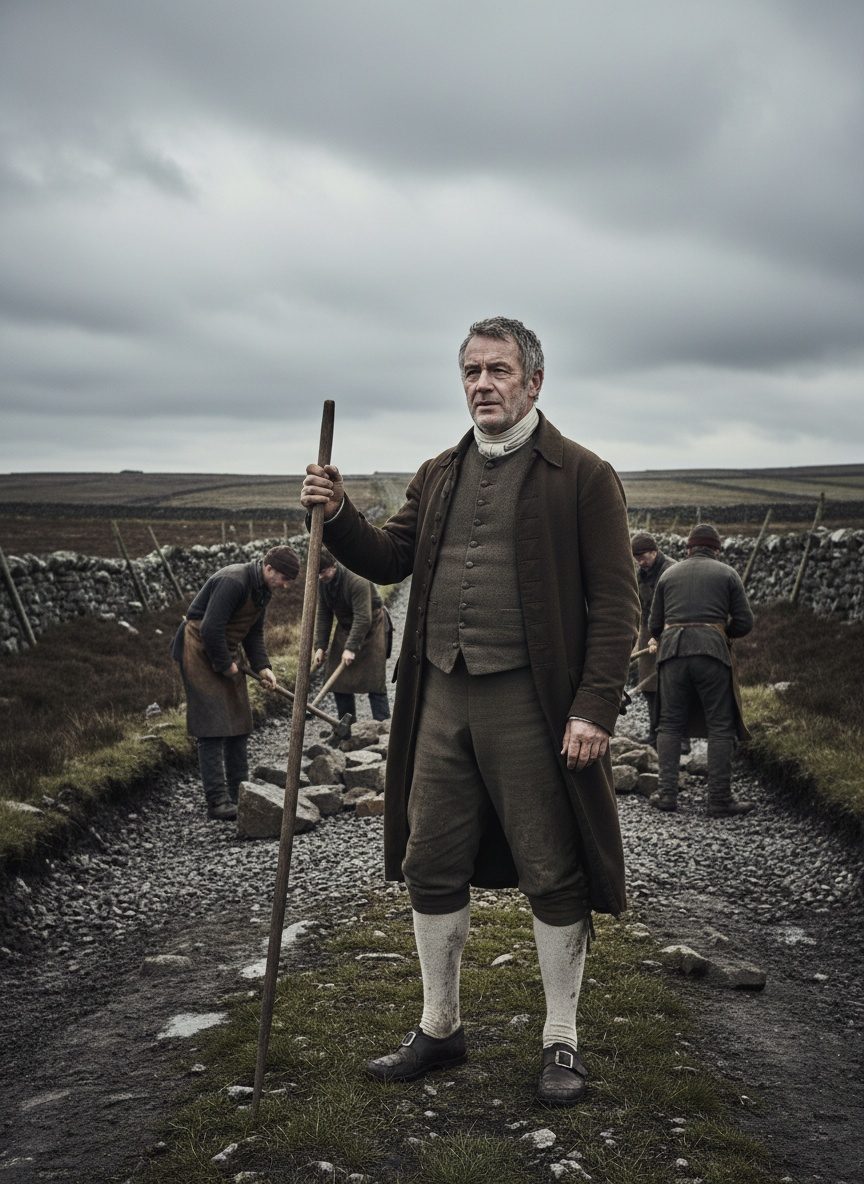
1767. John Metcalf had been blind since age six. He built over 180 miles of road across the Pennines. Surveying by touch. Leading gangs of navvies through bog and moorland. Sighted engineers called his roads the finest in England.
1789. A stormy night off the Tyne. A ship broke apart within sight of shore. Hundreds watched. No one could reach them. Henry Greathead built a boat that could. He saved the sea.
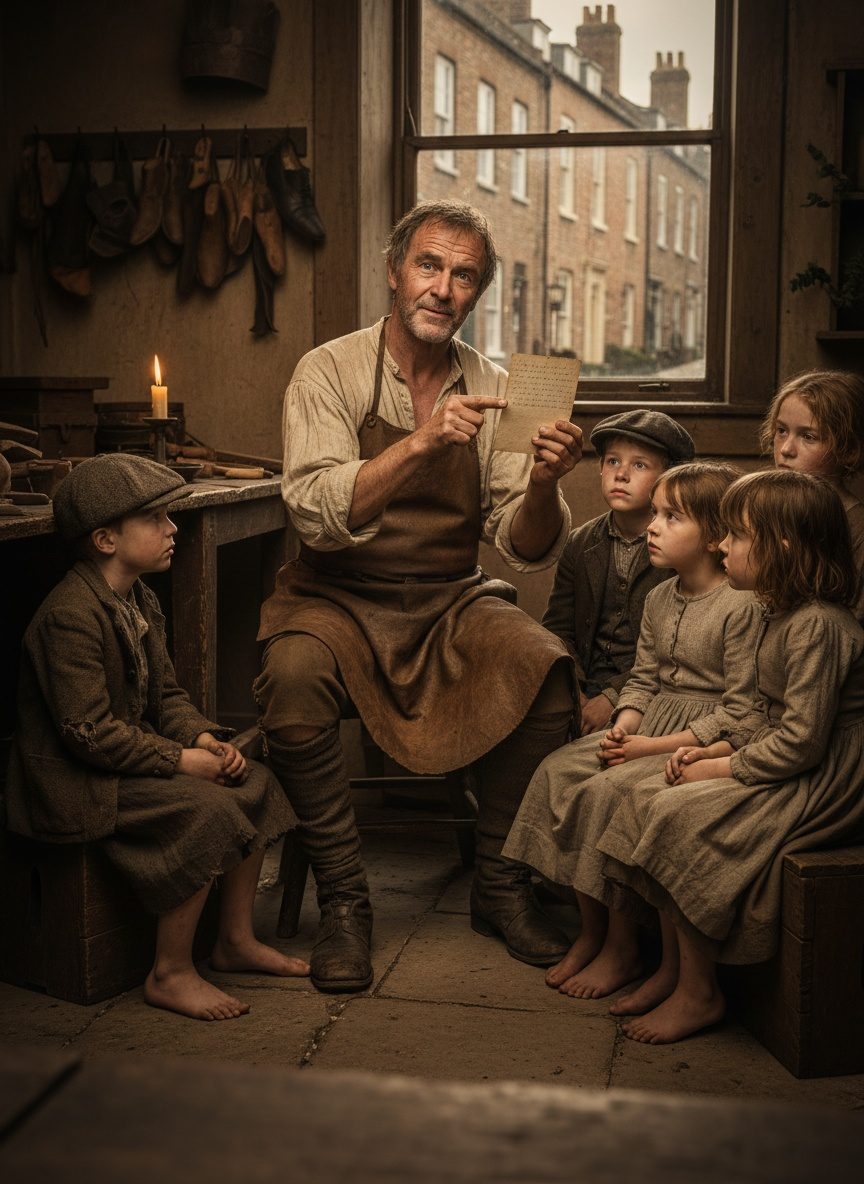
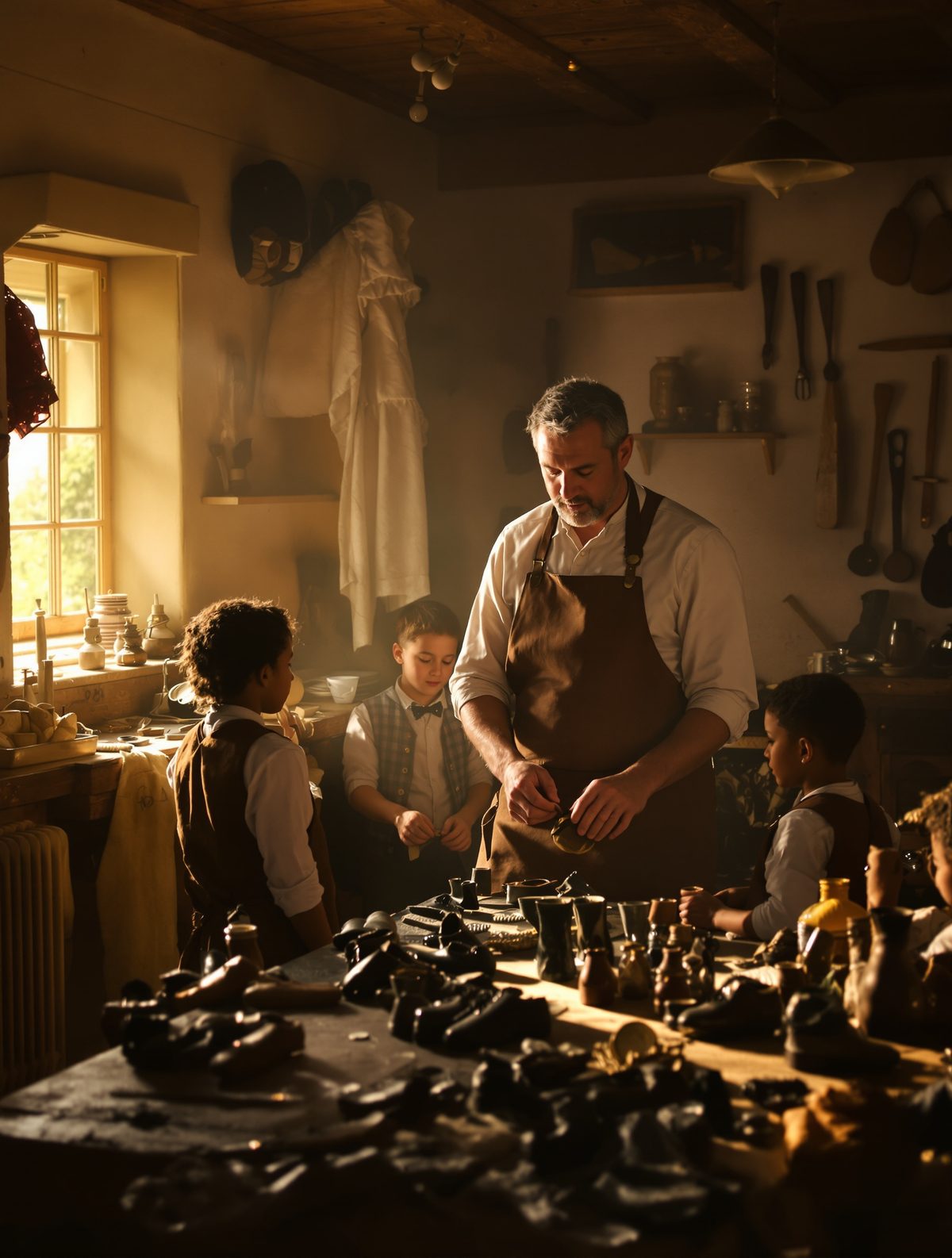
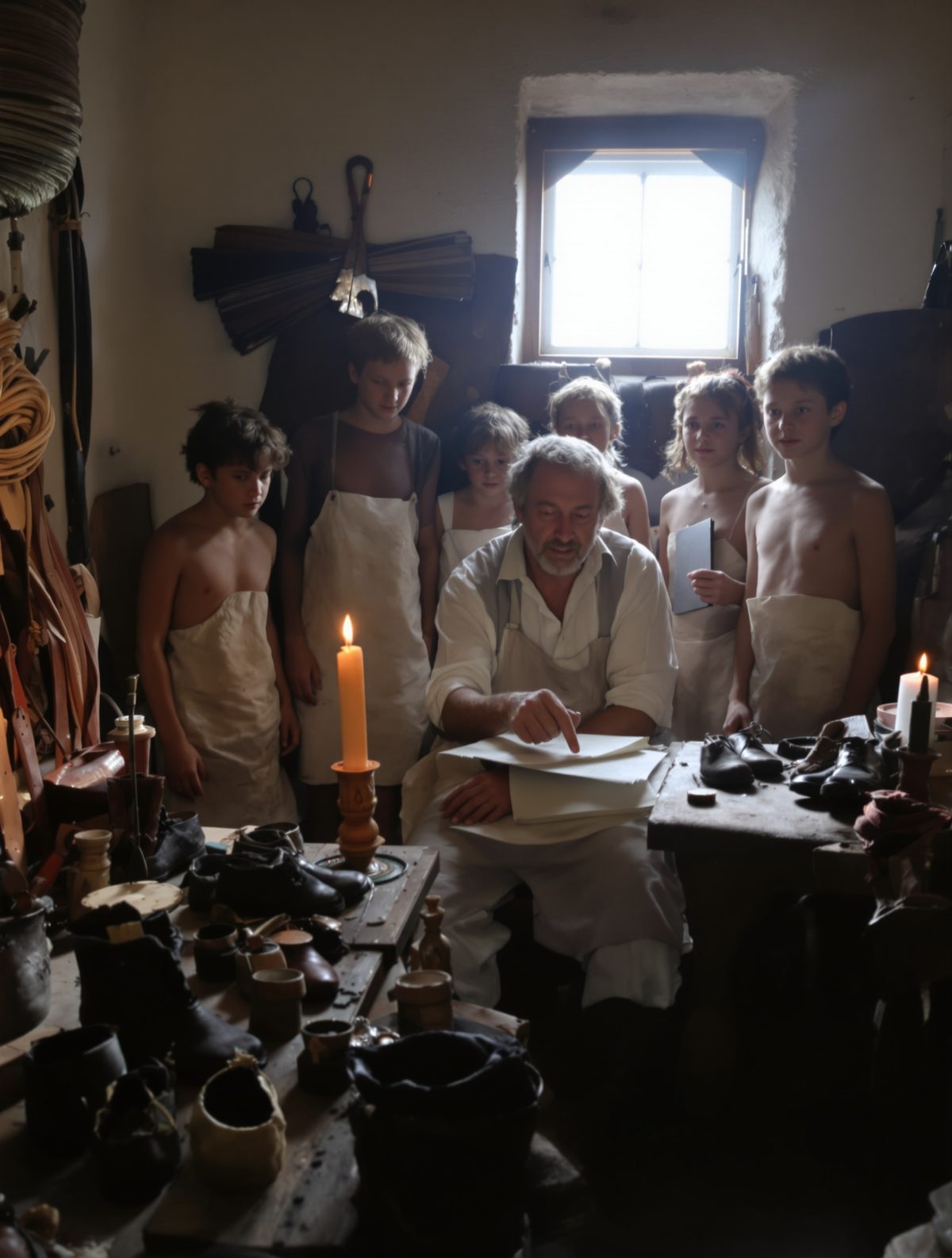
Portsmouth, 1818. John Pounds was a lame shoemaker. He had no money. No authority. No school. He simply opened his door. Ragged children wandered in. He taught them to read. For free. Forever.
London. 1854. Cholera swept through Soho like a scythe. Most people fled. John Snow did not. He walked door to door. He asked questions. He mapped the dying. Then he found the answer.
London. 1854. Cholera was killing fifty people a day. A local doctor had a theory. No one believed him. One man did. A Soho printer named Henry Whitehead walked every street. Knocked every door. Proved the doctor right. Together they stopped the epidemic.
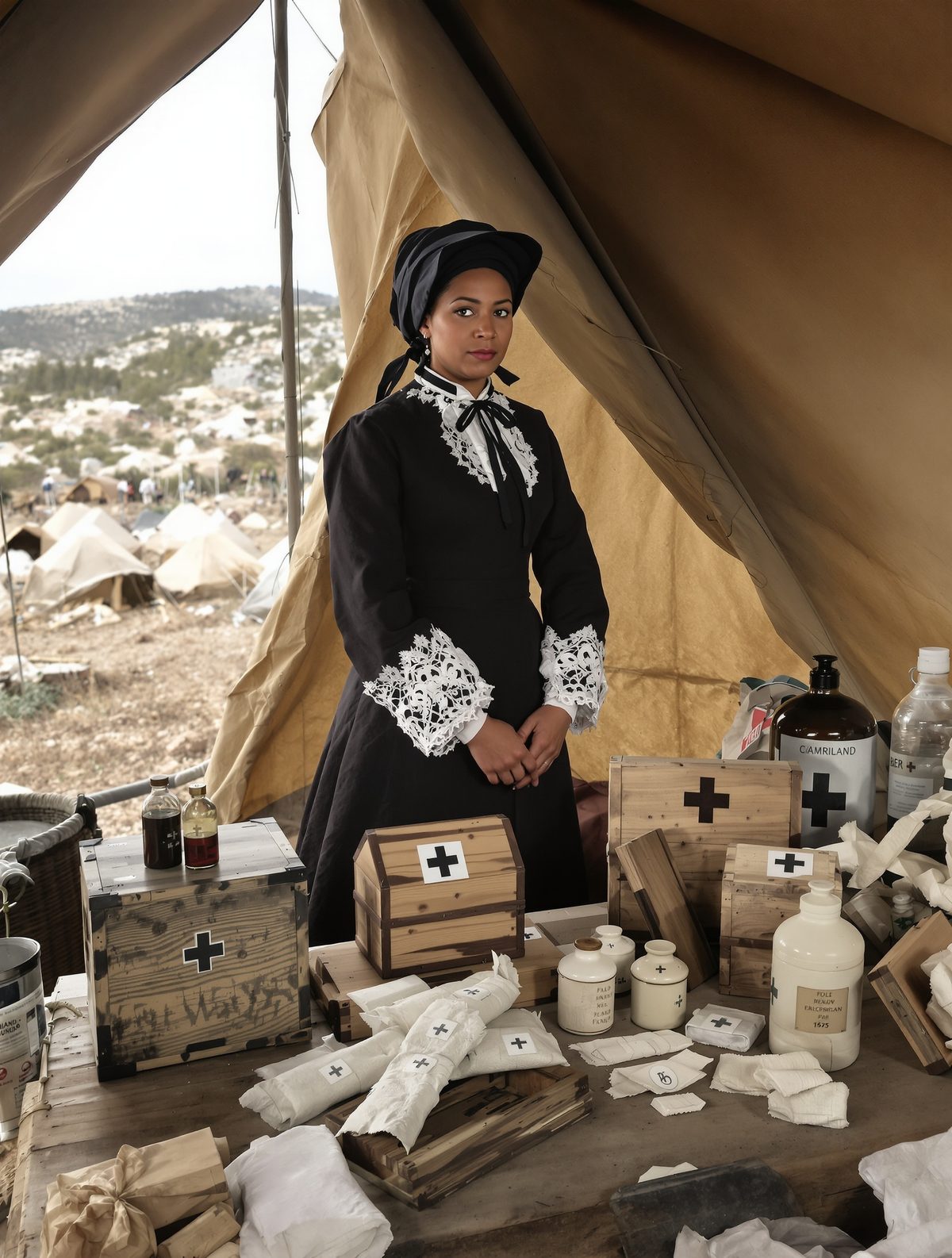
Mary Seacole applied to join Florence Nightingale's nursing corps. They rejected her. So she funded her own journey to Crimea. Built her own hospital near the front lines. And became the soldiers' most beloved 'Mother Seacole.'
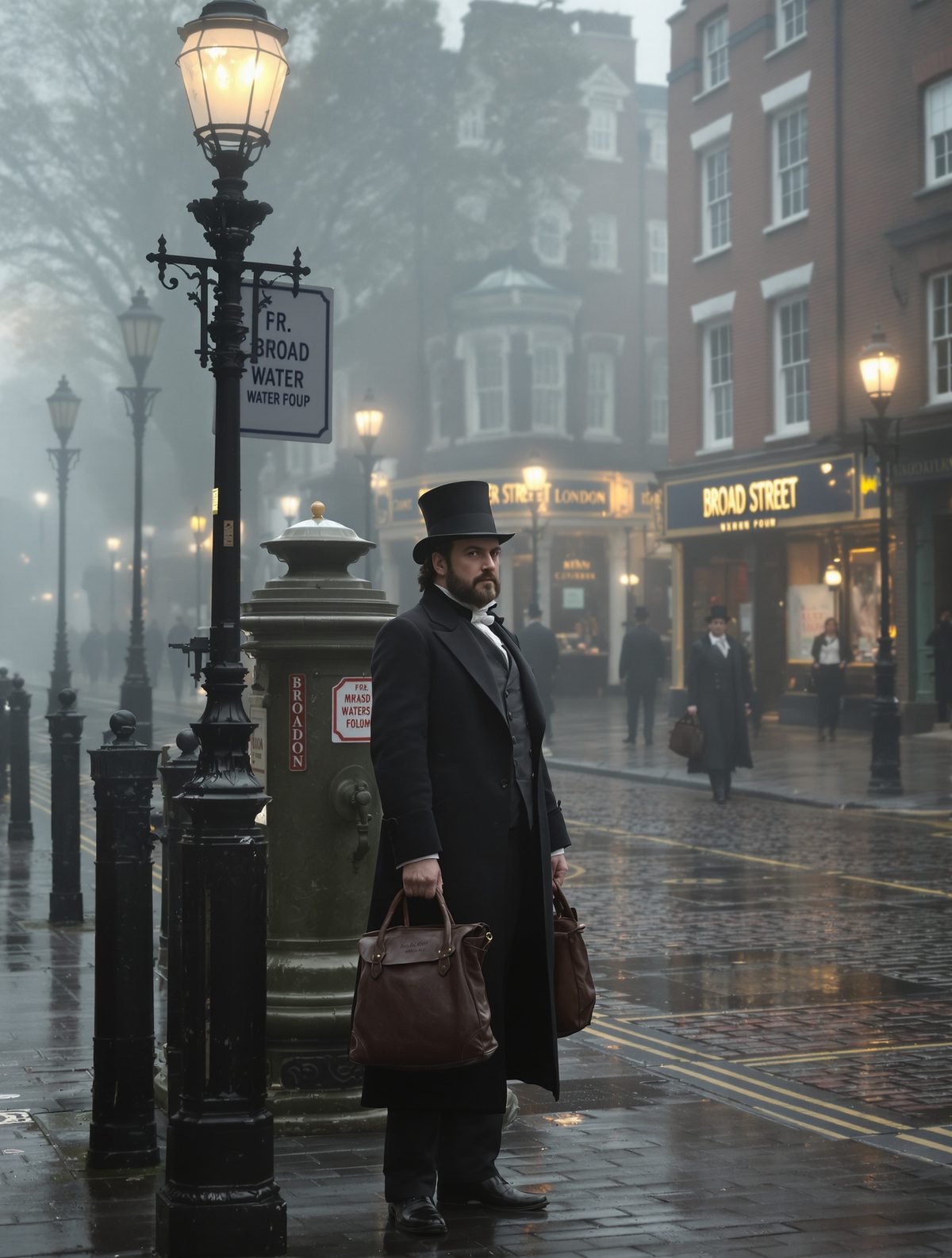
London 1854. Cholera kills hundreds in Soho. Dr. John Snow draws dots on a map. Each dot marks a death. The pattern reveals the killer. One contaminated water pump on Broad Street.
Eric Blair joined the fight against fascism in Spain. A sniper's bullet tore through his throat. He survived to become George Orwell. The man who wrote 1984 learned tyranny's true face in the trenches of Catalonia.
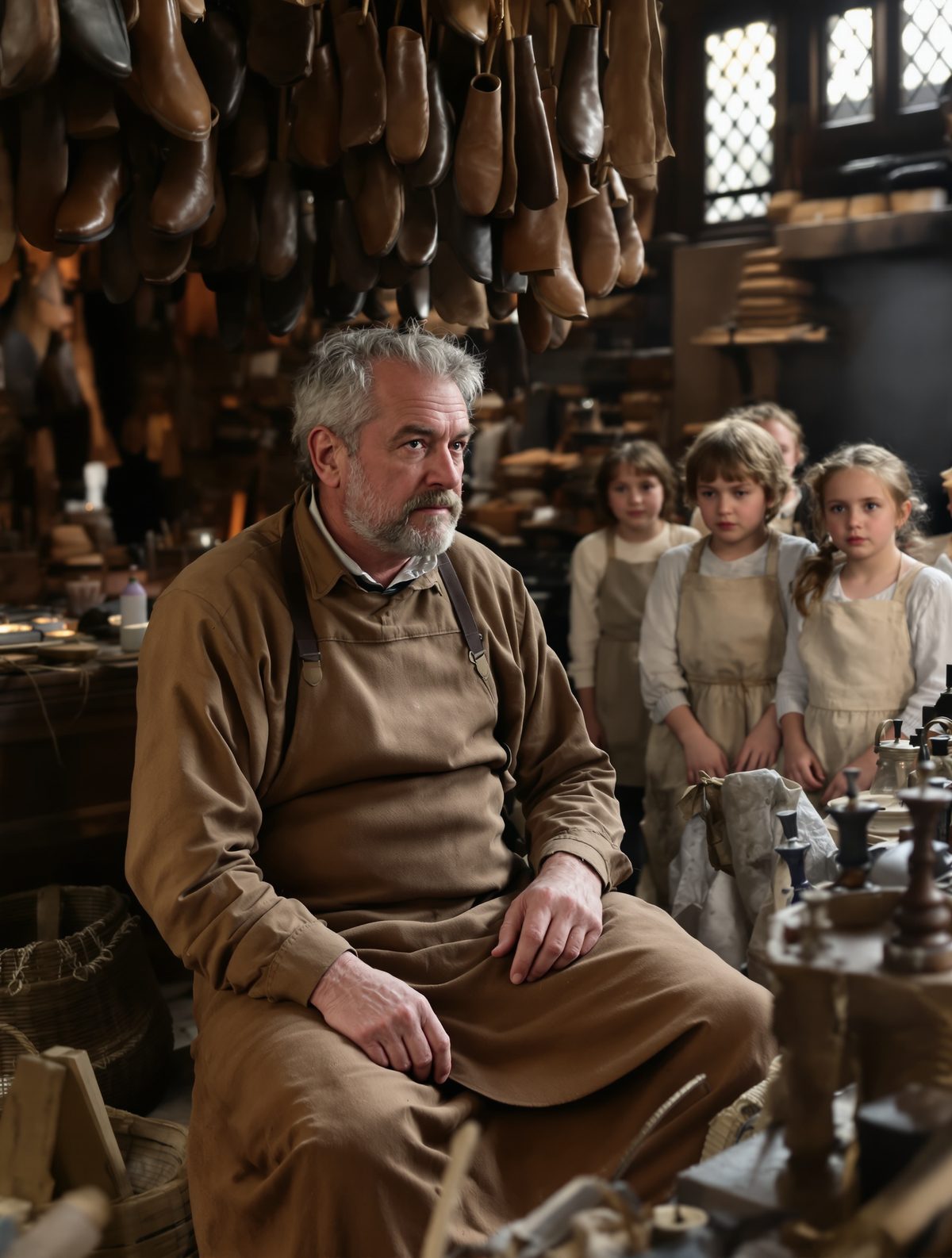
Portsmouth cobbler John Pounds couldn't bear seeing street children beg for scraps. So he opened Britain's first ragged school above his tiny shop. Teaching 40 orphans to read while mending shoes. His idea spread across the nation.
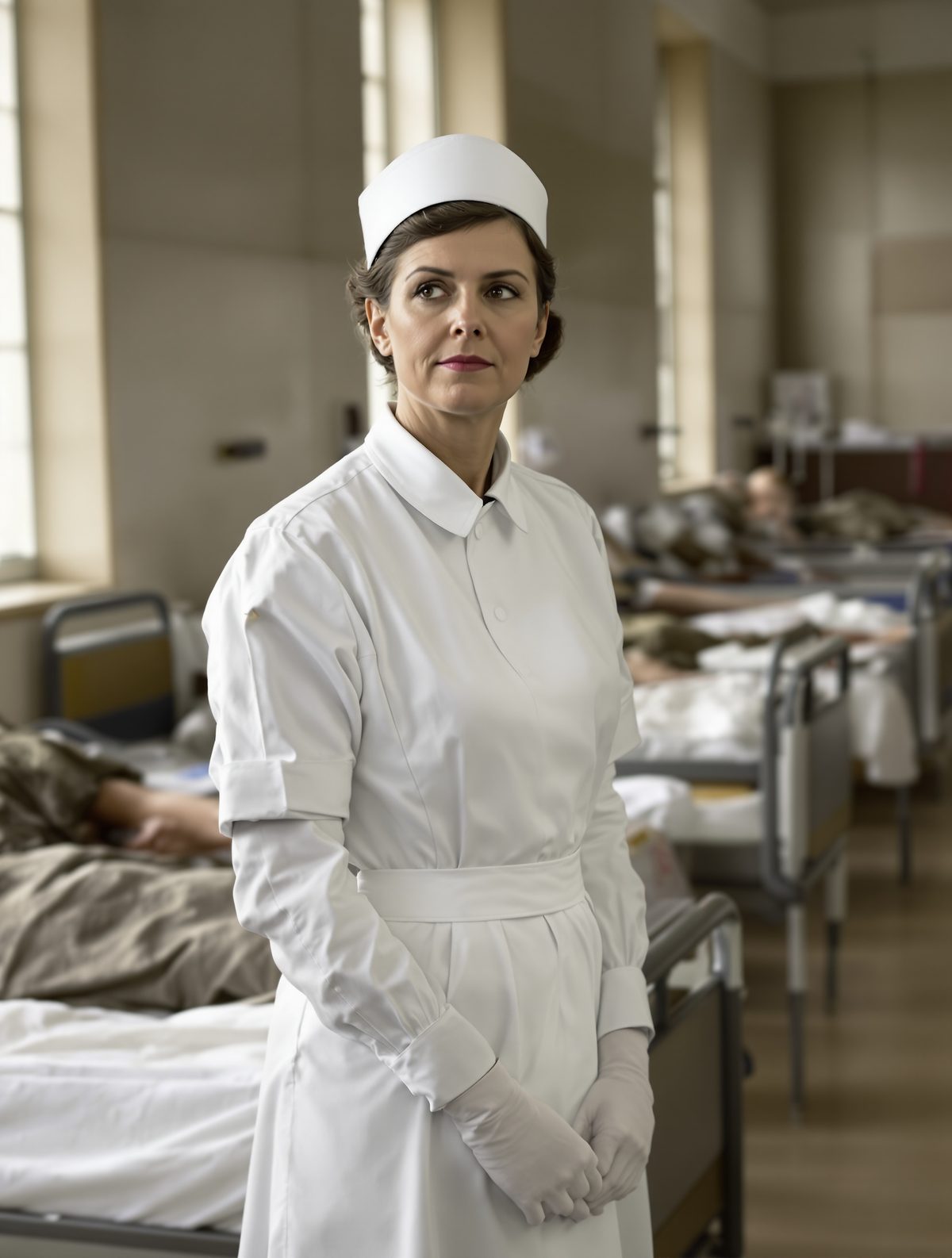
Nurse Edith Cavell treated wounded soldiers in occupied Belgium. British, French, German — she saved them all. The Germans arrested her for helping Allied prisoners escape. She faced the firing squad with quiet dignity.
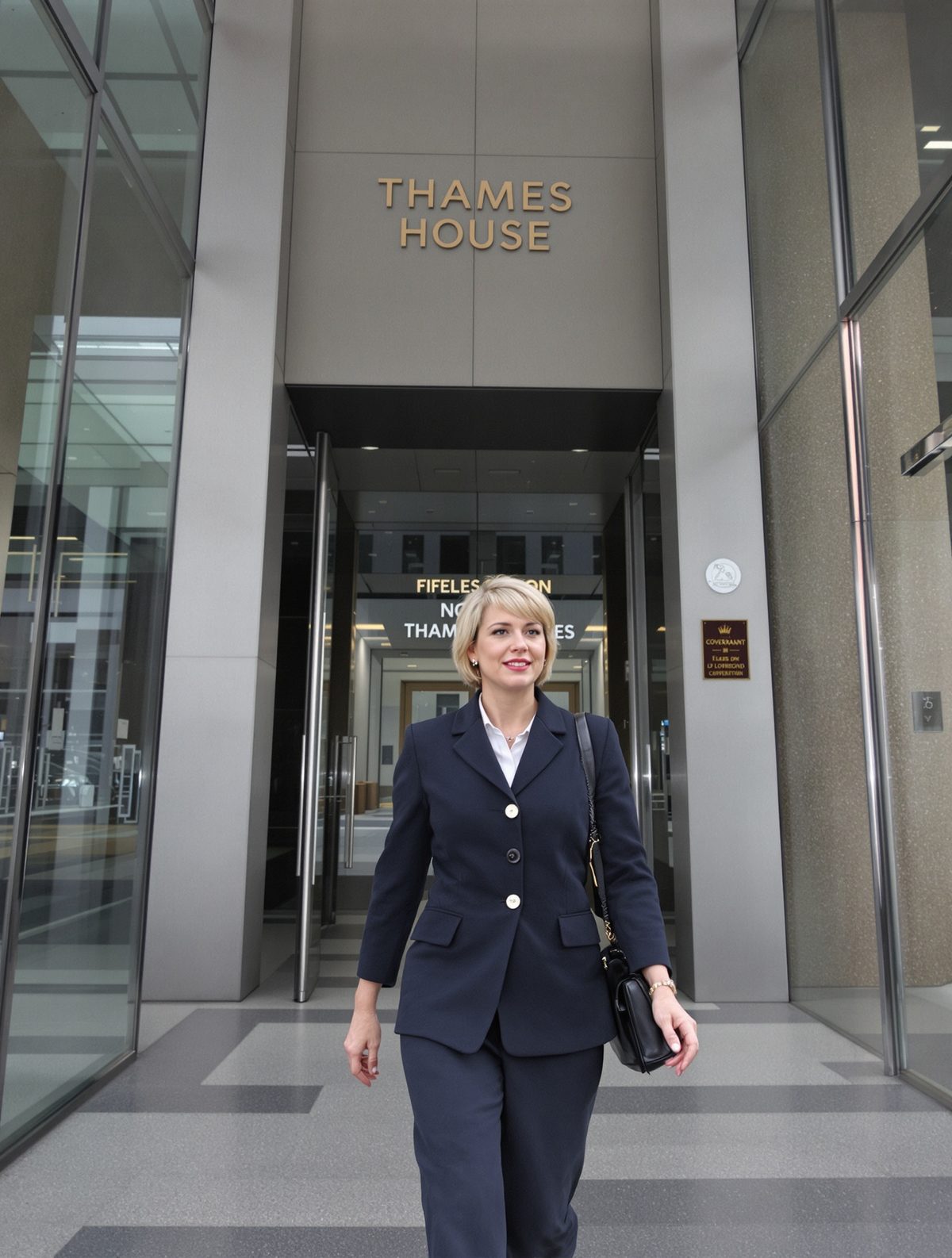
For 83 years, MI5 had been Britain's most secretive boys' club. Then Stella Rimington walked into Thames House as the first woman Director General. The press went wild. The old guard was horrified. Britain's spymaster had a name and a face.
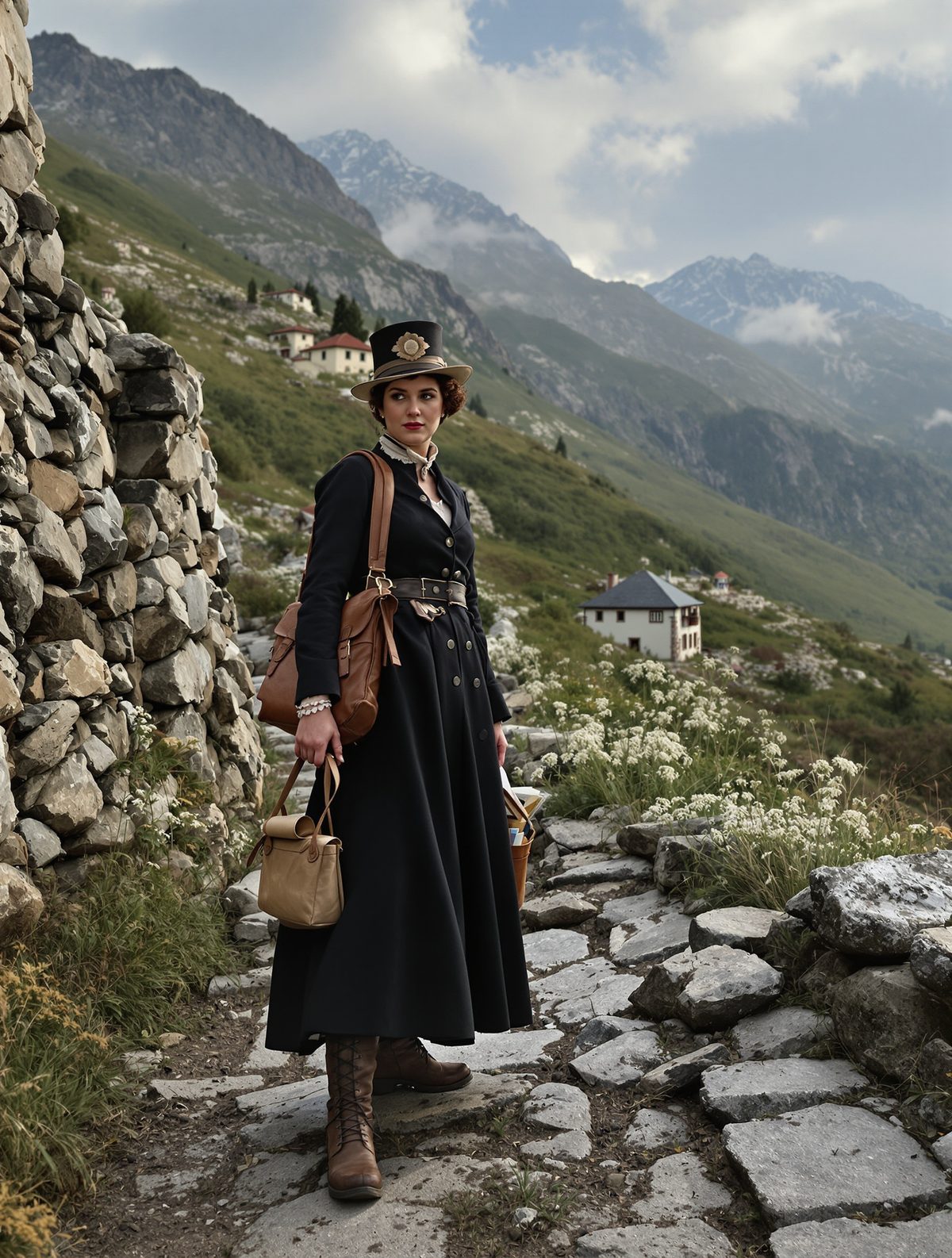
1900. A Victorian spinster from London decides to travel alone to Albania. The Foreign Office warns her she'll be murdered. She packs her sketching pad anyway. For 30 years she becomes the Balkans' most trusted peacemaker.
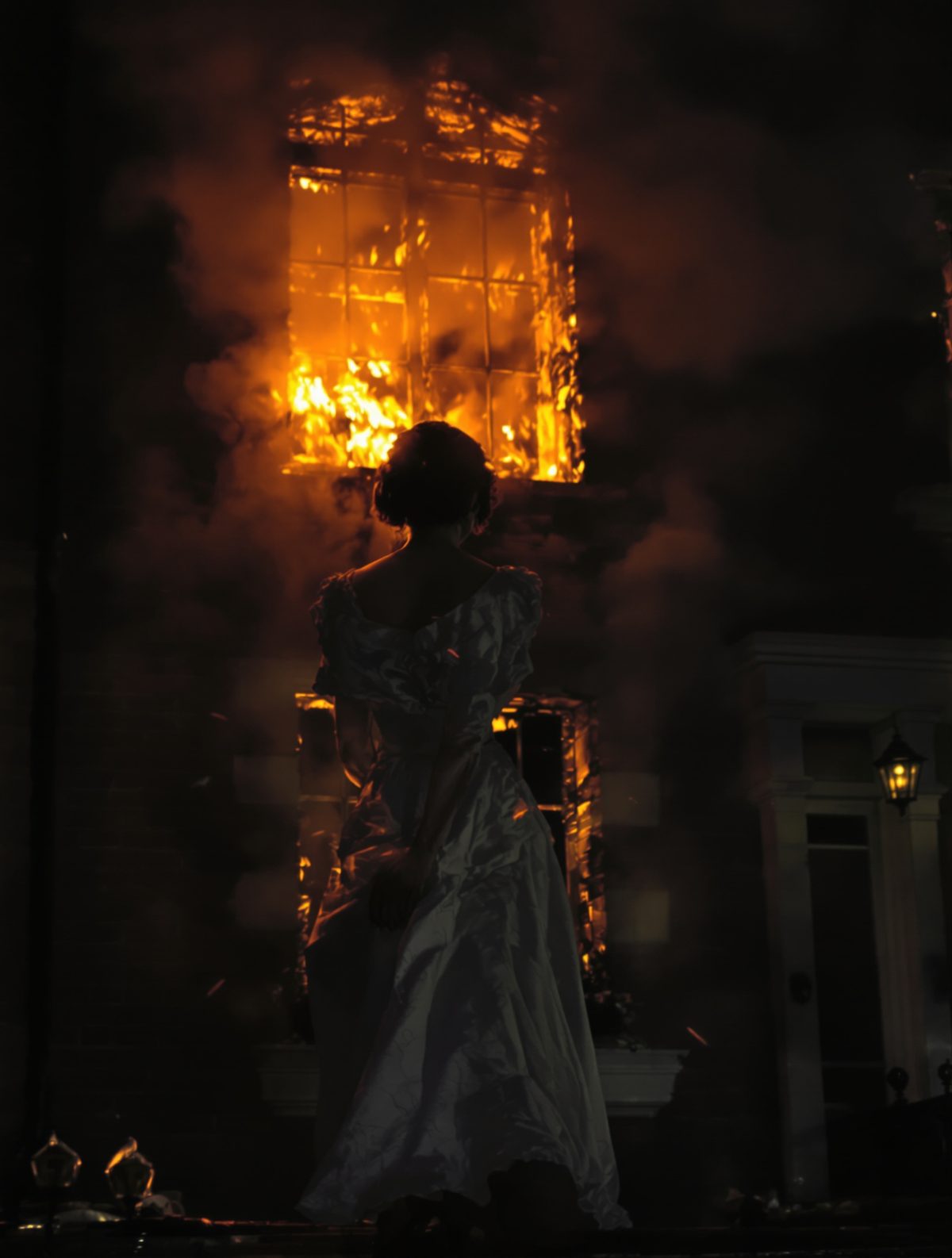
24-year-old servant Alice Ayres woke to find her employer's house ablaze. Three children trapped upstairs. The stairs were gone. She threw them from the window one by one. Then jumped herself. She died. They lived.
Portsmouth cobbler John Pounds watched street children starve while he mended shoes. So he taught them to read between repairs. Fed them soup while they learned sums. By 1818, forty ragamuffins packed his tiny workshop. Britain's ragged school movement was born.
Portsmouth cobbler John Pounds couldn't bear seeing street children starve while he mended shoes. He began teaching them to read between repairs. By 1818 his tiny workshop held 40 ragged pupils learning for free. His 'ragged school' inspired a national movement.
At 7 feet 9 inches tall, Angus MacAskill could lift a ship's anchor with one hand. But the Scottish giant refused to hurt a soul. When challengers came to fight, he'd simply pick them up. Set them down gently. Walk away.
A severely disfigured man arrived at London Hospital in 1886. Abandoned by society as a freak show exhibit. Dr. Frederick Treves gave him a permanent home. For four years, Joseph Merrick lived with kindness and respect.
Grace O'Malley commanded 20 warships from her castle on Clare Island. When Queen Elizabeth's navy tried to stop her, she sailed to Greenwich Palace. The two queens met alone. Elizabeth granted her a royal pardon and trading rights.
Emily Williamson stared at the feathered hat in her Manchester drawing room. Entire bird corpses adorned fashionable women. She picked up her pen. Within months, her tea parties became Britain's most powerful wildlife protection society.
In 1891, Kate Marsden rode alone across 9,000 miles of Siberian wilderness. She survived wolves, bandits, and temperatures that froze her tea solid. Her mission: to find a herb that could cure leprosy. She found it.
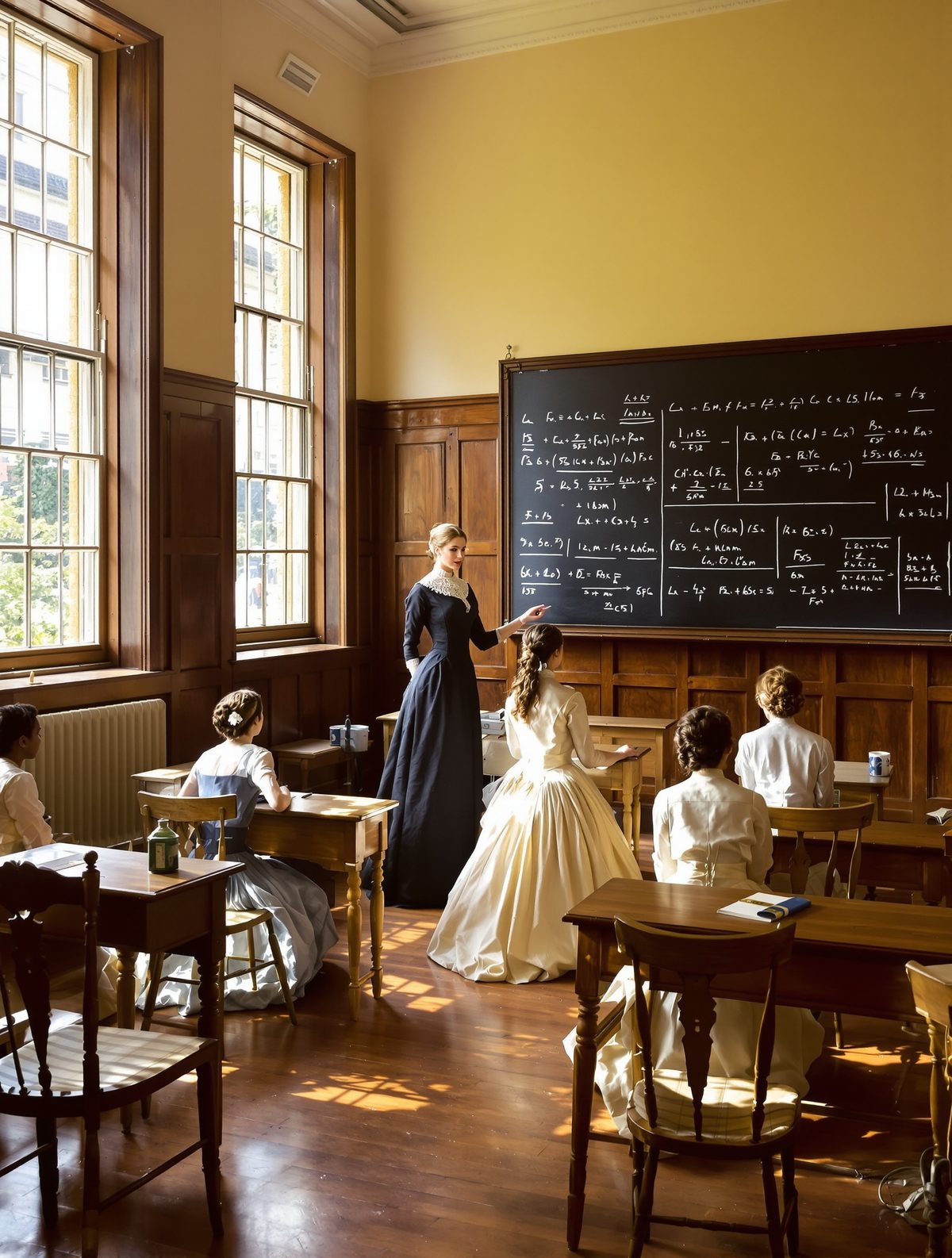
1858. Cheltenham Ladies' College was failing. Parents pulled their daughters out daily. Then 27-year-old Dorothea Beale arrived. She found girls studying flower-pressing and French poetry. Within five years she had them mastering mathematics and Latin.
When the War Office rejected her nursing application, Mary Seacole sold everything she owned. She sailed to the Crimea with her life savings. On the battlefield of Balaclava, she built the British Hotel with her own hands.
September 1838. The steamship Forfarshire breaks apart on Longstone Rock. Twenty-two-year-old Grace Darling spots survivors clinging to the wreckage. Her father says the sea is too wild. Grace picks up the oars anyway.
Portsmouth, 1818. A crippled cobbler began feeding stray children off the street. He taught them to read. He asked nothing in return. He saved over 500 lives before anyone even had a name for what he was doing.
He was a crippled cobbler in Portsmouth. He could barely walk. But every day, he gathered the ragged children from the street — and taught them to read for free. John Pounds changed Britain forever.
He left school at 14. Worked in a factory. Taught himself science by candlelight. Then John Milne built the world's first global earthquake network — from a shed on the Isle of Wight.
Nine SAS men. 250 fighters in the mist. One Fijian sergeant ran alone to a gun that needed six. A bullet shattered his jaw. He radioed back: 'I'm OK.' He kept firing.
London, 1796. A milkmaid named Sarah Nelmes had a strange blister on her hand. Dr. Edward Jenner noticed something extraordinary. She had cowpox — but never caught smallpox. That blister changed everything.
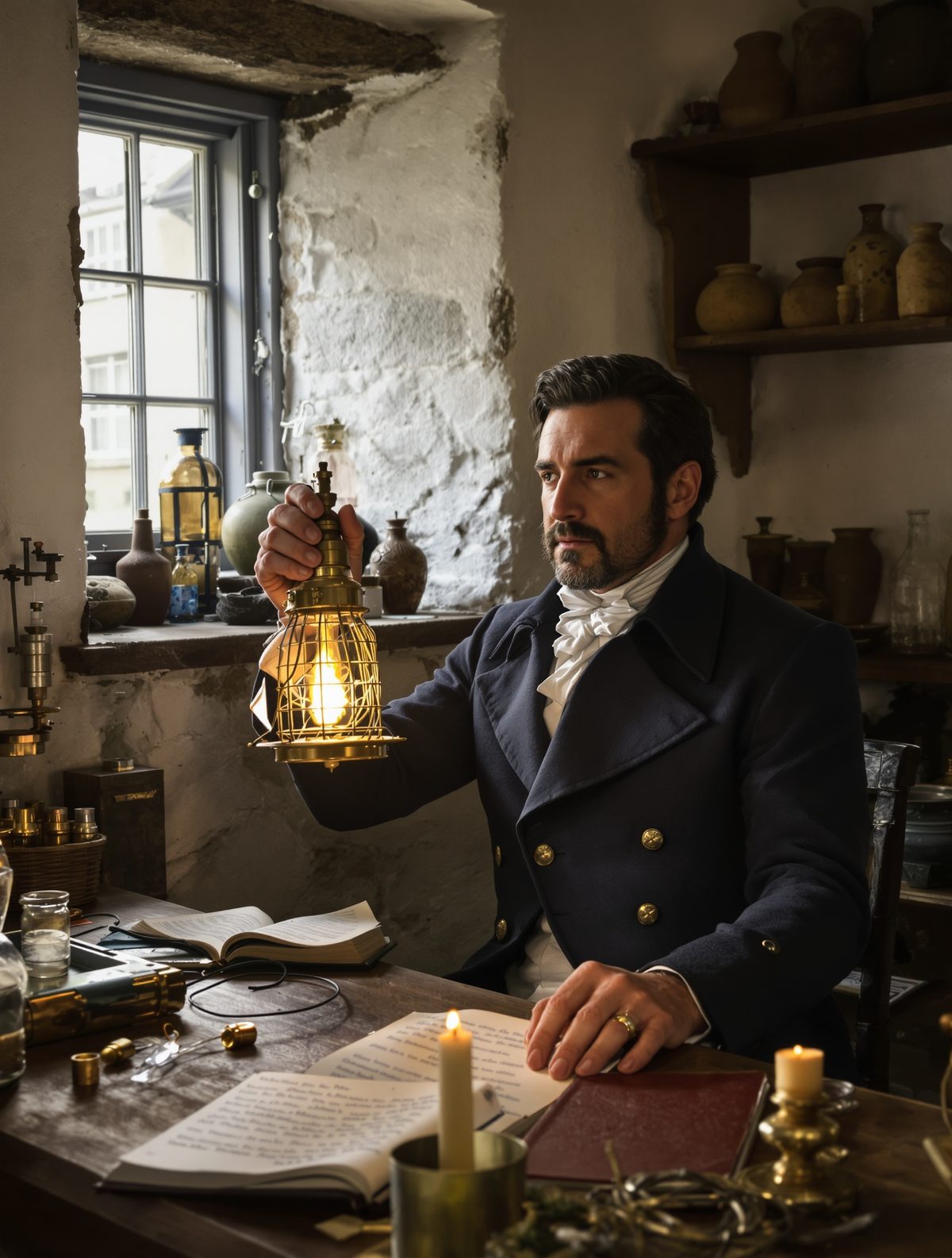
In 1815, miners died by the hundreds. Open flames ignited gas underground. A young chemist spent six weeks in a cottage — and built a lamp that could not kill. He never patented it. He gave it to the world for free.
March 1976. Harold Wilson walked into Cabinet and dropped a bombshell. Eight years as PM. Thirteen as party leader. He was done. Nobody saw it coming. Britain held its breath.
Fred Dibnah fixed chimneys with bare hands and no harness. A Bolton steeplejack who became a television icon. He made Britain fall in love with its own industrial soul.
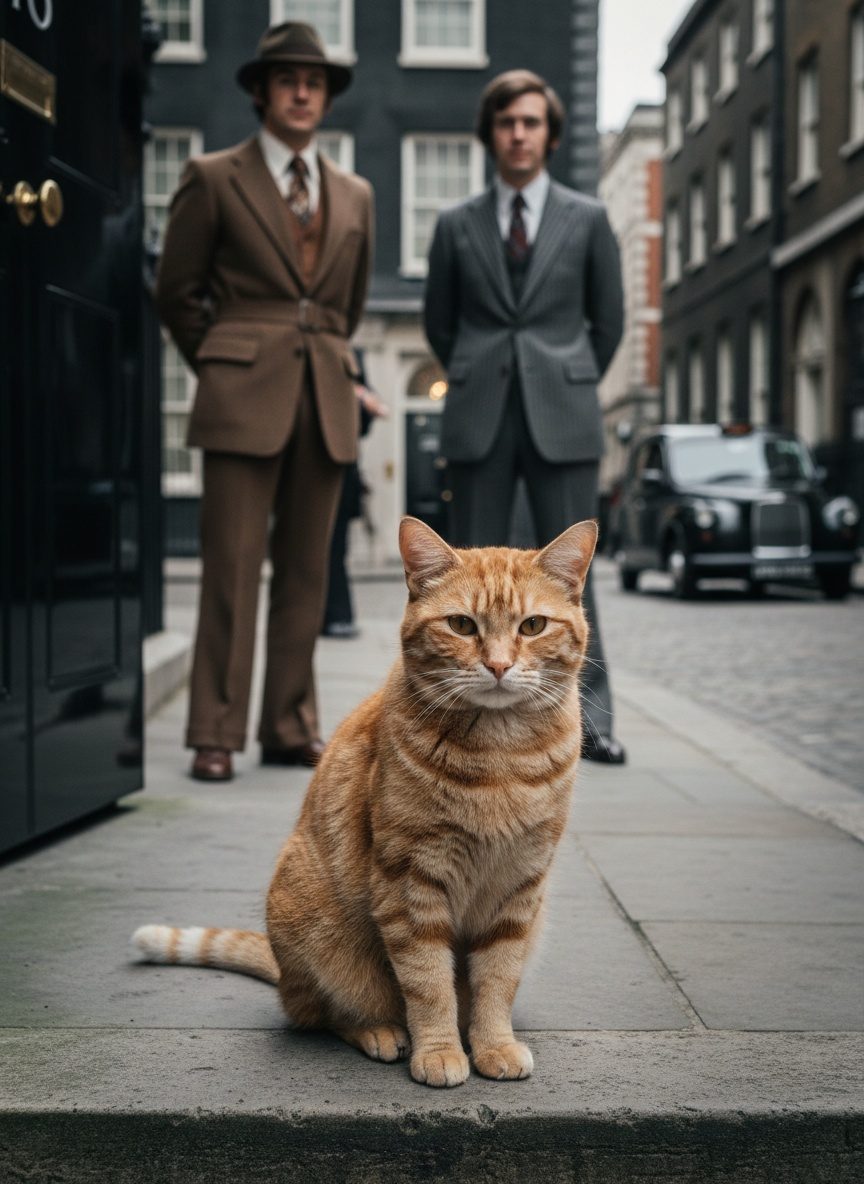
Since 1929, Downing Street has kept an official cat. One held the post through four prime ministers. Another was quietly retired when a new government arrived. Then came Larry — who refused to leave for anyone.
Born in 1946 into a theatrical dynasty, Hayley Mills was never just a child star. Her mother wrote the novel. Her father was the legend. And at 14, she stopped a nation cold with Tiger Bay.
Hand-picked from Britain Untold's archive. The stories you weren't taught at school. 3-minute read.
No spam. Unsubscribe in one click. We hate spam too. Privacy Policy.