
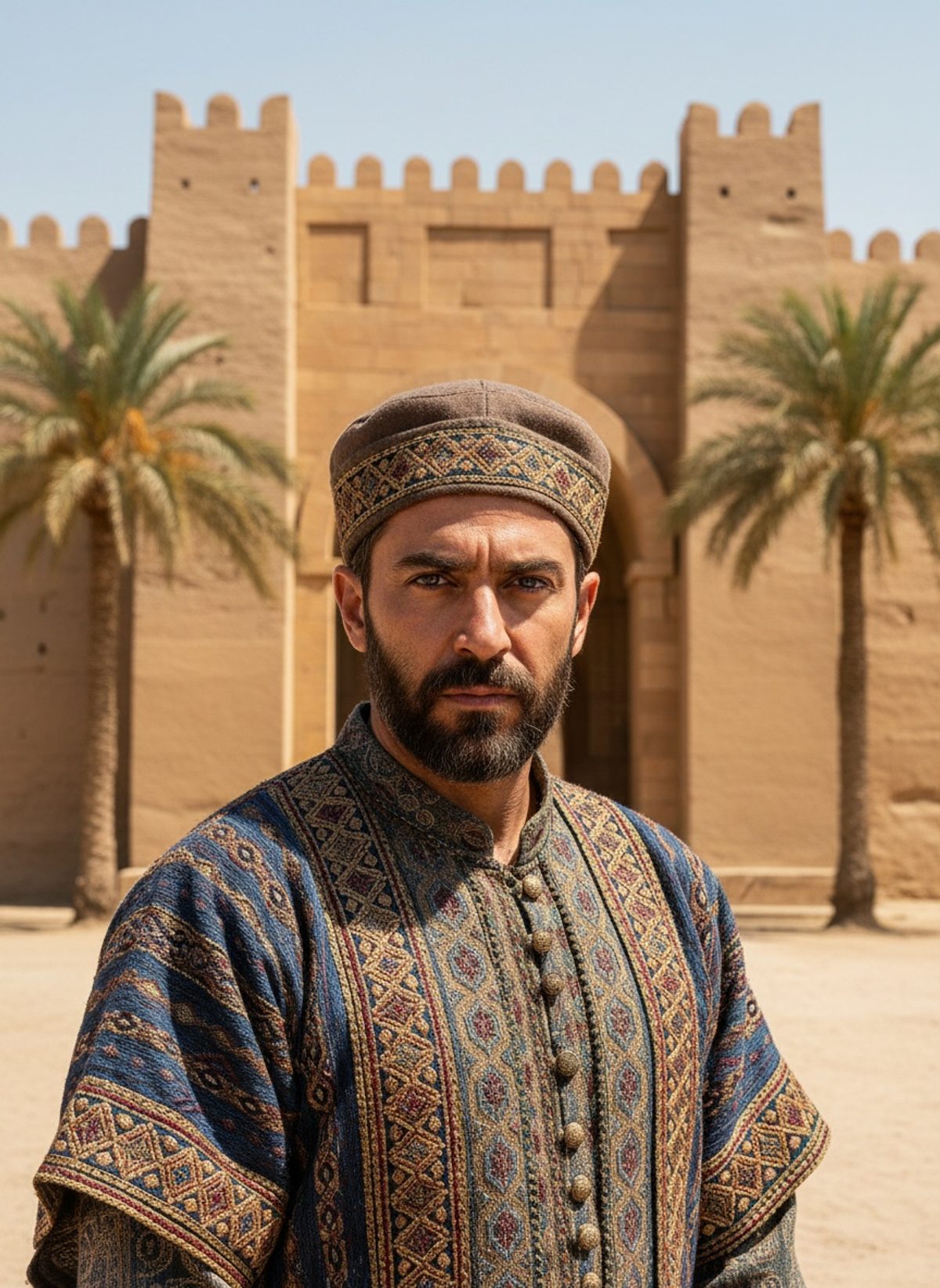
The sun beat mercilessly onto the stone walls of Babylon, casting long shadows over its fortifications. Dust hung in the air, swirling like ghosts in the afternoon light. The sound of daily life within the impenetrable city was a stark contrast to the defiance that hung in the air for nearly two years. The mighty Babylon had resisted the full might of the Persian Empire, its towering walls unyielding to siege and assault. Yet, unbeknownst to its inhabitants, fate was about to turn dramatically under the weight of a desperate man's cunning plan.
The Unbreakable Walls of Babylon
With its legendary gardens and immense gates, Babylon at the time of 519 BC was the crown jewel of Mesopotamia. The city's walls, rumored to be nearly impenetrable, stretched majestically, capable of resisting both time and tyranny. Darius the Great, king of the expansive Persian Empire, found his military prowess tested against this ancient behemoth. For two long years, Babylon managed to snub the might of Darius, holding its ground as a proud beacon of opposition amid the rapidly expanding Persian territories.
The sieges laid by the Persians were unrelenting. Yet, with provisions stored and confidence bolstered by past victories, Babylon withstood these formidable foes, further cementing its status as an insurmountable fortress in the minds of many. As Darius's frustration grew, his determination to conquer the city only deepened, waiting for an opportunity to breach the veil of defiance.
The Arrival of a Mutilated Man
In what seemed like just another day in the stalemate, a lone figure approached the great gates of Babylon. The sun glared off the sand, blurring the lines between earth and sky. But the attention of the Babylonian sentries quickly focused on the man staggering towards them—wearing scars that told a tale far grimmer than words could convey.
Read next: Gobryas Knelt at the Gate. Cyrus Made a Promise.
This was Zopyrus, a devoted commander under King Darius. His nose and ears bore fresh mutilation, a dreadful testament to his alleged betrayal by the Persian king. The Babylonian sentries, driven by curiosity and desperation for a victory prize, brought Zopyrus into the city. He spun a tale of woe, claiming to have been cruelly punished by Darius for speaking against further futile assaults on the city. His disfigurement, severe and brutal, lent his words an air of chilling authenticity.
Zopyrus's story was devoured by the Babylonians, eager for anything that could tilt the scales in their favor. They welcomed him, trusting that his hatred of Darius would become their greatest weapon.
Into Babylon’s Confidence
Within the walled city, Zopyrus became a symbol of hope. The Babylonians took his story at face value and placed within him a trust born of desperation. He was given command of units and tasked with leading sorties against the encircling Persian forces, further proving his loyalty—or so it seemed.
Every engagement resulted in Babylonian victory, but only because Zopyrus orchestrated these victories with cunning precision. To the Babylonians, their new ally appeared heaven-sent, a stroke of luck they believed was turning the tide in their prolonged struggle against Persia. However, Zopyrus's true allegiance remained with his king and empire. His vision extended far beyond the small-scale victories he engineered for the siege-weary Babylonians.
The Night of Betrayal
Night cloaked the city in its sable embrace, a calm broken only by the occasional clatter of hooves on cobblestones. On this night—selected with painstaking care by Zopyrus—the stage was set for the denouement of his audacious ruse. Security would be relaxed after repeated victories, and confidence had dulled the city's vigilance.
Zopyrus opened Babylon’s mighty gates under the cover of darkness, allowing Persian forces to flood into the unsuspecting city. The once-undaunted defenders were caught unprepared, their victory cries turning swiftly to wails of despair. The realization of betrayal dawned too late; Babylon was at the mercy of the Persian empire, its walls breached by the deception of one man.
Betrayal's Legacy and the Fall of Babylon
With the city taken, Darius the Great finally saw his empire extend over the proud lands of Babylon. The daring delusion orchestrated by Zopyrus had proved to be an undeniable stroke of genius, though built on the bedrock of treachery. His sacrifice—gory and personal—had turned the tide of a seemingly unwinnable siege.
While Babylon's formidable walls fell not to siege devices but to the sly machinations of human deception, the story of Zopyrus serves as a chilling reminder of how even the strongest fortress can crumble from within. This tale from antiquity speaks volumes about the lengths to which power will go to overcome defiance. It is a testament to the complexities of loyalty, sacrifice, and ambition, offering a timeless reflection on the human capacity for cunning and deceit—lessons as pertinent today as they were over two millennia ago.