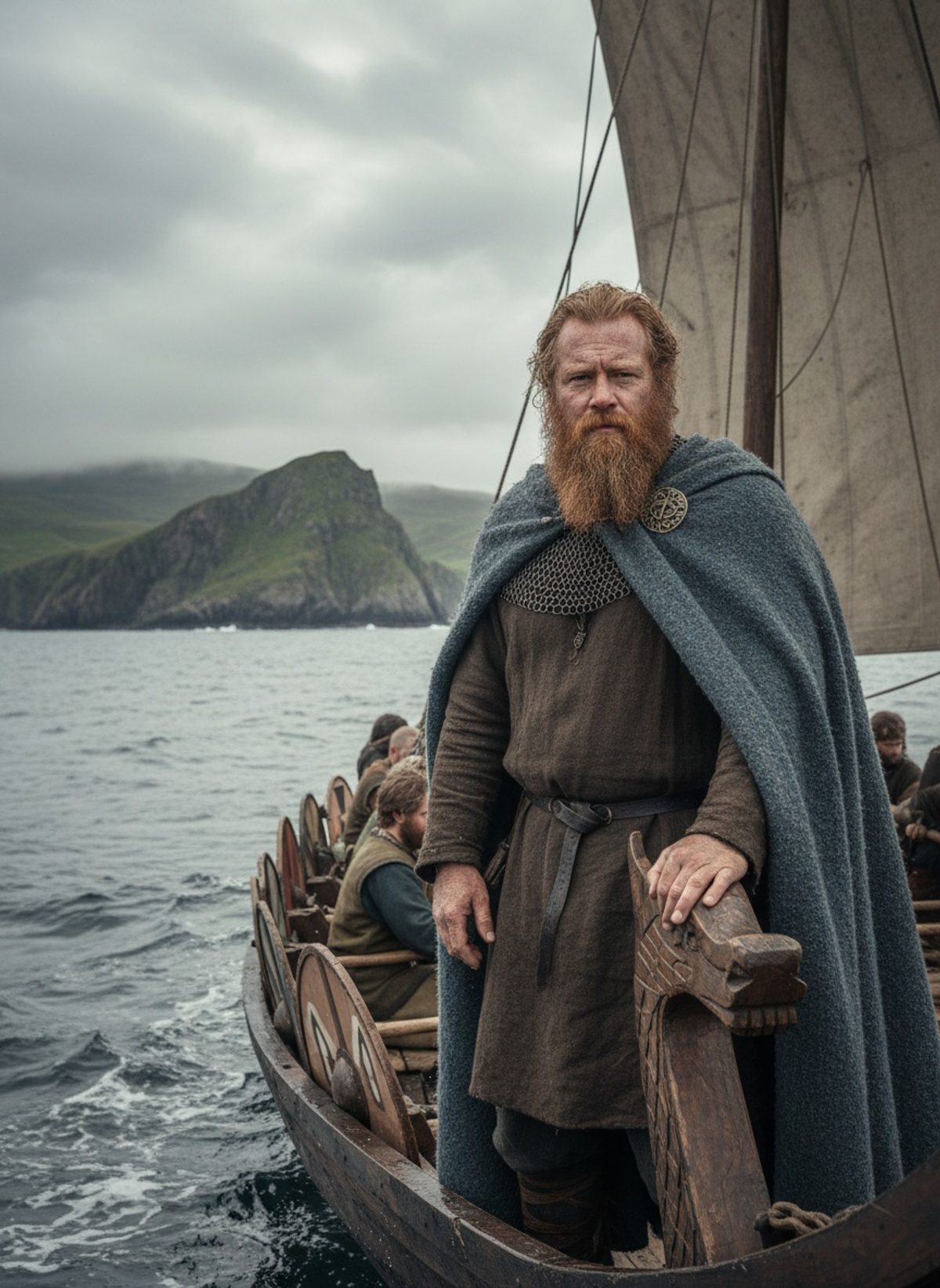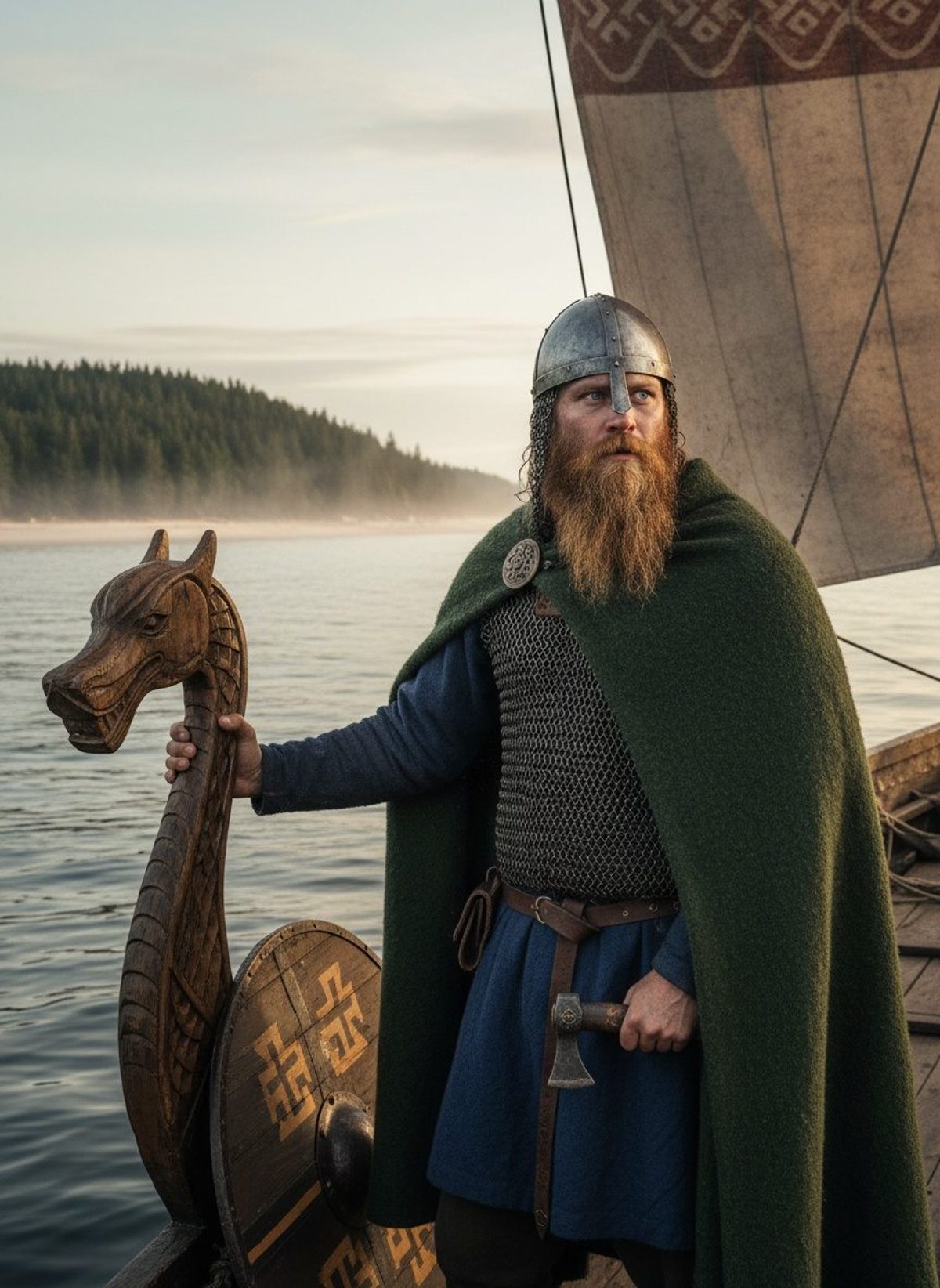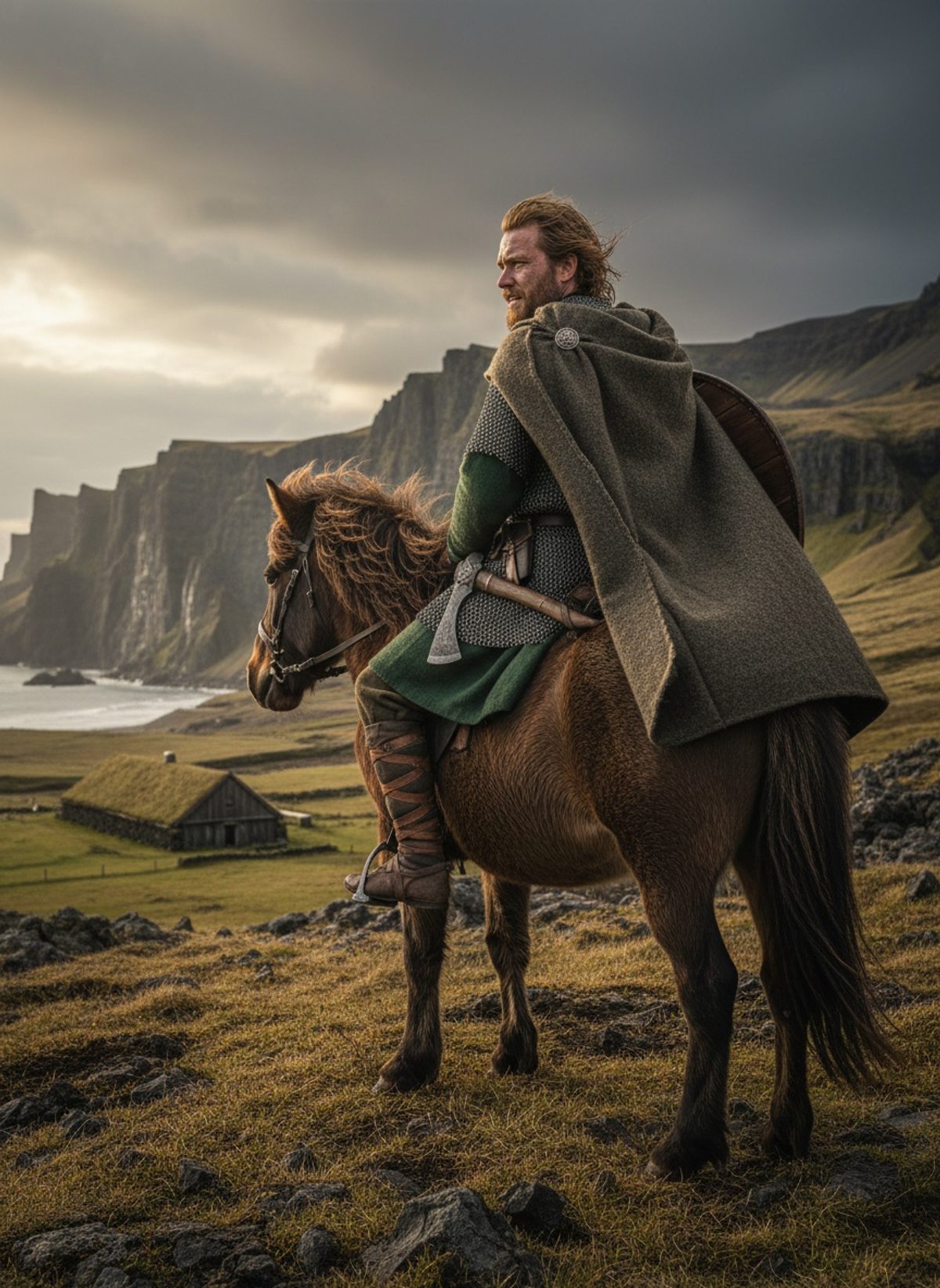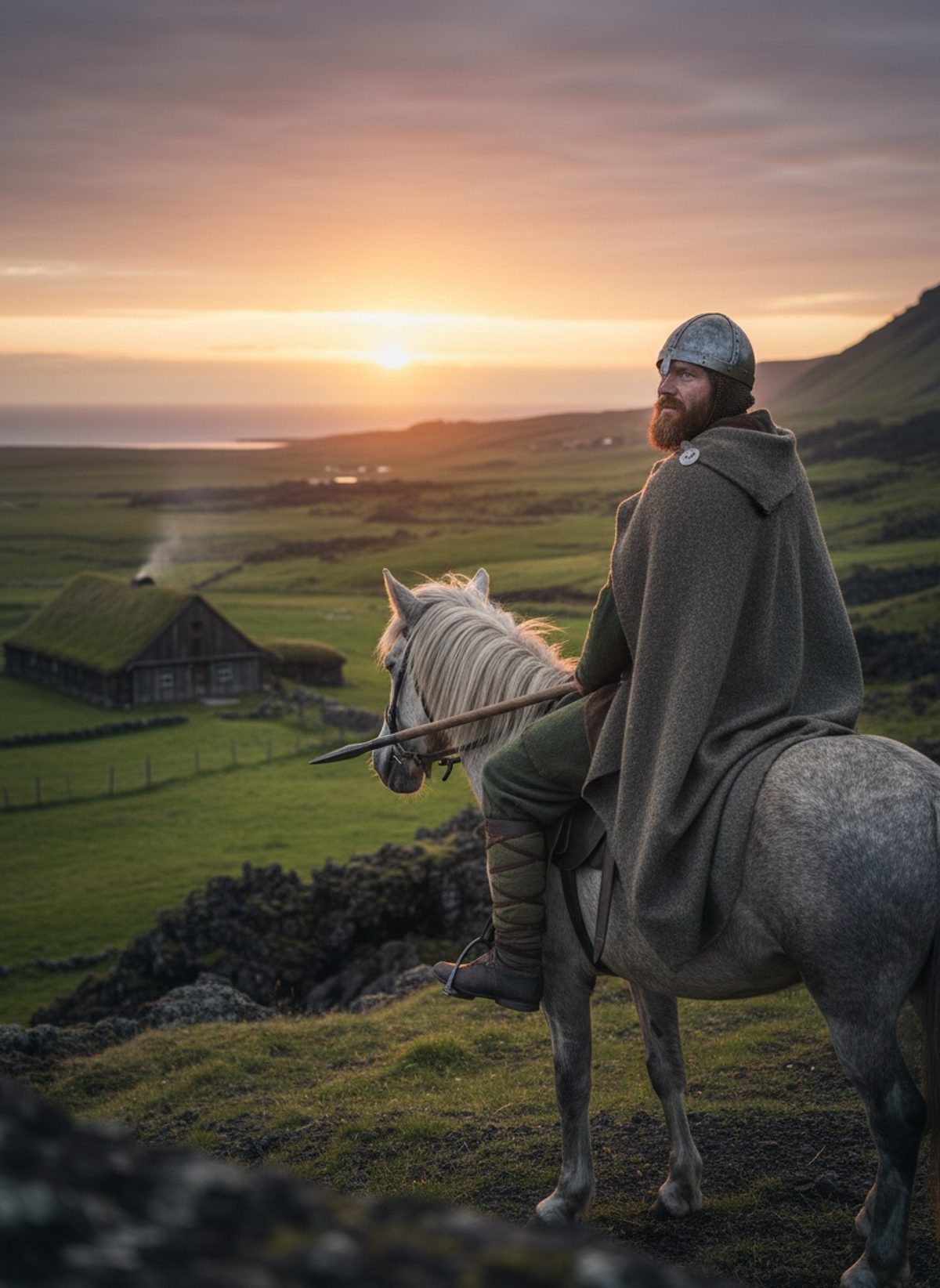
He rode with purpose, the sound of hooves pounding against the icy earth echoing through the morning mist. The biting wind carried the scent of the sea mixed with the earthy aroma of the Icelandic landscape. Gunnar Hámundarson, known as Gunnar of Hlíðarendi, was a formidable man who had faced down every threat and won every battle thrown his way. Yet, as he approached his ship—his path set towards exile—something within him shifted. Amidst the weight of judgment and impending departure, Gunnar halted. His gaze swept across the landscape he loved more fiercely than any enemy he had ever encountered. The decision that followed would seal his fate and immortalize his name.
The Winding Path to Exile
Gunnar of Hlíðarendi thrived in a world where conflict was currency, and honor was life itself. Born into a time of sagas and skalds, where every word and deed echoed into eternity, Gunnar was a warrior in the truest sense. He was a master of arms, renowned for both his skill and his towering presence that commanded respect and fear in equal measure. His life was marked by victories, valor, and the kind of personal magnetism that made him both a beloved figure and a formidable adversary.
The Icelandic Althing, the national assembly founded in 930 AD, was where disputes were settled, laws enacted, and fates decided. For Gunnar, it was here that his challenges began, stemming not from defeat in battle, but from the intricate entanglements of Viking law and society. Disputes escalated into feuds, and feuds into violence. Despite having faced betrayal and violence before, this time the law turned against him. A skirmish turned deadly, and the punishment was exile—an attempt to forestall blood feuds and maintain societal peace.
Exile was social death for a man like Gunnar, whose identity was deeply woven into the land he called home. The very soil of Iceland, with its rolling fields and stark, stunning beauty, was a part of him. As the Althing declared their verdict, Gunnar was left with no choice but to make his way to foreign shores—or so it seemed. Yet the bonds of kinship, love for his land, and an indomitable heart conspired against even this momentous decree.
Read next: Egil Skallagrimsson Stood Before the King. He Sang.
The Moment of Unyielding Resolution
Gunnar's journey to the ship was a silent battle, one of internal struggle and the unspoken knowledge that this departure went against the grain of his being. Every mile deepened his resolve, until the choice became inevitable. As he led his horse away from the path of exile back towards Hlíðarendi, his resolve was chiseled into history.
His surroundings were an artist's palette of contrasts—lush greens framed by the distant outline of mountains capped in snow. Gunnar looked over his cherished land, the very earth seeming to voice its own silent plea for his return. To leave would be to forsake a part of himself—to abandon the fields that had witnessed his triumphs and failures alike. Gunnar’s defiance was quiet, but in that silence lay the roar of a warrior's spirit refusing to be stilled.
The inevitable confrontation followed. Relentless in their pursuit, those bound by the law converged on Gunnar’s homestead. Yet Gunnar faced his fate as he had every other adversary—with courage, even knowing the outcome already written in the blood-ink of his saga. The clash that ensued was fierce, echoing the tumult of the sea and the storm. He fought valiantly, but outnumbered, Gunnar was ultimately overwhelmed by sheer force.
The Enduring Saga
In the end, it was the spirit of Gunnar that triumphed. His decision to turn back from exile—to stand steadfast in the face of certain doom—cemented his legacy. Those who witnessed the aftermath recounted the tale, securing it within the annals of Icelandic legend.
The story of Gunnar is not merely one of defiance but of the enduring power of place, identity, and belonging. His unwillingness to abandon his homeland resonates across centuries, an echo of the primal connection between people and their land. The image of a lone man standing against insurmountable odds captivates the imagination, leaving a profound impact on Icelandic culture and the sagas that continue to enthrall audiences today.
Why should Gunnar's story matter to us? His tale is a timeless reflection on what it means to be human, to choose love for one's home over personal safety and survival. It challenges us to consider the costs of such choices and what they define—in the stories we tell and the values we hold. Gunnar of Hlíðarendi's legacy reminds us that some battles are fought on the fields of the soul, and sometimes the greatest victories are found not in survival, but in the unyielding drive to stand firm in what we believe.