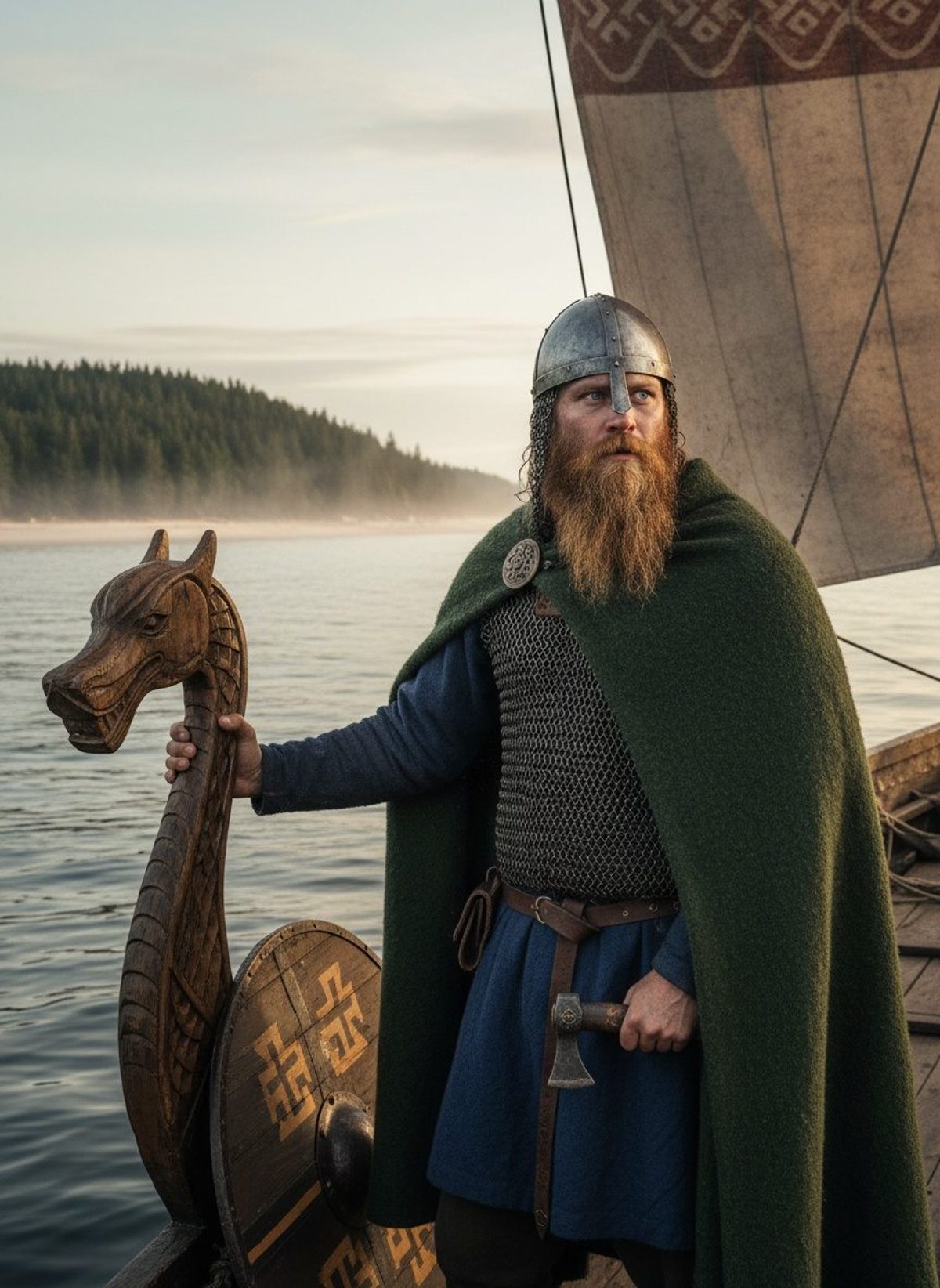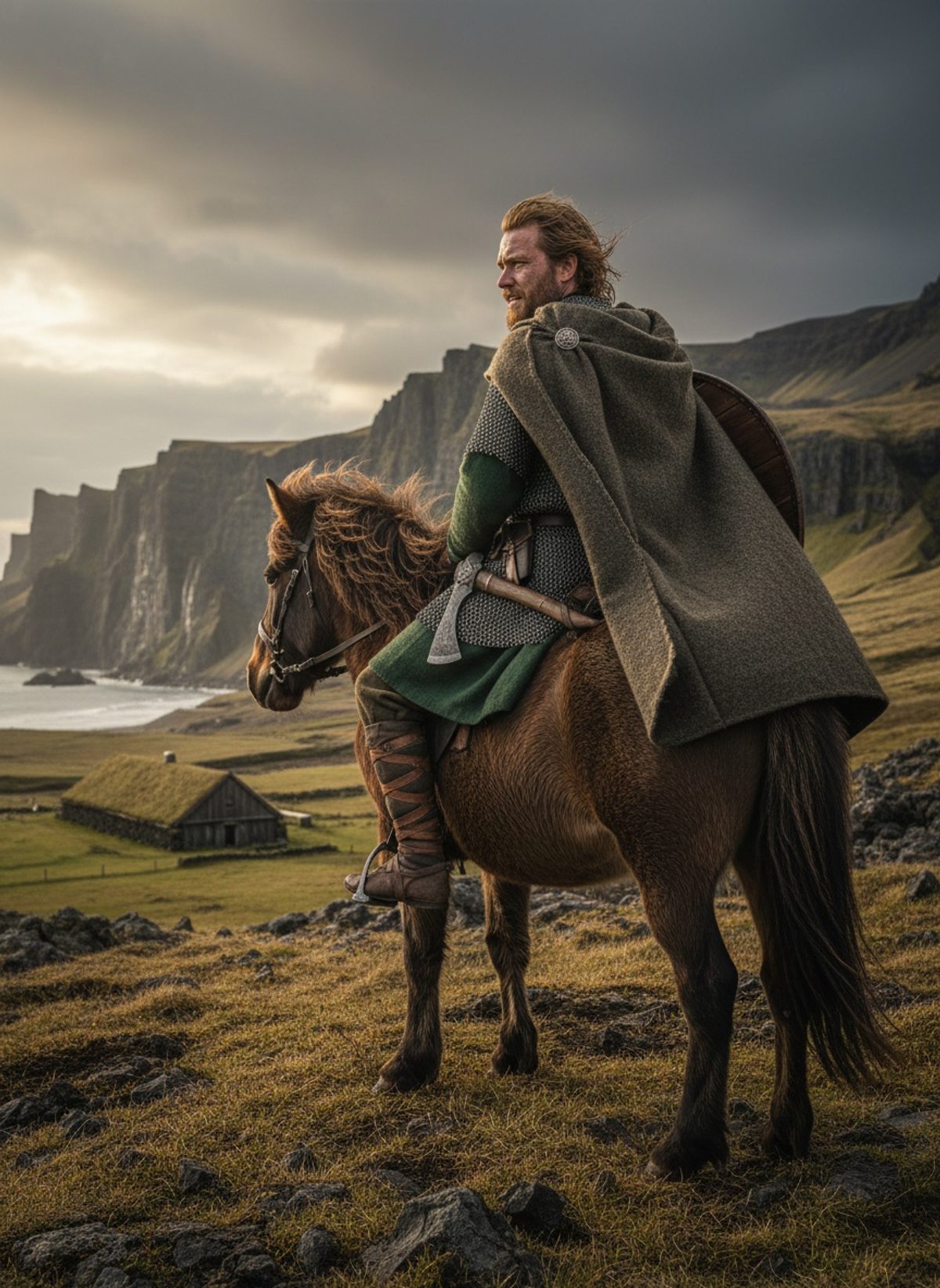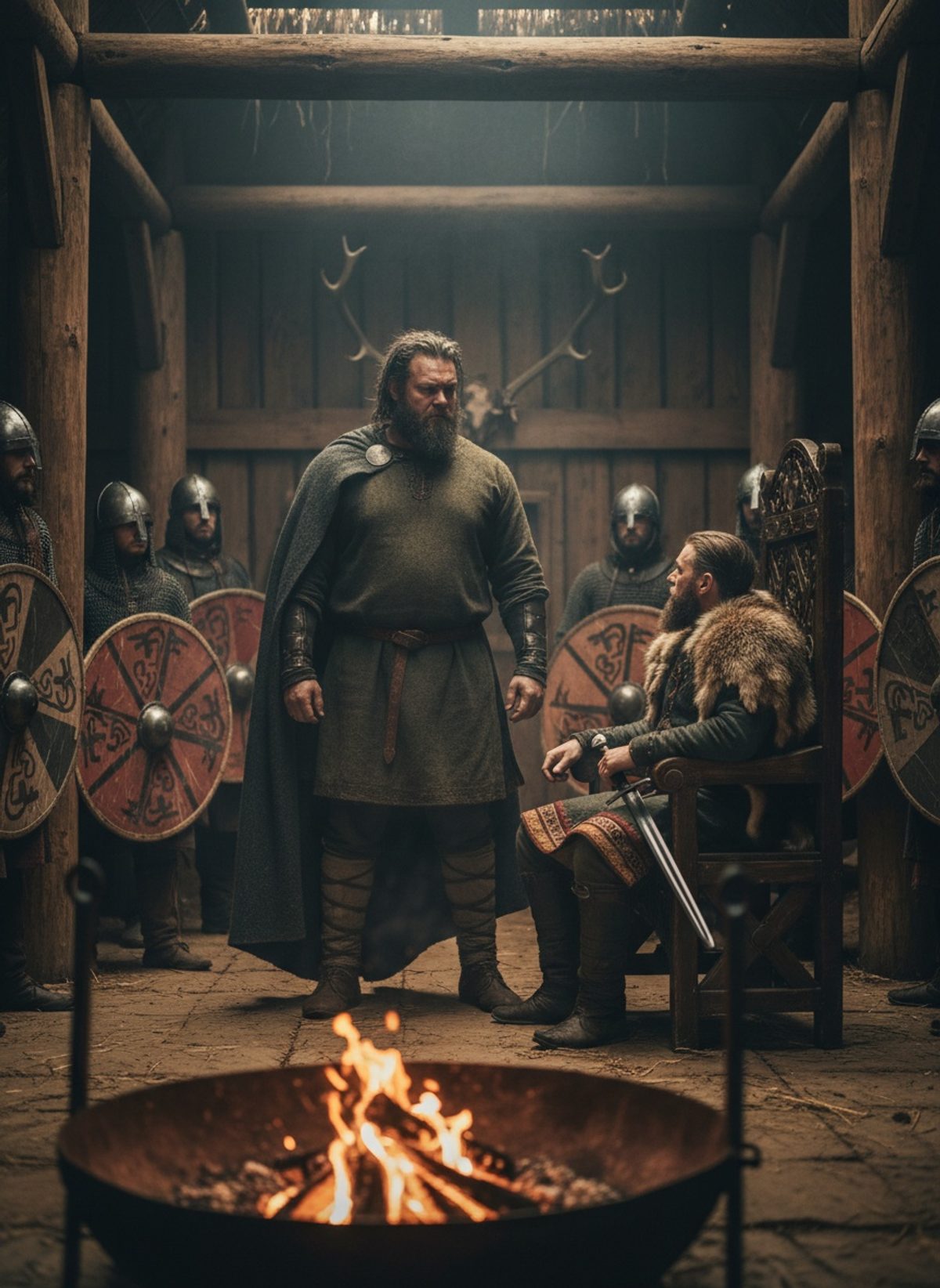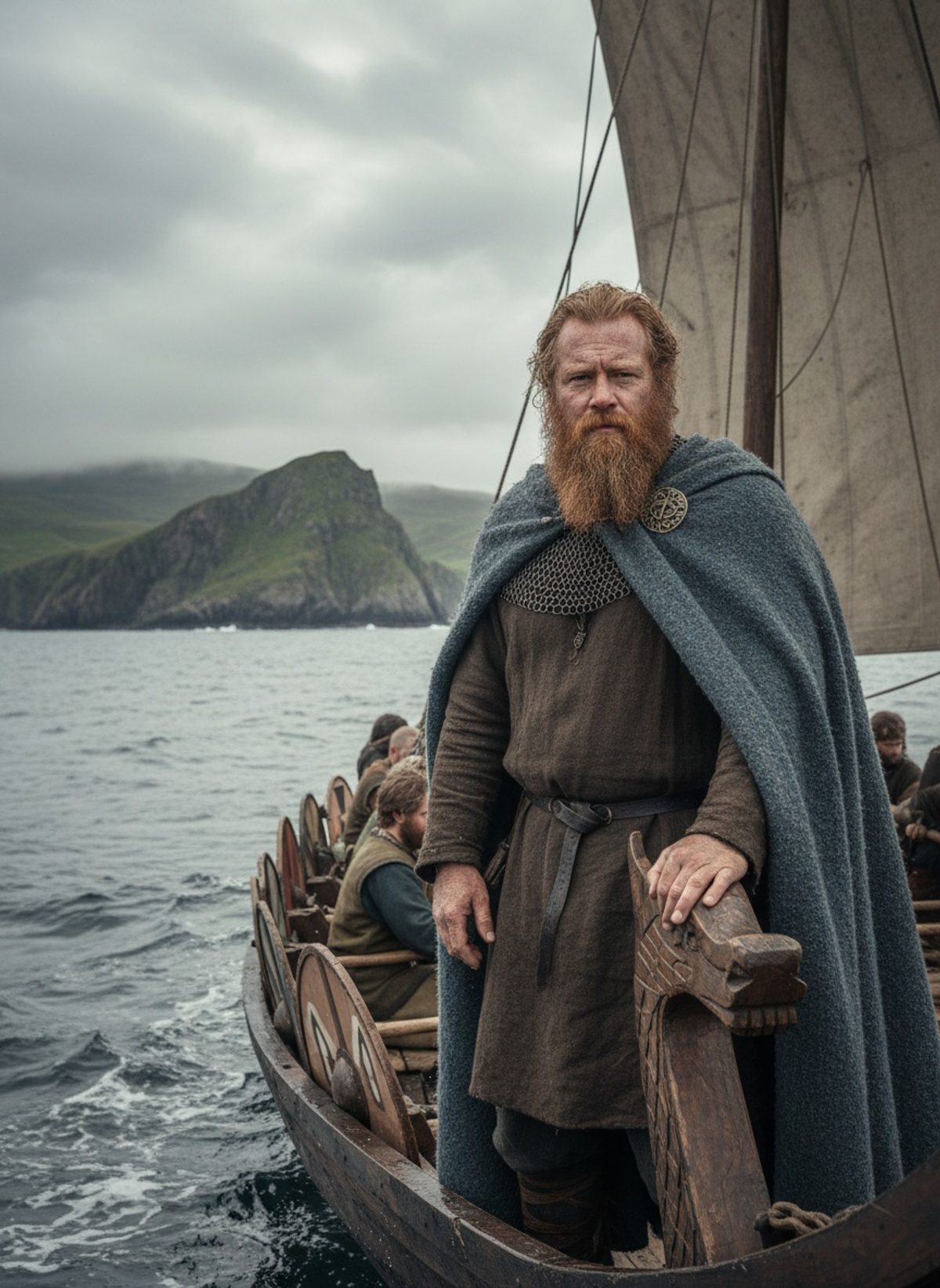
He was more outlaw than hero. Yet Erik the Red's name resounded across seas, signaling a bold ambition few dared to entertain.
The Outlaw Who Refused to Fade
Thorvald Asvaldsson, Erik’s father, set the stage for a life cast in the shadow of exile. Banished from Norway due to what records hint as a saga of blood feuds, Thorvald dragged his young family to Iceland in search of refuge. But the tumult of paternal legacy seemed inescapable for Erik. By 985 AD, Iceland too turned its back on him, expelling him amidst accusations of manslaughter. Instead of resignation, Erik exhibited an incredible tenacity. This was no settle-down Norseman but a fiery spirit unfettered by adversity. Rather than withering under Iceland's chill, he envisioned land unseen, unclaimed and seemingly impossible to conquer.
Erik's departure was no mere sailing trip—this was a declared adventure into the unknown. With his reputation as fierce as his temper, Erik the Red's leadership skills were undeniable. Leaving behind Icelandic fjords, he ventured westward, challenging the fears and superstitions held by those grounded by known shores. What he discovered was a realm that would change the narratives and fortunes of Norse communities: the verdant expanse he brazenly named Greenland. The name itself was a cleverly contrived allure, a promise of fertile lands to those willing to brave the journey. This strategic nomenclature revealed Erik’s uncanny ability to blend practicality with persuasion.
The Birth of A New World
Though barren and harsh by many measures, the coasts of Greenland painted a picture of potential to the weary but hopeful settlers. Erik returned to Iceland full of tales both awe-inspiring and inviting. His charisma, coupled with stories of this newfound paradise, convinced many of his former peers to join him in transforming the storm-battered wilderness of Greenland into a home. Borne by longships that navigated the tumultuous North Atlantic, settlers traveled with not dreams alone, but with livestock, materials, and a Norse way of life ready to be embedded upon foreign soil.
It was a gamble on survival and one of community tenacity against nature's oft-relentless elements. The settlement's success hinged not just on Erik's leadership, but on the robust adaptability of Norse culture. The settlers in Greenland managed to approximate a semblance of their Icelandic ways amid ice-cap mountains, capitalizing on marine resources and scattered farmable land. Gradually, a colony formed—a landmark in the tale of human migration, showcasing the perseverance of an unlikely leader who turned misfortune into opportunity. Through sheer determination, Erik transformed exile into empire-building, propelling the Norse reach beyond its wildest shores.
A Legacy Cast Beyond Lands
However, Erik's greatest contribution to history was not just the physical colonization of new lands, but the philosophical opening of Viking horizons. His son, Leif Erikson, followed the same adventurous spirit, leading to further exploration that introduced Norseman to North America. Thus, the legacy of Erik the Red did not merely rest on Greenland’s icy expanses, but in the boldness it inspired across Norse generations.
That settling of Greenland, itself a feat, set into motion ripples felt within continents unknown and stories unspoken before—the interaction of cultures separated by oceans not simply straddled by maps. Erik the Red's legacies remind us that human drive against insurmountable odds can redefine worlds. It is a touchstone for the prelude to exploration that shifted understanding of the world, urging us to glance into possibility against the unyielding ink of history. Erik the Red’s journey signifies more than territorial annex; it’s a beacon of relentless human spirit steadfast against exile’s gale.