He was blinded by guilt, not a defect of vision. Yet, King Henry II found himself in darkness as he made his way to Canterbury, haunted by the blood spilled at his indirect behest.
The Shadow of a Martyr
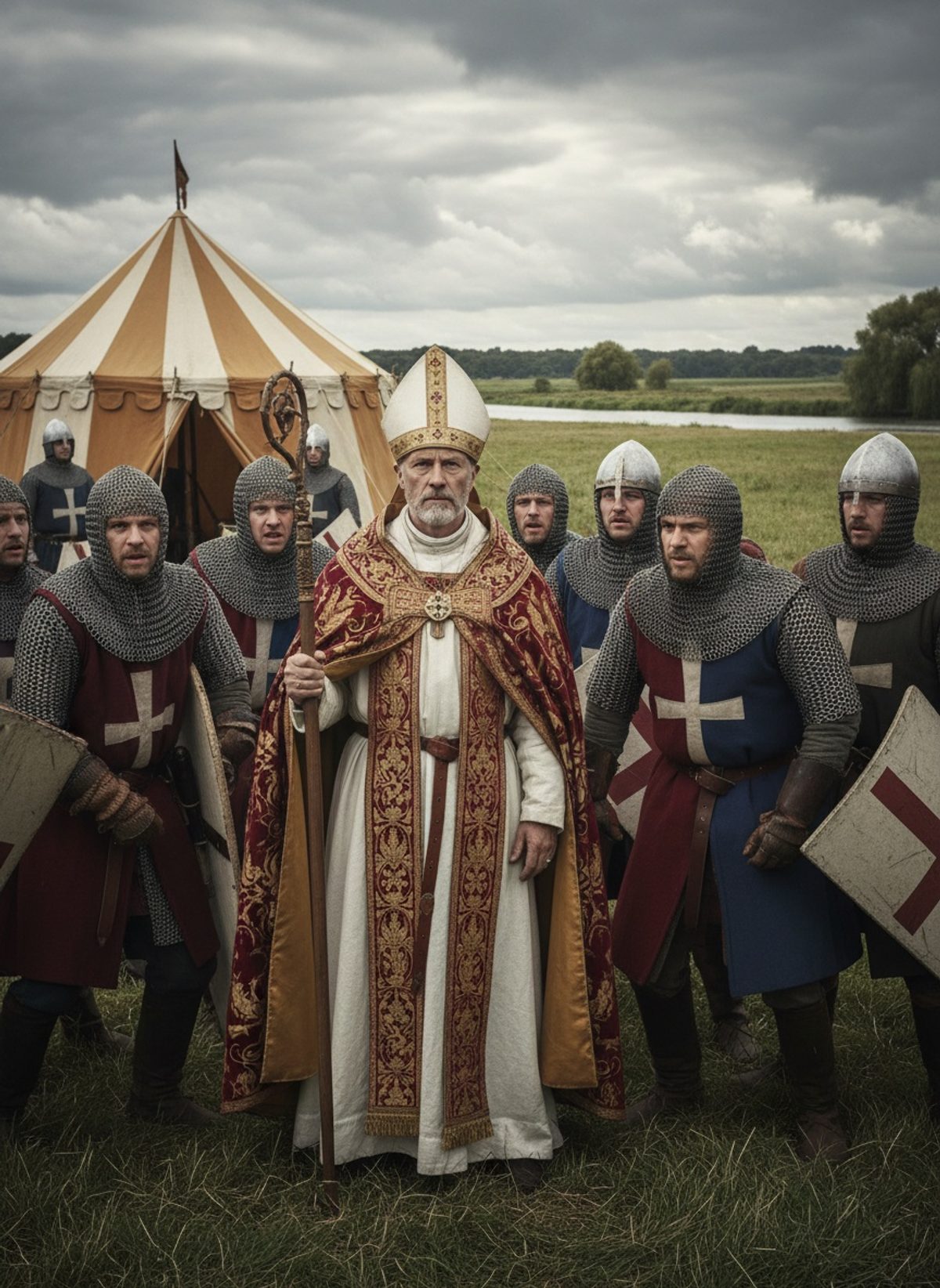
Thomas Becket's assassination hadn't simply removed an archbishop; it had carved a bloody wound into the very heart of Christendom. The conflict between crown and church erupted into chaos when Henry's knights brutally murdered Becket in 1170. It was a tale not often captured in textbooks with the gravity it deserved—a martyr born on the altar steps of Canterbury Cathedral under the flickering candlelight of the late afternoon. Rumours spread like wildfire, claiming miracles at Becket's tomb, attracting throngs of pilgrims who sought the saint’s intercession. In death, Becket had become more powerful than in life, casting a long shadow over Henry's reign.
The weight of Becket's holy martyrdom pressed heavily upon Henry. His sovereignty, once extending over half of Europe, was now entangled in the quagmire of lasting enmity with the church. The echo of Becket's final cry, "For the name of Jesus and the protection of the Church, I am ready to embrace death," lingered in Henry's ears. His desperate efforts to retain his grip on ecclesiastical matters only tightened the Church's resolve to defend its sanctity. The king who once commanded legions and conquered lands now needed to conquer the depths of his own despair and guilt.
Canterbury's Painful Pilgrimage
On the sweltering day of July 1174, Henry embarked on a journey unlike any he had faced before. There were no cheering crowds along the way, just the oppressive silence of remorse and the unyielding heat of the sun. With his famed Plantagenet pride set aside, he donned a simple hair shirt beneath his regal cloak—a garment representing penance and humility. The stark contrast of his royal visage now softened by the sackcloth was a testament to a momentous act of contrition.
Read next: The Day a Queen Walked Into a Rebel Camp Alone
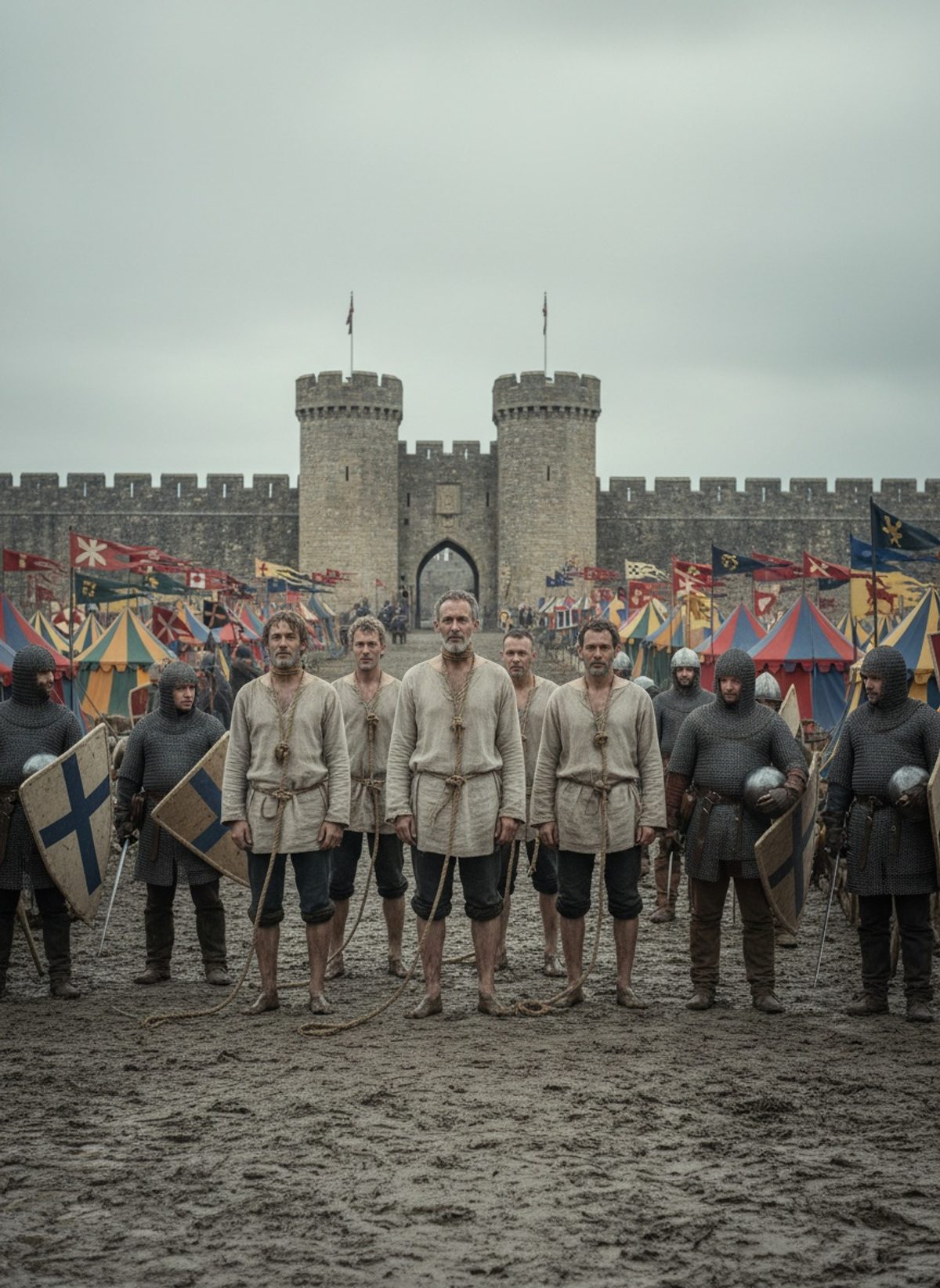
Arriving in Canterbury, he removed his boots, the leather worn smooth by years of horseback travels across his vast domains. Barefoot and vulnerable, each step became an embodiment of penitence as he trod the stones worn by countless pilgrims before him. The streets were lined not with banners and jubilant salutes but with onlookers witnessing an unprecedented act of humility from a king. Rocks and pebbles bit into his flesh, serving as a tactile reminder of the burden he sought to lift from his conscience.
A Penance Fit for a King
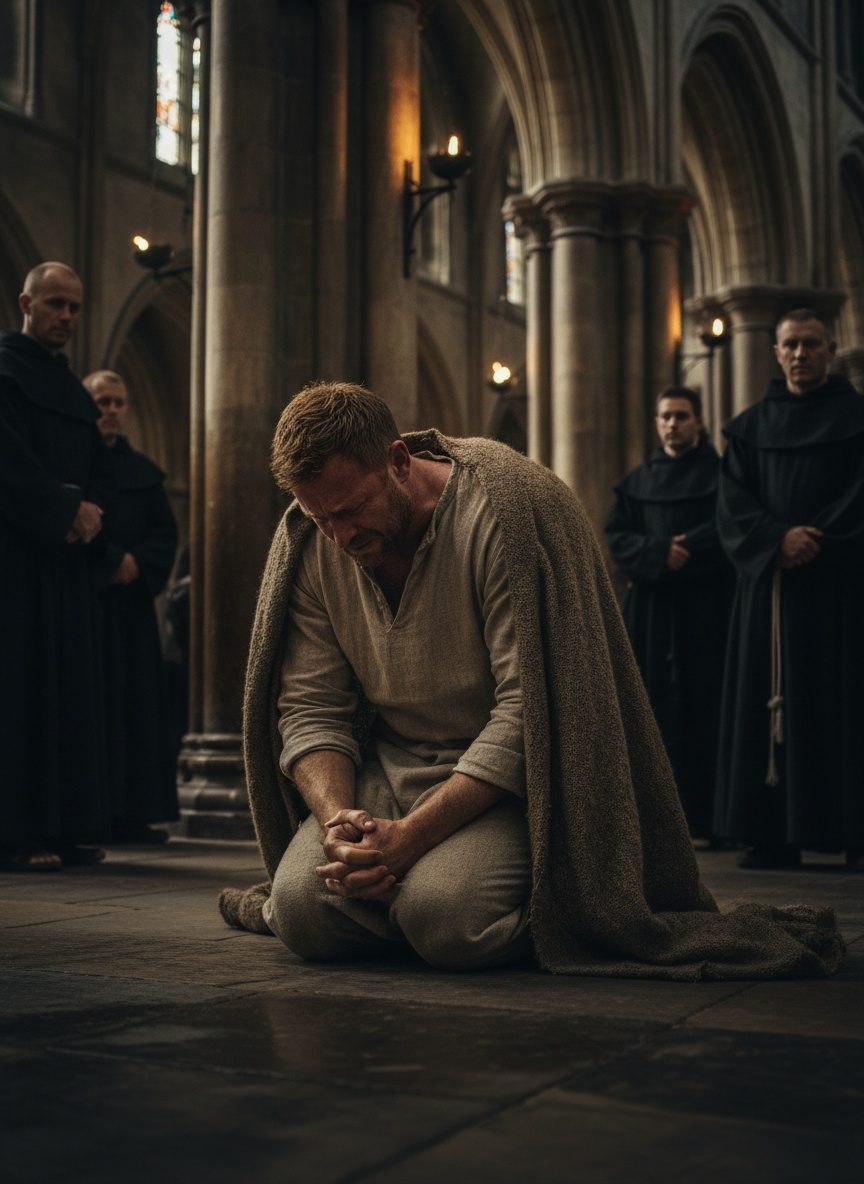
The base of the cathedral loomed ahead, its stone facade radiating both majesty and solemnity. Inside, the air was thick with the whispers of the faithful and the heavy scent of incense. Before Becket's tomb, the final act of penance unfolded. Henry knelt upon the cold, unforgiving floor beneath flickering candle flames, his hands a symbol of surrender clasped in prayer. Monks surrounded him, their robes rustling softly in the sacred silence, preparing to administer a monkish flogging.
One after another, eighty monks took turns striking Henry with branches. Each stroke was a testament to his resolve to bear this public penance. The faint draught carried their chants through the cathedral's cavernous reaches, a meditation of prayers intermingling with soft cries of the monks' rigorous devotion. Still, Henry did not move—the firmness of his penitent resolve as immovable as the stones beneath him. He had set out to seek absolution, and here he surrendered himself completely to the mercy of the divine.
Through Pain, Redemption
What compelled a king, ruler of extensive lands, to endure such public humiliation? For Henry, it was more than seeking forgiveness; it was an act of reconciliation with the realm over which he presided—a testament to an era's delicate dance between spiritual power and temporal authority. This was a rare act of medieval pageantry with a profoundly genuine purpose, delivered through Henry's submission as both man and king.
By the time the earthly sun had dipped below the horizon and the cathedral was lit only by the celestial glow of the moon, the penance had achieved its desired effect. The ripple of influence went beyond the personal redemption of Henry's soul; it quelled the tensions that had simmered between the monarchy and the clergy. In his act of contrition, Henry had unwittingly sewn together a tapestry of faith and governance that provided a template for future reconciliation in England's tumultuous ecclesiastical landscape.
This story of penance speaks not just of a king's redemption but illustrates the eternal struggle between personal guilt and public duty. Lessons from that hot July day in 1174 resound through the ages, reminding us of the power of humility, the consequences of unchecked ambitions, and the redemptive path that often demands a walk barefoot over stones, both literal and metaphorical.