The air was crisp and biting on that September morning in 1944, the kind that prickles the skin and injects a sharpness into the mind. The sun hung low in the sky, casting elongated shadows across the Dutch countryside, as if strained to highlight the quiet beauty of the land. Beneath that sky, the Rhine River flowed with deceptive calm, its surface occasionally rippling in response to a whisper of breeze. In the hushed light, Arnhem Bridge stretched across the water—a strategic lifeline, a coveted prize, and unbeknownst to the soldiers making their descent from above, a trap.
The mission mapped out by Allied planners under Operation Market Garden was ambitious, audacious even. The objective was to seize key bridges in the Netherlands, allowing for a swift push into the heart of Germany and hastening the end of World War II. The British 1st Airborne Division, a force numbering 10,000 brave paratroopers, was tasked to capture and hold Arnhem Bridge for 48 hours until reinforcements could relieve them. What seemed a military masterstroke quickly morphed into a nightmare of heroic resistance and strategic miscalculation.
The first echoes of catastrophe were borne on wings of fate and folly. Intelligence reports had warned of the presence of a formidable German Panzer division in the vicinity of Arnhem, but optimism overruled caution. As the paratroopers leapt into a sky streaked with the colors of impending battle, they carried with them a sense of resolve, unaware of the heavily armored firepower lying in wait.
The drop itself was a spectacle of chaos and courage. Silhouettes of men and parachutes dotted the sky; the roar of aircraft engines melding with the strangely serene rustle of fabric against the wind. The initial hours saw the paratroopers punching through enemy defences, the cobblestones of Arnhem rattling underfoot with the momentum of their advance. Yet, beneath this forward motion lurked the ever-growing shadow of an adversary prepared to defend its territory with steel and fury.
Read next: The Day a British Padre Carried the Dying From No Man's Land
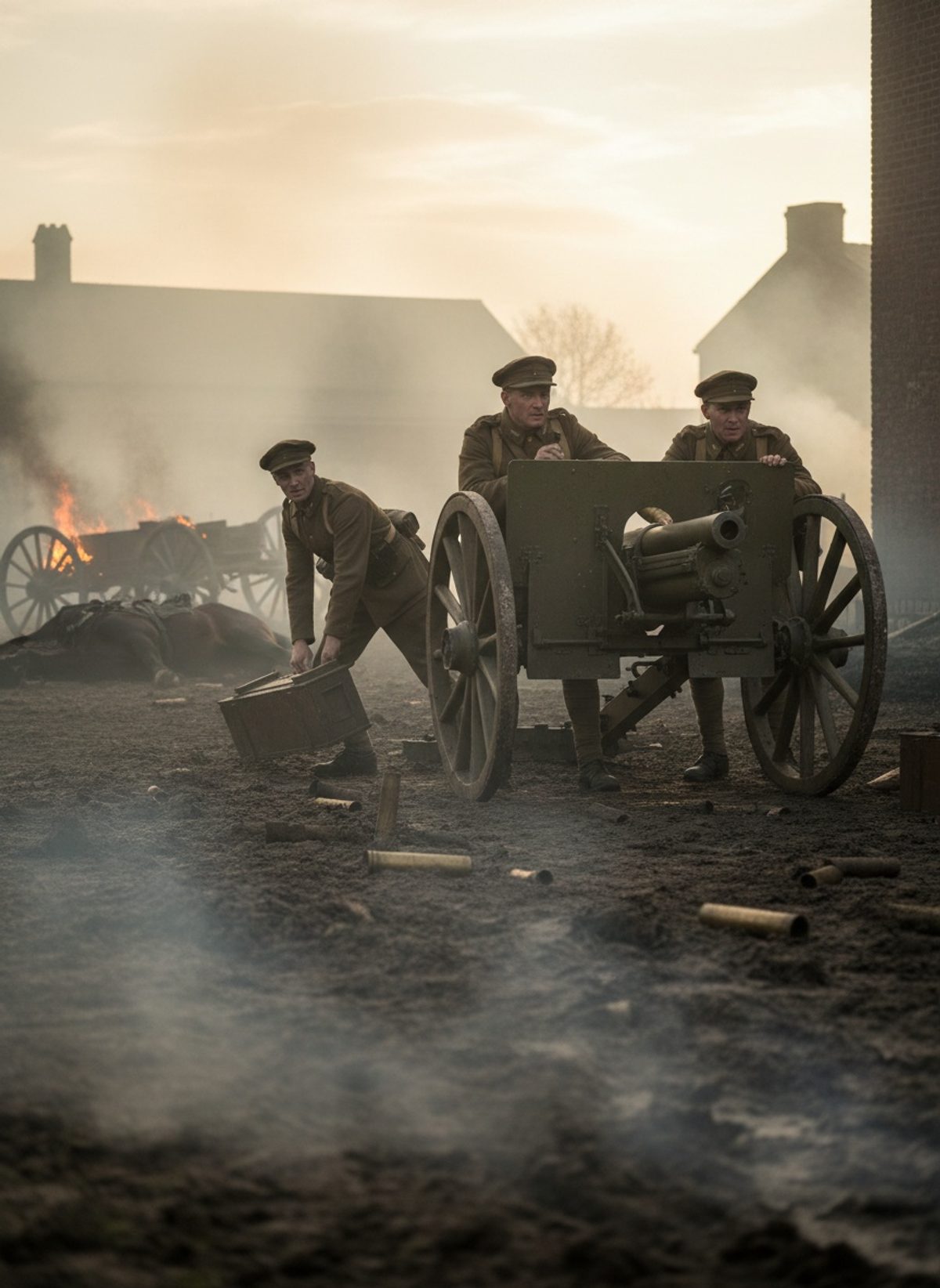
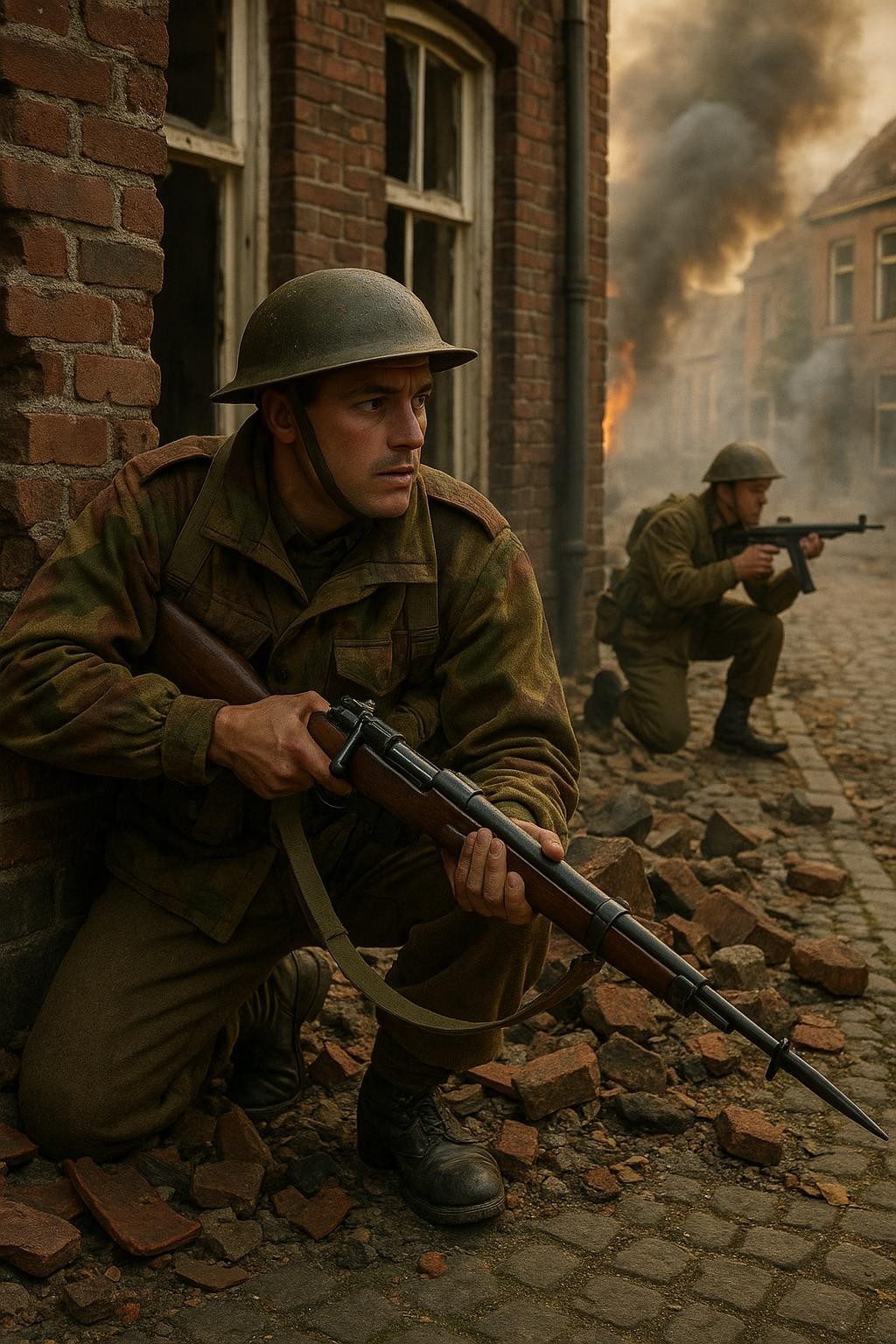
Arnhem, with its quaint houses and tight streets framed by trees just beginning to rust, soon became a crucible of relentless urban warfare. The clash of metal and the staccato of gunfire filled the air. The paratroopers, trained for swift engagements, found themselves entrenched in a desperate and drawn-out battle, pitted against seasoned German troops who were familiar with the lay of the land and supported by formidable artillery. The city, a serene tapestry at dawn, was transformed into a tableau of debris and smoke, a testament to the savage dedication of both attacker and defender.
The soldiers of the 1st Airborne Division fought valiantly, their resolve hardening under fire. But the odds were mounting against them; their supply lines were strained and dwindling, exacerbated by the Allied failure to break through overland to relieve them. The streets of Arnhem became hallowed ground, an arena where resourcefulness was pitted against the inevitability of exhaustion, and where every corner turned could spell death.
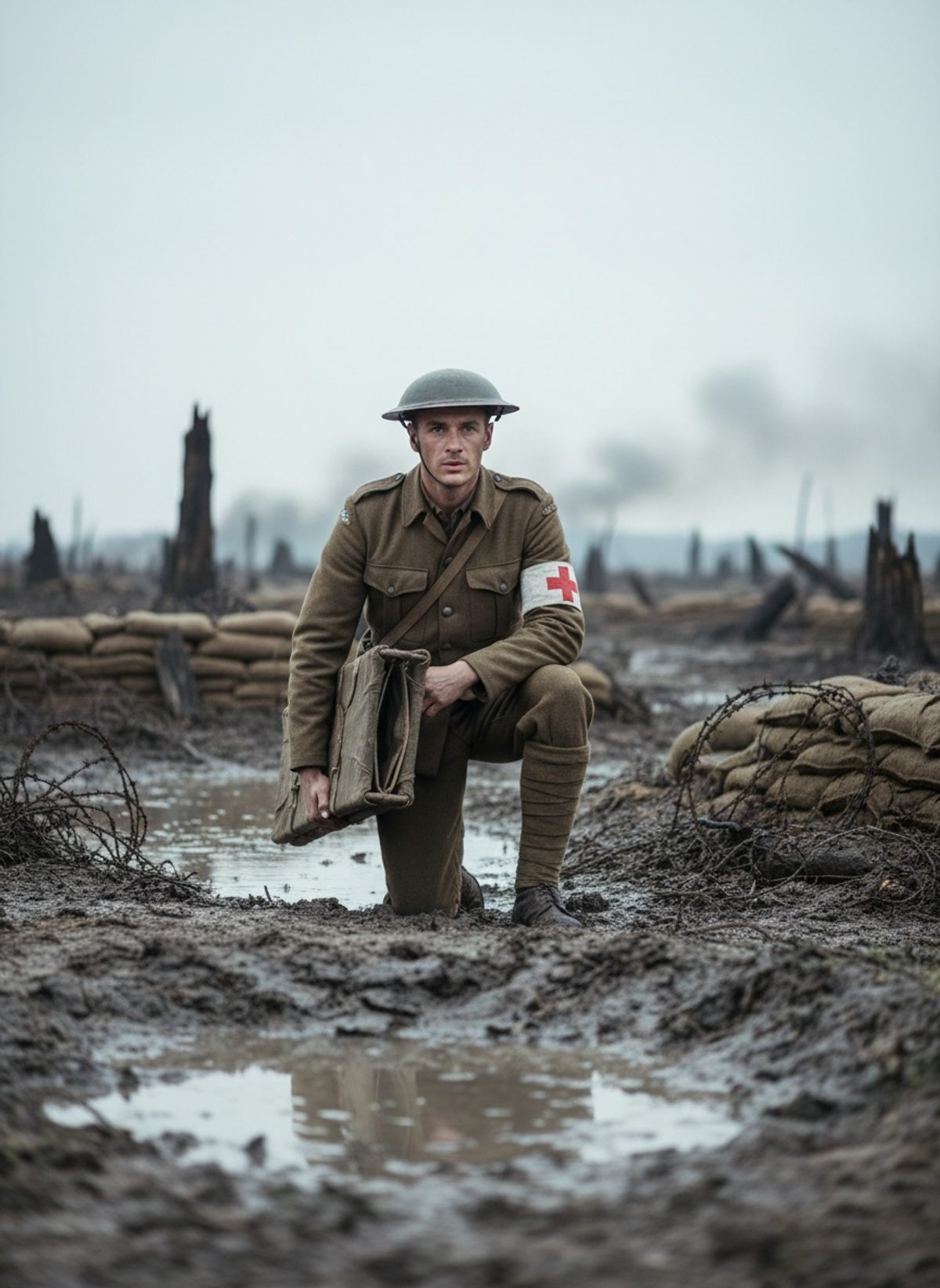
Yet, even amidst such desperate conditions, stories emerged of unparalleled bravery—of medics tending to the wounded under fire, of soldiers orchestrating rearguard actions to buy their comrades precious minutes. With supplies diminishing and surrounded on all sides, communicate they must and fight they would, as the bridge became both beacon and noose.
Even with the sensation of time stretching, each day held tight the promise hoped for reinforcement. But minutes blurred into days as the German counteraction wrapped tighter, constricting the valiant stand that had, by now, continued for nine days. One of the greatest acts of defiance was the attempt to maintain communication lines with the beleaguered troops—a relay executed with precision and gallantry by those who knew that their very steps were charted by danger.
As the confrontation ground on with increasing intensity, the paratroopers had proven their mettle beyond question. However, the weight of strategic errors and the cunning of their adversaries spelled an ending both bitter and sober. By the time the remnants of the division extracted themselves from Arnhem’s clutch, the bridge remained in German hands, the high cost of the operation a profound calculus etched into the fabric of military history.
The audacious endeavor at Arnhem was born of a desire for swift victory—a bridge too far in vision and execution. But from the crucible of Arnhem came lessons in the cost of courage and the imperative of informed decision-making; hewn deeply into the annals of history were the sacrifices made, the valiant resilience shown, and the bitter lessons learned. This tale of bravery underscores an ageless military truth: that intelligence unheeded is wisdom wasted, and that every plan must anticipate the unforeseen rebound of war’s unfolding complexity.
Thus, when the fog of battle cleared, Arnhem Bridge stood not just as a physical structure over the Rhine but as an enduring metaphor—a crossing attempted with valor, if not without consequence. And so, for the soldiers who lived through hell beneath the Dutch sky, the name Arnhem resonates as a solemn reminder of the thin, harrowing line between victory's grasp and the march to oblivion.