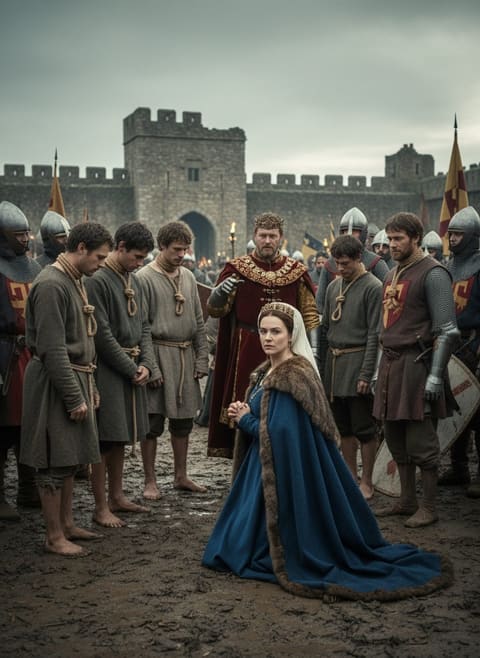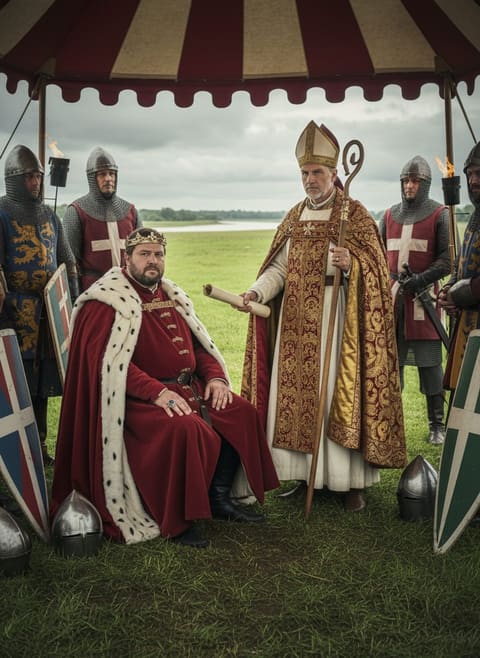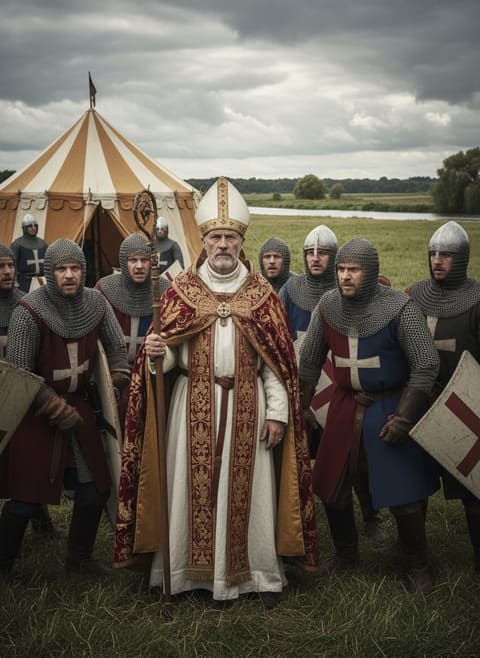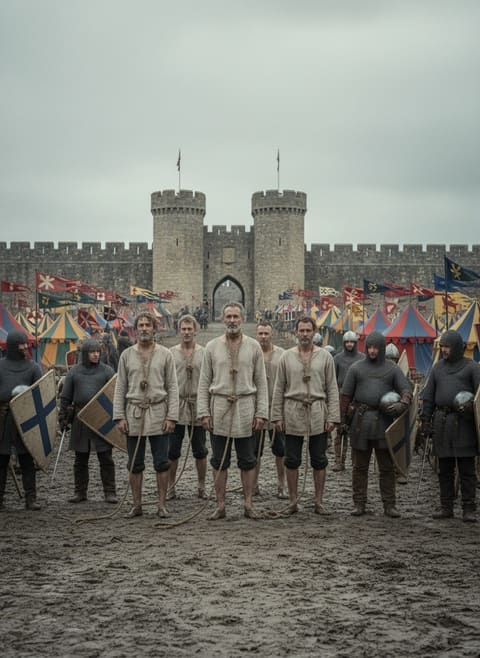
He struggled with a curved spine. Yet, his resolve was unwavering. Richard III, often demonized in posthumous portrayals and propaganda, was a seasoned warrior and ruler. The contours of his body may have bent, but not those of his determination. His reign was turbulent, marred by intrigue and shifting allegiances, yet his final stand at Bosworth Field reverberates through the echoes of history, challenging the gloom that shadows his legacy.
The Calm Before the Charge
On the morning of August 22, 1485, the early hours were shrouded in mist over the rolling hills of Leicestershire, obscuring the grim reality gathering there. Bosworth Field was a mosaic of contrasting human emotions and ambitions, with Richard III positioned not only to defend the crown but to defy the gathering storm of his adversaries. The English monarch was not alien to conflict nor devoid of battle acumen. Yet that day, his contemplation was surely thick with unease as he watched his allies stationed on the hillside with chilling indifference, their swords conspicuously idle.
To the north, a quiet detachment of Sir William Stanley’s forces remained poised, while the troops under the cunningly wavering Earl of Northumberland idled suspiciously, despite their pledged loyalty. Across the battlefield, the forces of Henry Tudor were assembling, hopeful and invigorated by the promise of change. Richard's army was outnumbered, the numerical advantage weighed significantly toward his challenger, who stood hungry and eager to end Plantagenet rule. As the sun veiled itself in the English sky, the outcome of the day seemed preordained, the fates of monarchs and kingdoms trembling in the balance.
In the middle of this tense atmosphere, Richard faced a daunting choice. His situation was critical, and the odds heavily tilted against him. Part pragmatism and part audacity steered his decision. The king, full of grit, would not wait for the guillotine-like descent of betrayal to conclude his reign. With resolute vigor, he charged, a lone silhouette against the horizon, advancing with fiery determination towards Henry Tudor himself. Those watching must have swallowed their gasps at this brazen move, a king uninterested in quiet extinction, yearning instead for battle's fiery embrace.
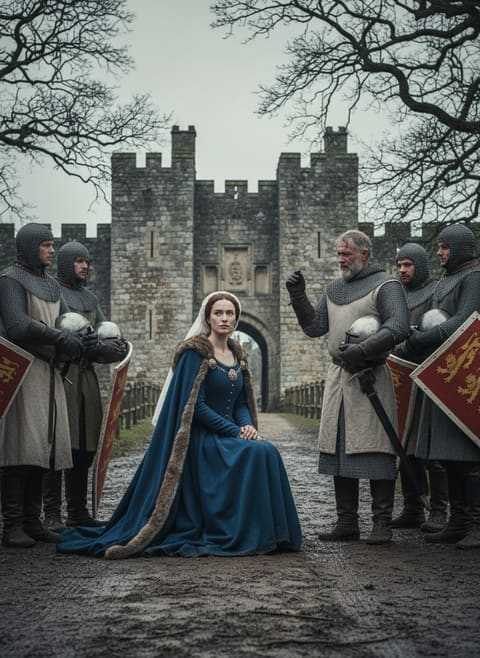
Read next: The Day a Welsh Girl Barred the Door on a King's Army
The Fury of Battle
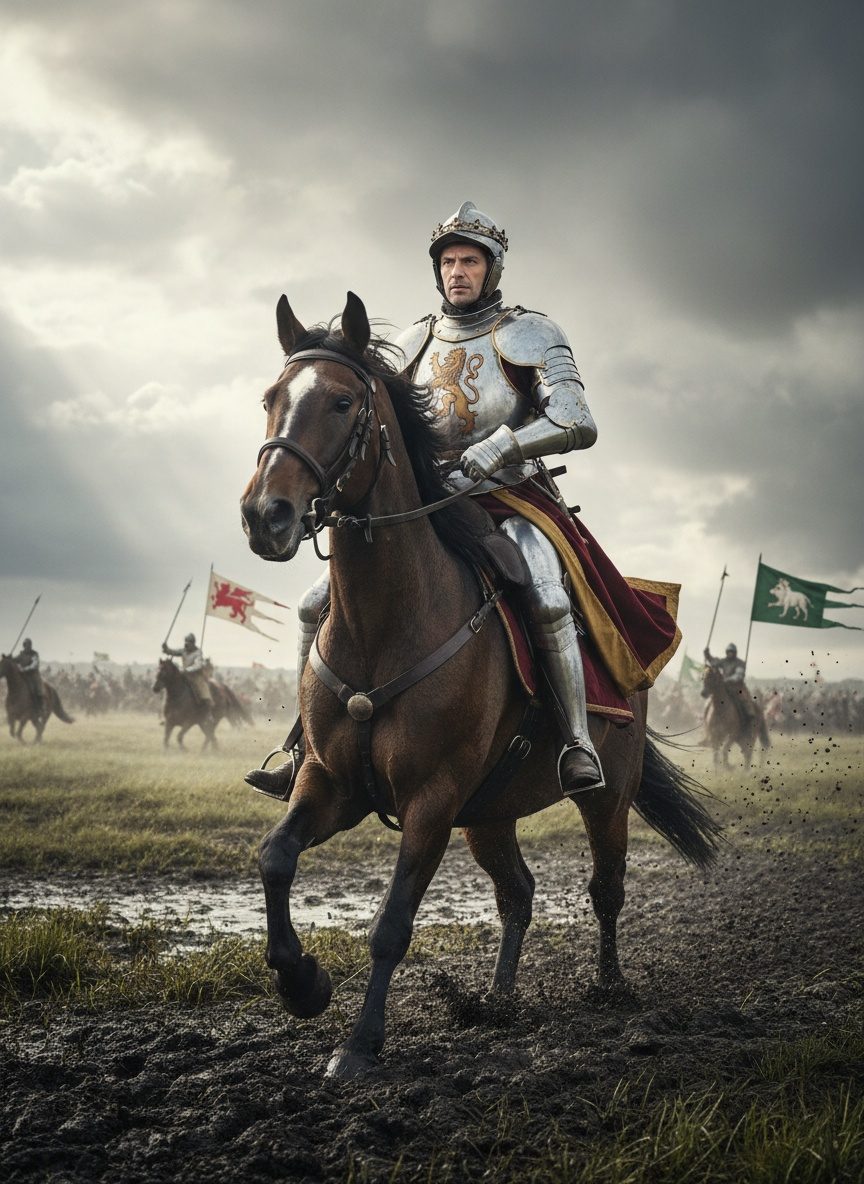
The charge of Richard III was nothing short of reckless bravery, a resounding statement engraved into the very soul of English history. When he spurred his horse across the open battlefield, head lowered, lance poised, he did so with the fervor reserved only for those who have tasted the bitterness of betrayal and refuse to succumb to it. As the hooves of his trusty steed thundered against the earth, the weight of a dynasty seemed to pound alongside each powerful stride, driving Richard towards his foe with alarming speed.
The battlefield erupted in chaos, a living tapestry of clashing steel and the thrusts of desperate men. Richard's target was clear, his vision singular: the man vying for his throne. With alarming precision, the king cleaved through the lines of opposition, leaving a wake of devastation. For those brief heartbeats, he seemed an invincible specter, the embodiment of a monarch's righteous might and indignation. Fearlessly, he breached Henry Tudor's surroundings, flanked by a few loyal souls who understood the gravity of these fleeting moments.
But the battlefield is a capricious mistress. Richard's resolute charge, teeming with valor, met the inevitable cruelty of circumstance. As he bore down on Henry Tudor, his numbers dwindled, worn thin by the fever of opposition and betrayal. His courage might have been enough to win a skirmish, but history demands more than valor when futures dangle in the balance. In those critical minutes, the supporters of Tudor rallied, encircling the king with merciless vigor. Blades flashed, echoing the discordant symphony of combat. Richard fought with the ferocity of a cornered beast, but outnumbered and surrounded, he succumbed to the endlessly turning wheel of fate.
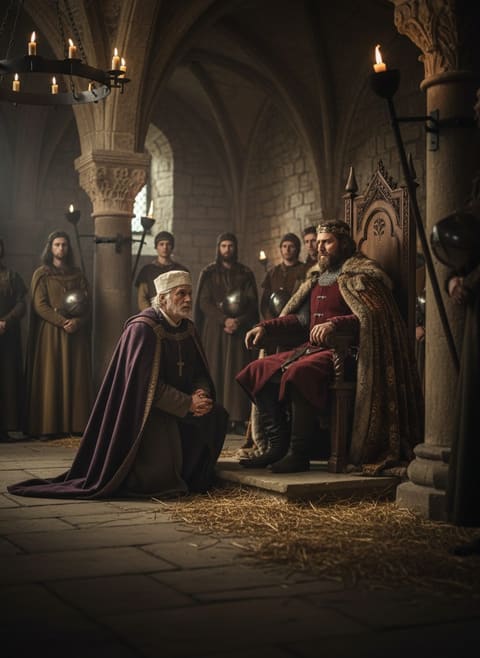
Read next: The Day a Medieval Mayor Knelt and Saved Six Condemned Men
The End of an Era
With Richard's fall on the field of Bosworth, England's landscape, both political and literal, began its slow but unmistakable shift. No king had lain dead as a result of battle on English soil for over a century, making Richard's demise not just the end of a ruler, but the end of an epoch. The Plantagenet lineage, rulers of England for over three centuries, dissolved in the blood-soaked earth, leaving behind a fractured nation grasping at strands of stability and peace.
Henry Tudor ascended, transformed through the irrevocable alchemy of warfare into Henry VII, the founder of the Tudor dynasty, carving a new path for England. Richard's charge, though valiant and emblematic of individual fortitude, could not withstand the tide of change; his name intertwined henceforth with both vilification and admiration. His death marked a conclusion, and yet, also a commencement — the Wars of the Roses were extinguished, but out of their ashes, something new was forged.
Richard's final moments on Bosworth Field are not simply a tale of a king defeated, but rather a complex narrative that confronts the immutable nature of power, loyalty, and legacy. This story, absent from schoolbook pages, speaks volumes about the human spirit's confrontation with despair. It leaves us with a poignant reminder of how history often turns on brief, raw displays of courage and the whims of allegiance. While the chronicles reflect Richard's broken frame, they also unfalteringly cast light upon his relentless heart, forever galloping into the annals of memory.