Most people have never heard of Rorke's Drift. They should have. On the night of 22 January 1879, a small mission station turned into the scene of one of history's most extraordinary acts of defiance.
The Reminder of Courage: A Night Never to Forget
The sun was beginning to set over the African veldt when Rorke's Drift, an outpost in the Natal province, braced for what seemed like an inevitable defeat. It was overwhelmed, though not unmanned; 150 British soldiers—some struggling with infirmity or fatigue—garrisoned the sparsely fortified depot prepared for a ferocious onslaught. Not far off, 4,000 Zulu warriors, fresh from their victory at the Battle of Isandlwana, were marching forward. The immediate clash was imminent and terrifying for those ill-equipped to fend it off.
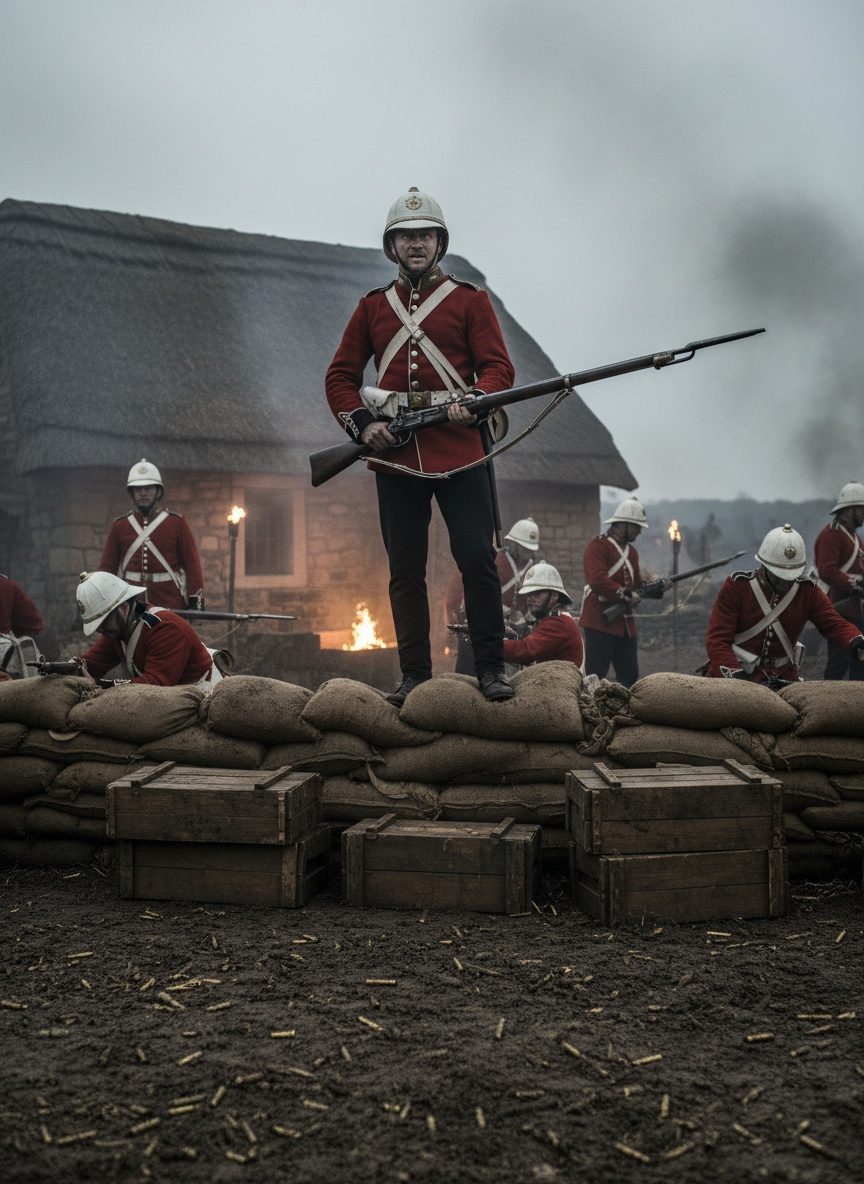
Yet, as the darkness thickened, the dawn of conflict revealed a peculiar characteristic of warfare: the spirit that refuses to be vanquished. Those besieged men—primarily of B Company 2nd Battalion, 24th Regiment—held their ground fiercely. Surrounded by little more than impromptu barriers of mealie bags and biscuit tins, they awaited the impending storm. With Lieutenant John Chard of the Royal Engineers and Lieutenant Gonville Bromhead, they orchestrated their scarce resources into a defense strategy determined by wit as much as by courage.
An Onslaught of Unyielding Ferocity
The first Zulu attacks erupted around 4:30 p.m., a rush of spear-wielding warriors against the pale illumination of the makeshift barricades. The struggle that ensued was relentless and visceral. Waves of Zulus charged fearlessly toward the mission block, confronting soldiers who fired with steely resolve. Each volley of Martini-Henry rifles spewed flame and smoke, setting a deafening rhythm punctuated by shouts and war cries.
Read next: The Day a Surgeon's Son Chose Death Over Silence
Among the besieged, the question was not if they could escape but how long they could endure. By all accounts, the night blurred into one continuous fight for survival. As hours ticked by, the sick bay functioned as both a refuge and a battlefield. Trooper Alfred Henry Hook, amidst daunting flames, rescued numerous patients from blazing infirmary rooms. Meanwhile, Private John Williams and Private Joseph Williams defended a loophole fiercely until the latter fell. Realizing they were outflanked, John Williams battered through wall after wall with the anxious and sick clinging to existence behind him. These were more than acts of duty; these were feats of breathtaking bravery.
Figures Born of Resilience and Valor
When morning finally crept over the defensive bulwarks of dried mealie bags, their handiwork was telling. True, the absent stars had narrated tales of fallen comrades: 17 men were dead or mortally wounded. Yet, somehow, against all rationale, the core of Rorke's Drift still stood untaken. The men, exhausted and stained with the grime of battle, gazed upon a battlefield strewn with the evidence of their endurance and the fierce legacy of Zulu courage.
Read next: The Day a Chimney Sweep's Son Shamed a Whole Parliament
What followed was a recognition unprecedented in British military history: eleven personnel were awarded the Victoria Cross, the highest and most prestigious award for gallantry in the face of the enemy. Chard, Bromhead, Hook, and John Williams were among those decorated for heroics far beyond the call of duty. The action at Rorke's Drift had metamorphosed into more than a simple defense; it had become a statement of audacious human capability.
Echoes that Resound Beyond the Battlefield
The heroic resistance at Rorke's Drift resonates beyond its plot of action. It speaks not merely to military prowess but to the essence of determination when odds are insurmountably adverse. Why does this story matter, and why does it perpetuate in the whispers of history? Perhaps because it denotes a human tenacity found in the direst moments, the kind that can inspire not through grand strategy but through the raw, vivid courage of individuals standing firm.
In our era of tumult and change, where the shadows of conflict and adversity occasionally loom large, the night when eleven Victoria Crosses were earned in a single encounter delineates an eternal truth: while the circumstances of survival may alter, the valor instilled in mortal hearts remains a constant beacon, a reminder of what humans are capable of when faced with overwhelming challenges. A simpler moment, forgotten too often, persists as a testament to resistance, hope, and profound courage.