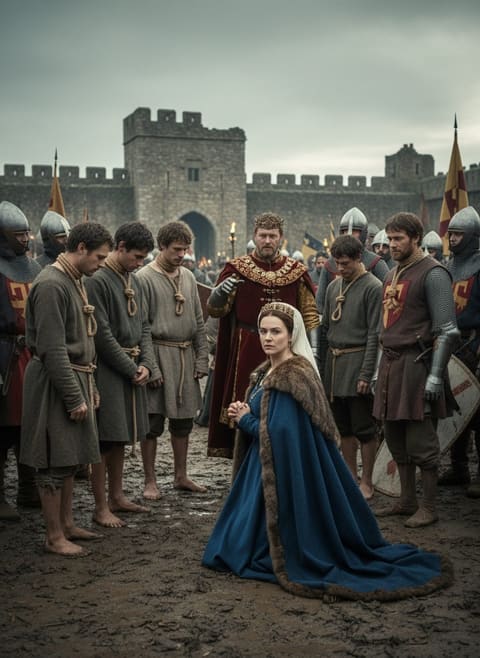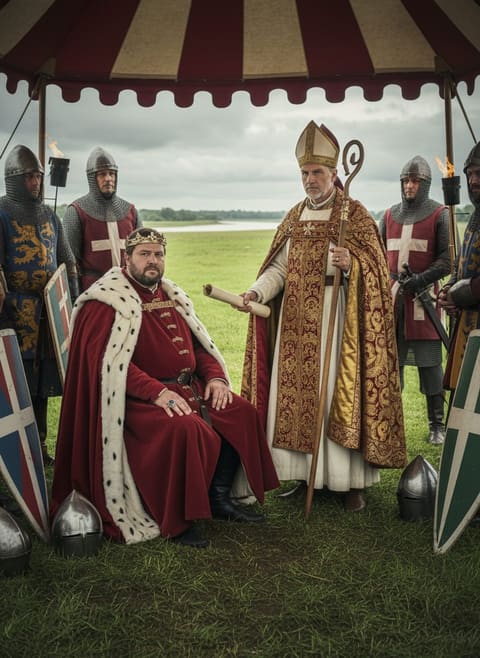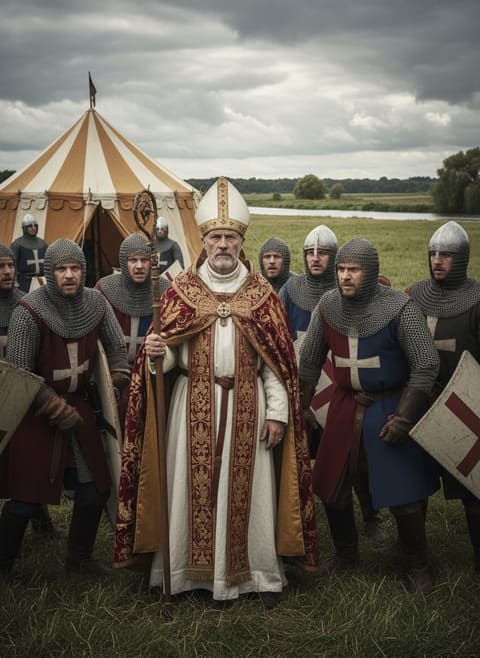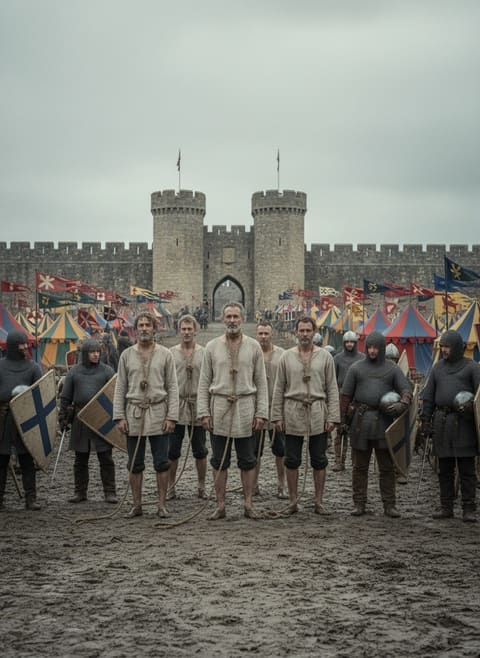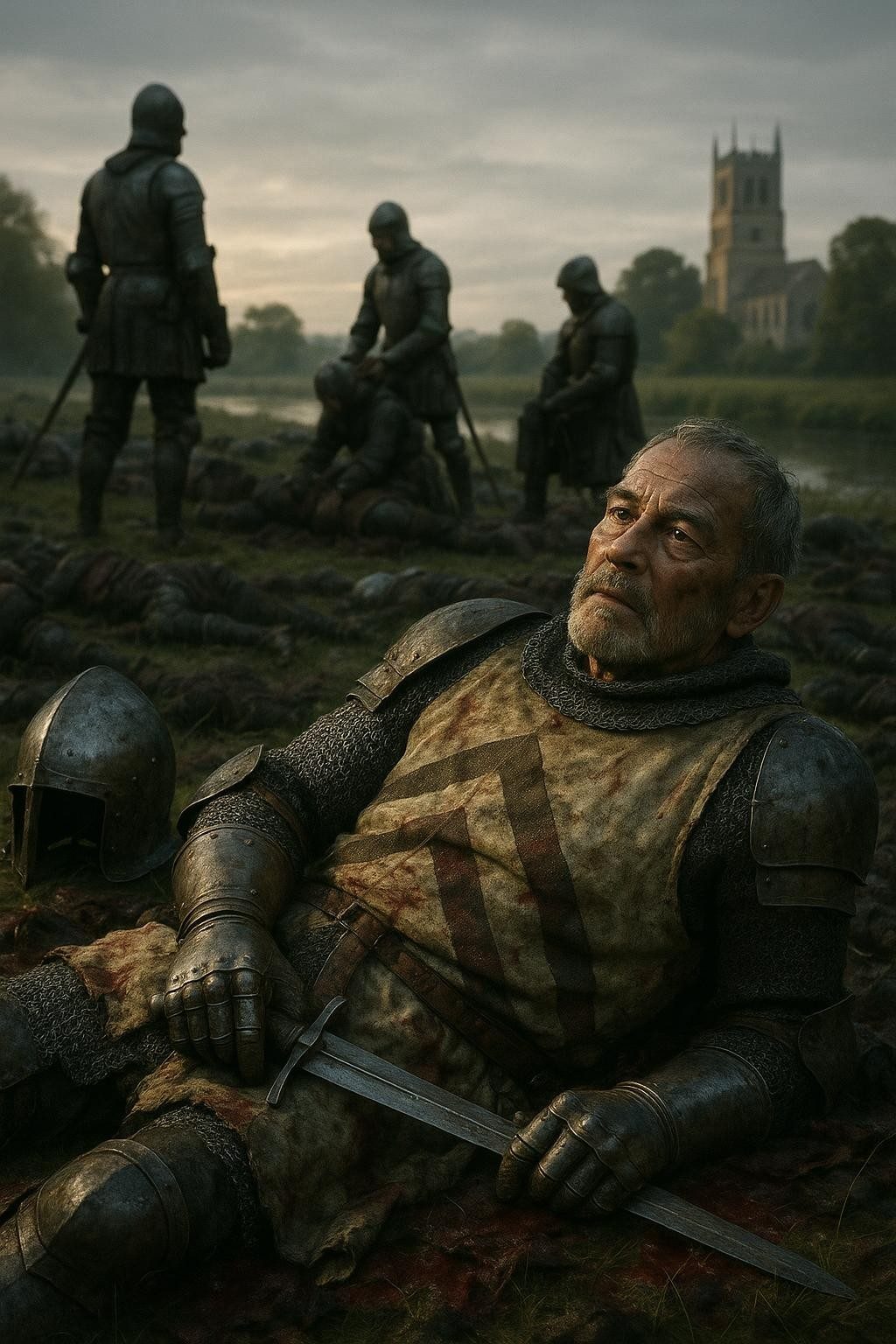
The sky over Evesham on an early August day in 1265 was a battle-weary canvas of gray, the sun struggling to break through the dense clouds that hung like a veil over the land. The air was thick with the metallic scent of war, mingling with the earthiness of fresh rain soaked into the blood-drenched fields. The remains of a different kind of storm lingered in the air—one that had swept away more than mere men, but bold ideas that challenged the bedrock of English governance. As the cries of the wounded mingled with the silence of the slain, an immutable truth lay thick in the haze: the kingdom had been irrevocably altered.
The Rise of an Unwanted Idea
The decade leading to that fateful day had been marked by tension and rebellion against a monarch who would not heed counsel. Simon de Montfort, the French-born earl of Leicester, had ignited a spark of ambition that few could have predicted would blaze so fiercely. With an audacity that put him at odds with King Henry III, Montfort championed the belief that the king should not rule unilaterally. Instead, he should be tempered by the wisdom of his subjects, a radical notion that challenged centuries of feudal tradition.
Montfort's vision crystallized in January 1265 when he summoned what came to be known as the first true Parliament of England. His assembly was not merely a congregation of nobles and church leaders; it audaciously convened knights from each shire and invited townsfolk, the commoners whose voices had never before pierced the walls of royal power. For many, this assembly was an echo of Roman governance, where the republic had given ordinary citizens a voice—a concept both startling and exhilarating to the English populace. The mere act of gathering such a body marked a departure from the king's unchecked reign and planted the seeds of a constitutional tradition that would influence the world.
While Henry III may have initially acquiesced to Montfort's assembly out of necessity, viewing it as a temporary concession, the implications rippled far beyond his reign. It was an experiment in power-sharing at a time when such notions were scarce. Despite the radical assembly's brief tenure, Montfort's parliament communicated something profound: governance was a bond, a social contract that required the engagement of its constituents. It was a reminder of the ancient rights invoked by the Magna Carta just decades earlier and a harbinger of the dialogues that would define English society for centuries hence.
Read next: The Day a Welsh Girl Barred the Door on a King's Army
The Aftermath of Defeat
By August 1265, Montfort's daring had reached a violent denouement at the Battle of Evesham. Overwhelmed by the forces of Prince Edward, the king’s son and soon to be the formidable Edward I, Montfort's army was obliterated, and he himself slain. His body, mutilated as a grim message to all dissenters, lay as clear evidence that the attempt to balance royal authority had failed. Or so it seemed.
The plains of Evesham were strewn with the aftermath, a somber theater of chaos, silent except for the mourning cries of families searching for loved ones. Amid the wreckage, the principle Montfort had championed quietly survived, its embers kindled in the hearts and minds of his supporters. They carried the idea back to their homes, where it settled and grew beneath the radar, ultimately nurturing the resilience of a movement that refused to perish.
The executors of vengeance at Evesham had not rid themselves of a notion that, unwittingly, they had helped broadcast. Montfort’s death only martyred him to the cause, transforming his failure into a rallying cry. In the struggle’s wake, the Crown could no longer ignorantly dismiss the seeds sown by Montfort, and despite attempts to crush the rebellion's roots, many among the peerage and commoners alike found themselves questioning the old order.
The battlefield had rid England of Montfort's physical presence, but not his legacy. In subsequent reigns, the seeds of parliamentarianism found firmer soil. Henry's successor, Edward I, learned from his father's mistakes; his governance was marked by the incorporation of parliaments that, while controlled, recognized the need for broader counsel. England, irrevocably changed, began its journey toward a more inclusive form of governance—an inheritance derived from the sacrificial courage of an unwanted rebel.
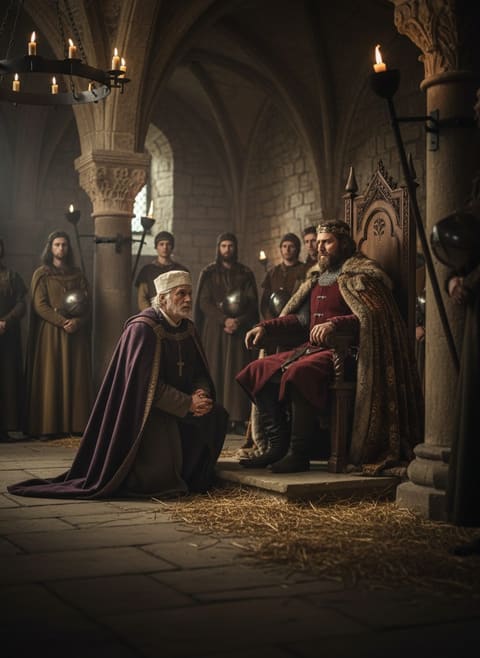
Read next: The Day a Medieval Mayor Knelt and Saved Six Condemned Men
A New Dawn in England's Political Landscape
In the years that followed, the reverberations of Montfort's actions at Evesham could be felt in the subtle shifts within the kingdom's political tides. The reformist spirit he had ignited could not be entirely extinguished, as successive monarchs found themselves compelled—sometimes reluctantly, sometimes out of necessity—to call assemblies that more closely resembled Montfort's vision. Though centuries of struggle and negotiation lay ahead, the essence of a representative parliamentary system had been seared into the consciousness of England's rulers and ruled alike.
This new dawn, masked by the immediate aftermath of Montfort’s fall, was not immediately apparent. It took generations for England to build upon the fragile frame Montfort had dared to imagine. The shadows of despotism never completely dissipated, yet the precedent had been set that no king could long endure without the cooperation and consent of an engaged and active population.
It is a testament to the resilience of ideals that a gruesome defeat on the fields of Evesham could flower into the roots of a modern parliamentary democracy. When England celebrated the eventual establishment of its constitutional monarchy, it did so with echoes of Montfort's name, a tribute whispered quietly throughout history and remembered by those who understood that the pursuit of a just and participatory government does not die with the men who champion it.
Though the tumultuous events of medieval England now lie centuries behind us, their hearts beat through the halls of Westminster today. The legacy of a dying outlaw handed England not merely a battlefield victory, but the enduring, if initially faint, promise of a government by the people, for the people—a promise that power shared is power made just.