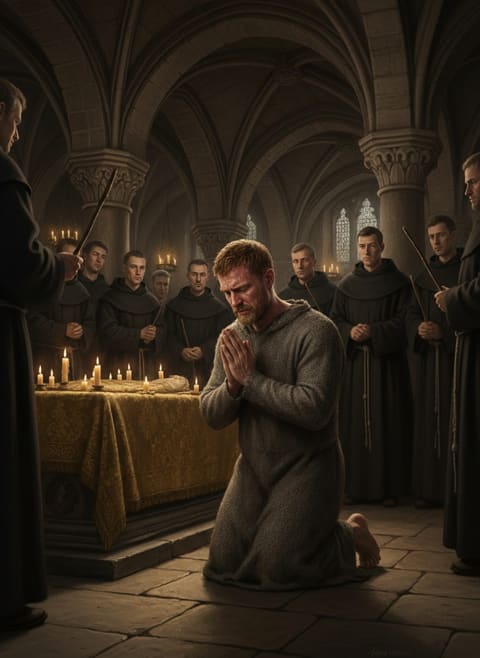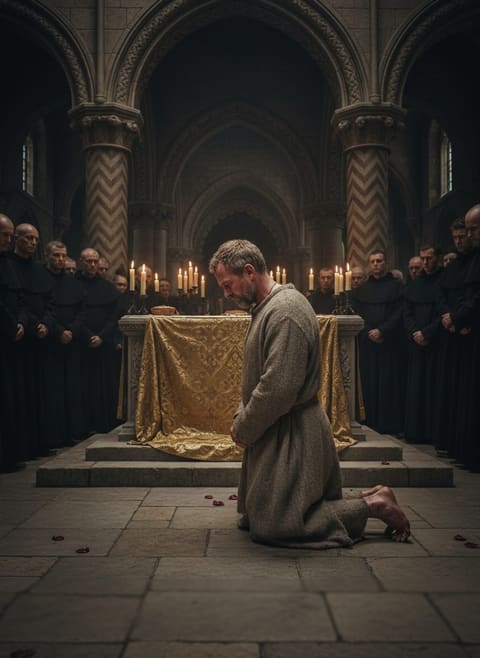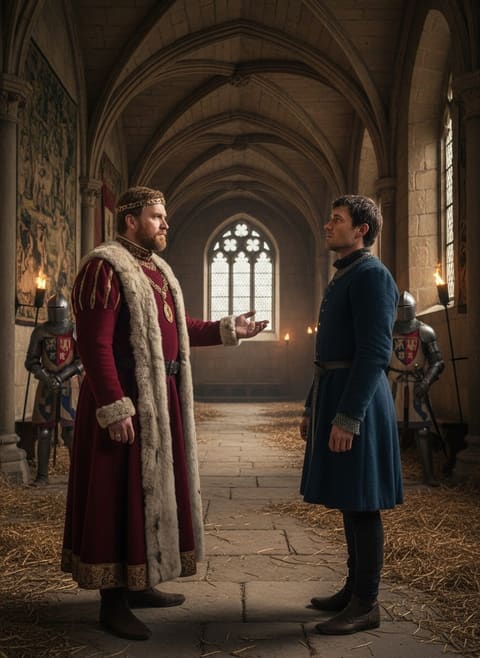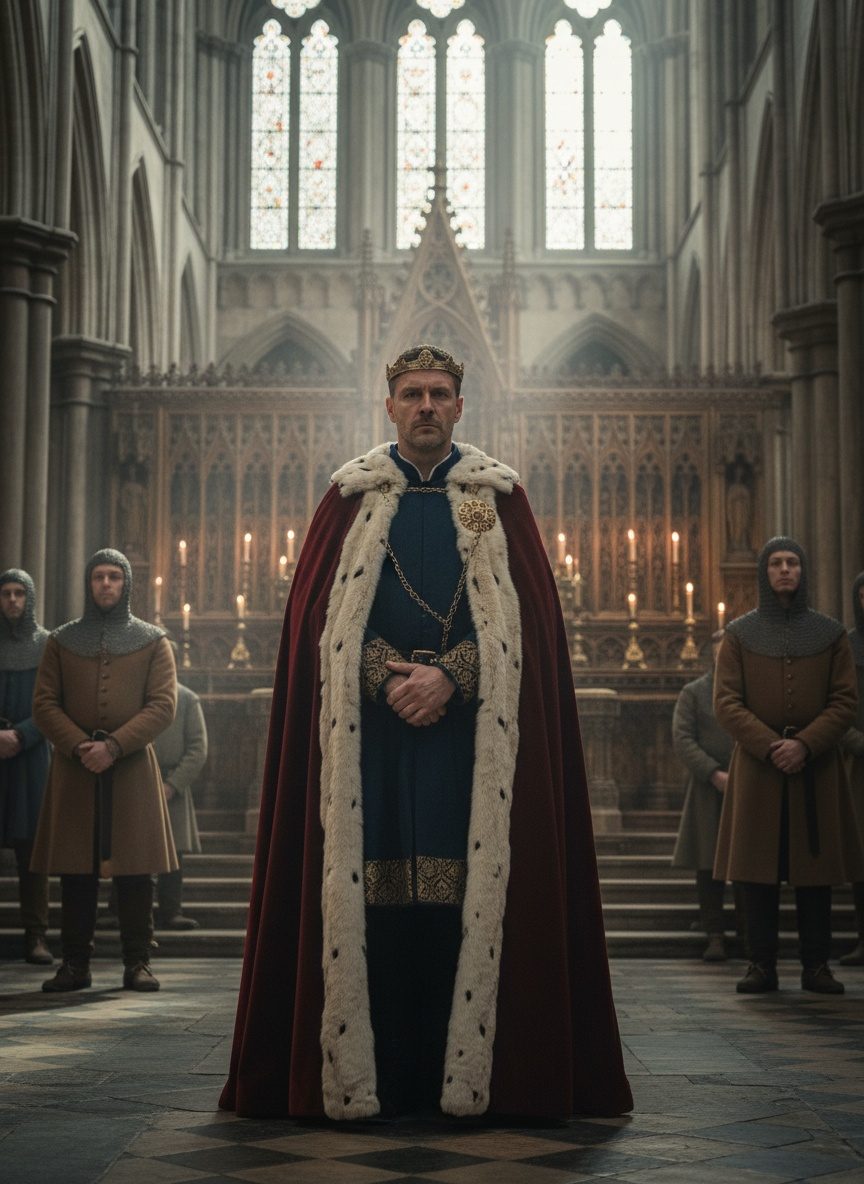
The weight of the stone heart hung heavily in his grasp. Through the hush of Westminster Abbey, the rhythmic footfalls of the solemnm procession reverberated, each step an echo of a promise kept across time. Clad in regal attire, crowns and coronets adorned their heads, yet awe muted the grandeur, for the heart of King Henry III made its sacrosanct journey. On this poignant August day in 1274, Edward I, lion-hearted and resolute, fulfilled the dying wish of his father, the manifestation of final devotion that intertwined their reigns beyond mortality.
A Monarch’s Masterpiece
Westminster Abbey rose from the heart of this medieval tableau, an architectural embodiment of King Henry III’s soul. Born into the Plantagenet dynasty, Henry’s rule spanned fifty-six years, leaving an indelible imprint upon the very foundations of the monarchy and its sacred spaces. A patron of culture and art, he envisioned grandeur where others saw merely stone, hewn it meticulously into the ribbed vaults and soaring arches of the Abbey. Henry transformed it into a symbol of piety and royal power, harmonizing the realms of heaven and earth. The Abbey became his life’s canvas, and in its hallowed halls, he sought to etch his story for eternity.
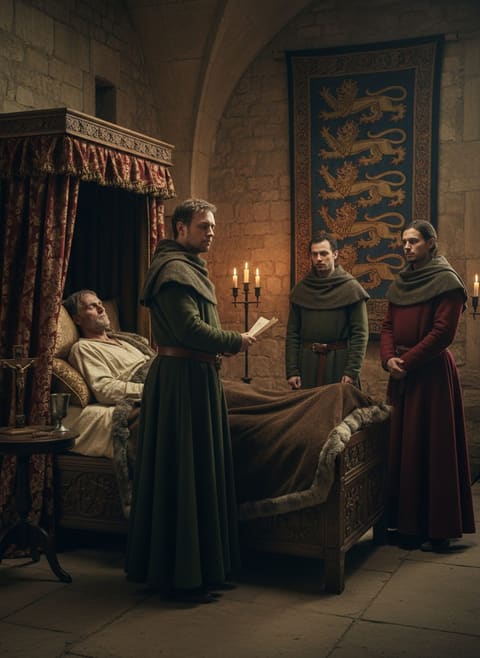
Among the vivid stained glass and choir stalls, Henry found spiritual solace. He often retreated there, preoccupied not by conquest nor crown but by devotion. Behind this facade of regal duty lay a deeply personal obsession: to honor the saints and celebrate the divine. As his life waned, aware that his grip on time would soon release, Henry entrusted his heart to the sacred corridors of Westminster. This posthumous wish was a testament to his lifelong dedication, a desire for perpetual connectedness. For Edward, this apotheosis marked not just filial piety, but a reverential act recognizing the Abbey’s importance to his father’s legacy in a rapidly evolving medieval world.
The Warrior’s Pilgrimage
August 1274 was not only the month of a king’s coronation, but the fulfillment of a son’s promise. Fresh from the crusades, Edward I, later celebrated for his martial prowess and iron will, pivoted from battlefields to spiritual duty. The long absence from England had already forced the kingdom into prolonged uncertainty, as the monarch tended to his obligations far away. The awaited return catalyzed a confluence of triumph and tradition, all eyes upon Edward as he braced for the mantle of kingship left by his father.
Read next: The Day a Young Prince Knelt and Refused a Crown
With tactful resolve, Edward honored the peculiar request—placing sentiment over sovereign ambition for this transient moment. The processional path through Westminster palpitated with history. Laden with his father’s heart, encased in a vessel both symbolic and literal, Edward led the solemn congregation. This act, seemingly peculiar for a ruler known for formidable campaigns, underscored an inherited reverence that transcended steel and strategy. This gesture portrayed Edward not merely as a successor, but as a son dutifully intertwining his reign with ancestral devotion.
The scene was as much political theatre as it was liturgical homage. Peers and subjects bore witness, absorbing the charged atmosphere, where stone and spirituality converged beneath the Gothic vaults. Amidst them, Edward’s gaze was firmly anchored to the present, absent the strategies and wars that would seek him in years hence. At that instant, the divide between warrior and witness blurred, as every chord of the choir’s hymn rang out with promises once made between father and son; an unbreakable chain through the corridors of time.
Read next: The Day a Queen Rode Alone Into a Mutinous Army
Immortal Allegiances
As Westminster Abbey embraced Henry’s heart, Edward’s reign cast a new shadow over a realm fraught with aspirations and discord. His time as king would transform England in stark ways—one of conquest and consolidation, yet the passage marked by his father’s last wish revealed rare insight into Edward’s multi-layered persona. These medieval chronicles often amplify the clang of battles and the spine of steel armor, yet hidden subtleties existed too: the interplay of personal loyalty and public duty in the pantheon of Plantagenet kings.
The enshrined heart was a relic transcending mere royal affection; it was a symbol seeping into the very fabric of England’s narrative. Devotion entwined with duty, resilient beyond physical reigns, underpinned the medieval cosmos. Through this act of filial homage, the Abbey—sacred, monumental— became not just a place of worship but a testament to enduring legacies, relationships sculpted by shared ideals and mortal mandates.
In fulfilling this pledge with unwavering fidelity, Edward I demonstrated a tapestry of strength and sensitivity—a fleeting glimpse through the battlements of his future reign. Medieval England, rife with conflicts and conquests under Edward’s formidable rule, bore witness to a son’s deference to his father’s ethereal will. It was not the clash of swords nor the draft of decrees that underscored this August day in 1274; rather, it stood as a tableau of continuity, where history’s passages were bound by both stone and spirit, echoing through the ages—as if whispering gently from the vaulted ceilings themselves.