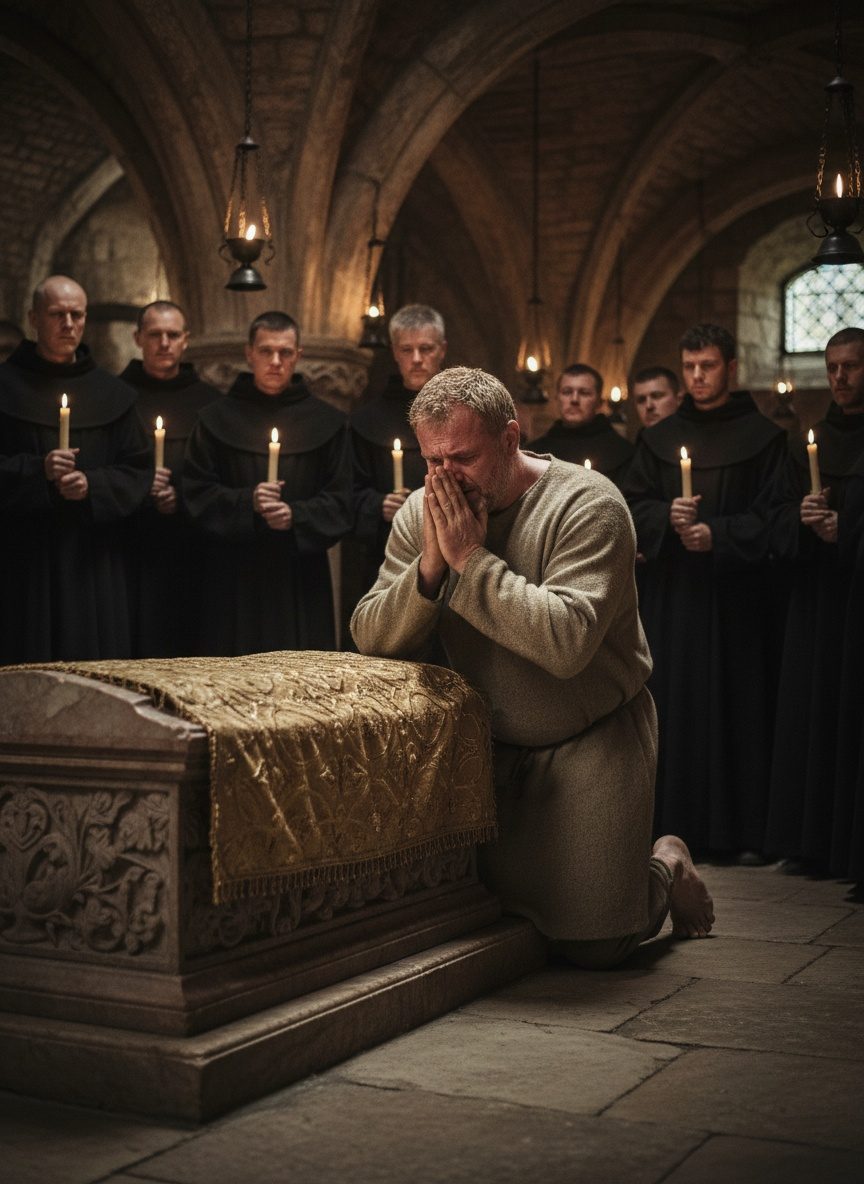
In February 1141, the streets of Winchester thrummed with the whisper of scandal. Curiosity snaked through the air, curling into the street corners and slipping through the fingers of merchants. A king, the symbol of divine rule, had been shackled like a common criminal. This is the extraordinary tale of King Stephen of Blois, whose improbable royal resurrection began in the quiet beating heart of a chaotic war known as The Anarchy.
The Battle of Lincoln: Chains of Defeat
The story unfolds on a biting winter’s day, February 2, 1141, along the banks of the River Witham, where frost clung to the earth like a reluctant mourner. The Battle of Lincoln had erupted between King Stephen’s forces and those loyal to his cousin, Empress Matilda. The kingdom had been rent into ragged halves by a civil war sparked by Stephen’s unexpected grasp of the English crown following the death of Henry I—ignoring the emperor’s plans to place his daughter, Matilda, on the throne.
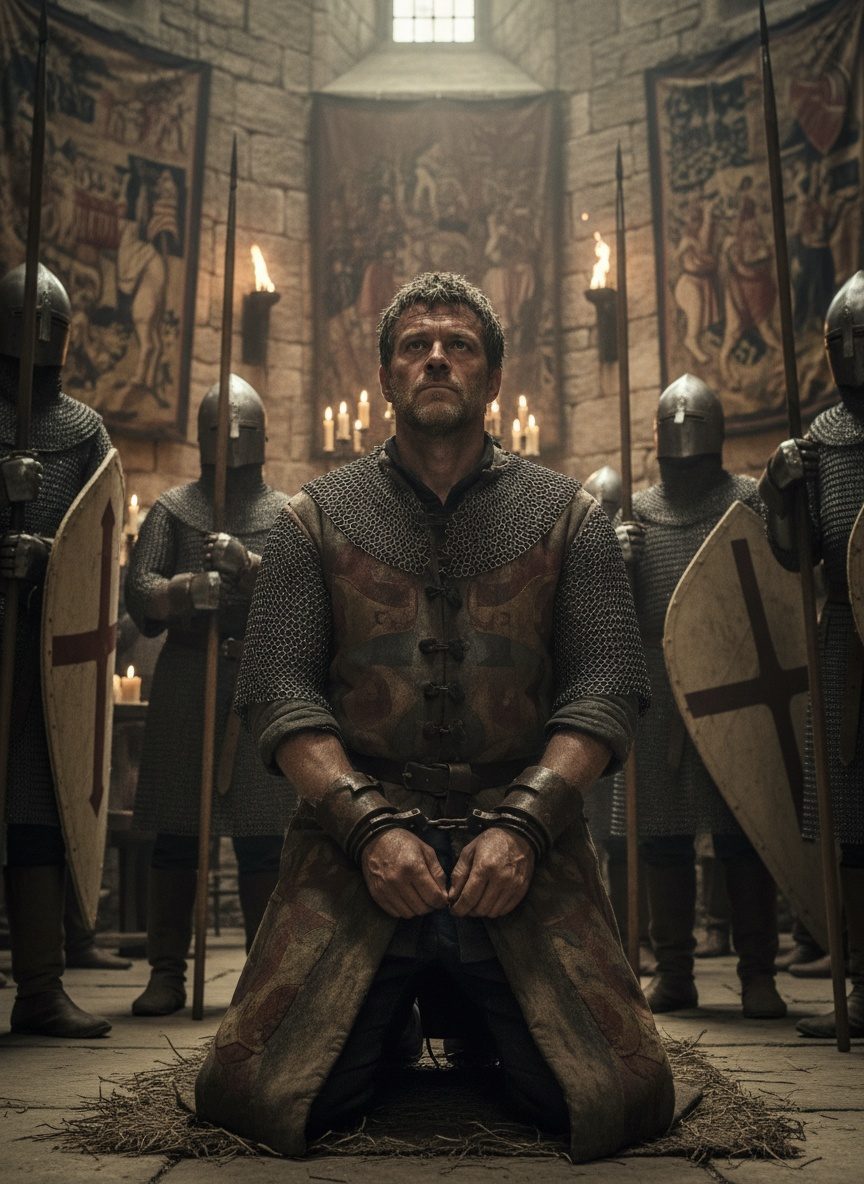
On the unforgiving battlefield, Stephen fought with valiant fervor. Yet, his own bravery was not shield enough against his enemies’ stratagem. As arrows darkened the sky, Stephen found himself deserted by many barons who preferred the promising prospects with Matilda. Encircled by enemy forces at Lincoln, the king was overpowered and captured—a twist of fate as cold as the iron chains that bound him.
The Parading of a Monarch: Humiliation in Winchester
The spectacle of a king in chains was unparalleled. Through streets lined with sullen faces and whispered reprimands, Stephen was paraded before Matilda’s court at Winchester. Intrigue laced the air as rumors spread like wildfire—this was not merely defeat; it was the collapse of a dynasty.
Read next: The Day a Defeated King Sailed Away and Never Looked Back
His ignominy seared deeper with every step. Now a prisoner, Stephen's authority seemed as fragile as the winter frost. Yet, within the vanquished king burned a steadfast resolve, fueled by the indignity suffered during the parade. It wasn’t merely chains that bore Stephen down, but the weight of betrayal and abandonment by those who had pledged their loyalty to him. And while his power flickered, it never fully extinguished.
The Rise of Empress Matilda: A Crown's Temptation
Stephen’s capture seemed a testament to the inexorable ascent of Empress Matilda. In June 1141, she was proclaimed “Lady of the English” in Westminster, a declaration draped in ambition and defiance of traditional gender norms. Yet, Matilda’s triumph was not absolute.
The empress’s rule met fierce resistance. Her imperious nature, sharpened by years of political and military struggle, clashed with the expectations of the English nobility. Those familiar with the stiffness of regal authority felt alienated by her attempt to meld imperial habits with old English customs. This cultural antagonism fomented renewed dissent, underscoring the volatile loyalty of the barons and igniting the embers of rebellion against Matilda’s precarious regime.
The Chained Comeback: Stephen's Path to Restoration
Surprisingly, the very forces that led Stephen to the shadows conspired to light his path to freedom. Matilda’s faltering hold on power caused fissures among supporters, turning erstwhile adversaries into allies. By the end of summer, fortune shifted in Stephen’s favor as his brother, Bishop Henry of Winchester, and key nobles orchestrated his release.
His captivity ended in November 1141—a reprieve crafted through the deft maneuvering of loyalties and baronial politics. Freed from his chains, Stephen hastened to reclaim his crown with the same tenacity that had characterized his reign. His return was not mere reclamation; it was a reclamation emboldened by resilience and sharpened by experience. Invigorated and re-armed, Stephen’s forces began to retake lost strongholds, shattering Matilda’s dreams of uncontested rule.
The Restoration: A Kingdom Reforged
By Christmas 1141, as the year turned, so did the tide of war. Stephen, his crown restored, stood amidst a cold yet jubilant Westminster. The king who had been paraded in chains now adorned the hall with the vestiges of victory—a royal phoenix risen from defeat’s ashes.
Although The Anarchy was far from over—continuing until 1153—Stephen’s return marked an unparalleled comeback in medieval chronicles, a testament to his unwavering resolve and guile. His rule continued until 1154, when he ceded the succession to Matilda’s son, the future Henry II, through the Treaty of Wallingford—a decision pragmatic and decisive, ensuring relative peace and stability.
Lessons from the Shadows: The Echoes of Resilience
King Stephen’s tale is more than historical intrigue; it is a narrative steeped in the shadowed complexities of power, loyalty, and perseverance. His extraordinary rebound from captivity reflects the intricate dance of medieval politics, where the bonds of fealty often entwined with the self-serving strategies of survival.
In today's ever-evolving landscape, Stephen’s journey underscores the enduring human spirit when faced with adversity. It is a reminder that defeat is rarely final, and resilience can forge paths to unexpected triumphs. His story, muffled by time, yet resonates in the heart of every leader grappling with the chains of their own challenges, urging them not to break, but to bend and rise anew.