February 1308. A damp chill lingered in the corridors of Westminster Abbey.
The Lone Vigil
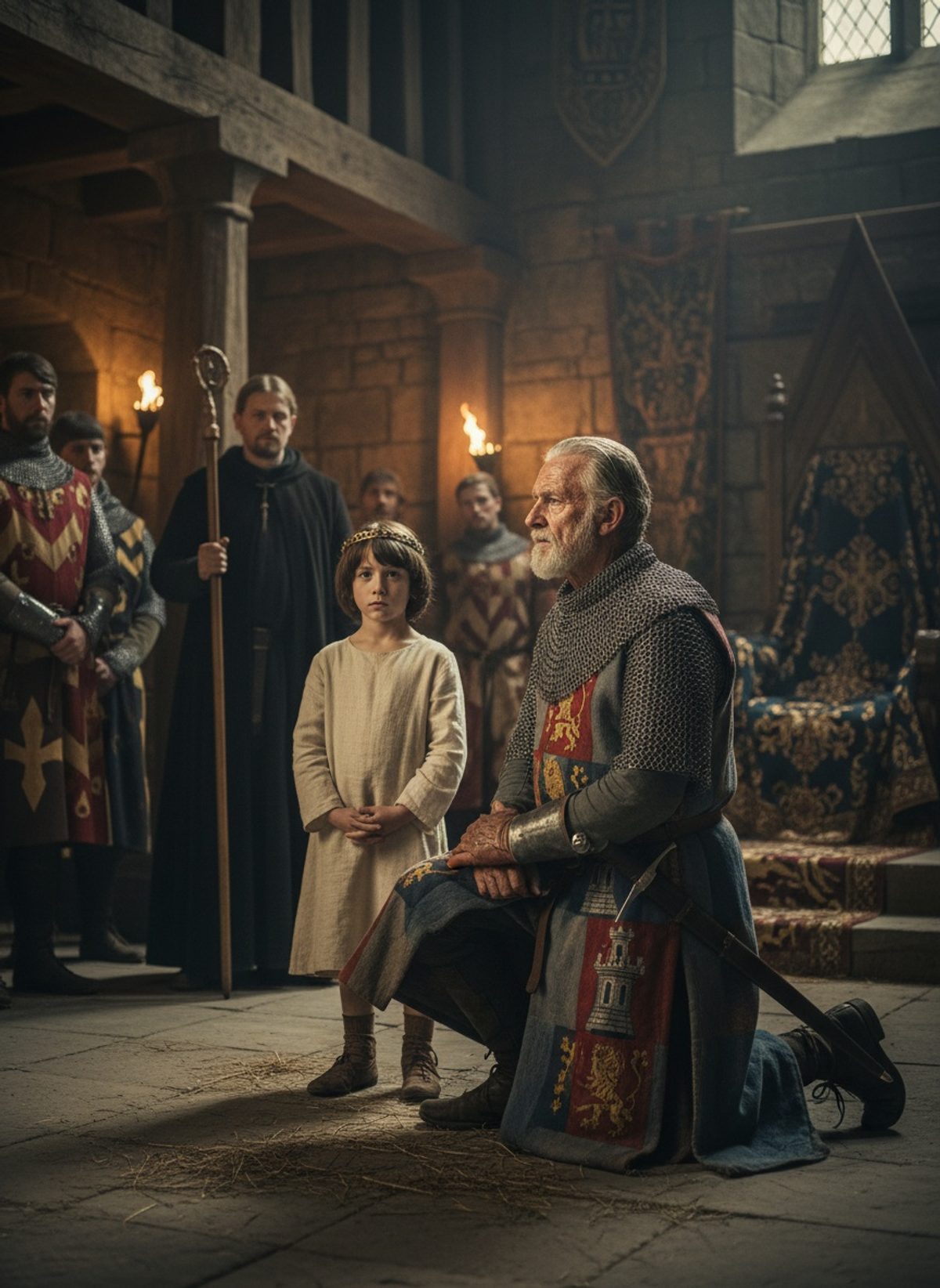
The dawning of February 1308 found Westminster Abbey draped in the glow of flickering torches as the echoes of history loomed large upon its grand stone walls. For the young Edward II, this night preceded the dawn of monumental responsibility—the throne of England. Edward, at twenty-three, stood at the threshold of history—his father's monumental crown, the weight of a kingdom perched upon the precipice of his soul.
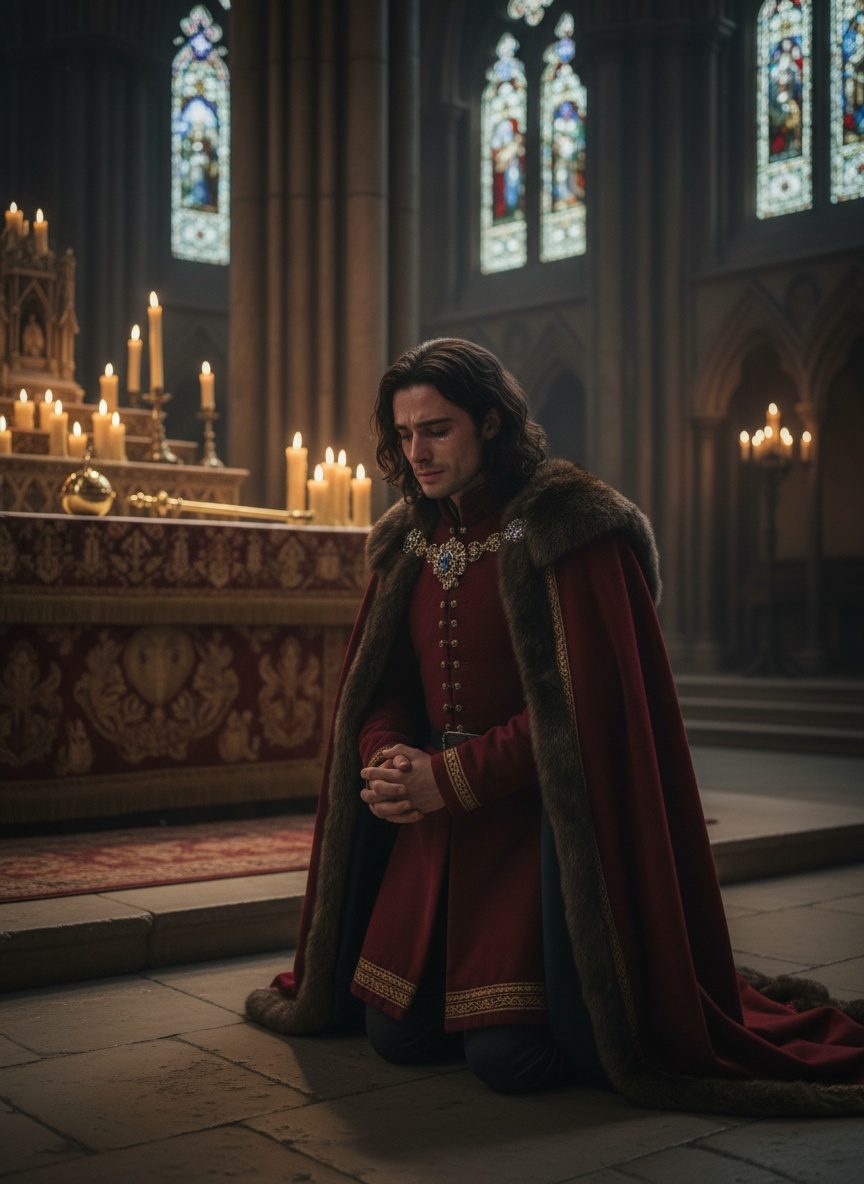
Beneath the soaring arches of the ancient abbey, Edward knelt alone, a solitary figure amidst the silent grandeur. Here, he wept not from fear, but from a profound grief that gnawed at his heart. Recent years had been difficult; his father, Edward I, known as "Longshanks," had cast an almost overwhelming shadow. A mighty king remembered for his fierce campaigns and relentless ambition, Edward I's legacy was now his son's to uphold. As he knelt, the young king's thoughts churned with the specter of his father's formidable reign and the expectations that trailed in its wake.
The silence around him was palpable, a heavy cloak that pressed against his shoulders, mirroring the succession of responsibilities now resting upon him. The tranquility of the abbey cloaked Edward in an intimate communion with his own apprehensions, a brief solitude before the surge of ceremony that awaited. Despite the reverberating silence, it was here that Edward found a moment's respite to mourn—his weeping an acknowledgment of the father he had lost, and the king he was meant to become.
Read next: The Day a King Knelt to Wash a Beggar's Feet
A Day of Chaos
When the first rays of dawn brushed against Westminster Abbey's gothic spires the next morning, they illuminated an atmosphere crackling with anticipation. Yet, this day—intended to be defined by regal procession and solemn vows—soon spun into disorder. The abbey doors themselves seemed to groan under the weight of their own expectations, creaking open to reveal a waiting throng impatient for spectacle.
The teeming crowd surged into the abbey, filling every vacant space like water seeking its level. Nobles jostled commoners, their extraneous finery striking a stark contrast to the cloistered solemnity intended for the sacred space. The pressure of bodies was as overwhelming as the legacy now conferred onto young Edward’s shoulders. Yet within this crushing anticipation lay the seeds of chaos—the exuberance of the people clamoring for a glimpse, a gesture, a graze of power.
As the ceremony unfolded, an unexpected calamity struck—a stone arch, massive and unmoving for centuries, suddenly gave way. Its collapse was met with screams, a gasp of disbelief that echoed off ancient stone walls. Miraculously, little harm befell those present, but the incident only heightened the sense of tumult, overshadowing the sacred rites underway. This unanticipated collapse disrupted the regal cadence of the procession, altering the narrative of the day from one of simple succession to one laden with ominous overtones.
An Unusual Beginning
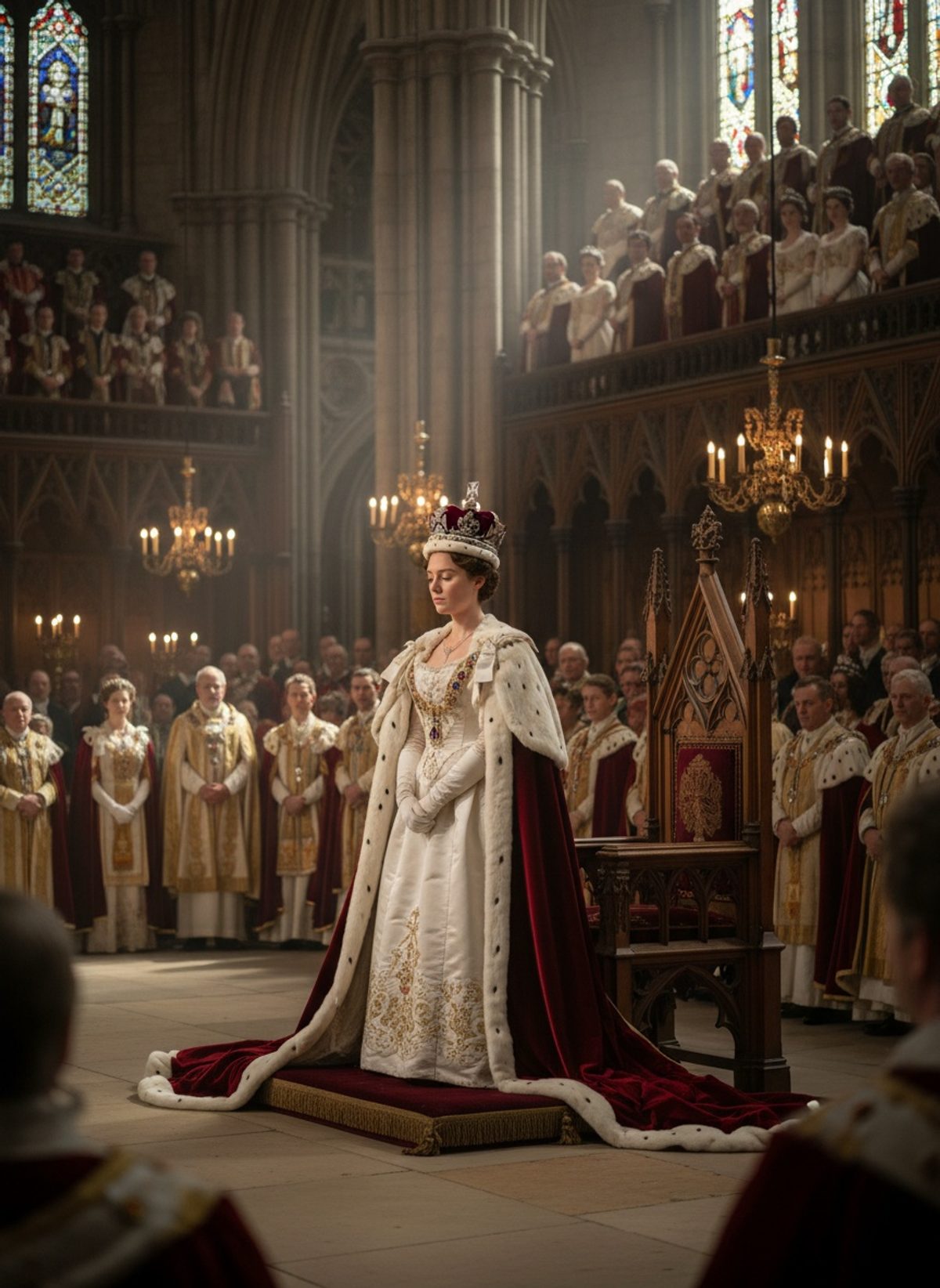
Amidst the chaotic backdrop, Edward II was finally crowned—an event infused with historic significance now tinged with an air of uncertainty. The clamorous beginnings of his reign set a peculiar tone, sounding notes of an ominous symphony for the young monarch. As he accepted the crown, Edward became a figure shrouded in the inevitable comparisons to his father, cast into a legacy that demanded both reverence and renewal.
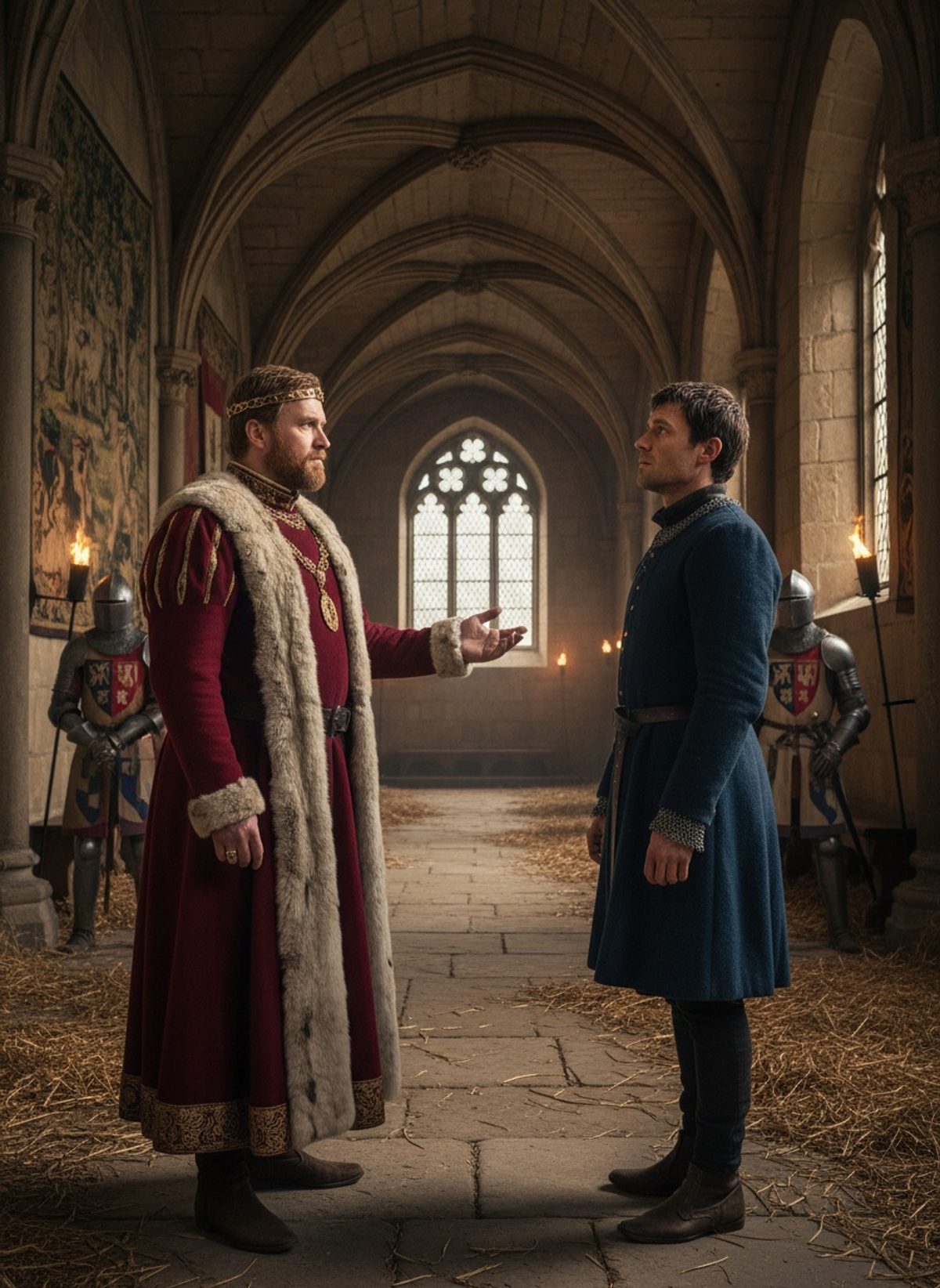
Yet this coronation, rooted in tumult and tears, paved the path for an uneasy kingship. The echoes from that stone arch collapse seemed to whisper of the trials that would define Edward’s rule—a reign marred by disputes, rebellion, and the infamous enmity with figures like Piers Gaveston and the powerful barons of the land. Each moment within the abbey would linger, serving as a prologue to a reign that would be as divisive as it was indispensable to the historical tapestry of medieval England.
On that fateful February morning, as Edward stood amidst the vestiges of ritual and ruin, he understood the weighty balance of crown and chaos. Here, penned into the annals of history, lay the first chapter of a transformative reign. As heir to the legacy of Edward I, young Edward II faced the colossal task of navigating a path between the echoes of the past and the realities of a land coursing towards change. The narrative of his reign began with tears and tumult, an unexpected storm presaging the myriad challenges borne from the shadow of iron-fisted kingship.
In each moment of disruption lies a chance for discernment—the day a king wept alone resides not only as a poignant anecdote but as a reflection on how leadership, burdened by legacy and expectation, often encounters the ultimate test in chaos. As Edward II’s path unwound in the years following, that silent night and discordant dawn would serve as reminders that the heart of leadership lies not only in the crown one wears, but in the solace found in moments of silent contemplation—the echoes of choice amidst the clangor of history.