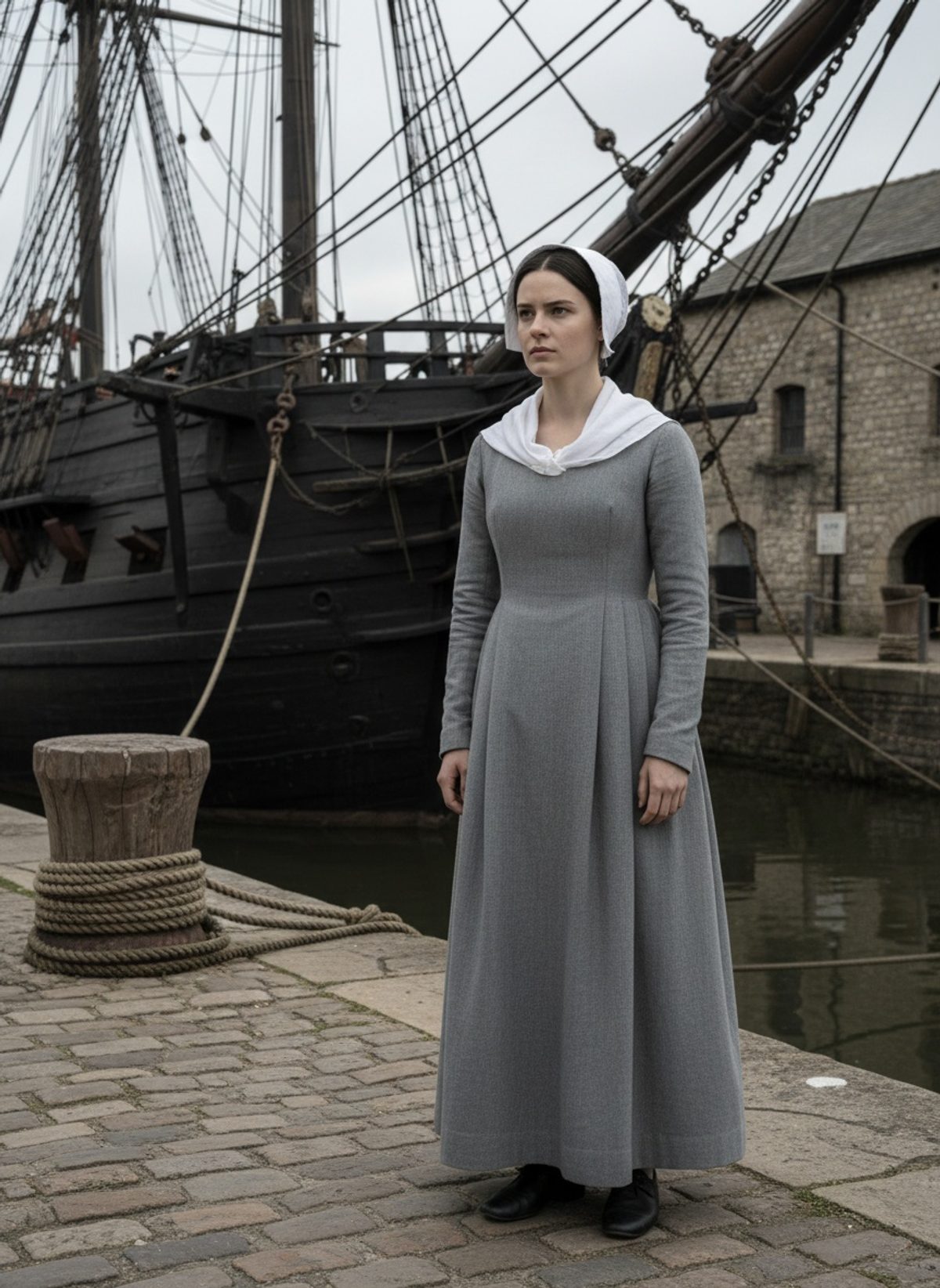
He was merely a postman’s son. His invention changed the fate of thousands at sea.
A Tragedy Unfolds on the Tyne
It was a bitter night in 1789 when the ocean unleashed its fury off the coast of Tyne. The wind howled as the waves boiled and crashed, each undulating swell a reminder of nature’s untamed power. The shoreline of South Shields became a theatre of despair, illuminated by the sporadic flashes of lightning revealing sailors clinging to the fragments of their shattered ship. In helpless terror, a crowd gathered along the sandy edges of the coast, their eyes locked on the scene of calamity unfolding just beyond their reach. Despite their numbers, they stood powerless, their desperate calls swallowed by the storm, unable to defy the sea and rescue those caught within its violent embrace.
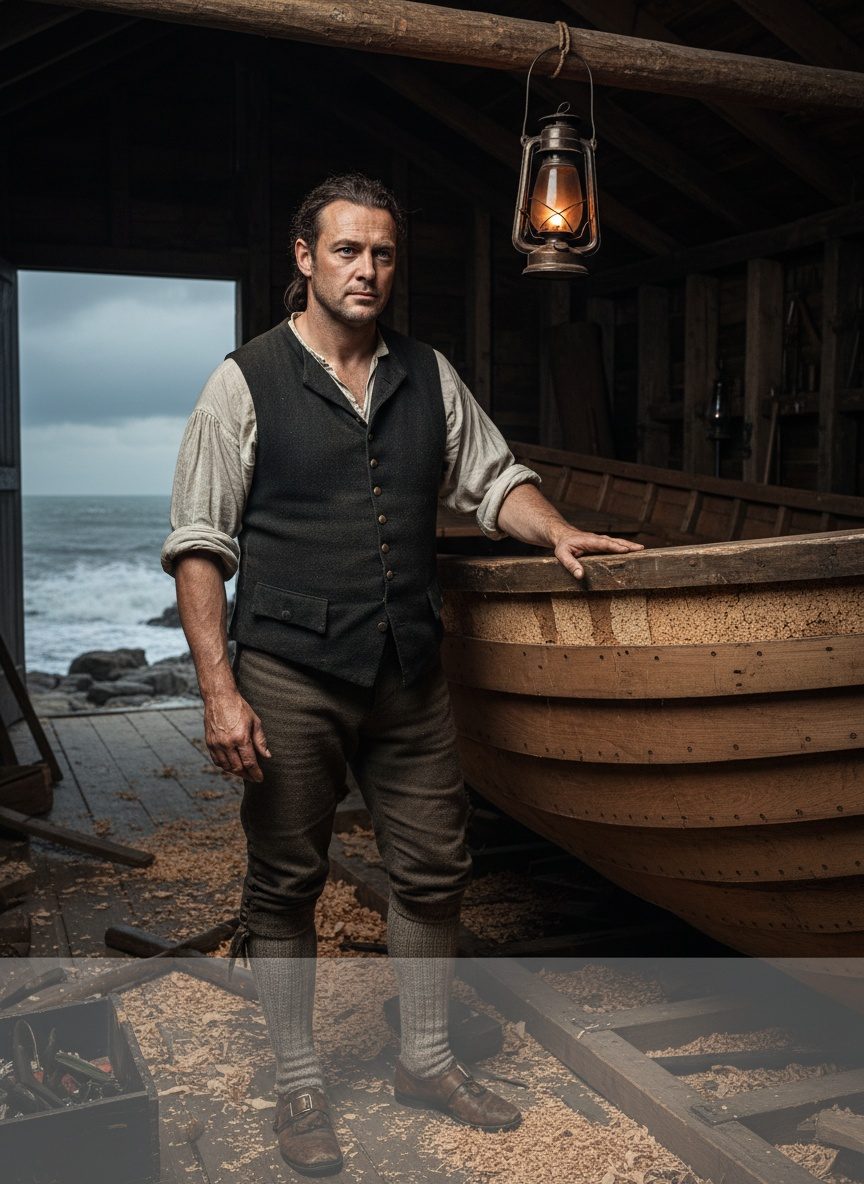
For the people of South Shields, witnessing such maritime tragedies was not new. The sea was both their benefactor and their peril. It provided sustenance but demanded lives in exchange all too often. Yet on that fateful night, amidst this communal anguish, stood a man determined to rewrite the relentless narrative of loss. Henry Greathead, a local boatbuilder, watched with a resolve that set him apart. It wasn’t enough to mourn or to watch powerless; a change had to be made.
The Vision and the Craft
Henry Greathead was not a man of grandiose reputation or affluent means. He wasn't born into nobility or trained at the finest naval schools, yet he carried the fervor of a man on a mission. In the aftermath of the disaster, while the sounds of grieving families lingered in the air, Henry began to sketch a vision that would forever alter the relationship between humans and the sea.
Read next: The Day a Blind Pauper Boy Sang Before a Queen
Greathead's concept was straightforward yet revolutionary. He wanted to construct a vessel that could brave the very conditions posing such lethal threats to sailors. It required a design that could withstand the cruel whims of the storm, a boat agile enough to maneuver through pounding surf while remaining resilient against the turbulent onslaught. The challenge lay not only in his imagination but also in the execution amidst limited resources and prevailing skepticism.
Drawing from the robust coble boats native to his coastal region, and inspired by earlier concepts floating through maritime discussions, Henry crafted his first unsinkable lifeboat. It was as if he poured his heart into the wood and iron, creating a vessel that could bridge the chasm between terror and salvation. His hands crafted more than just a boat; they built hope.
The Experiment at Sea
Crafted and christened, the lifeboat awaited its first encounter with the elements, while its creator faced a community both hopeful for a miracle and doubtful of its possibility. Finally, the day arrived for Henry’s bold creation to meet the adversary it was designed to conquer.
With the air thick with anticipation, Greathead and a brave crew pushed the lifeboat into the roaring waters. For moments that stretched like an eternity, all eyes were fixed on the battle unfolding on the high seas. Would Greathead’s vision withstand such a formidable test, or would it crumple under the vast weight of the water and wind?
With every crash of the wave against its hull, the boat responded, not with resignation, but resilience. The lifeboat danced and dipped, maneuvering with an unprecedented grace that defied the expectations of many. Its stability and buoyancy proved unquestionable, a testament to the genius and grit of its maker. As it returned safely to the shore, a cheer erupted—a proclamation that fate had indeed been challenged and met with defiance.
Spreading the Fire of Innovation
The success of Henry Greathead's lifeboat sparked both joy and a wave of innovation across the British Isles. What began as an endeavor to address a local tragedy transformed into a nationwide movement. Lifeboats started appearing along various coasts, adopted eagerly by those who had longed for a solution to the perpetual peril their seafaring loved ones faced.
The spirit of Henry’s invention even drew the attention of monarchs and maritime authorities. Requests flowed in from various quarters, acknowledging the brilliance of the postman’s son and his penchant for upending common beliefs with unyielding determination. Tides that had once borne death now carried stories of deliverance. In no time, Greathead's design became a favored blueprint, honored and replicated, sparking a new maritime era where the power of the sea was met with a fitting opponent.
Yet it was not just about the boats themselves. Henry’s creation inspired a collective change in mindset. Communities came together in newfound solidarity, motivated by the realization that no longer did tragedy have to end at the shore. His lifeboats became symbols not only of rescue but of what human ingenuity could achieve in the face of despair.
The Legacy of Courage
Henry Greathead’s lifeboat represents more than a solitary triumph over the seas. It redefines courage as not simply the province of grand tales of battle and empire but as the power of one person’s resolve to challenge the status quo. It serves as a compelling narrative of how the simplest ideas, when pursued with passion and perseverance, can ripple through history, altering the course of human events.
In the modern world, we are often separated from the raw savagery of nature—the storms viewed through screens, the tragedies witnessed from afar. Yet, the humble efforts of Greathead remind us that the power to change what appears immutable lies within the hands of ordinary individuals. His story beckons us to look beyond what seems inevitable, to craft our vessels of hope against the storms we face. The first lifeboats were more than mere rescue ships; they were vessels set forth from the heart of humanity, embodiments of the tenacity that drifts not just on water, but through time, echoing the indomitable will of a postman’s son who dared to save the sea.