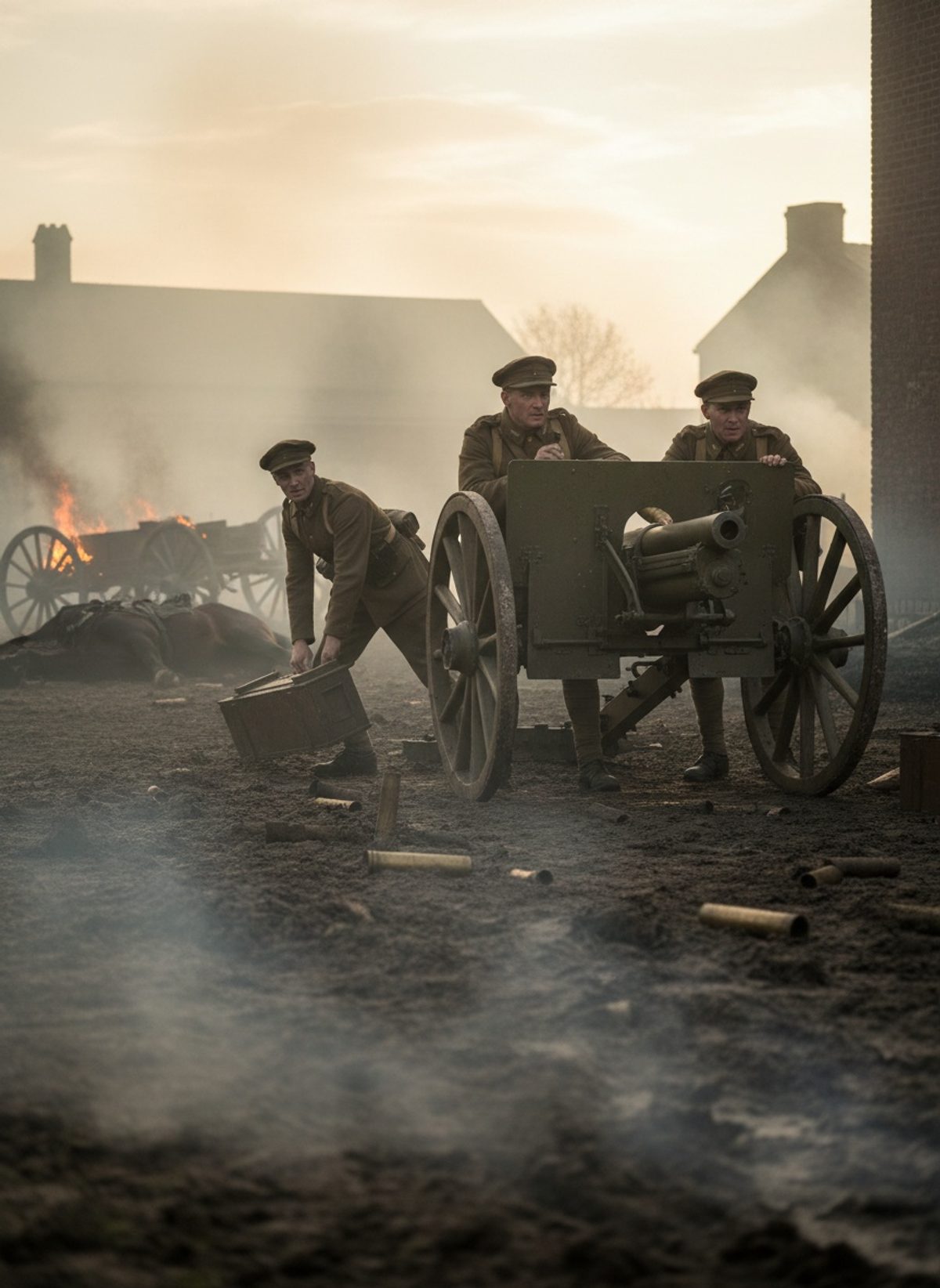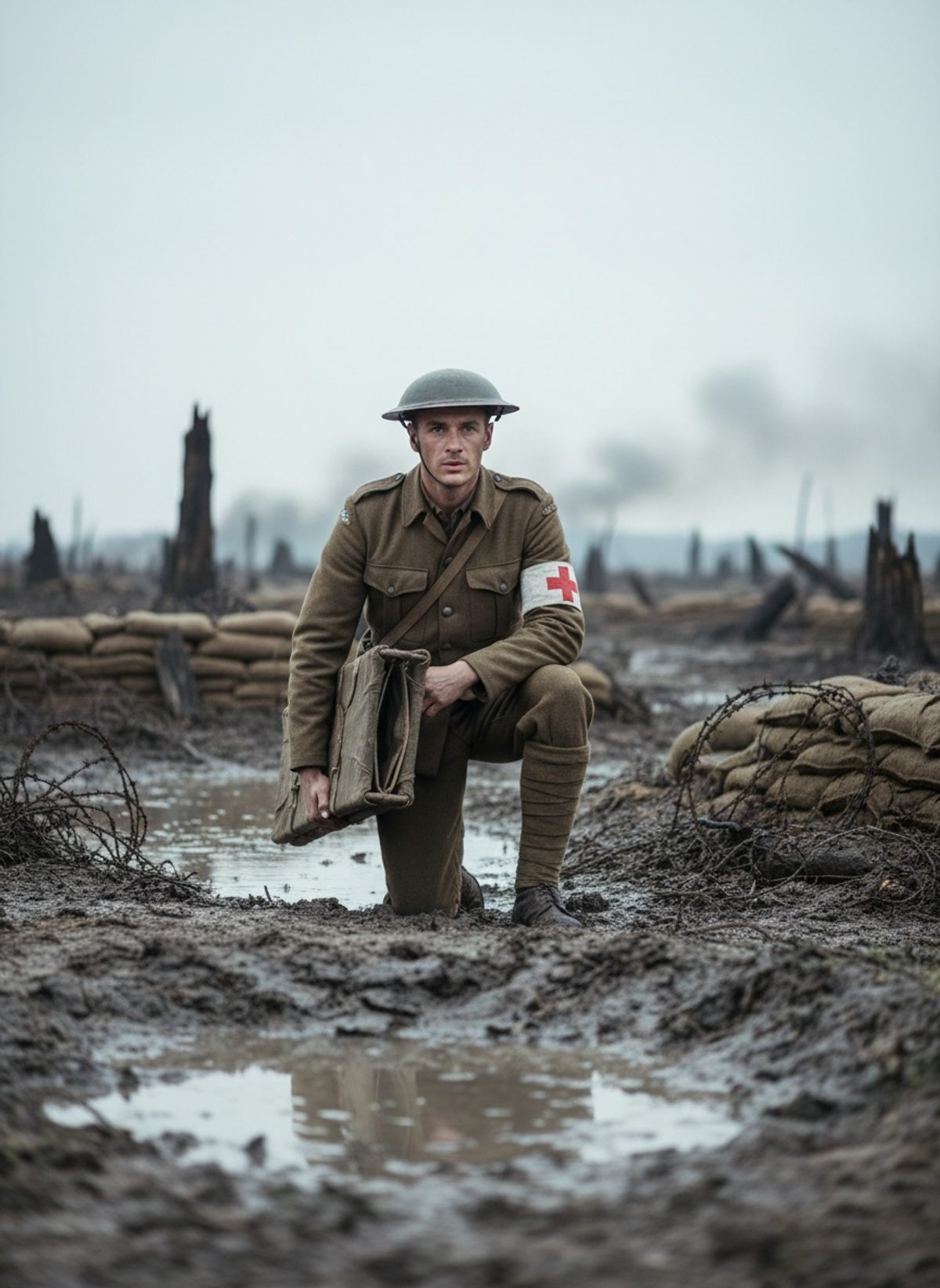
The icy winds of the North Sea whipped against the steel hulls of ships as they clashed in the largest naval battle of World War One — the Battle of Jutland. Amidst this chaos, a remarkable story unfolded; a testament to the indomitable courage one young sailor displayed on May 31, 1916. His name was Jack Cornwell, and his steadfast bravery as he stood alone at his gun station would etch his name in history.
The Battle Commences: Jaws of Steel and Fire
The Battle of Jutland was a staggering face-off between the British Royal Navy's Grand Fleet and the Imperial German Navy's High Seas Fleet. Its grandeur was marked by 250 ships locking horns amidst the salt and smoke of northern waters. On this battlefield of giants stood the HMS Chester, a Town-class light cruiser, armed to the teeth but struggling against the German barrage.
Amidst these metal behemoths was John "Jack" Travers Cornwell, a youthful sailor born in East London's poverty-stricken streets. Enlisting in the Royal Navy at the tender age of 15, Cornwell underwent training at the HMS Vivid and was quickly buoyed to serve aboard the HMS Chester. Just a year later, destiny thrust him squarely into the jaws of war.
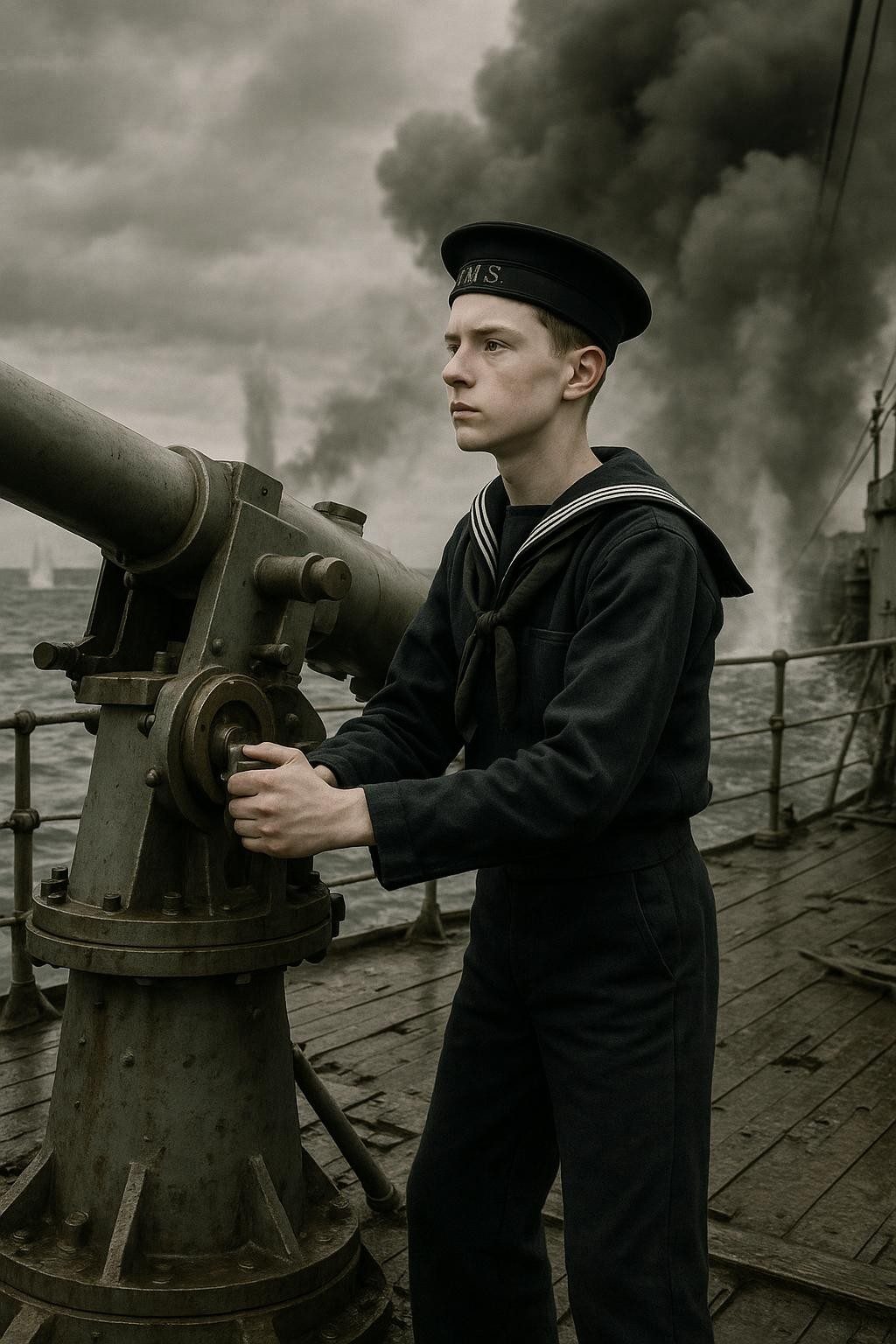
On the day of battle, Chester found herself under intense fire from German cruisers. Within moments, the ship's gun crews succumbed to the relentless hailstorm of explosions. In the pandemonium of flaring shells and shrapnel, 16-year-old Jack stood resolute at his post amid the debris and chaos.
Read next: The Day a British Padre Carried the Dying From No Man's Land
The Lonely Post: Bravery Beyond Words
Despite sustaining serious wounds, Jack Cornwell maintained his post, signaling his readiness to fire the N2 gun. His steadfastness in the face of unfathomable odds became an exemplar of courage. As bullets ricocheted and comrade voices faded, Jack's resolve remained unbroken.
Now, imagine this solitary scene: a young boy standing amidst the wreckage, smoke mingling with tears and blood, yet clutching his duty tighter than the grim reaper’s scythe. When Chester eventually regrouped with the main fleet, the shattered remnants of Jack's gun crew surrounded him, but his spirit was far from broken. Here was youthful tenacity incarnate, unyielding in the face of mortality.
A Conspicuous Gallantry Recognized
The courage Jack displayed did not go unnoticed. When the smoke of battle finally cleared, and the toll of casualties was counted, Cornwell was heralded for his steadfast bravery. Although transferred to a hospital in Grimsby, Jack succumbed to his wounds on June 2, 1916, three days after the battle. His valor, however, endured beyond his mortal life.
Posthumously, Jack Cornwell was awarded the Victoria Cross—Britain's highest award for valour in the face of the enemy. He became the youngest recipient of this prestigious decoration during World War One. His story, a poignant reminder of youthful courage, captured public imagination, and a nation united in commemorating his sacrifice.
A Young Hero's Legacy: Witness to Love and Sacrifice
Jack Cornwell's legacy echoes through time. After his death, public campaigns sought to honor his contribution. Schools were named after him, including East London's John Cornwell V.C. School, and the term "Cornwell Scout", an accolade within the Scout Association, was created to embody Jack’s perseverance and bravery.
But there are poignant elements that often go unnoticed. Jack's mother, Lily Cornwell, became the embodiment of fortitude as she tirelessly shared her son's story, reinforcing the narrative of ordinary people summoned to extraordinary acts. Her unwavering advocacy for youth welfare marked another legacy of Jack's courage.
Reflections: The Significance for Today
As we reflect on Jack Cornwell's story, we are reminded of the pervasive impact youth can command. In a world where bravery knows no age, Cornwell’s courage provides an inspiring testament to the human spirit’s resilience. His legacy extends beyond the pages of history; he personified the strength and determination that resides within us all, compelling us to honor unsung heroes and the virtues they embody.
Jack Cornwell's steadfast valor amidst the storms of war serves as a timeless beacon. It challenges us to see beyond the immediate chaos to the enduring acts of love, sacrifice, and bravery. As the waves of time continue their ceaseless dance, the story of Jack Cornwell, his solitary stand amidst a sea of chaos, reminds us that true heroism shines brightest against the darkest of backdrops.