He never penned a single medical treatise. Yet, Anicius Ingenuus carved his own memorial into the annals of British history, not with ink, but with stone.
The Unknown Legacy of a Roman Healer
In the shadow of Hadrian's Wall, at Housesteads fort (known as Vercovicium to the Romans), the name Anicius Ingenuus endures against time's relentless march. Here, cold stone bears witness to a facet of Roman Britain often overlooked: its medicine and the men who practiced it. Ingenuus, identified solely by an inscription, was a medicus ordinarius. Though unadorned and terse, this label signals rank and esteem; he was a military surgeon among the Roman legions stationed at the very edge of their empire.
The presence of a man such as Ingenuus in this remote outpost highlights the Roman dedication to preserving the health of their soldiers—esteemed assets of the empire. While the grandeur of Hadrian's Wall dominates the landscape, Ingenuus's understated testimony offers a glimpse into the personal sacrifices and daily realities at play along this once-bloodied frontier. He never marched to conquer; instead, he stood ready to heal.
A Far-Flung Outpost on the Empire's Edge
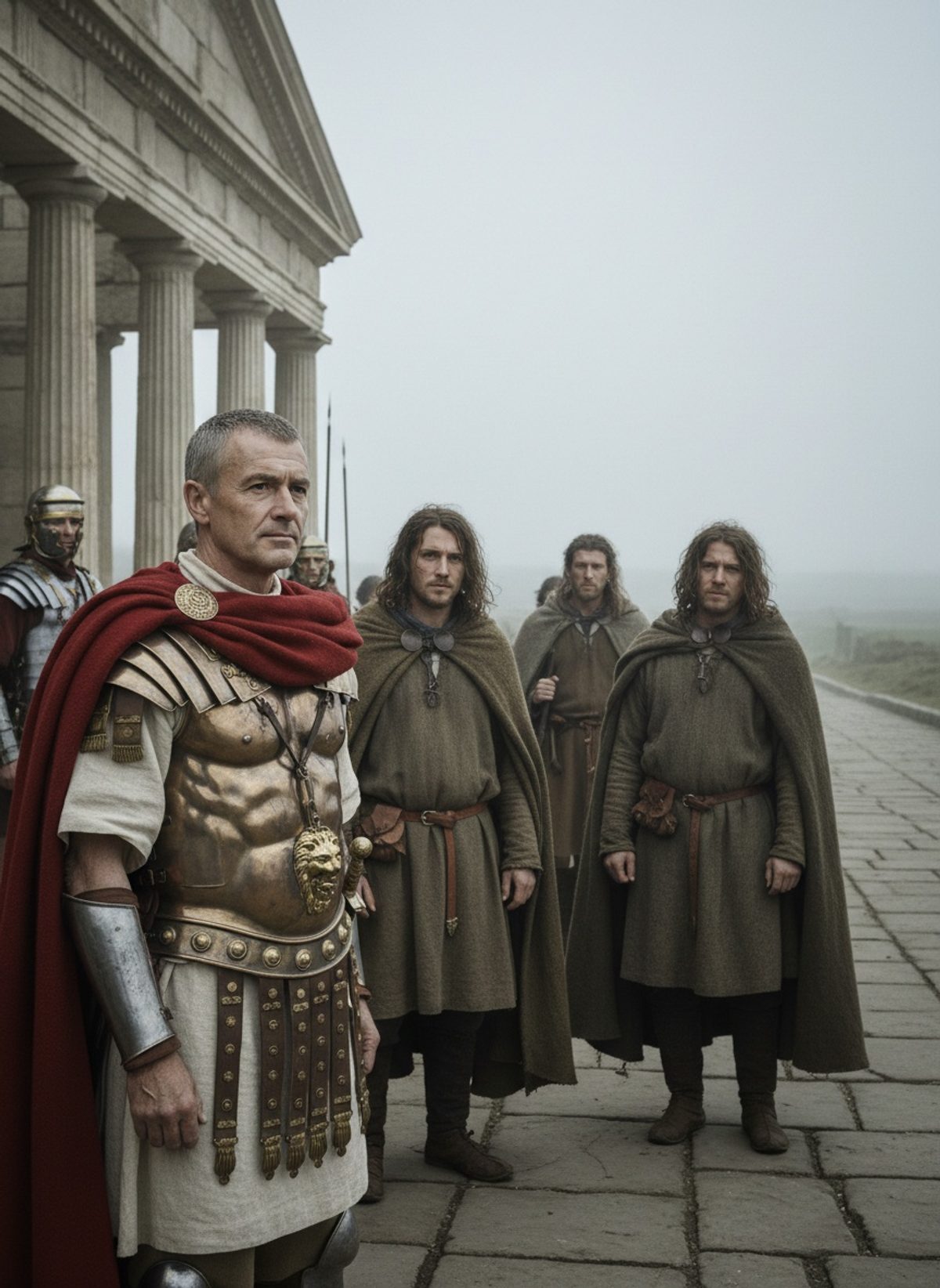
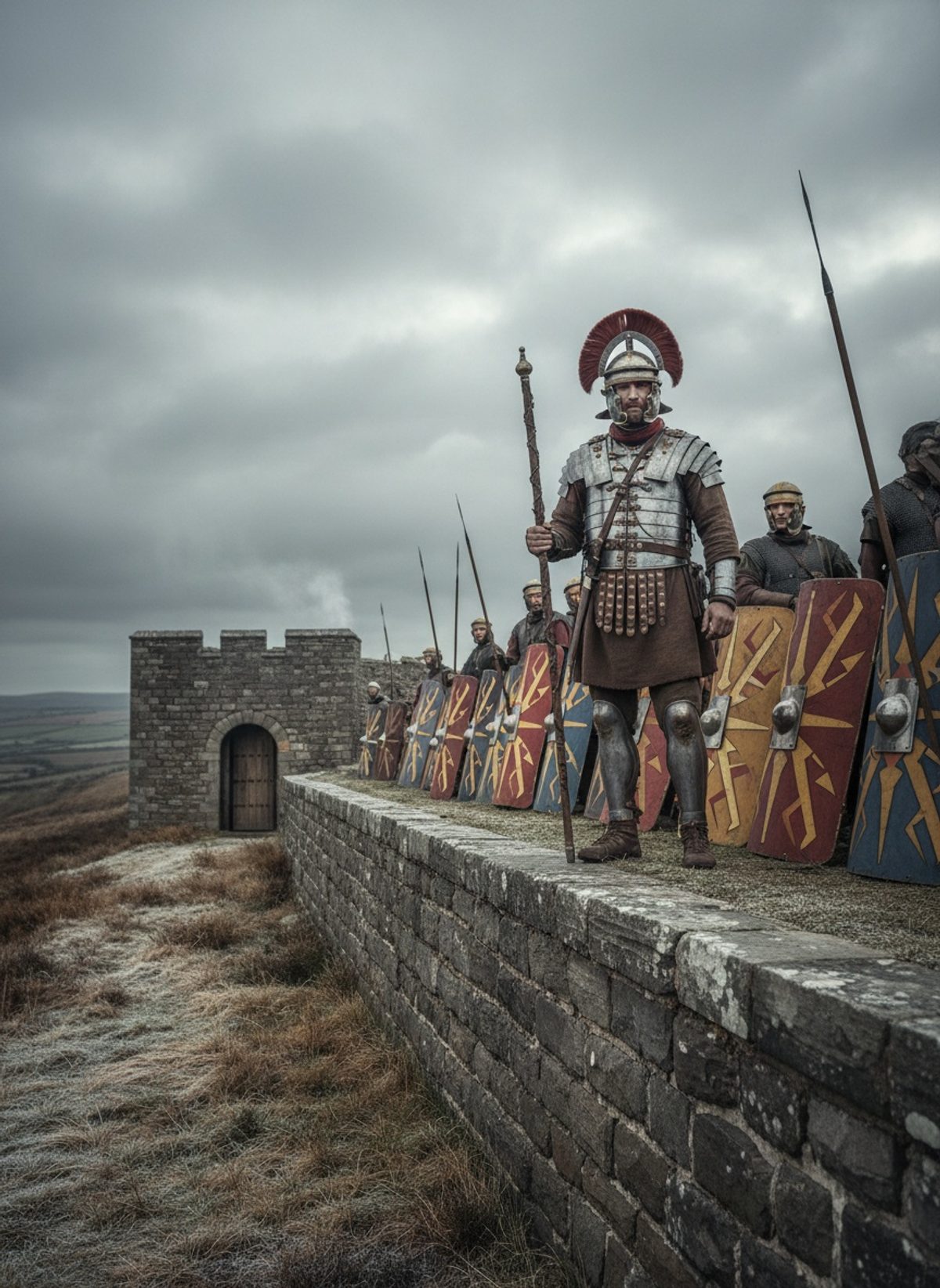
Housesteads fort was a nexus of military activity, cultural exchange, and boundary enforcement. Sitting upon a windswept ridge in what is now Northumberland, the fortification formed part of Hadrian's Wall—a massive endeavor to keep the tribe-held northlands at bay while solidifying Roman control of Britannia. Life here, at the end of the known world, was harsh and rugged. And within these stone walls, Ingenuus practiced the art of healing, drawing upon the medical knowledge accumulated by the Romans over centuries.
Read next: The Day a Roman Soldier Defied an Emperor to Free a Province
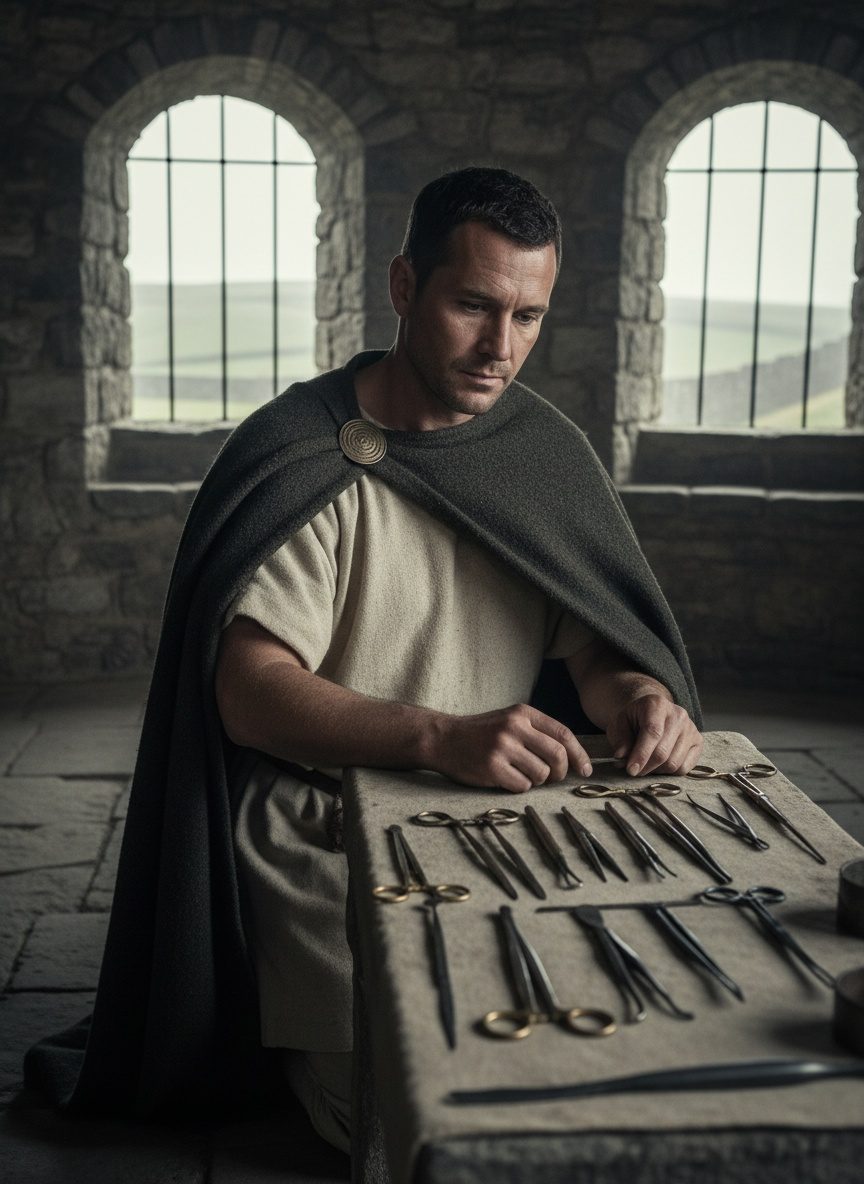
The role of a medicus went far beyond administering salves or bandaging wounds; it was a revered position, often filled by men well-versed in the physiological theories of Hippocrates or Galen. Ingenuus would have been familiar with surgical tools—scalpels, forceps, and bone drills—and pharmacology derived largely from herbal remedies. His position would have also demanded knowledge of triage and sanitation—concepts the Romans pioneered and spread across their territories.
In the relative isolation of a northern fort, Ingenuus's contributions would have been critical. He would tend to maladies caused by severe climate, battlefield injuries, and the infectious diseases that plagued both soldiers and settlers. This role was not just one of healing; it was pivotal to maintaining order and morale among the legions.
A Stone's Silent Story: Carving Eternity
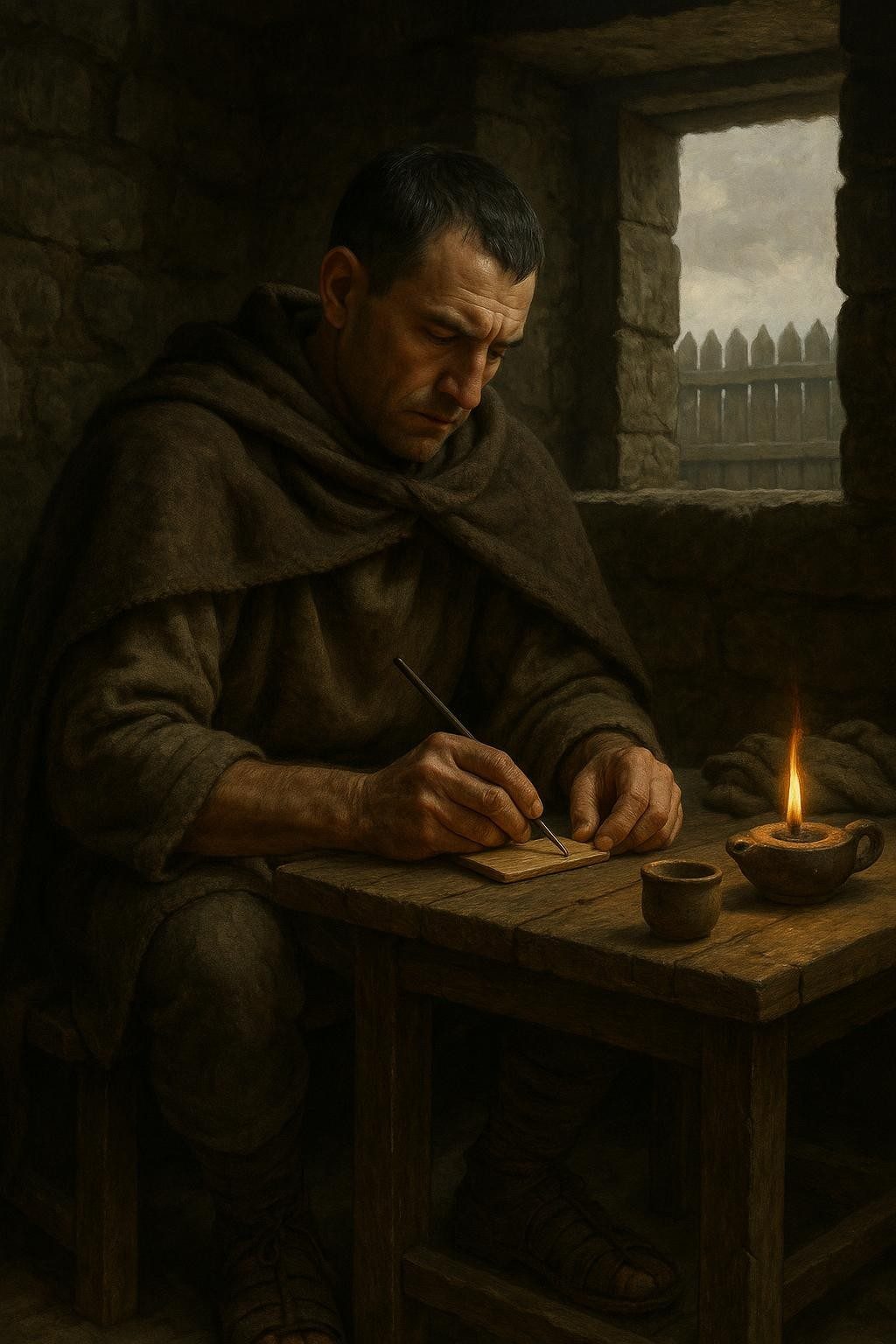
Carving one’s own tombstone was an unusual task in Roman culture, usually reserved for those seeking to leave a mark of personal testament. Ingenuus’s stone suggests a man conscious of his legacy, leaving behind the scant details of his existence—name and profession—etched into enduring rock. This was perhaps out of the recognition that the words of his vocation held their own immortality.
Given the tumultuous existence at Housesteads, where the flux of military personnel would mirror the unpredictability of border skirmishes, the decision to engrave this last message may illuminate Ingenuus's awareness of the fragility of life. Yet, it was not only a personal memorial; it was a statement of what he represented—a beacon of Roman ingenuity interwoven with the fabric of the distant and often misunderstood regions of the empire.
The Elusive Archive of Roman Medicine
What Anicius Ingenuus embodies is the oft-neglected narrative of Roman influence in Britain's early medical history. Many plaques, artifacts, and writings have been lost to time, with only a few fragments such as his to illuminate the past. Roman medicine laid much of the groundwork for systems of care adopted in millennia to come.
His simple title, medicus ordinarius, reveals the structured hierarchy of medical service in the Roman military. The presence of a qualified doctor here defies the assumption that ancient medical practices were little more than primitive superstitions. Ingenuus and his counterparts represent a shift towards an organized, empirical approach to health and healing, which would later resonate through European medical advancements.
The Distant Echo of Ingenuus
When considering Anicius Ingenuus, one must acknowledge the stone that bears his name as more than a mere commemorative slab. It is a gateway for those of us seeking to understand the intricacies of Roman life and their sway over Britain. His narrative invites us to reflect on devotion—the quiet courage to sustain life in an era before modern medical marvels.
Ingenuus exemplifies the anonymous yet significant roles played by those who stood on history's periphery, healing the builders as they erected empires. In a contemporary world ever-bound to its history, his enduring stone gift grants us direction—a reminder that the echoes of unsung lives often tell the richest stories of our shared human journey. As we walk in the shadows of their legacies, these implicit voices beckon us to look beyond what is simply written and to value the wisdom hidden in silence.