The operating room of the early 19th century was a chamber of horrors. The air was thick with the metallic odor of blood, and the screams of patients echoed off the walls. Surgeons, armed with saws and scalpels, raced against their own fears as much as their patients'. For without the relief of anesthesia, surgery was a trial of endurance and speed. But that all changed one fateful November night in 1847 when a Scottish doctor dared to breathe in an unknown vapor. This is the story of how James Young Simpson silenced the screams of surgery forever.
The Scottish Doctor with a Radical Idea
James Young Simpson was not an ordinary physician. Born in 1811 in the small town of Bathgate, West Lothian, he displayed an intellectual curiosity from an early age that would carry him to the hallowed halls of the University of Edinburgh at the tender age of fourteen. By twenty-one, Simpson had earned his M.D. and rapidly ascended to the position of Professor of Medicine and Midwifery. Yet, despite his prestigious appointments, Simpson was deeply distressed by the appalling pain his patients had to endure.
In the mid-19th century, surgery was a battlefield without anesthetics. Quick hands and strong restraint were the only solace. Ether had been introduced in 1846 as a potential anesthetic, but it wasn't without its drawbacks — the irritation to the eyes and nose often caused a cough, and it was highly flammable. Simpson, however, believed there was a better way, and he was determined to find it.
The Night that Changed Medicine
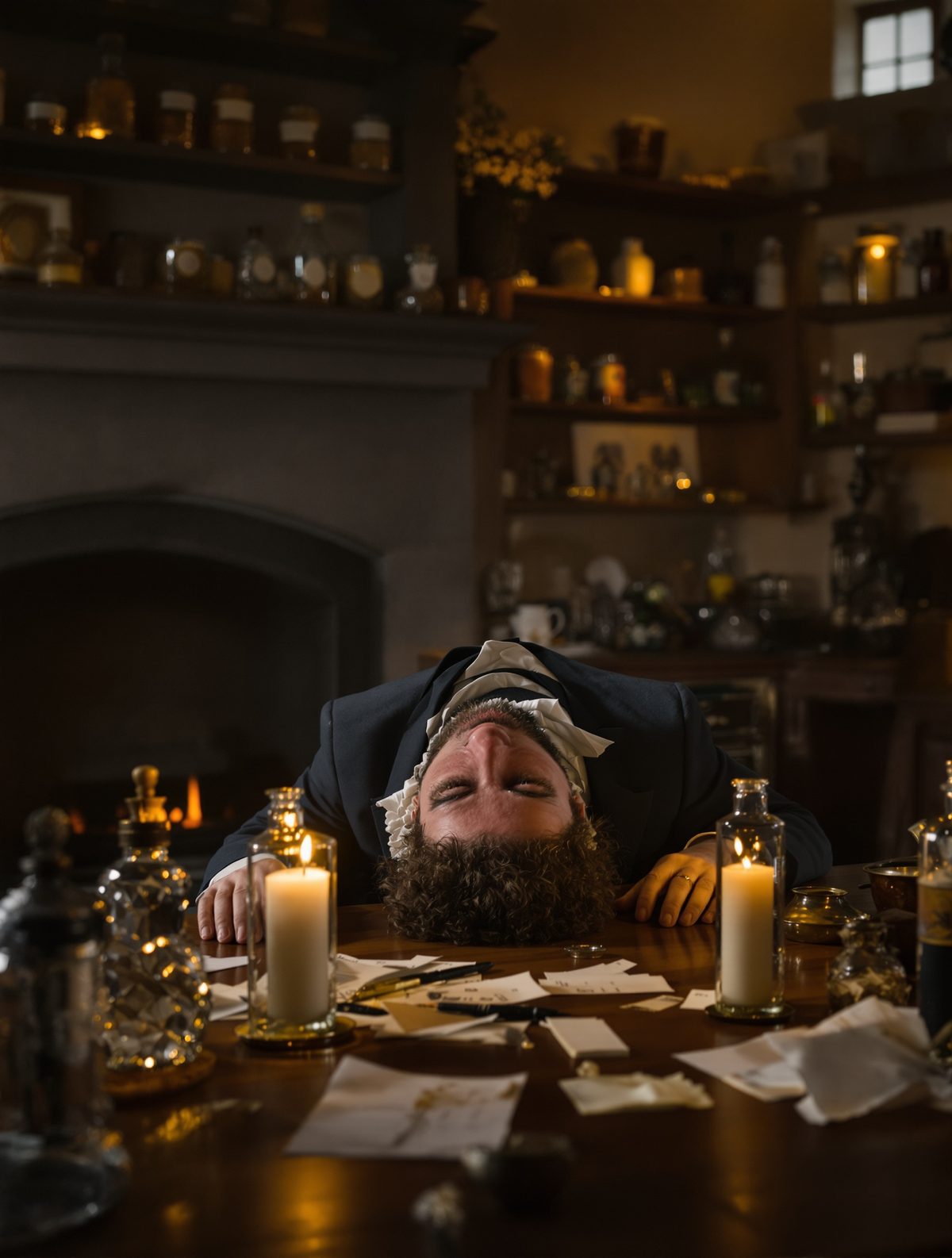
On the night of November 4, 1847, Simpson, always the experimentalist, gathered with his friends and colleagues, Dr. George Skene Keith and Dr. James Matthews Duncan, in his Edinburgh home. As the clock ticked towards midnight, they began inhaling various chemical substances in the hopes of finding something that would ameliorate pain more effectively than ether.
Read next: The Day a Scots Village Chose Its Own Name and Kept It
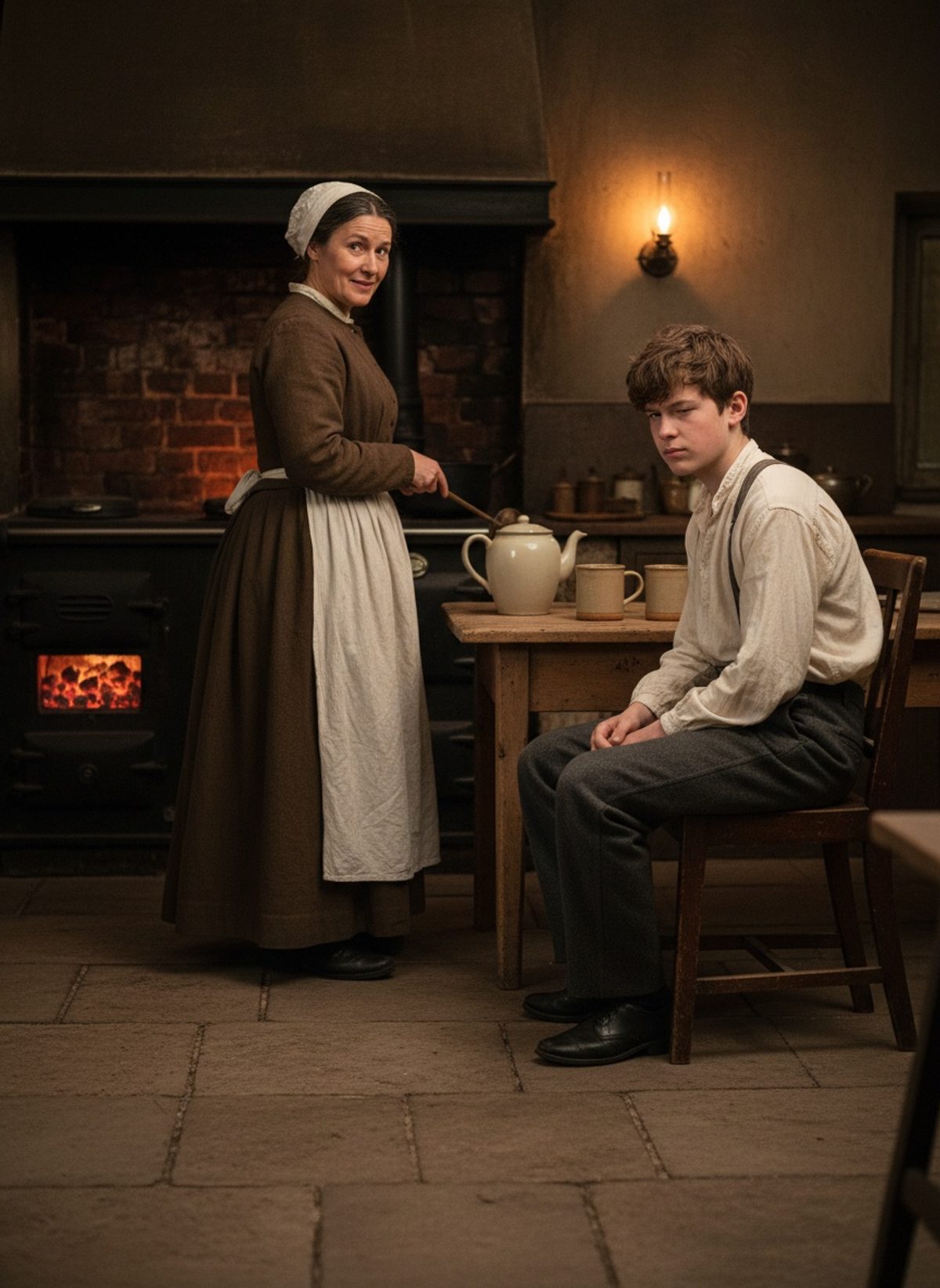
In a twist of fate, the chemical they chose was chloroform, a substance concocted in 1831 by American chemist Samuel Guthrie, yet widely untested as an anesthetic. After several inhalations, Simpson fell unconscious, followed swiftly by his colleagues. They awoke hours later, sprawled on the kitchen floor, their minds racing with the realization of what had transpired. Chloroform, it seemed, could induce a sleep deep enough to silence the misery of the surgical blade.
Chloroform Takes to the Operating Rooms
Simpson wasted no time in testing chloroform on his patients. Just two days later, he used the vapor during childbirth, providing evidence of its effectiveness as a general anesthetic. His findings were met with excitement and skepticism in equal measure. Many hailed chloroform as a medical marvel, but others feared the unknown risks involved in its use.
The reports of its success spread like wildfire. Chloroform quickly crossed borders, finding its way into hospitals across Europe. Florence Nightingale, the renowned "Lady with the Lamp," recounted its use during the Crimean War, praising the relief it brought to the wounded. Yet, Simpson's triumph was not without criticism. Certain religious groups argued that alleviating pain interfered with divine providence, seeing suffering as an unavoidable part of human life.
The Enigmatic Sir Humphry Davy’s Forgotten Discovery
As remarkable as the discovery of chloroform appears, there was an earlier chemical that had grazed anesthetic potential. Sir Humphry Davy, a British scientist known for his discoveries of several alkali and alkaline earth metals, had, in 1799, suggested the possibility that nitrous oxide (laughing gas) could be used to diminish physical pain during surgeries.
Davy’s insights, though groundbreaking, were largely ignored for decades as nitrous oxide turned into more of a sideshow curiosity than a medical tool. Had his experiments been taken more seriously at the time, the path to anesthesia might have taken a very different trajectory. Nonetheless, it adds depth to the narrative of anesthesia's history, demonstrating the often serendipitous nature of medical progress.
Chloroform Claims a Royal Endorsement
A significant turning point for chloroform's acceptance came with its royal endorsement. In 1853, Dr. John Snow administered chloroform to Queen Victoria during the birth of her eighth child, Prince Leopold. This high-profile application not only secured public confidence but also set a societal precedent. Chloroform became the anesthetic of choice, and its use spread widely, bolstering its legitimacy and popularity.
The Queen’s endorsement marked a critical shift in public perception, propelling anesthesia into mainstream medical practice. This royal acknowledgment not only silenced many critics but also highlighted how medical innovation relied as much on public and social approval as on scientific advancement.
The Legacy of Simpson's Discovery
The introduction of chloroform as an anesthetic heralded a new dawn in surgical practice. The ability to anesthetize patients transformed the very nature of surgery, transforming it from a dreaded endeavor into a precise art where time need not be measured in screams. However, chloroform was not without risks. It could cause sudden cardiac death, and safer alternatives eventually replaced it by the late 19th century.
Nevertheless, the legacy of James Young Simpson endures, reminding us of the brave curiosity that propels humanity toward discovery. His story reflects a commitment not only to scientific progression but to the humane treatment of individuals. In an era where pain was deemed inevitable, Simpson dared to ask, "Must it be?"
As we look back at the Victorian era's leaps in medical history, Simpson's bold experimentation and its widespread implications offer a timeless reminder of how innovation can lead to ethical revolutions in medicine. Today, as modern anesthetics evolve, we continue to benefit from the willingness to explore the unknown and the courage to challenge the status quo, all values embodied by a Scottish surgeon's midnight experimentation that forever changed the face of medicine.