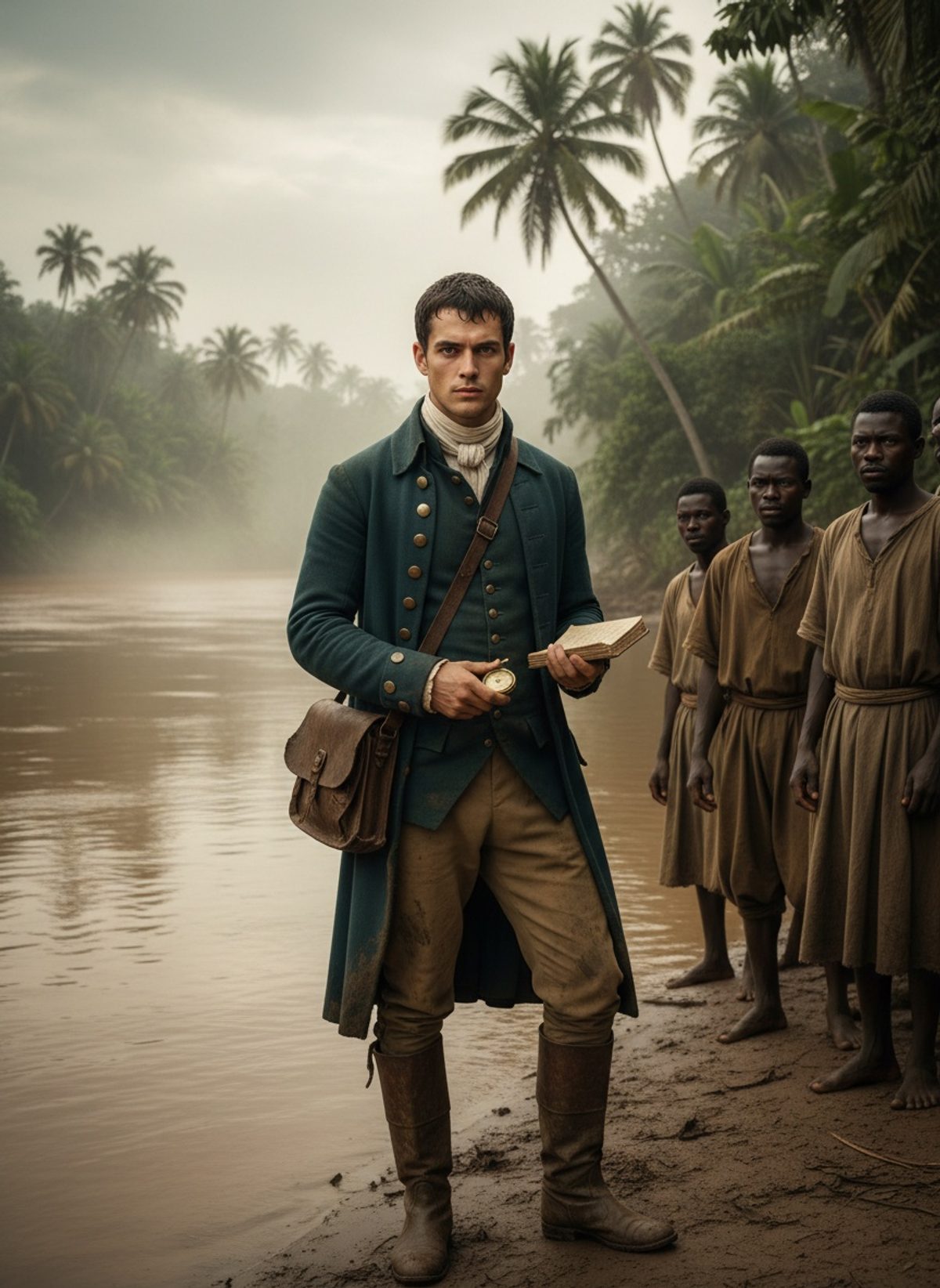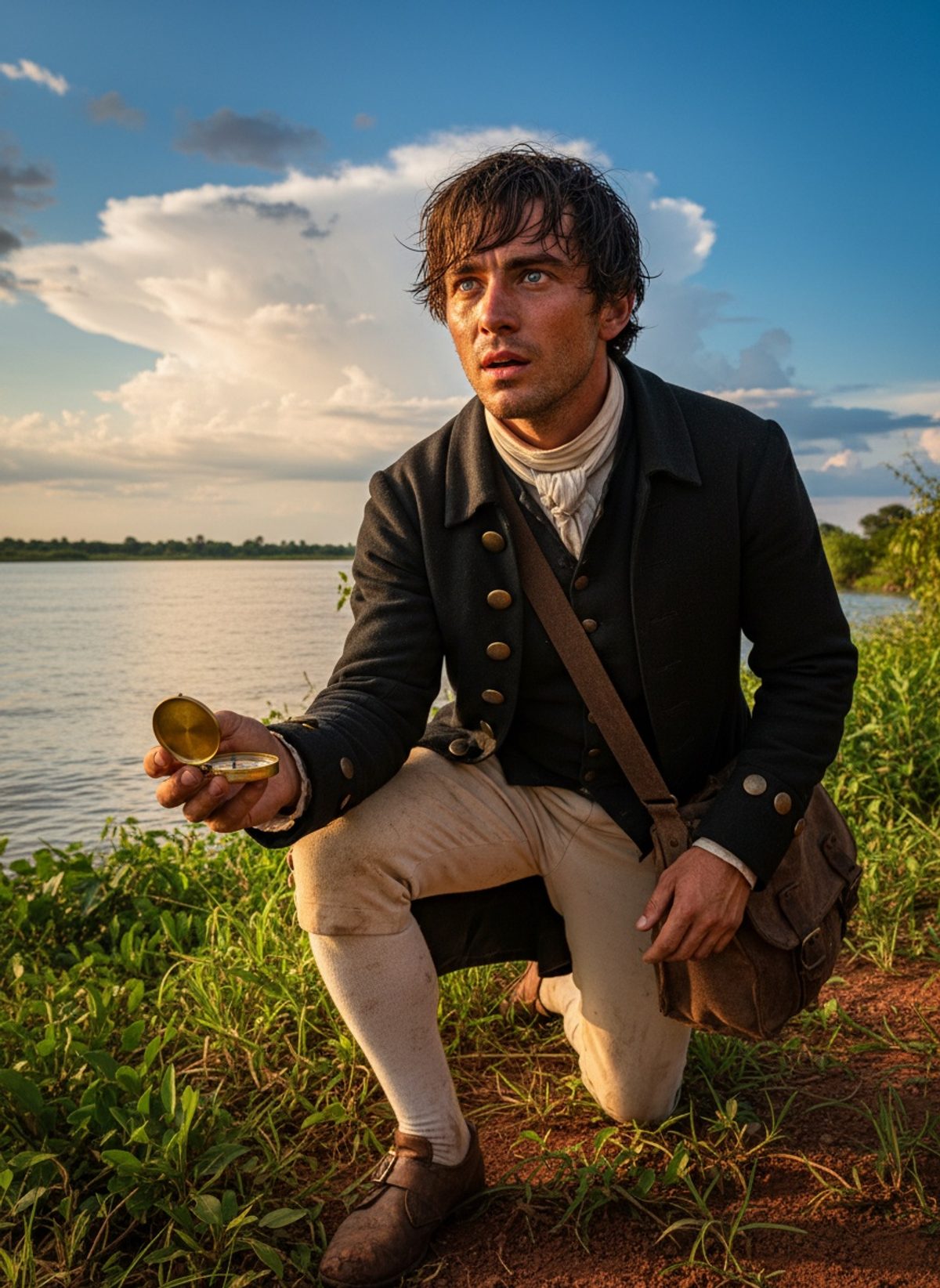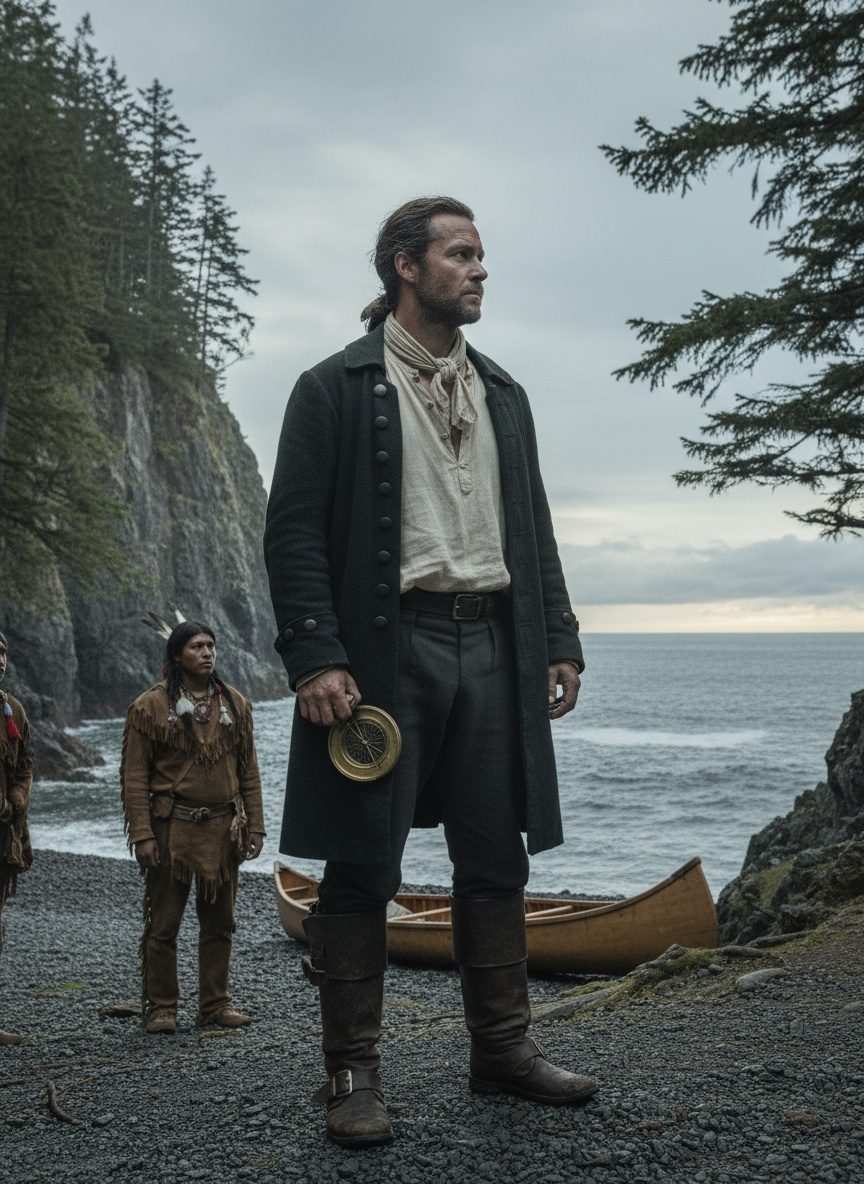
It was the morning of July 22, 1793, when Alexander Mackenzie stood, weathered and weary, at the edge of what felt like the world. Before him stretched the vast, restless expanse of the Pacific Ocean. The winds had carried whispers of the sea's stories for centuries, but for the first time, those tales now reached Scottish ears that had dreamed of such a moment with fervent determination. As he dipped his fingers into the icy waters, this was not merely a geographical triumph; it was a profound, human conquest of will and wonder. His journey, one of both hardship and unparalleled discovery, had led him to this defining vista.
The Journey Begins: Bold Ambitions from the North
Hailing from the rugged landscapes of Stornoway on Scotland's Isle of Lewis, Alexander Mackenzie embarked on a quest driven by an insatiable curiosity and entrepreneurial spirit. By 1789, at just 25 years old, he had already etched his name into the annals of exploration by tracing the turbulent waters of what would become known as the Mackenzie River, reaching the Arctic Ocean. Yet, like many bold minds of the Georgian Era, his dreams swelled far beyond the frozen Northern Territories.
His ambition? To chart an overland route to the Pacific—a possibility that had tantalized explorers for decades but remained elusive. With good fortune and fierce resolve, Mackenzie set out from Fort Chipewyan in what is today northern Alberta on May 9, 1793. His companions, a small band of voyageurs and Indigenous guides, carried essentials: paddles, pemmican, and the kind of deep-seated trust shared by those who stake their lives on the wilderness.
Rivers and Rugged Paths: Navigating the Uncharted
The journey across the continent was not a simple matter of following streams to a destination. It was a heaving battle against the elements and unpredictability that birthed a landscape of legends. Mackenzie and his team paddled and portaged their way westward through the turbulent waters of the Peace River. Their canoes often seemed like tenuous corks bobbing amidst a frothing soup of eddies and rapids.
Read next: The Day a Scots Surgeon Walked Into Timbuktu Alone
On June 12, 1793, they found themselves at a fateful junction—the Parsnip River. Decisively, Mackenzie took a path few would dare, following the lay of an indistinct trail. This would lead his crew into the descent of the daunting Rocky Mountains, an arduous climb through paths only passable to those assisted by the local Indigenous peoples, who traded knowledge for furs and friendship.
Beyond the Horizon: The Unyielding Spirit
Through the impenetrable swath of the forests and mountain corridors, the months wore on. Hunger gripped their stomachs daily, long miles cracked their callousing feet, and swarms of mosquitoes were relentless scourges. Despite it all, the group pressed on, buoyed by the determination residing in Mackenzie's heart—a ceaseless beacon guiding them onward.
On July 18, 1793, at last, the expansive vistas of the Pacific Range unfolded. Now among the steep fjords and cloaked forests of the coast, the Salish tribes shared with Mackenzie invaluable knowledge of the land, their history, and their spiritual depth. This cross-cultural exchange was a lifeline, a gift as invaluable as any found in nature's grasp.
A Monumental Achievement: The First to the Pacific
Standing firm on the western fringes of the continent and seeing the sun balance itself delicately on the horizon, Mackenzie marked his success not just with stony resolve, but a tangible token. A large rock served as his canvas. With vermilion paint he carried for emergencies, he inscribed the words that announced to any who would follow: "Alex Mackenzie, from Canada, by land, the twenty-second of July, one thousand seven hundred and ninety-three."
This moment, immortalized, was his signature etched into the continent, leaving behind a legacy of trailblazing genius—a symbolic end to a saga of certainty found amidst uncertainty.
Why It Matters: Legacy of Exploration
Alexander Mackenzie's journey to the Pacific was much more than a geographical milestone; it laid the groundwork for future explorers like Lewis and Clark, who would follow his northern trail less than a decade later. The trials he endured and the connections he forged with Indigenous communities established pathways for future trade routes that fueled the burgeoning Canadian fur trade and ultimately knit together the vast expanses of North America.
Today, Mackenzie's feat serves as a reminder of the human spirit's relentless drive to seek new frontiers, surmounting natural boundaries with courage and curiosity. His story invites us to reflect on the bridges between cultures forged through exploration and the enduring impacts of our quests for knowledge. Standing at the edge of the known world, he dared to see the world not as it was, but how it could be—a lesson of vision that continues to inspire explorers of all kinds to walk their path toward possibility.