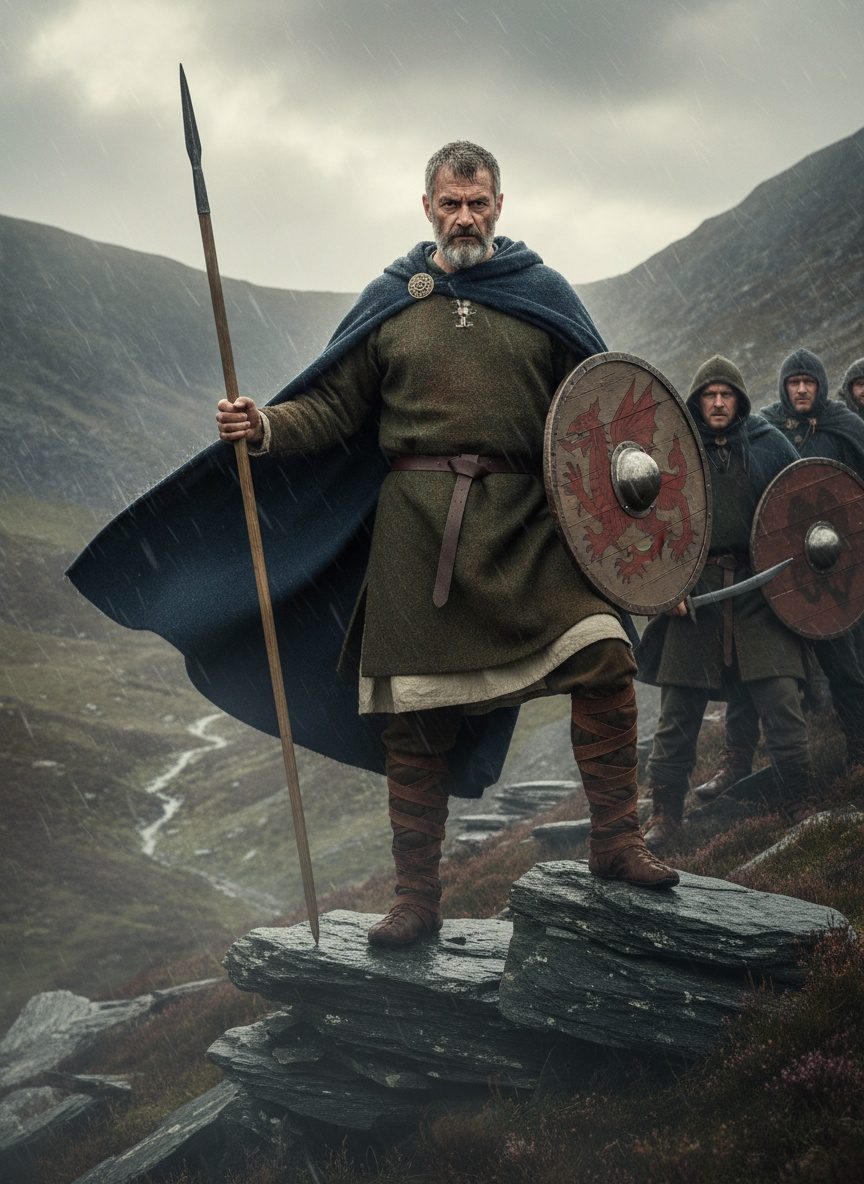
Owain Gwynedd was scouring the mountains for an enemy that never came. Despite being born into a world of ceaseless conflict, he understood something extraordinary: victory need not always be won with swords.
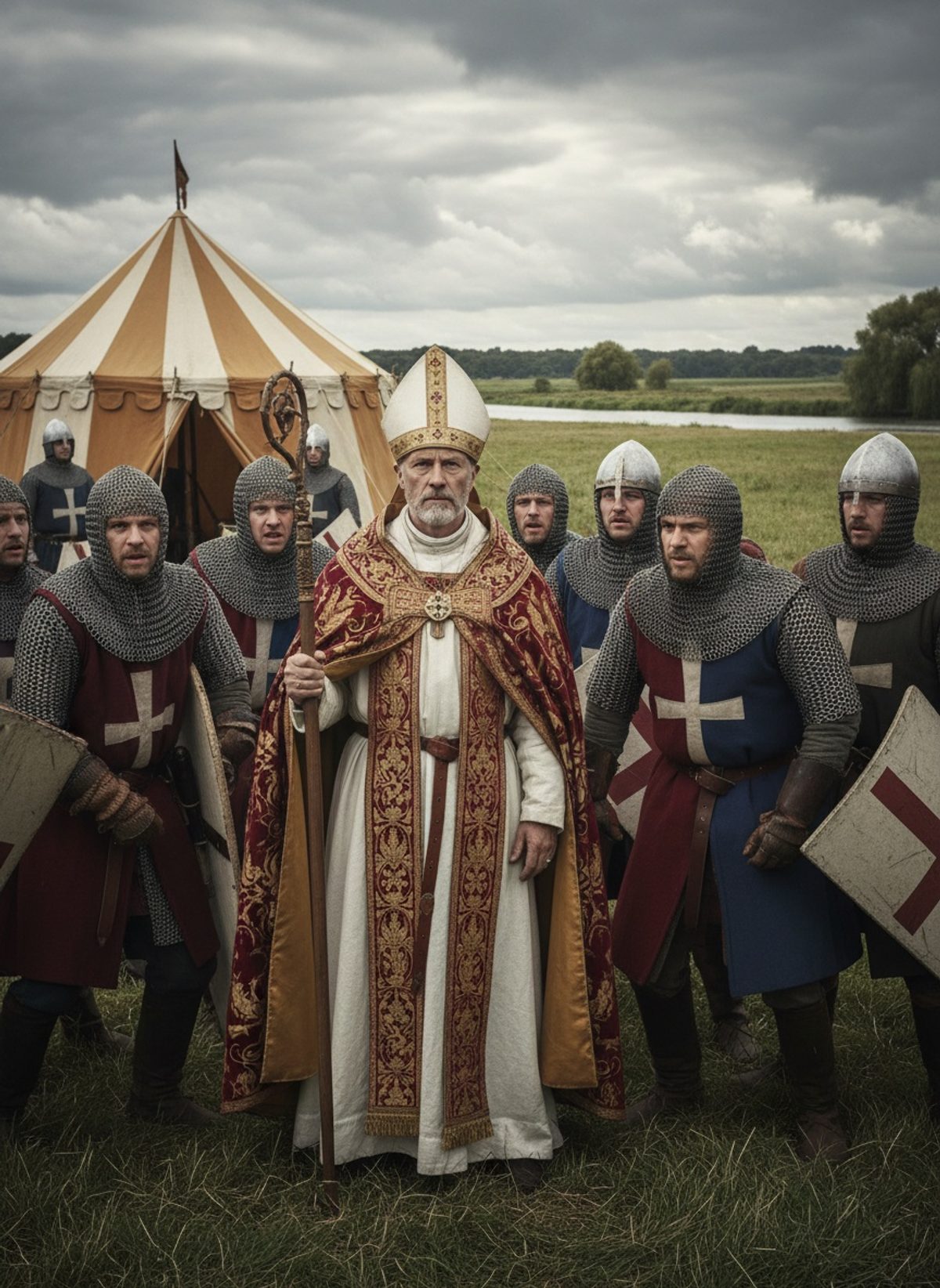
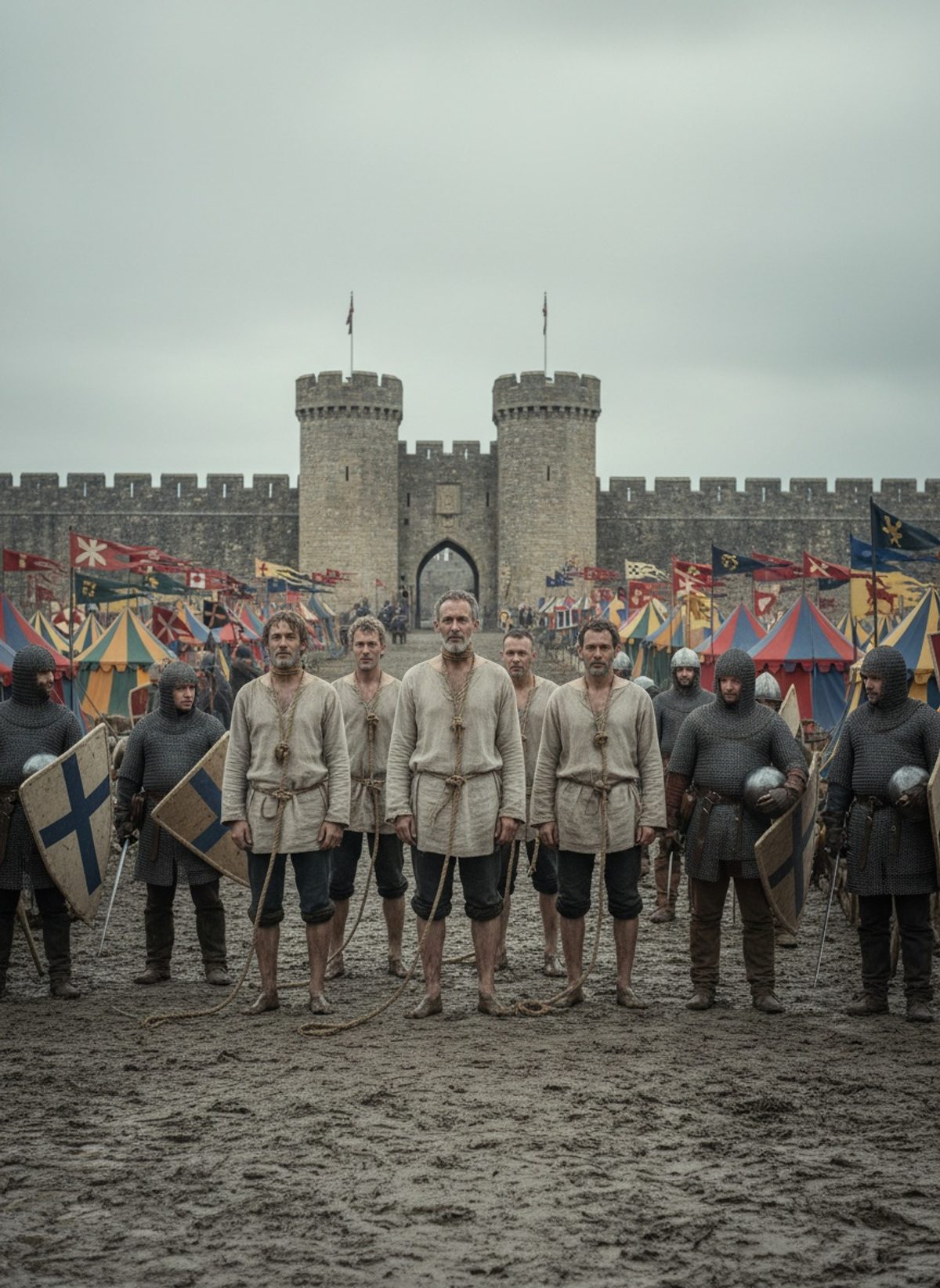
It was the summer of 1165, and King Henry II of England had set his eyes on quelling the fractious Welsh princes once and for all. The king mounted a massive campaign, assembling an army in numbers unprecedented in English history. His ambitions were as vast as the forces he commanded, their path through the rugged terrain laden with the promise of conquest. Yet, as this formidable host thundered toward the Welsh highlands, they encountered not regiments of resolute defenders nor fortified towns poised for siege. Instead, they found only an eerie absence of foes—a void echoed by the haunting howl of distant winds through the crags.
Owain Gwynedd, perceptive and shrewd, had navigated himself and his men invisibly into the heart of their homeland’s natural fortresses. These were not losses by desertion but a strategic retreat that played directly to the strengths of the land and the spirit of its people. While Henry's forces surged forward in eager formation, the Welsh prince awaited the moment when the land itself would rise against the invaders.
The terrain of Wales seemed woven with the intent to confound intruders. The sprawling mountains were more than mere landscapes; they were formidable allies to the men who called them home. The mountains, history’s unsung defenders, stood loyal to the Welsh cause. Dense forests became ramparts, and treacherous passes transformed into oubliettes for unwary Englishmen. Within these labyrinths, the grand armies of King Henry II, unused to traversing such punishing terrain, found themselves at the mercy of the natural elements.
Read next: The Day a Queen Walked Into a Rebel Camp Alone
Deprived of battle, nature’s offensive took hold. The skies opened with merciless rains, leading to a quagmire of mud that swallowed horses and men alike. Food supplies dwindled, livestock perished, and morale evaporated under the unrelenting downpour. Starvation became a silent adversary, tightening its grip with every sodden, hungry day the army lingered.
Henry's plan was unraveling. His glorious campaign, intended to deliver a swift and resounding blow to Welsh defiance, dissolved into a miserable retreat. Frustrated and humiliated, he was forced to withdraw from a conflict where victory was tantalizingly out of reach. His soldiers, bedraggled by elements and disheartened by futility, retreated empty-handed, leaving behind them not only their ambitions but their dignity too. The mighty army that had set forth to conquer found itself returning in ignominy, defeated not by a visible enemy but an unseen force.
In this, Owain Gwynedd became not just a man but a myth. His disappearance into the mountains was more than strategic; it was a masterstroke that cemented his legacy as a leader of supernatural perception. Historians and storytellers alike struggled to encapsulate a figure so simultaneously civilized and ruthless, a prince who commanded respect not through brute force but through a symbiotic understanding of his land. To the people of Wales, he became a symbol, representing indomitable resolve and a near-mystical connection to the highlands.
But why does his tale persist, reverberating through the annals of history like a distant drumbeat? It is in part because his actions echoed beyond the immediate, echoing a universal truth etched into human narrative: sometimes, the greatest victories are those achieved without drawing a blade. Owain’s story reminds us that triumph often comes not from domination but from understanding—a lesson deeply resonant in any age. The mountains and the storms were merely a canvas upon which he painted his strategy, asserting that man and nature might align to preserve identity and autonomy.
In a world that often measures power in displays of force, the vanishing of Owain Gwynedd into the mountains and his victory by evasion underscore a subtler, enduring strength. It is a testament to the power of patience, the genius of restraint, and the enduring belief in one’s home and its untapped potential. His legacy becomes that of all those who have safeguarded their heritage not through conquest, but through an innate understanding of their world and their place within it. To many in Wales, Owain did not simply safeguard their homeland; he safeguarded their very soul, ensuring that the spirit of resistance and unity would echo for generations to come.