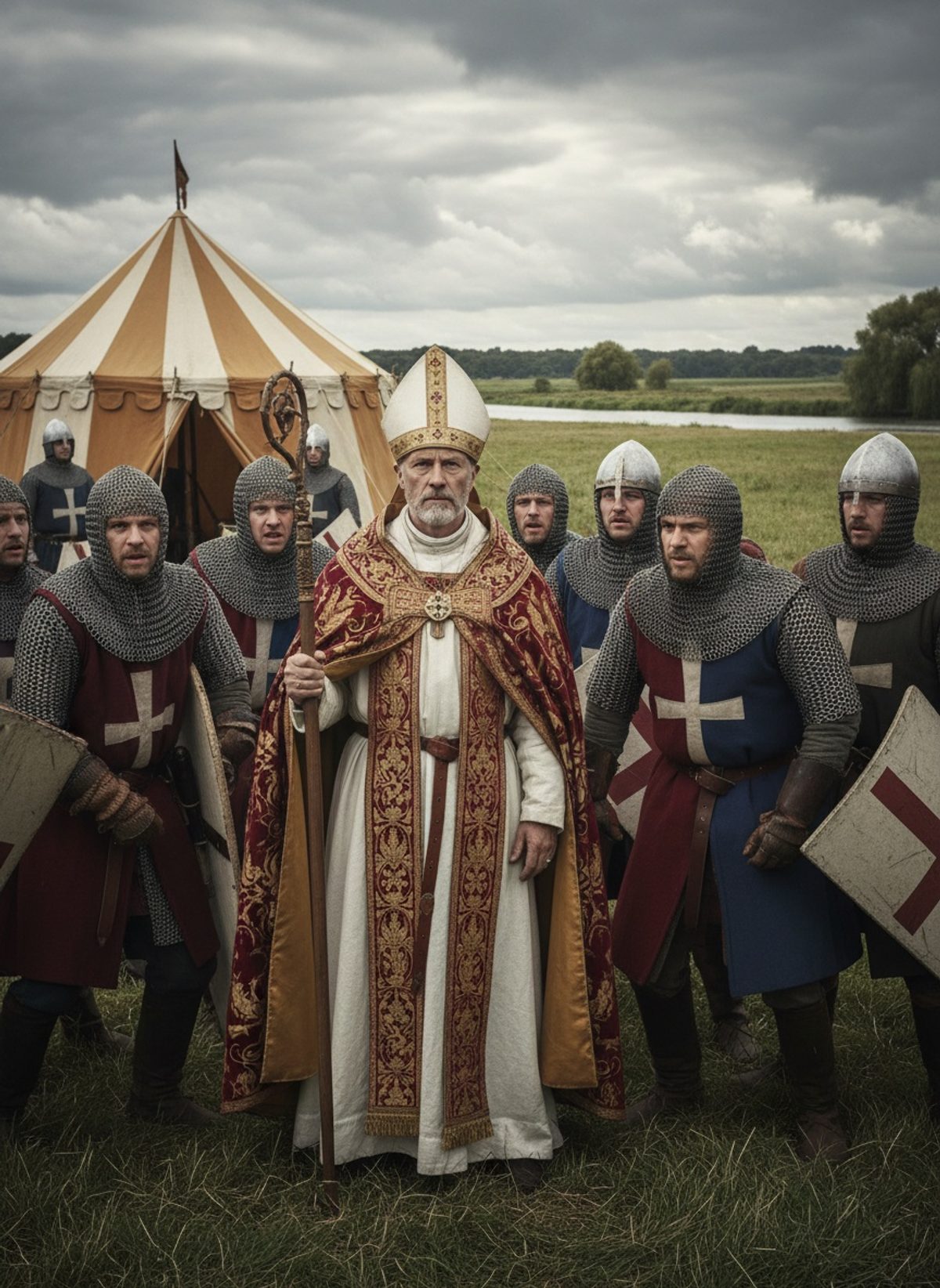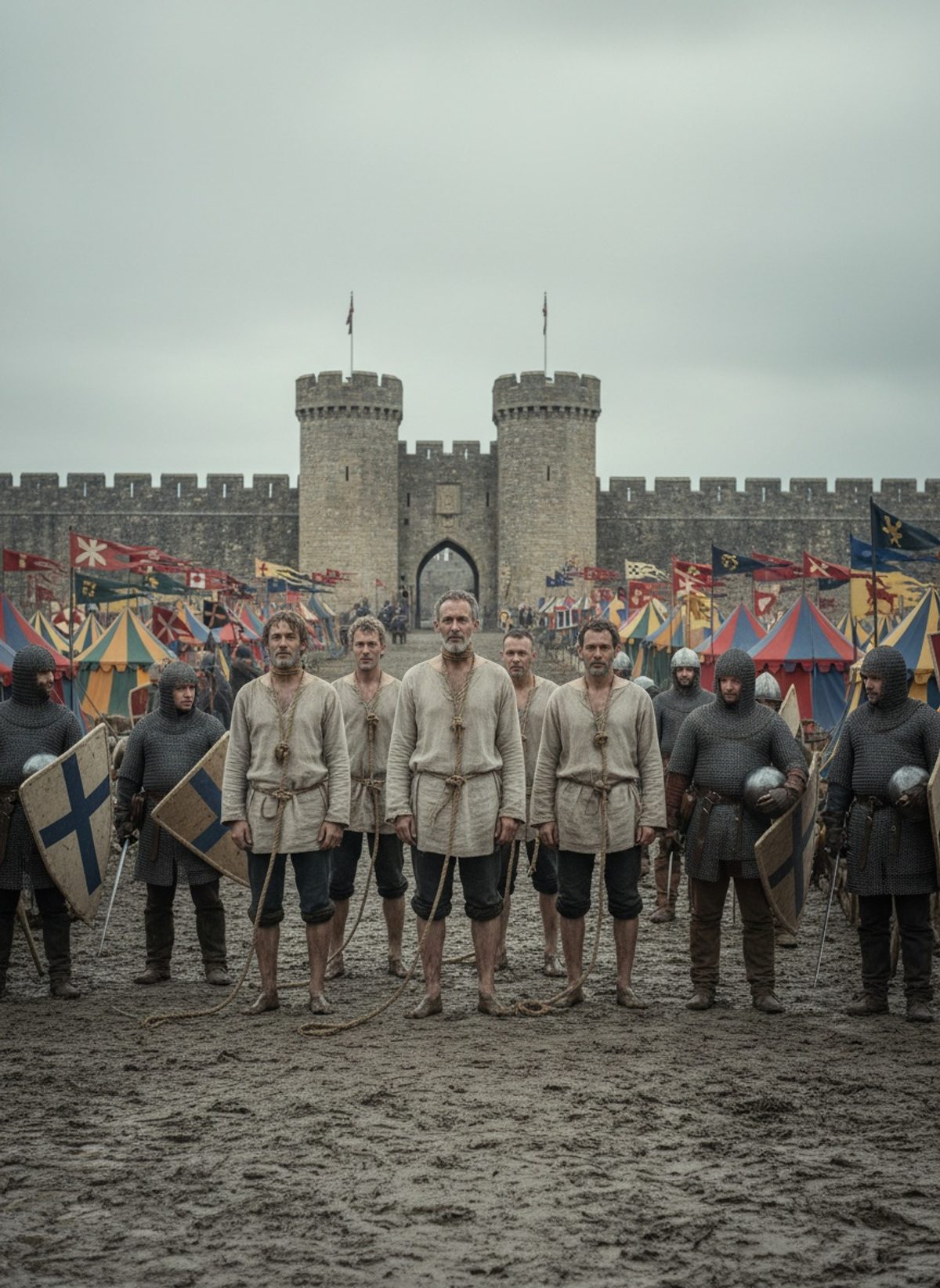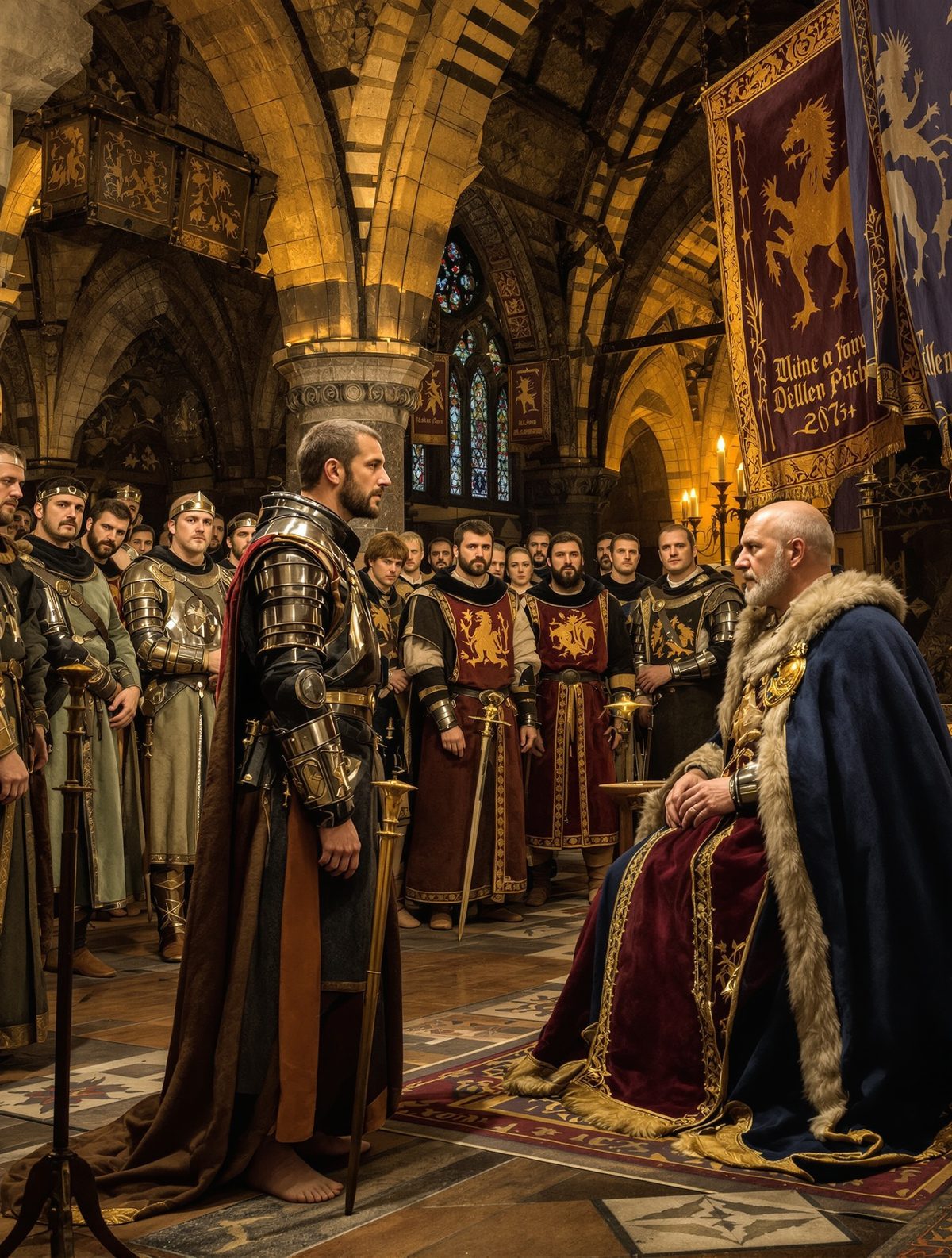
On a brisk autumn day in 1267, amid the flickering candlelight of an English court, there unfolded a scene that few could have predicted: a Welsh prince, Llywelyn ap Gruffudd, stripped of his boots, knelt barefoot before King Henry III of England. His was a humble stance, yet it marked a momentous occasion — one where diplomacy triumphed over centuries of conflict. This was not a mere formality; it was the day a man of unparalleled cunning and determination won acknowledgment for his rightful title as Prince of all Wales. How had this extraordinary event come to pass?
The Roots of Rivalry: Wales and England at Odds
The tale of Llywelyn ap Gruffudd begins in an era shaped by constant strife between the Welsh princes and the English crown. For centuries, the rugged terrain of Wales, with its lush valleys and impenetrable mountains, served as both sanctuary and battleground for a people fiercely devoted to their independence. The English kings viewed Wales as a troublesome frontier, one best subdued with sword and iron.
Yet Llywelyn ap Gruffudd was not a warrior like those who had come before him. Born around 1223 into the princely family of Gwynedd, Llywelyn inherited a land fraught with division, where multiple Welsh lords squabbled for power while keeping a wary eye on their ambitious English neighbors. His ascent was catalyzed by the failure of previous ruler attempts to unite these disparate factions, prompting Llywelyn to seize the mantle of leadership with not just might, but with a keen intellect that saw beyond the battlefield.
A Game of Thrones: Political Prowess Over Military Might
While his predecessors met English might with bloodied swords, Llywelyn realized a new strategy was required. His journey to the English court in 1267 was the culmination of years of arduous negotiation, tactical marriages, and deft political maneuvering. Marrying Eleanor de Montfort, the niece of King Henry III, was a stroke of genius that brought with it valuable alliances and solidified his claim to Welsh sovereignty.
Read next: The Day a Queen Walked Into a Rebel Camp Alone
Llywelyn's foresight led him to exploit the fractures within the English nobility. During the Second Barons' War (1264-1267), he lent his support to the rebel barons fighting against the King, a calculated risk that eventually paid dividends. When the conflict waned, Llywelyn's loyalty to the defeated barons earned him their respect and some leverage. He now stood on the brink of realizing an unprecedented title — not by conquest, but by orchestrated statesmanship.
The Treaty of Montgomery: A New Dawn
The climactic result of Llywelyn's shrewd diplomacy was the Treaty of Montgomery, signed on September 29, 1267. For the first and only time in history, an English king formally recognized a Welsh prince as Prince of Wales. In exchange, Llywelyn paid homage to King Henry III and agreed to an annual tribute. This act of barefoot submission was deeply symbolic, a pledge of fealty that simultaneously acknowledged his newfound status.
Secured through the treaty, his dominion extended over all of Wales, except the southeastern regions that remained under English control. This diplomatic victory reshaped the political landscape, casting Llywelyn as a formidable figure in the tapestry of Welsh and English relations. It was an arrangement that delighted his supporters and confounded his rivals, marking a rare period of relative peace.
Llywelyn’s Legacy: A Symbol of Welsh Unity
Though fleeting in the annals of history, the recognition of Llywelyn as Prince of Wales left an indelible mark on the Welsh consciousness. He was not perfect, nor was his rule free of strife, yet his legacy endured as a beacon of unity. The Welsh people had seen, if only briefly, the potential of a harmonious realm united under a single banner.
It is said that Llywelyn fostered a cultural renaissance during his reign, promoting Welsh laws and traditions that had long been overshadowed by Anglo-Norman influence. The echoes of this cultural revival resound even today in the storytelling, language, and proud heritage of Wales.
Reflections: Why It Matters Today
The story of Llywelyn ap Gruffudd is more than a forgotten chapter in medieval annals; it is a testament to the power of resilience and diplomacy in a world often dominated by force. In an era where power was traditionally seized through conflict, Llywelyn demonstrated how intelligence and negotiation could yield greater dividends.
In today's global landscape, Llywelyn’s journey reminds us of the potential for change when dialogue prevails over discord. His rise to power illustrates that true strength often lies not in might, but in the ability to understand, adapt, and unite people towards a common cause. Llywelyn’s barefoot step into the English court was not merely a gesture of submission, but a stride toward transformation — a timeless lesson on the virtues of patience and peace.