On a summer day in 1689, amidst the rugged hills and dense forests of Scotland, a battle unfolded that would etch the name of John Graham of Claverhouse — Viscount Dundee — into the annals of history. With a fearless charge that defied the grim predictions of the day, Dundee and his Highland warriors secured an astonishing victory at Killiecrankie. Yet, within moments of achieving this triumph, Dundee lay dying on the battlefield, his body pierced by a lone bullet. This is the tale of heroic defiance, unparalleled bravery, and the transient nature of glory that defined the Day James Graham of Claverhouse died at Killiecrankie.
The Unyielding Viscount
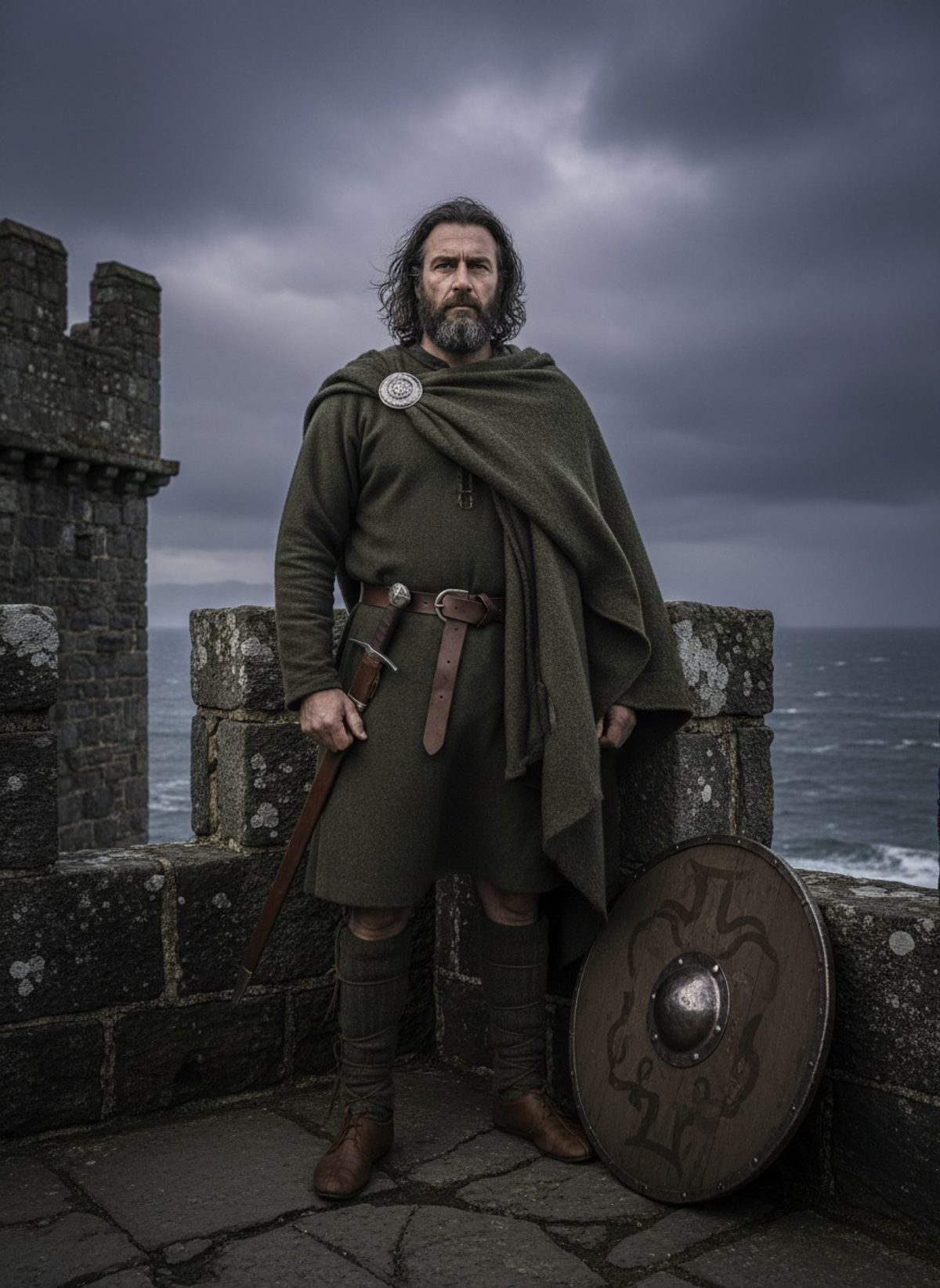
The late 17th century in Scotland was a period of turbulence and change. As William of Orange sought to solidify his control over Scotland in 1689, the country teetered on the brink of chaos. One man, John Graham of Claverhouse, stood resolutely against this tide. A soldier of noble descent, Dundee was known for his fierce loyalty to the deposed King James II and his unwavering commitment to the Jacobite cause.
Born in 1648, Dundee's aptitude for military strategy and leadership had been honed during his service in various European armies. His title "Bluidy Clavers," feared by some and revered by others, was emblematic of his ruthless efficiency. However, what truly set him apart was his audacious resolve in the face of seeming defeat. On July 27, 1689, this resolve would culminate dramatically at the Battle of Killiecrankie.
The Clash of Two Worlds
As dawn broke over the Pass of Killiecrankie, the air was thick with anticipation and the scent of damp earth. On one side stood Dundee, leading around 2,400 men, many of whom were Highlanders — fierce warriors renowned for their ferocity and swiftness. On the other side, General Hugh Mackay commanded a seasoned government force of around 3,500. Despite their superior numbers and training, Mackay’s troops faced a formidable challenge.
Read next: The Day a Scots Village Chose Its Own Name and Kept It
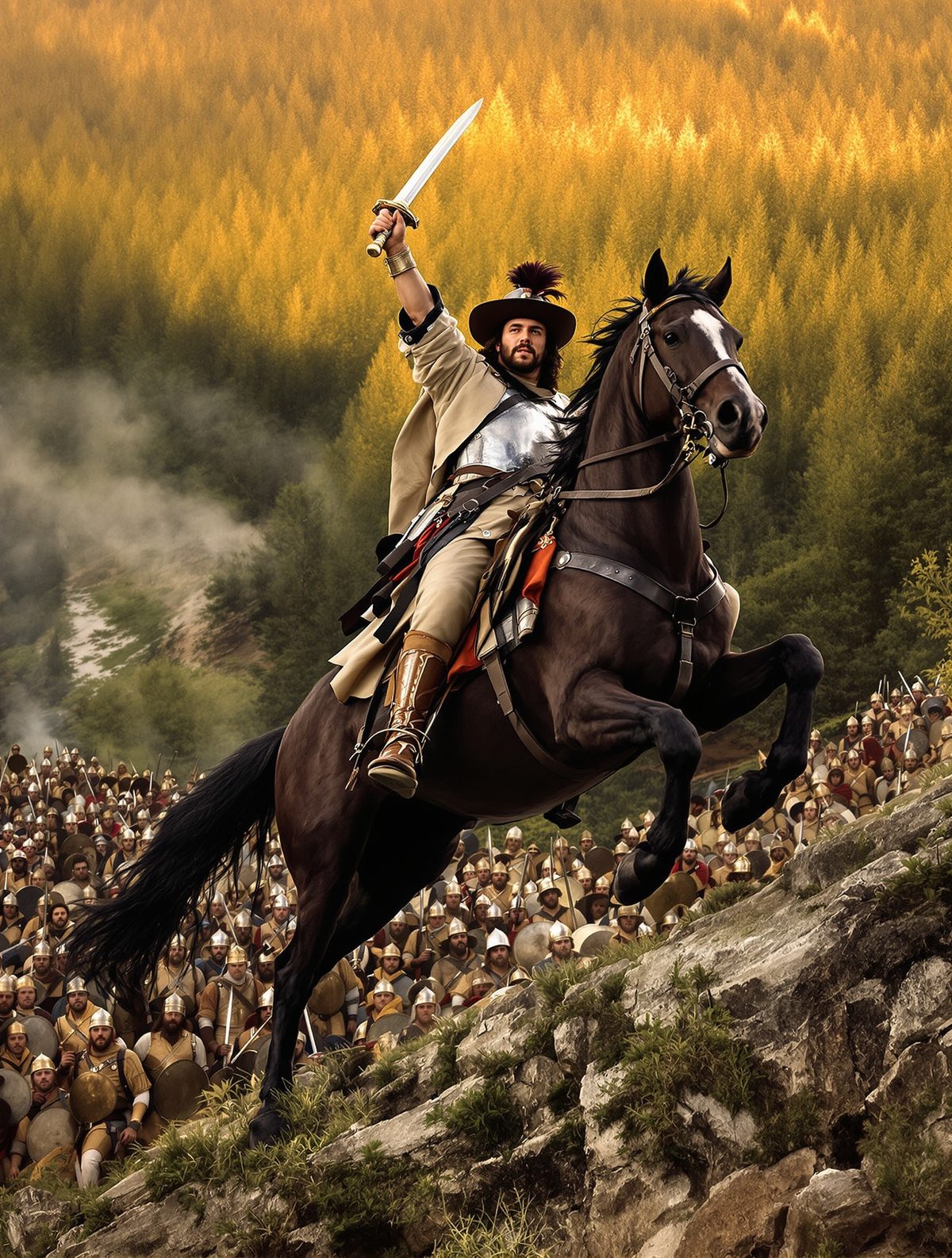
In an era where musket fire and disciplined regiments often dictated the outcome of battles, Dundee chose audacity over caution. His decision to charge uphill through uneven terrain against a hailstorm of bullets seemed foolhardy to many. Yet, the Highland charge, a daunting display of primal force, was a sight to behold. The Highlanders, with their broadswords glinting in the sun, swept upward with a relentless momentum that would soon crumble Mackay's hardened line.
The Four-Minute Rout
Dundee's gamble paid off spectacularly. Within mere minutes, the ferocity of the Highland charge shattered the composure and organization of Mackay’s troops. The disciplined ranks of the government soldiers buckled under the onslaught, turning a carefully formed line into a chaotic retreat. What some had believed would be a protracted engagement ended in four short minutes with the full-scale rout of the government forces.
The scene was one of nightmarish confusion. Soldiers trampled over each other in a desperate bid to escape, while the clamor of claymores striking and muskets firing echoed through the valley. Dundee's Highlanders had not only defeated their enemies but had also secured a strategic victory that echoed with the promise of a revived Jacobite campaign.
The Fatal Bullet
Victory had been achieved, but at a tremendous cost. As his men celebrated, Dundee took a moment to survey the battlefield from horseback. Ironically, his greatest triumph would also be his final act. As he observed the fleeing enemy, a single bullet found a gap in his armor, striking him below the breastplate. It was a cruel twist of fate — a reminder of the lethal capriciousness of war.
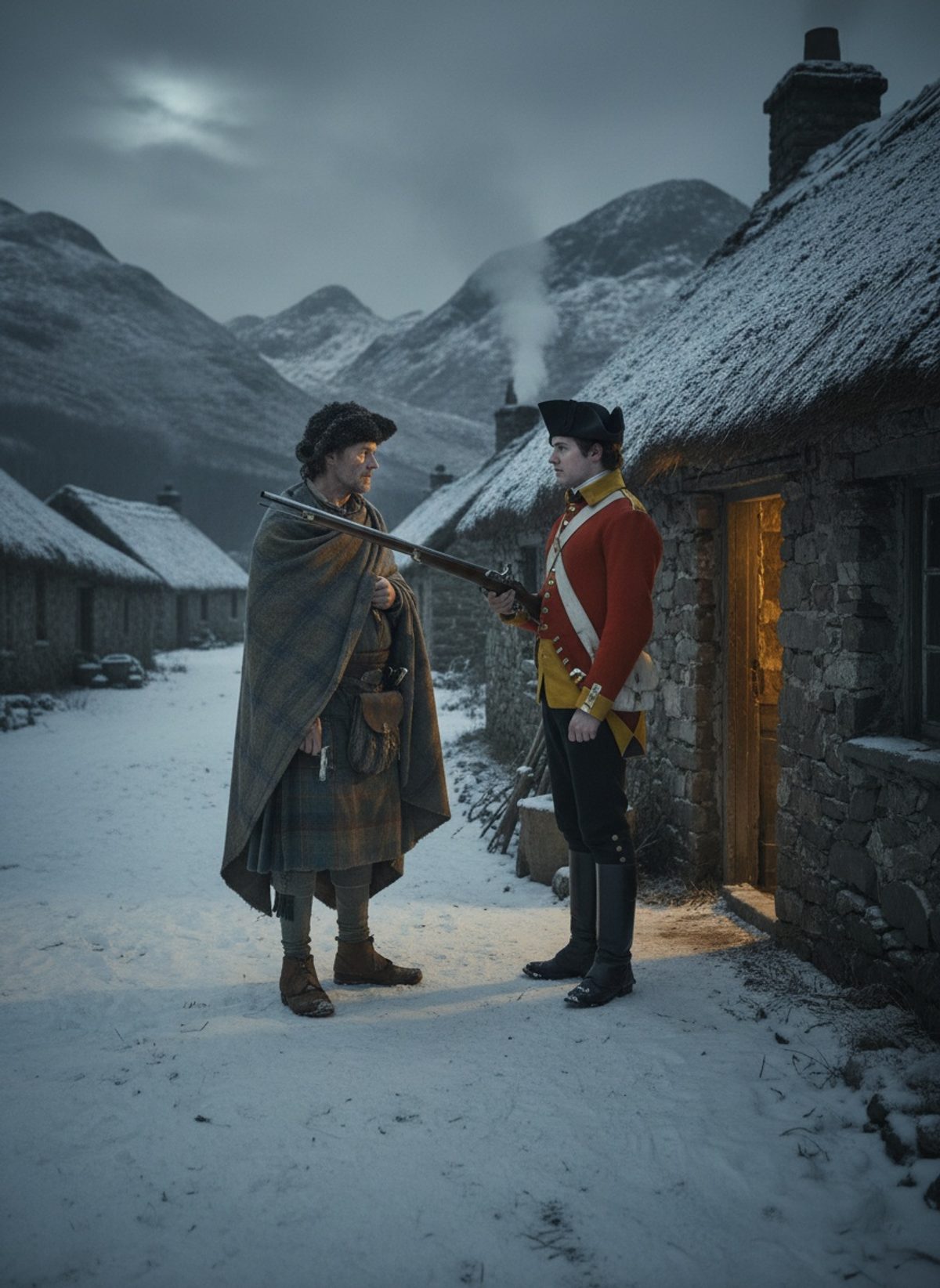
Gravely wounded, Dundee was assisted to a nearby cottage where he would breathe his last. The tactical genius who had led his men to an improbable victory lay dying amidst the whispers of the Highland wind. Yet even in his final moments, Dundee remained defiant, urging his followers to continue the fight for King James.
A Legacy Wrought in Blood
The impact of the Battle of Killiecrankie was significant, though perhaps fleeting. Dundee's death was a monumental blow to the Jacobite cause, which would struggle to maintain its momentum without his leadership. The mythologizing of Dundee and his final stand persisted, with the Viscount's legacy immortalized in both history and folk memory.
But why does Dundee's story still matter to us today? His audacious spirit challenges us to reflect on moments of bravery and the profound unpredictability of life. Killiecrankie remains a testament to the courage of those who defy the odds in pursuit of their ideals, a reminder of the sacrifices behind the historical narratives that shape our understanding of the past.
In the end, the tale of John Graham of Claverhouse at Killiecrankie is not merely a chapter of Scottish history; it’s a vivid snapshot of human endeavour — an encounter where triumph and tragedy became inseparable in the quest for a goal greater than oneself. This enduring tale speaks to the heart of what it means to face the impossible with unwavering conviction, a legend etched forever in the mists of Scotland's storied landscape.