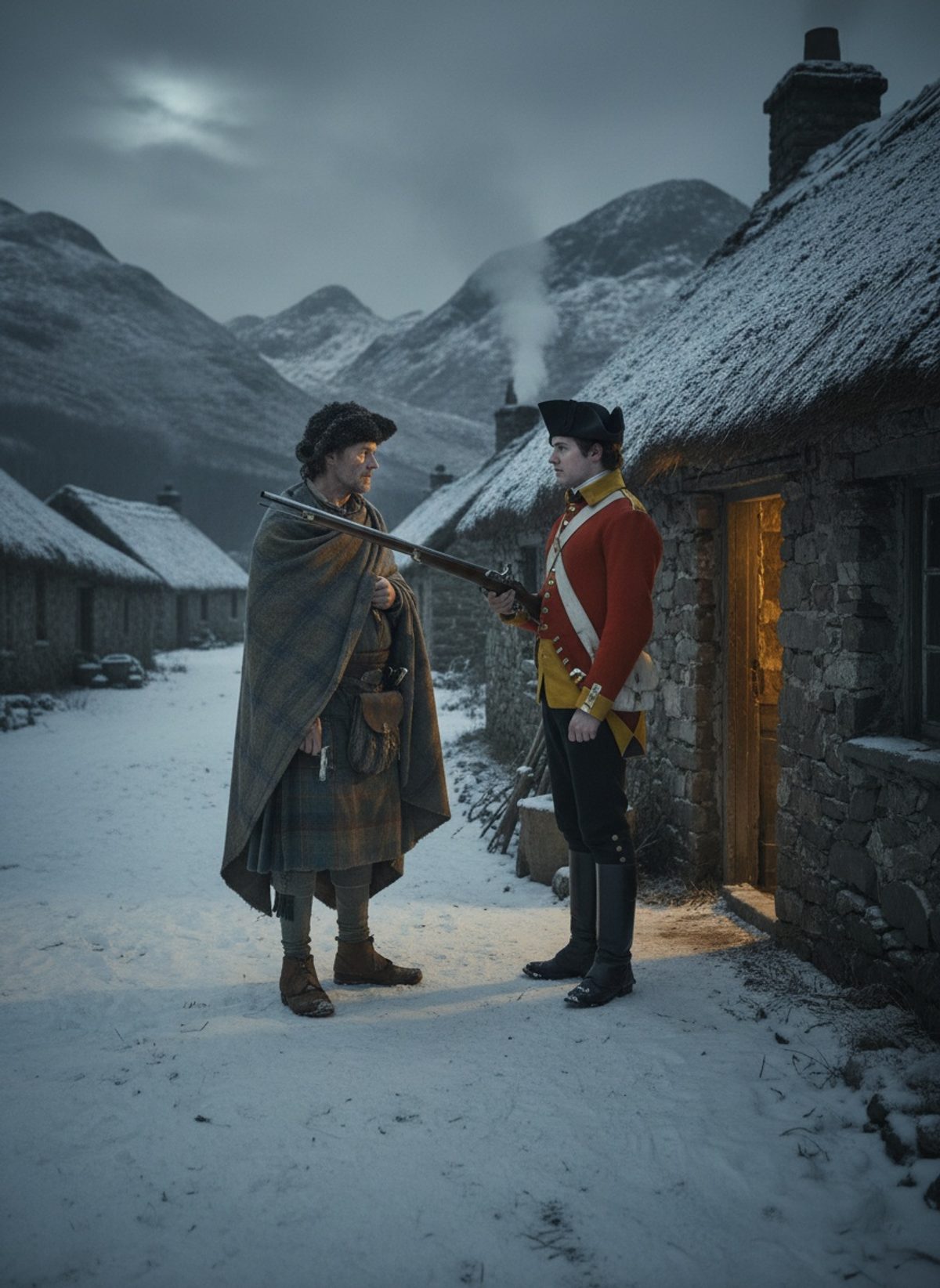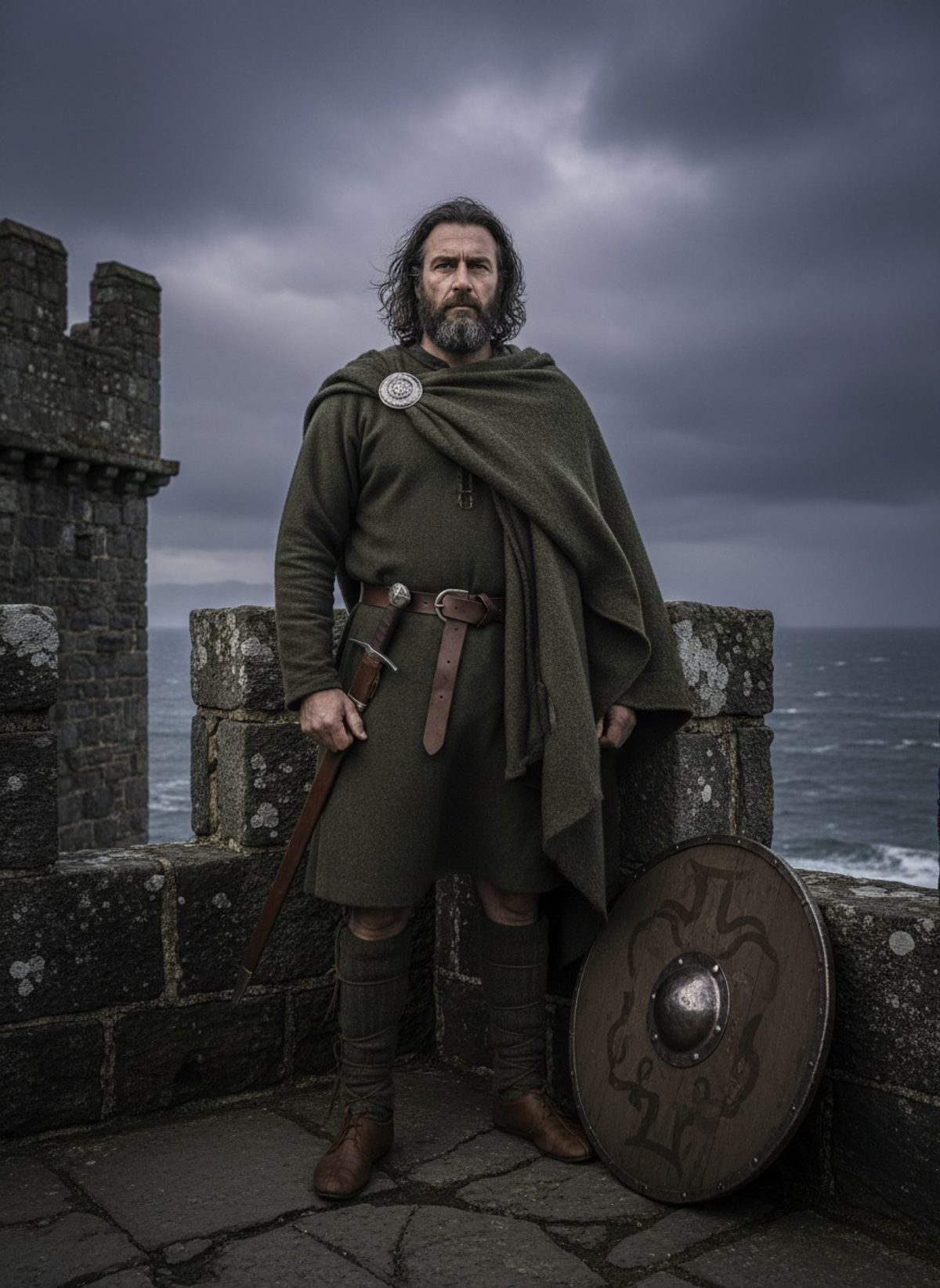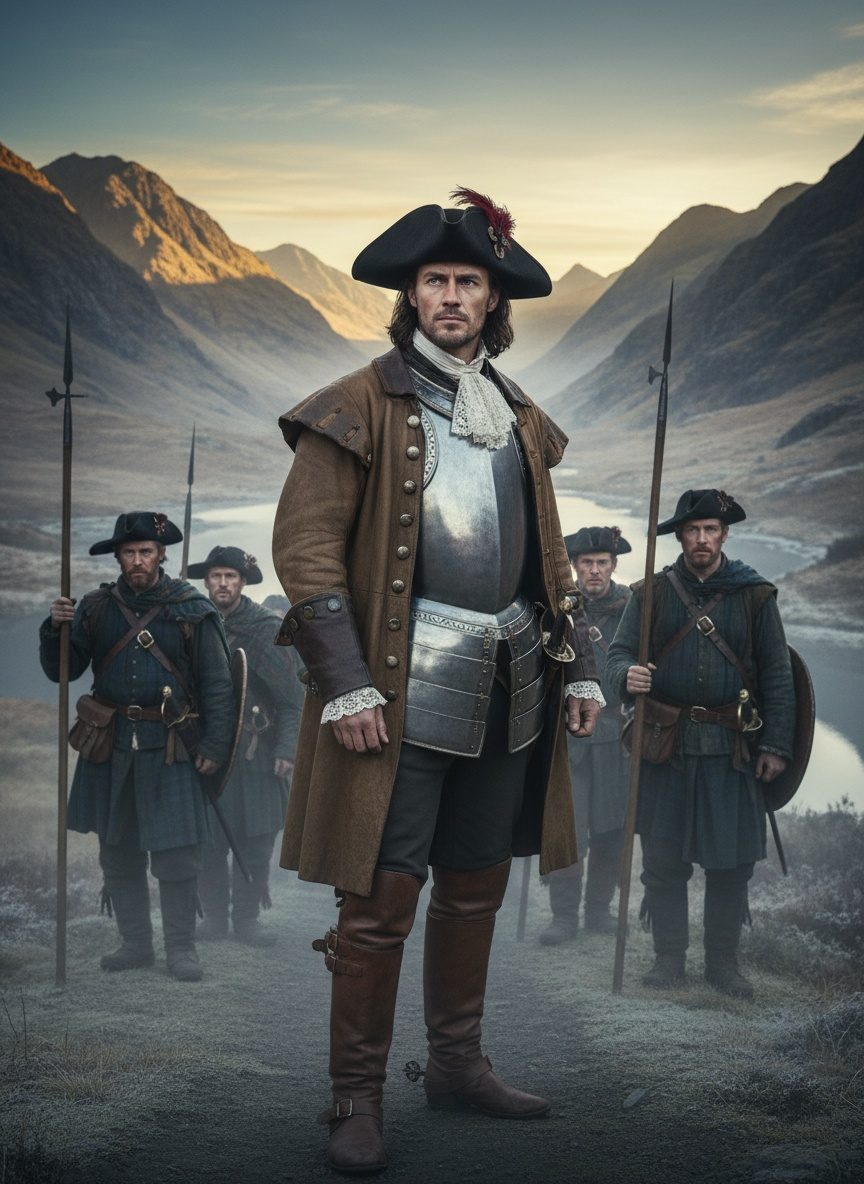
September 1644. The chill of the Highland wind was sharp enough to cut bone.
The Unlikeliest of Campaigns
The Scottish Highlands, with their rugged terrain and mist-covered hills, bore witness to an audacious plot that seemed the stuff of legends more than reality. James Graham, the Marquess of Montrose, found himself in what could only be described as the most precarious of positions. Having been declared a traitor by the Covenanter government and with the king's cause seemingly doomed, Montrose rode against all odds. Against him lay formidable forces: trained soldiers, in greater numbers, armed with artillery. Yet he chose this path, setting the stage for one of history’s most surprising military campaigns.
When Montrose raised the king's standard amidst the Highlands, he did so not with the hope of immediate triumph but with the sheer audacity to challenge the inevitable. It's said that Montrose’s charisma was magnetic enough to draw the most hardened warriors to his side. The clans knew well the costs of war, yet his call to arms resonated across the glens and lochs. Some claim it was his inherited lineage, while others point to the fervent belief in the royalist cause. Whatever the reason, clans trickled in, each more ferocious and fervent than the last.
Victories Against Impossible Odds
Just a whisper of Montrose’s victory at Tippermuir sent tremors through the land. A ragtag assembly of Highlanders, Irish Main (MacColla’s troops), and a smattering of lowland gentlemen had routed a well-supplied and disciplined Covenanter force. It was not just the victory that astounded, but the sheer strategy: an outnumbered force defeating superior numbers on their terms. Montrose's masterstroke came in how he leveraged the terrain, the element of surprise, and the fighting spirit of his men. In his hands, the land itself became a weapon.
Read next: The Day a Scots Village Chose Its Own Name and Kept It
The Battle of Aberdeen followed, another unlikely victory. Here, again, Montrose's craftmanship on the battlefield was evident. Employing sudden and decisive charges, he broke the enemy lines with an army that many considered only fit for skirmishes. This growing mythos of invincibility wasn’t just legend; each skirmish transformed the image of Montrose’s campaign, turning it from doomed rebellion into an epic tale of tactical brilliance.
The Mantle of Legend
By the time he reached Inverlochy, Montrose was more myth than man, and the stories of his daring exploits spread like wildfire across the highlands. He never had the numbers, the artillery, or the traditional might, yet he continued to outwit and outbattle every force sent against him. His small victories became renowned, aligning more clans to his banner, eager to ride into the annals of history alongside him.
In a sense, Montrose was a maestro of warfare's uncertainty. He knew he had no room for conventional tactics and so employed guerrilla warfare long before it had become en vogue. Some day he even dressed in disguise, dressed as a groom or a humble soldier, evading capture and appearing at the head of surprise assaults. For Montrose, the act of war was in itself a message — one that declared the royalist cause was far from extinguished. To opponents, he was an enigma, fighting a war no less shrouded in deception than the misty landscapes he traversed.
A Lasting Impression
It might be easy to dismiss Montrose’s campaign as a quixotic endeavor, one doomed from the start. After all, how could anyone expect victory with no army, no resources, and an already signed death warrant? Yet it is in this very act of defiance that Montrose’s story transforms from history into legend. The sheer audacity, combined with strategic genius and a dogged refusal to surrender, resonates through centuries.
What Montrose achieved in those highland campaigns was not just a series of tactical victories, but a spark. It was an affirmation that wit, courage, and the will to fight could overcome the insurmountable odds stacked by powerlines and parliamentarians. The Marquess didn’t just fight battles; he painted a vivid tableau of what might be possible when one refuses to accept the chains of fate.
So why does this tale of Montrose — already condemned yet undefeated — still matter? Perhaps it is that men like Montrose remind us of the fire that can burn bright even in the darkest of times. They show us that history’s echoes are filled not just with what happened, but with possibilities, with questions of “what if” reverberating across the ages. As the winds sweep across the Scottish Highlands, one can almost hear the whisper of Montrose’s triumph; it whispers to every soul who dares to challenge the impossible.