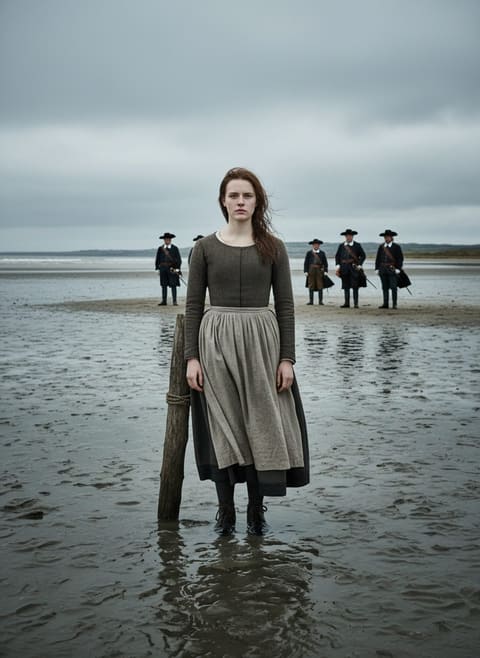
Grace Darling wasn't known as a hero. But she should have been.
Through the Eyes of the Lighthouse Keeper's Daughter
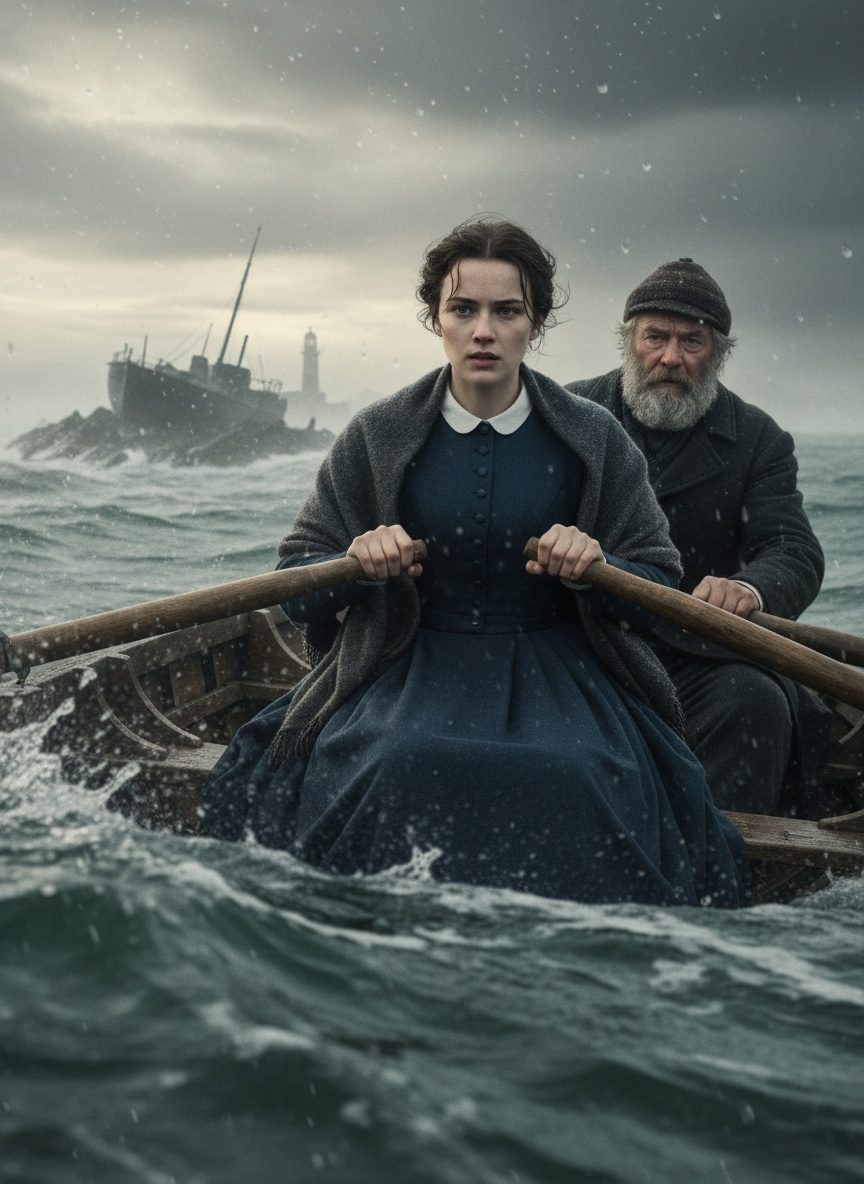
In the pitch-black twilight of early September 1838, nestled on the untamed Northumberland coast, a young woman named Grace Darling emerged into a storm that would alter the course of her life. The wind battered the sea, the waves heaving with primal anger, as the 22-year-old lighthouse keeper’s daughter scanned the menacing horizon from Longstone Lighthouse. Her heart quickened as she spied a sight both chilling and mesmerizing: the shattered remains of the steamship Forfarshire, clinging precariously to the cruel and jagged Farne Rocks.
For most, the impulse would have been to retreat into the safety and warmth of the lighthouse, to await daylight or the lessening of the storm. But Grace, guided by courage and unrelenting resolve, took a different path. She immediately woke her father, William Darling, and together they orchestrated a perilous rescue mission through the fury of the tempest.
The Forfarshire, once a symbol of Victorian engineering with its ironclad hull and steam-driven promise, had fallen victim to catastrophic mechanical failure compounded by the storm. The ship's plight became evident as the sea tore it apart, its passengers left at the mercy of merciless waves. Grace, an ordinary woman thrust into an extraordinary situation, spied survivors on an isolated stretch of rock, the North Sea’s cruel embrace pressing ever closer.
Read next: The Day a Scots Weaver's Son Freed the Kirk From a King
As the first glimmers of dawn broke through, illuminating water and rock in stark contrast, Grace and her father readied their small coble, a rudimentary rowboat designed for gentler waters than the ones they faced. In the heart of the tumultuous seas, nothing was certain except the drive to save those clinging to life, perched just beyond the sanctuary of the lighthouse beacon.
A Battle Against Nature
The sea was a maelstrom, a cacophony of wind and saltwater that diced with the fate of men. For Grace and her father, each stroke of the oars was a defiance against the elemental might that sought to swallow them whole. The coble rocked violently, water sloshing alarmingly over the sides as Grace gripped the oars with fierce determination.
Every minute felt elongated, stretched by both dread and adrenaline. Yet fear was a secondary concern. In their bones, they harbored a single truth: people were depending on them. Their course was fraught with peril, sharp rocks waiting like teeth to rend their vessel; the sky hung low and grey, pregnant with foreboding. Yet they pressed on through the heart of the storm, the rhythmic pull of the oars a lifeline to those awaiting salvation.
It was a feat of human endurance and selflessness. Amidst the chaos, the coble reached the wreck. The survivors, consumed by anxiety, eyes wide with relief and disbelief, were carefully brought aboard. For Grace, each saved life was a victory against the overwhelming odds that the sea presented.
Read next: The Day a Highland Clan Turned a Massacre Into a Legend
With the last of their strength, Grace and William turned the coble back toward the lighthouse. The battered survivors remained silent, perhaps in awe or shock, as the sea, subdued but never conquered, finally released them to sanctuary. A total of nine souls were now cradled in safety where once there had been only peril.
The Legacy of Courage
News of the daring rescue spread like wildfire, igniting the Victorian imagination worldwide. It was the stuff of legend—a young woman challenging the North Sea and emerging victorious, with nine lives to attest to her heroism. Grace Darling, who had spent her life in the quiet shadows of the beacon her father kept, found herself standing in the blinding light of public adulation.
Yet, for Grace, this recognition was secondary to the real essence of her action. During a time when the roles and capabilities of women were often underestimated, her bravery forced society to reconsider the realms of possibility for women. Her story traveled far, carried in newspapers and embellished in conversations, becoming a symbol of unyielding courage.
As our modern world continues to spin with new storms and challenges, the daring deeds of 7th September 1838 offer a compass point. This tale from Victorian Scotland teaches us about the power of human resolve, the courage found in dire moments, and the luminous spirit of a young woman who awoke to save others against overwhelming odds. Grace Darling’s act of valor reminds us all that heroism, often lying quietly within the ordinary, can rise spectacularly when drawn into action by necessity. In each retelling, her rowing into the tempest continues to inspire, a lasting ripple in the vast sea of history.