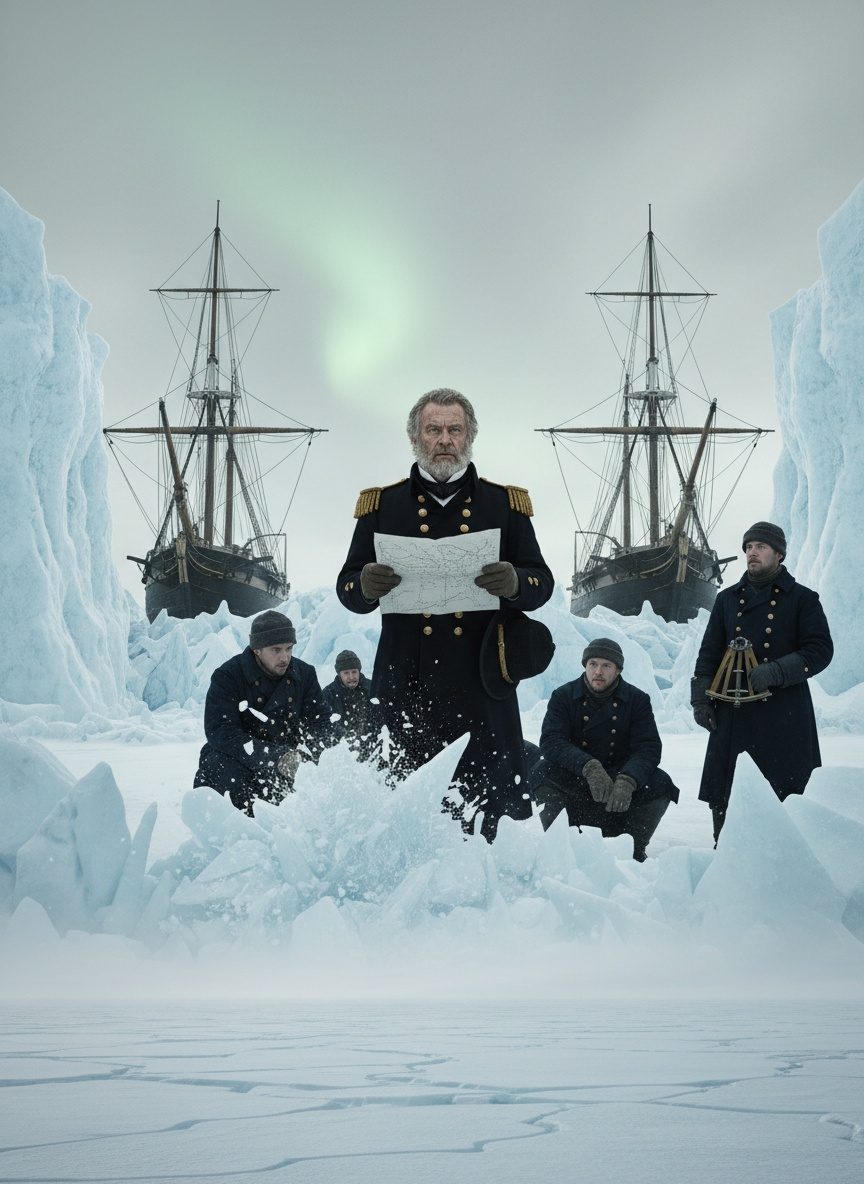
The creaking timbers of HMS Erebus groaned as it struck the jagged edge of an ice floe, shuddering violently beneath the feet of Sir John Franklin. He tightened his grip on the railing, eyes squinting against the blinding white of the Arctic landscape. The ship, a marvel of Victorian engineering, was no match for the relentless grip of the polar ice. Around him, the crew of 129 men worked in a tense, orchestrated silence, aware that the icy jaws of this endless frozen expanse were now closing around them.
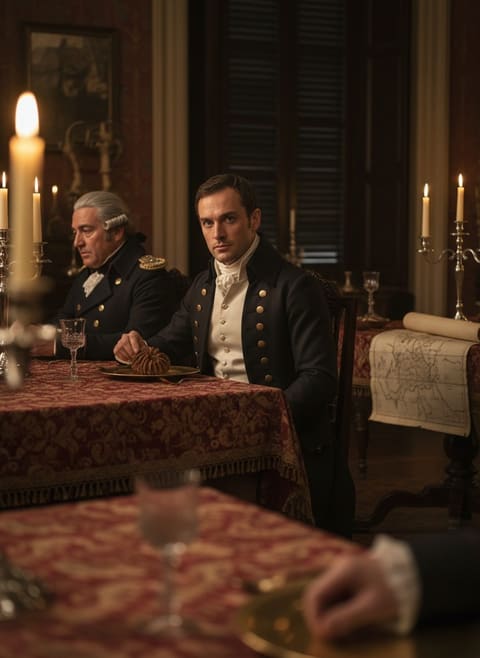
In May 1845, Franklin and his two ships, HMS Erebus and HMS Terror, had departed the bustling Thames, their decks crowded with hopeful sailors waving to the throngs of well-wishers lining the shores. Equipped with enough provisions to sustain them for three years, these vessels represented the pinnacle of British maritime ambition, tasked with charting the elusive Northwest Passage—a fabled route promising a direct link from the Atlantic to the Pacific, and prosperity beyond imagination.
By all accounts, Franklin was a seasoned explorer, a man whose resolve matched the formidable task ahead. His was an era that prized adventure and conquest, and the Arctic had long been a shimmering jewel in the crown of British exploration. The ships, fortified against ice and equipped with cutting-edge technology of their time, embodied the confidence of an empire at its zenith. Yet, as the months turned into a bitterly cold year, contact with the ships ceased, and a shroud of uncertainty began to descend over their fate.
Whispers of concern soon reached back to Britain. Families, once buoyed by tales of charted seas and new lands, were left only with silence. It was not long before the British Admiralty was forced to act. In 1848, the first search parties ventured north, braving the torturous conditions in hopes of finding the lost expedition. With each return, expectations dwindled, replaced by a harrowing realization—Franklin and his men had vanished into the icy abyss.
Read next: The Day a Devon Captain Charted the Pacific and Changed the World
Throughout the subsequent years, the Arctic was scoured. Harrowing tales of the search expeditions, marked by frostbite and deprivation, filtered back to British shores. These searchers stumbled upon scattered signs of the expedition—a few tools, personal belongings, and, hauntingly, slate grey bones that told stories of desperation and famine. Yet, despite the chilling evidence, the fate of Franklin's expedition remained a mystery.
The allure of the mystery gripped the nation. Stories of madness and cannibalism emerged, fragmentary accounts pieced together from whispers and relics found amongst the ice. They told of men driven by hunger and isolation to unspeakable acts, of the unbearable weight of survival amidst nature’s cruelest backdrop. It was an account that shocked Victorian sensibilities, pricking the romantic bubble of the intrepid adventurer with the chilling reality of the human condition laid bare.
Read next: The Day a Devon Sailor Mapped the Roof of the World Alone
The desperate struggle of Franklin's men forced revelations about the Arctic environment that would forever change the course of exploration. As more expeditions followed in their path, the map of the world began to change. These pursuits, born out of tragedy, would eventually reveal some of the most crucial waterways hidden within the ice. But it was the price paid by Franklin and his crew that cast a somber pallor over these discoveries.
The tale of John Franklin’s doomed expedition echoes through history, not just as a narrative of ambition and loss, but as a powerful reminder of humankind’s fragility against the elements. It serves as a somber testament to the courage and resilience of explorers who dared to venture into the unknown, armed with not much more than hope and an indomitable will. These men, swallowed whole by the Arctic, left a legacy enthralled by the interplay of mystery and fate—a legacy etched forever in the frozen recesses of the human psyche.