Vimy Ridge was deemed impenetrable. Yet, on April 9, 1917, Canadian forces stormed it in a single day.
The Iron Spine of Vimy
Cloaked in the fog of northern France, Vimy Ridge loomed like a specter over the horizon. The ridge wasn’t just a natural formation; it was a fortress wielded by the Germans with ruthless efficiency. A barrier that halted the French and caused them to bleed for every useless inch, Vimy Ridge represented more than strategic high ground. It was a psychological thorn, a crest of impossible hope that seemed unattainable. The French Army's previous attempts had cost over 100,000 lives, leaving a trail of heartbreak and valor below its stark profile.
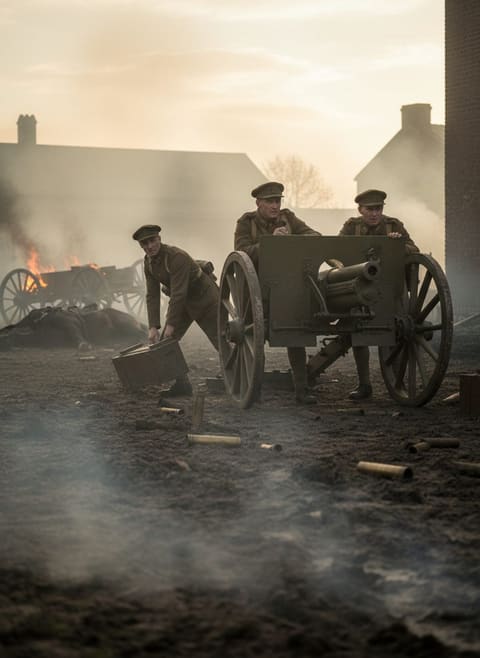
The Germans called it the “Week of Suffering,” a prelude to the harrowing storm that would soon change the fate of this rugged land. Between April 2 and April 8, an onslaught of artillery fire resounded across the tortured landscape, shaking the very bones of the earth. This bombardment was not merely an attack; it was an unrelenting symphony of destruction orchestrated by the combined might of four Canadian divisions acting as one. They were the spearhead of a new plan, one that abandoned traditional frontal assaults for an intricate ballet of coordination and timing that synchronized artillery with infantry — the creeping barrage.
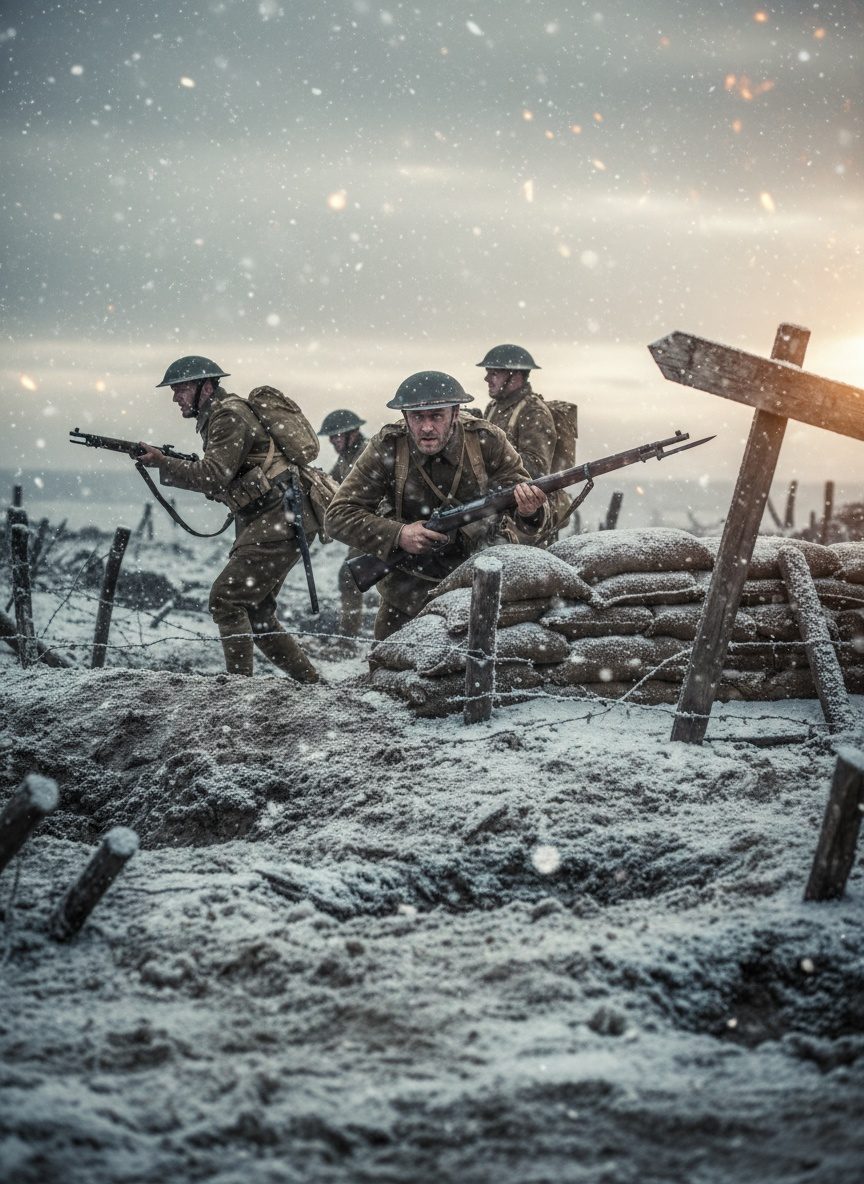
Emerging from the freezing pre-dawn gloom on Easter Monday, April 9, 1917, the Canadians faced not only an enemy entrenched with lethal intent but also a snowfall that cloaked the battlefield in a surreal shroud. Yet, within this blinding storm, these soldiers found their advantage. As shellfire marched methodically forward, it created a deadly curtain that shielded them from German machine guns long enough to reach the enemy lines with breathtaking speed and precision.
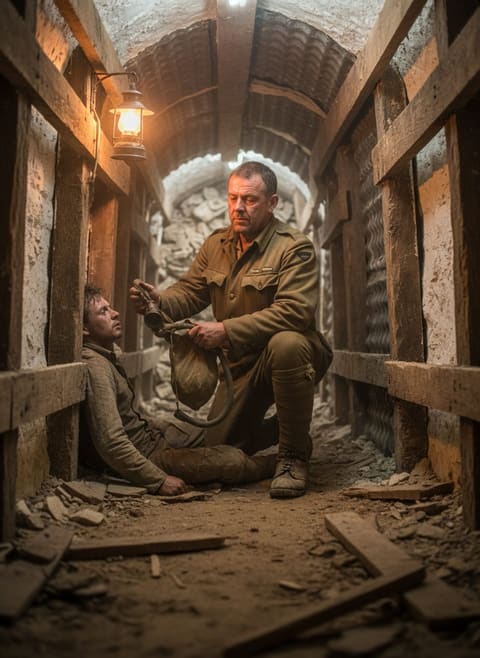
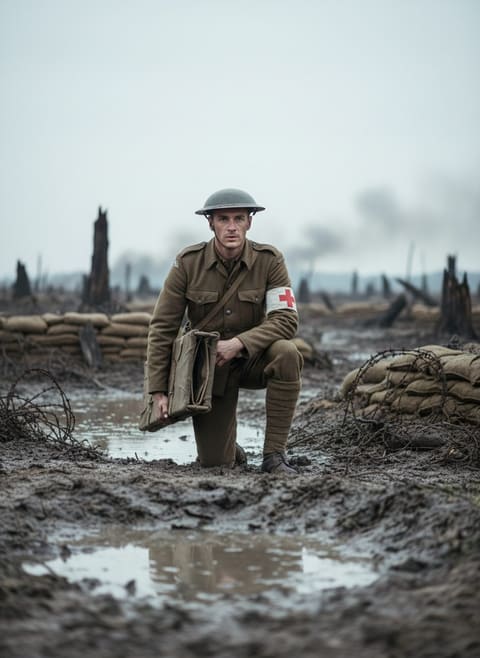
Read next: The Day a British Stretcher-Bearer Refused an Order to Save Lives
The Assault in the Snow
The Canadians, 15,000 strong, advanced with taut precision behind the curtain of their own gunfire. The snowstorm, far from a hindrance, became a cloak of invisibility, obscuring their approach. Waves of soldiers rose from their trenches with an unstoppable rhythm that matched the earth-pounding artillery fire at their back. Their task was intricate, aimed not at simply breaching the ridge, but at severing a keystone in the German defensive line to tip the balance of the war.
Every step was crucial; every second, precious. To maintain cohesion amidst chaos required a spirit forged in adverse conditions, an iron will and seamless communication. The bitter cold seared their lungs and the snow bit at their exposed skin, yet they pushed forward, driven by the hope that claimed ground would mean new life for their worn and war-torn comrades behind them. The Canadians, many seasoned veterans now, knew what was at stake — liberty, honor, and their very existences.
In this battle’s heart — the ridge itself — trenches carved into the earth became graves and battlegrounds within moments. The enemy, entrenched in fearsome bunkers and bristling defenses, had fortified Vimy with brutal precision, but the Canadians pressed on. They overcame by harnessing the sheer force of their united numbers and the alternating rhythm of their advance. Within hours, the Canadians had grasped at victory where so many others had only clutched defeat.
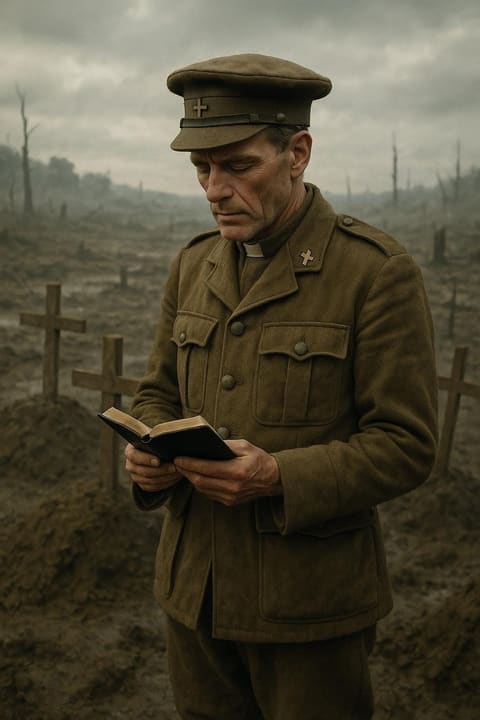
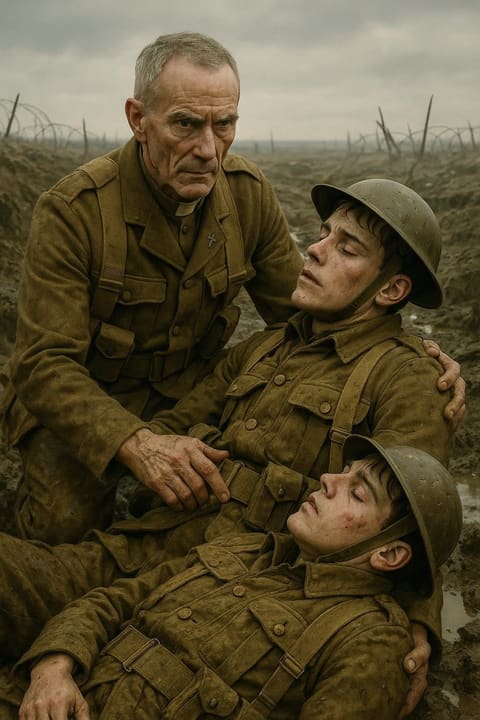
Read next: The Day a Army Chaplain Gave His Coat to a Dying Stranger
A Gift of Eternal Consequence
April 9, 1917, wasn’t just another day in the wartime annals. Its significance was marked not just by victory, but by the unity and resolution that defined it. As the snow lifted and the echoes of artillery faded, the true cost of capturing Vimy Ridge became stunningly clear. Yet, this was not merely a tale of fetch and hold. Against all odds, they had rewritten the script on the slogging match that was World War I.
The French could not thank them enough, and neither words nor medals felt adequate to express the depth of gratitude. Instead, France bestowed upon Canada the land where these brave soldiers bled. The soil of Vimy Ridge was a gift, a lasting tribute to their sacrifice and an acknowledgment carved into the French landscape forevermore. It was not just a gesture of appreciation; it was a sealing of a camaraderie forged in the fiery depths of struggle and loss.
Vimy Ridge mattered because it marked a coming of age for Canada on the global stage. This conquest didn’t just shift front line borders; it cemented a national identity and a legacy of courage and resilience. The tale of Vimy Ridge is one that deserves to be remembered beyond pages of dusty history books and memorialized in every breath drawn by a free and grateful world. Beyond the battlefield, in the tranquil winds that now sweep across this once blood-soaked high ground, whispers the enduring spirit of those who took the ridge when no one else could.