Various
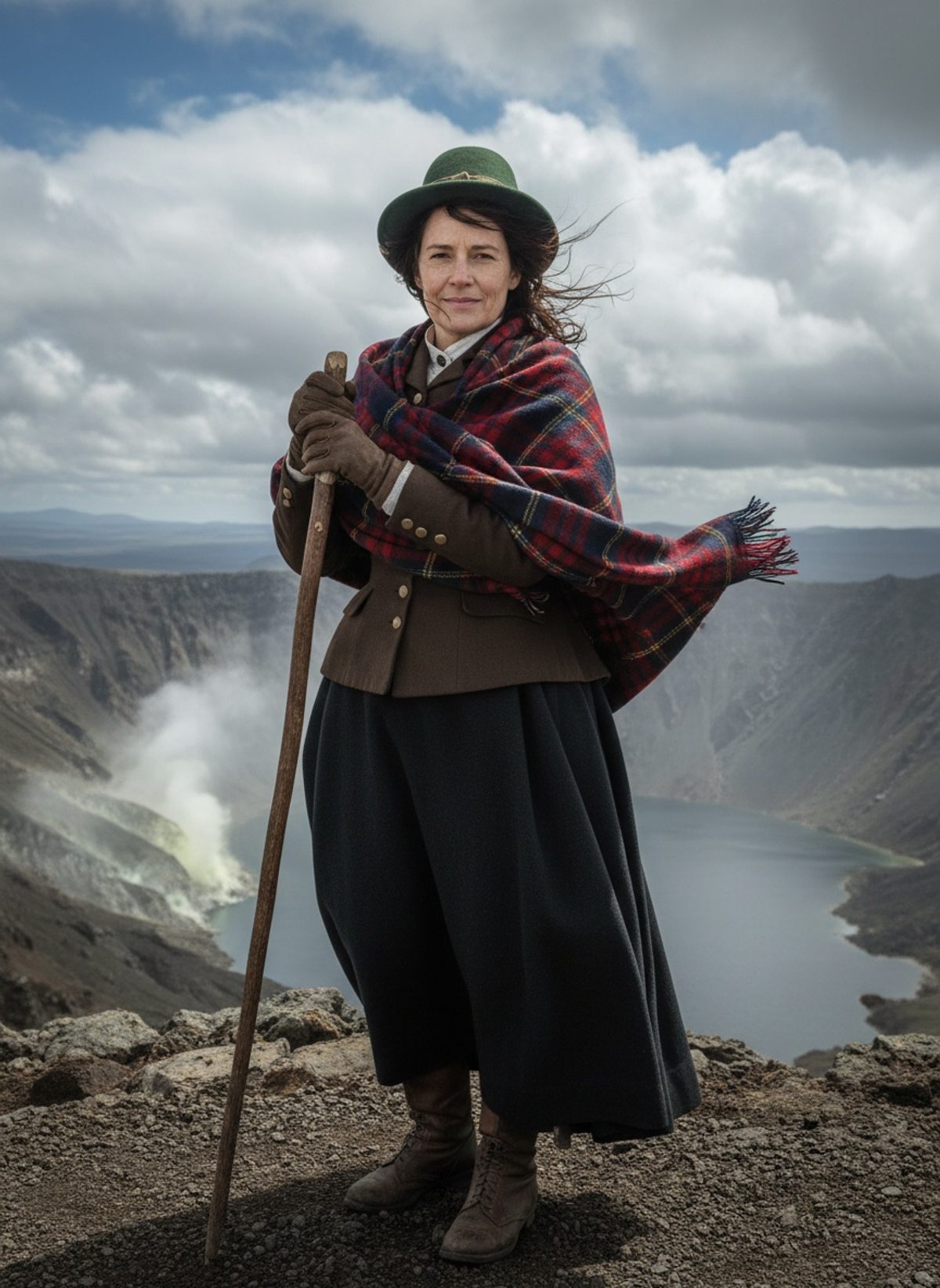
1873. Isabella Bird was forty-two. Doctors had told her she was too frail to leave her bed. She climbed a Hawaiian volcano alone. Then she rode across the Rocky Mountains. In winter. Alone.
In 1998, a Hull paratrooper left home with one rule: walk back. No shortcuts. No going home early. 28 years, 31,000 miles, and 29 countries later — he knocked on his mum's door.
1769. Joseph Banks had sailed with Cook. But Alfred Russel Wallace went further. Born in Usk, Wales. Sent to the Amazon. Then the Malay Archipelago. Eight years alone. He posted his theory of evolution to Darwin. Darwin went pale.
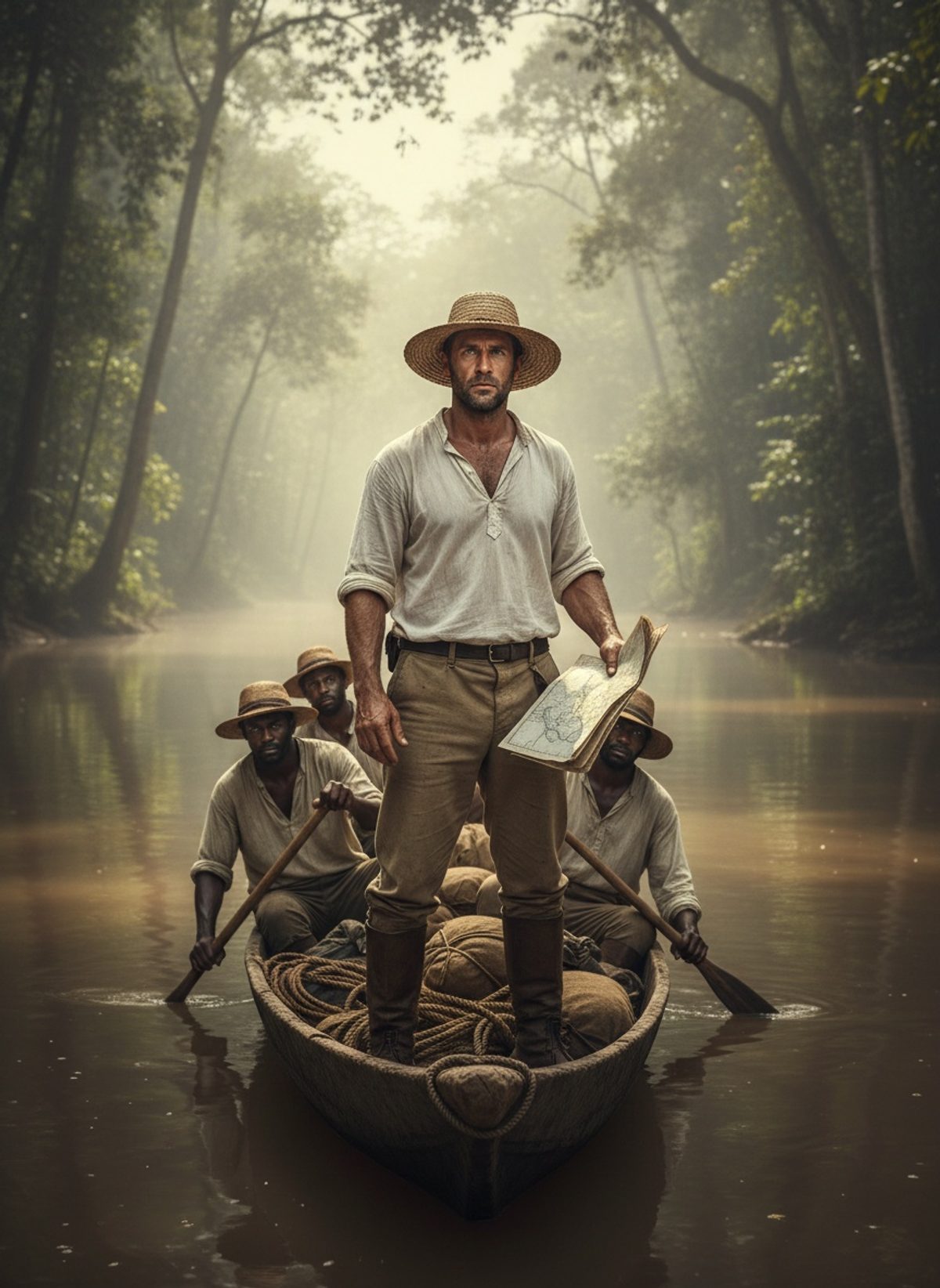
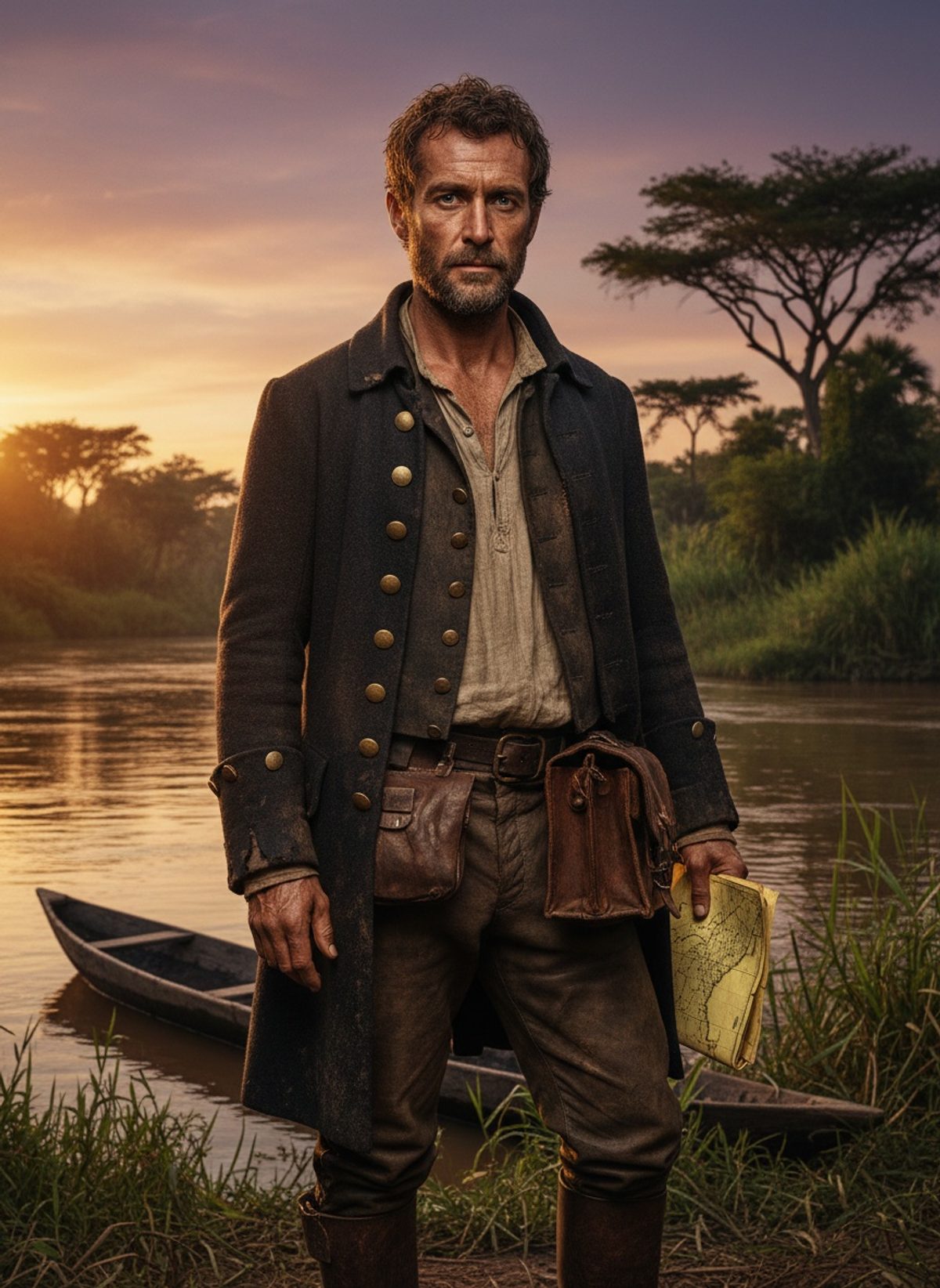
1805. Mungo Park had already mapped the Niger once. He went back. Five canoes. Hostile banks. Then silence. His last letter home was found in a dead man's pocket.
He walked 1,000 miles on snowshoes. He ate what the land gave him. And in 1854, he returned with proof of what Britain's Navy refused to believe.
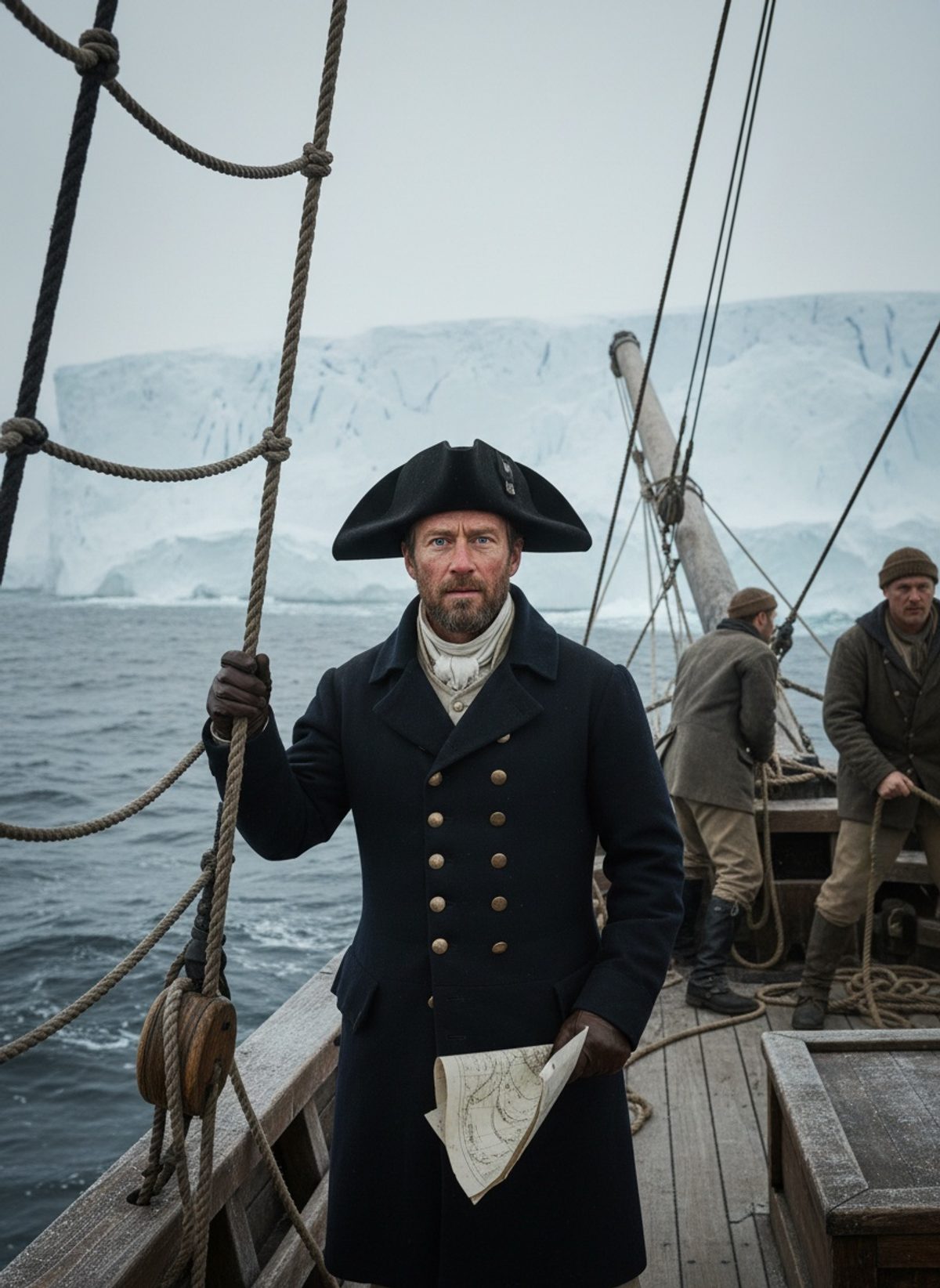
January 1820. The ice stretched without end. Edward Bransfield stood at the prow. No chart existed for what lay ahead. He sailed on anyway. He drew what he saw. The world had a new continent.
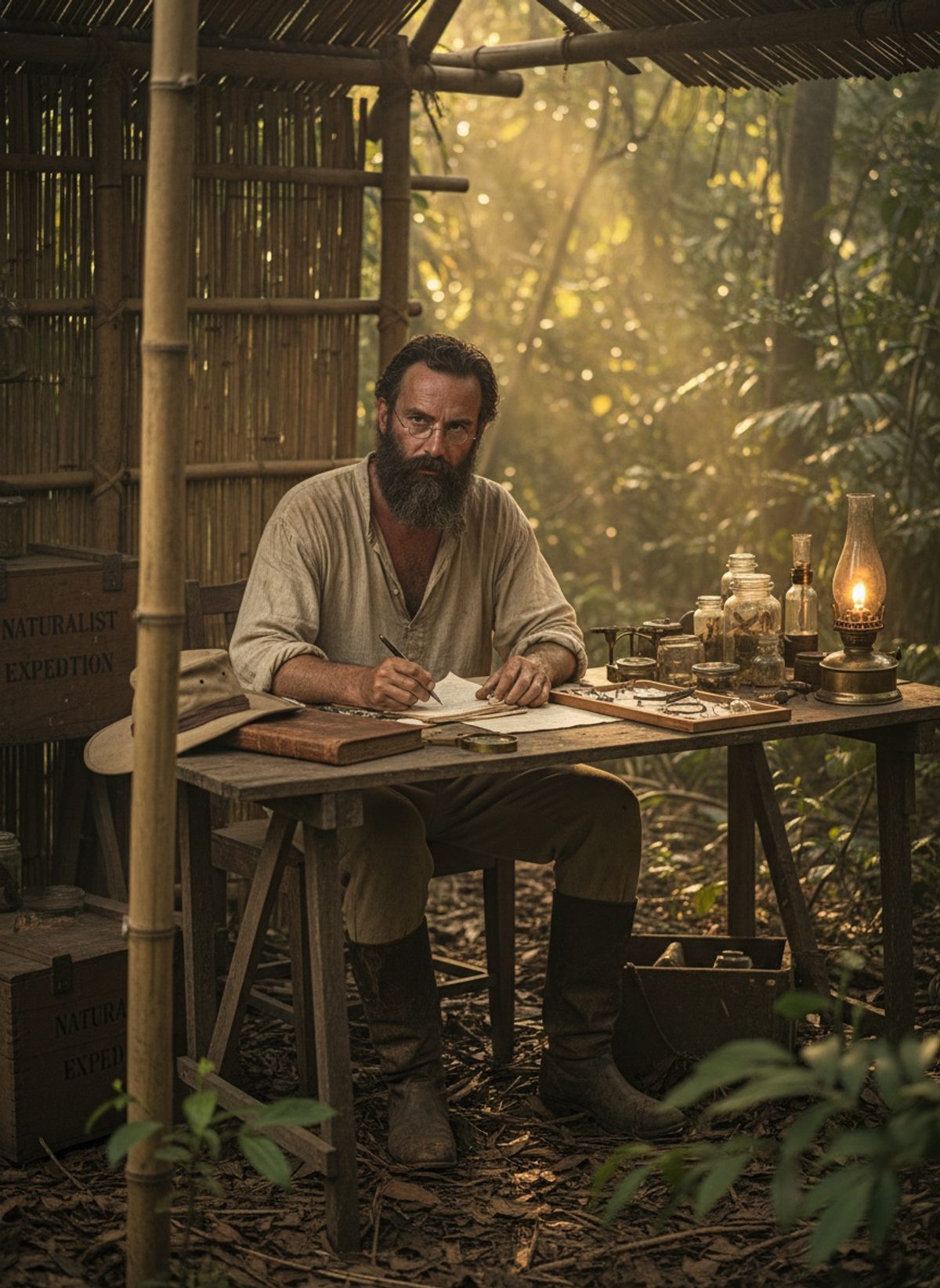
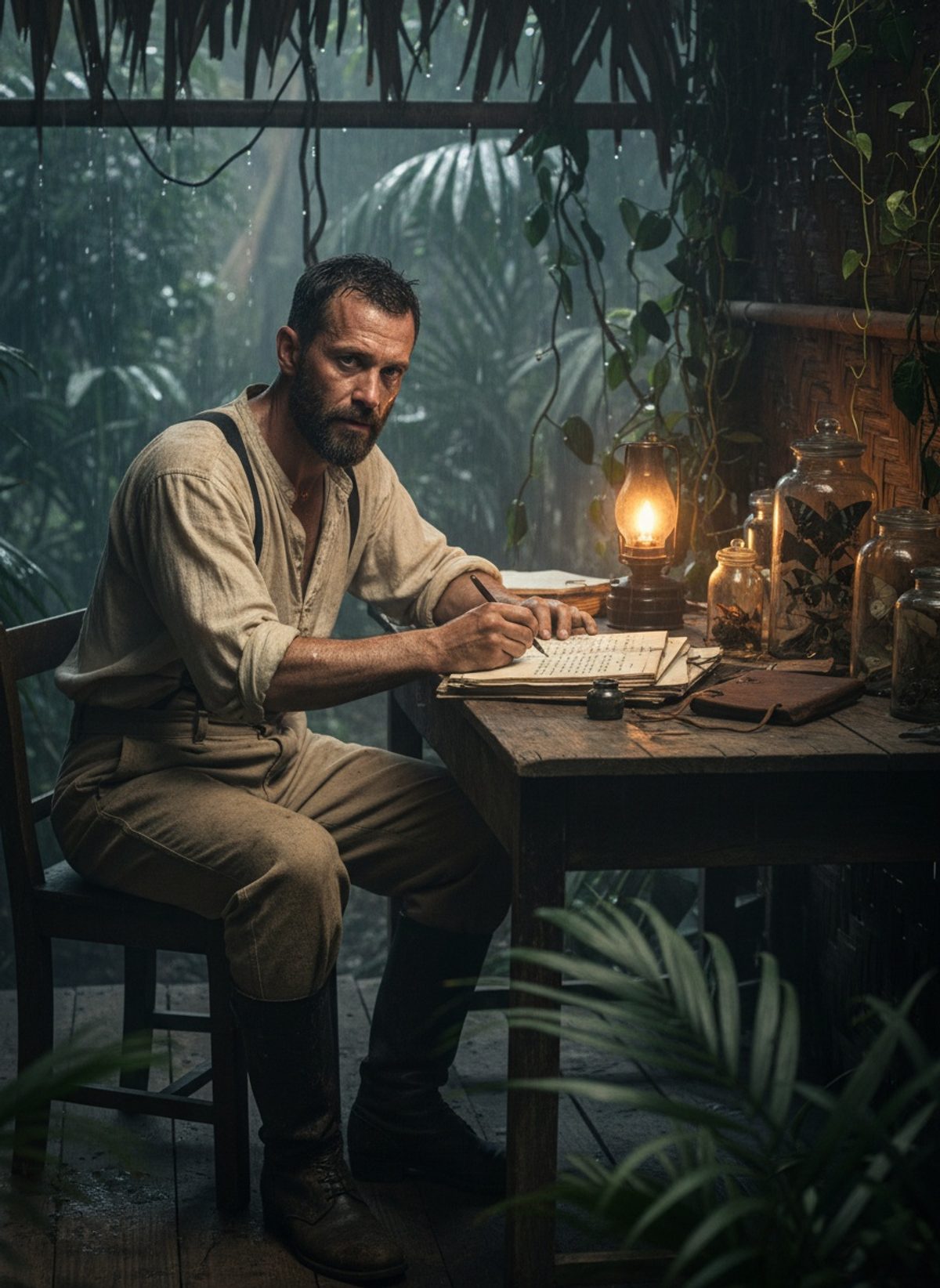
1858. Alfred Russel Wallace was dying in a jungle hut in Borneo. Burning with fever. Alone. He grabbed a pen. In two days he wrote the theory that shook science. Darwin wept when he read it.
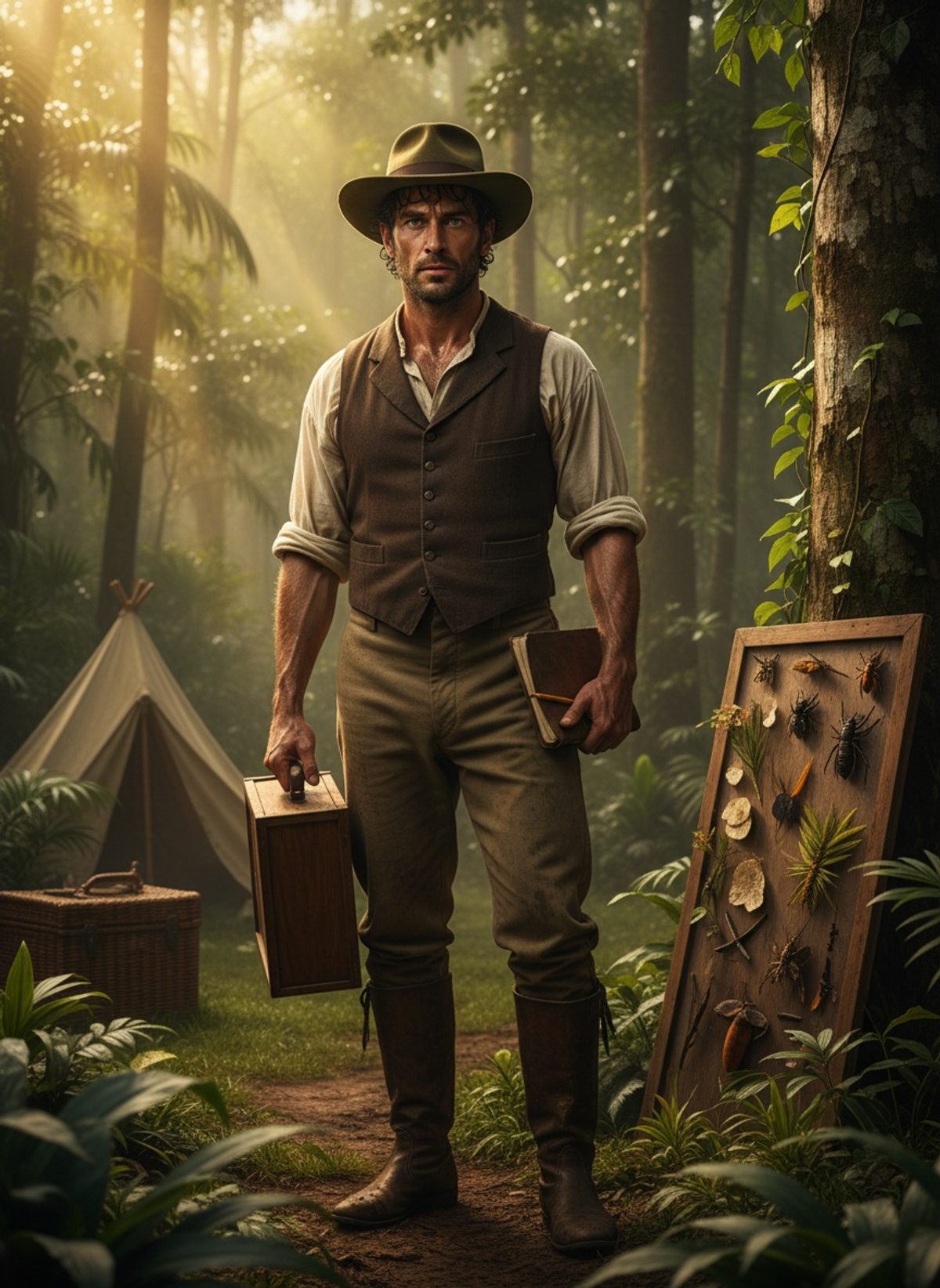
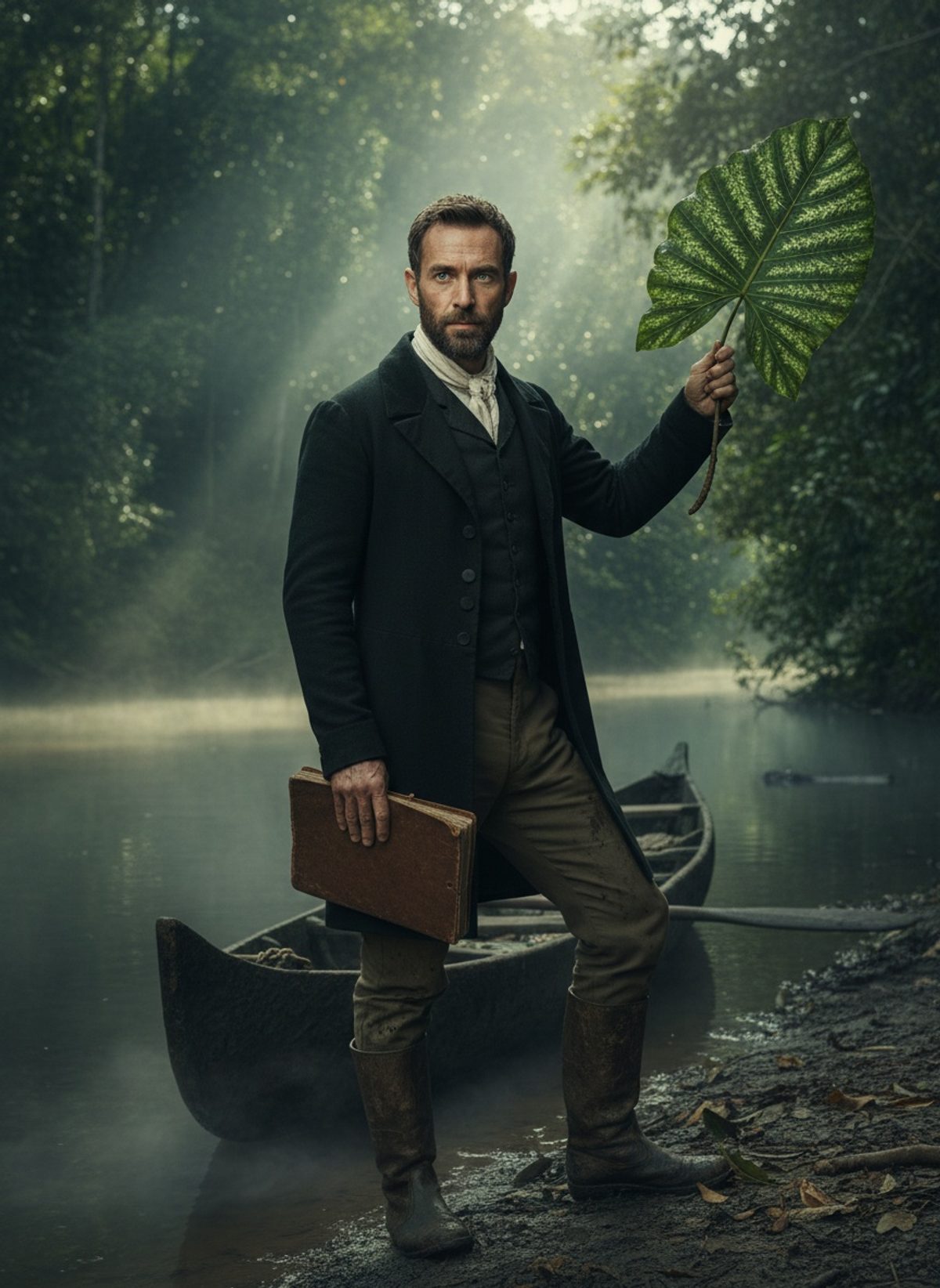
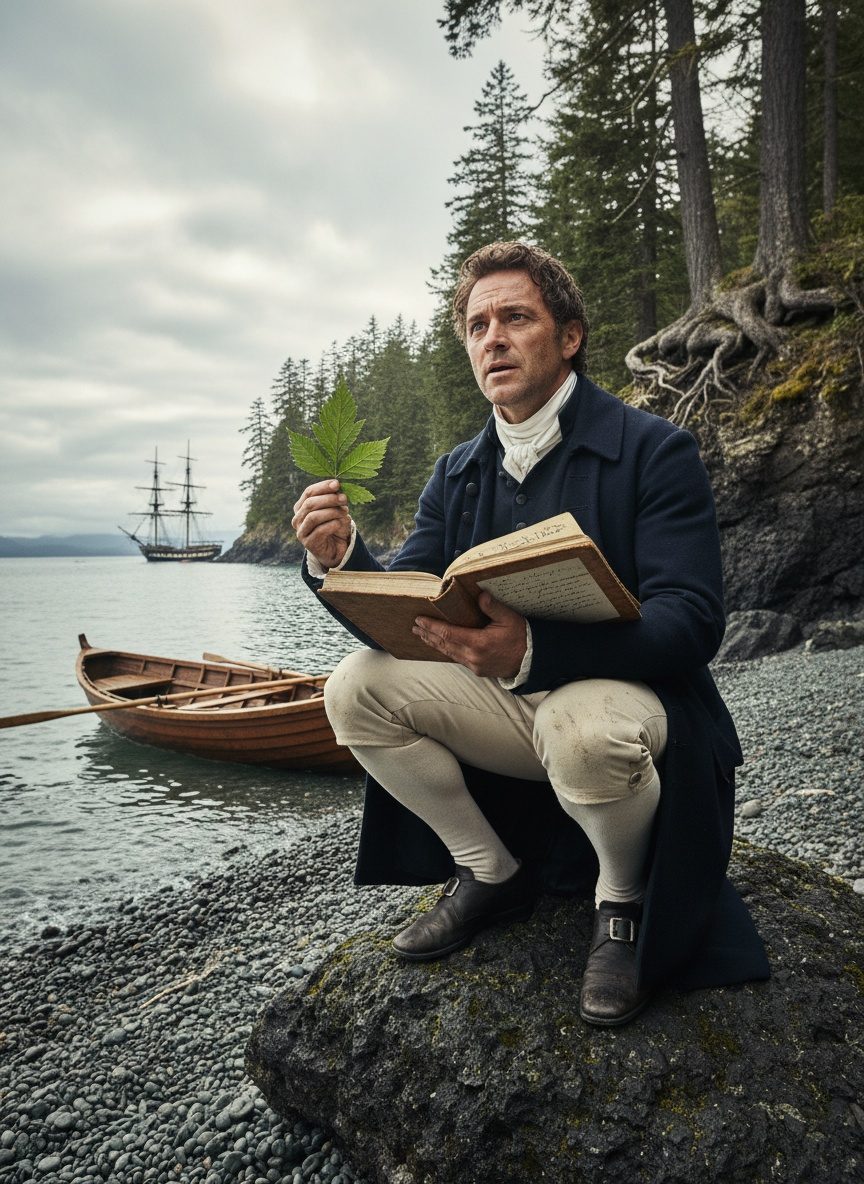
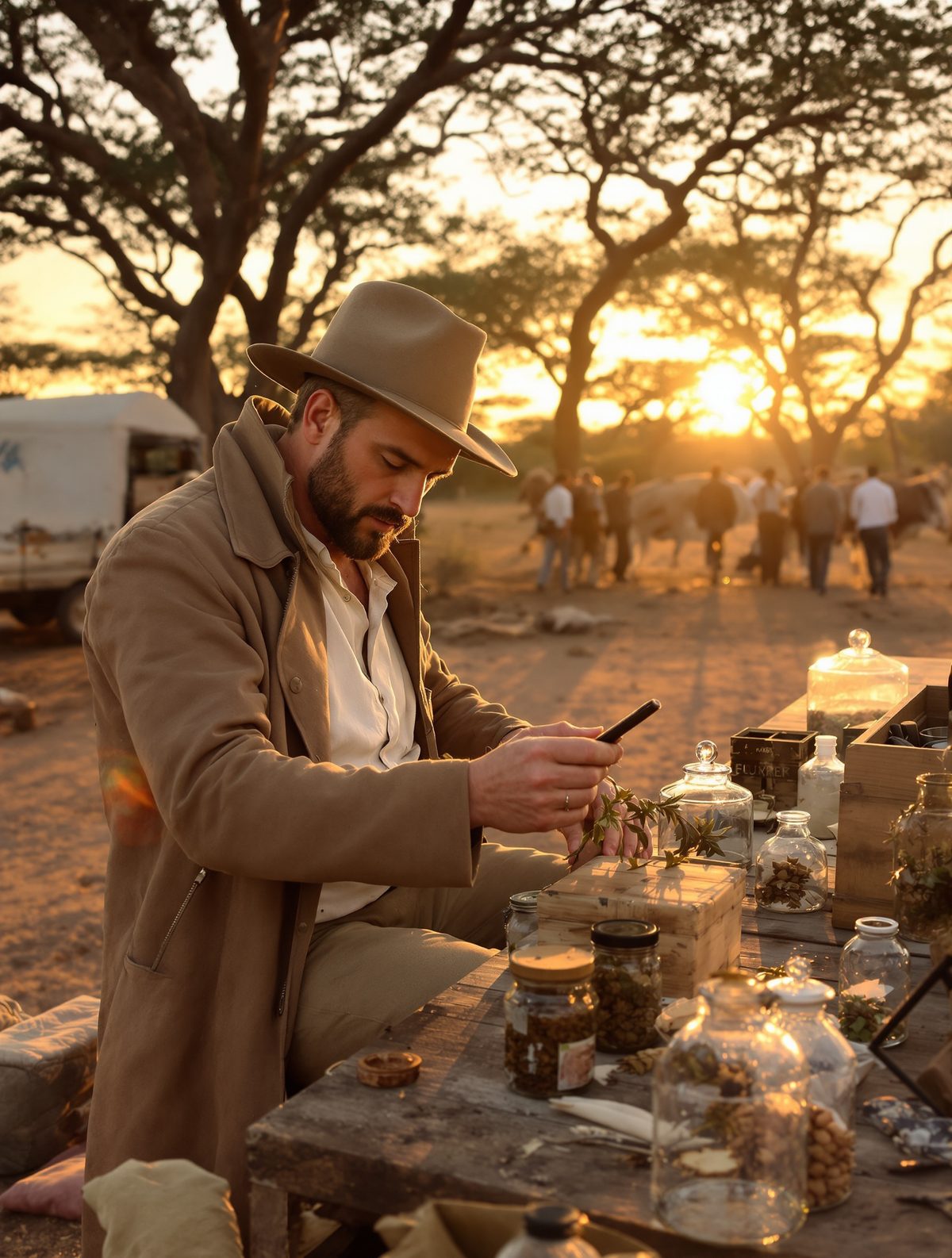
1823. David Douglas had one plant in his satchel. He walked alone into the forests of the Pacific Northwest. No map. No guide. He kept walking. Every tree he found would change Britain forever.
Borneo, 1855. Alfred Russel Wallace was alone. The forest was on fire. He walked in anyway. He emerged carrying specimens no European had ever seen. They would change science forever.
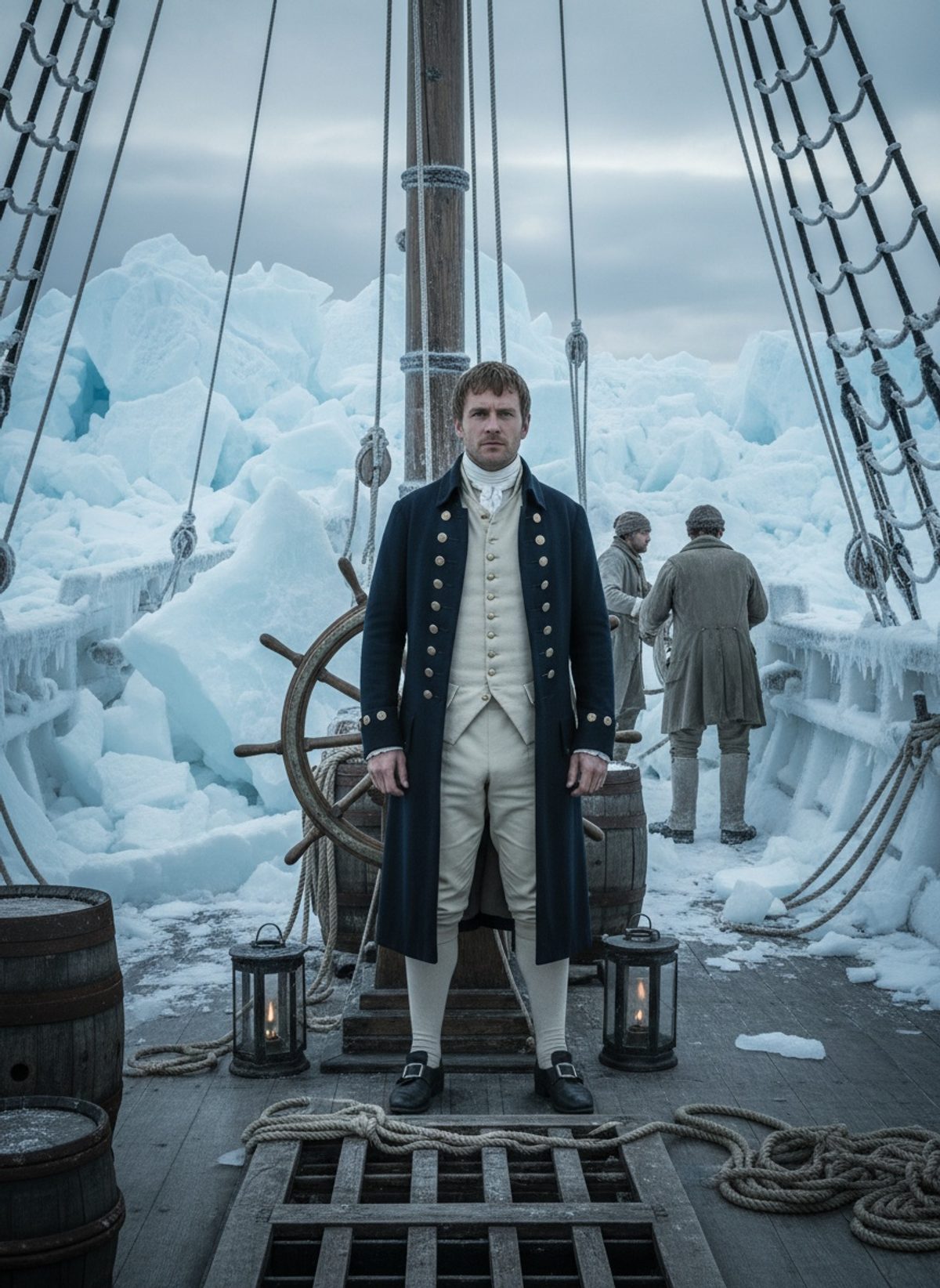
Summer 1773. No ship had ever sailed so far north. The ice closed in. The crew faltered. Constantine Phipps held the wheel. He turned back. But the edge of the world had been found.
Cook was no aristocrat. He was a farmer's son who had taught himself navigation. On 22 Aug 1770, he rowed ashore on a tiny island — and claimed 2,000 miles of coastline.
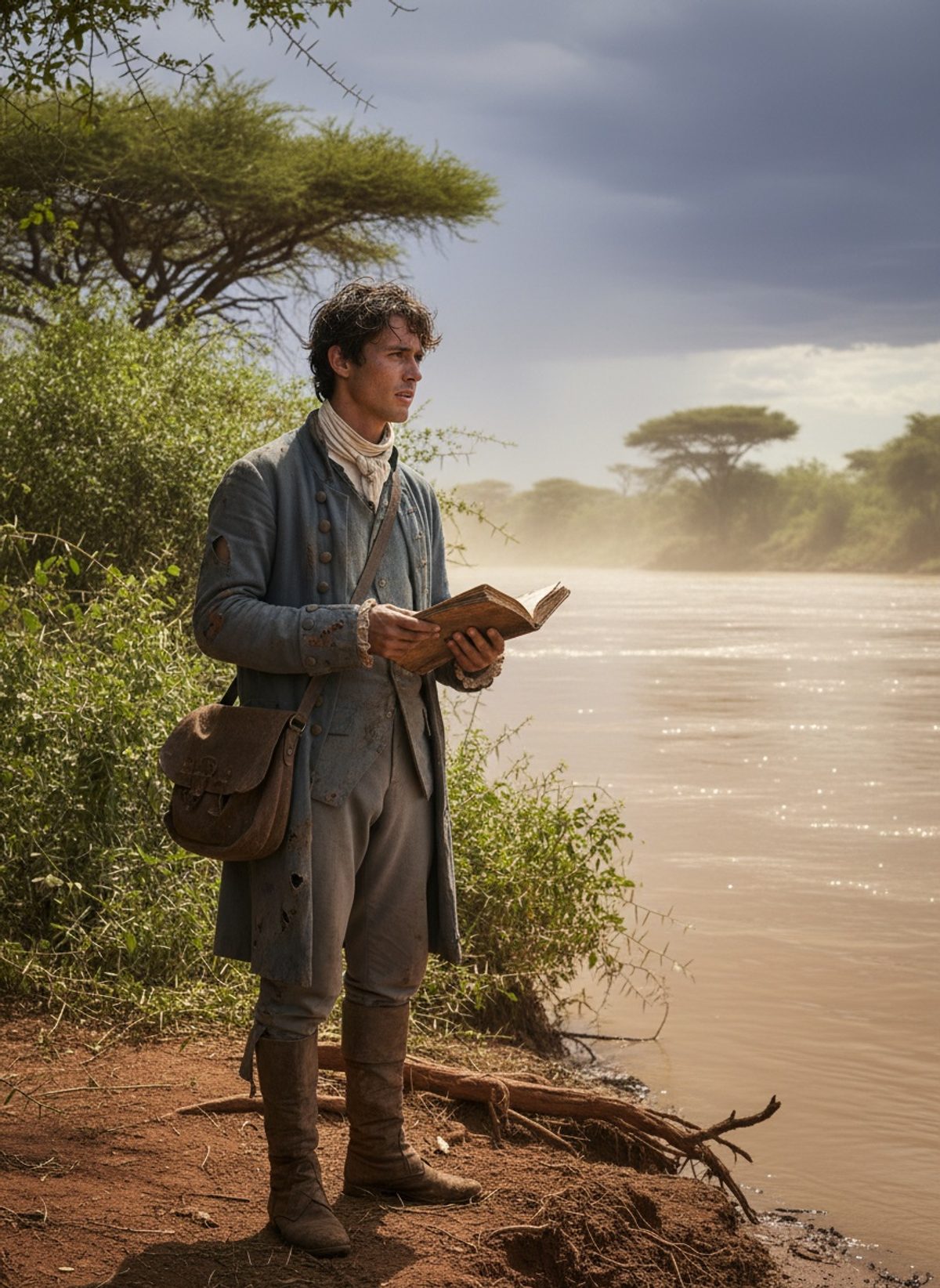
1796. Mungo Park was alone. His horse was dying. His supplies were gone. He had failed to find the Niger. Then he looked up. And there it was. Flowing east. Into the unknown.
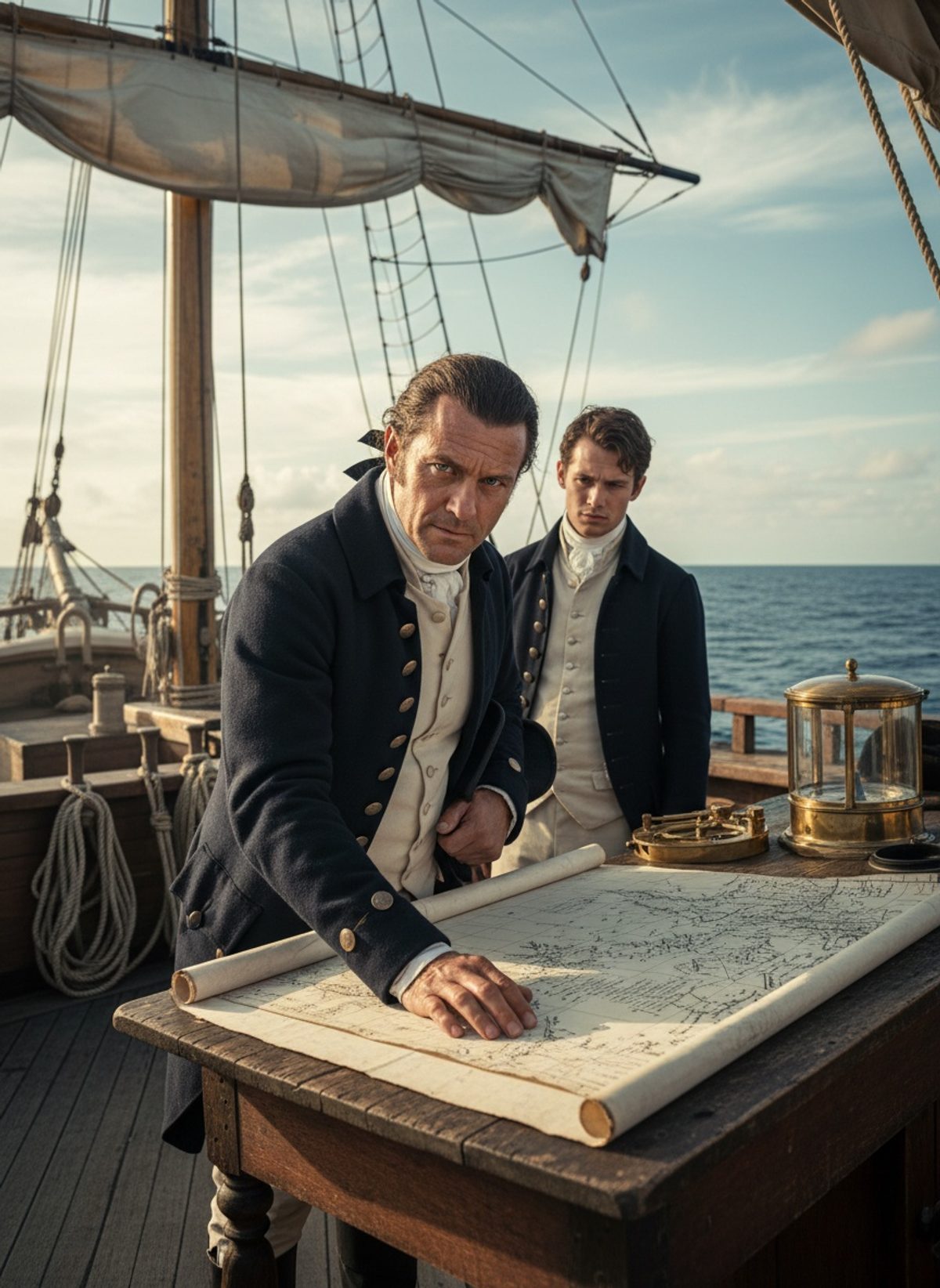
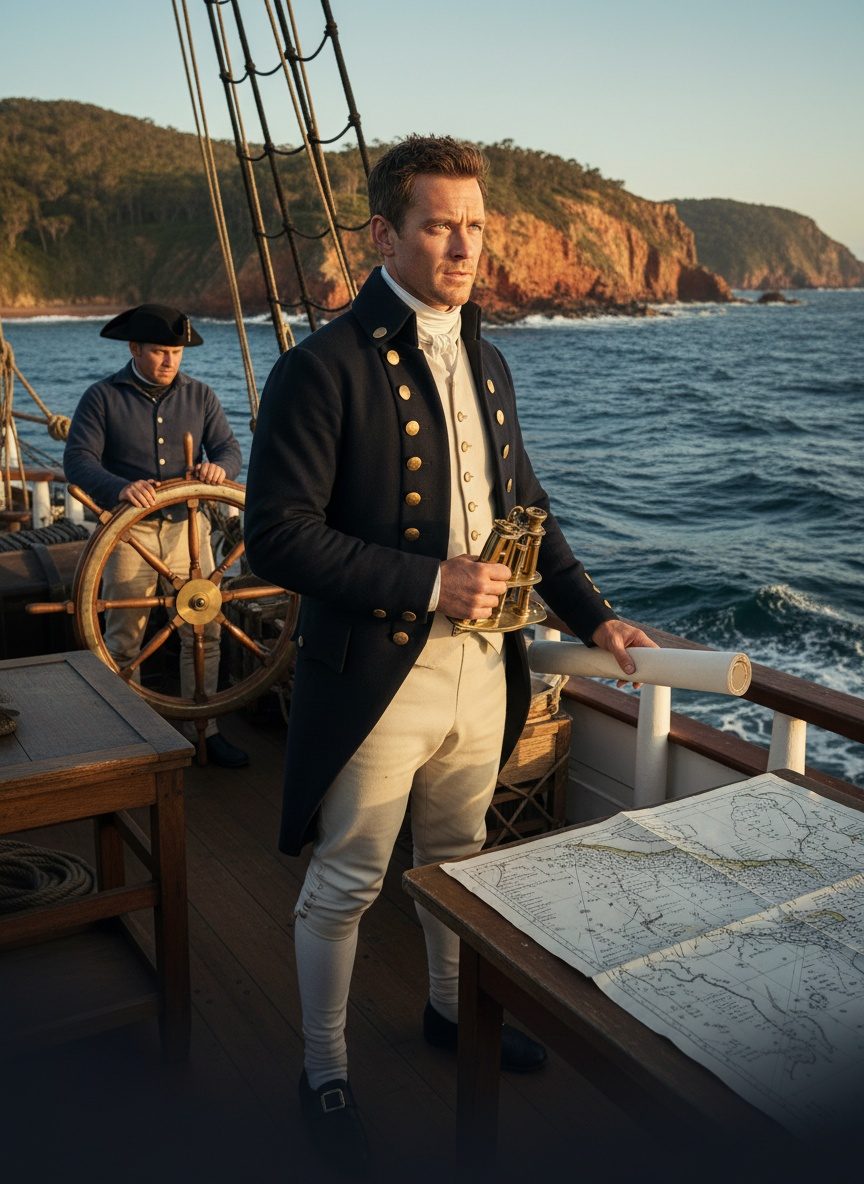
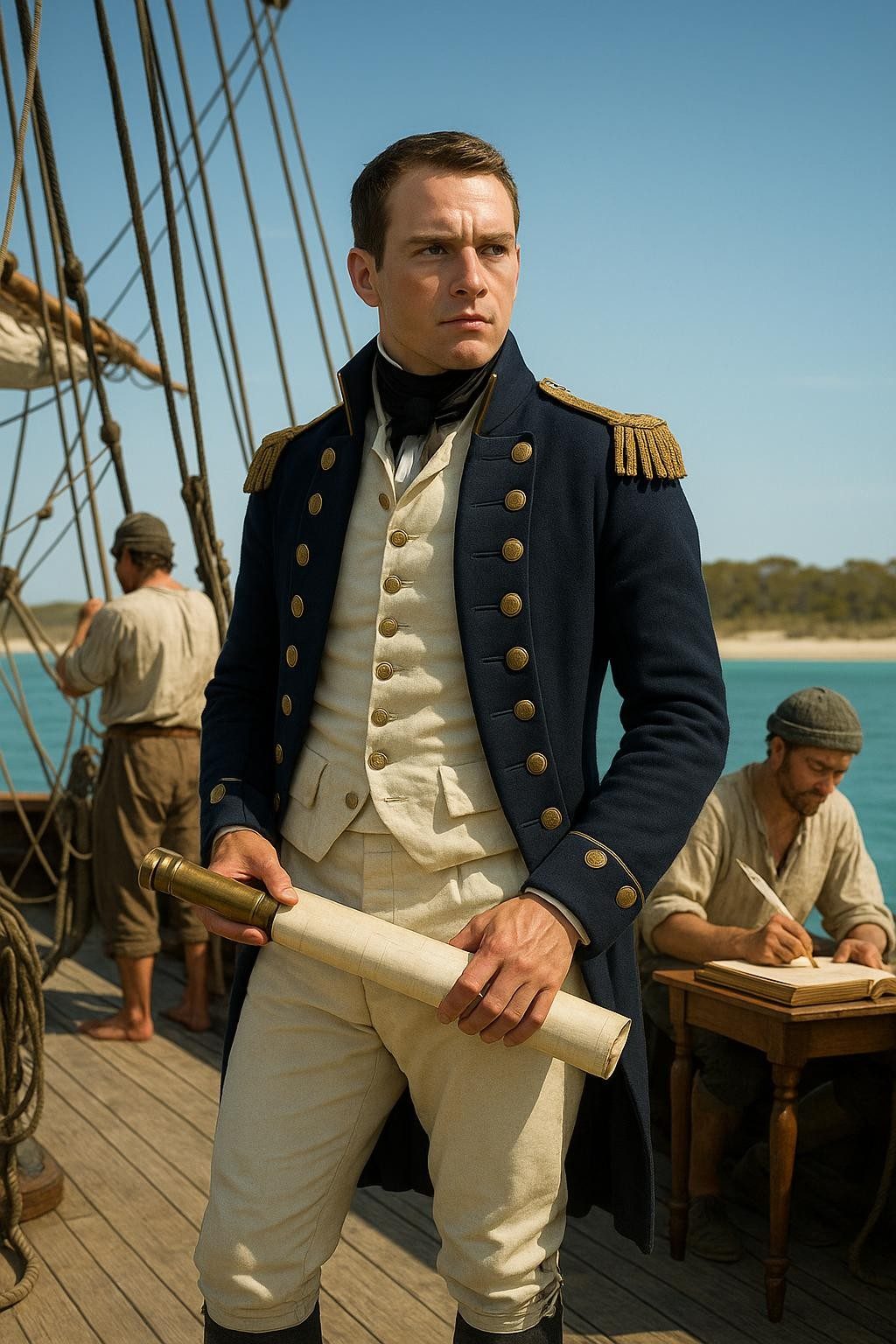
August 1768. A son of a Yorkshire farm labourer stood on a quarterdeck. No nobleman. No title. Just a chart, a compass, and a genius. James Cook sailed into the unknown. He came back with the Pacific mapped for the first time.
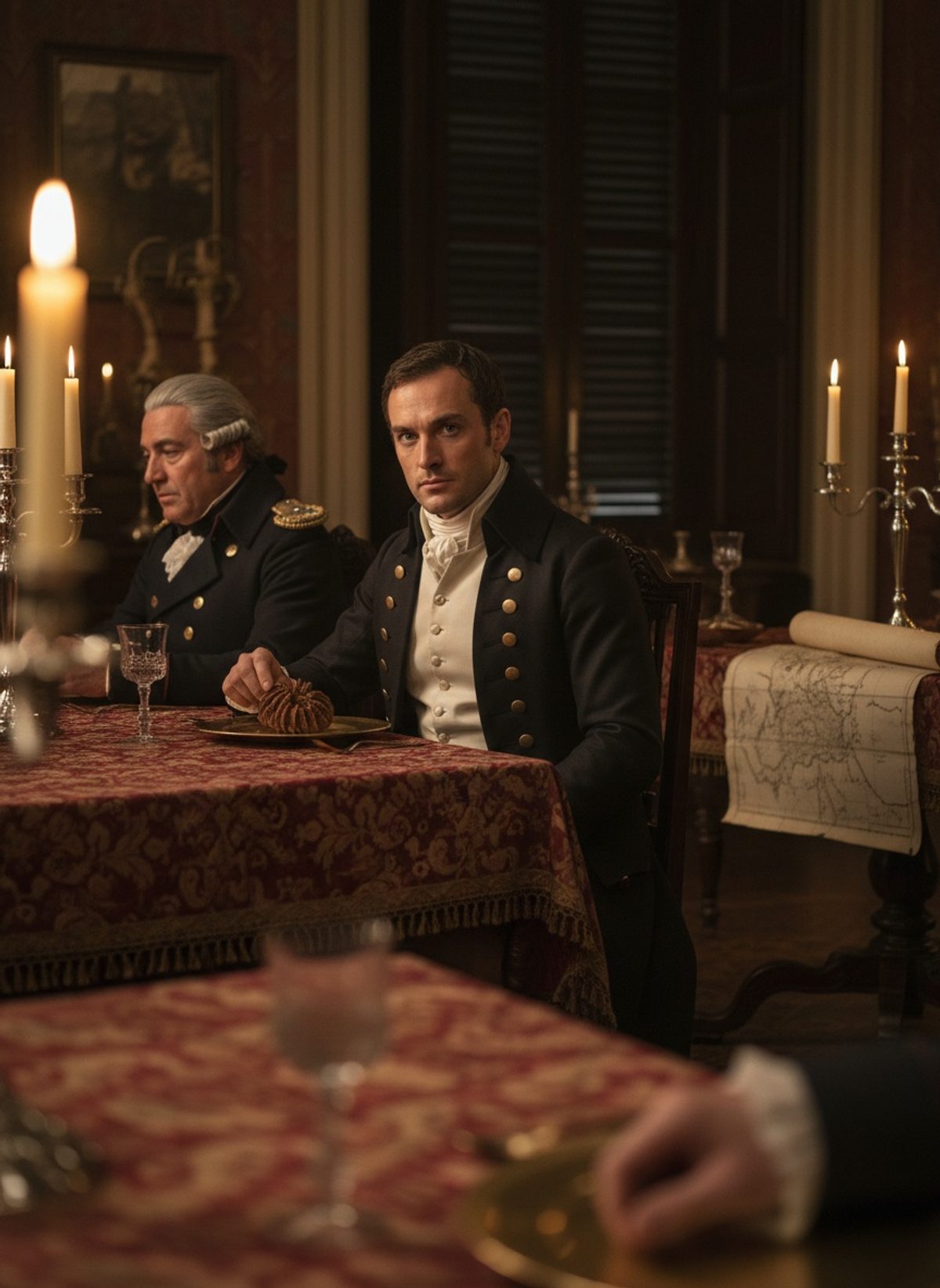
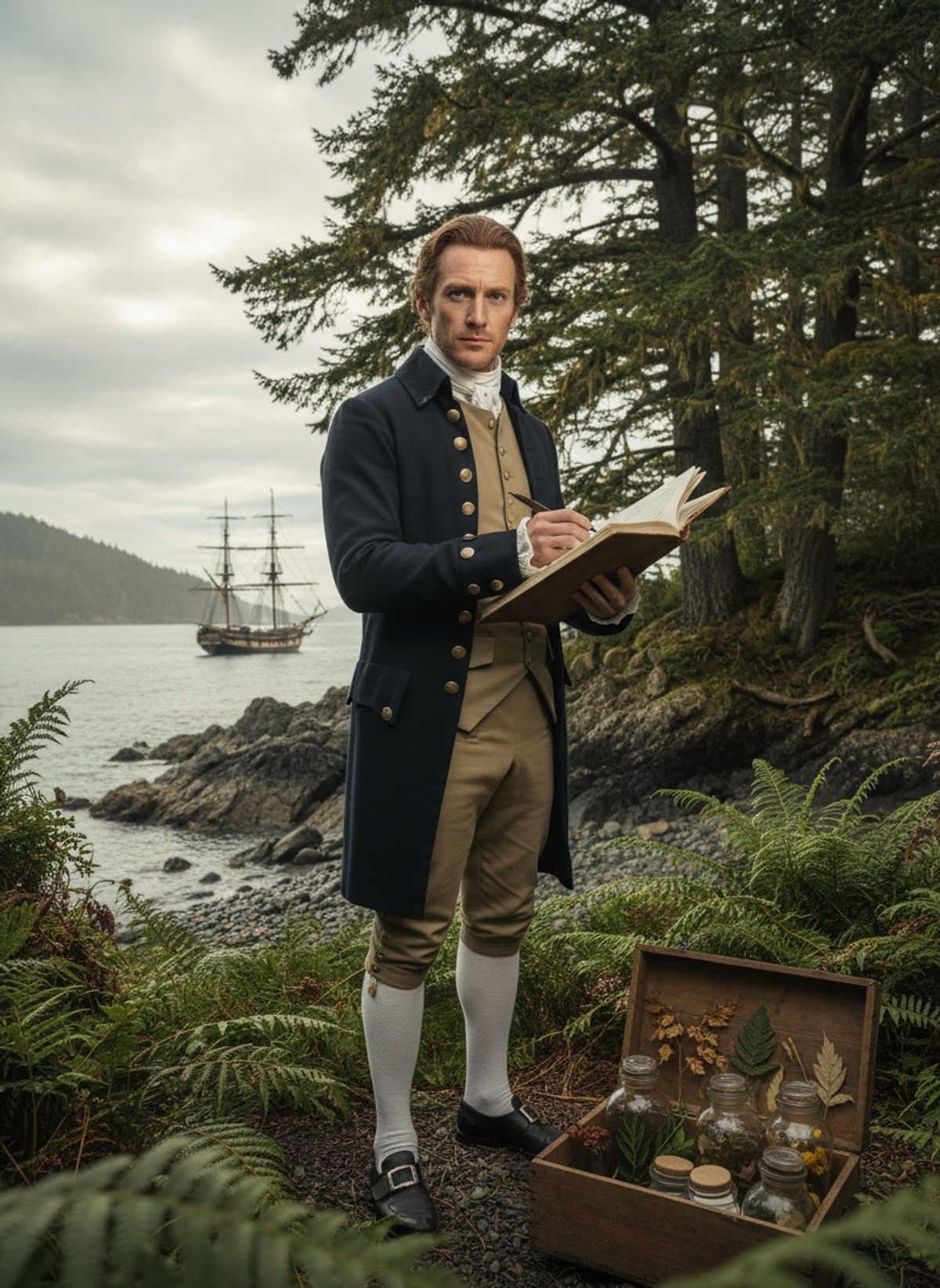
1787. Archibald Menzies sat at a Spanish admiral's dinner table. The dessert was a strange, unknown nut. He pocketed one. Smuggled it home. That nut became the monkey puzzle tree. Britain kept it forever.
1805. No European had returned from Timbuktu alive. Mungo Park had already survived slavery, fever, and the Sahara once. He went back. Deeper. Alone. He never came home.
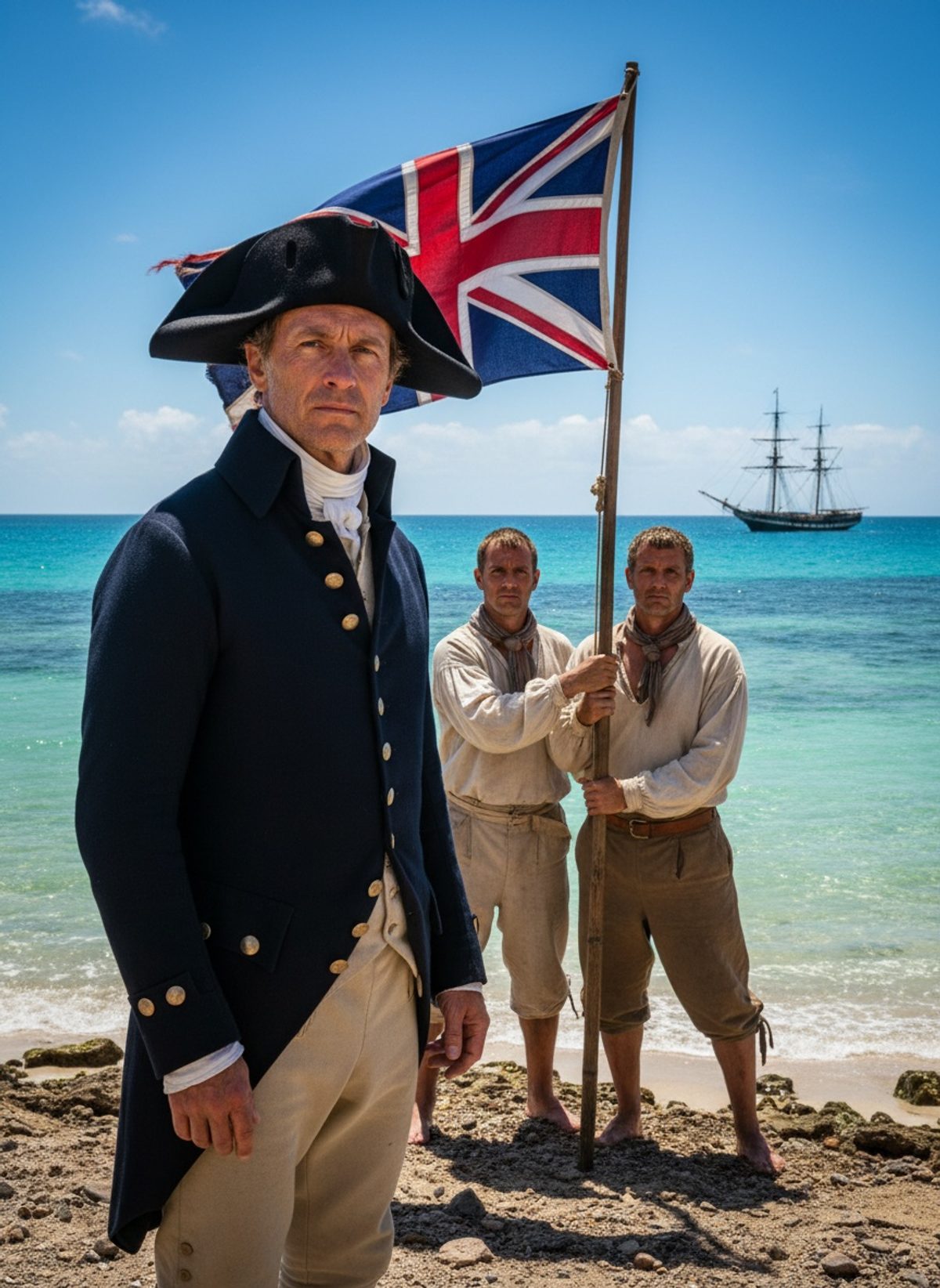
August 1770. James Cook stood at the tip of Australia. No European had mapped it. He planted a flag on a bare rock. Named it Possession Island. Claimed the continent for Britain. One man. One moment. The world changed.
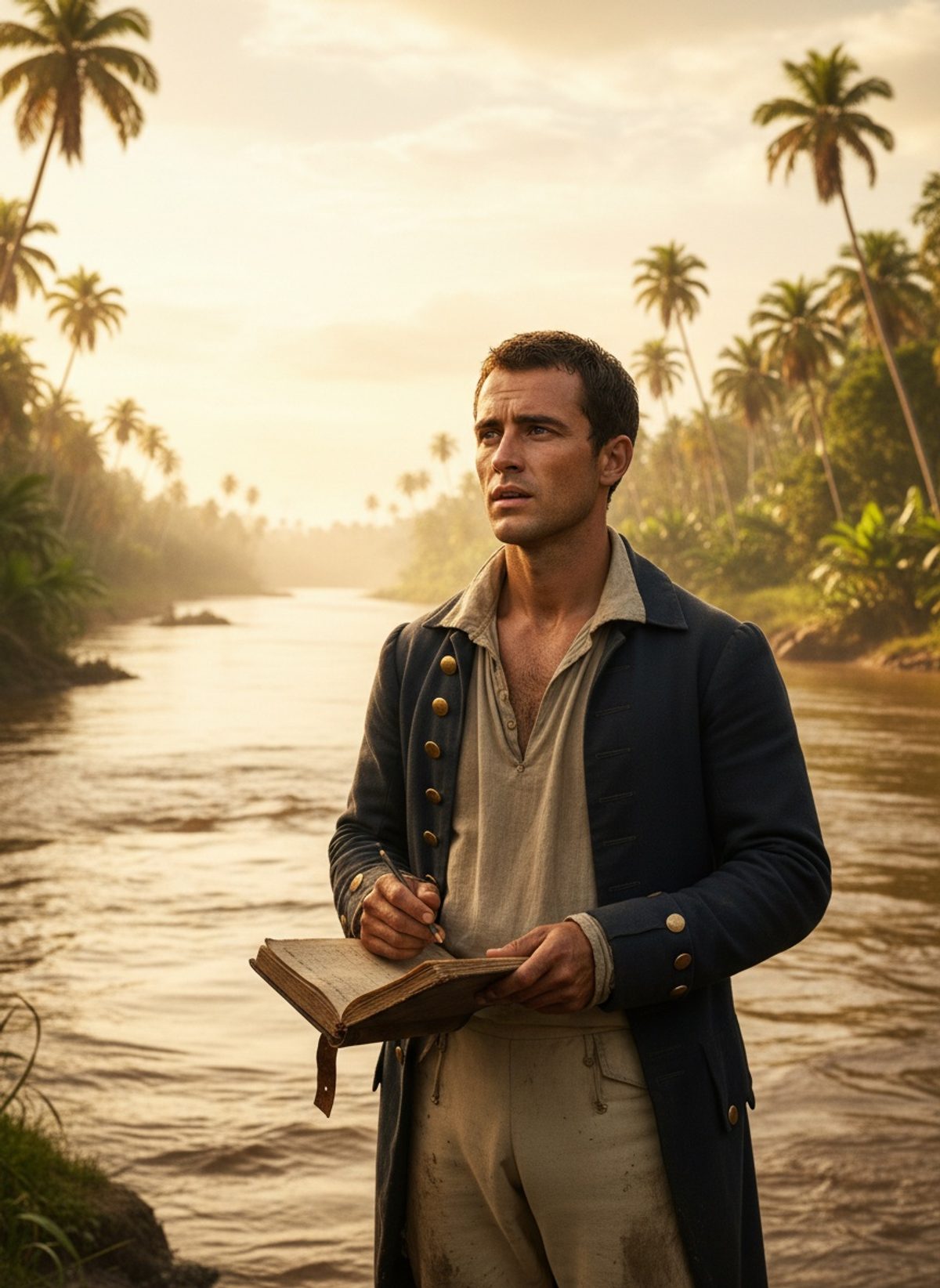
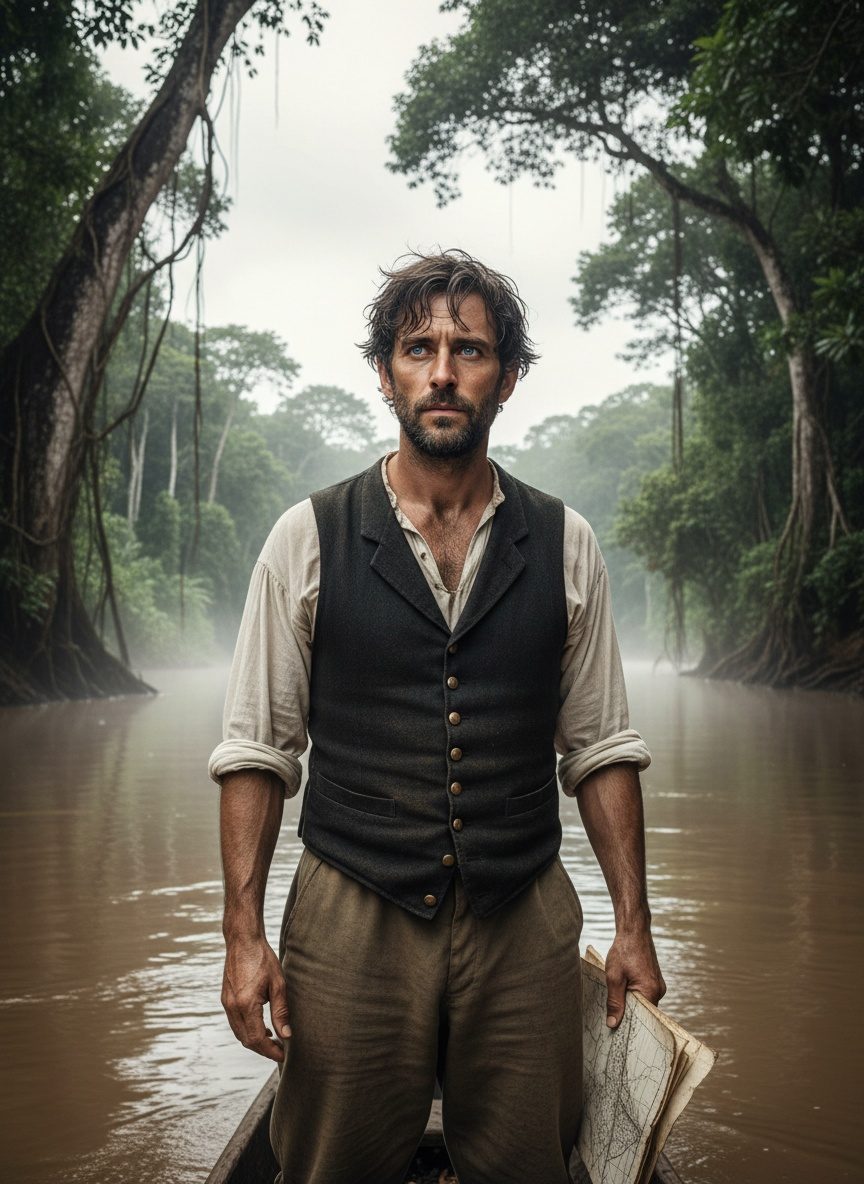
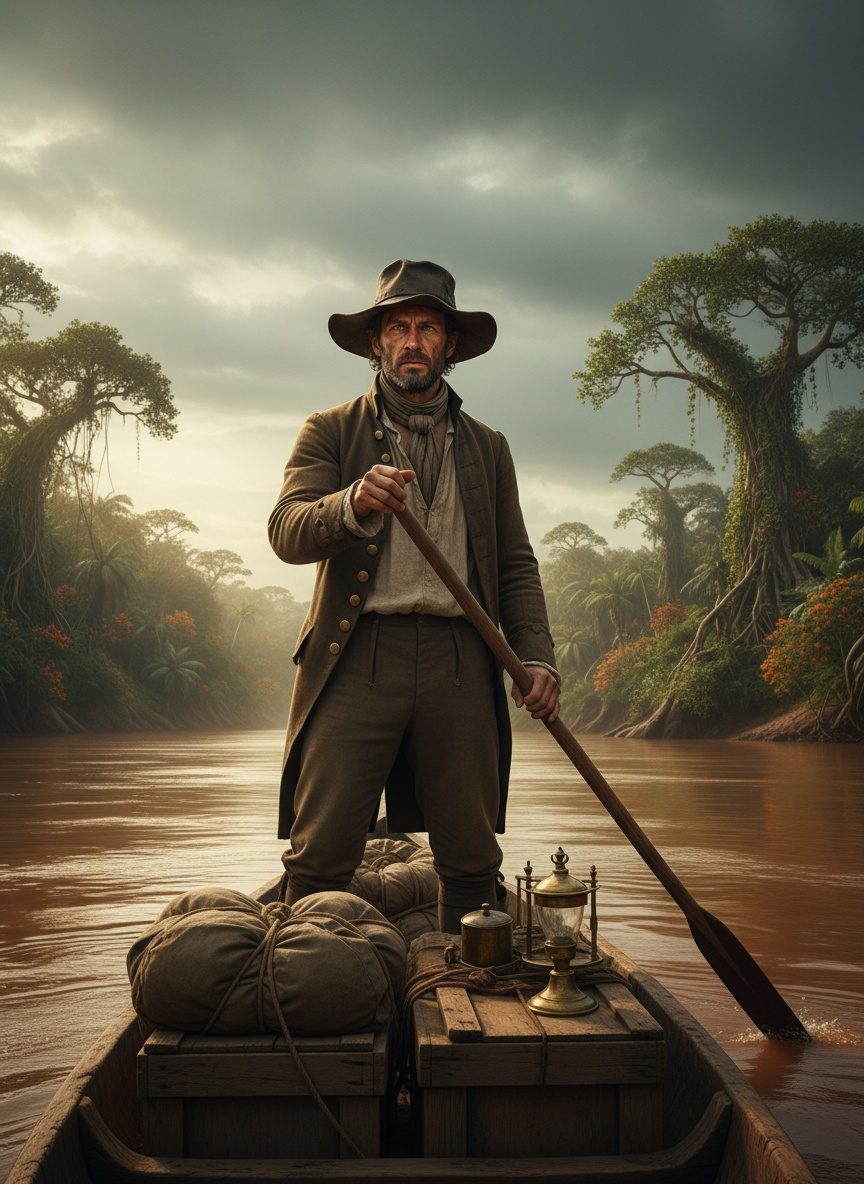
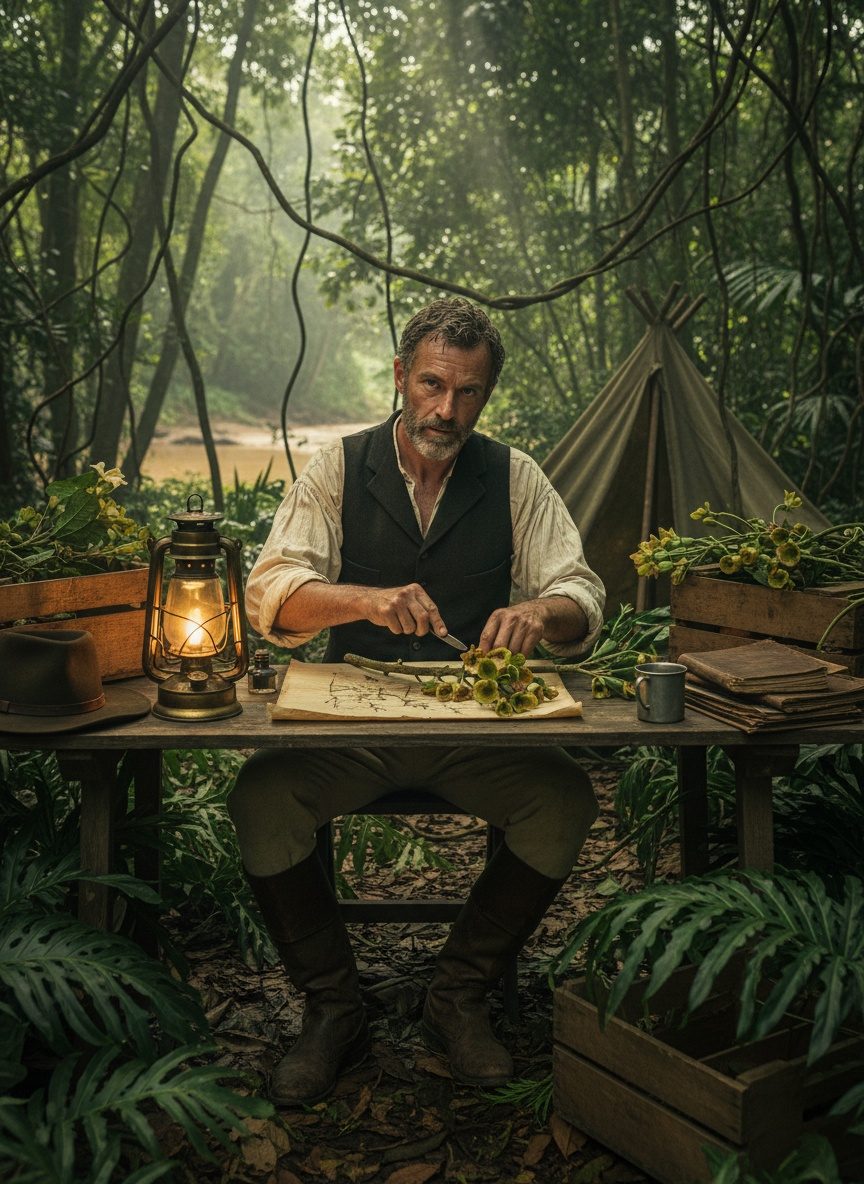
1848. Richard Spruce landed in Brazil with no map and no guide. He spent fifteen years in the Amazon. Alone. He catalogued 30,000 plants. Then he carried fever bark seeds out of Peru. And changed medicine forever.
1795. James Rennell had lost his sight to a sabre wound. He never left England again. But every map of Africa's rivers bore his hand. He drew a continent from other men's words alone.
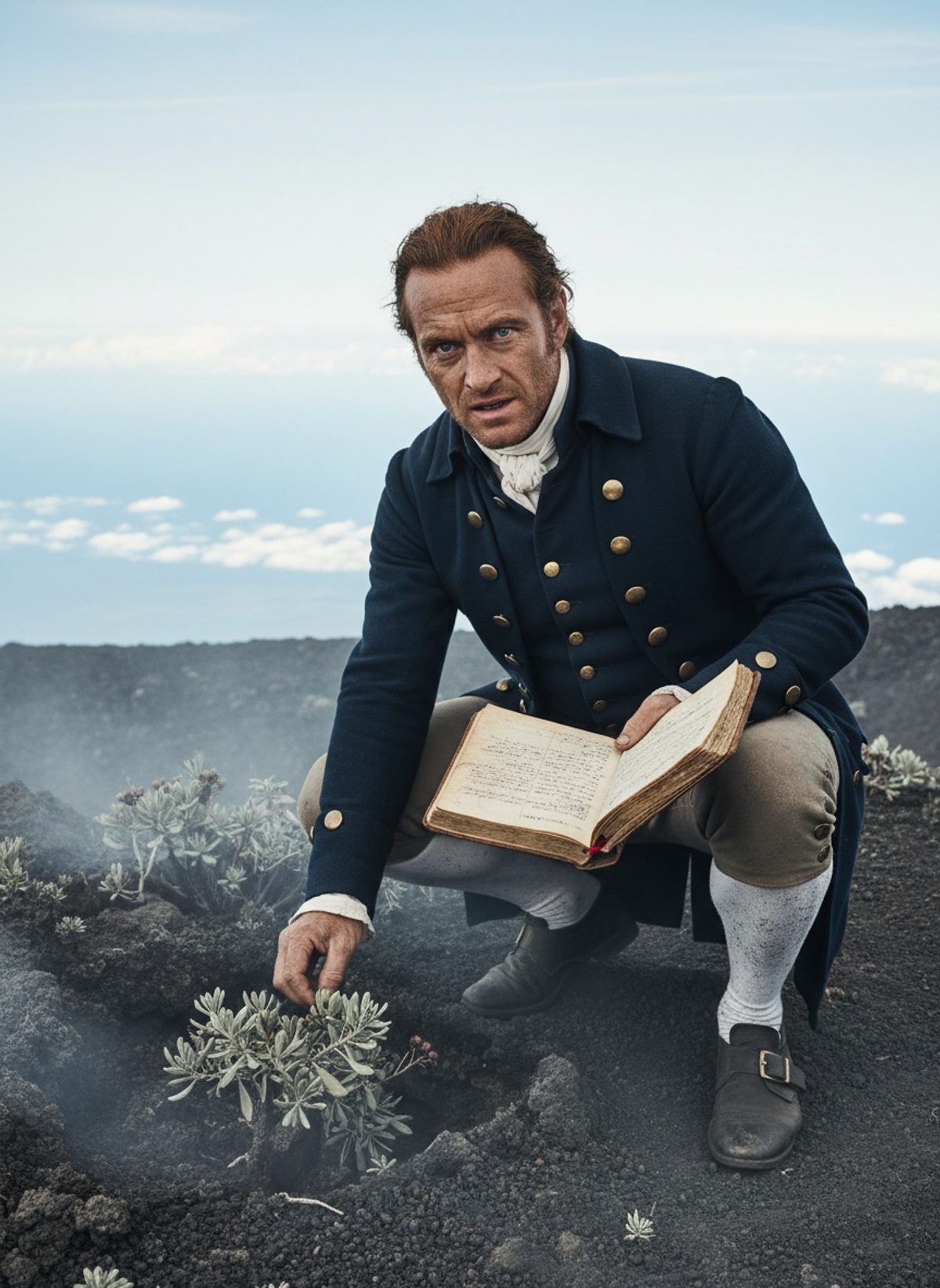
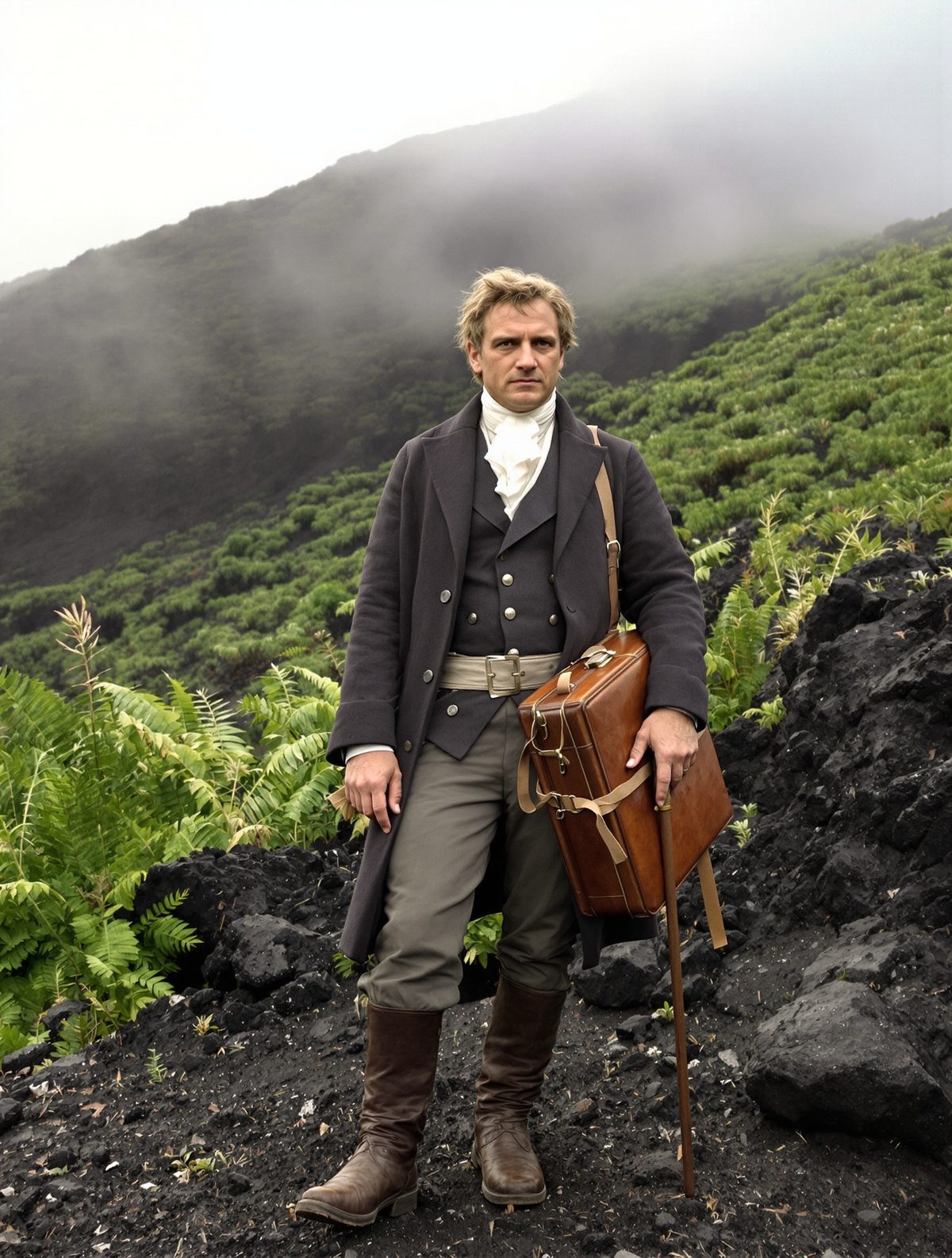
Scotland. 1794. Archibald Menzies had sailed the world. Now he climbed a Hawaiian volcano others refused to touch. He reached the crater rim alone. Wrote what he saw. Brought back seeds no European had ever held.
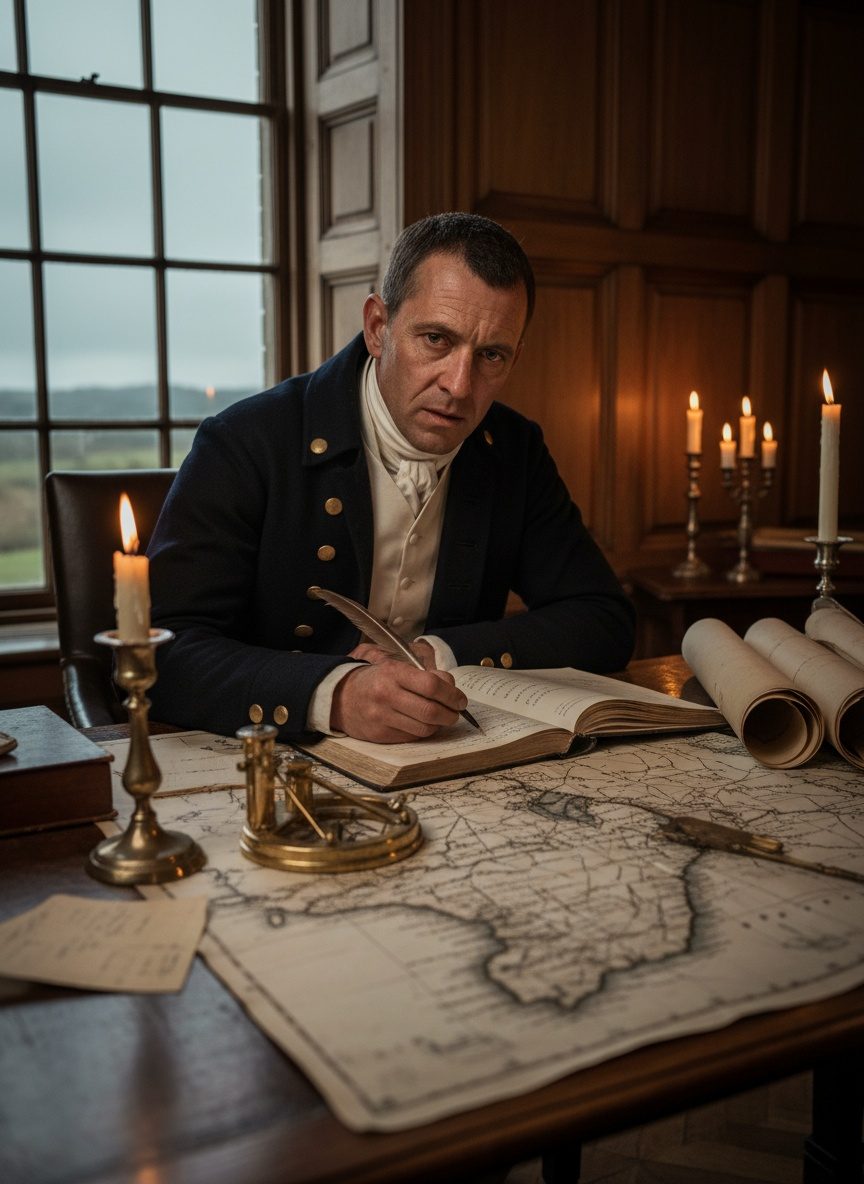
1769. No European had mapped the Pacific's southern waters. James Cook opened his charts. Set his pen down. Then sailed into the dark. What he found remade the world.
1796. Mungo Park was alone. His horse was gone. His notes were soaked. He stood at the Niger River. The first European to reach it. He turned back. He survived.
1864. James Holman had never seen a single thing in his life. He was totally blind. Yet he had already crossed Russia, Africa, and Australia alone. He mapped rivers by sound. Named them by touch. The world called him the Blind Traveller.
1771. James Lind had proved it years before. But Matthew Flinders changed everything else. This was different. John Leyden boarded a fever ship with one purpose. He would save every chart aboard. He died three days later. The maps survived.
1793. James Holman had never seen the sea. He had been blind since twenty-five. He sailed alone anyway. No guide. No companion. He crossed oceans. Mapped what he could not see. The world called him the Blind Traveller.
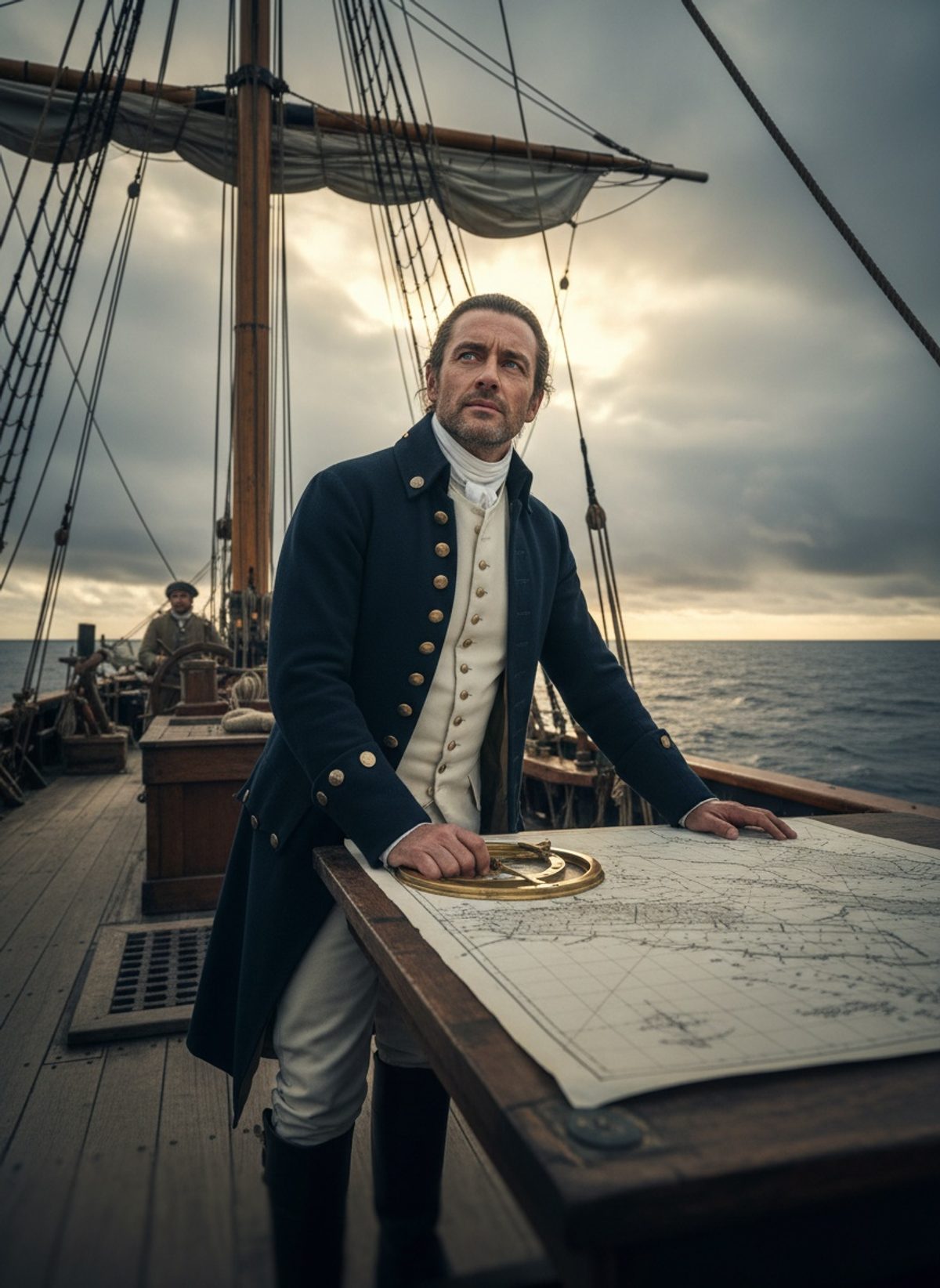
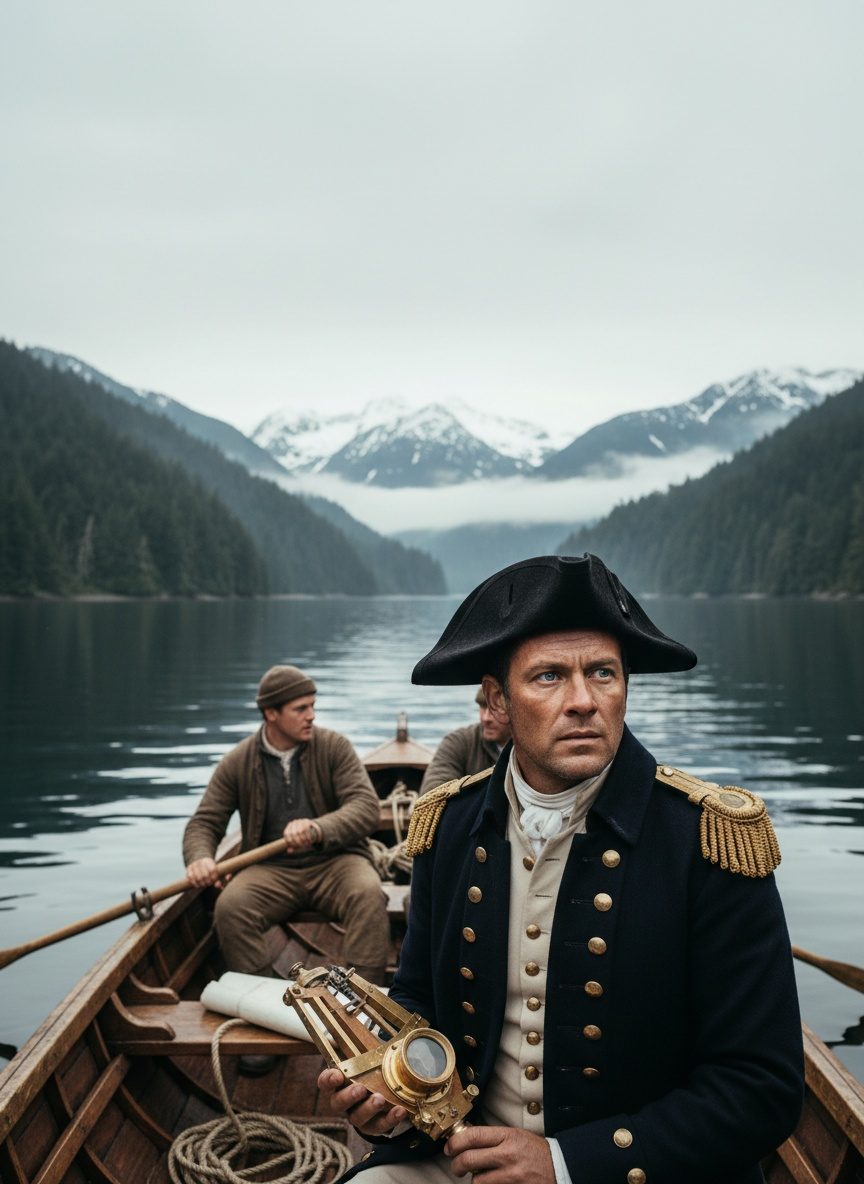
1793. George Vancouver had one mission. Chart every inlet of the Pacific Northwest. Alone in small boats. Through fog and rock. Mile by mile. He drew the map that closed the blank edges of the world.
May 1497. John Cabot set sail from Bristol. His crew thought he was mad. Five weeks later, he stepped ashore in a land no European had seen. He planted the English flag. He had found a new world.
1497. John Cabot left Bristol on a tiny ship. His crew numbered eighteen men. He sailed west into nothing. Five weeks later, he stepped ashore on a continent Europe did not know existed. He planted the English flag. Then sailed home.
1849. Henry Walter Bates stepped off the boat at Belém. He had no map. No funding. No backup. He would spend eleven years collecting 14,000 species. Eight thousand had never been seen before.
1791. Matthew Flinders was seventeen. He read Robinson Crusoe and made a decision. He would see the unknown world. He spent his life mapping a continent no European had charted. He named it Australia. From a prison cell.
1791. George Vancouver had sailed with Cook as a boy. Now he commanded his own voyage. Three years. Sixty-five thousand miles. He drew the coastline that ended the myth of the Northwest Passage. One man. Every mile by hand.
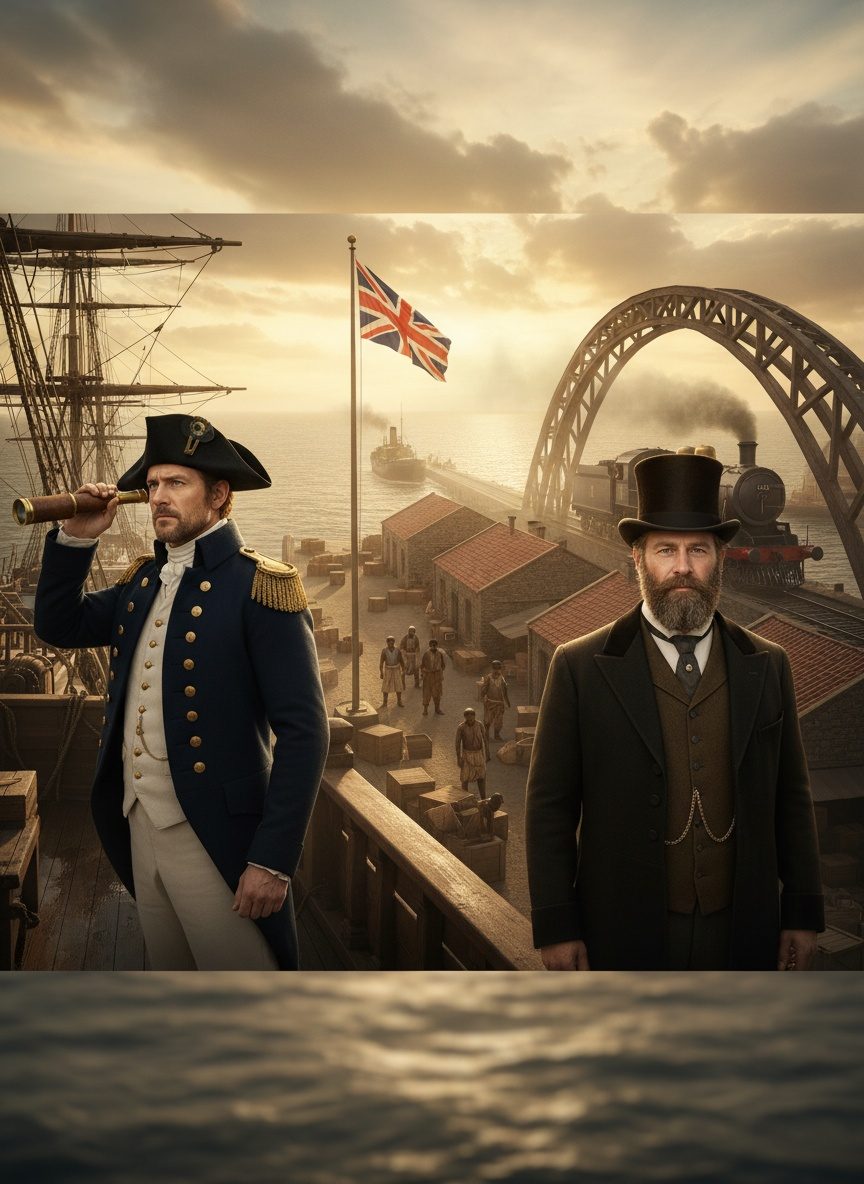
A small island. A cold sea. And a set of ideas so powerful they still govern a quarter of the planet today. Not by accident. By will.
1798. Matthew Flinders was twenty-four years old. He had one working eye. He sailed into waters no chart had ever recorded. He mapped them anyway. Every bearing perfect. Every inlet named.
1806. Matthew Flinders had mapped Australia's entire coastline. He returned home a broken man. Six years imprisoned by the French. He never recovered. His masterwork published the day he died.
1801. Matthew Flinders had mapped every inch of Australia's coast. He named it. Then his ship gave out. He was captured by the French. He spent six years in a foreign prison. His book was published the day he died.
1799. Mungo Park was broken. Feverish. Alone in West Africa. Every man in his party was gone. He sat beneath a tree and wept. Then he stood. And walked on.
1804. Matthew Flinders had mapped an entire continent. Then France captured him. He sat in a Mauritius prison for six years. His charts waited. His name endured.
A Yorkshire labourer's boy. No family. No money. No connections. On 25 May 1768, the Admiralty handed him a converted coal ship and told him to find a continent that might not exist.
1773. The ice stretched to the horizon. No ship had ever sailed this far south. James Cook turned his bow into the frozen sea. Britain held its breath. He came back. No one else dared follow for fifty years.
1790. The North Pacific coast was uncharted. Archibald Menzies stepped ashore with a notebook and a seed box. No soldier. No escort. Just one Scots surgeon and the edge of the known world.
1805. Mungo Park had already survived capture, fever, and starvation. He came back for more. He launched a canoe into the Niger River with a crew of forty. He never came back. His maps changed the world.
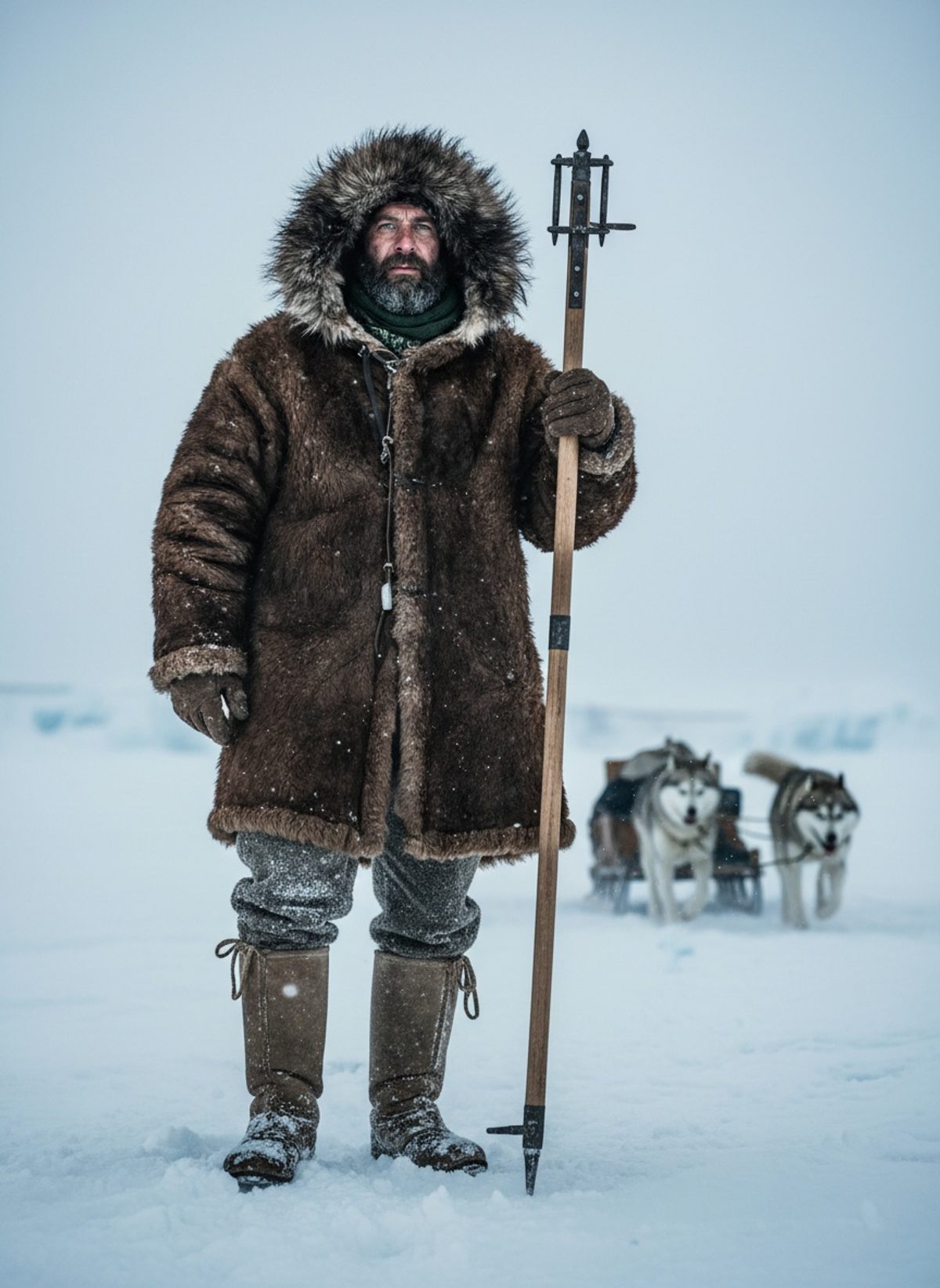
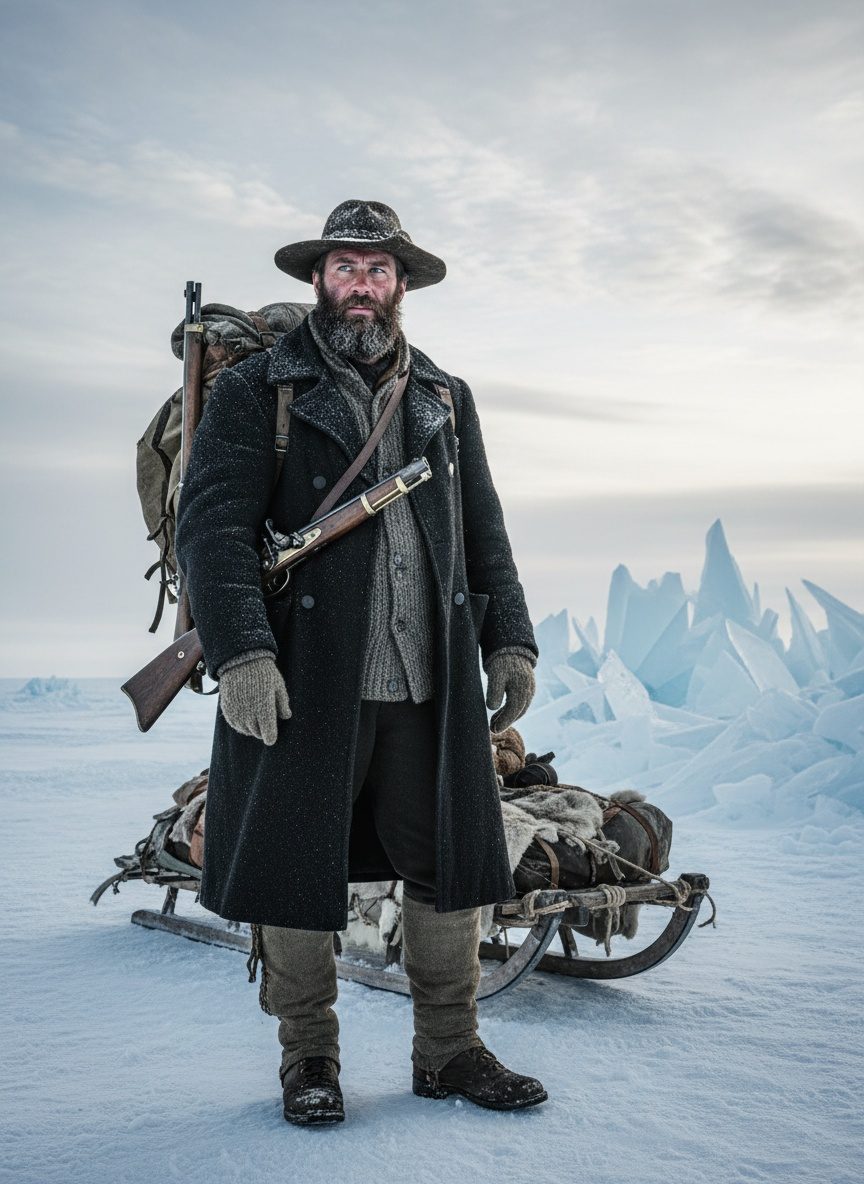
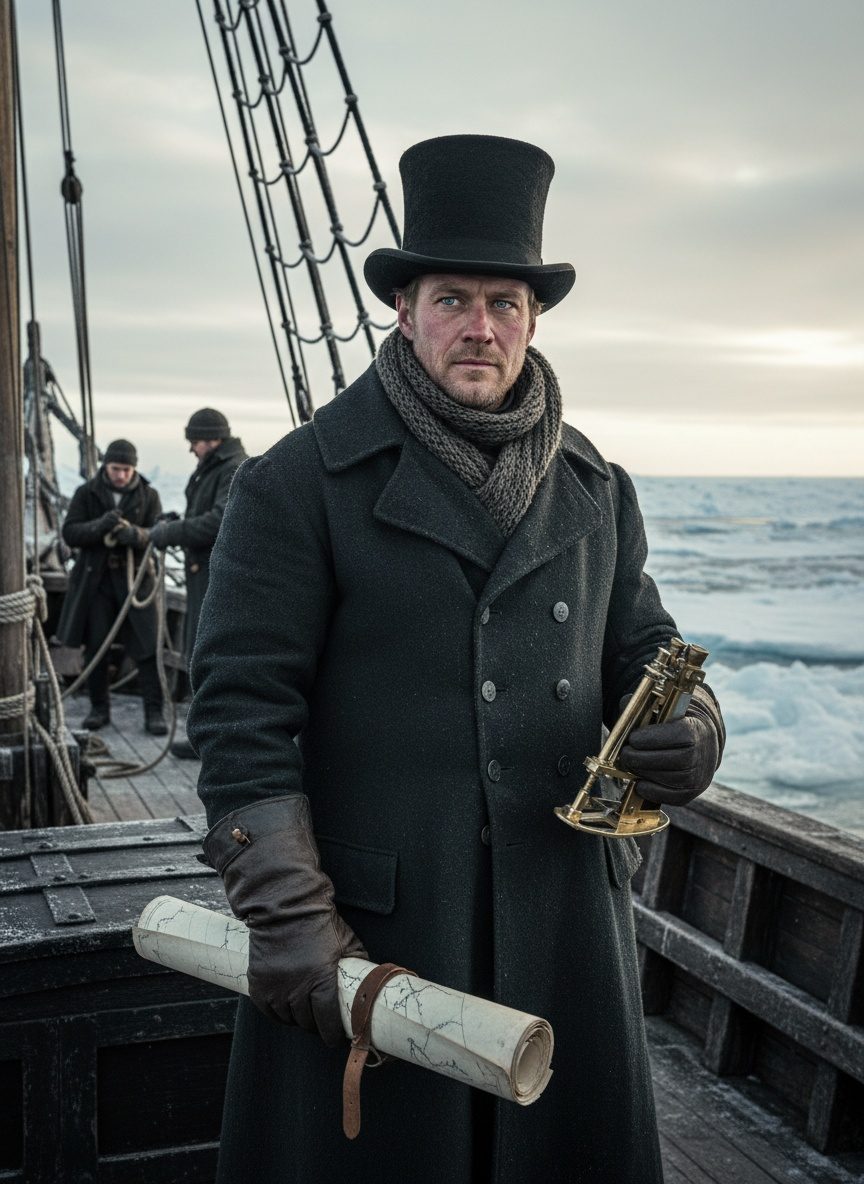
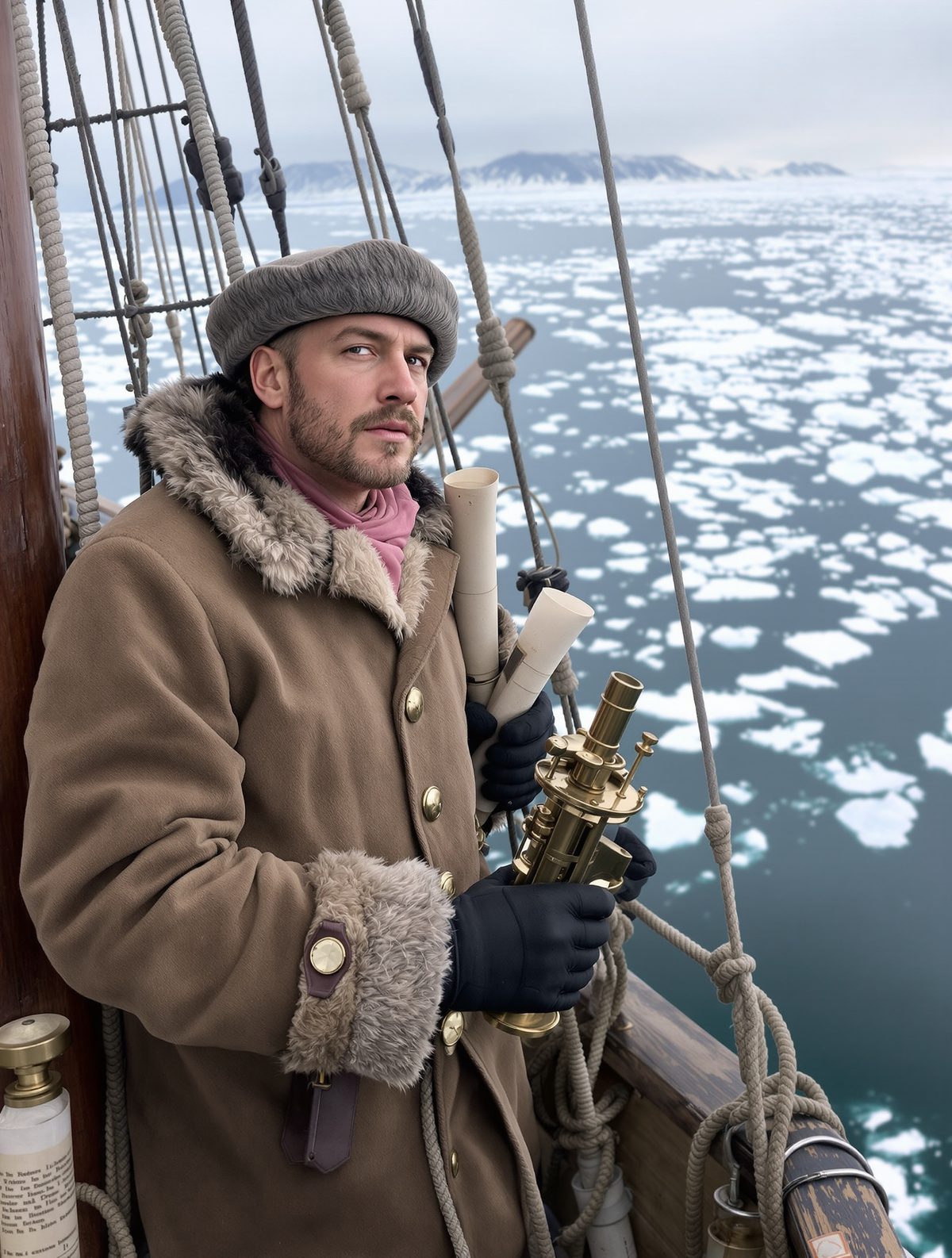
1850. The Arctic. Every other ship had turned back. John Rae walked on. Alone into the frozen dark. He found what no one else dared look for. The truth about Franklin's lost men.
1850. The Arctic. John Rae walked where ships could not go. Alone on the ice with a rifle and a sledge. He found what the Royal Navy could not. The fate of Franklin's lost expedition. Solved at last.
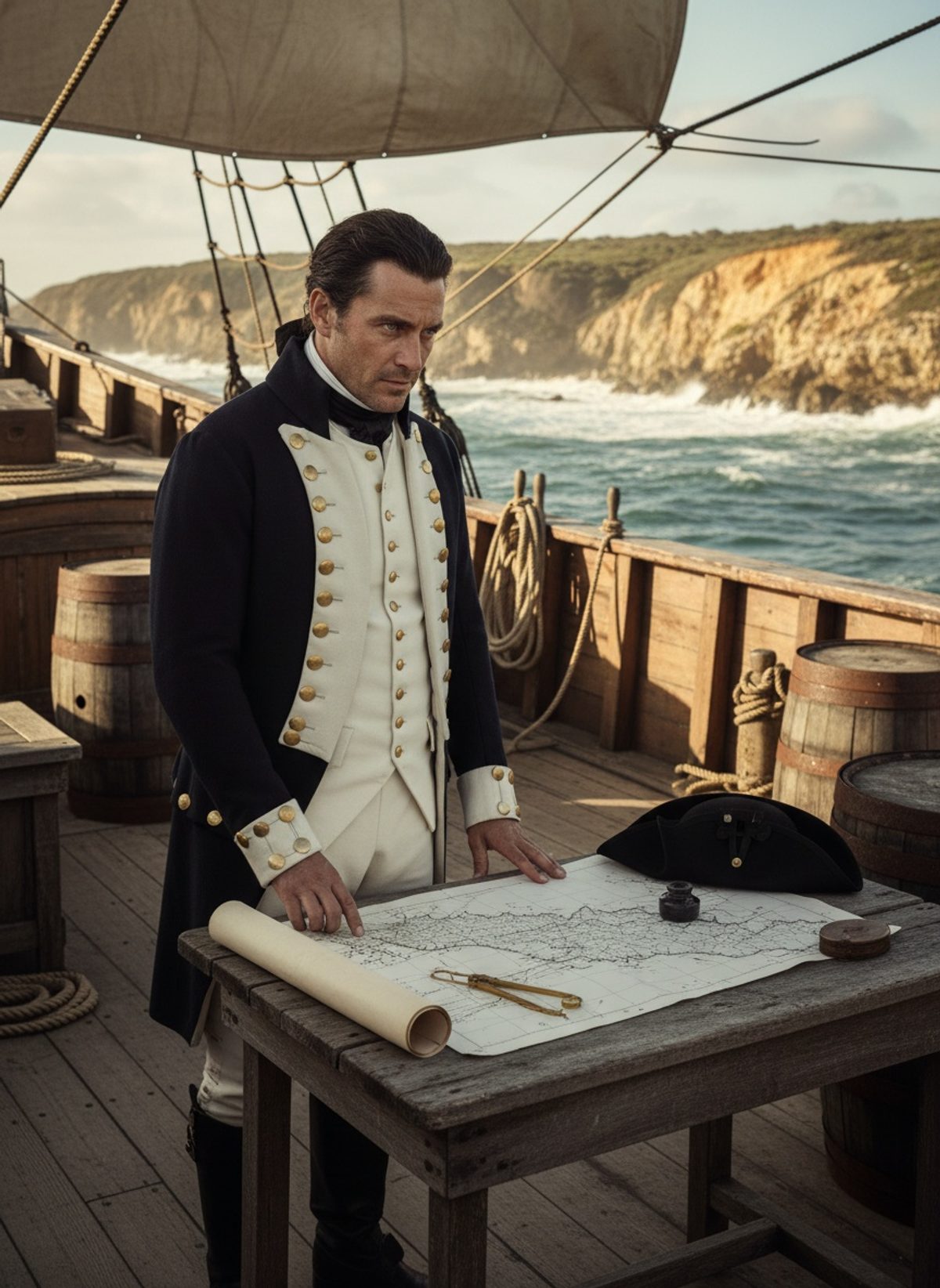
1801. A Royal Navy surveyor sailed alone into uncharted waters. He mapped every cove and headland of a vast unknown land. Then he gave it a name. He called it Australia.
A small island. No great rivers. No vast plains. Just ambition, iron, and nerve. Britain set out in wooden ships and came back ruling a quarter of the earth — and left the world changed forever.
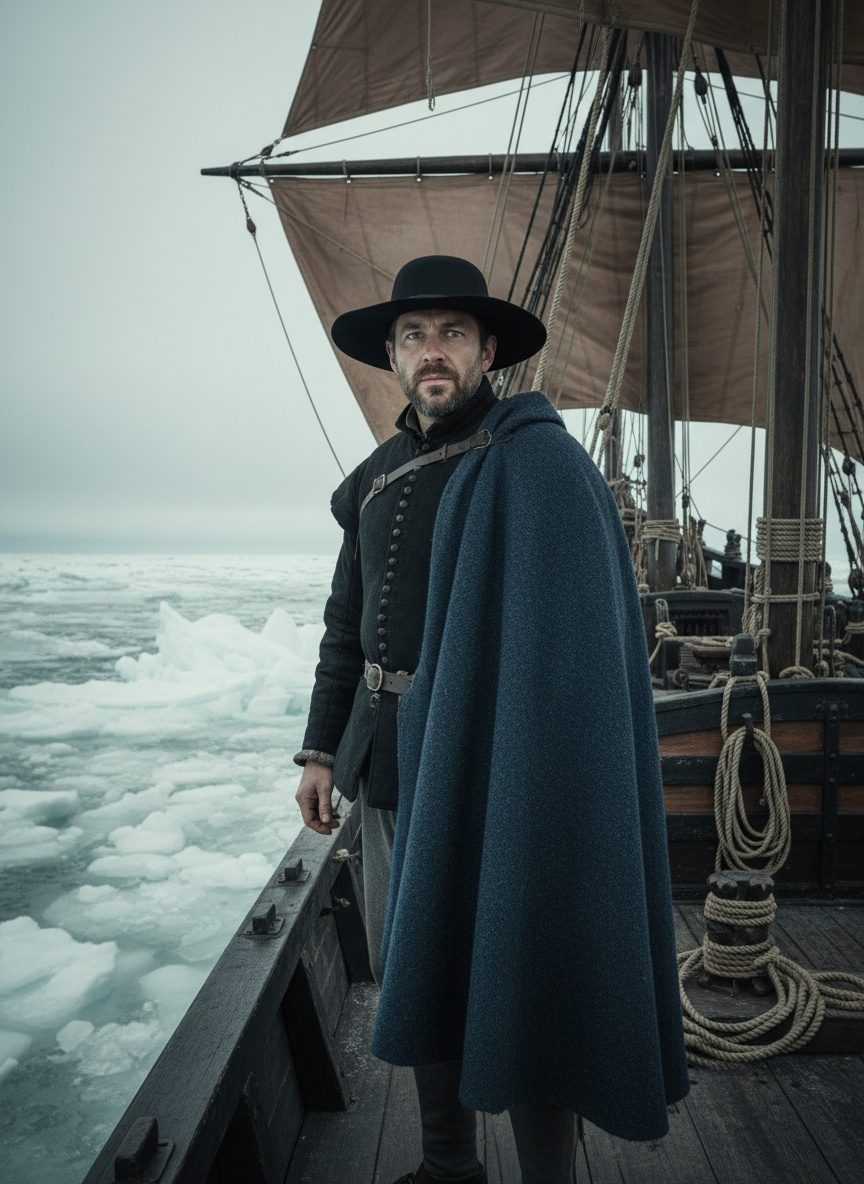
Summer 1585. John Davis left Dartmouth with two small ships. He sailed north until the sea turned white. He found a strait no European had named. He came home and said there was a passage through.
August 1587. The ships were small. The cold was savage. John Davis pressed north where no Englishman had gone. The strait ahead was vast. He named it and turned home. The Northwest Passage waited three centuries more.
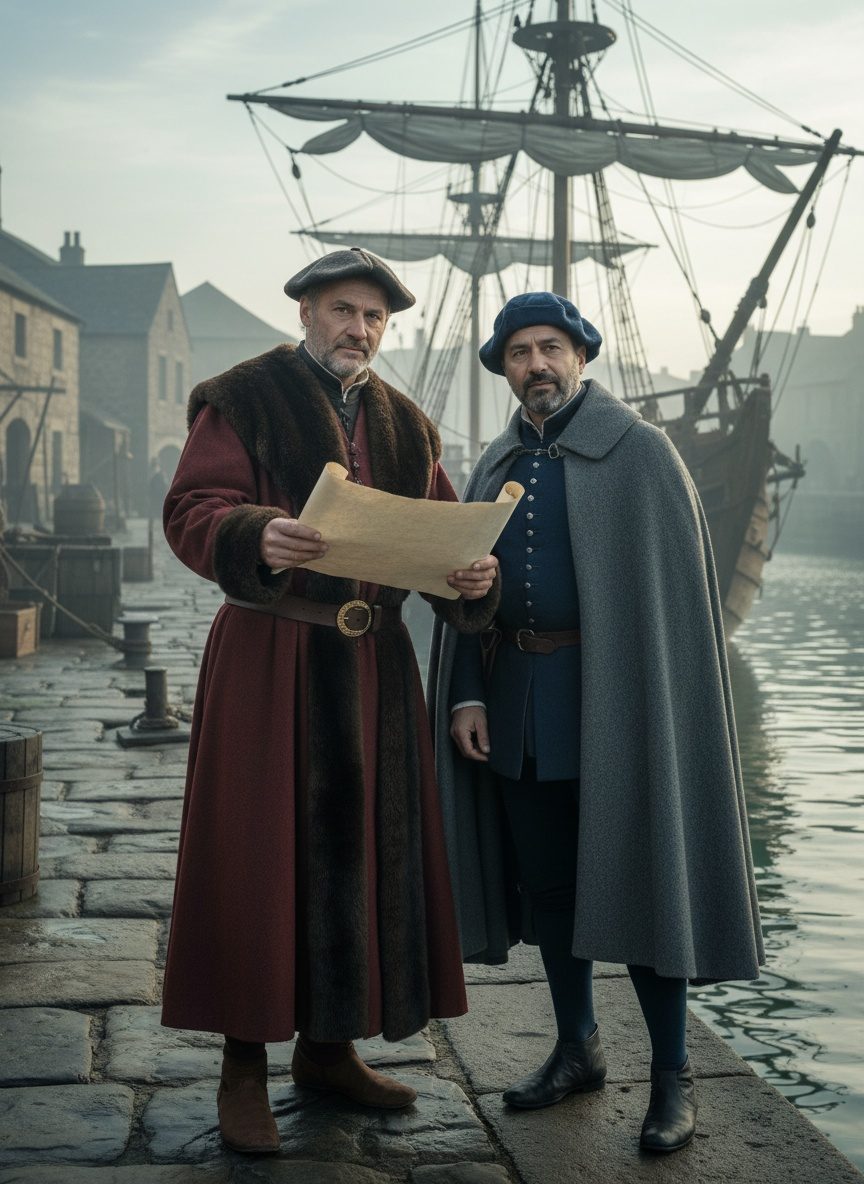
1497. A Bristol merchant handed a Venetian sailor the money to find a new world. John Cabot sailed west. He found a continent. England never looked at the horizon the same way again.
1805. Mungo Park had already failed once. He went back anyway. He led thirty men into West Africa. Fever took them one by one. He pressed on. Alone at the end. Still moving forward.
1859. The Amazon basin. No map. No guide. Richard Spruce had been collecting plants for eleven years. Sick with fever. Unable to walk. He sent home ten thousand specimens. Science never forgot him.
1772. James Bruce had been gone seven years. He returned to Britain with a claim that stunned the world. He had found the source of the Blue Nile. Nobody believed him. They laughed. He was right.
1818. William Scoresby Jr. had mapped more of the Arctic than any man alive. The Admiralty ignored him. They sent someone else. He watched from the harbour. His charts saved the expedition anyway.
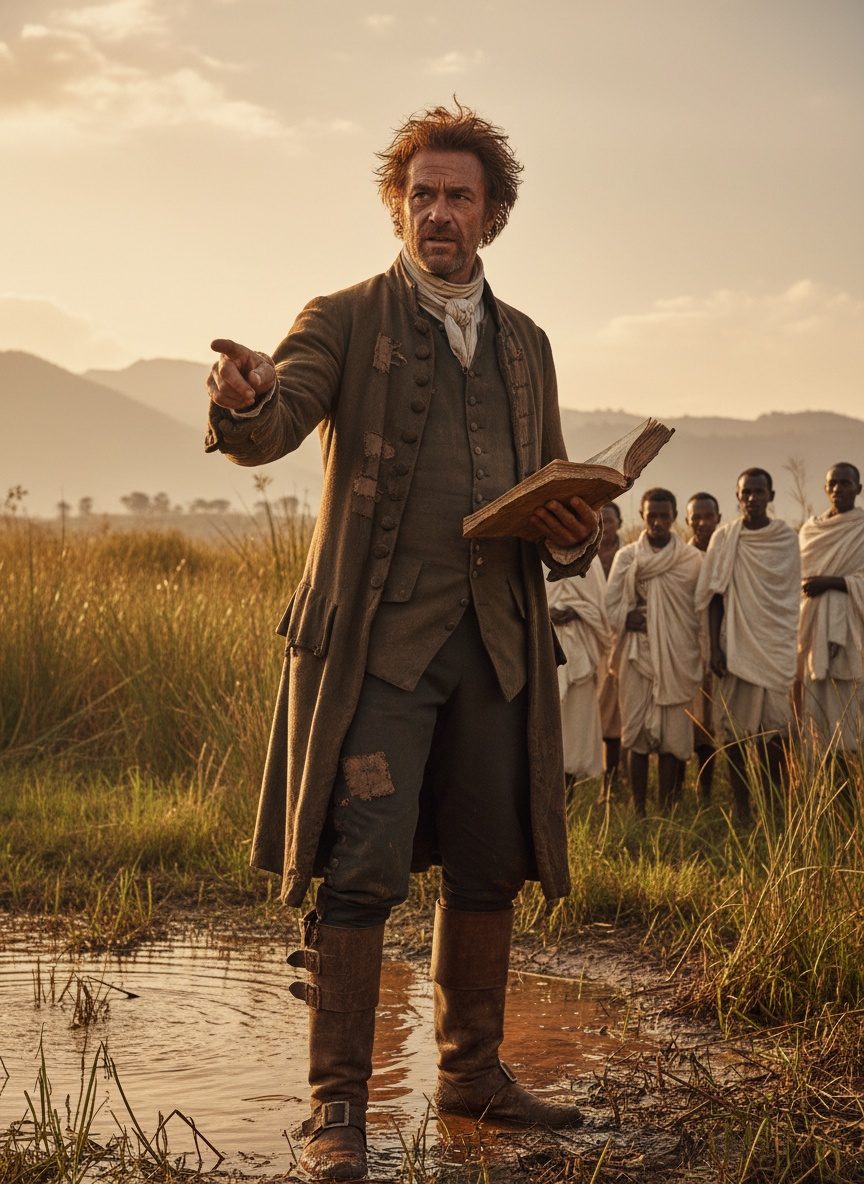
1855. Mungo Park had vanished. Africa had swallowed every man sent after him. David Livingstone walked in anyway. Alone. No army. No rescue plan. Just a compass and a Bible. He kept walking for thirty years.
1803. Matthew Flinders had just mapped Australia's entire coastline. His ship was broken. He stopped at Mauritius for repairs. The French governor arrested him. He would not see England for six years.
On a summer night in 1609, Thomas Harriot peered through his telescope at the Moon. He was the first human to map its mysterious surface. Four months before Galileo. His detailed drawings revealed craters and mountains no one had ever seen.
August 25th, 1875. Captain Matthew Webb dove into the Dover waters at 12:56 PM. Twenty-one hours and forty-five minutes later, he staggered onto French sand. The first human to conquer the Channel by swimming alone.
Navigator William Baffin sailed further north than any man before him. Arctic ice trapped lesser explorers for years. Baffin mapped 300 miles of unknown coastline in a single summer. His charts were so accurate they guided explorers for 200 years.
Young Charles Darwin nearly lost his place on HMS Beagle. His father called it a waste of time. His uncle changed everything with one letter. Five years later Darwin returned with the evidence for evolution.
For 13 years, the Arctic kept its secret. Sir John Franklin's expedition had vanished with 129 men. Then Scottish doctor John Rae walked where ships couldn't sail. He found the truth.
In 1553, Sir Hugh Willoughby led Britain's first Arctic expedition to find the Northeast Passage to China. His ship became trapped in ice off the Russian coast. When fishermen found the vessel months later, Willoughby and his 62 men sat frozen at their posts. Their logbooks still open.
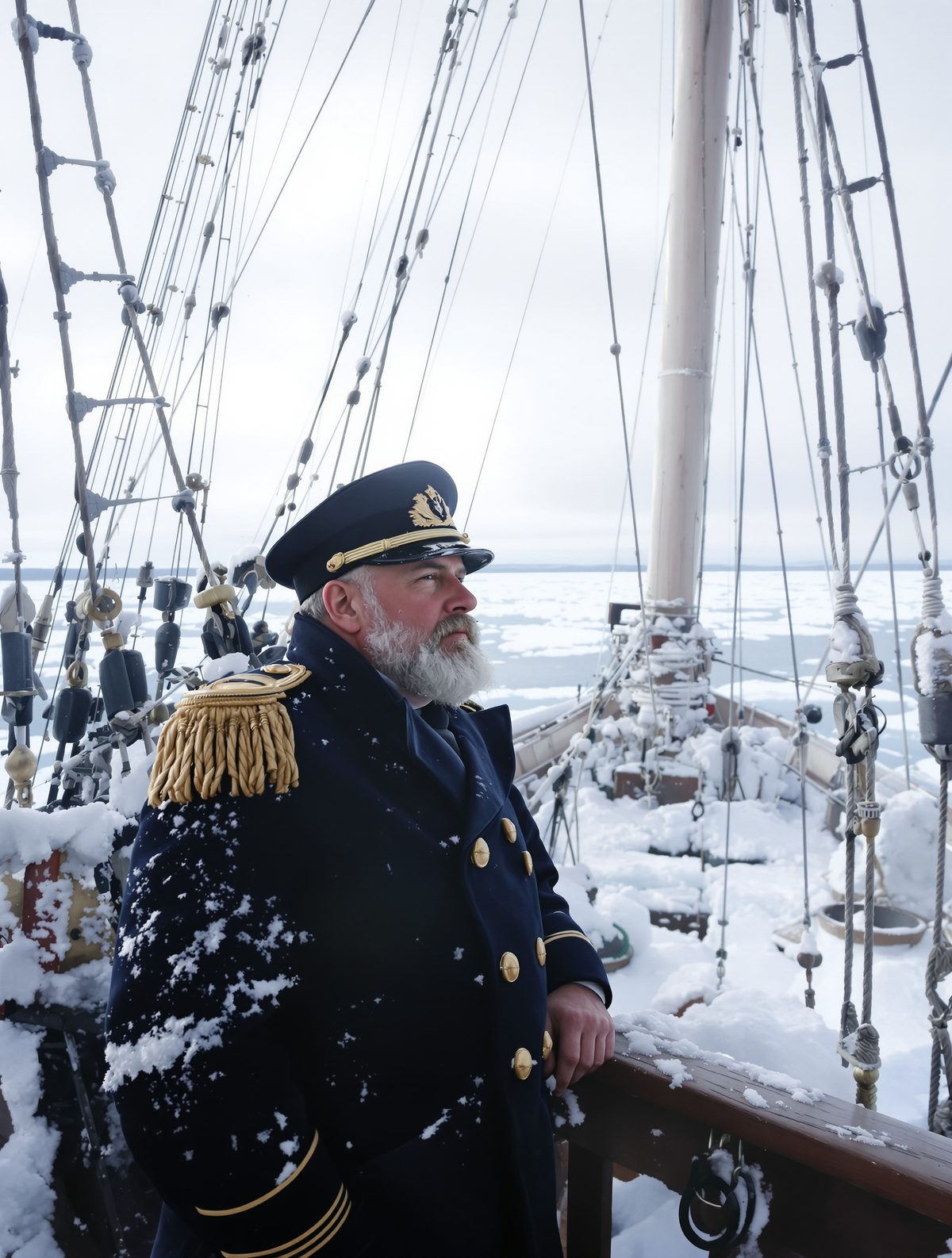
1845. Two Royal Navy ships sailed into the Arctic with 129 men. They carried three years of supplies. Advanced steam engines. The finest equipment money could buy. They were never seen alive again.
John Davis needed to navigate Arctic waters. But looking at the sun through a cross-staff could blind him. So he invented a revolutionary instrument. The backstaff let sailors measure the sun's height with their backs turned to it.
Moscow, 1558. English merchant Anthony Jenkinson dons Tatar robes and a false beard. He's about to attempt what no European has done for centuries. Cross the violent steppes to reach the Caspian Sea. The disguise saves his life.
Anthony Jenkinson dressed as a Persian merchant. He carried fake papers and spoke broken Russian. The English adventurer became the first Westerner to reach the Caspian Sea by land. His disguise fooled Ivan the Terrible's guards.
William Burchell walked 4,500 miles through uncharted Africa. Alone except for local guides. He collected 50,000 plant and animal specimens. Many unknown to science. He discovered the zebra that bears his name.
1811. William Burchell ventured into unmapped African wilderness. Alone except for local guides. Four years later he emerged with 50,000 plant and animal specimens. Single-handedly doubled Europe's knowledge of African wildlife.
Young William Scoresby climbed his father's whaling ship mast in Arctic waters. He carried primitive instruments and homemade tools. From that crow's nest, he mapped 400 miles of Greenland coast. No explorer had ever charted these frozen lands.
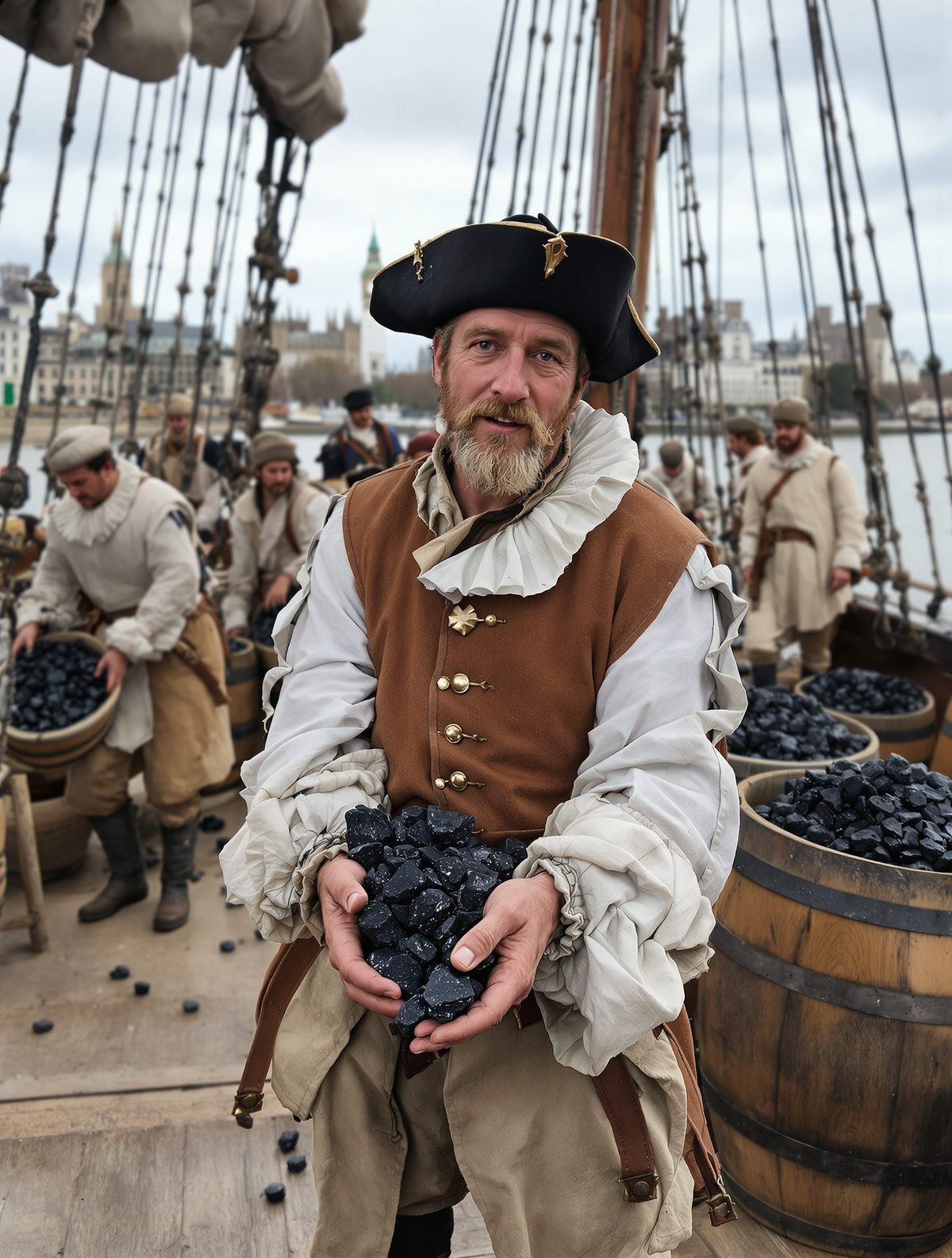
Captain Martin Frobisher returned from the Arctic with 200 tons of glittering black rock. Queen Elizabeth's court gasped at the promise of endless gold. The royal assayers worked feverishly. The rock was worthless fool's gold.
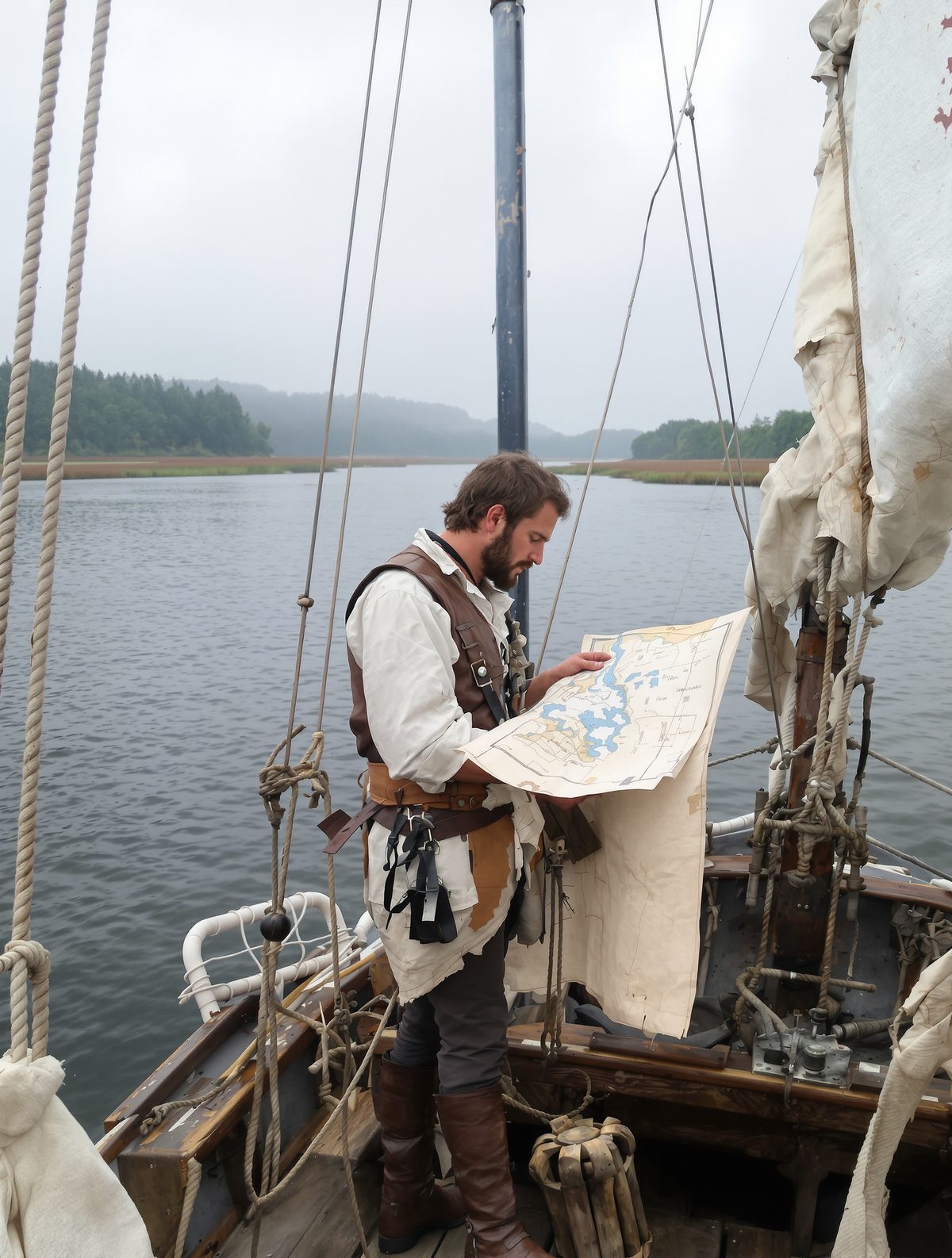
Captain John Smith sailed into Chesapeake Bay in 1608. His tiny shallop explored 3,000 miles of unknown coastline. Smith's map remained the definitive chart for 200 years. He turned Virginia from a death trap into England's first lasting American colony.
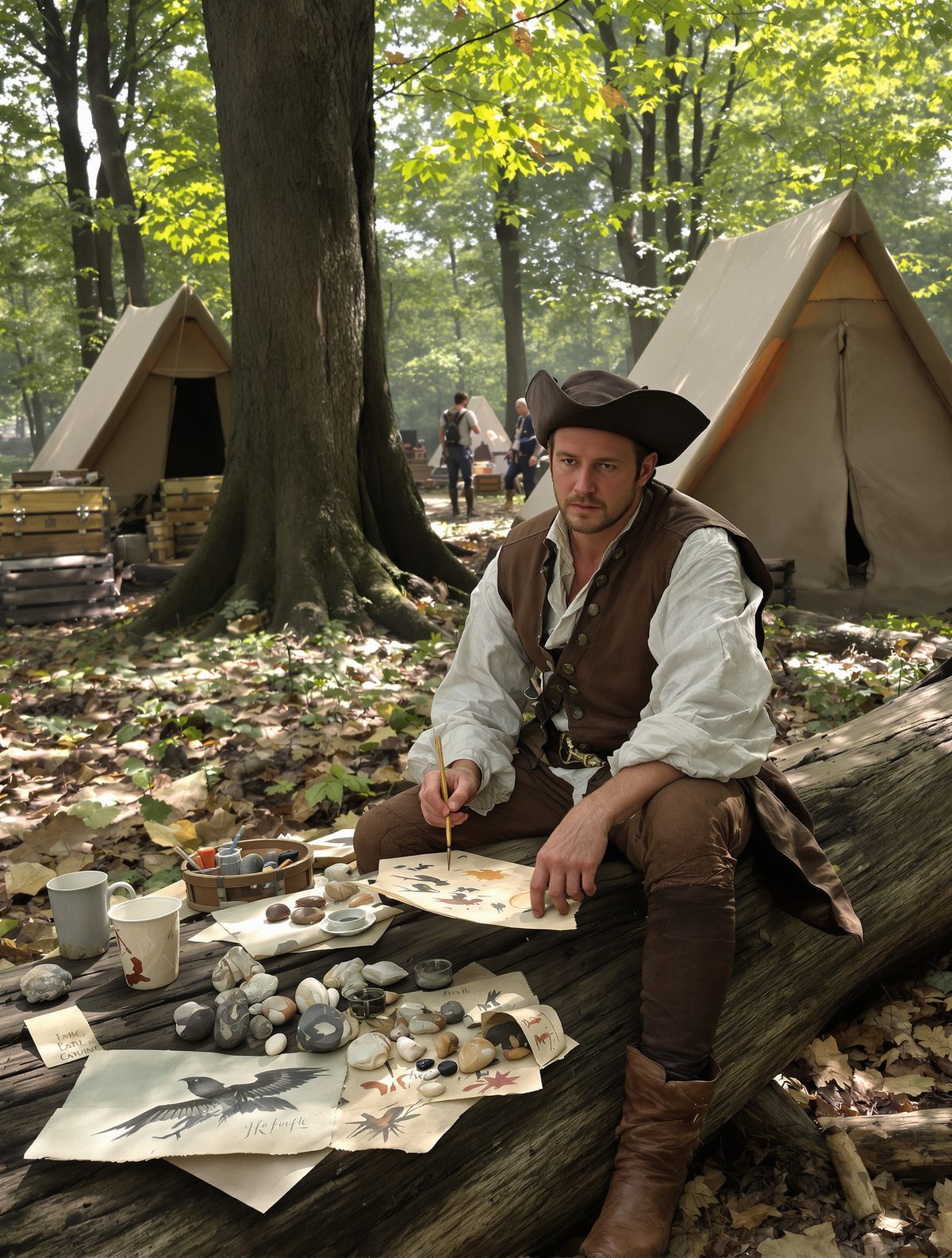
Artist John White sailed with Raleigh's expedition to Virginia in 1585. He painted the first watercolours of American wildlife and Native peoples. His delicate brushstrokes recorded a New World that England had never seen.
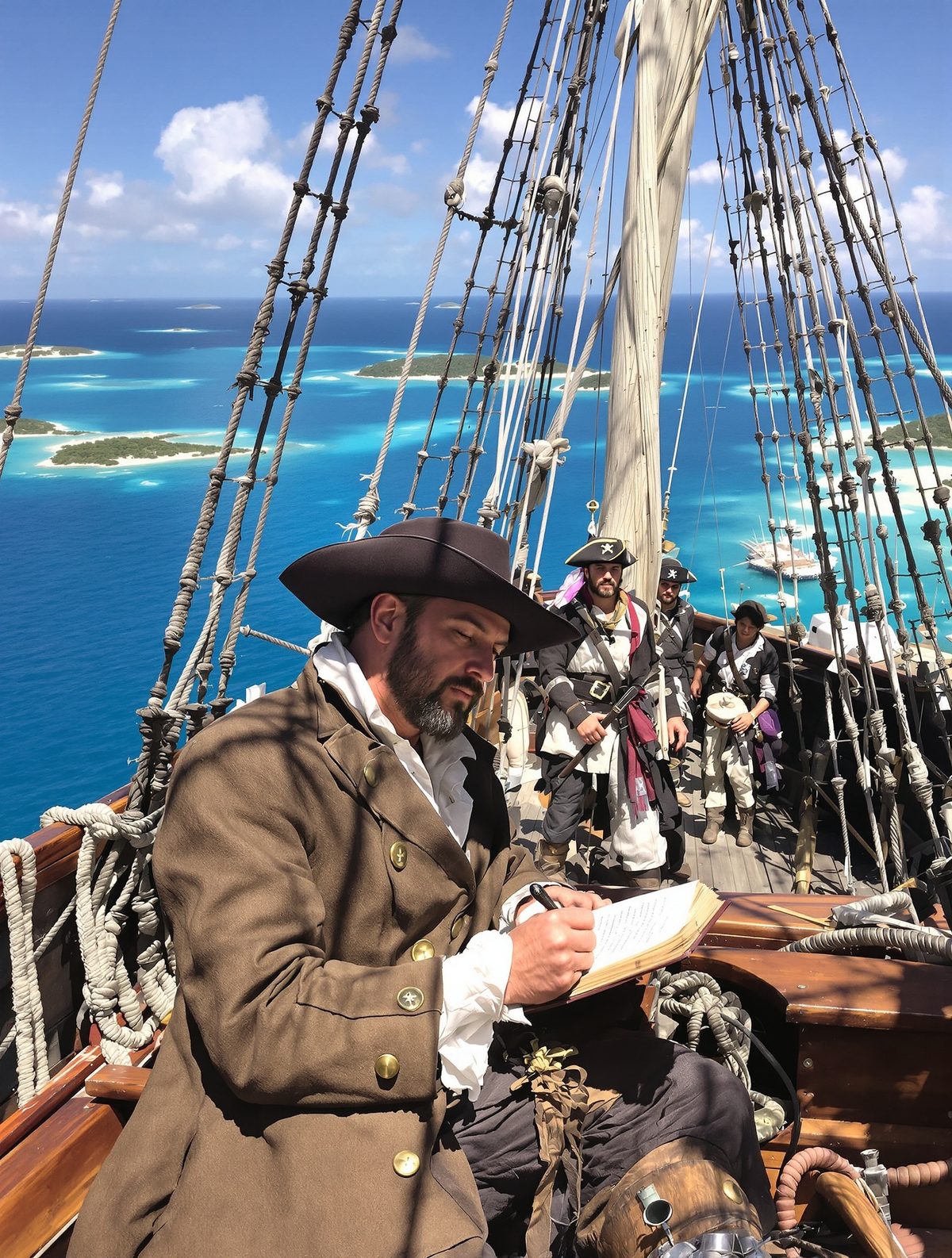
1679. William Dampier joined the most notorious pirates in the Caribbean. But he wasn't after gold. While buccaneers plundered ships, this quiet naturalist collected specimens. His secret journal would revolutionize navigation forever.
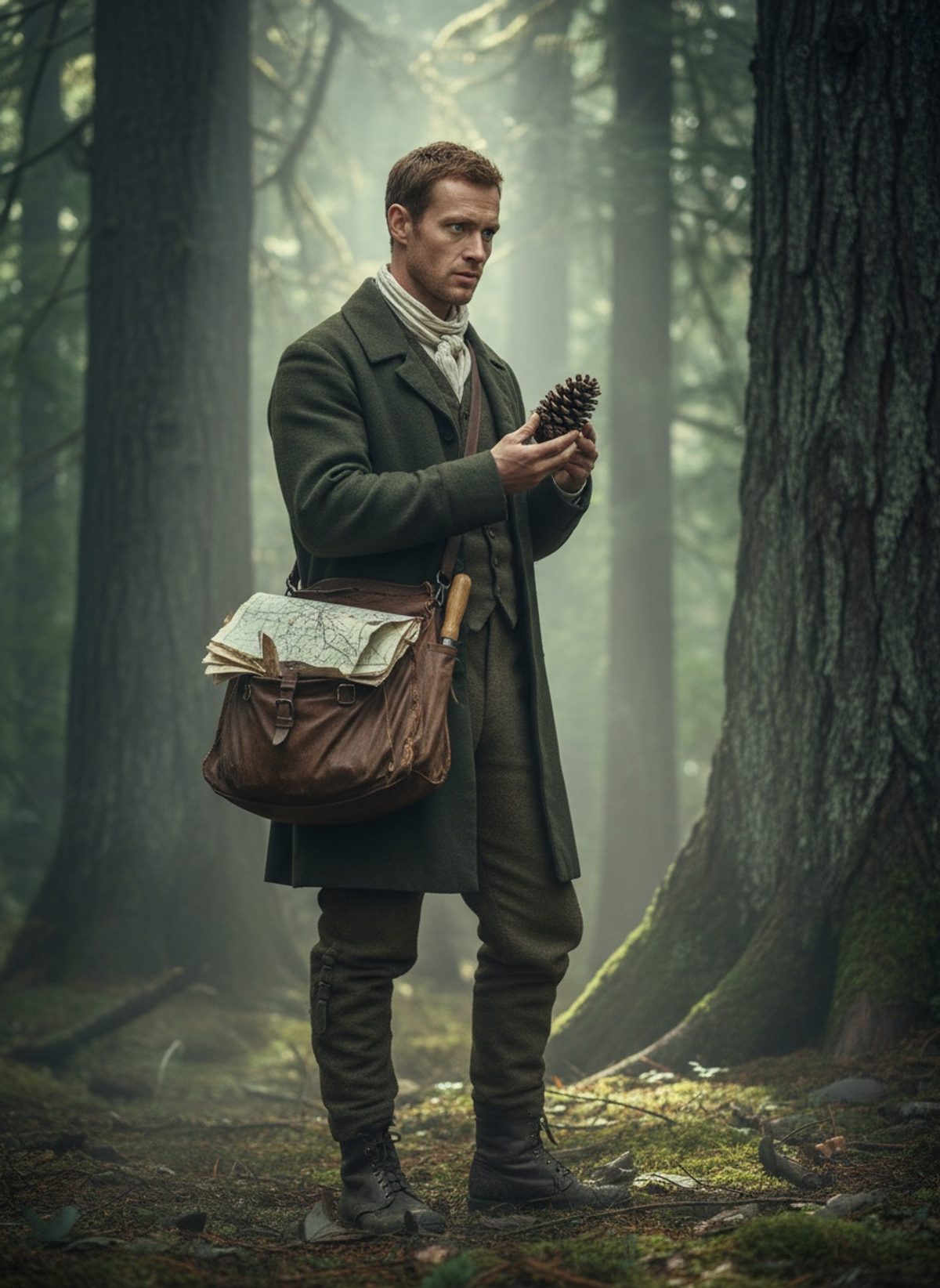
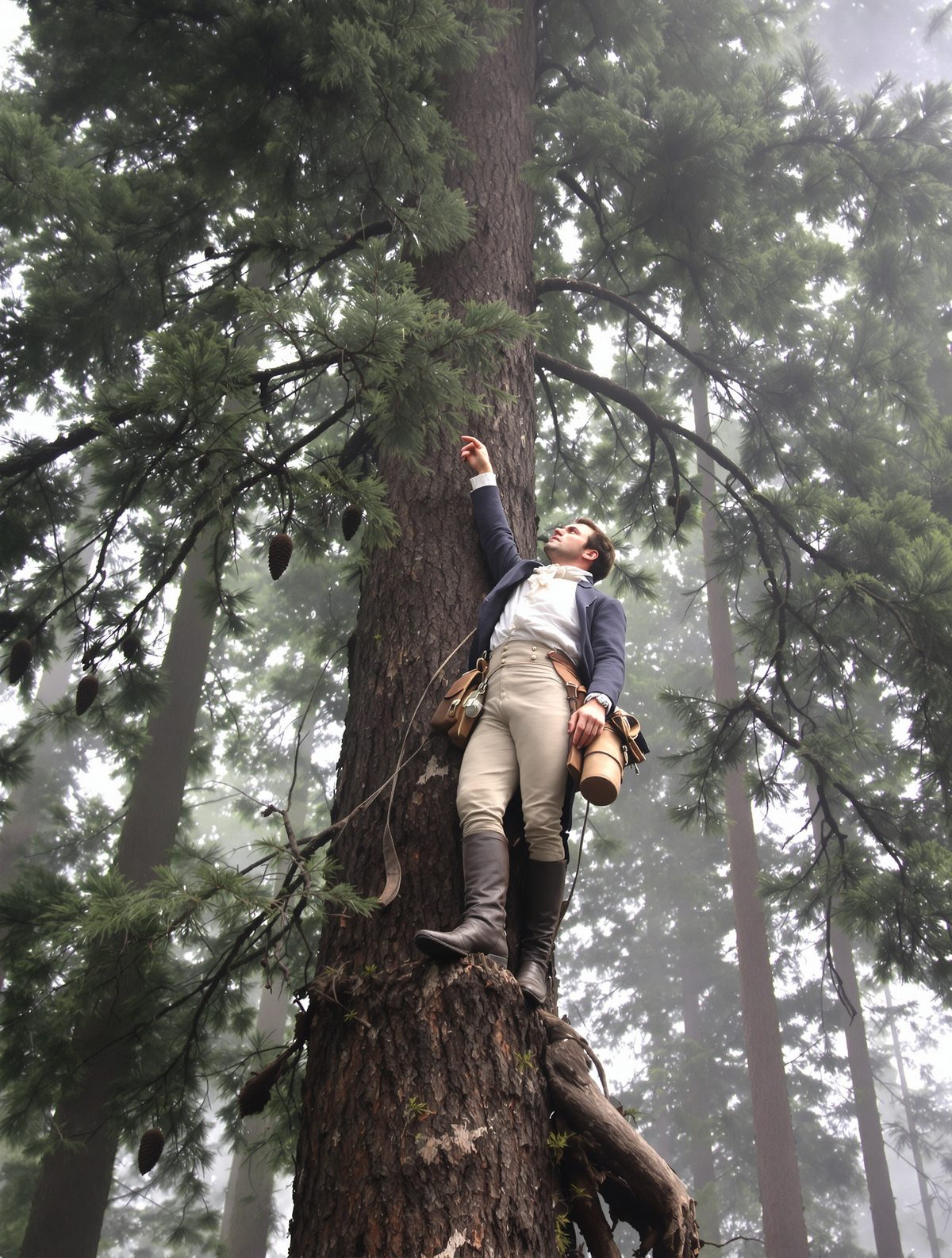
Botanist David Douglas scaled a towering Douglas fir in Oregon's wilderness. Native Americans watched in amazement. He risked his life for science. One pine cone would transform British forestry forever.
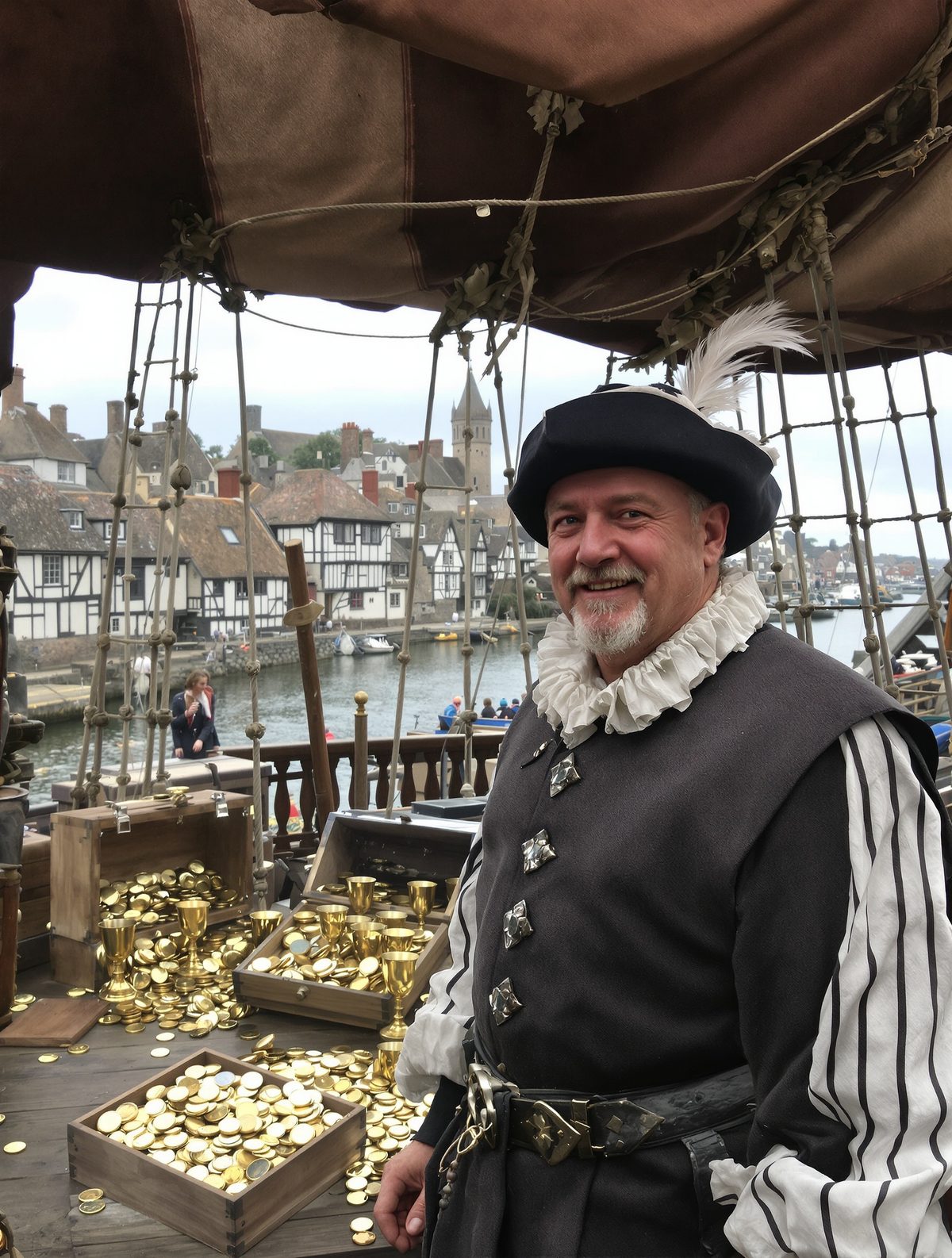
September 1580. Francis Drake's Golden Hind limped into Plymouth harbour. The first English ship to sail around the world. Her hold bulged with Spanish treasure worth £400,000. Drake had just made England a naval power.
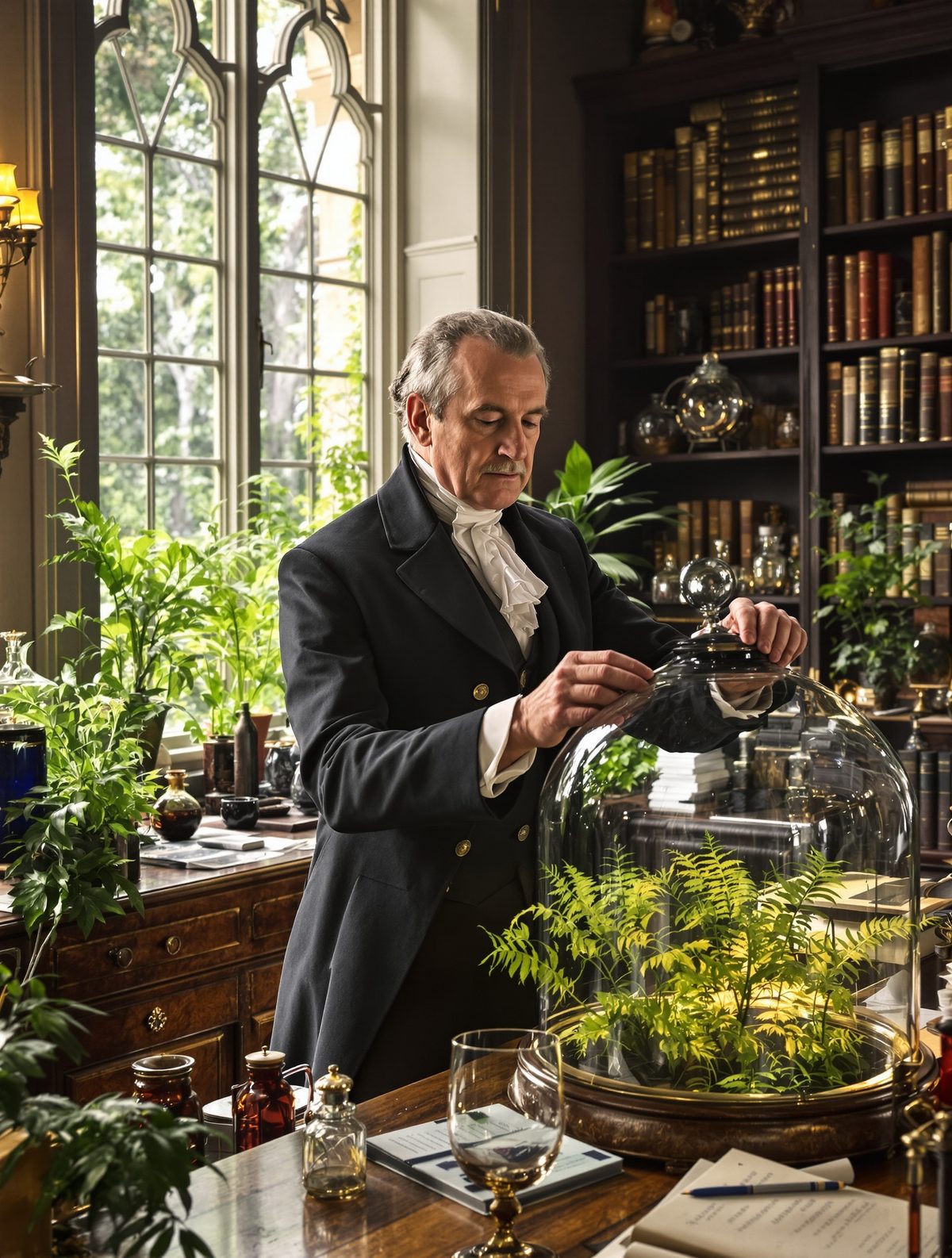
London, 1829. Dr. Ward discovers a fern growing inside a sealed jar. His accident becomes the Wardian case. It carries living tea plants from China to India. Coffee from Brazil to Ceylon. The British Empire's botanical revolution begins in one forgotten bottle.
In 1845, Sir John Franklin sailed into the Arctic with 129 men. None returned. His wife Jane refused to accept it. She funded four rescue expeditions herself. And then the truth came back without him.
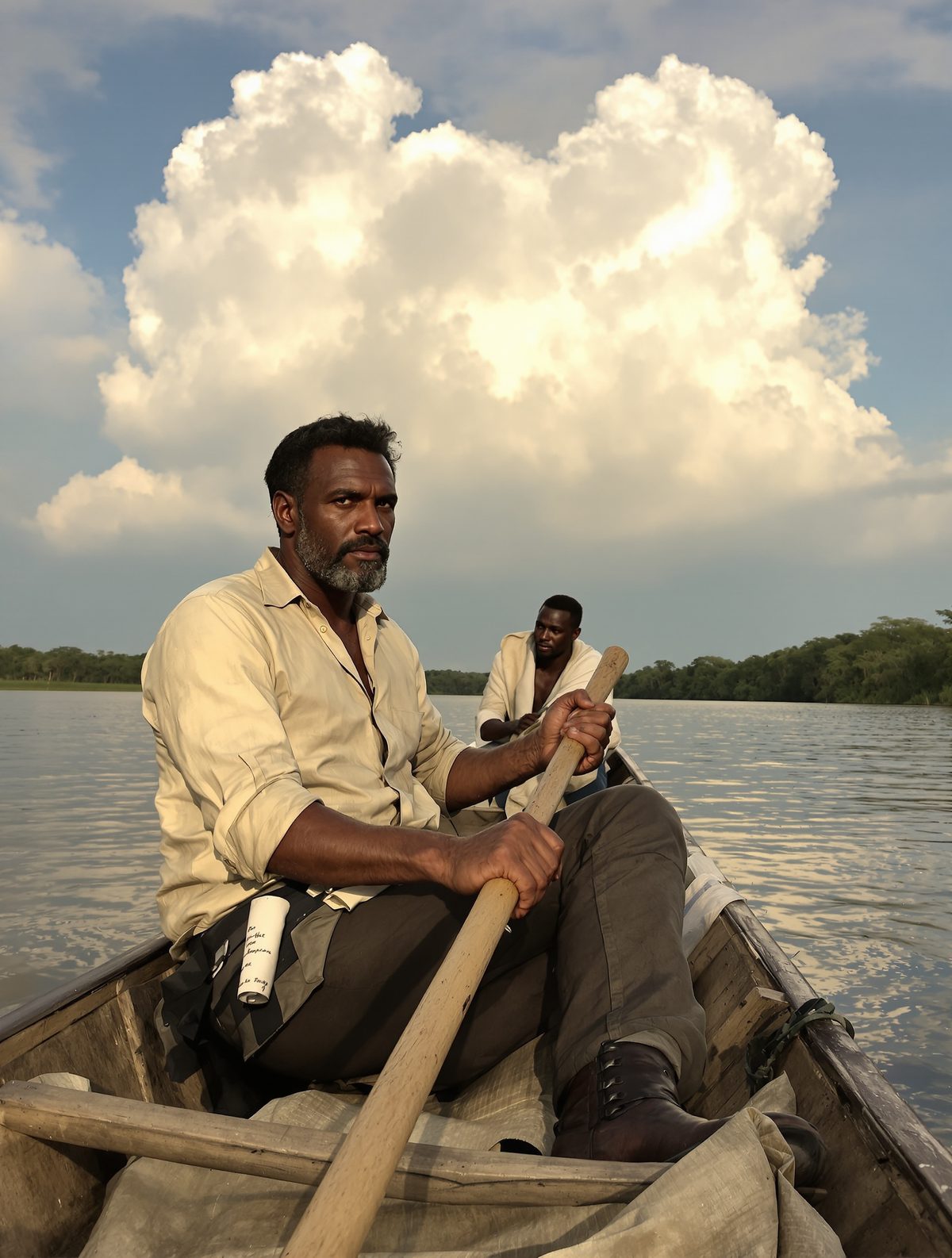
For centuries, no one knew where Africa's greatest river ended. In 1830, a Cornish servant's son paddled into the unknown. Richard Lander followed the Niger to the sea — and changed the map of the world.
David Douglas discovered over 200 plant species for Britain. He survived grizzly bears, rapids, and frostbite. Then one morning in Hawaii, 1834, he vanished into a pit trap. He was 35 years old.
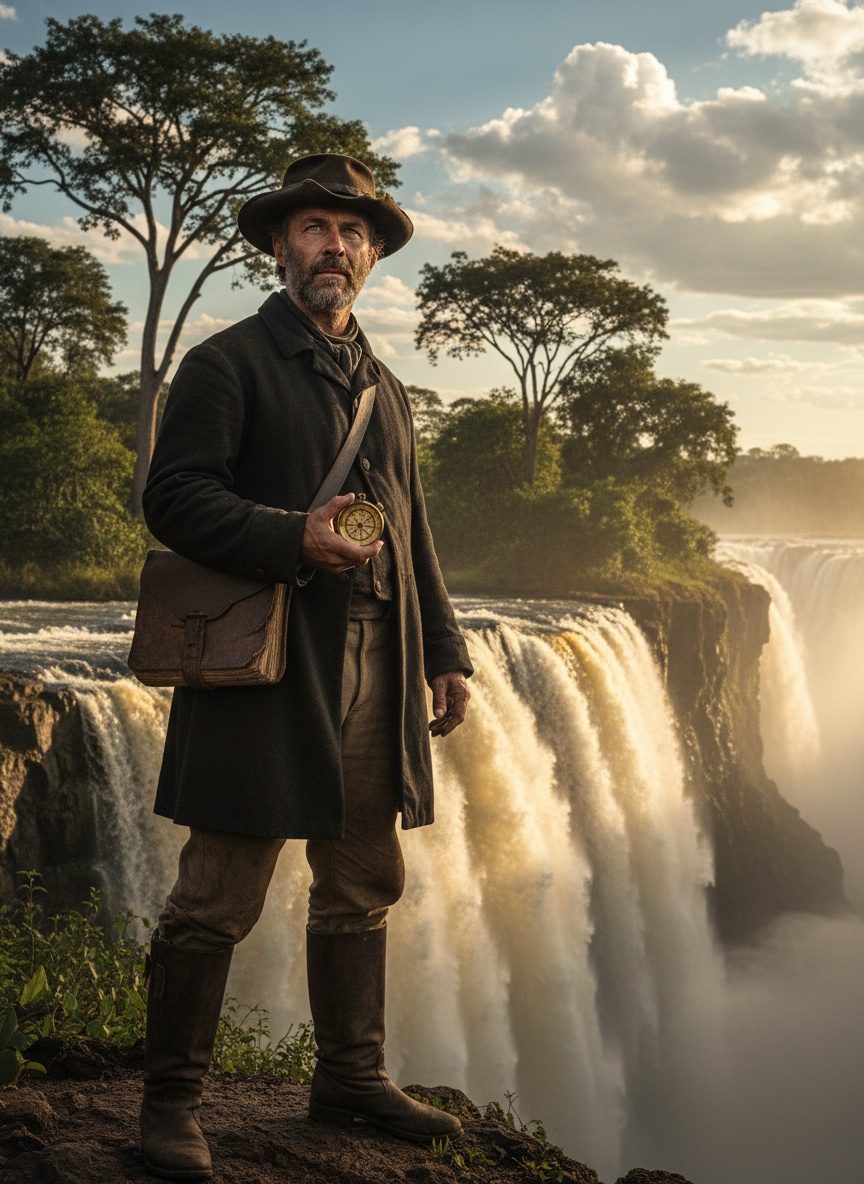
1805. A Scottish doctor stood alone on the banks of the Niger. He had walked thousands of miles. Lost his men. Lost everything. He picked up his pen. Wrote one last letter home. Then pushed his canoe into the dark river and was never seen again.
Hand-picked from Britain Untold's archive. The stories you weren't taught at school. 3-minute read.
No spam. Unsubscribe in one click. We hate spam too. Privacy Policy.