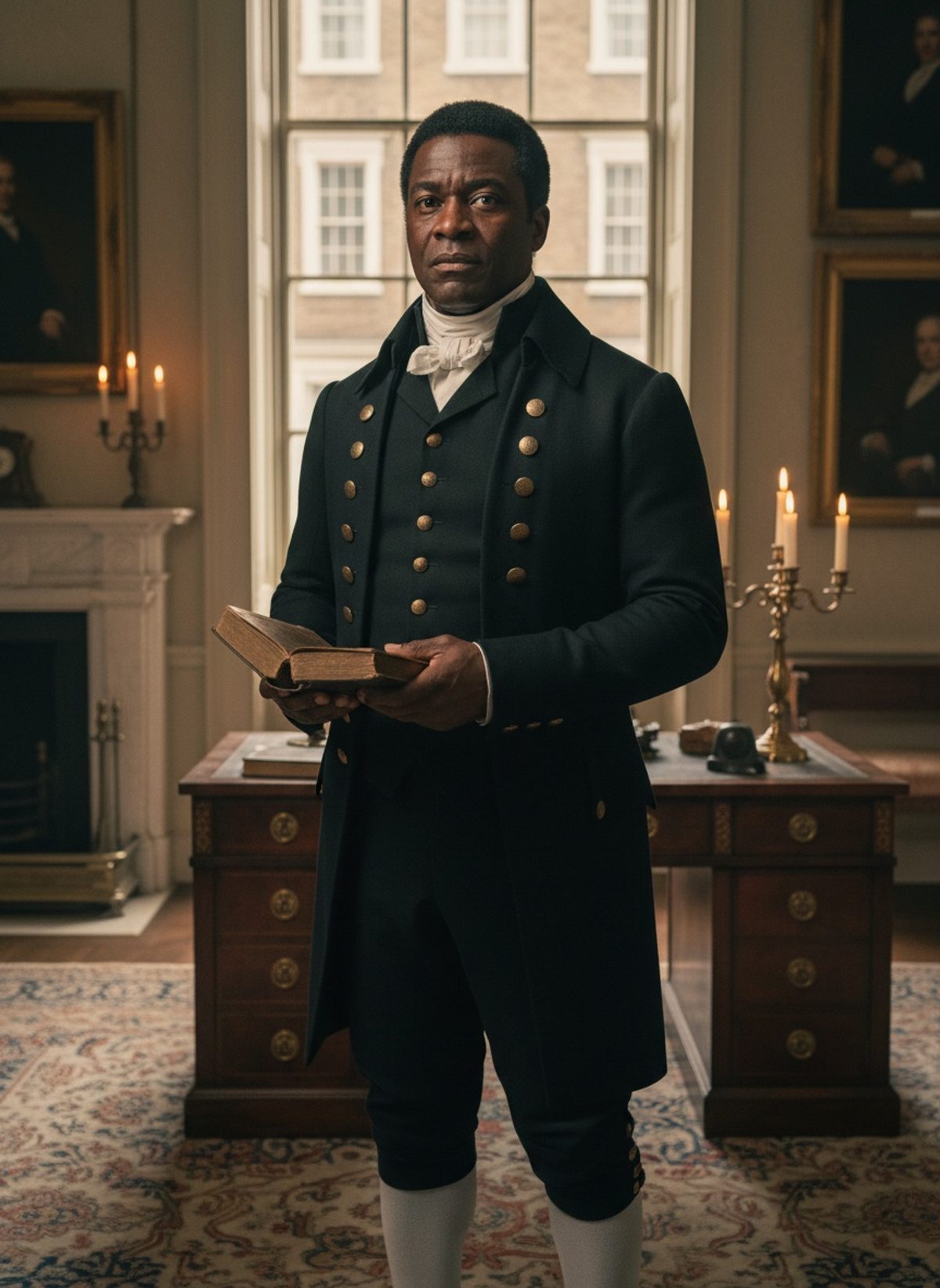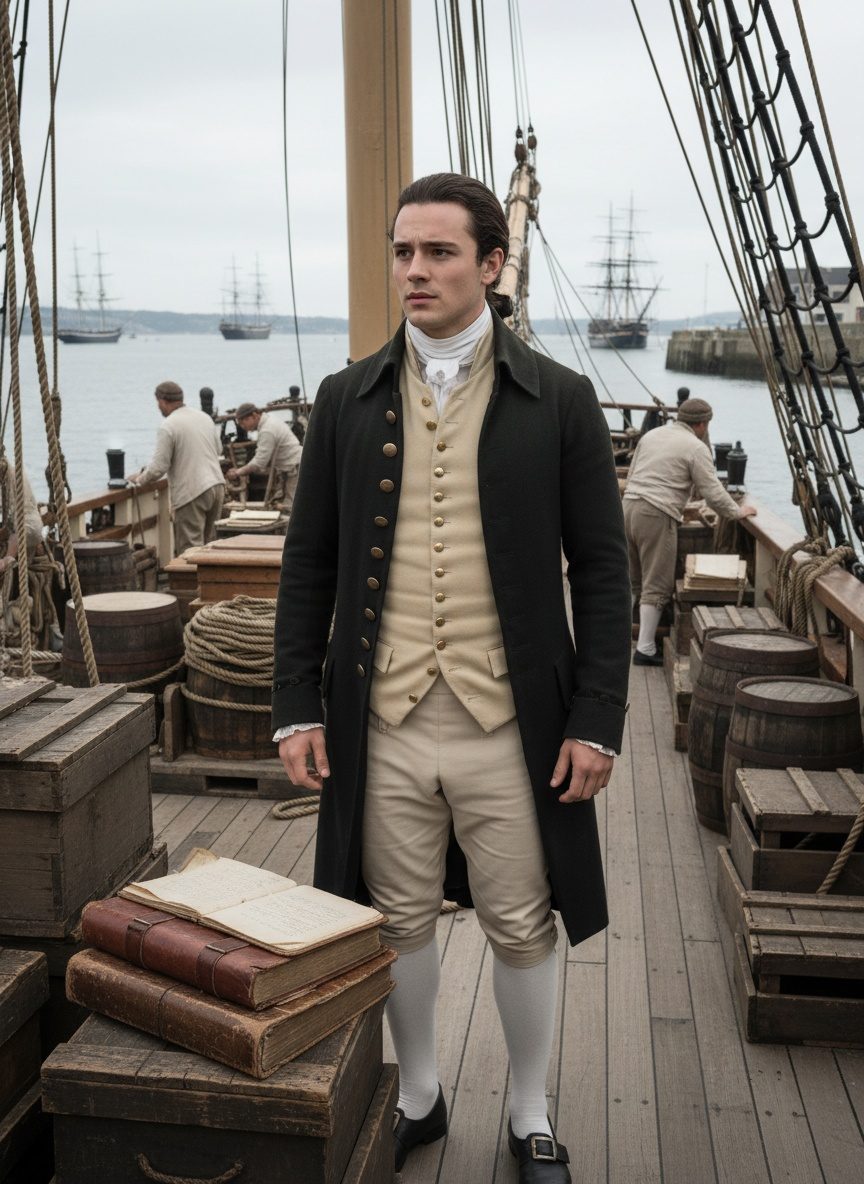
In the torchlit parlor of London’s Swan Tavern, an ambitious Joseph Banks leaned forward with vivid excitement, tracing invisible maps onto the worn oak table. It was 1768, and the air was thick with the anticipation and chatter of Royal Society members. They were talking about Captain James Cook’s imminent voyage aboard the HMS Endeavour. Unknown lands beckoned, promising mysterious plants, uncharted territories, and untold discoveries. Yet, even amid the learned company, few could foresee that it would be Banks, a young naturalist rather than a seasoned navigator, who would make the most indelible mark on this historic journey.
The Making of a Gentleman Scientist
Joseph Banks was no ordinary naturalist. Born into wealth in 1743, his future seemed comfortably predictable, bound for the quiet life of a gentleman landowner. However, Banks had other plans. By 25, he was already carving out a place for himself in the annals of science, driven by a fascination with the natural world that eclipsed the more common gentlemanly pursuits of his age.
Enrolling at Oxford University in 1760, Banks’ scholarly pursuits were less noteworthy than his passionate self-study of botany. By his twenties, he was a member of the Royal Society, an achievement that as much reflected his intellectual fervor as his social standing. But Banks was restless. The static collection of botanical specimens at Oxford paled beside the allure of exotic landscapes teeming with unclassified life. The opportunity to join Cook’s voyage was a siren call he couldn’t resist.
The Bold Offer and the Greater Vision
Banks didn’t wait to be invited onto the Endeavour. In an audacious move, he offered to fund his own passage—a staggering sum of ten thousand pounds from his inheritance—a testament to his commitment and foresight. He envisaged more than mere participation; he saw an expedition redefined by scientific endeavor. To some, it might have seemed an outlandish gamble, but for Banks, it was a destiny that demanded realization.
Read next: The Day a Baronet Stood Up in Court and Freed His Slaves
His preparations were nothing short of comprehensive. Banks assembled a formidable retinue, including eight servants and two greyhounds, an entourage more reminiscent of an aristocratic grand tour than a scientific expedition. Among his team were skilled artists like Sydney Parkinson, whose delicately detailed drawings would illuminate Banks’ botanical finds for an enthusiastically receiving Europe.
Sailing Into the Unknown
On August 25, 1768, HMS Endeavour set sail from Plymouth, traversing the high seas towards the far side of the world. It carried dreams of exploration that would reshape Britain’s understanding of the globe, along with Banks’ own ambition to map its living wonders. The journey was wrought with danger; sailors faced tempestuous seas, hostile terrain, and tropical diseases. Yet, to Banks, it was an unprecedented opportunity to unearth nature's secrets.
The expedition hit pay dirt in 1770, upon arriving in what is now modern-day Australia. Banks celebrated the continent’s staggering biodiversity. He collected, described, and catalogued nearly 30,000 specimens, many dazzling in their singularity. Among these were 1,400 previously undocumented plant species, a monumental achievement in the field of botany that forever changed the landscape of scientific research.
The Legacy of an Indomitable Spirit
When Banks returned to England in 1771, he was no longer just a gentleman scientist; he was a visionary who had expanded the boundaries of the known world into the realm of the previously unimagined. His collections became the envy of Europe’s scientific societies. The methodologies he pioneered mapped a template for future voyages, blending adventurous exploration with rigorous scientific inquiry.
Surprisingly, Banks never published a formal account of his discoveries. His legacy lived most vibrantly in the plants that bore his name, immortalized in the Genus Banksia. The seeds of innovation he planted rippled through scientific communities worldwide, influencing everything from horticulture to ecological conservation.
Why Joseph Banks Still Matters
Today, the tale of Joseph Banks serves as a clarion call to the curious and the daring. It underscores the importance of vision, the courage to invest in one's passions, and the willingness to cross uncharted boundaries—literal and metaphorical. His journey was not just an expedition to the unknown; it was a testament to the transformative power of knowledge and the insatiable quest for discovery that defines human innovation.
In the story of Joseph Banks, we find a timeless drive—to explore, understand, and ultimately connect with the world around us. A tale that, though left out of many textbooks, continues to echo through the expansive corridors of scientific and exploratory achievement.