1714 – 1837
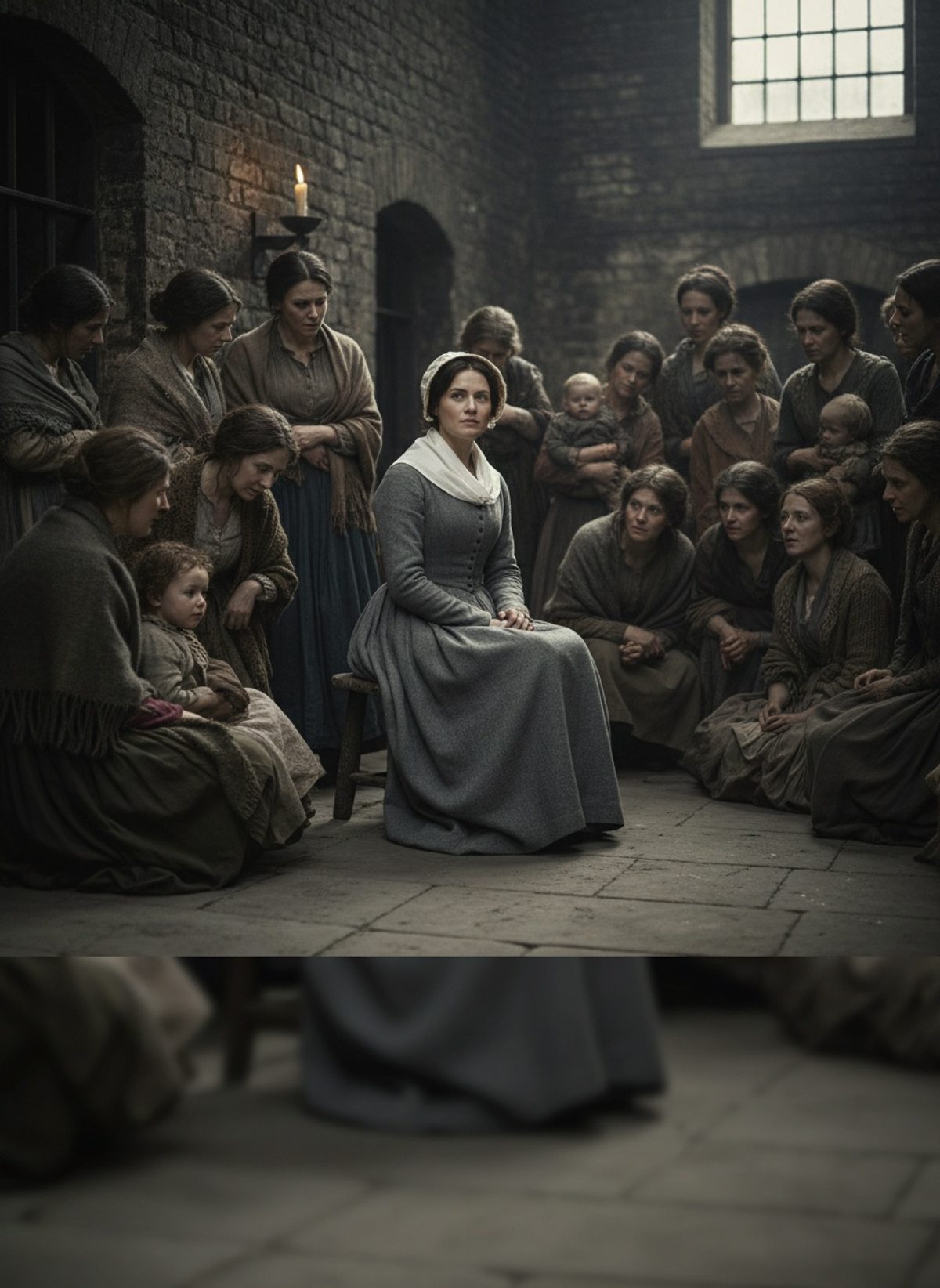
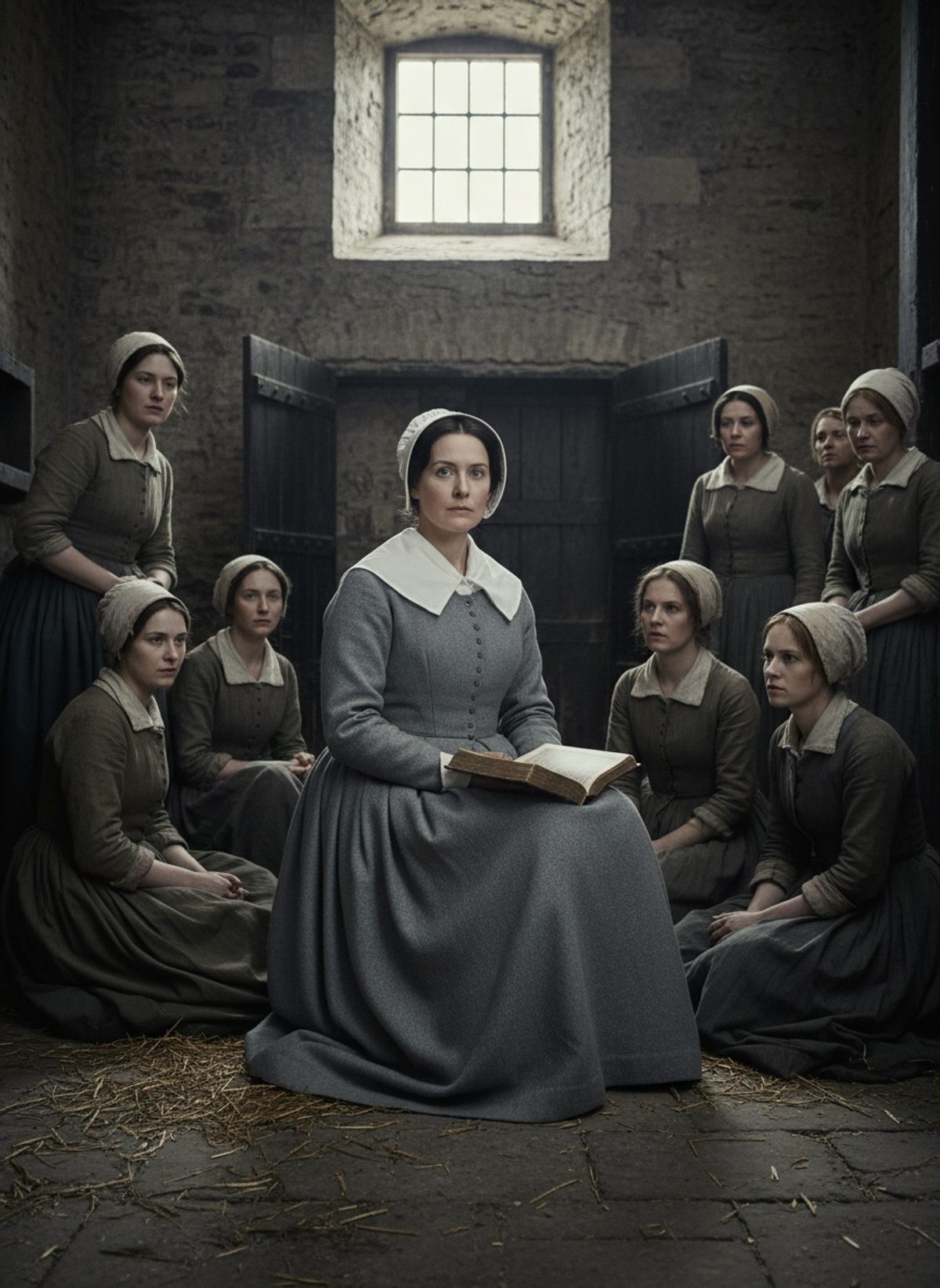
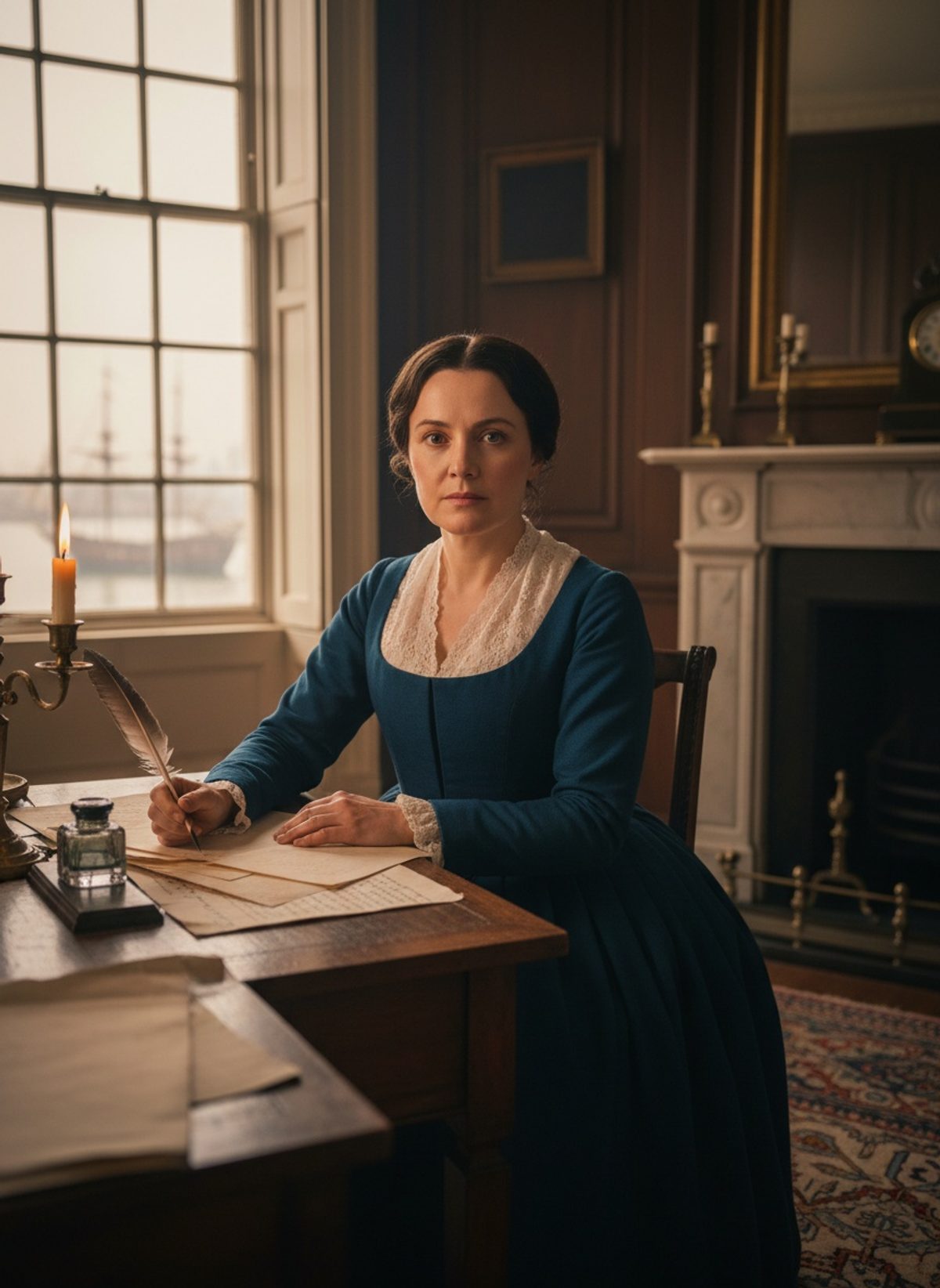
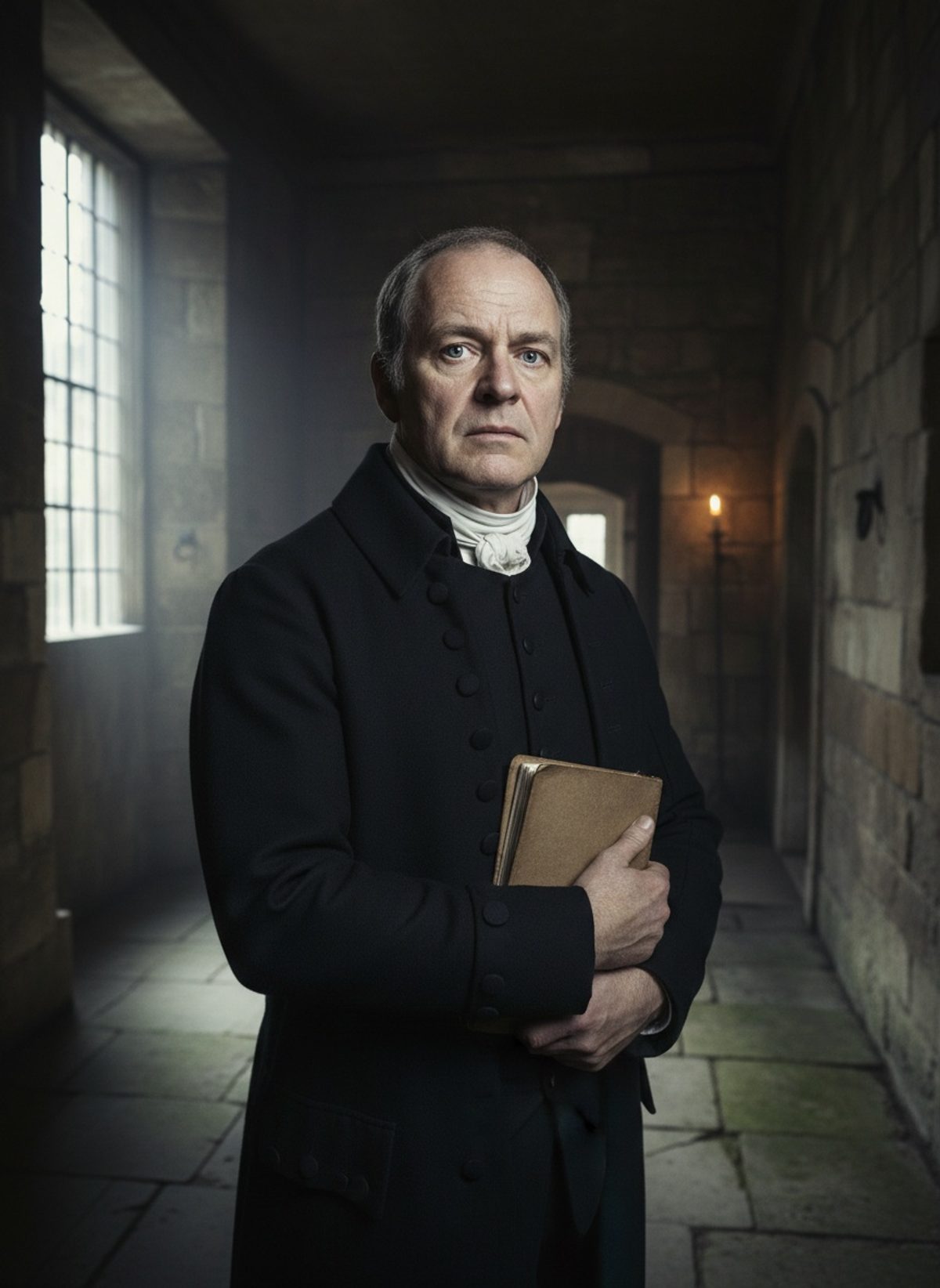
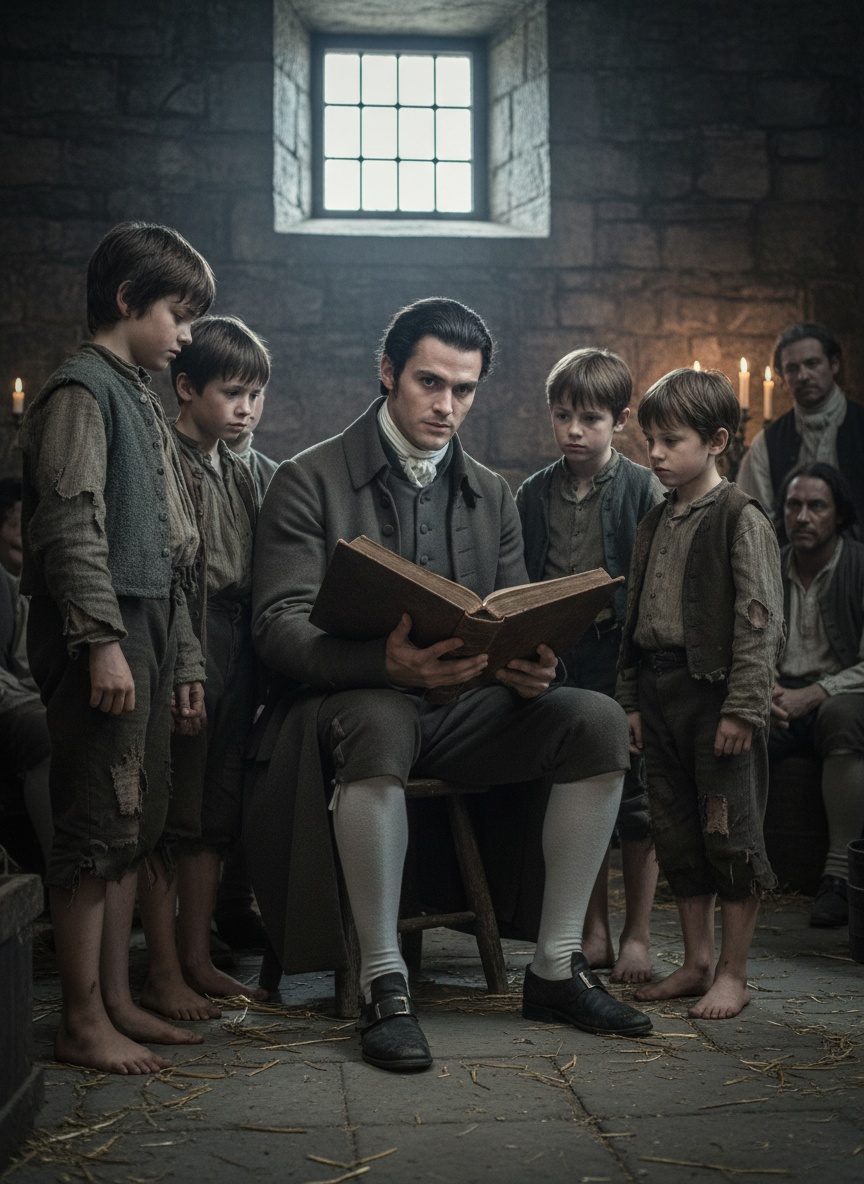
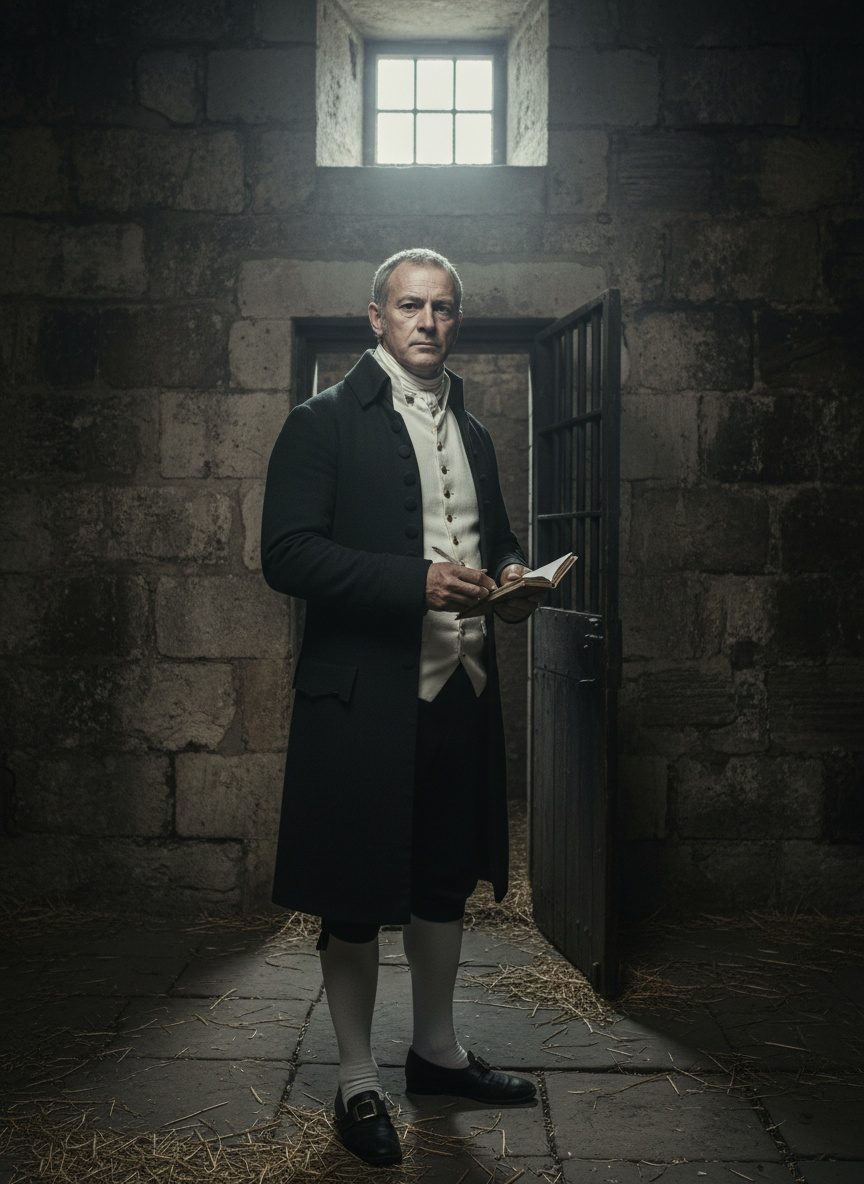
1813. Newgate Prison held 300 women in a single yard. No beds. No order. Pure chaos. Elizabeth Fry walked in alone. She read to them. Listened. Returned. The women called her an angel. Parliament called her a witness.
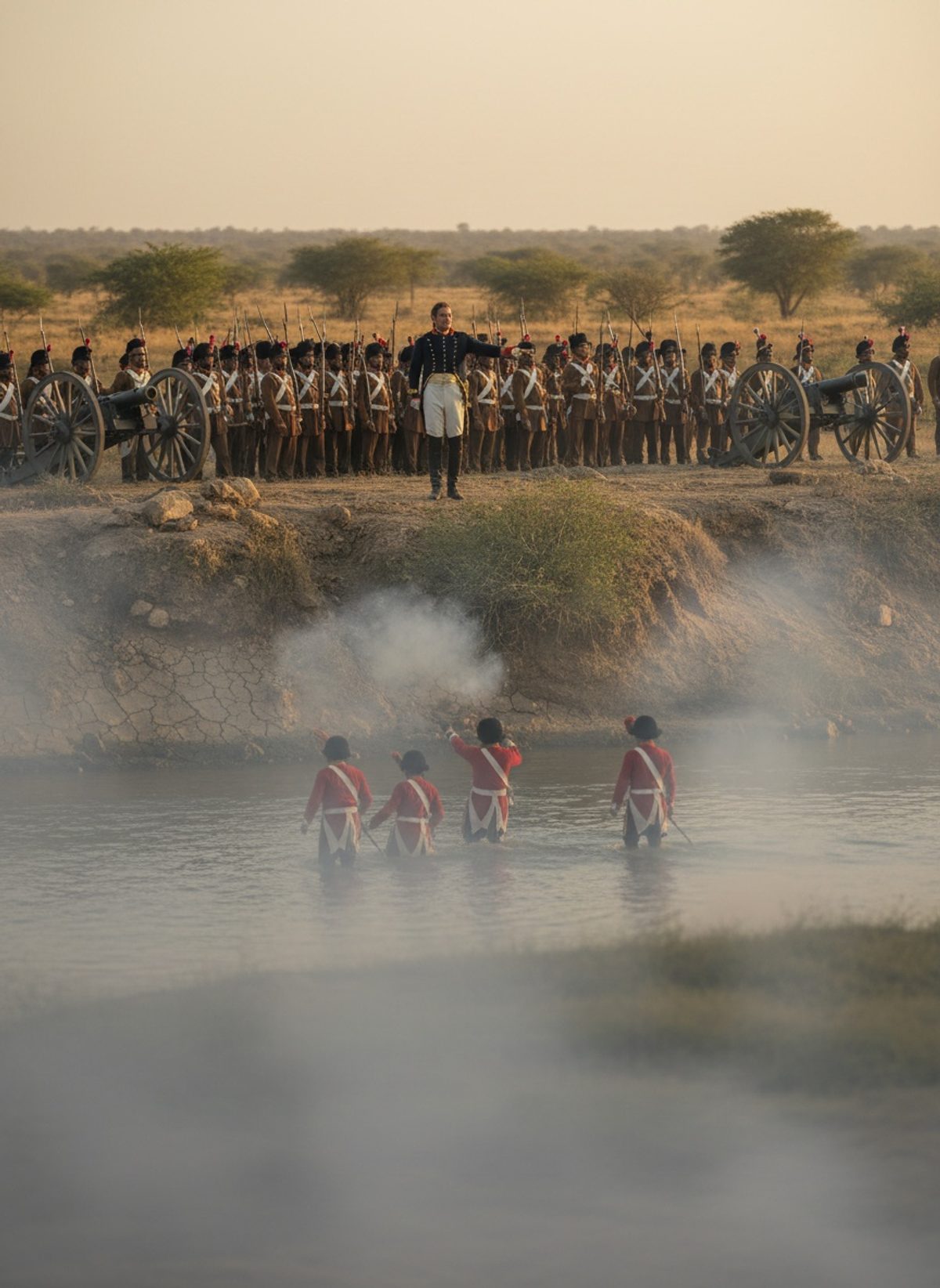
He arrived in India as a British sergeant. He deserted. By 1803 he commanded an army that nearly destroyed Wellington. His name was Anthony Pohlmann — and history forgot him.
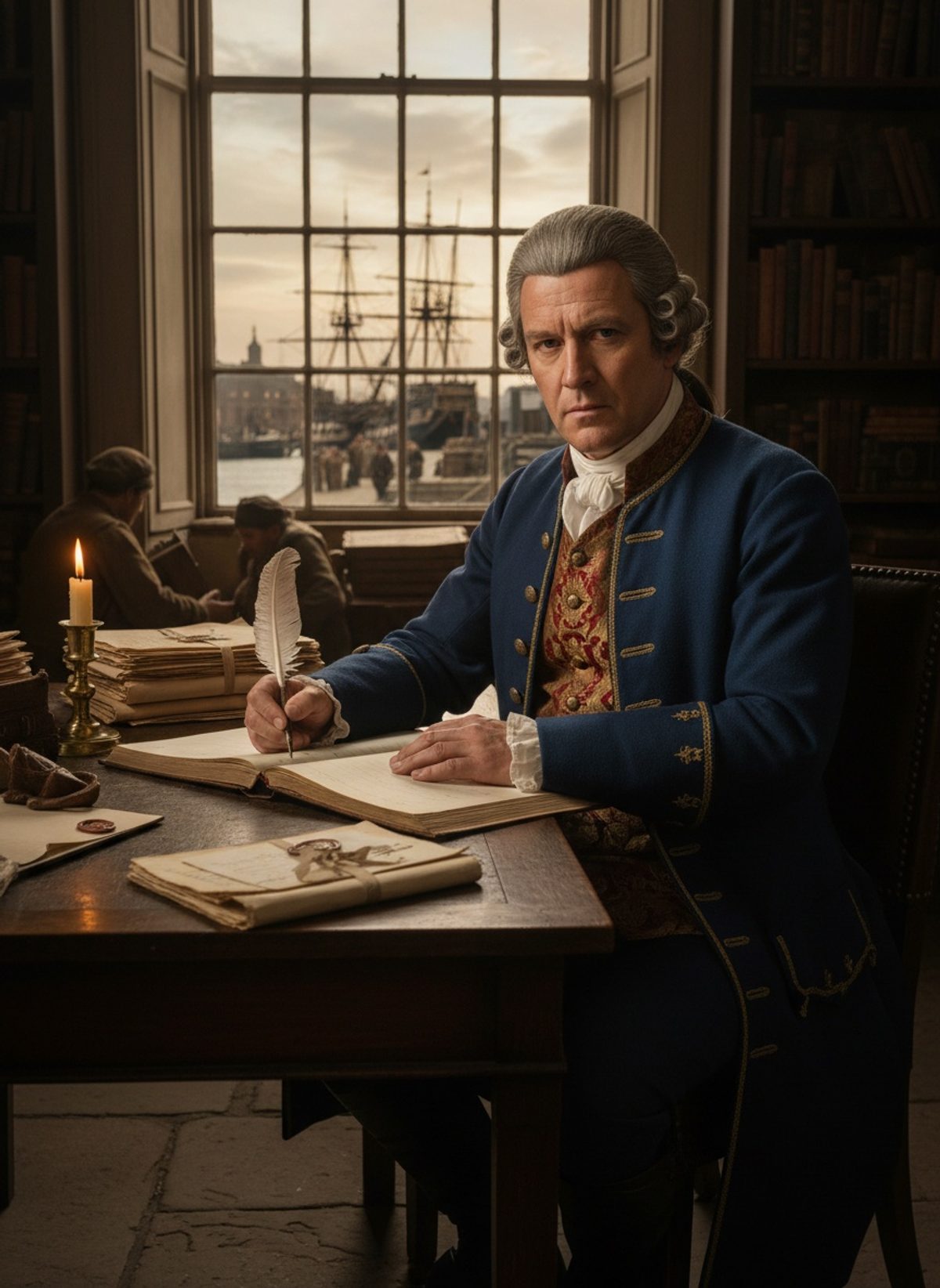
Bristol's merchants grew rich on sugar, tobacco — and human lives. One city funded more slave voyages than almost anywhere in Britain. The ledgers survived. The names are now public.
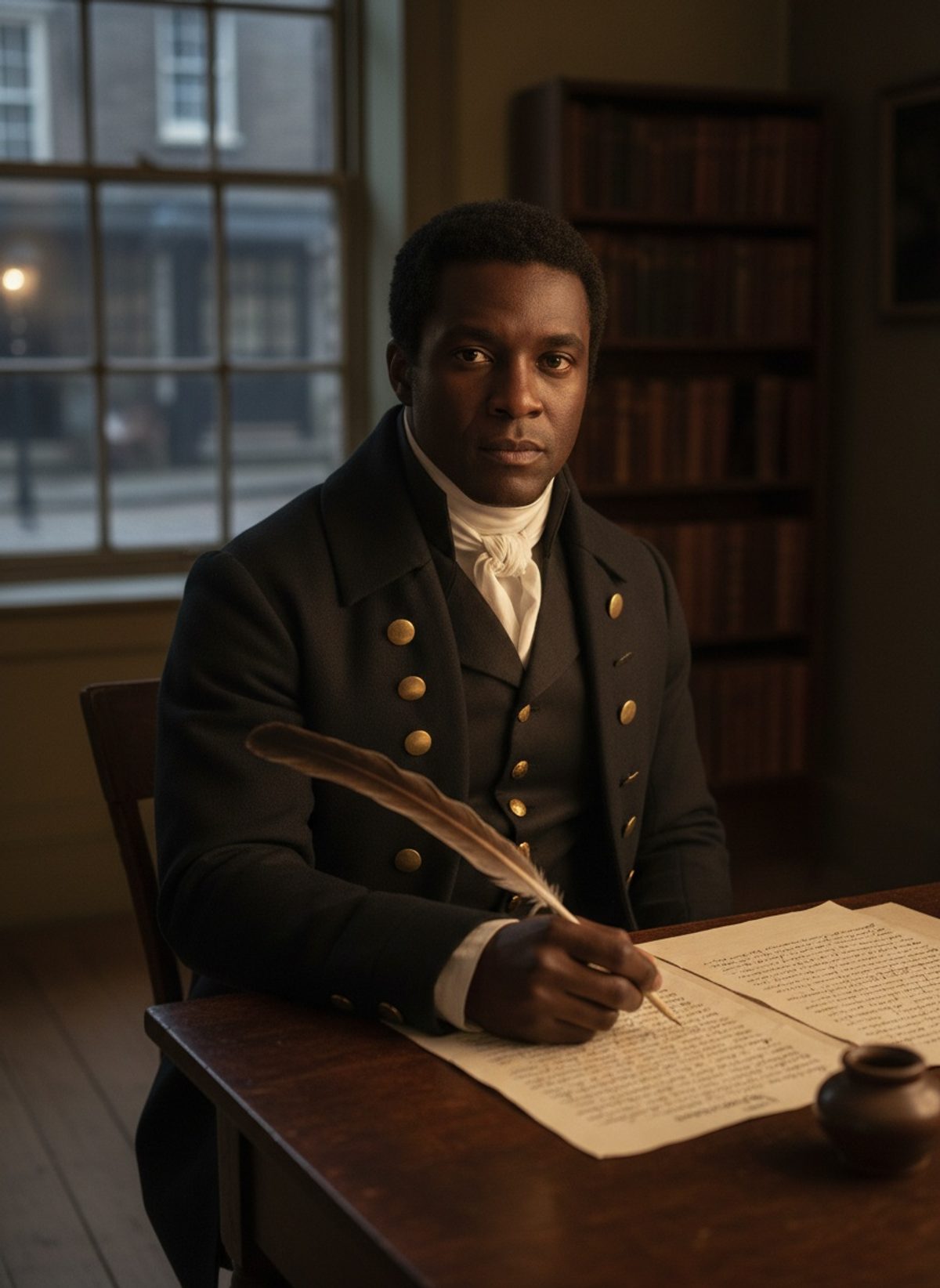
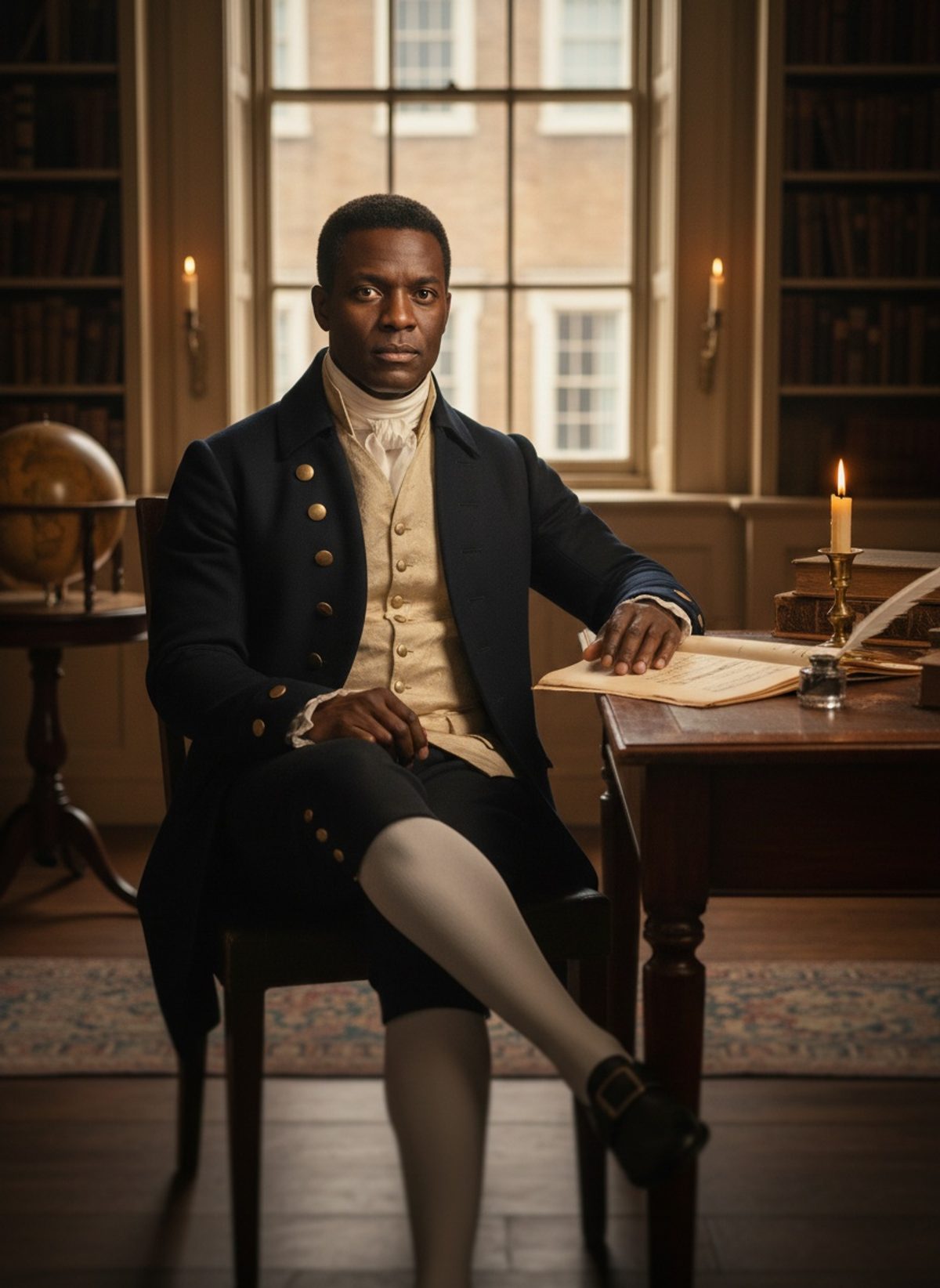
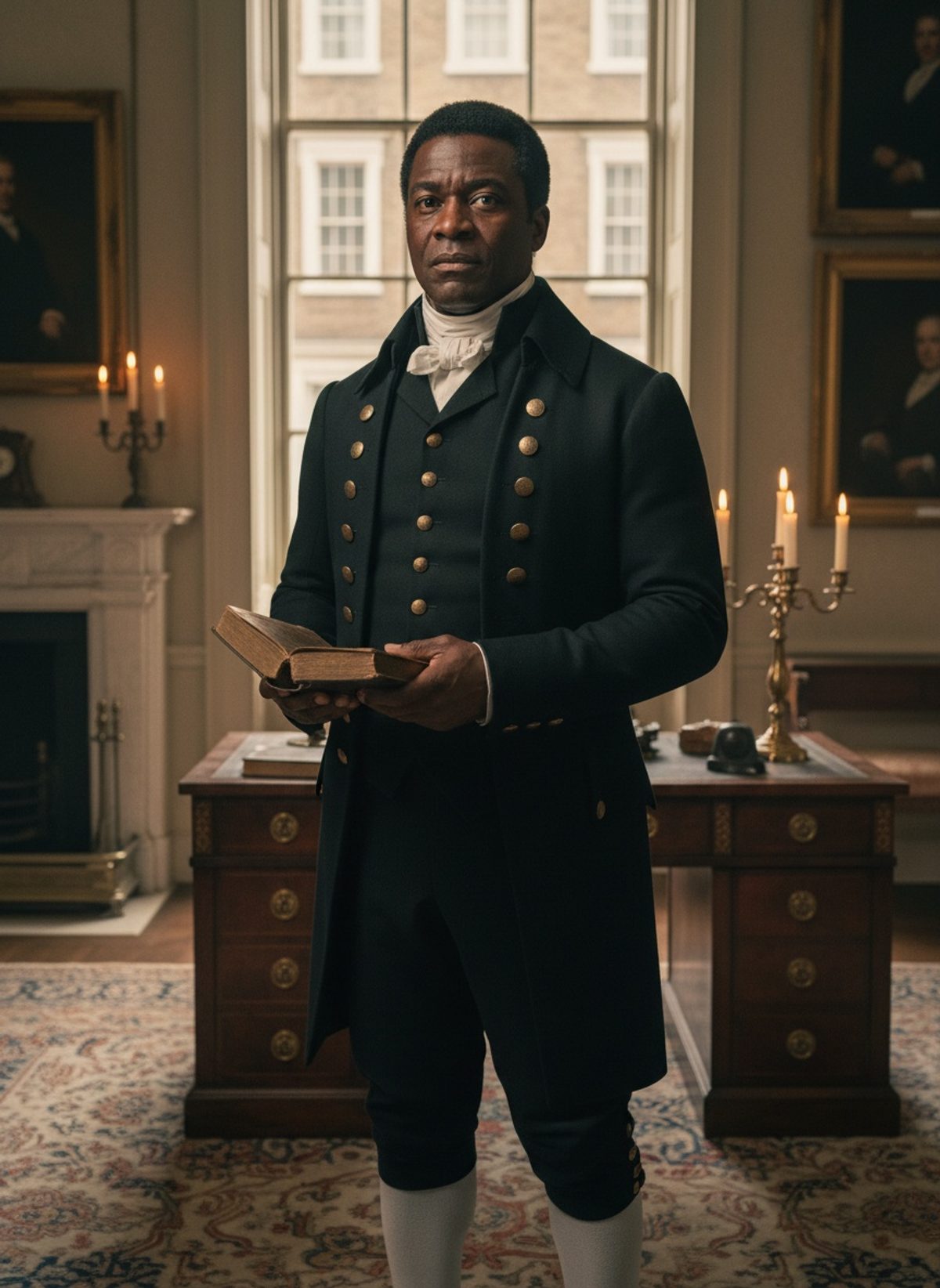
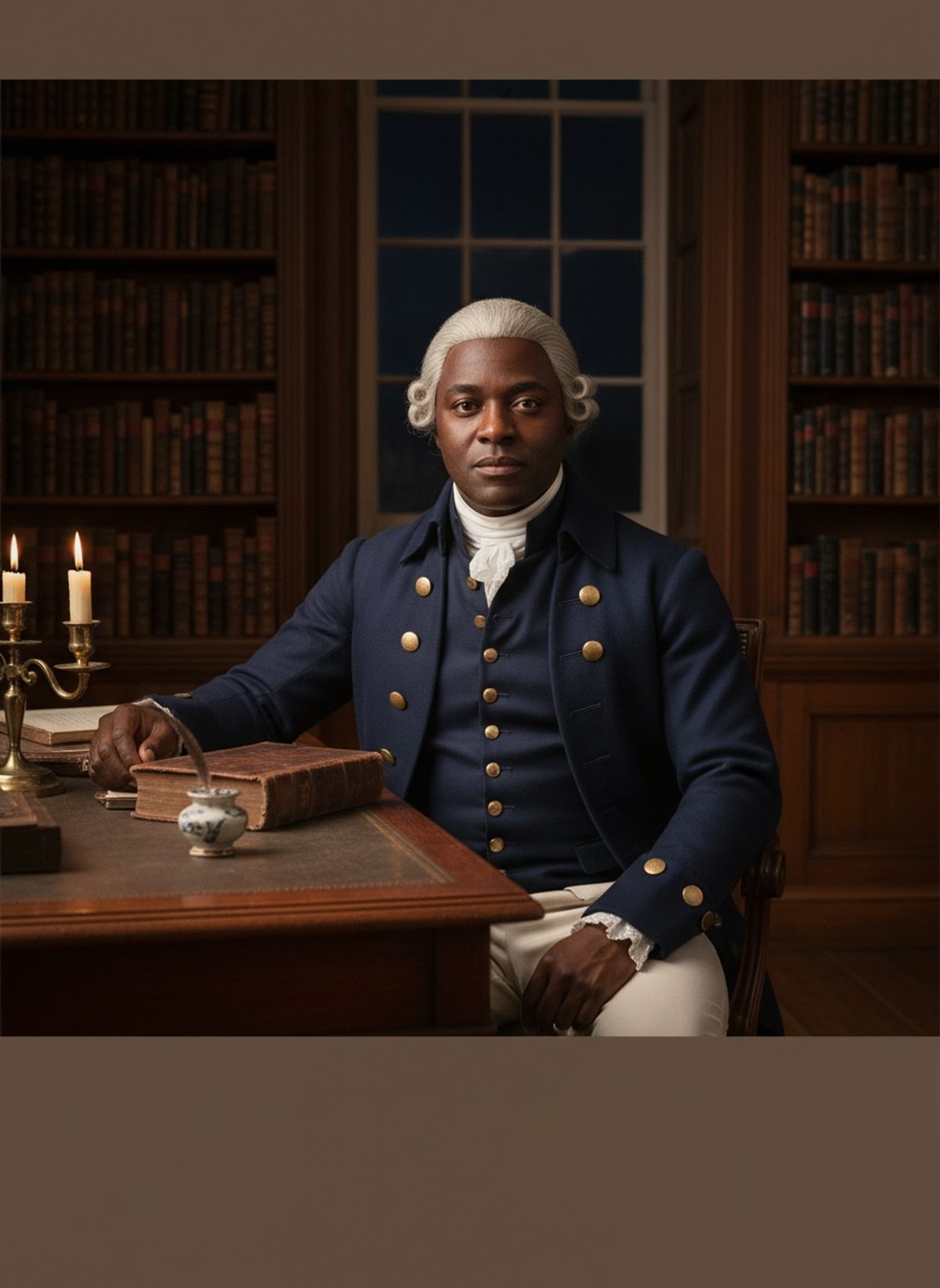
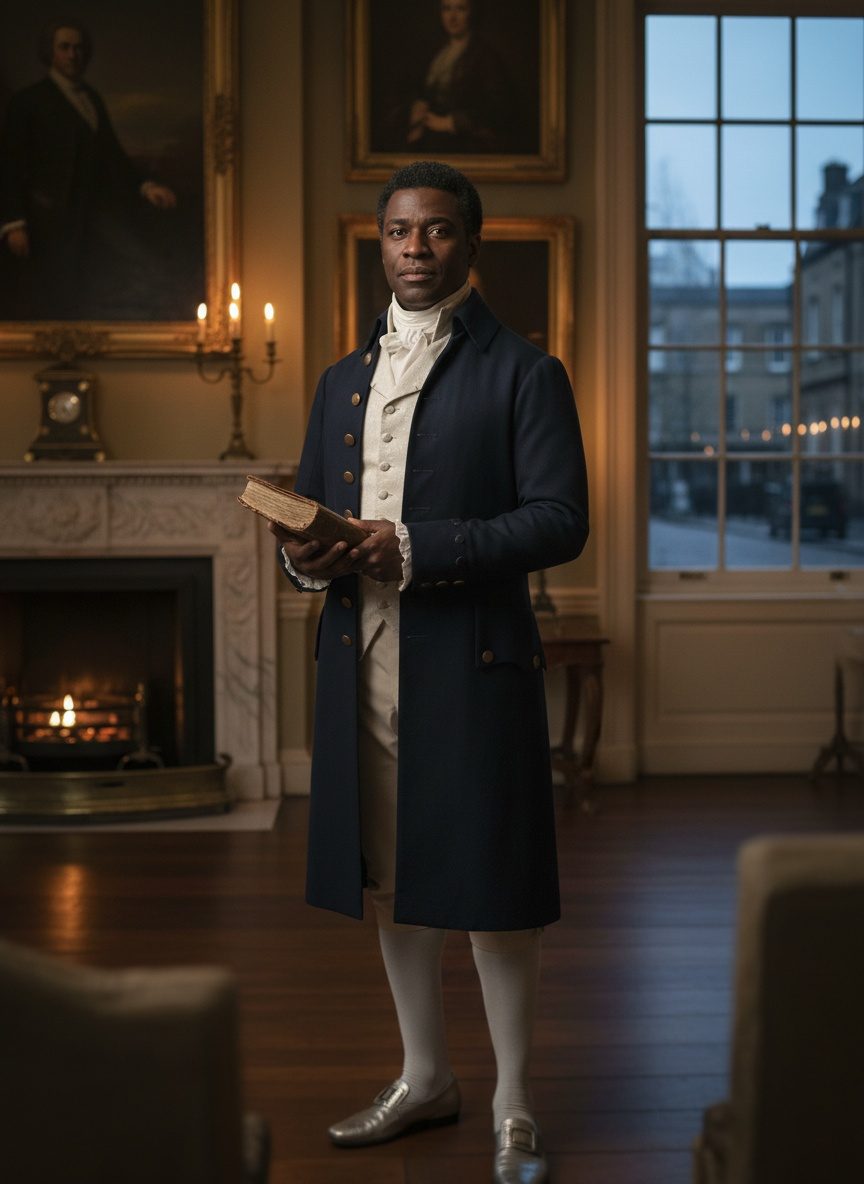
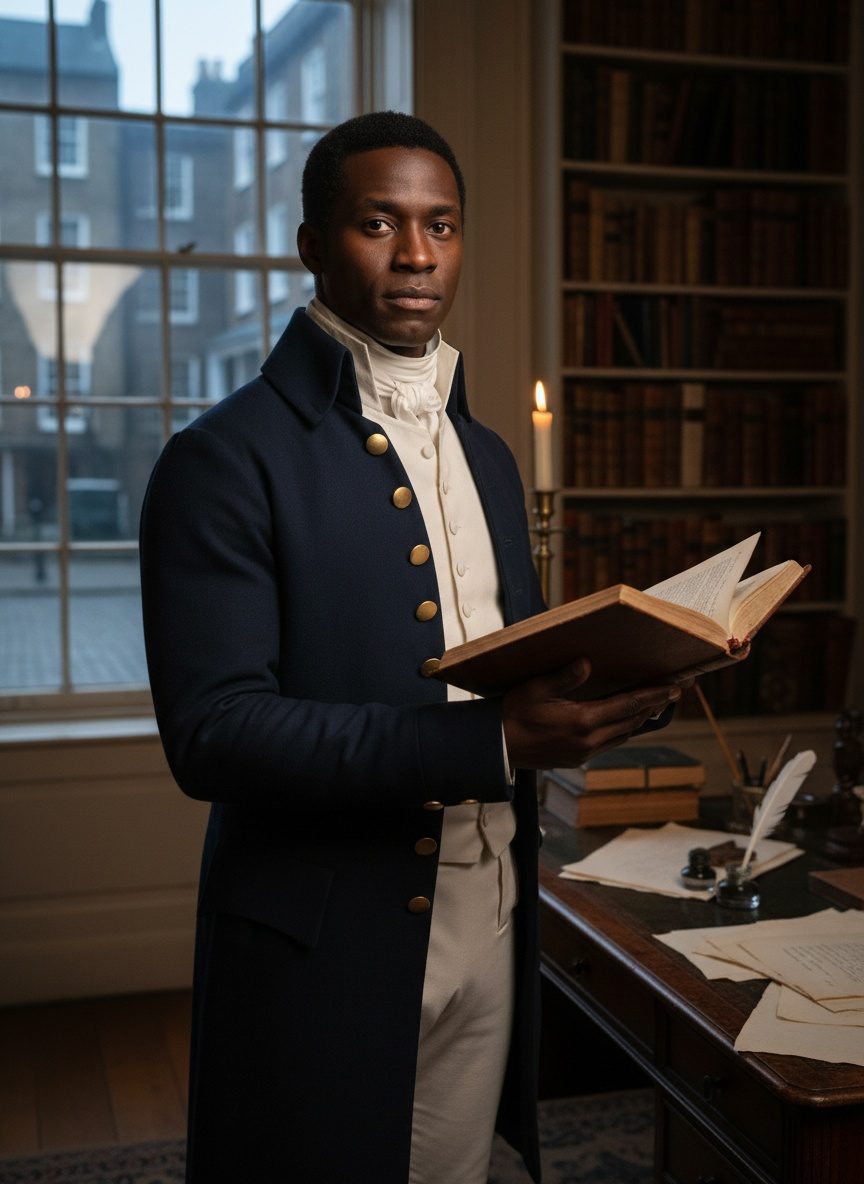
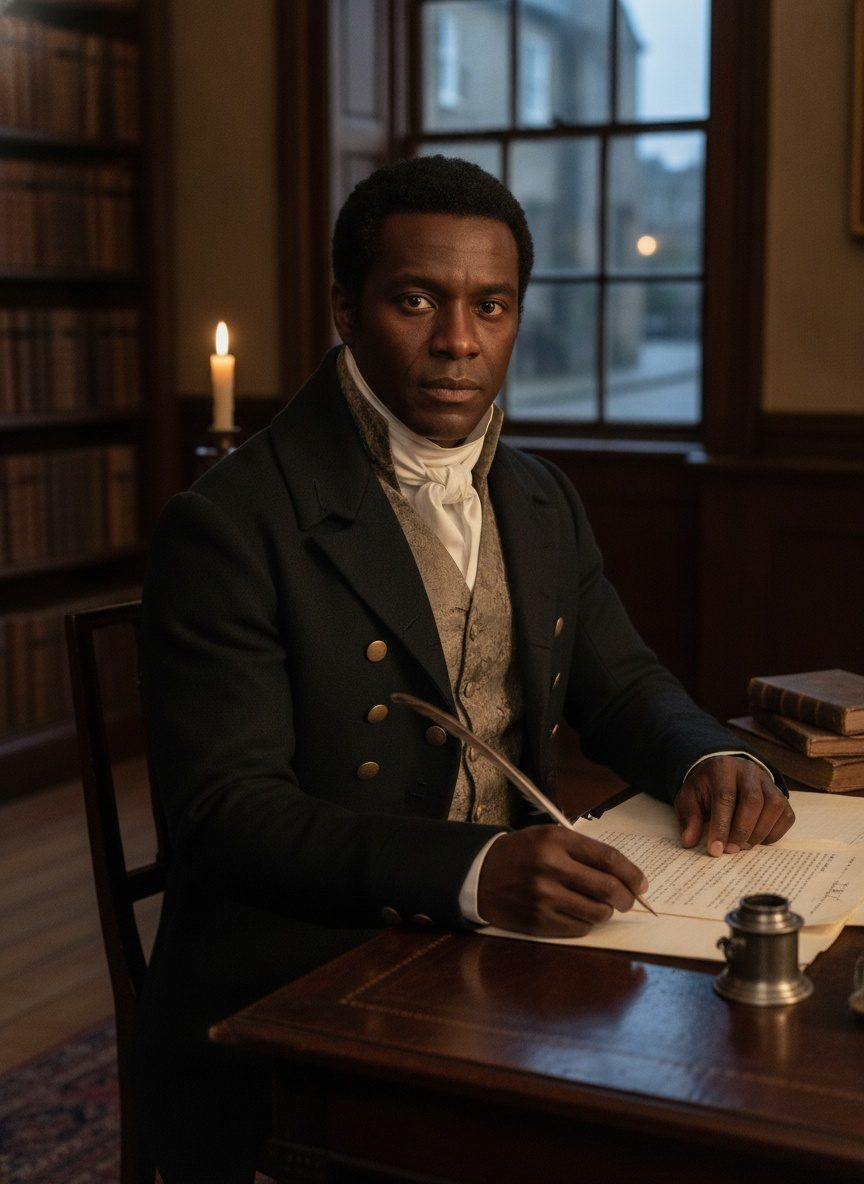
London, 1787. Olaudah Equiano had been enslaved, bought, sold, and freed. He sat down and wrote his own story. Britain read it. Nothing was the same.
London, 1807. Olaudah Equiano was dead. But his words were not. His memoir had reached every drawing room in Britain. The men who voted to end the slave trade had read every page. One man's story changed a nation.
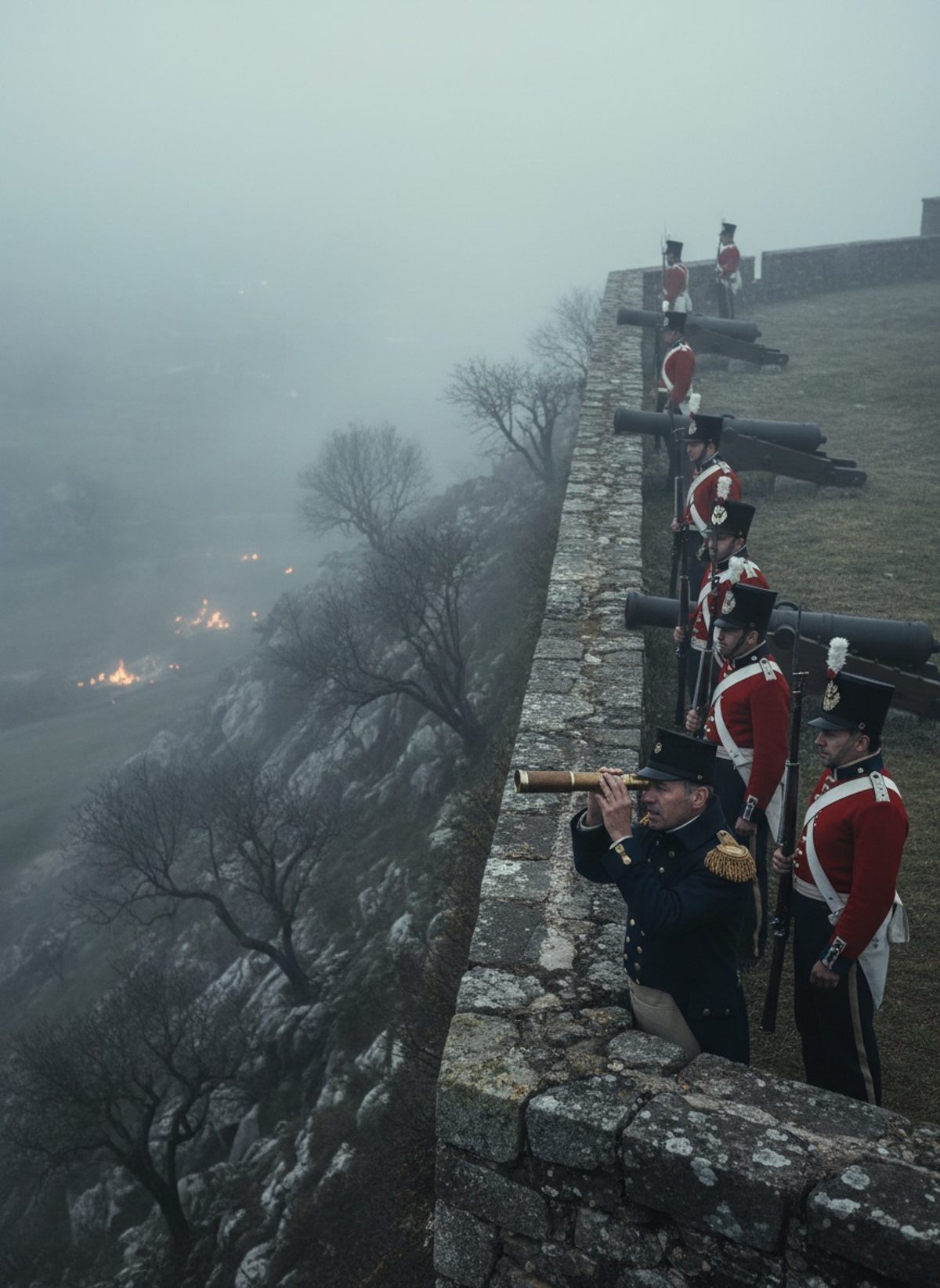
Wellington built 152 forts in secret. Masséna's army walked into them. For five months, 65,000 French soldiers starved outside Lisbon. They left 25,000 men behind.
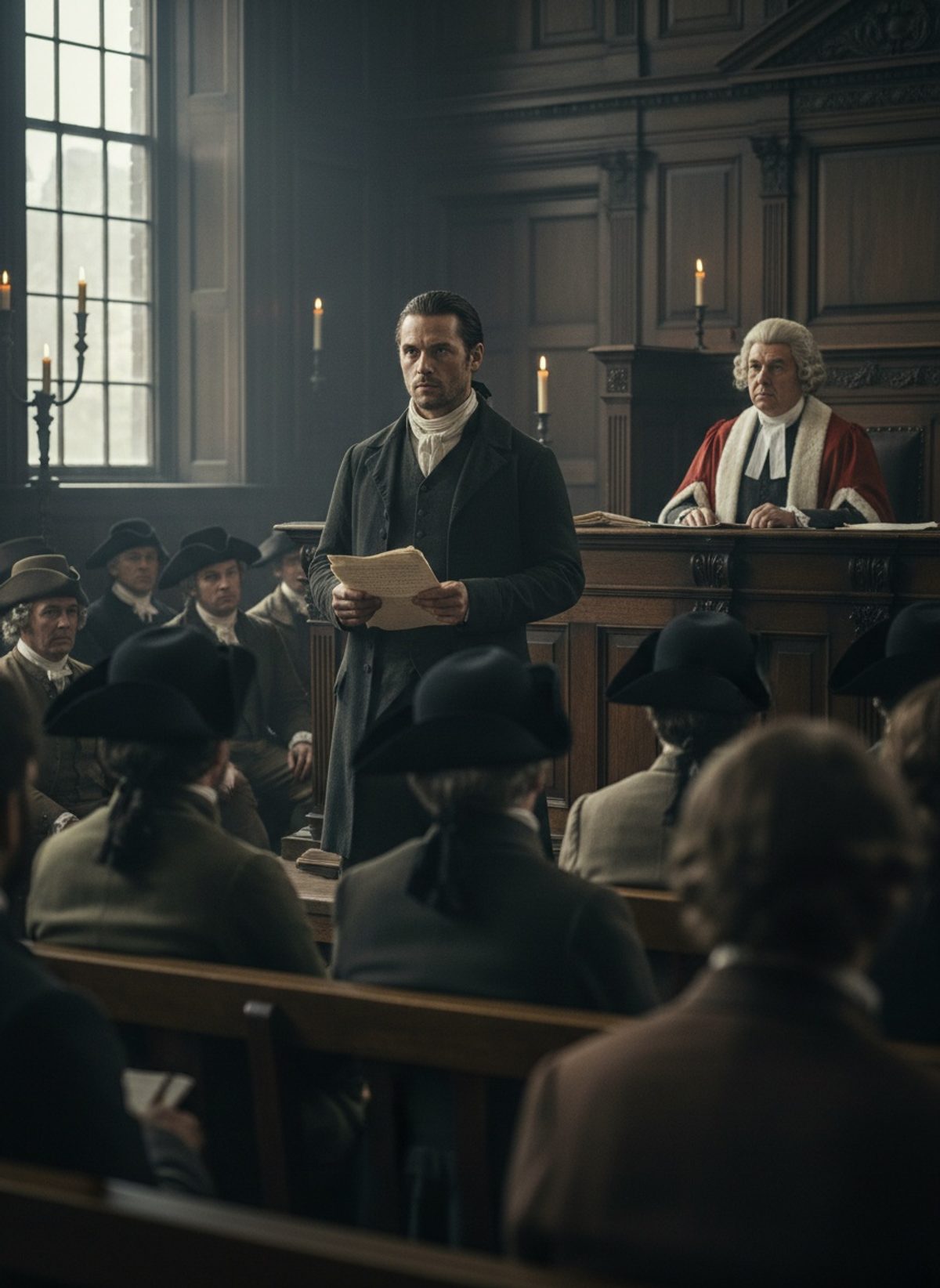
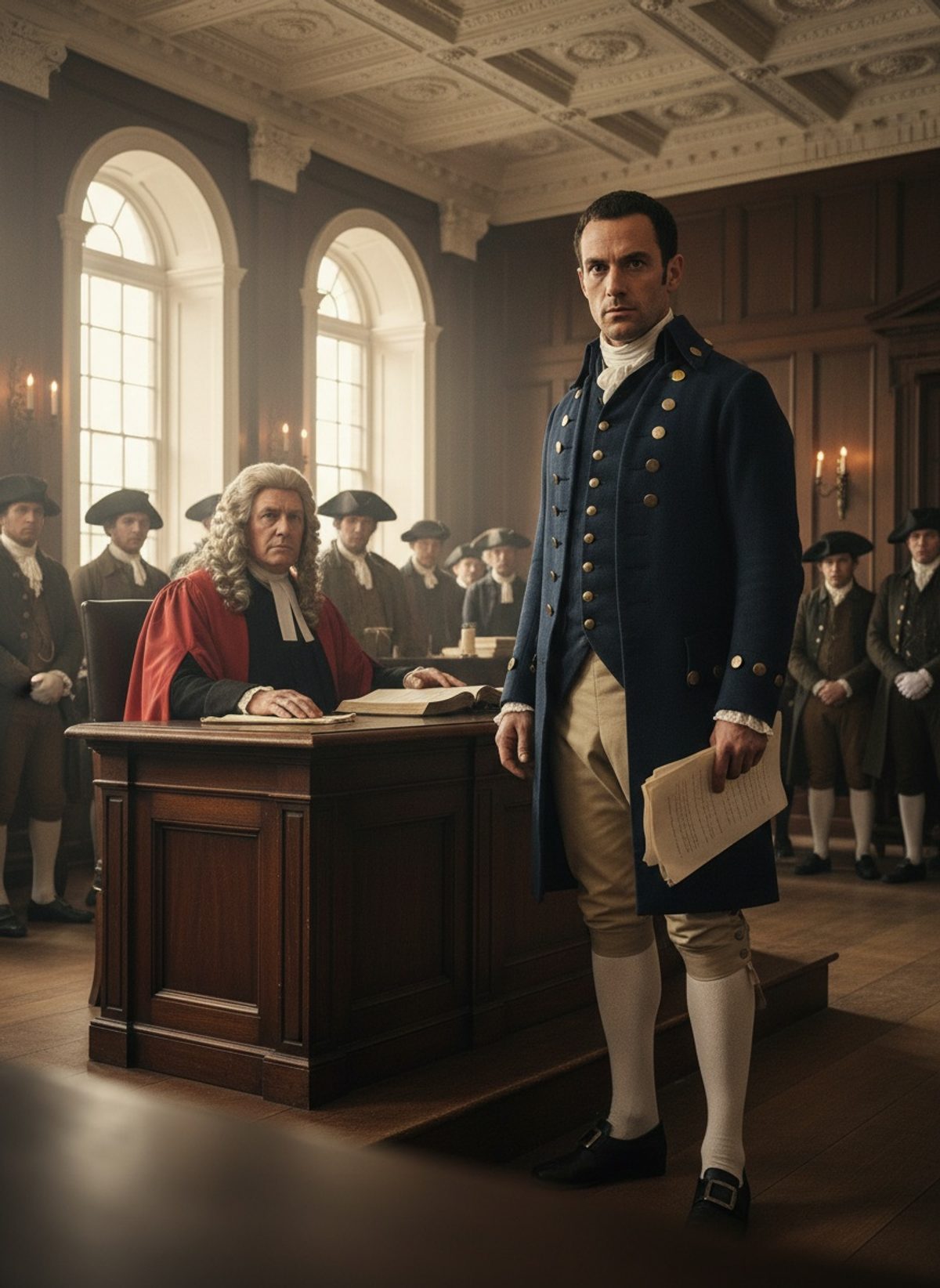
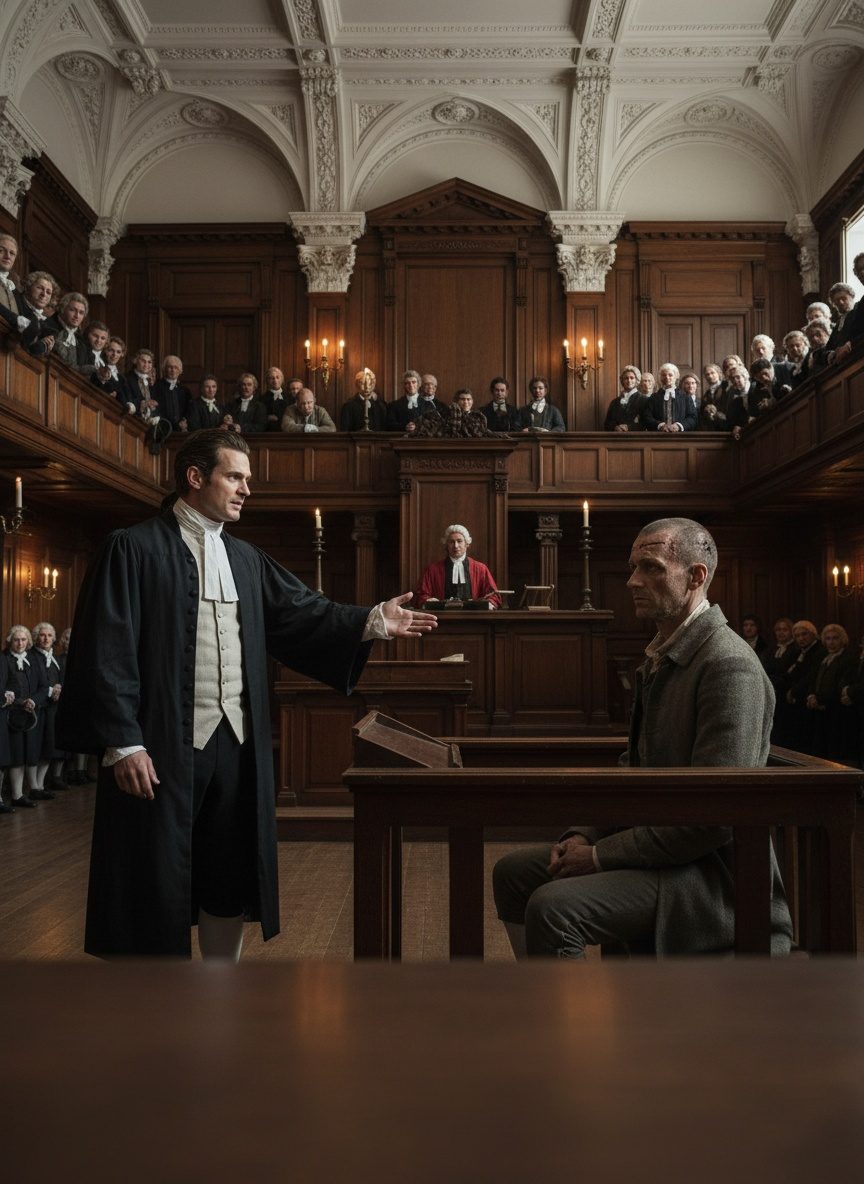
London, 1772. A man named Jonathan Strong had been beaten, abandoned, and recaptured. One clerk refused to let it stand. He built a case. He walked into court. And he changed English law forever.
London. 1817. Newgate Prison held three hundred women. No order. No mercy. Wardens would not enter alone. Elizabeth Fry walked in. Unarmed. Alone. She sat on the filthy floor. And began to read.
Bristol. 1787. A ship sat in harbour. Its captain boasted openly. Hannah More listened. She picked up her pen. She did not stop writing. England could not stop reading.
London, 1772. A Black man named James Somerset lay dying. His master planned to sell him to Jamaica. One lawyer refused to let it happen. The judge ruled. No master could remove a slave from England by force.
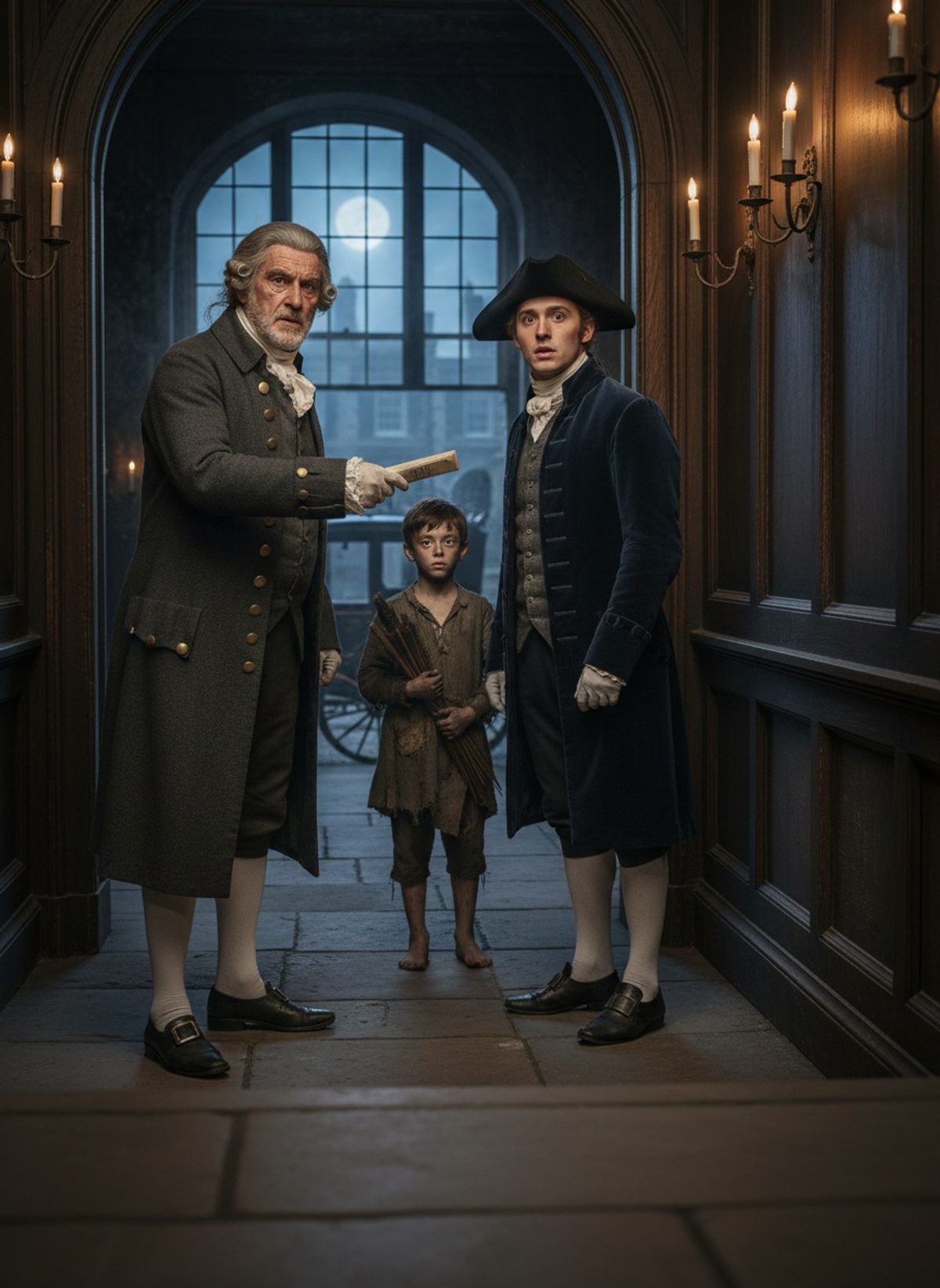
London. 1788. Climbing boys as young as four were forced up burning flues. Jonas Hanway had watched them die for years. He walked into Parliament alone. He refused to leave without a law. He got one.
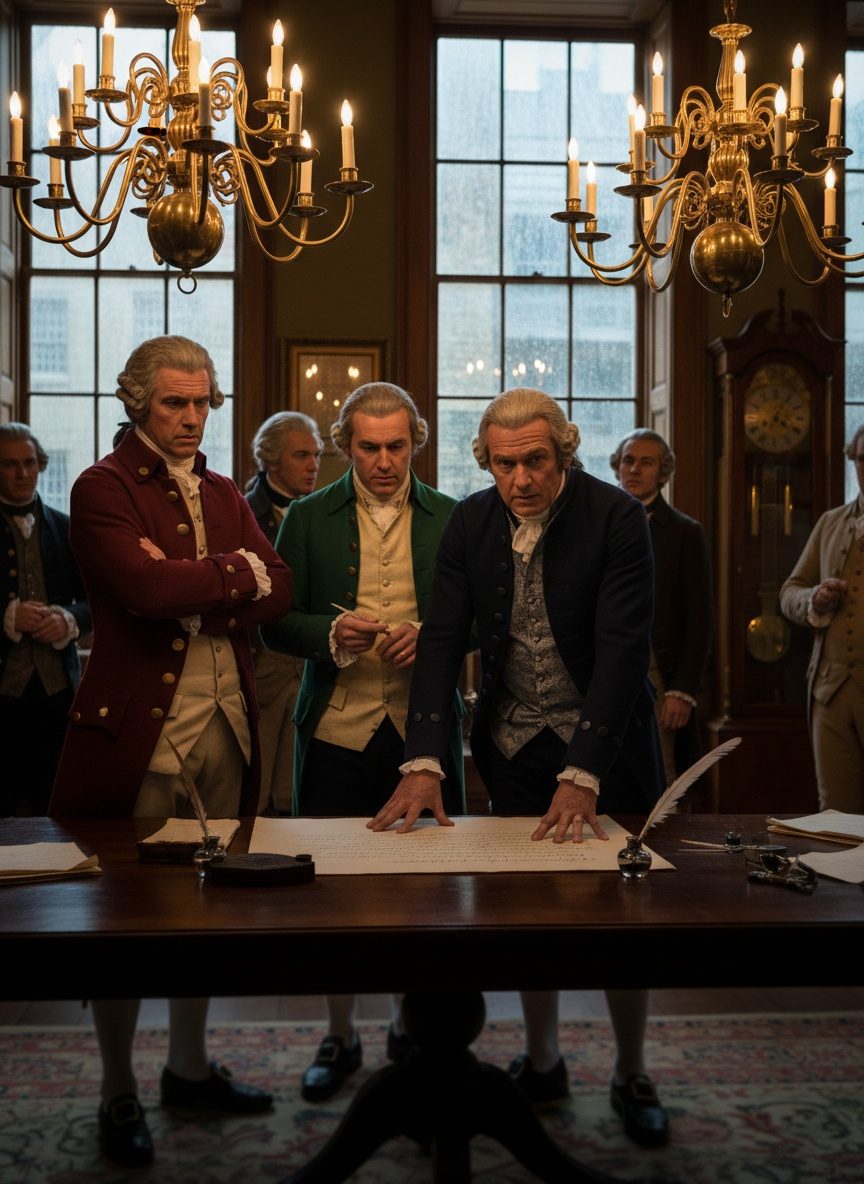
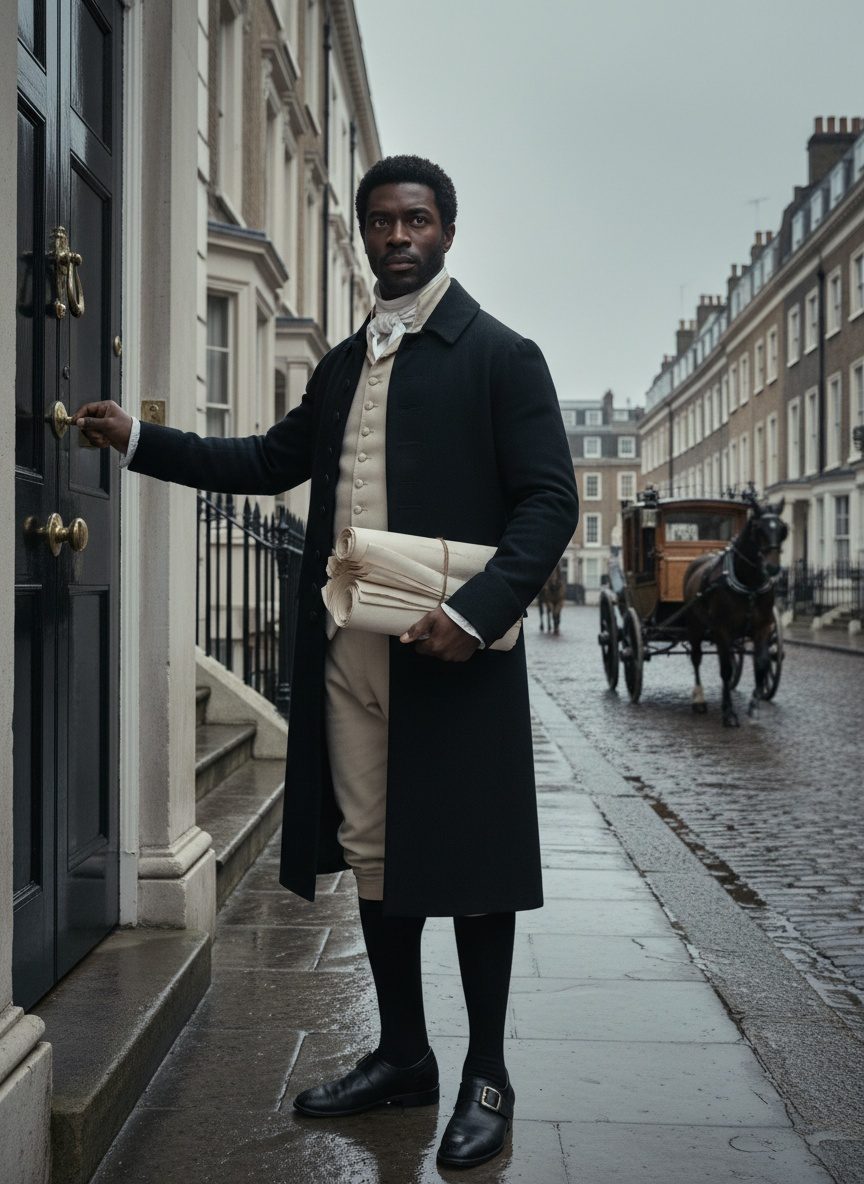
London, 1788. Olaudah Equiano walked into the drawing rooms of power. A man once sold. Once chained. Now holding a book that bore his own name. He handed it to the men who could end it all.
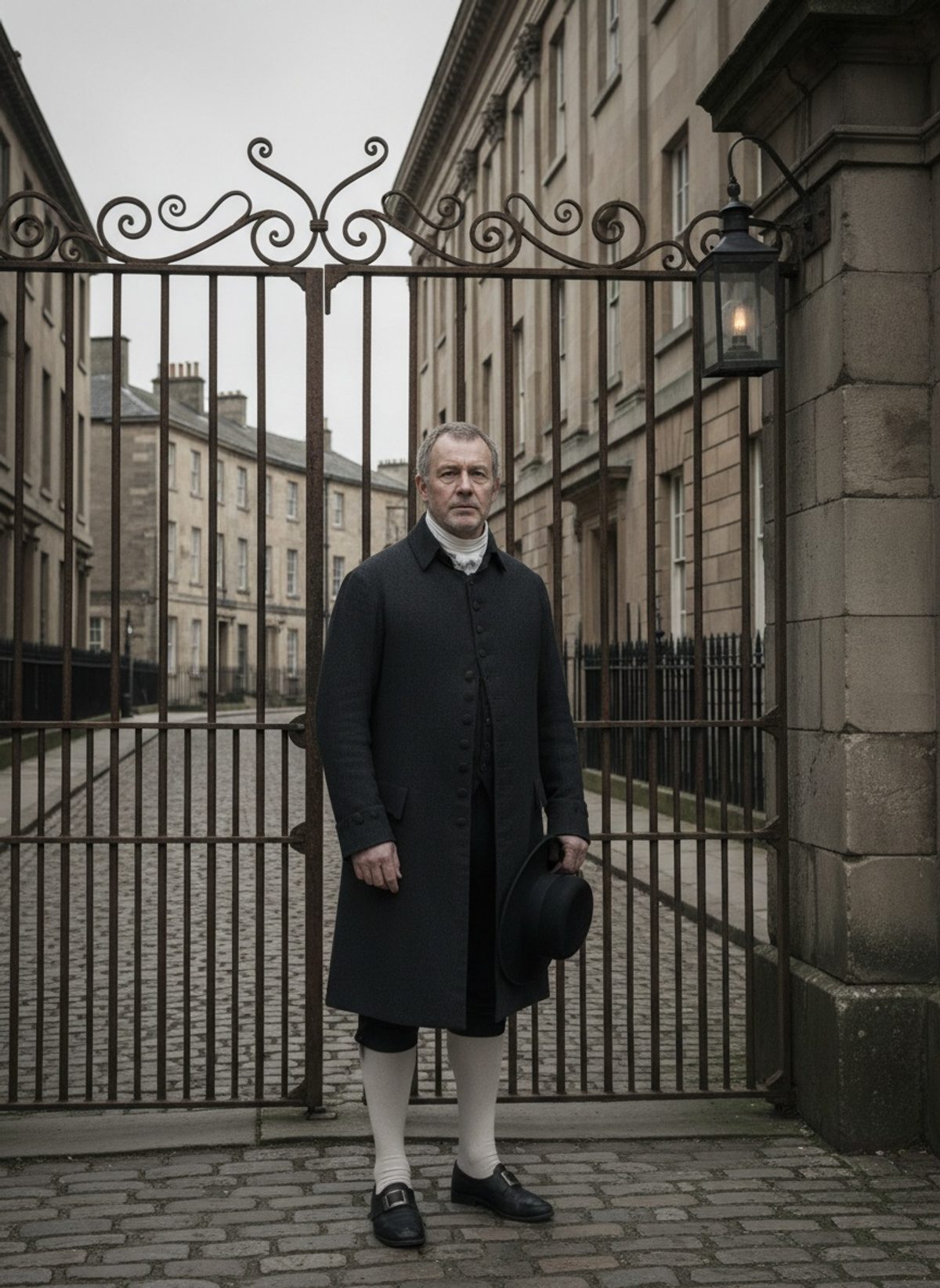
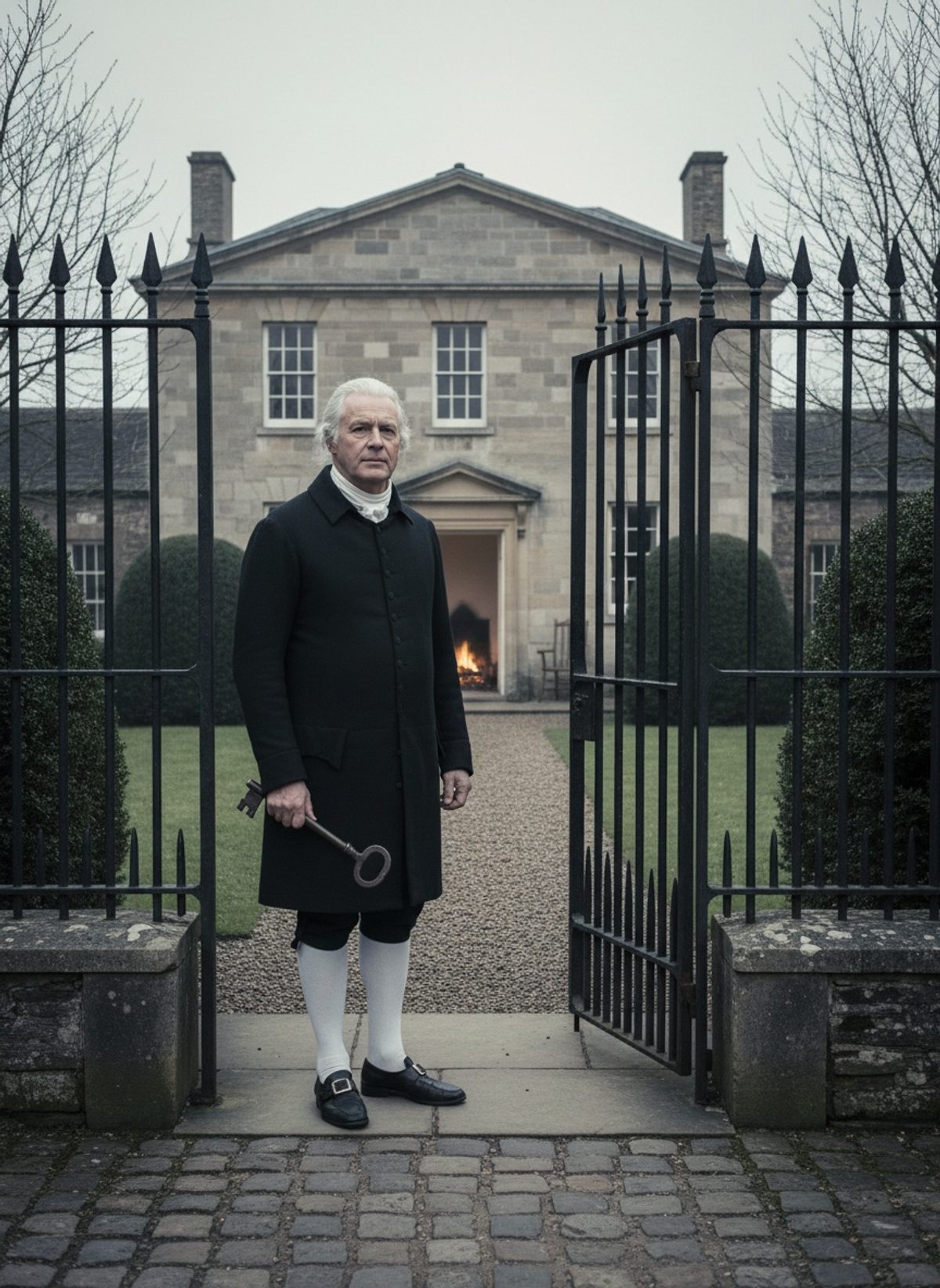
York, 1791. A tea merchant visited a Quaker woman locked in an asylum. She died before he could help. He went back anyway. What he found inside changed everything.
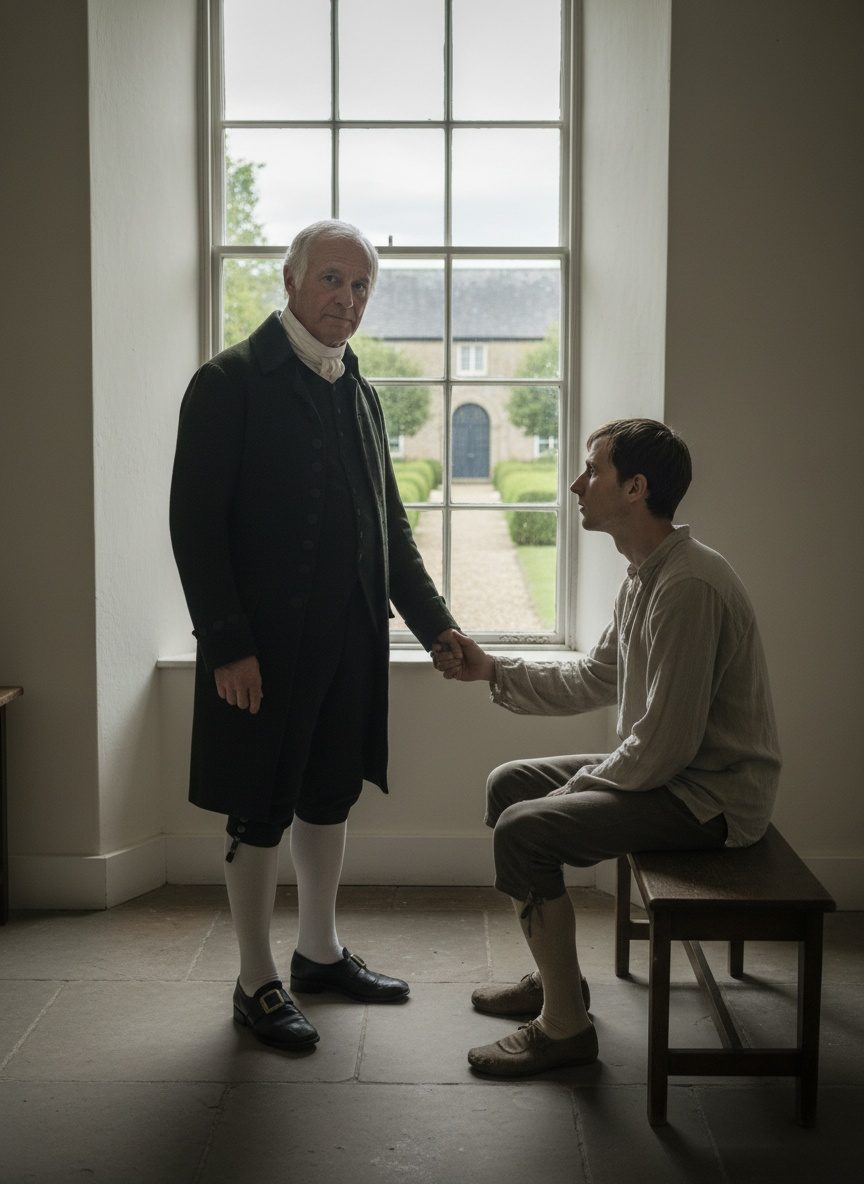
York, 1791. William Tuke visited a Quaker woman in the city asylum. She was chained to a wall. He walked out. Then he built something England had never seen.
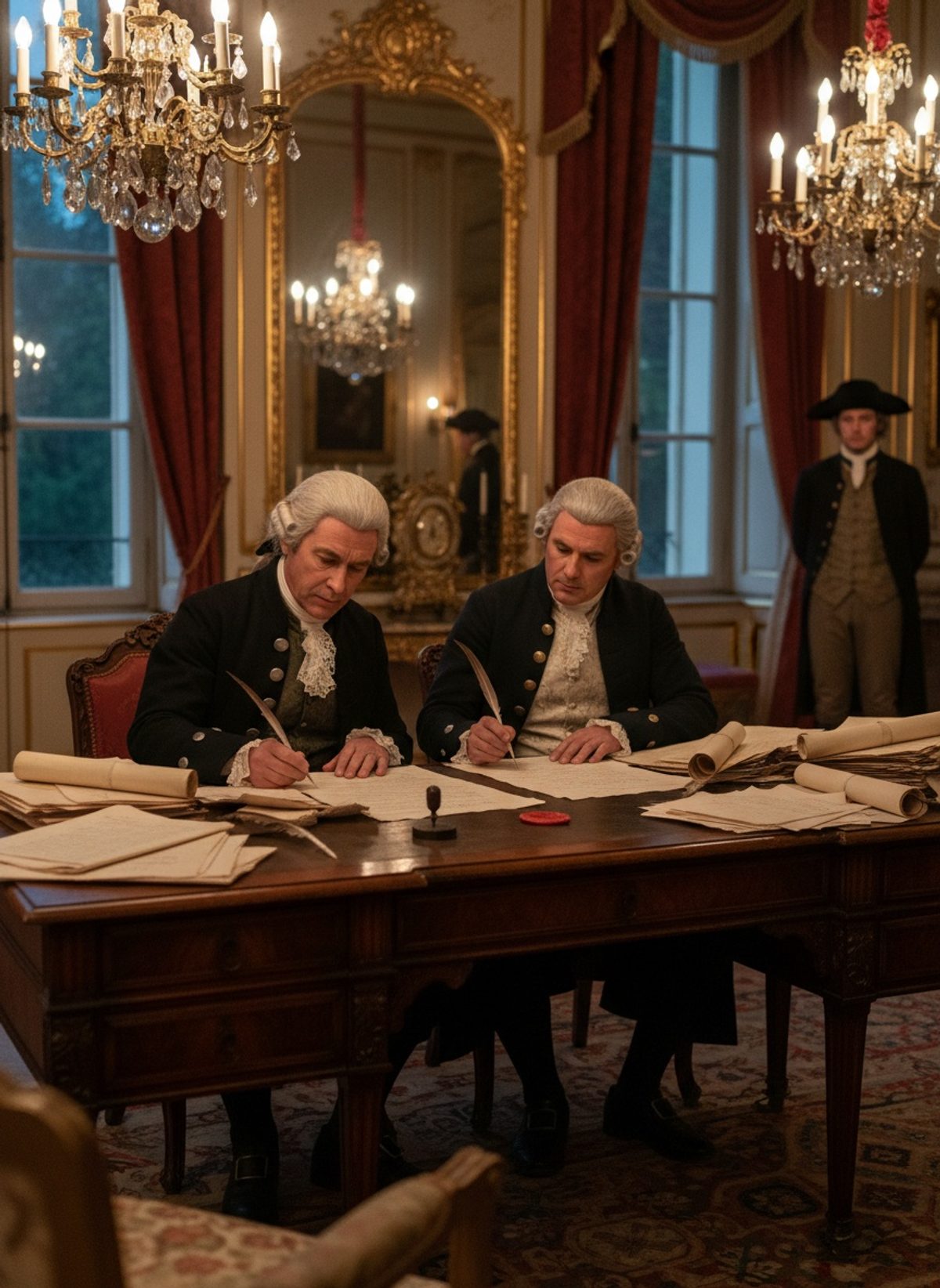
Britain lost America at a treaty table in Paris. The man who signed it had once governed New York. The ink dried on 3rd September 1783. Nobody cheered.
London, 1789. Olaudah Equiano had been a slave. He had bought his own freedom. Now he stood before packed halls across Britain. He spoke. They wept. They signed. Nothing was ever the same.
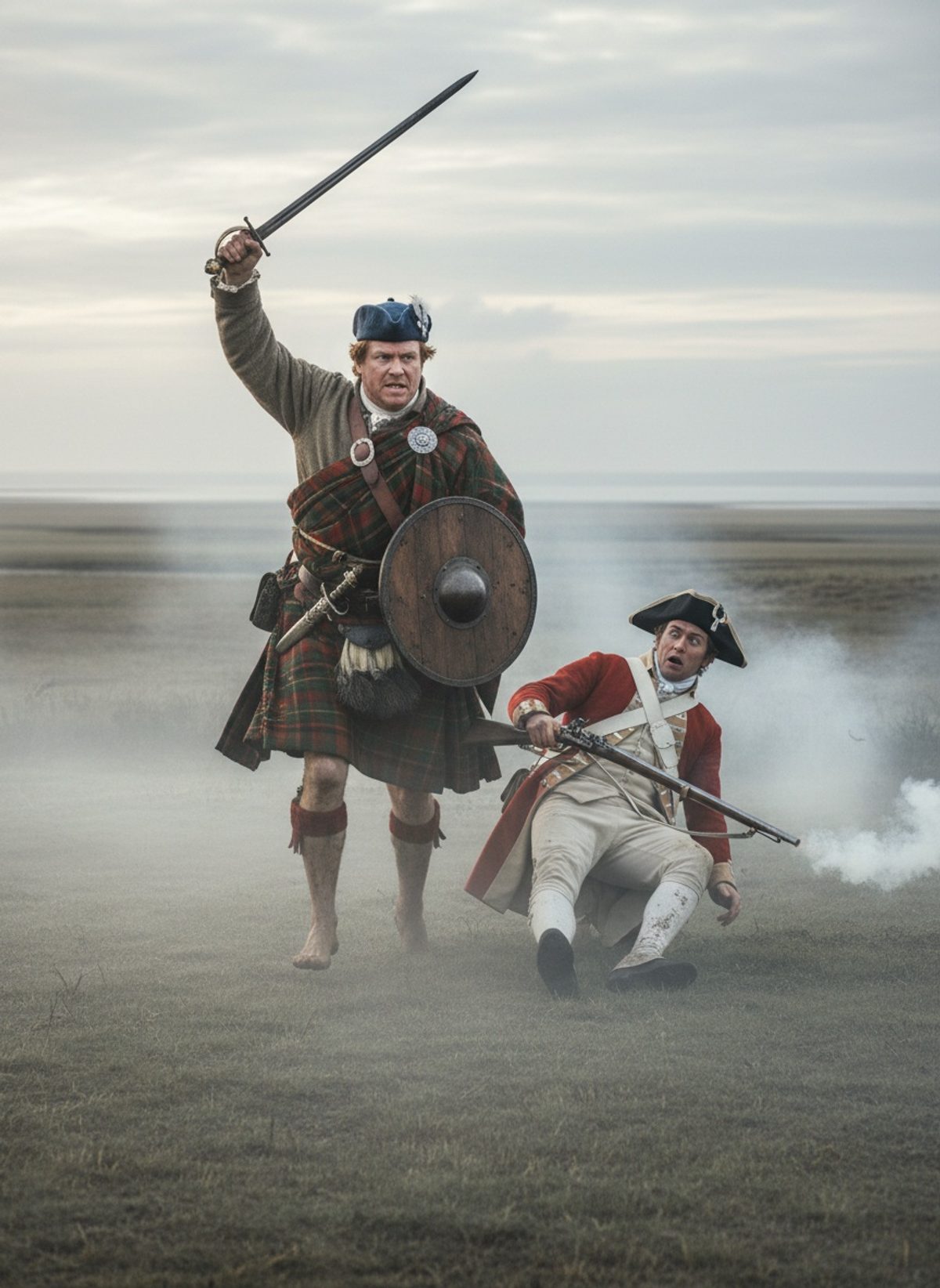
One Highland charge. Less than twelve minutes. The finest government army in Britain shattered. The man who broke it had never commanded a battle in his life.
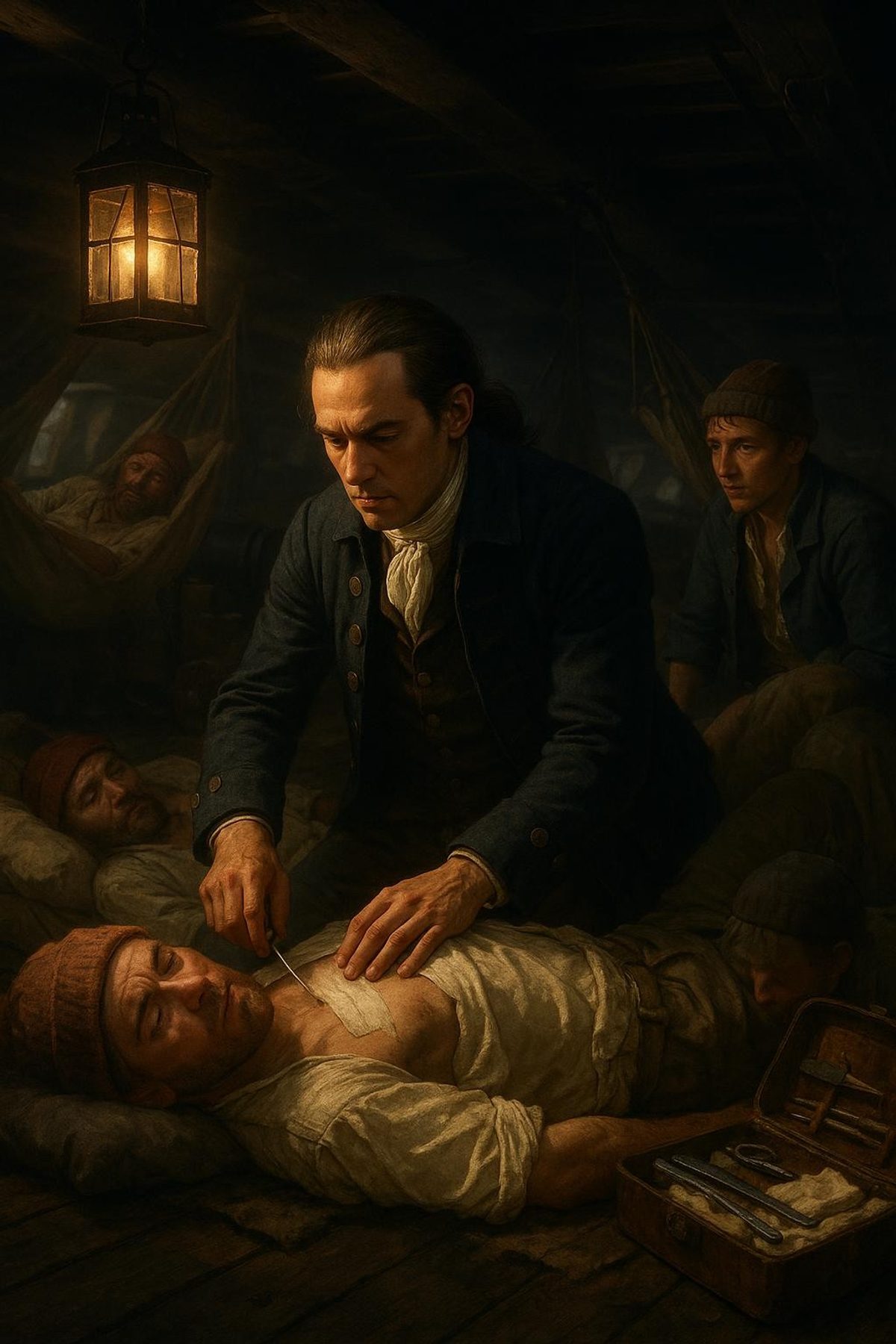
The ship was on fire. The wounded couldn't move. Surgeon Thomas Trotter had one choice. He stayed. In four hours below decks, he saved over 500 men — and rewrote how the Navy thought about its sailors.
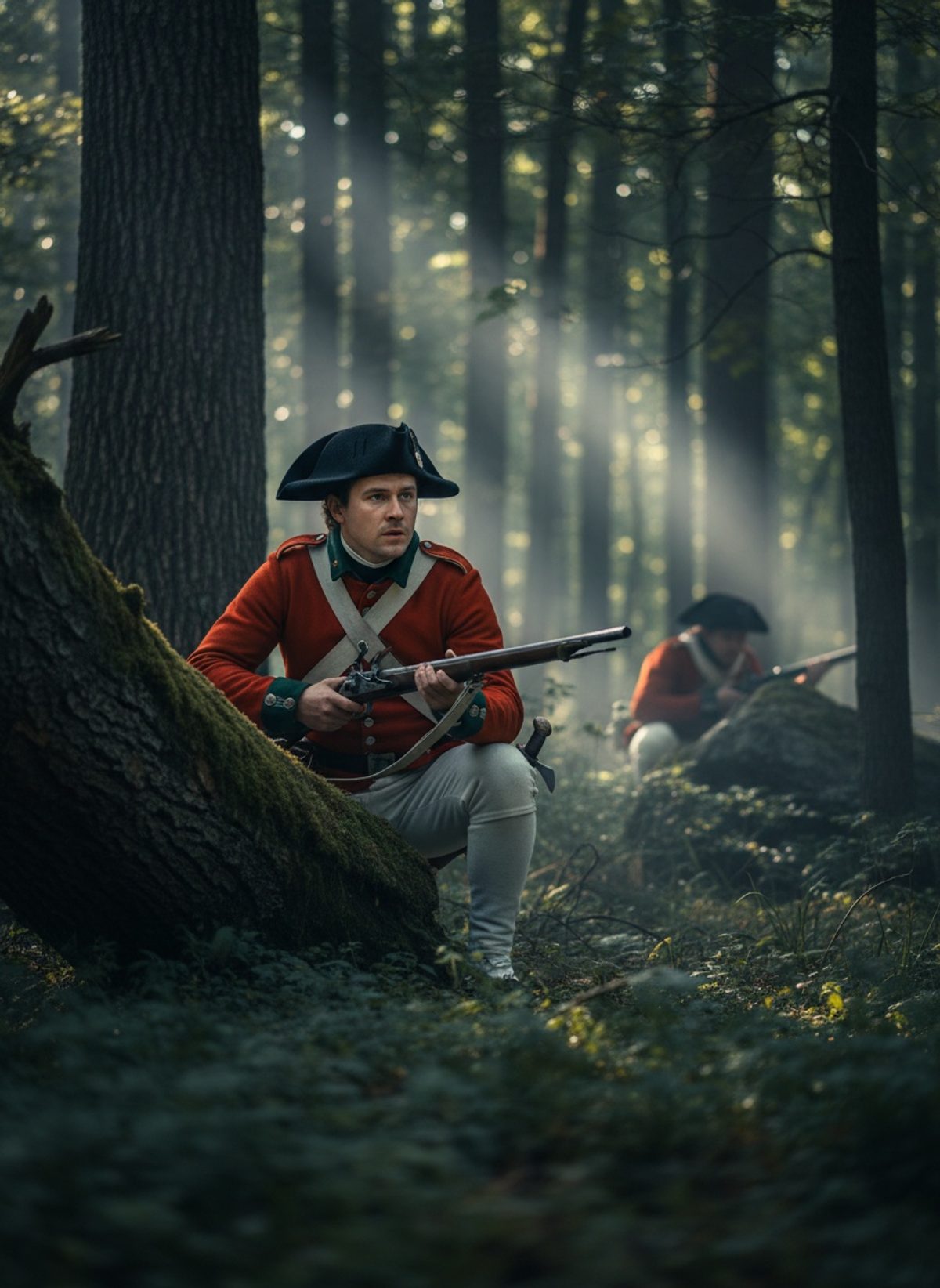
1755. A British column marched into American forest in perfect order. It was cut apart in three hours. Nearly 1,000 men fell. The army that survived went home and built something the world had never seen.
Britain lost thirteen colonies in 1783. The war cost her dearly. Then came Trafalgar. Then Waterloo. Then an empire covering a quarter of the earth. Losing America did not break Britain. It freed her.
London, 1792. The patients of Bethlem Hospital were chained to walls. William Tuke had seen enough. He walked in. He looked. He went home and built something better. The chains came off.
London, 1788. Olaudah Equiano walked into the halls of power. A man once bought and sold. He carried a book he had written himself. It named names. It told everything. Parliament could not look away.
London, 1788. William Tuke visited York Asylum. What he found inside stopped him cold. Chained men. Filth. Silence. He walked back out and built something new. A place where madness met kindness. For the first time.
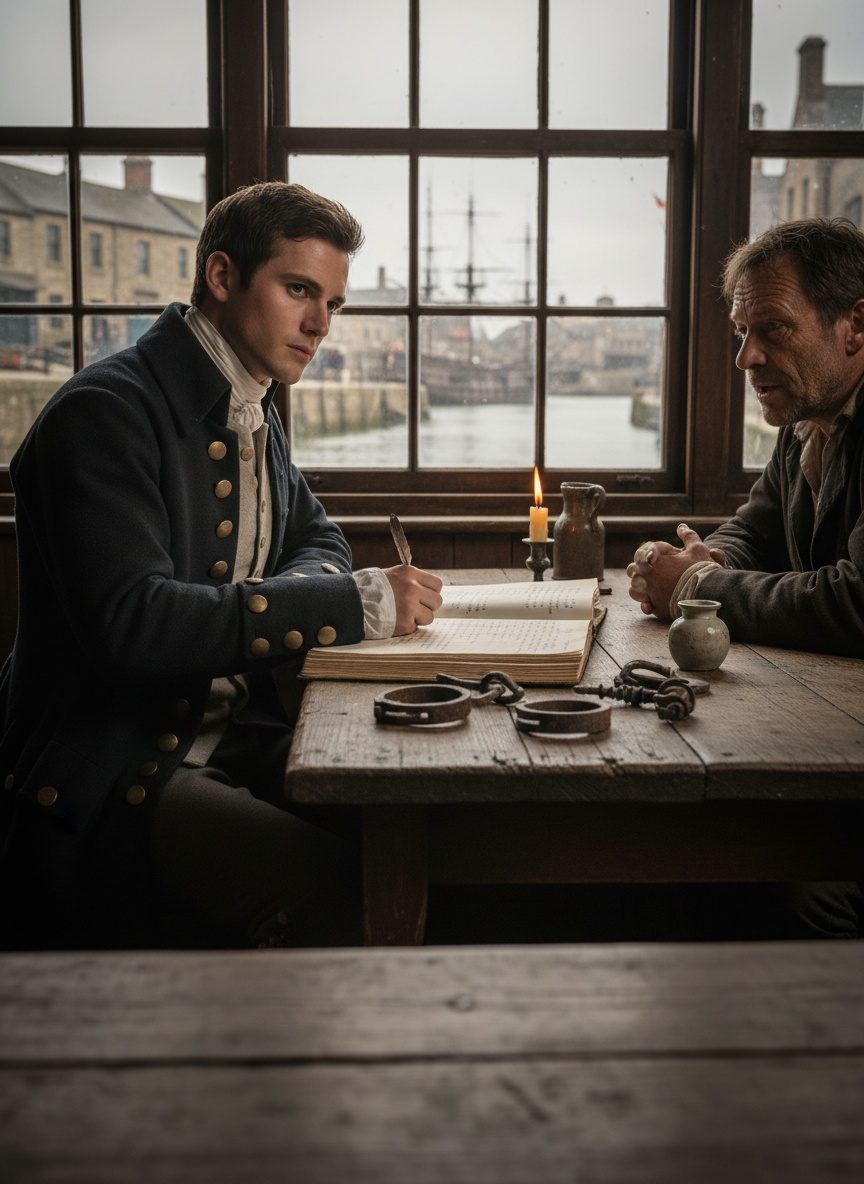
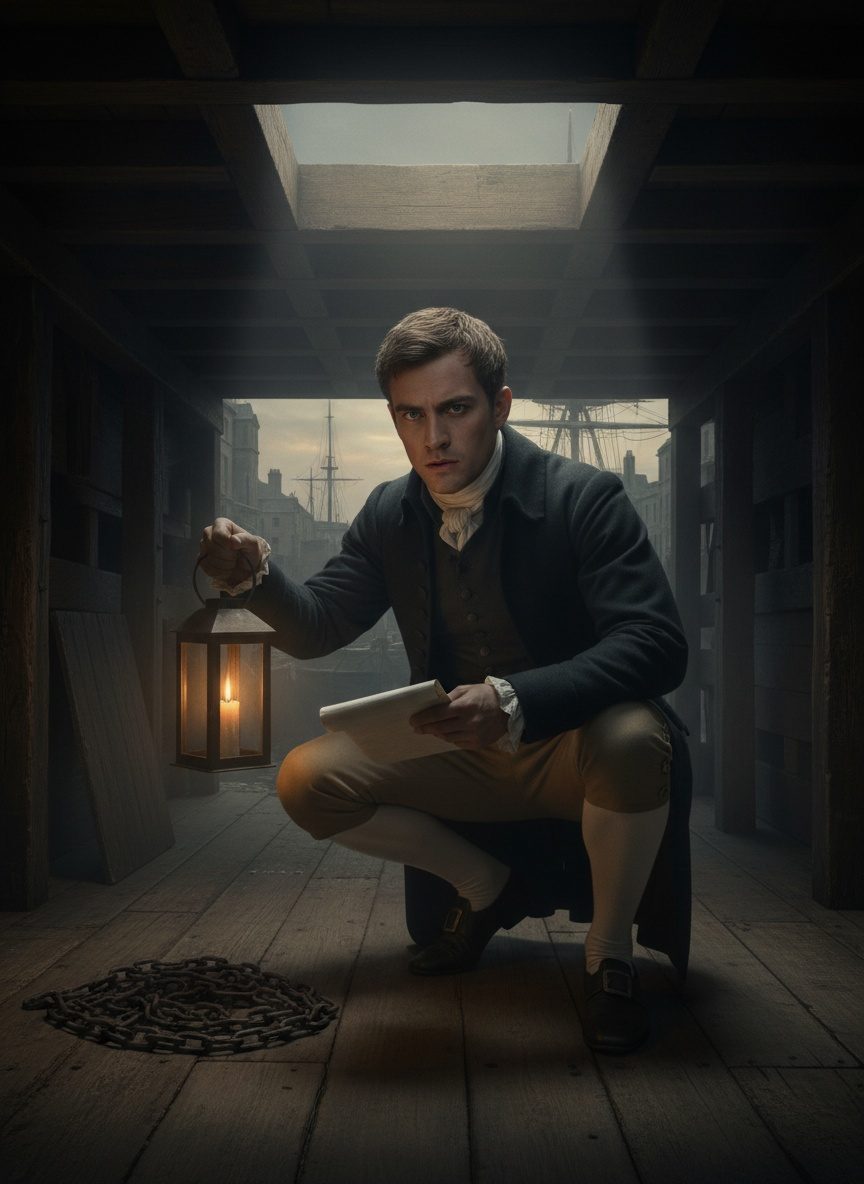
Bristol, 1787. John Wesley had preached against the slave trade for years. But Thomas Clarkson had evidence. He walked into a dockside tavern. He sat with the sailors. He wrote down every name.
Britain raised thirteen colonies on Magna Carta and English law. Then acted shocked when they quoted it back. The Declaration of Independence was written in English, on English philosophy, by men born British subjects. We taught them everything.
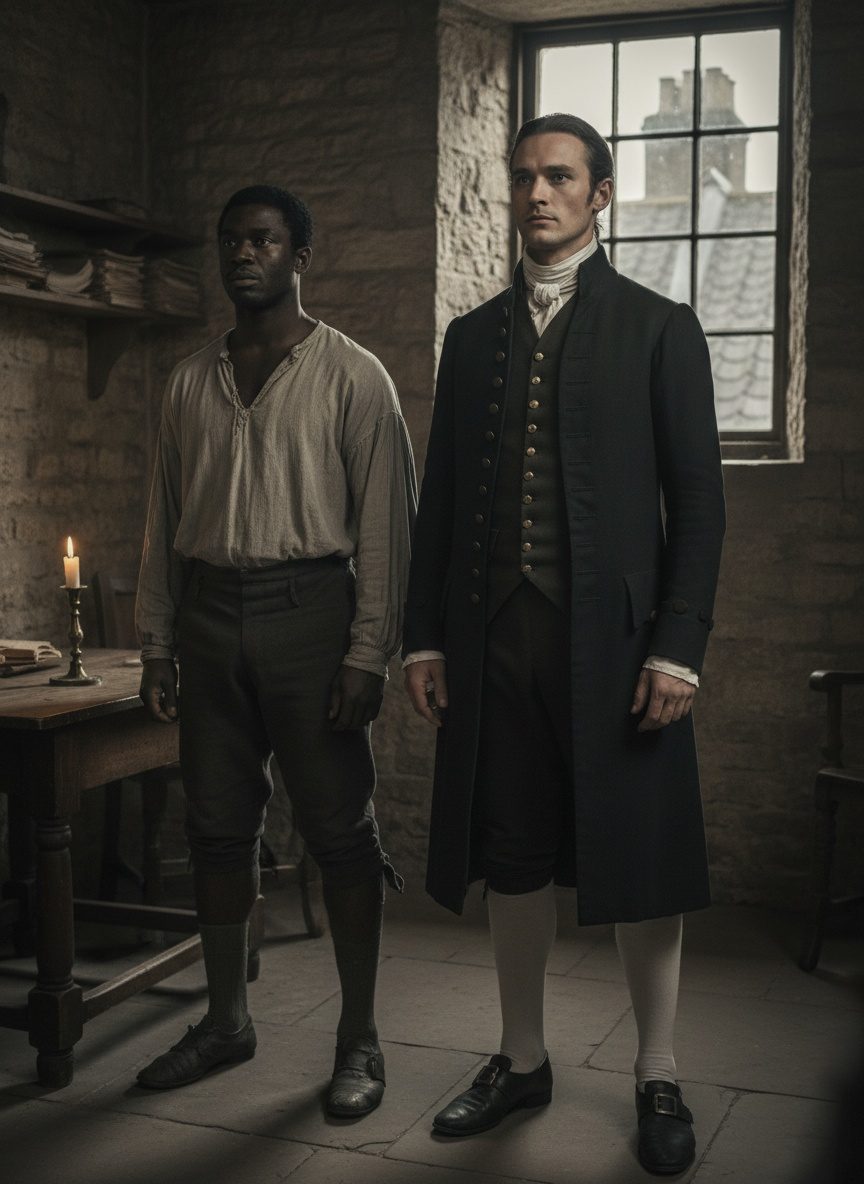
London. 1765. Jonathan Strong had been beaten, shot, and left for dead. His former master found him. Claimed him. Ordered him shackled onto a ship. Strong stood still. And Granville Sharp went to war.
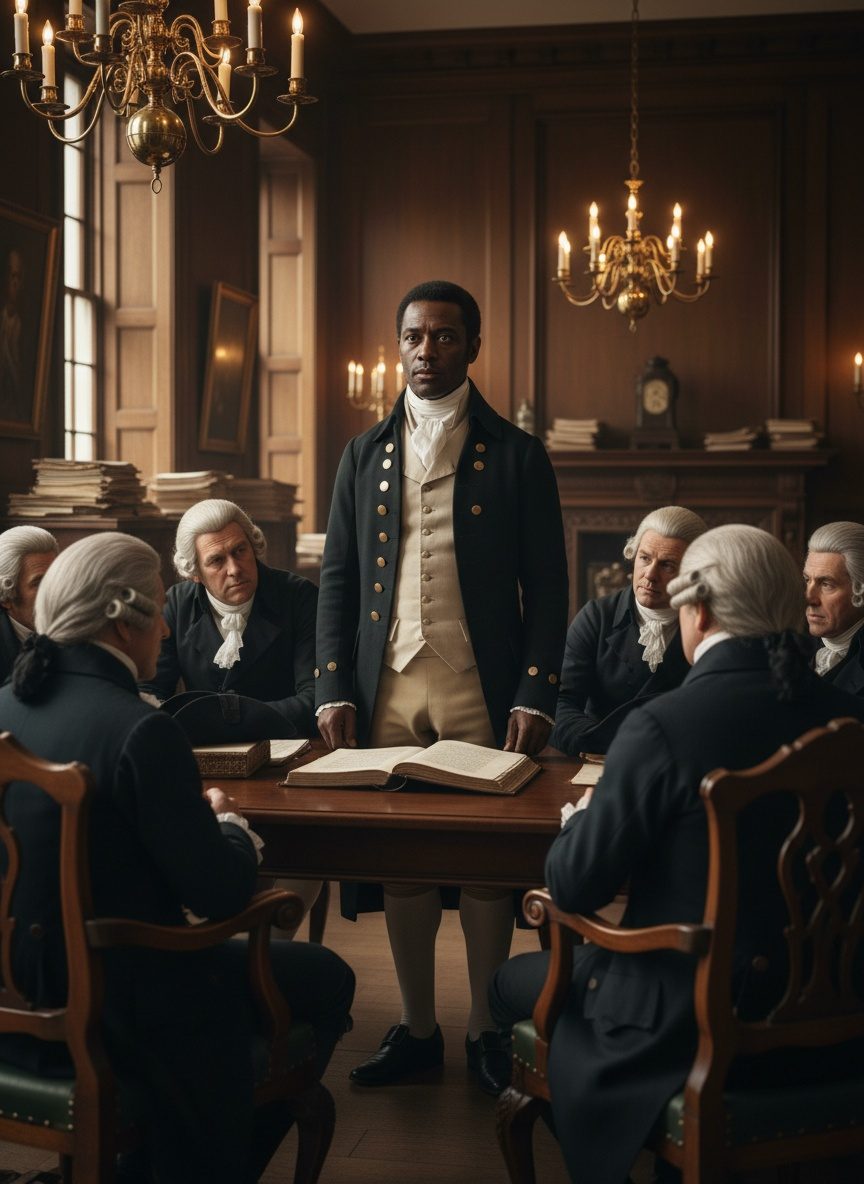
London, 1788. Olaudah Equiano walked into a packed hearing room. A former slave. Now a free man. He placed his memoir on the table. Then he spoke. The committee fell silent. Britain would never be the same.
London. 1757. The Fleet Prison held thousands of Britain's forgotten poor. John Coakley Lettsom walked in. Not as a visitor. As a teacher. He gave the debtors' children their first lessons. Inside a cell.
Bristol, 1787. Thomas Clarkson climbed aboard a slave ship alone. He measured the chains. He counted the space. He drew what he found. That single diagram broke the British public open.
11 May 1812. Spencer Perceval crossed the Commons lobby. A man stepped forward and fired once. Britain's Prime Minister fell dead on the floor of his own Parliament. He remains the only one ever assassinated.
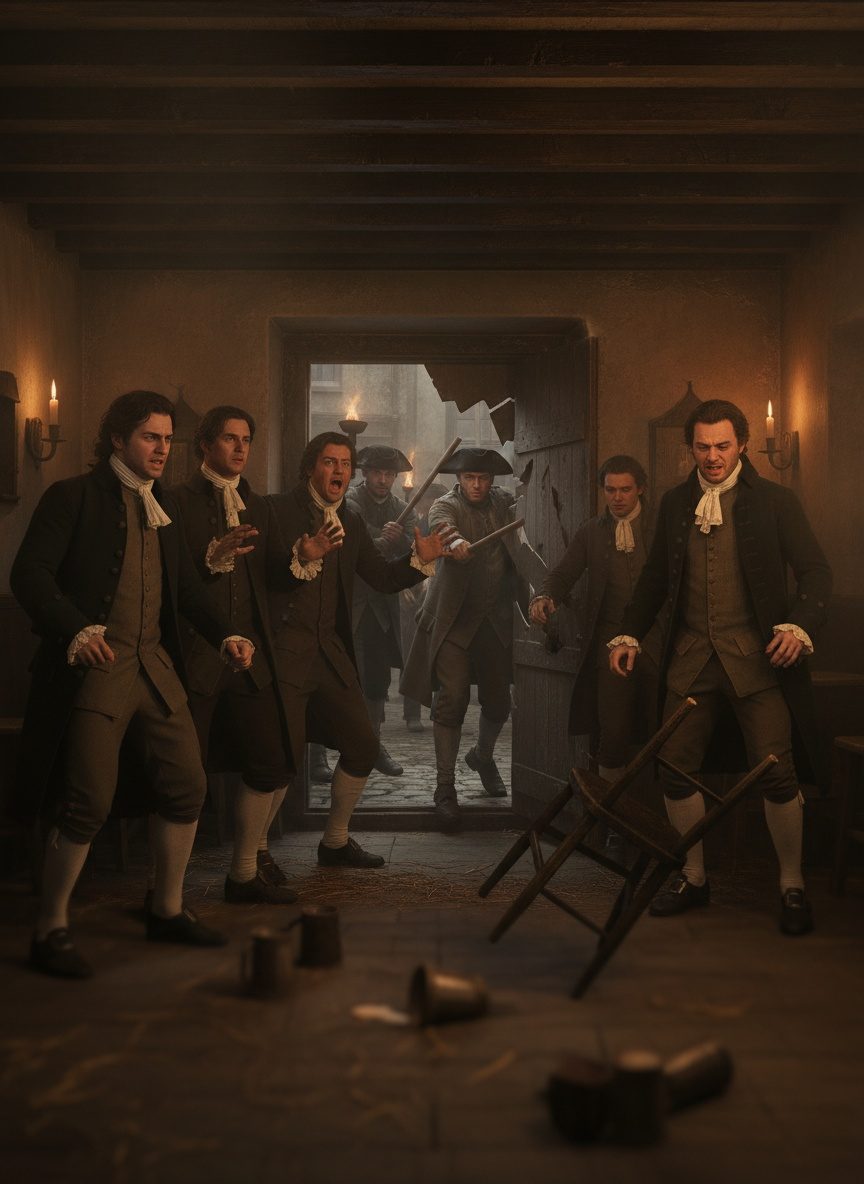
London, 1726. Constables burst into a private house in Holborn. Inside: ordinary men, dancing and laughing. Within weeks, five of them were dead — hanged at Tyburn for the crime of existing.
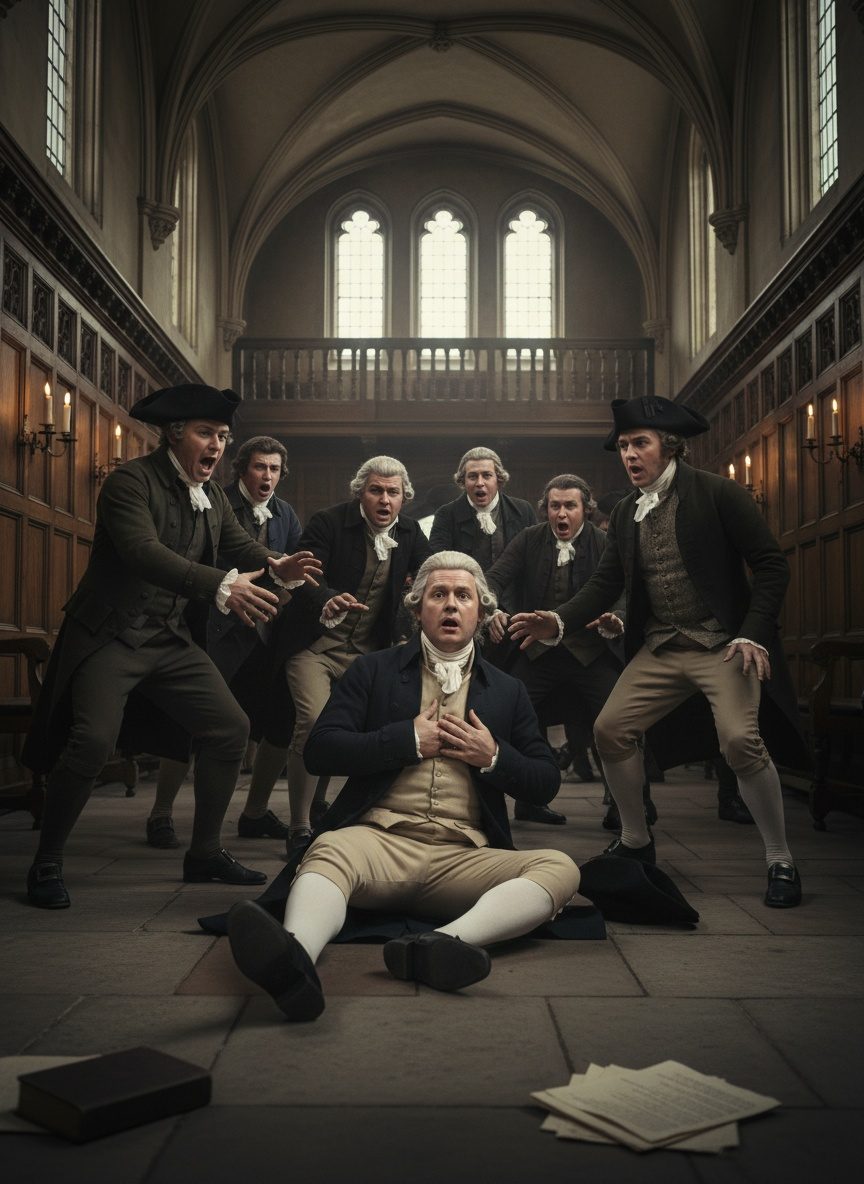
1800. James Hadfield fired a pistol at King George III. The court demanded death. Then William Garrow stood up. He proved Hadfield was not a murderer. He was a broken soldier. Brain-damaged in battle. Britain rewrote its law that day.
Built in 1749. Bombed, expanded, besieged by traffic. Yet Whitehall's beating heart still stands. One street. Three centuries. Barely changed.
London. 1783. The slave ship Zong had thrown 132 enslaved people into the sea. The owners filed for insurance. Olaudah Equiano heard. He walked to Granville Sharp's door. Together they forced Britain to look at what it had done.
Britain had the biggest fleet. The biggest army. The richest treasury. She lost anyway. Not to foreigners. To her own children — raised on English law, English liberty, and English stubbornness.
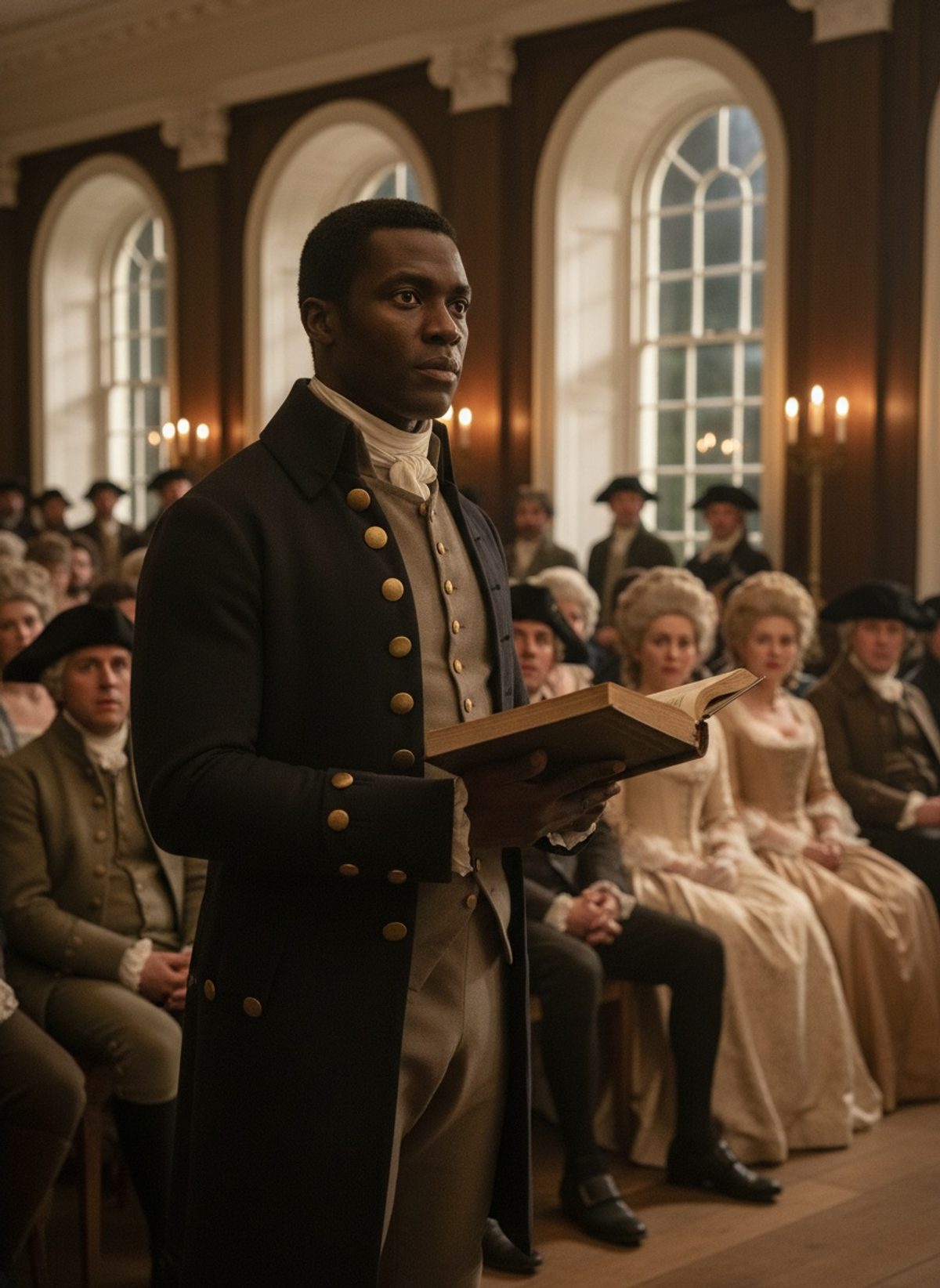
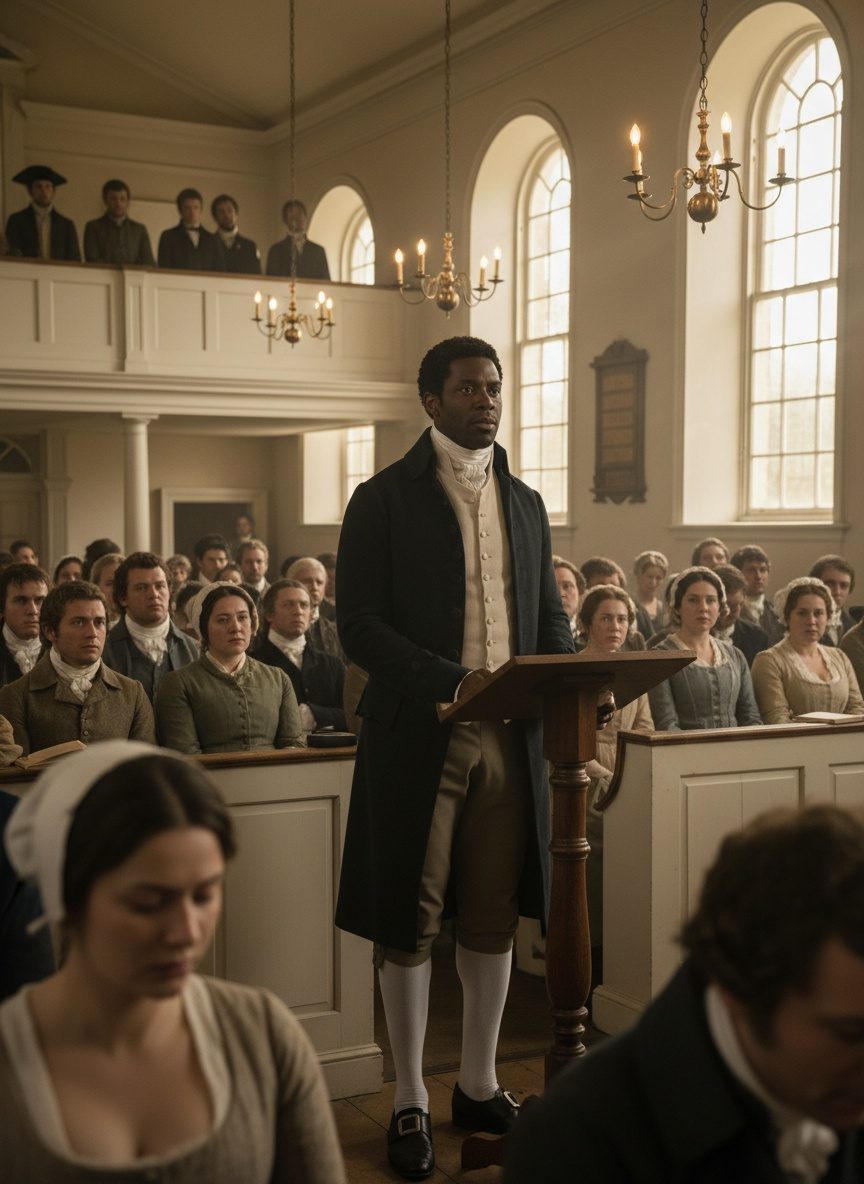
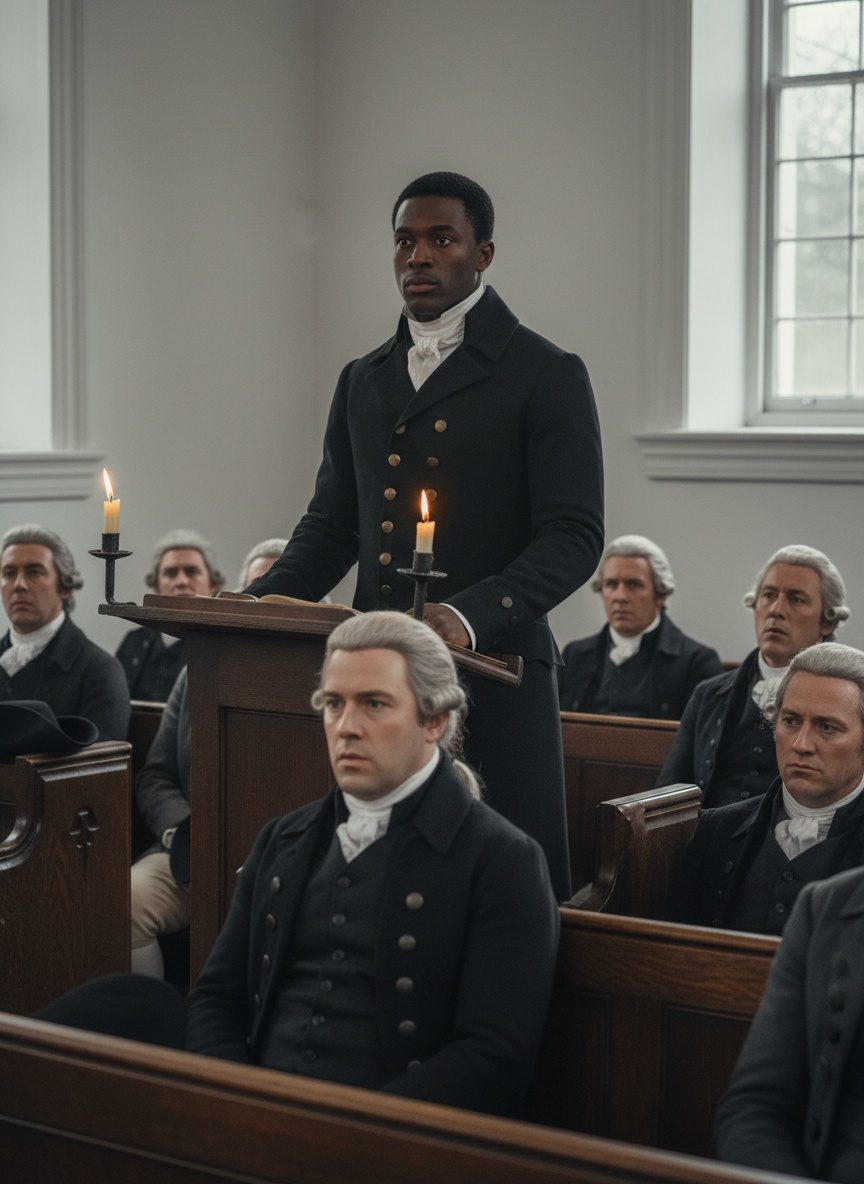
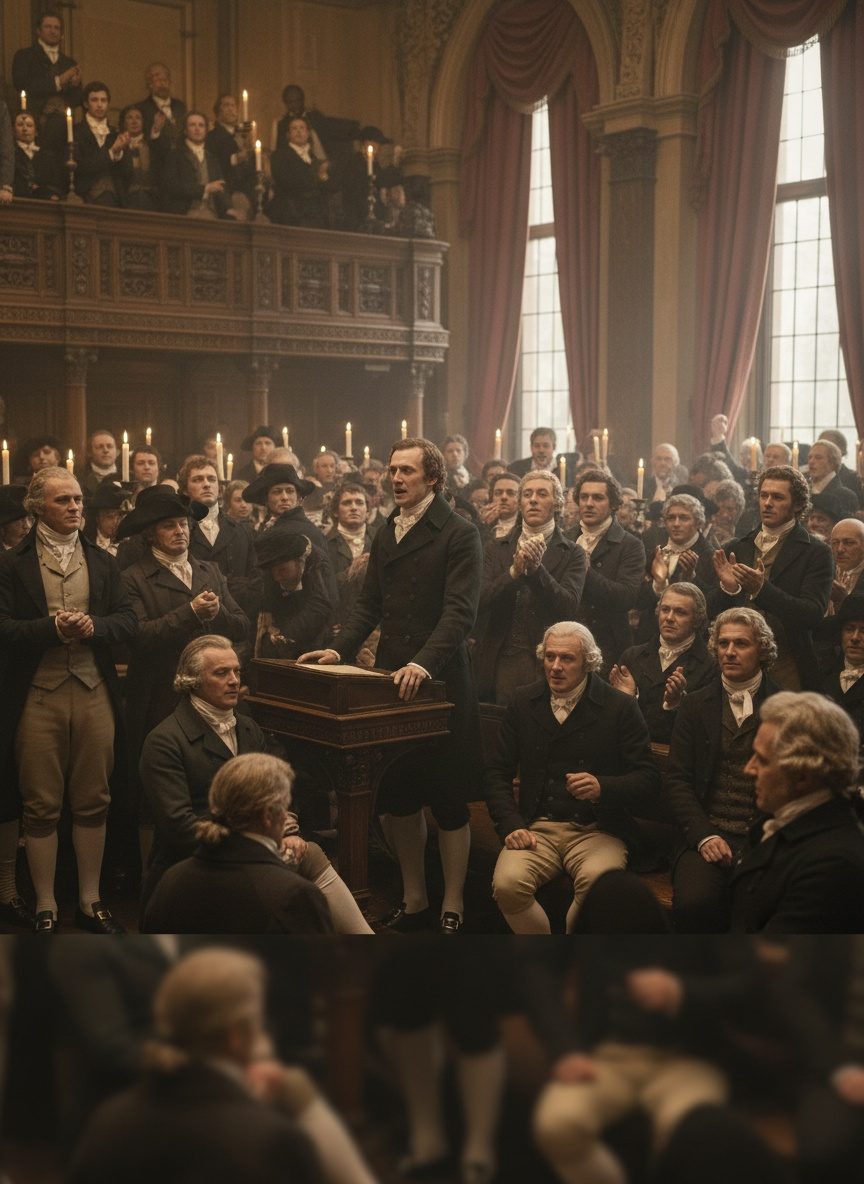
Bristol. 1787. A former slave stood before a packed church. He had every reason to stay silent. He spoke anyway. His name was Olaudah Equiano. The congregation wept. Britain began to change.
London. 1788. Olaudah Equiano walked into the halls of power. A freed slave. Alone. He placed his memoir in the hands of the Queen herself. No one expected him to speak. He spoke anyway.
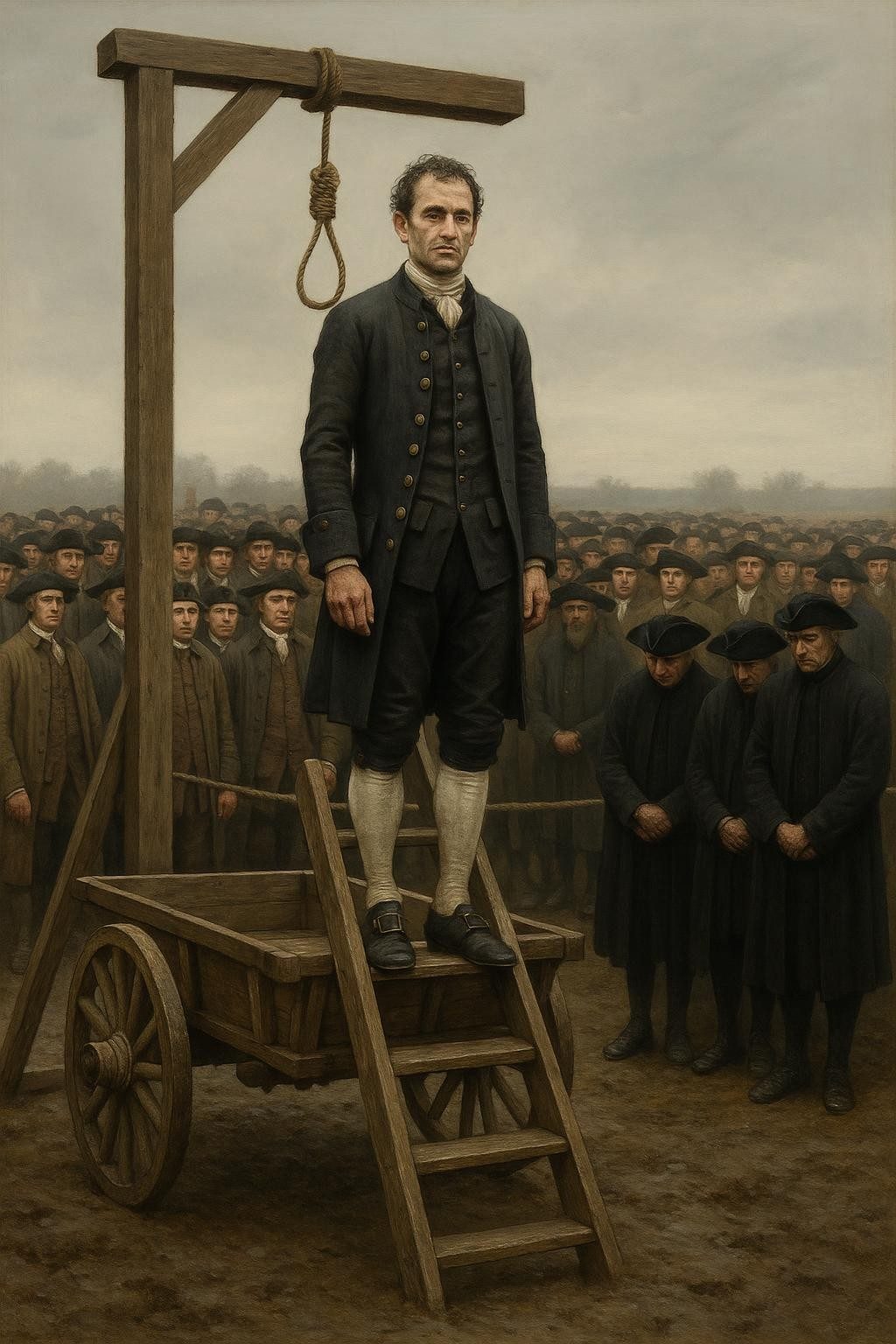
England's most famous highwayman was hanged at York in 1739. He was violent, pockmarked, and caught because his family refused to pay sixpence postage. The legend came a century later. Almost none of it was real.
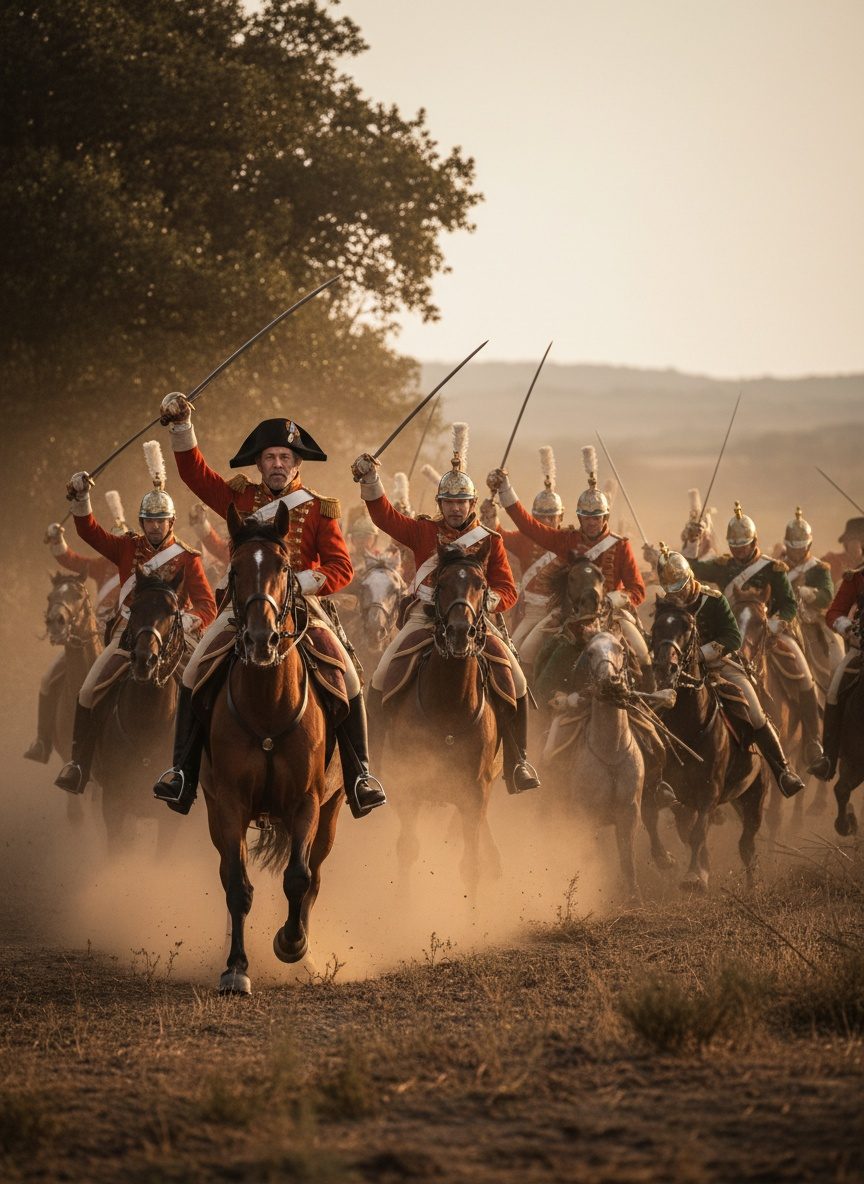
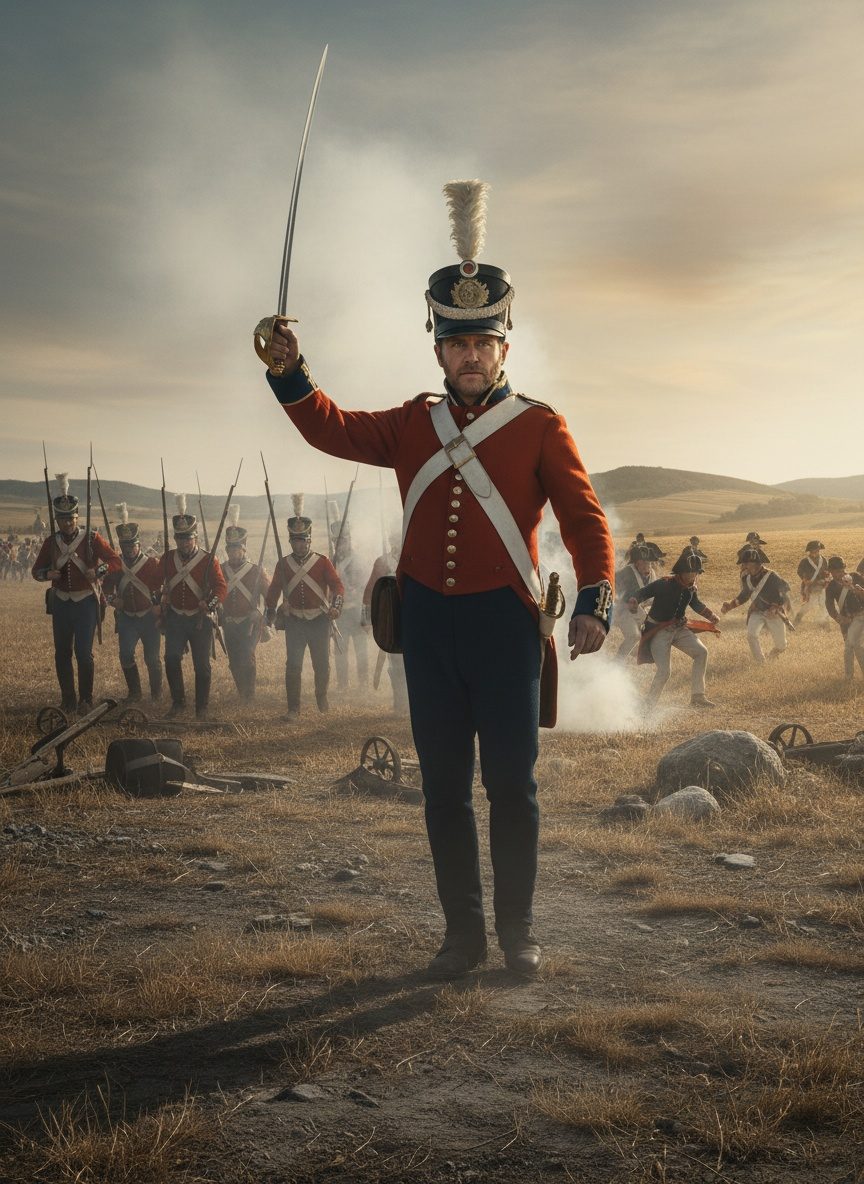
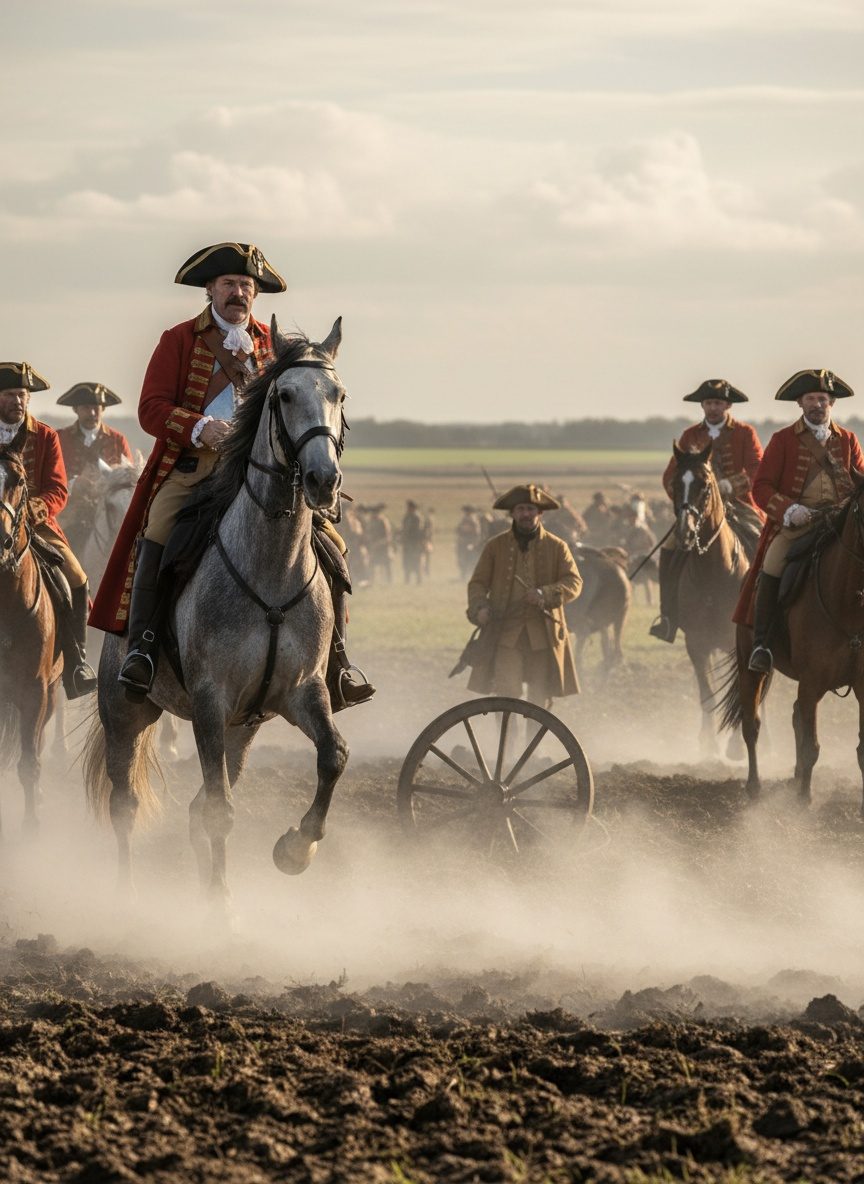
He designed the sword. He wrote the manual. He built the college. On 11th April 1812, he finally led a charge in battle. It was devastating. Three months later, the same charge killed him.
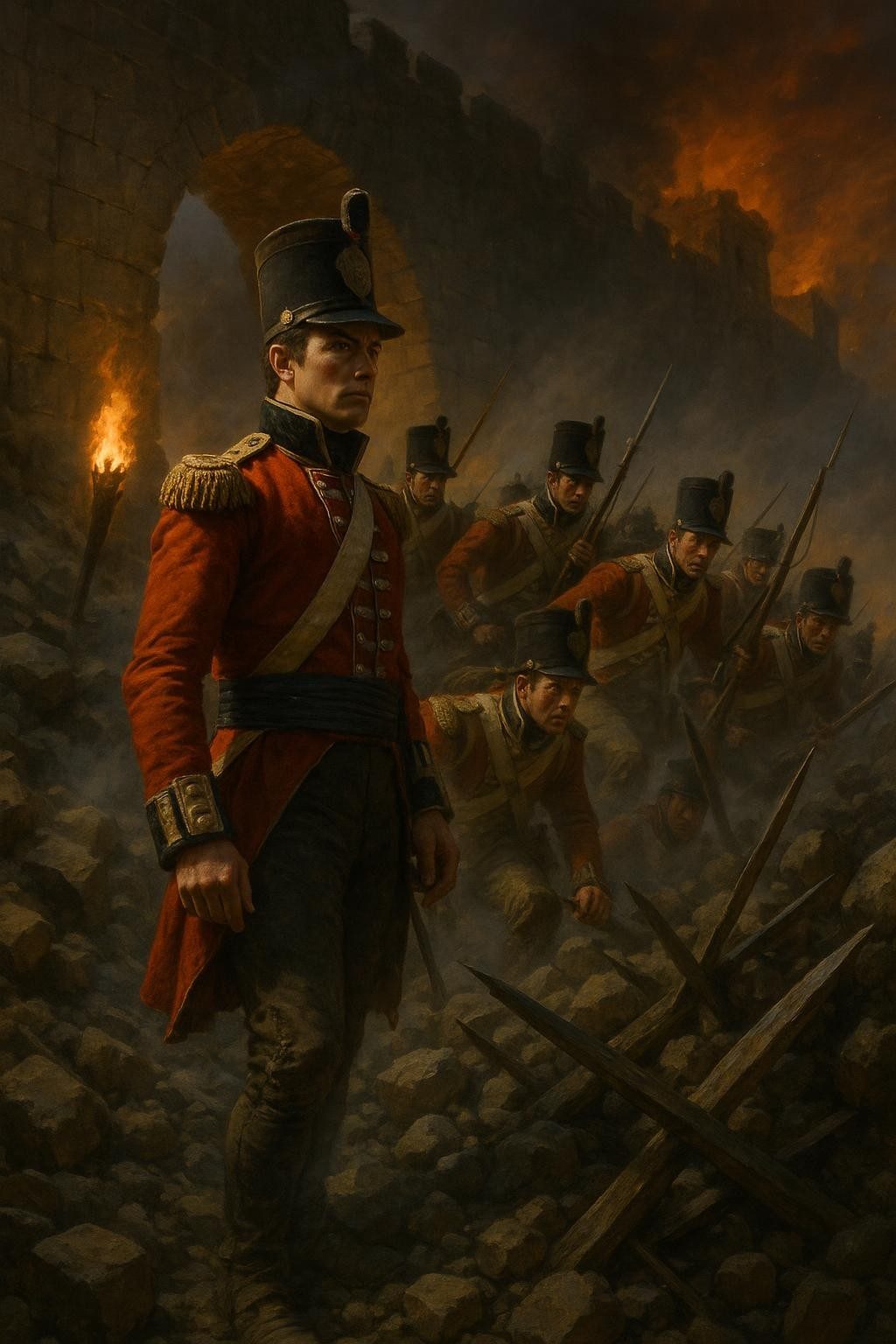
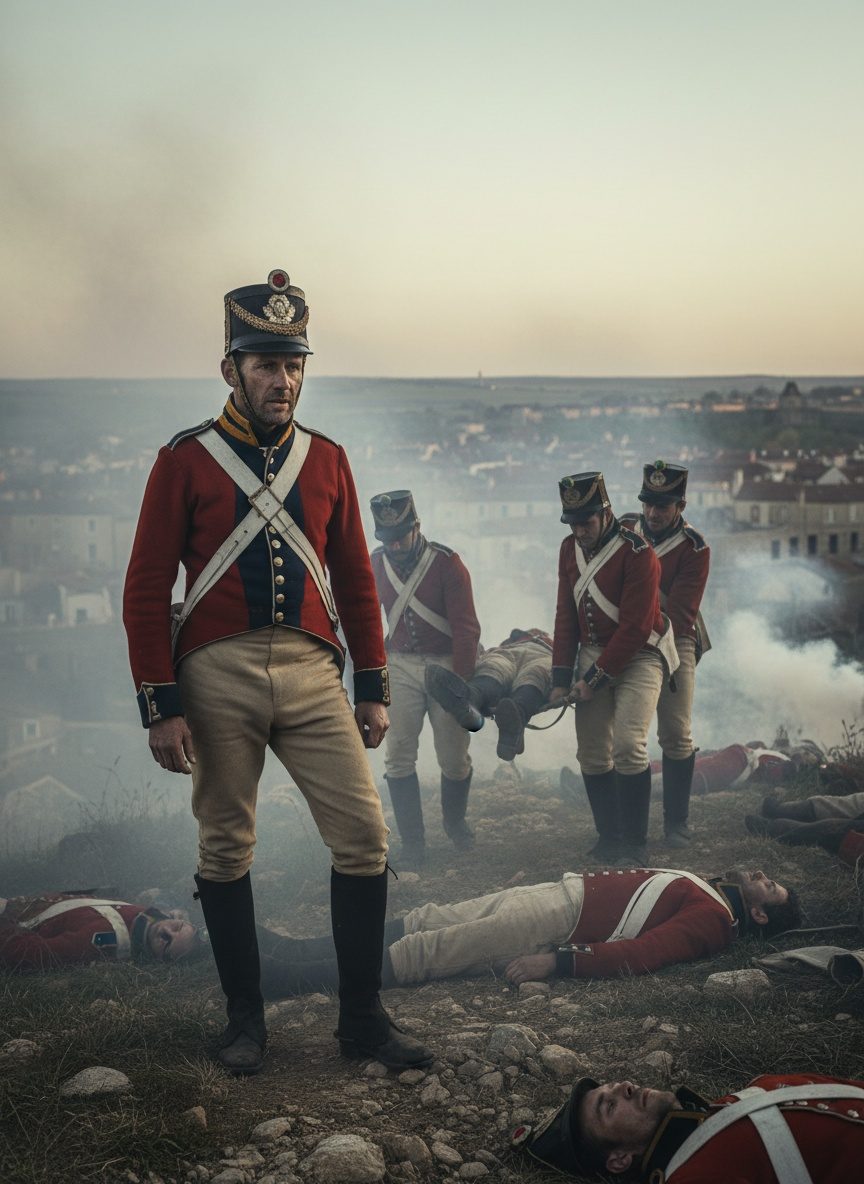
April 1812. Wellington's men took Badajoz in one night. Nearly 5,000 fell at the walls. He wept when he saw the casualty returns. Then the city burned for three days.
1773. John Howard walked into Bedford Gaol. What he found horrified him. Men dying of fever. No food. No light. He walked into every prison in England. Then he walked into Parliament. Britain never looked away again.
London, 1788. Olaudah Equiano placed his memoir in the hands of Parliament. A former slave. Speaking for himself. Britain had never seen anything like it. The vote that followed shook the empire.
Three weeks. Two armies. One mistake. Wellington saw the gap open and didn't hesitate. In forty minutes, a French army of 50,000 was torn apart. Spain would never be the same.
Easter Sunday, 1814. Wellington attacked Toulouse. Over 7,000 men fell. Napoleon had already surrendered four days earlier. Nobody knew. The war was over. The dying had not stopped.
London. 1789. A man who had been bought and sold sat down and wrote the truth. Olaudah Equiano published his own life. Britain read every word. Nothing was the same after.
Britain raised its colonies on Magna Carta. Then taxed them without a seat in Parliament. The colonists didn't invent freedom. They inherited it — from us. And quoted it straight back.
Bristol, 1787. John Marrant had survived slavery and near-execution. He stood in the pulpit. The congregation fell silent. A man once sold as property now spoke as a minister of God.
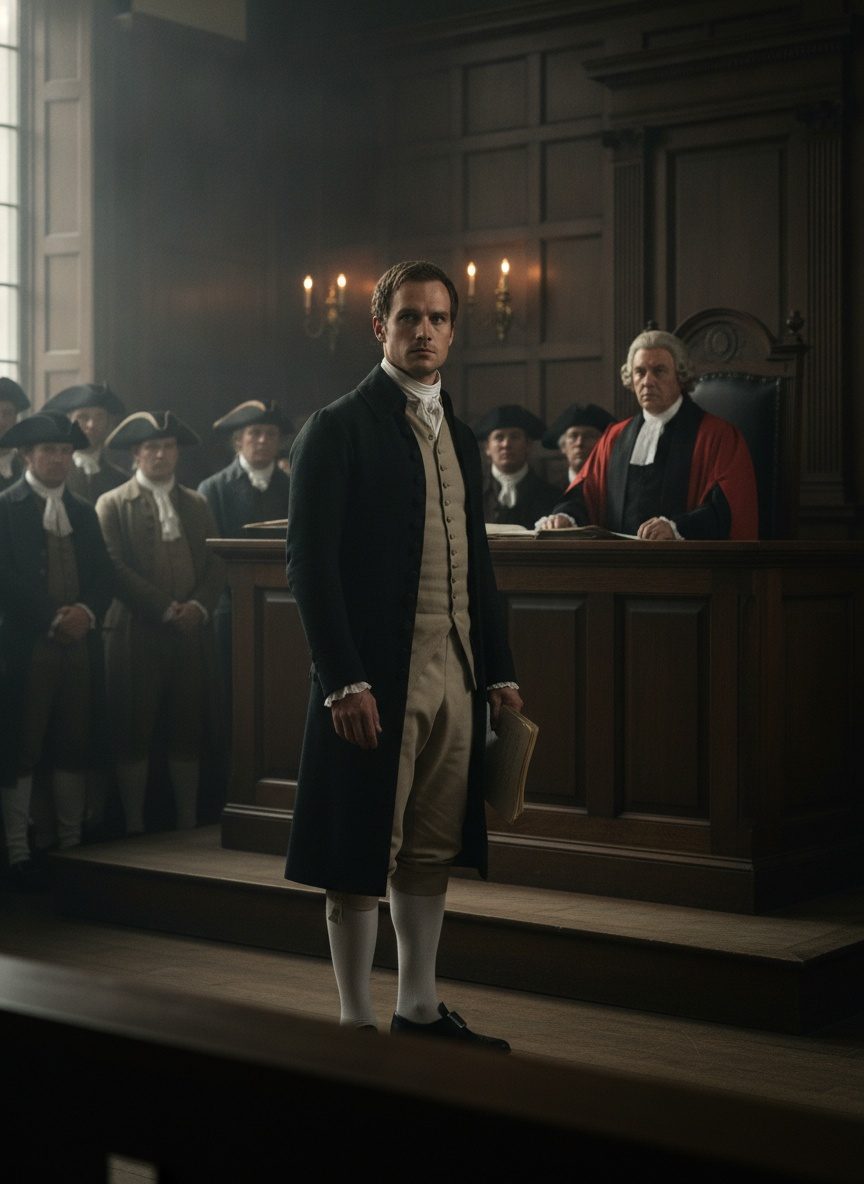
London, 1772. A clerk with no legal training stood against the most powerful men in England. He said a man was free. The judge agreed. Slavery in England ended that day.
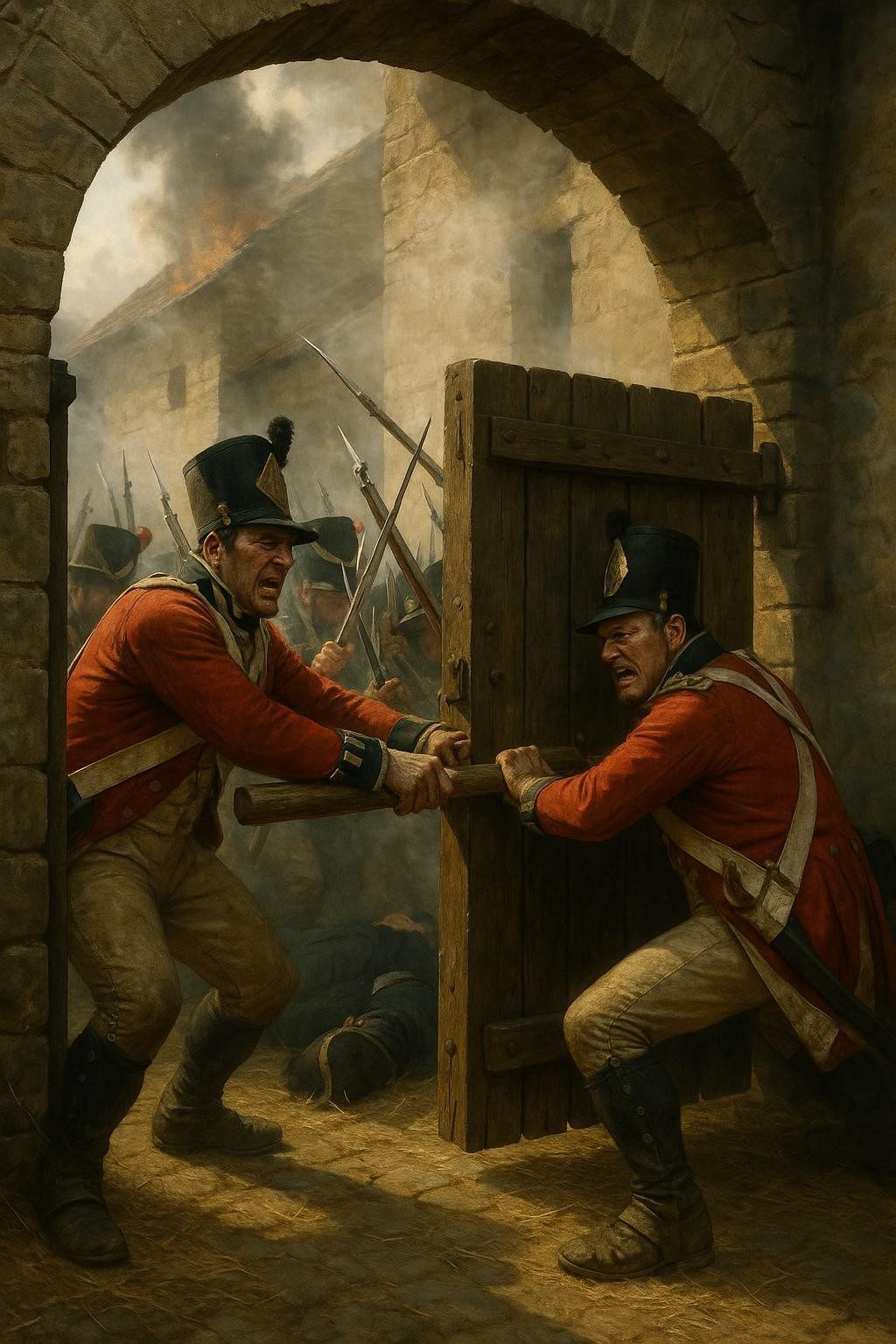
A French officer smashed open the gate with an axe. Thirty soldiers poured in. One British officer threw his body against it and forced it shut. Every Frenchman inside was killed. Wellington said that single moment saved Waterloo.
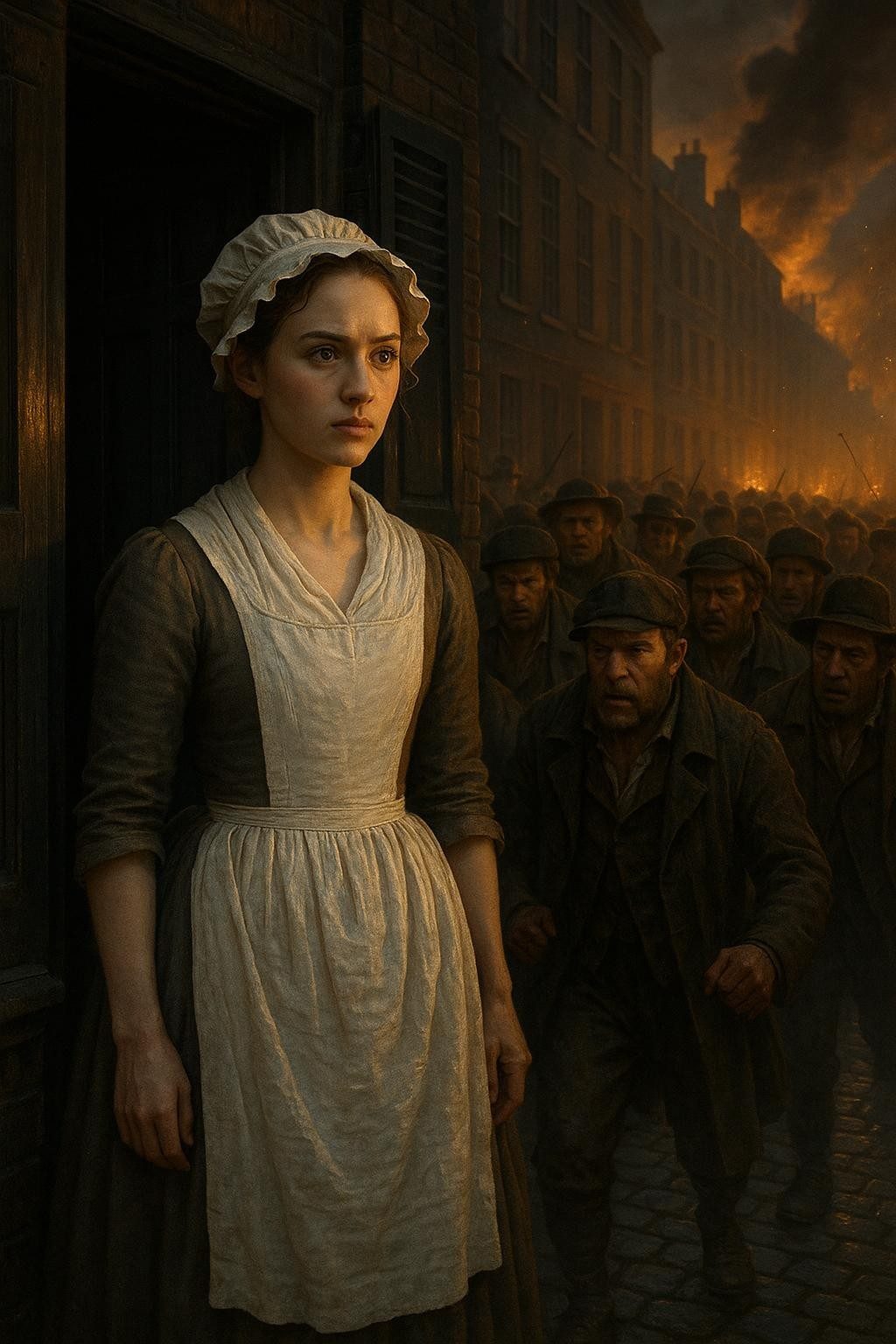
London, June 1780. The Gordon Riots had turned the city into an inferno. A lone teenage servant girl stepped into the street. She talked a mob out of burning her master's house to the ground.
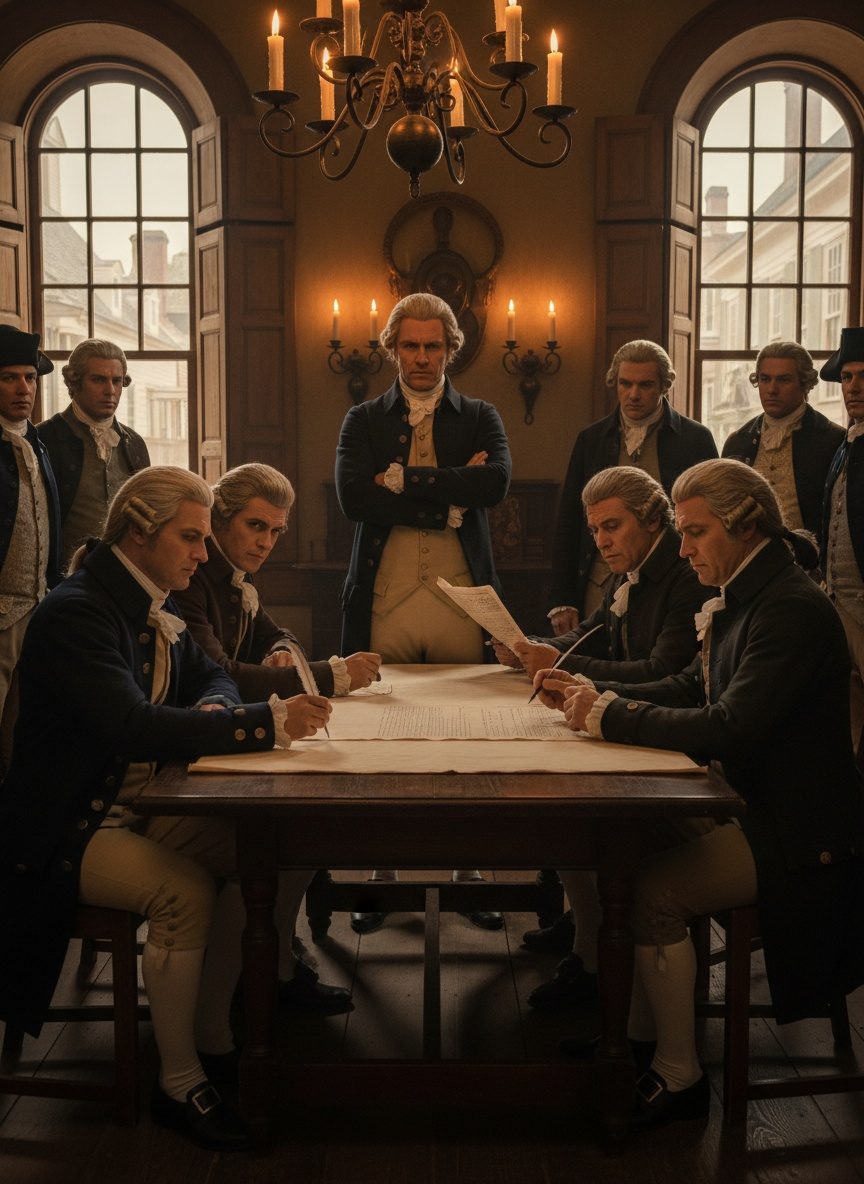
56 men signed the Declaration of Independence. Every one had been born a subject of the Crown. Eight were born in Britain and Ireland. They built a new nation from English law, English philosophy, and English stubbornness.
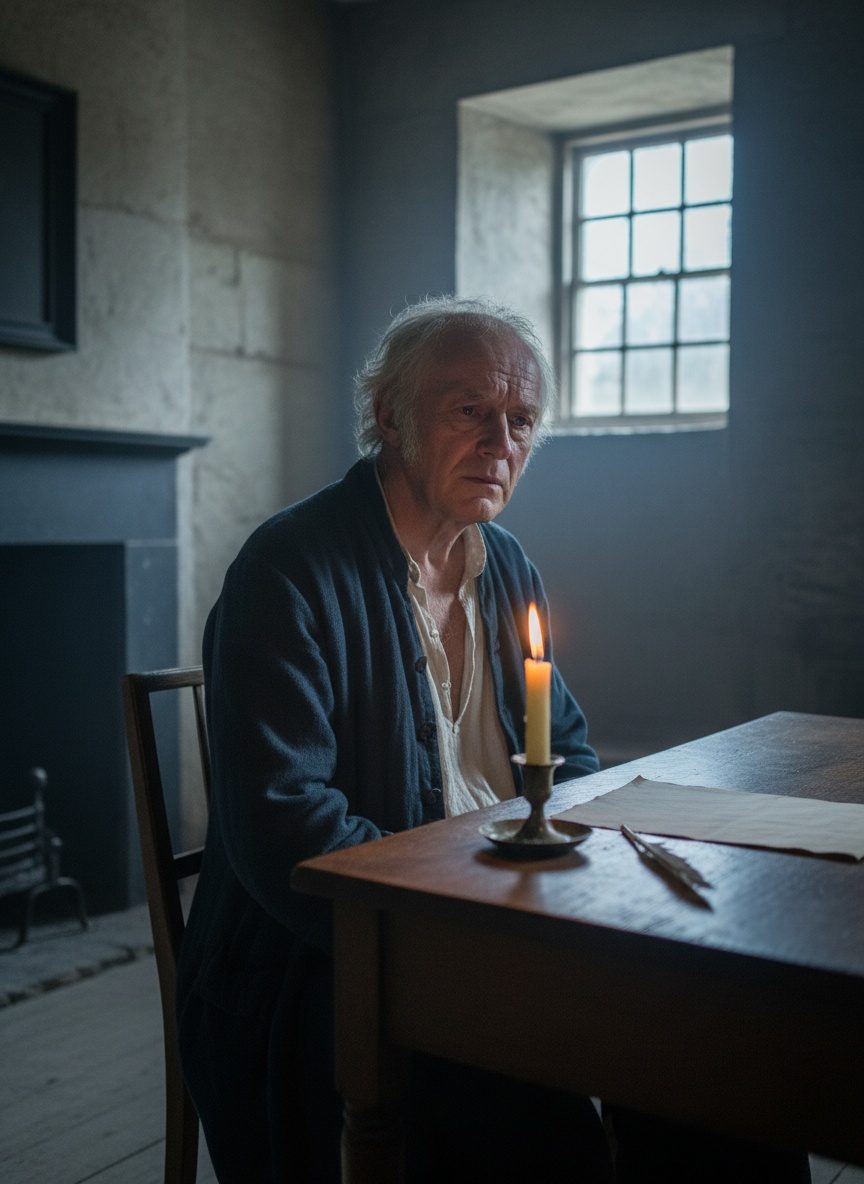
London. 1797. William Cowper was Britain's most beloved poet. Then silence fell. His mind broke. He was taken to St Albans asylum. He never wrote again. But the nation never forgot him.
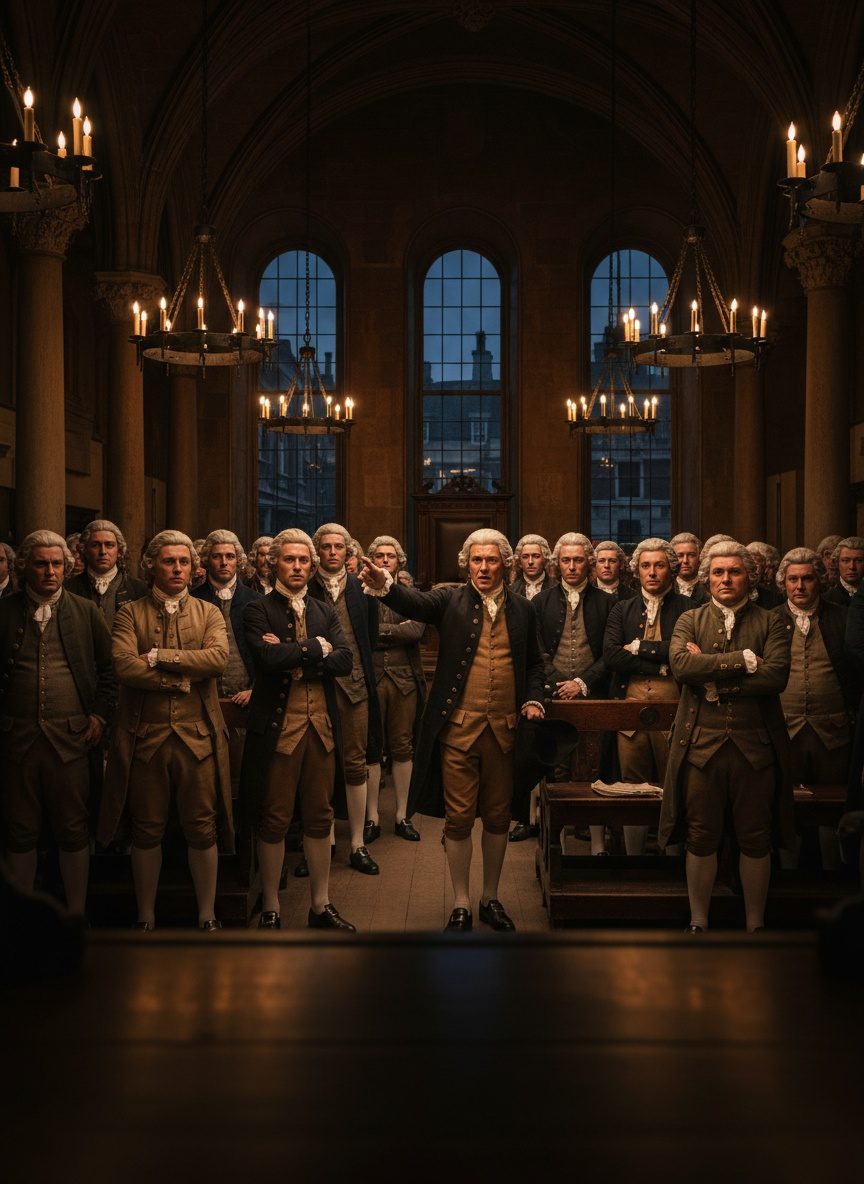
One man. Twenty years. A parliament that laughed at him. William Wilberforce stood up in the Commons in 1807 and would not sit down until Britain had abolished the slave trade forever.
Bath, 1796. Edward Long Fox watched patients chained to walls in the dark. He had seen enough. He built Brislington House. A place with gardens. Fresh air. Kindness. It was the first private asylum built on the belief that the mad deserved to be treated as human beings.
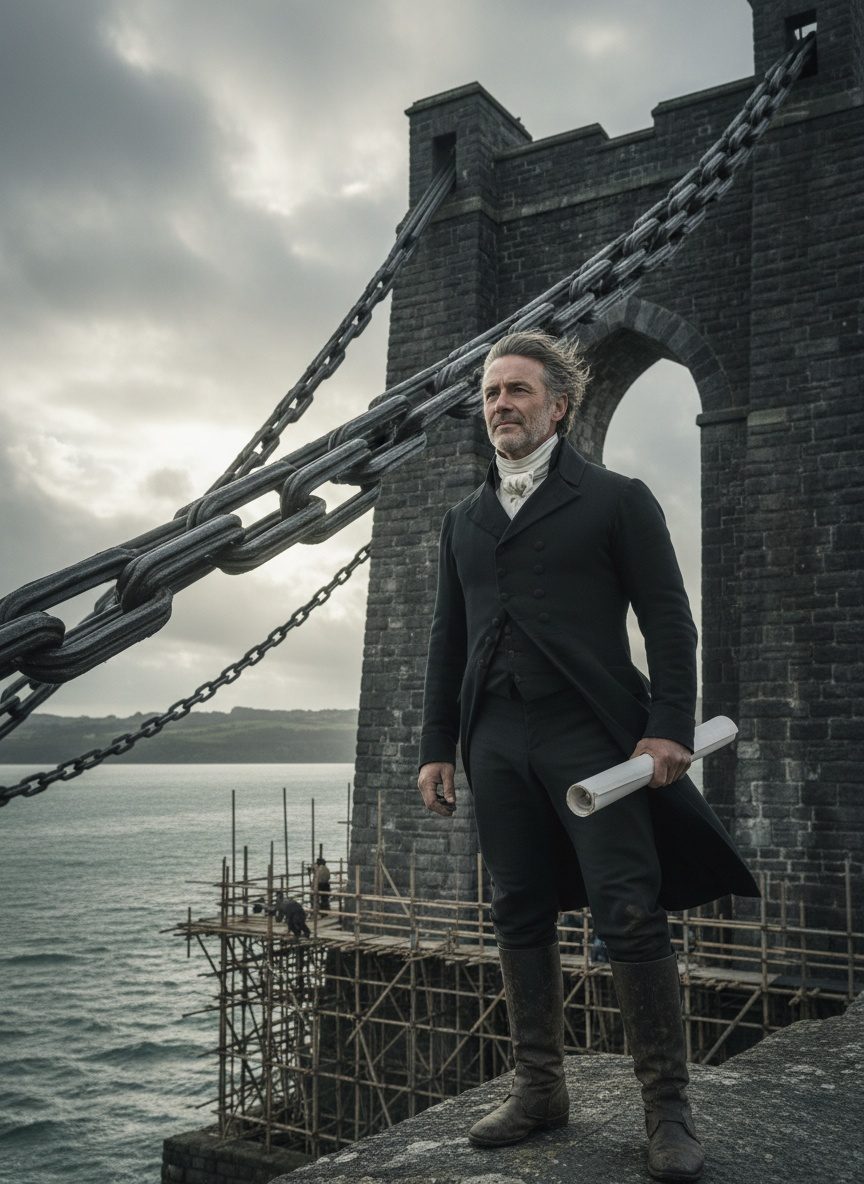
1826. The Menai Strait separated Anglesey from the world. Every engineer said it could not be spanned. Thomas Telford disagreed. The chains were raised. Britain held its breath.
London, 1758. John Stanley had been blind since age two. He walked to the organ. The hall fell silent. He played from memory. Every note. The audience wept.
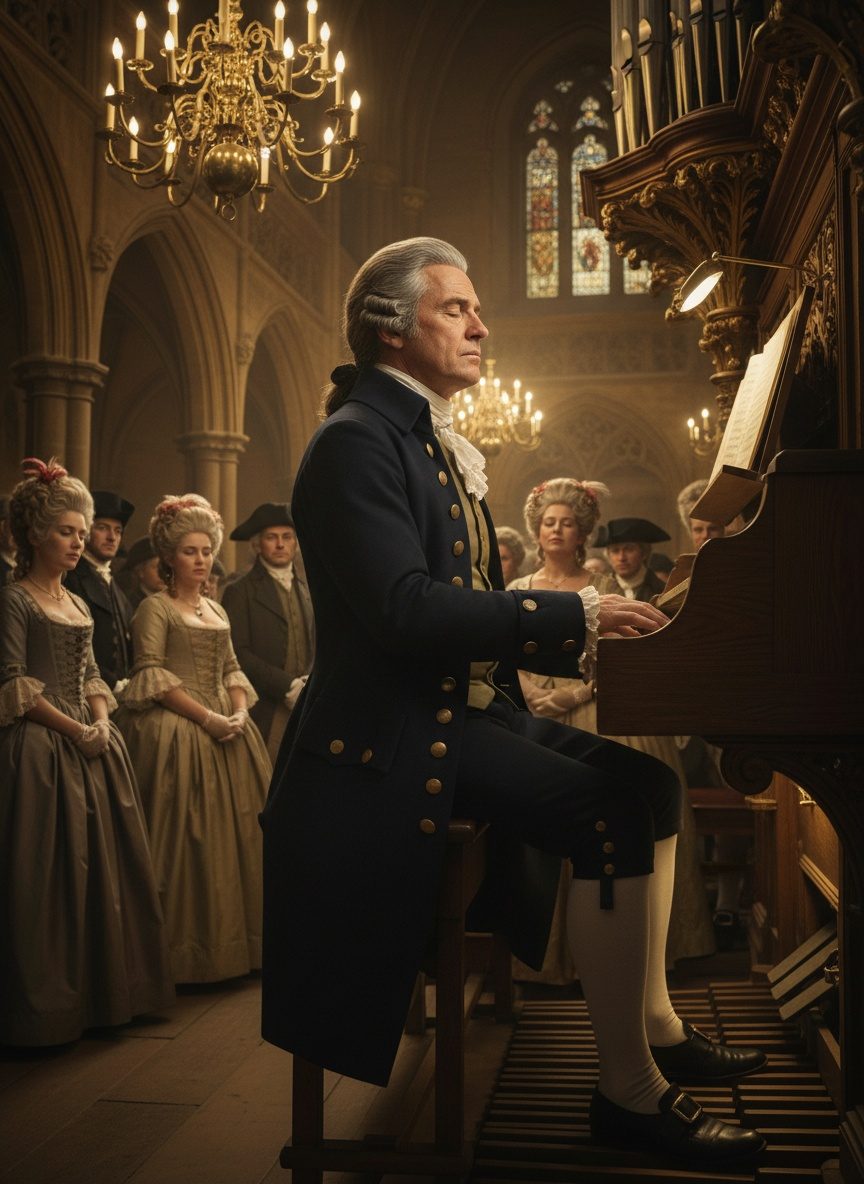
London, 1784. The audience fell silent. A blind man sat down at the organ. He played from memory. Every note. Every phrase. The hall wept.
May 1706. A cannonball took the head from his aide-de-camp as he helped the Duke remount. Marlborough swung into the saddle, looked at the body on the grass, and rode straight back into the battle.
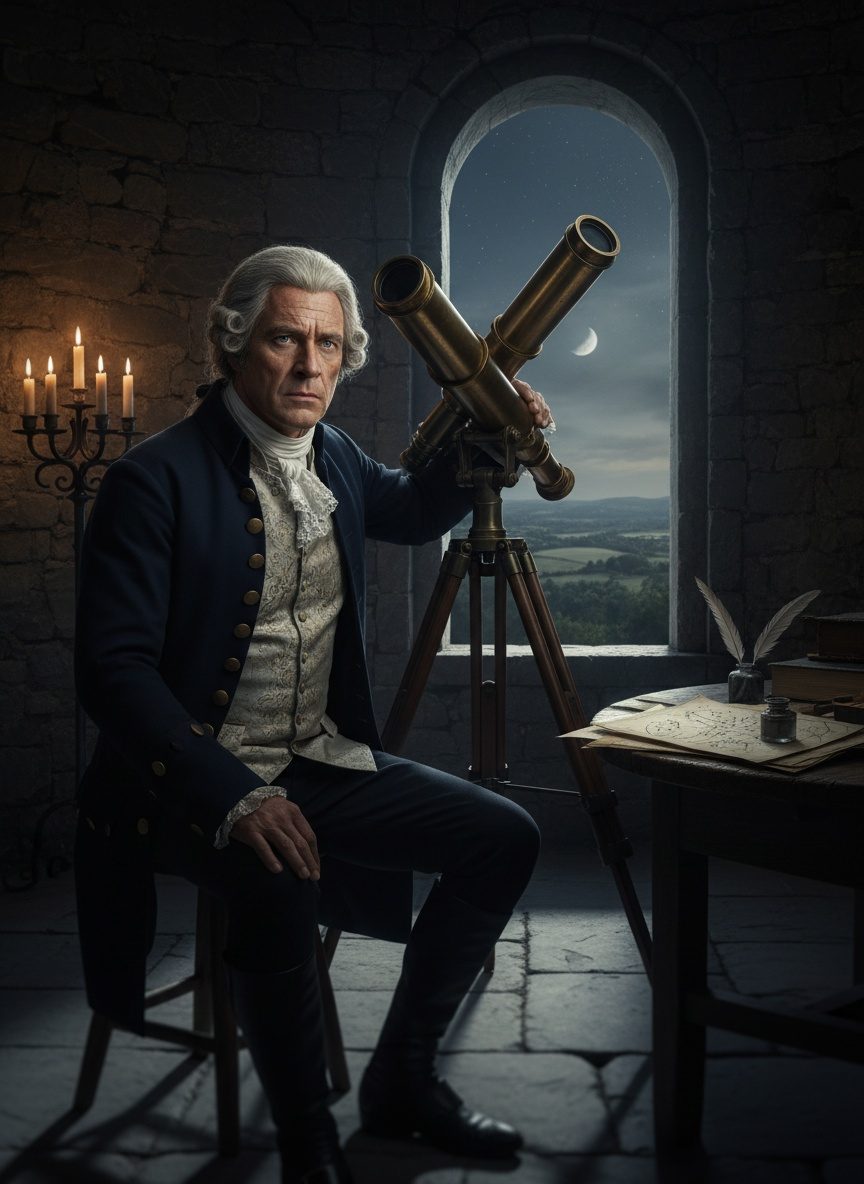
1769. A rare transit of Venus crossed the sky. Edmond Halley had predicted it decades before his death. Britain sent observers across the globe. Their measurements gave science the true size of the solar system for the first time.
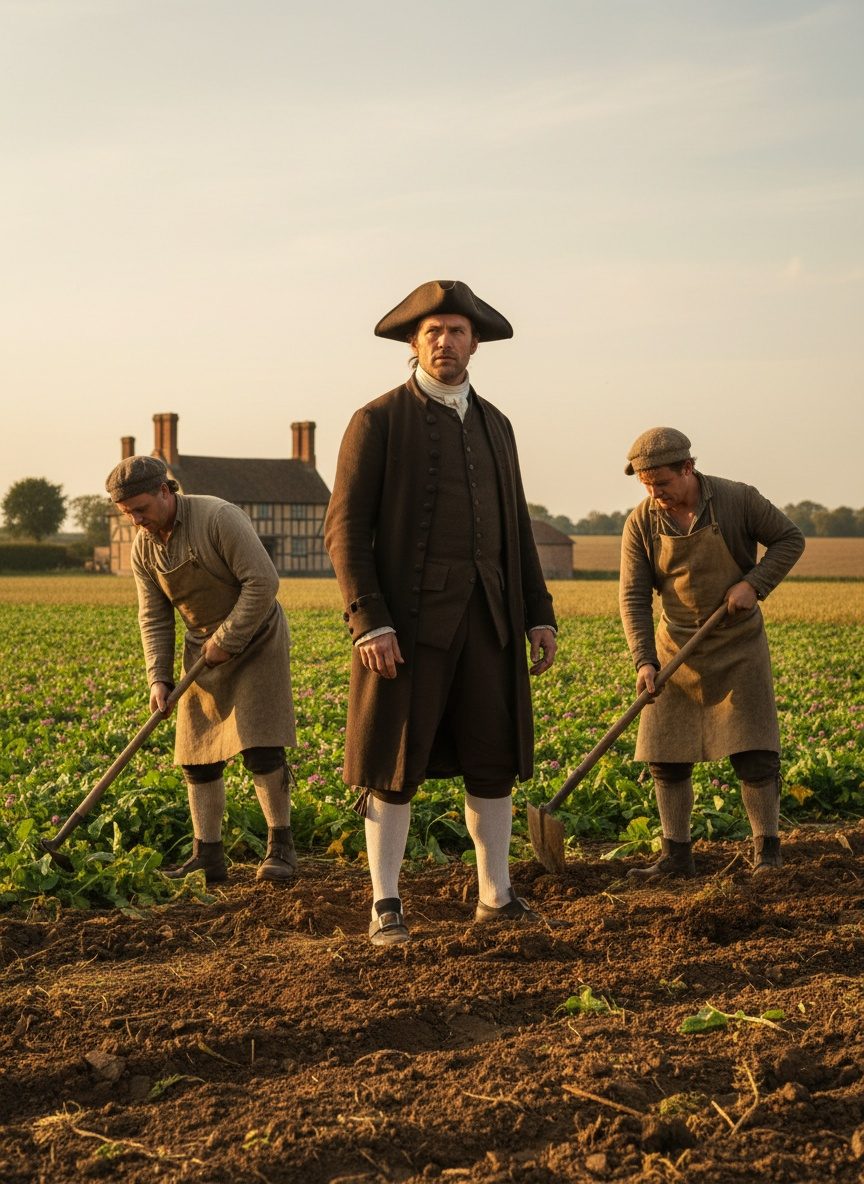
Norfolk, 1730. Famine stalked England's fields. Thomas Coke inherited a barren estate. He refused to accept it. He rotated his crops. He fed his cattle through winter. Within decades, his harvests trebled. A nation learned to eat.
In 1788, playwright Hannah More sat down to write a simple poem about slavery. Her words spread like wildfire across Britain. Within months, 300,000 copies were in circulation. One woman's verse had awakened a nation's conscience.
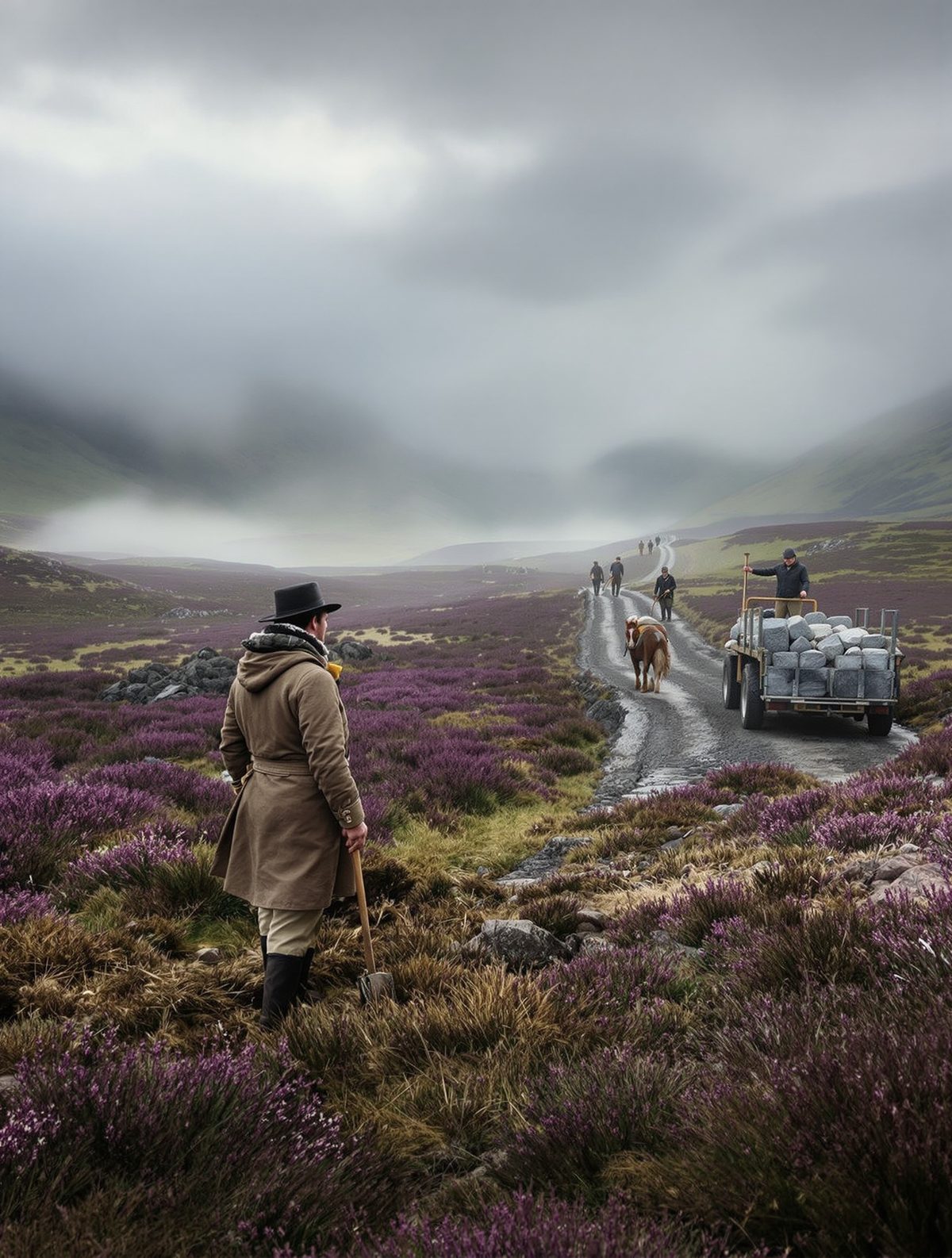
The Scottish Highlands had no roads. Just treacherous bogs that swallowed horses whole. Then Thomas Telford arrived. The son of a shepherd who became Britain's greatest road builder. He carved 920 miles of highway through impossible terrain.
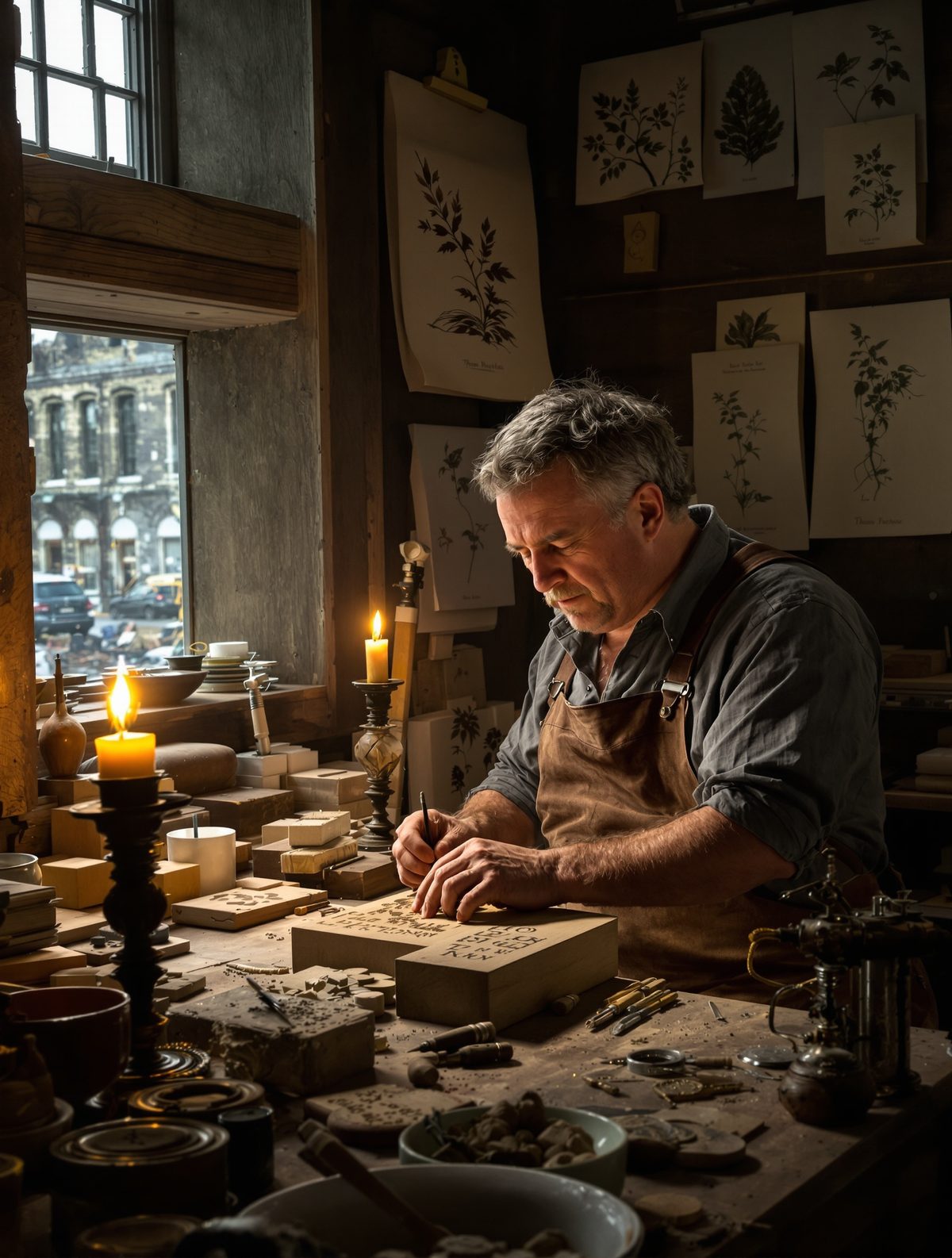
In 1790, a Newcastle wood engraver perfected a technique lost for 300 years. Thomas Bewick's tiny carved blocks could print a million copies. His revolutionary method saved British publishing.
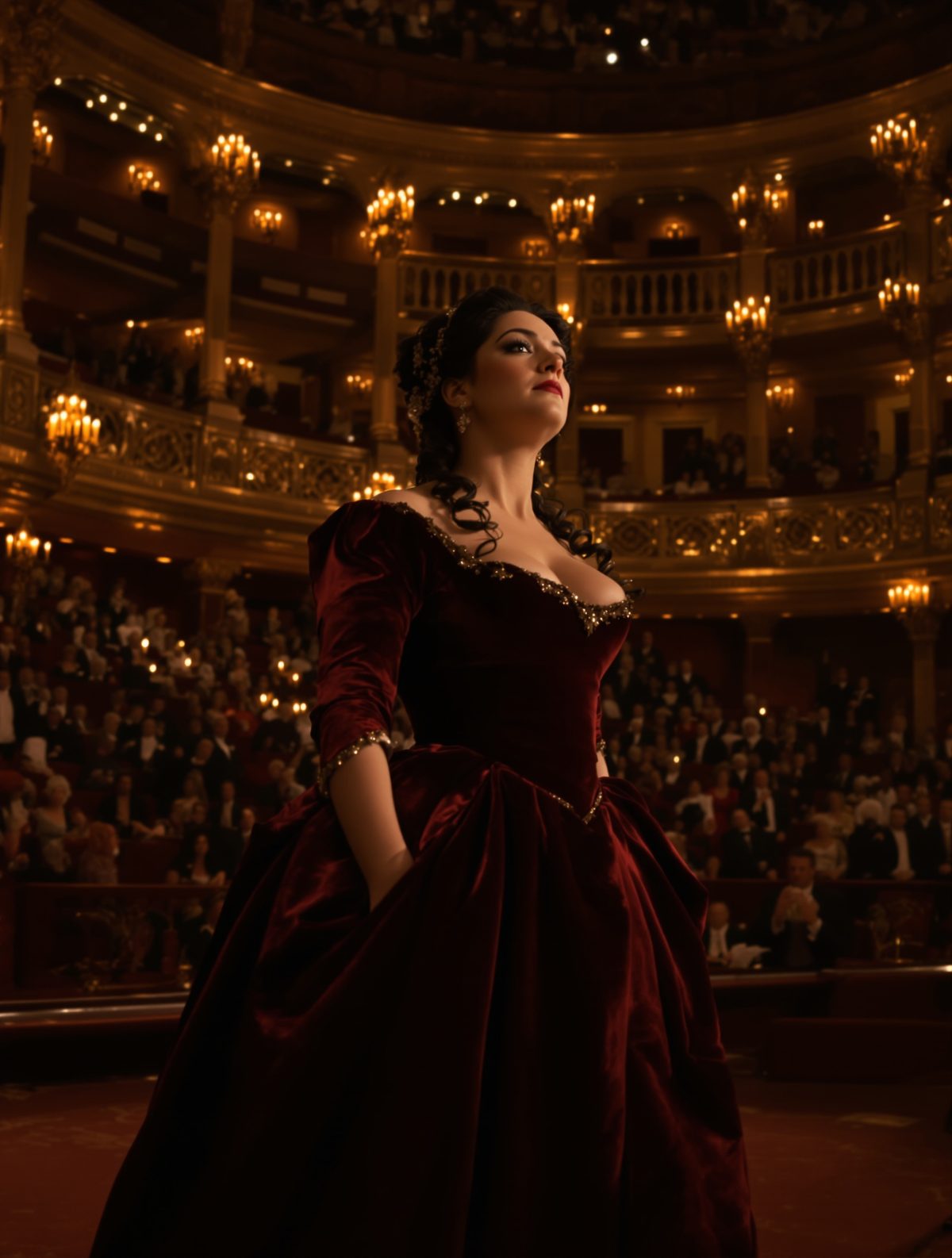
1782. Drury Lane Theatre. Sarah Siddons takes the stage as Lady Macbeth. The audience erupts in tears and fainting fits. Britain's first true celebrity is born. One Welsh actress changed entertainment forever.
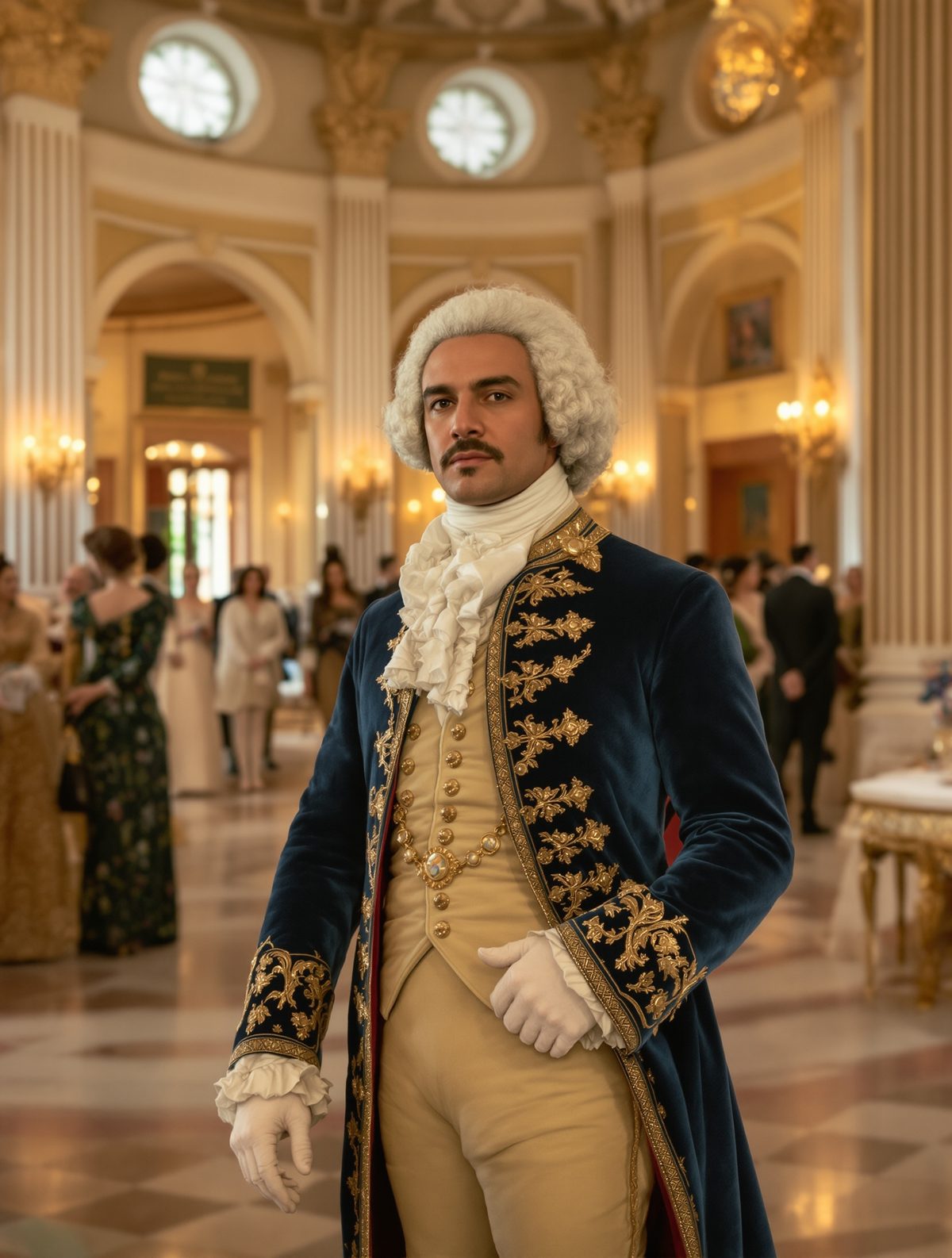
Bath was a lawless cesspit where duels were fought over card games. Then Richard 'Beau' Nash arrived with nothing but charm and iron will. He banned swords, created dress codes, and turned rogues into gentlemen. One man. One town. A revolution in civility.
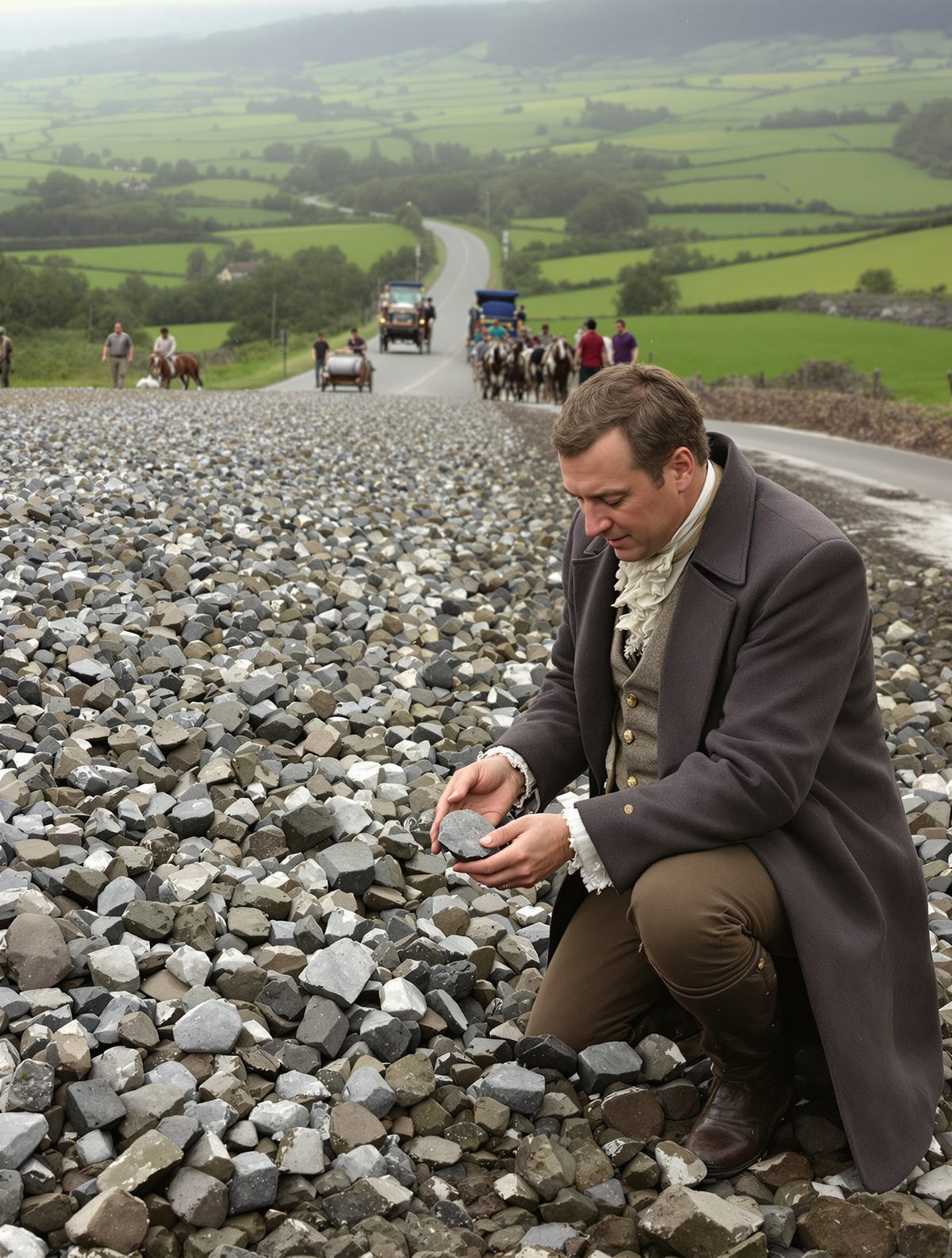
Britain's roads were impassable quagmires. Carriages sank. Trade stopped. Then a Scottish surveyor had a radical idea. Forget huge stones. Use tiny broken ones instead. His 'macadamized' roads transformed a nation.
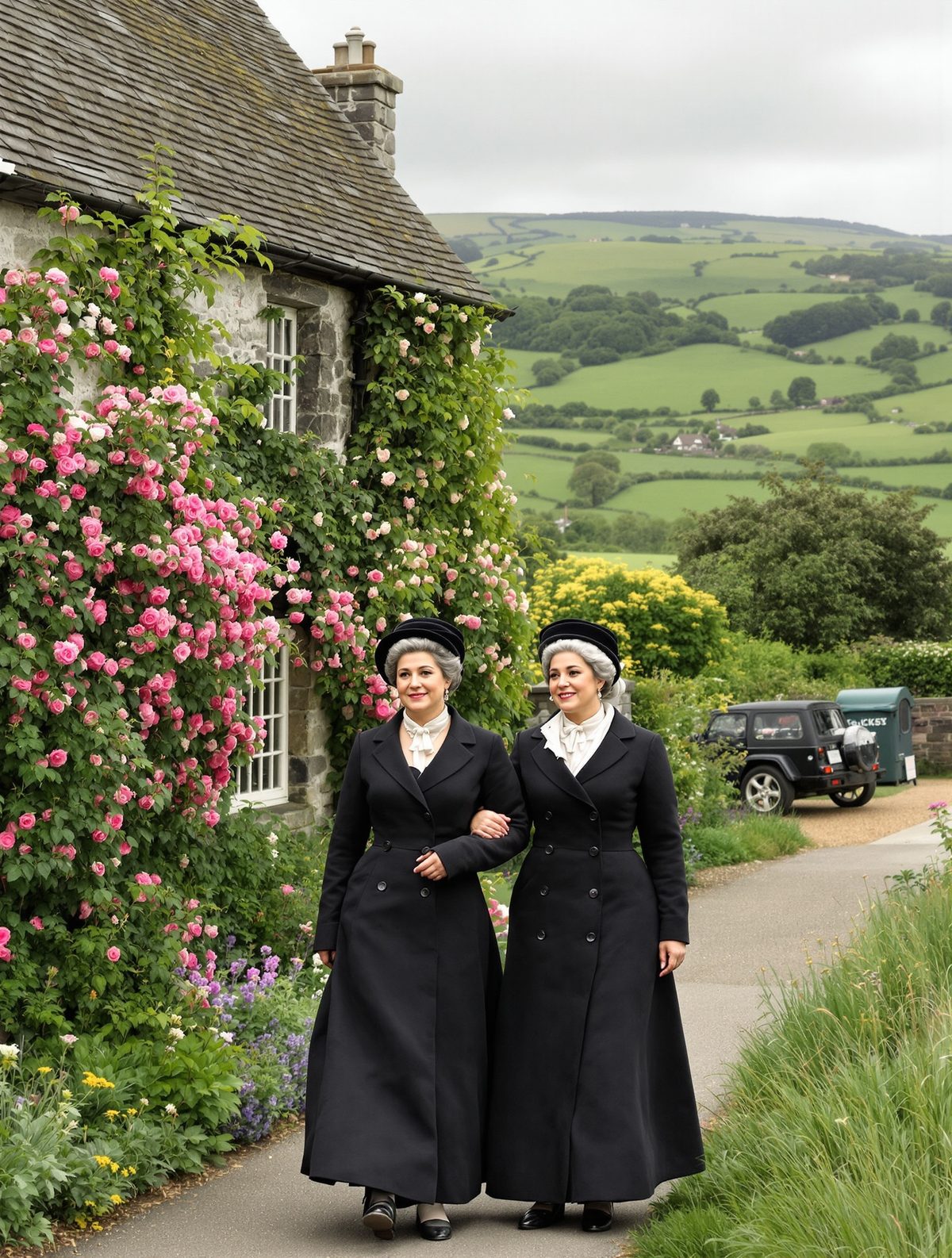
Two aristocratic women fled their families in the dead of night. They set up home together in a Welsh cottage. For 50 years, they lived as the 'Ladies of Llangollen.' Society was scandalized. But their devotion became legendary.
1811. Author Fanny Burney faced breast cancer surgery. No anaesthetic existed. She endured the 20-minute operation fully conscious. Her detailed account became medical history's most vivid record of pre-anaesthetic surgery.
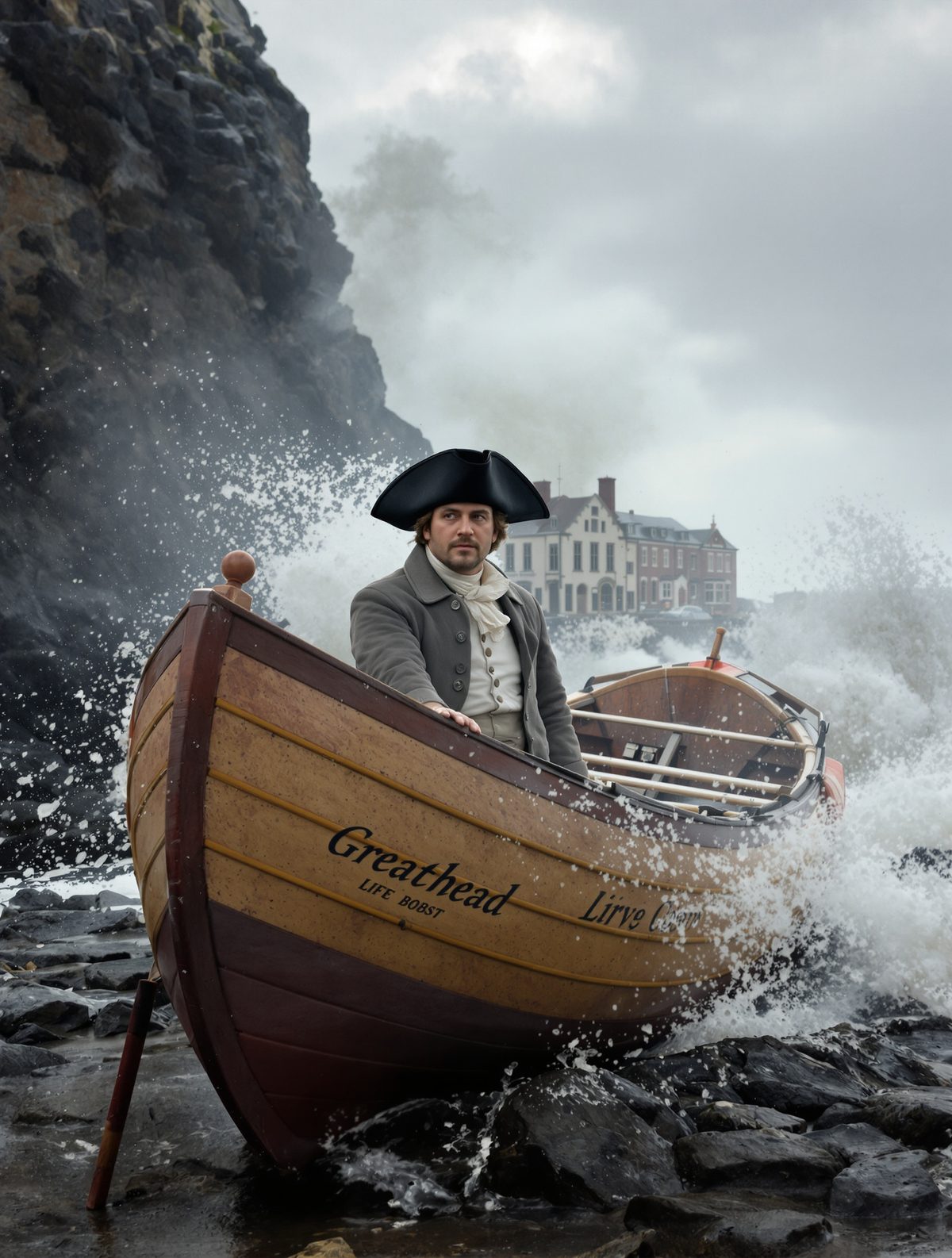
1789. The Tyne churned with winter storms. Henry Greathead watched ships die on the rocks. His revolutionary boat design sat untested. One desperate launch would prove if his 'Original' could cheat death itself.
September 1792. Thomas Paine sits in a Dover inn as customs officers search for the author of 'Rights of Man.' His friends have warned him — the government wants his head. Twenty minutes before the warrant arrives, he boards the last boat to France.
In 1784, Joseph Bramah invented a lock so secure he offered 200 guineas to anyone who could pick it. He hung it in his London shopfront with the challenge painted on the window. For 67 years, no one could crack it.
Thomas Newcomen's steam engine coughed to life in a Staffordshire coal mine. For the first time in history, a machine lifted water from the depths. Britain's mines could go deeper than ever before.
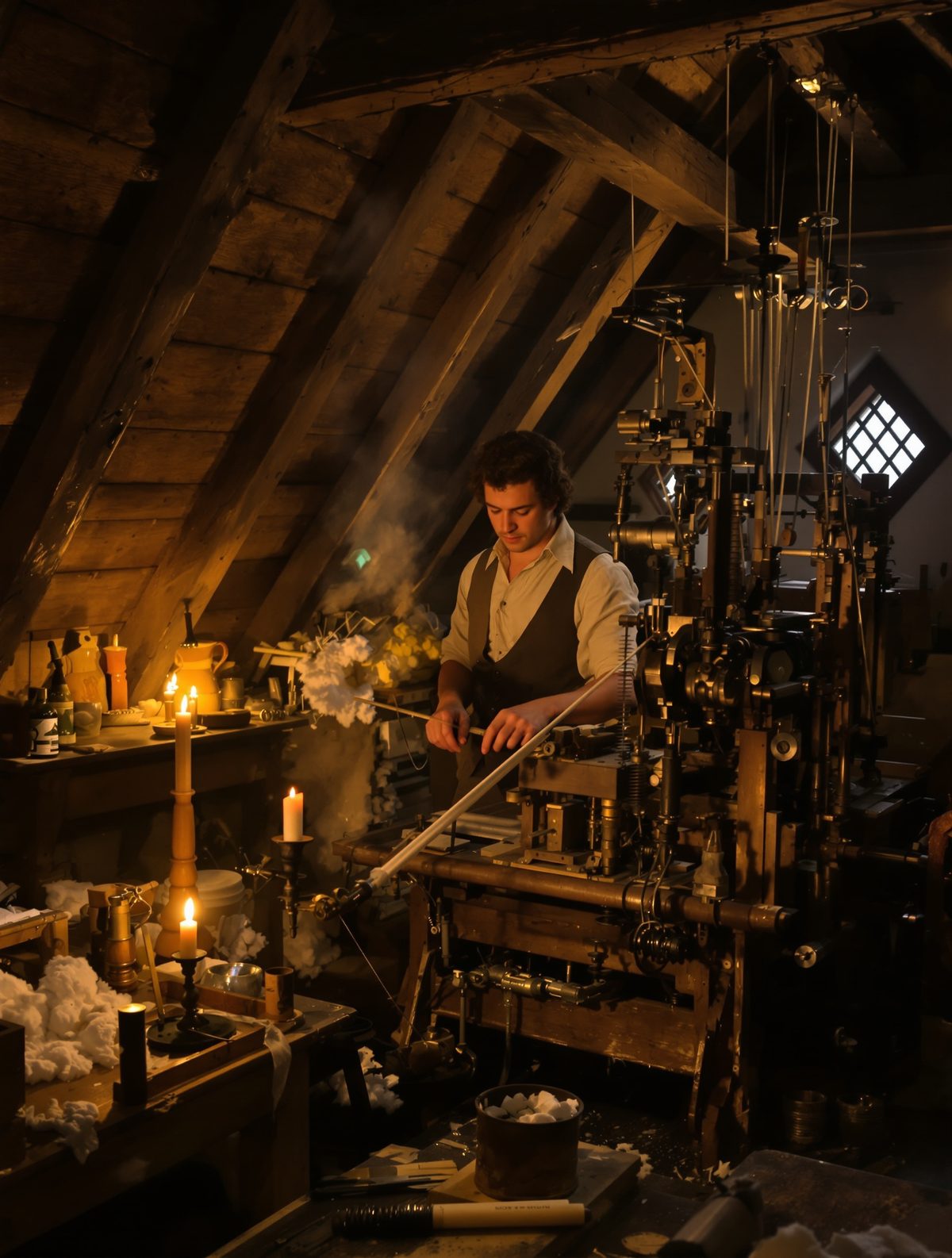
Samuel Crompton worked in secret for five years in his Bolton attic. His spinning mule could produce thread finer than silk. He gave away the invention for free. It transformed Britain into the textile capital of the world.
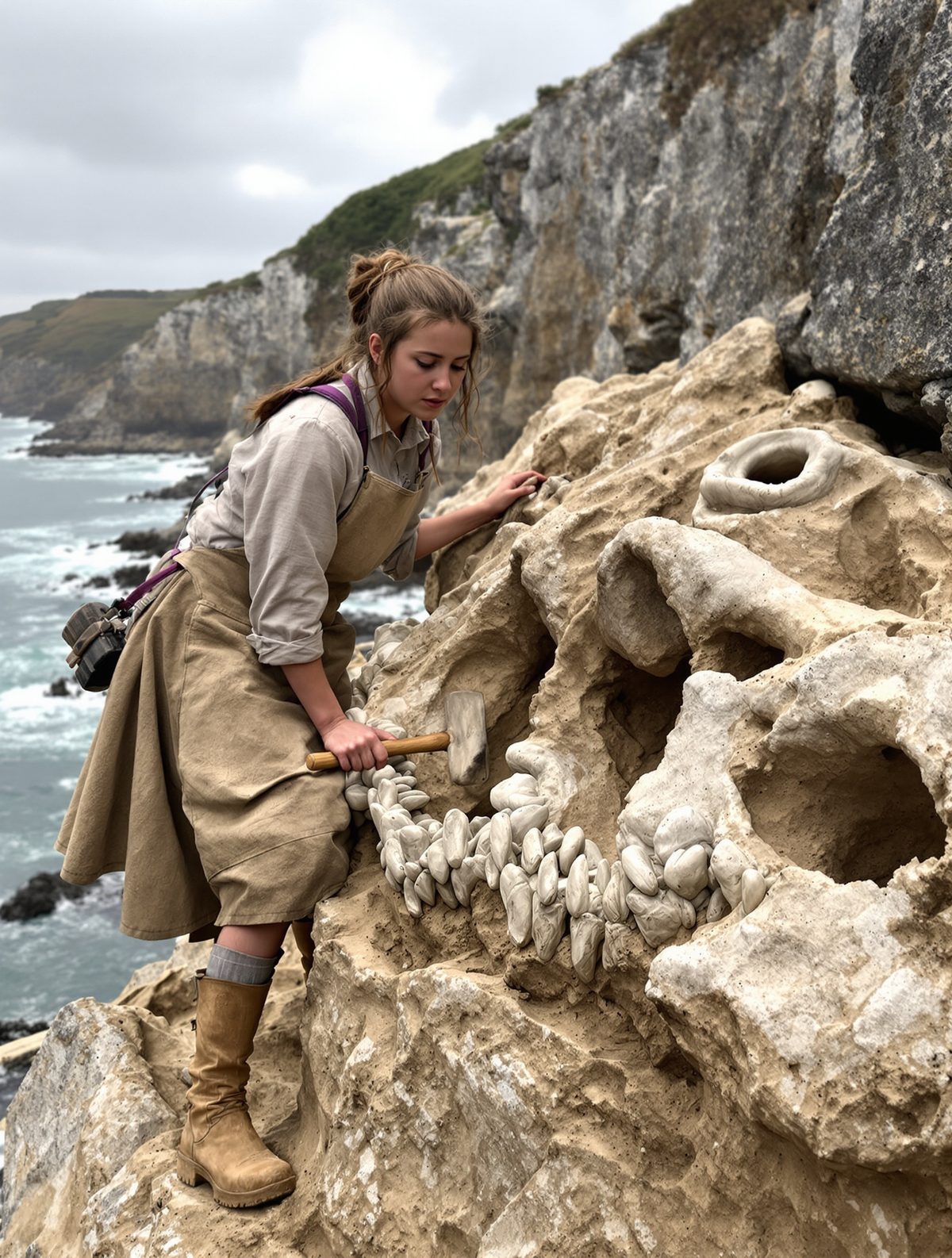
Twelve-year-old Mary Anning chiseled a 17-foot sea dragon from Dorset cliffs in 1811. Her ichthyosaur fossil proved that creatures could go extinct. It revolutionized science forever.
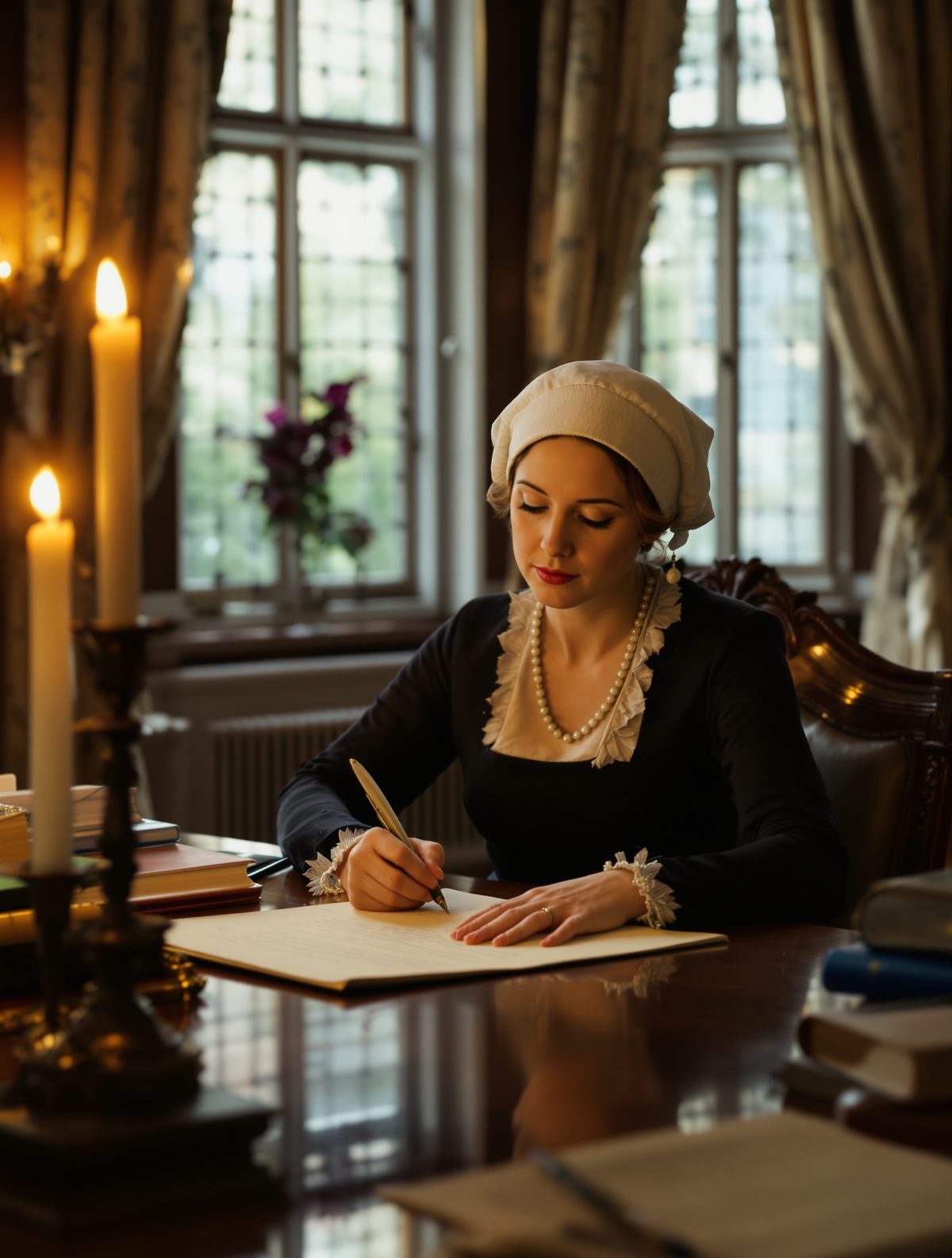
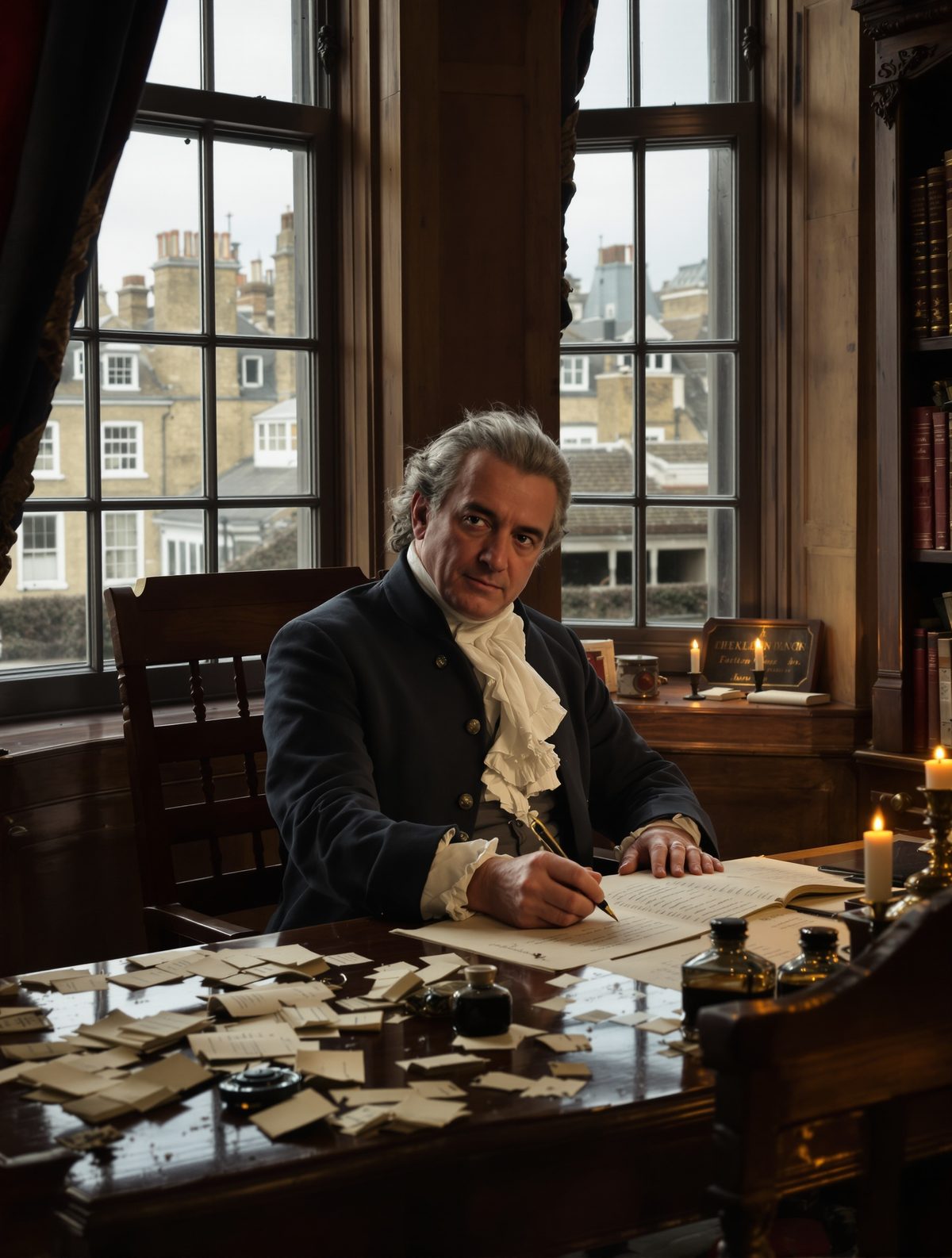
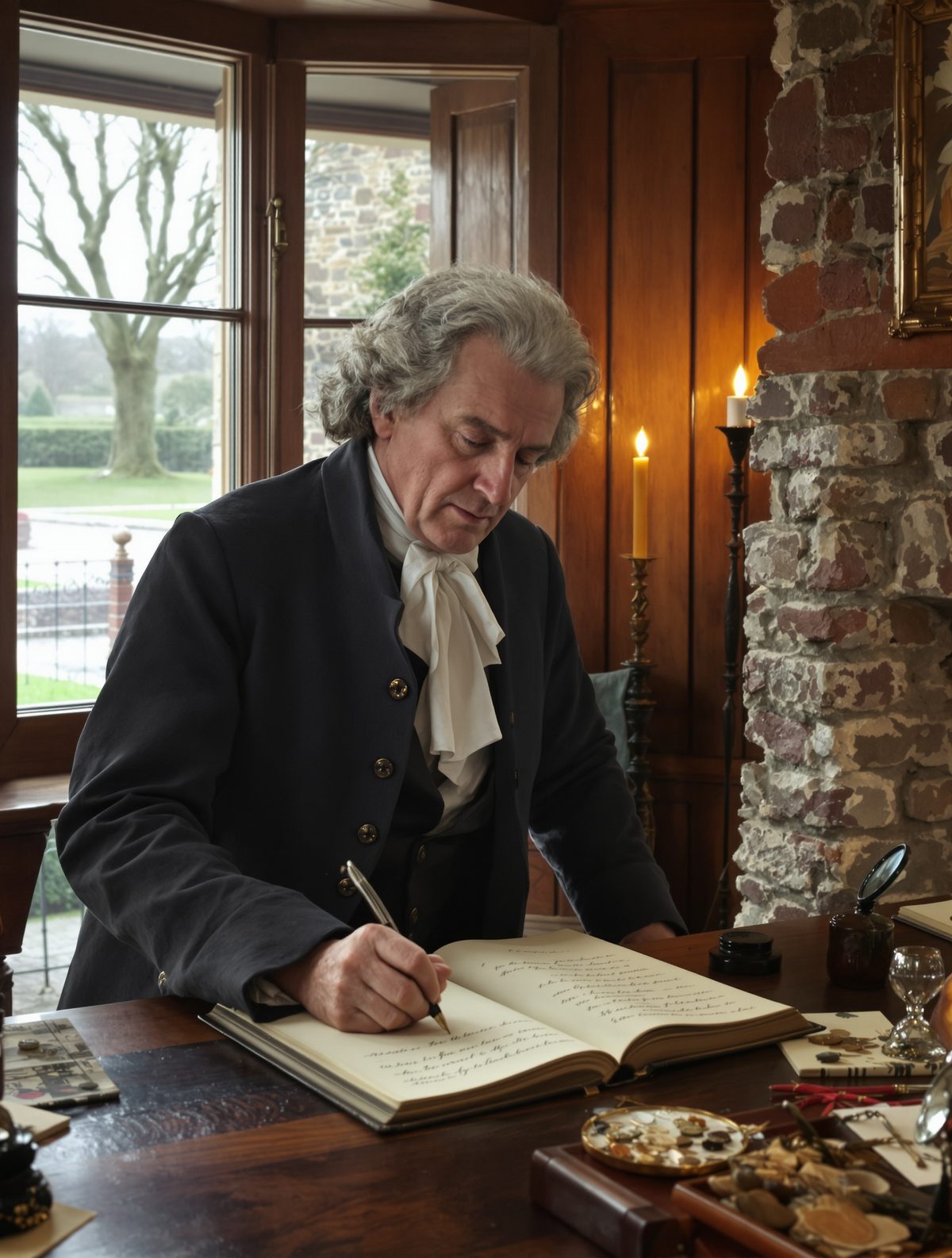
After nine years alone in his Gough Square garret, Samuel Johnson penned the final entry. His Dictionary of the English Language would standardize spelling for millions. One man. 42,773 words. The foundation of modern English.
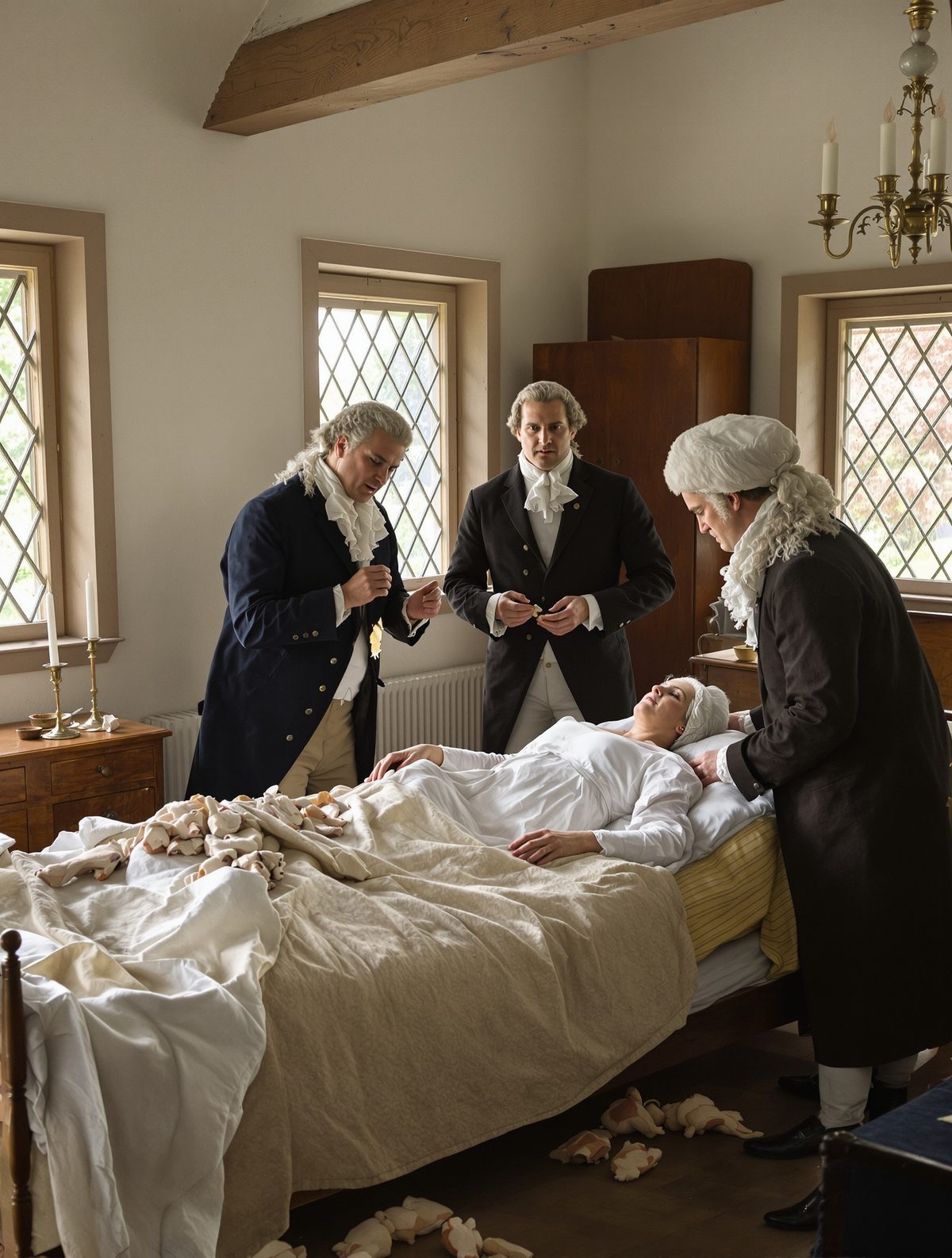
September 1726. Godalming, Surrey. A poor woman's labour pains produced something impossible. Rabbit parts. Living fur and bone. England's greatest doctors rushed to witness the miracle. The King's surgeon declared it genuine.
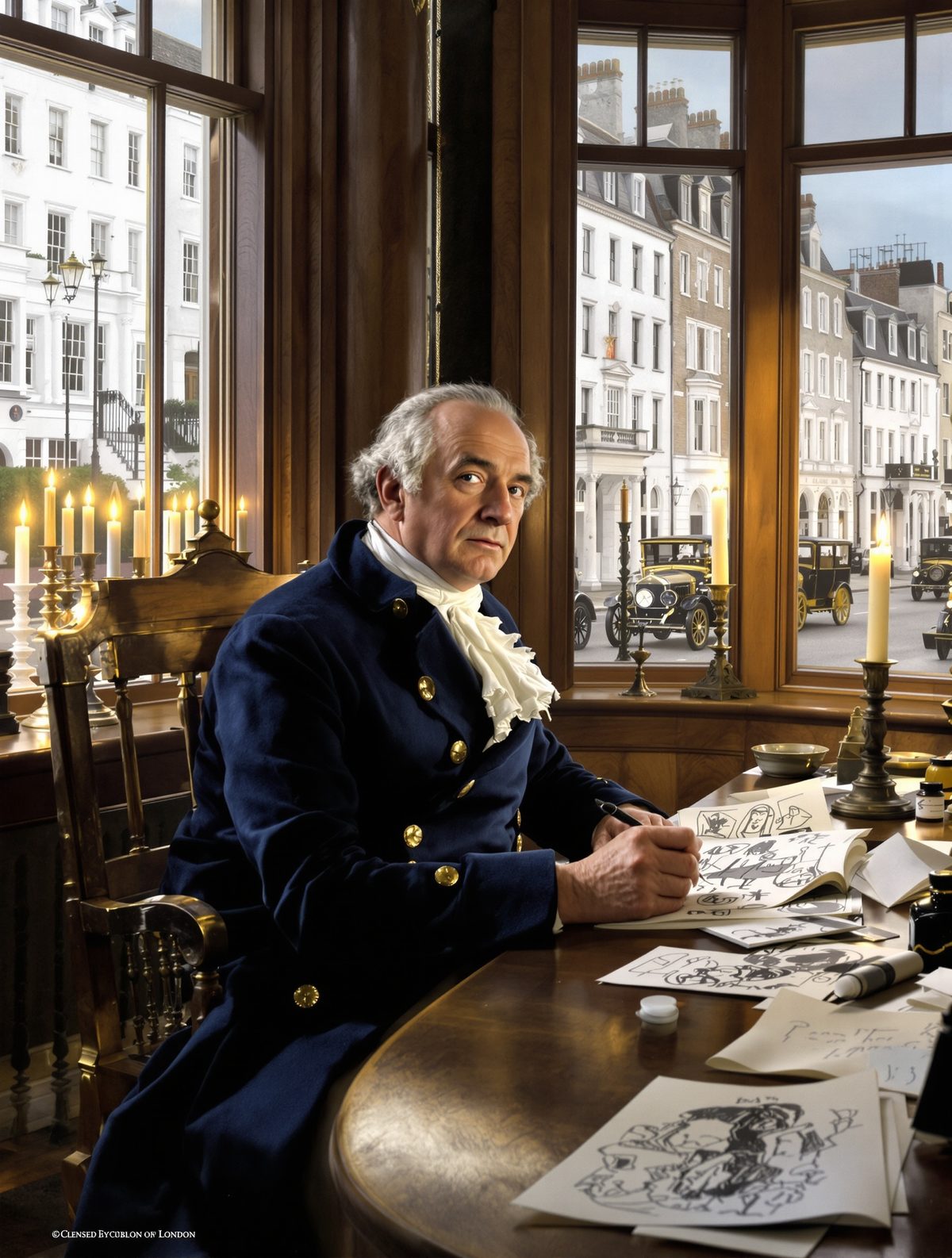
Thomas Rowlandson's pen dripped with acid and wit. His caricatures exposed Georgian society's absurdities. Politicians, clergy, and dandies trembled at his sketches. He turned social criticism into high art.
1786. A Scottish engraver sat down with ink and paper. He didn't write numbers. He drew them. One simple line changed how humanity understood the world forever.
London's streets were littered with dying infants. One retired sea captain saw it and could not look away. For seventeen years, Thomas Coram knocked on every door in England. Until they finally said yes.
She never left home. She feared crowds. Yet Ann Radcliffe made millions tremble. One quiet woman invented Gothic horror — and became England's highest-paid novelist before Dickens was born.
John Wood arrived in Bath with a vision no one believed. Stone quarries. Empty fields. A dream of Ancient Rome reborn in England. He died before it was finished. His son completed it anyway.
In 1789, Gilbert White had spent 30 years watching one Hampshire village. He never left. He never needed to. His notebook changed natural science forever.
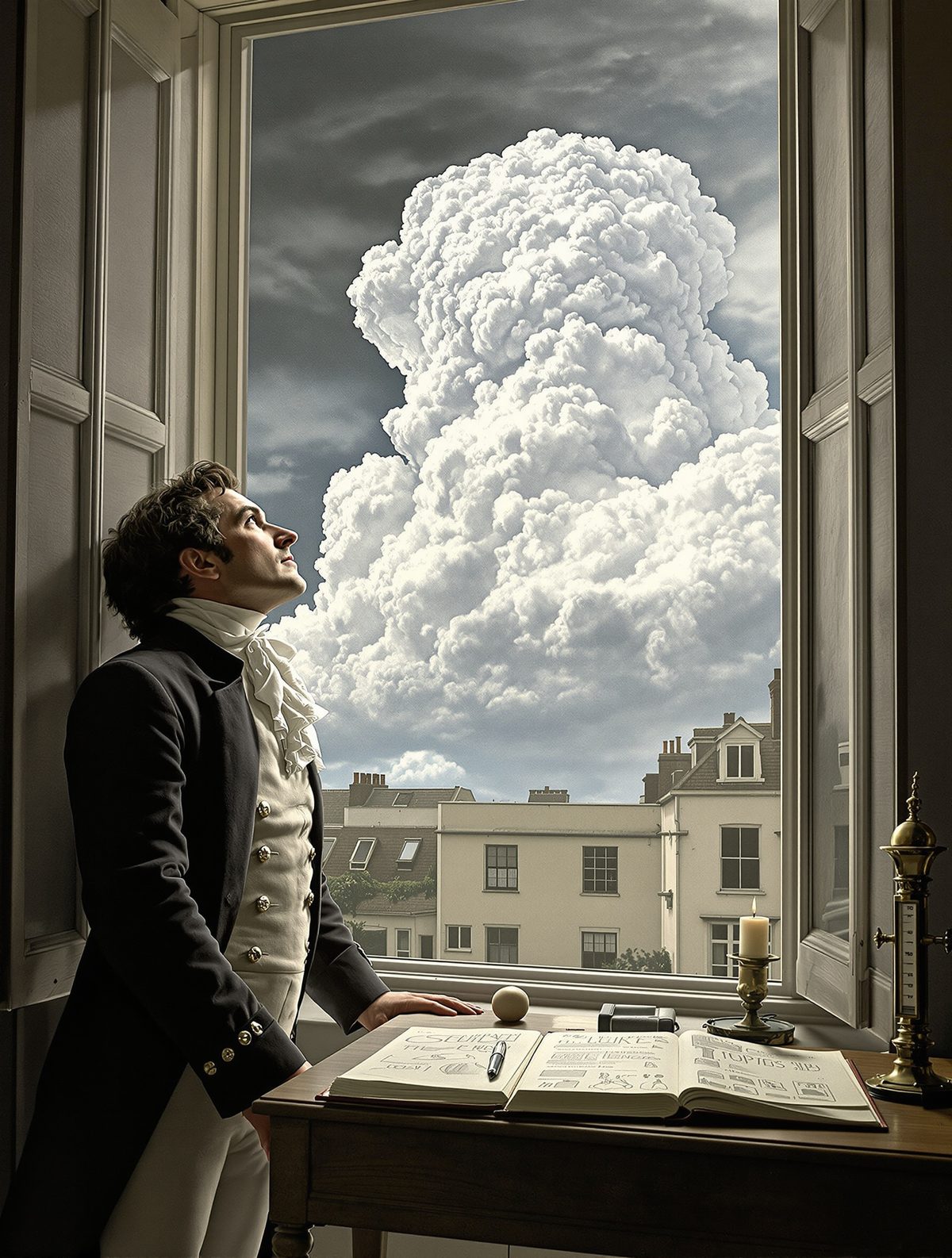
In 1820, Luke Howard had already named the clouds. Now he mapped the Great Frost. A Quaker chemist. No university. No funding. Just obsession — and the sky above London.
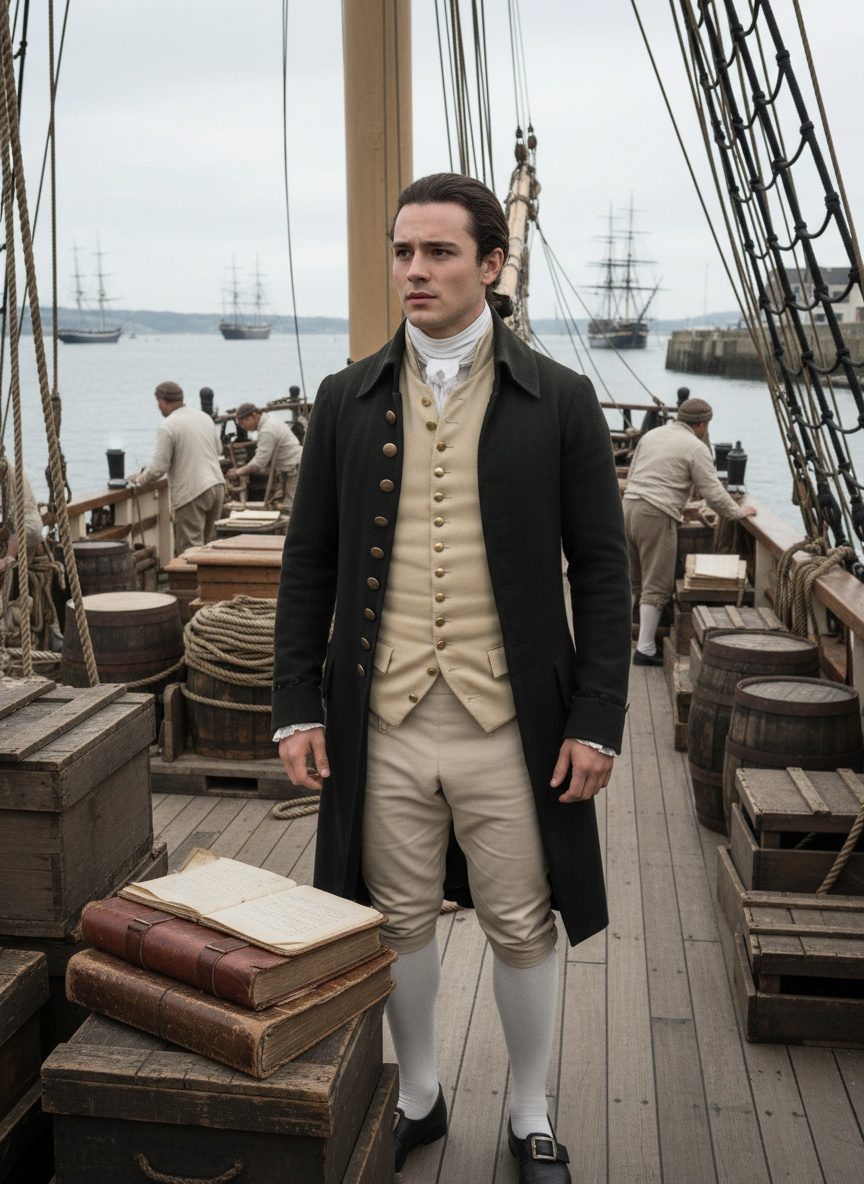
1768. The Royal Society needed a naturalist for Cook's voyage. Joseph Banks was 25. He paid ten thousand pounds of his own fortune. He brought eight servants, two dogs, and a vision. He returned with 30,000 specimens. Science would never be the same.
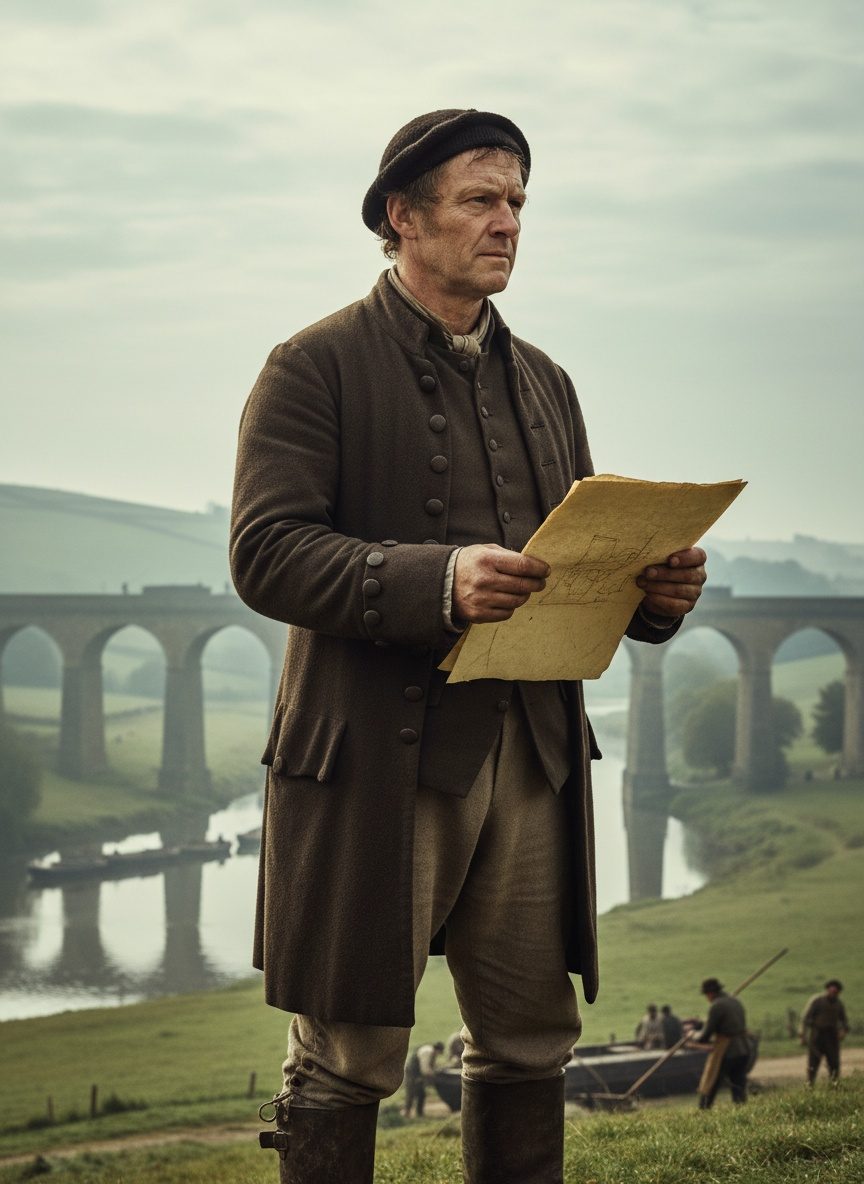
1766. James Brindley was going deaf. He could barely read. But he could hold an entire canal network in his head. He designed Britain's first great waterway without a single drawing. Just a mind that never forgot.
Hand-picked from Britain Untold's archive. The stories you weren't taught at school. 3-minute read.
No spam. Unsubscribe in one click. We hate spam too. Privacy Policy.