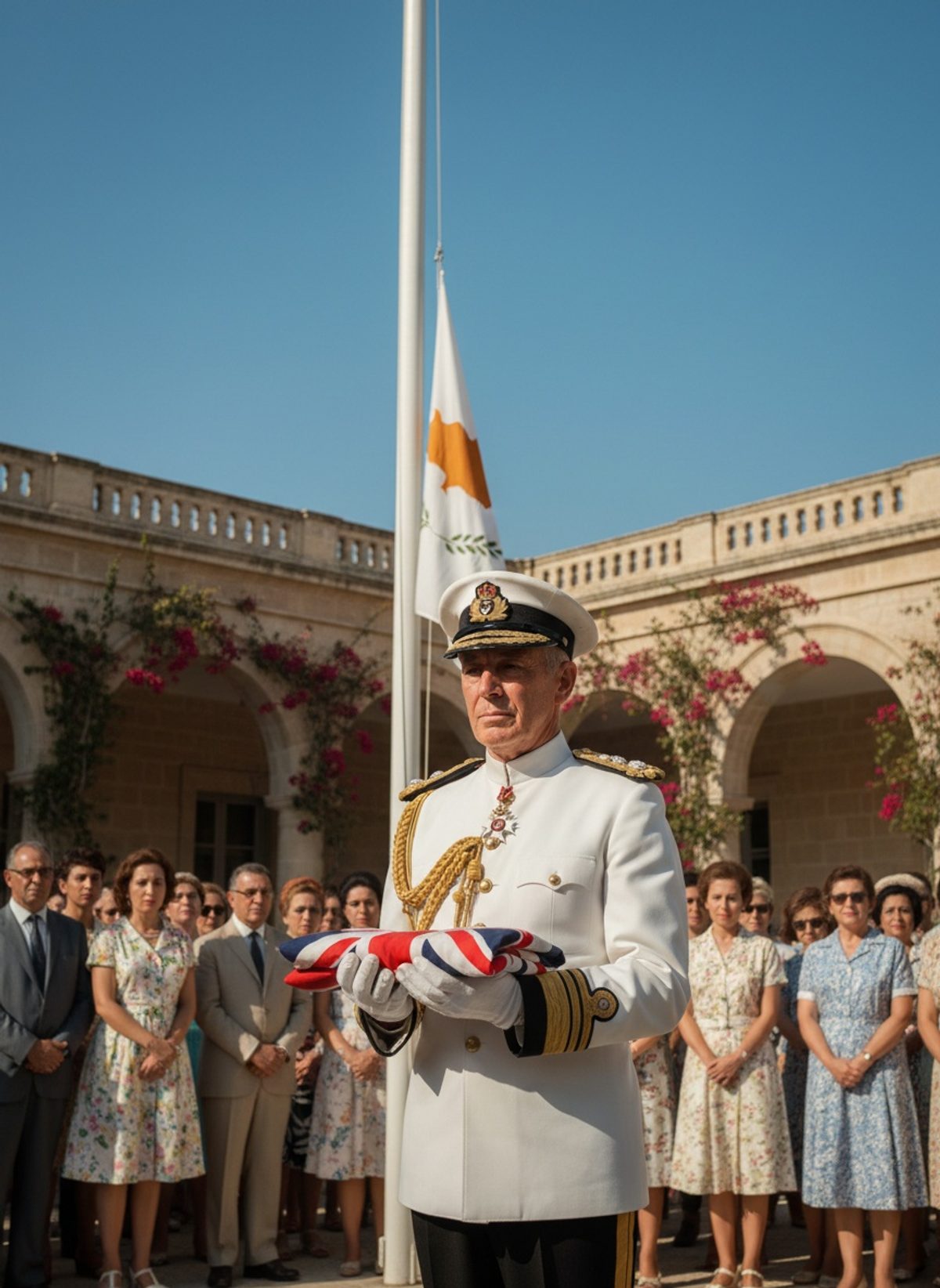
Sunshine bathed the island's dusty terrain as the final echoes of ceremonial cannon fire dissipated into the azure skies of Cyprus. Beneath the Cyprus pines, the crowd witnessed the Union Jack descend, its fabric whispering secrets of an era past. An air of anticipation enveloped the gathering. Without hesitation, the new blue and white flag of an independent Cyprus climbed the lonely mast. Fortified by history's weight, a nation exhaled collectively.
From Fortress to Colony
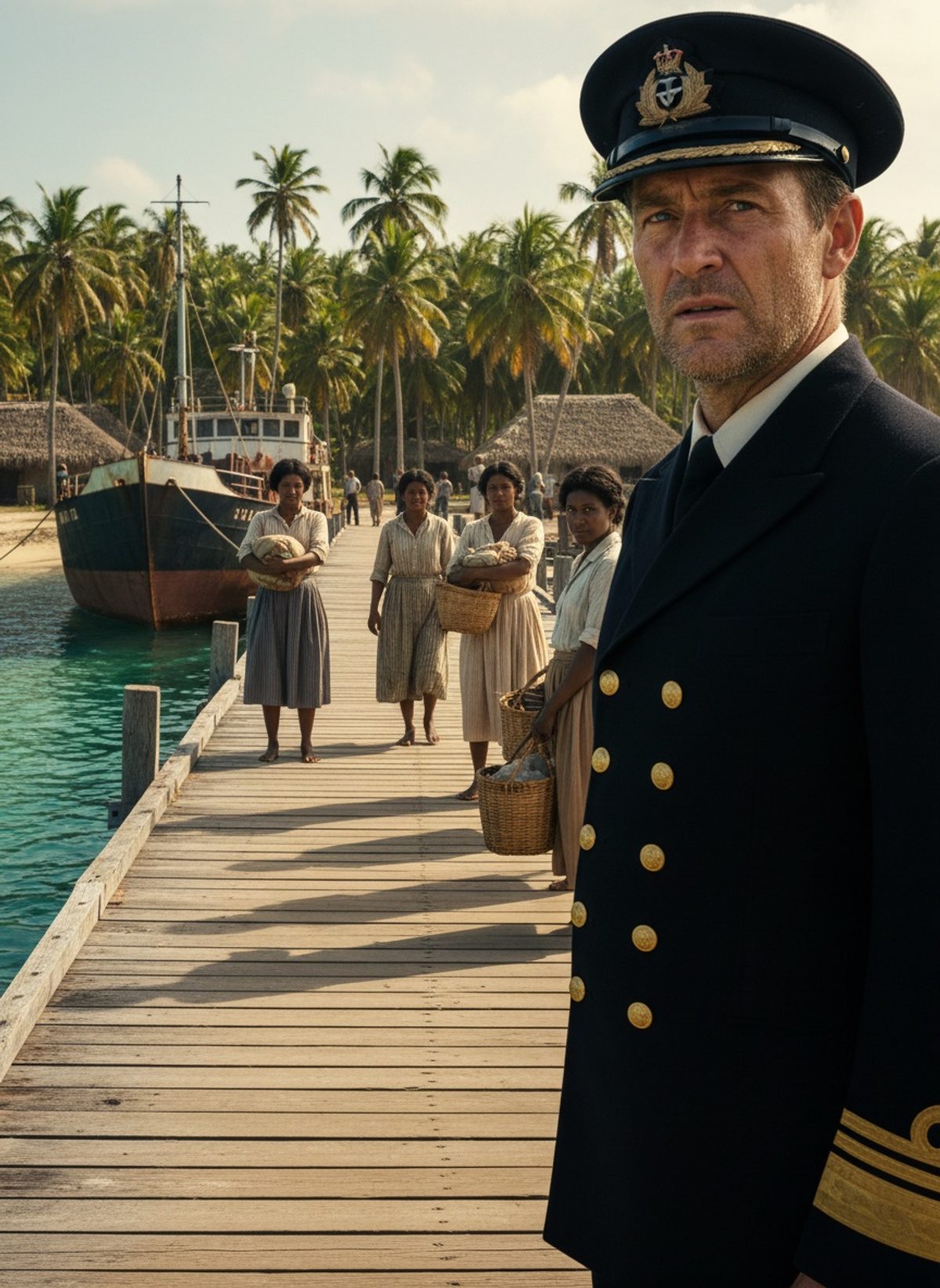
The story of Cyprus as a British crown colony began in 1878, when the island was strategically acquired from the Ottoman Empire. Britain eyed its proximity to the Suez Canal, the trade artery to the imperial jewels of India and beyond. For London, Cyprus was a geopolitical pawn, a fortress rather than a home. The clatter of boots on cobbled streets and the fortresses rising in sleepy villages spoke to the authority a far-off monarchy wielded on this sun-drenched isle.
Yet, under this veneer of strength, the Cypriots nurtured dreams of enosis—union with Greece, rooted deep in their cultural identity. The desire for self-determination simmered like the Mediterranean Sea at dusk. However, Britain's firm grip promised stability and modernity in exchange for loyalty—a delicate balance few dared to disrupt for decades.
Echoes of Gunfire and Negotiations
By the mid-20th century, the whispers of Cypriot independence had become crescendoed voices. The 1950s bore witness to growing unrest, as clandestine organizations emerged from the shadows, wielding their influence through resistance and sabotage. Gunfire punctuated the once-quiet landscapes, and the reverberation of struggle echoed in the corridors of Westminster.
Read next: When Britain Drew Palestine's Border and Left Two Peoples to Fight
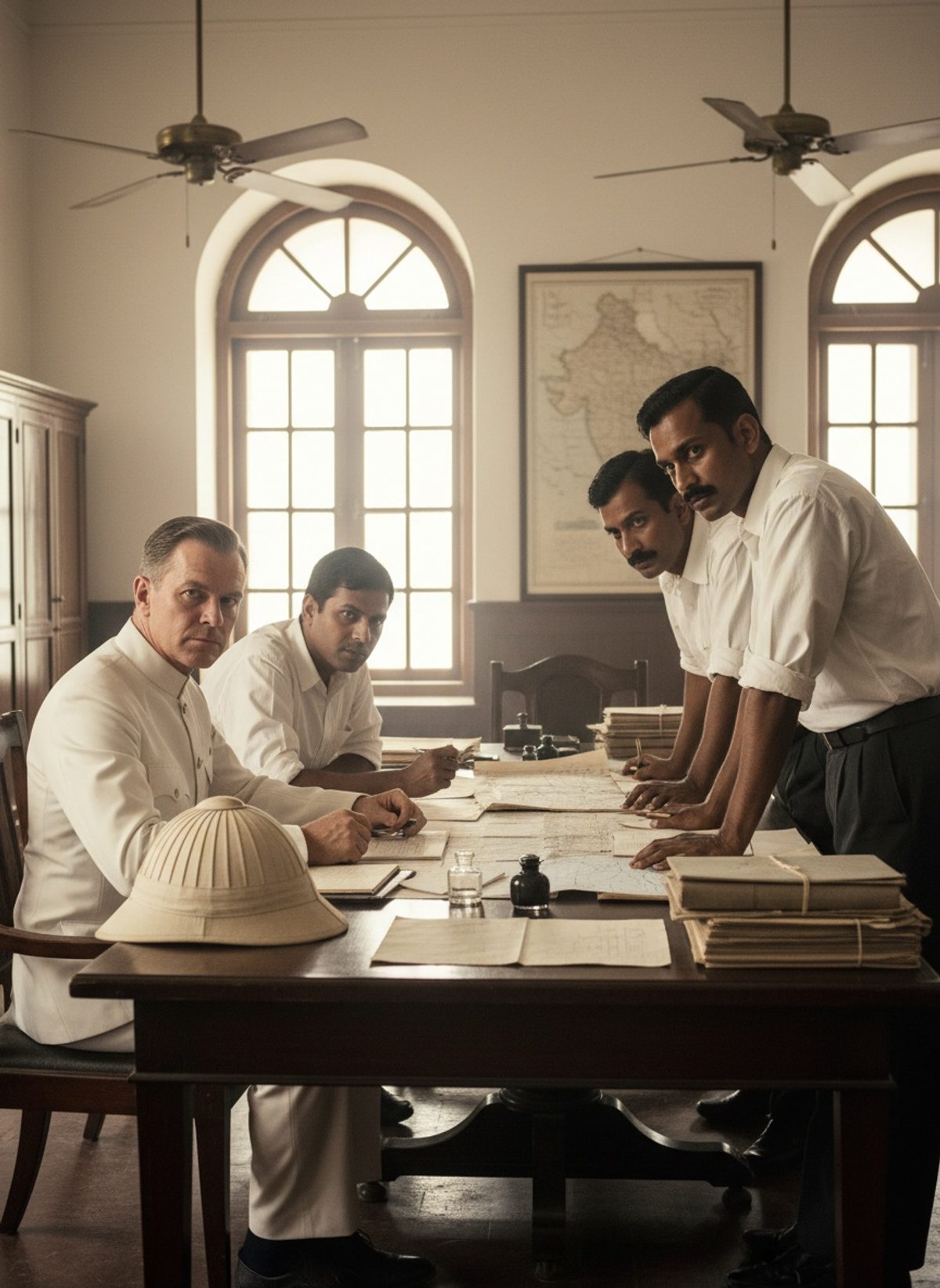
Far removed from the fields and villages of Cyprus, diplomats and leaders undertook rounds of negotiations. The British government, wearied by the burgeoning fight for freedom, sought both a dignified exit and a means to secure their strategic interests. On the island itself, Governor Sir Hugh Foot navigated both the demands for independence and the complexities of ethnic tensions between Greek and Turkish Cypriots—a delicate and dangerous waltz.
In the frenetic blaze of post-war decolonization, the negotiations saw many setbacks. But the spirit of détente bore fruit in the form of agreements, tempered by the steel of perseverance and the fabric of compromise.
Passing the Torch of Freedom
On that defining day in August 1960, the British weren’t merely lowering a flag but relinquishing dominion over an 82-year chapter in their imperial story. The ceremonial ceremonies were imbued with the bittersweet taste of farewell—a handover, murmured experts, that was as symbolic as Cicero and as potent as Shakespeare.
The final Governor, in crisp uniform, presented the new President of Cyprus with constitutional documents that set the island on its path to autonomy. Beneath the rigid etiquette of military precision, there lay a shared understanding of Sovereignty—a cessation of foreign influence, captured in the symbolism of shaking hands.
In the crowd that witnessed history, many veterans of war and peace, who had lived under the Union Jack for generations, now observed with newfound hope. They saw not only a redefined political map but also the promise that their children would grow up under a flag that reflected the vivid tapestry of their land.
The Legacy of Cyprus
The island that England once regarded as an invaluable stronghold in the Eastern Mediterranean now stood on its terms. The evolution from crown colony to independent republic demanded more than policies and promises; it needed reconciliation and leadership beyond the shadows of conflict.
Years beyond the pivotal moment in 1960, the essence of Cyprus's tale has often been ensnared by ongoing issues. Nevertheless, the moment when Britain passed the baton of sovereignty bespoke a broader historical truth—the inexorable march of nations toward self-determination.
As one wandered through the bustling marketplaces or along silent village lanes, whispers of the past mingled with the laughter of a present-day generation. In the Mediterranean night, as waves caressed the rugged coastline, one could sense the resilient heartbeat of a country defining its destiny. In experiencing such transition, Cyprus epitomized more than the end of an empire; it embodied the enduring quest for nations to own their narrative.