He had never set foot on a tennis court. Yet, Diego Garcia's greatest influence on the modern world came without a single racket swung in competition. This remote island in the Indian Ocean would become the focal point of a decisive strategic choice that permanently altered the lives of its native inhabitants — the Chagossians.
The Sinister Silence of Realpolitik
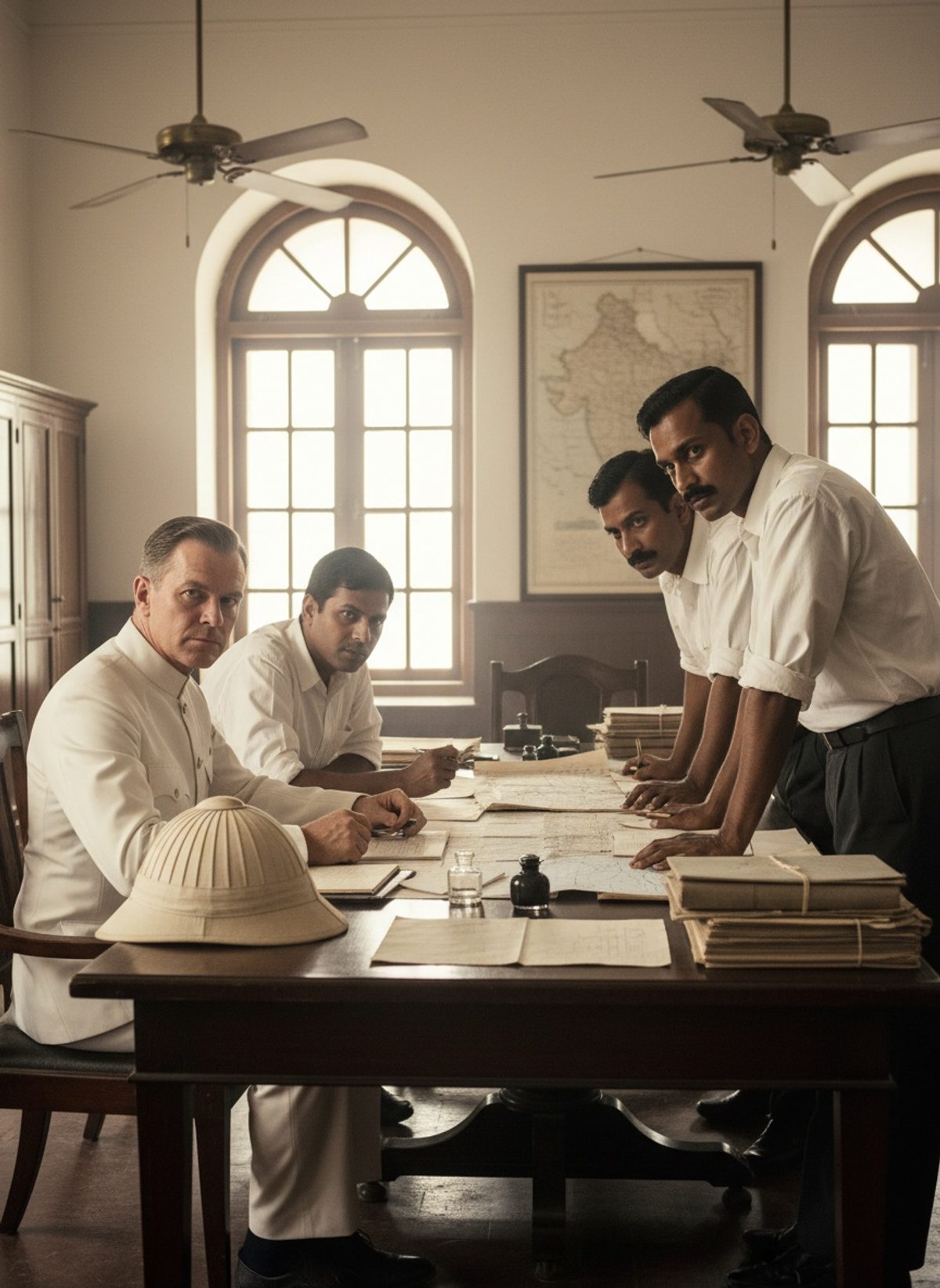
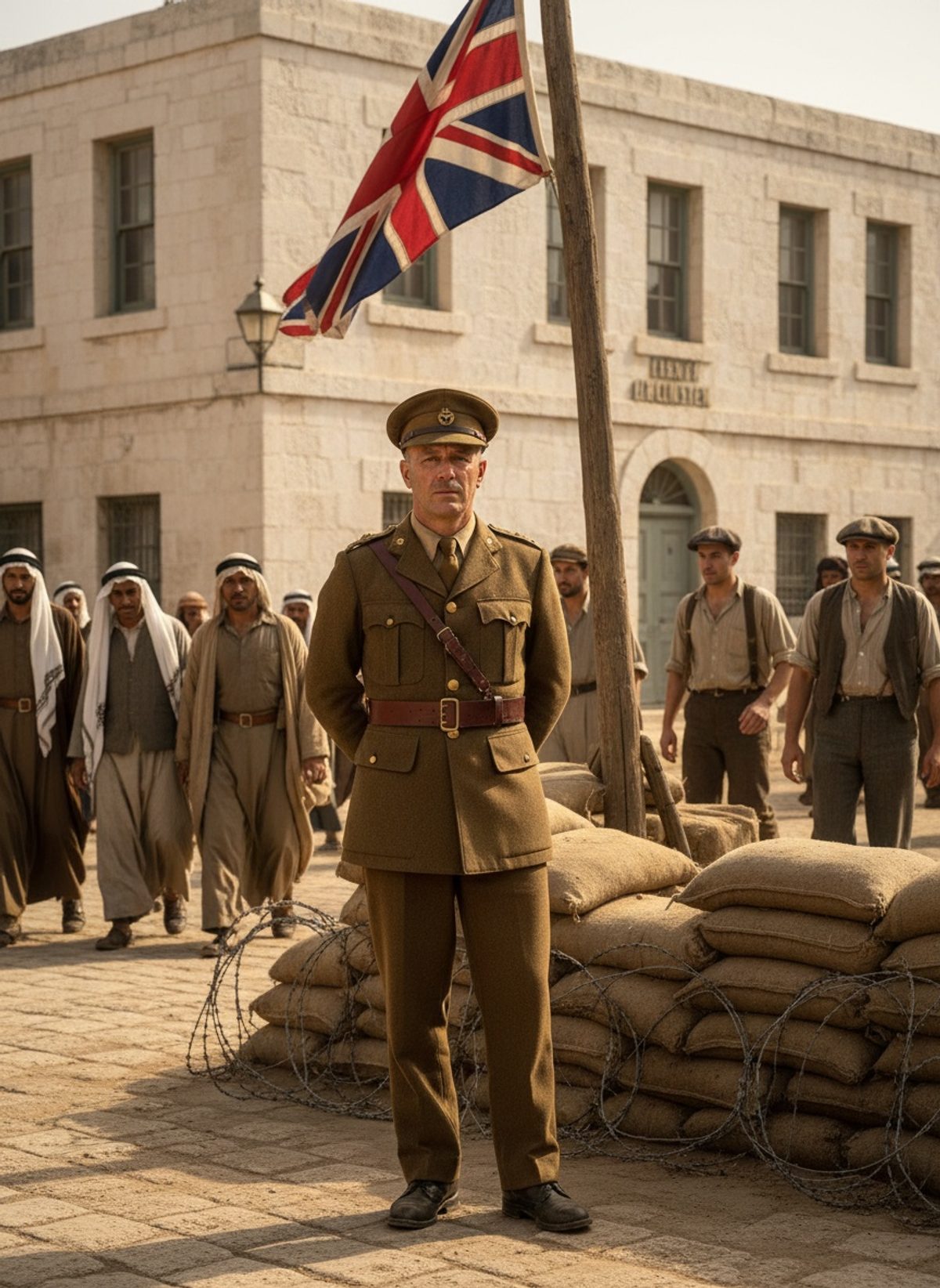
In the swirl of geopolitical chess that marked the post-World War II era, few moves were executed as quietly, yet effectively, as Britain's decision to repurpose Diego Garcia as a crucial military base. The decision stemmed from Britain's determination to maintain an influential foothold in the Indian Ocean amidst growing Cold War tensions. An agreement with the United States promised significant value, ensuring military superiority in exchange for a strategic base in this tranquil archipelago.
What unfolded was an impressively orchestrated political dance that was both precise and ruthless. Britain strategically detached Diego Garcia from Mauritius, concocting the British Indian Ocean Territory in the process. For a monetary compensation slipping discreetly under governmental rugs, Mauritius agreed to this detachment in 1965, a demarcation that the world watched with little scrutiny. Hidden beneath the façade of diplomacy, however, was a sinister silence presaging the clash between cold strategy and human lives.
The Unsung Voices of the Chagos Archipelago
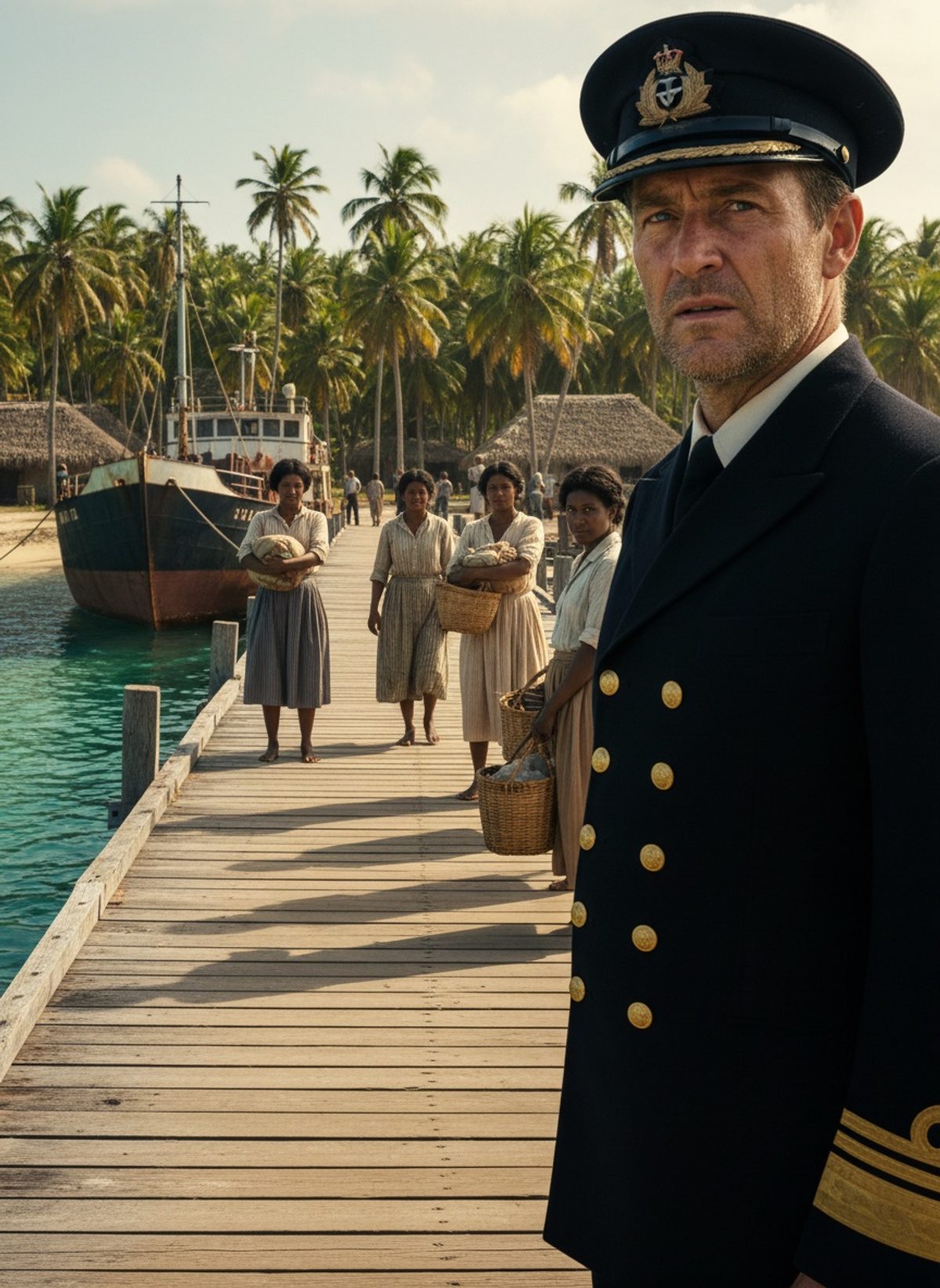
There, on these vividly blue shores speckled with coconut palms, the Chagossians lived their simple, harmonious lives. They were a people deeply connected to their land, leaning on fishing and copra farming — the natural rhythms of subsistence. Theirs was a life not dominated by politics or borders, but by the sea and sky, their existence wrapped securely in the embrace of their surroundings. But the tides of history were about to sweep away the tranquility that had remained untouched for generations.
Read next: When the Last Welsh Guardsman Left Port Stanley, 1982
As plans for an American military base solidified, the Chagossians’ reality unraveled. Between 1965 and 1973, they were systematically uprooted from their homes. Deviously, the deportation was not framed as forced expulsion; rather, it was couched in legal wranglings and bureaucratic maneuvers, leaving little room for opposition. For the Chagossians, it meant the end of their ancestral ties, their homes, their identity. In the words spoken only in small whispers because the world was not listening, they bemoaned the loss of a paradise that was theirs by all rights of heritage and history.
The Loss of Paradise to the Hands of Power
As the American military integration took precedence, the palm-fringed beaches became laden with jets and infrastructure. Even the skies over Diego Garcia transformed, buzzing with the resonant hum of military machinery. But as power consolidated on this outpost, the fate of displaced Chagossians faded into a mere footnote in the grand strategy ledger.
The Chagos Archipelago, now wrenched and redefined, was central to the ensuing decades of military dominance. The base on Diego Garcia would later serve pivotal roles in conflicts like the Gulf War and operations in Afghanistan and Iraq, etching a unique yet detached significance into the broader narrative of Western power strategy.
The Unfinished Battle for Return
While Diego Garcia burgeoned into a major military installation, the Chagossians launched remarkable legal battles for the right to return. The United Kingdom Supreme Court, along with various international bodies, became arenas where the exiled voices tried to find justice amidst political red tape. Supporters of their cause highlighted the skeletal remains of the culture that was nearly erased, urging recollection for a homeland robbed in the name of global strategy.
Yet legal victories have often turned pyrrhic. Promises of reparations achieved little restitution for the emotional and cultural toll. This ongoing struggle bore resemblance to a sail against the unyielding winds of political reality, as the need for the military base continued to eclipse efforts to repatriate the Chagossians.
The Shadows of Strategy and Human Costs
In many respects, the story of Diego Garcia serves as a stark illustration of a world where strategic interests often overshadow human dignity. It compels us to delve deeper into the hidden ramifications of political maneuvers that might otherwise be heralded as triumphs of strategic genius. For the international community and historians alike, the Chagossian story resonates with poignant dissonance — a reminder of marginalized voices that have struggled for recognition amidst the broader strokes of geopolitics.
While the waves perpetually kiss the shores of Diego Garcia, somewhere, the spirit of Chagos lives in the memories and hearts of those who remember it not as a fortress of power, but as a home. It is in these memories that the true human cost of strategic decisions becomes evident, urging future generations to heed the lessons taught not by the victors of power games, but the silenced, persistent whispers of those left on the losing side of history.