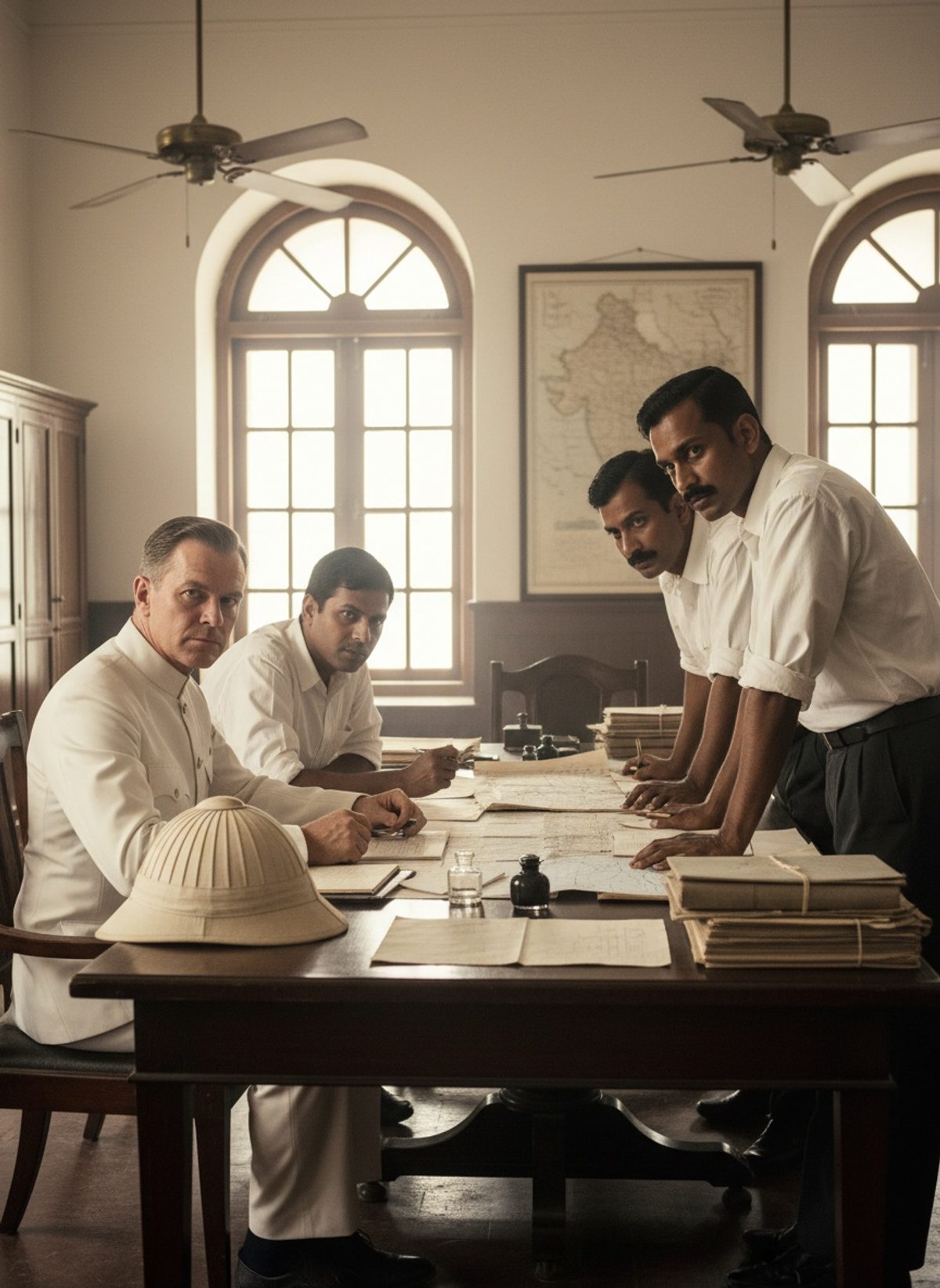
The monsoon air was thick and stifling as the twelve men leaned over their documents in a dimly lit room, fans whirring futilely overhead. The rustle of pages mingled with the occasional murmur of animated discussion. At the heart of this debate was a deceptively simple yet monumental challenge — conceiving a health care system not born of colonial edicts or metropolitan blueprints, but of the very soil and breath of India herself. This unlikely gathering in 1944 marked the beginning of a seismic shift in how health care could be envisioned, challenging the very foundations of British imperial policy in the waning days of Empire.
The Commission That Asked the Right Questions
By 1944, British India was a land teetering under the immense weight of neglect. Diseases such as malaria, cholera, and the plague were rampant, claiming lives in the millions, and yet medical infrastructure was sparse, primarily reserved for the colonizers and their interests. In these conditions, it was a quiet, almost invisible, moment of subversion when a British civil servant extended a question to eleven revered Indian doctors: What would it look like if India’s health care system cared for the sick, rather than the reigning foreign power?
The assemblage included medical minds from across the subcontinent. These doctors, bearing the scars of their people’s sufferings and the dreams of a healthier future, set out to answer this pivotal question. They examined the hybrid nature of India's public health — a patchwork of services meant to keep the seat of colonial rule unblemished from indigenous malaise. Their task was monumental: reinvent a health system not through memoranda issued from London, but through the lived experience of those it should serve. The quiet revolution began.
As discussions unfolded, what emerged was an epiphany crystallized in paper: health care could no longer be a specter of fear wielded by an absentee empire. Instead, it was to become an incarnate promise of security and progress for the millions of disenfranchised souls inhabiting this vast land. This would not merely be a blueprint; it would become the very edifice on which a nation could rise. It was a brave new world these visionaries crafted, populated with primary health centers, a focus on preventative over curative means, and the elevation of healthcare workers from local communities. The empire might be ending, but a new legacy was taking shape.
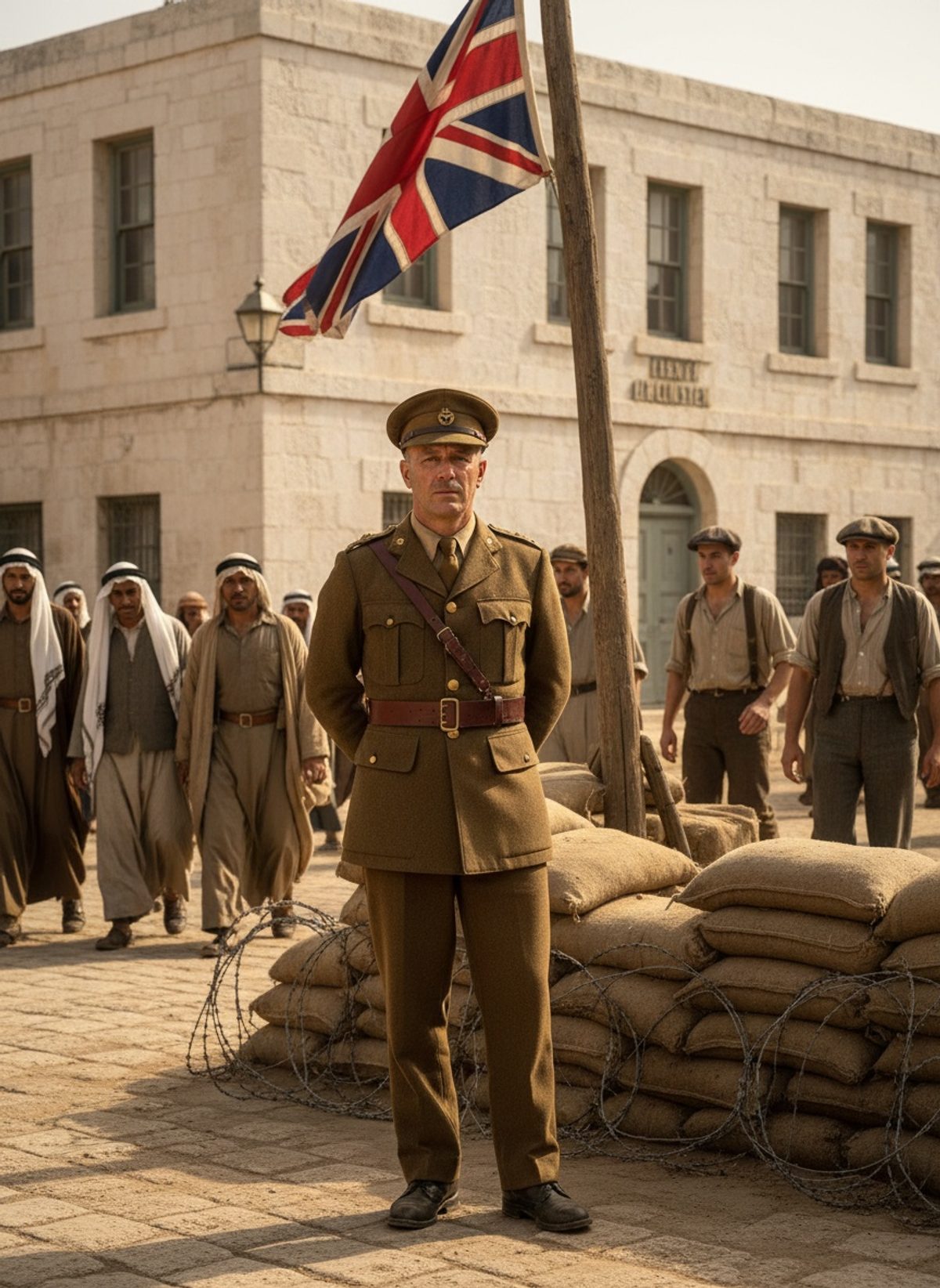
Read next: When the Last British Soldier Left Palestine, 1948
A Prescription for Independence
The culmination of endless debates and rigorous planning came to fruition in 1946 with the Bhore Commission Report. The patient hum of activity in New Delhi contrasted sharply with other colonial endeavors as the report was handed over with little fanfare yet immense expectation. Within its pages lay a structure that could address the afflictions of a nation teetering on the brink of independence.
The Bhore Report recommended a healthcare system that would be universal, free, and equitable. It was an erasure of colonial health policies, replacing exclusion with inclusion. For the first time, the fabric of the nation’s well-being was to be sewn with threads of local wisdom and international standards. The emphasis was on preventing disease before it struck. Villages across the subcontinent could anticipate the arrival of trained health personnel, mobile health units, and the reassurance that their maladies were a high priority.
What was perhaps most radical was that this report did not emerge from a revolutionary shouting into megaphones, nor from violent struggles for freedom. The heroes of this story wielded pens instead of guns, research instead of rhetoric. By empowering local doctors to dictate the terms of health engagement, the British, whether intentional or inadvertently, caused the grip of colonialism to loosen further. The Bhore Commission was not just a report — it was a call to arms without the arms, a quiet manifesto for a free India whose independence would be far more profound than the lowering of one flag and the raising of another.
The Quiet Revolution
The true power of the Bhore Commission lay not just in its immediate impact, but in its enduring vision. India’s adoption of the recommendations was not instantaneous, given the political turbulence of the time. Nonetheless, it sparked seeds of change that would grow in the fertile soil of a newly independent nation. As India stepped into its own, echoes of the commission’s vision resonated through subsequent health policies and reforms.
Yet, the story of the Bhore Commission doesn’t merely reside in the successes or failures of its implementation. It holds a larger, far-reaching lesson in the power of collaborative inquiry and patient foresight over colonial models of imposition. It reminds us that the course of a nation can turn on the insights of those who listen to the heartbeats of its people. Such was the commission's effect that it laid the foundation not just for health care in India, but for a reimagined relationship between ruler and ruled — a story untold in the annals of textbooks.
In the silent persistence of these eleven Indian doctors, armed with the authority of their own experiences and the unlikely blessing of an empire on the brink of departure, lay a message of quiet resilience and hope. As India marched towards independence, the work of the Bhore Commission stood as a testament to what could happen when a country is imagined for its people, by its people, marking the pages of history not with conquest, but with care.