The British Empire once stretched across a quarter of the globe, encompassing diverse peoples and lands. In 1957, it was in retreat, and in Kuala Lumpur, its exit was met not with sorrow, but with song.
The Final British Sundown
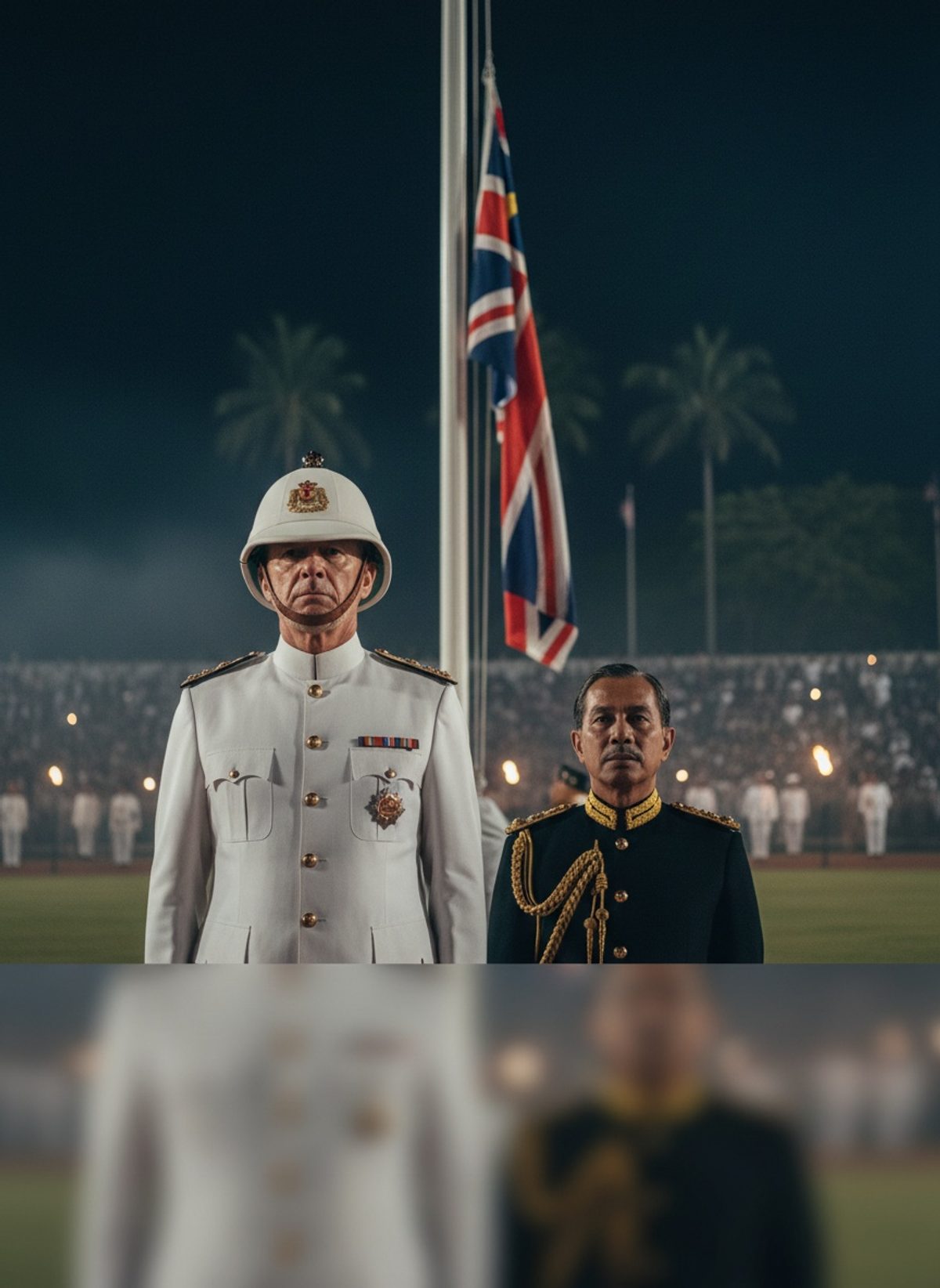
As the first light of dawn broke over Kuala Lumpur on August 31, 1957, the air was thick with anticipation and the humidity of an approaching tropical sun. The Union Jack, a symbol of British authority and colonial rule for over a century and a half, fluttered for the last time above the city's horizon. This was no ordinary sunrise. Uniformed British personnel performed their final duties with solemnity, carefully lowering the flag that had cast a long shadow over the Malay Peninsula.
Under the gazes of a diverse crowd, composed of Malays, Chinese, Indians, and other ethnic groups that had been woven into the fabric of the region, the Union Jack descended. The event was punctuated with memories and whispers of colonial exploits, yet it unfolded in an atmosphere of unexpected calm. Those who watched did not contemplate the past but rather looked eagerly towards the future. Malaya was about to become an independent nation, symbolized by the hoisting of a new flag, vibrant and filled with hope. As it climbed, the crowd erupted into song, celebrating not merely the raising of a banner but the birth of a new era.
A Legacy Woven in Conflict and Cooperation
The roots of British rule in Malaya traced back to the 19th century, when strategic ports and lucrative resources attracted imperial interests. Initially, the British footprint expanded through a series of treaties and, at times, outright conflicts, as indigenous sultans and British officials navigated a complex web of alliances and rivalries. The decision-making corridors of London viewed Malaya as both a treasure trove of rubber and tin, and a critical custodian of maritime trading routes.
Read next: When Britain Drew Palestine's Border and Left Two Peoples to Fight
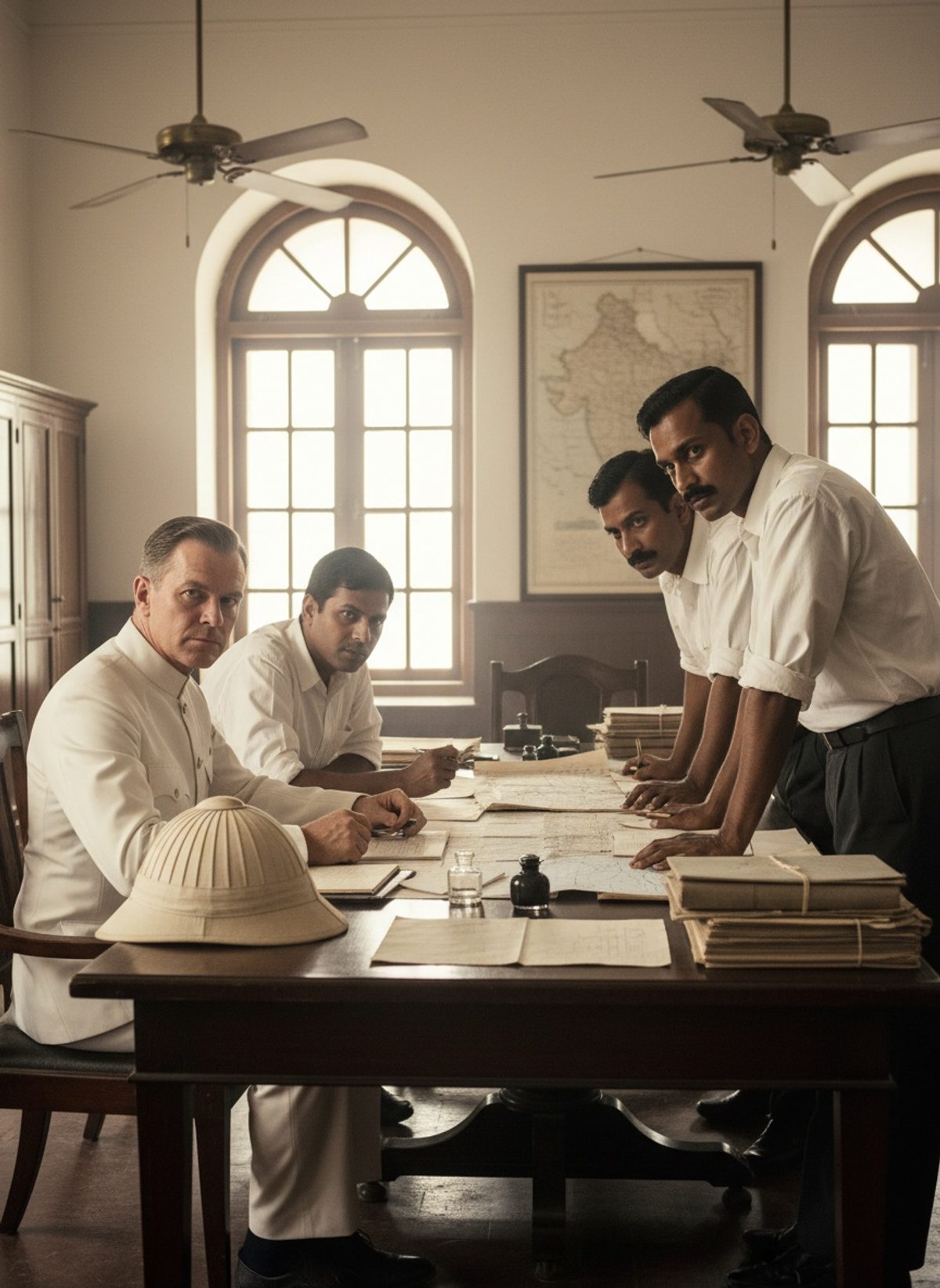
Yet, Britain's long tenure in Malaya was not solely characterized by exploitation and profit. The British administration built railways, instituted legal systems, and introduced Western education, laying foundations of modern governance. This mix of coercion and collaboration cultivated a unique colonial narrative—a balance of power often swung by the people of Malaya themselves, as they resisted, negotiated, and cooperated with their colonial masters.
A New Dawn: Independence by Negotiation
As the tide of independence movements swept across the globe following World War II, colonial powers faced mounting pressure. For Malaya, the path to autonomy was shaped not by violent upheaval but by meticulous negotiation. A series of talks between Malayan leaders and British officials culminated in an agreement that laid the groundwork for self-governance. This peaceful transition, remarkable amidst a century of anti-colonial struggles worldwide, enabled Malaya to emerge without the scars of war.
The new flag that rose over Kuala Lumpur embodied this spirit of cooperation—a symbol reminiscent of aspiration, unity, and diversity. The twelve stripes of red and white, signifying the equal status and harmony of the federation’s states, complemented the bold crescent and star that referenced Islam, the predominant faith, in a region of remarkable ethnic diversity. The midnight blue canton echoed the designs of the Commonwealth, a nod to its colonial past yet specifically crafted for a future under Malayan sovereignty.
Why This Morning Resonates
This peaceful handover from British rule to independence marked the beginning of something uniquely significant. It demonstrated the power of diplomacy and the ability of diverse groups to cooperate toward a shared vision. By singing rather than weeping, the crowd in Kuala Lumpur exemplified resilience and optimism, unshackling centuries of colonial domination not with bitterness, but with the triumphant voices of unity and resolve.
As the British officers departed Malaya, leaving behind the legacies of their long presence, they also signaled the dawn of a new chapter in the post-colonial world. Malaya’s independence was a testament to the intricate interplay of power, identity, and ambition. It showed how an empire's chapter could close not with the clang of chains but in the uplifting harmony of a people ready to chart their own course. This moment matters because it stands as a reminder that even amid history's grand shifts, the end of an empire can be the birth of a nation’s promise, written not in textbooks, but in the hearts of those who lived it.