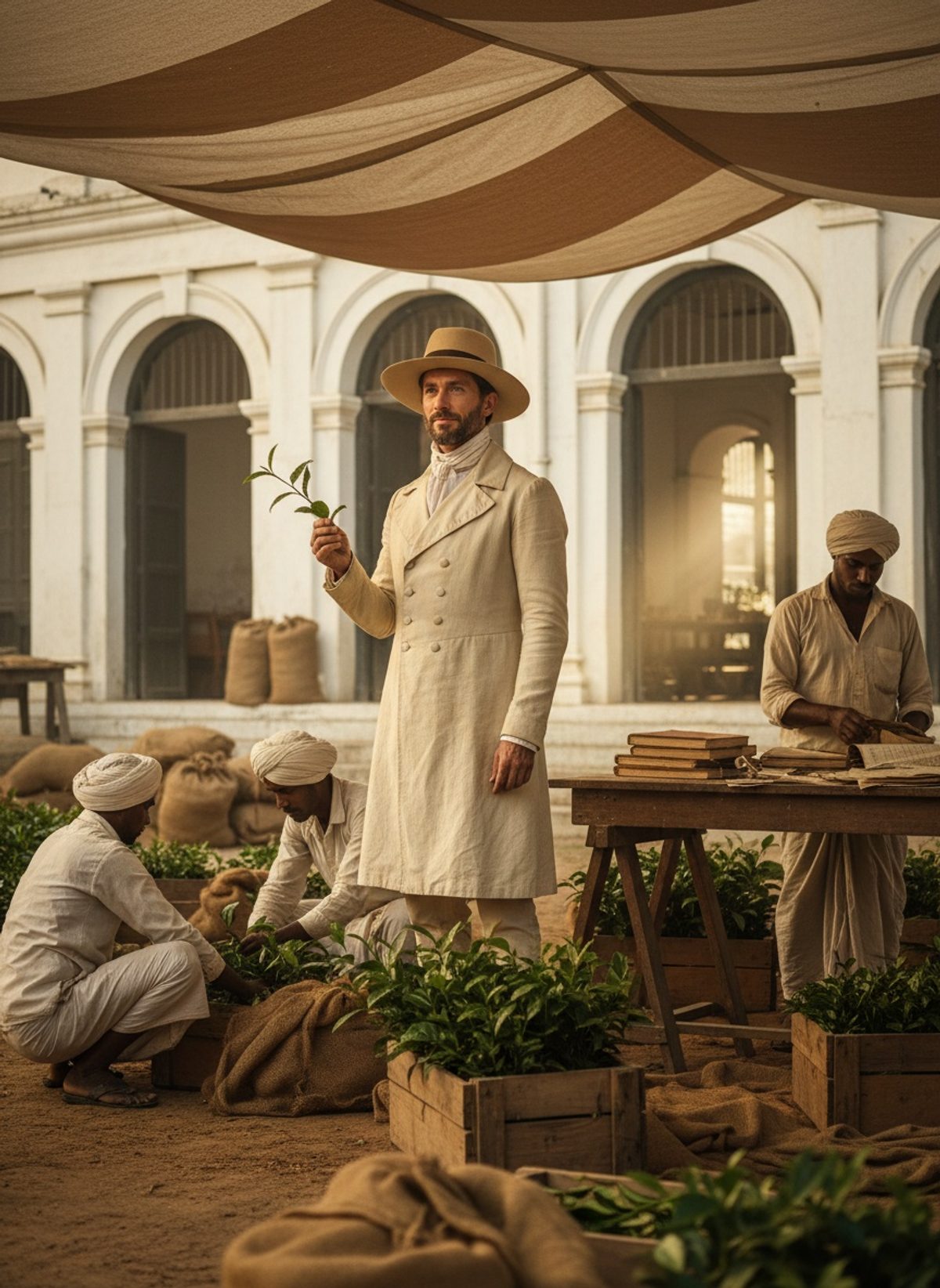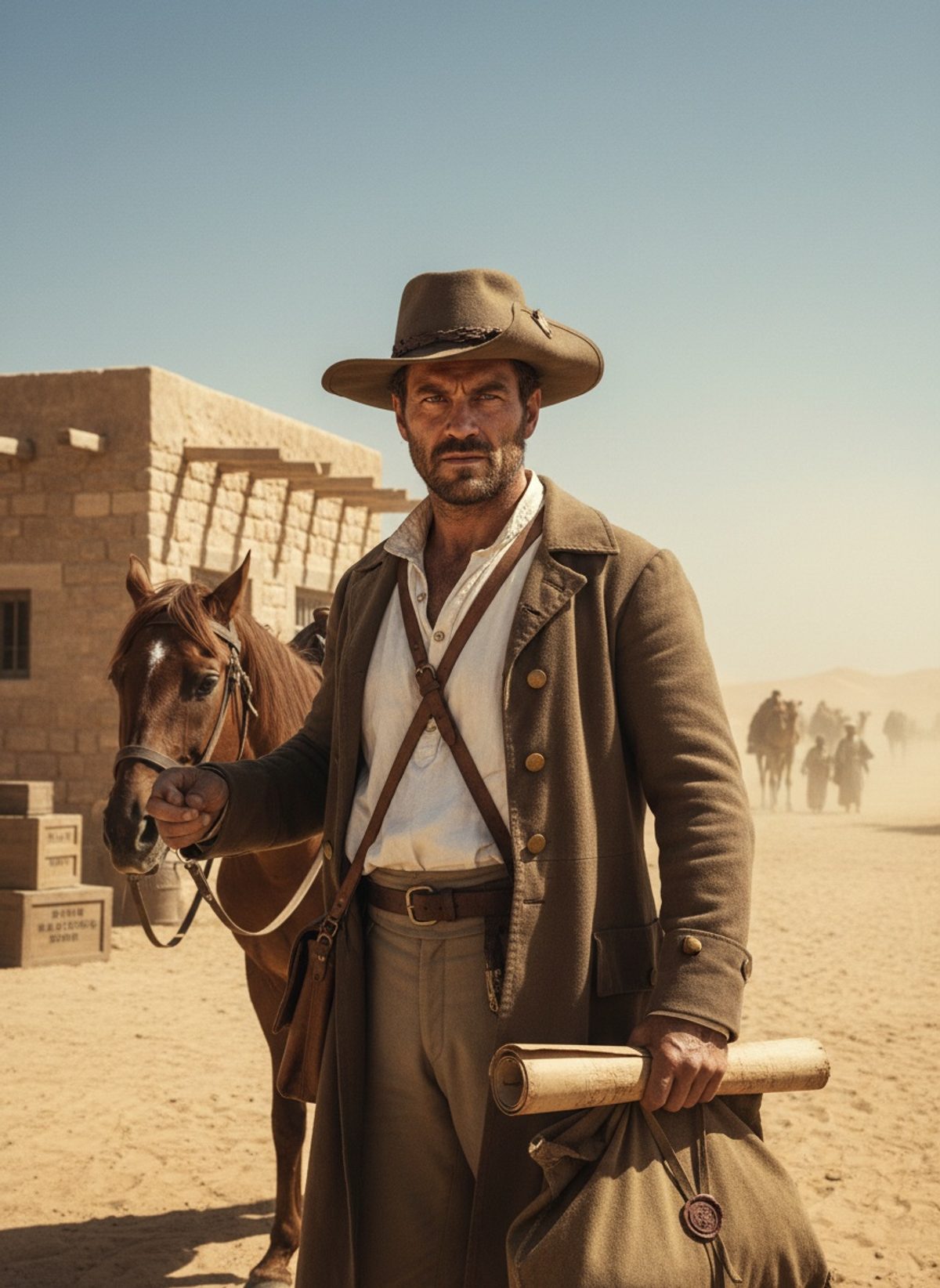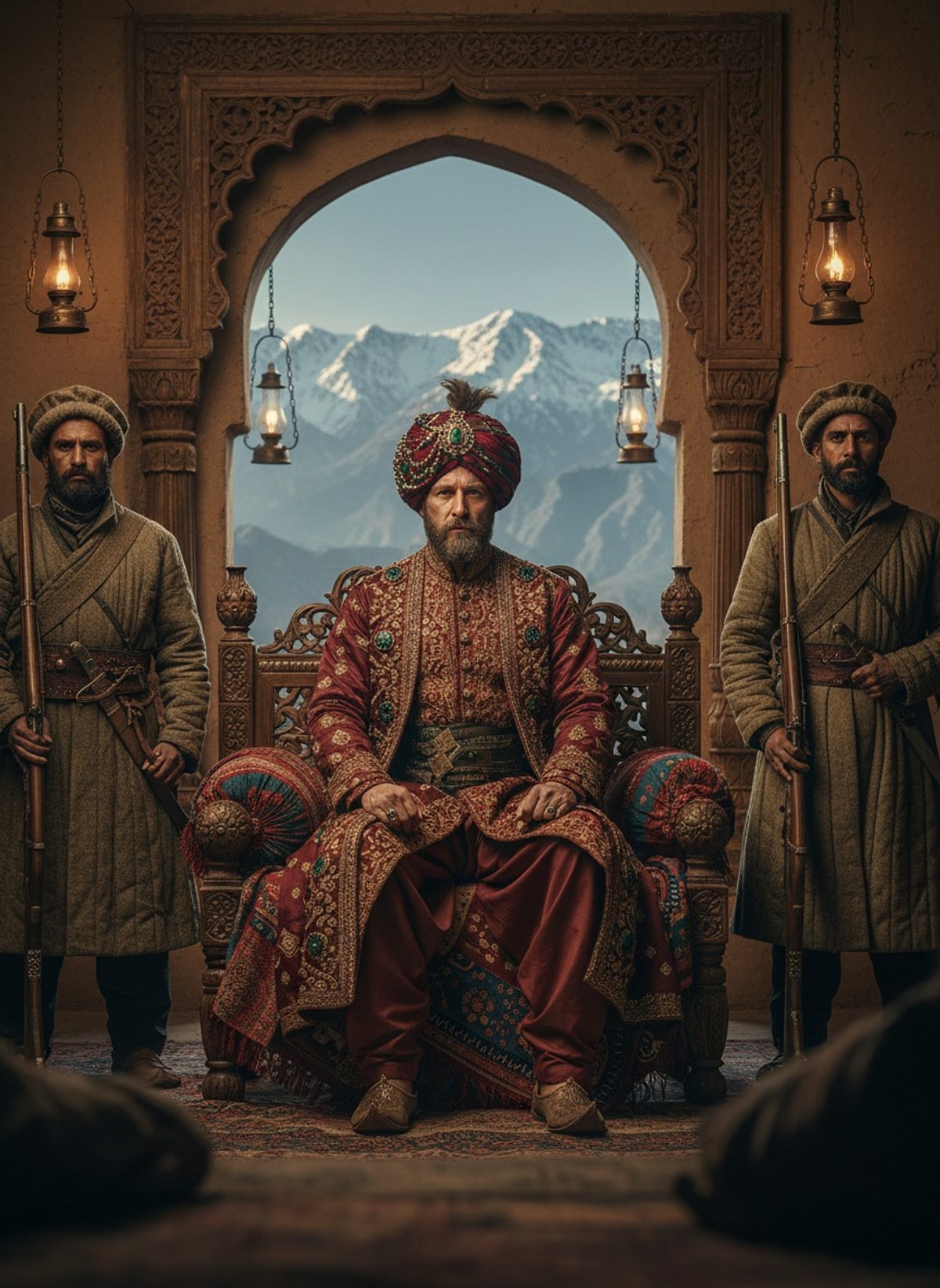
He was an American adventurer in a foreign land, claiming a throne where none had been given. Josiah Harlan was no ordinary traveler; he aspired to rule.
The Curious Case of Josiah Harlan
In an era of grand empires and colonial dominance, few would have guessed that an American — a doctor without a formal kingdom — would audaciously crown himself a prince in the complex political landscape of Afghanistan. Disguised in the elegant robes befitting a Mughal noble, Harlan journeyed through the insurmountable ridges of Central Asia, a self-fashioned regent amidst a volatile battlefield of shifting allegiances. This was a time when the British Empire was at the forefront of a militaristic enterprise in the East, preparing to embark on the First Anglo-Afghan War of 1838. Yet, Josiah Harlan had already carved his own niche, a shadow figure against the looming Empire, though hardly unnoticed by local chiefs or the looming British forces.
From the Streets of Pennsylvania to the Mountains of Afghanistan
Born in Pennsylvania at the turn of the 19th century, Josiah Harlan was a man of many faces, each one blending seamlessly into the next, much like the landscapes he crossed. A Quaker by upbringing, Harlan embarked on an eastward journey that would span continents and transform his American identity into that of an Afghan prince. He was, by vocation, a surgeon and had initially ventured to India with dreams of healing and discovery. However, as fate would steer his course, this so-called healer became an audacious military leader and strategist.
Finding success beyond the traditional means, Harlan’s entry into Afghanistan was subtle yet striking. His fluency in Persian and understanding of local customs allowed him to slither past the suspicious eyes of tribal leaders that dotted the mountainous terrains. His presence, however eccentric or paradoxical, was seen less as an anomaly and more as a bridge between East and West. Harlan’s growing influence was no fable; through cunning diplomacy, he surged to prominence, commanding armies and forging alliances with tribal chieftains in ways that confounded his European contemporaries.
Read next: When Josiah Child Bet the Company on Pepper, 1672
The Art of Becoming a Prince
In 1838, the British Army of the Indus was preparing to extend its military prowess into Afghanistan, aiming to secure regional power against Russian advances in Central Asia. Yet they were not the first Western entity to eye and enter the Afghan realm. Josiah Harlan, with his remarkable confidence, proclaimed dominion over territories that even the most seasoned generals would find daunting. To the dismay of colonial authorities, he had achieved what countless military forays had struggled to accomplish: pacifying the fractious chiefs of regions like Ghor, winning their loyalty if albeit fleeting, and even compelling them to pay tribute.
Harlan orchestrated his reign with an unfaltering belief in the power of artifice and alliance. He declared himself a ruler not through direct conquest but by living and breathing the façade of a Mughal aristocrat. His ingenuity knew no bounds; what he lacked in official sovereign authority, he compensated with a larger-than-life personal mythos. His court gleamed with the resplendence of an oriental dream — gold-trimmed robes, jewel-studded daggers, and a retinue reflecting a peculiar yet undeniable charisma.
The Legend Left Out of the Textbooks
While the British Empire's official accounts of the First Anglo-Afghan War largely focus on the strategies of sanctioned armies and the geo-political ramifications therein, the peculiar tale of Josiah Harlan highlights an obscure yet impactful interlude in this colonial narrative. His story, often overshadowed by larger military exploits, reveals the profound influence one individual could exert in the swirl of imperial ambition. Harlan's escapade, however intangible in lasting effect, serves as an allegorical reflection of the period’s nuanced intersection between East and West, of lone wolves roaming alongside institutional armies.
In the end, Harlan’s self-ascending chapter in Afghanistan provides a vivid portrait of the human spirit's capacity for reinvention and audacity in the face of monolithic forces. While he never supplanted the authority of Kabul's true despot, nor did he wield omnipotent power, Harlan captured the essence of an epoch where realpolitik could scarcely anticipate the mystique of an ambitious outsider. The tapestry of history is replete with such figures — trailblazers who, though not always victorious, imprinted their immortal echoes on the landscape of untold legends.
Josiah Harlan remains a testament to the complexities of identity and the pursuit of legacy. As the British marched in with their artillery and diplomatic decks stacked, Harlan had already played his hand — a joker that continues to fascinate as much as it bewilders those who chance upon his story.