The British Empire — the forgotten chapters · page 22 of 22
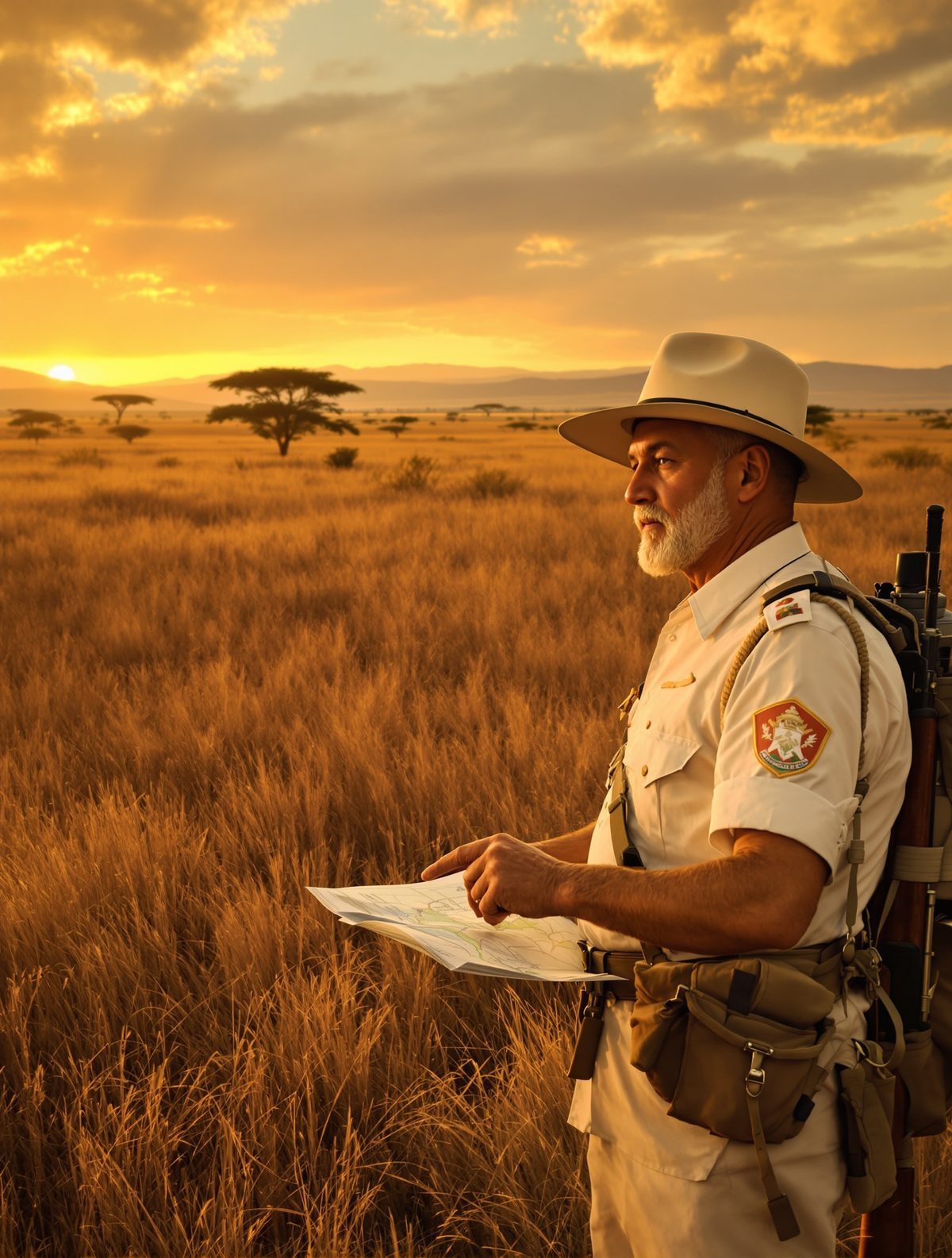
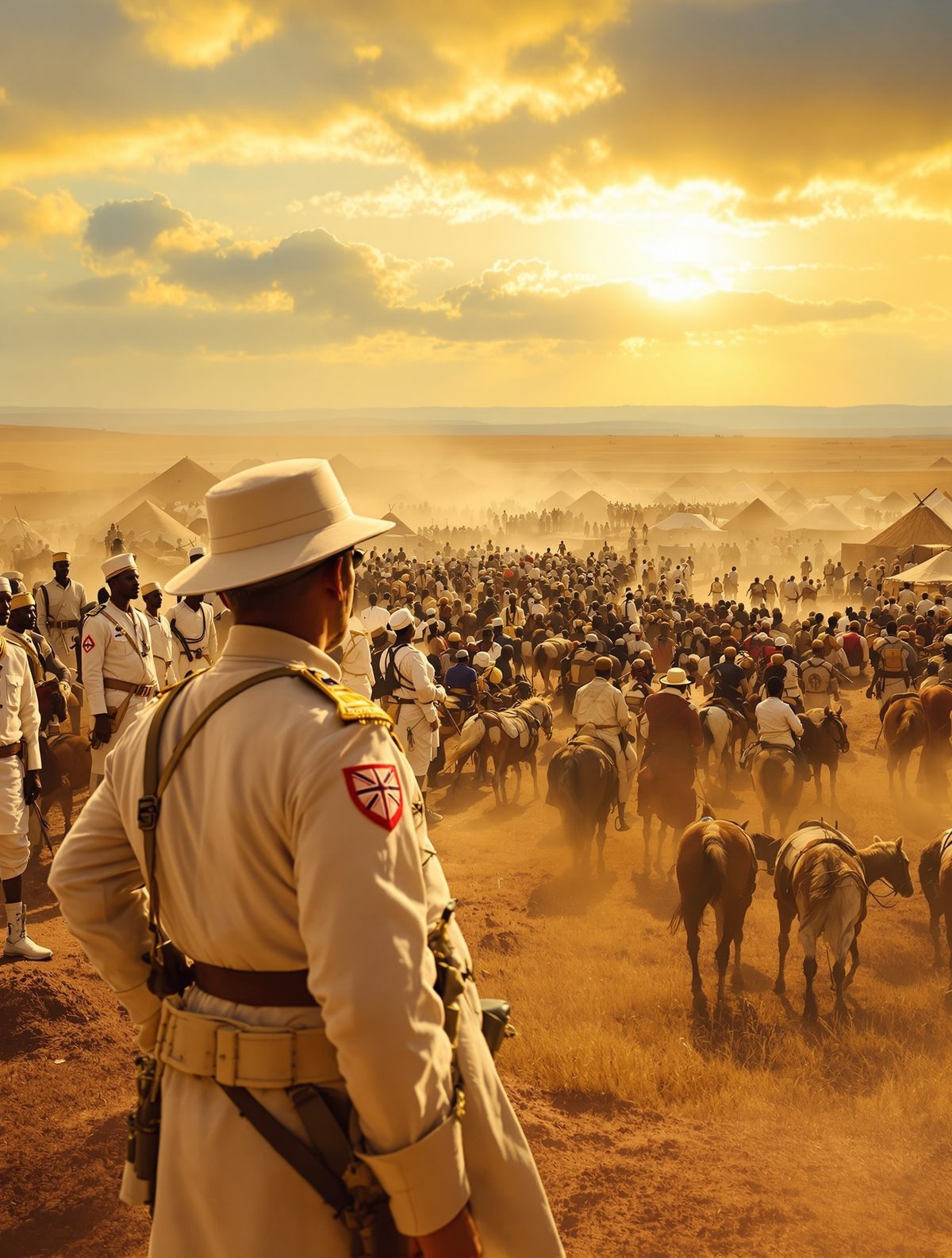
Commissioner Harry Johnston received urgent news. Arab slavers were massacring entire villages in Nyasaland. With just 71 Indian troops, he marched 800 miles through unmapped wilderness. His impossible mission: stop a war.
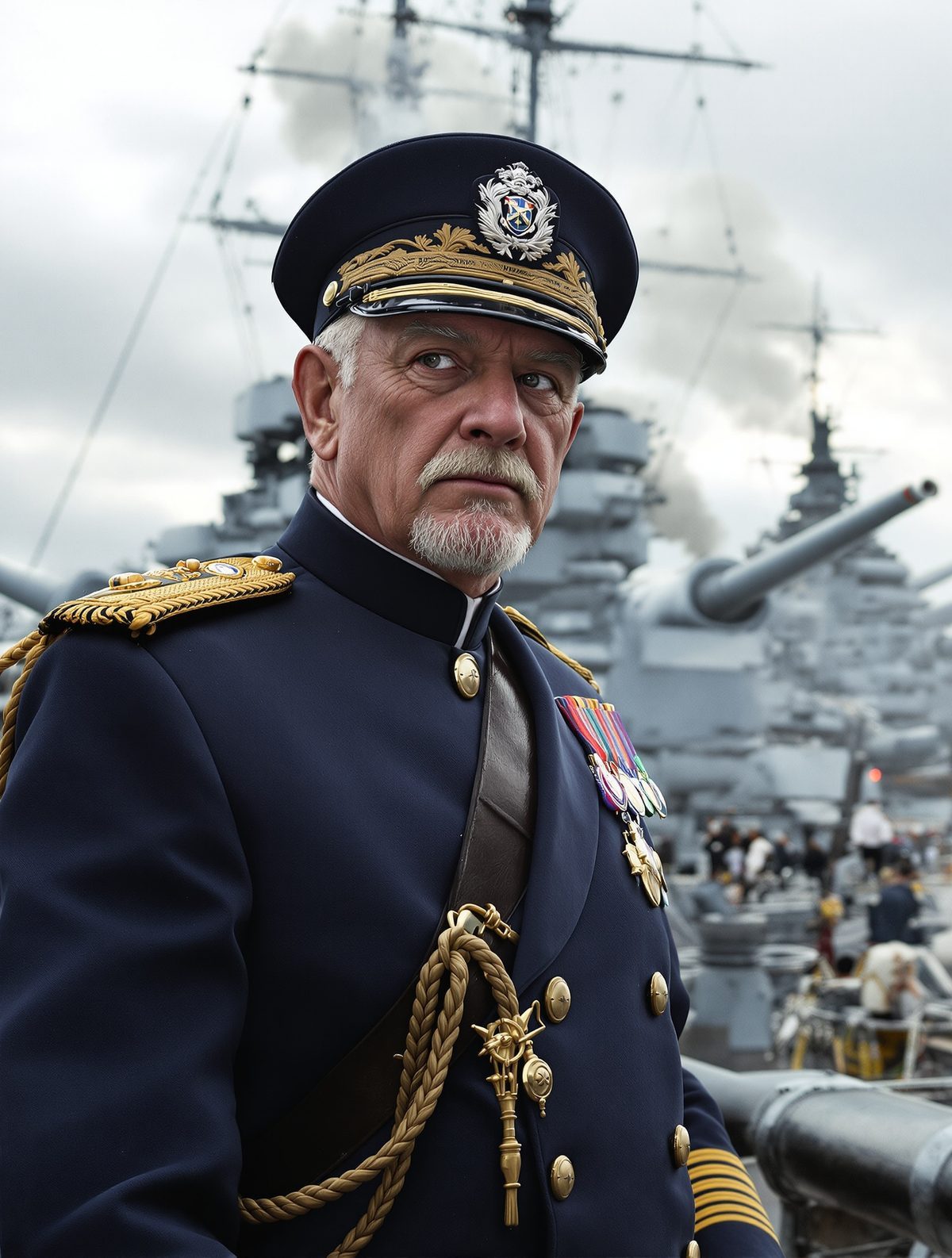
May 1915. The Royal Navy's most brilliant admiral faced his greatest enemy. Not the Germans. The politicians. Admiral Jackie Fisher stormed into Downing Street. His ultimatum would rock the Empire.
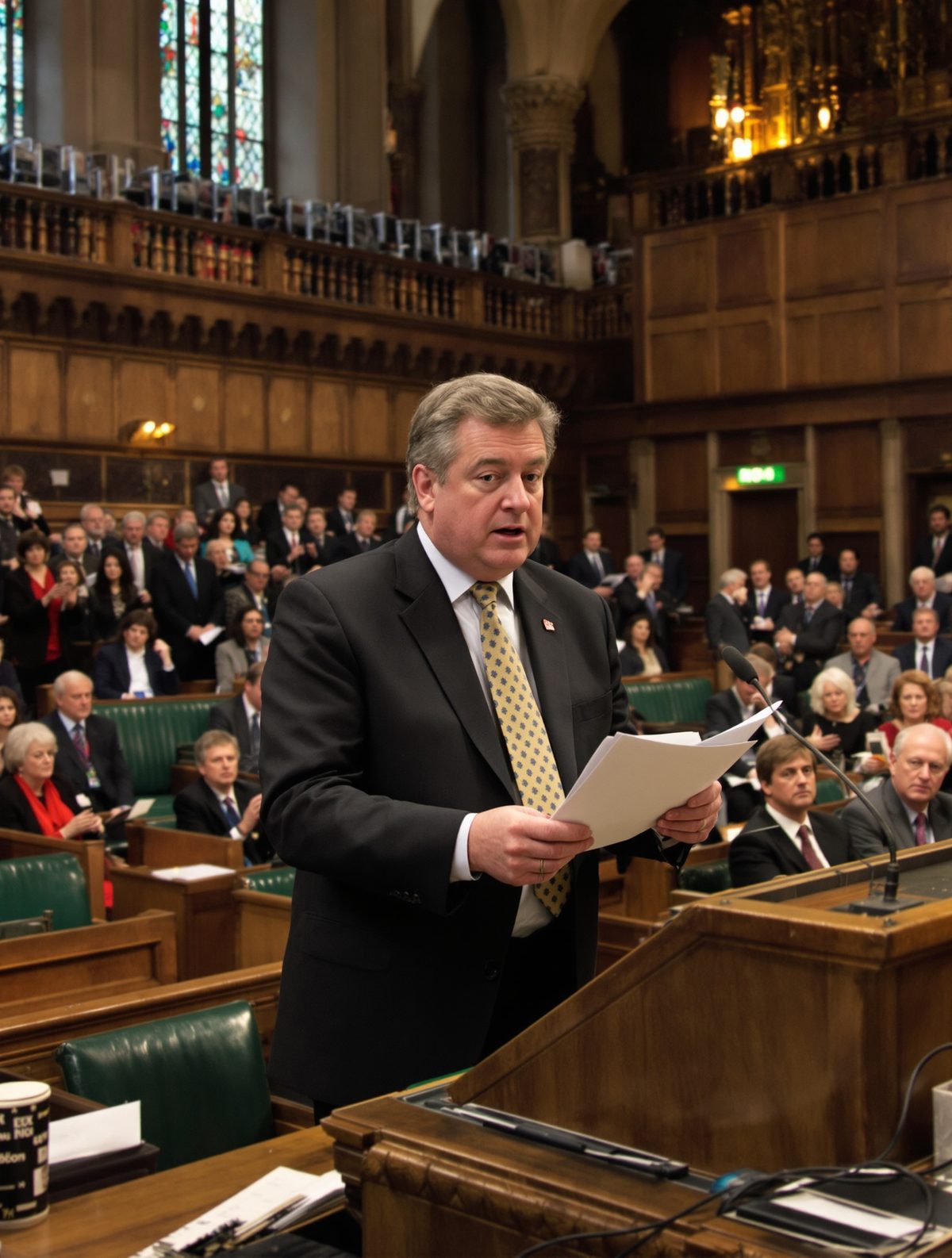
November 1990. Britain's most mild-mannered politician stood up in Parliament. For 11 minutes he demolished his own Prime Minister. Margaret Thatcher never recovered. Sometimes the quietest voices deliver the loudest blows.
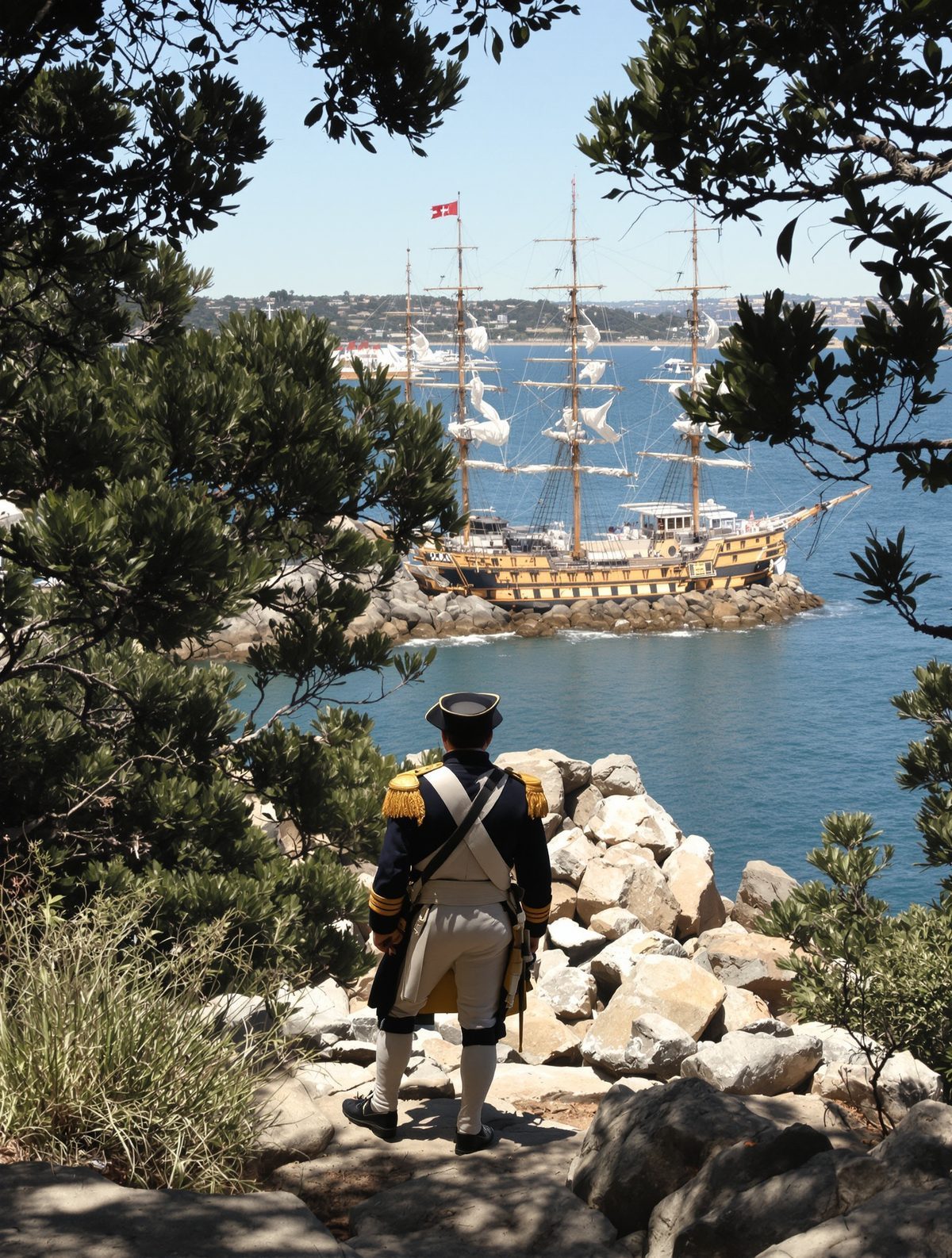
January 1788. Captain Arthur Phillip stared at the empty shores of Botany Bay. 1,400 souls aboard 11 ships. No supplies waiting. No rescue coming. Just orders to build a colony from nothing.
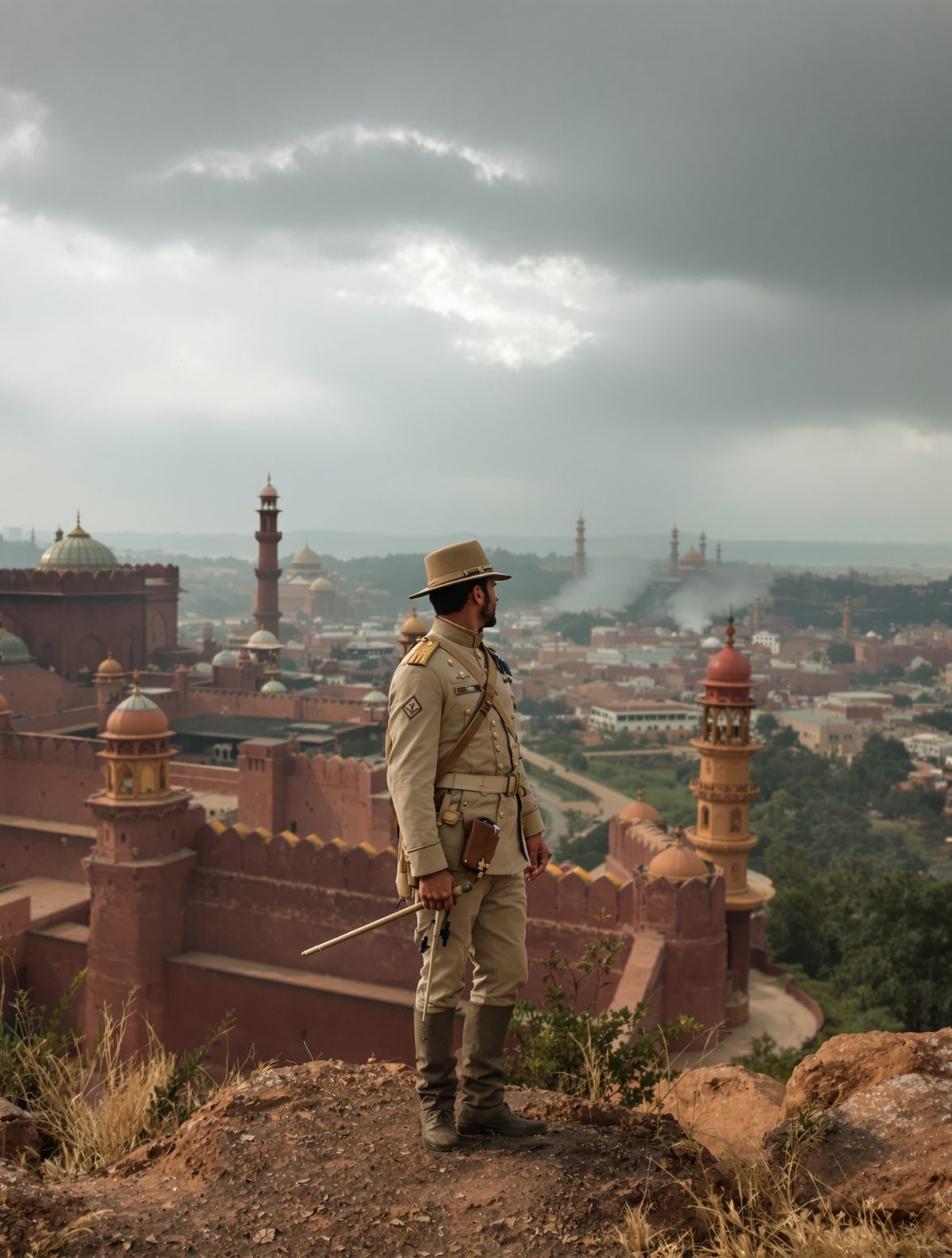
September 1857. Delhi under rebel siege for months. John Nicholson gets the order. March from Punjab to Delhi. 400 miles in 20 days. Through monsoon and desert. One final assault to retake the Mughal capital.
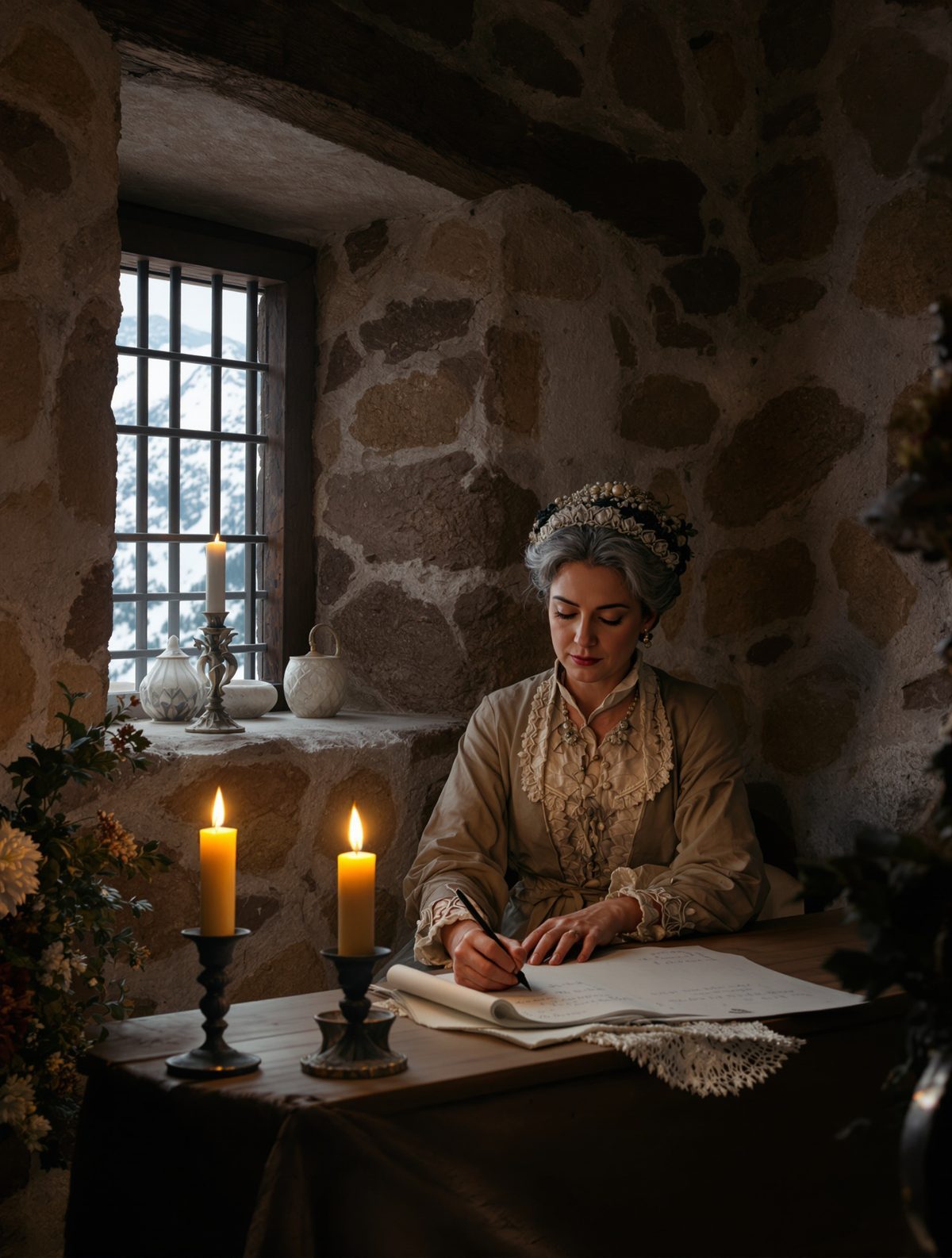
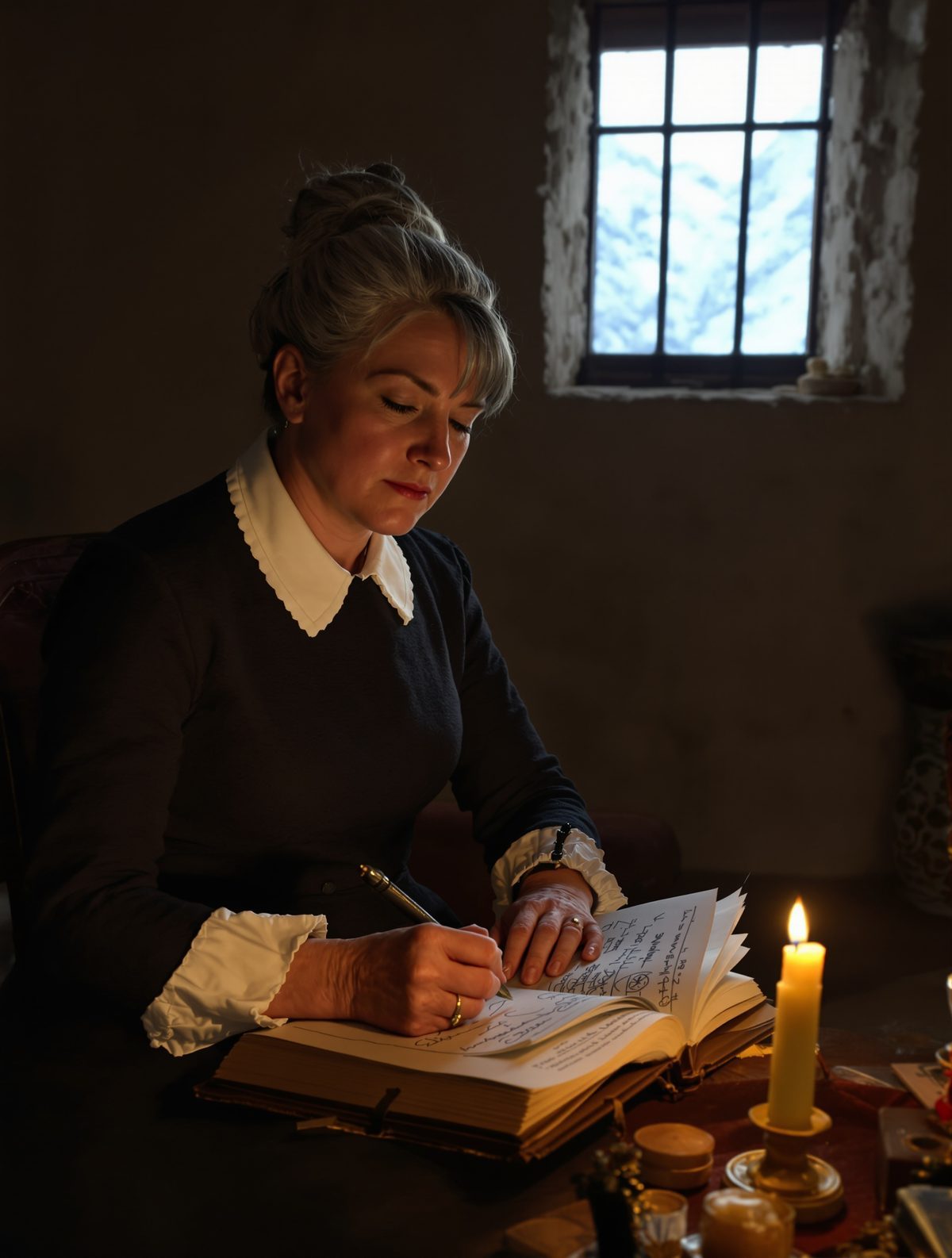
Lady Florentia Sale was captured with British families during the 1842 Afghan retreat. She kept a secret diary through nine months of captivity. Her husband thought she was dead. Her journal became a bestseller.
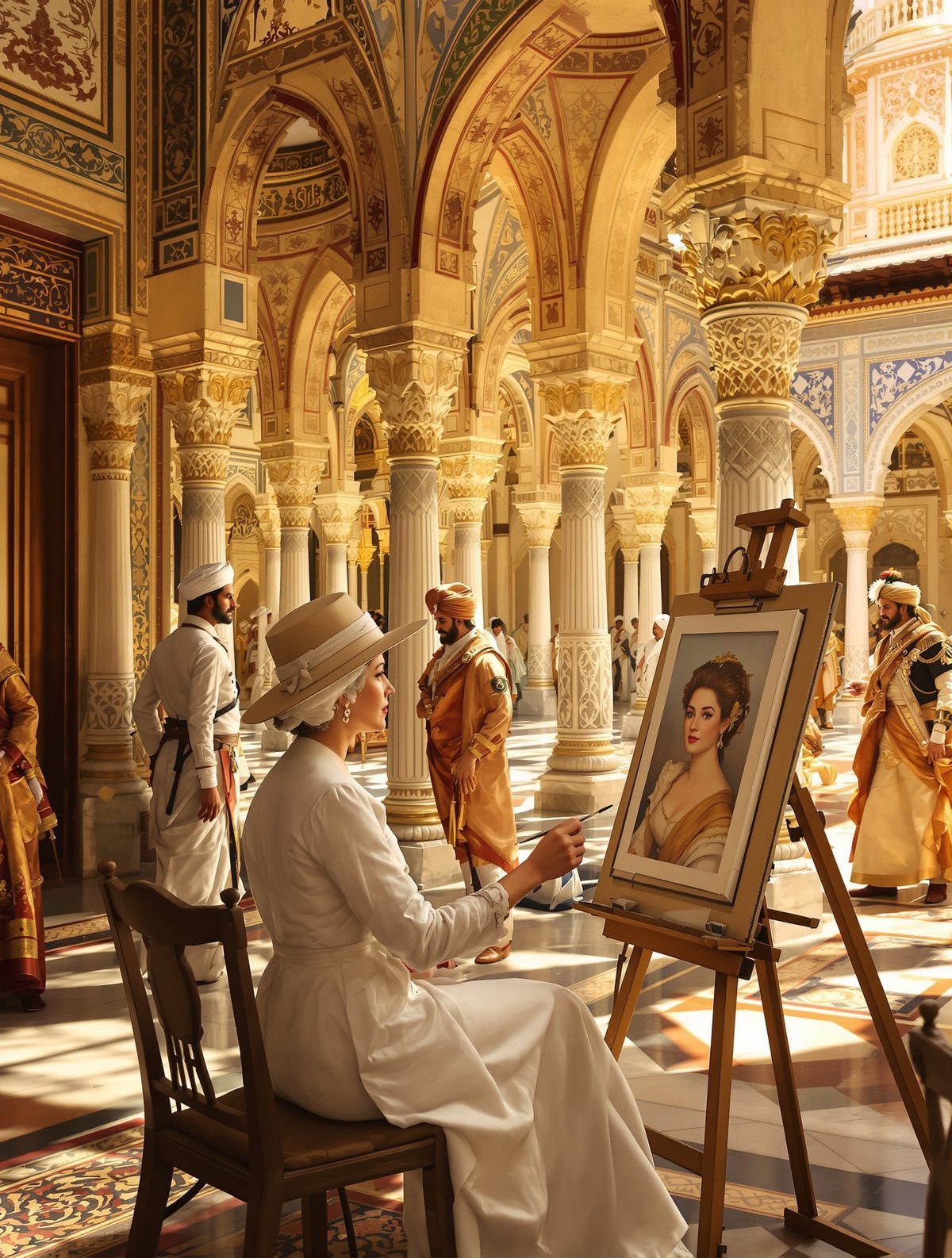
Emily Eden arrived in India as the Governor-General's sister. She expected to paint English gardens and country houses. Instead she became the only British woman to witness the dying Mughal Empire. Her watercolors captured a world about to vanish forever.
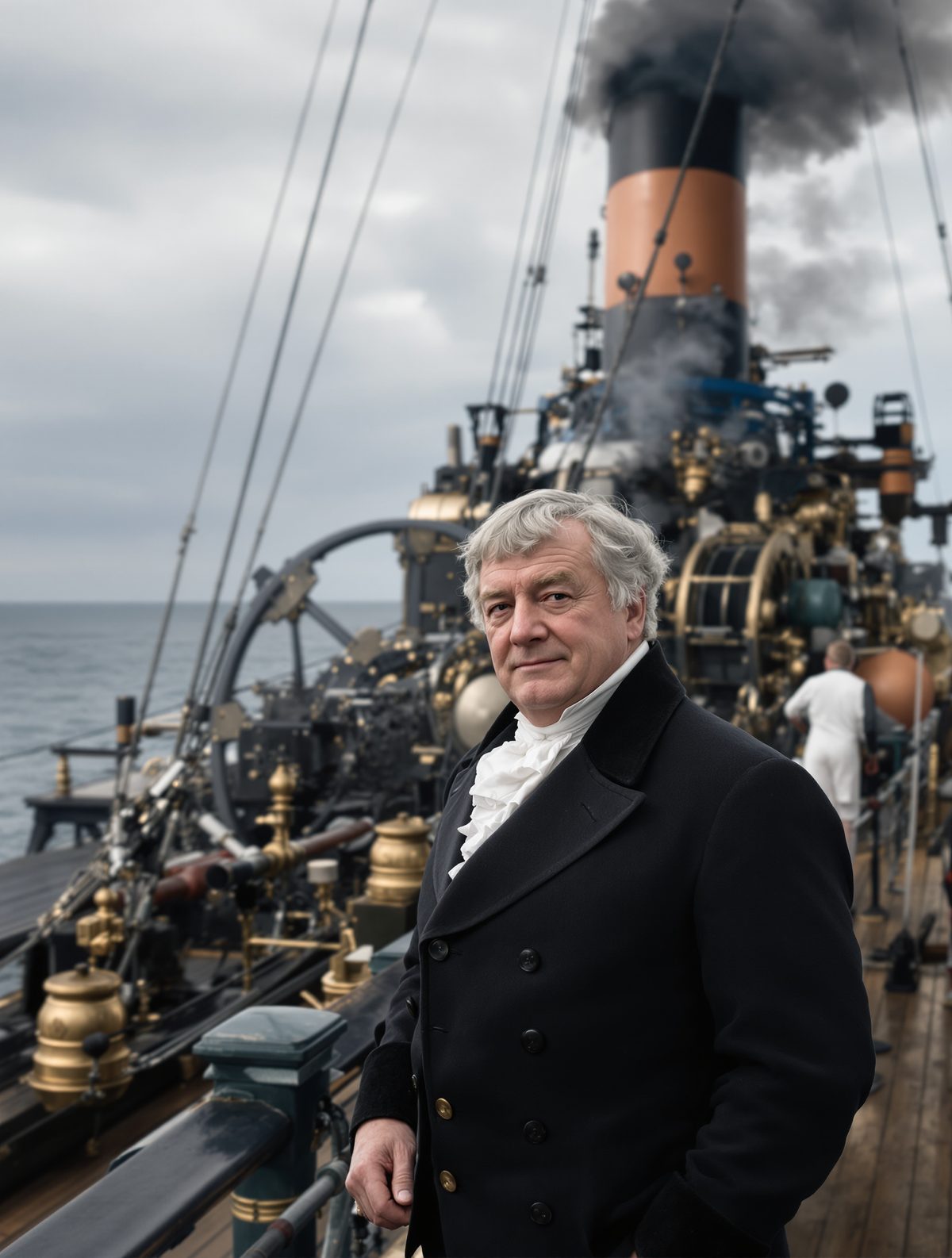
1840. Every expert said steamships could never cross the Atlantic reliably. Nova Scotia merchant Samuel Cunard disagreed. He mortgaged everything to build four identical steamships. His Royal Mail contract demanded fortnightly service. No delays. No excuses.
1903. Frederick Lugard faced 15,000 Sokoto cavalry with just 3,000 troops. The Sultan's army could have crushed him. Instead, Lugard walked alone into their camp. One conversation ended 100 years of Fulani rule.
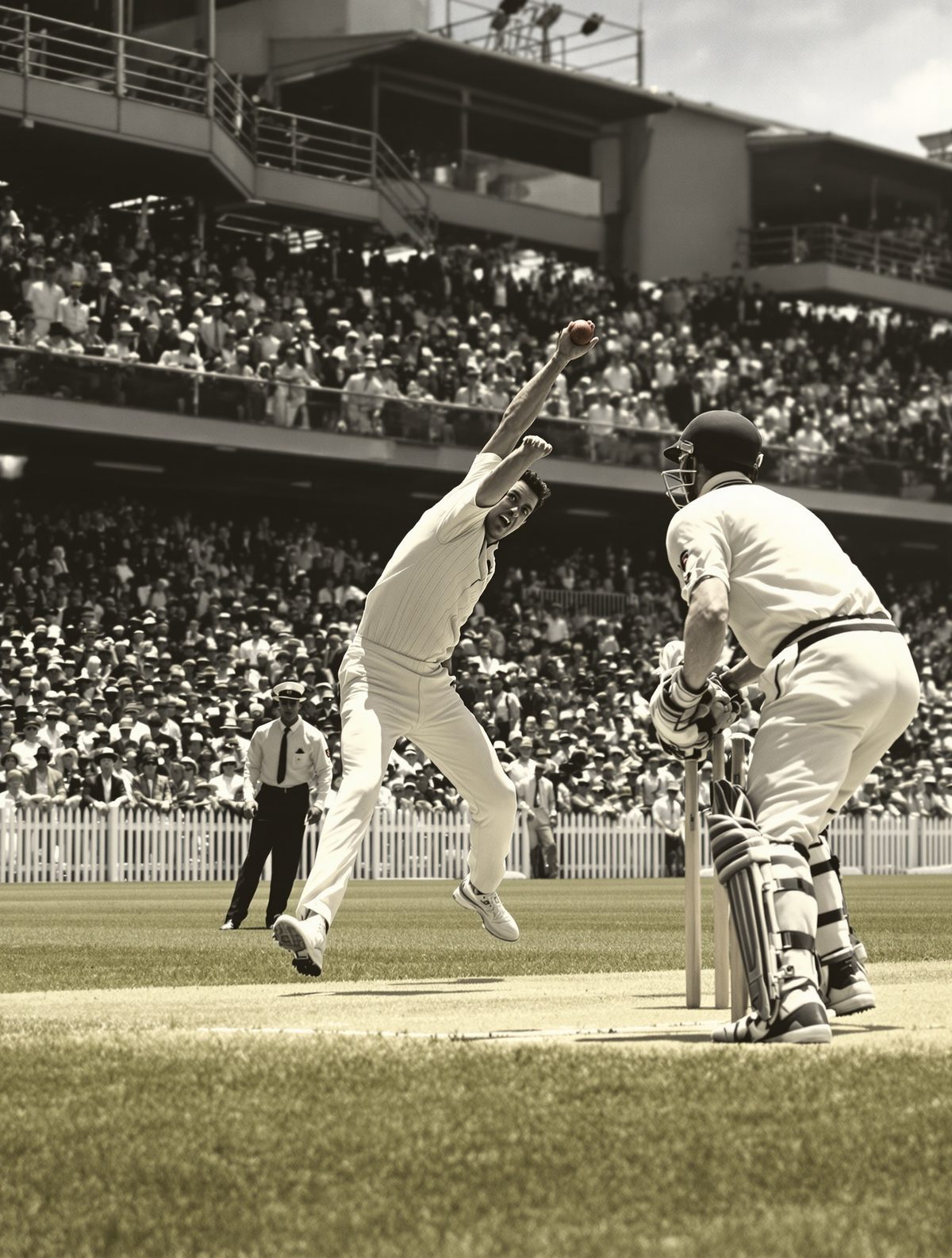
England's 'Bodyline' bowling strategy dominated Australia. But it sparked such outrage that diplomatic cables flew between London and Canberra. The Empire nearly fractured. Over cricket.
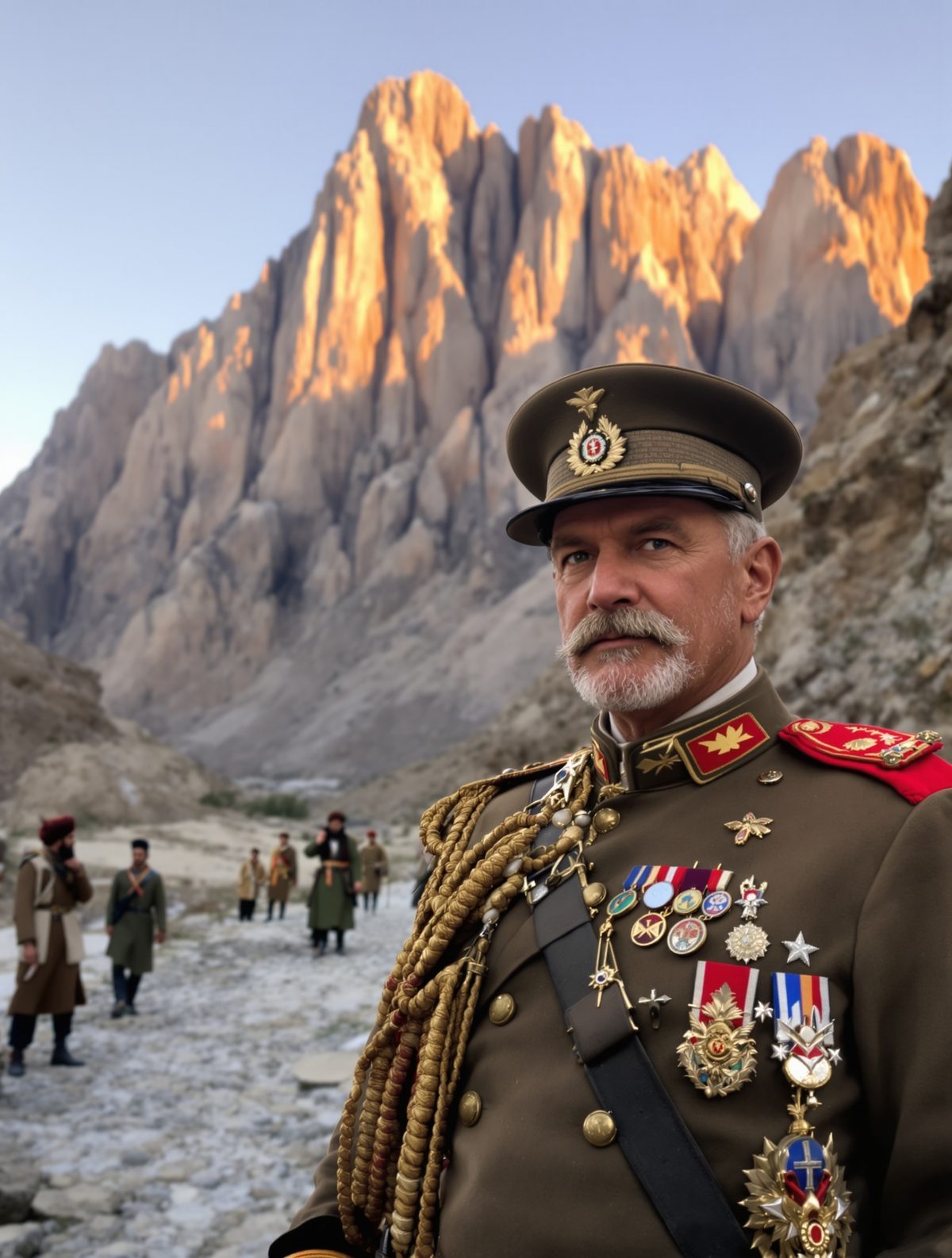
One British officer. The most dangerous frontier in the Empire. Major Robert Warburton commanded the Khyber Pass for 18 years. He spoke Pashto fluently. Tribal warriors who had killed his predecessors became his loyal guards.
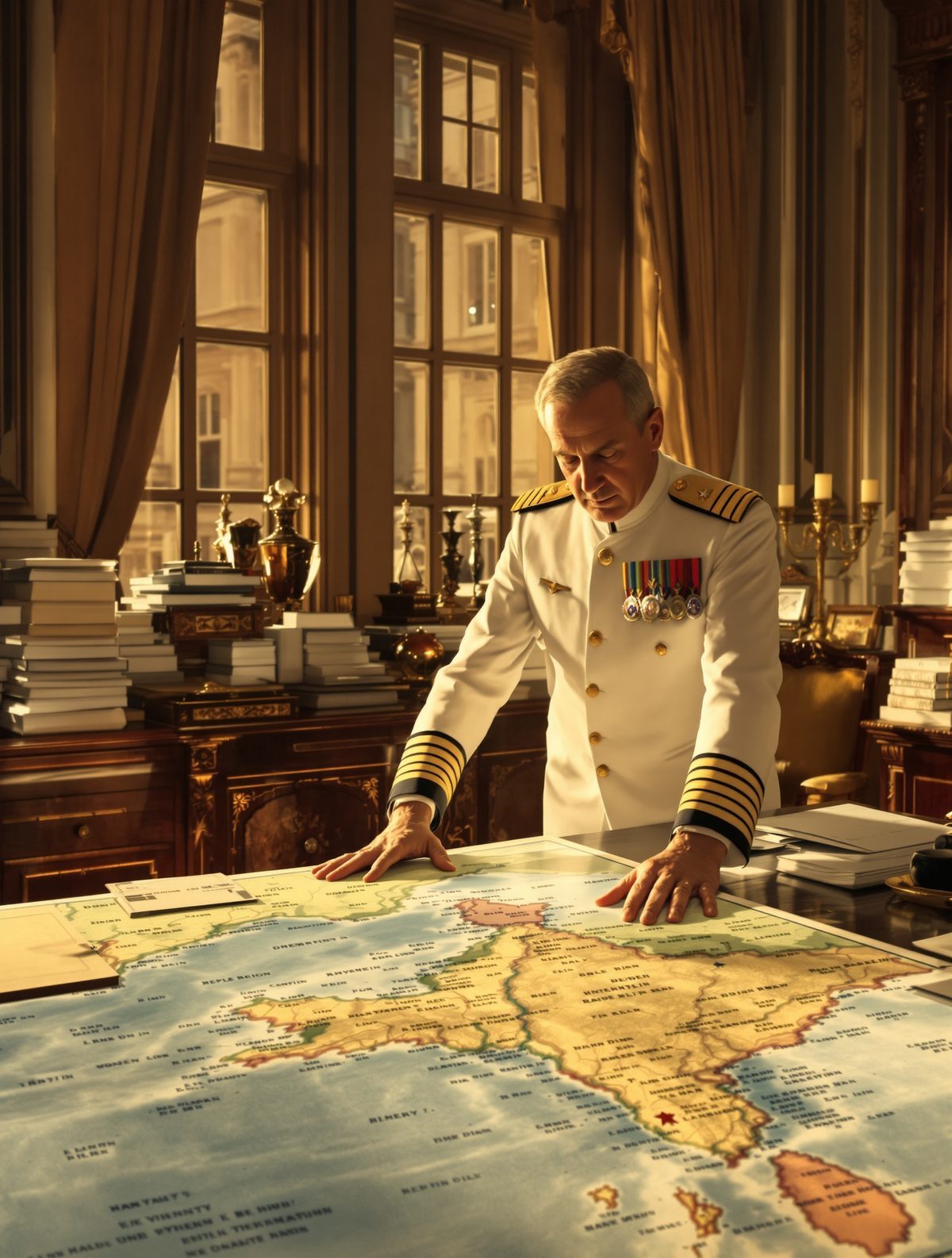
March 1947. Lord Mountbatten arrives in Delhi as Britain's last Viceroy. He has 15 months to transfer power. He gives himself just 73 days. Racing against sectarian violence and political chaos, he redraws the map of 400 million people in ten weeks.
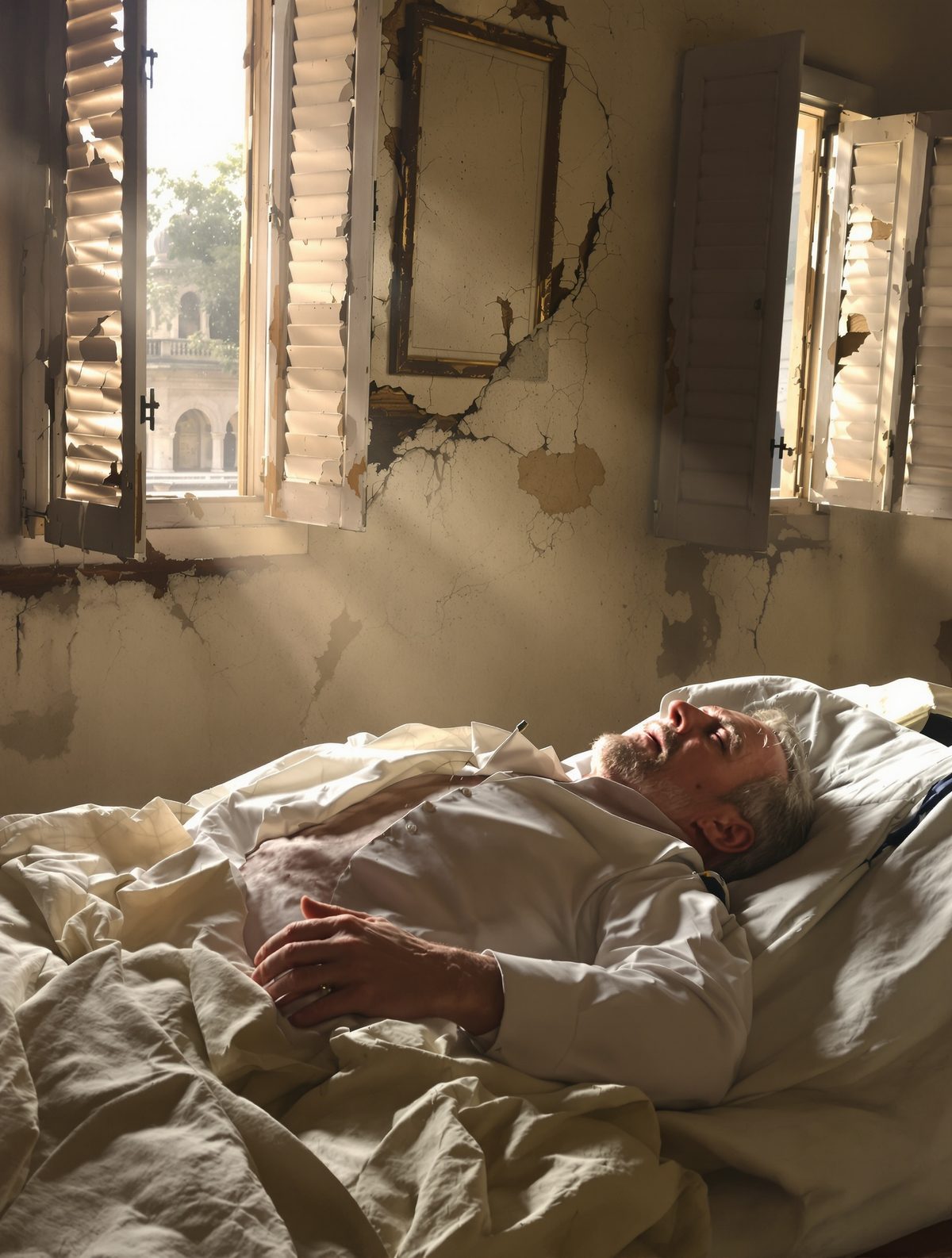
July 1857. The Indian Rebellion has erupted across northern India. Sir Henry Lawrence holds the Residency at Lucknow with just 1,700 souls. A cannonball mortally wounds him on day two of the siege. His dying words: 'Let there be no fuss when I am gone.'
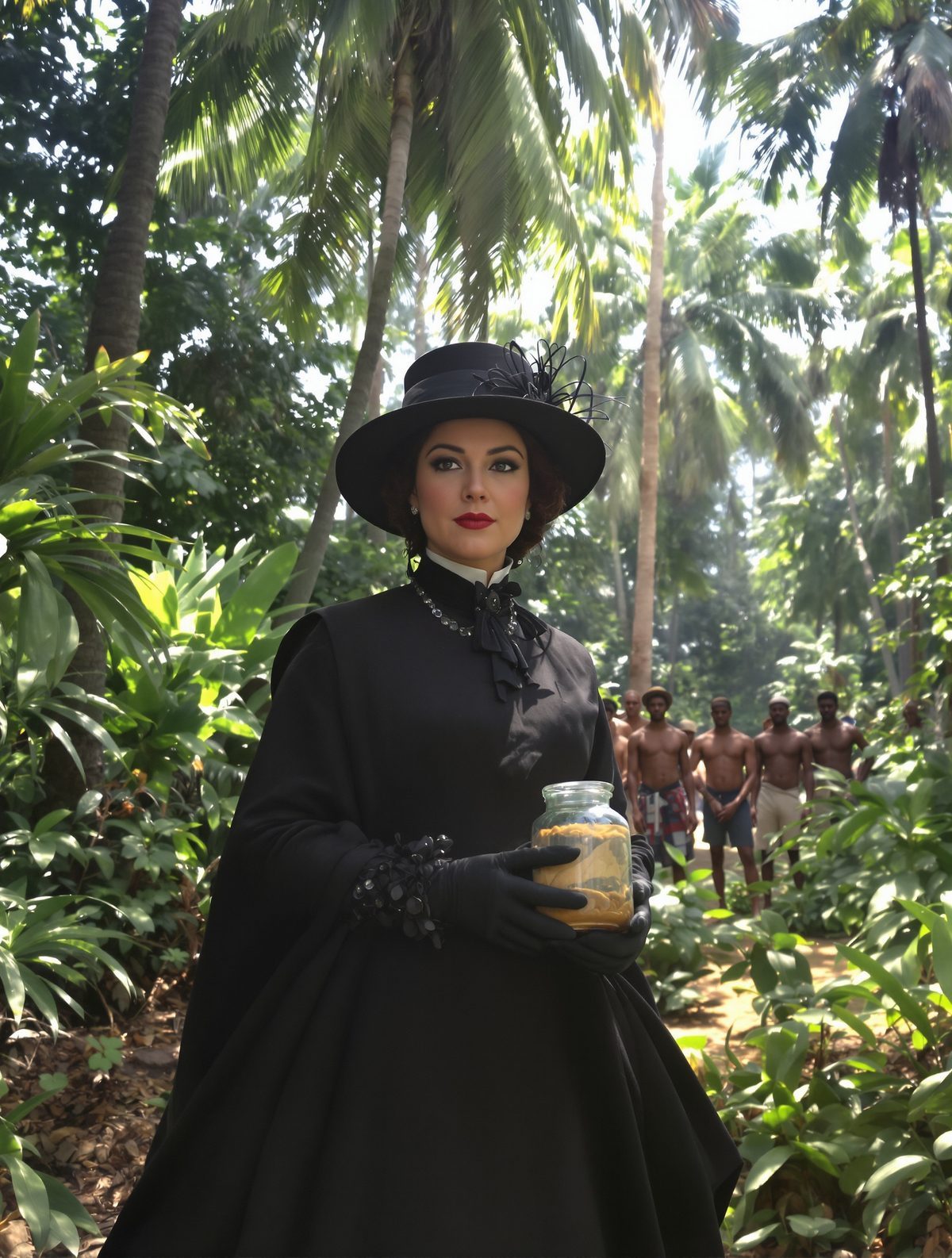
Victorian spinster Mary Kingsley traveled alone into West Africa's most dangerous regions. She traded with cannibals. Collected fish in her petticoats. Survived crocodiles and leopards. All while wearing full Victorian dress and refusing to carry a gun.
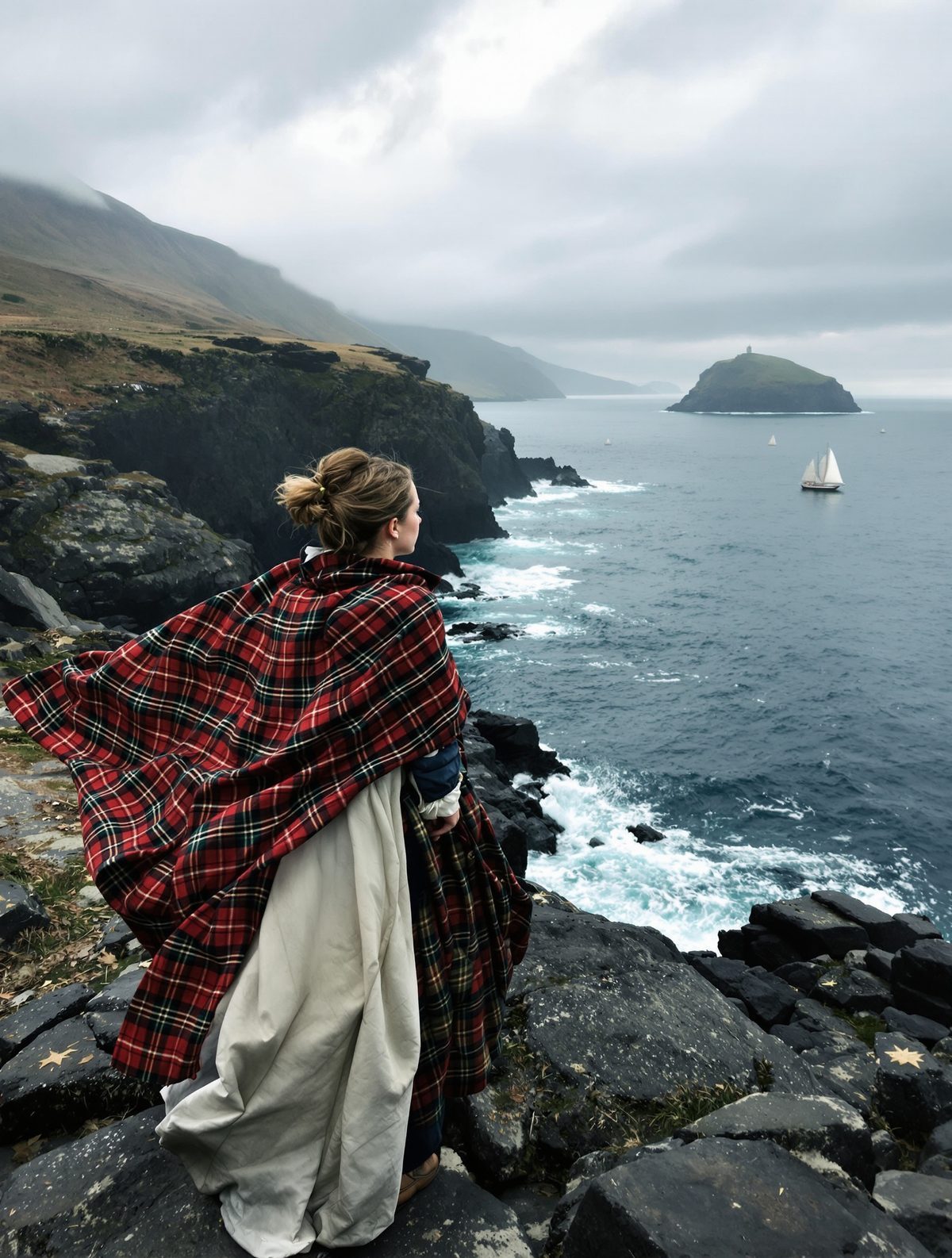
After Culloden's defeat, Prince Charles was hunted across Scotland. Flora MacDonald disguised him as her Irish maid. They sailed through British warships to safety. She risked her life for a lost cause.
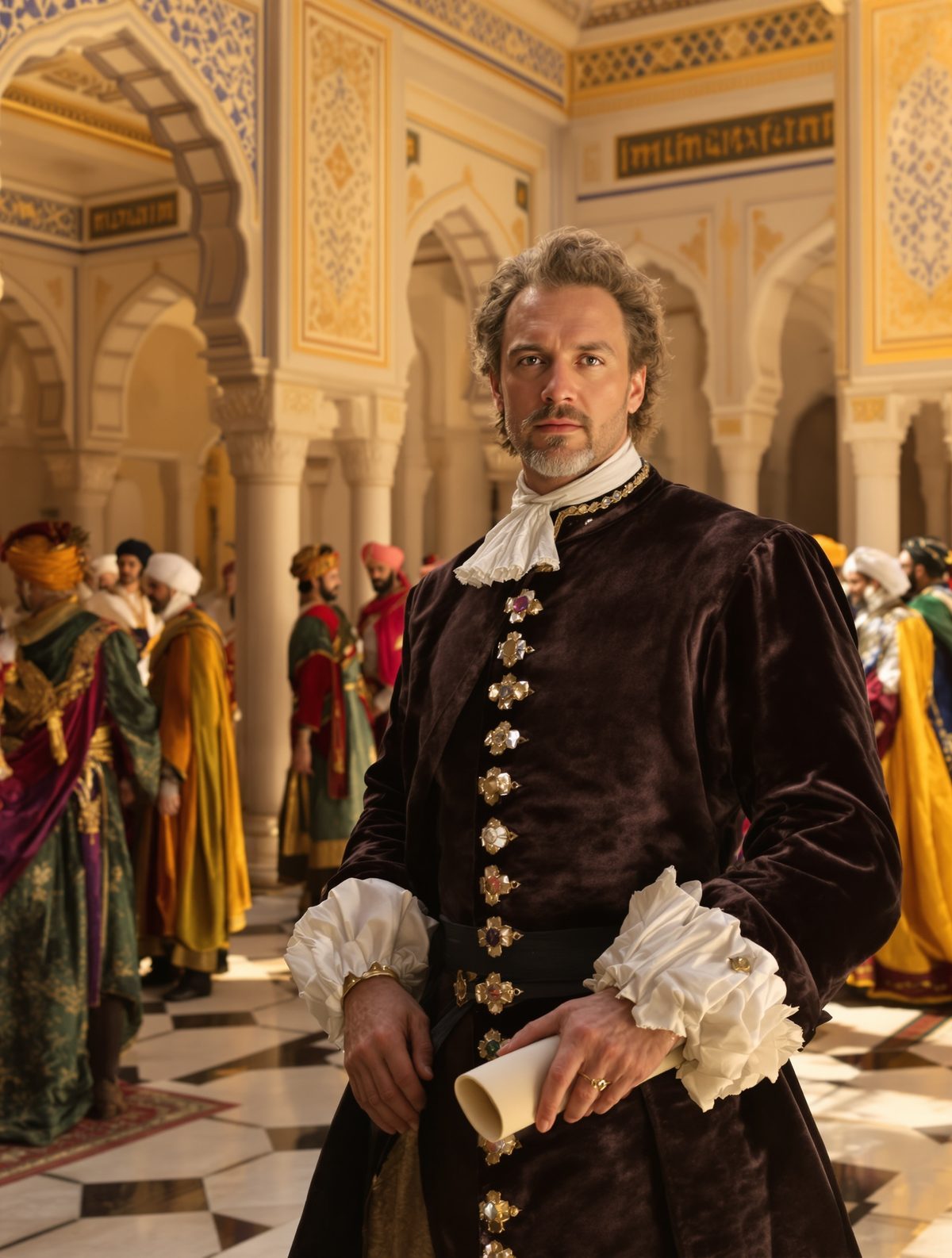
1615. Ambassador Sir Thomas Roe reached the court of Emperor Jahangir in Agra. No European had ever secured a trade treaty with the mighty Mughals. Roe refused to prostrate himself. Against all odds, he won Britain's first foothold in India.
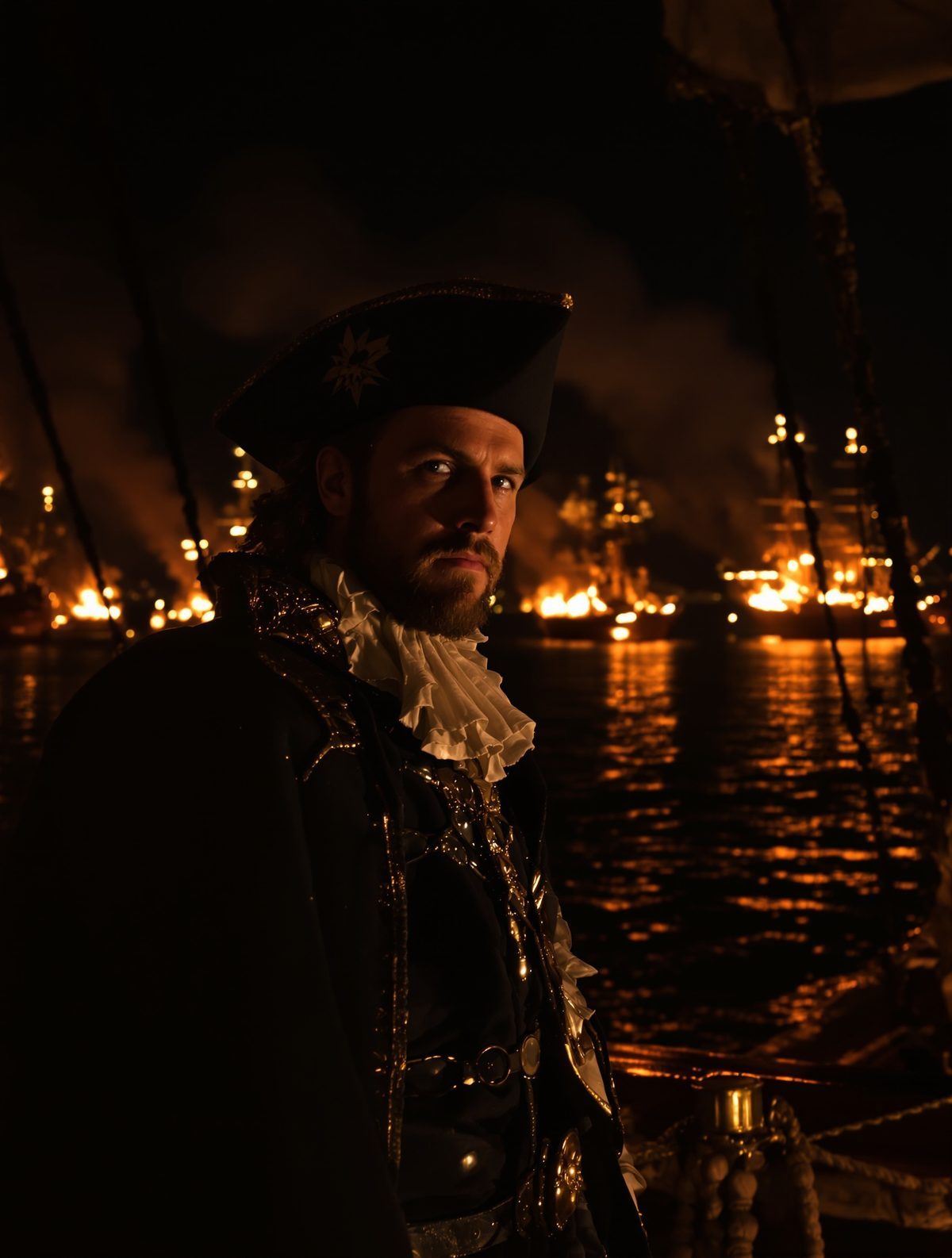
1587. Spanish Armada preparing to invade England. Drake sails into Cadiz harbor with just 30 ships. Burns 10,000 tons of supplies in one night. Delays the invasion by a full year.
Lady Sale was 50 when Afghan rebels besieged Kabul in 1841. While British forces panicked, she calmly packed her sketching materials. Through nine months of captivity and forced marches, she never stopped drawing. Her secret diary became the only firsthand account of Britain's greatest military disaster.
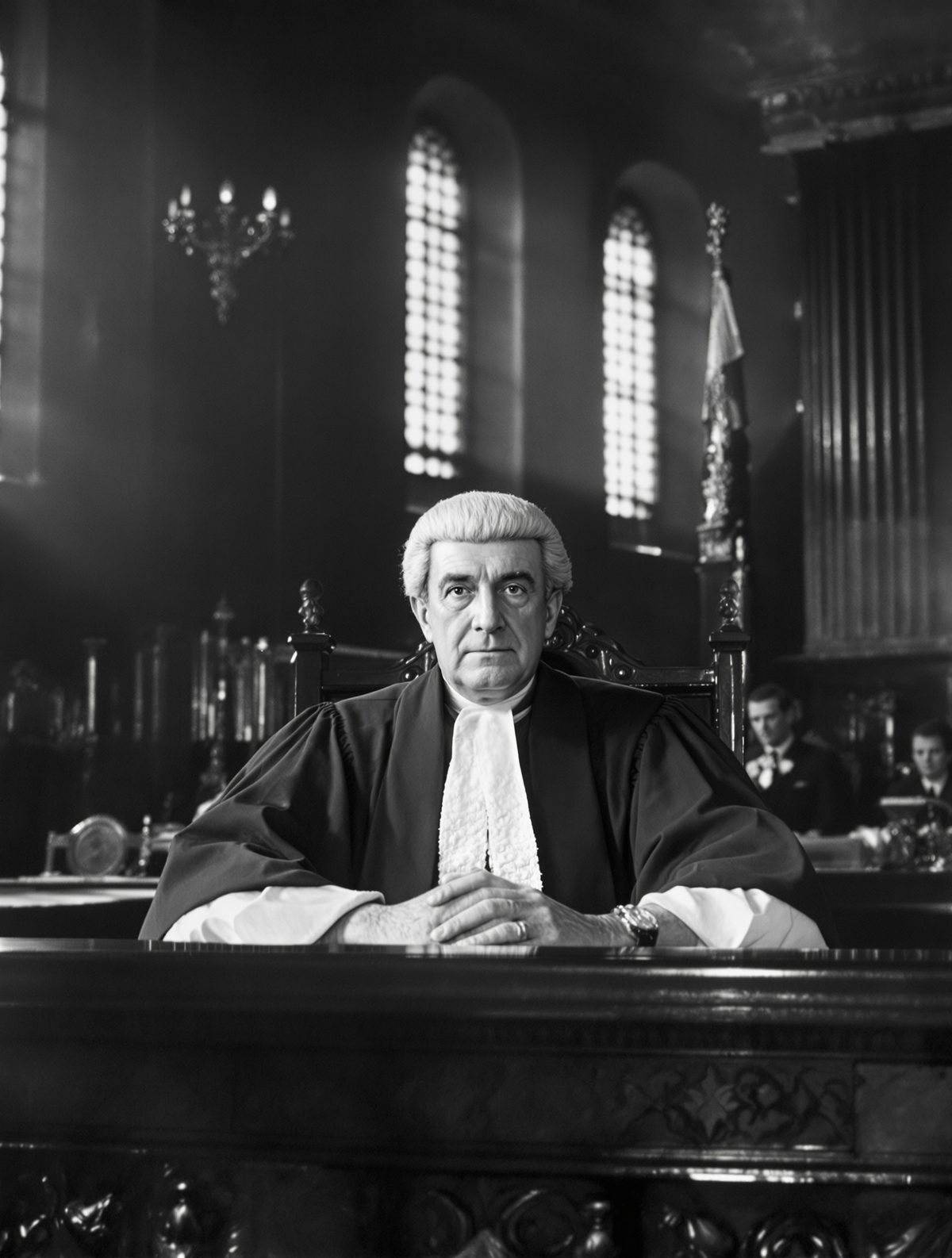
Lord Justice Lawrence had never tried a war crimes case. But in 1946, he became the chief judge at Nuremberg. His patient British fairness turned a victor's revenge into something greater. The foundation of international justice.
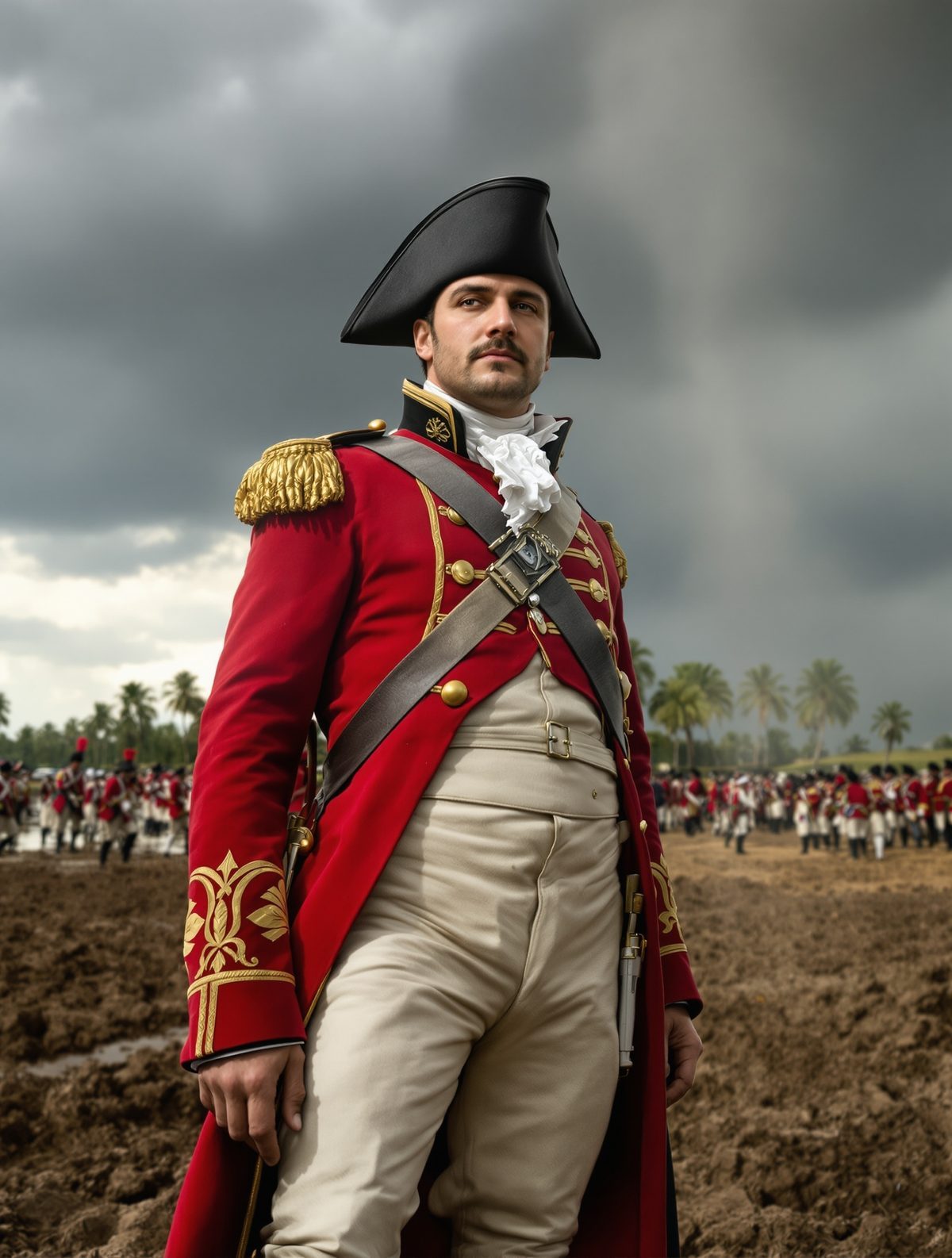
June 1757. Robert Clive faced 50,000 enemy troops with just 3,000 soldiers. The odds were impossible. But in three hours at Plassey, this young clerk turned soldier won Bengal and changed history forever.
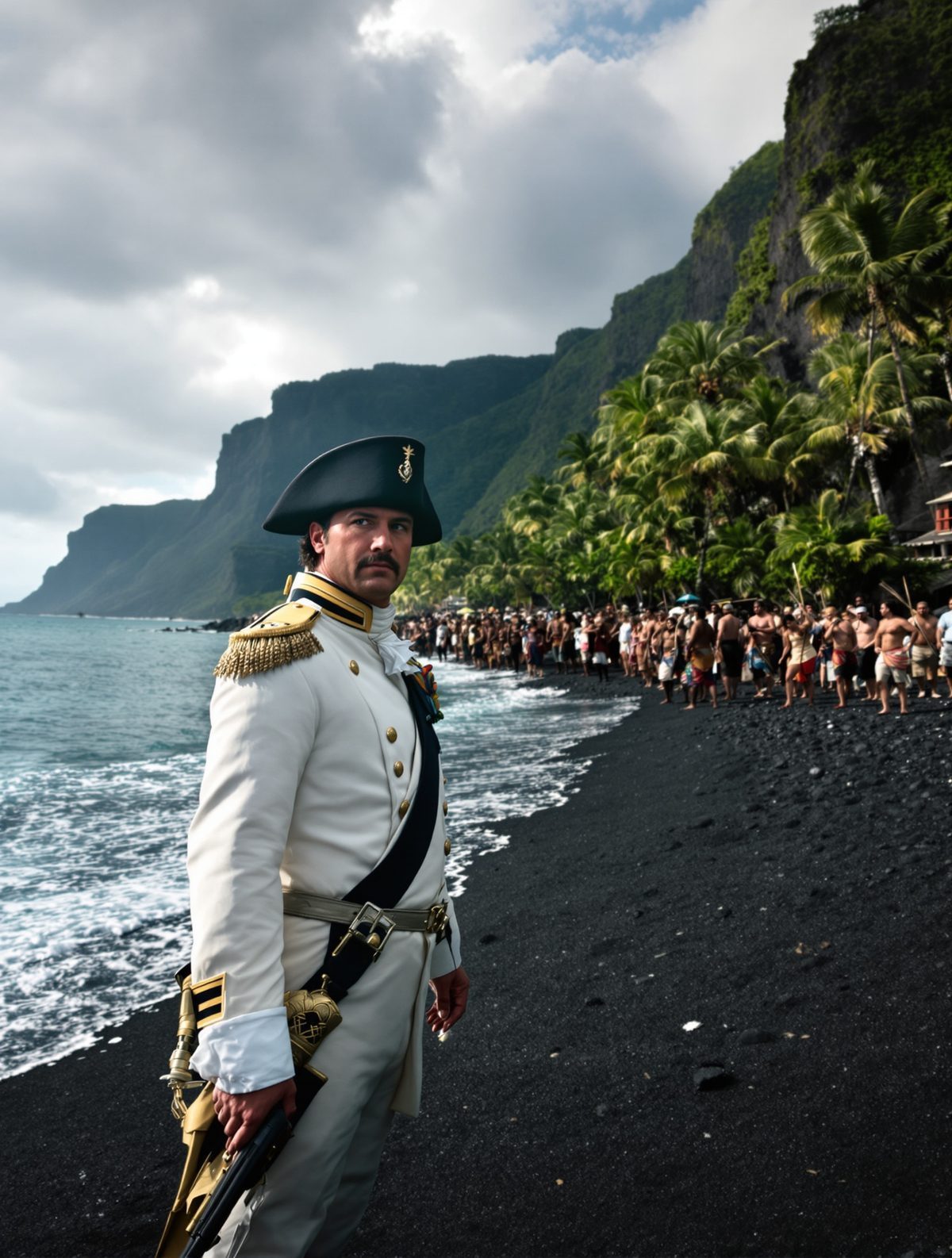
February 1779. The world's greatest navigator returns to Hawaii for ship repairs. A stolen boat sparks violence on Kealakekua Bay. Cook tries to take the Hawaiian chief hostage. A stone strikes Britain's master of the Pacific.
Hand-picked from Britain Untold's archive. The stories you weren't taught at school. 3-minute read.
No spam. Unsubscribe in one click. We hate spam too. Privacy Policy.