The British Empire — the forgotten chapters · page 21 of 22
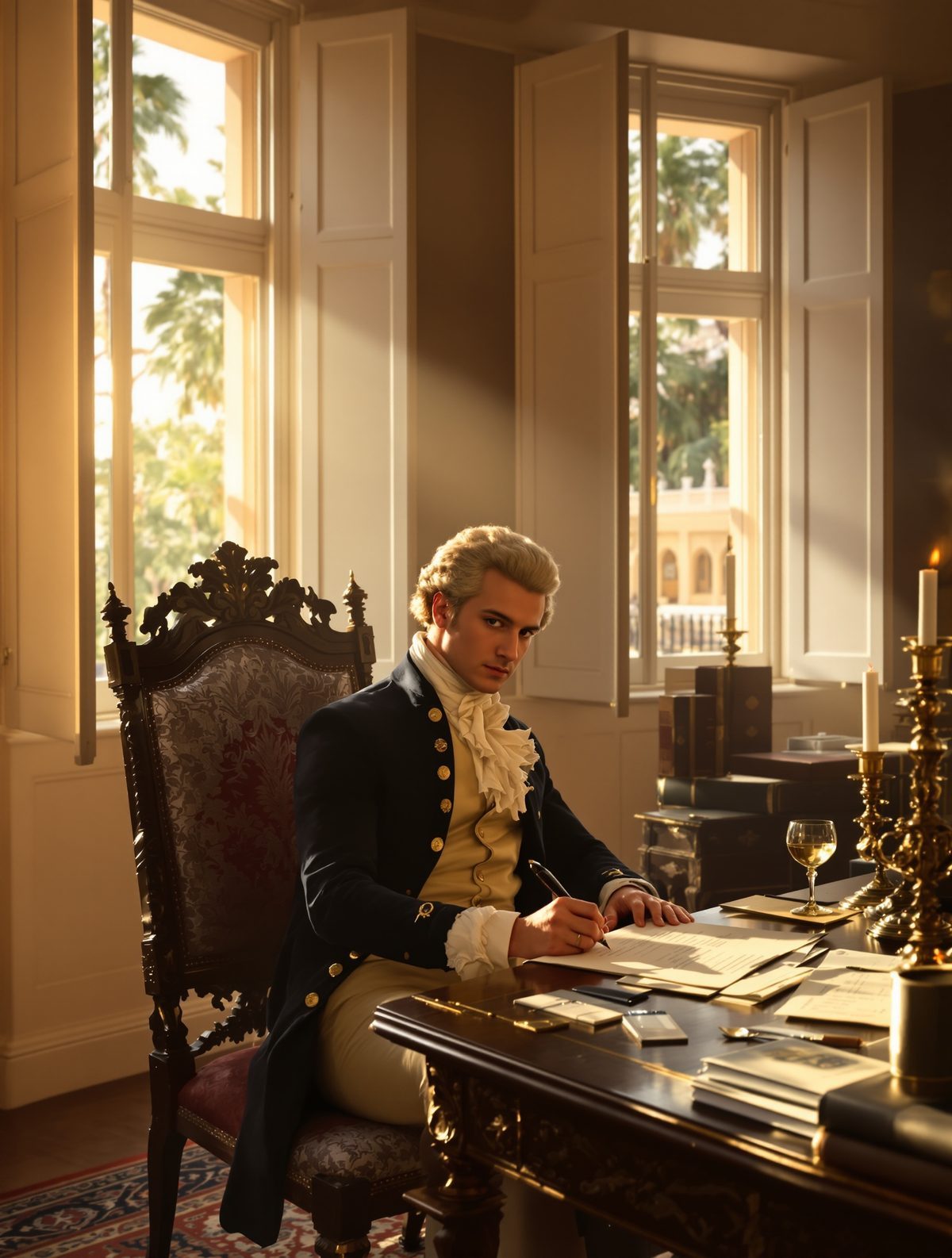
Young lawyer William Hickey sailed to Calcutta in 1769. He built Britain's most scandalous fortune. Spent £40,000 on wine in one year. Kept a harem of Indian mistresses. His memoirs shocked Victorian England.
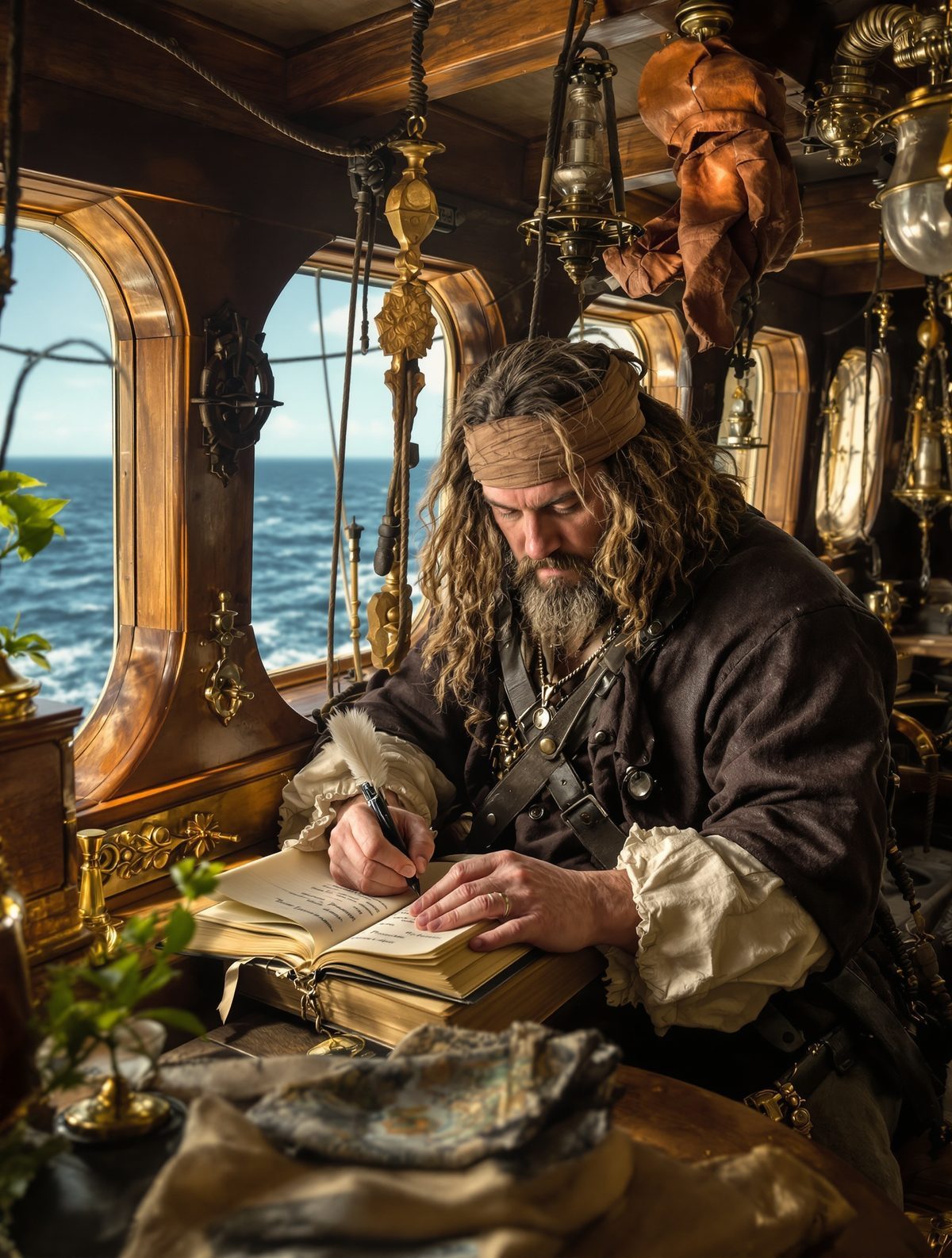
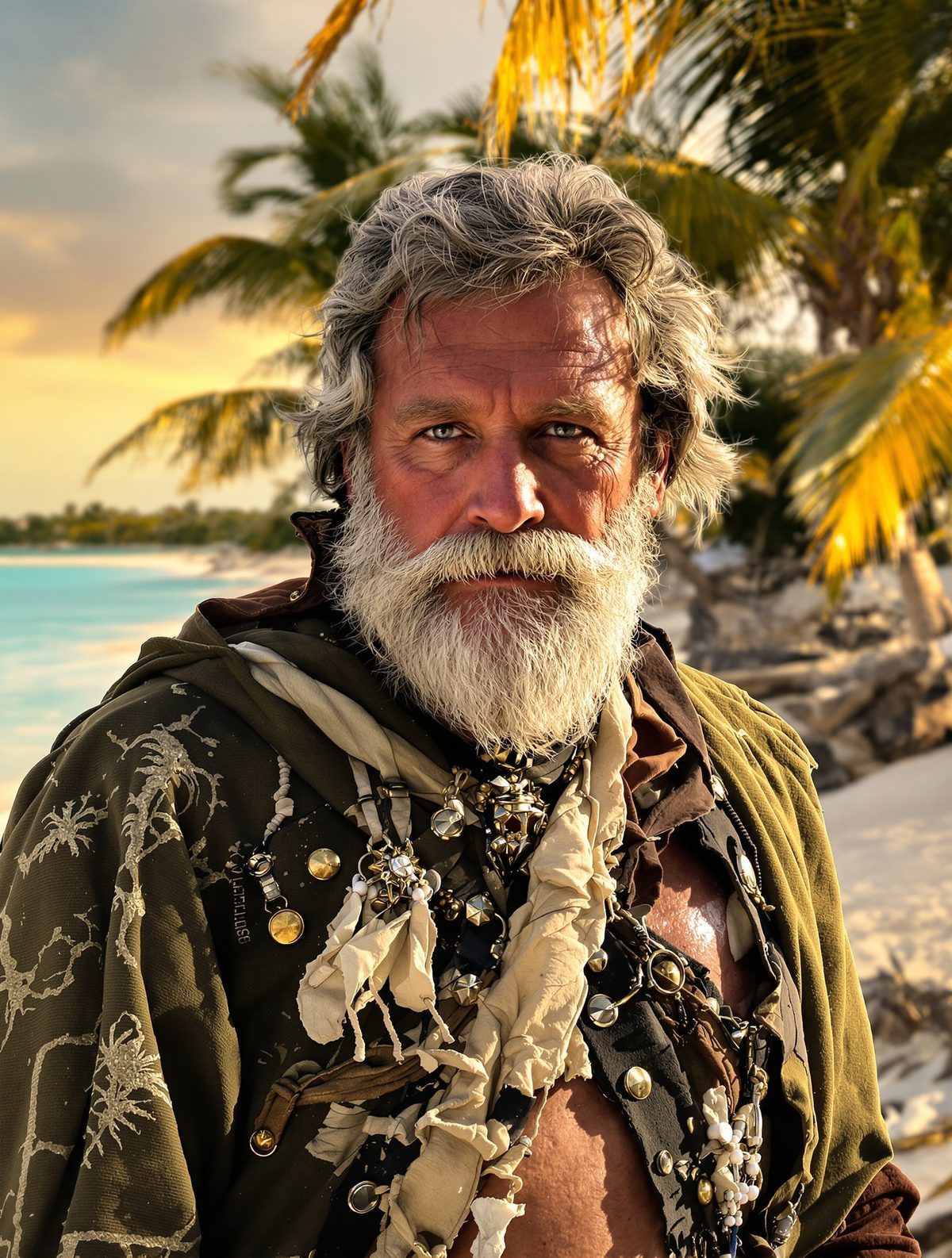
William Dampier sailed as a pirate across three oceans. But between raids, he collected plants. Studied winds. Mapped currents. His secret journals became the Royal Navy's most treasured navigation guides.
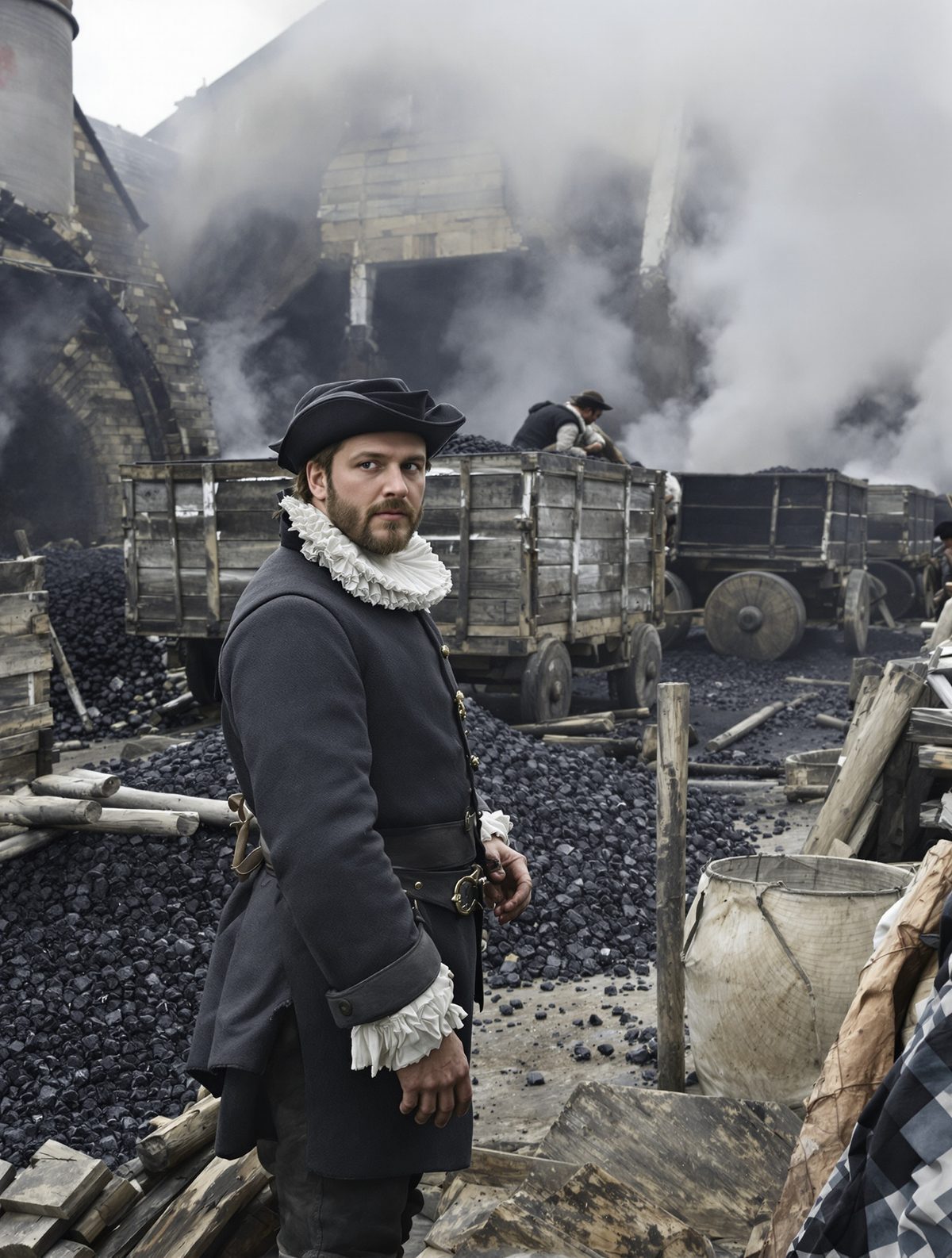
Thomas Sutton made his fortune leasing coal mines near Newcastle. By 1611 he was worth £180,000 — more than the King. When he died, he left it all to educate poor boys. His school still stands today.
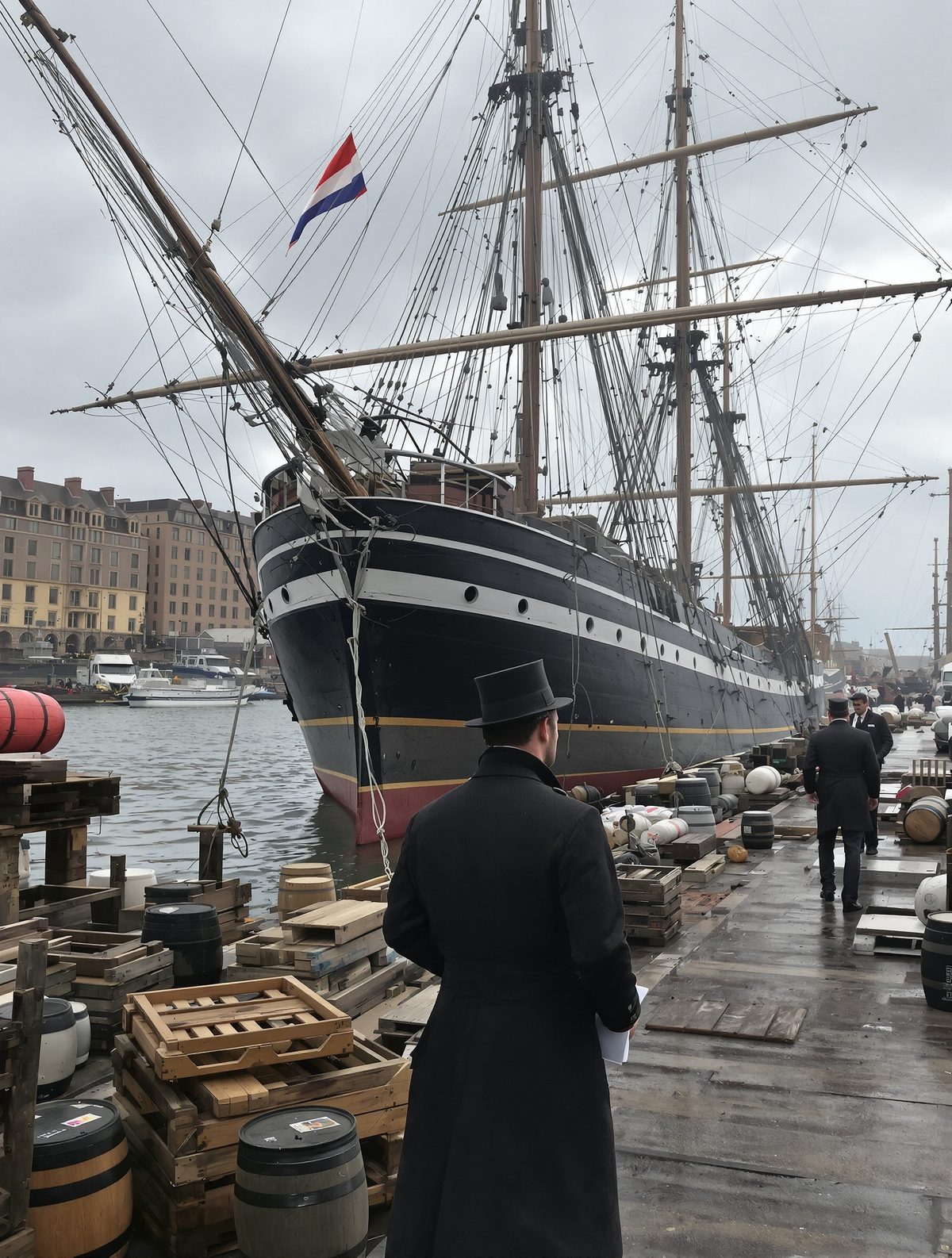
Ships were sinking daily in Britain's ports. Greedy owners overloaded cargo holds until vessels vanished beneath the waves. One Bristol MP staked his career on a simple painted line. That mark became law in 1876. Maritime deaths plummeted overnight.
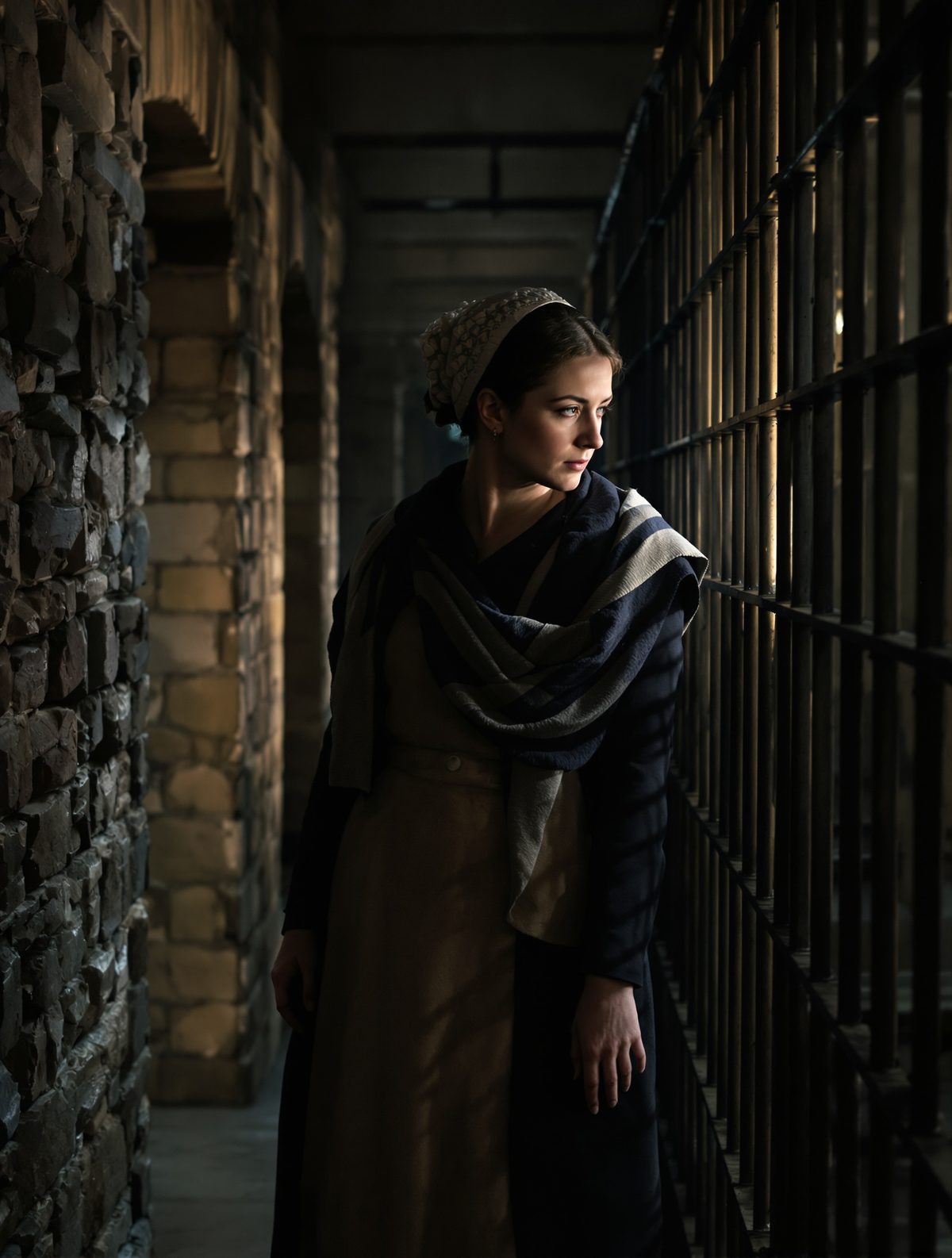
Lady Constance Lytton had a heart condition. Prison doctors treated her gently because of her title. So in 1910 she returned as 'Jane Warton' - a working-class seamstress. This time they force-fed her brutally.
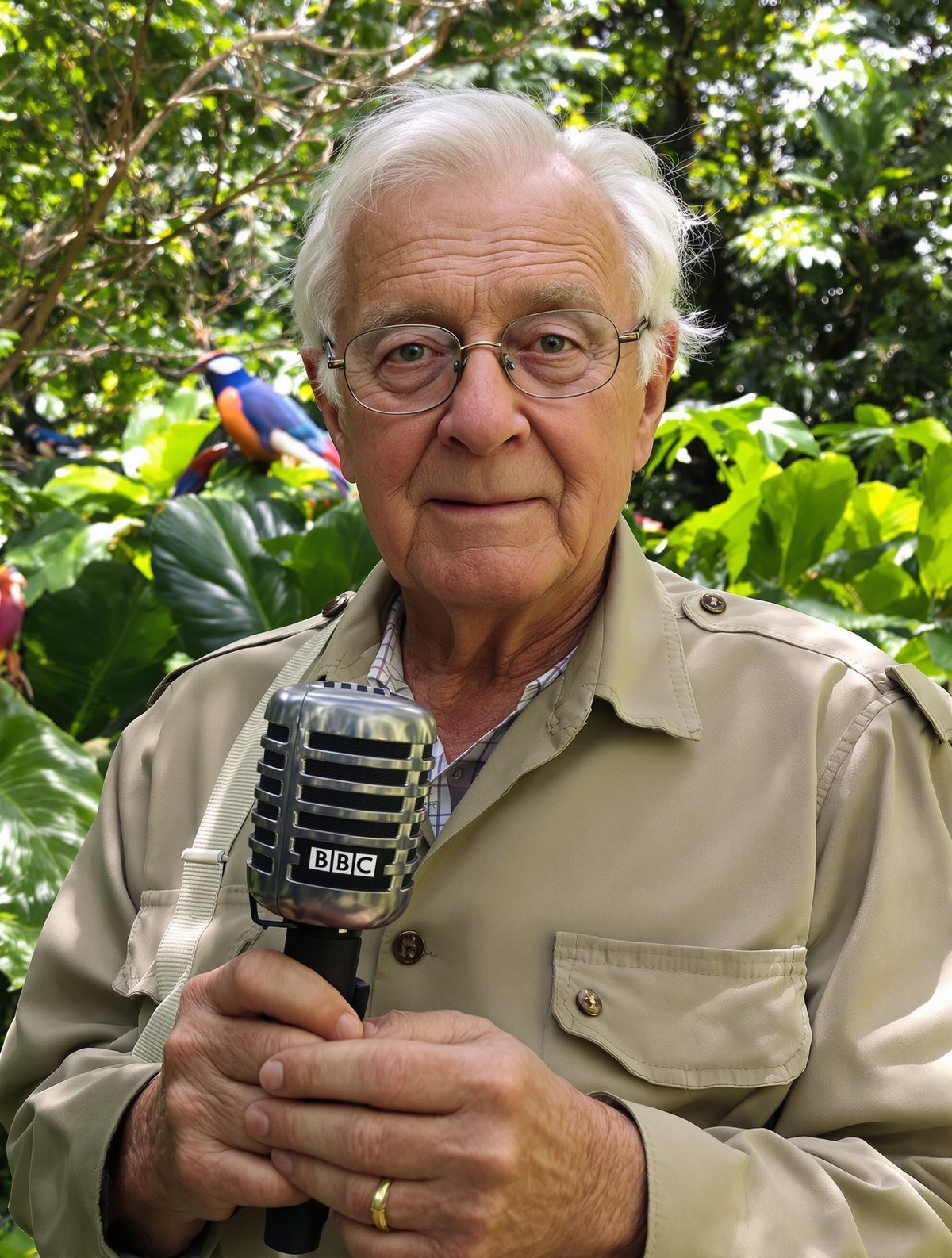
For 70 years, one English voice has whispered to 500 million people. Sir David Attenborough brought nature into homes across six continents. His BBC programmes shaped how humanity sees the natural world.
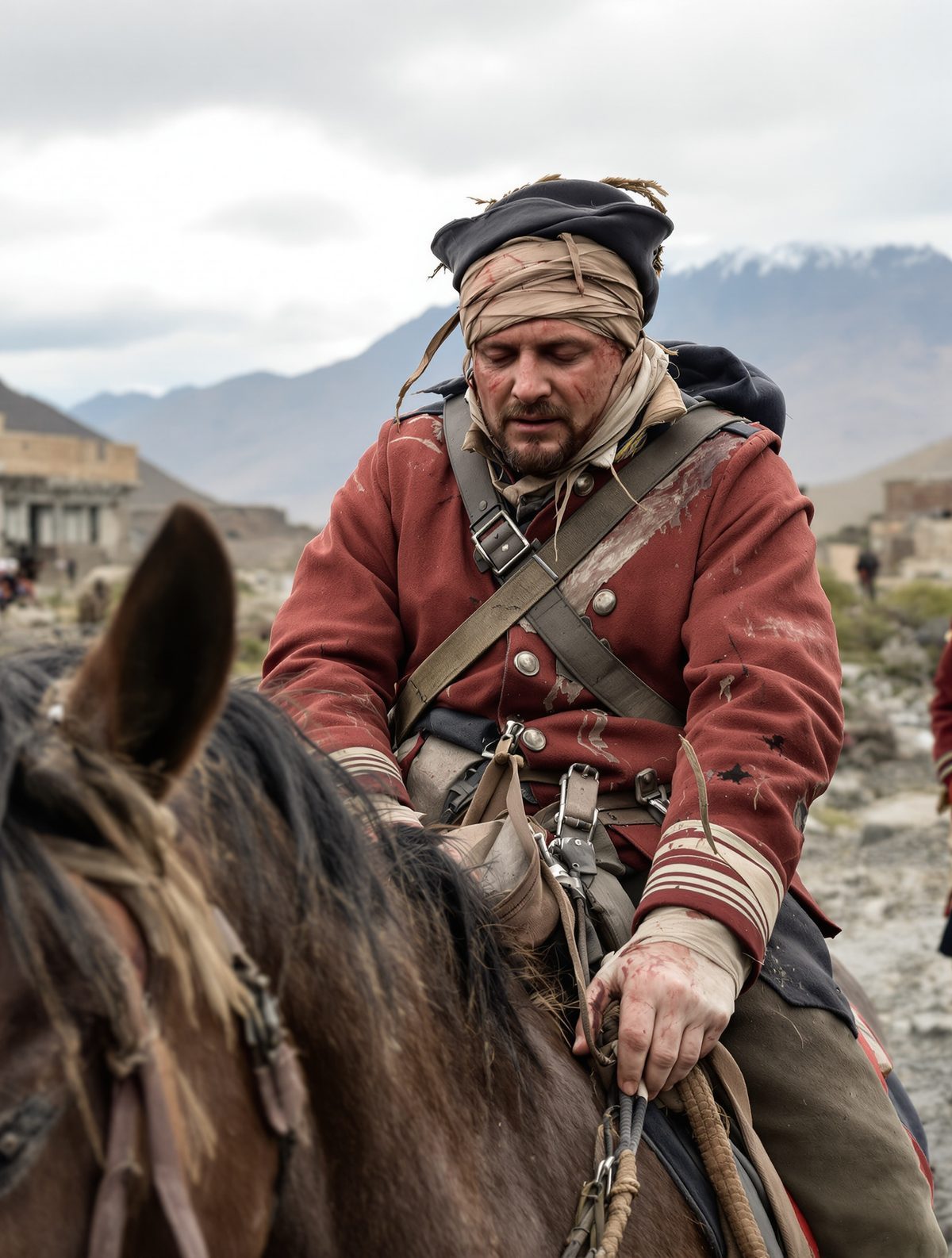
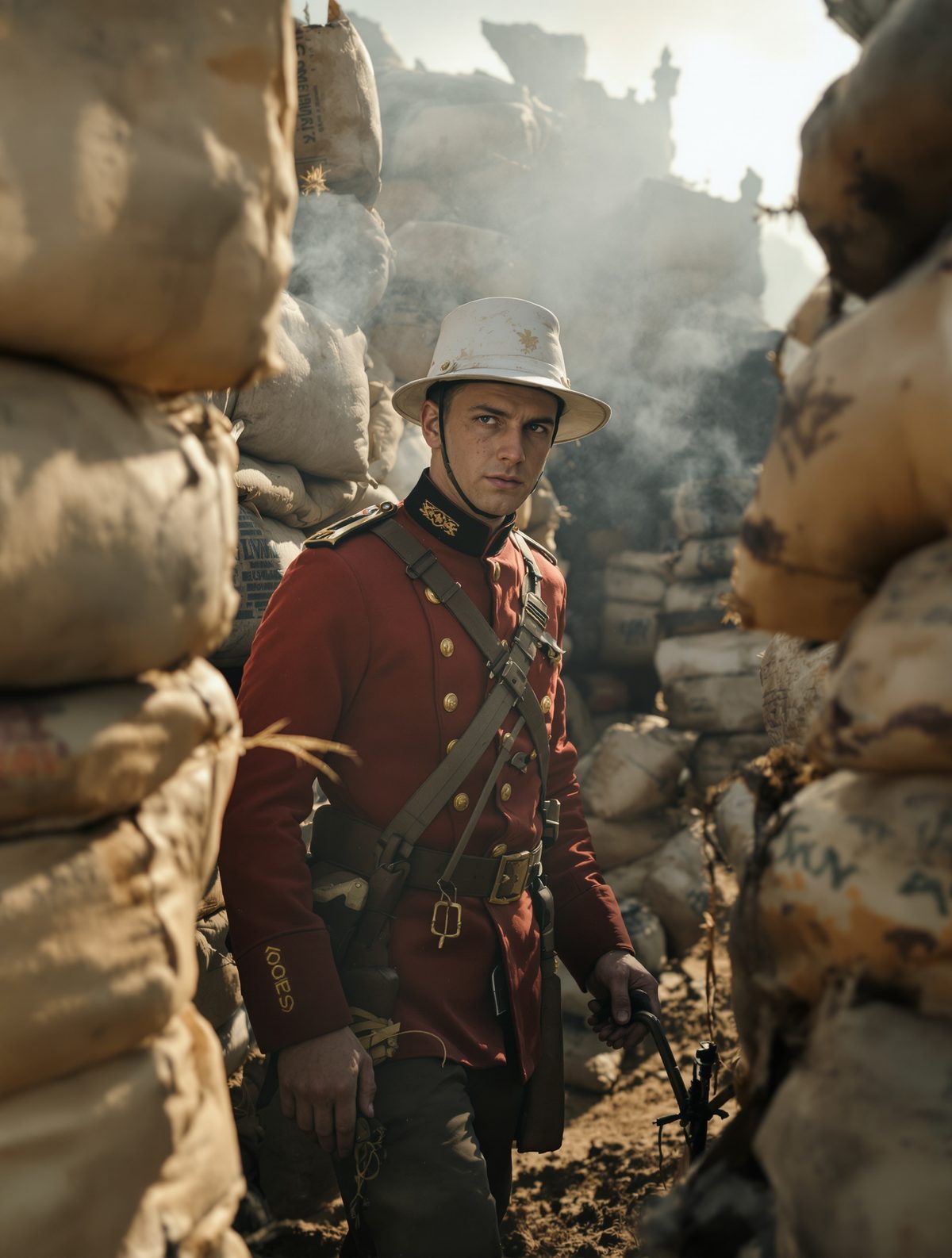
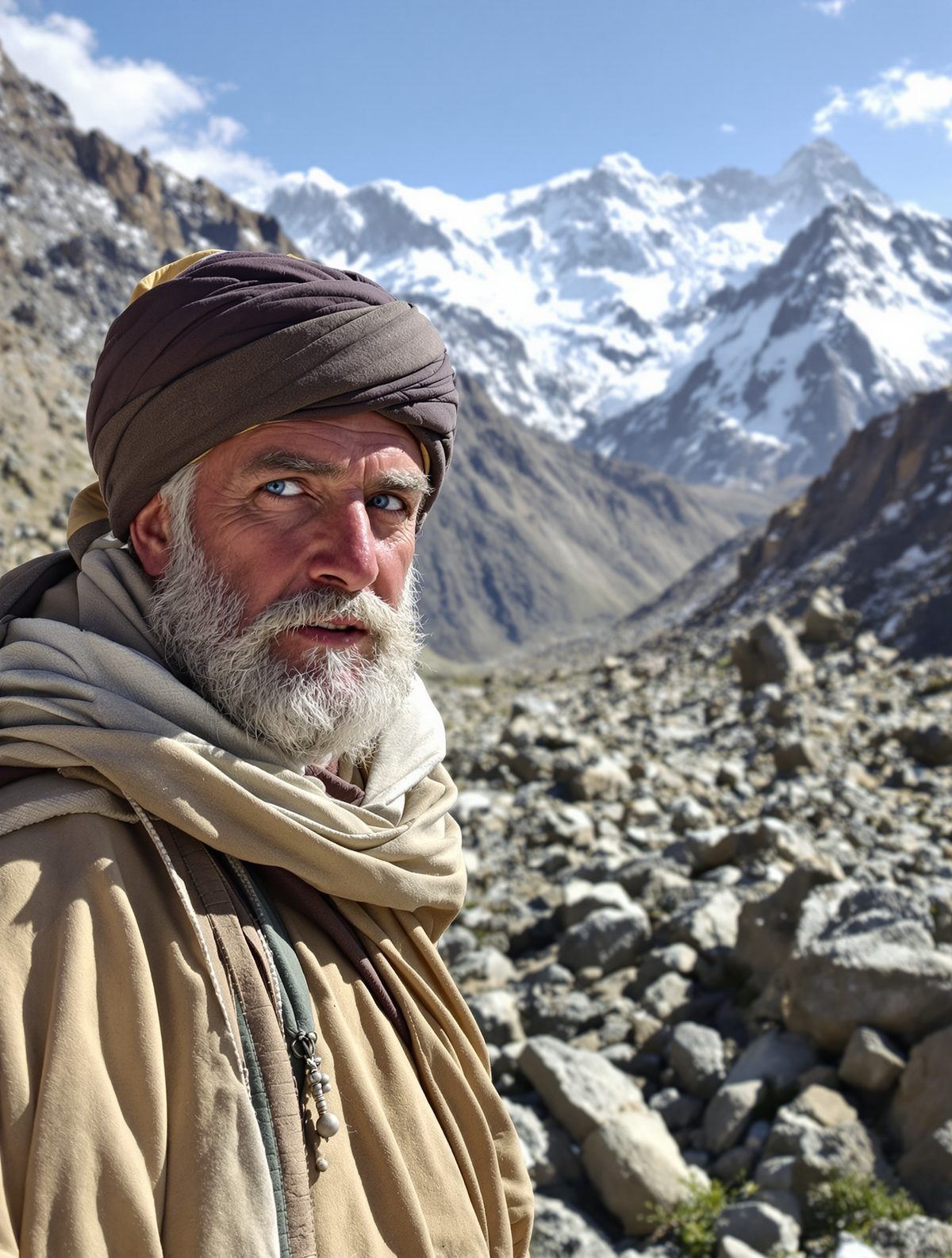
16,000 British soldiers marched into Afghanistan. Only one came back. Dr. William Brydon stumbled through Jalalabad's gates on a dying pony. His head wrapped in bloody bandages. The sole survivor of Britain's greatest military disaster.
After the 1798 Rising failed, Michael Dwyer vanished into the Wicklow Mountains. For fourteen years he evaded 10,000 British troops. Local farmers fed him in secret. He became Ireland's most wanted man.
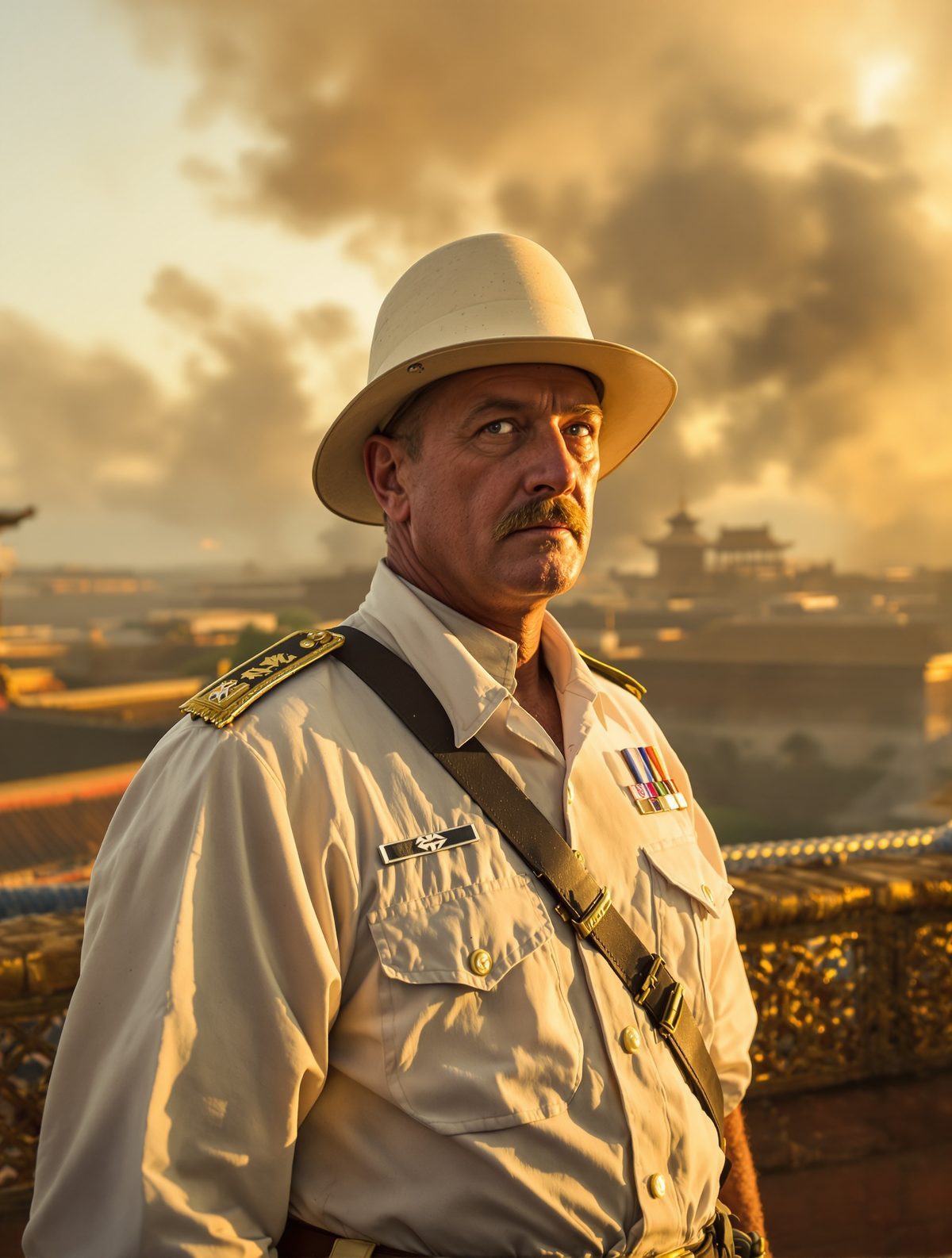
Beijing, 1900. The Boxer Rebellion surrounded Britain's embassy with 20,000 warriors. Major Claude MacDonald had 400 defenders. No reinforcements coming. For 55 days they held the compound. The siege that saved the British Empire in China.
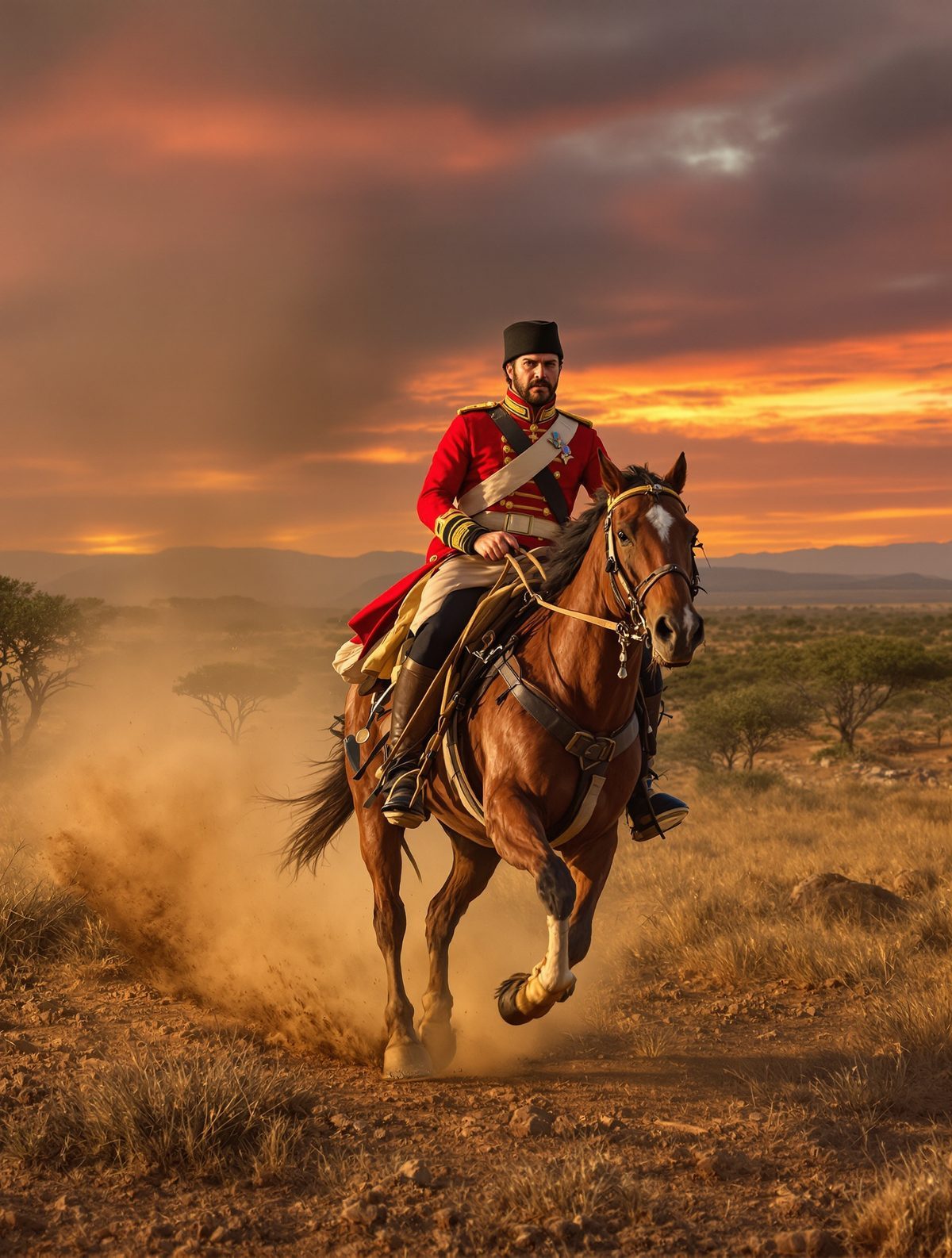
December 1834. Xhosa warriors crossed the Great Fish River. 50,000 settlers faced annihilation. One British general had six days to ride 600 miles. His epic journey saved the Cape Colony.
In 1884, surgeon Frederick Treves found Joseph Merrick hiding in a freak show. The severely deformed man was being exploited by showmen. Treves broke every hospital rule to give him sanctuary. For four years, he became Merrick's protector and friend.
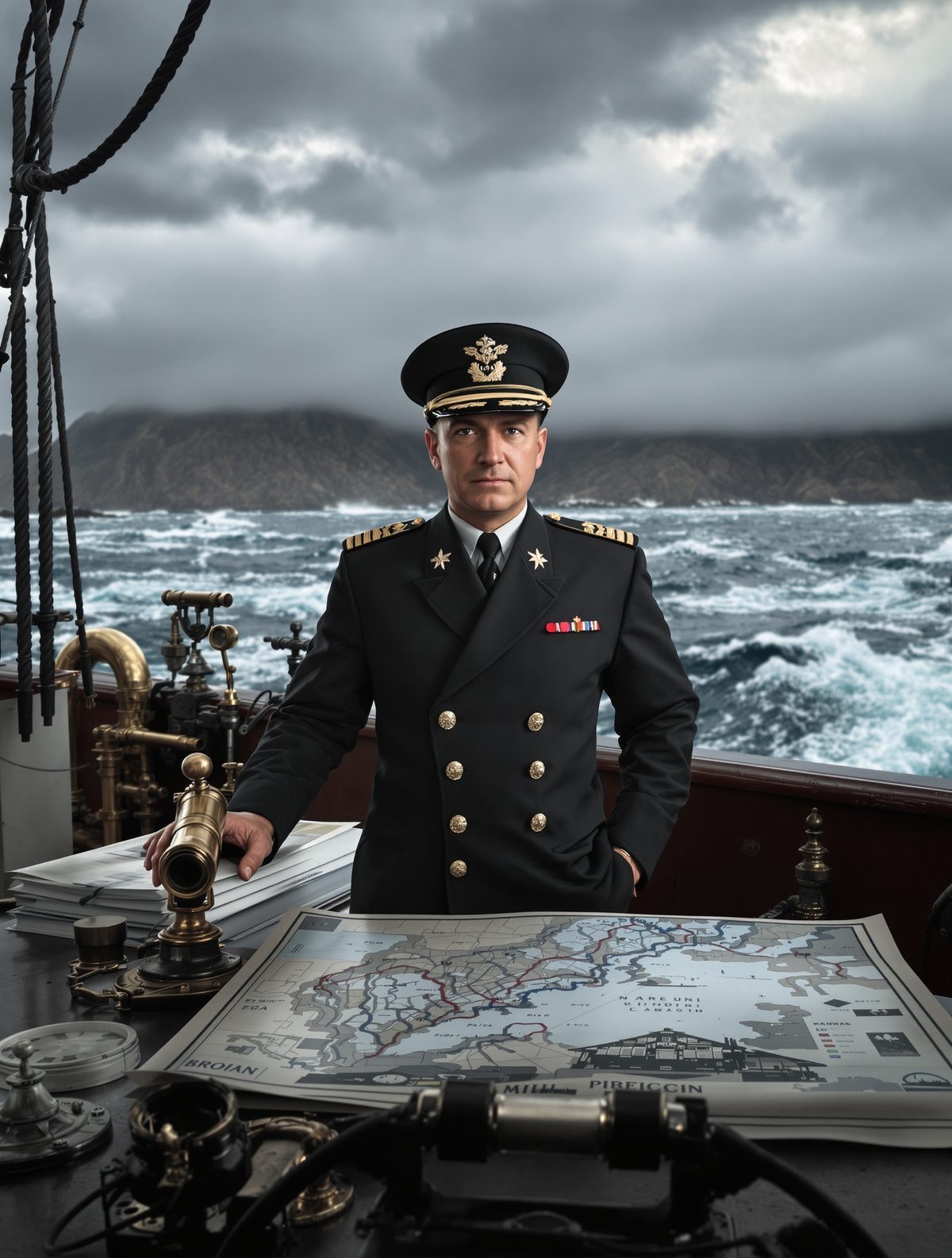
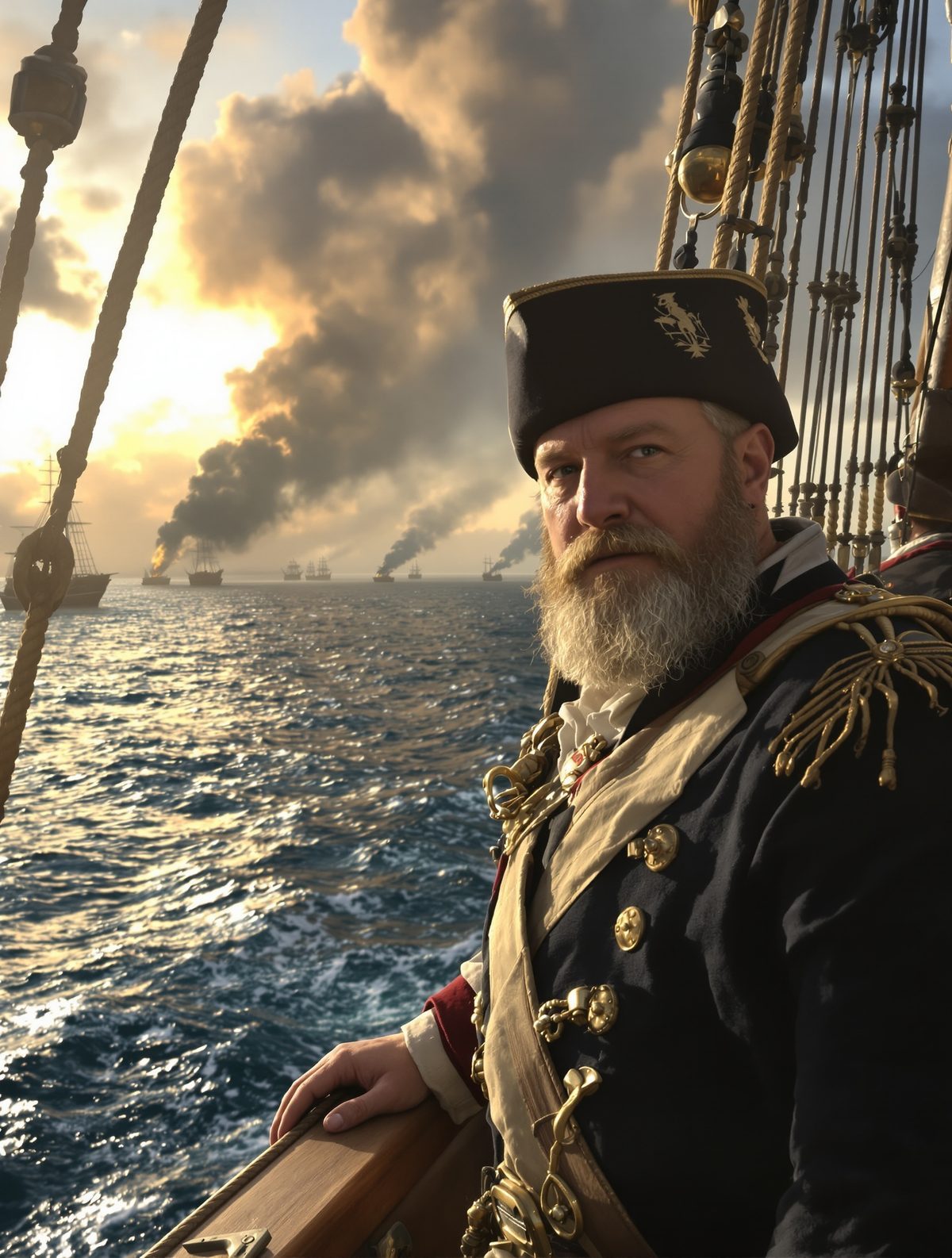
November 1914. Admiral Christopher Cradock knew his old cruisers couldn't match German guns. His orders were unclear. He could have waited for reinforcements. Instead he sailed straight into battle off Chile. All hands lost.
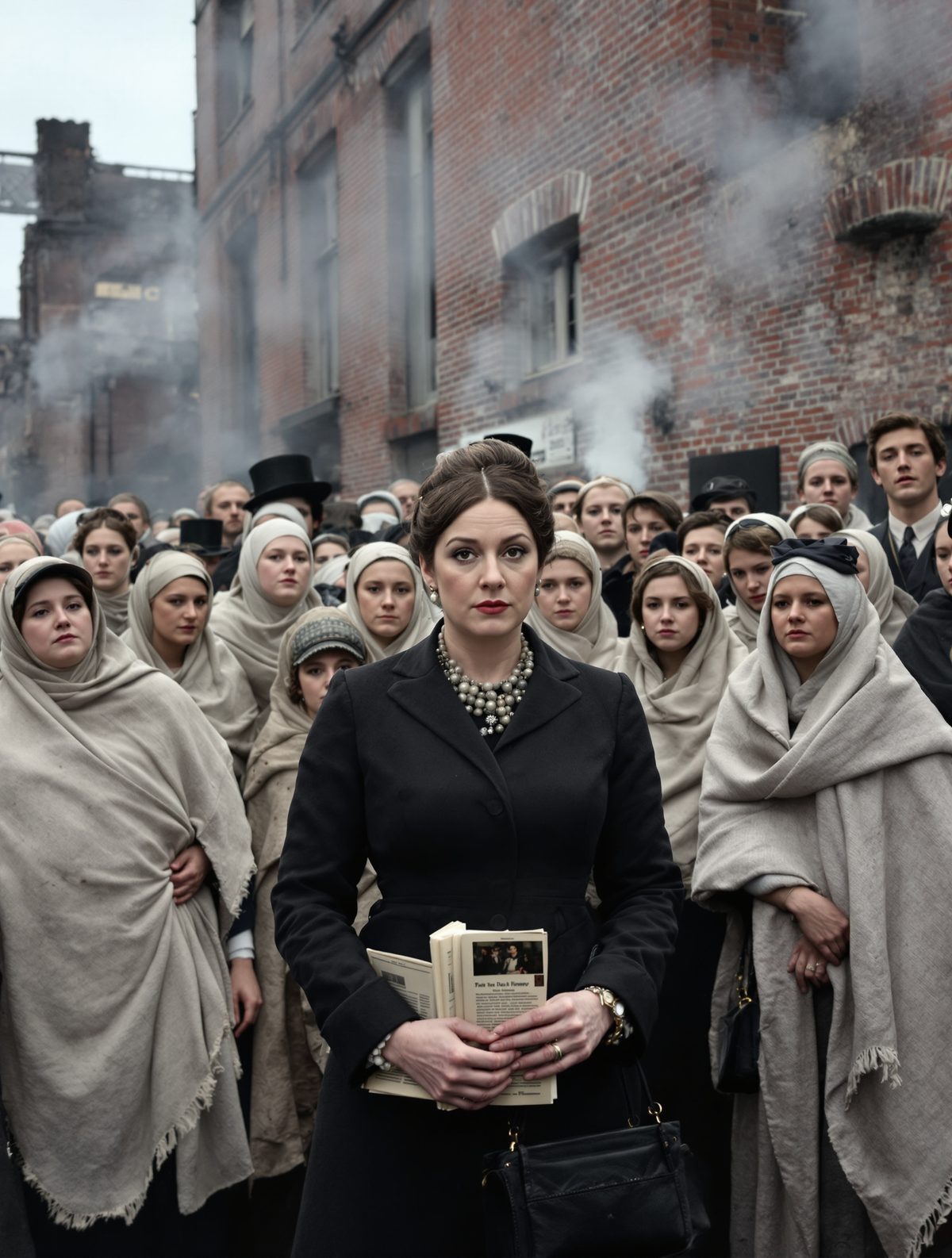
In 1888, teenage girls making matches for threepence a day were dying from 'phossy jaw.' Their phosphorus-rotted faces horrified London. When Annie Besant wrote one article, 1,400 girls walked out. They stayed out for two weeks. They won.
In 1989, a British physicist at CERN wrote a simple proposal. His invention would connect every computer on Earth. He refused all patents and royalties. The World Wide Web became humanity's shared inheritance.
Thomas Addis Emmet watched his brother die for Irish rebellion in 1803. Napoleon offered him command of the Irish Legion in 1804. Instead he sailed to America. Became New York's top lawyer. Chose exile over revenge.
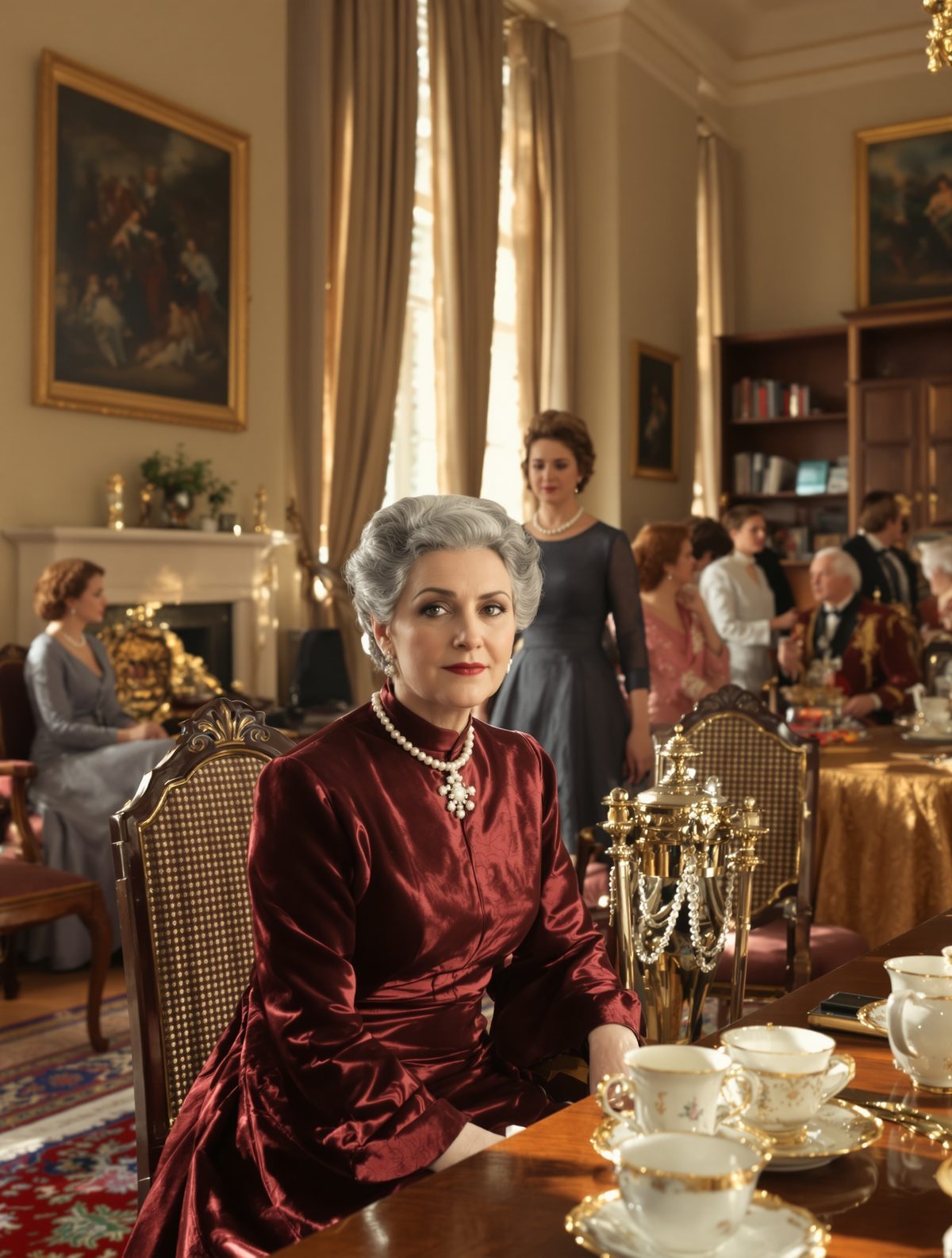
Every Tuesday afternoon, respectable ladies gathered for tea and cake in Millicent Fawcett's London drawing room. Their husbands thought they discussed fashion and gossip. They were planning the campaign that would win British women the vote.
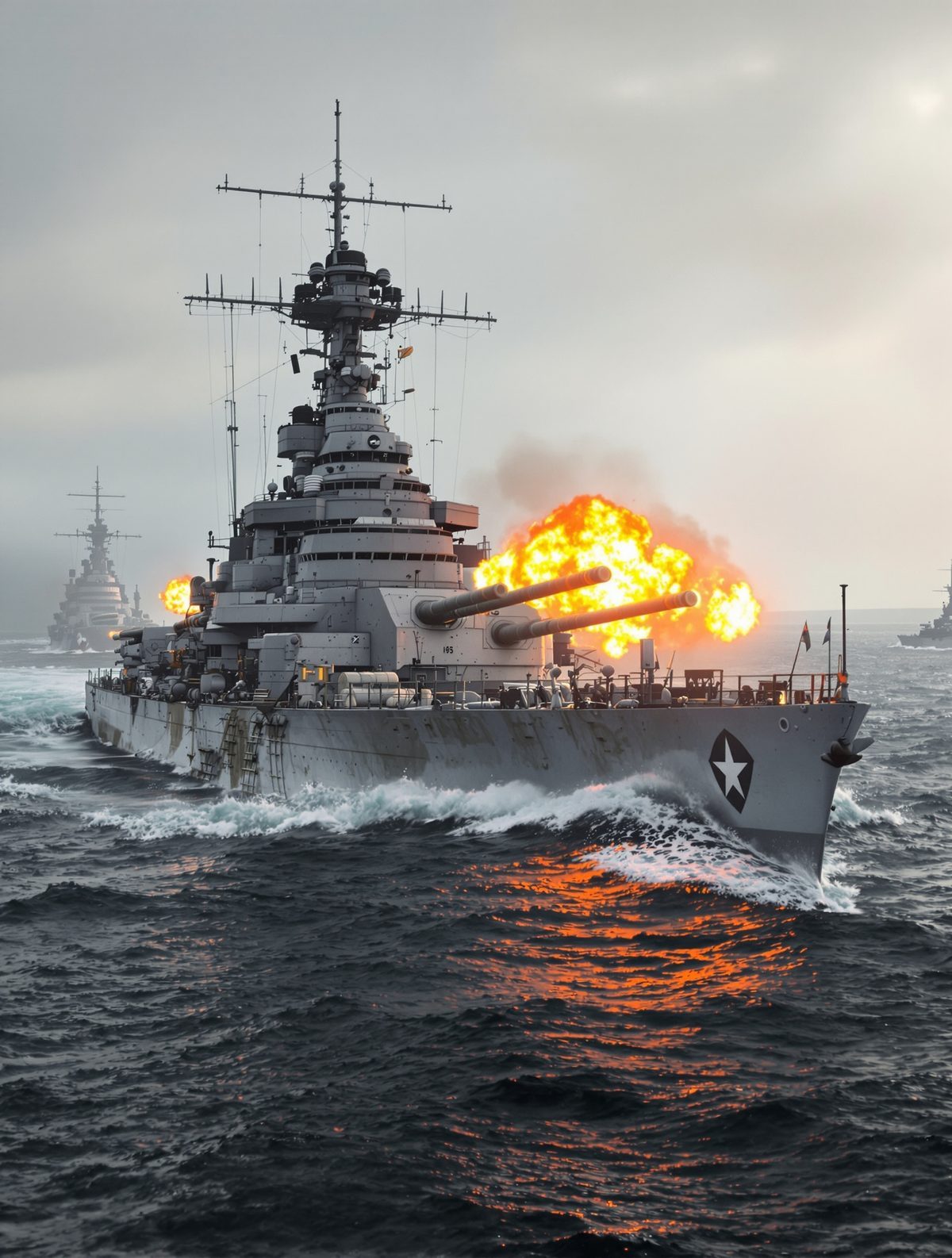
HMS Warspite was meant for scrap. Her steering was broken. Her engines failing. But on D-Day morning she sailed anyway. The old battleship fired 300 shells at Nazi bunkers. Her final battle at age 30.
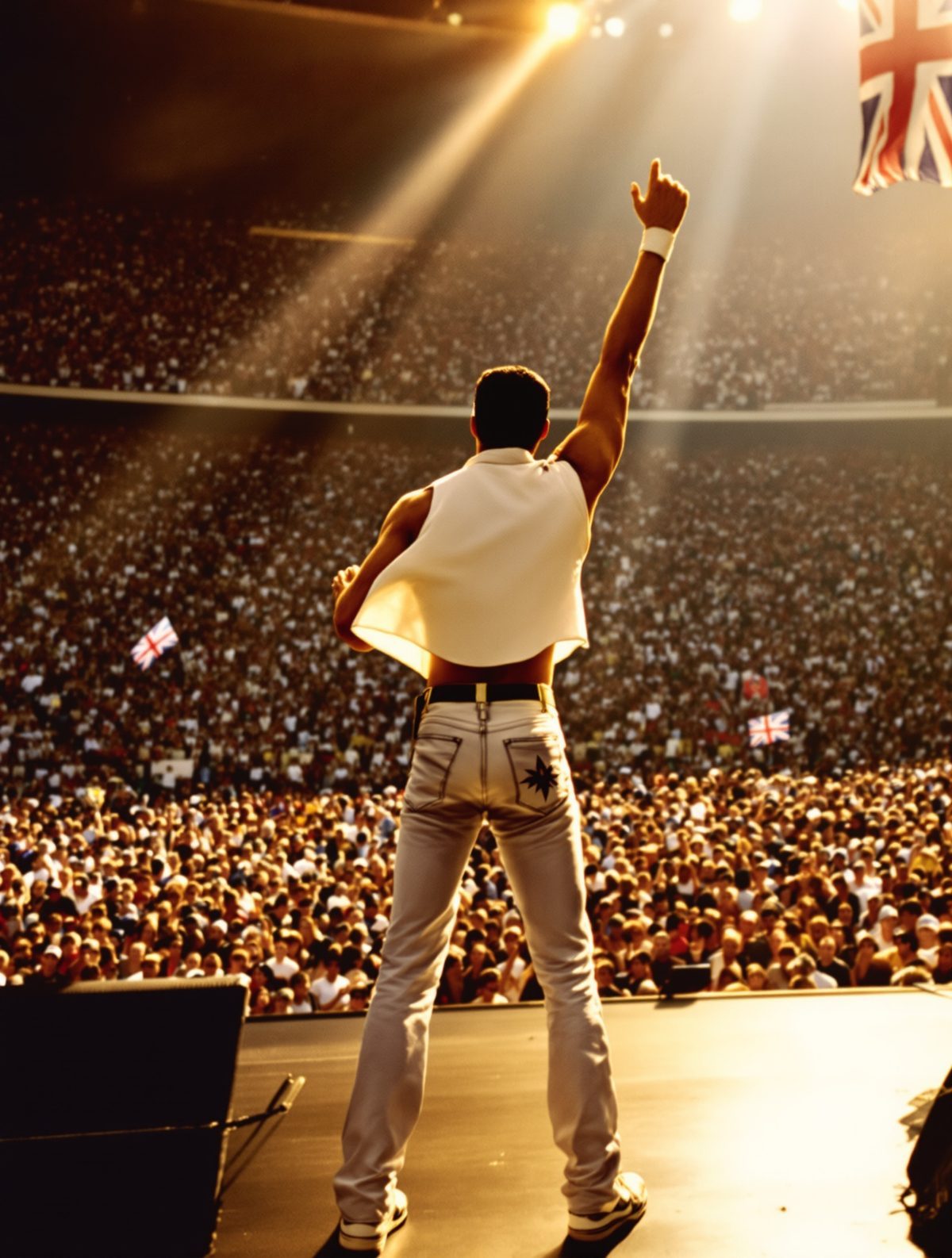
Live Aid at Wembley Stadium. 1.9 billion people across the Commonwealth watching. Freddie Mercury takes the stage for just 20 minutes. His voice reaches from London to Lagos to Sydney. The son of British India becomes the Empire's greatest performer.
1612. Four English ships face Portugal's entire Indian fleet off Bombay. Captain Best commands the Dragon against impossible odds. Victory here would open India to English trade forever.
1891. Commissioner Harry Johnston arrived in Malawi with one gunboat. Arab slave traders controlled the interior. Local chiefs faced annihilation. Johnston struck a deal that saved thousands.
September 1945. British General Douglas Gracey landed in Vietnam to accept Japanese surrender. Instead he rearmed 1,400 Japanese soldiers. London was furious. Gracey saved thousands of British lives.
Admiral Sir George Somers was sailing to rescue starving Jamestown in 1609. Hurricane winds drove his flagship onto Bermuda's reefs. For ten months his crew built new ships from cedar and salvaged timber. They reached Virginia just as the colonists were abandoning America forever.
At dawn on January 23rd, 1879, Frank Bourne was the youngest colour sergeant in the British Army. By sunset he had survived the longest sustained attack in military history. Eleven Victoria Crosses were awarded. Bourne lived to see them all.
Scottish soldier Alexander Gardner spent nine years wandering Afghanistan and Kashmir. He fought in eighteen battles. Changed identity twenty-five times. Survived by his wits alone. When he finally reached British India, no one believed his story.
A 17-year-old girl dragged coal carts through mine tunnels on her hands and knees. When Parliament asked about her life, she spoke just four words. Those words sparked a revolution that freed 250,000 children from Britain's darkest depths.
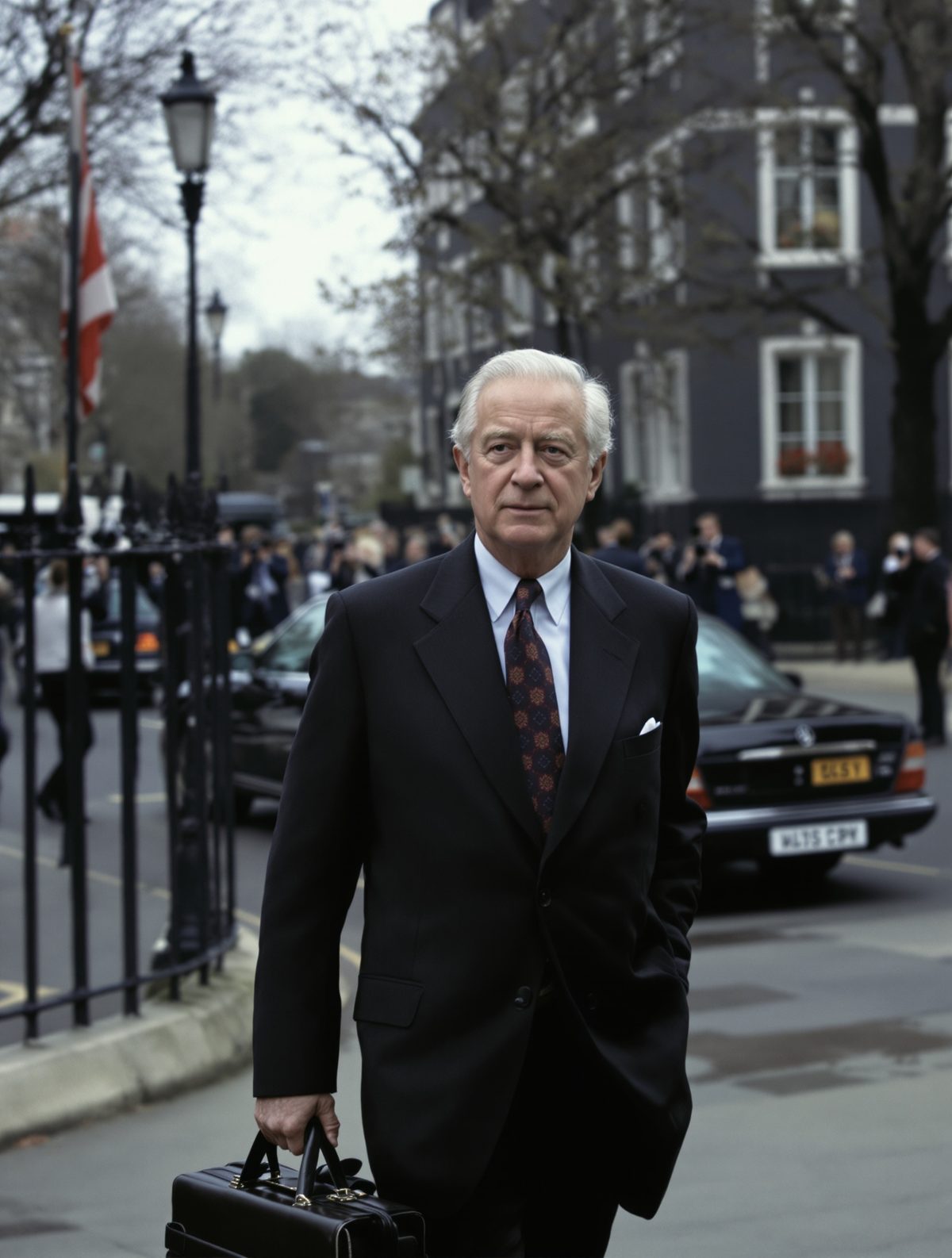
April 1982. Argentina invades the Falklands. Foreign Secretary Lord Carrington takes full responsibility. In 48 hours he resigns in disgrace. The last great act of ministerial honour.
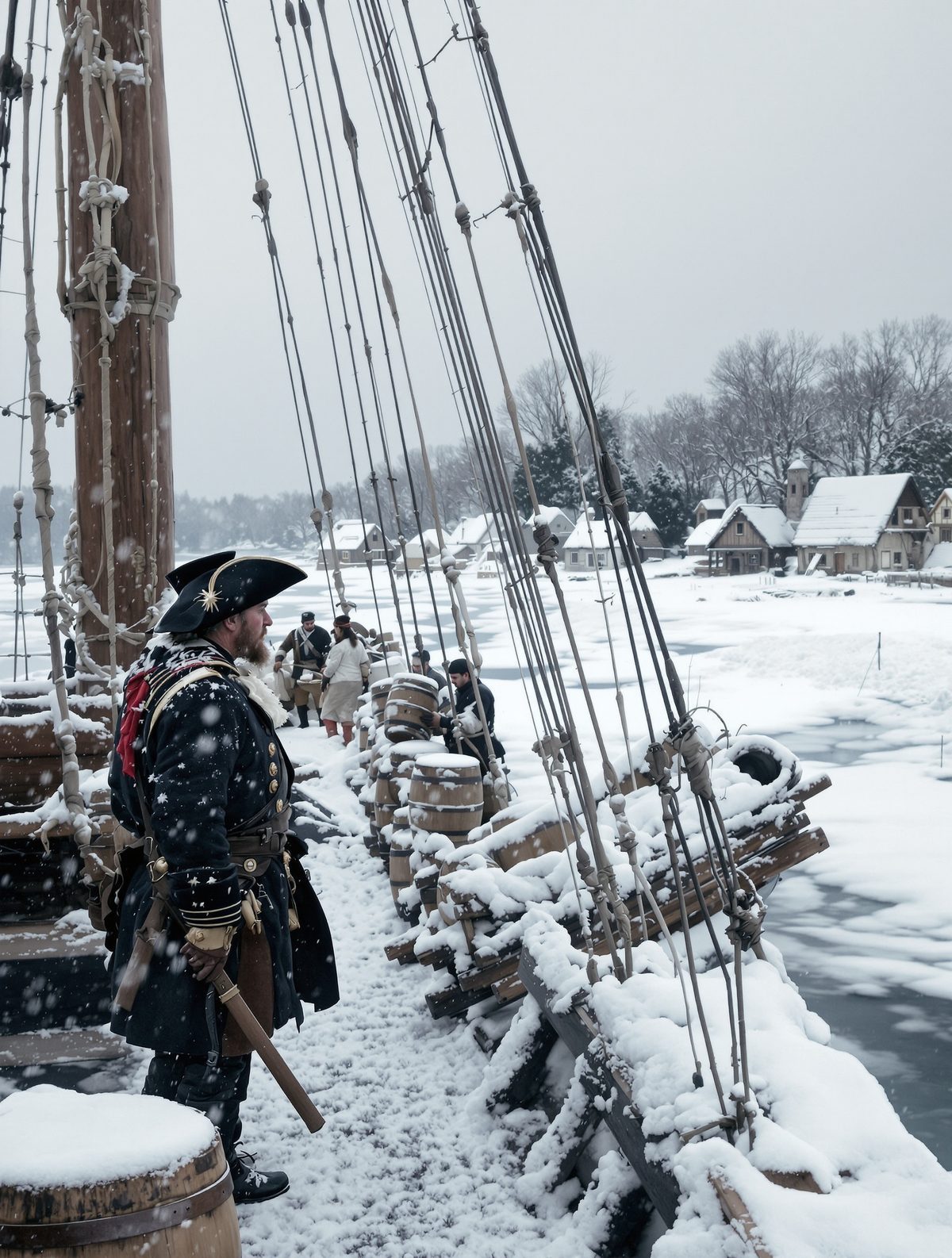
Captain Jones was hired to drop off the Pilgrims and sail home. But when winter trapped them in Plymouth, half the colonists died. Jones could have left them to starve. Instead he stayed four months. Fed them from his own supplies.
Lieutenant Alexander Burnes dyed his skin brown. Learned perfect Persian. Walked from India to Afghanistan disguised as a horse trader. He was mapping the route for a British invasion.
In 1990, British computer scientist Tim Berners-Lee invented the World Wide Web at CERN. His bosses told him to patent it. Make millions. He refused. Instead, he gave it to humanity for free. Today, 5 billion people use his gift every day.
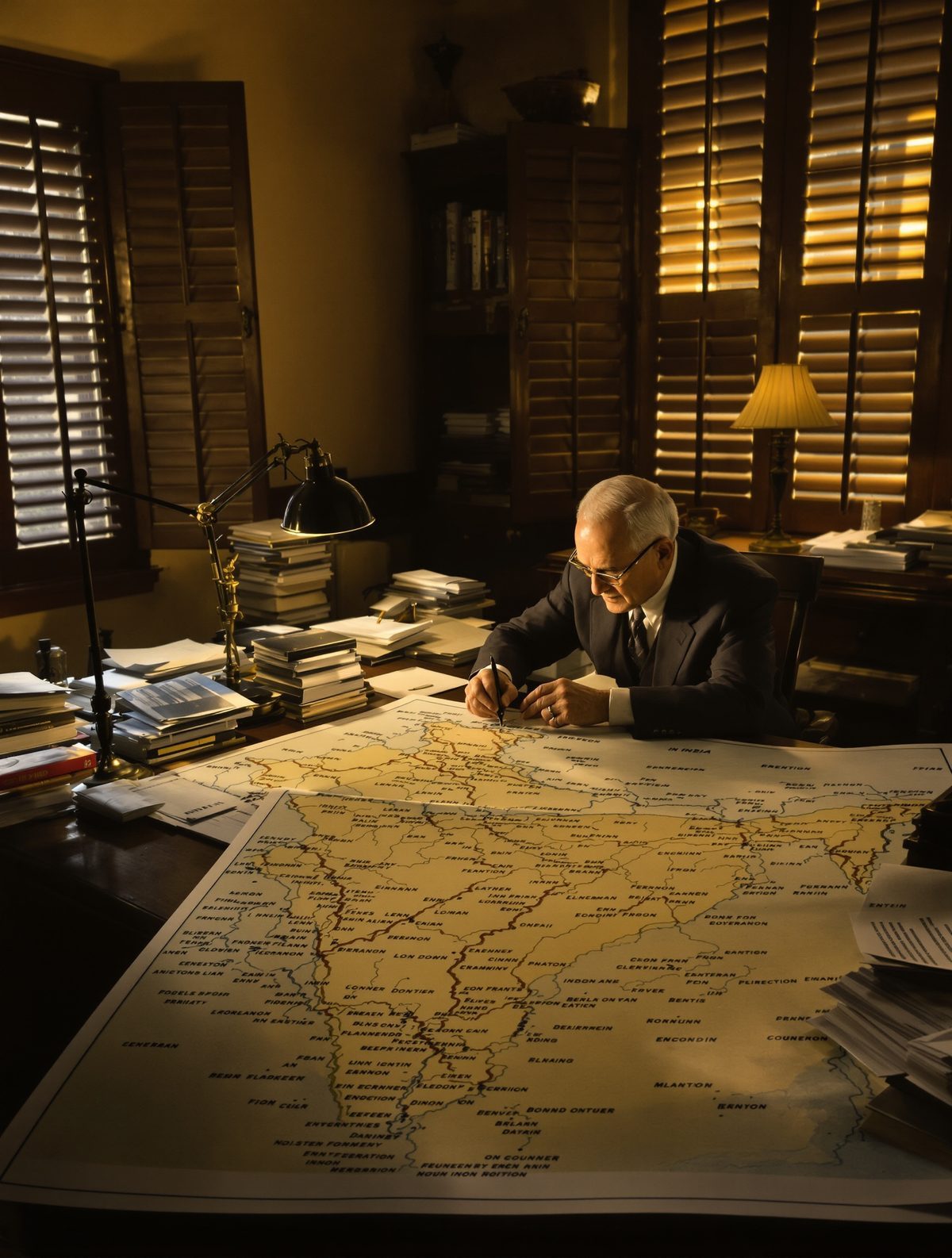
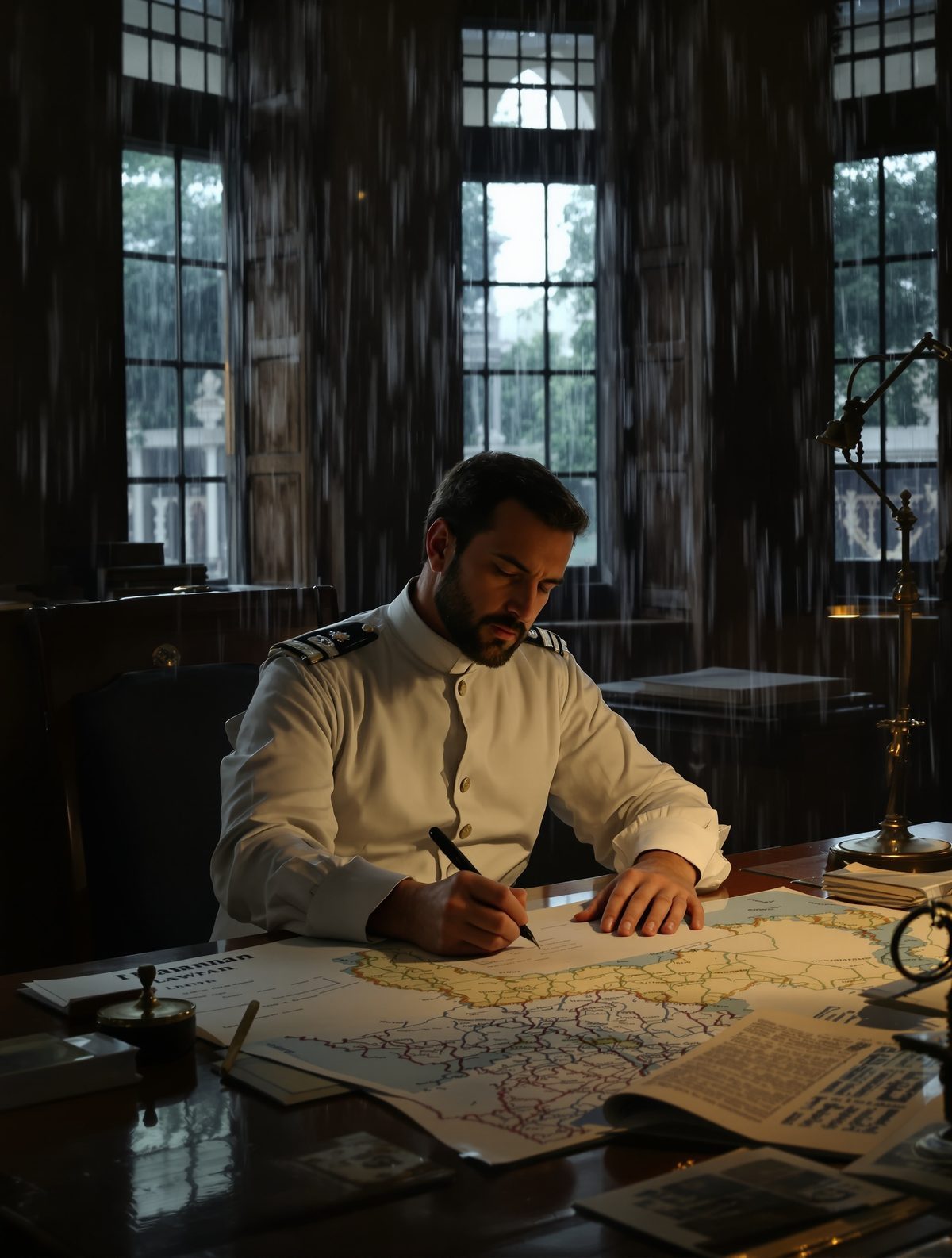
London barrister Sir Cyril Radcliffe had never been to India. In July 1947 he was given 5 weeks to draw a line splitting 400 million people. He worked alone with outdated maps. His Radcliffe Line created Pakistan.
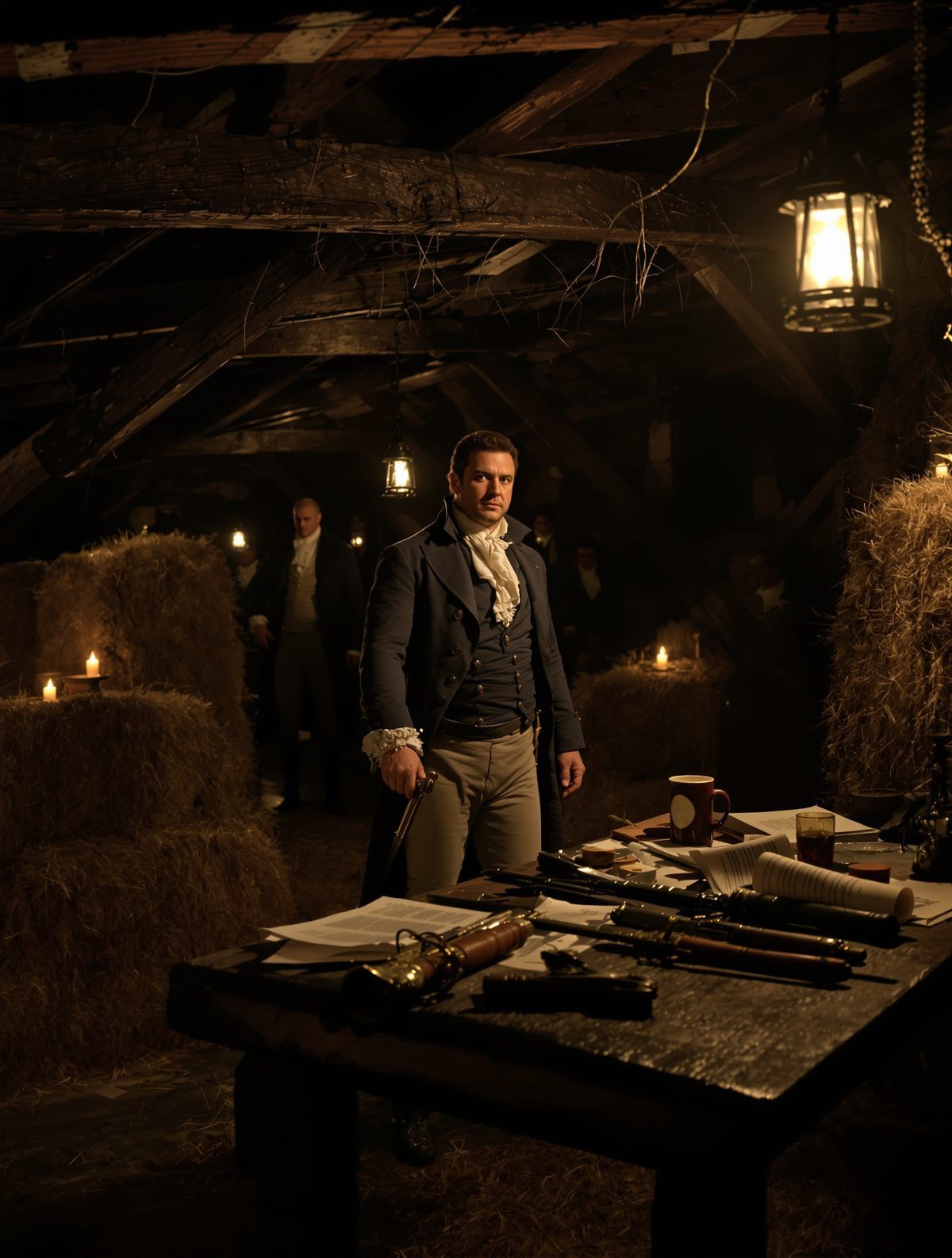
February 1820. A radical shoemaker rented a stable in Cato Street. His plan: assassinate every Cabinet minister at dinner. Blow up the government. Start a revolution. One anonymous tip changed everything.
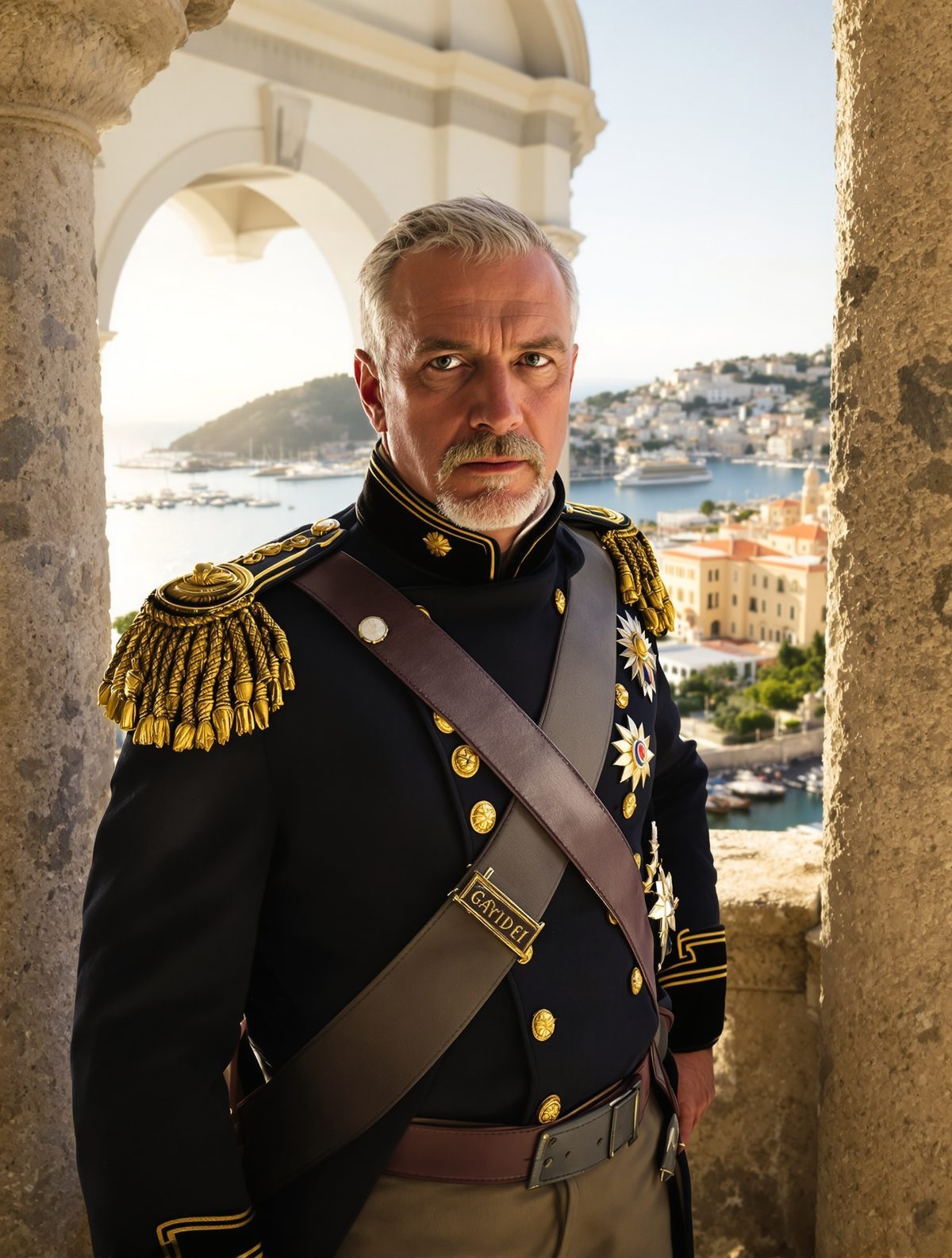
Sir Thomas Maitland governed Malta, Corfu, and five Greek islands after 1815. Locals called him 'King Tom the First.' He banned their newspapers. Jailed their poets. But built their roads, schools, and hospitals. When he died, thousands wept.
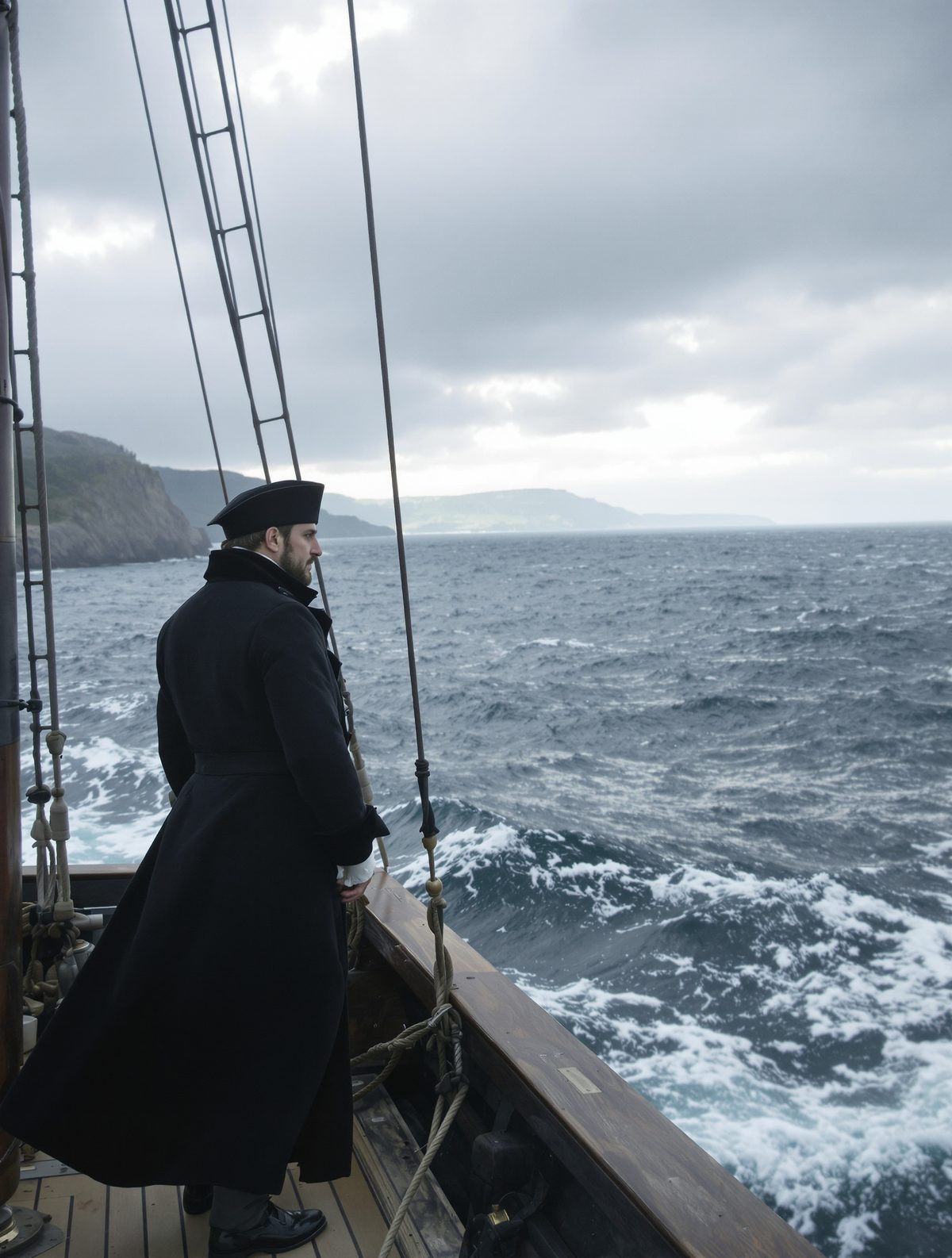
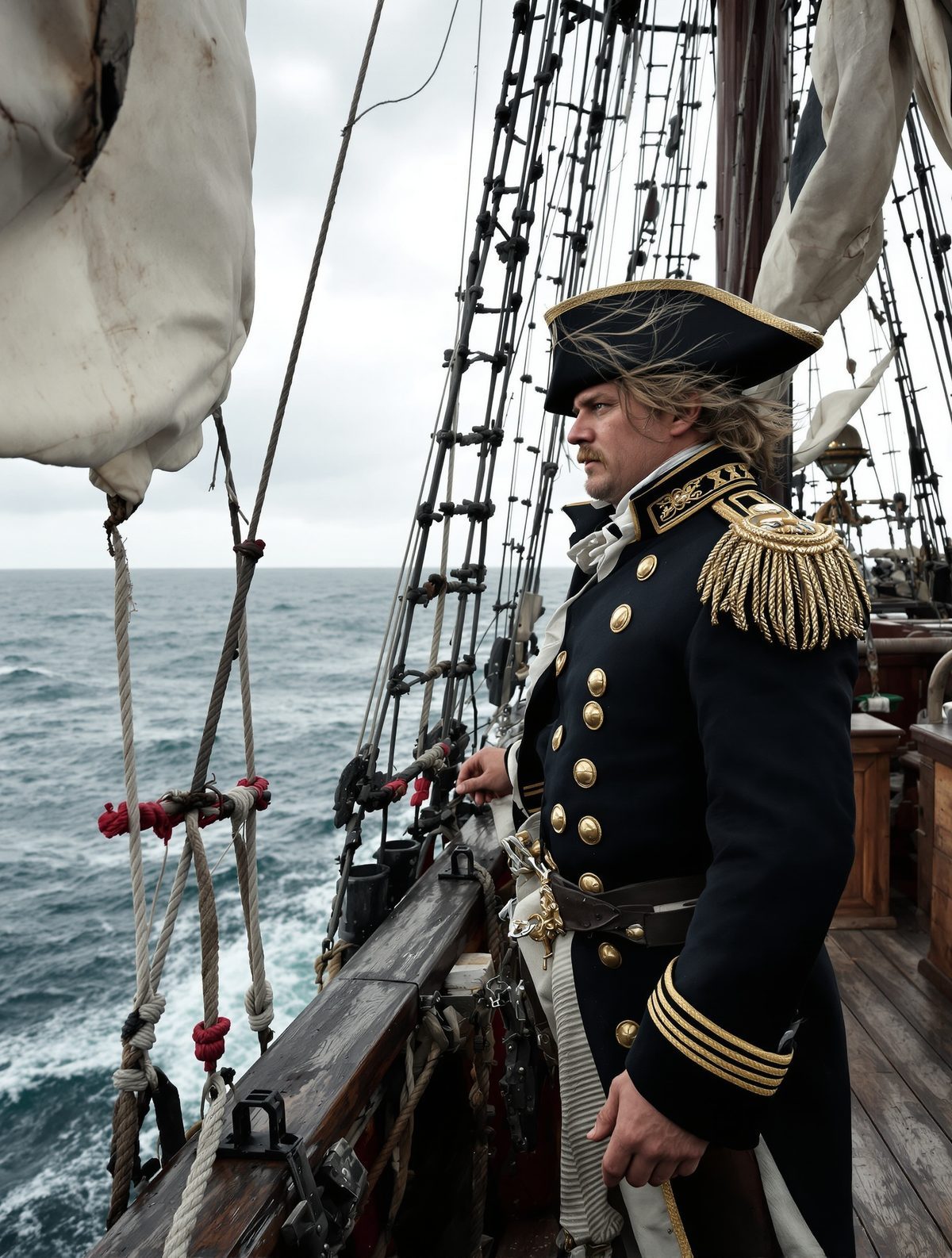
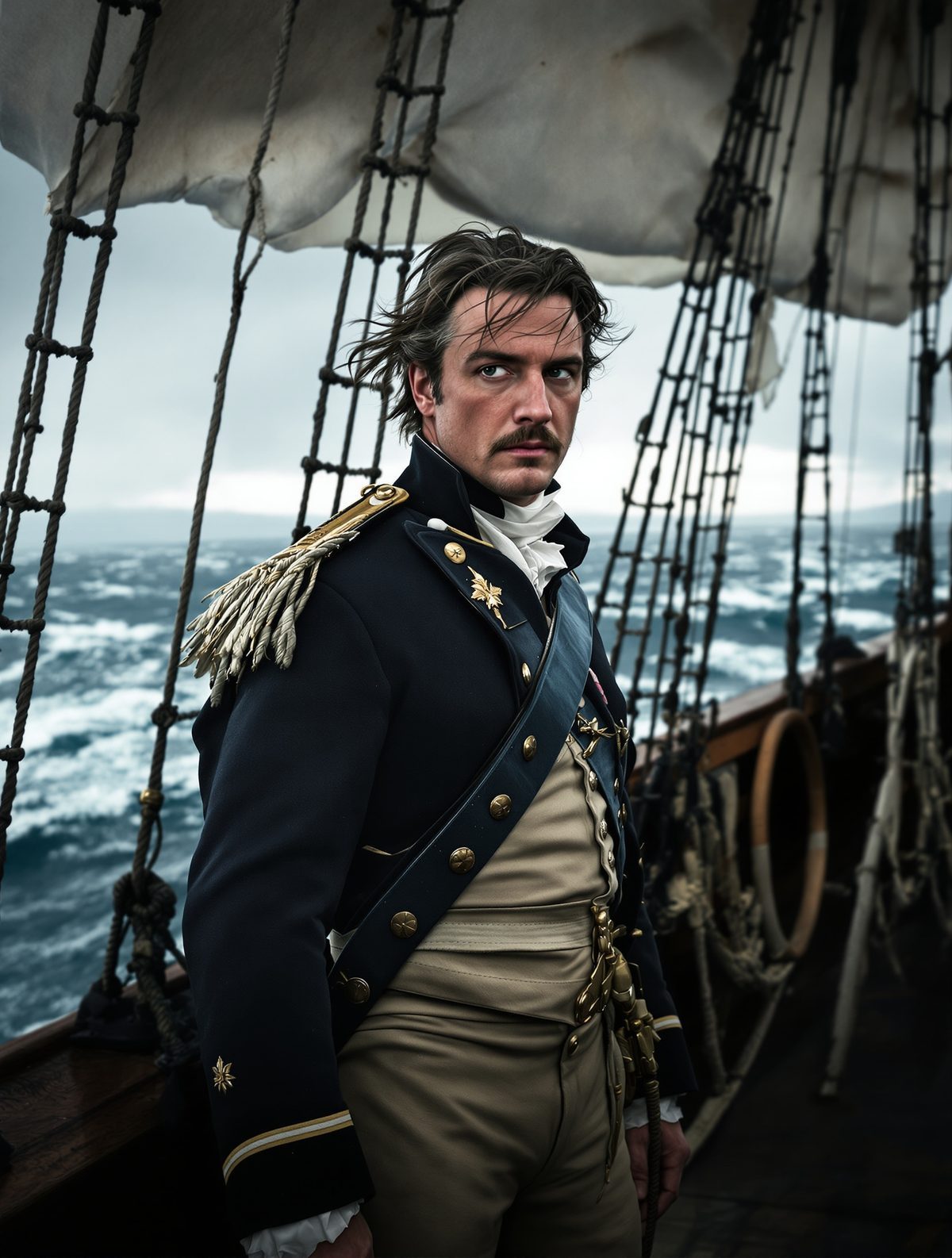
Captain George Anson left England in 1740 with six warships and 1,900 men. Four years later he returned with one battered ship and 188 survivors. But in his hold lay the greatest treasure ever captured by the Royal Navy.
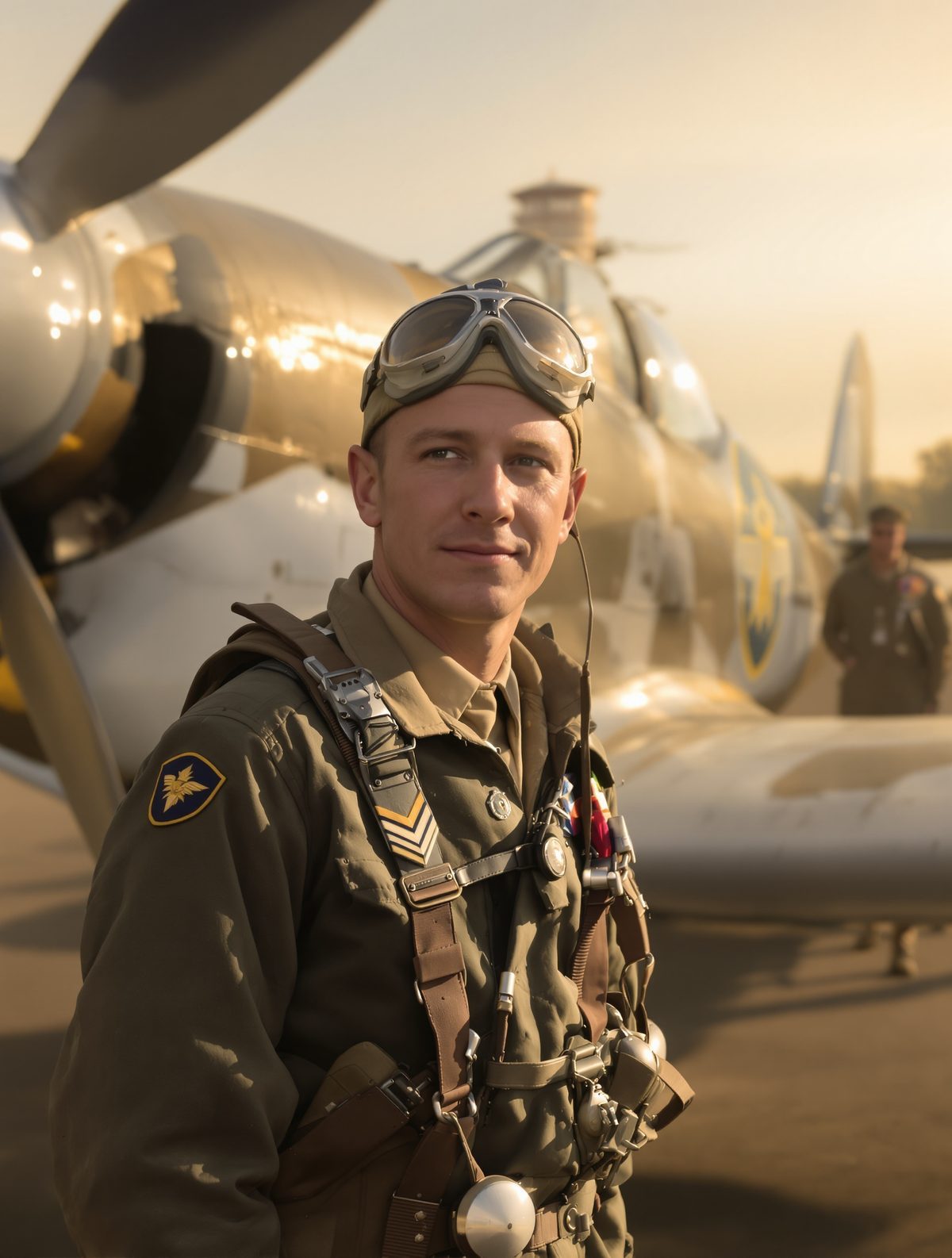
May 8th, 1945. RAF Squadron Leader 'Johnnie' Johnson climbed into his Spitfire for the last time over Nazi Germany. 34 kills. Six grueling years. As he crossed the English Channel, the war was finally over.
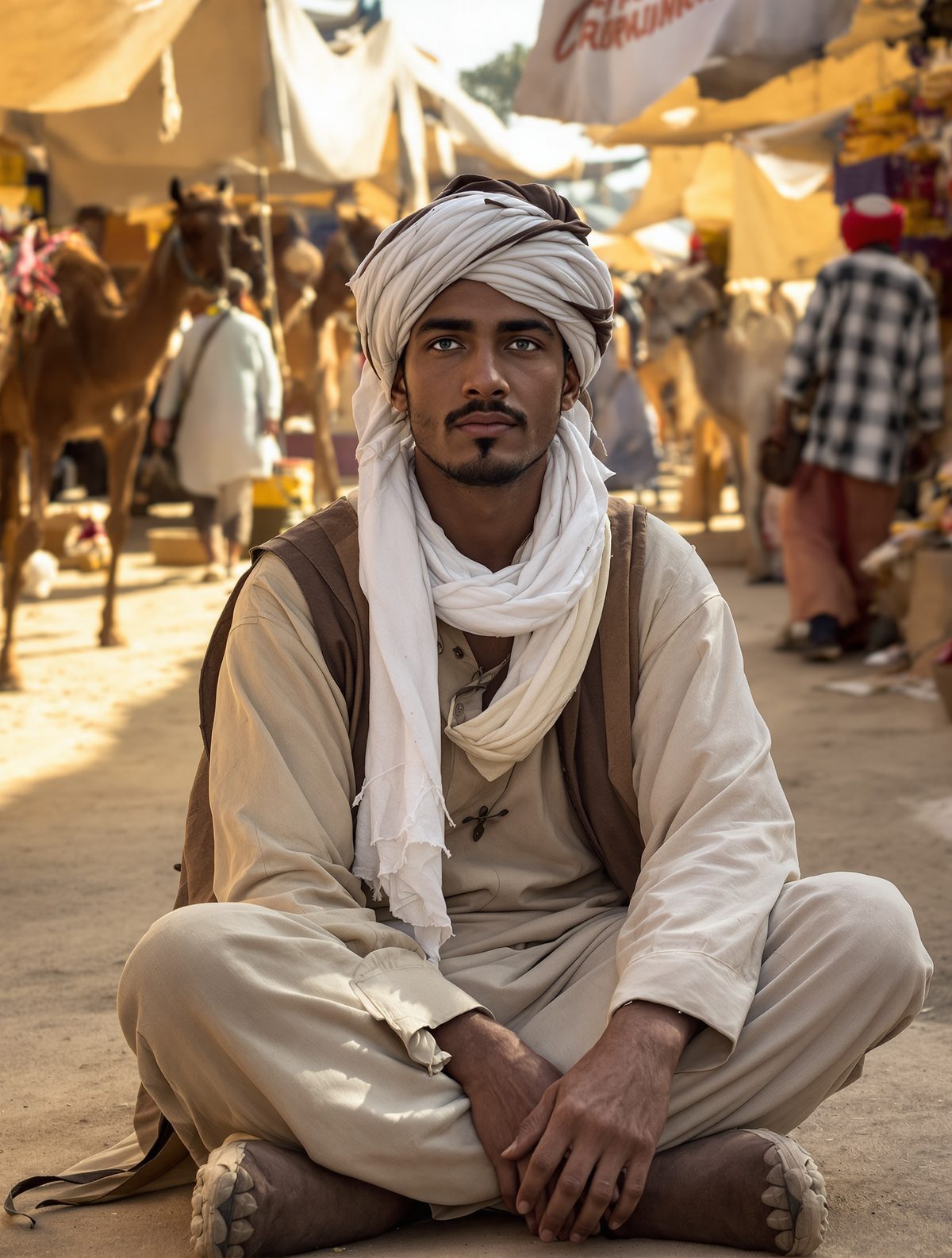
Robert Fortune disguised himself as a Chinese merchant. He smuggled 20,000 tea plants from forbidden Chinese gardens. His stolen seeds broke China's 4,000-year monopoly. They founded India's tea empire.
1798. Revolutionary Wolfe Tone returned from French exile with enemy ships. His mission: liberate Ireland from British rule. Captured in French uniform off the Irish coast. Faced treason trial in Dublin. Chose death over the hangman's rope.
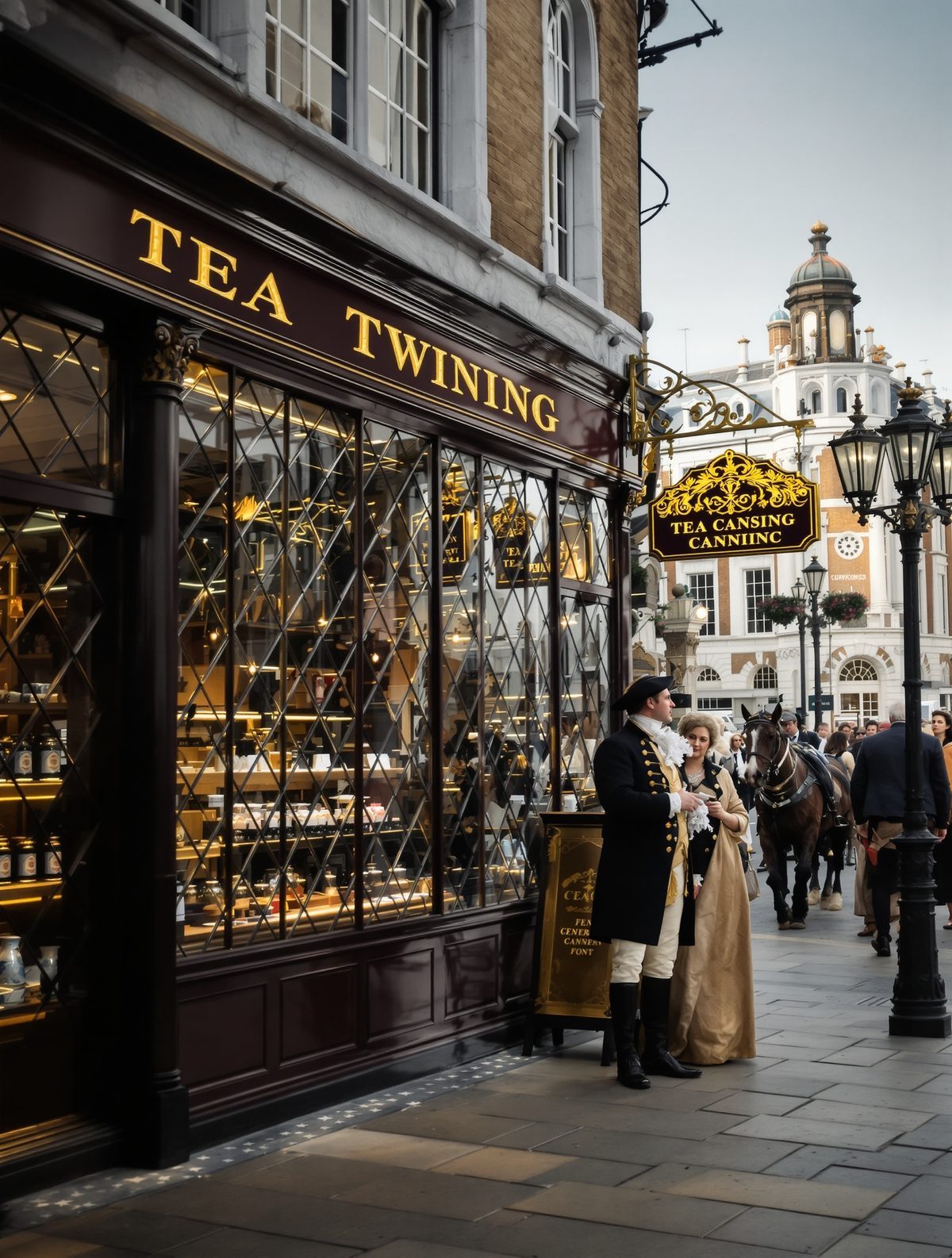
Thomas Twining bought a coffee house on the Strand in 1706. Eleven years later he made a radical decision. He would sell tea directly to ladies. No coffeehouse had ever welcomed women before.
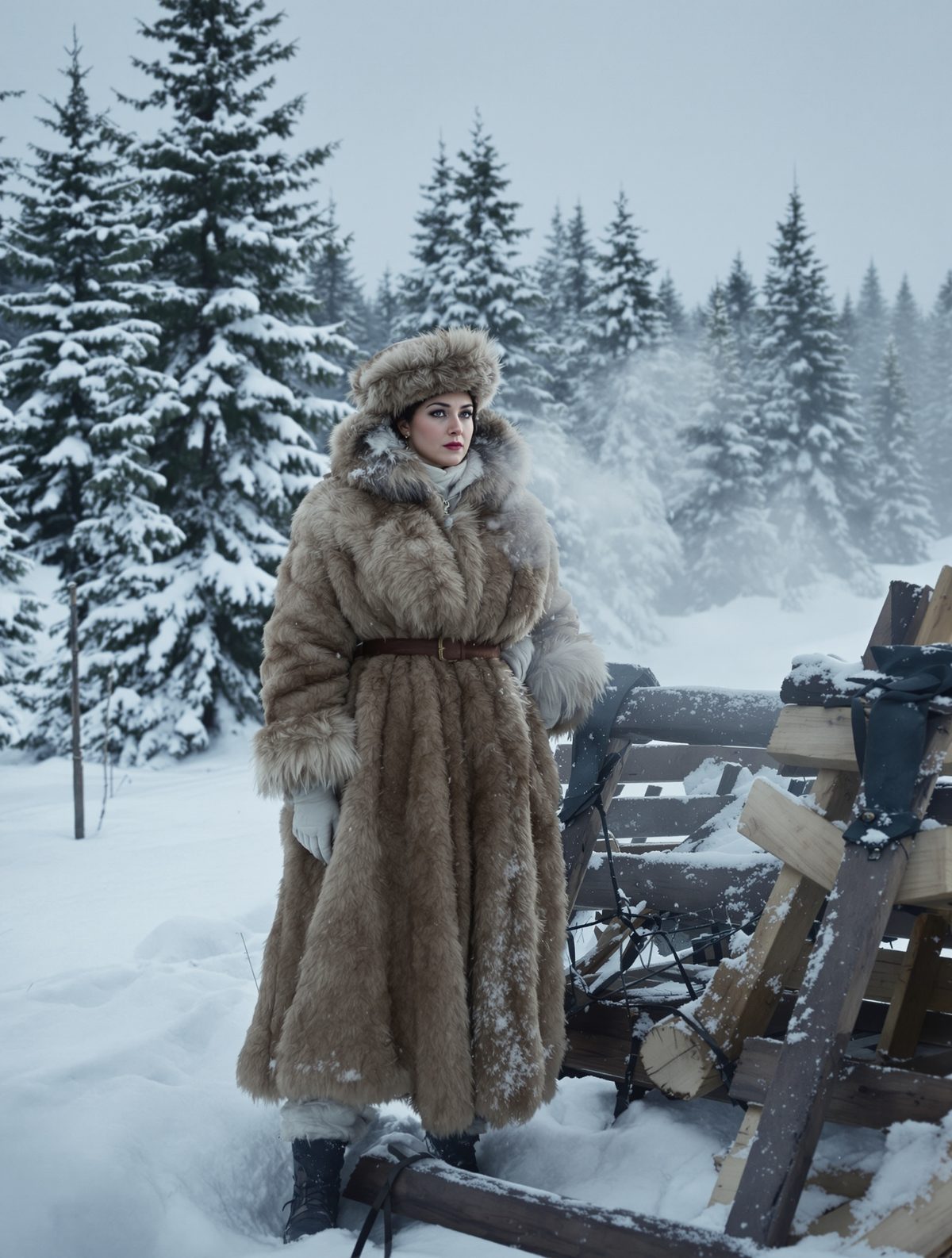
1891. English nurse Kate Marsden heard of a herb in deepest Siberia that could cure leprosy. She sledged 2,000 miles through frozen wilderness. Found 100 forgotten lepers living in caves. Built Russia's first leper hospital with her own hands.
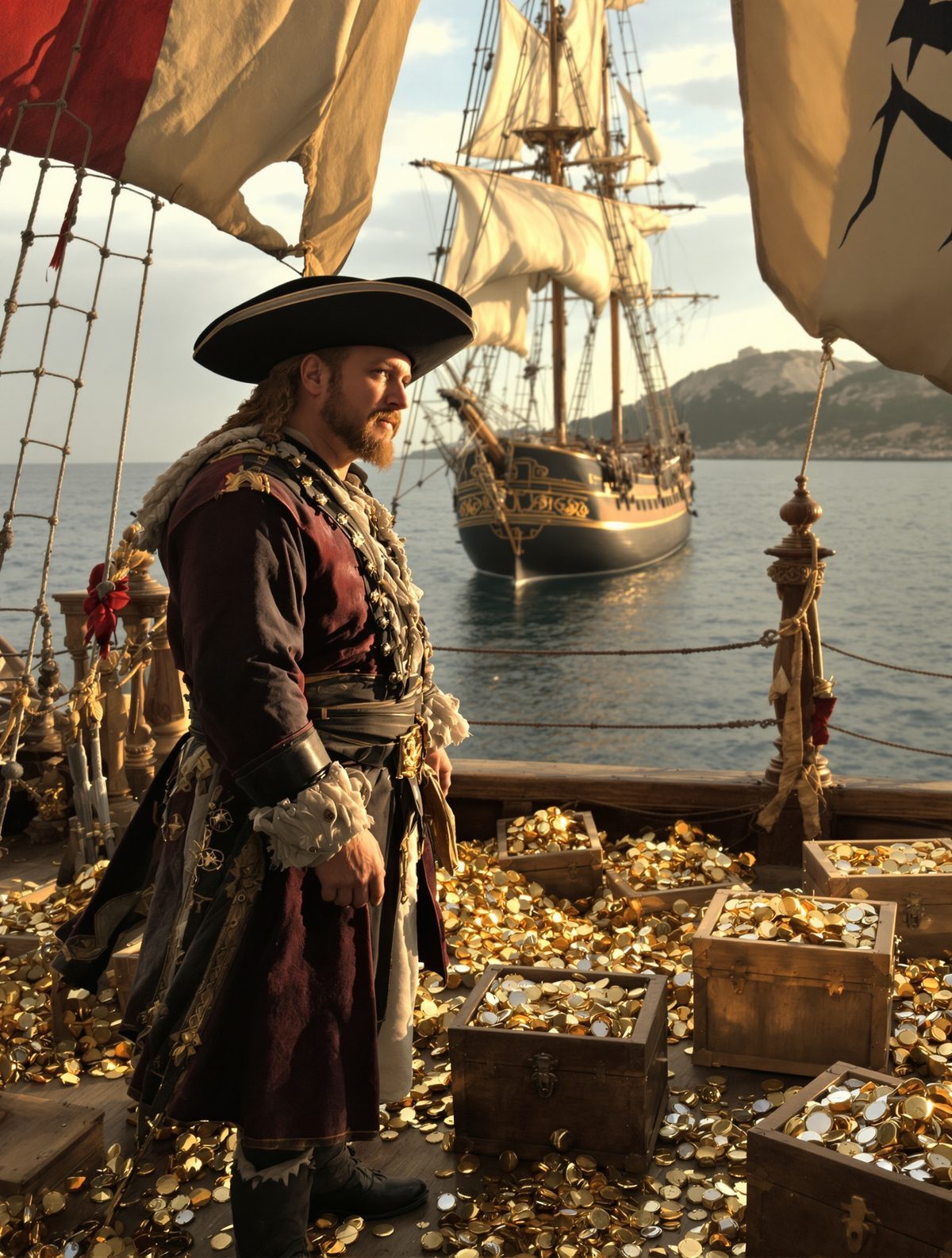
Drake's Golden Hind spotted the Spanish galleon Nuestra Señora. Thirteen chests of silver. Eighty pounds of gold. Twenty-six tons of precious cargo. One audacious capture that funded Elizabeth's navy for years.
Captain Frederick Lugard arrived in Uganda with 50 Sudanese soldiers. Civil war raged between rival kingdoms. Lugard raised the Union Jack over Kampala. He held it for two years against thousands of warriors.
Captain Scott froze to death just 11 miles from safety. His final letter to Britain was found months later. 'We took risks, we knew we took them. Things have come out against us.' The Empire wept.
Welsh journalist Henry Stanley trekked 700 miles through African jungle and disease. After eight months searching, he found the missing explorer by a lake. 'Dr. Livingstone, I presume?' Four words that made history.
Good Friday 1998. Belfast trembled on the edge of peace or renewed bloodshed. John Hume had spent 30 years talking to everyone others refused to meet. His final gamble would either end the Troubles forever or destroy his life's work.
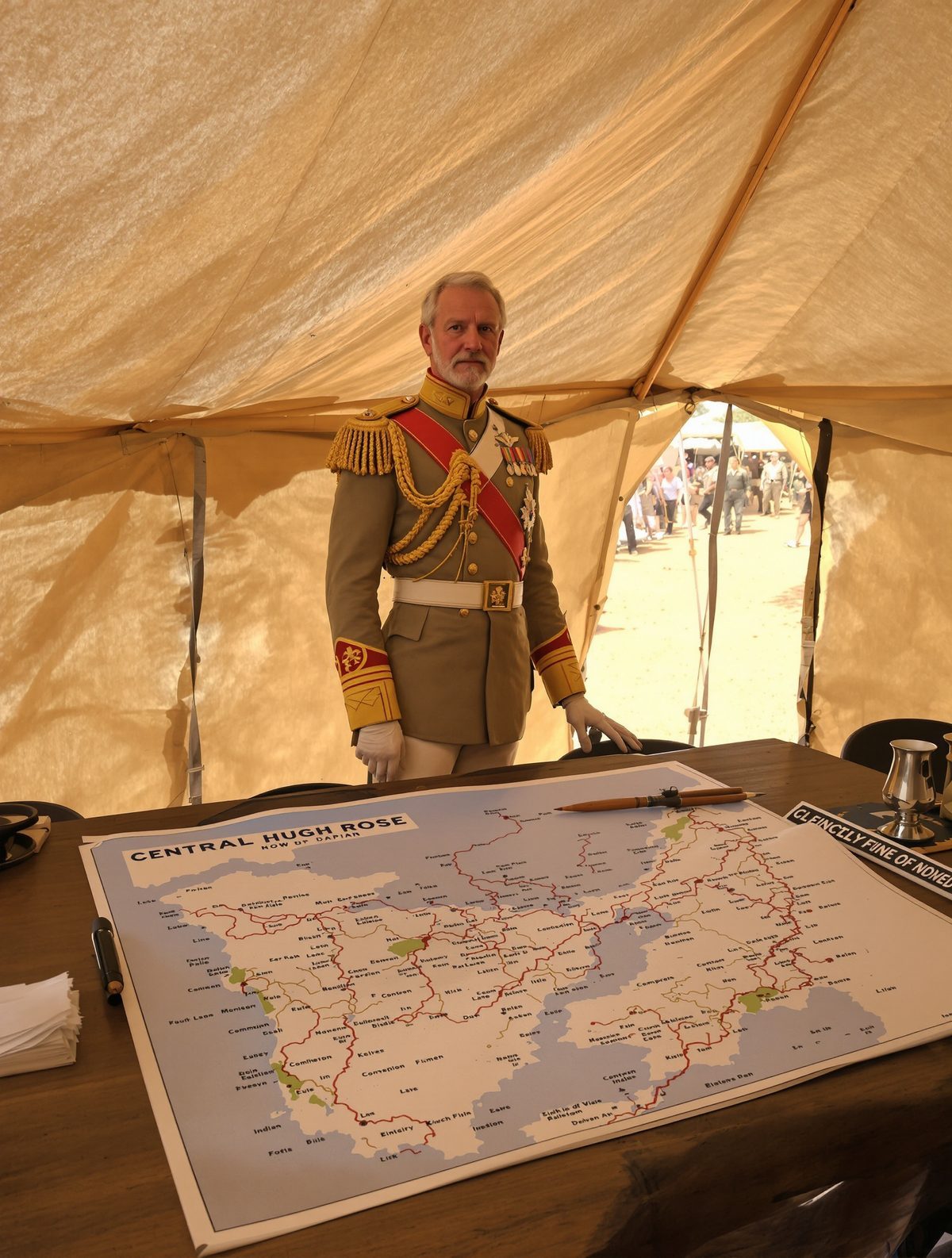
The Indian Rebellion had crushed British forces across central India. Sir Hugh Rose had just 4,000 men against 100,000 rebels. In six months he marched 1,000 miles through enemy territory. He never lost a single battle.
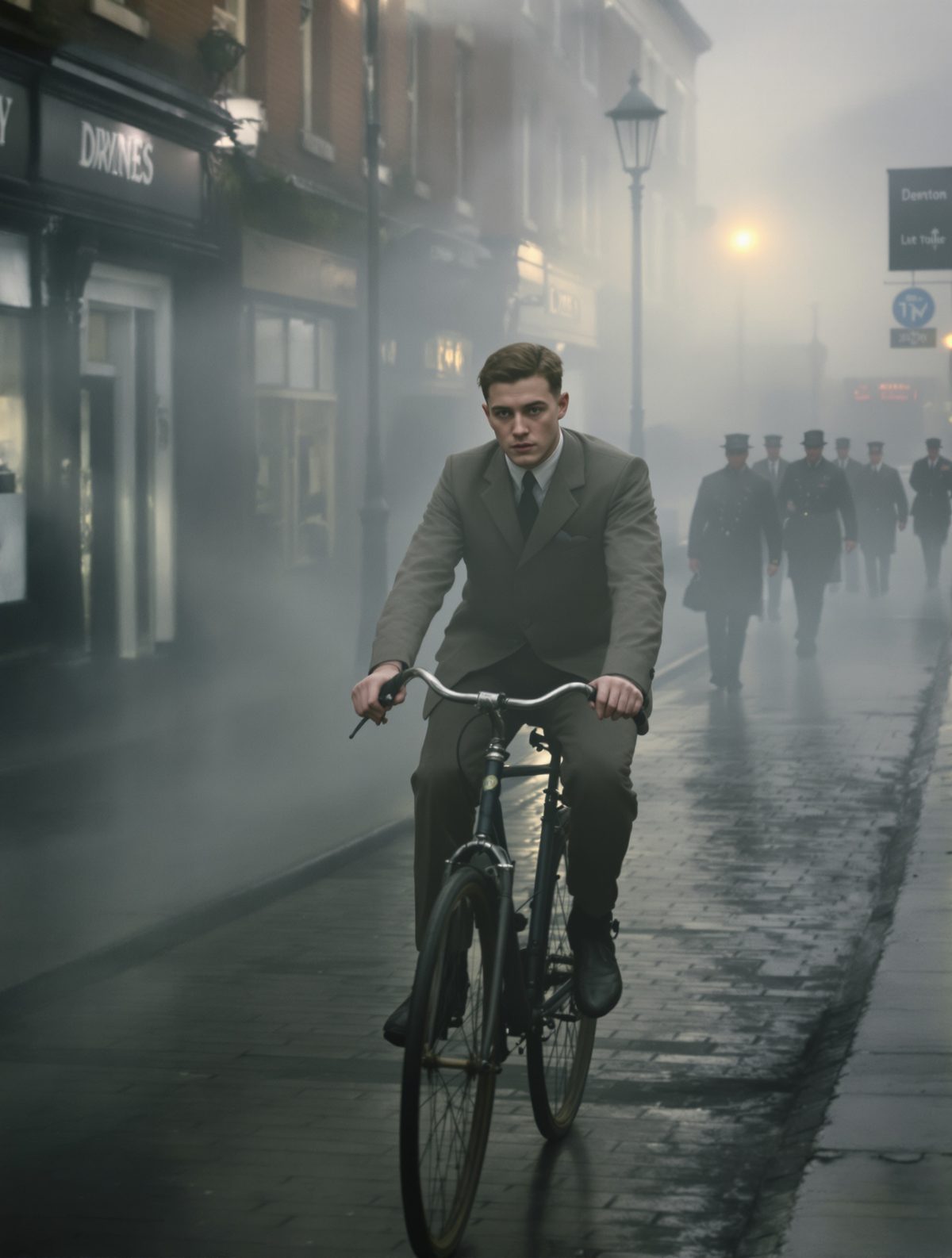
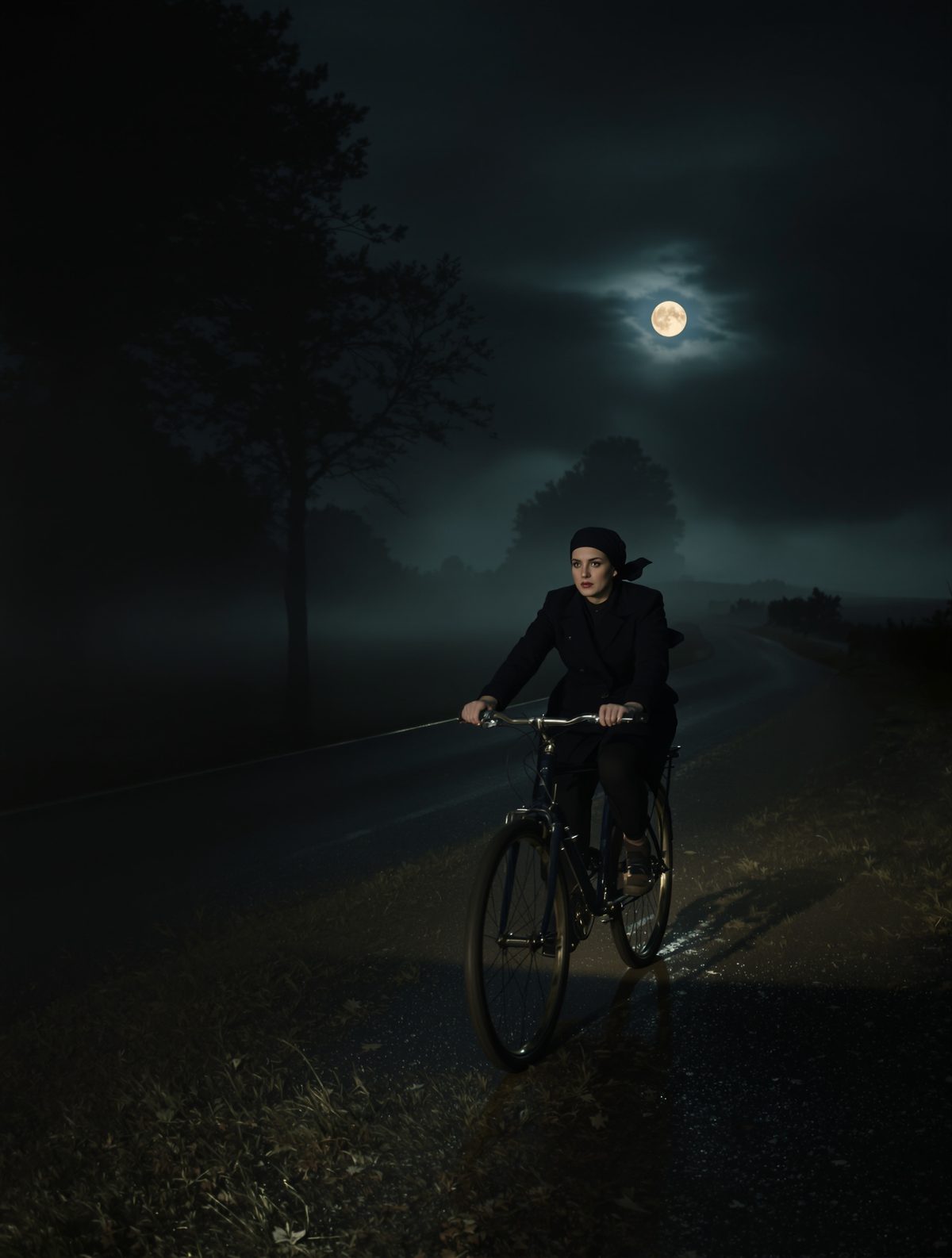
Michael Collins had a £10,000 bounty on his head. British forces searched Dublin daily. He cycled past checkpoints. Attended meetings in government buildings. Even had tea with searching officers.
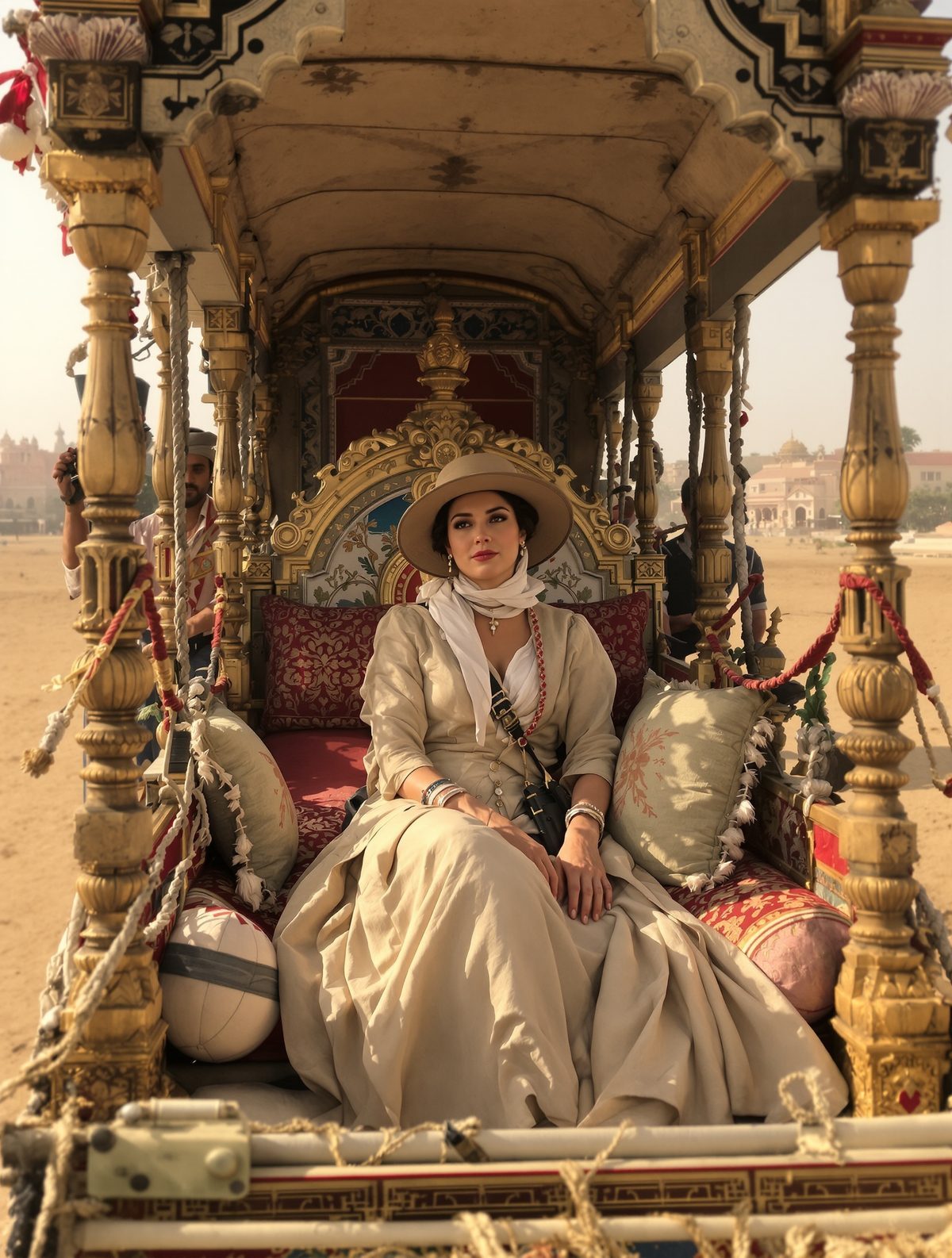
Fanny Parkes arrived in Calcutta as a young bride in 1822. She spent the next 24 years traveling every corner of India. From tiger hunts to harem visits. She recorded it all in her scandalous memoirs.
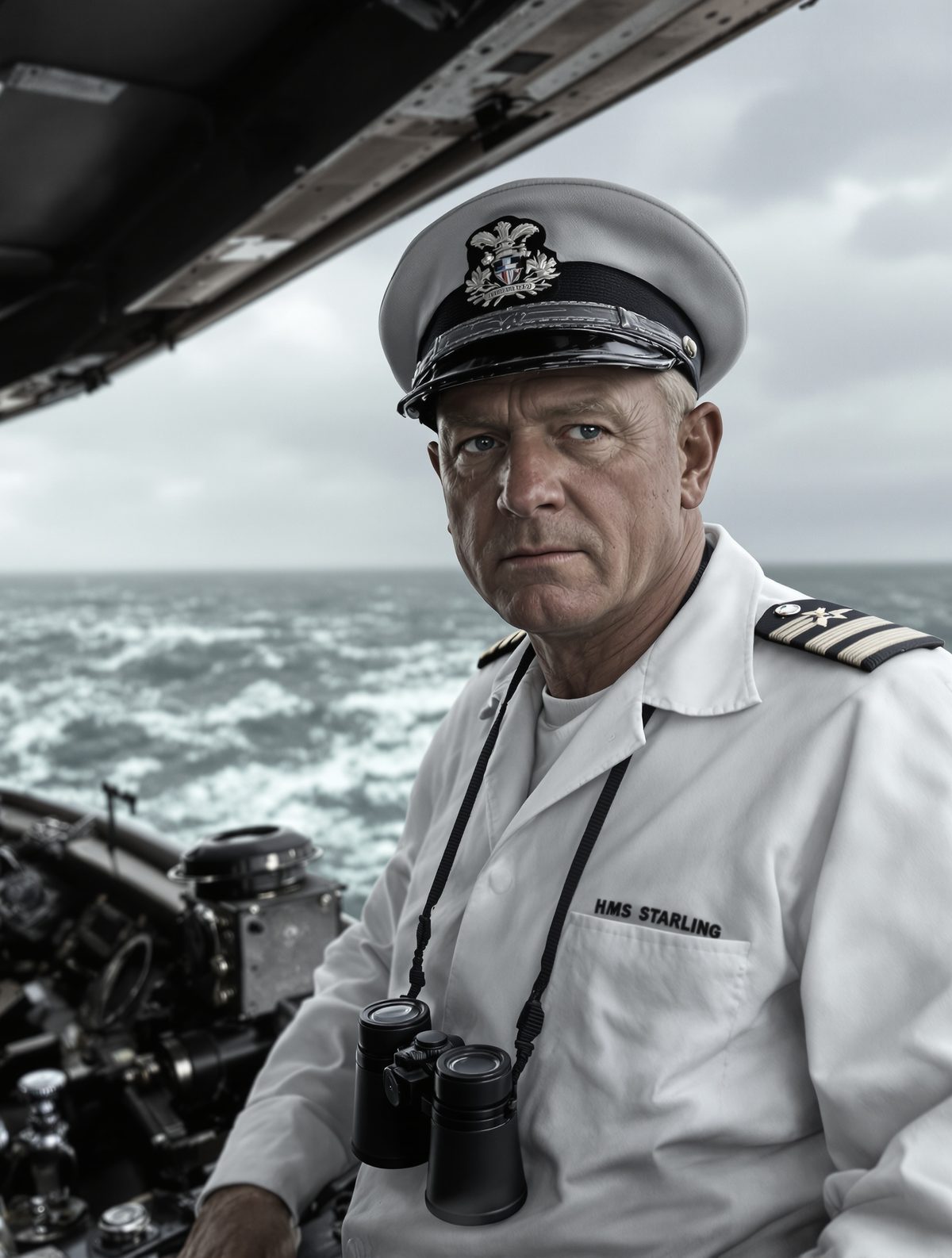
Captain Frederick Walker hunted Nazi submarines in the Atlantic. In three years he sank 20 U-boats. More than any other commander. He saved thousands of merchant sailors. Then died of exhaustion at his desk. Age 48.
May 1857. The Indian Rebellion explodes across northern India. Punjab sits on a knife's edge. One wrong move and 8 million people rise in revolt. John Lawrence sends a single telegraph message. It saves the Empire.
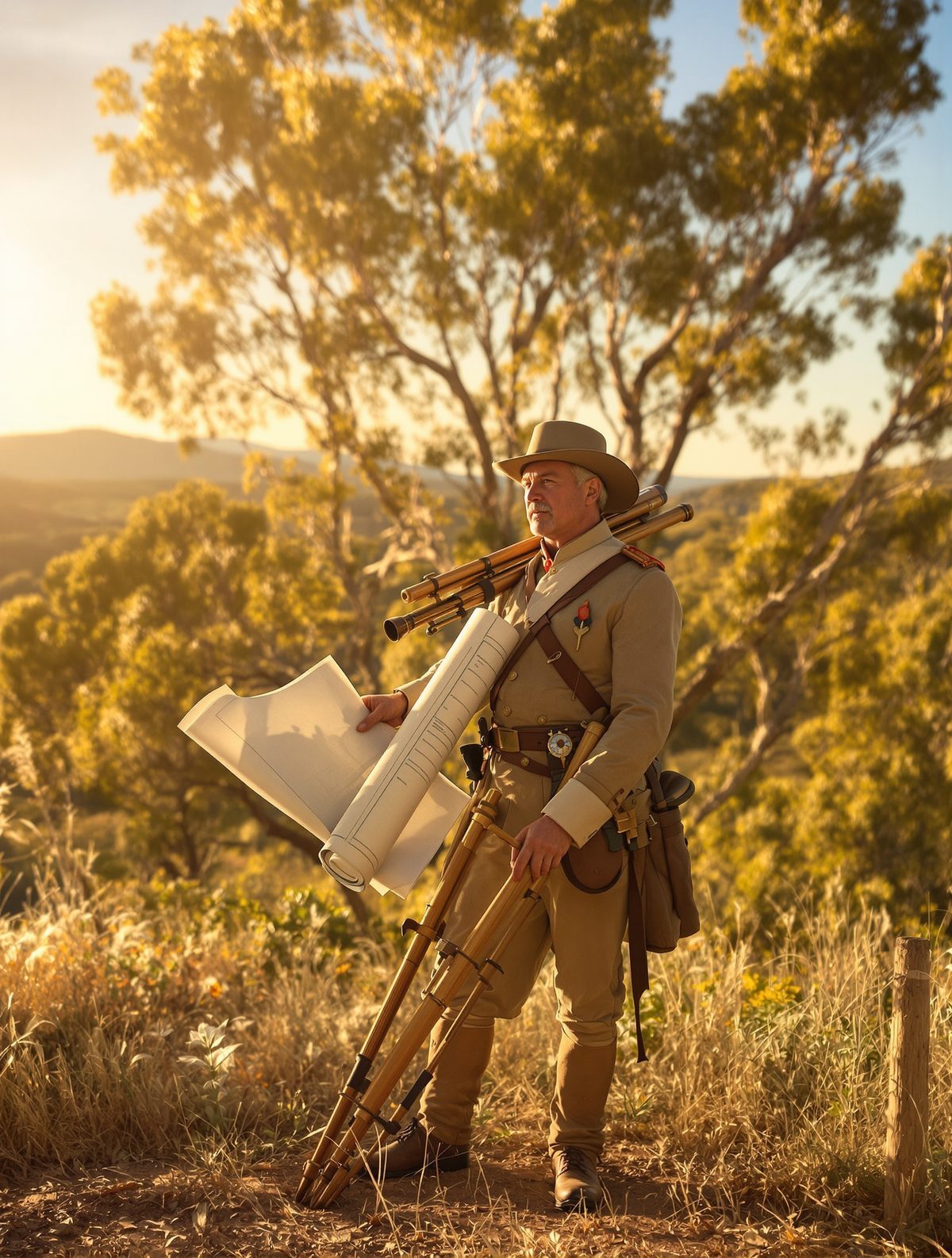
Colonel William Light had four months to design South Australia's capital. The colonists were furious. The land looked worthless. Light ignored them all. He laid out Adelaide exactly where he wanted. Today it's called one of the world's best-planned cities.
Thomas Lipton built a tea empire from a single Glasgow shop. Then spent a fortune on five yachts. All named Shamrock. All to challenge America's Cup. He never won a race. But won something greater.
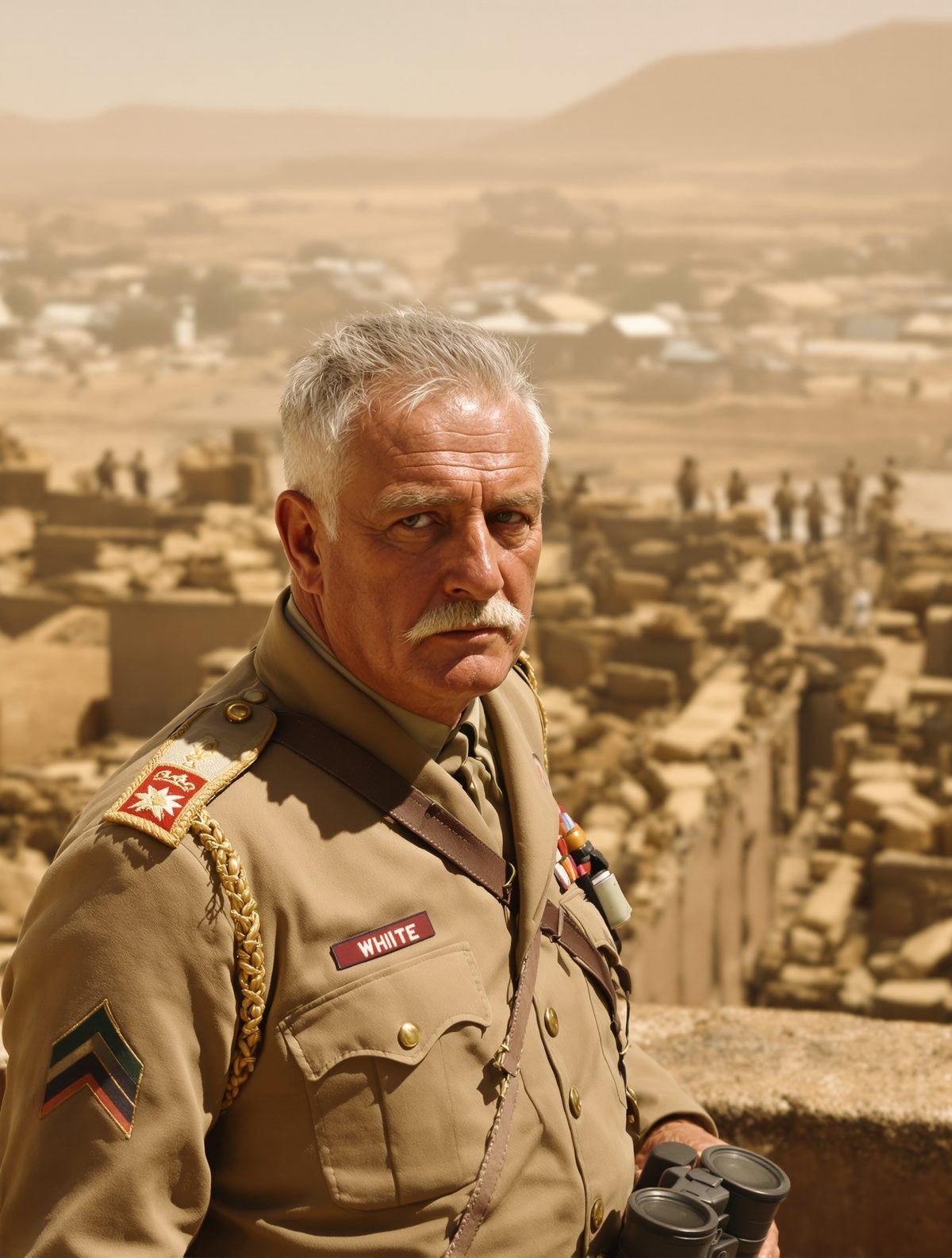
October 1899. Boer forces surround 13,000 British troops in Ladysmith. No food. No medicine. Shells falling daily. Major General George White refuses to surrender. For 118 days, they held the town. The siege that showed the world British resolve.
April 1944. The Gestapo's most wanted woman needed new radio codes. Nancy Wake grabbed a bicycle. She pedaled 300 miles through occupied France in 71 hours. Past Nazi checkpoints. Through enemy territory. To save the French Resistance.
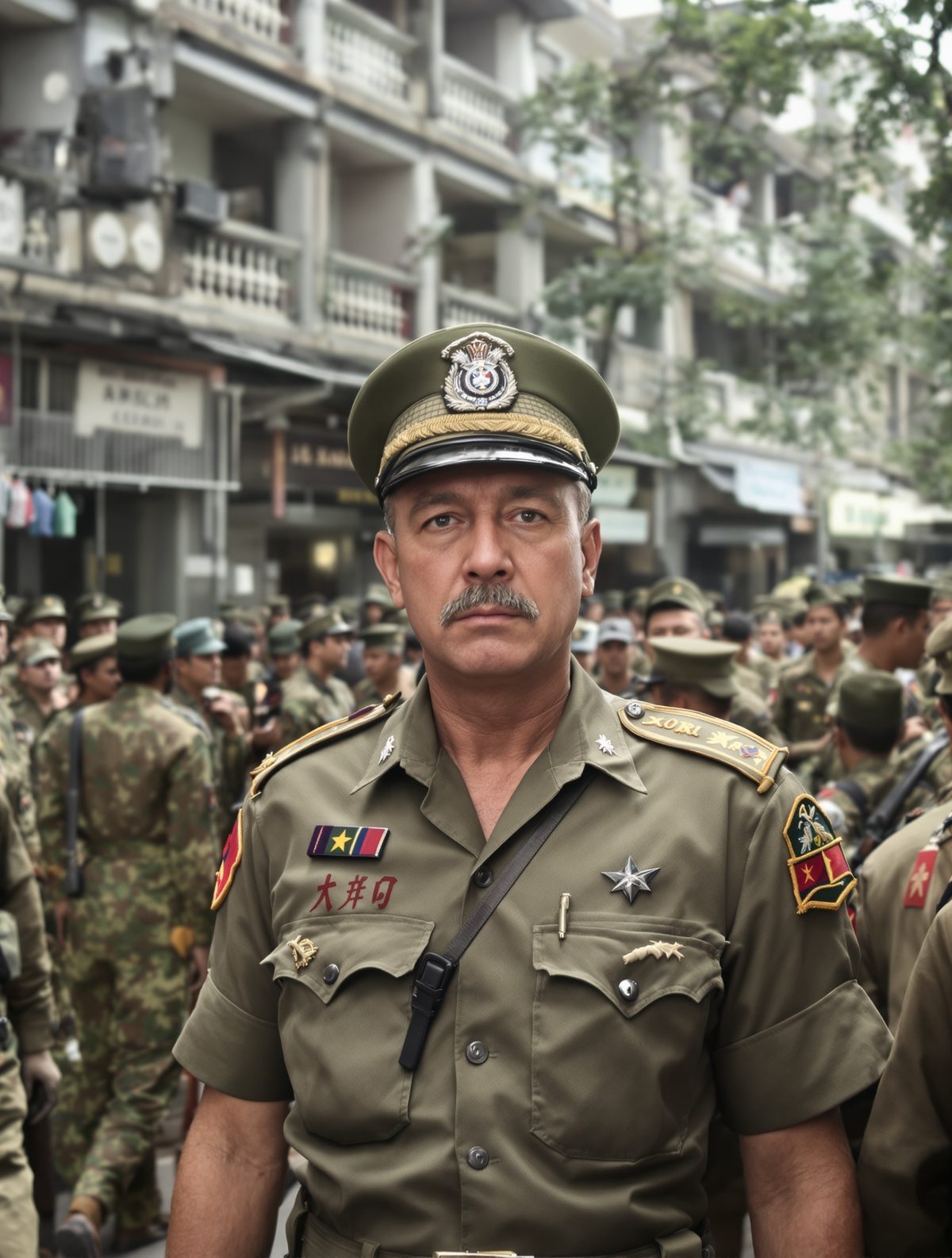
In 1952, communist guerrillas controlled half of Malaya. General Gerald Templer arrived with a radical plan. Win hearts and minds, not just battles. Four years later, the Emergency was over.
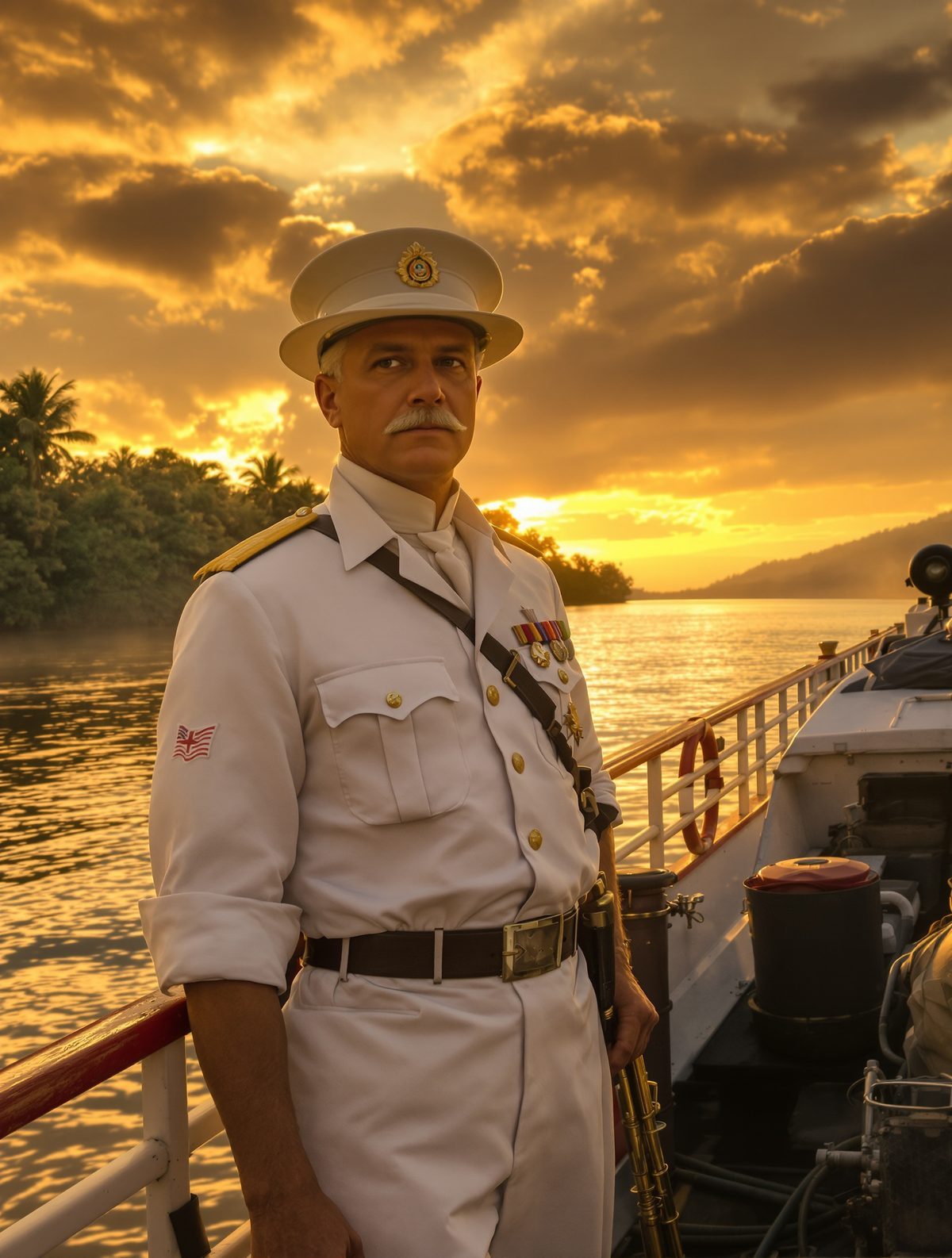
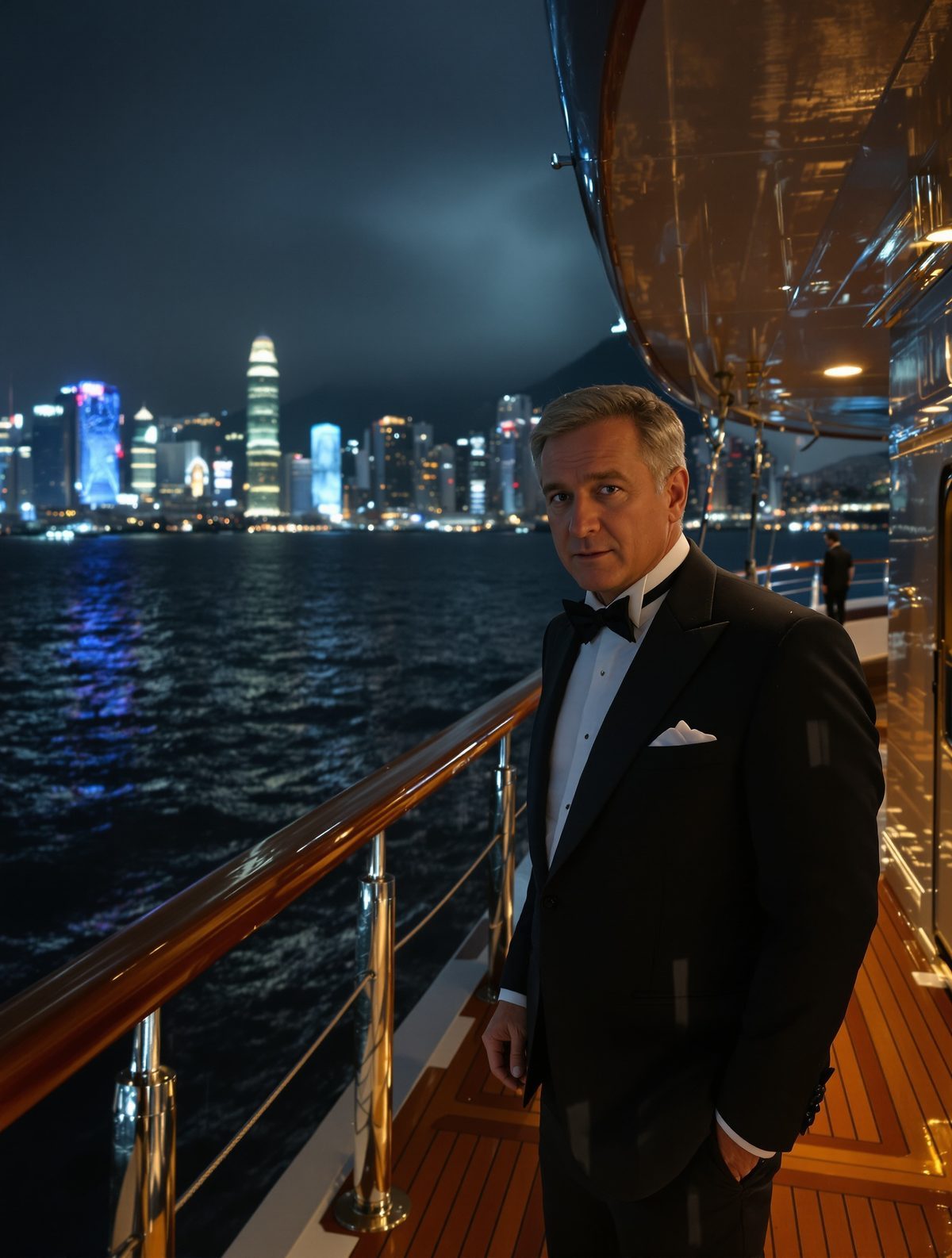
June 30, 1997. The last British Governor of Hong Kong stood on the Royal Yacht Britannia as it sailed away from the colony. After 156 years, Britain's last major territory was gone. Patten wept.
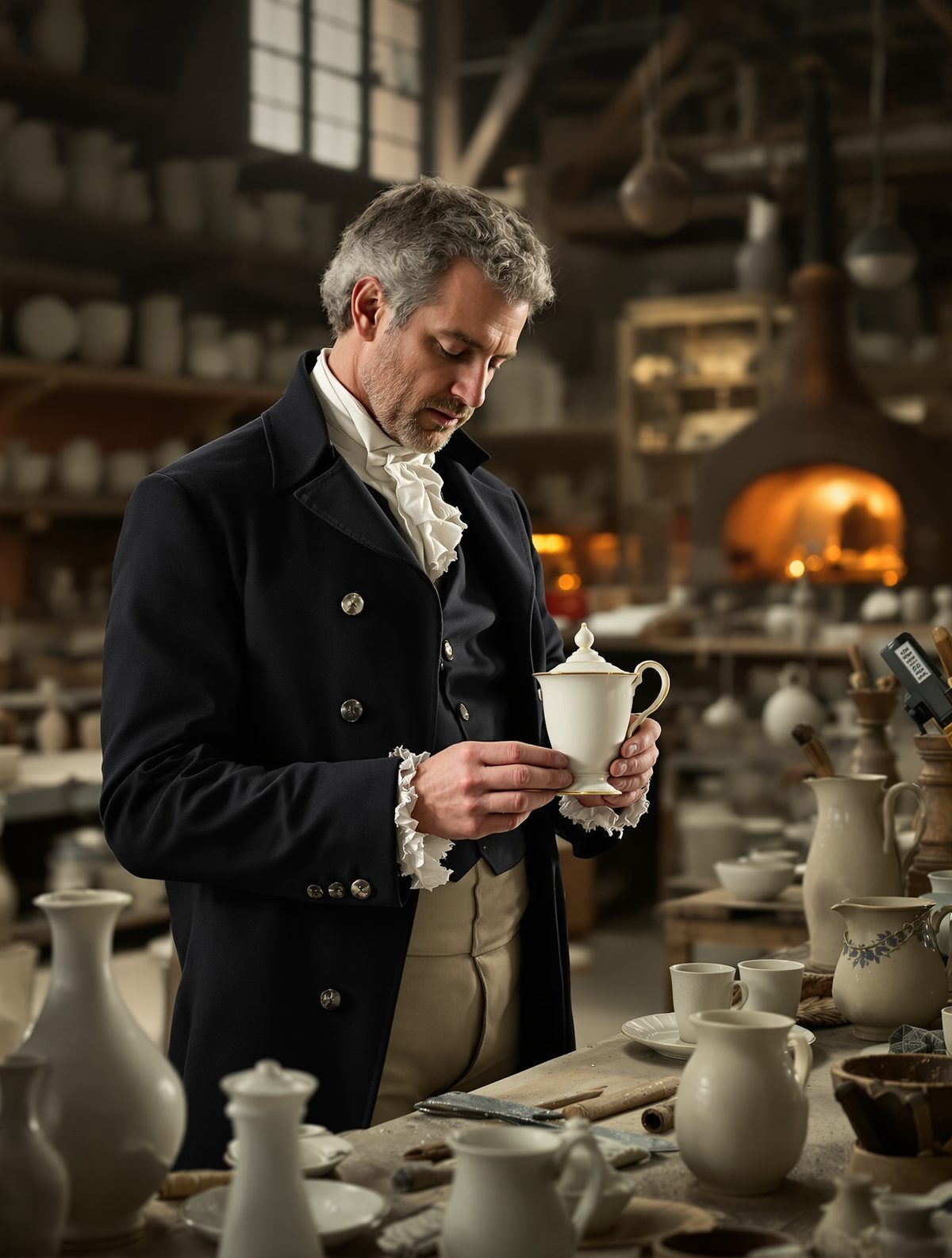
In 1759, a potter's son from Staffordshire created the world's first luxury brand. Josiah Wedgwood turned humble clay into china so fine that Catherine the Great ordered 952 pieces. His factory became Britain's export empire.
May 1835. John Batman sailed into Port Phillip Bay with a wild plan. He would buy 600,000 acres from Aboriginal chiefs. The price? 40 blankets, 30 axes, and 100 pounds of flour. The site would become Melbourne.
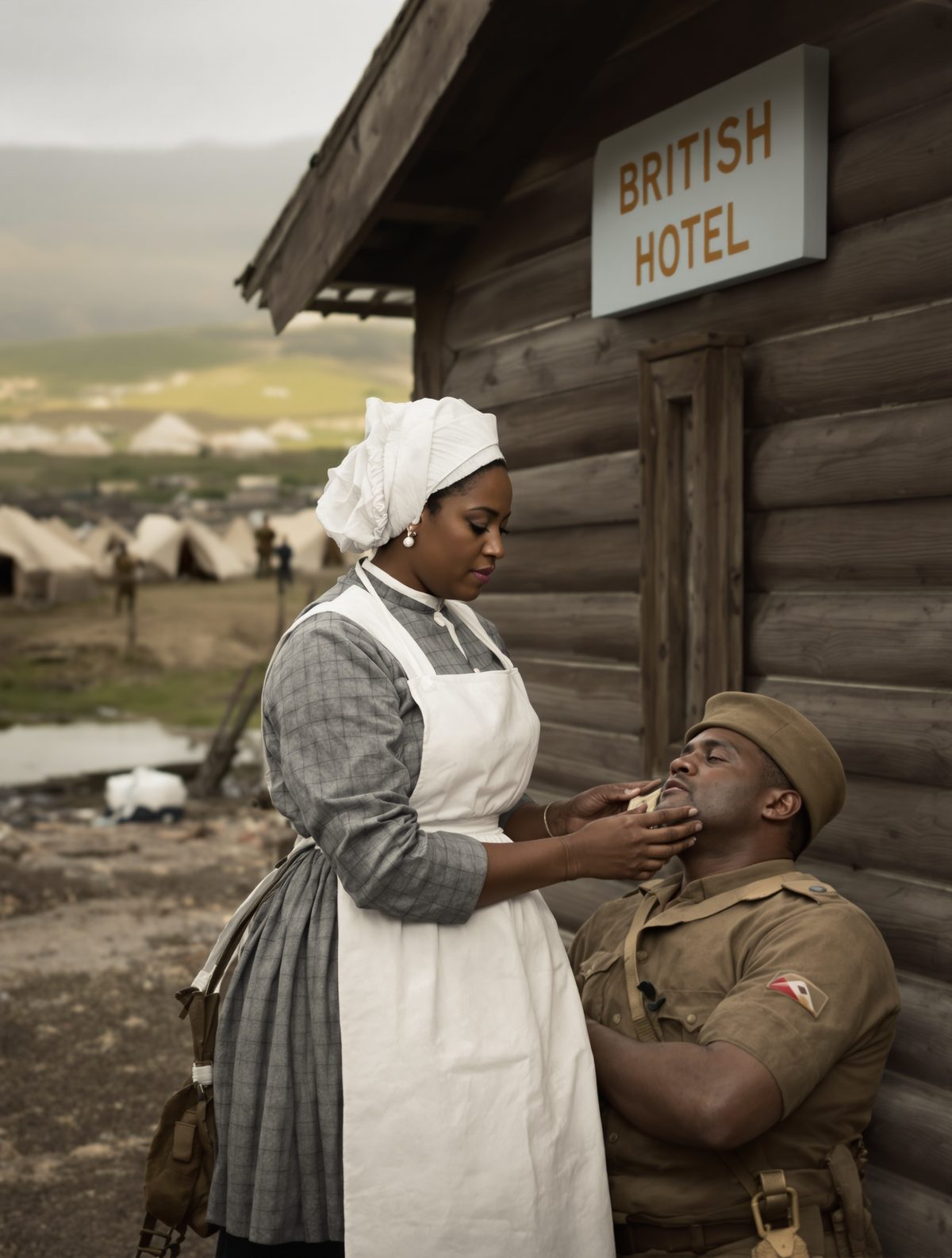
While Florence Nightingale nursed in Scutari, Mary Seacole built her own hospital-hotel near the front lines. She rode out during battles to treat wounded soldiers where they fell. The British Hotel became legendary among the troops.
September 1779. The Scottish-born American captain sailed his burning ship straight at HMS Serapis. Both ships locked together in deadly embrace. Jones fought on as his deck collapsed beneath him. At dawn, the Royal Navy captain surrendered.
In 1586, young Thomas Cavendish set sail with three ships and 123 men. Two years later, he returned alone with just 47 survivors. But his hold was full of Spanish treasure. He had become only the second captain in history to circumnavigate the globe.
Egypt 1883. The country owed £100 million to European creditors. Evelyn Baring arrived as British consul-general with no official authority. He slashed government spending by 40%. Built new irrigation canals. Within a decade Egypt was profitable again.
Hand-picked from Britain Untold's archive. The stories you weren't taught at school. 3-minute read.
No spam. Unsubscribe in one click. We hate spam too. Privacy Policy.