The British Empire — the forgotten chapters · page 1 of 18
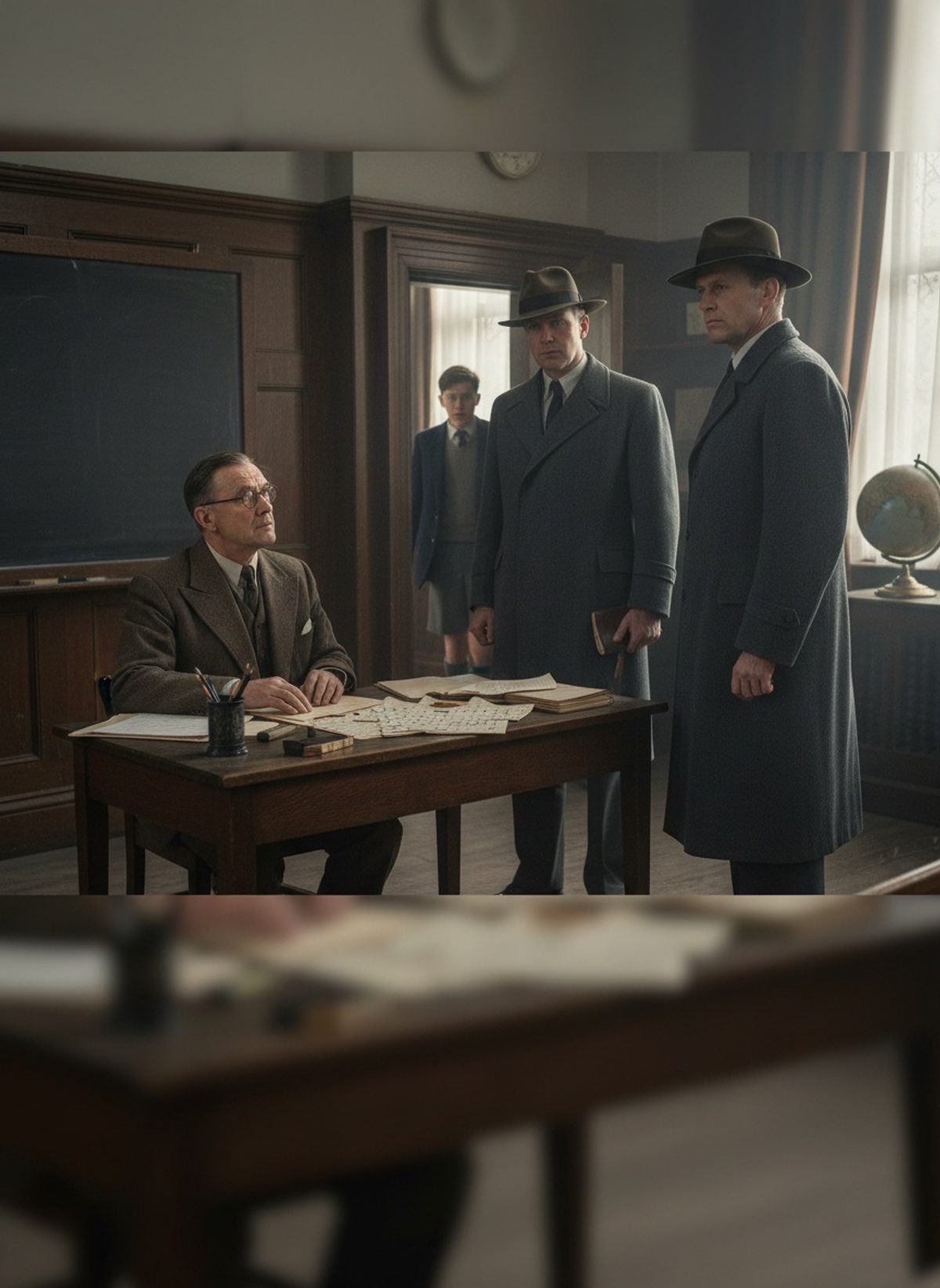
Spring 1944. MI5 intercepted a crossword puzzle. The answers spelled out the most guarded secrets of the war. Agents raided a Surrey school. The spy was 54 years old — and entirely innocent.
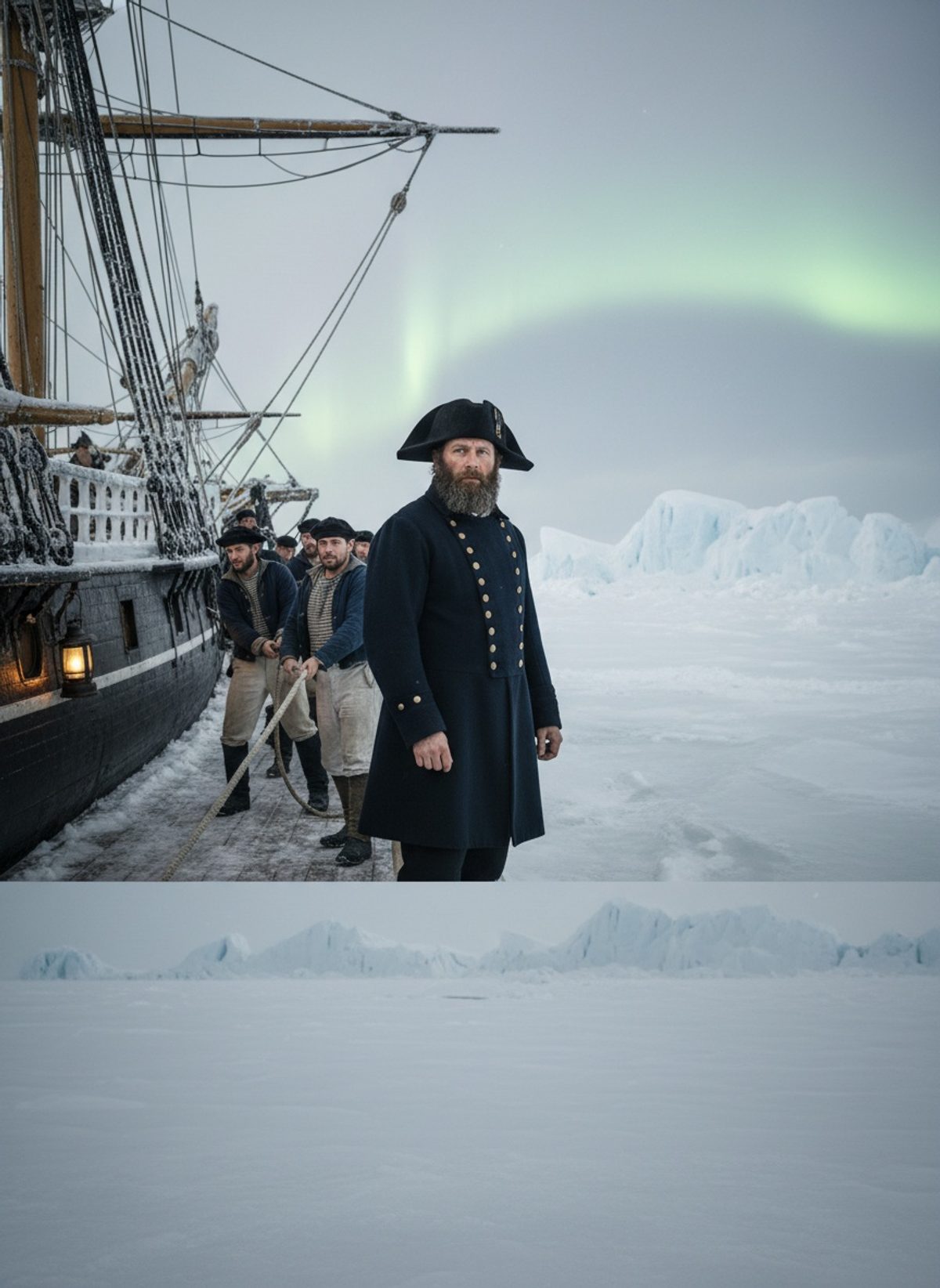
She was looking for a lost expedition. Instead she found something worse: months locked in Arctic ice. The crew played football on the frozen sea to stay sane.
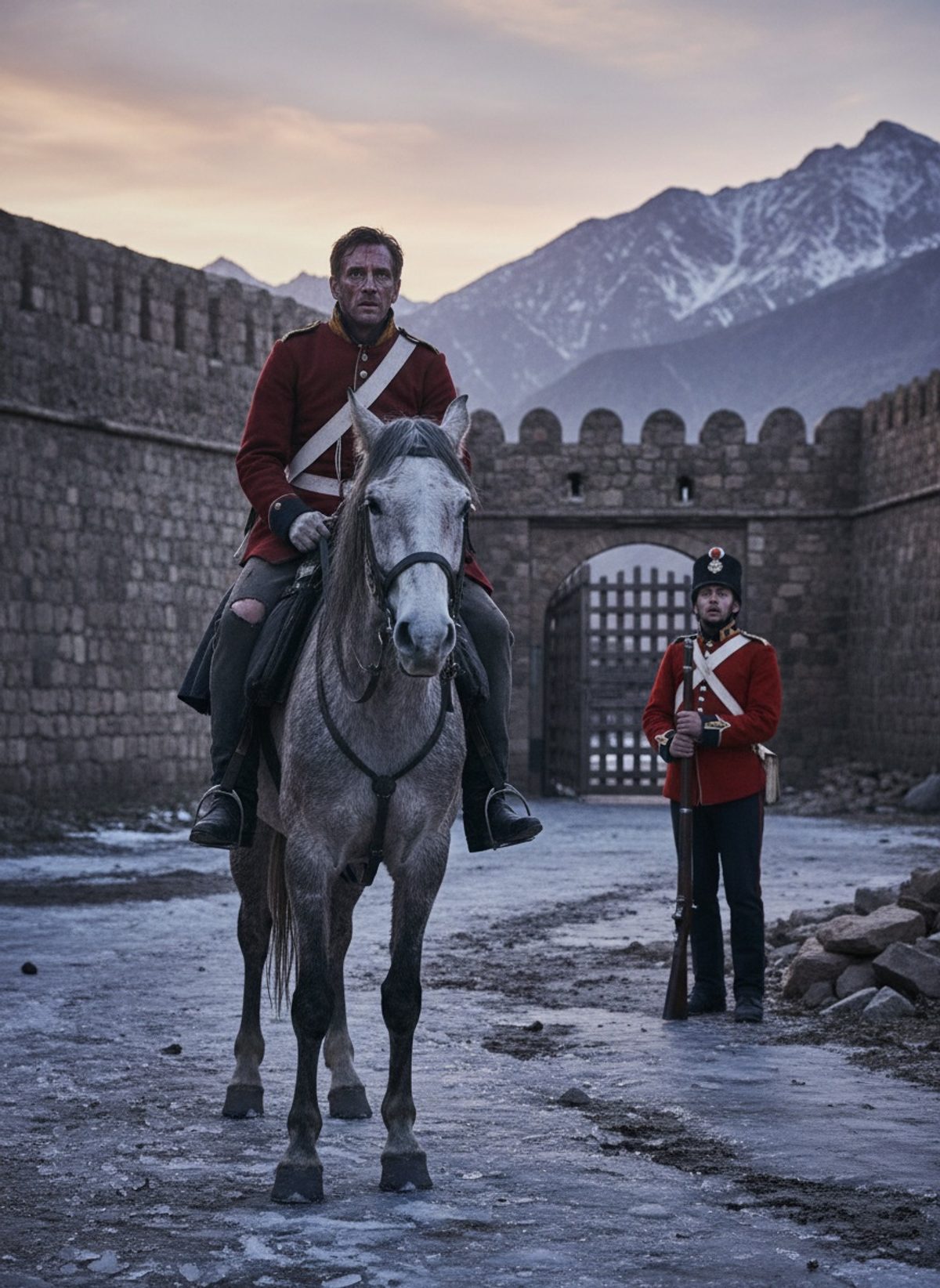
16,500 soldiers, civilians and camp followers left Kabul in January 1842. One man reached Jalalabad alive. His name was William Brydon.
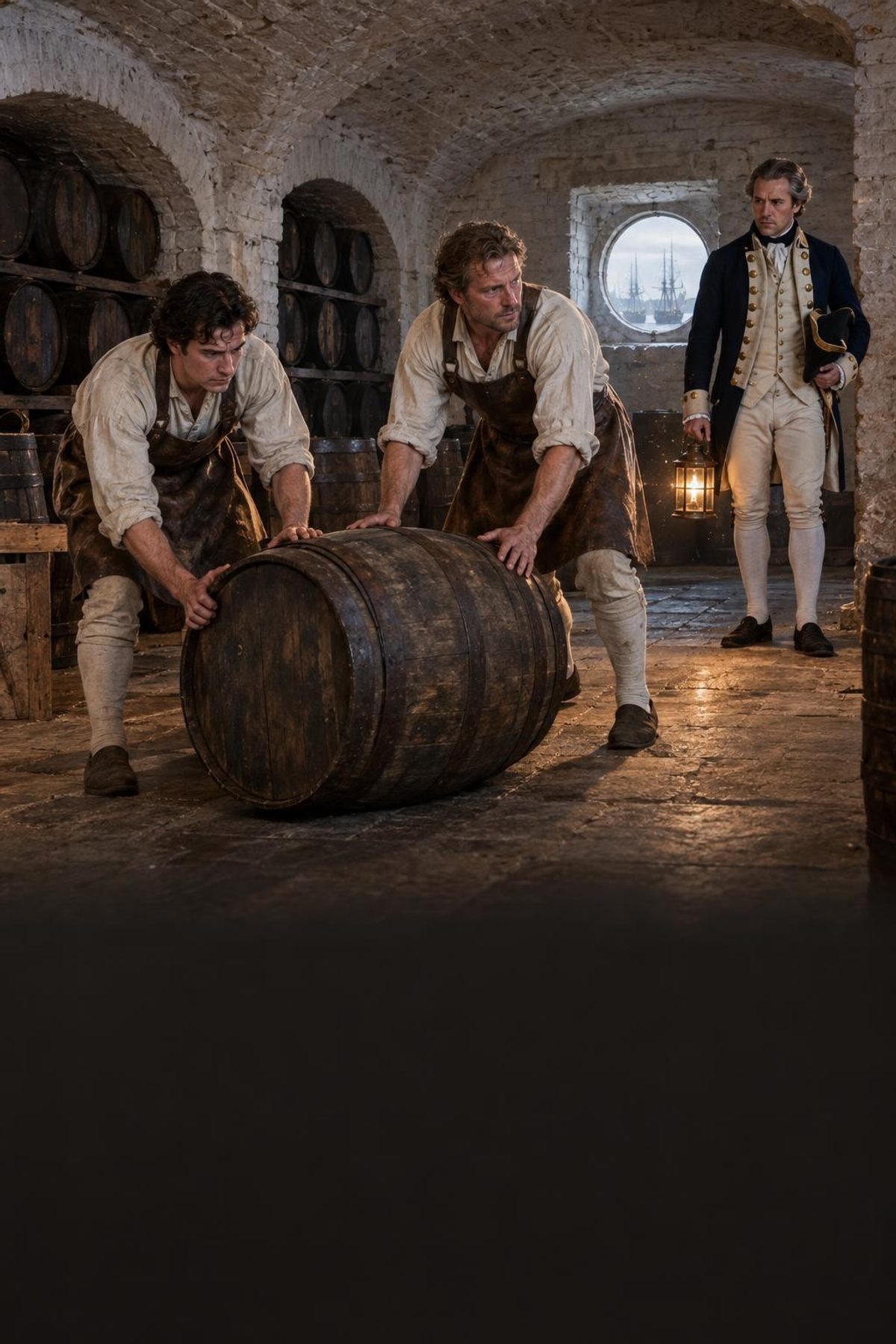
36 barrels nearly destroyed Parliament in 1605. By the 1770s, the Royal Navy needed thousands. Priddy's Hard was Britain's answer — a fortress of gunpowder hidden in plain sight across Portsmouth Harbour.
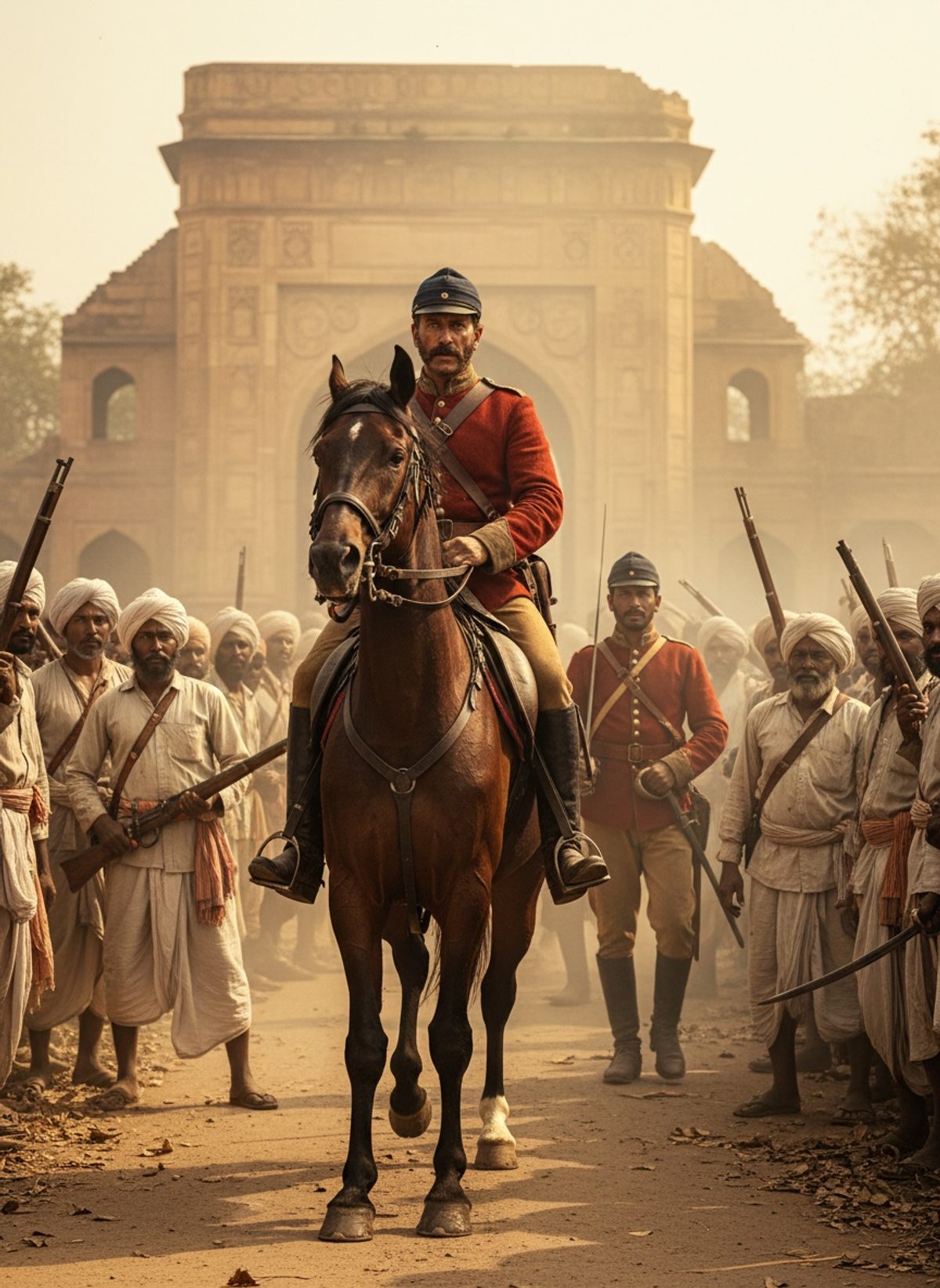
Delhi, 1857. The city had fallen. But William Hodson wasn't done. He rode out with 50 men to capture the last Mughal emperor — then shot his princes dead in the street.
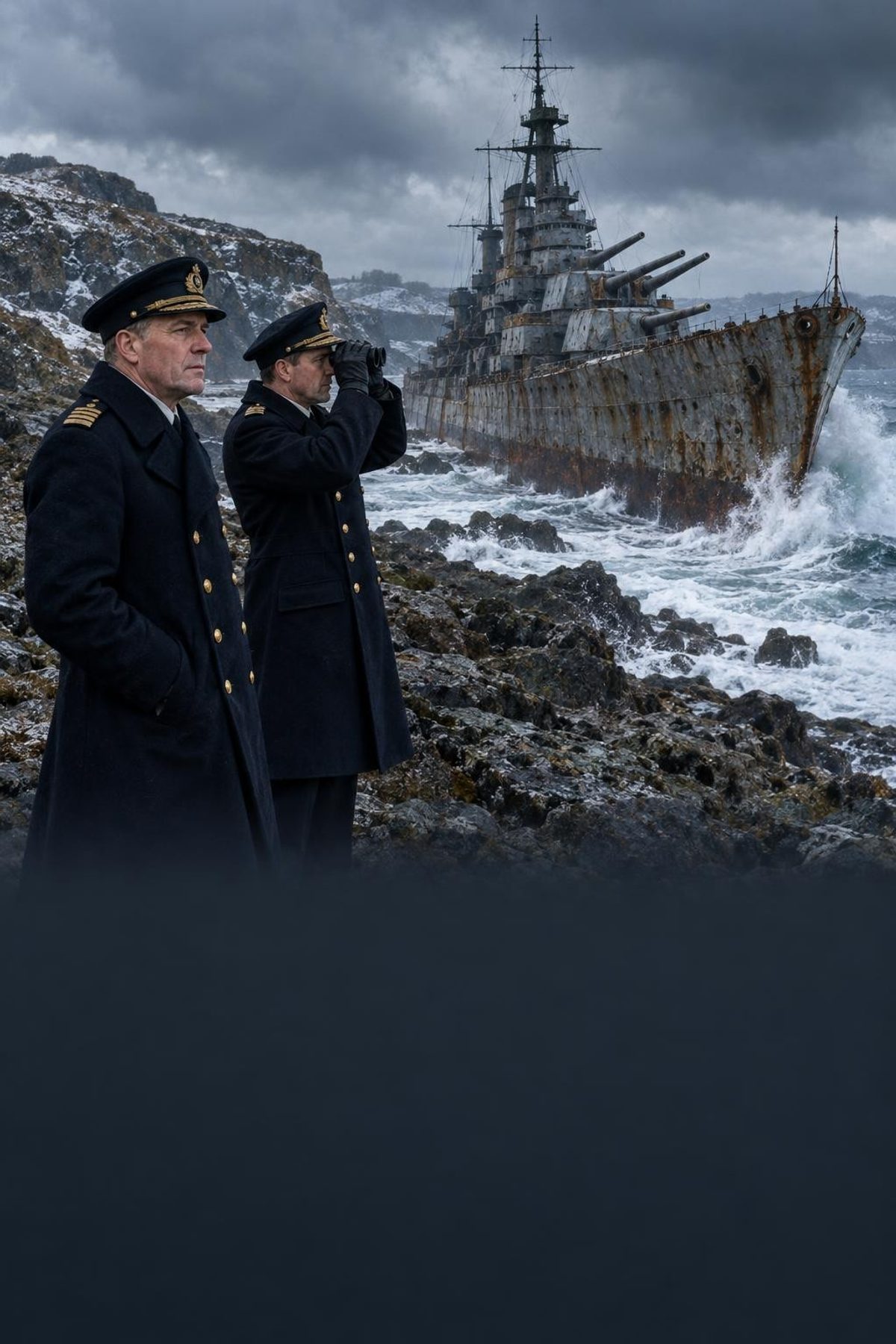
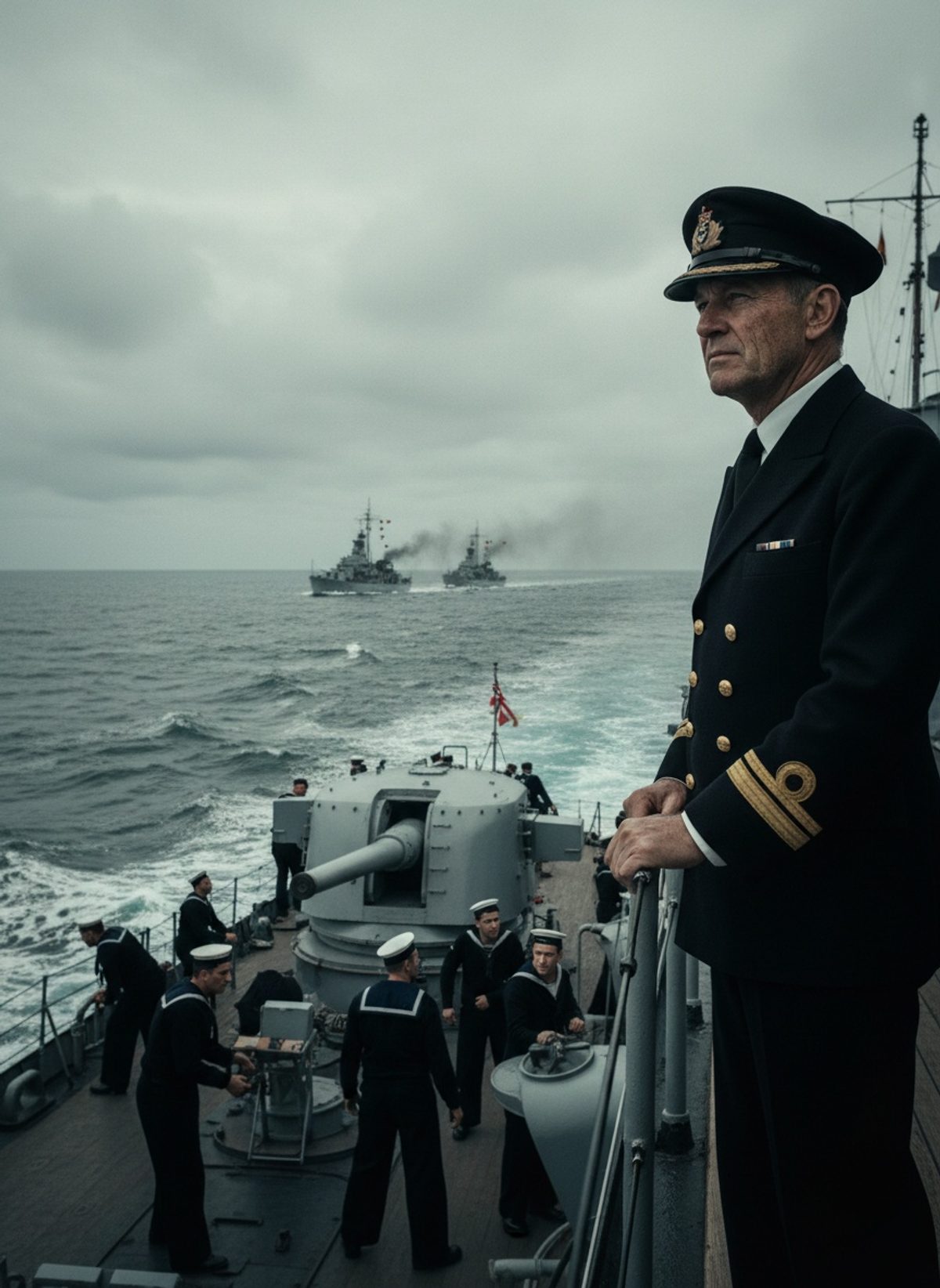
She fought at Jutland. She fought at Narvik. She fought at Salerno. Then Britain sold her for scrap. But HMS Warspite refused to go quietly — running aground off Cornwall on her final voyage, as if she knew.
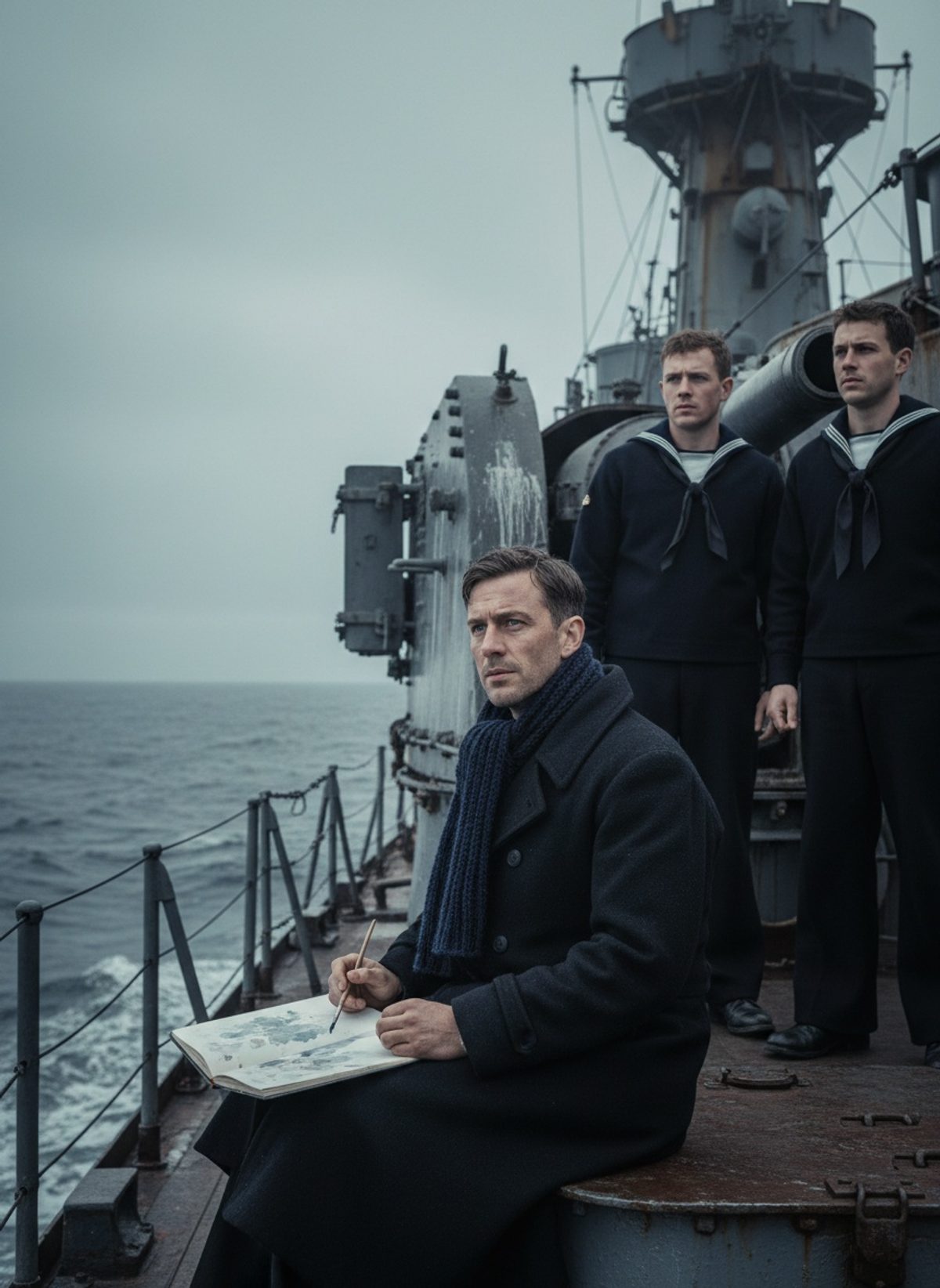
He wasn't a soldier. He was a painter. But Edward Seago went further into the war than most men dared. And he brought it back in colour.
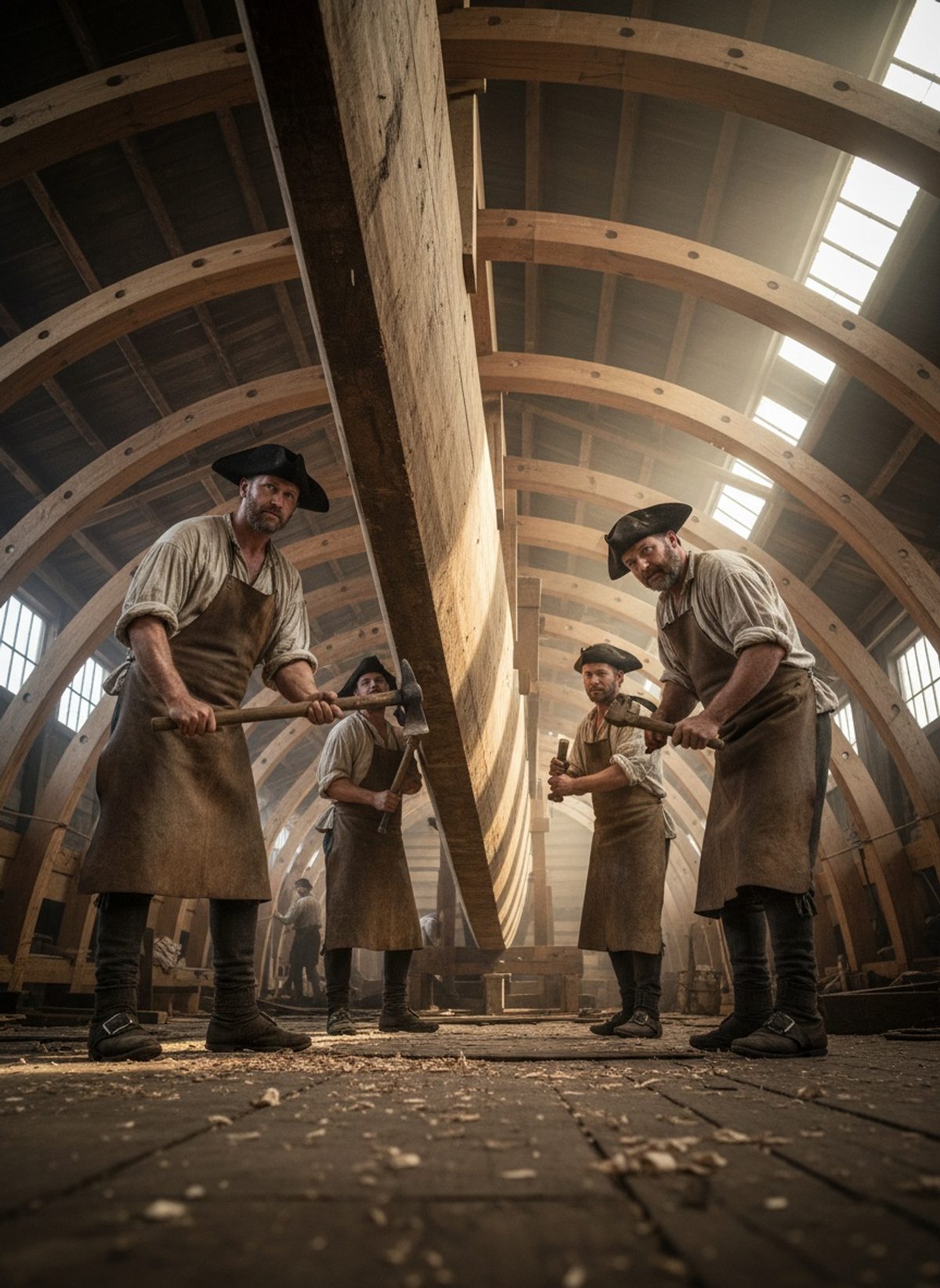
July 1759. Chatham Dockyard. Six thousand oak trees. One ship. The men who built HMS Victory never lived to see what she became — but their work outlasted everything.
February 1942. Four Allied warships steamed into Surabaya harbour together — British, Dutch, Australian, American. For one brief moment, four navies flew their flags as one. It would be the last time.
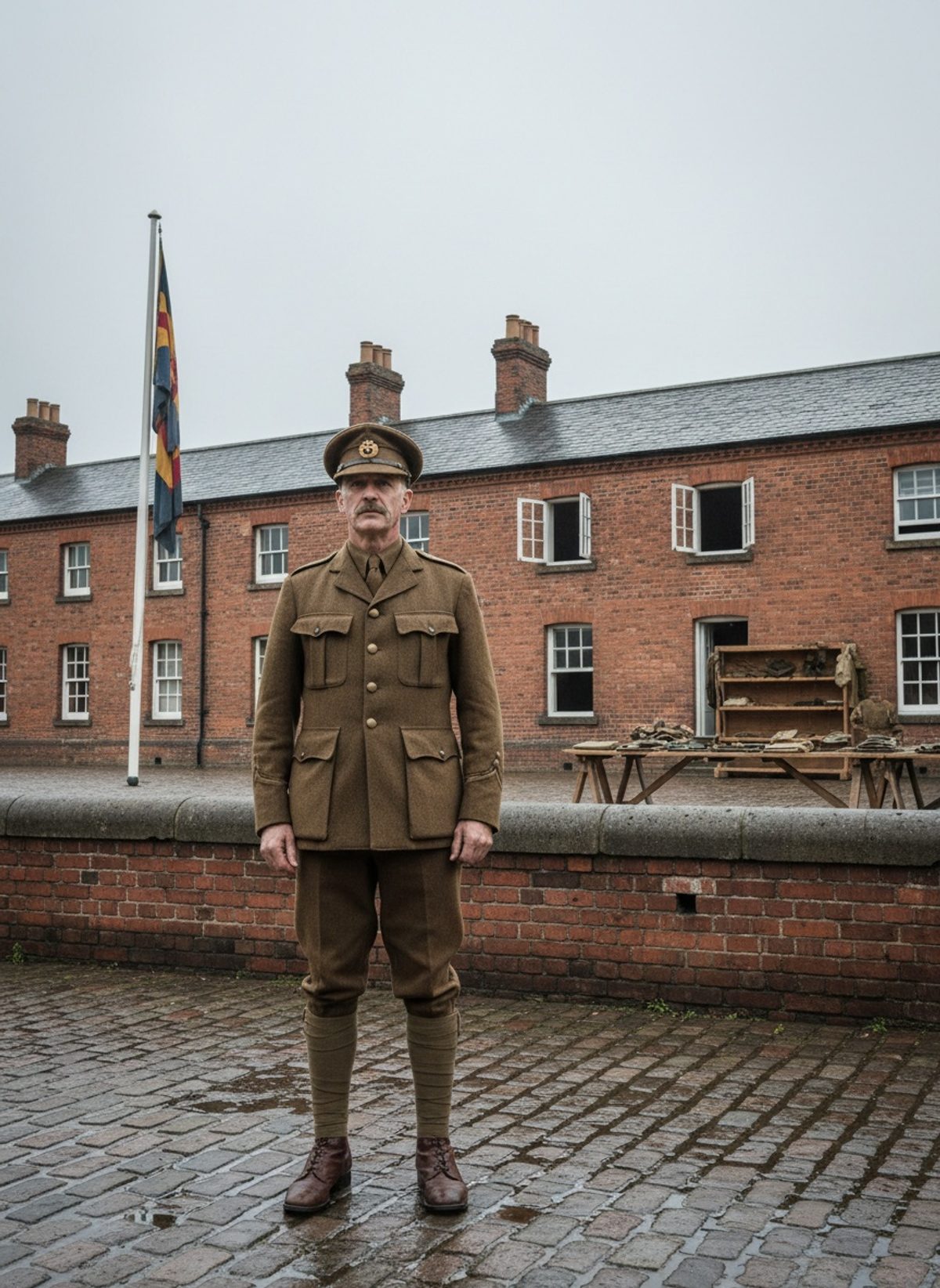
Politicians promised a mighty Empire. Both parties quietly cut the army that held it. By 1939 Britain faced the world with a force smaller than Belgium's. No one in Westminster admitted it.
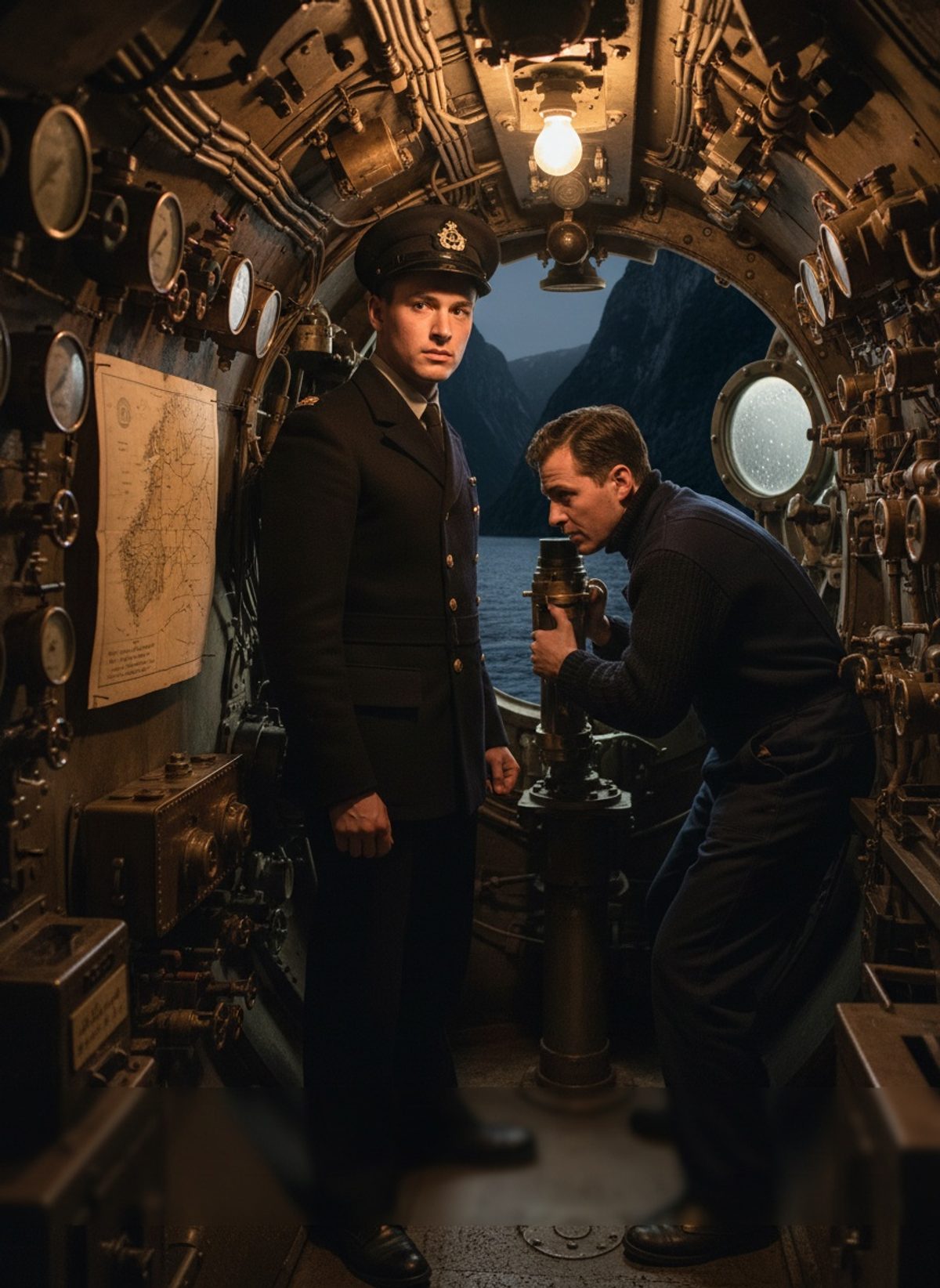
Four men. One midget submarine. Thirty miles of mined Norwegian fjord. HMS X24 had done this before. Now she was back — and the Germans still didn't know she was coming.
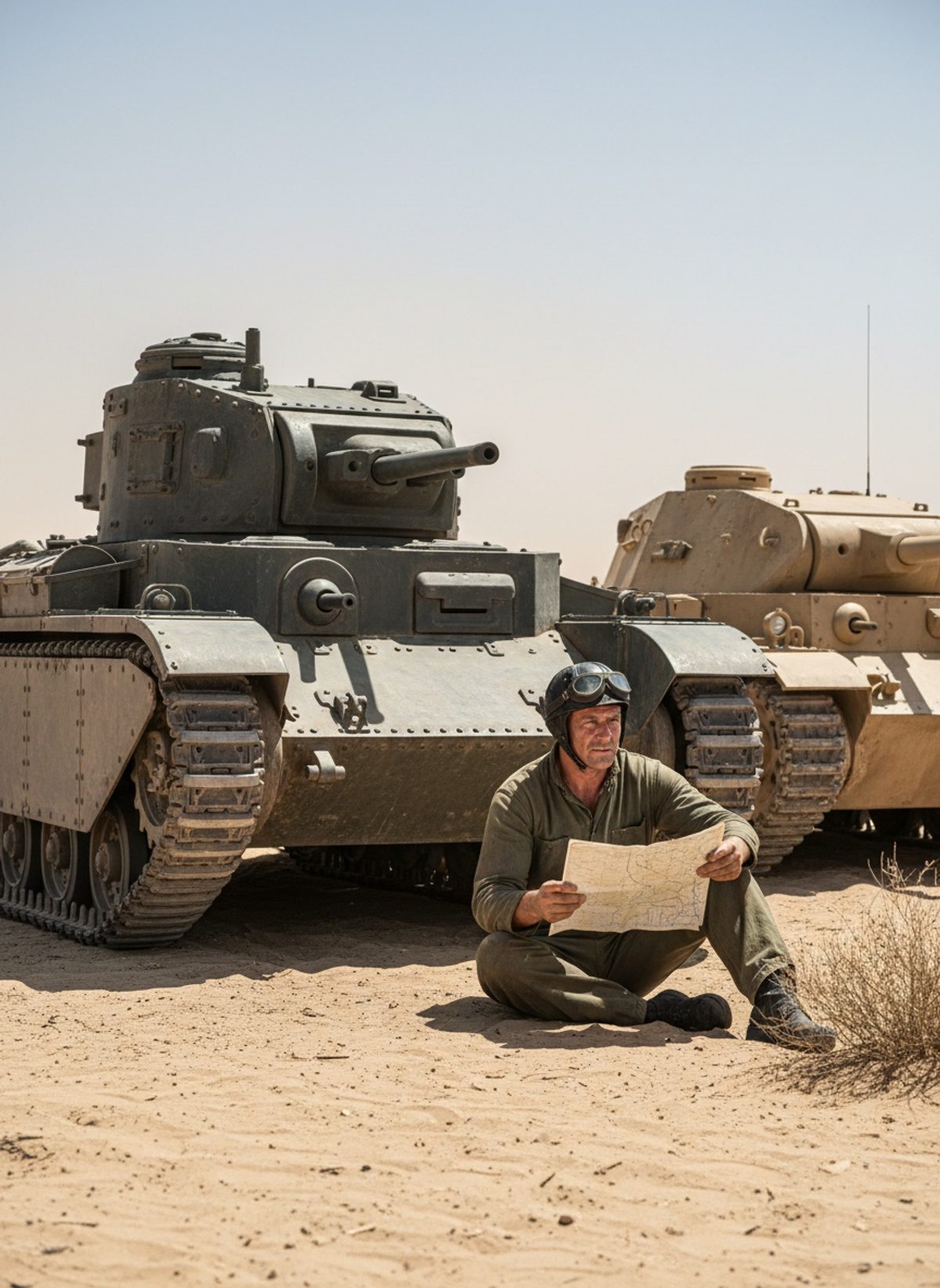
The Matilda II was nearly unstoppable in North Africa. German 37mm shells bounced clean off her armour. But she was agonisingly slow. The Panzer III was faster, deadlier at range — but couldn't punch through her hide.
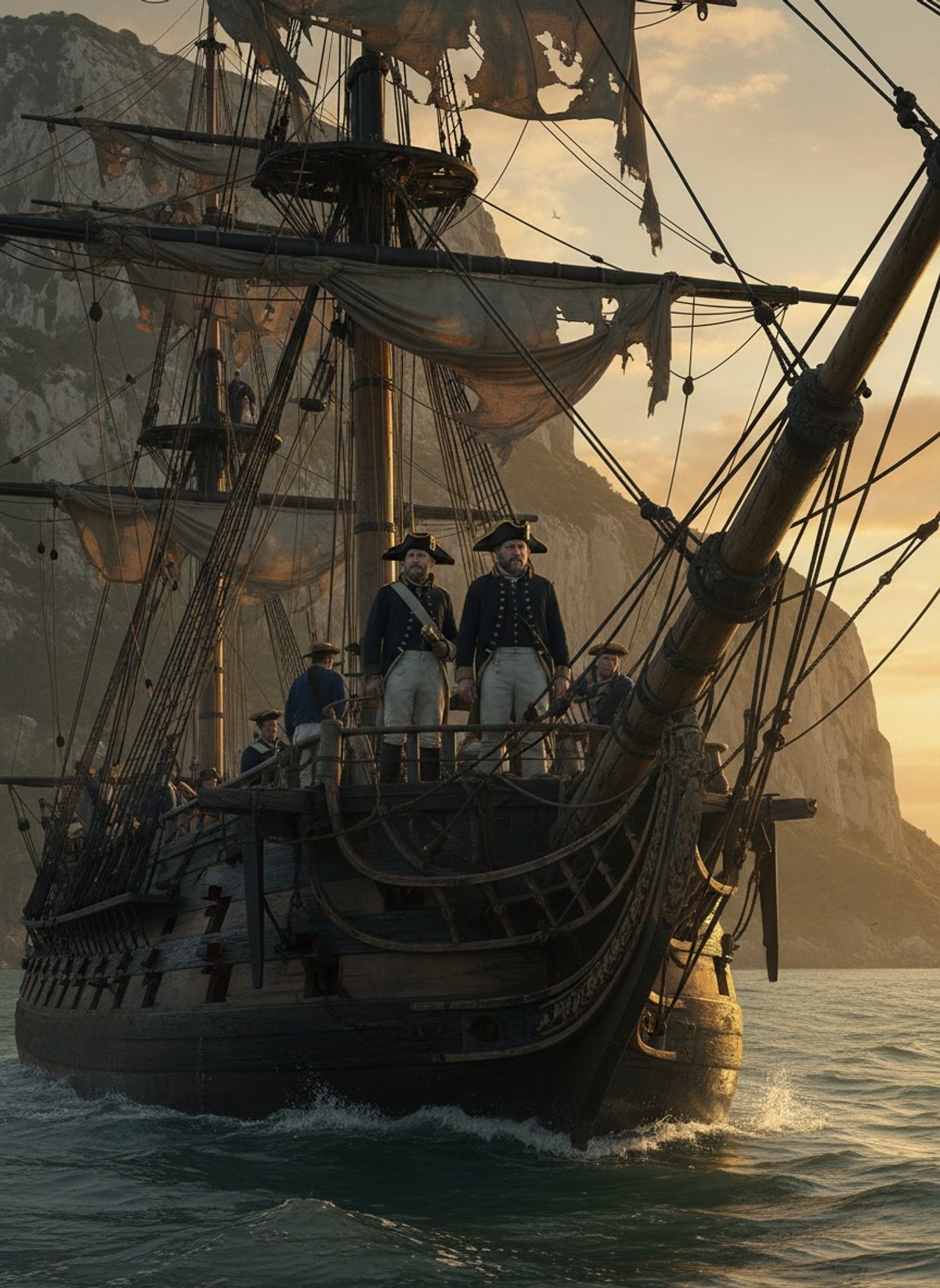
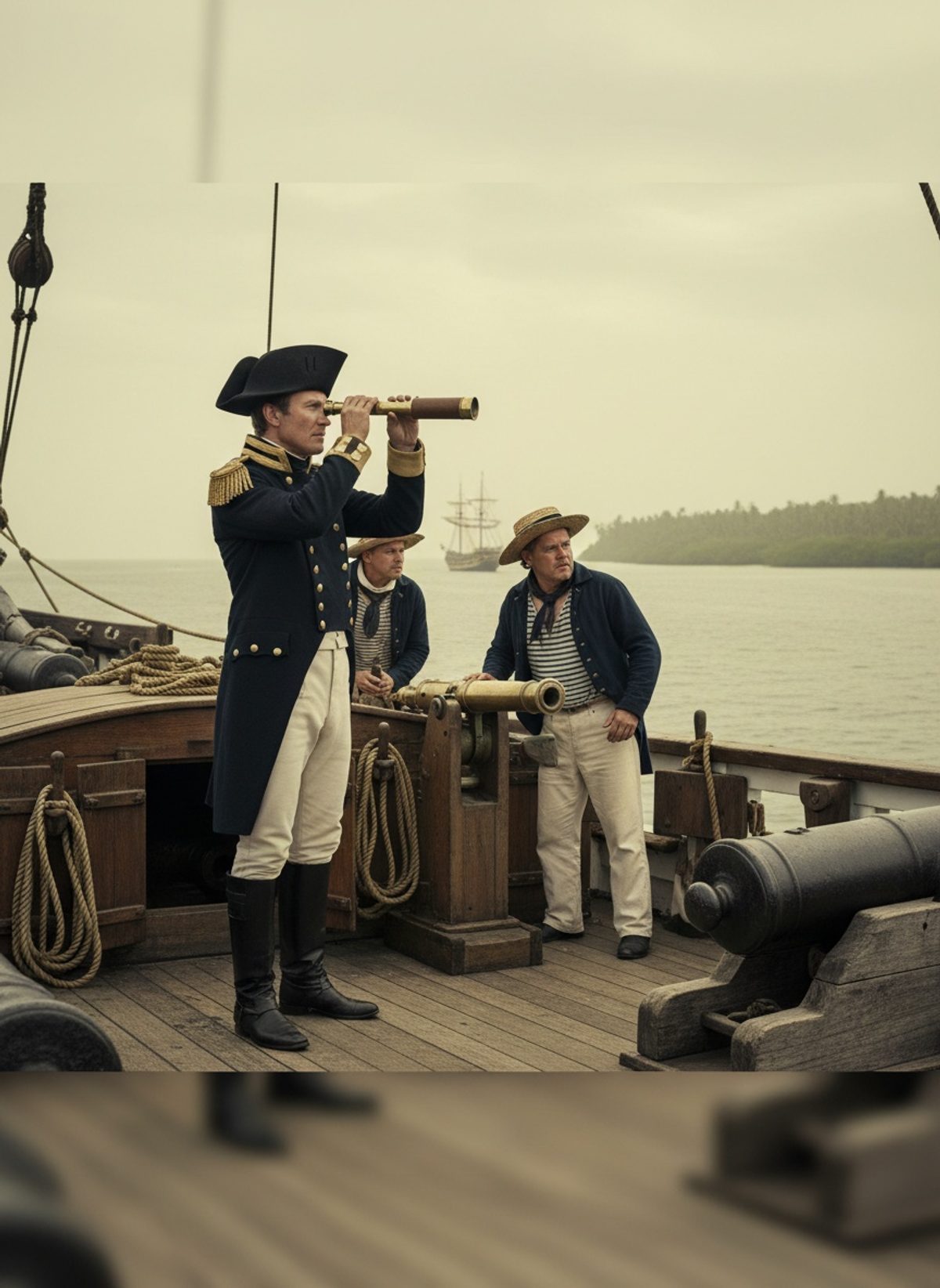
She came in flying no flag of triumph. HMS Victory limped into Gibraltar with Nelson dead below decks. The crew who had just won the greatest sea battle in history sailed in silence.
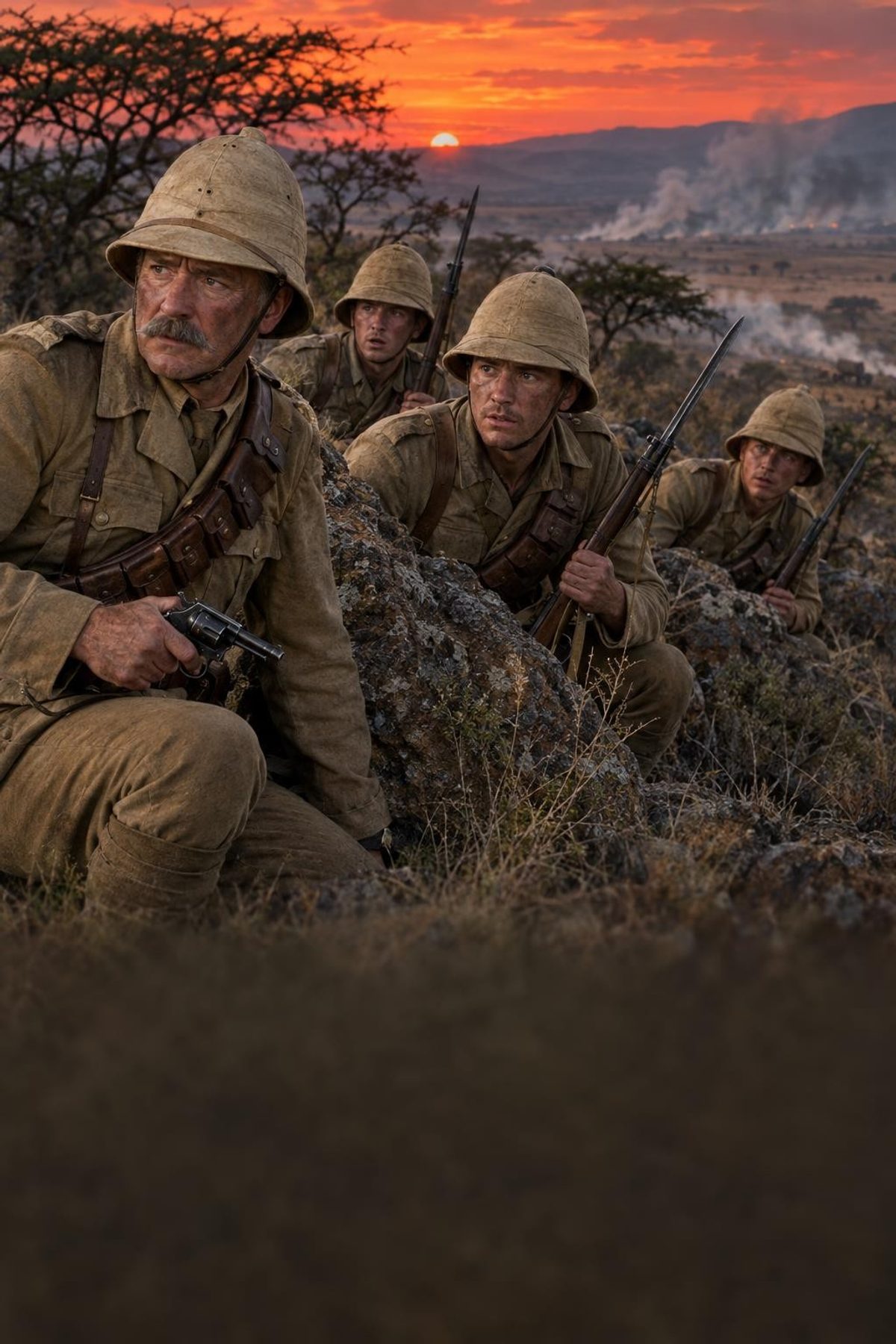
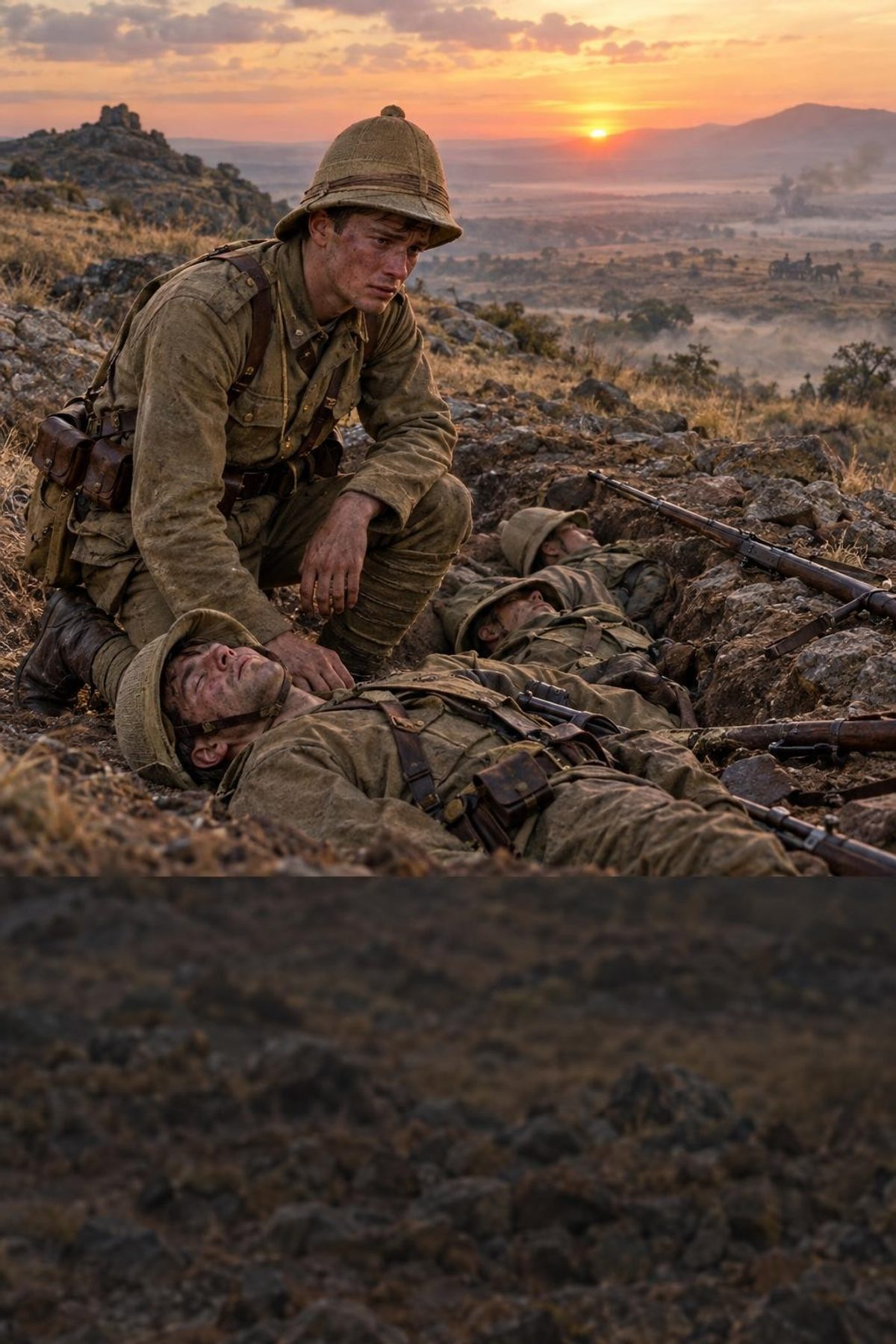
January 6, 1900. The Boers attacked before dawn. For fourteen hours, British soldiers held a frozen hilltop by bayonet and nerve alone. The bugle that ended it became legend.
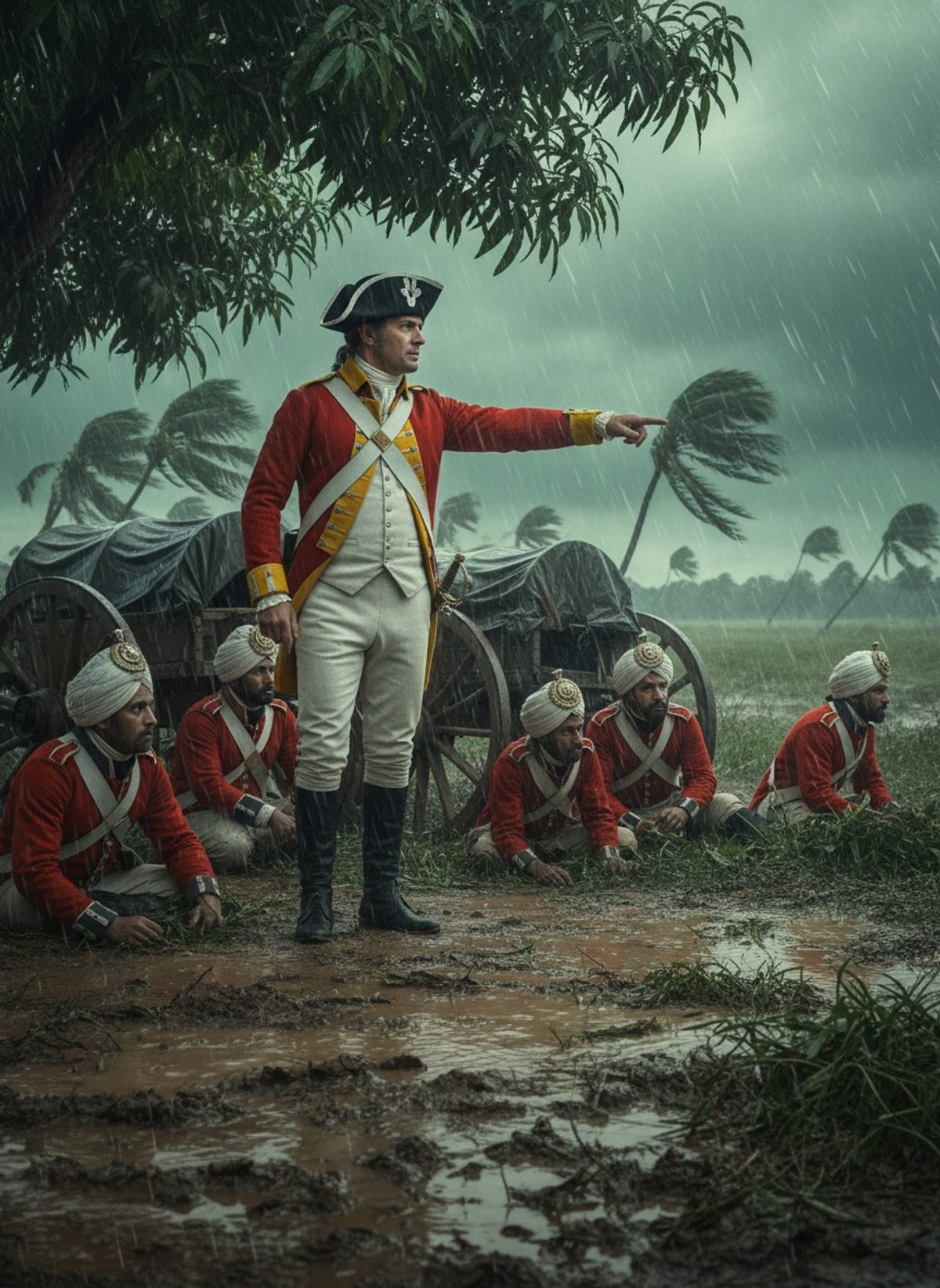
June 1757. The Bengal sky turned black. Rain hammered Siraj ud-Daulah's powder into useless paste. Clive's kept his dry under tarpaulins. One storm decided who would rule India.
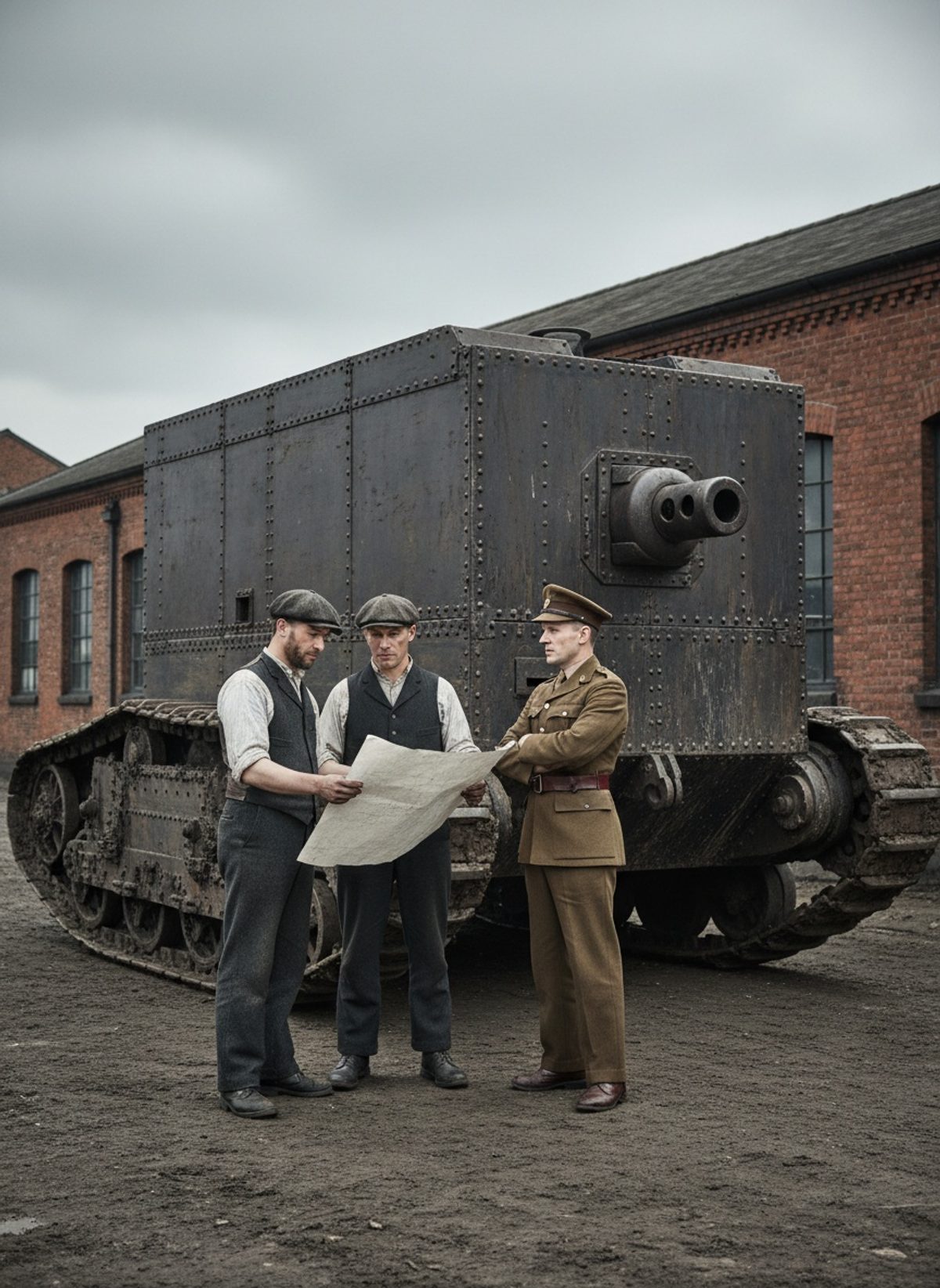
It was slow. It broke down constantly. It looked like a box on wheels. But Little Willie — built in secret in a Lincoln engineering shed — became the ancestor of every tank that ever rolled to war.
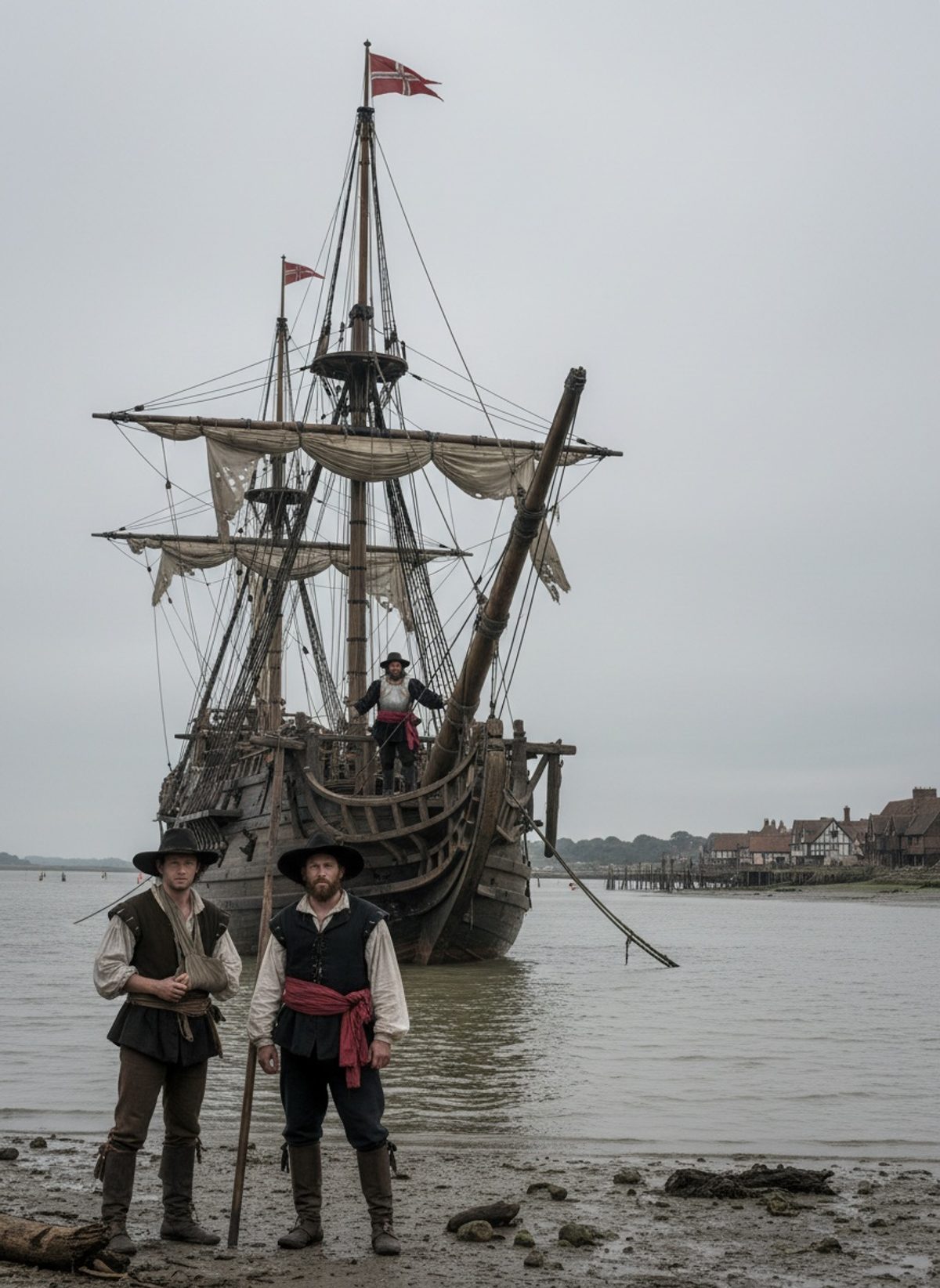
She left Plymouth in July with 500 men aboard. She came back with the dead unburied and the living barely standing. But she came back. And England called it a miracle.
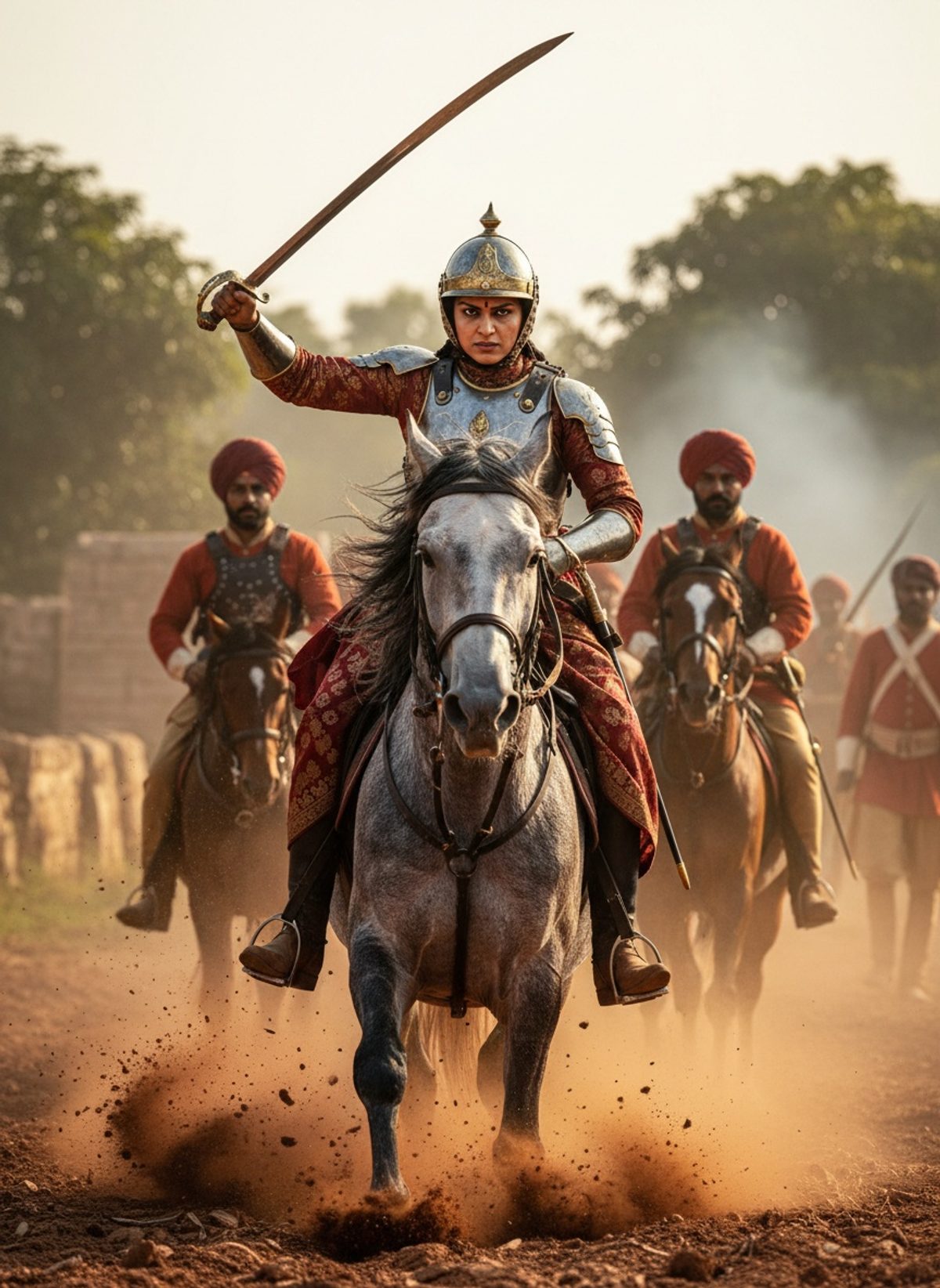
June 1858. Jhansi had fallen. The British thought it was over. Lakshmi Bai rode out in armour with her sword drawn. She fought until she could not stand. She never surrendered.
1858. The Crown took India from the Company. British judges carried their law into every province. A thousand years of English common law planted in Indian soil. It never left. India's courts still run on it today.
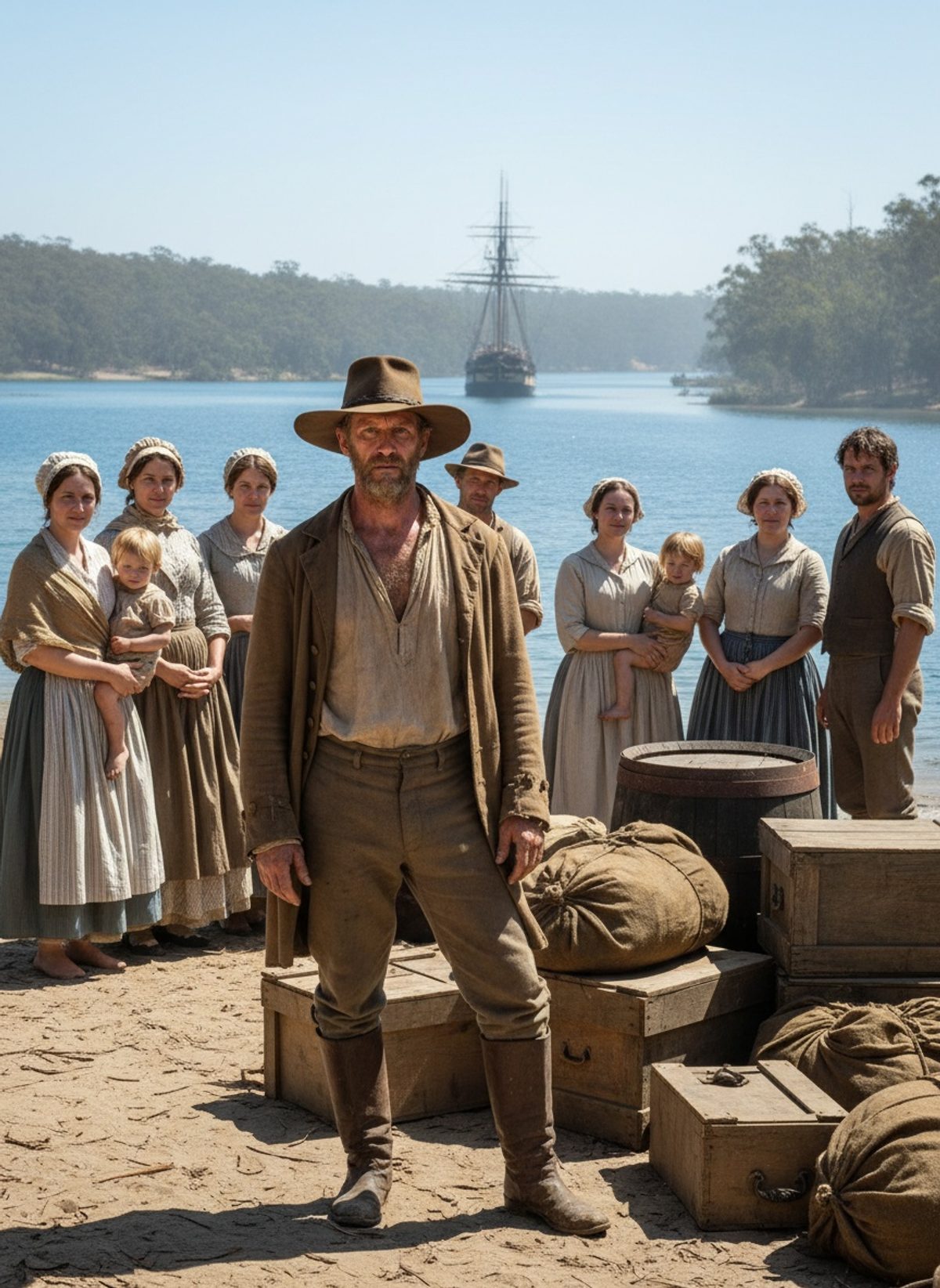
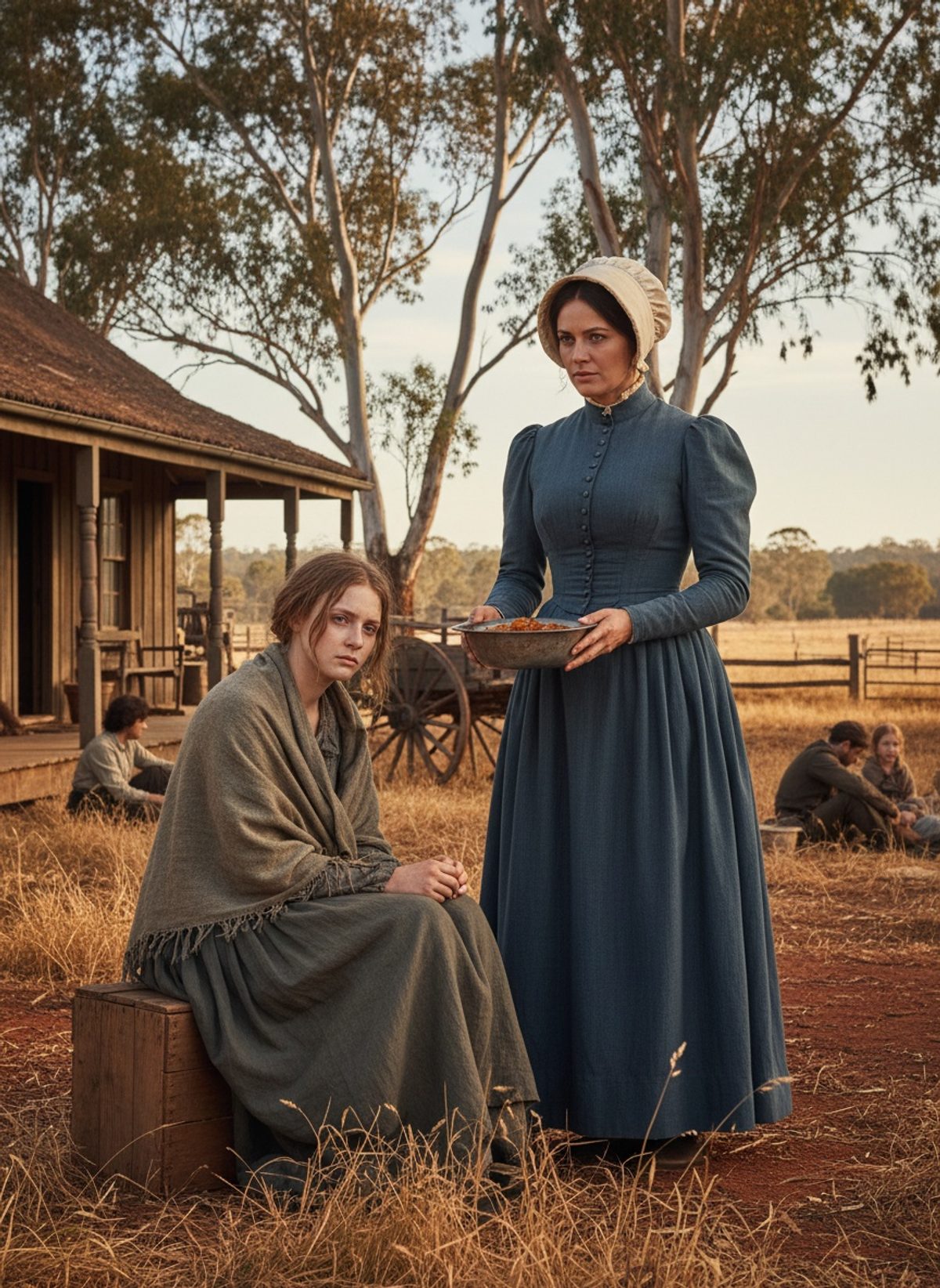
Swan River Colony. 1830. Thomas Peel had promised Britain a paradise. Three thousand settlers arrived. There was no shelter. No cleared land. No food. Ships turned back. People died on the beach. The dream had become a catastrophe.
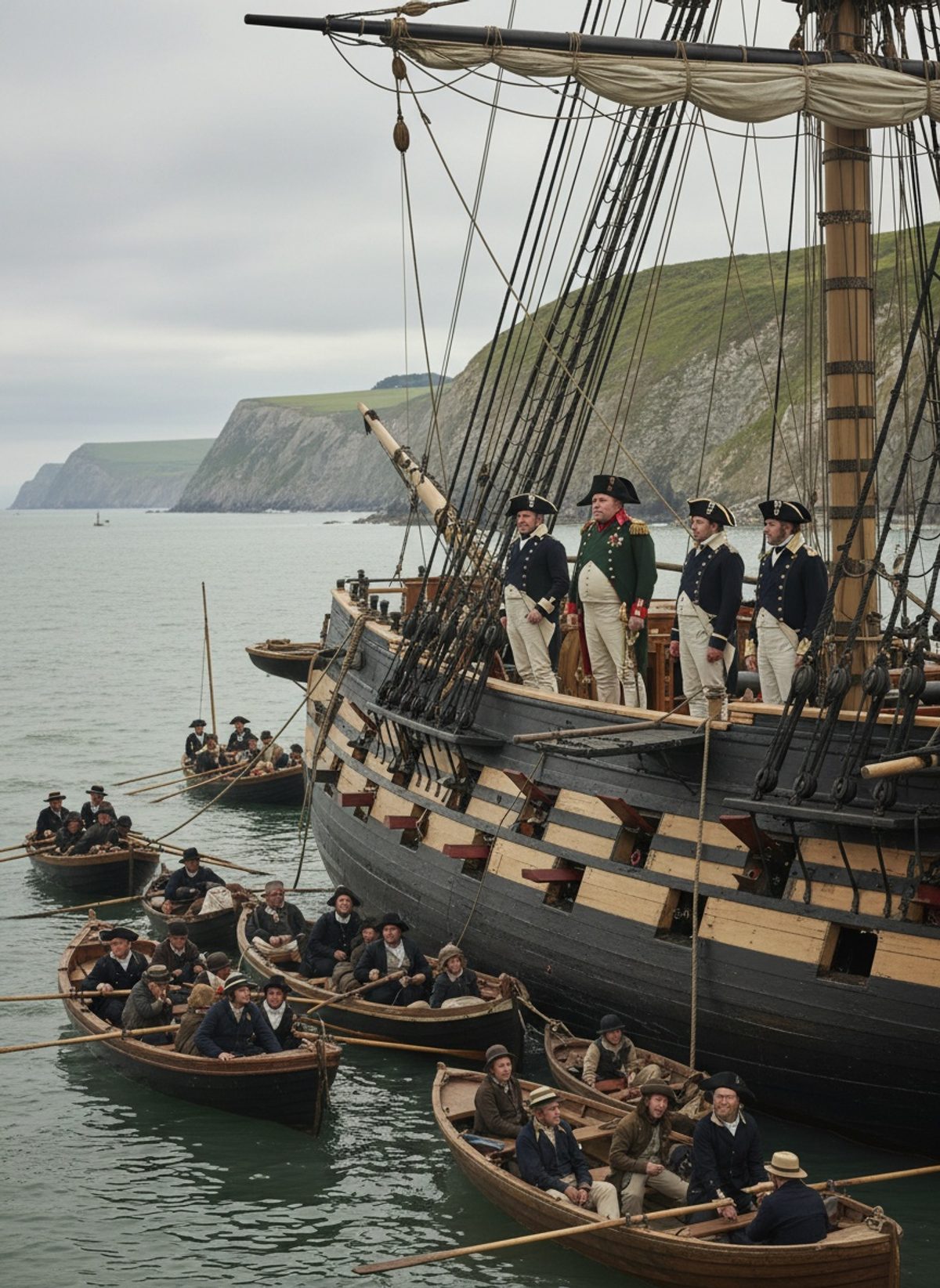
She fought Napoleon's fleet at the Nile. Then she carried Napoleon himself into exile. One ship. Two chapters. One extraordinary story no one tells.
For six decades, Royal Navy sailors chased slave ships through fever-ridden seas. 1,600 vessels seized. 150,000 Africans freed. One in six sailors died doing it. Nobody ordered them to volunteer. Many did anyway.
24 January 1900. A British force climbed Spion Kop in darkness. By dawn, they held a hilltop — but it was a killing ground. 243 men died before the bugles sounded retreat.
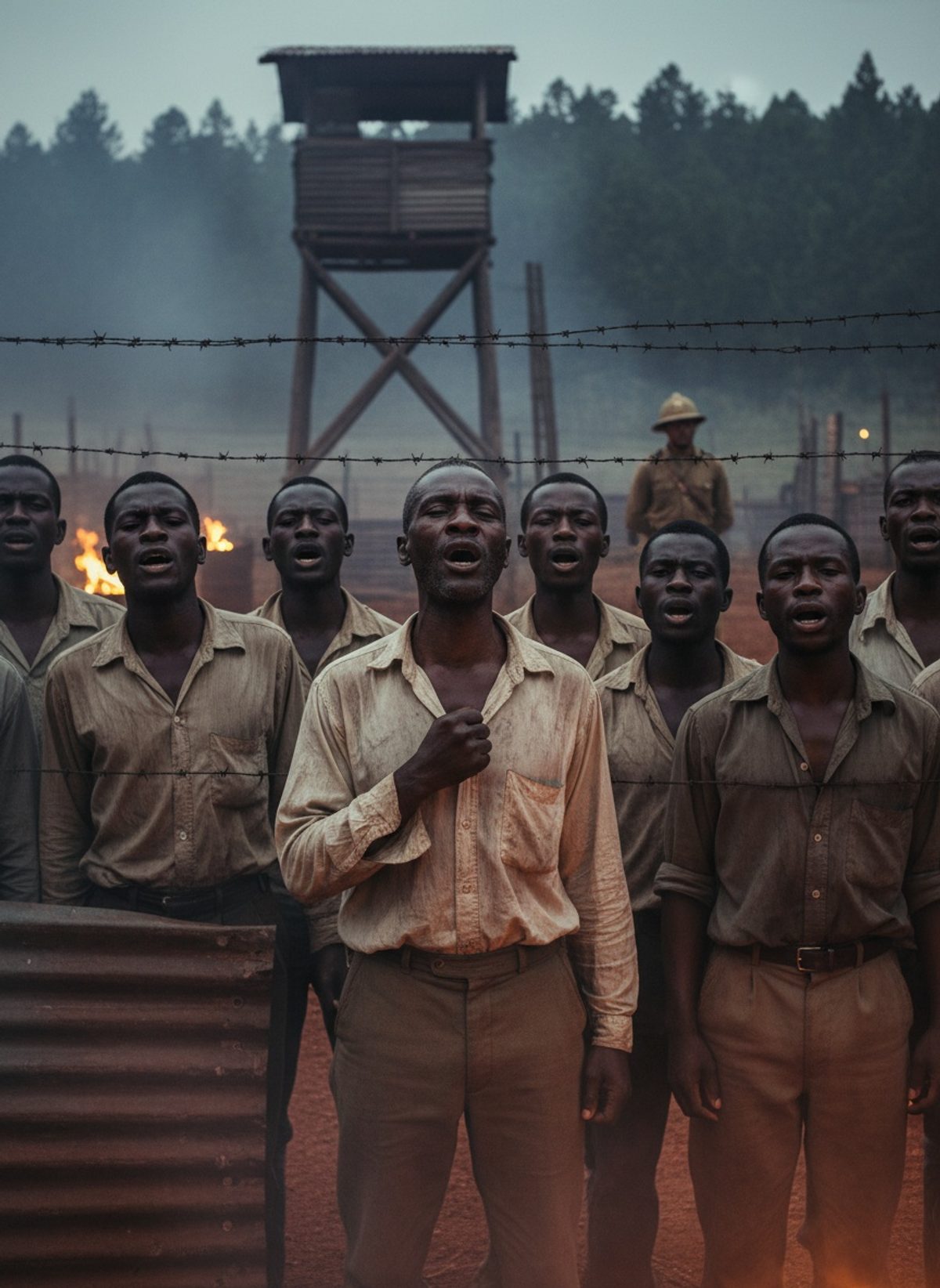
Kenya. 1952. The British declared a State of Emergency. Thousands of Kikuyu men were swept into detention camps. Inside the wire, they did not break. They sang. All night. Every night. Until the whole camp shook.
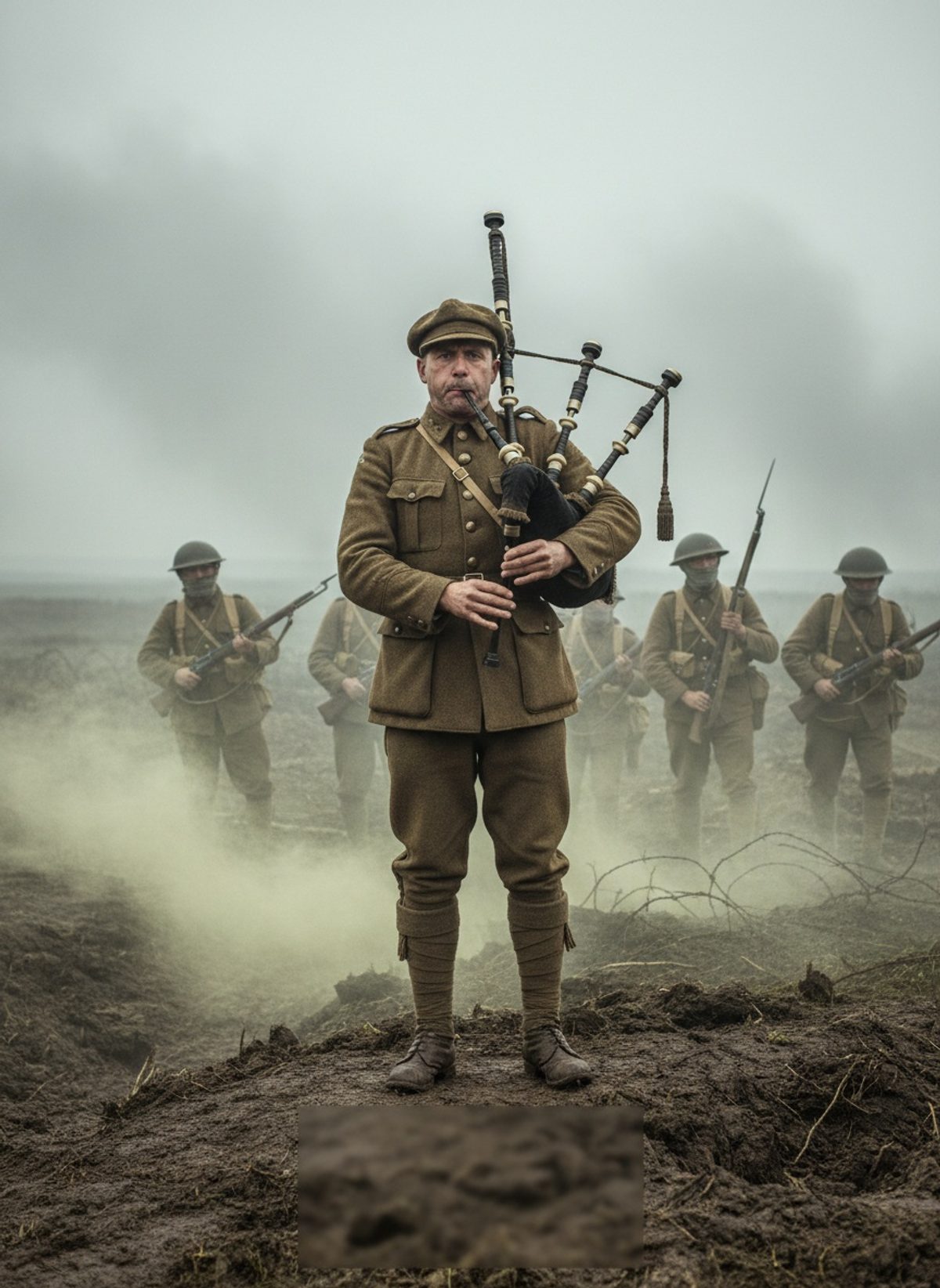
September 1915. Gas rolled across the trenches at Loos. The men faltered. Piper Daniel Laidlaw climbed onto the parapet. Under fire. He played. The King's Own Scottish Borderers rose and followed.
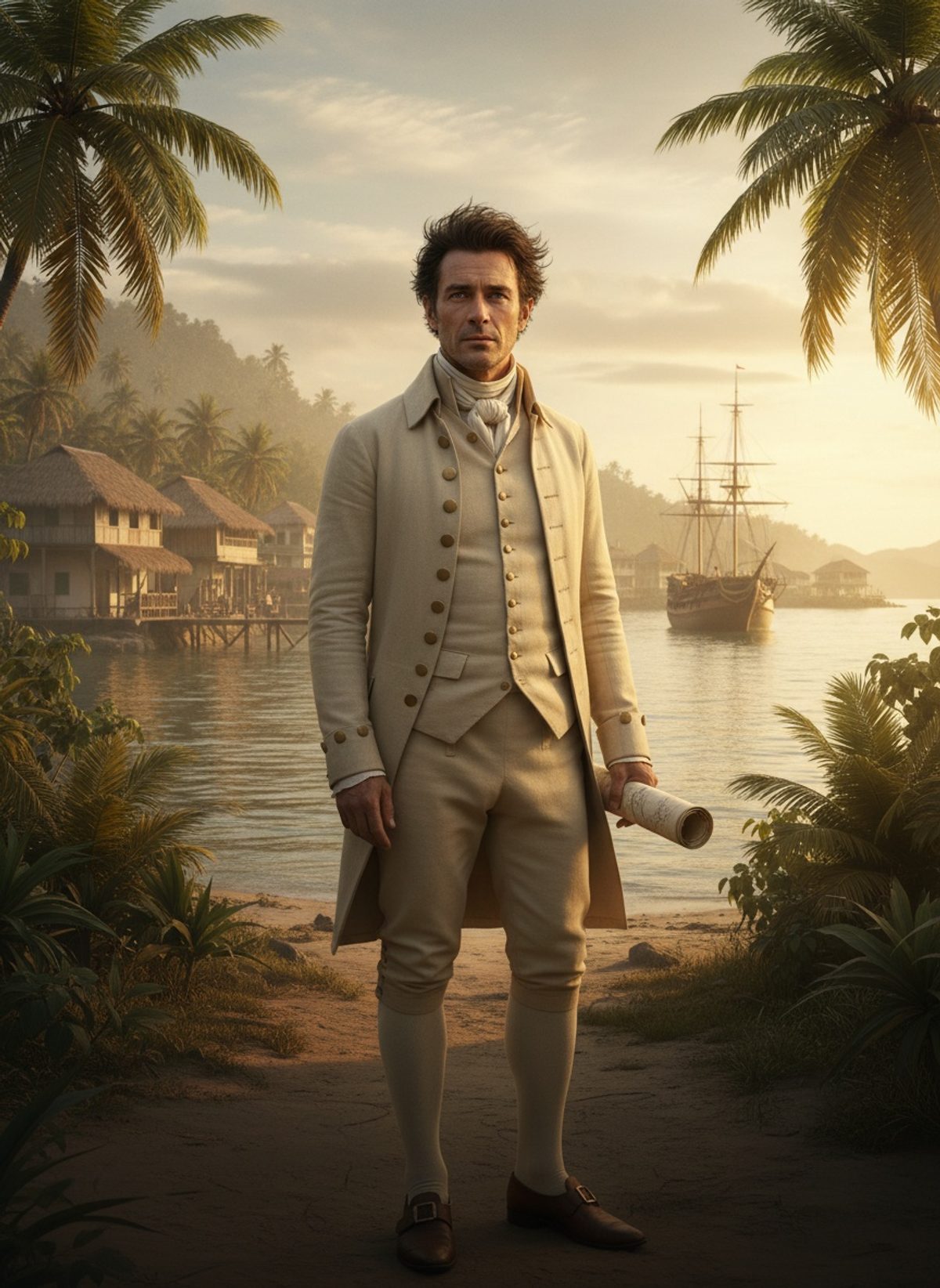
1824. Raffles had built Singapore from nothing. Now London ordered him home. He walked the shoreline one last time. Behind him, a city of ten thousand already rose from the mud. He had given the world a port. No one sent thanks.
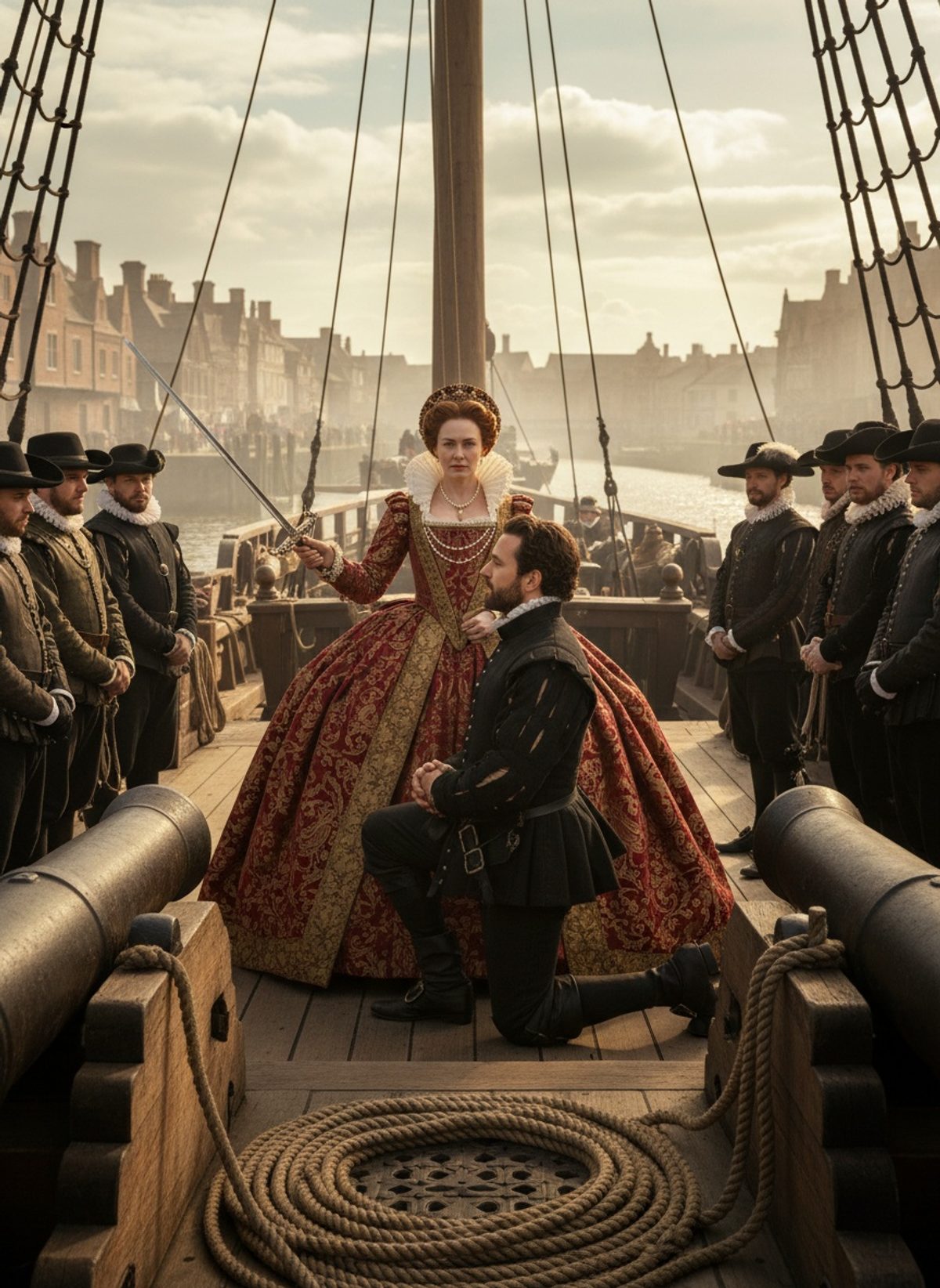
April 1581. Francis Drake had just sailed around the world. Queen Elizabeth boarded his ship at Deptford. She drew a sword. Knighted him on the deck of the Golden Hind. England told the world it had arrived.
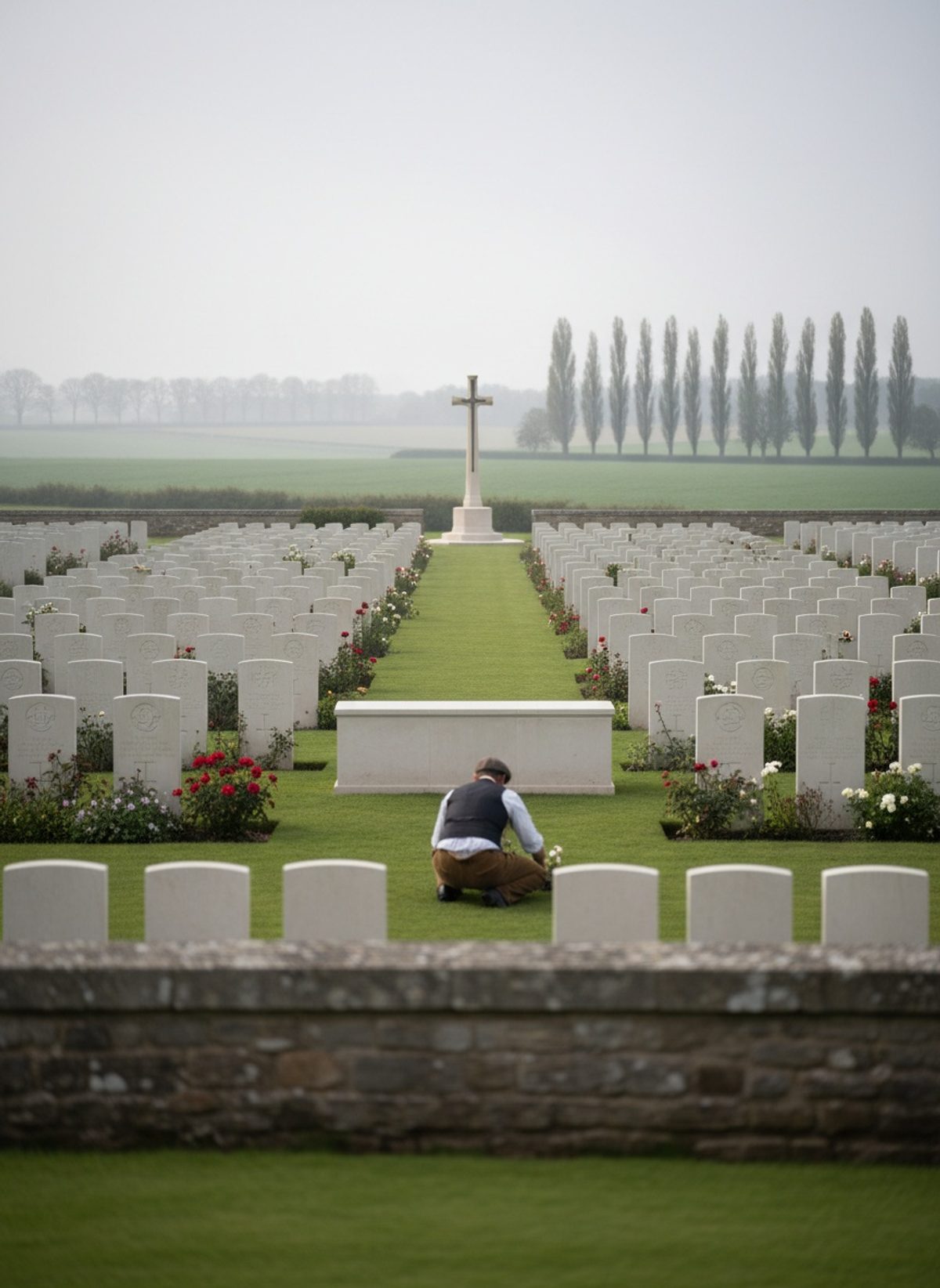
Officers and privates with identical headstones. No bodies brought home. Every name recorded. In 1917 the Empire made its dead a promise, and it is still kept in 153 countries.
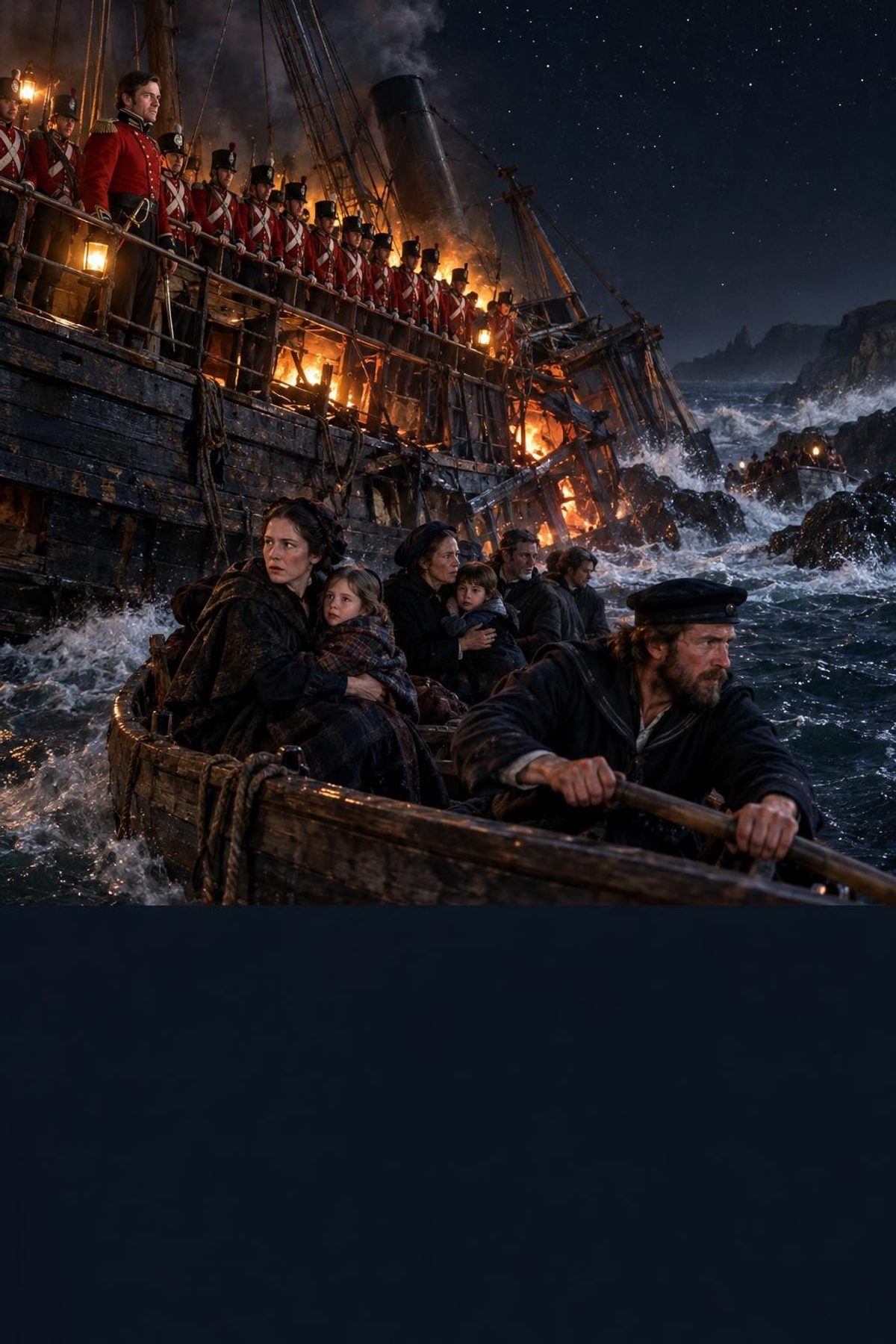
The ship was sinking. The lifeboats held only the women and children. So 480 British soldiers stood in rank on the deck — and did not move. They drowned in formation.
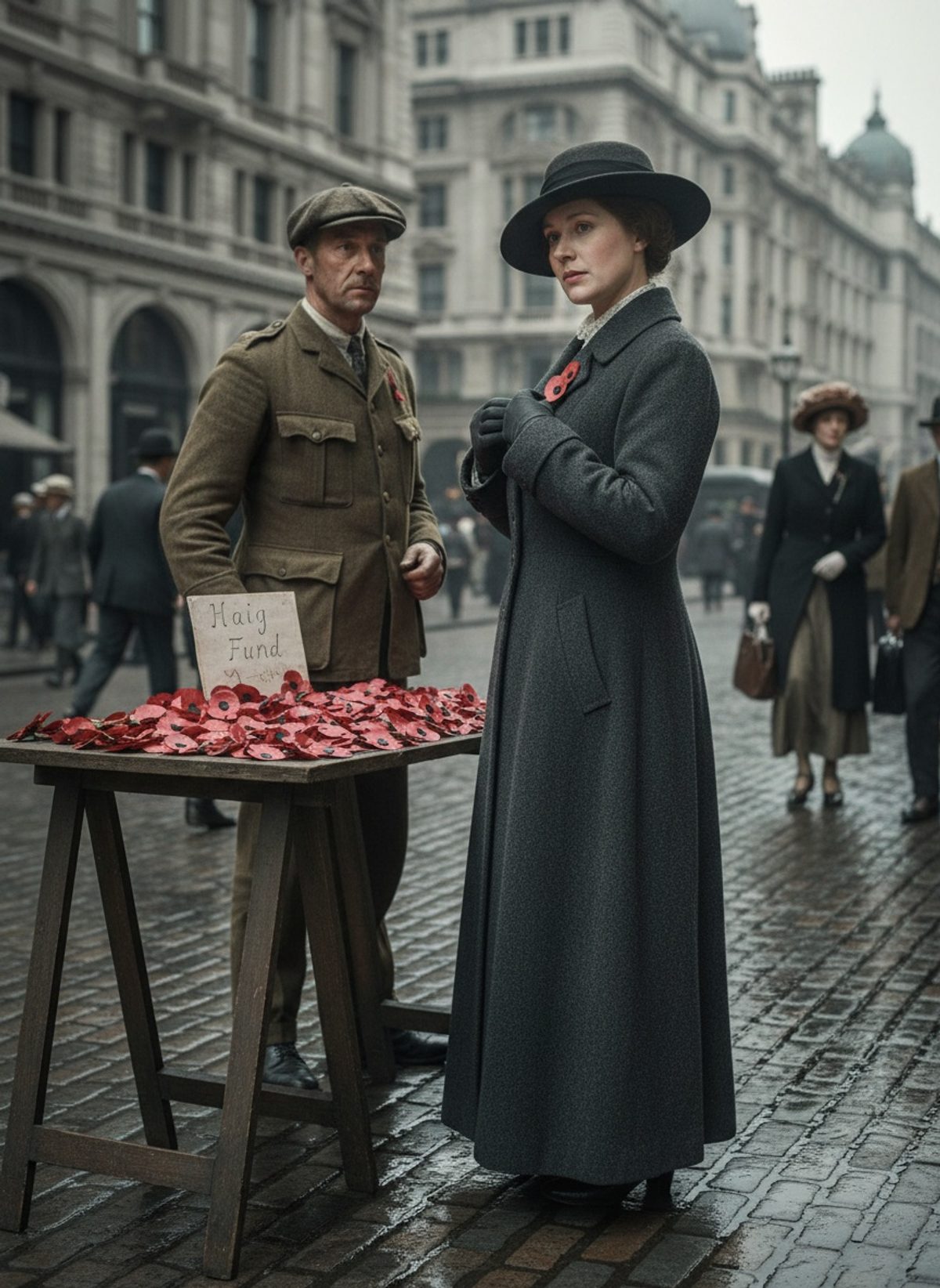
In 1921, a single red poppy became the symbol of an Empire's grief. Millions had fallen. A flower from the mud of Flanders gave the living something to hold onto.
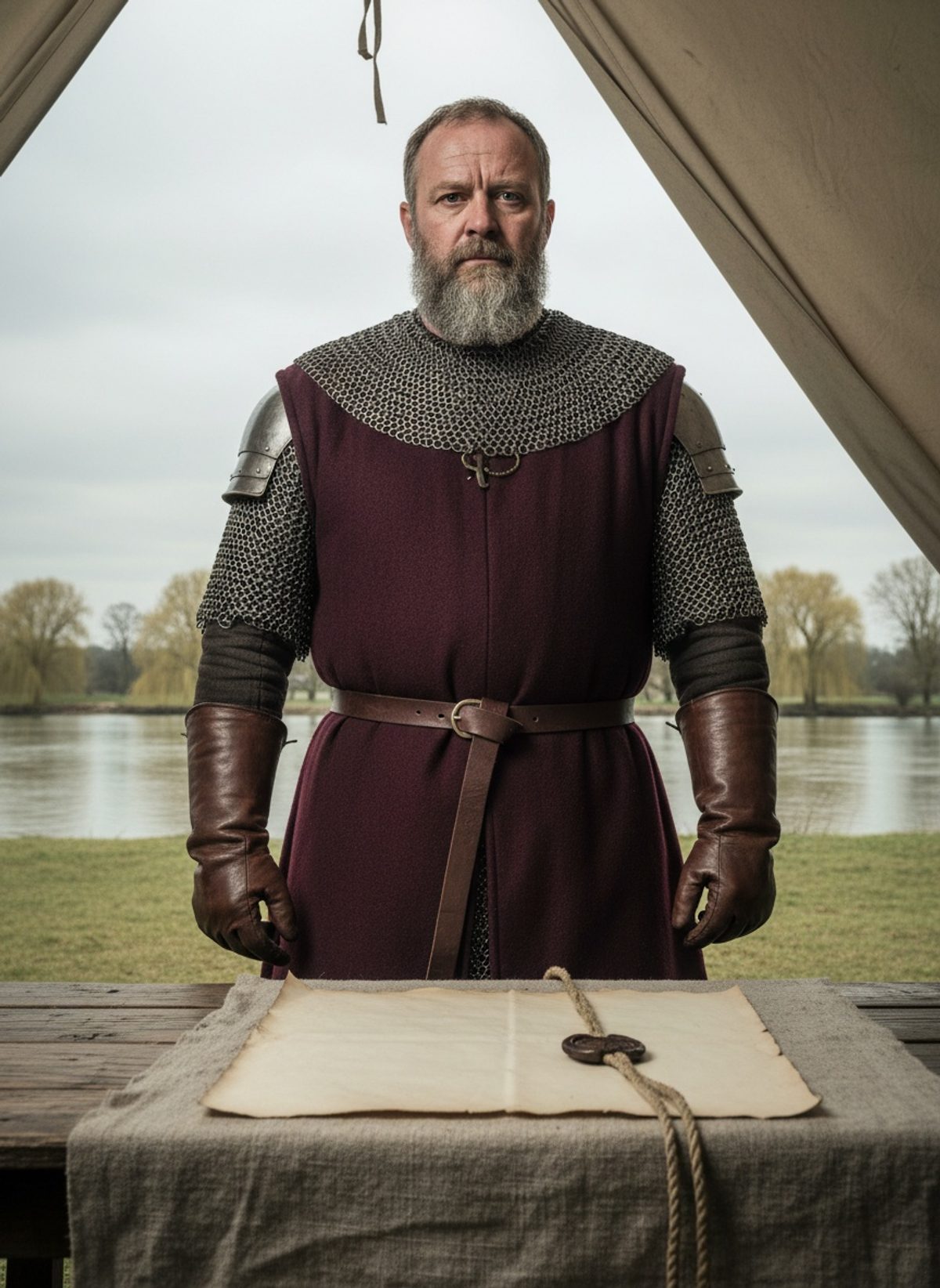
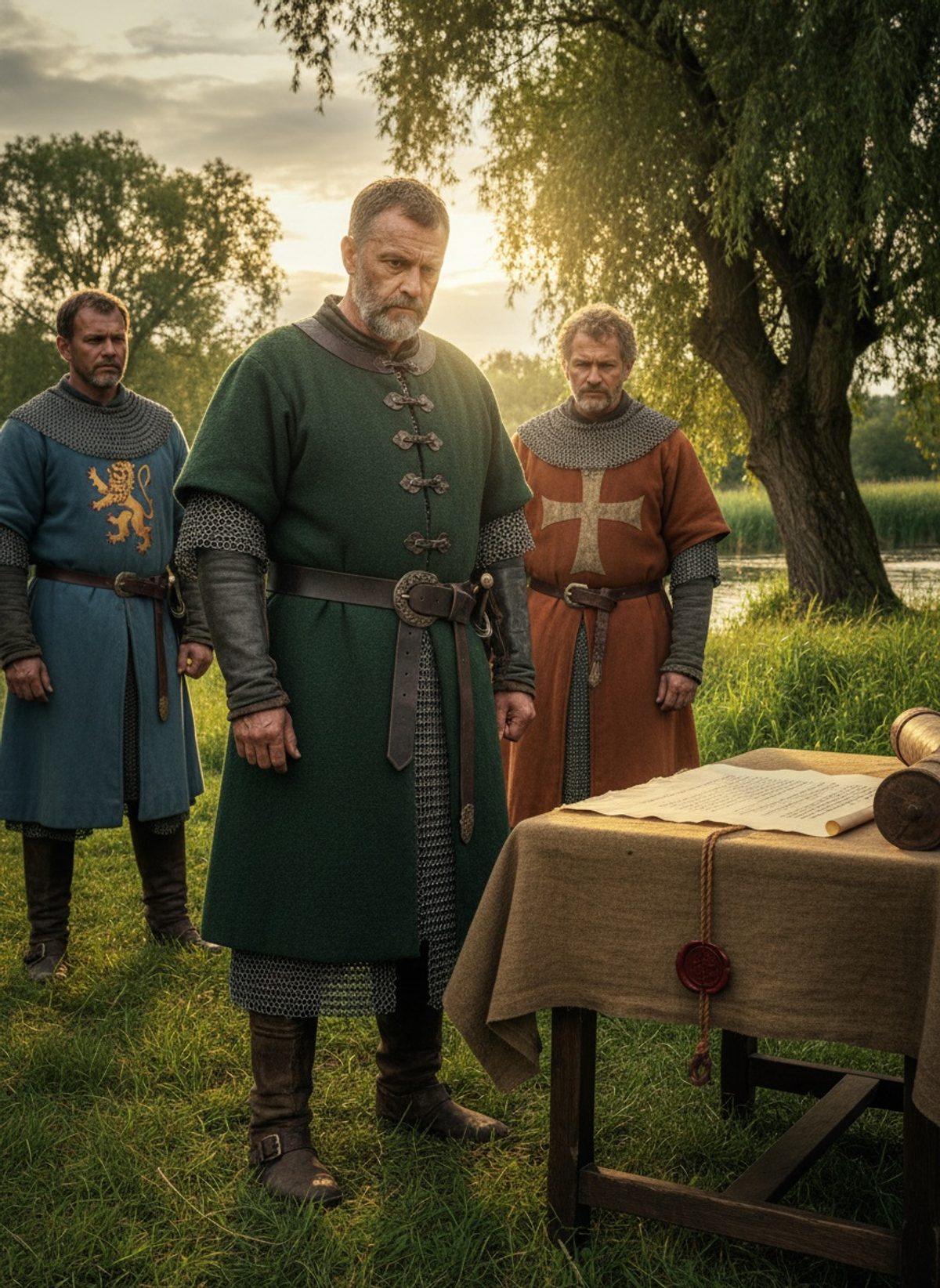
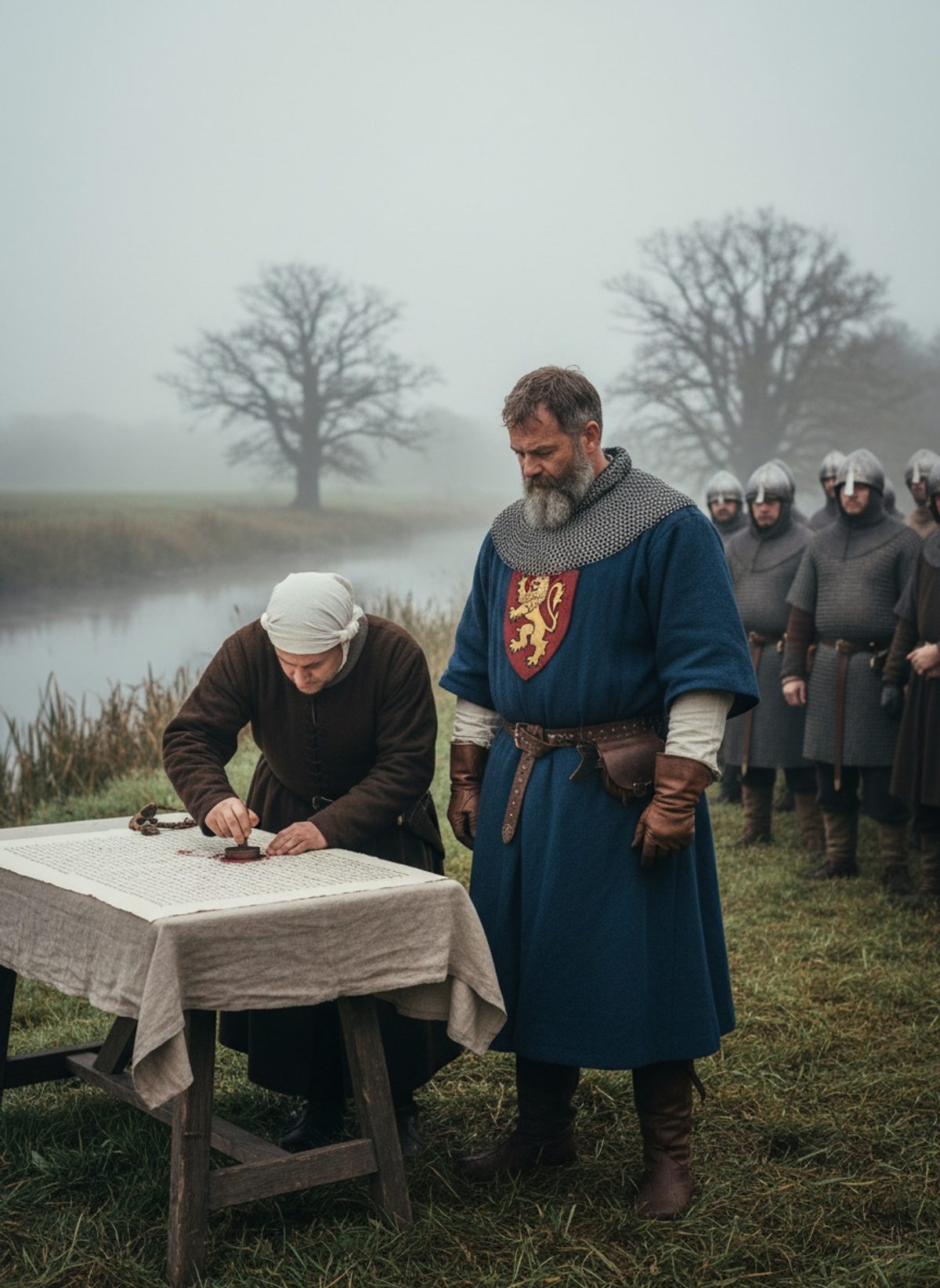
1215. English barons forced a king to sign a document. It said no man could be imprisoned without lawful judgment. Eight centuries later, that sentence is still law. In forty-six countries. Written in the first language of a meadow at Runnymede.
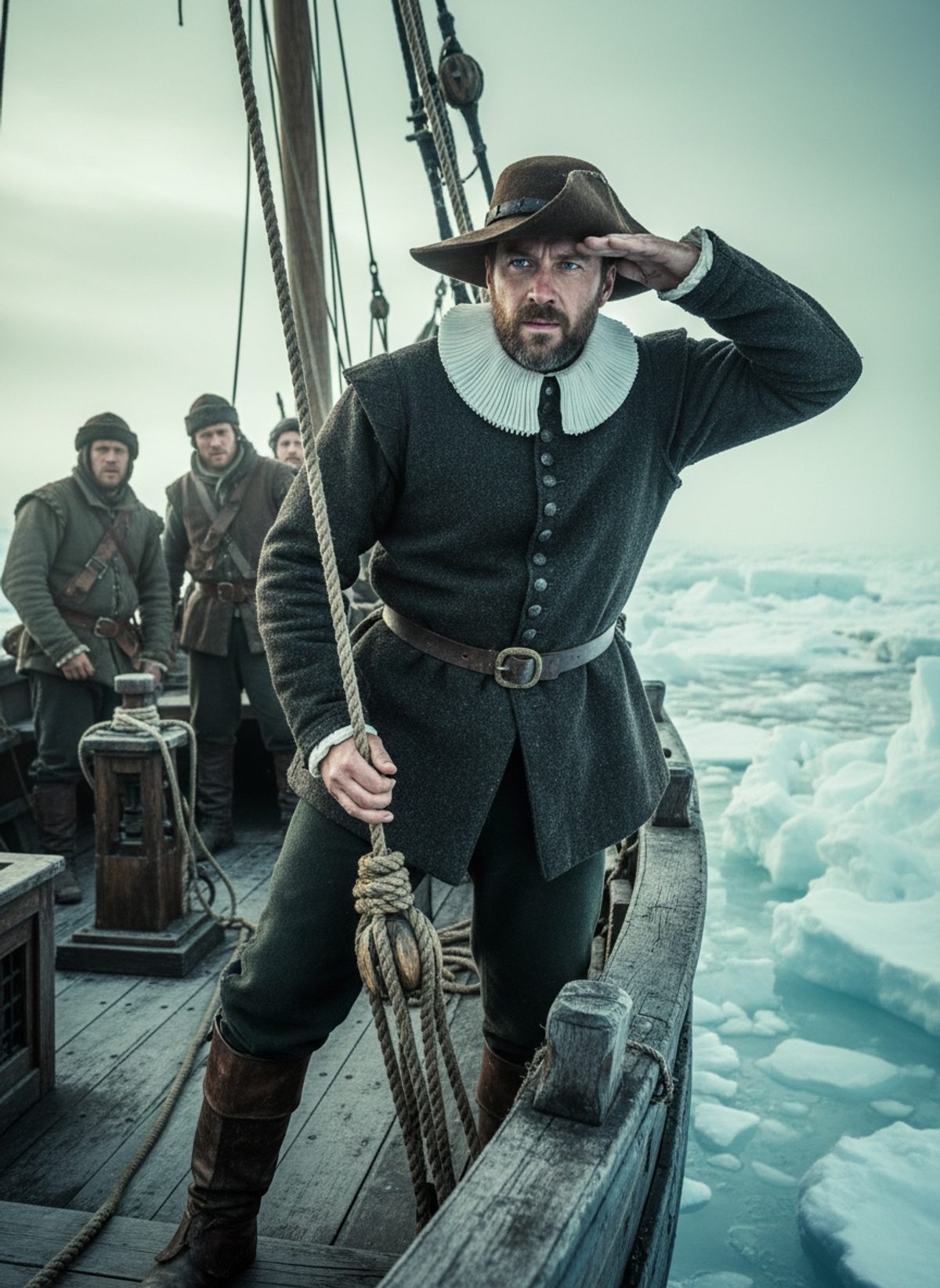
Summer, 1587. The crew was terrified. The sea ahead was choked with ice. John Davis ordered them on. He charted a strait no European had ever seen. He never found the Northwest Passage. But he found the way.
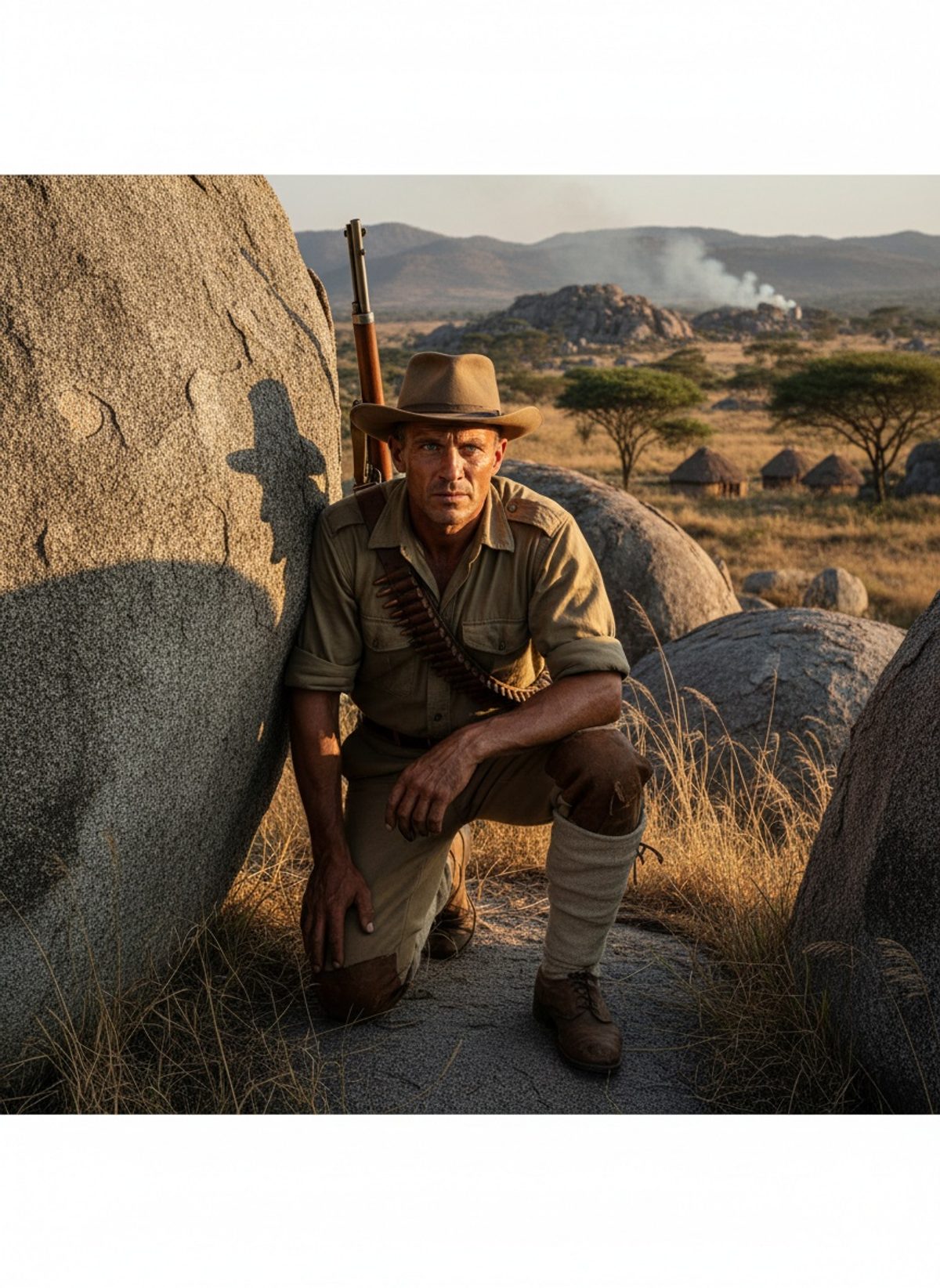
Matabeleland, 1896. The Ndebele had risen. British columns were pinned. One American-born scout in British service slipped into rebel country alone. He found the war chiefs. He mapped their strongholds. He came back.
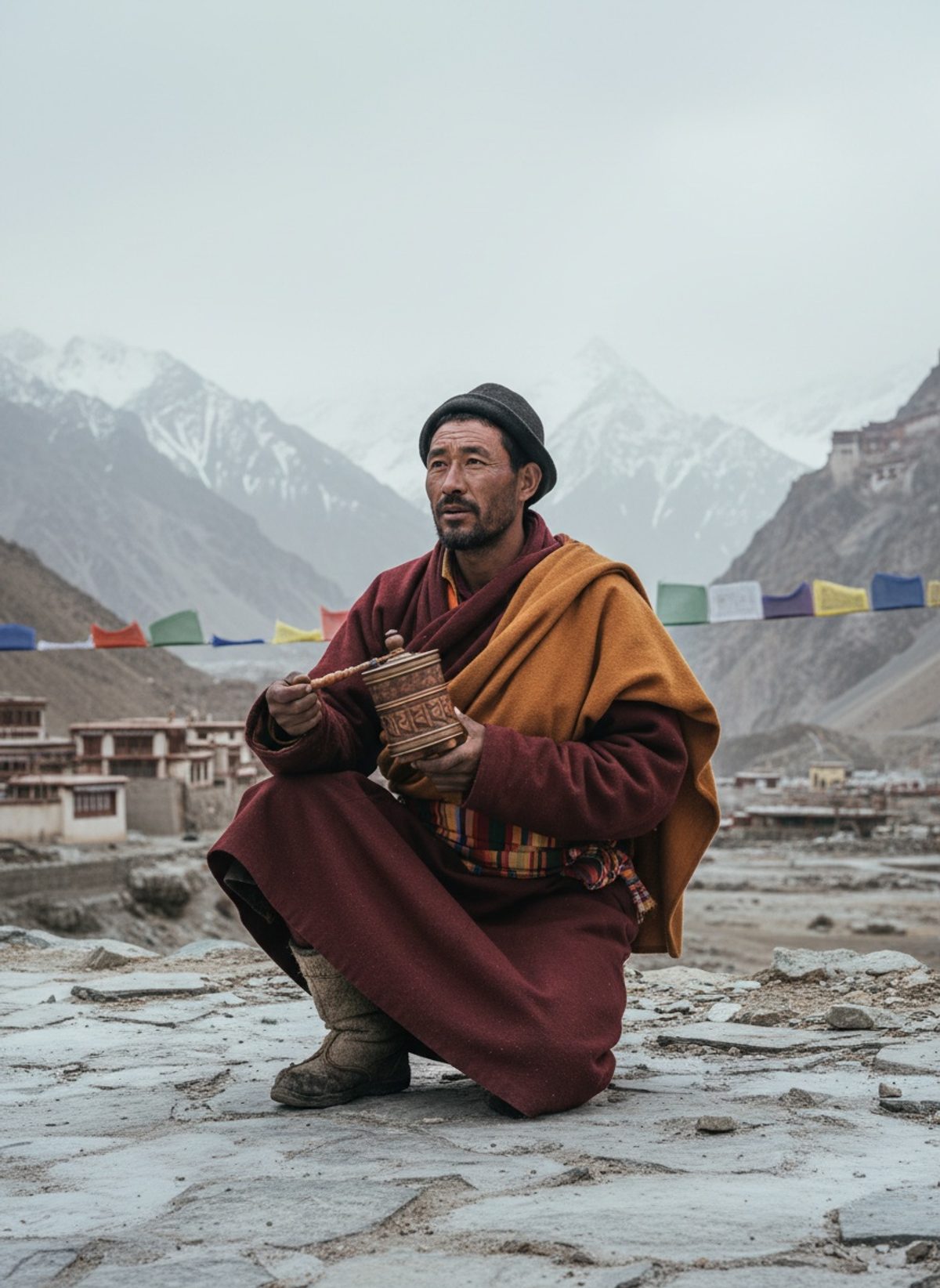
1866. Tibet was forbidden. No European had mapped it. An Indian schoolteacher walked in alone. He counted every step. Hid his compass in a prayer wheel. Measured the roof of the world. And came home alive.
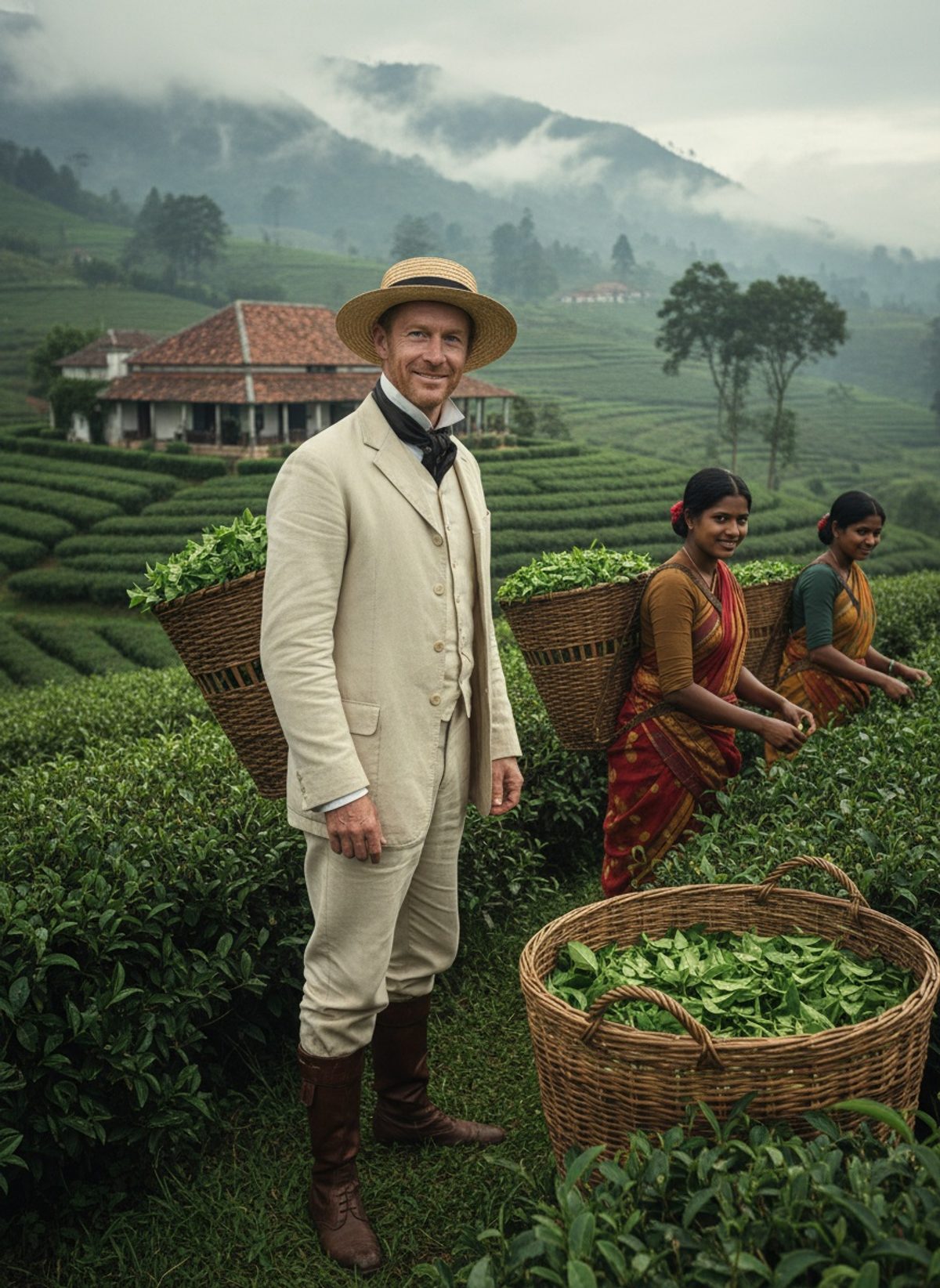
1890. Ceylon's tea plantations were dying. A Glasgow grocer's son arrived with nothing but nerve. Thomas Lipton bought the failing estates. He cut out every middleman. Within a decade, every British home had his tea.
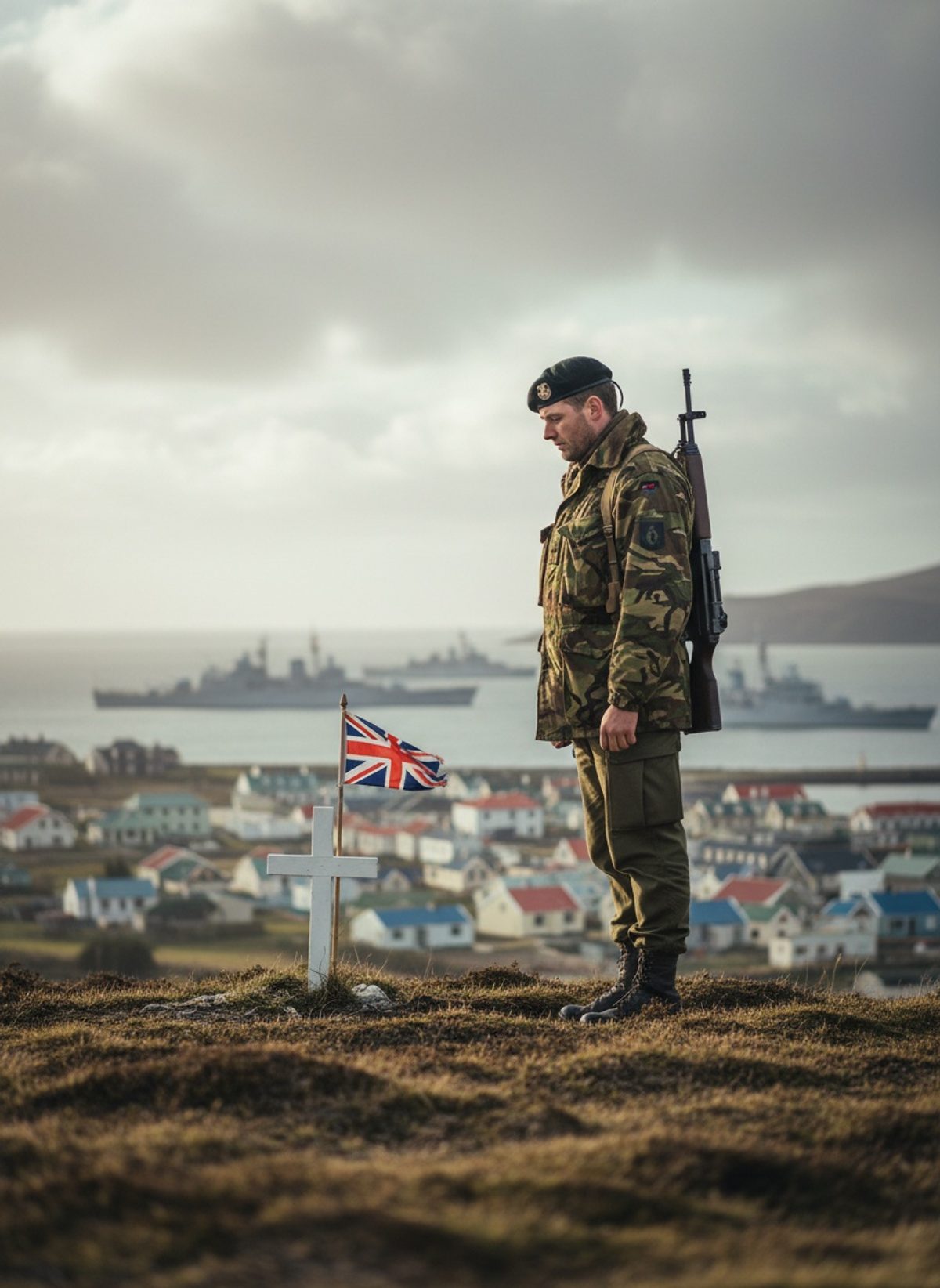
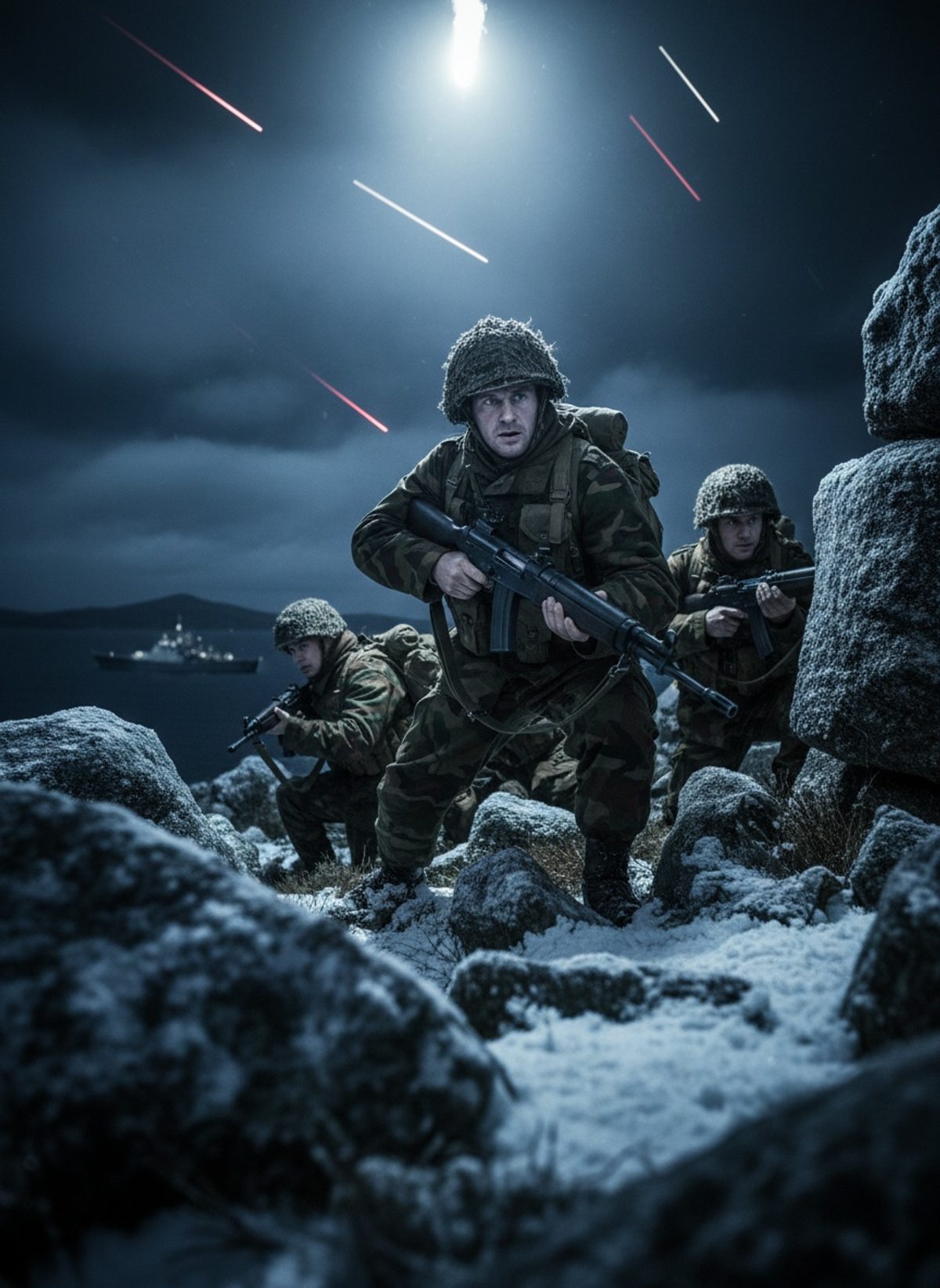
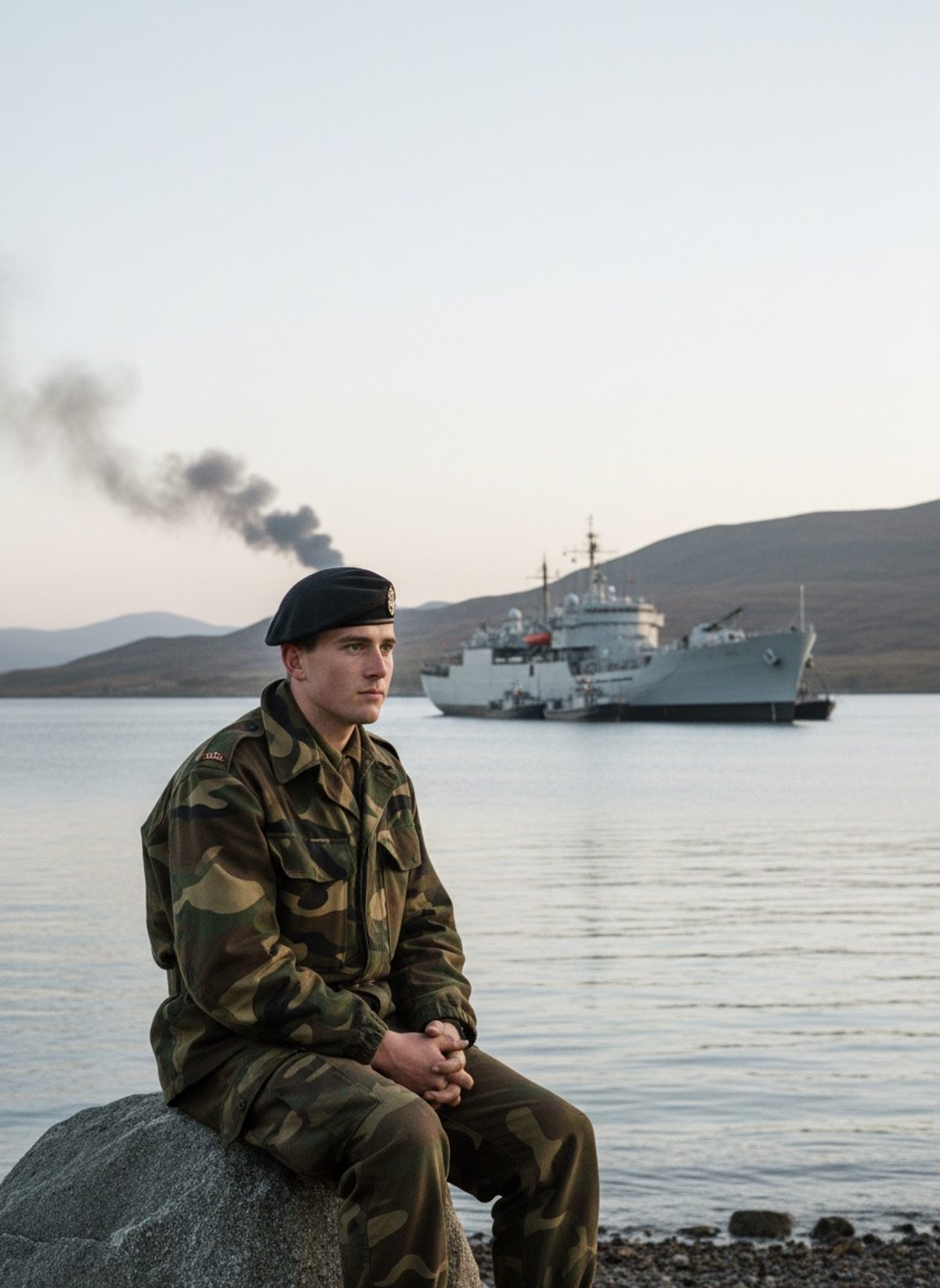
14 June 1982. After 74 days the guns fall silent above Stanley. The Falklands are British again. 255 British servicemen and three islanders did not live to see it.
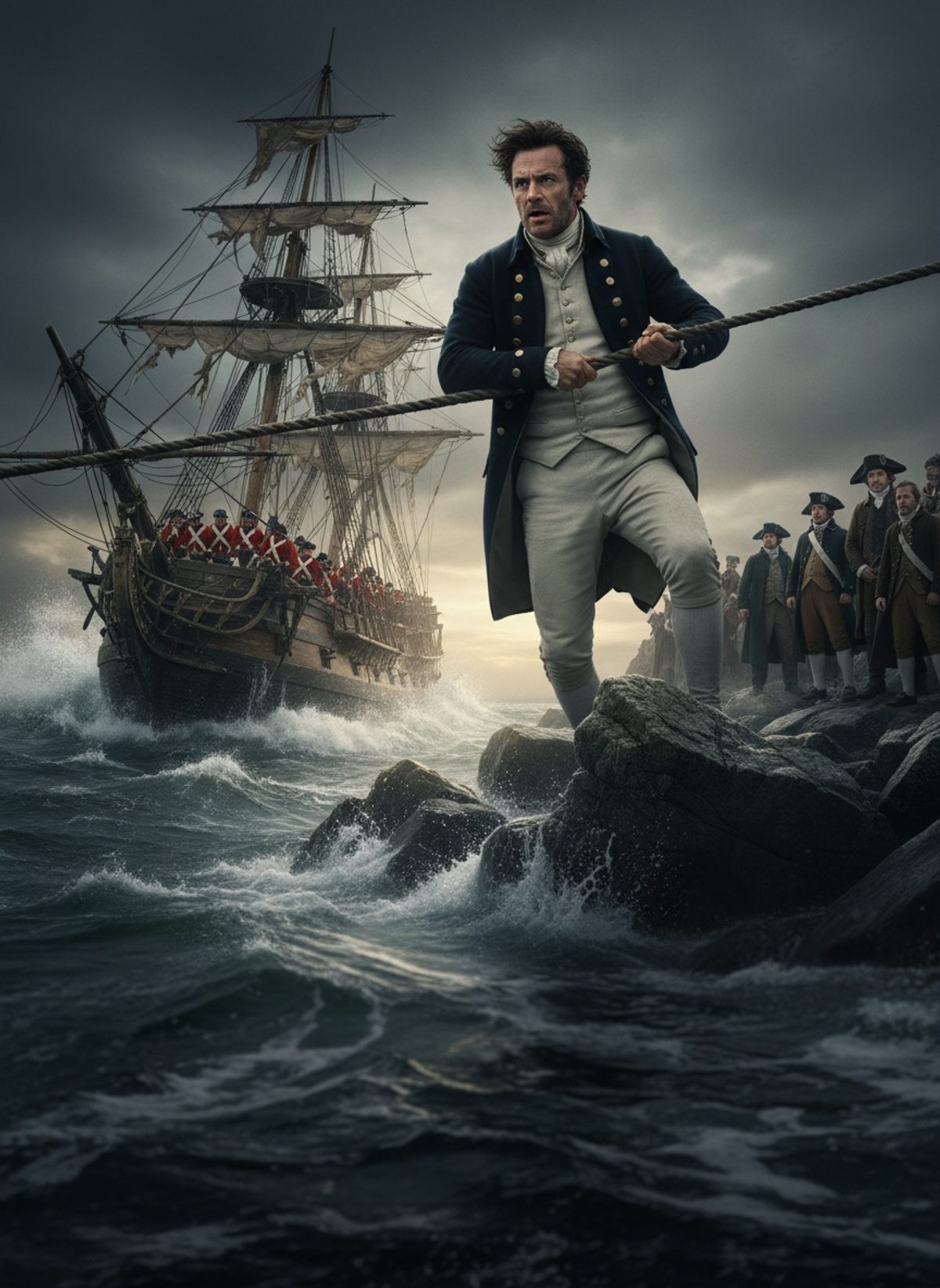
August 1796. The troopship Dutton struck rocks in Plymouth Sound. She was breaking apart. Captain Edward Pellew dived from his carriage. Swam to the wreck. Took command. Led 500 soldiers to safety. Alone.
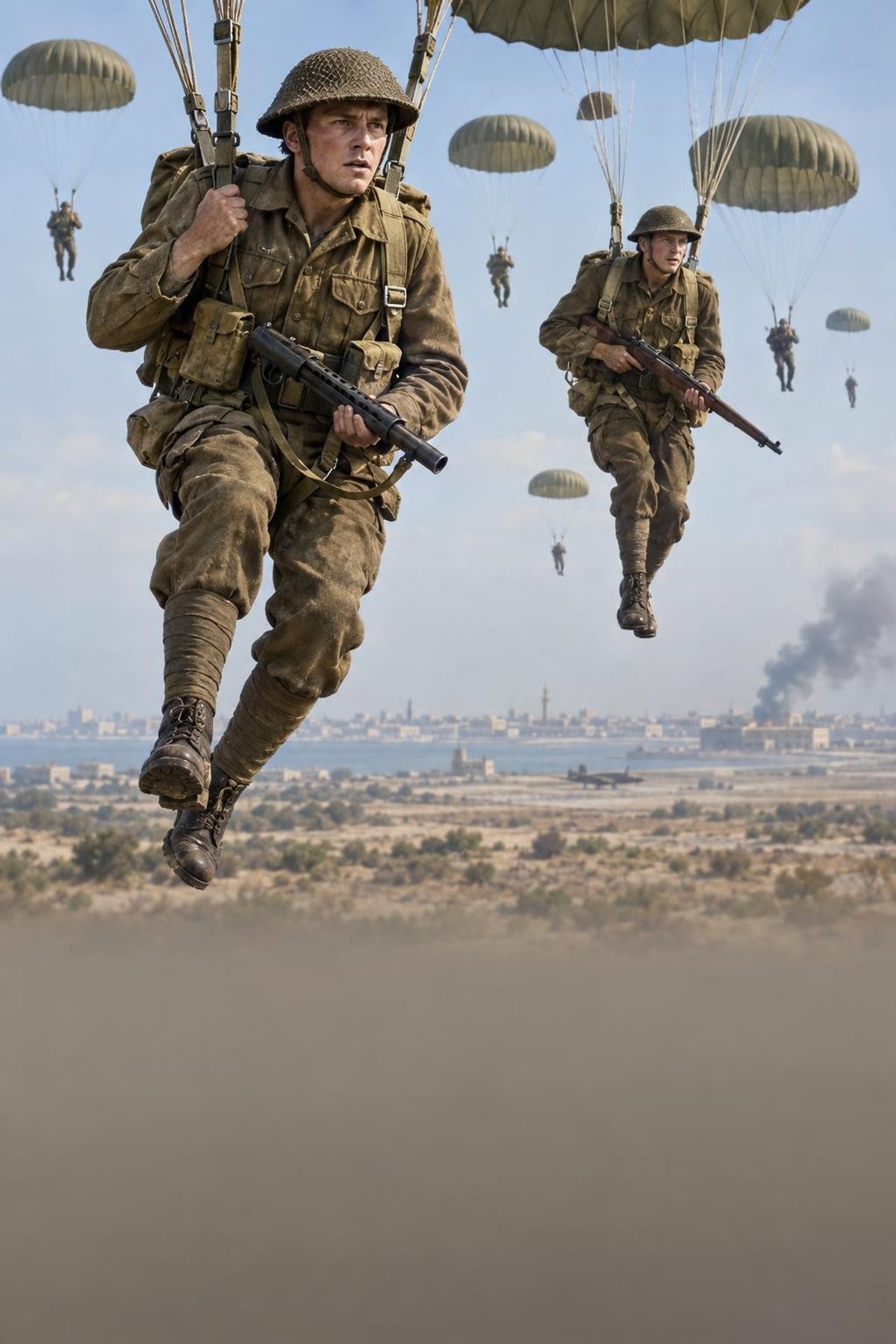
Britain had a plan. Israel would strike. France would follow. And Britain would seize the canal back. It nearly worked. Then Washington made one phone call.
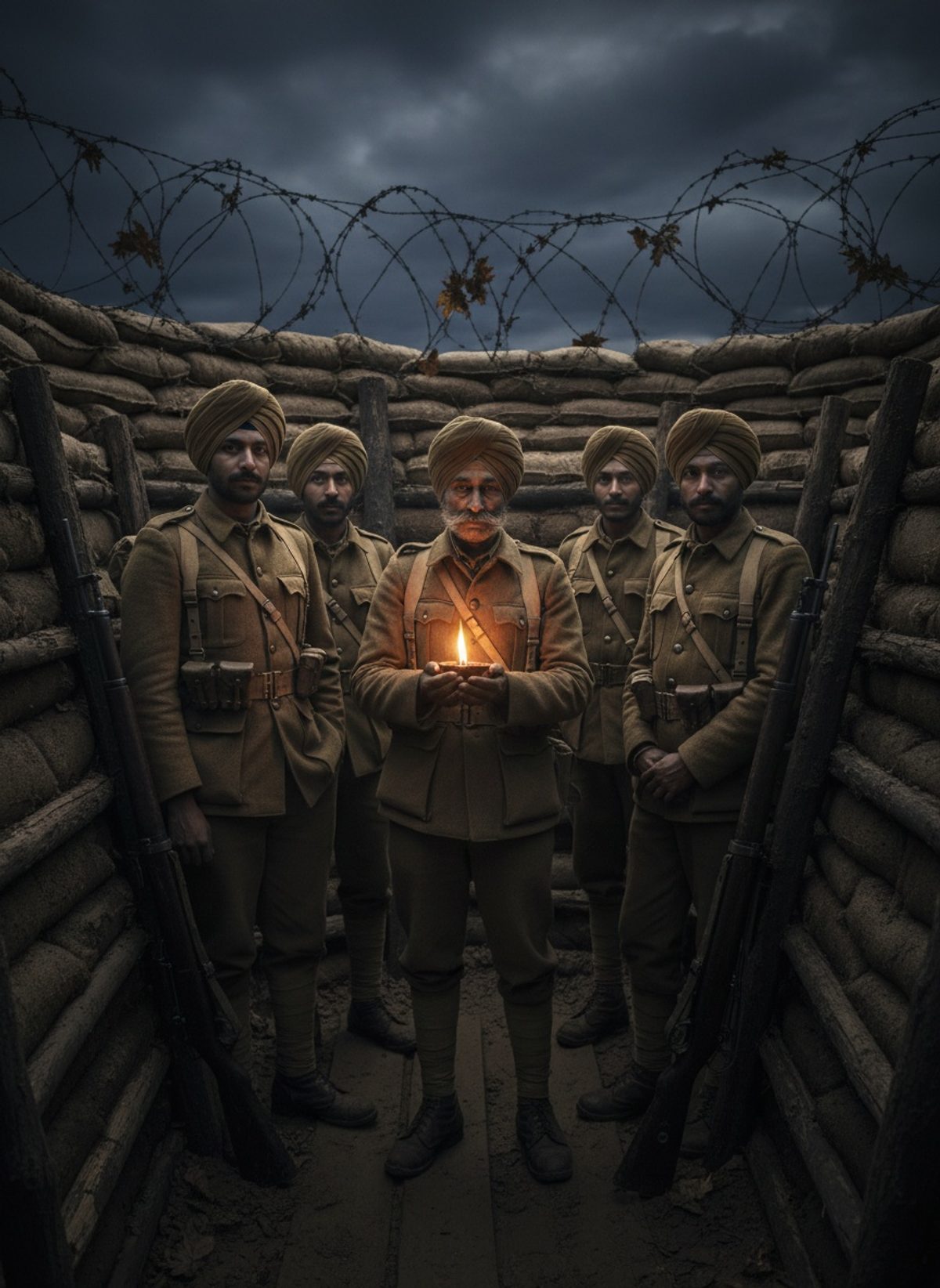
Indian soldiers far from home. Cold French mud under their boots. But on Diwali night, 1915, they lit what lamps they could — and the trenches glowed. The Empire had brought them here. The festival brought them home.
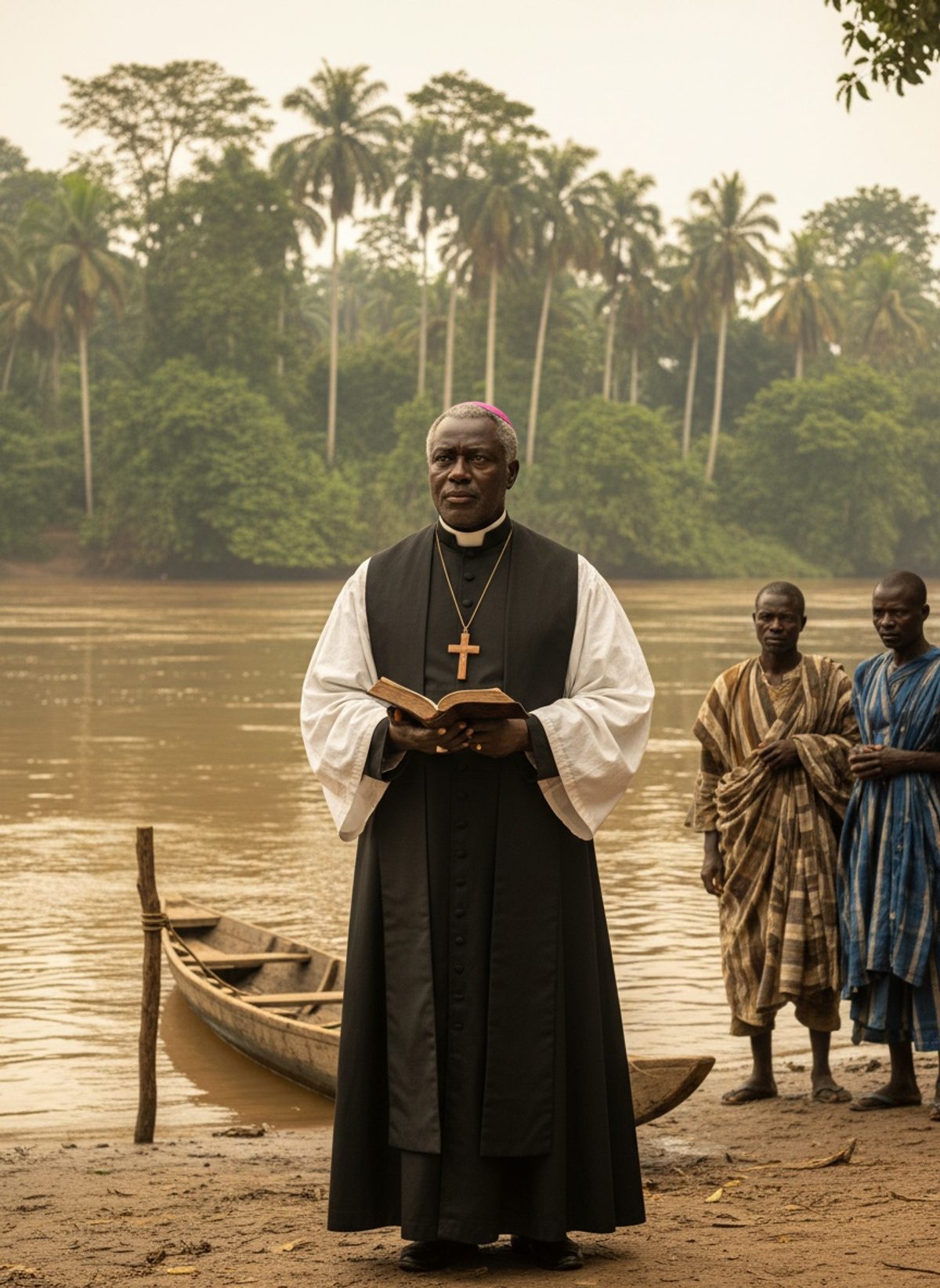
1888. The Niger Delta. Samuel Ajayi Crowther was dying. A former slave. The first African bishop in the Anglican Church. He had walked into kingdoms no European dared enter. And he had done it alone.
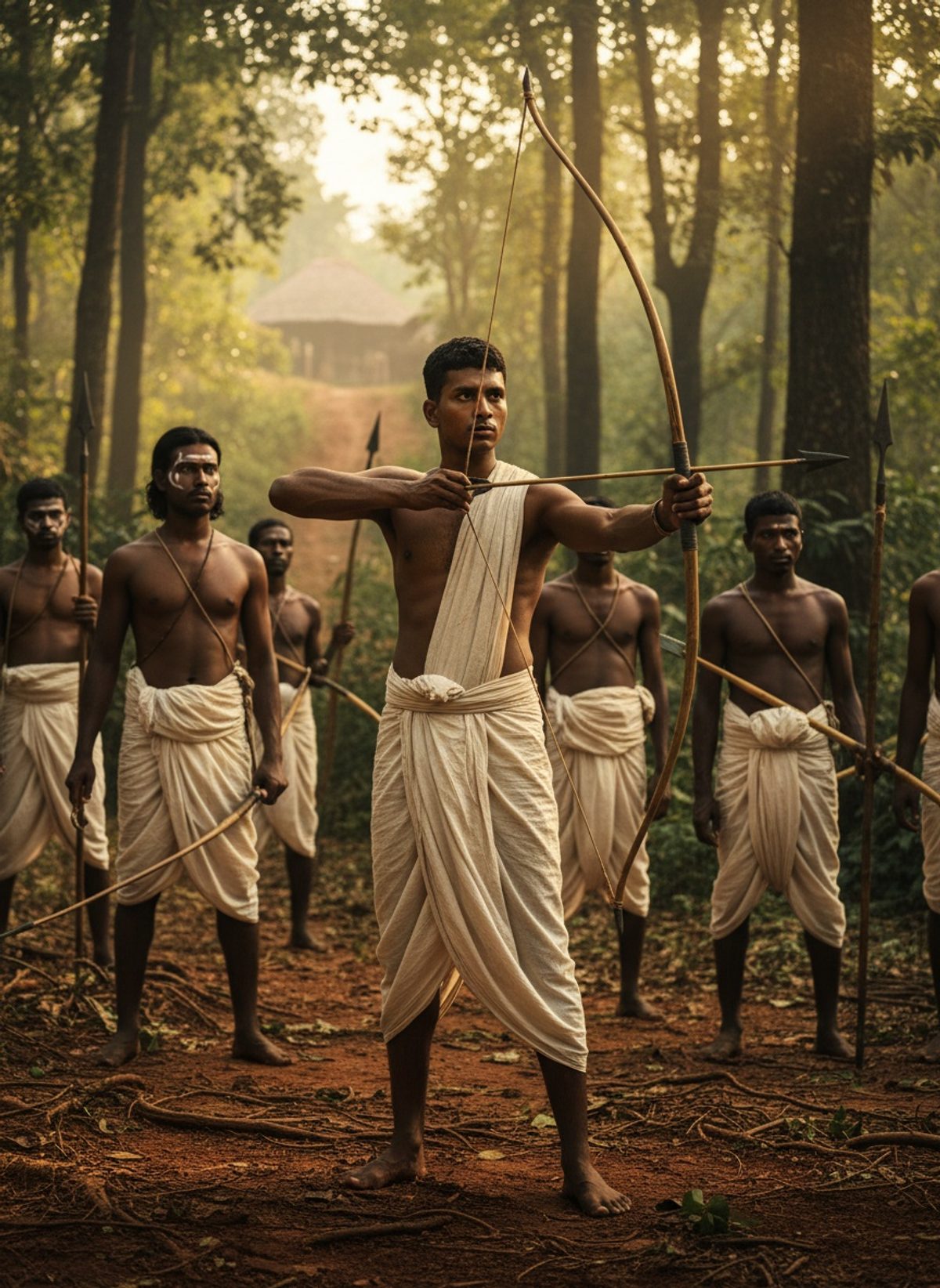
1899. Deep in the Jharkhand jungle. A young tribal leader told his people to pick up bows. The British had taken their land. Birsa Munda said no. He was twenty-five years old. He shook an empire.
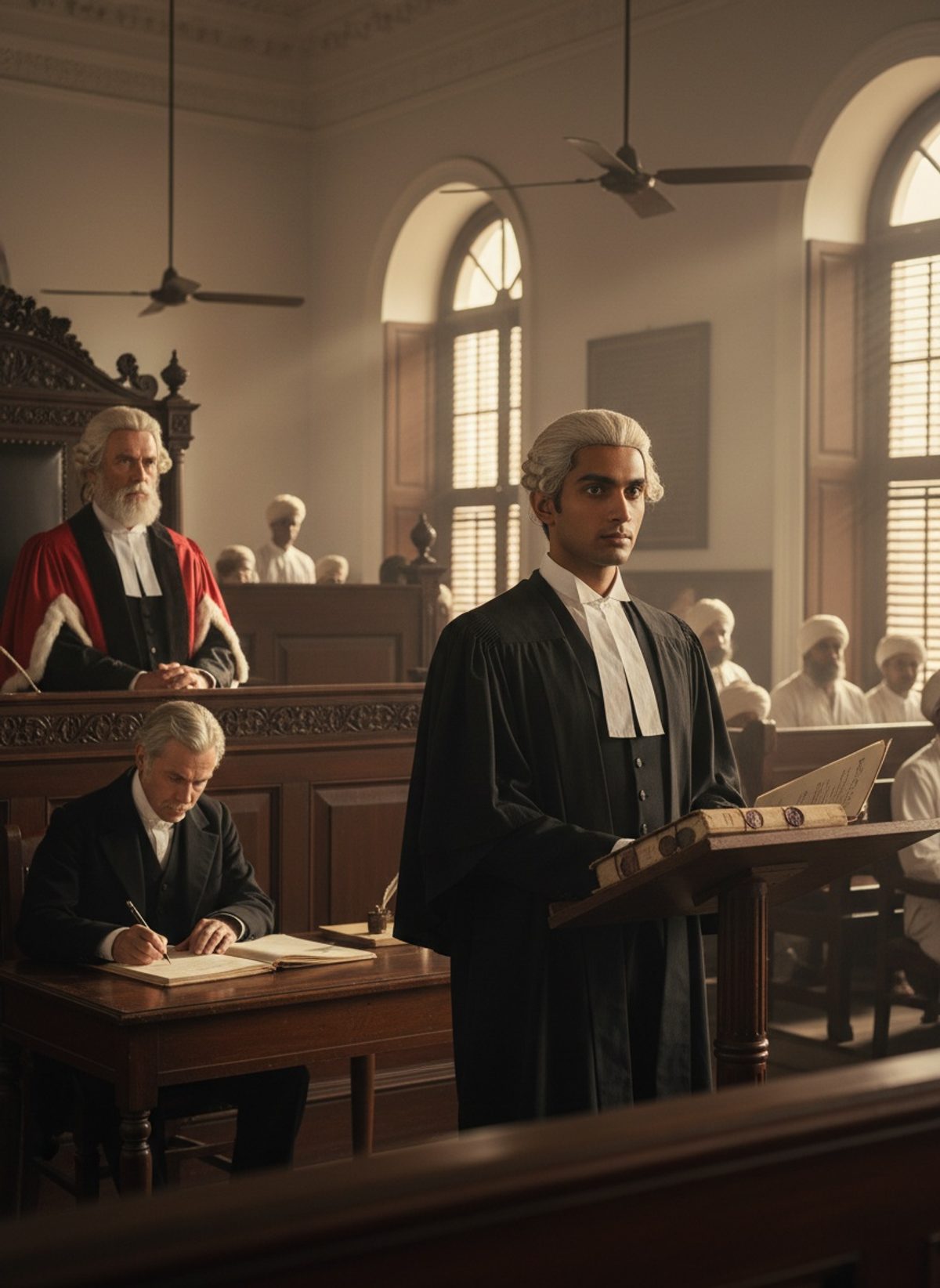
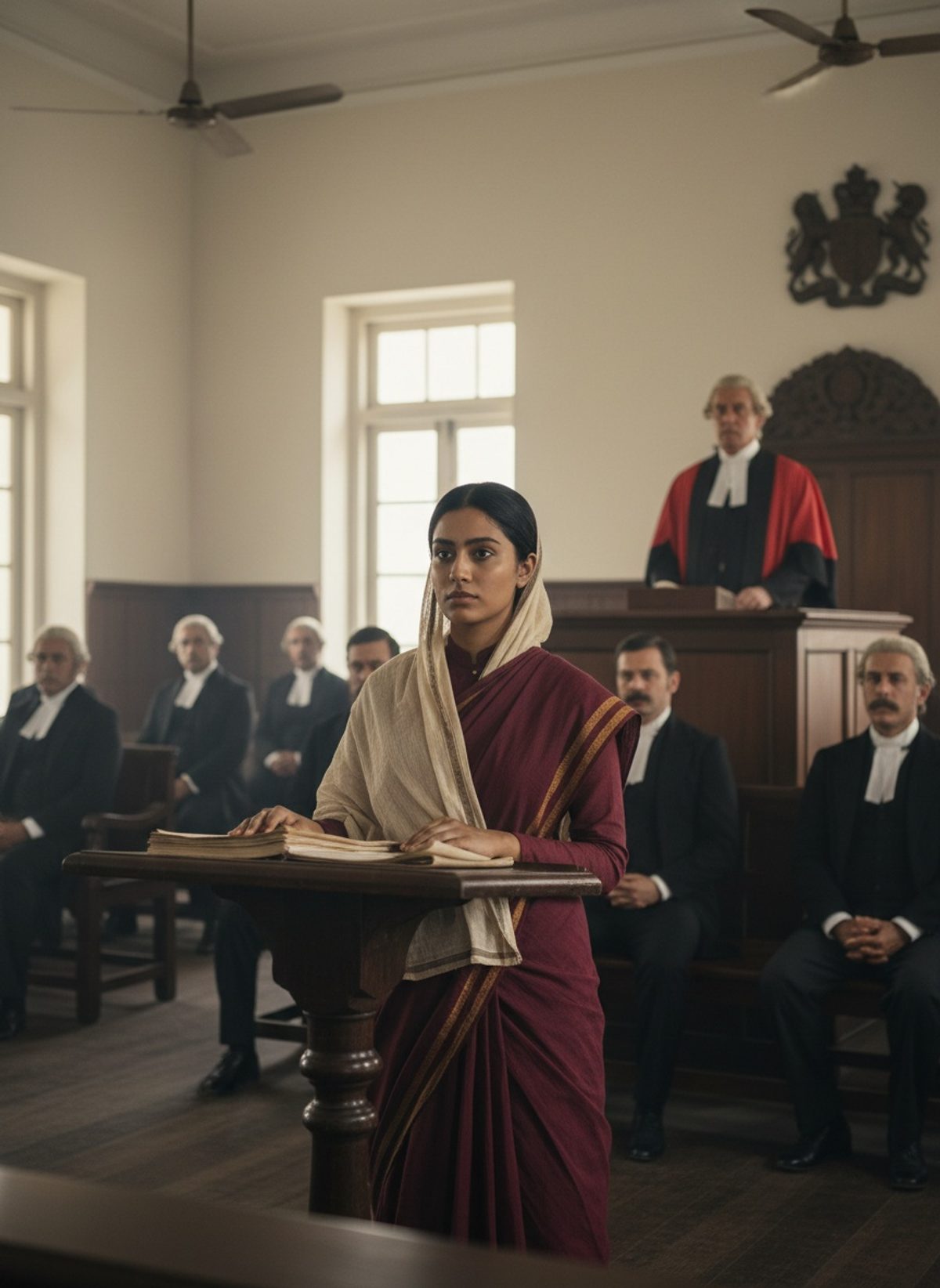
Allahabad, 1896. A young Indian woman stood in a British courtroom. No woman had ever argued a case before. She was not permitted to practice law. She argued anyway. She won. The purdahnashin widow kept her land.
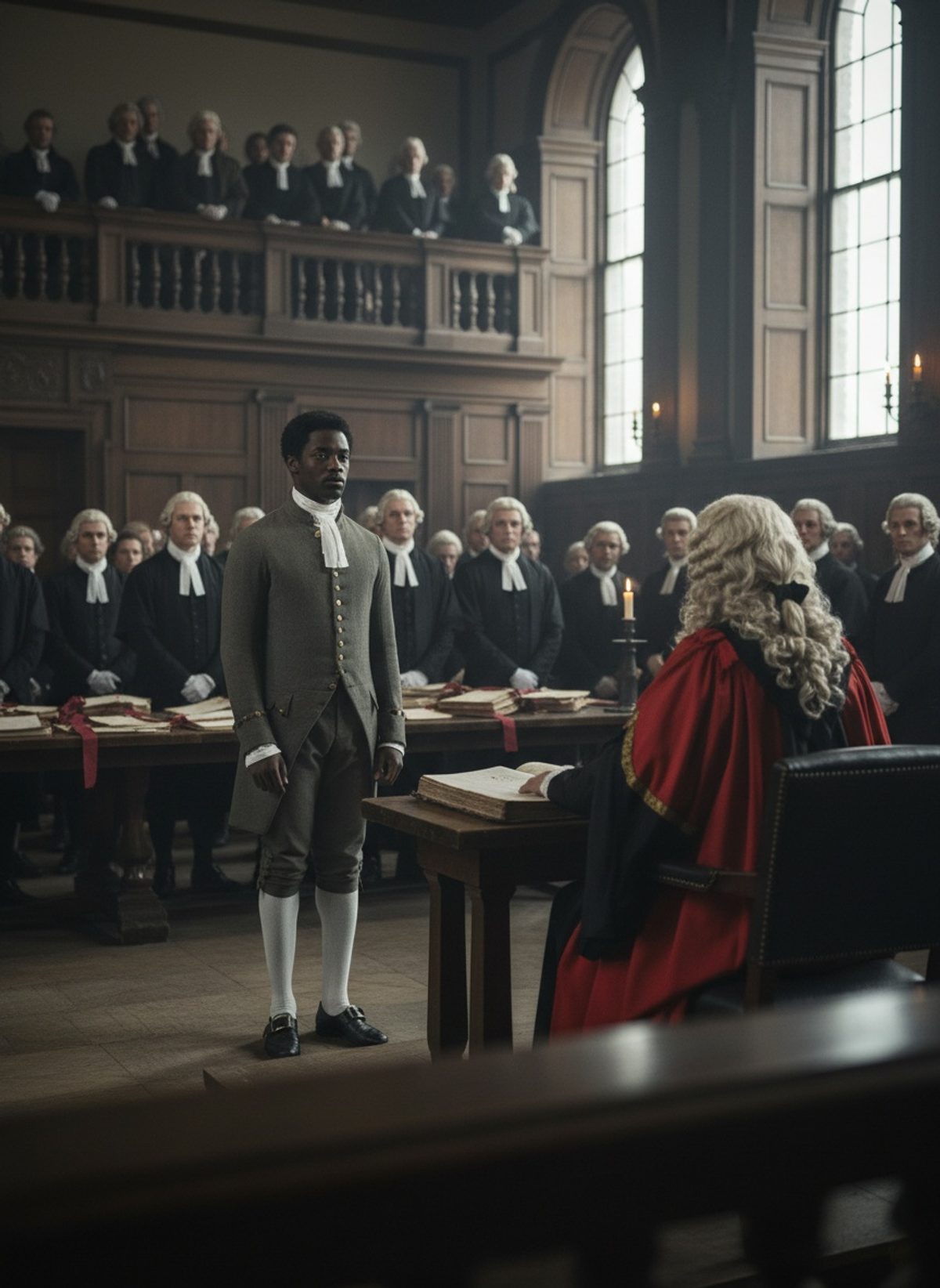
London. 1772. James Somerset had been a slave. His master demanded he be returned. Lord Mansfield opened his mouth. The courtroom held its breath. One sentence ended slavery on English soil forever.
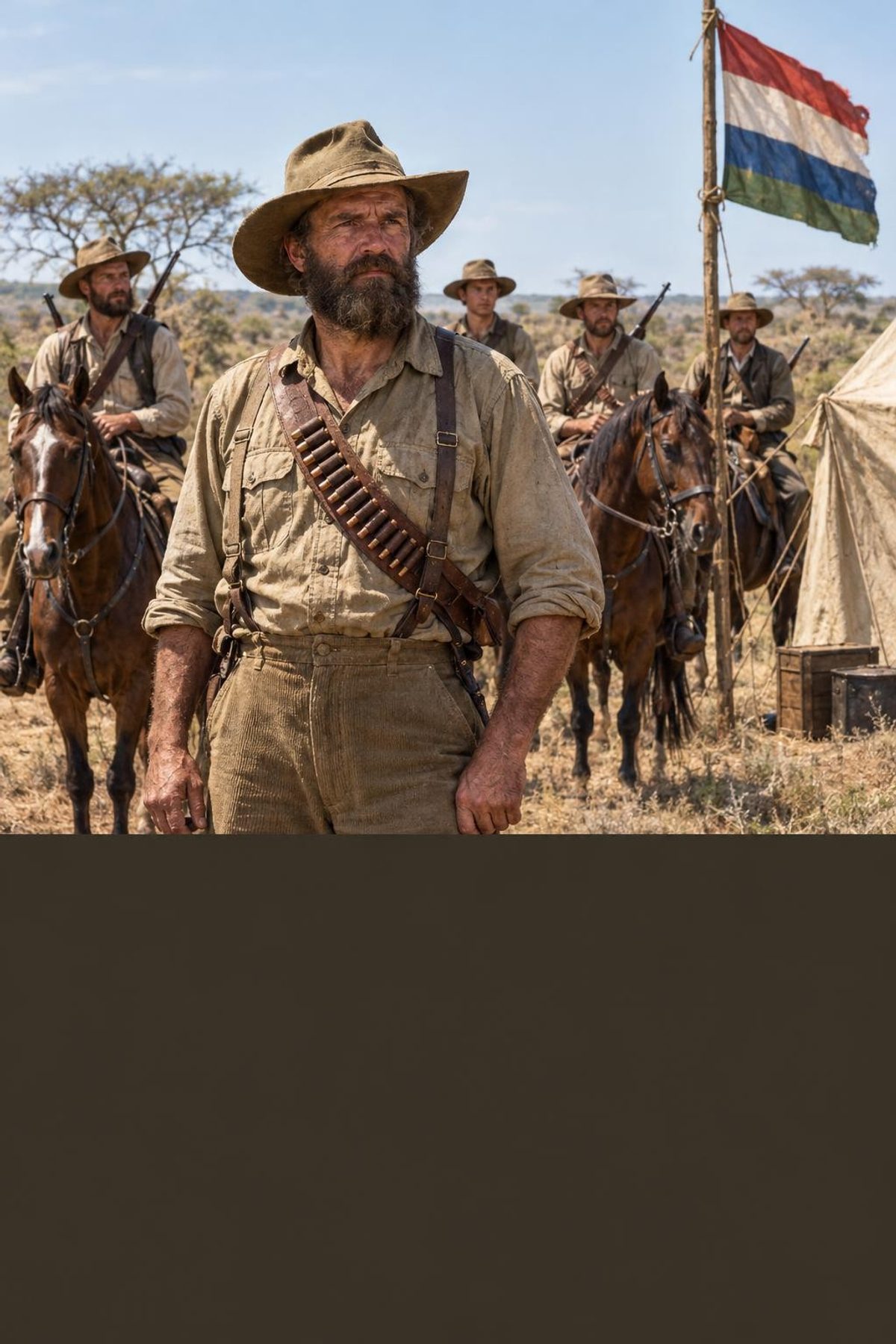
October 1914. South Africa had just joined the war on Britain's side. General Manie Maritz refused. He crossed to the enemy. Took his men with him. Raised the old Boer flag. Told Pretoria it was over.
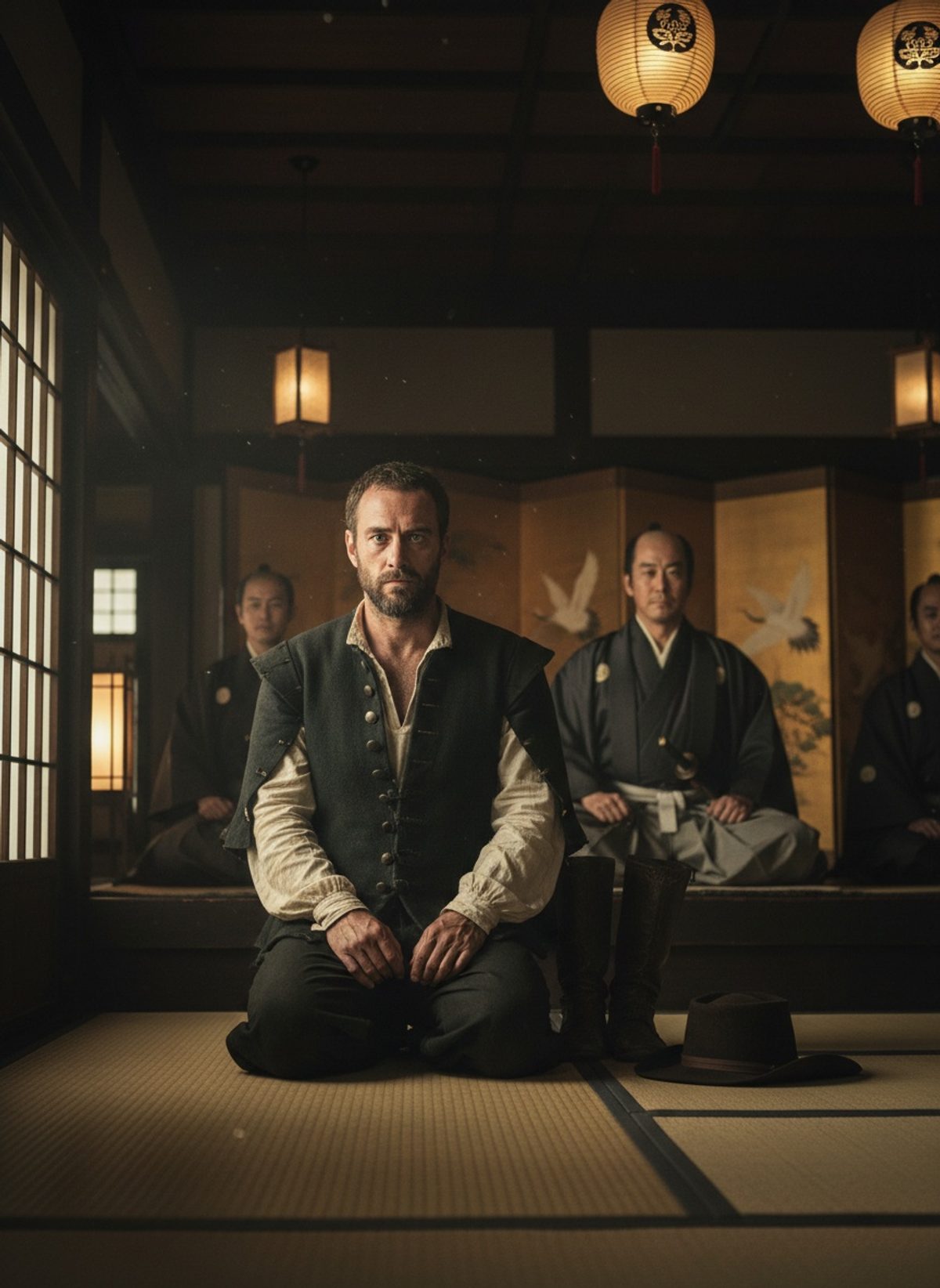
1600. A Kent-born sailor washed ashore in Japan. Half-dead. Shipwrecked. His crew broken. Tokugawa Ieyasu summoned him. Adams spoke plainly. The Shogun listened. He never went home.
11 June 1982. Mount Longdon. The platoon commander is wounded. Sergeant Ian McKay takes over and charges the machine-gun bunker. He is awarded the Victoria Cross.
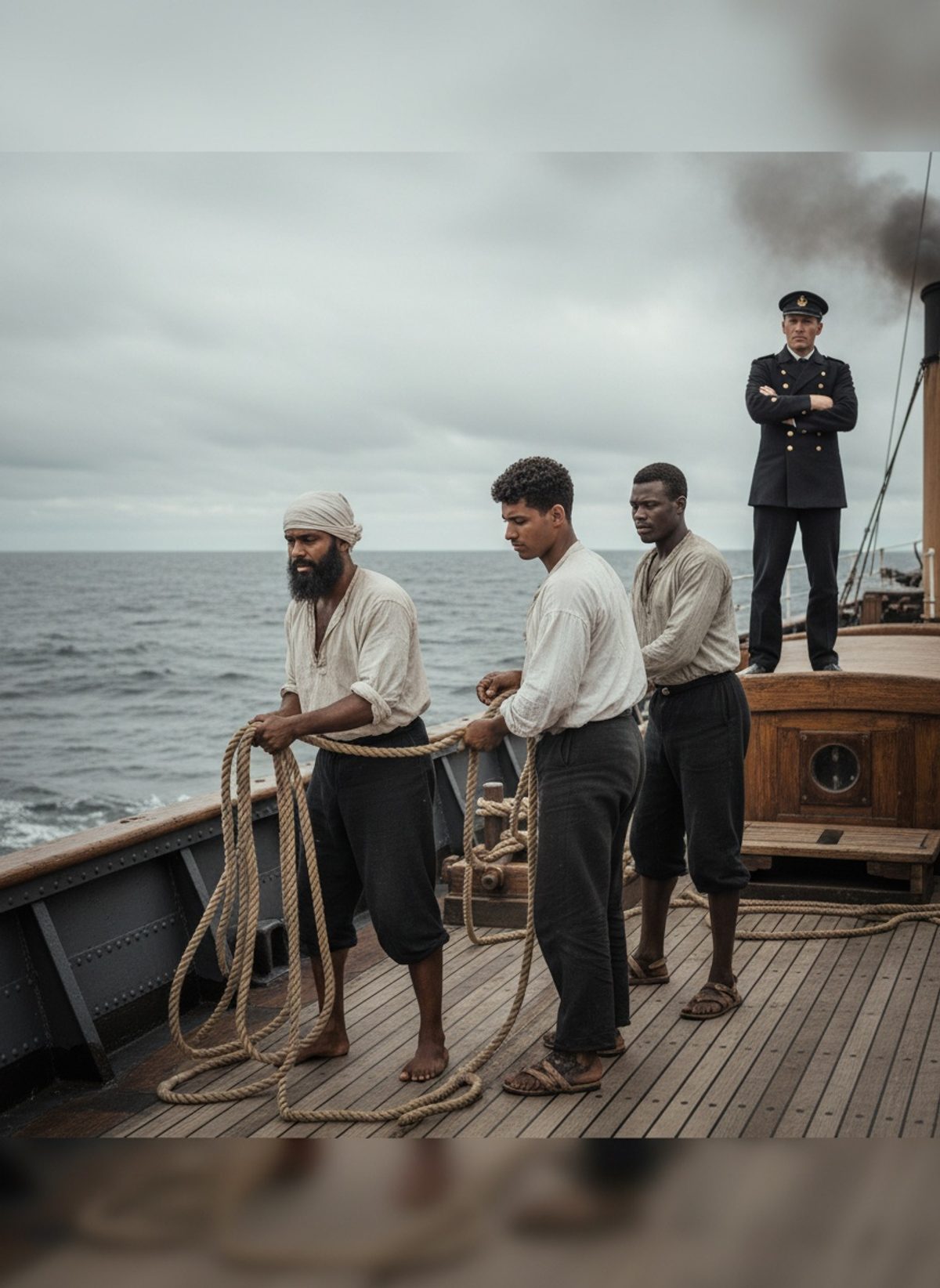
They sailed every ocean under the British flag. They hauled cargo, worked the rigging, survived the storms. But when the ship docked in London, they were left on the dockside with nothing.
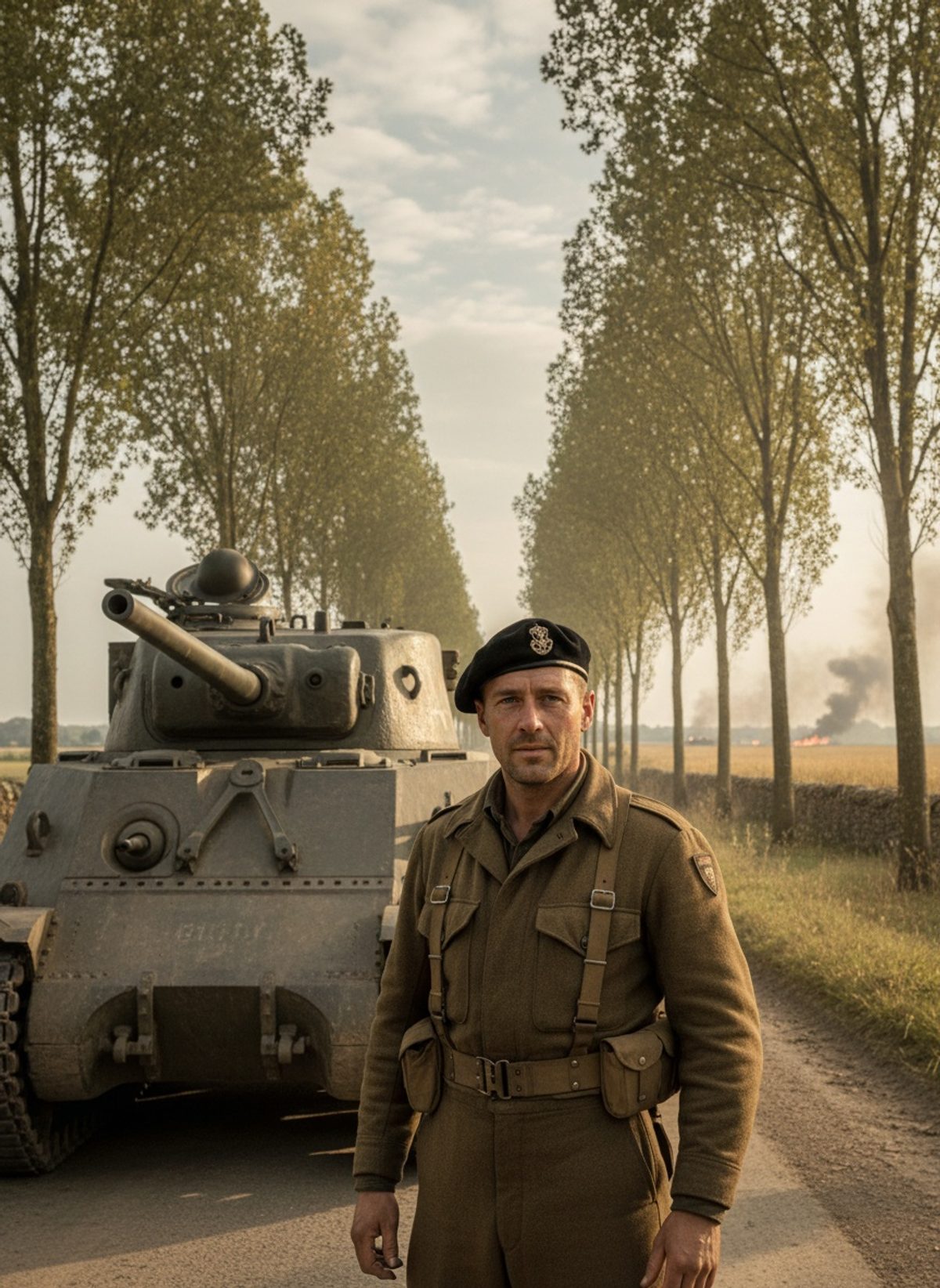
August 1944. A Sherman tank commanded by a British sergeant fires on an abandoned German King Tiger north of Paris. That tank survives. It sits in a museum today.
1843. The immigrant ships kept coming. Women arrived at Sydney Cove with nothing. No work. No shelter. No food. Caroline Chisholm met them at the dock. She walked them inland herself. Fed them. Found them homes.
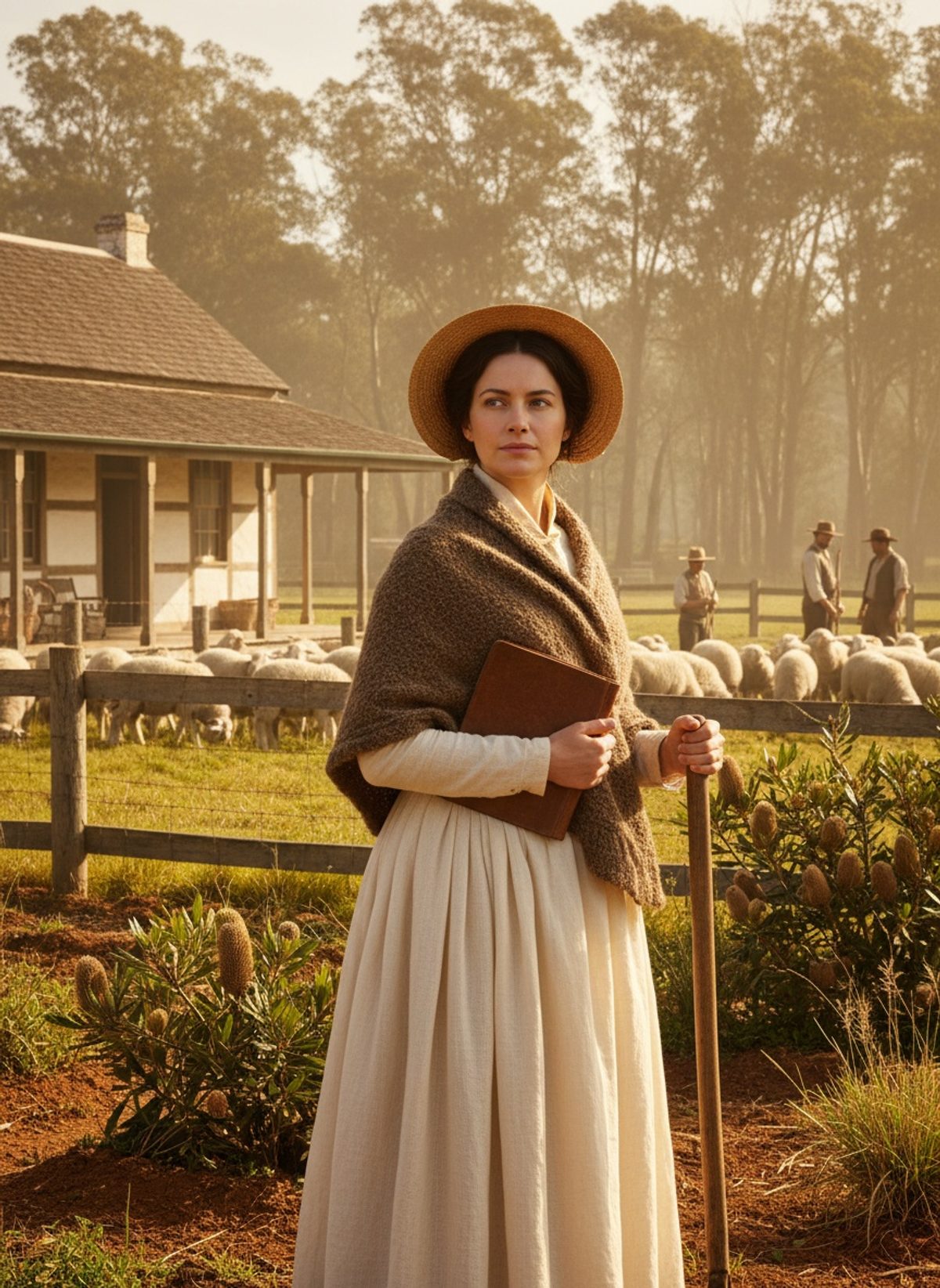
1841. Elizabeth Macarthur was eighty years old. Her husband was long dead. Her sons were gone. She walked the orchard alone. She had built a colony from wool and silence. She outlasted them all.
1215. A meadow beside the Thames. Reluctant barons forced a king to sign. Eight centuries later. Courts on six continents still open with those same words. One document. The world entire.
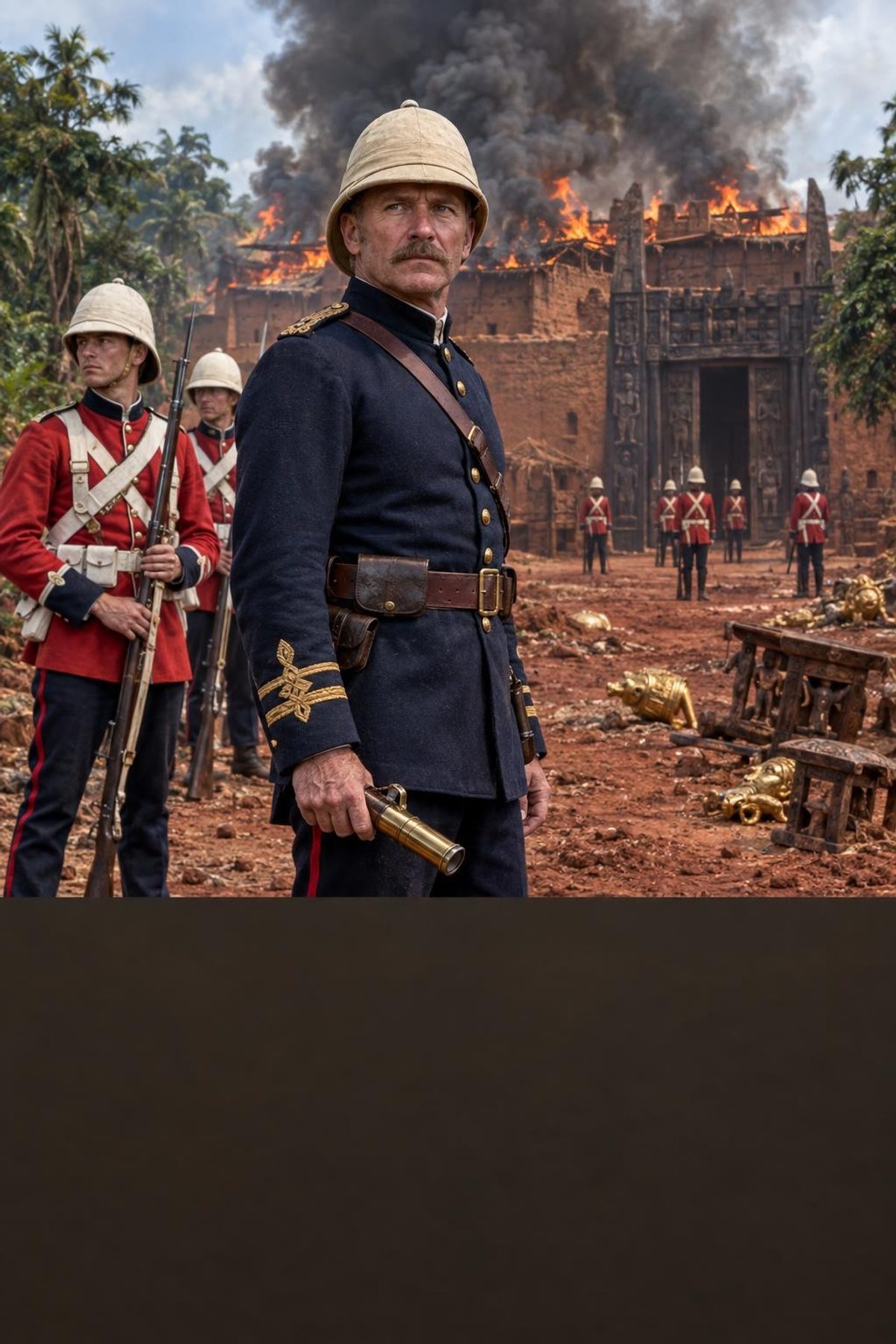
February 1874. The Ashanti capital had never fallen. General Wolseley gave his men four hours. They stripped the palace of gold. Then they lit the fires. Kumasi burned to the sky.
8 June 1982. Sir Galahad is bombed off Fitzroy. 48 men aboard are killed, 32 of them Welsh Guards. Simon Weston, aged 20, survives. He spends his life helping others.
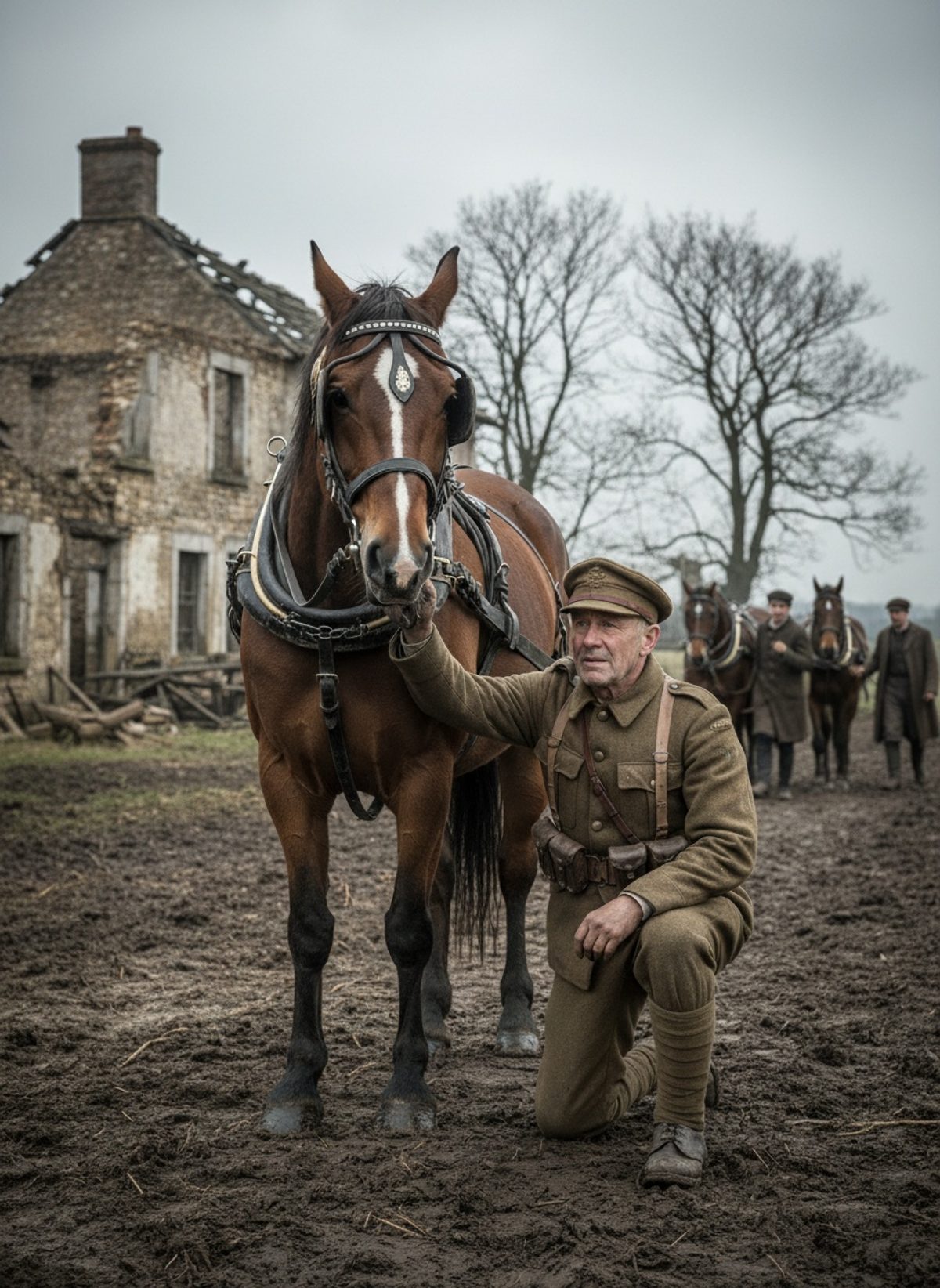
Over 160,000 British war horses served on the Western Front. When the guns fell silent, most never came home. They were sold. Some to French farmers. Some to slaughterhouses. Britain forgot them.
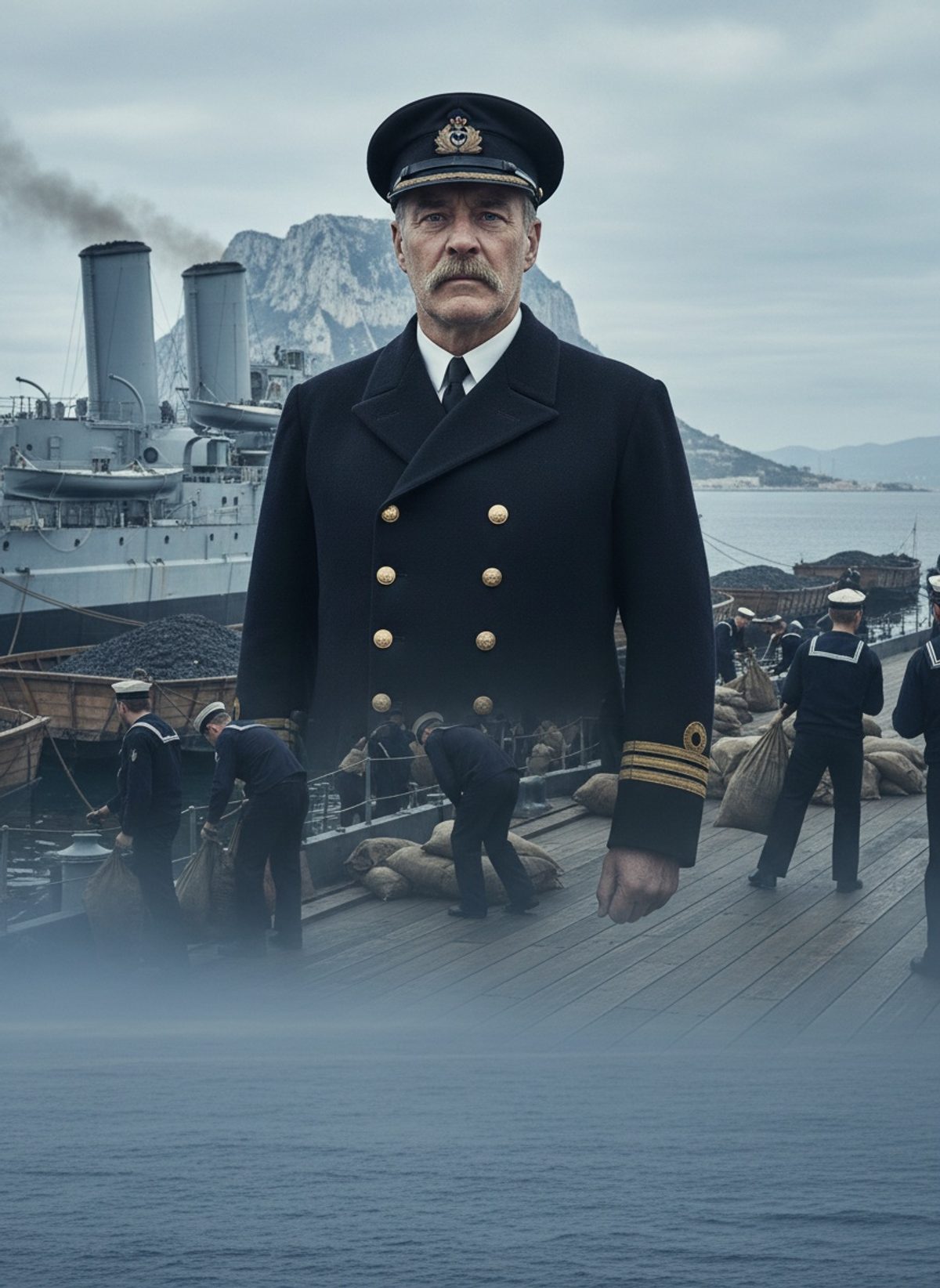
November 1914. HMS Inflexible paused at Gibraltar for coal and orders. Days later, she hunted the German Pacific Squadron into the South Atlantic. The brief stop became the hinge of an empire's revenge.
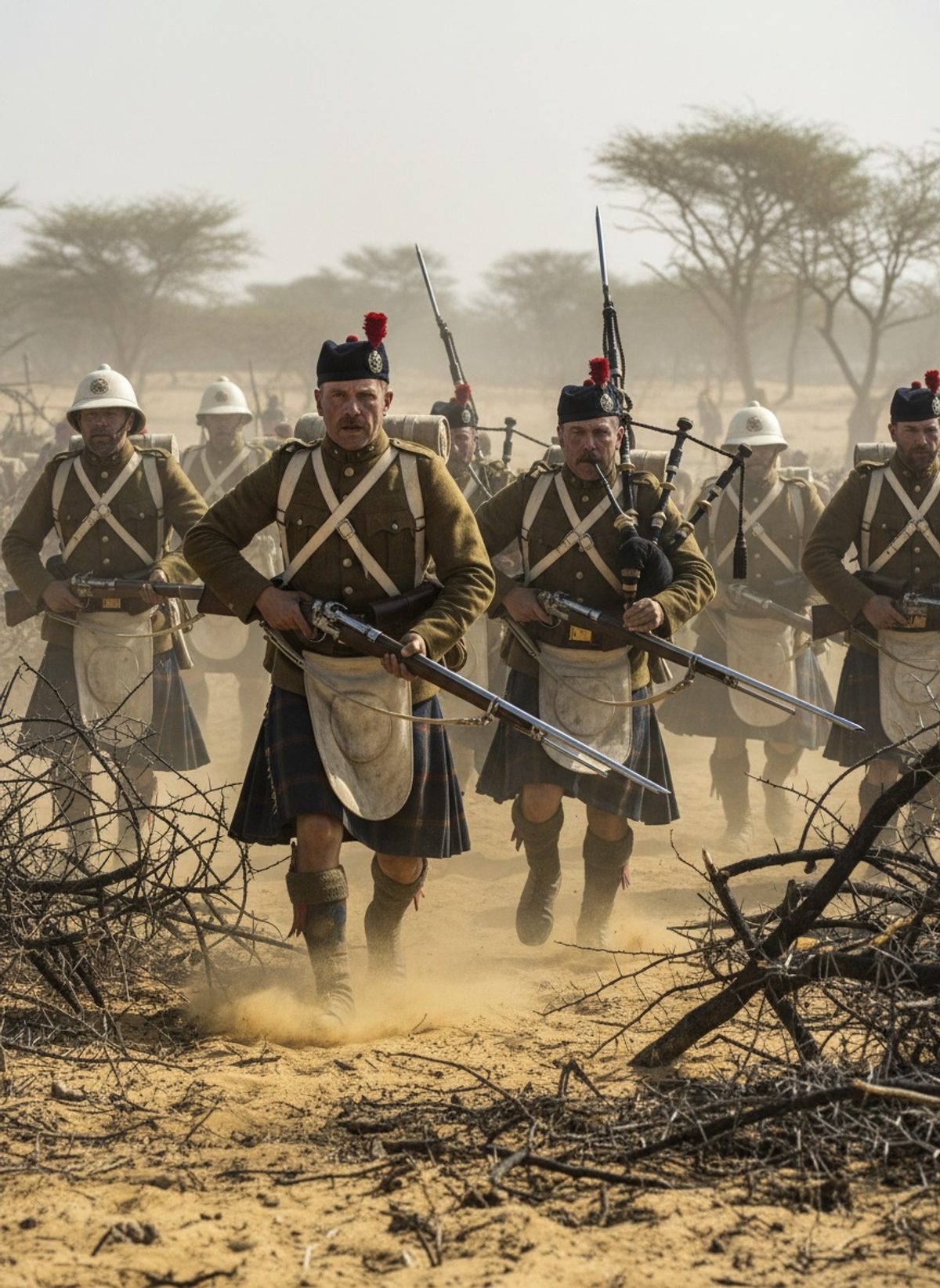
April 1898. The Black Watch fixed bayonets at Atbara. The pipes screamed. Kitchener's men hit the zariba at dawn. The Highlanders went in first — kilts, steel, and noise the desert had never heard.
1215. A meadow by the Thames. A king pressed his seal into wax. Eight hundred years later. Thirty legal systems across five continents still open with those same words. One document. One island. The world.
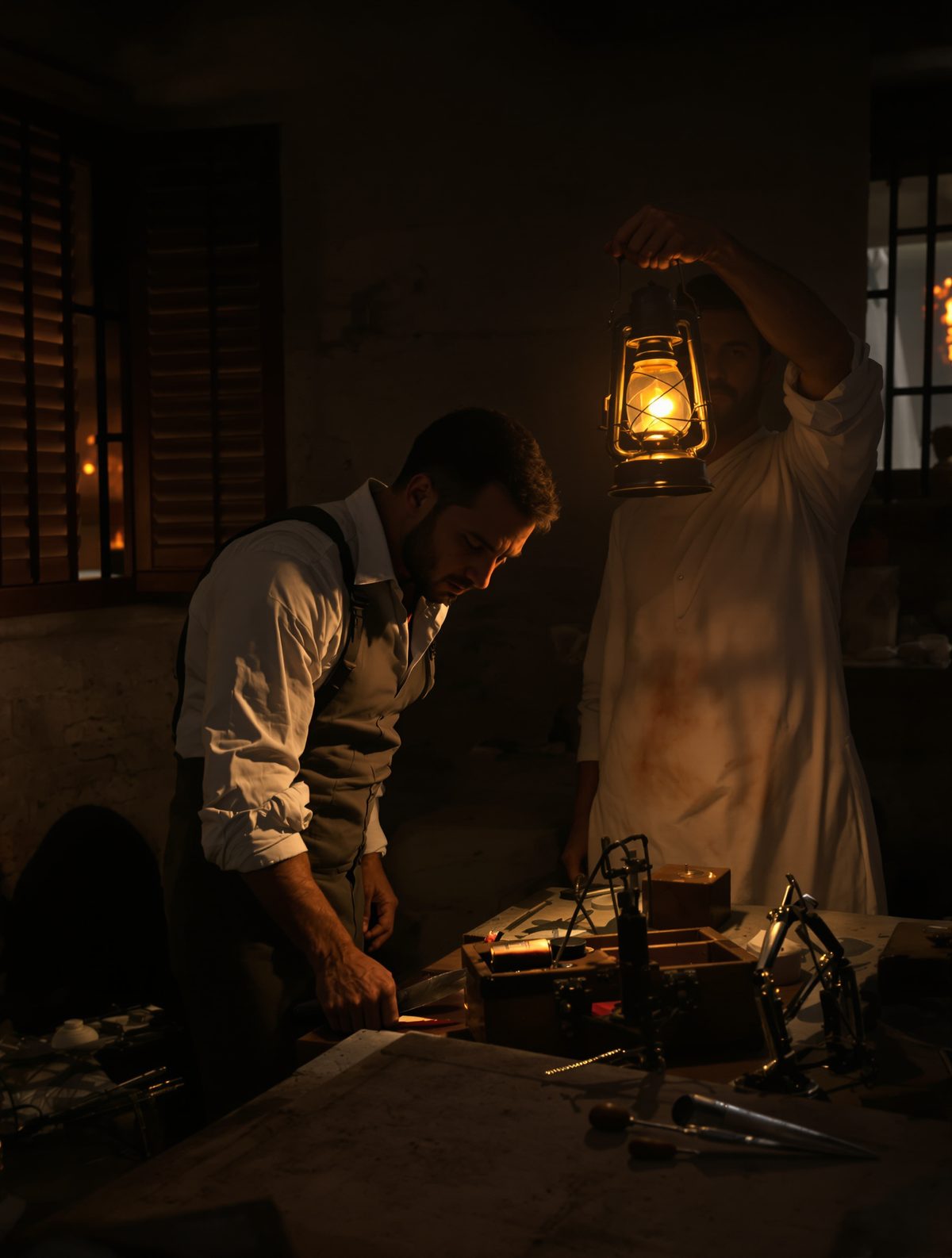
Lucknow, 1857. The Residency was surrounded. Surgeon Thomas Reade worked through the night. No proper instruments. No morphine. Men screaming outside. He operated by lantern light. He saved eleven men before dawn.
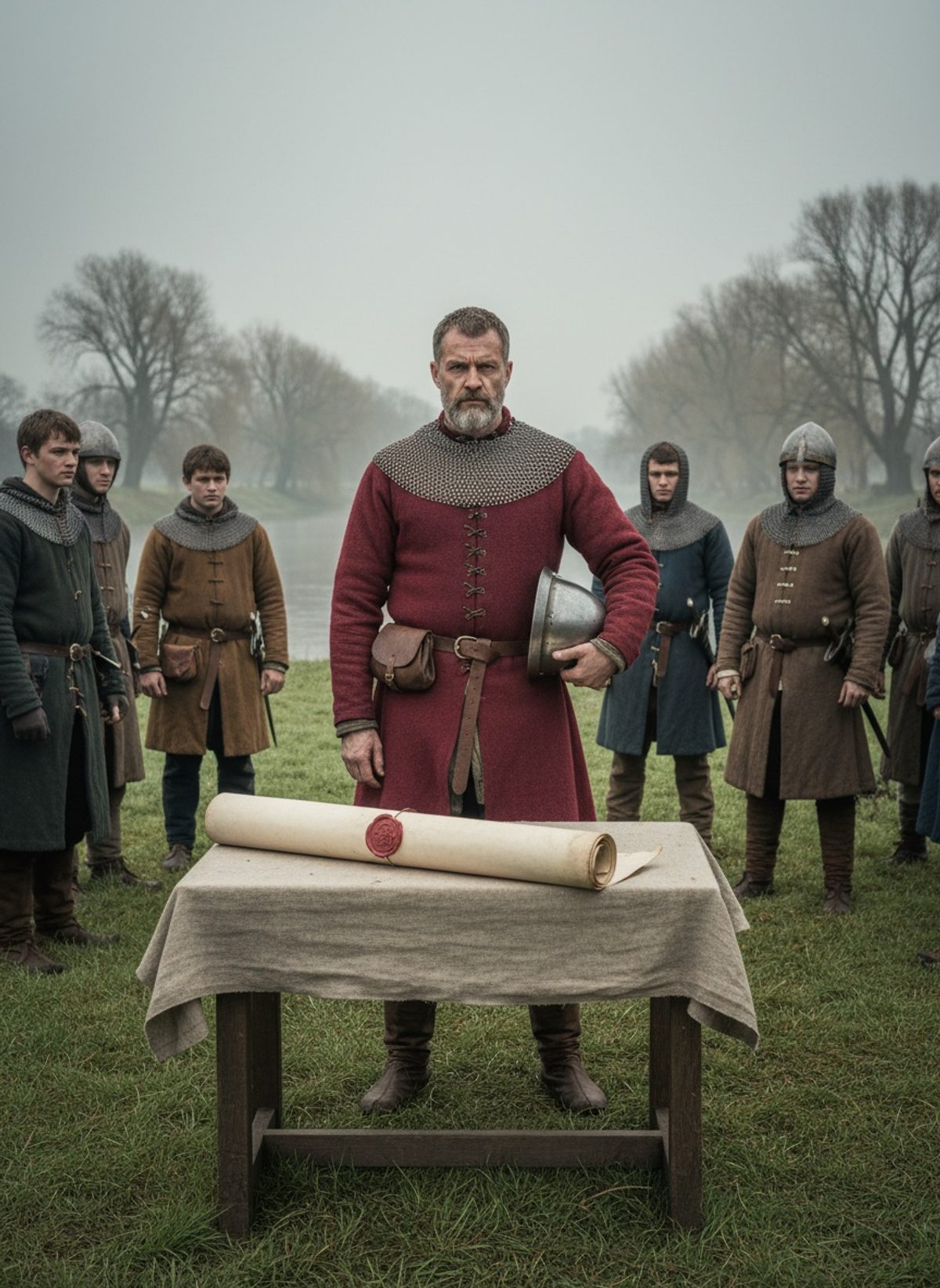
1215. A king knelt at Runnymede. He signed. Twelve ordinary men would now decide a man's fate. Not a lord. Not a bishop. His neighbours. That principle crossed every ocean the empire ever sailed.
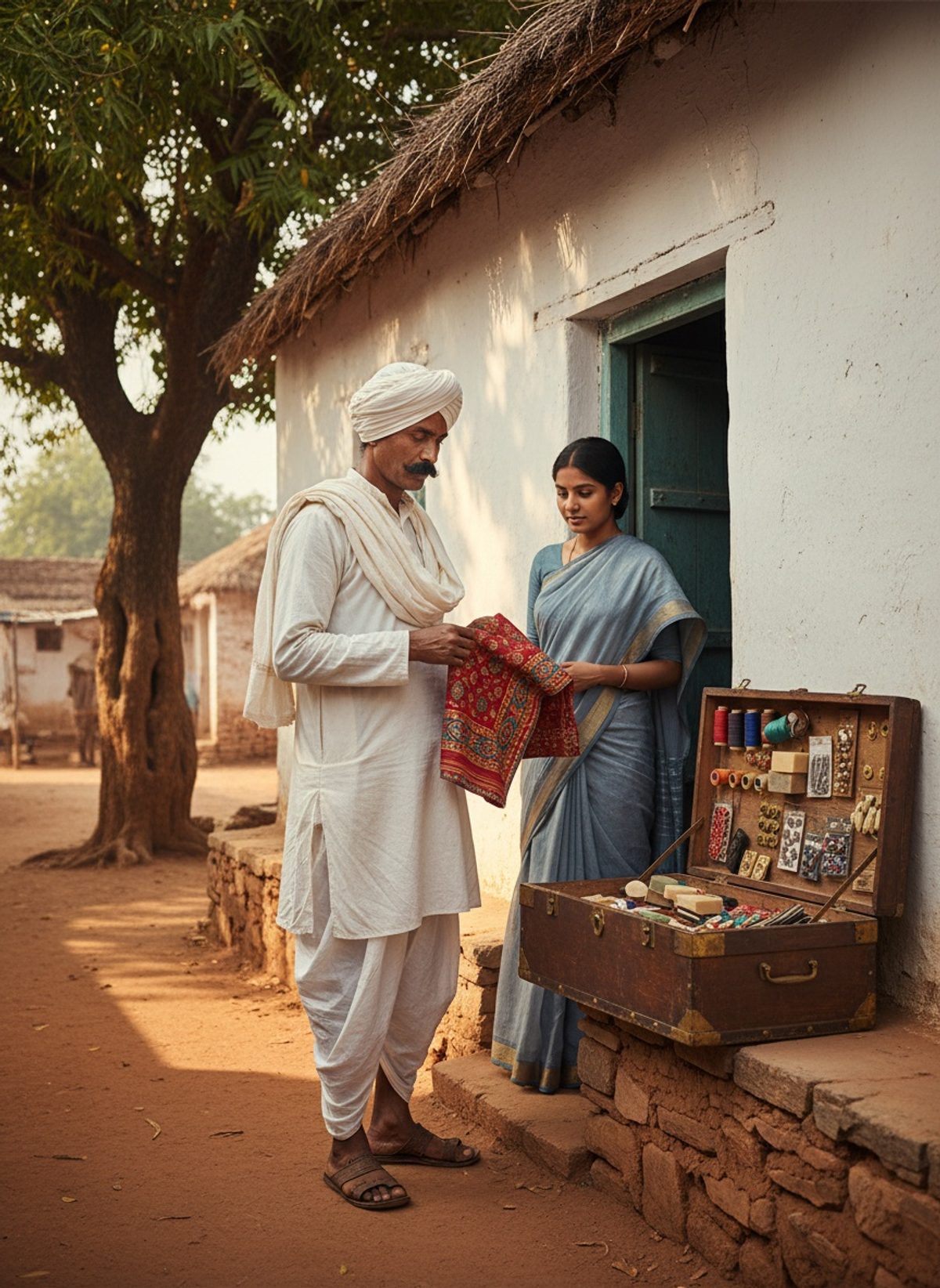
India, 1880. He carried everything on his back. Needles. Cloth. Soap. He walked village to village across the dust. No shop. No fixed price. Just a man, a box, and trust built over decades.
Hand-picked from Britain Untold's archive. The stories you weren't taught at school. 3-minute read.
No spam. Unsubscribe in one click. We hate spam too. Privacy Policy.