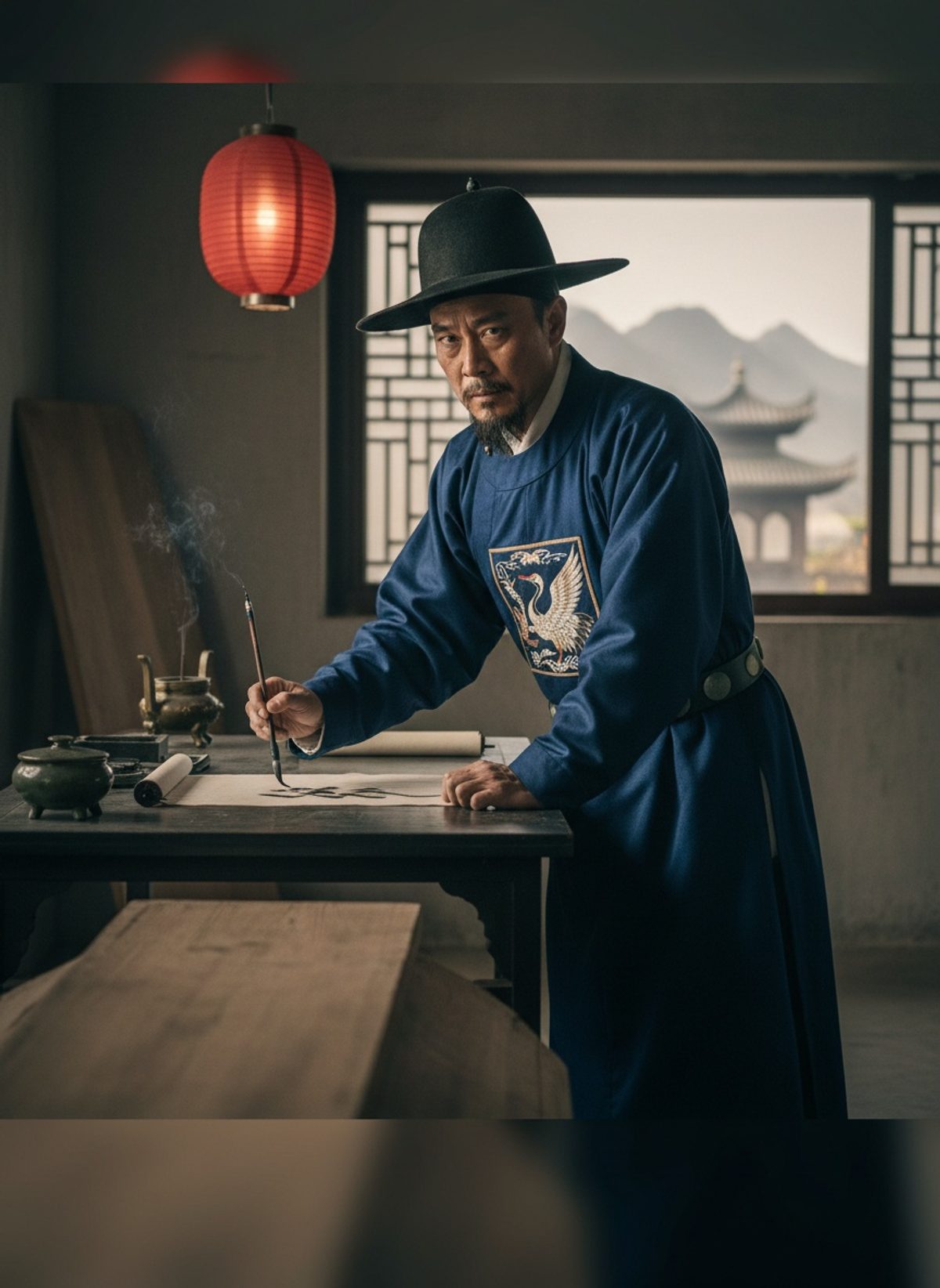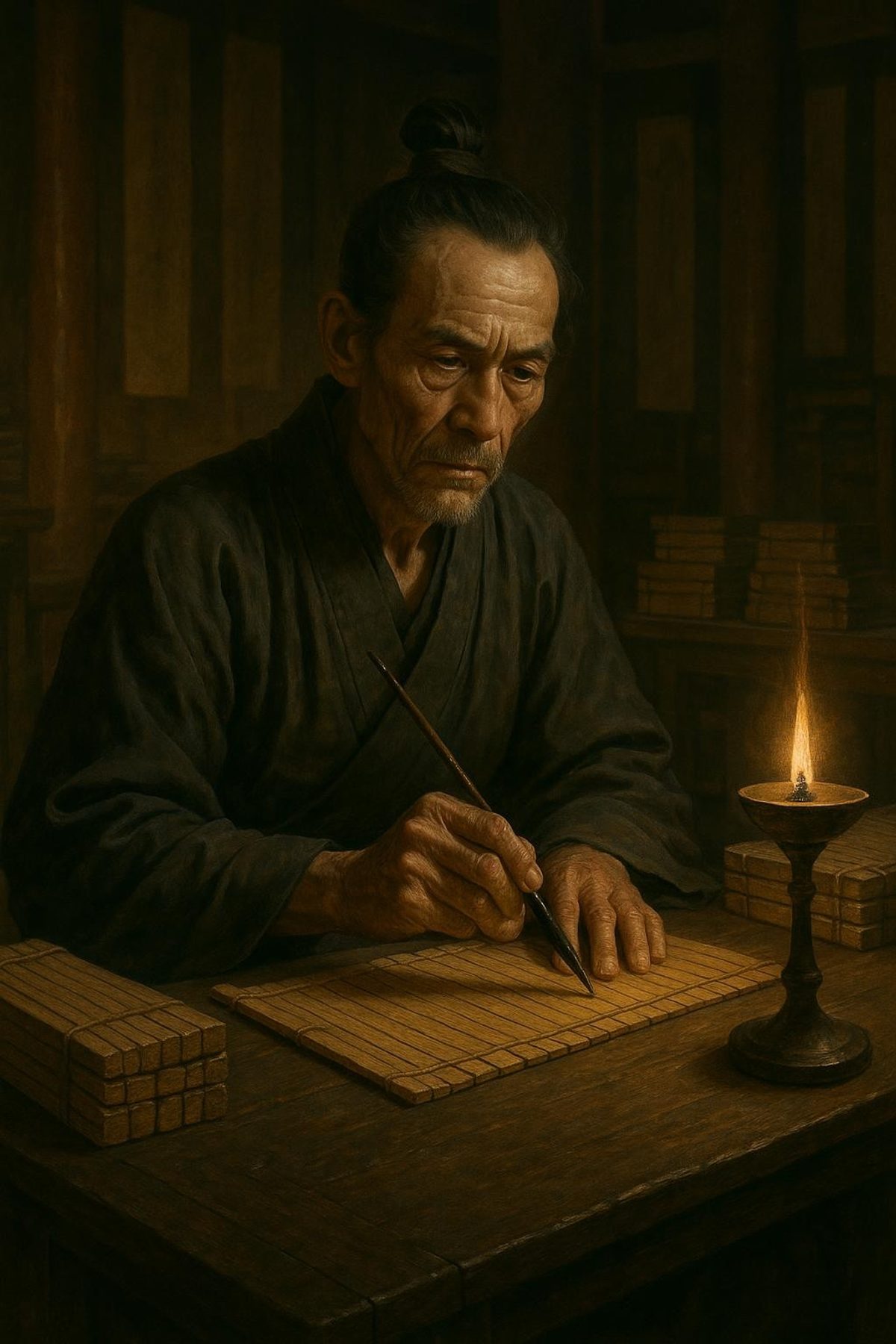
1402 AD. The room was silent, save for the sound of ink drying on silk.
The Usurper's Demand
The imperial court of the Ming Dynasty had never seen a day like this. Zhu Di, the newly crowned Yongle Emperor, had seized power through a brutal civil war known as the Jingnan Campaign. Like a tidal wave crashing against the Great Wall, he had overthrown his nephew, the Jianwen Emperor, and claimed the Dragon Throne for himself. Now, ruling from the celestial halls of Nanjing, the usurper sought legitimacy above all else. In his view, one final task remained: a proclamation that would cement his rule and rewrite history, silencing any whisper of illegitimacy.
He needed a scholar of great renown to lend credence to his declaration. His eyes turned to Fang Xiaoru, a revered Confucian scholar who had served with distinction under the deposed Ming regime. Known across China as a man of integrity and a profound moral compass, Fang Xiaoru had carved his name into the annals of scholarship and state service. If Zhu Di could persuade him, the usurper’s proclamation would carry the weight of heaven itself.
The Scholar's Defiance
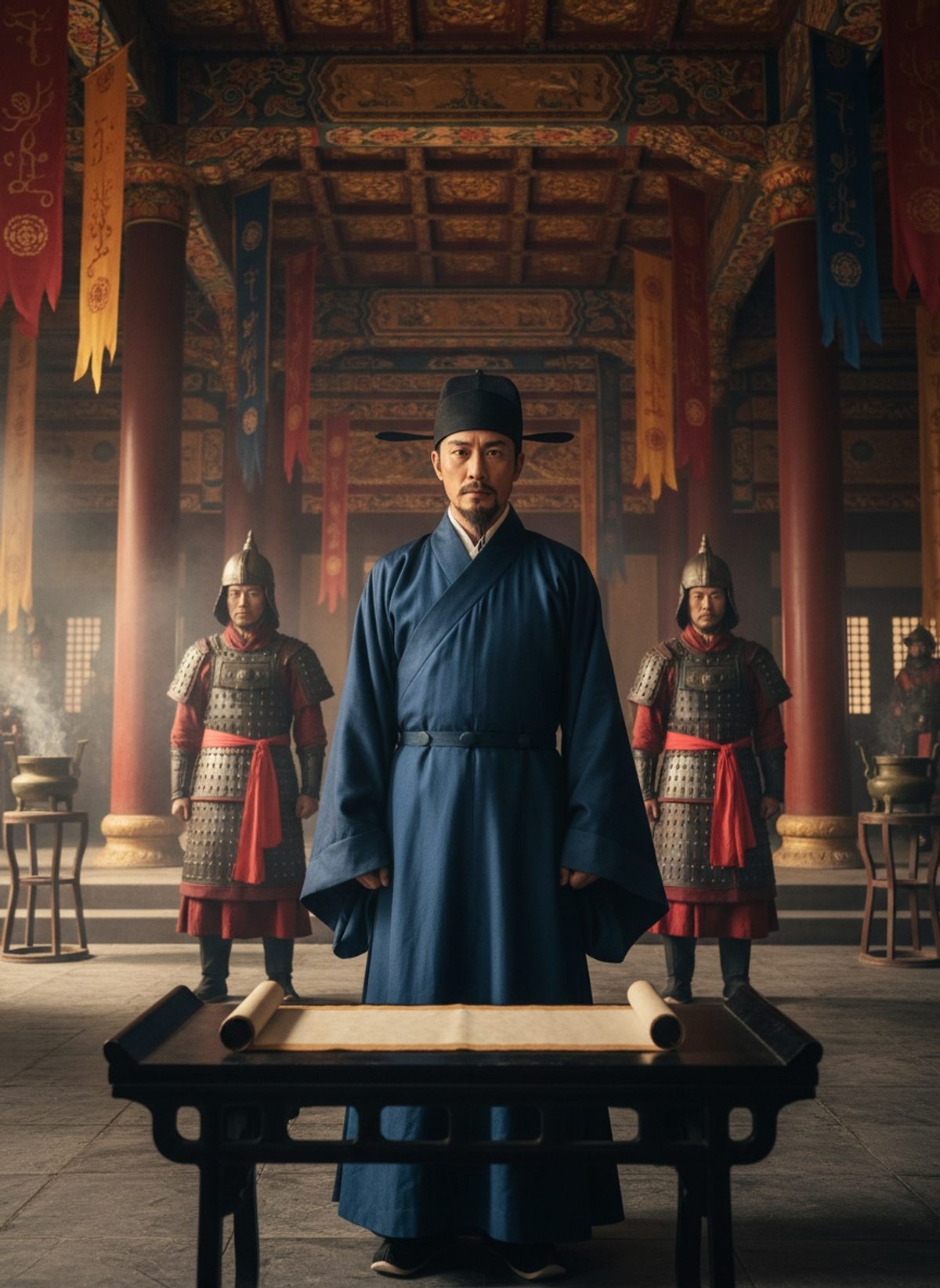
Fang Xiaoru was summoned to the grand hall where Zhu Di awaited, flanked by officials whose loyalties had already shifted with the tides of power. Richly embroidered silk tapestries adorned the walls, the room filled with the smell of incense burning softly in the bronze censers. A brush sat ready at the center of the table, ink beside it, awaiting the sign of reluctant consent.
Read next: Xu Xiake Walked Into the Unknown. He Never Stopped.
"Write my proclamation," Zhu Di commanded, his voice resonating with the authority of heaven, though grounded in the blood of kin. The brush rested like an unholy scepter, but Fang Xiaoru regarded it with disdain.
Fang stood resolute. With an unyielding gaze, he locked eyes with the man who wore the imperial robe. Everyone leaned forward, breathless in the tense weight of the moment. With the brush poised in mid-air, Fang Xiaoru set it down, a silent refusal echoing louder than any shouted protest.
Refusal came at a high price in the Ming court. Zhu Di, frustrated by the impassible wall of Fang’s righteousness, resorted to the unforgiving calculus of power. He threatened not only Fang, but extended his wrath to encompass the scholar's entire family. Yet Fang, in the annals of Chinese history, stood uniquely unbending. Driven by an unwavering moral certitude, he rejected the usurper's demands, knowing fully the cost of his defiance.
Family Sacrifice
The consequence of single-handedly challenging the mightiest man in China was severe. Zhu Di decreed a punishment so unheard of, so unprecedented, that it would be recorded with horror through generations. The "extermination of ten clans" was the sentence: Fang Xiaoru was to watch as nine generations of his family, along with friends and acquaintances, faced a merciless end. It was a sentence designed not simply to end lives but to erase an entire legacy from the fabric of time.
In the vivid tapestry of Chinese history, such retribution was almost as feared as death itself. Confucian values emphasized family legacy and ancestry, the enduring bonds of one’s lineage forming the very essence of identity. Zhu Di, understanding this cultural cornerstone, unraveled it with a decree that would shake the heavens.
Yet, even in the face of such unimaginable loss, observers later recorded that Fang Xiaoru remained unbroken. He refused to pick up the brush, choosing instead to meet fate with a dignity that would inspire Chinese scholars for centuries to come. As one by one, his kin departed from this world under the edicts of a usurper, Fang Xiaoru’s formidable spirit radiated, a burning cinder of unbending loyalty to principle over power.
The Enduring Significance
Fang Xiaoru's execution and the slaughter of his descendants were not just acts of brutality; they were insurgent gestures against the usurper's consolidating authority. Zhu Di intended to erase a man and his bloodline, to send a message marked by fear. But Fang’s obstinacy told another tale—one of steadfast adherence to moral convictions in the face of overwhelming tyranny.
Why does this story, steeped in the blood and ink of a troubled dynasty, still resonate in a world far removed from Ming-era China? Perhaps it is because Fang Xiaoru’s choice echoes the universal struggle between integrity and power. In every era, individuals confront the seductive allure of capitulation against the perilous path of resistance.
Today, Fang Xiaoru remains a symbol of the ultimate sacrifice for truth. He never wrote a single word for the usurper, yet his quill has carved lessons in the hearts of those who choose courage over compliance, echoing down the corridors of time. This narrative, held close by the pages of history never taught in school, urges us to reflect on the quiet resistance that shapes the world just as profoundly as thunderous victories. Fang Xiaoru, in life and in death, stood for what was right, reminding us all of the power in the silence of a single man who chose to stand rather than to write.