Hai Rui bought a coffin. Then he dared to risk everything.
A Reign of Silence and Fear
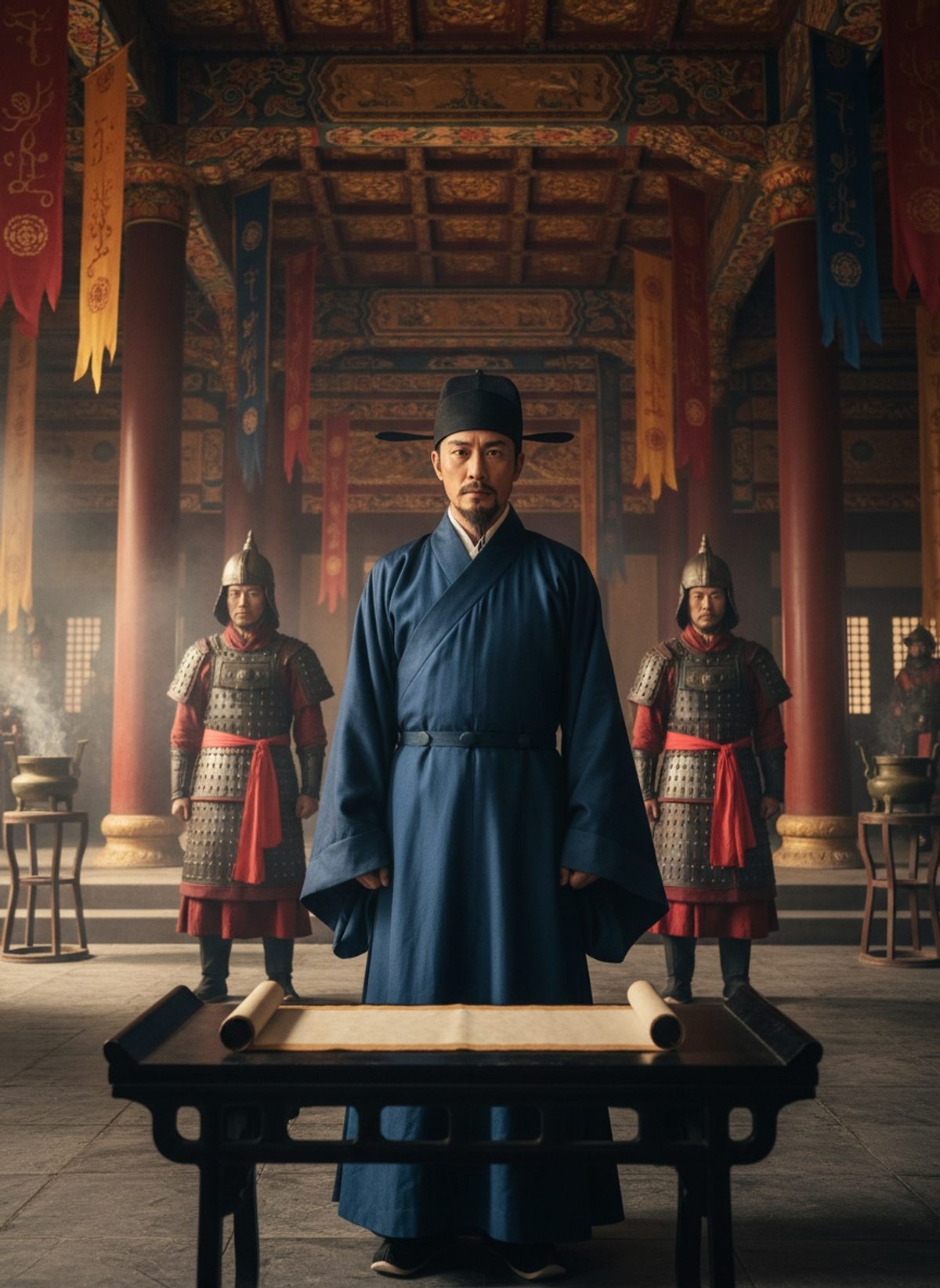
For forty years, China's Ming Dynasty had been under the shadow of the Jiajing Emperor, a ruler who demanded blind obedience and absolute devotion. The silent halls of the imperial court echoed with the unspoken fears of officials who preferred compliance over confrontation. Titles and ranks became shackles of silence, where even the eminent dared not question. The Emperor was not only an authority but a deity-like figure who wielded unchecked power. Thus, the government ran on a precarious balance of veiled whispers and hidden dissent, where truth was a luxury few could afford.
The Jiajing Emperor, seeking esoteric wisdom, had secluded himself from the grand matters of state, plunging deep into the quest for immortality. Meanwhile, his court was rife with corruption, and the empire's foundations creaked under the suffocating weight of inefficiency and neglect. Ministers internalized their grievances, fearing the wrath of an emperor whose judgment was reputedly swift and severe. In such a climate of oppression, it seemed impossible for a lone voice to break through the noise of fear — until Hai Rui decided to do the unthinkable.
The Coffin as a Catalyst
Among the many officials at court was the seemingly unremarkable Hai Rui, a man whose lowly rank belied his profound sense of justice and morality. Born to a poor family, Hai Rui was a stark contrast to the sycophants that filled the emperor's inner circle. His name, Hai Rui, would soon transcend the annals of inconsequence, becoming synonymous with courage and integrity. But first, he needed to confront his mortality.
Read next: Xu Xiake Walked Into the Unknown. He Never Stopped.
In 1565, Hai Rui prepared himself in the most somber manner imaginable; he acquired a coffin and wrote his farewell to his family. These actions were not a mere resignation to fate, but a symbolic declaration of his resolve to speak what others would not. Buying his coffin was a vivid reminder that truth can exact the ultimate price. Yet, for Hai Rui, the prospect of death was a worthy consequence for the chance to uncloak the deception that choked his homeland.
The Letter that Shook the Emperor
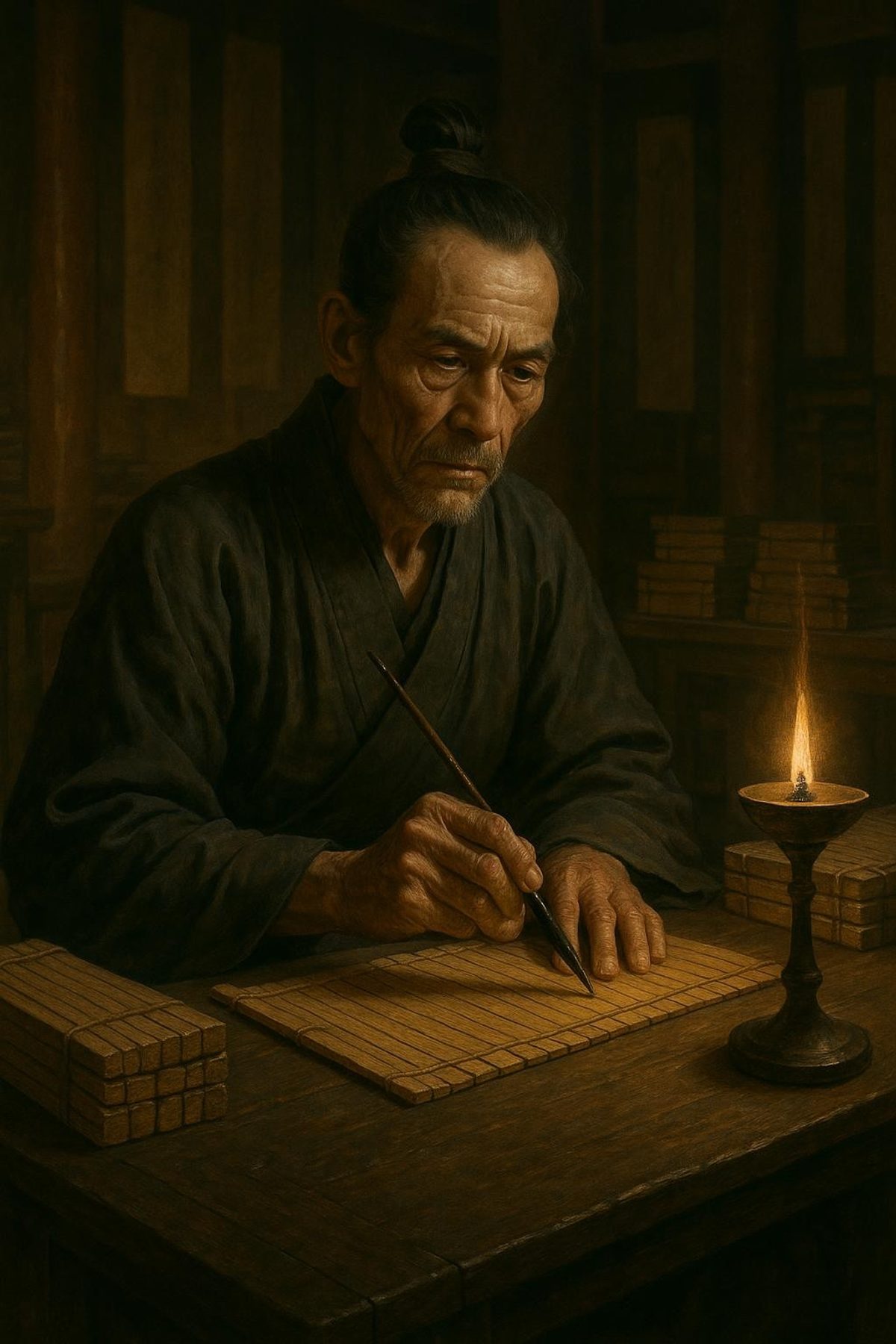
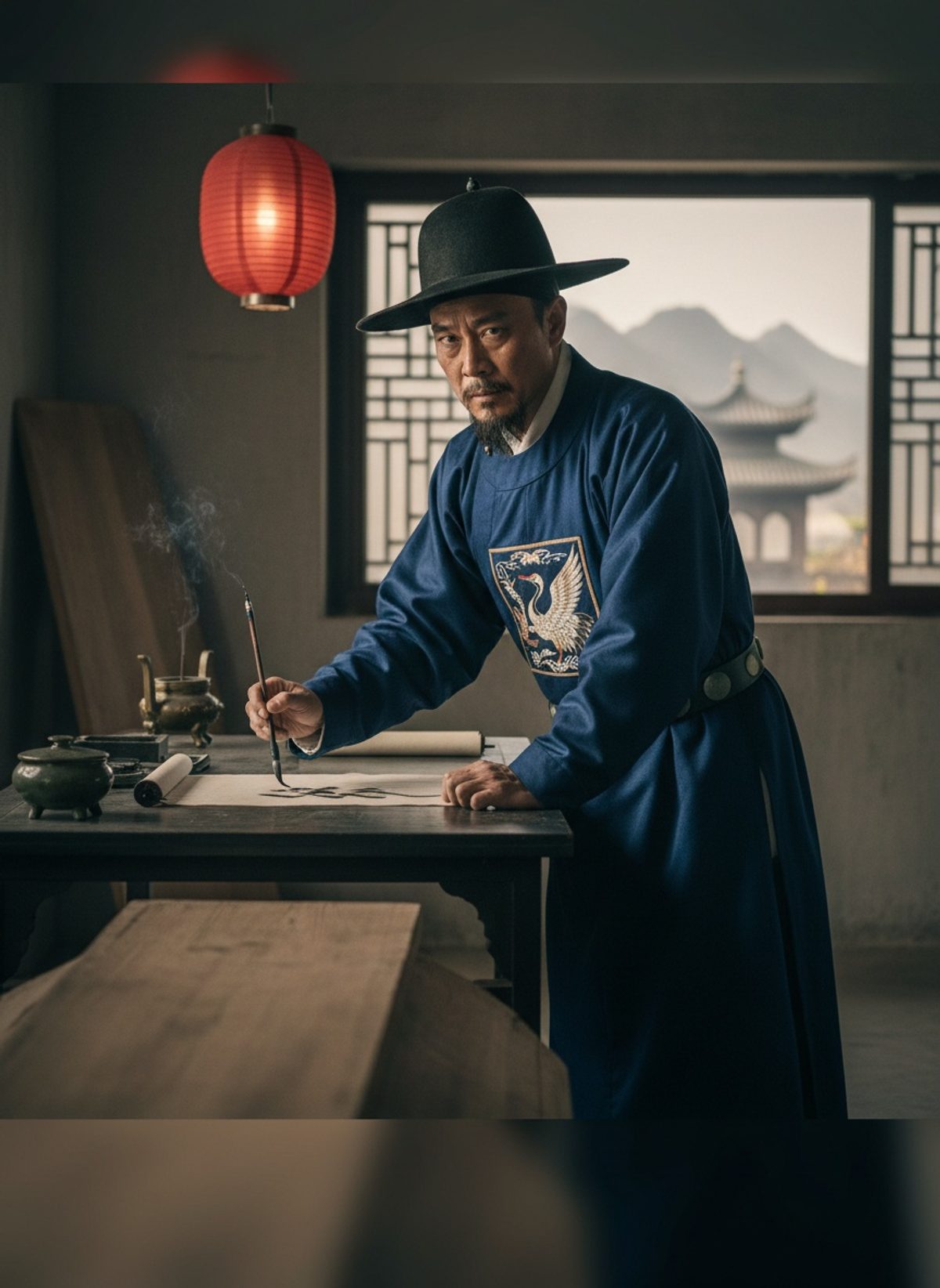
With his life neatly packaged away alongside his coffin, Hai Rui penned a letter to the emperor, a document brimming with unadulterated candor. In this pivotal piece, Hai did the unimaginable — he openly criticized the emperor's misrule, demanded immediate reforms, and enumerated the various ways the empire was being led astray. He decried the emperor’s indulgence in Daoist and alchemical pursuits while government affairs withered under poor management.
Hai Rui's letter carried the weight of unvarnished truth, chronicling the nation's decline brought about by neglect and corruption. He was acutely aware of the fates of past critics: death, exile, or worse. Yet, the stark honesty of his writing pierced through layers of bureaucratic insulation, and the impossible happened — Hai Rui's message reached the emperor's eyes.
Initially stunned by the audacity of this lower-ranked official, the Jiajing Emperor ordered Hai’s arrest, but the nature of the letter lingered within the imperial court and beyond. Though no immediate redemption followed, Hai’s words set ripples across the annals of court politics. Times were changing, albeit slowly.
The Courage of Conviction
As fate would have it, the Jiajing Emperor's reign did not long outlast Hai Rui’s courageous act. The letter had planted seeds of contemplation and reflection, challenging the once-unchallenged system. Upon the emperor’s passing, the oppressive gates he built around free speech began to falter. His successor, the Longqing Emperor, recognized the poisonous environment left behind and reinstated Hai Rui, marking the legacy of a man who dared speak truth to power.
Hai Rui's coffin stand untouched for years afterward, a testament not only to his bravery but to the incisive power of forthrightness in governance. His legacy has inspired generations within China to value integrity in the face of great opposition, showing that sometimes the most compelling change starts with a single act of defiance.
In understanding Hai Rui's story, we can appreciate the centuries-old battle between authority and accountability, a struggle that resonates even today. It reminds us that while the cost of truth may be steep, its impact is timeless. The path of righteousness may lead one to the brink of mortality, but it also lights the way for a brighter future. In a world where power seeks to quell dissent, the story of Hai Rui encourages us to question: What would we sacrifice for the sake of truth?