110 stories
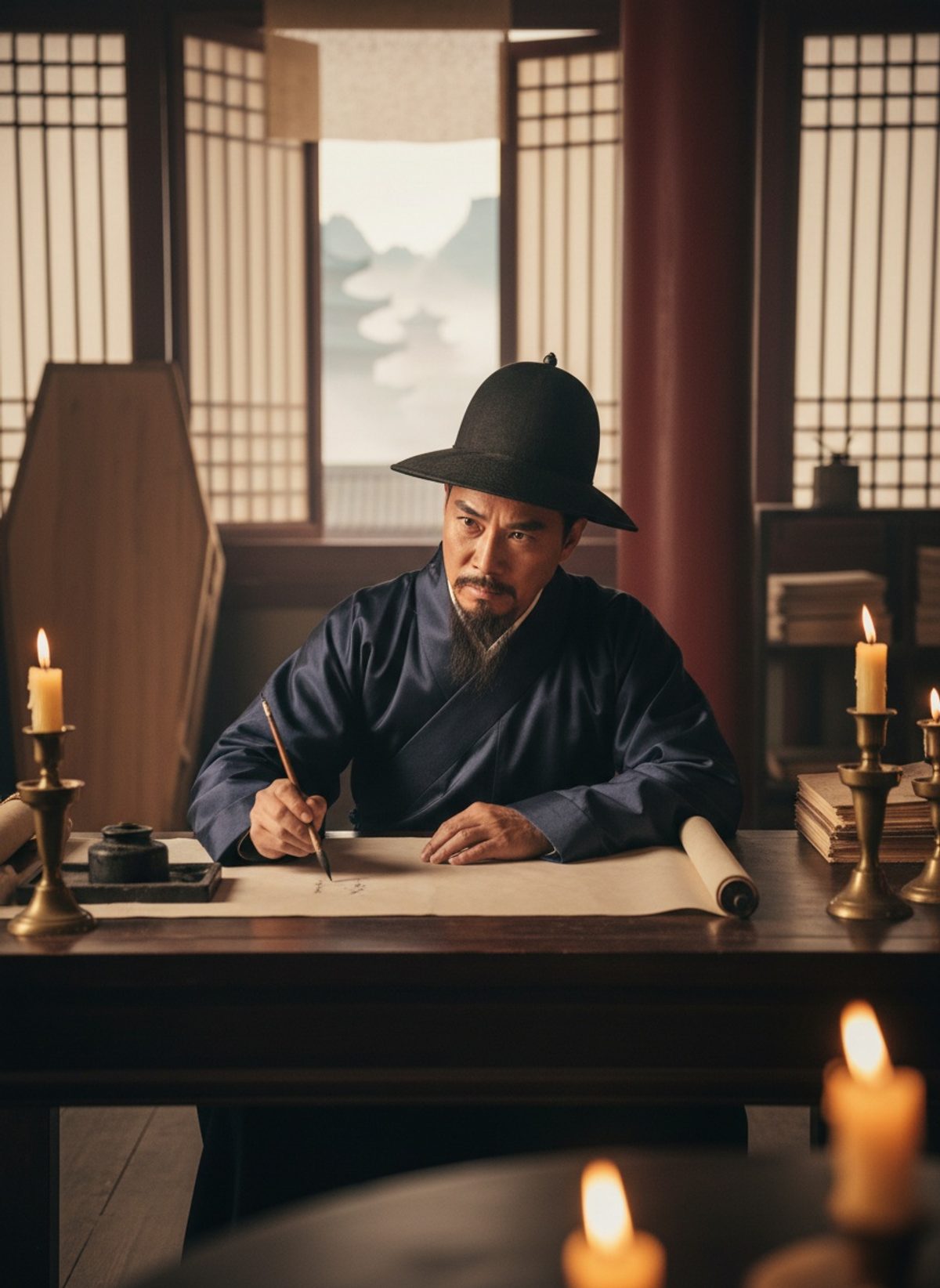
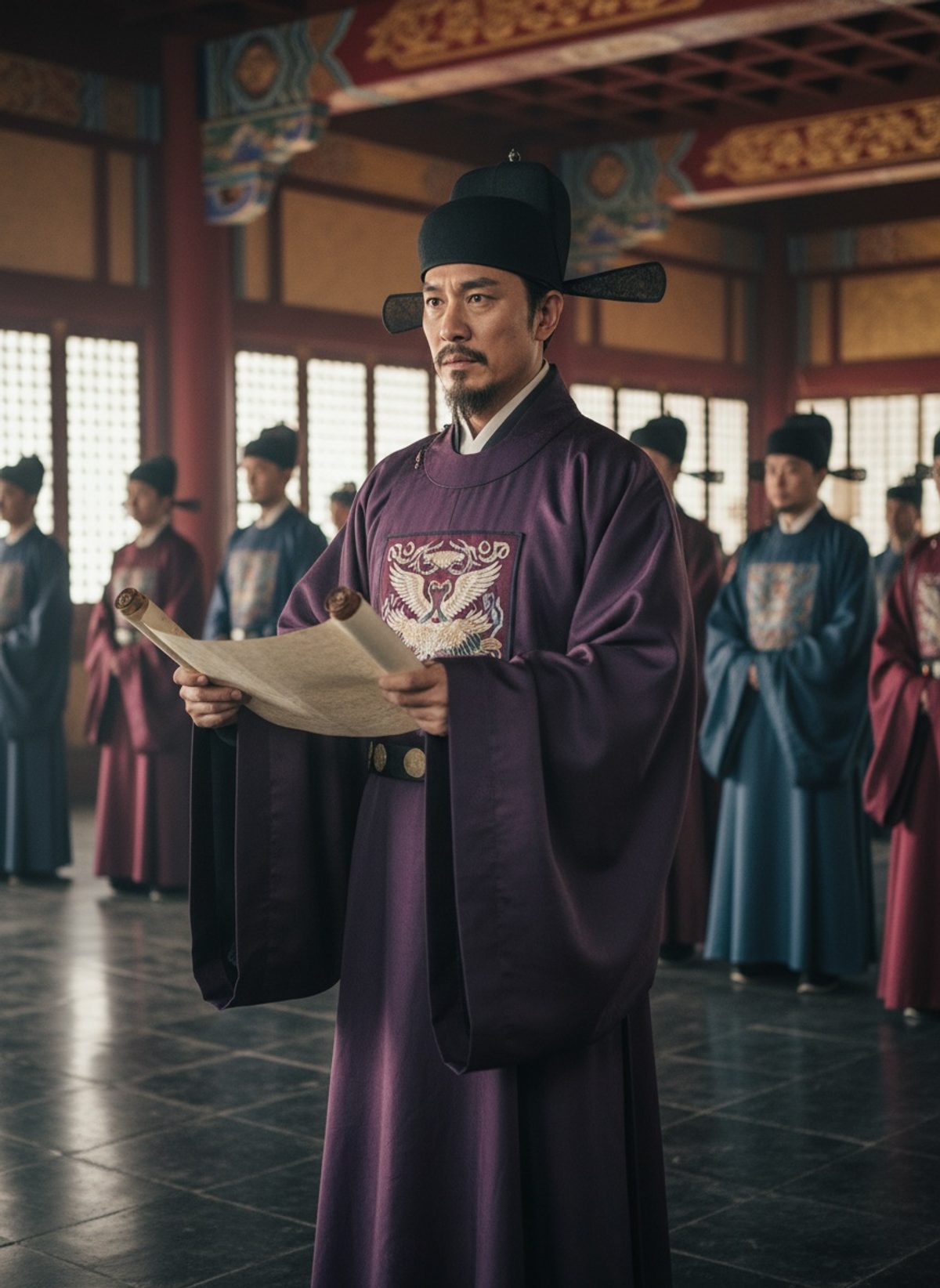
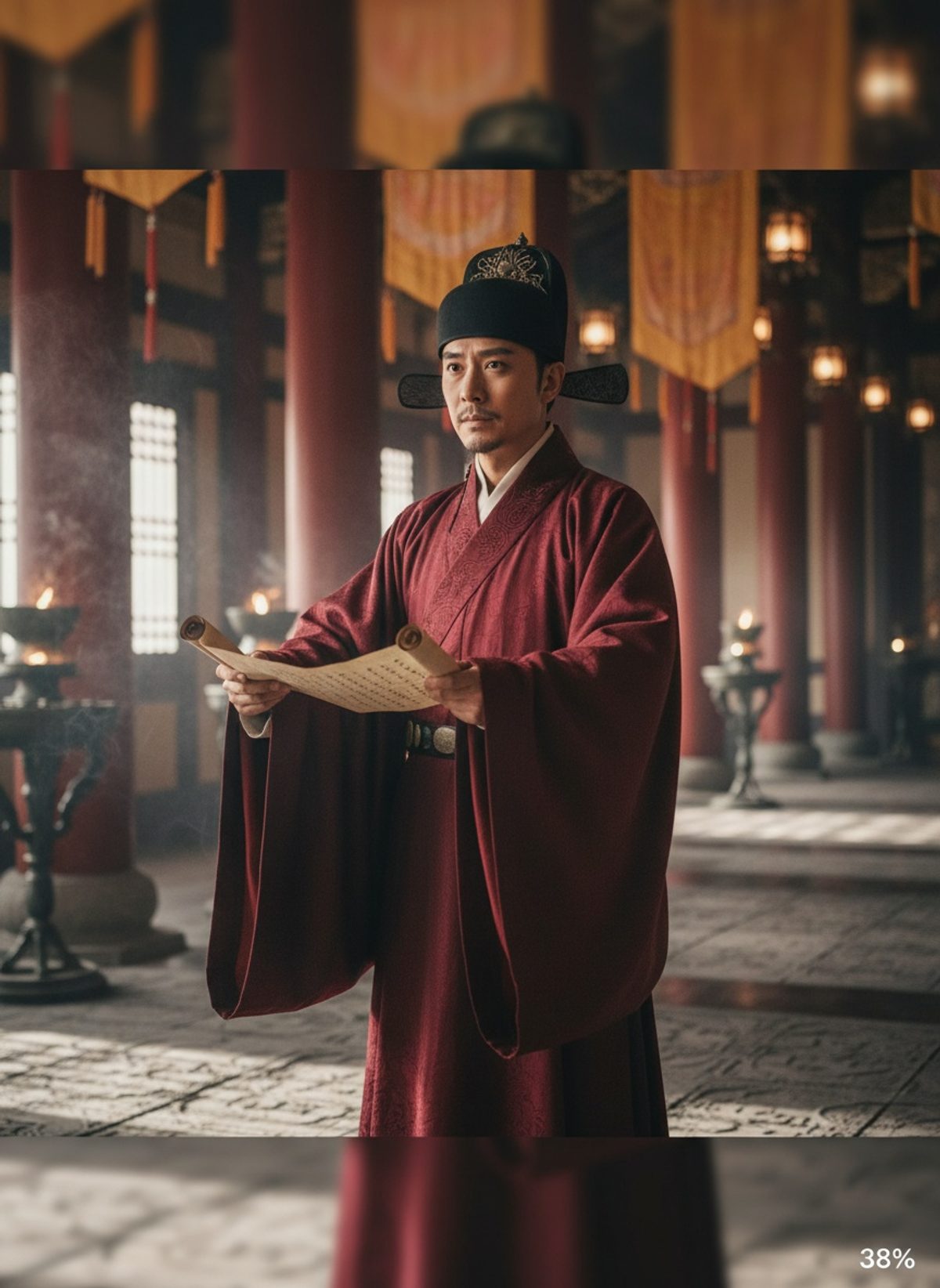
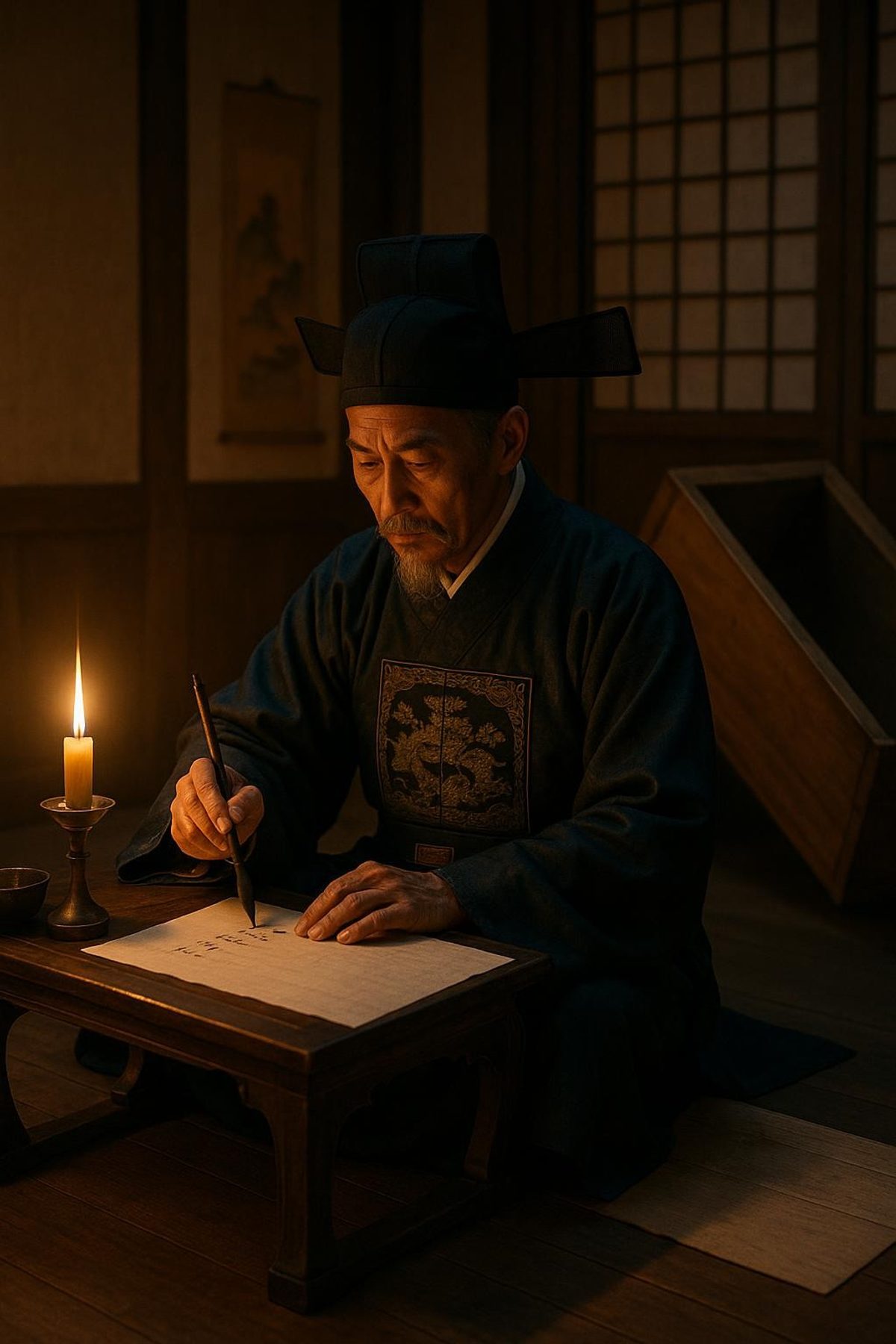
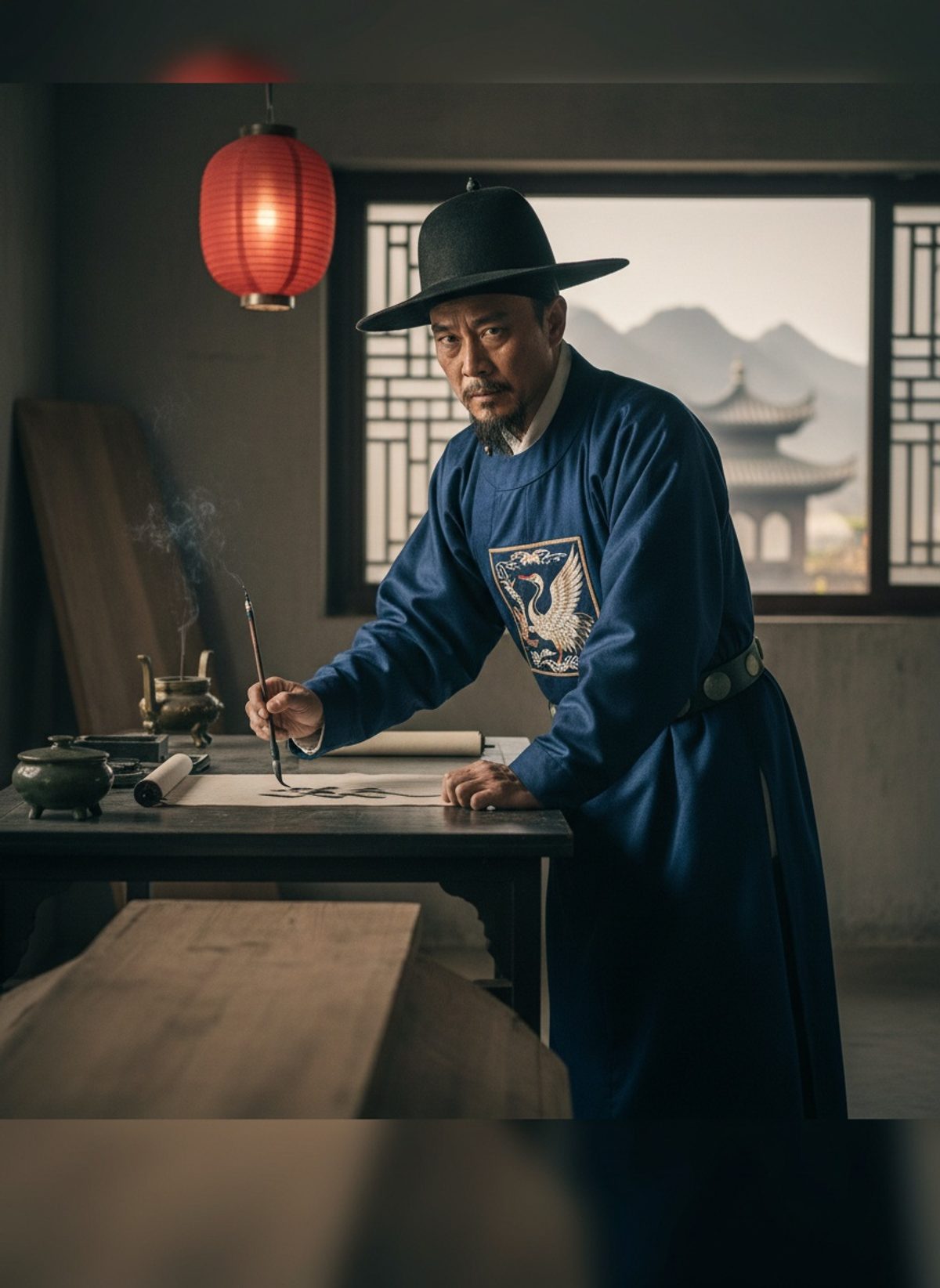
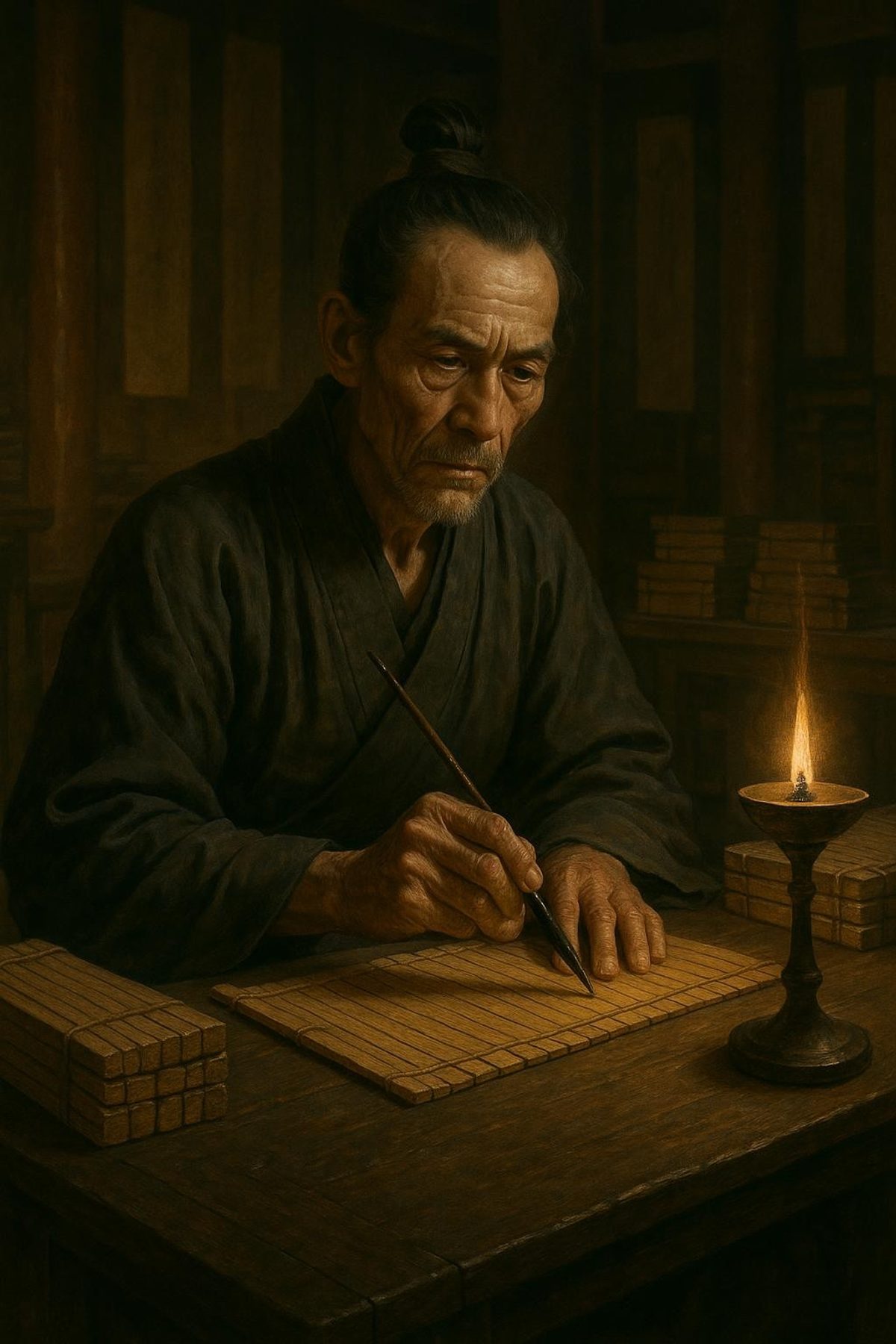
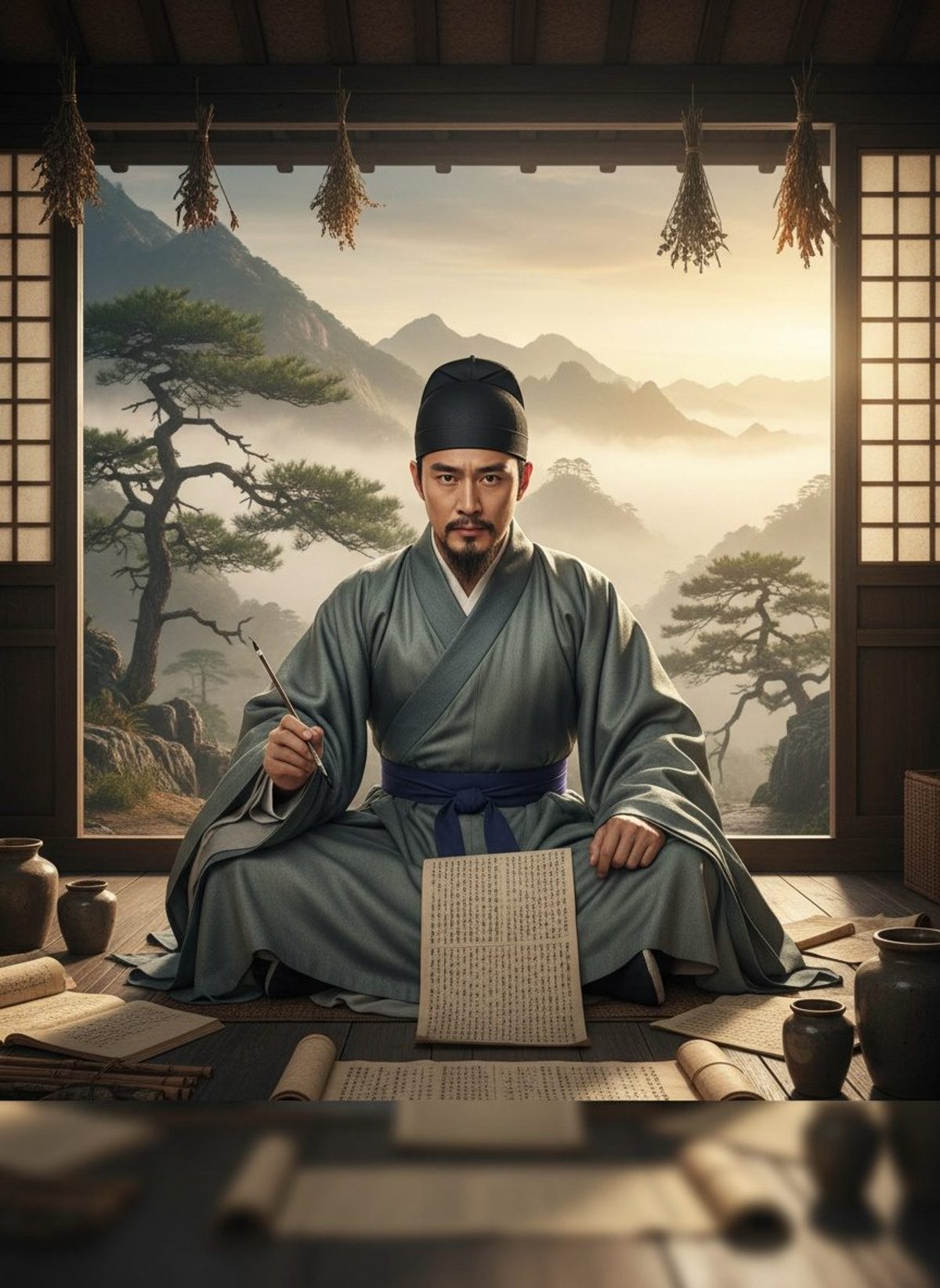
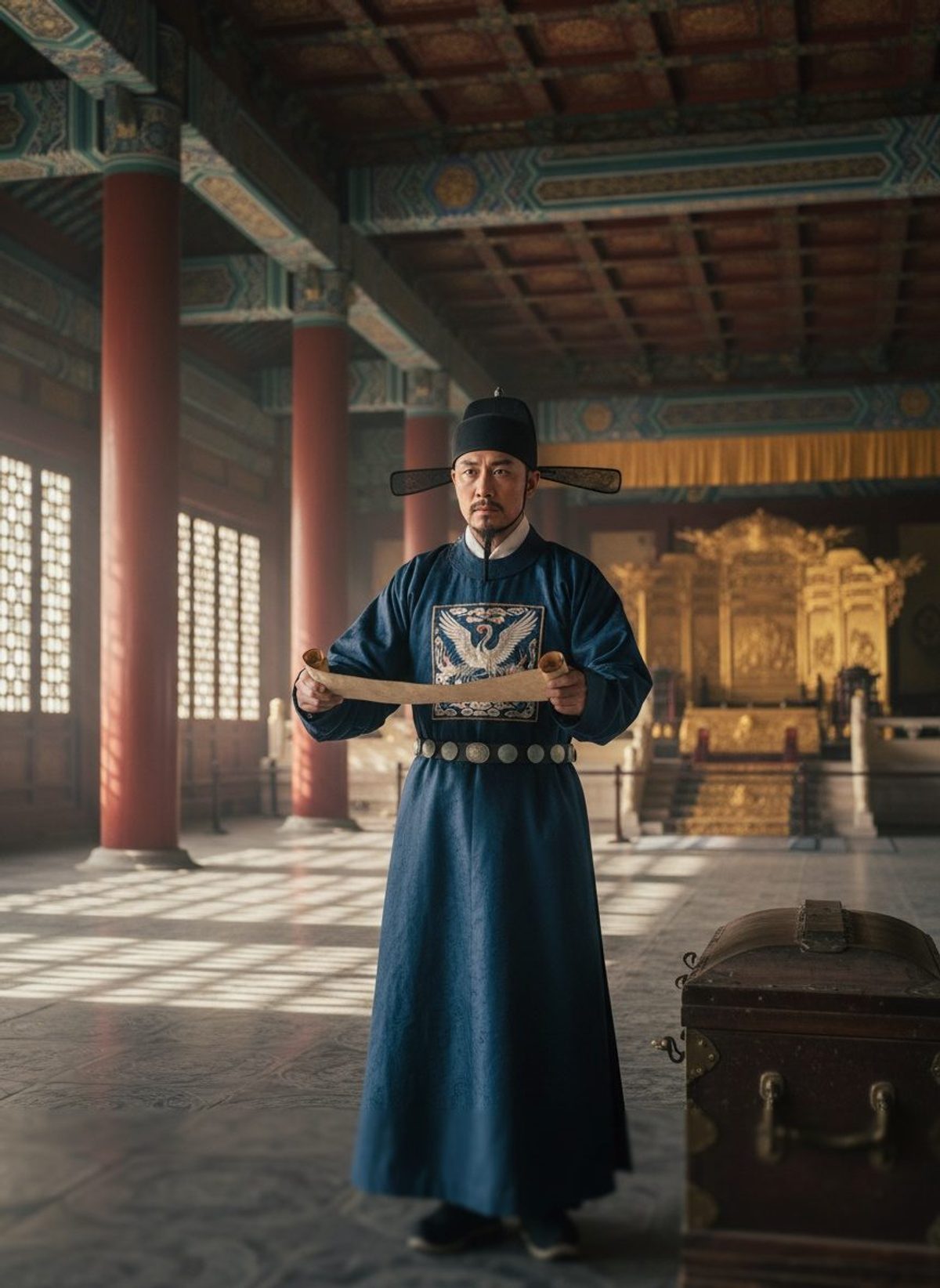
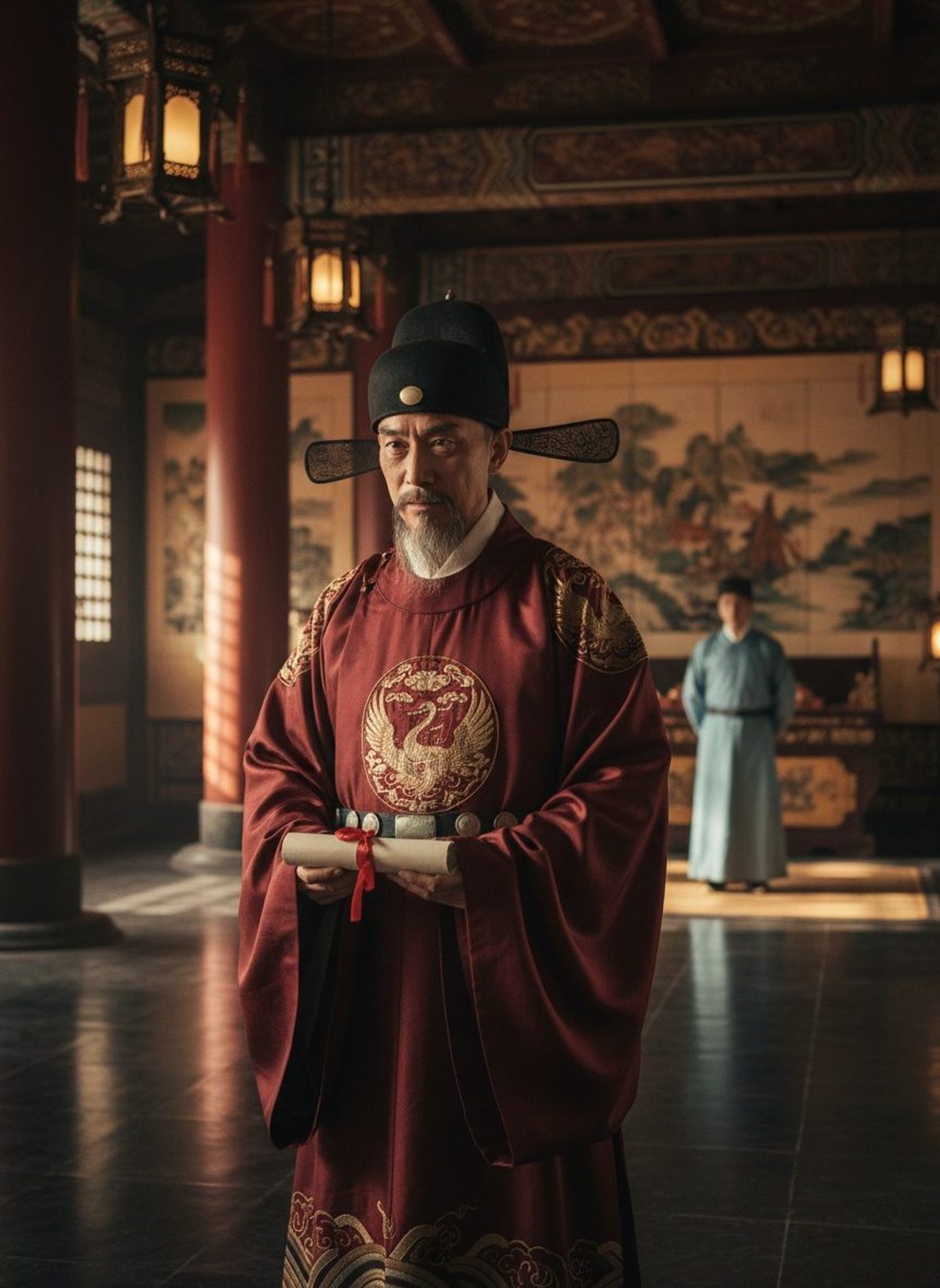
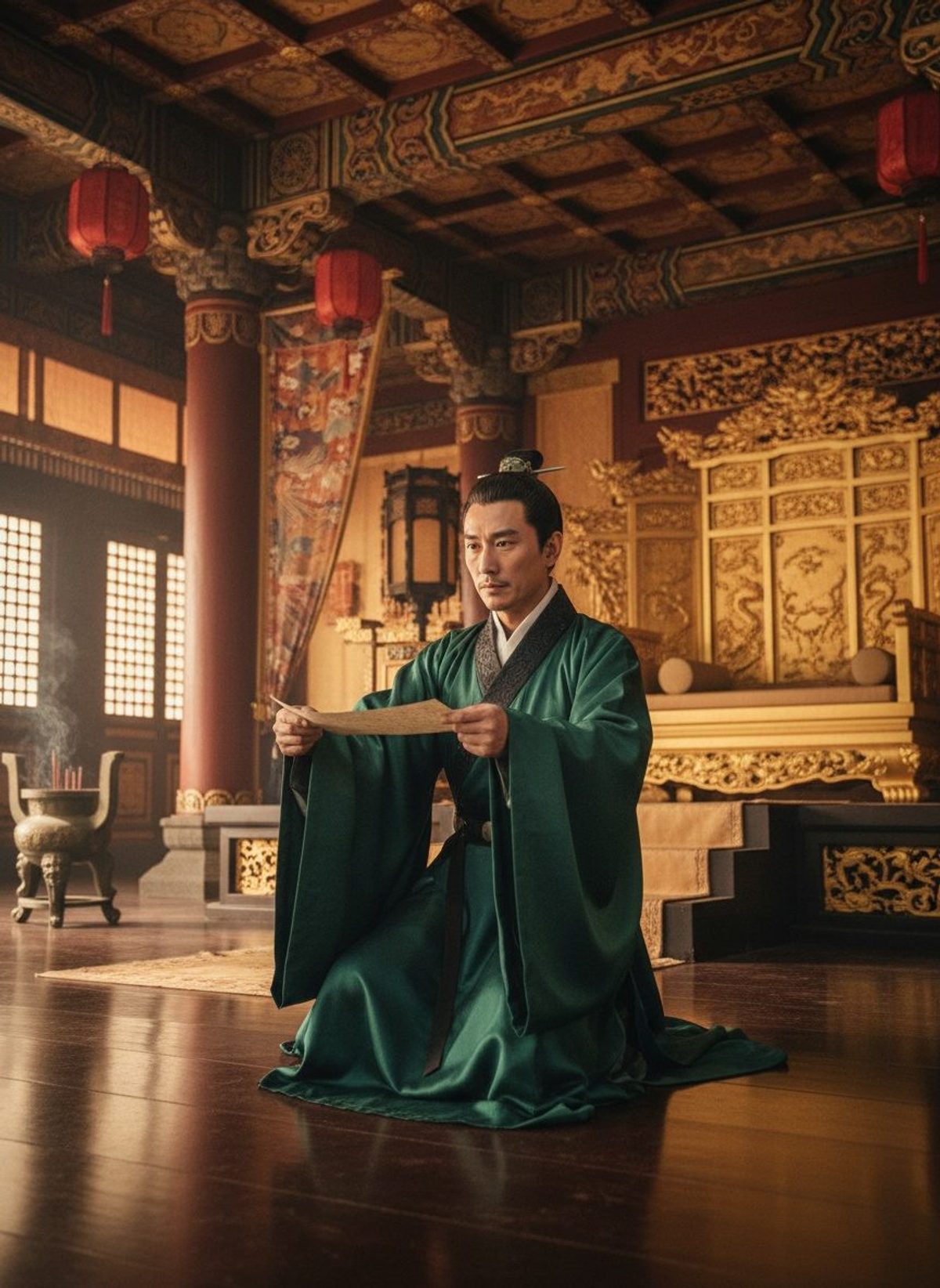
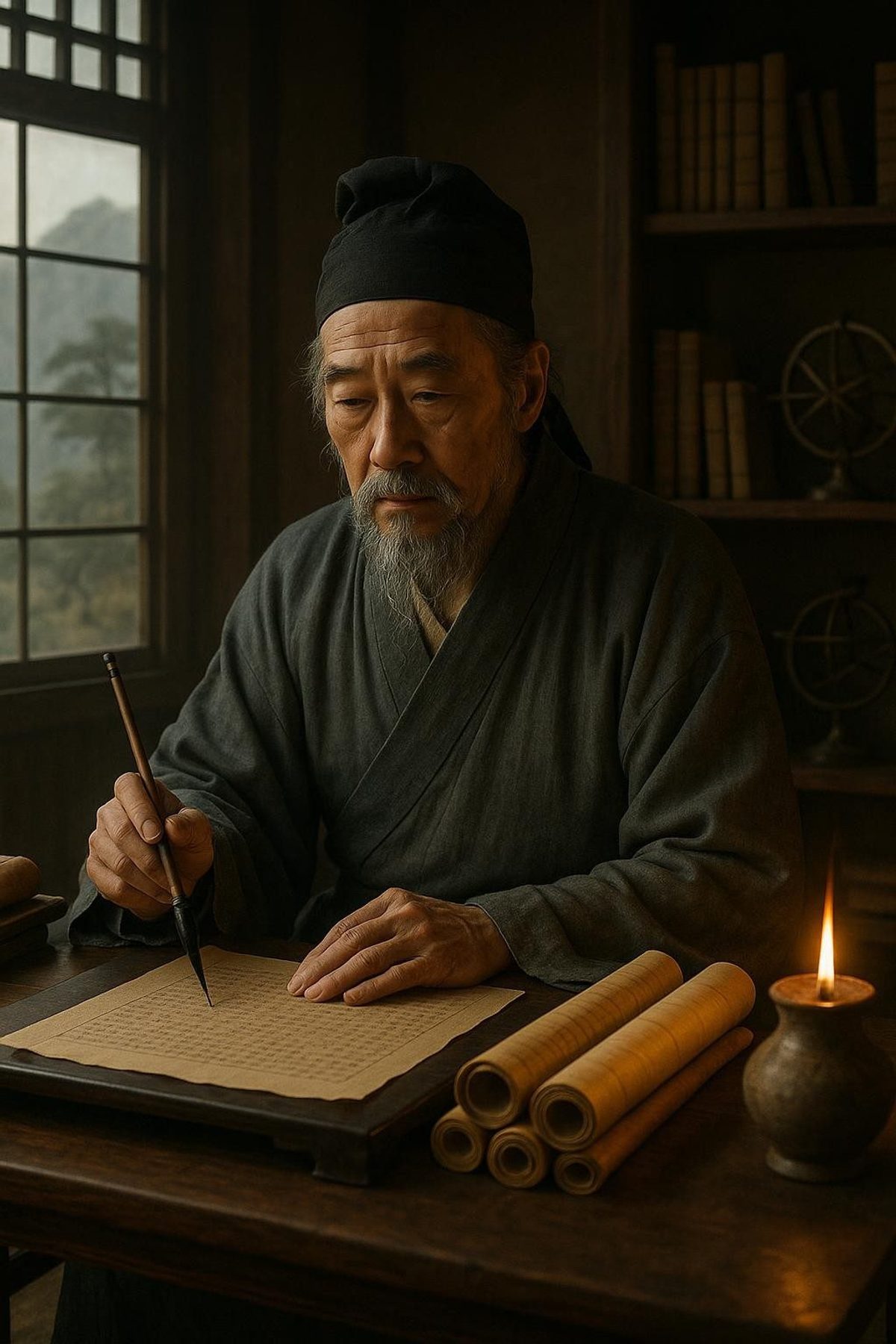
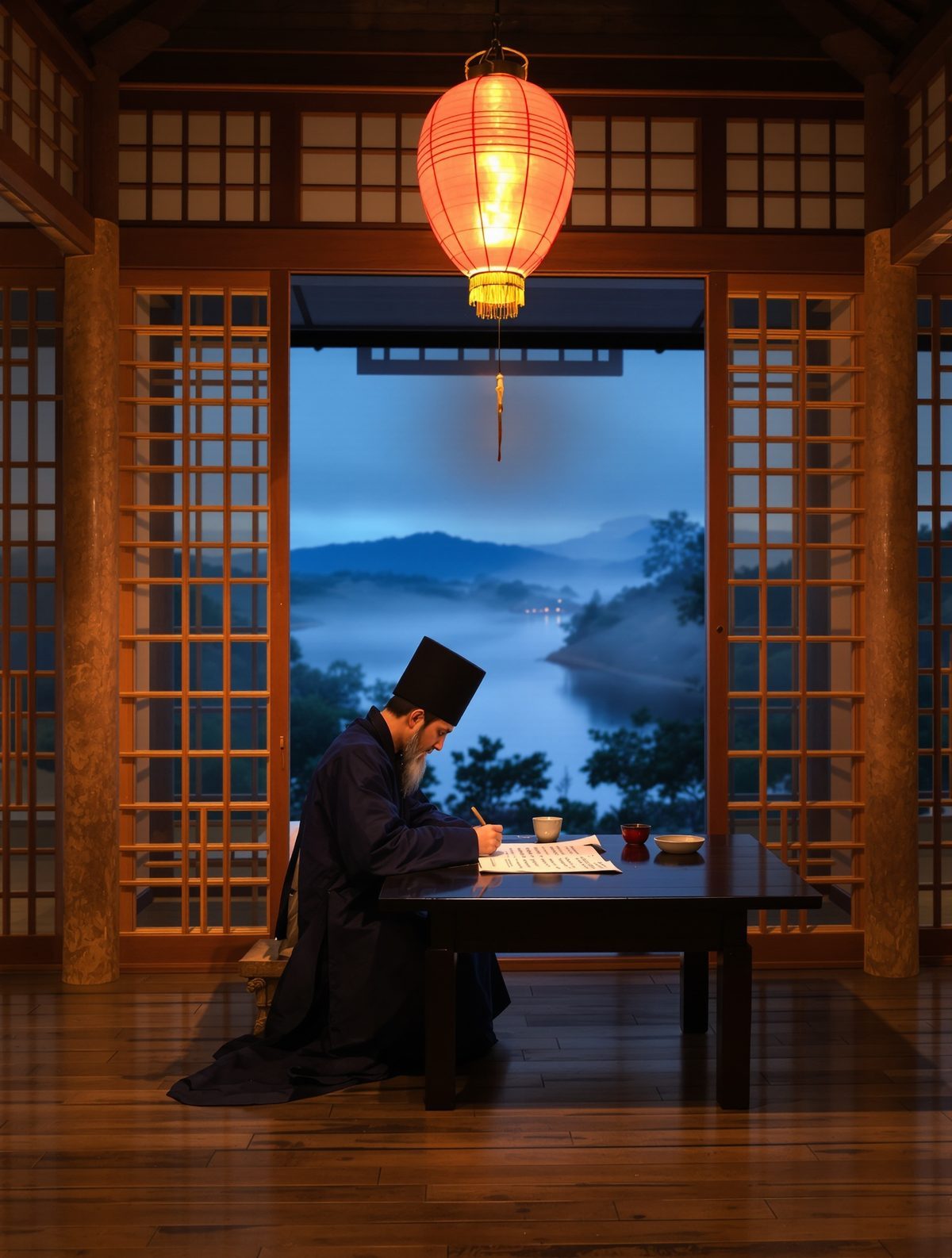
1565. China. A county magistrate prepared his own coffin. He bought it before writing. Then he submitted his memorial. It accused the Emperor of greed, neglect, and cruelty. No official had dared this in a generation. Hai Rui waited to be executed. The Emperor wept instead.
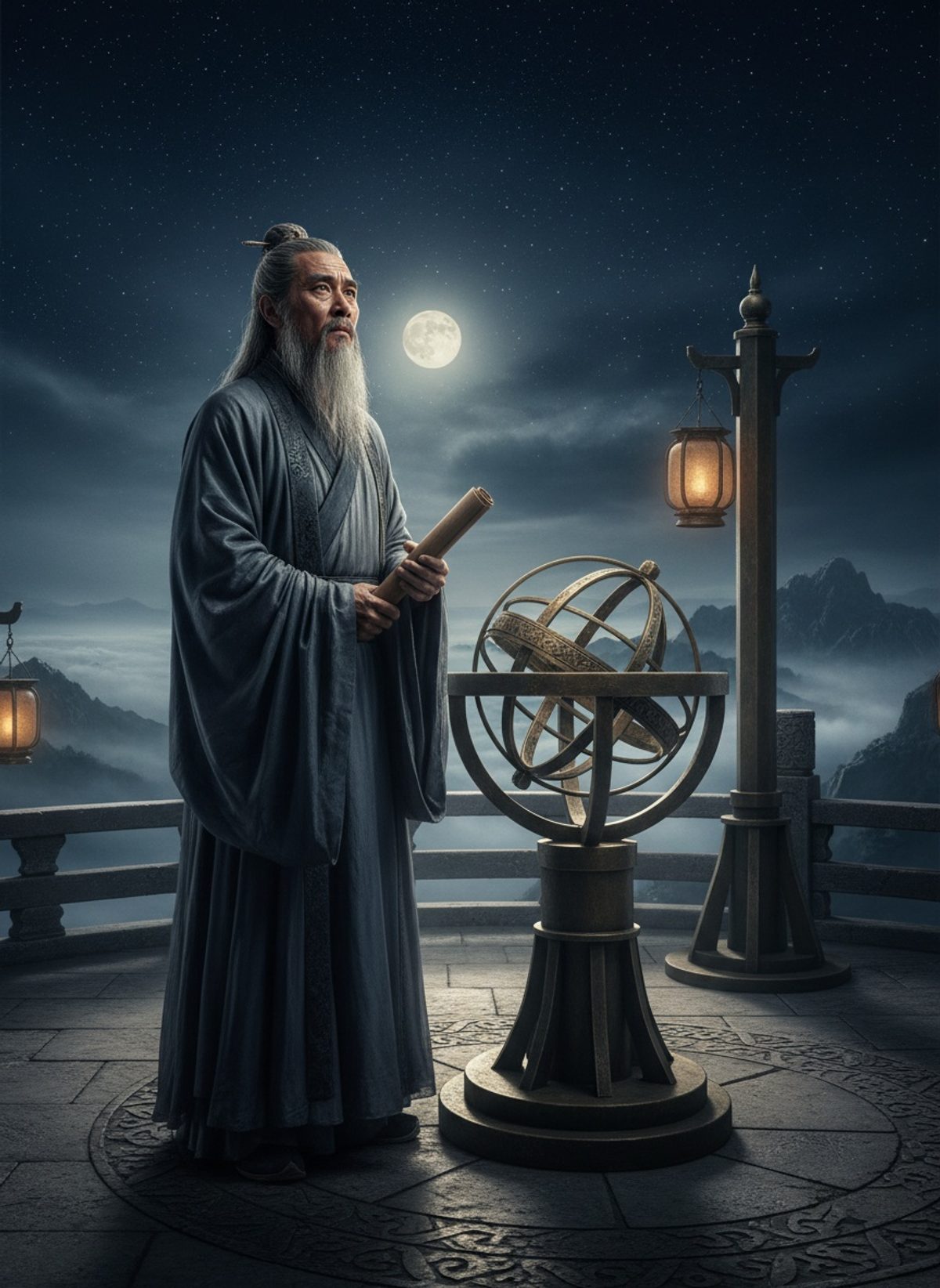
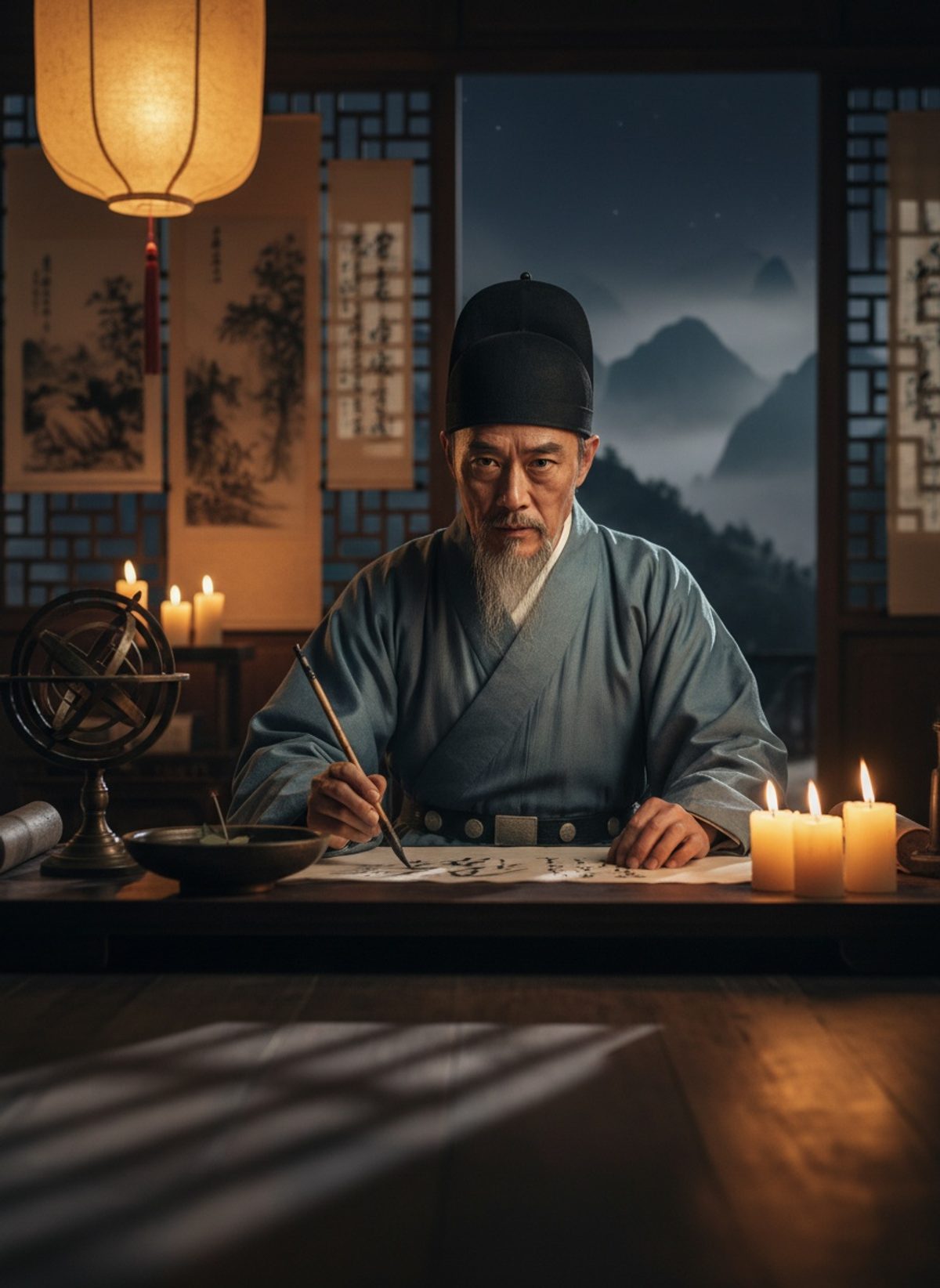
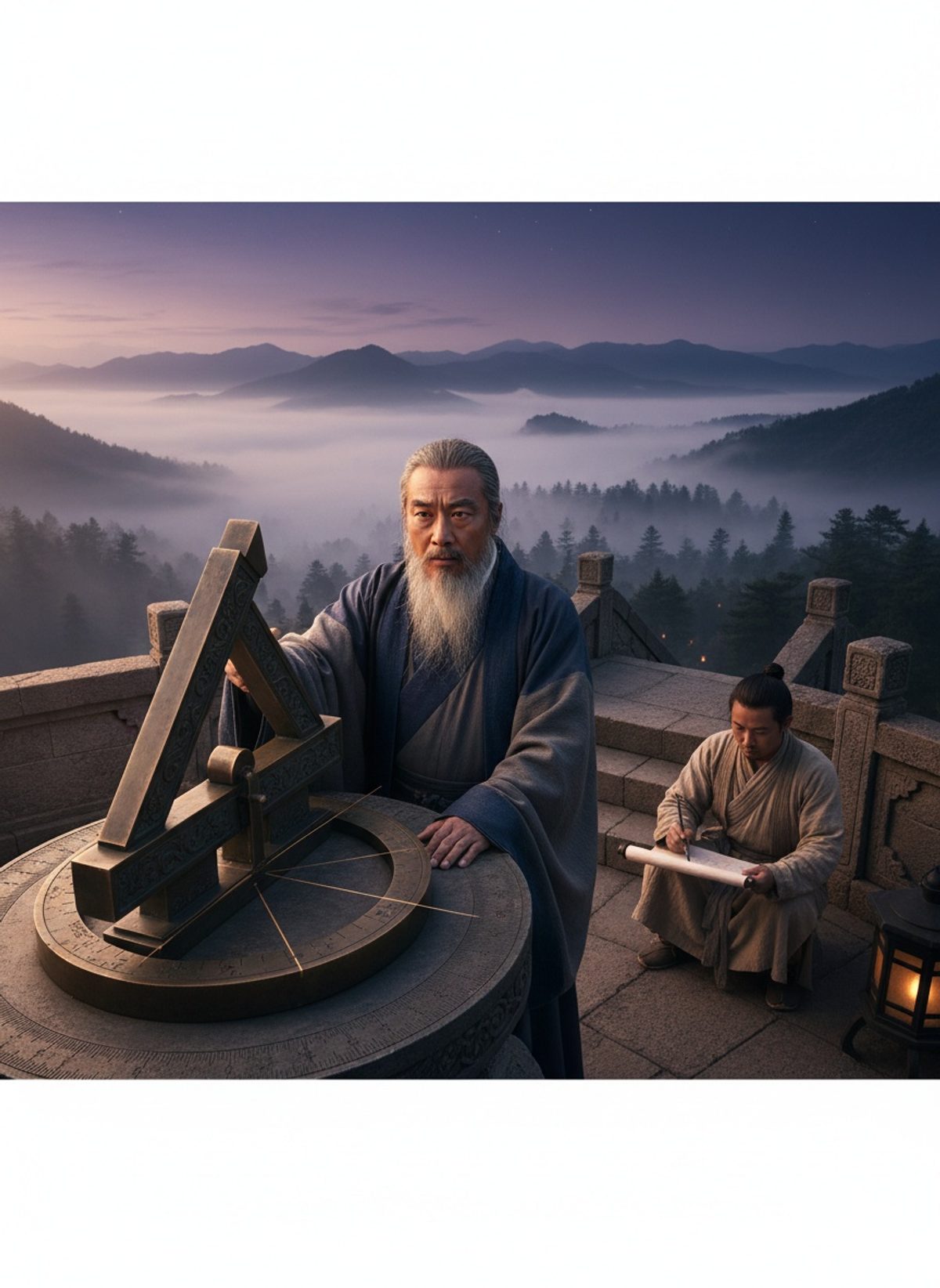
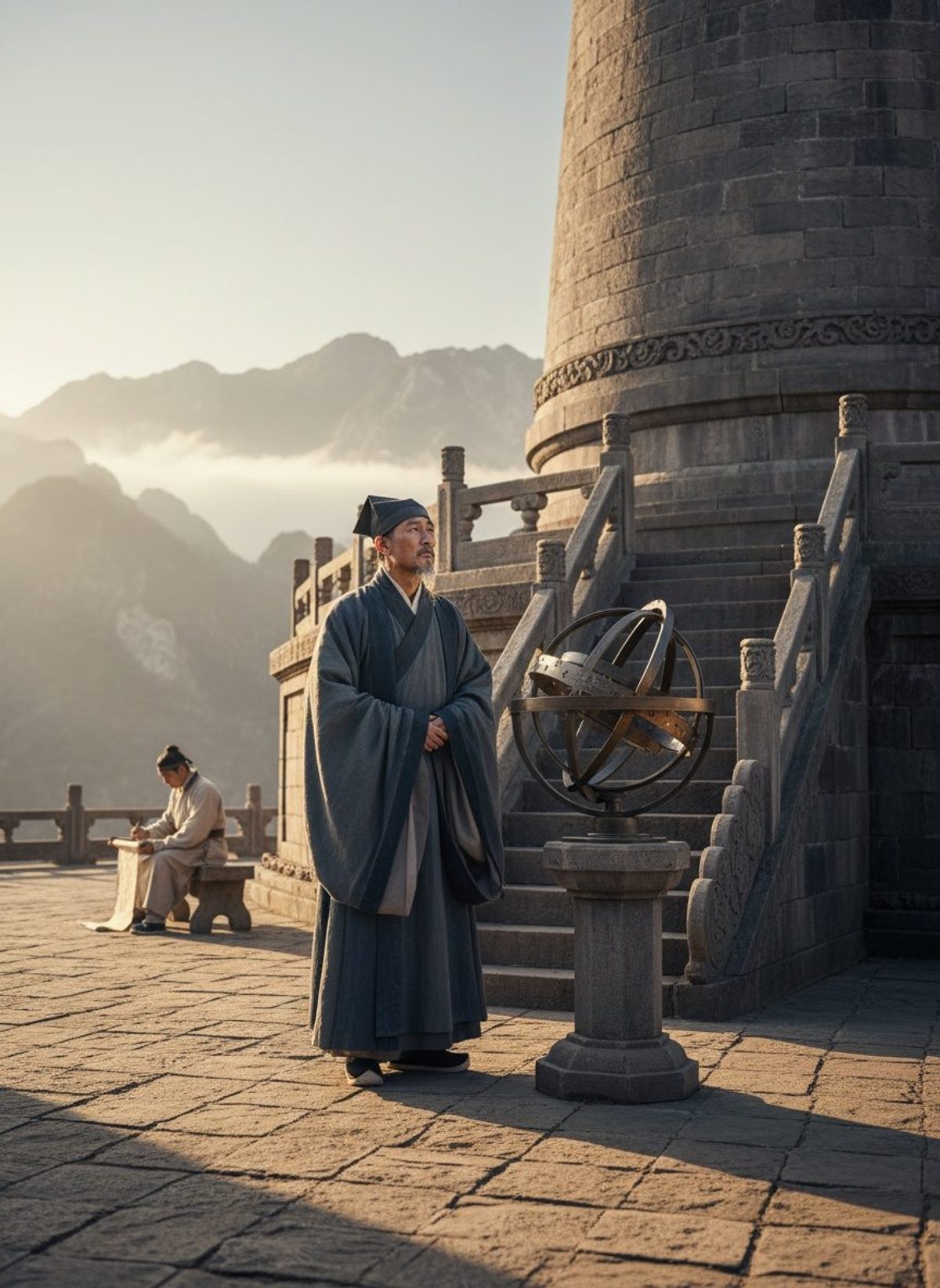
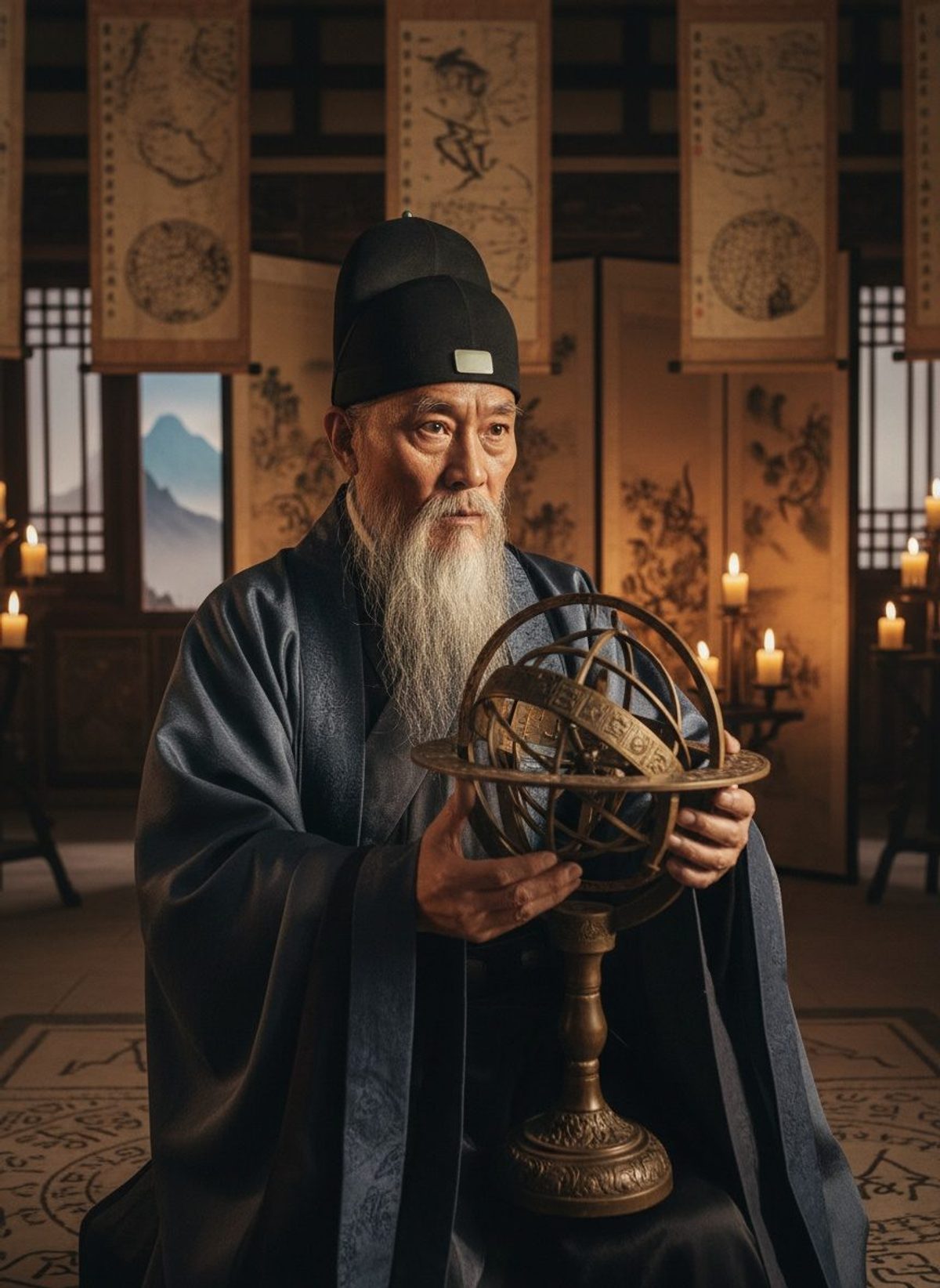
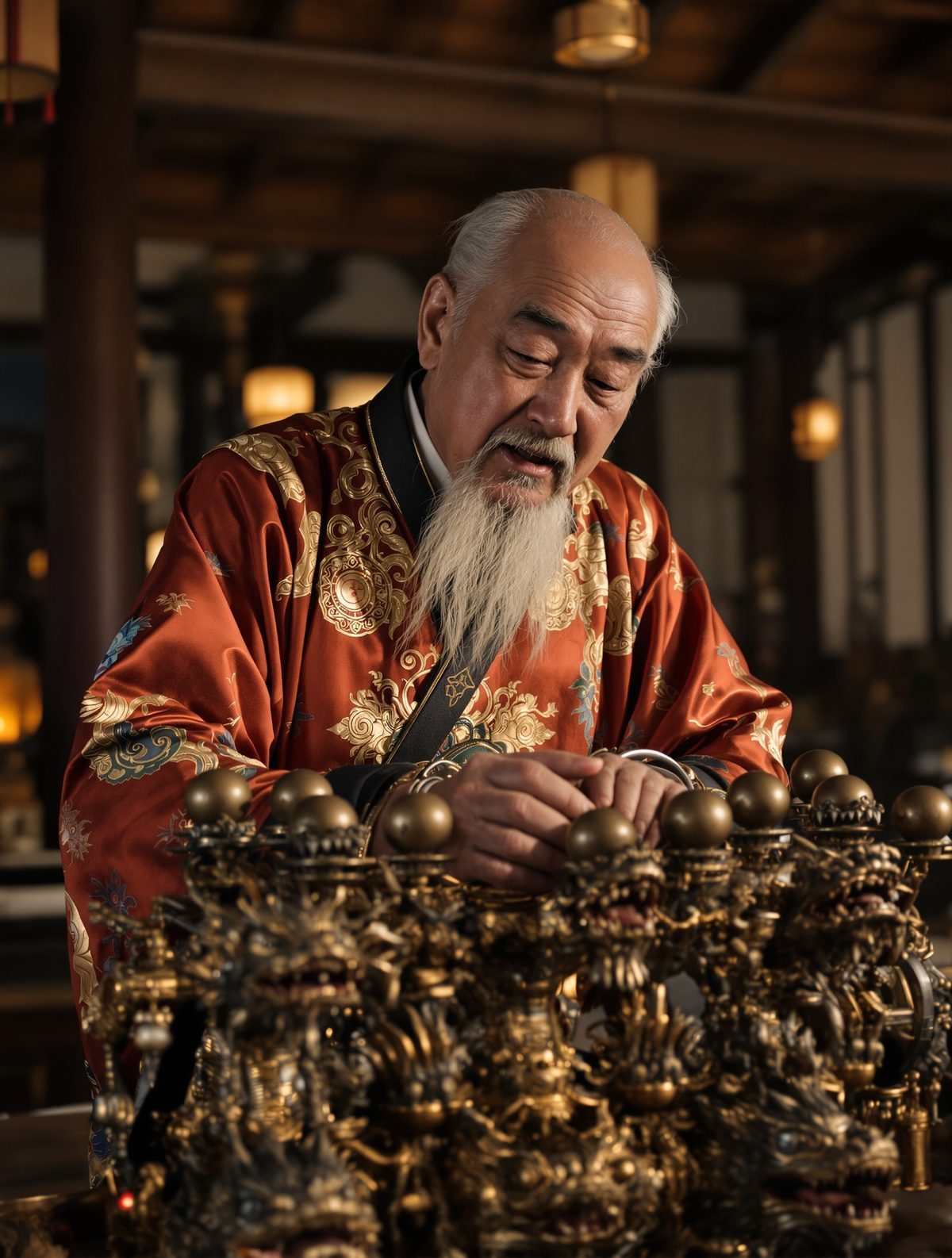
1280. China's calendar was centuries out of step. Guo Shoujing built forty new instruments. He measured the sky from twenty-seven stations across the empire. His calendar was accurate to within 26 seconds of the modern value. It was not beaten for 300 years.
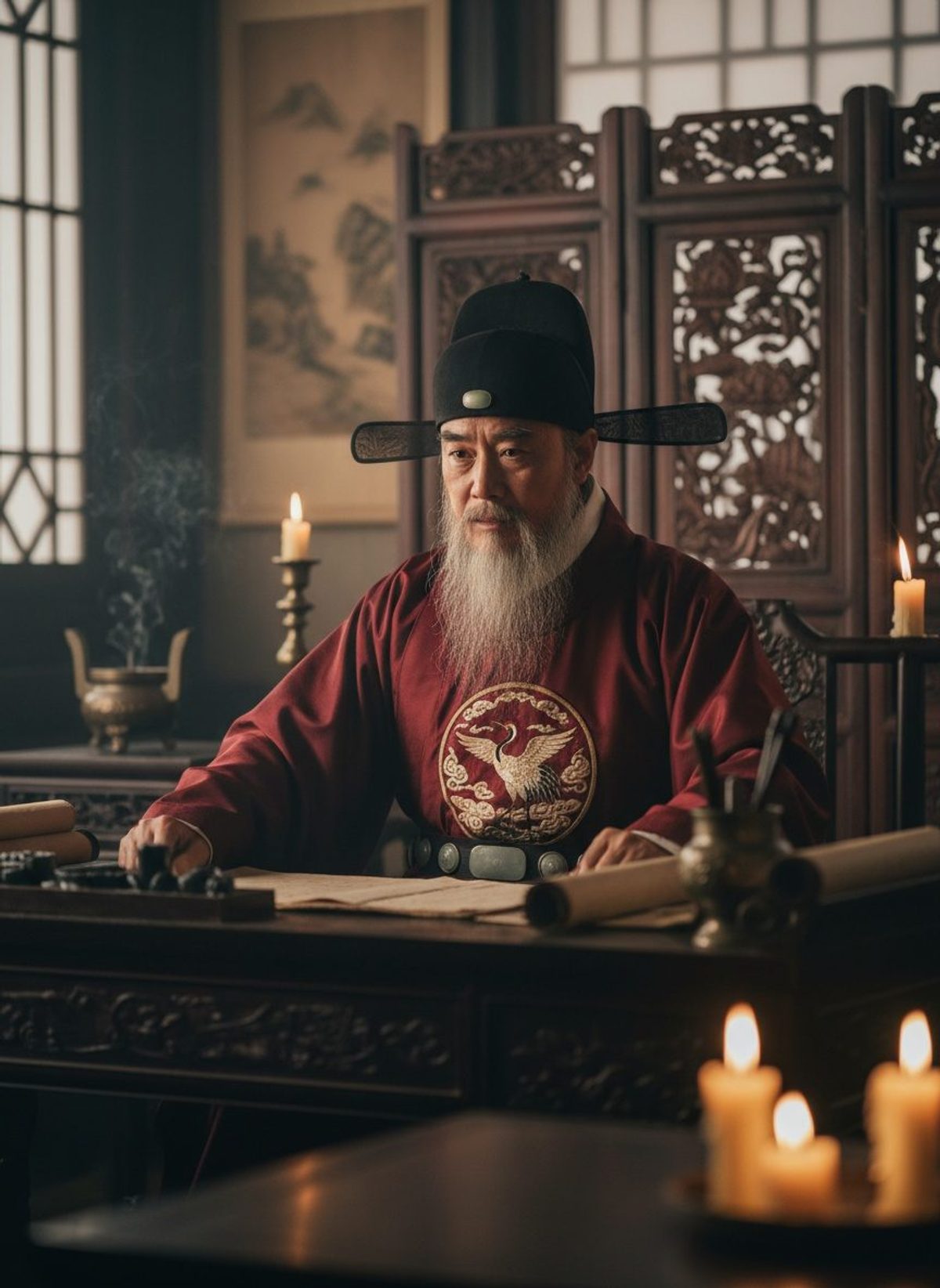
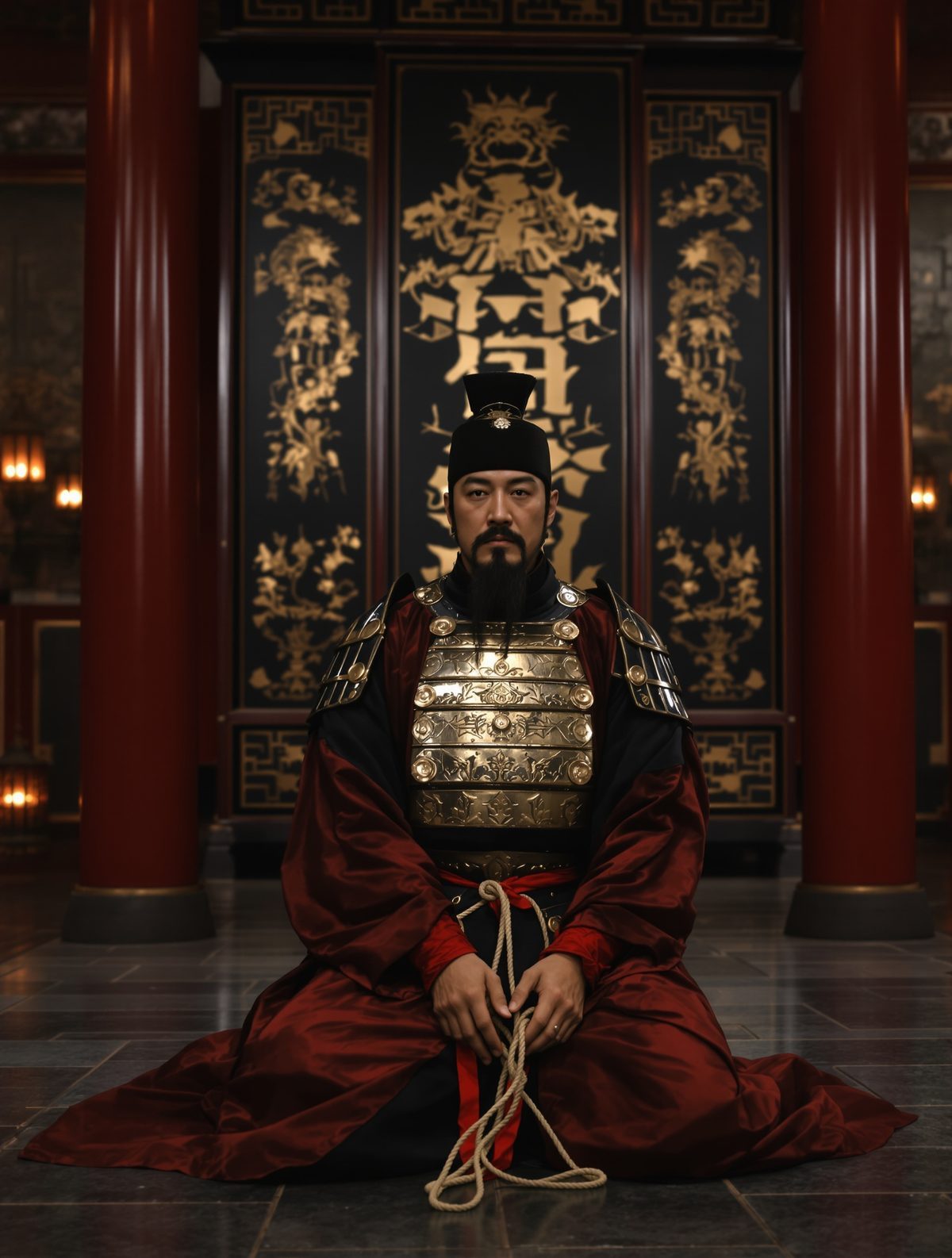
1402. Zhu Di had seized the throne. He needed one scholar's pen to make it legitimate. Fang Xiaoru refused. Zhu Di executed ten clans — not nine. Fang Xiaoru had named the tenth himself.
1581. China's treasury was collapsing. Zhang Juzheng, Grand Secretary to a boy emperor, acted. He replaced a thousand tax categories with one. Silver only. The chaos ended. Forty million acres of hidden land were found. The empire was saved.
793 AD. Meng Jiao was forty-six years old. He had failed the imperial examination twice. When he finally passed, he did not celebrate with banquets. He rode through Chang'an on horseback. He wrote eight lines. Scholars still recite them today.
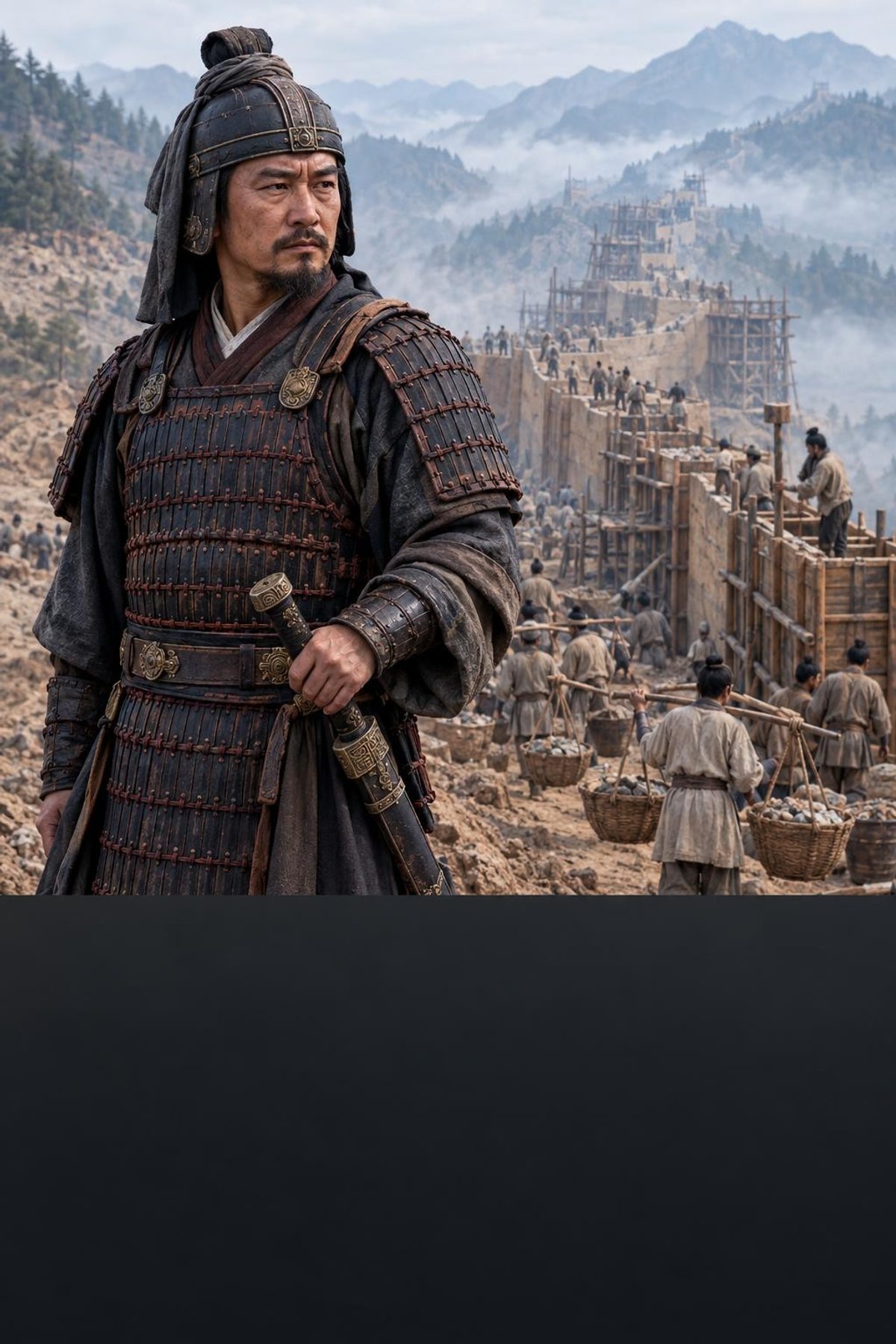
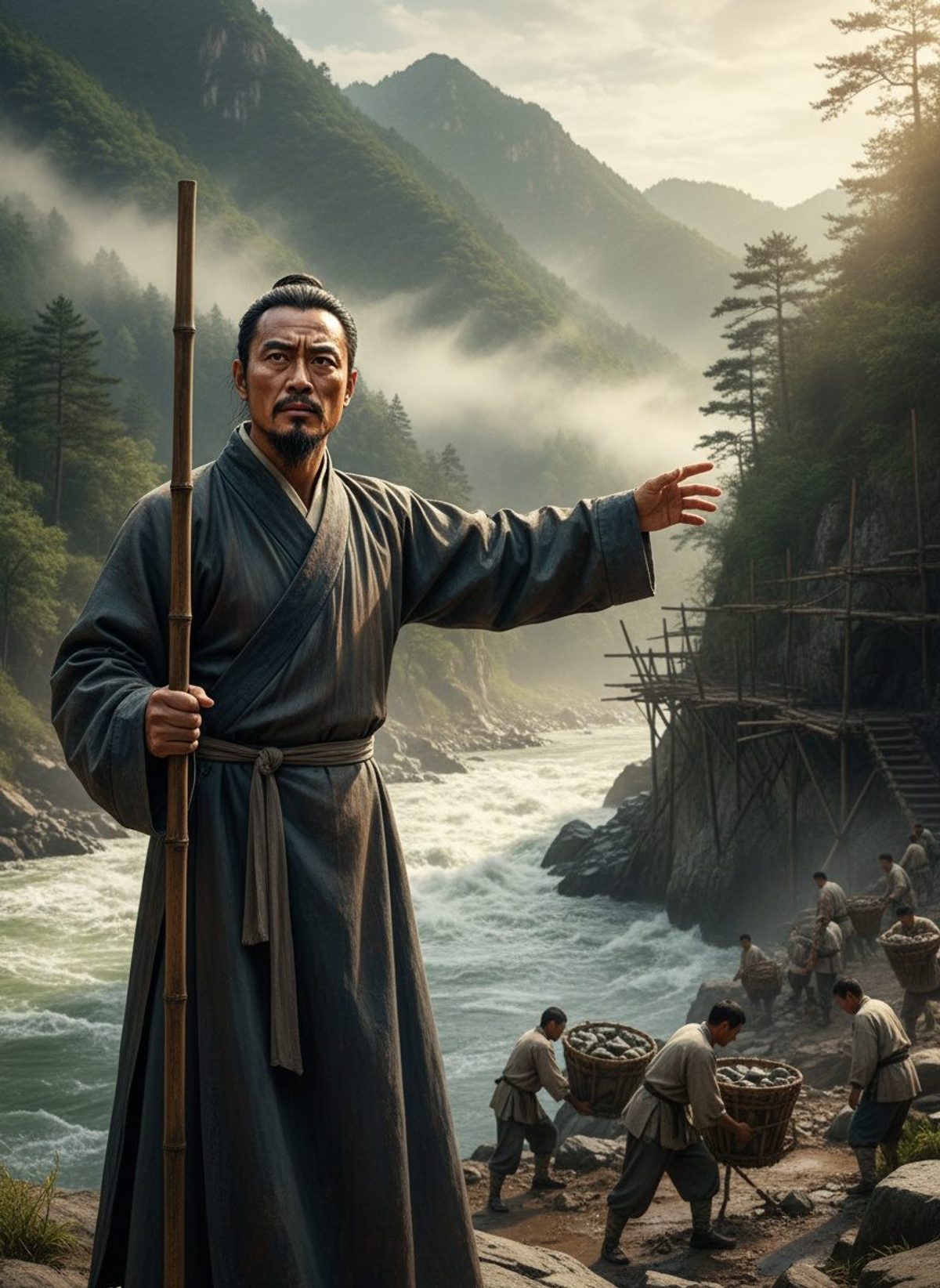
221 BCE. Qin Shi Huang had just united China. He sent his greatest general north. Meng Tian commanded 300,000 soldiers and convicts. They moved mountains. They filled valleys. The Wall rose across 1,500 miles of wilderness.
1844. China had just lost the Opium War. The humiliation was total. Wei Yuan did the unthinkable. He mapped the entire outside world for his emperor. Named every nation. Charted every fleet. Told China what it had refused to see.
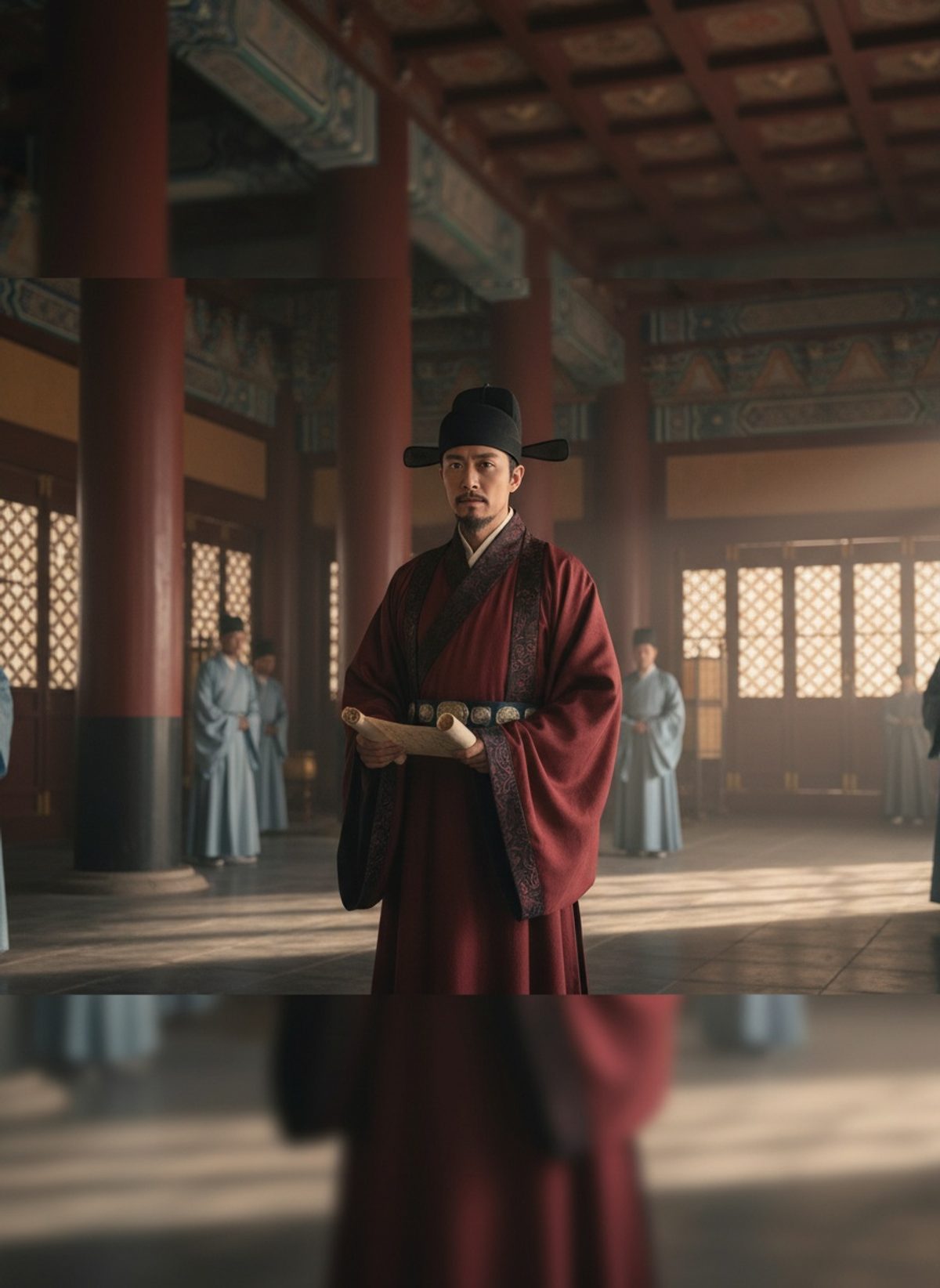
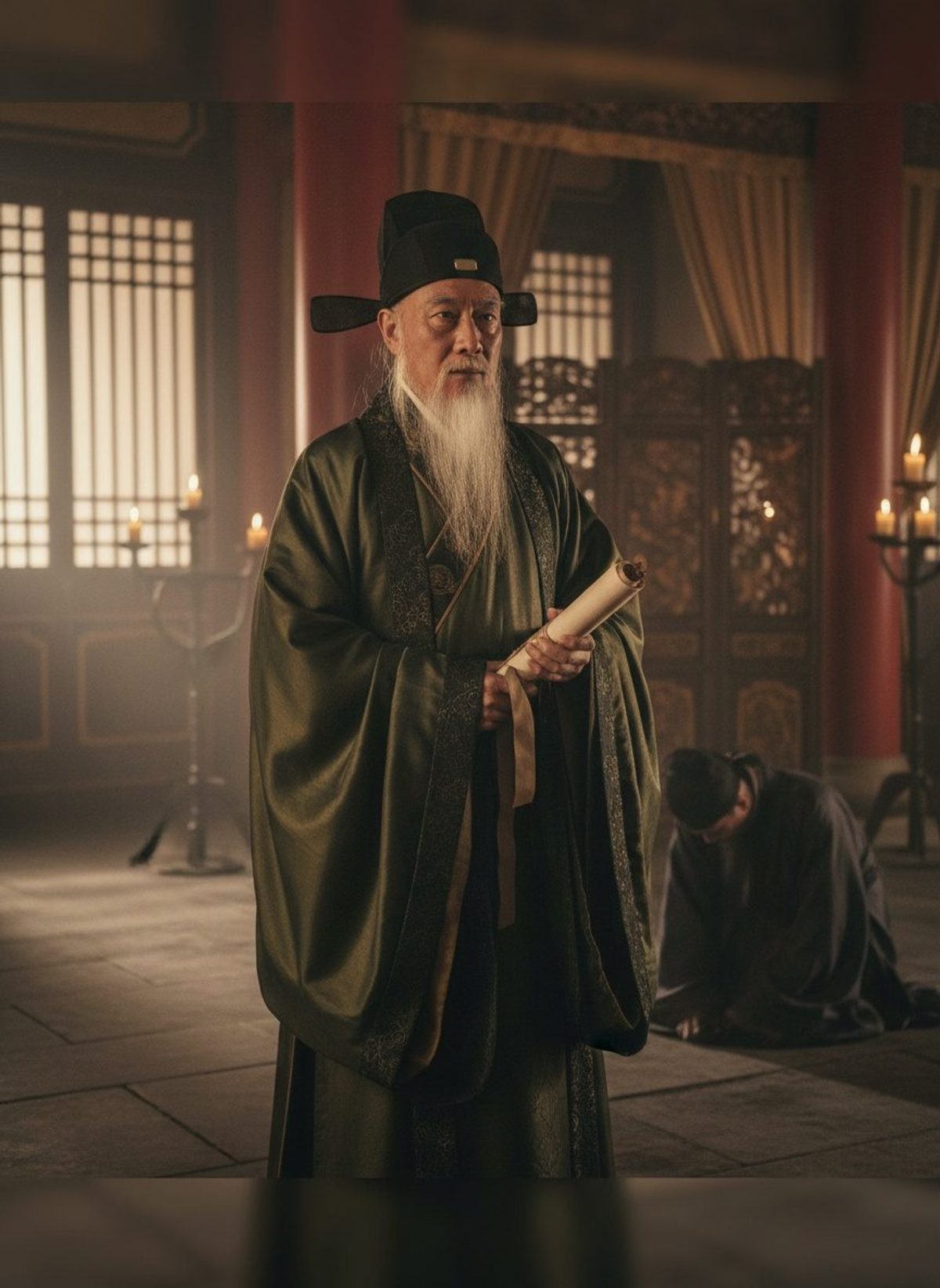
1449. The Ming Emperor was captured. Beijing was surrounded. A minister walked into the court. He read the list of officials who should die. Then he added his own name. And spoke anyway.
836 AD. Emperor Wenzong ordered a purge. Hundreds of names filled the list. Li Deyu held the brush. He crossed off every innocent name he could find. Then he crossed off his own allies. Then he resigned.
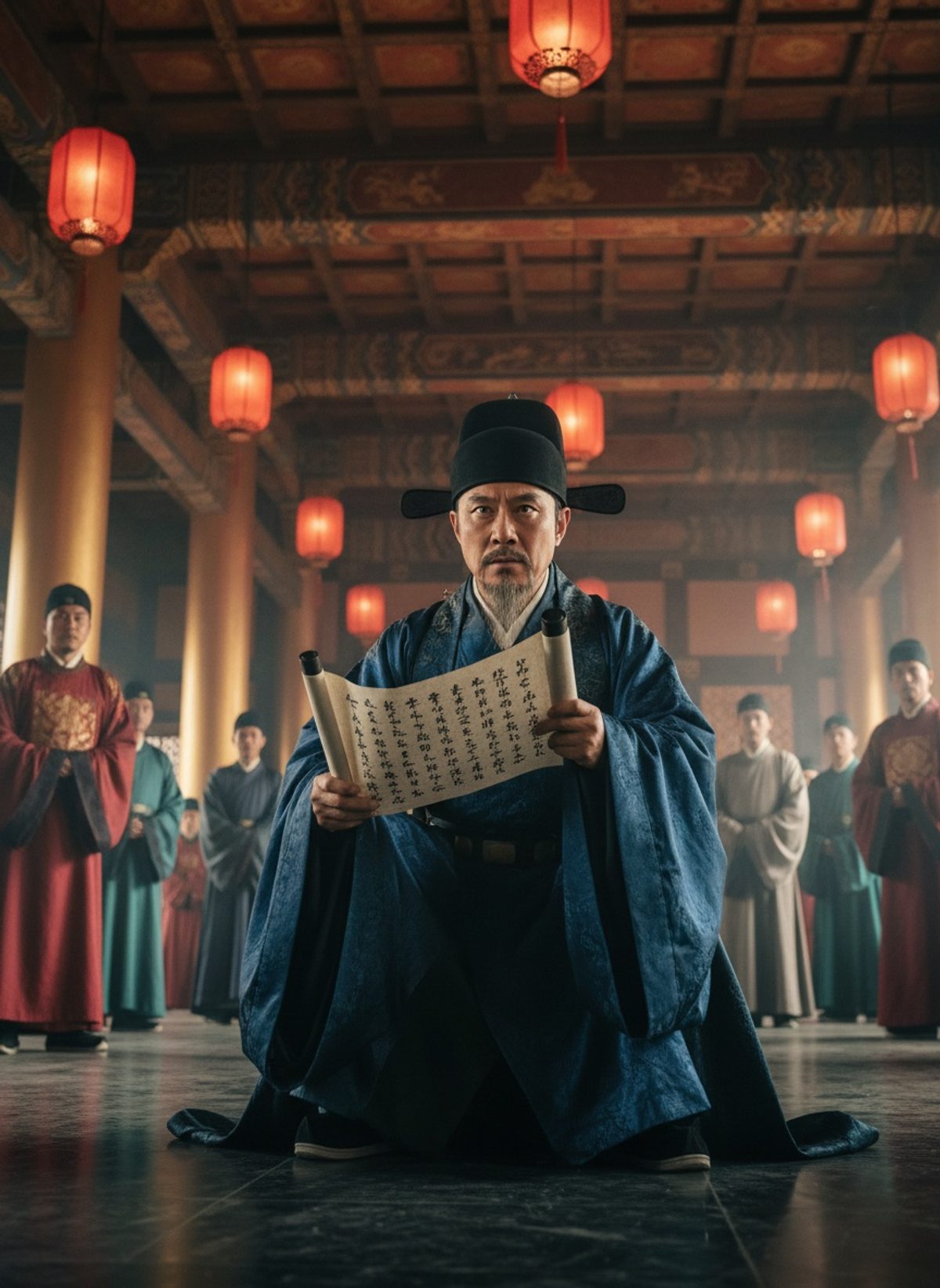
1043 AD. A minister stood before the Song Emperor. He held a list of corrupt officials. The Emperor ordered it burned. Han Qi refused. He read every name aloud.
1004 AD. The Liao army was at the gates. Every minister urged the emperor to flee south. One man stood up.寇準 Kou Zhun told the emperor to mount his horse and ride toward the enemy. The emperor rode. The army held.
1043 AD. The emperor offered Han Qi a posting that would make him rich. Han Qi read the letter. He set it down. He wrote one reply. He refused it. The poor of Shaanxi had no one else.
819 AD. Han Yu had angered the emperor. Exile to the malarial south awaited. His friends urged him to beg forgiveness. He refused. He had spoken the truth. He would not unsay it.
1127 AD. The Jin army had taken the capital. The Emperor was a prisoner. One official refused to flee. He gathered the imperial seals. He handed them to a man who had no army. No throne. No army at all.
1043 AD. The emperor's order arrived. It condemned thousands to death. Bao Zheng read it once. Then he tore it apart. He handed back the pieces. He walked away.
Tang Dynasty. 815 AD. The emperor was furious. Liu Zongyuan had been exiled once. He spoke again. Banished to the fever swamps of Liuzhou. He stayed. He built schools. He freed slaves. He never stopped.
1043 AD. Famine swept the north. The emperor's officials said nothing. One man walked into the court. He read his report aloud. Then he named the officials who had lied. He was stripped of rank. He never stopped.
1043 AD. The Emperor trusted him completely. He had the power to silence anyone. He chose to write instead. One memorial. Every grievance of the poor. Read aloud in the imperial court.
1044 AD. Ouyang Xiu stood before the court. He had served faithfully for years. Now he spoke for officials the emperor had wrongly punished. He named names. He risked everything. The emperor listened.
819 AD. The Emperor demanded his court worship a bone relic. One man refused. Han Yu wrote a letter. He called it superstition. The Emperor sentenced him to death. Then changed his mind. Han Yu lived. The letter survived a thousand years.
1088 AD. Shen Kuo had charted the heavens and mapped the empire. He had invented a new astronomy. Then politics destroyed him. He was exiled. He kept writing. He changed science forever.
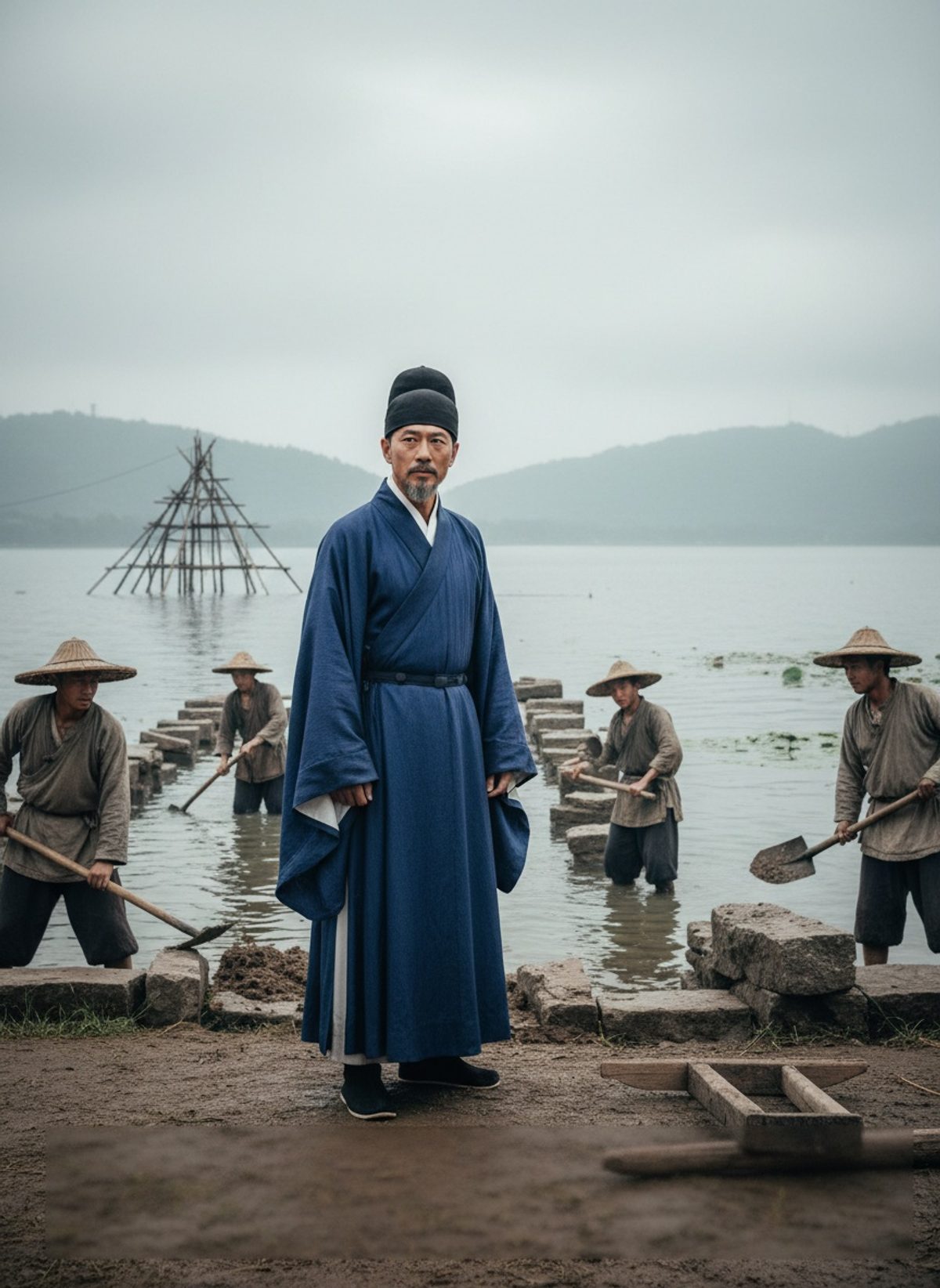
1089 AD. Hangzhou faced floods and famine. Governor Su Dongpo had been exiled there as punishment. He used his own salary to feed thousands. Then he built them a causeway. It still stands.
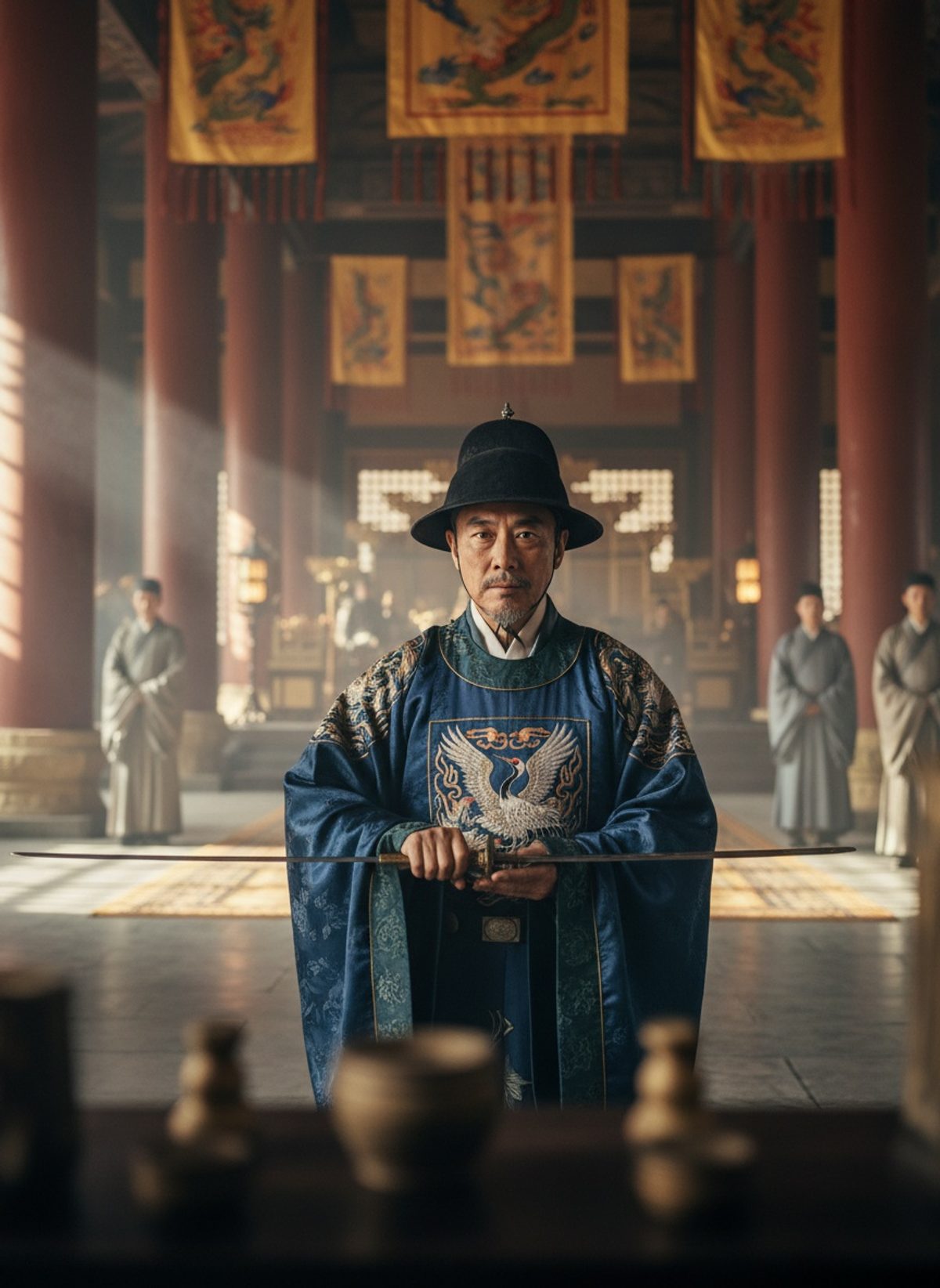
1519. The Ming court trembled. Wang Yangming had crushed the Prince of Ning's rebellion in 43 days. The Emperor expected a victor. Wang handed back his sword. He asked only for peace.
1587. Hai Rui was already dead. But Shen Shixing remembered what he had done. One official. One letter. Sent to an emperor who punished everyone who told the truth. Hai Rui had told it anyway.
1279 AD. China had no accurate calendar. Crops were failing. Wars had been fought over it. One astronomer climbed twenty-seven towers across the empire. Measured every shadow. Every star. Then rewrote time itself.
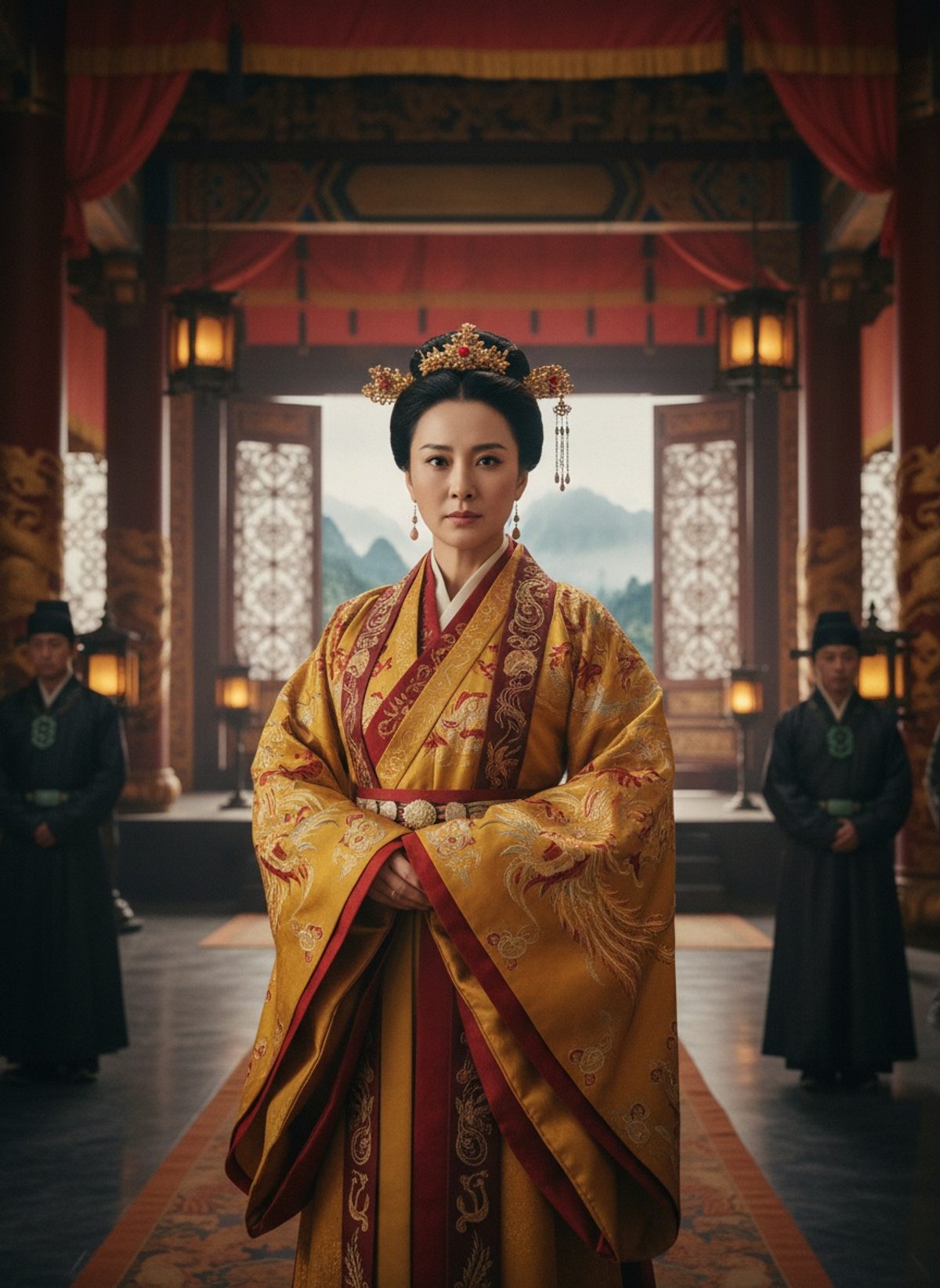
AD 655. Empress Wu Zetian stood before the Tang court. Every man around her expected silence. She spoke. She argued. She won. No woman had ever done it before. None would for a thousand years.
Tang Dynasty. 649 AD. Emperor Taizong lay dying. His concubine Wu Zhao knelt at his bedside. She had served him for years. He left her nothing. His son inherited the throne. And her.
1565. The Jiajing Emperor had ruled for decades. No official dared speak. Hai Rui bought a coffin. Prepared his funeral. Then handed the Emperor a letter saying everything.
99 BC. Sima Qian defended a general. The emperor had him castrated. He could have died. He chose to live. He finished China's first complete history. Every dynasty read it.
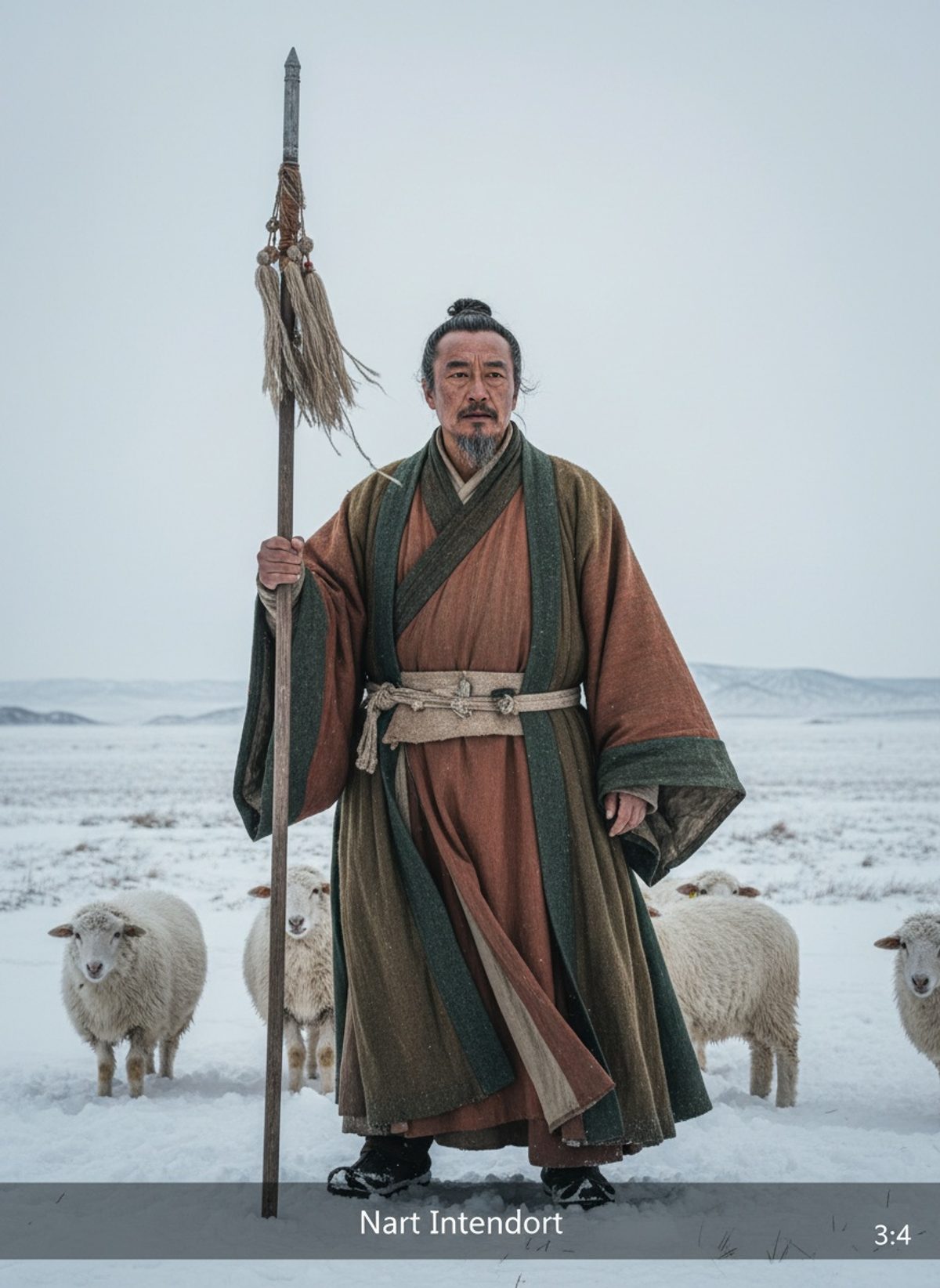
100 BC. The emperor sent Su Wu to negotiate with the Xiongnu. They demanded he betray China. He refused. They exiled him to Siberia with a flock of sheep. He tended them for nineteen years. He never bent.
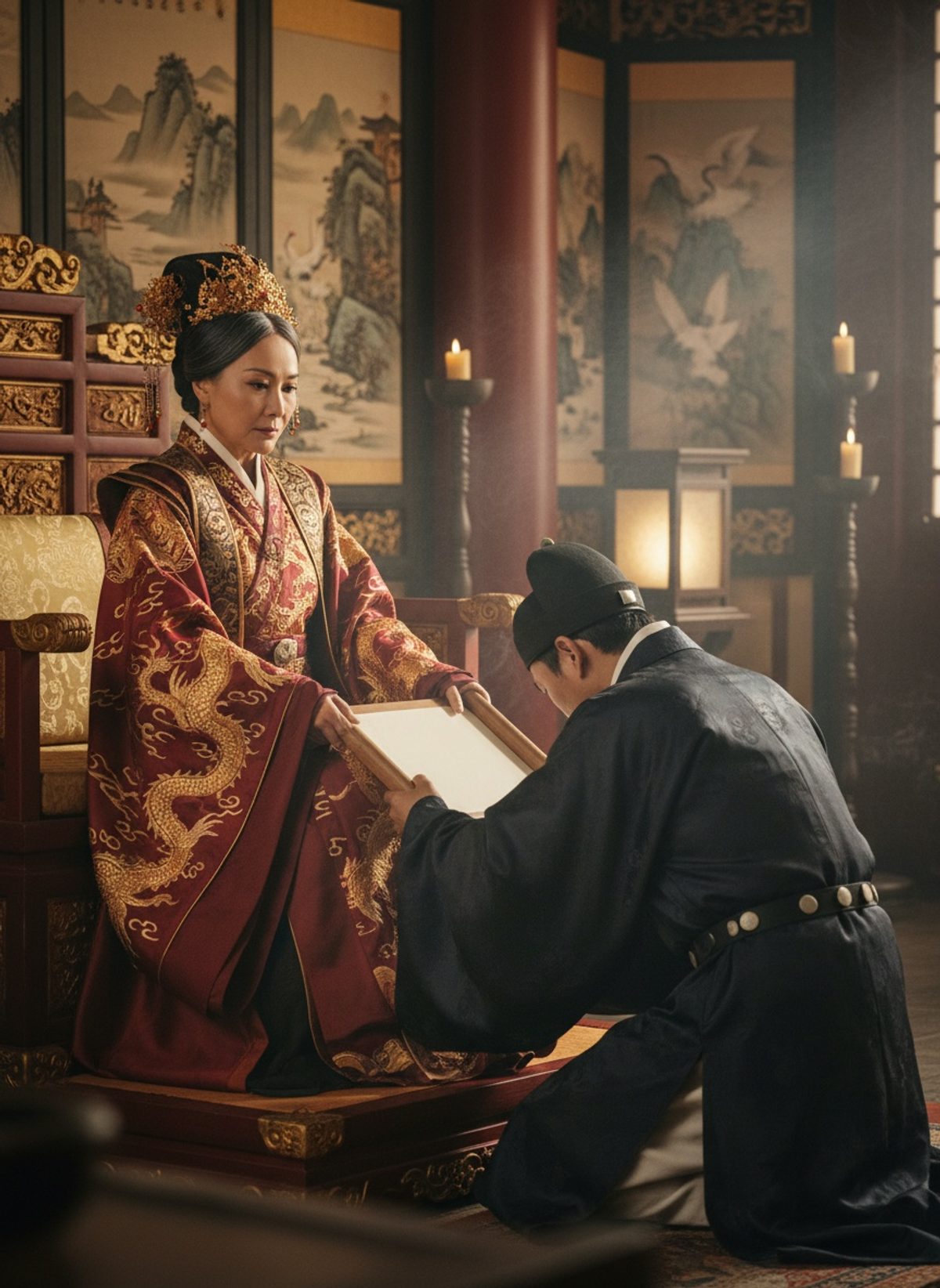
AD 693. Wu Zetian ruled China. A petition arrived. Written by a woman. Addressing the Son of Heaven directly. The court held its breath. She read it. Then she granted it.
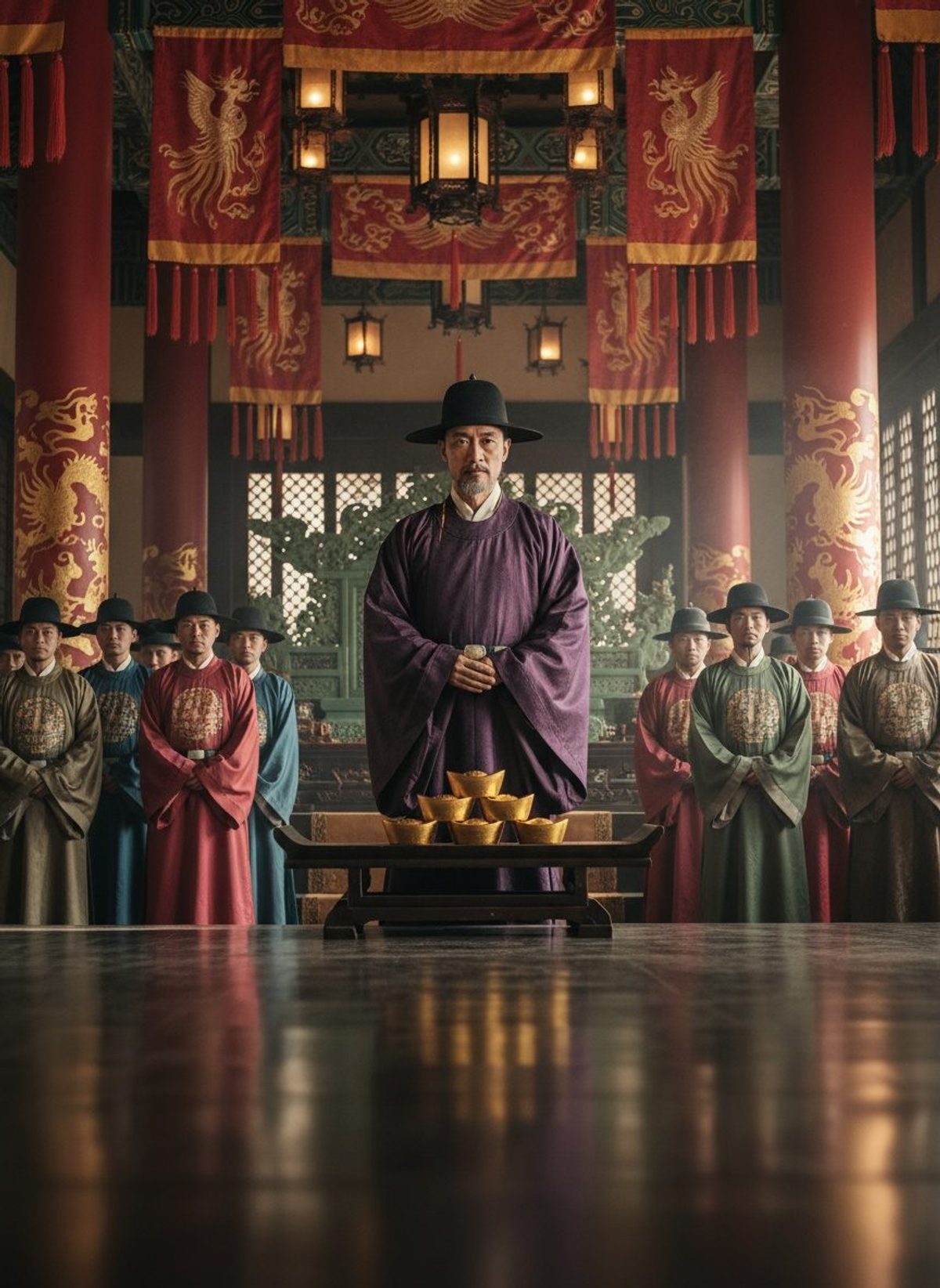
Tang Dynasty. 630 AD. The Emperor offered him a fortune. Wei Zheng had exposed corruption at the highest levels. The court held its breath. He refused every coin. Then he asked for justice instead.
320 AD. The emperor offered Ge Hong a palace post. Power. Gold. A life at court. He declined. He walked into the mountains of Luofu. He never came back to power. He chose the sick instead.
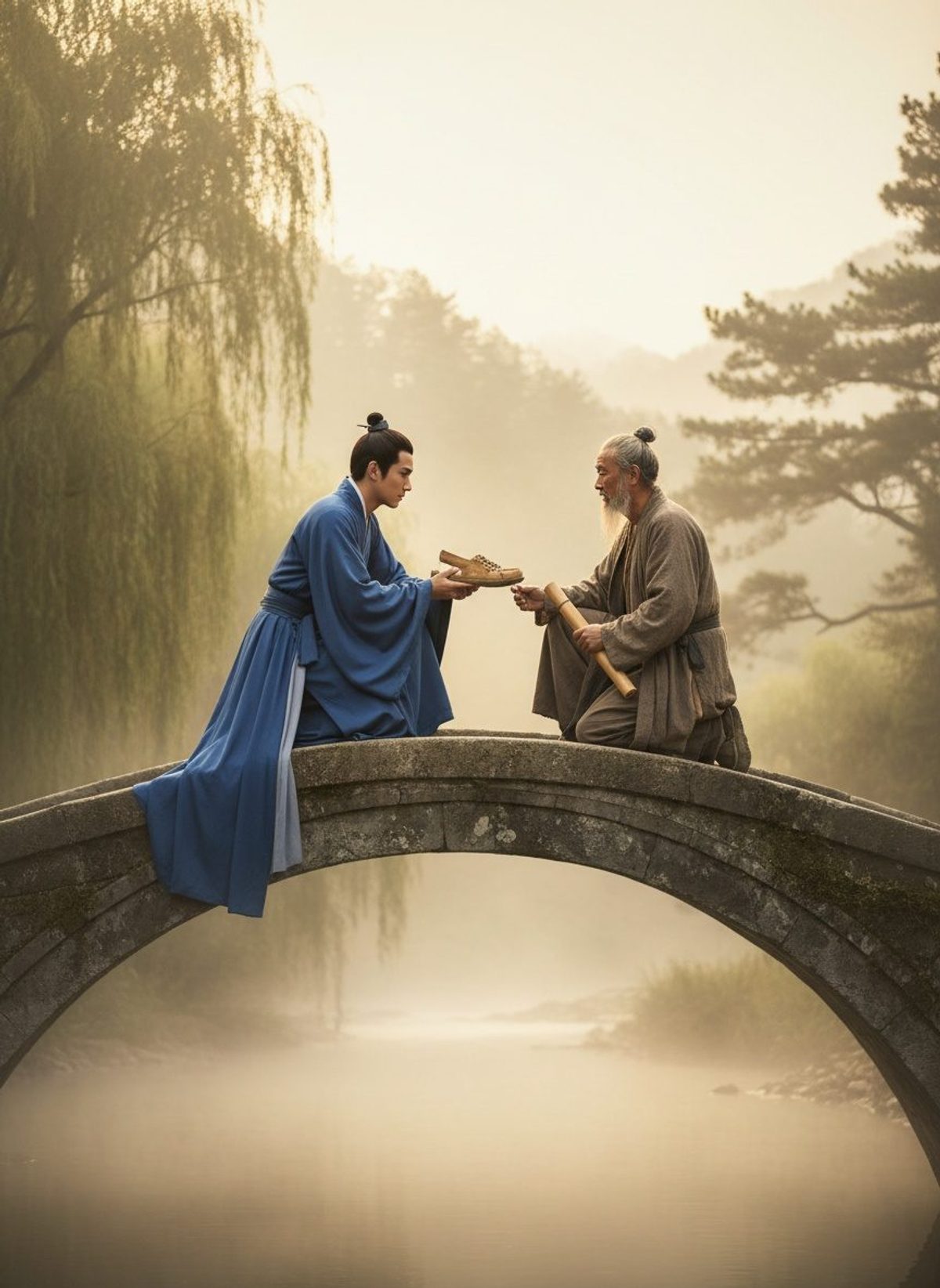
A young nobleman knelt on a muddy bridge. An old stranger dropped his sandal. Zhang Liang fetched it. Three times. The stranger smiled. He handed over a scroll. It made Zhang Liang the greatest strategist in Chinese history.
Beijing, 1898. The emperor had lost. The empress had struck back. Six reformers were sentenced to die. Five fled. One stayed. Tan Sitong said change needed blood. He gave his own.
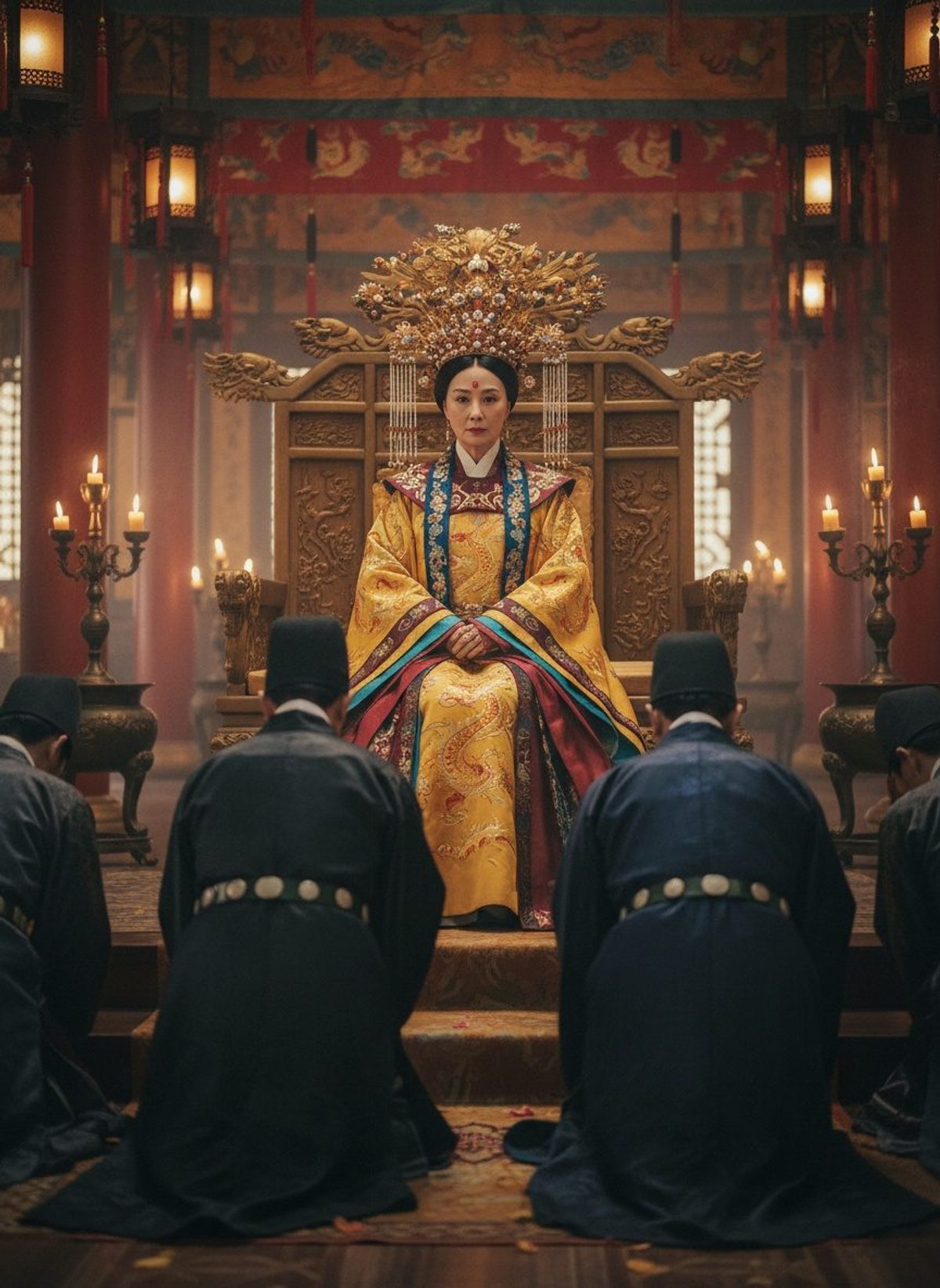
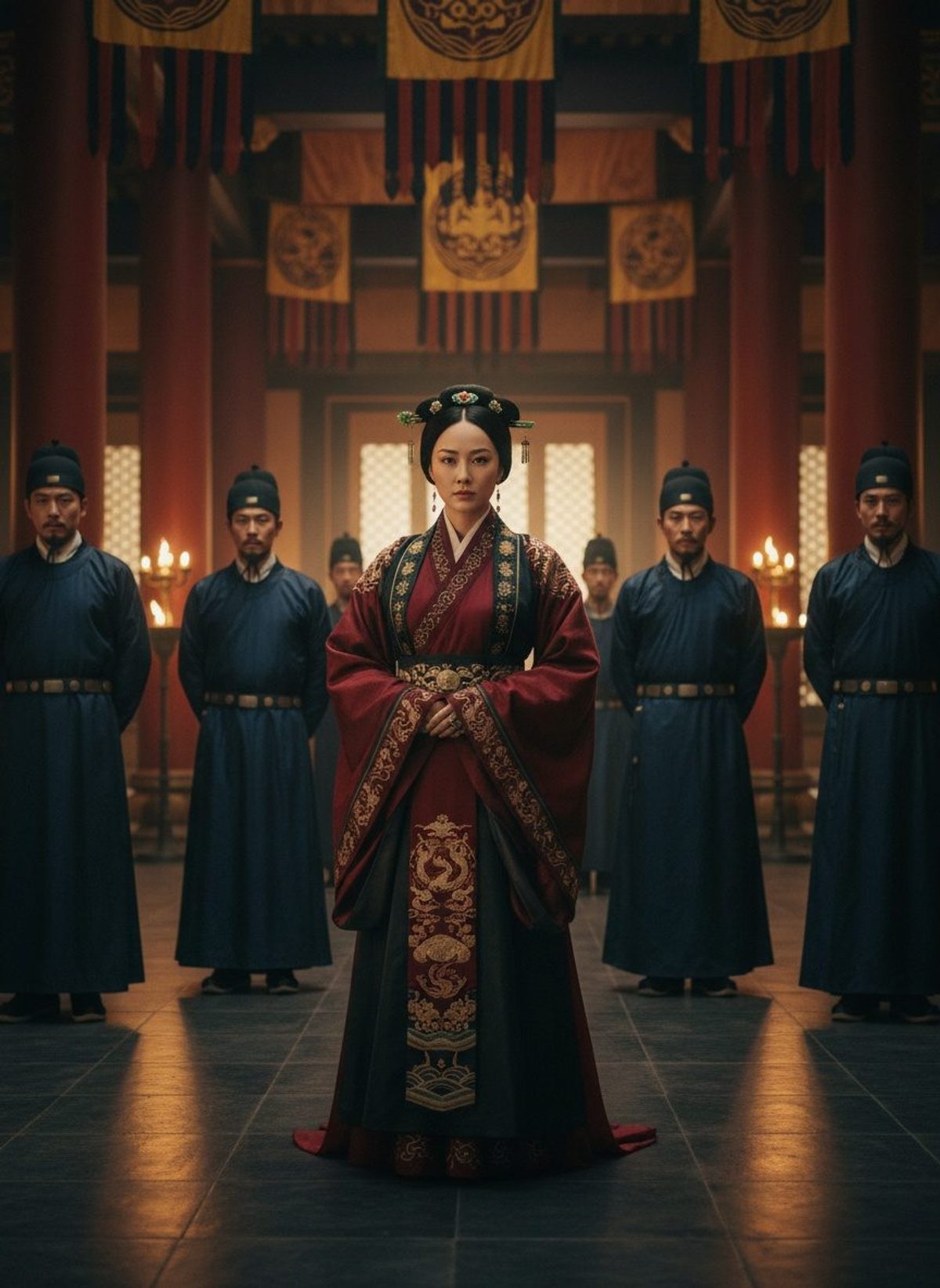
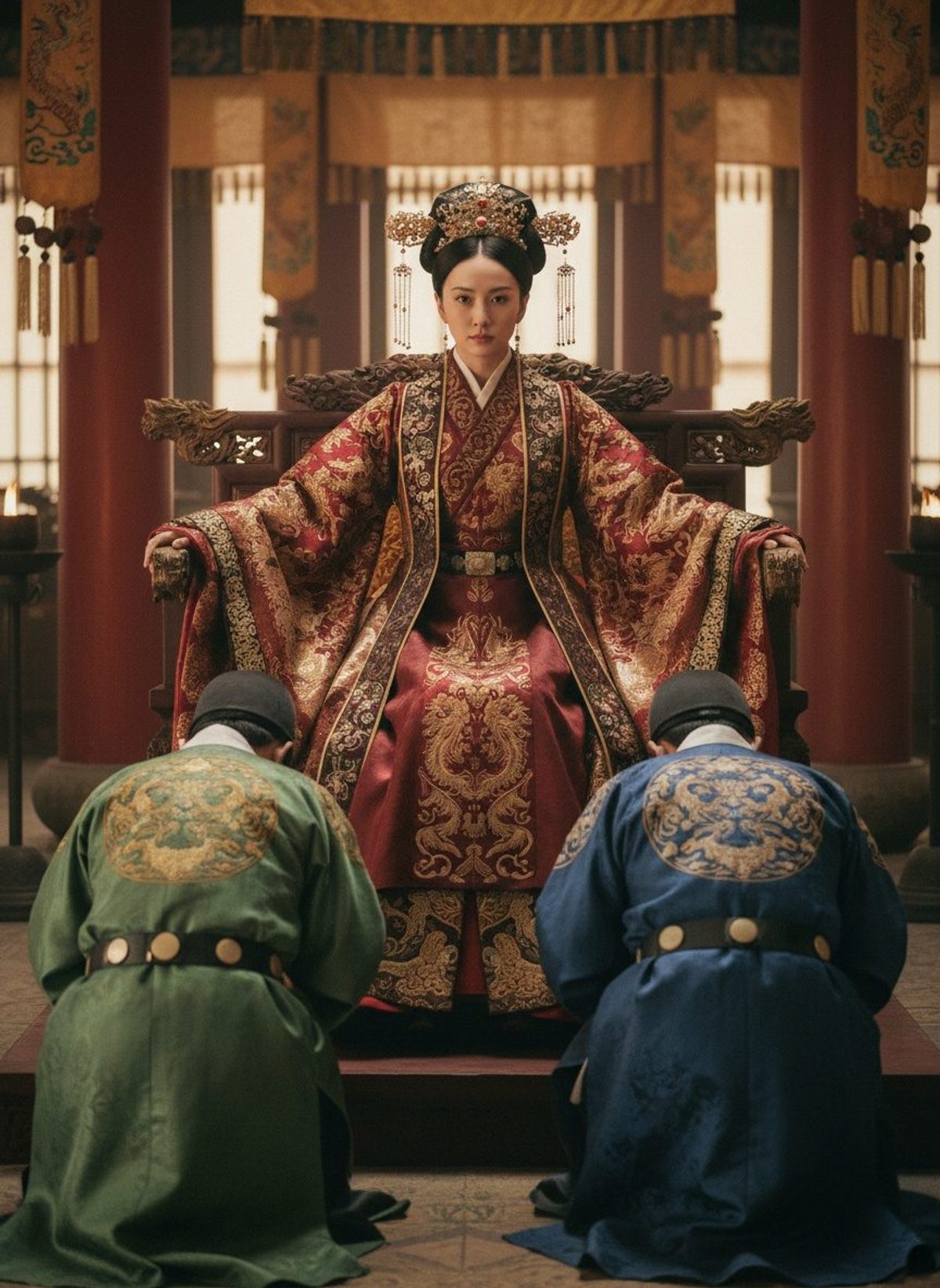
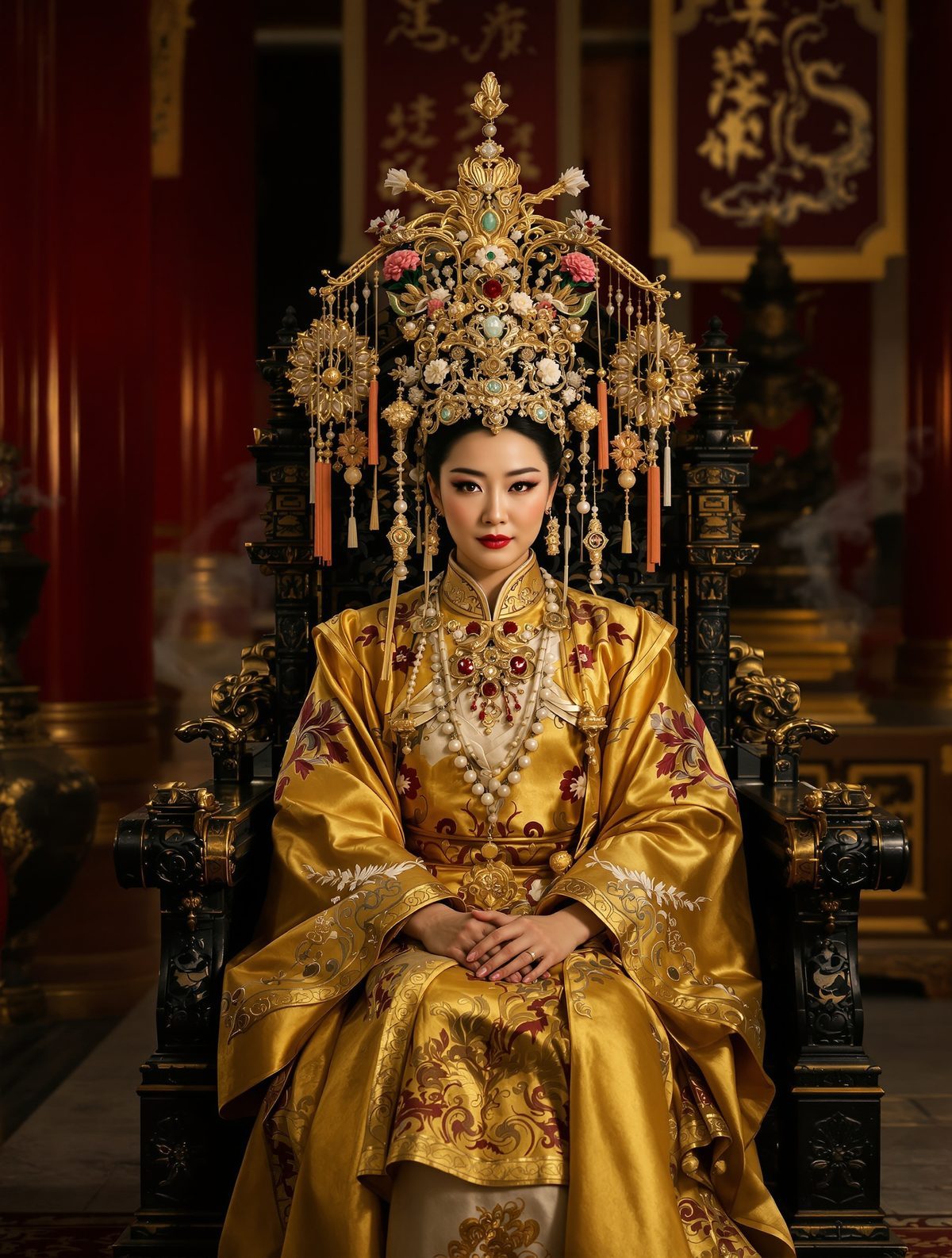
690 AD. The court waited in silence. A woman stepped onto the throne. Wu Zetian declared herself Emperor. Not regent. Not consort. Emperor. China held its breath.
1566. Emperor Jiajing had not held court in twelve years. One official walked in anyway. Hai Rui handed him a letter. It named every failure. Every cruelty. Every broken promise. Then he waited.
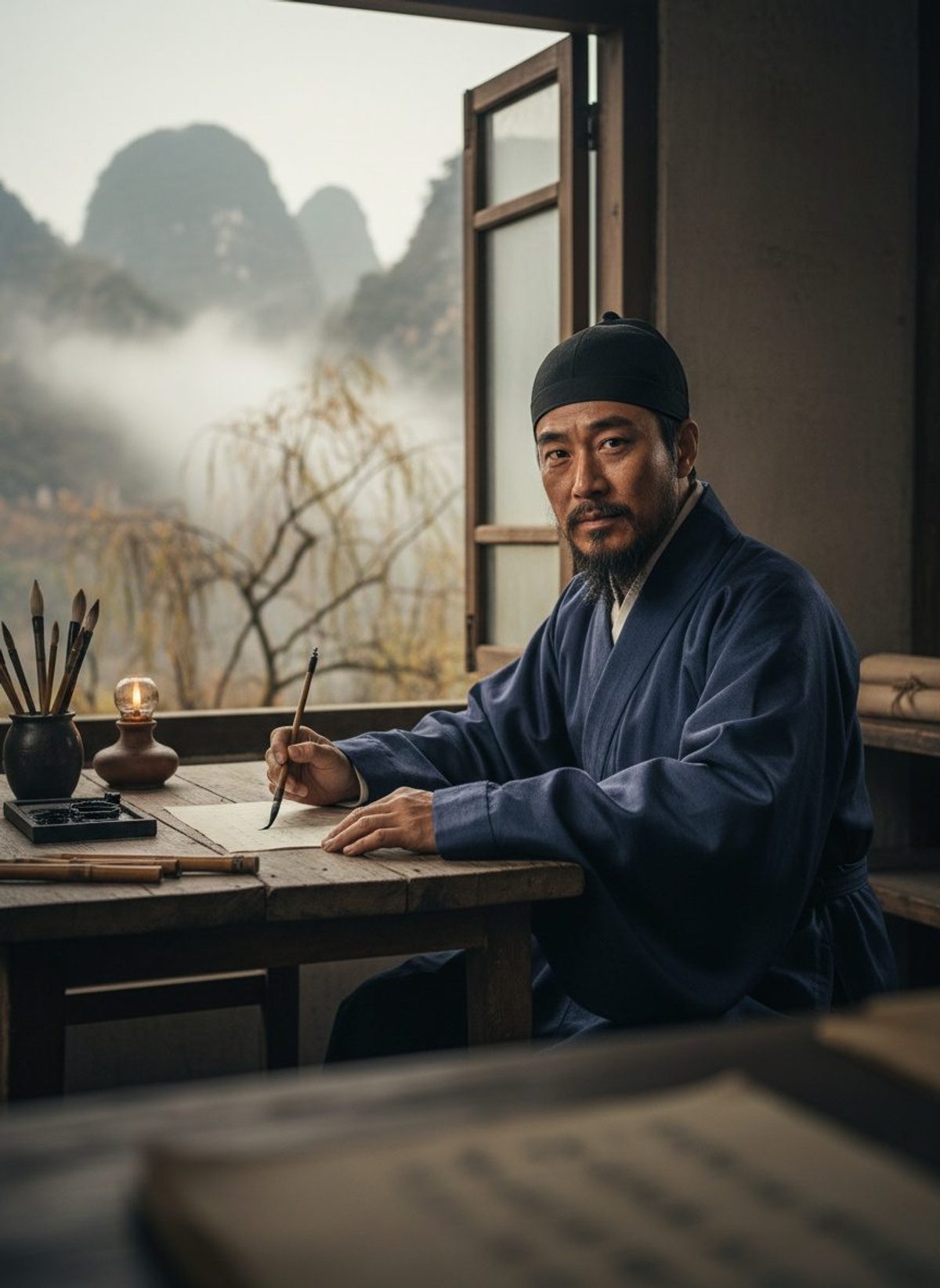
1080 AD. Su Shi was stripped of everything. Accused by rivals. Sent to the edge of the empire. He had no power left. So he wrote. The poem he sent back stunned the capital.
Tang Dynasty had collapsed. China fractured. Five emperors rose and fell in fifty years. One minister served them all. He never betrayed a single one. They called him shameless. History called him something else.
1582. China's greatest minister lay dead. The emperor he had served stripped his family of everything. His reforms had saved the empire. No one was allowed to say so. History tried to bury him. It failed.
Song Dynasty China. 1122 AD. A mother took a needle and carved four words into her son's back. 'Serve the country with loyalty.' He never broke that vow. Not once. Not even at the end.
1279. The Song Dynasty had fallen. Kublai Khan held China. One minister remained unchained. Wen Tianxiang was offered high office. He refused. He chose death instead.
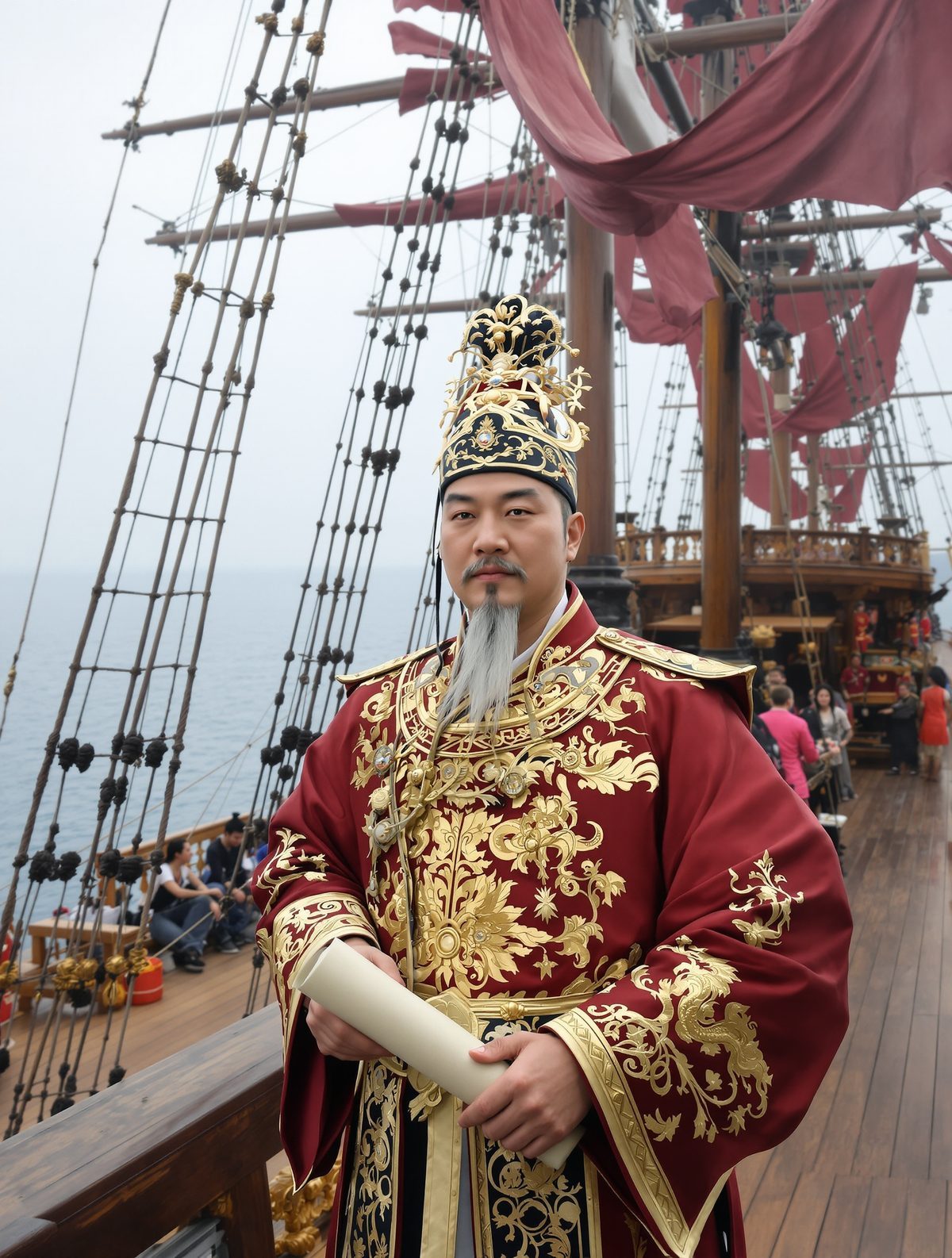
Zheng He commanded the largest fleet ever built. Seven voyages. Thirty countries. Then one emperor burned the ships. The ocean closed forever.
1402. The new emperor demanded one signature. Fang Xiaoru refused. He was offered his life. He refused again. Ten generations of his family were executed. He never lifted the brush.
227 BCE. One man. One dagger hidden in a scroll. Jing Ke was sent to kill the king who would become China's first emperor. He got close. Closer than anyone. Then time ran out.
Ming Dynasty. 1587. Zhang Juzheng was dead. His enemy, the scholar Hai Rui, had outlived them all. He died with one robe to his name. Colleagues pooled coins to bury him. The emperor ordered a state funeral anyway.
33 BC. The Han Emperor needed peace with the northern tribes. One woman volunteered. Wang Zhaojun rode north into the steppe. She never came home. China called her a hero forever.
1905. China was humiliated. America had banned Chinese workers. One merchant in Singapore read the news. He called for a boycott. Across China and Southeast Asia, millions listened. An ordinary man had moved an empire.
180 BC. Emperor Hui was dead. The generals wanted a new emperor. Empress Dowager Lü Zhi stood alone in the court. She had ruled China for years. She told them no. She chose the heir herself.
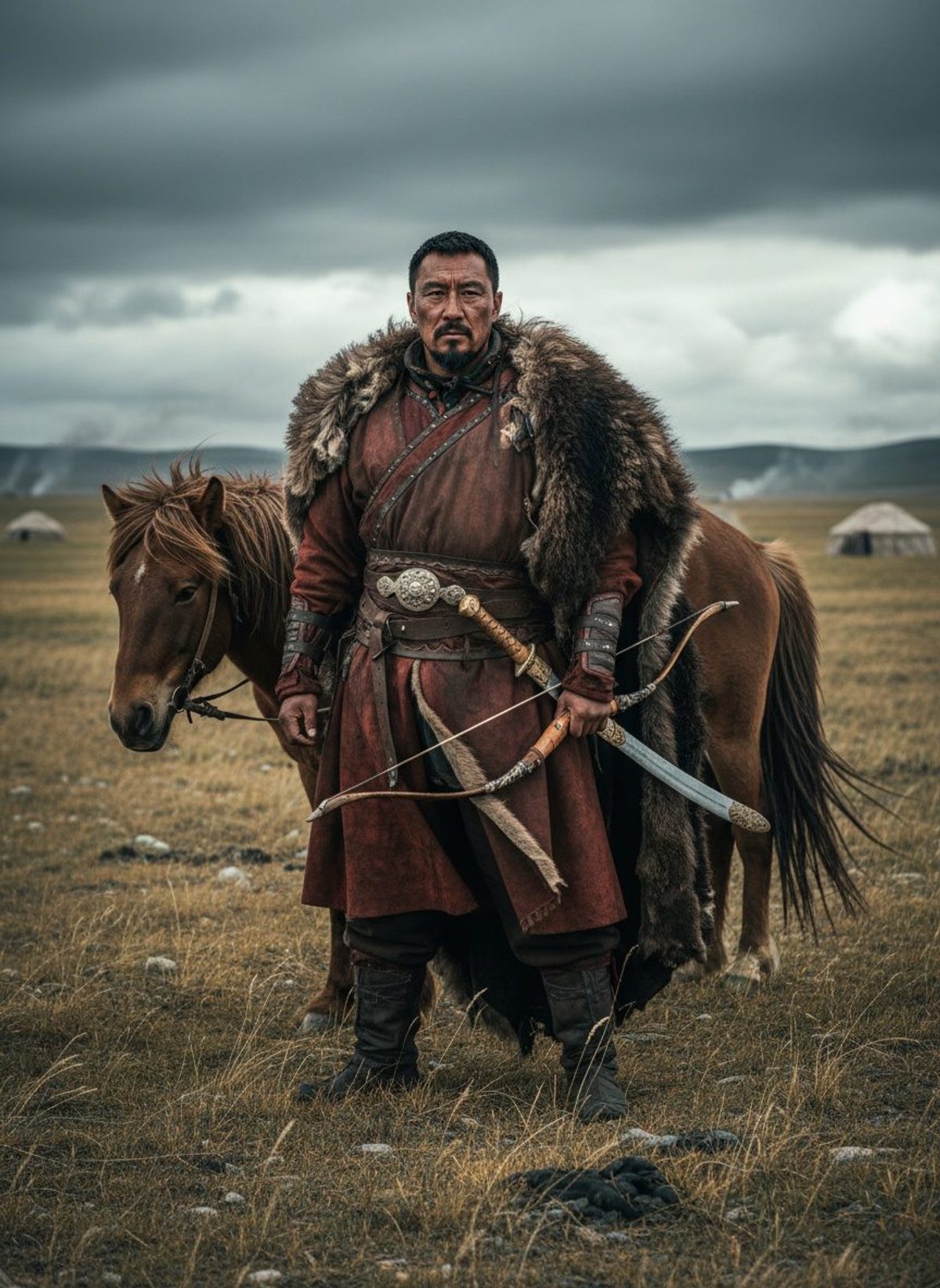
In 2003, geneticists found one in every 200 men alive carries Genghis Khan's Y-chromosome. A living bloodline — 800 years unbroken. History had left a mark on millions who never knew it.
1582. Zhang Juzheng had served the Ming Emperor for ten years. He reformed the tax code. He fed millions. He saved the dynasty. Then he died. Within weeks, his enemies destroyed everything.
1280 AD. Kublai Khan wanted a new calendar. His astronomer climbed the towers. He measured the sun at twenty-seven stations across China. His numbers were exact. The world would not match them for three hundred years.
Tang Dynasty. 655 AD. Wu Zetian was a concubine. No woman had ever ruled China alone. She studied. She waited. Then she did.
Tang Dynasty. 655 AD. Wu Zetian was a concubine. No woman had ever ruled China. She studied every law. Every precedent. Every weakness. Then she changed them all. She became the only Empress in Chinese history to rule in her own name.
256 BC. The Min River flooded every year. Thousands drowned. Li Bing, governor of Shu, refused to accept it. No dam. No concrete. He split the river itself. It still runs today.
105 AD. A court official named Cai Lun pressed bark, hemp, and rags into sheets. He walked into the Han emperor's hall. He placed the sheets before the throne. The emperor held the world's first true paper. Nothing was ever the same.
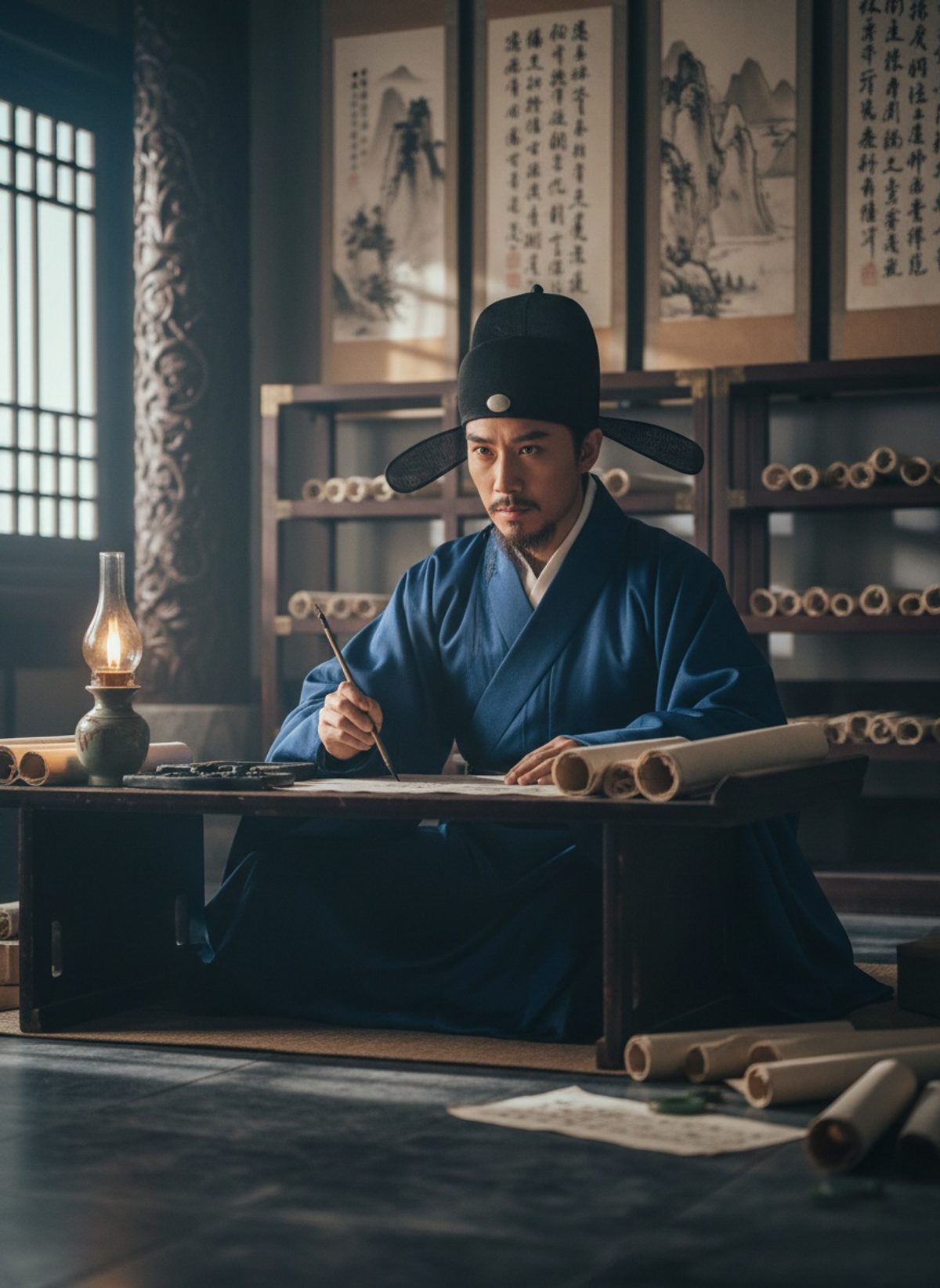
1088 AD. Shen Kuo had lost everything. Exiled to a garden estate. No post. No title. He wrote anyway. One book. Every science China knew. The world would not catch up for centuries.
1127 AD. The Jin army swept south. Li Qingzhao had spent thirty years collecting China's rarest books and bronzes. She fled with two carts. Then one. Then nothing. She kept writing.
1097 AD. Su Dongpo was sixty years old. The emperor banished him to Hainan Island. The end of the known world. He planted a garden. He wrote poems. He called it paradise.
Tang Dynasty. 665 AD. Wu Zetian needed the heavens read. Li Chunfeng had already predicted three eclipses to the day. She summoned him alone. He handed her a calendar unlike any before it. She kept it.
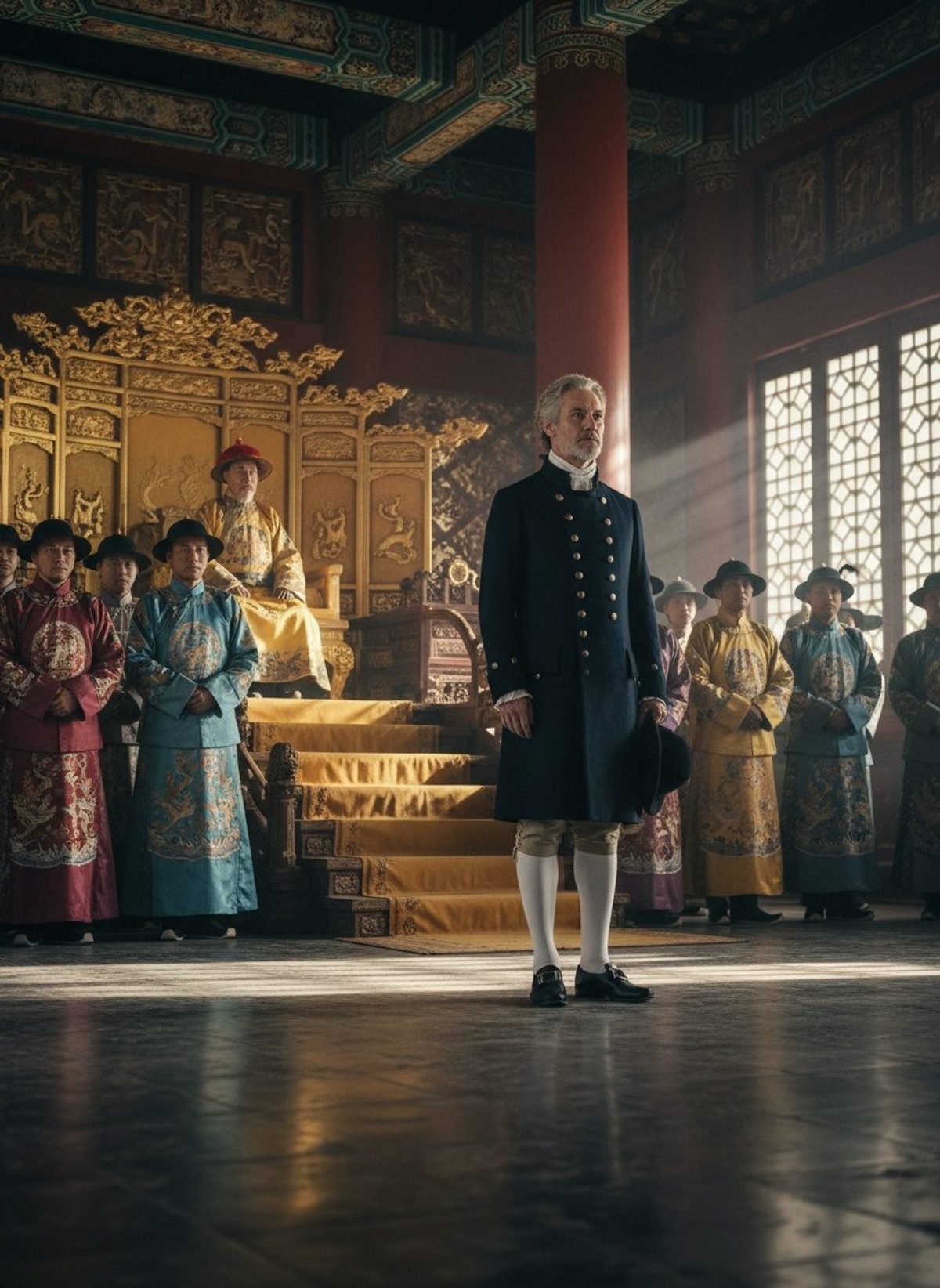
1793. Lord Macartney entered Beijing. He carried gifts from King George III. He refused to kneel before the Emperor. China had never seen defiance like it. The empire watched. So did Britain.
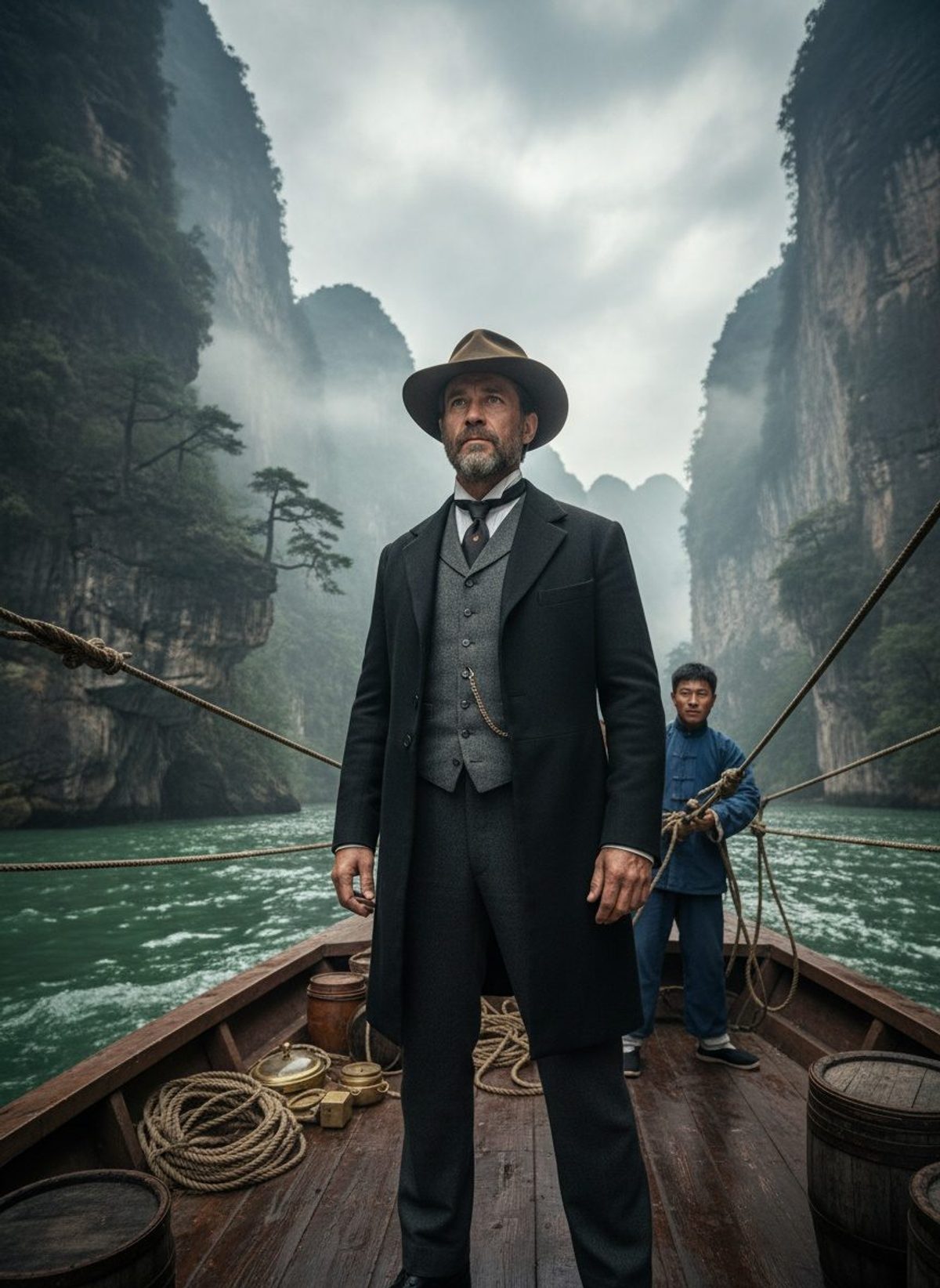
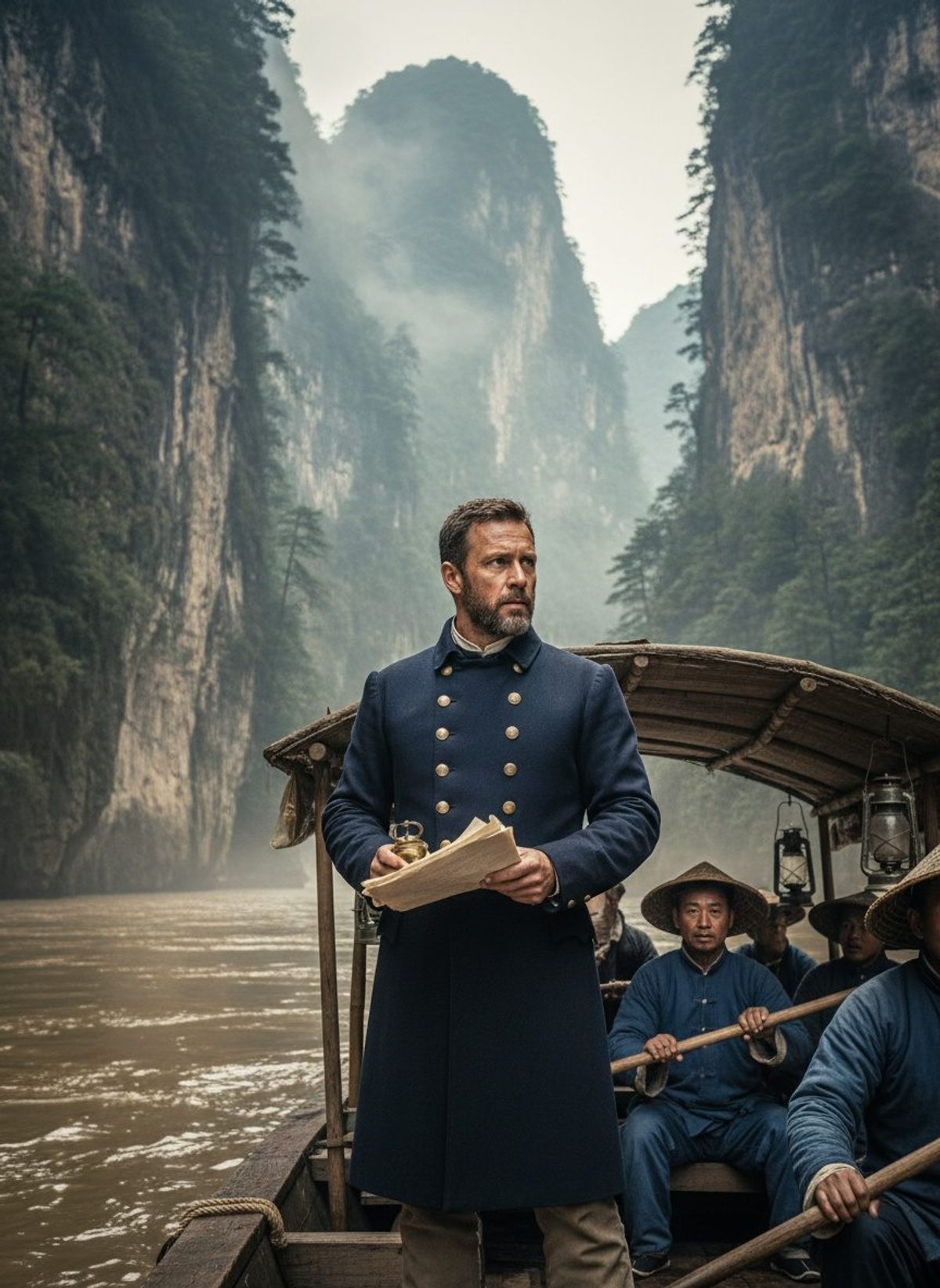
1868. The Yangtze River wound deep into China. No Western chart existed beyond Hankow. Thomas Blakiston had already mapped the upper reaches. Now Archibald Little pushed further. Alone. Into the gorges. The river roared. He did not turn back.
Every yellow pencil in the world traces back to imperial China. The color was chosen to signal prestige. One manufacturer's decision became a global standard nobody ever questioned.
1865. Herbert Giles arrived in China as a young British consular officer. He spent decades learning a language no Westerner could read. Then he built the system that taught the whole world to read it.
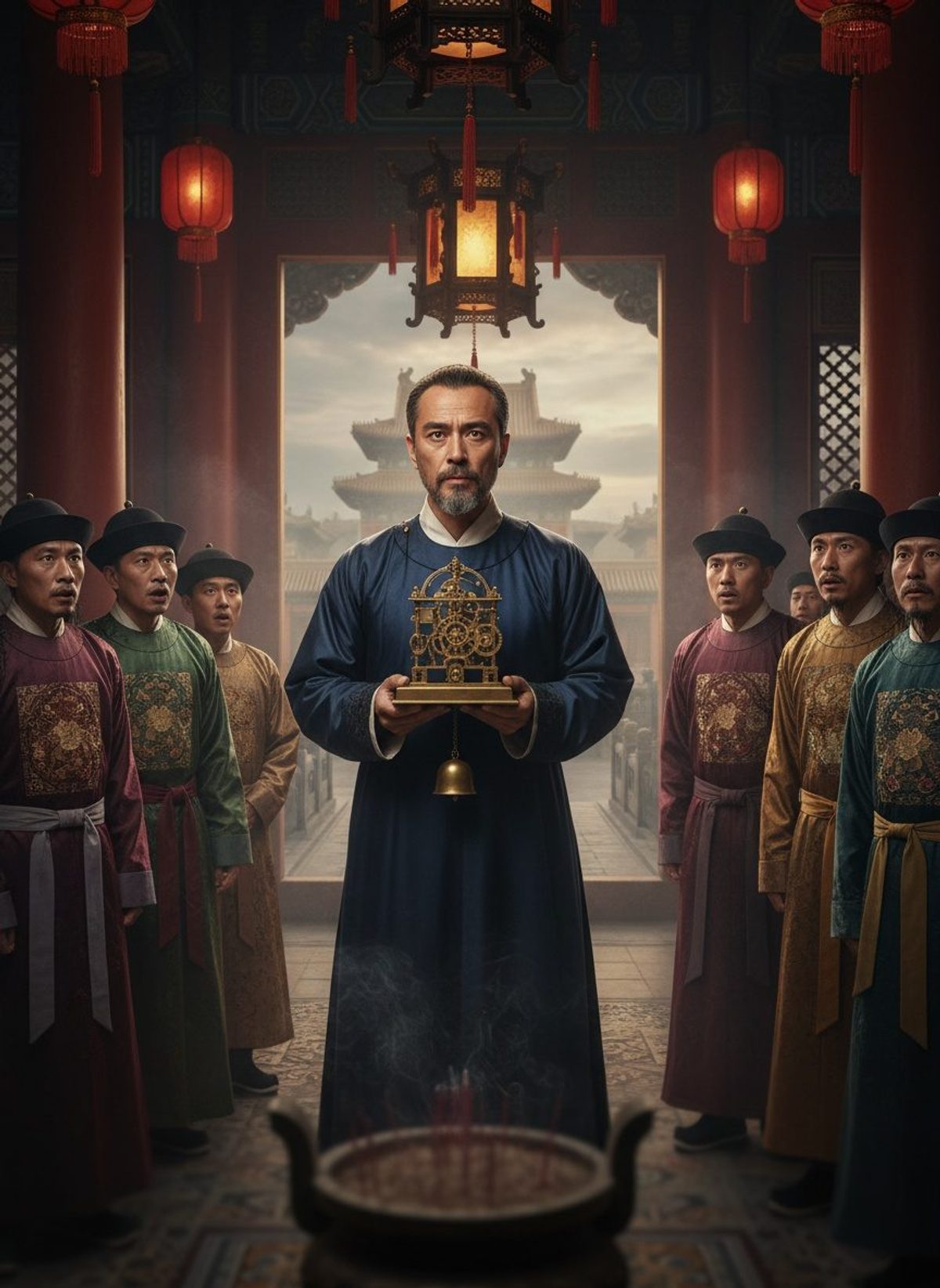
Beijing. 1601. A Jesuit priest carried a gift to the Forbidden City. Not a weapon. Not gold. A mechanical clock. The Emperor summoned him immediately. No Westerner had ever stood inside those walls before.
1868. A lone British naval officer sailed into China's unmapped interior. No charts existed. No one had tried. Lieutenant Thomas Blakiston paddled where empires feared to go. He came back with a map that changed everything.
Hong Kong. 1894. Bubonic plague had arrived. Thousands were dying. Scottish doctor James Cantlie entered the infected quarters. He did not hesitate. He found the cause. He saved the colony.
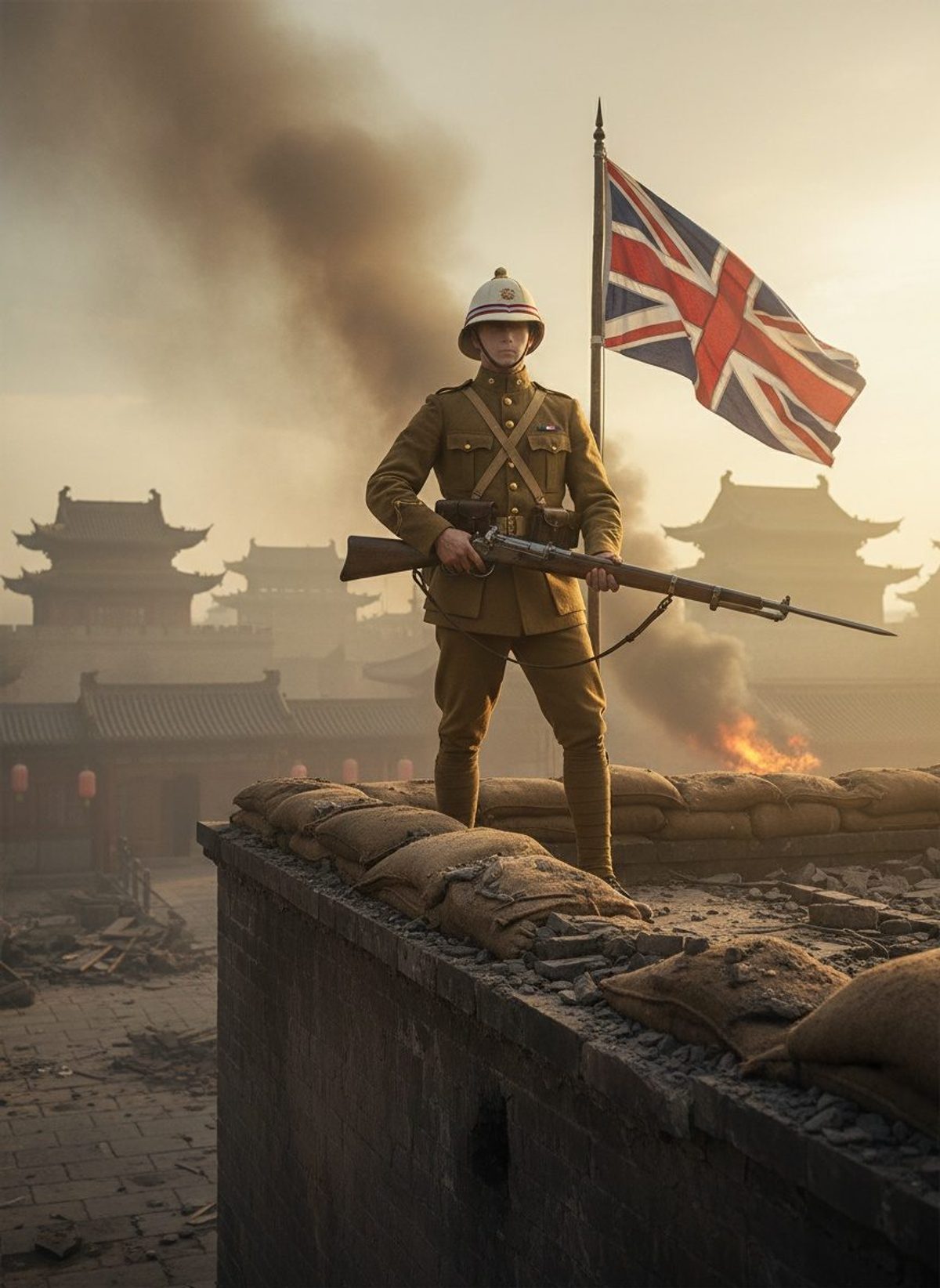
Summer 1900. The Boxer Rebellion had begun. Fifty-five days. A handful of British marines held the Peking Legation against thousands. One man refused to leave. He never did.
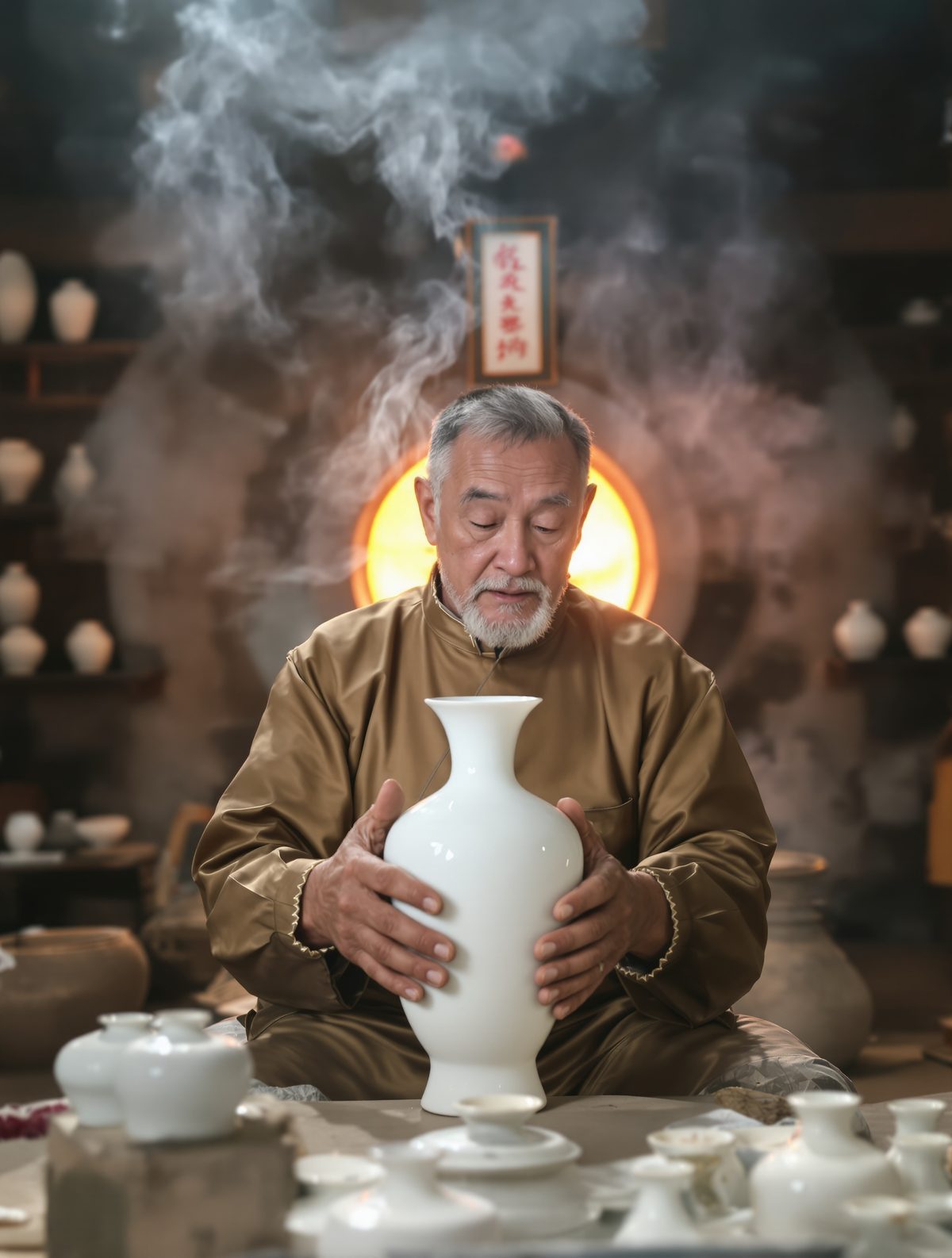
For centuries, China's porcelain formula was more valuable than gold itself
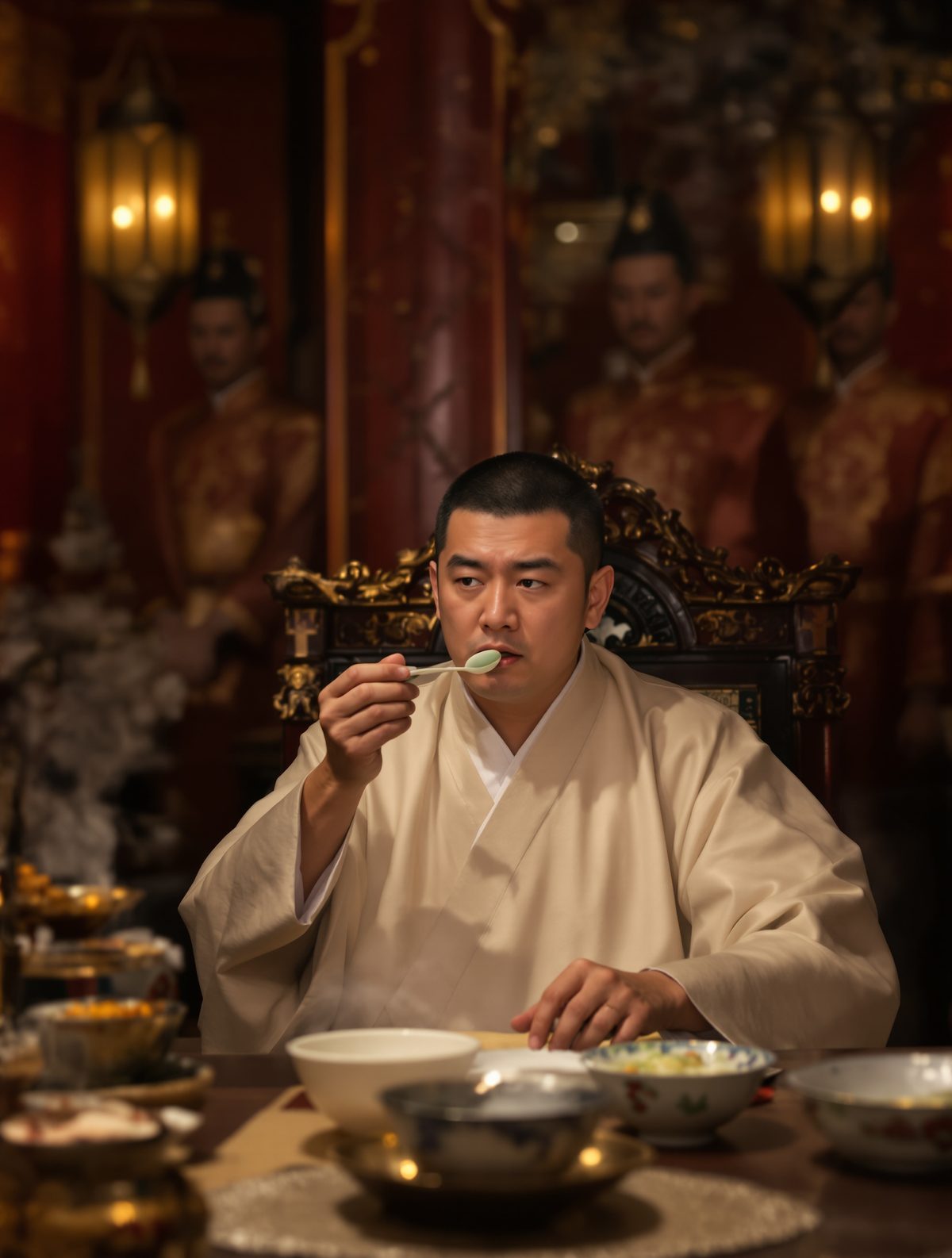
Imperial food tasters risked death with every meal to keep emperors alive
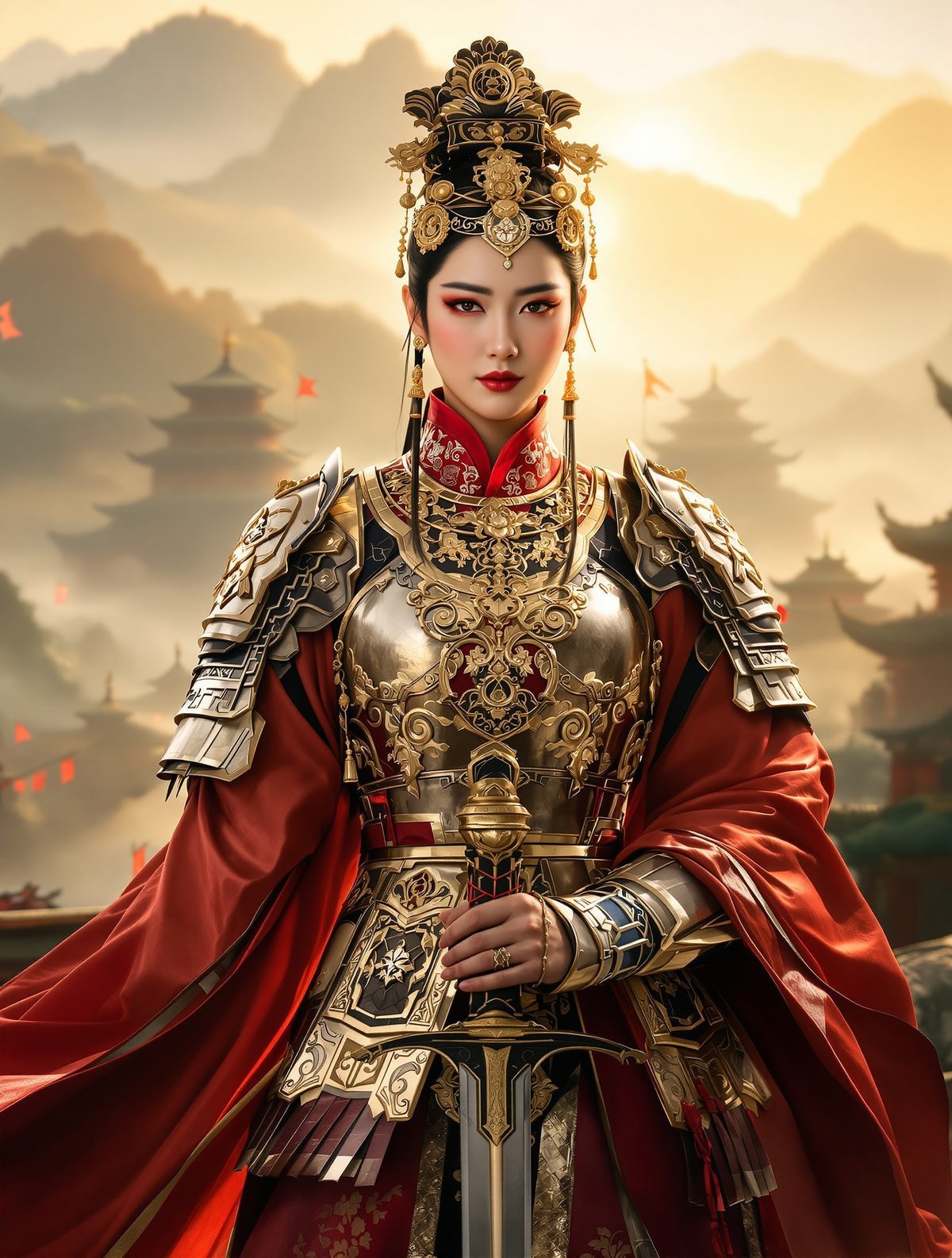
When China's greatest military family sent their women to lead armies into battle
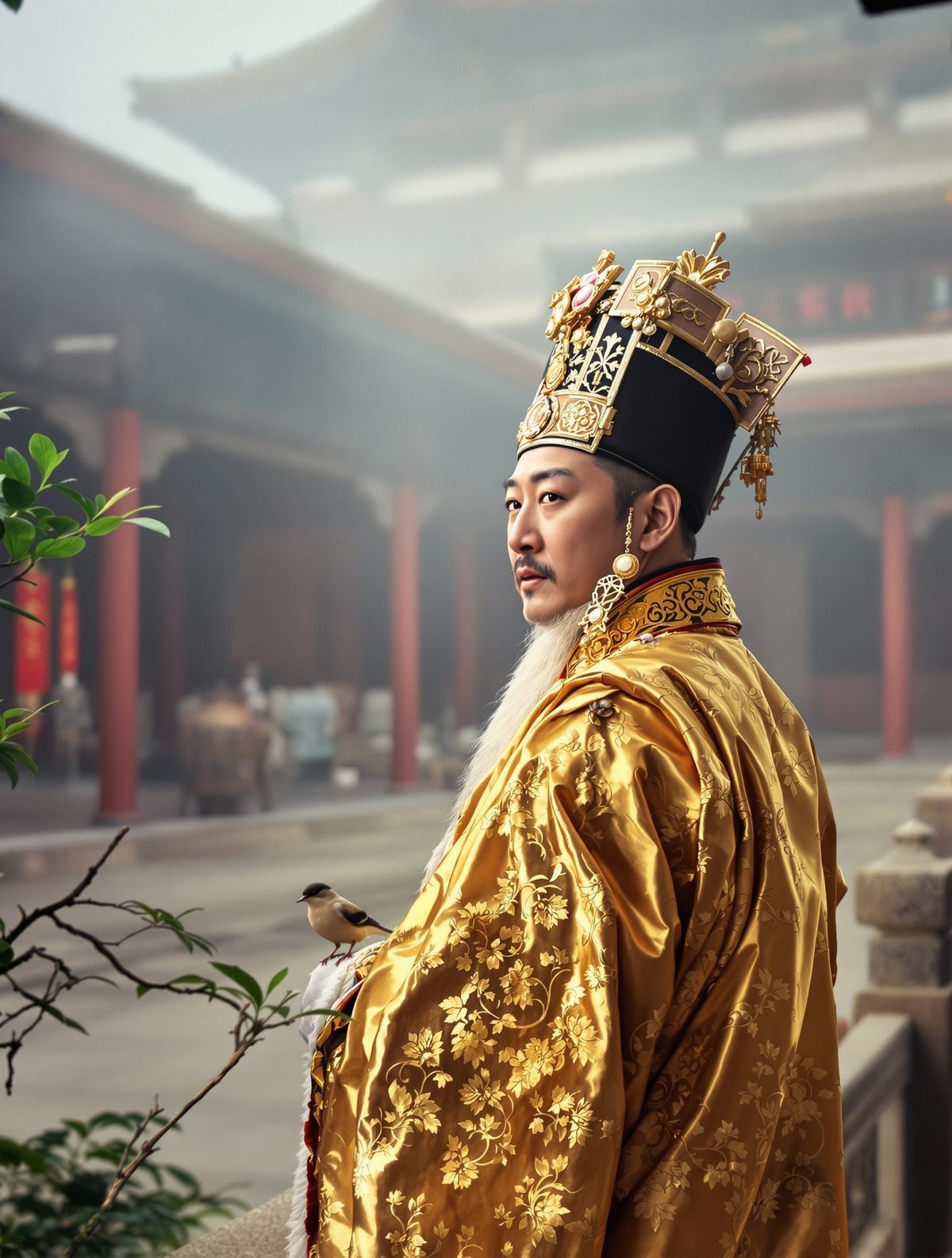
Emperor Kangxi ruled 1.3 billion people and vast armies. But he fled his palace every morning at dawn. The reason? A single sparrow that nested outside his window. He believed it was the ghost of his murdered brother.
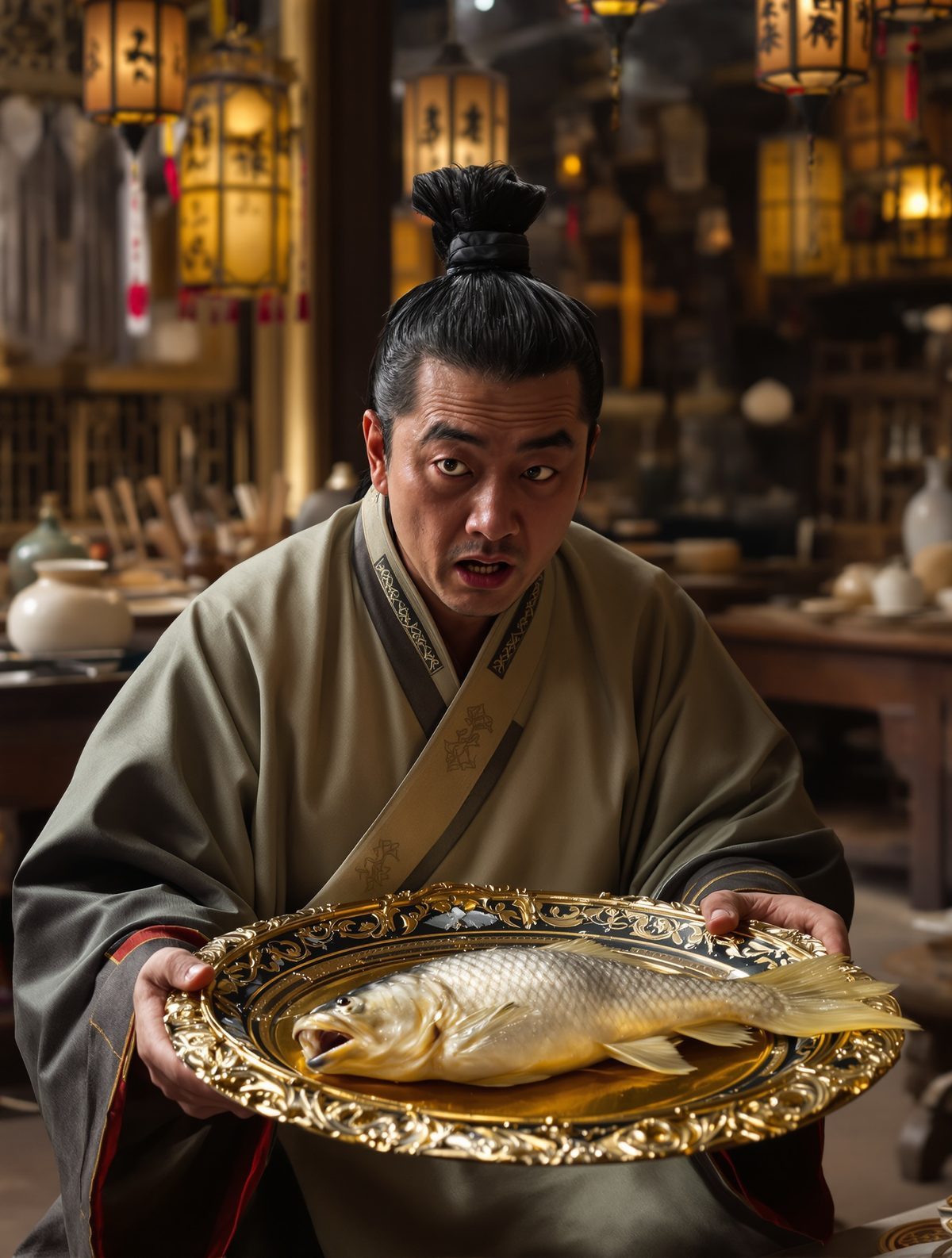
Emperor Hongwu demanded perfection in every meal. His head chef served carp with a single scale still attached. The emperor noticed immediately. The chef was executed within the hour. His crime? Serving imperfect fish to the Son of Heaven.
Emperor Chongzhen's favorite concubine Consort Tian convinced him to execute his most capable general. The general was defending Beijing against rebels. Three weeks later the capital fell. The Ming Dynasty ended after 276 years.
Admiral Zheng He commanded 300 ships and 28,000 men across seven epic voyages. This castrated court official reached Africa decades before European explorers. He brought back giraffes for the emperor. Then China abandoned the seas forever.
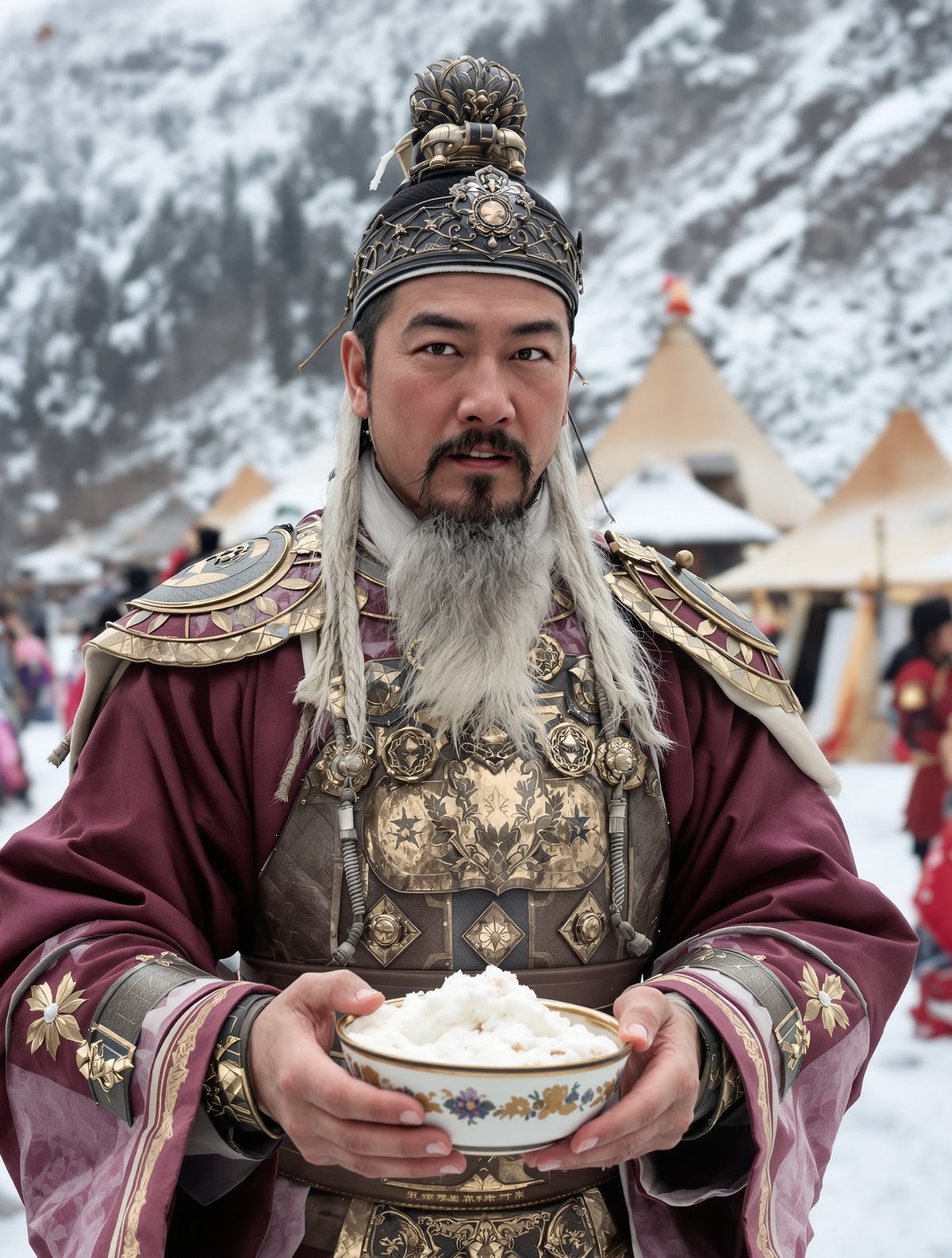
General Li Jing's army was starving in winter mountains. No food for weeks. Then he mixed snow with mare's milk and fruit preserves. His frozen creation saved 3,000 soldiers from starvation.
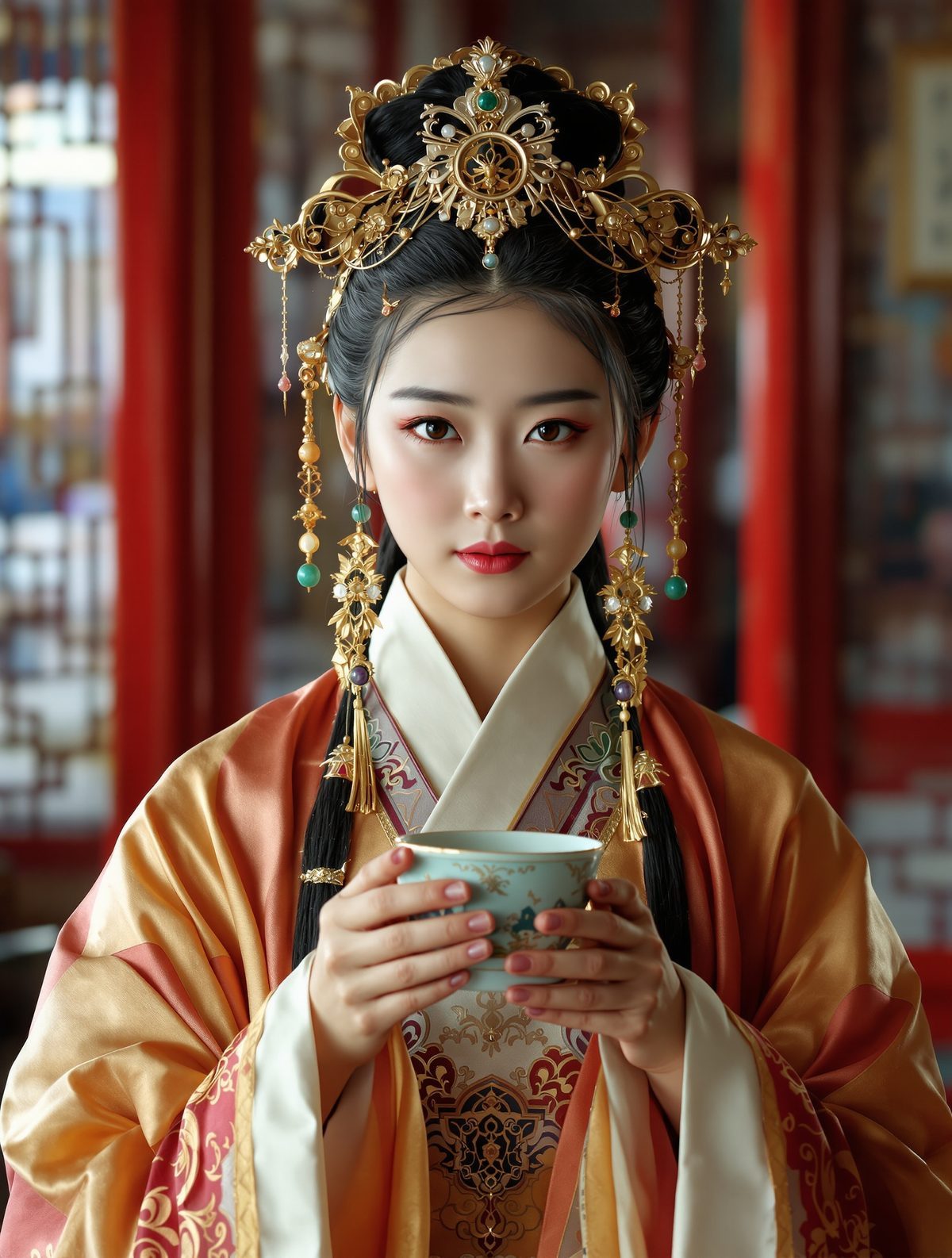
Princess Taiping discovered her father Emperor Gaozong was planning to execute her mother Wu Zetian. She convinced him to drink poisoned tea. As he lay dying, she whispered 'Mother sends her regards.' She had just killed the Tang Emperor to save China's future empress.
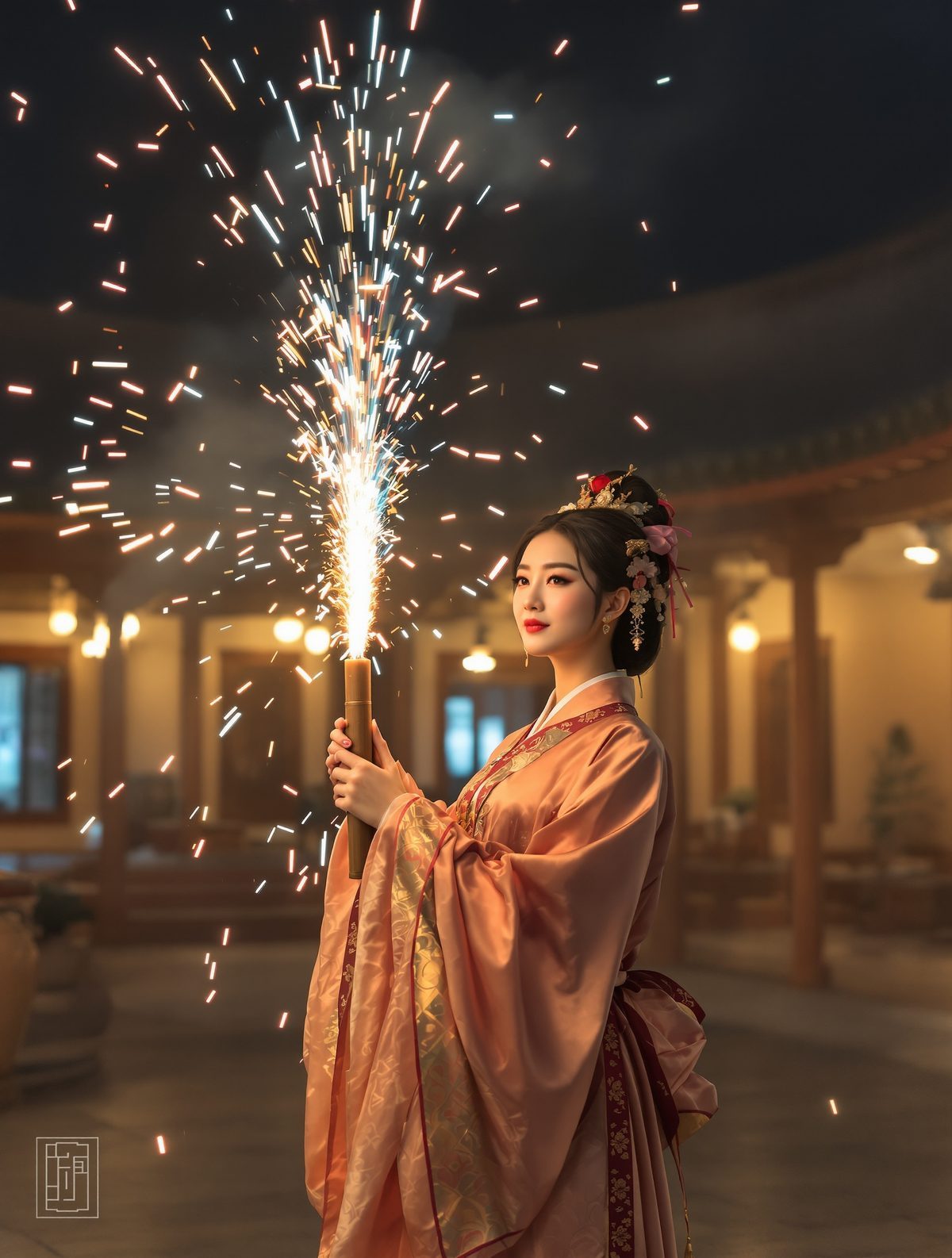
Lady Li was terrified of evil spirits haunting the palace. She mixed saltpeter with charcoal in bamboo tubes. The explosive flash lit up the night sky. She accidentally created the world's first fireworks.
Tang Emperor Xizong loved his elaborate hairstyles. Palace servants spent hours weaving gold threads through his hair. One morning guards found him strangled in bed. The murder weapon was his own silk hair ribbon.
Emperor Gao Yang of Northern Qi decorated his throne room with the skulls of defeated enemies. He drank wine from their craniums during state banquets. Guests were forced to toast with the dead. His bone palace became his tomb when he was assassinated there.
Concubine Bao Si never smiled. King You Zhou lit warning beacons just to make her laugh. When she finally smiled watching panicked nobles flee. The real enemy attacked. No one came.
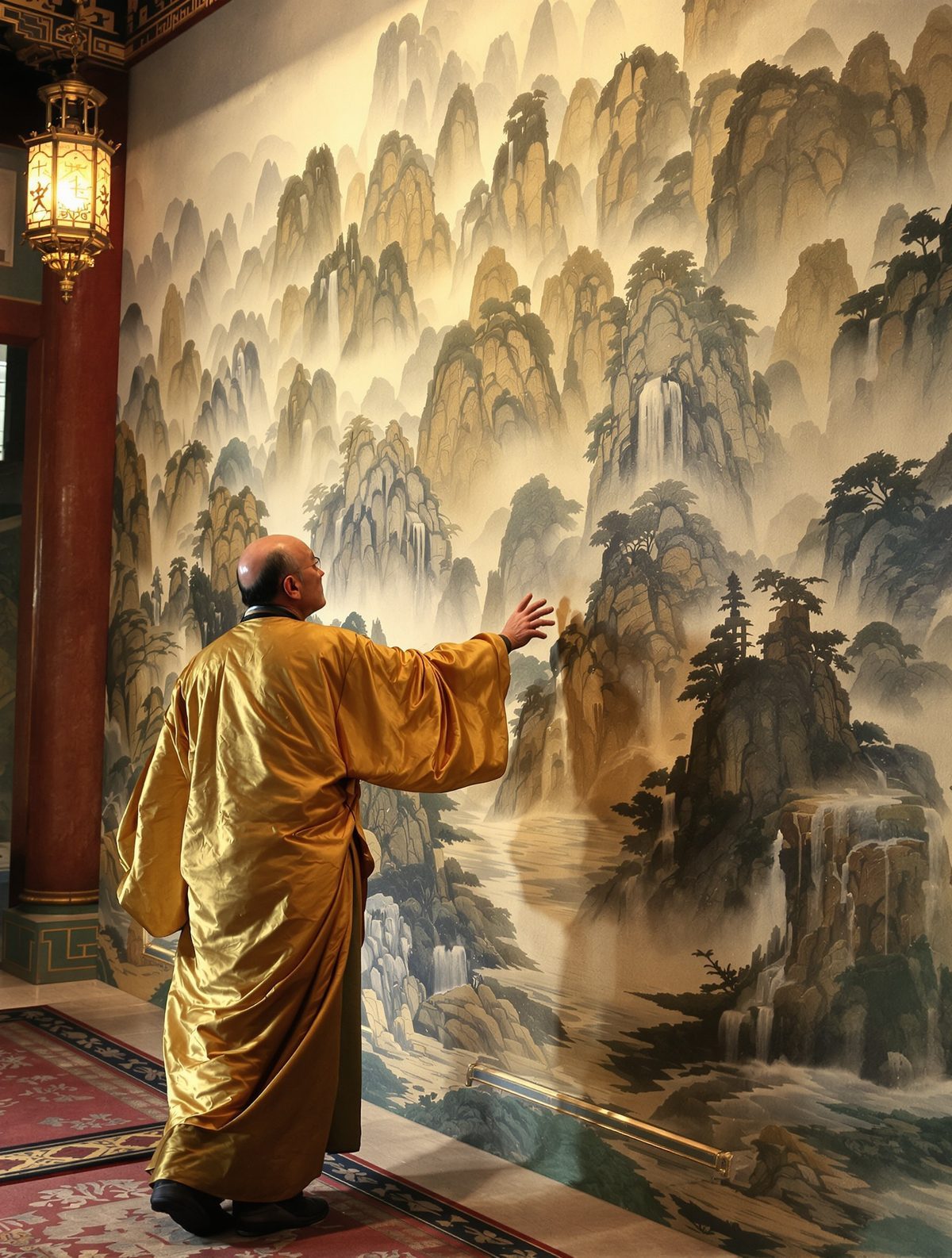
Wu Daozi painted a magnificent landscape mural for Emperor Xuanzong. He pointed to a cave in the painting and said "Your Majesty, there are wonders inside." He walked toward the wall. Disappeared into his own artwork. Never seen again.
Zhang Heng created the world's first earthquake detector. Bronze dragons held balls that would drop into bronze toads' mouths. When it worked perfectly, detecting a quake 400 miles away, officials mocked him. He died testing improvements to prove them wrong.
General Qi Jiguang faced 50,000 Japanese invaders in Korea's brutal winter. He ordered his men to strip naked and march into freezing rivers. The enemy fled in terror thinking they faced immortal ice demons. Victory through madness.
Emperor Qianlong collected over 10,000 rare paintings and calligraphy scrolls. He stamped his personal seal on every single piece. Many priceless Tang dynasty masterpieces now bear dozens of his red ink marks.
Emperor Jiajing obsessed over living forever. He consumed mercury pills daily for twenty years. The elixirs promised eternal life. Instead, they slowly poisoned him to death.
Wu Zetian strangled her own newborn daughter. She blamed Empress Wang for the murder. Emperor Gaozong believed her lies. The innocent empress was executed. Wu became China's only female emperor.
Emperor Wanli ruled the Ming Dynasty for 48 years. For the final 28 years, he never left his palace. Never held court. Never met his officials. The world's most powerful empire ran itself while its emperor hid in his rooms.
Emperor Cheng invited his beautiful consort on a romantic palanquin ride. She refused to sit beside him. Her reason shocked the court. 'Emperors who fall are always found beside beautiful women.' She chose honor over power.
Emperor Guangxu tried to modernize China in 100 days. His aunt, the Dowager Empress Cixi, staged a coup. She locked him on a tiny island palace. For 10 years he ruled from prison while she held real power.
General Yi Ya served his infant son as dinner to Duke Huan. The duke was horrified. But Yi Ya claimed it proved his absolute loyalty. The duke made him chief advisor. Years later, Yi Ya starved the duke to death.
General Bai Qi just buried 400,000 enemy soldiers alive. The greatest victory in Chinese history. But as he walked the mass graves, witnesses saw him weeping. The unstoppable warrior had finally broken himself.
Emperor Shizong needed bronze for weapons. China's Buddhist temples were filled with bronze statues. His solution was radical. Destroy 30,000 temples. Melt down every Buddha statue for swords.
Wei Qing was born a slave in the Han palace stables. His half-sister became Emperor Wu's concubine. Within five years, the former stable boy commanded China's armies. He defeated the mighty Xiongnu nomads in seven campaigns.
Li Si created the brutal 'Five Punishments' legal code. Criminals were tortured, dismembered, then executed. When Emperor Qin Shi Huang died, palace eunuchs framed Li Si for treason. The prime minister was sentenced under his own laws.
Prince Li Shimin waited at Xuanwu Gate as his brothers arrived for the morning court. He drew his bow. Shot his eldest brother through the heart. His younger brother fled on horseback. Li Shimin's men cut him down in the street. By sunset, he was Crown Prince.
The Kangxi Emperor invited Jesuit missionaries to his court. They taught him Western mathematics and science. He became fascinated with calculus and geometry. The most powerful man in China spent his evenings solving math problems.
General Zhao Kuangyin woke up hungover in yellow imperial robes. His drinking buddies had staged a coup while he slept. They declared him emperor of China. He founded the Song Dynasty that lasted 300 years.
Emperor Qin Shi Huang conquered all of China. Built the Great Wall. Unified a civilization. But he feared death above all else. So he swallowed mercury pills daily. Believing they would make him immortal. The mercury slowly poisoned him to death.
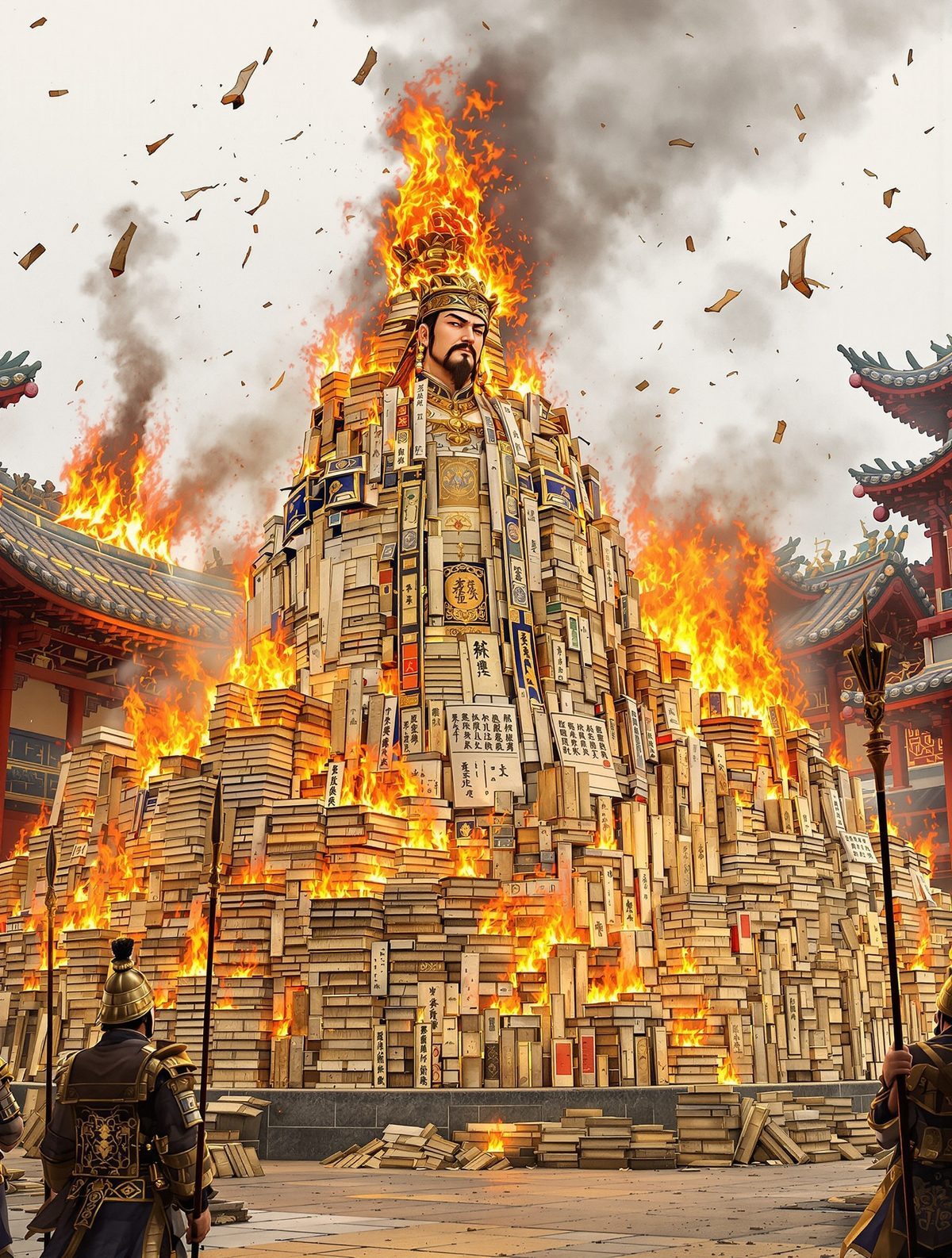
In 213 BC, China's first emperor ordered every book in his empire burned. Only medicine, agriculture, and divination could survive. Scholars who refused were buried alive. He believed controlling knowledge meant controlling minds.
Wu Zetian started as a low-ranking concubine. She seduced two emperors. Murdered her own newborn daughter. Then declared herself China's only female emperor. She ruled for 15 years and founded her own dynasty.
Emperor Xuanzong ruled the Tang Dynasty at its golden peak. Then he met Yang Yuhuan. He forgot state meetings to watch her dance. Rebels seized half his empire while he played music for her.
Emperor Taizong conquered the Eastern Turks. Their khan begged for mercy. Taizong gave him a palace. Made him a top advisor. The former enemy helped rule China for twenty years.
Emperor Xuanzong ruled the most powerful empire on earth. Then he met Yang Guifei. He stopped attending court meetings. Ignored state documents. Let rebels march on his capital. All for a woman who wasn't even his wife.
Liu Jin could not read. He rose from palace servant to the most powerful man in China. Emperor Zhengde handed him the imperial seal and went to play. China bowed to a man who stamped documents by guesswork.
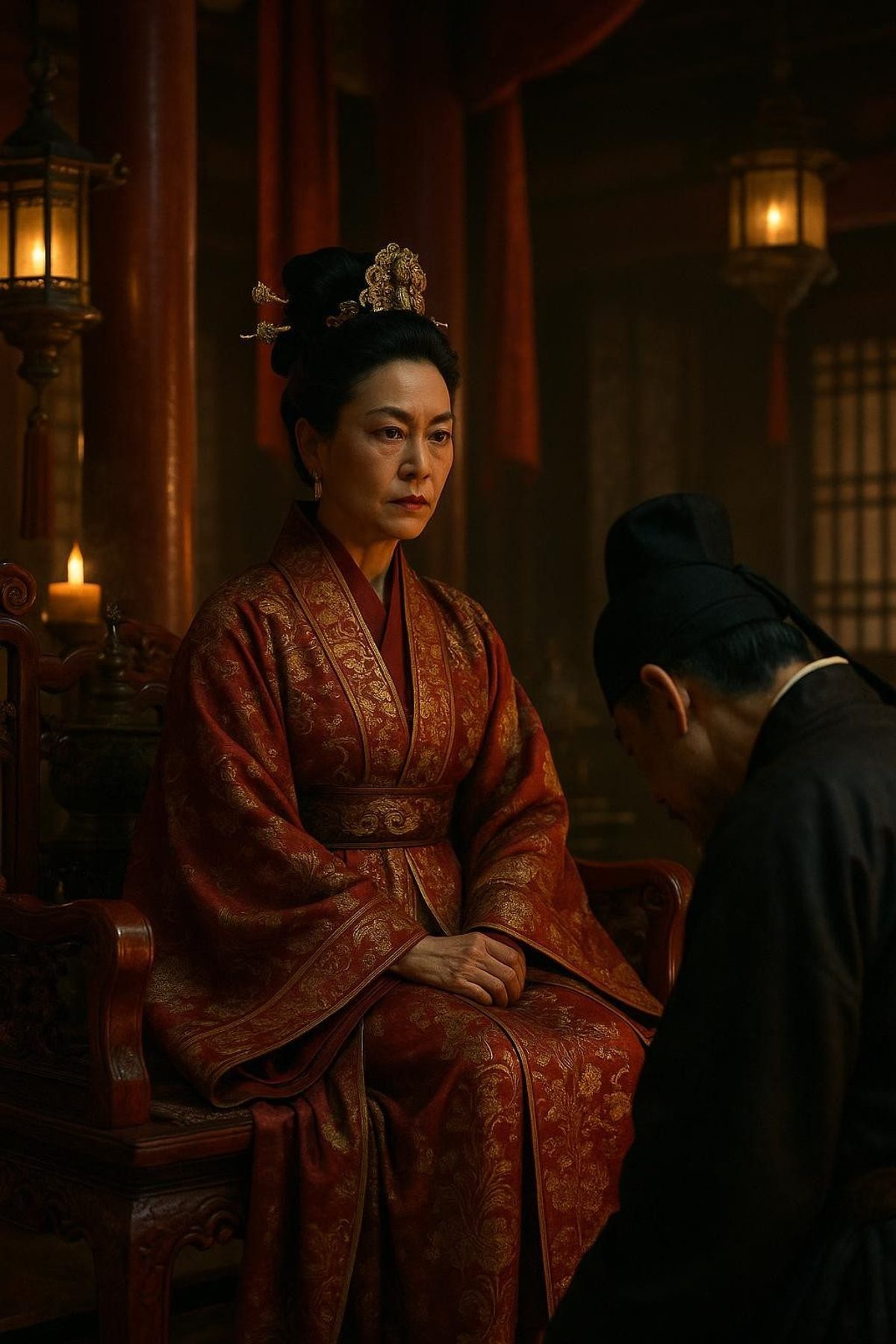
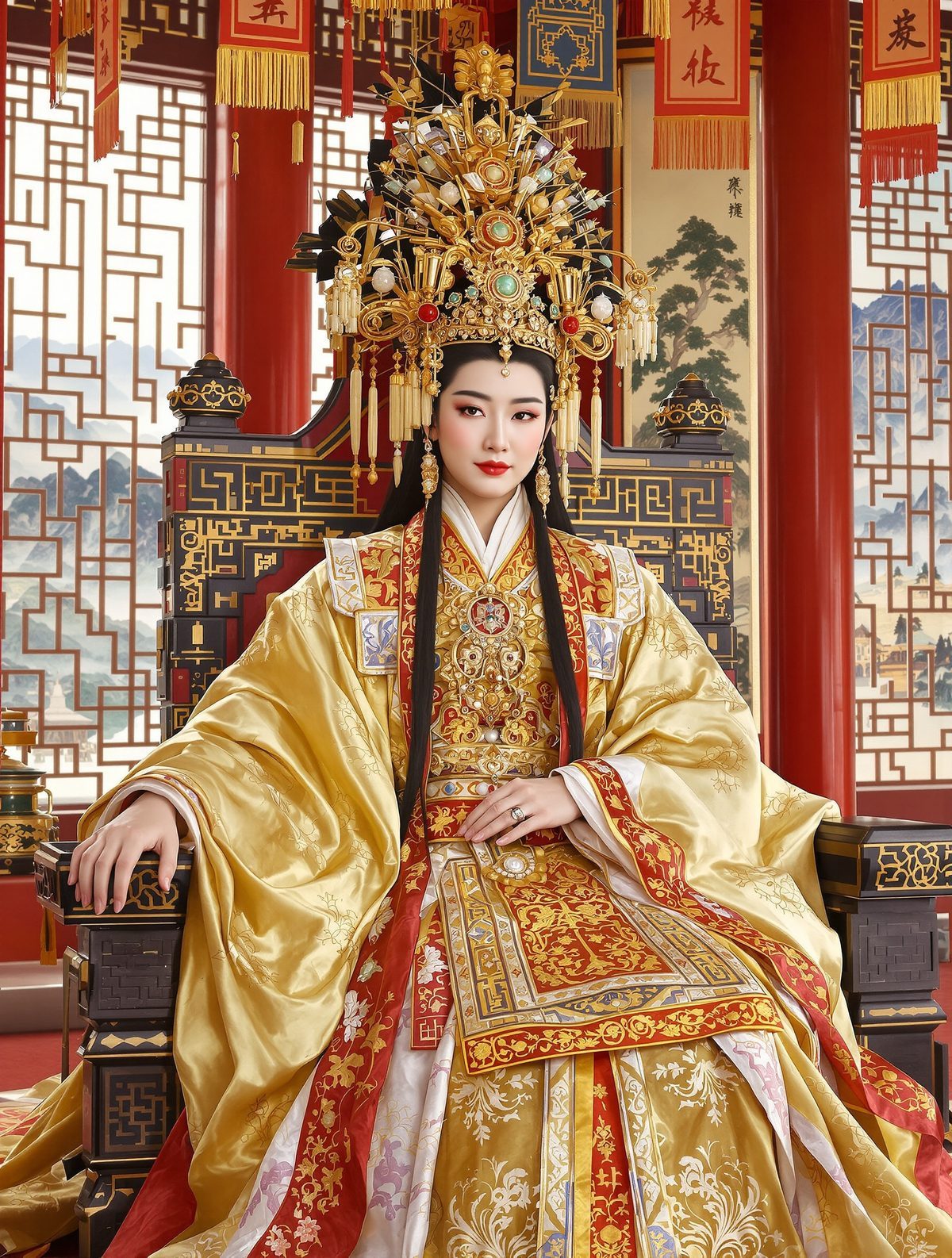
She entered the palace as a servant. She buried two emperors. Then she did what no woman in Chinese history had ever done. She took the throne for herself.
Liu Zongyuan watched corrupt officials strip China bare. He wrote the truth anyway. The emperor exiled him to a fever swamp at the edge of the empire. He kept writing.
The emperor wanted to modernize China in 100 days. His aunt had other ideas. She placed him under house arrest. Then ruled an empire alone for another decade.
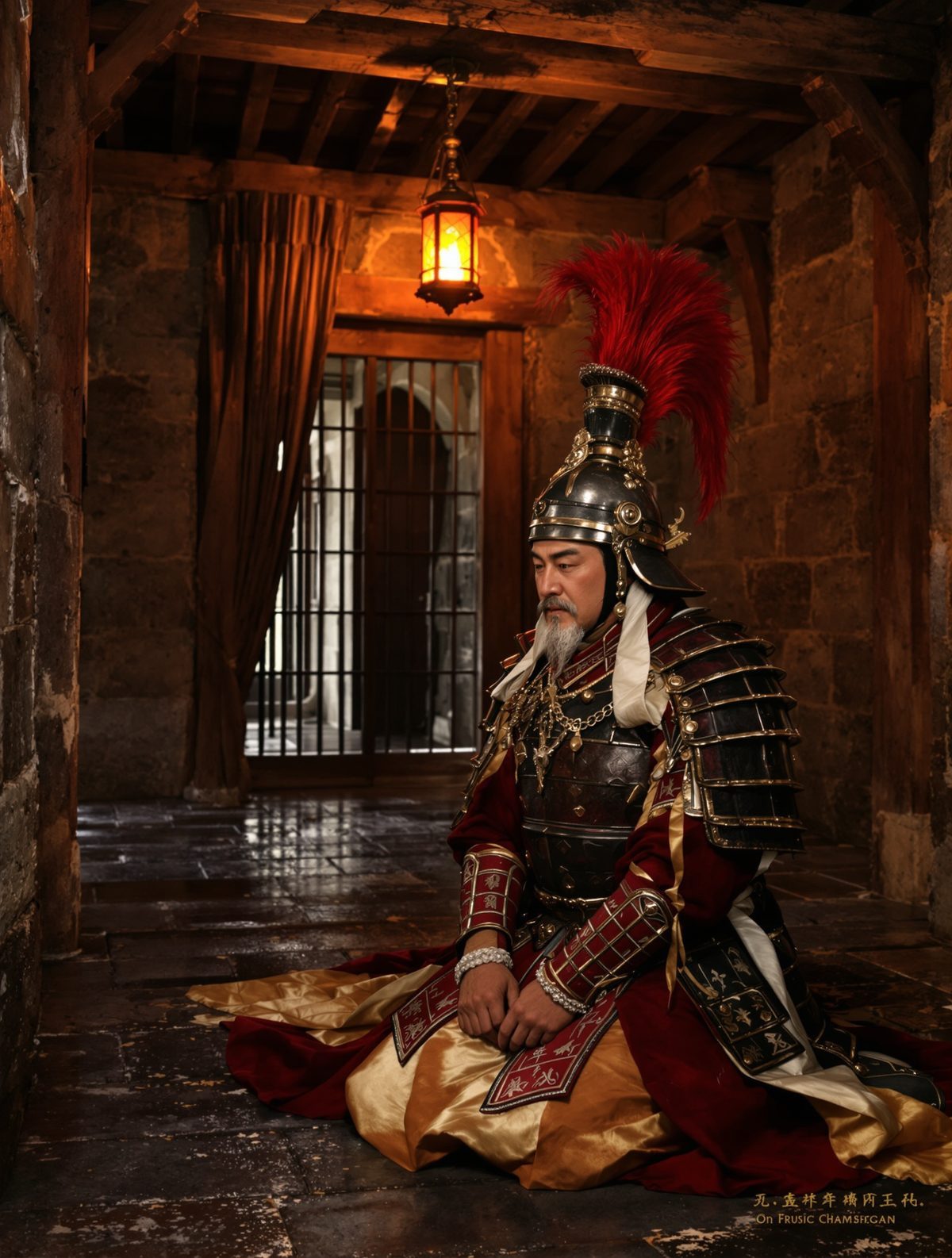
He had driven the Jin invaders back. China was weeks from reclaiming its lost north. Then twelve imperial recall orders arrived in one day. He obeyed. He was arrested. Then poisoned.
Yue Fei had pushed the Jin invaders back. China was winning. Then his own emperor signed a peace deal. Yue Fei was arrested. Executed. His crime: being too successful.
Hand-picked from Britain Untold's archive. The stories you weren't taught at school. 3-minute read.
No spam. Unsubscribe in one click. We hate spam too. Privacy Policy.