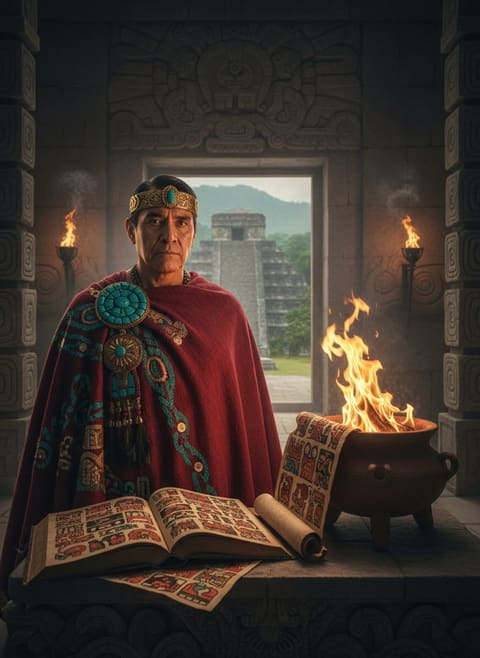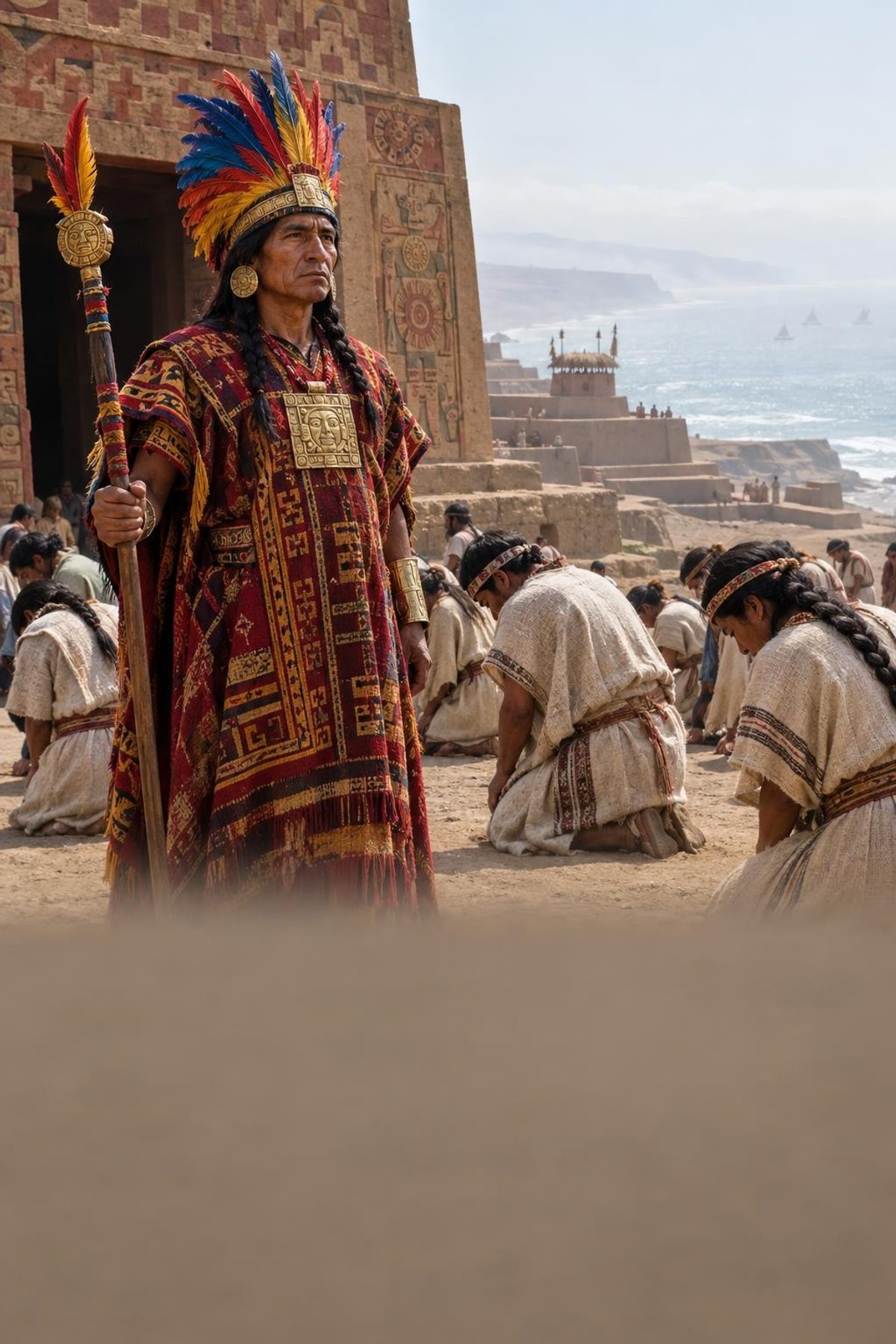
The morning fog hangs thick over the coastal plain, muffling the sound of distant waves from the Pacific. Wet clings to the skin, a fine mist of salt-scented air. Here, 40 kilometers southeast of what is now Lima, the ruins of Pachacamac stand silent before the sun burns away the haze. In these desolate surroundings, centuries ago, pilgrims undertook arduous journeys. They came to seek the wisdom of an oracle so revered it bent kings and conquerors to its whisper.
The Earth Maker's Realm
Founded around A.D. 200, Pachacamac was named after the creation god Pacha Kamaq, revered as the 'Earth Maker' by indigenous cultures predating the Inca. This site evolved into an influential religious center, where the sacred and the secular met and melded. Archaeological excavations, some uncovering buried secrets since the 1890s, reveal a complex tapestry of belief and power.
Sitting in the Valley of the Lurín River, Pachacamac stretches over 600 hectares. The site boasts grand structures, their once vibrant decorations now faded with time. Among these are pyramids not of smooth stone, but terraced steps of sun-baked mud bricks hinting at an architectural style suited to this parched, coastal environment.
From here, Pacha Kamaq's oracles would pronounce prophecies, their messages woven into the rhythms of the Andes. It was said the deity had once tried to extinguish humanity but ultimately became a protector of the people, the sacred script of their lives carved in earth and stone.
Read next: When the Yeomen of the Guard Dressed for the Tower, 1509
The Pilgrims and Their Quest
In a time when the Andes were divided into myriad cultures, Pachacamac was a unifying beacon. Pilgrims arrived clutching offerings, their knuckles white against bundles of woven cloth. They had traveled through harsh deserts and rugged mountains, driven by questions not of idle curiosity, but laden with consequence.
Those in power, too, recognized Pachacamac's authority. From distant cities, rulers would dispatch messengers to consult the oracle before wars or crownings. The voices at Pachacamac could broker peace or stir the winds of conflict; their utterances shaped decisions across the Andean highlands.
The sacredness of Pachacamac was preserved even as mighty empires rose and fell. When the Wari Empire came to the fore around the ninth century, they integrated Pachacamac within their expansive dominion. Later, the Incas, known for their craftsmanship and monumental stonework, did not attempt to overshadow this center. Instead, they added to its splendor, erecting the Temple of the Sun amidst its sacred precincts.
The Enigma of Pachacamac
Archaeologists continue to unravel Pachacamac's mysteries. In the 20th century, a remarkable discovery arose from the Painted Temple—an idol dating back to the time of the Wari. Nearly eight feet long and believed to have been veiled in red cinnabar, this artifact embodied the union of art and mysticism.
Yet, Spanish conquistadors, intent on their own conquests, underestimated the oracle's significance. Hernando Pizarro reportedly shattered objects entwined with Pagan worship, including, possibly, this very idol. Despite such acts, Pachacamac's lore has endured, an echo of its past reverberating through time.
Elsewhere within the settlement, the secular pyramids defy expectations. Once thought to serve as religious embassies, these structures are now seen as palaces for the Ychsma leaders, a society ruling before the Incas. This distinction between the sacred and profane offers a glimpse into their complex societal interactions.
A Shrine of Lasting Influence
The Inca empire, as vast as it was varied, could not ignore Pachacamac’s clout. It became a duality, a place where the empire’s sun deity Inti and Pacha Kamaq coexisted, enhancing rather than diminishing each other’s influence. This approach, a harmonious blend of spiritual heritage, epitomizes Inca pragmatism in consolidating their realm.
Read next: Machu Picchu: The Inca Royal Estate Linked to Pachacuti
The Shrine of the Sun, constructed under Inca supervision, rises in a trapezoidal silhouette, its terraces catching the light as the sun travels across the sky. Archaeologists speculate human sacrifices occurred here, a somber testament to rituals in appeasing and honoring the gods.
As the Inca thrived, Pachacamac remained an emblem of continuity amidst change. It underscored a society where the divine oversaw the terrestrial, cementing its status as an indispensable axis in the wheel of Andean ritualistic life.
The Echo of Ancient Voices
Pachacamac was more than a place; it was a crucible of faith and a fount of wisdom. As empires waxed and waned, the oracle endured, a reminder of the sustaining power of belief. Much like the Andes themselves, it challenged those who sought its counsel, both physically and spiritually.
Today, Pachacamac endures as an archaeological marvel and a story only partially told. Its survival speaks volumes of a world where human endeavors seek divinity’s favor. Deep within its dust-covered ruins lies an enduring insight: in the tapestry of humanity's past, sacred narratives wield a power that persists, audaciously, through the ages.