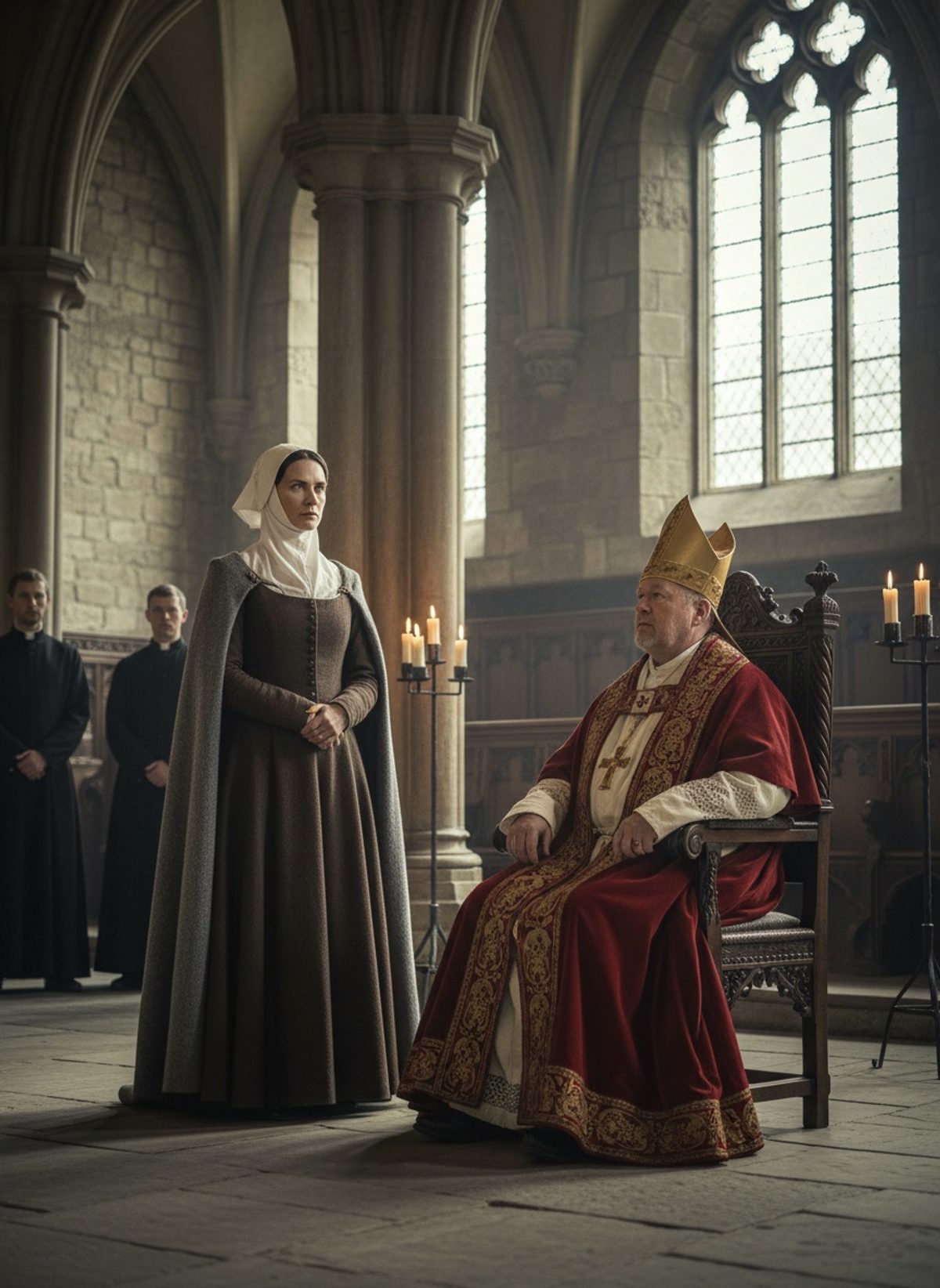
March 25, 1374. The bells tolled incessantly over Siena.
To many, the mournful sound signaled not just another funeral but the palpable presence of death itself, stalking through the streets and hiding in abandoned homes. The Black Death had returned, its shadows spreading once more over Europe, claiming lives with an indiscriminate fury. As the wealthy and able sought refuge in distant lands, one figure, unassuming yet resolute, stepped toward the heart of the darkness: Catherine of Siena. Clad in simple garb, she moved through the epidemic-stricken streets like an angel of mercy, her presence offering light in an otherwise bleak existence.
The Unyielding March Toward Death
Catherine, born into a well-respected but humble family of wool-dyers, was no stranger to hardship. Yet the devastating vision in her hometown was unlike anything she had seen. In 1349, during one of the earlier outbreaks in Avignon, fear had driven even the most devout to desert their posts. Nurses, priests, and government officials alike fled, leaving the sick to fend for themselves. However, Catherine was spurred by a profound belief that divine love demanded presence, especially amid suffering. Her boldness was not born from naivety but from a conviction that humanity’s greatest call was to tend to one another in times of despair.
The plague scenes painted a macabre picture: bodies sprawled unceremoniously in the streets, the death carts creaking under the weight of lifeless forms, houses shrouded in the stillness of unchecked suffering. Amidst this tableau of terror, Catherine moved with a serenity that was both bewildering and inspiring. She entered the plague hospitals without fear, holding the hands of the dying, offering them solace when even hope seemed to have fled. Her stamina was unyielding; for each life she tended, she saw the reflection of Christ’s suffering, drawing strength to continue her work.
Read next: Birgitta Warned the Pope. He Listened.
The King’s Plea and the Fervent Mission
With the epidemic showing no signs of abating, Catherine’s actions did not go unnoticed. The tales of her unrelenting compassion reached beyond Siena to the ears of kings and popes, eliciting responses that were both awed and intrigued. The magnitude and danger of her mission led many to implore her to desist. Legends spoke of a king—whose identity remains obscured in the dim corners of history—who sent word begging her to step away from the grave peril she so willingly embraced.
But Catherine’s spirit was irrepressible. Her decision to enter the fray was not hastily made; it was rooted deeply in her spiritual convictions and visions. Those who observed her remarked upon the glow of her countenance, as though she carried within her the light of her heavenly visions. She walked among the sufferers as an equal, striking a stark contrast to the distance maintained by others in positions of power. Her refusal to heed the king’s plea was not an act of rebellion but of resolute dedication to her calling.
Ultimately, the very traits that drove Catherine into the arms of death also led her to be recognized as a spiritual leader. Her influence grew, and it was not long before Pope Gregory XI sought counsel from her, entrusting this humble woman from Siena with insights that would alter the course of papal policy. The clarity of her vision and thought left a profound impact on the religious and political fabric of 14th century Europe, showcasing how personal valor in times of crisis can ripple outward, transforming not only local landscapes but the broader currents of history itself.
The Enduring Light in Times of Darkness
Through her fearless journey into the heart of the plague-stricken world, Catherine of Siena offered more than healing and comfort. She embodied a radical form of empathy, challenging the era’s rigid structures and hierarchies through acts of profound love and service. Her story, an enduring footnote lost amid the broader narratives of popes and monarchs, underscores the power of individual agency amidst overwhelming odds.
In a time when human lives were mere wisps vulnerable to the whims of fate, Catherine's example provided a guiding star. Today, as we look back on her mission, we see the timeless lessons of her story: the significance of standing by the suffering, the power of refusing to turn away, and the extraordinary courage it takes to walk into the storm when others flee. Catherine's life, whether invoked in times of personal or global crisis, reminds us that grace and resolve can thrive even in the face of humanity’s darkest hours.