1914 – 1945
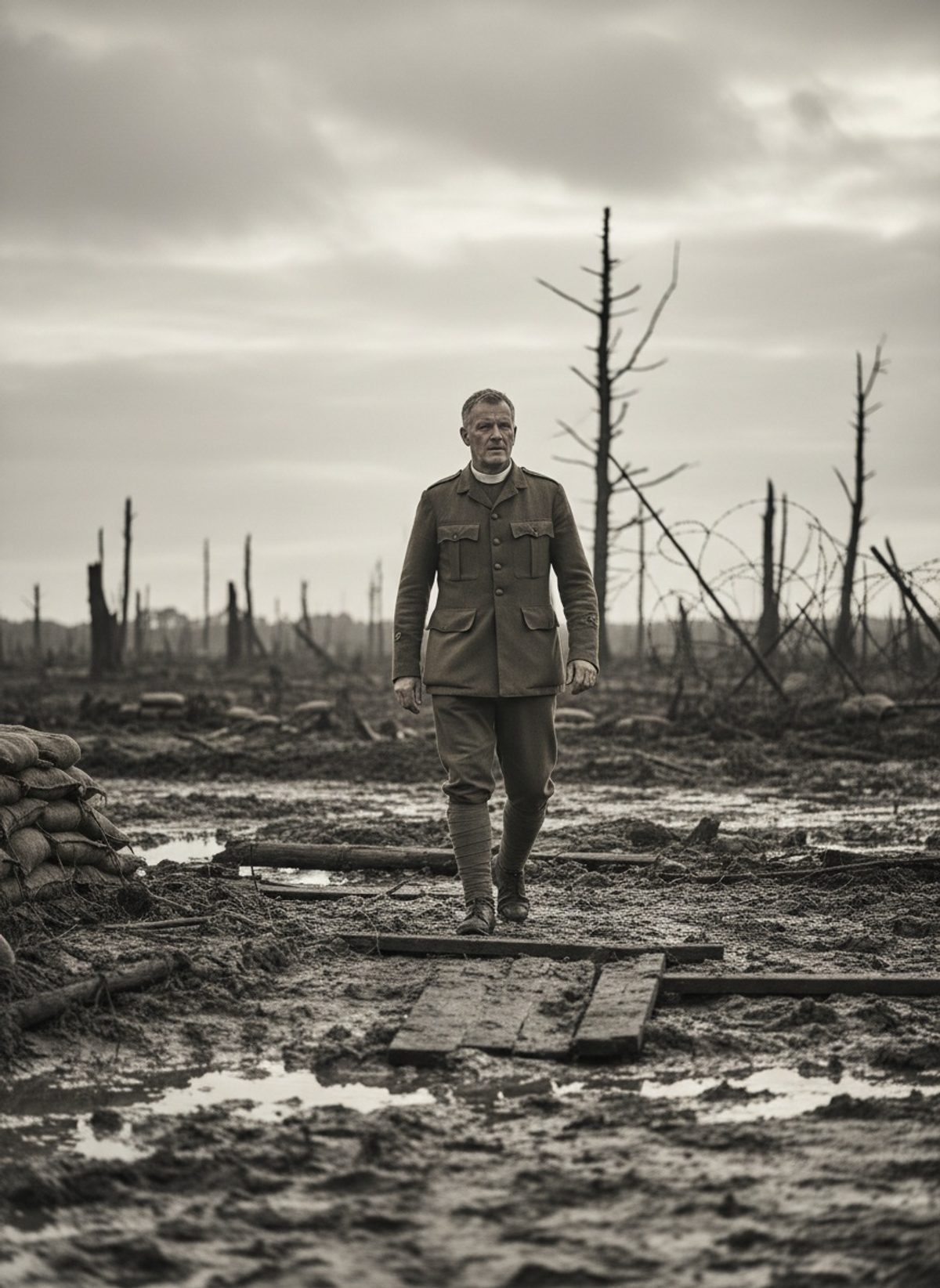
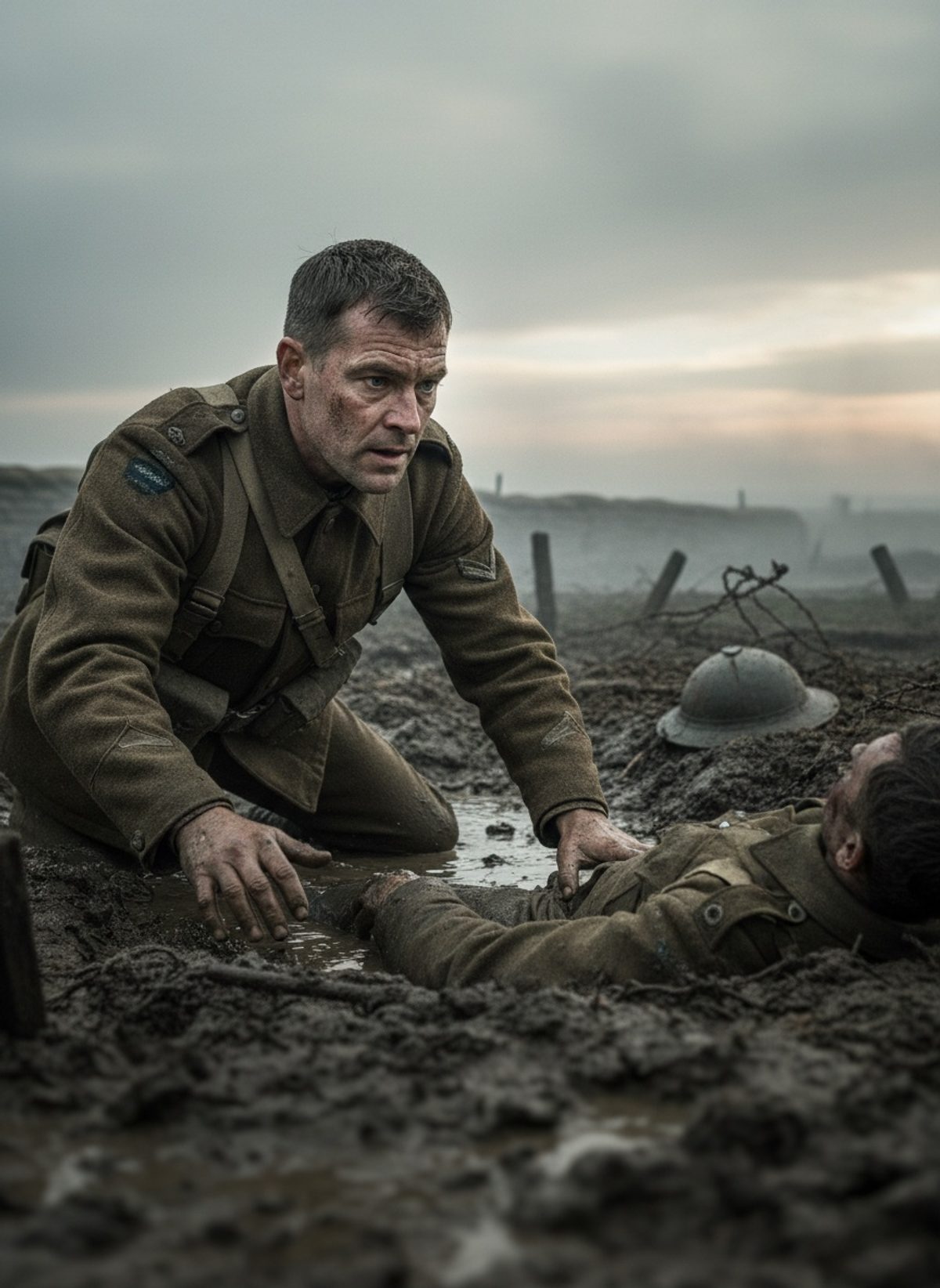
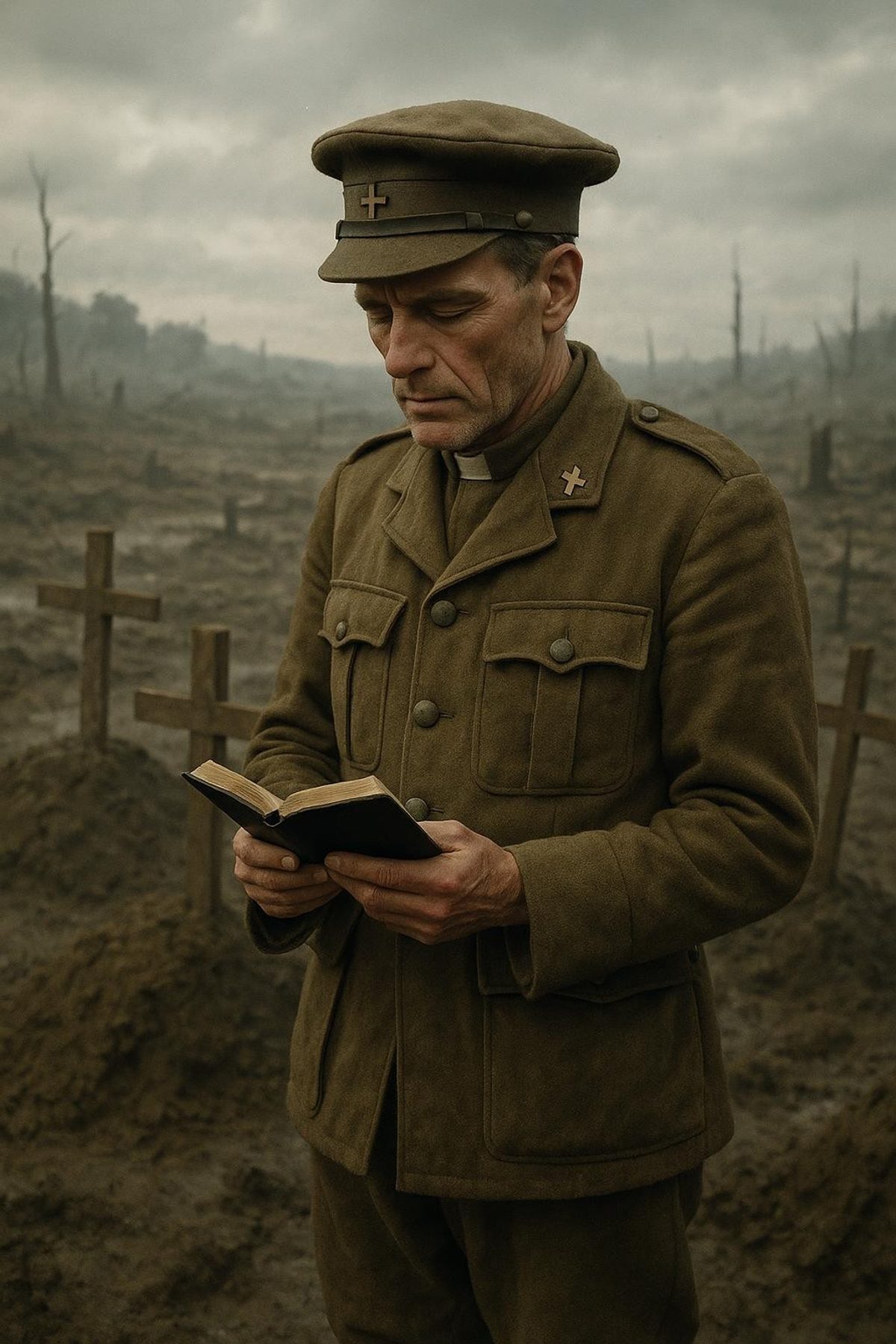
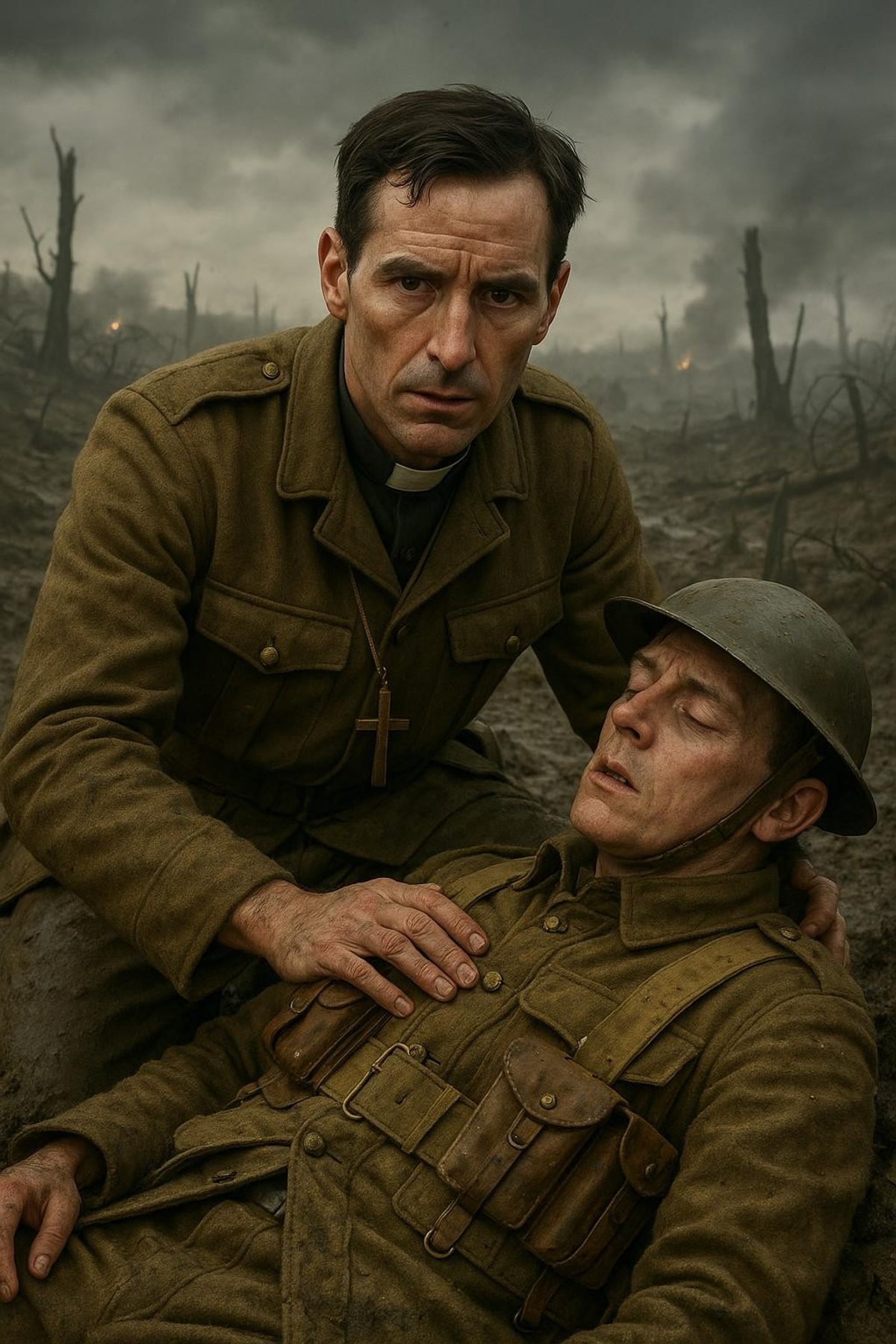
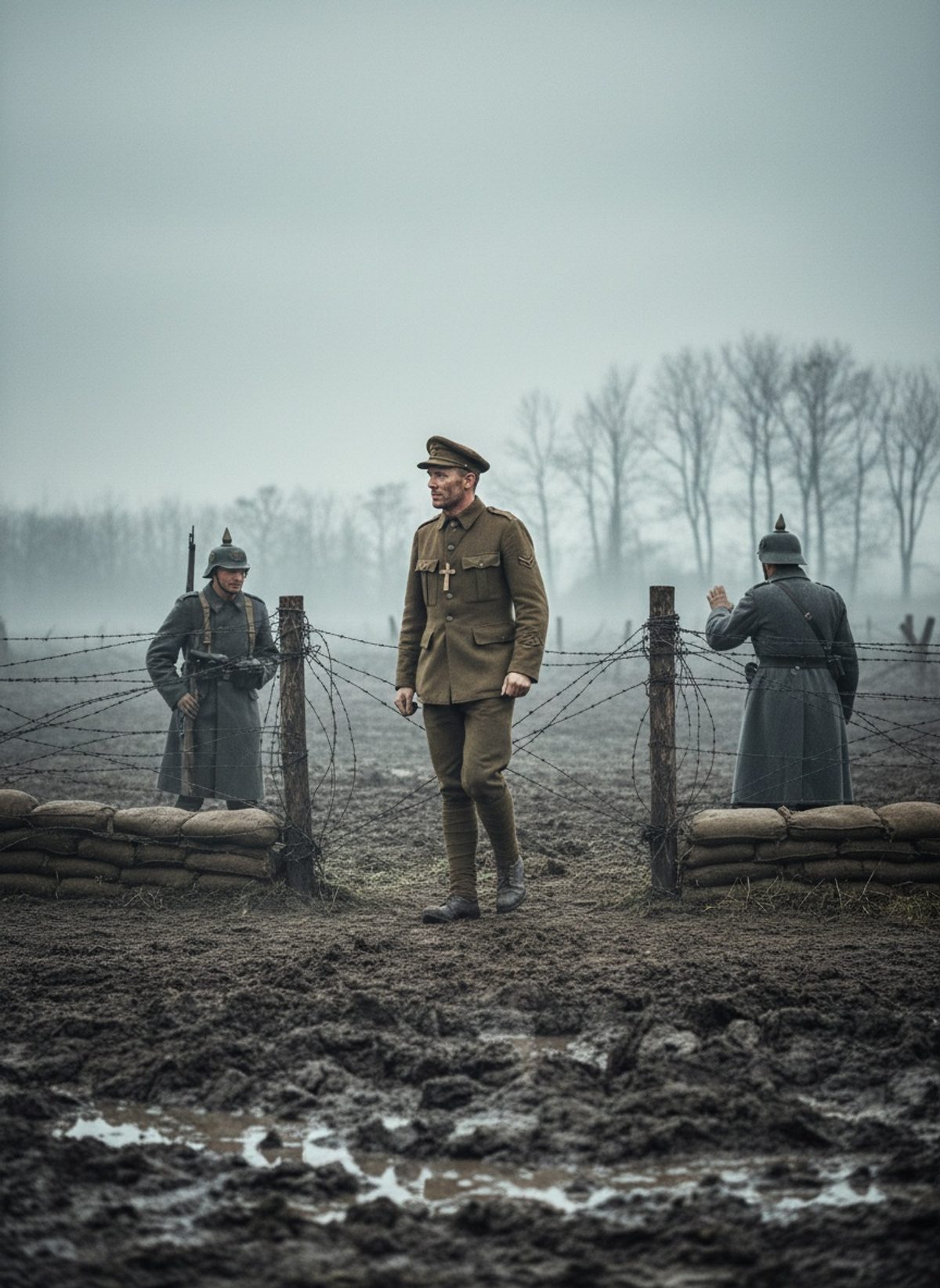
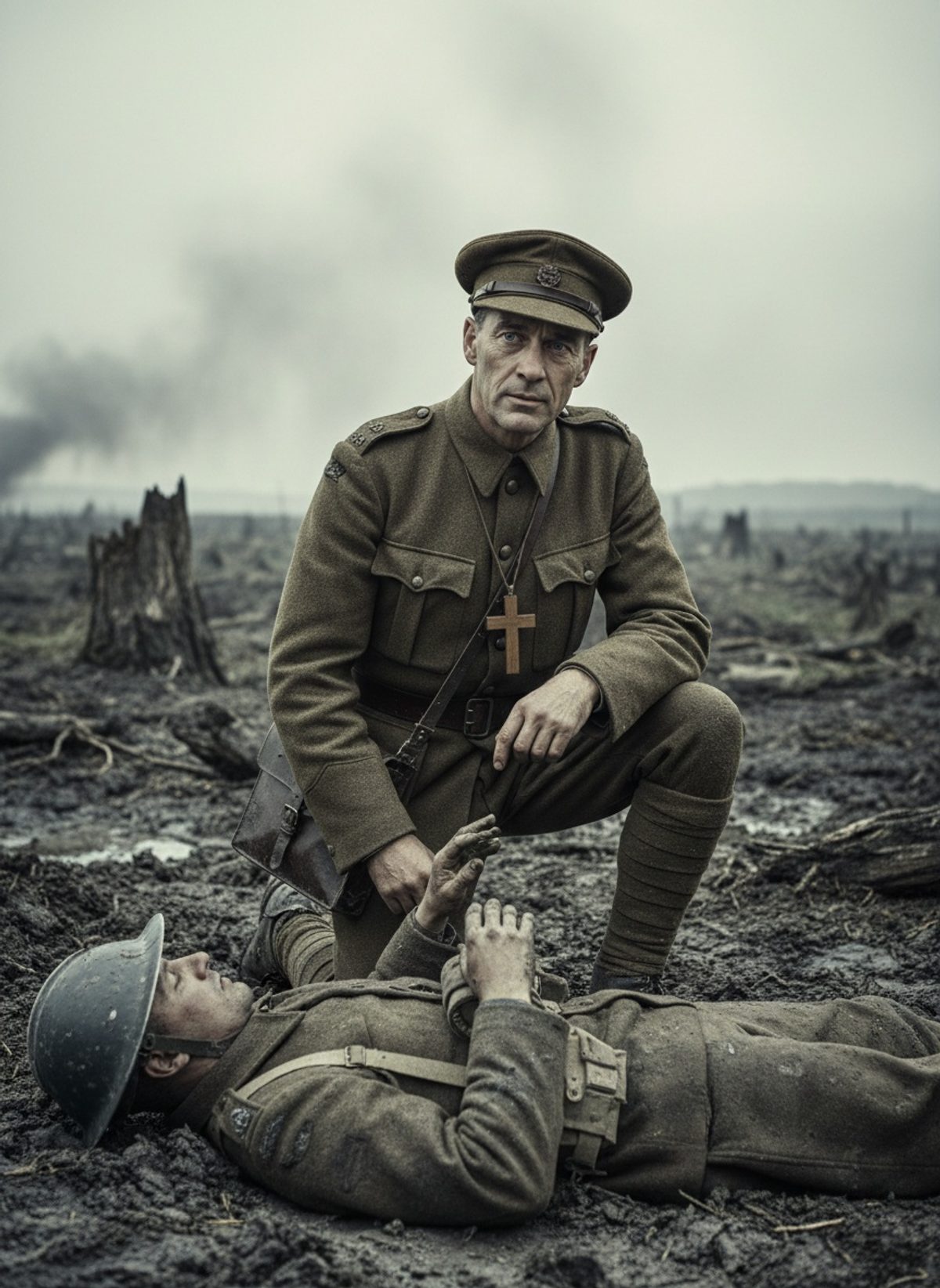
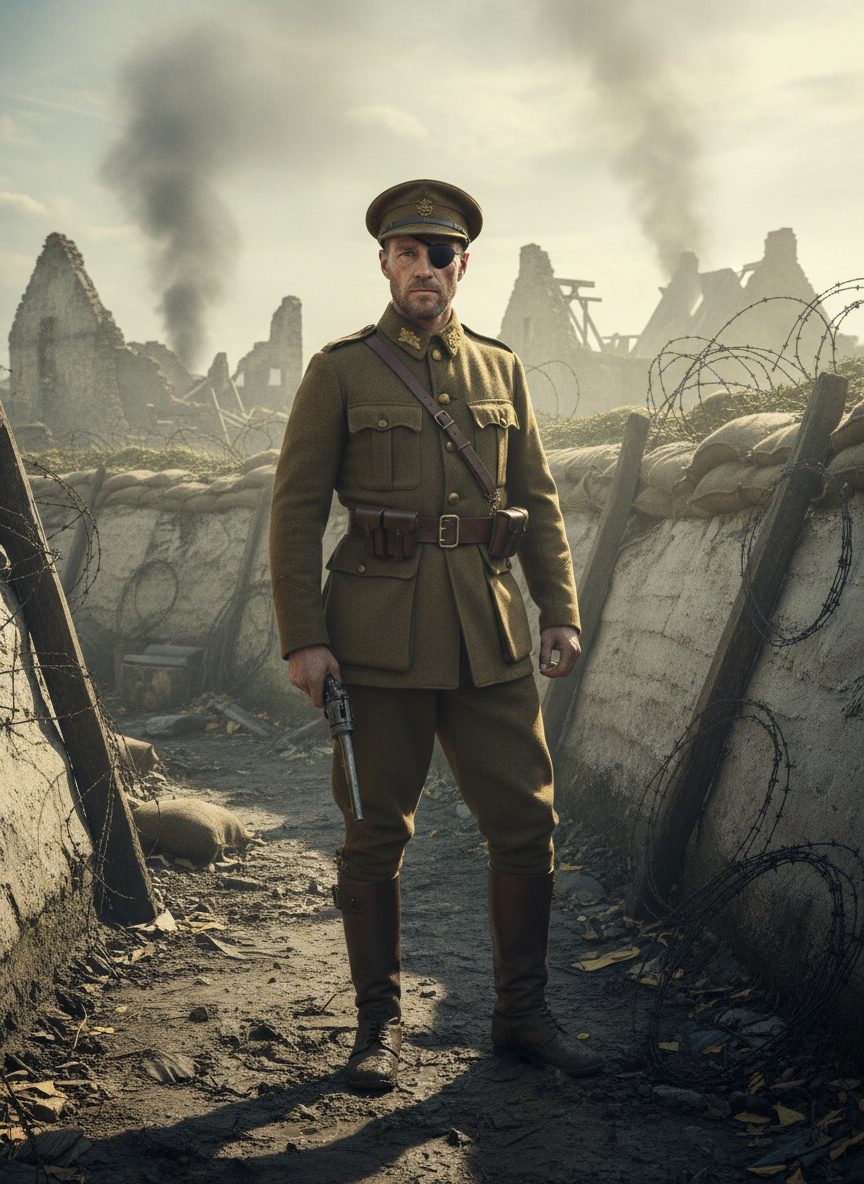
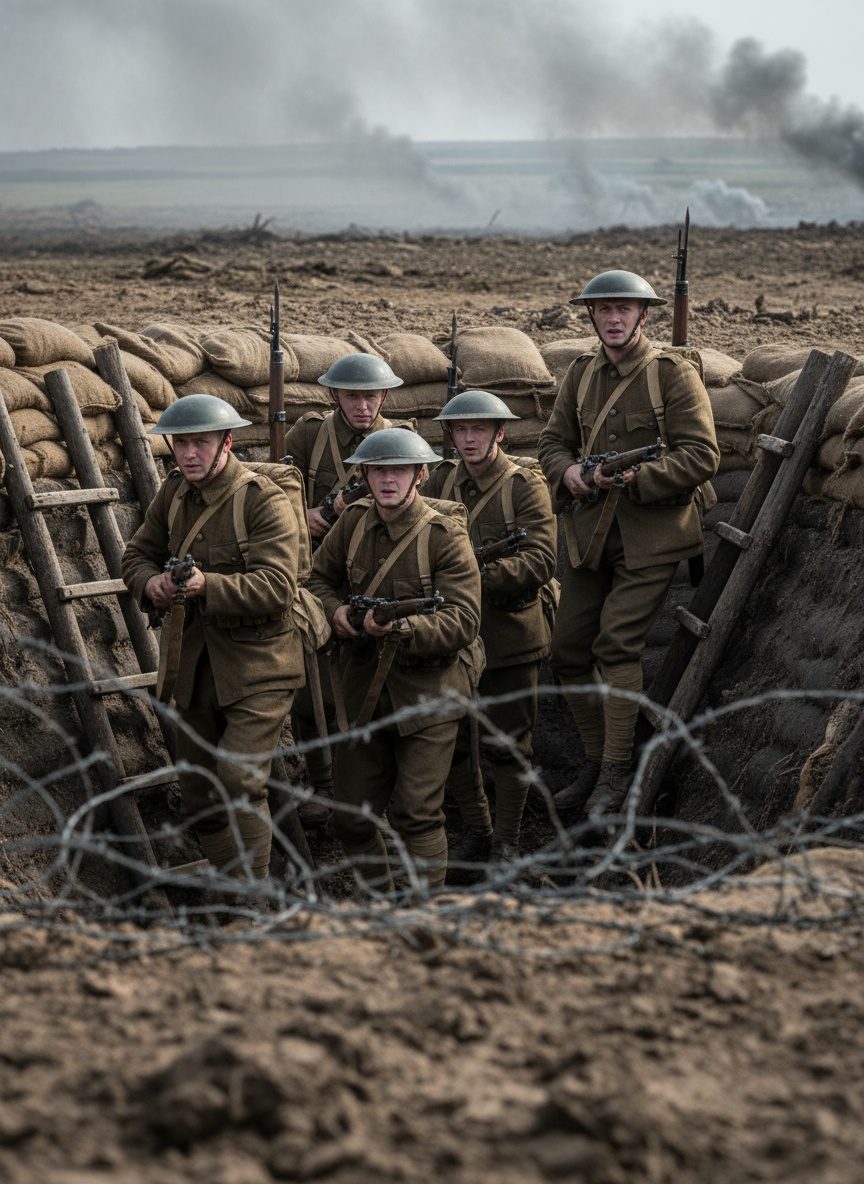
August 1917. The guns had paused. A British chaplain climbed out of the trench. Unarmed. Alone. He walked into the mud between the lines. To bring the dead home.
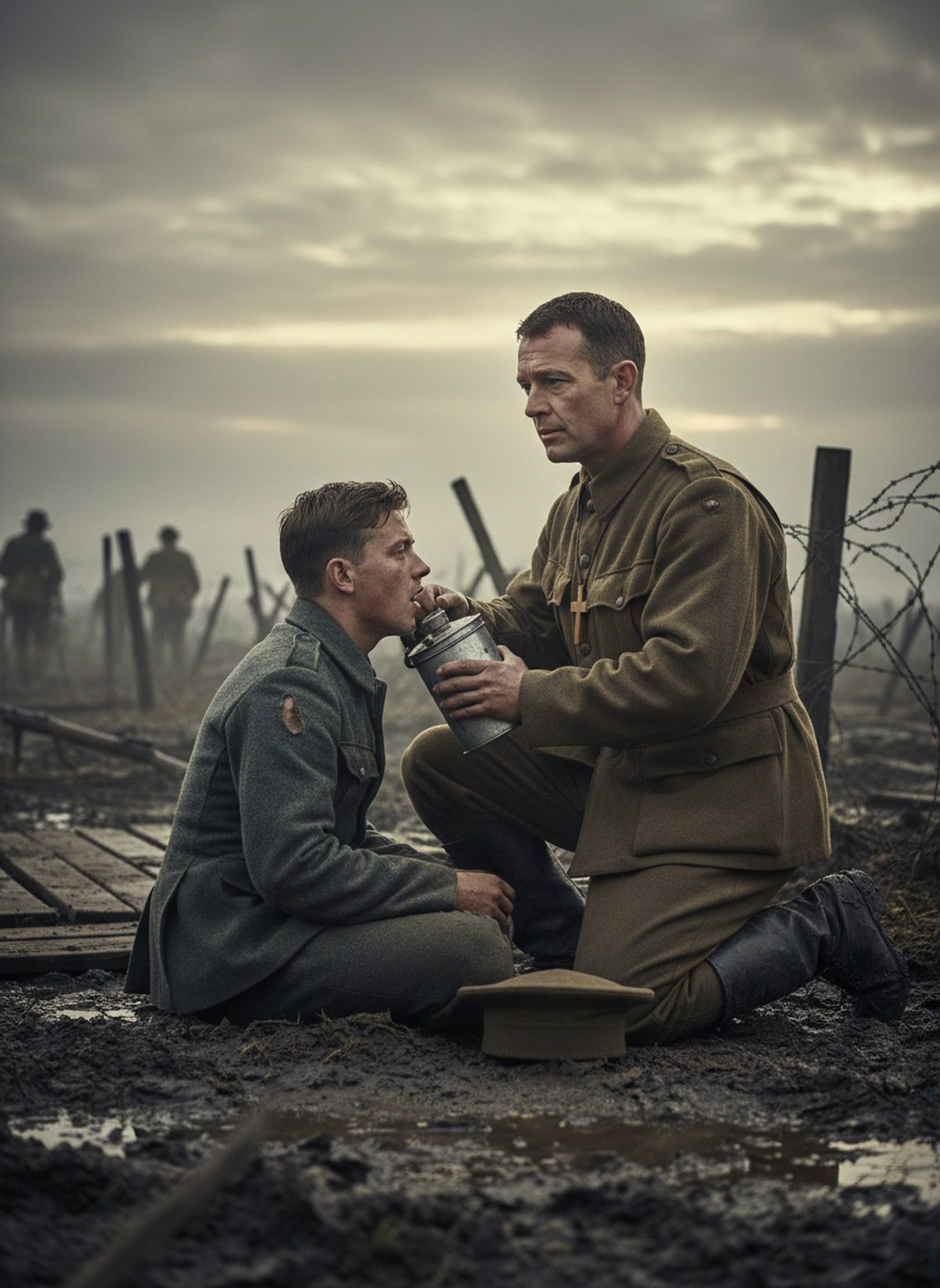
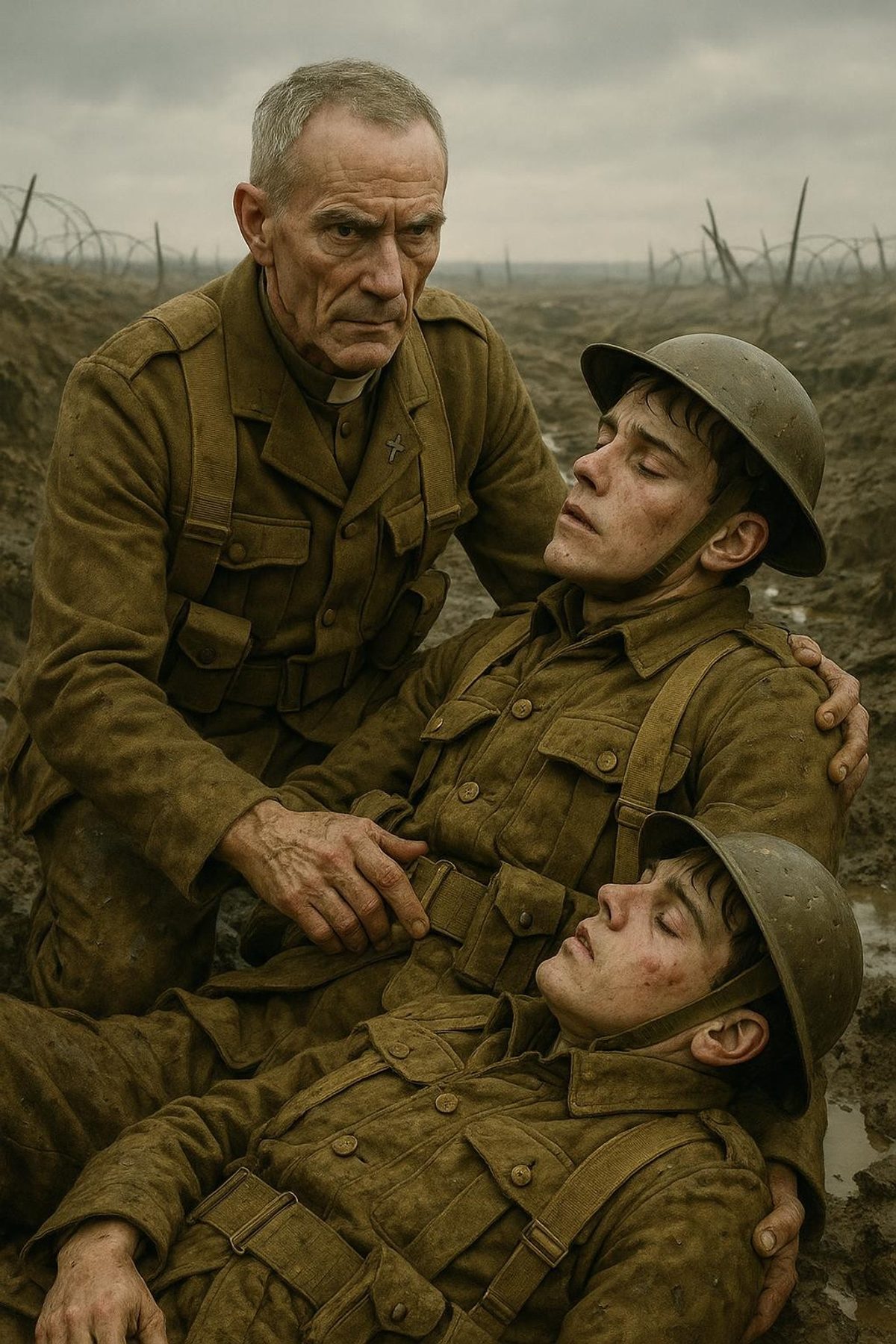
Belgium. 1914. The shelling had stopped. Father William Doyle moved through the mud. He reached the German wounded before his own men could stop him. He knelt. He gave them water. He prayed.
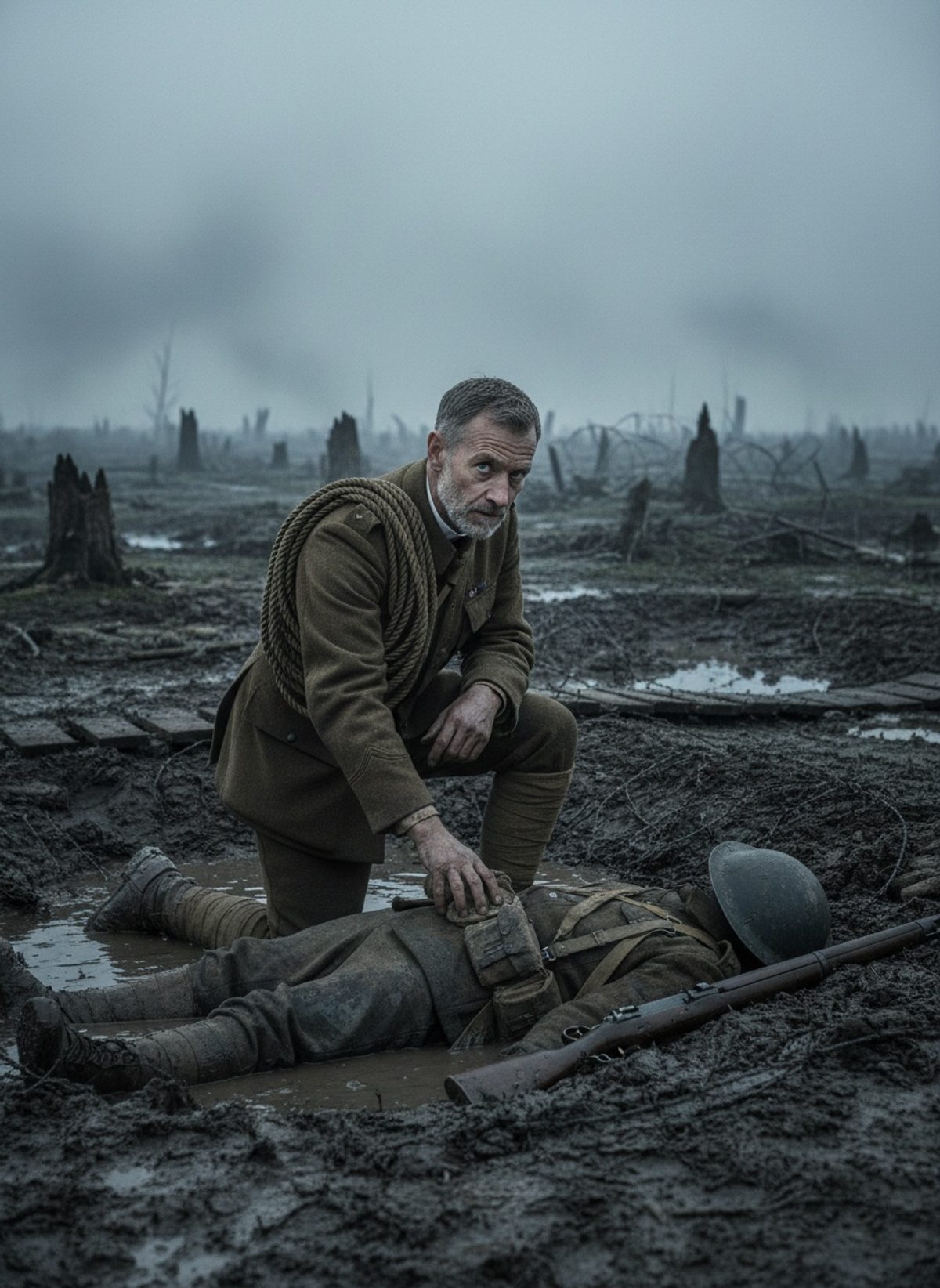
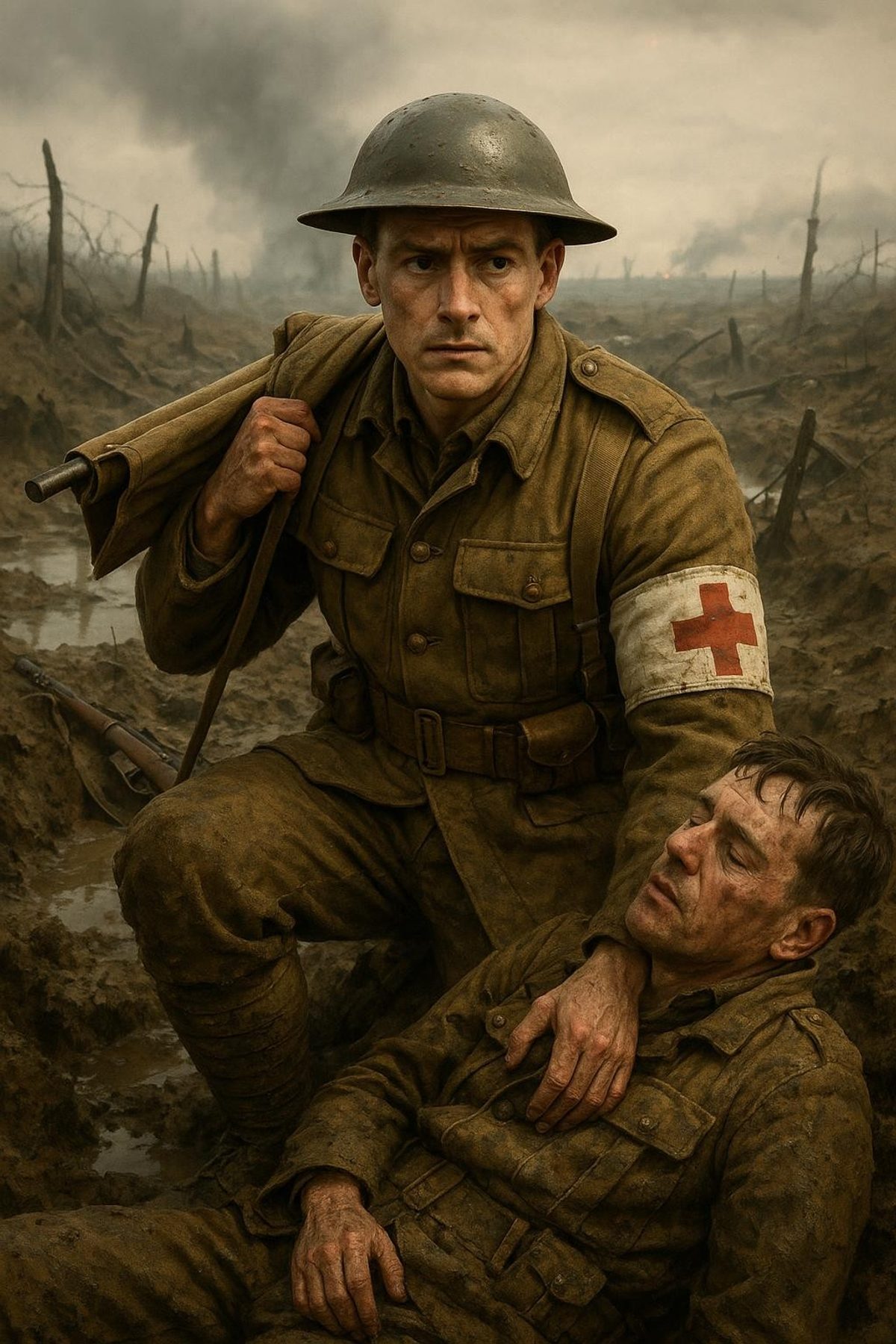
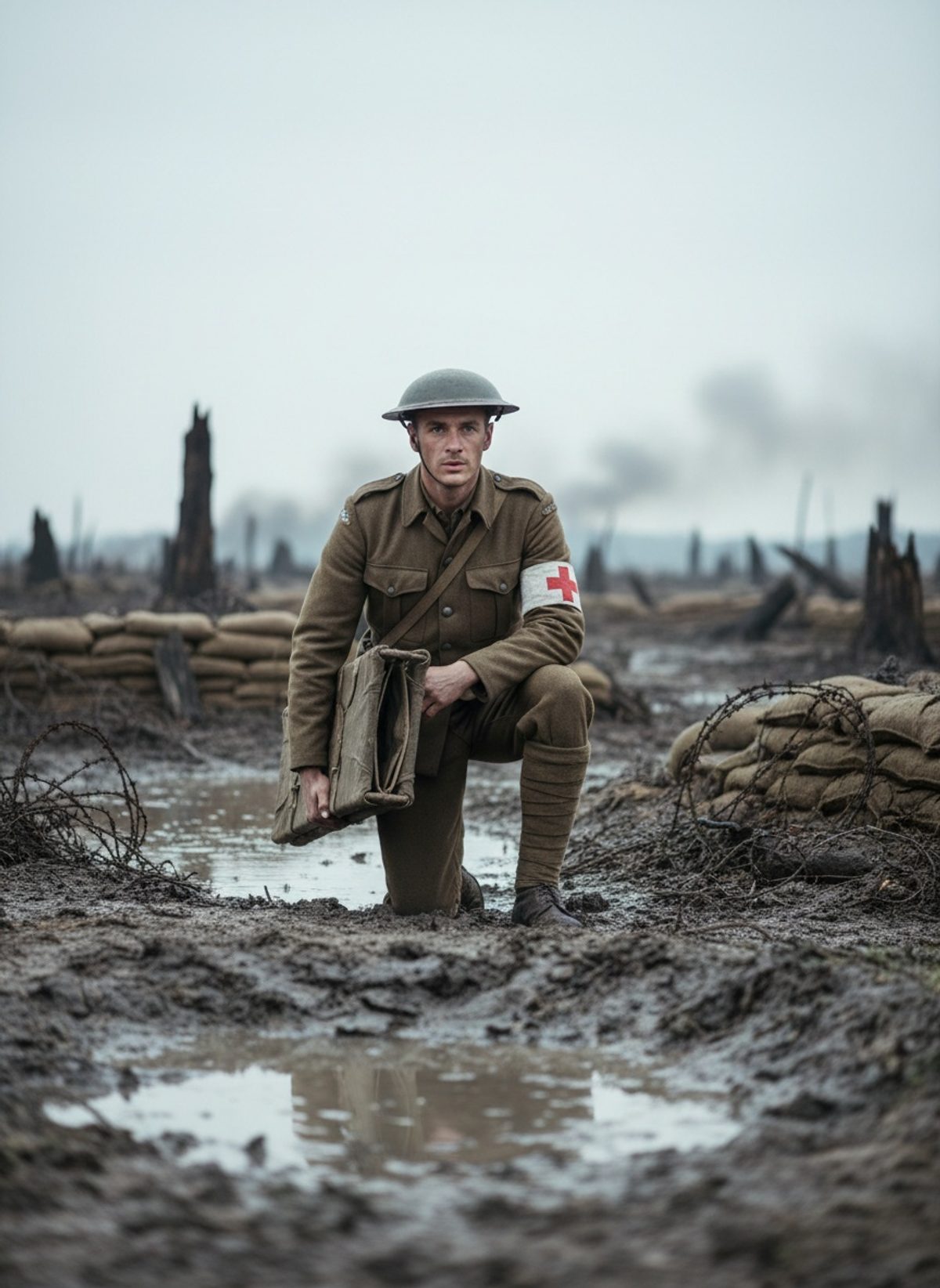
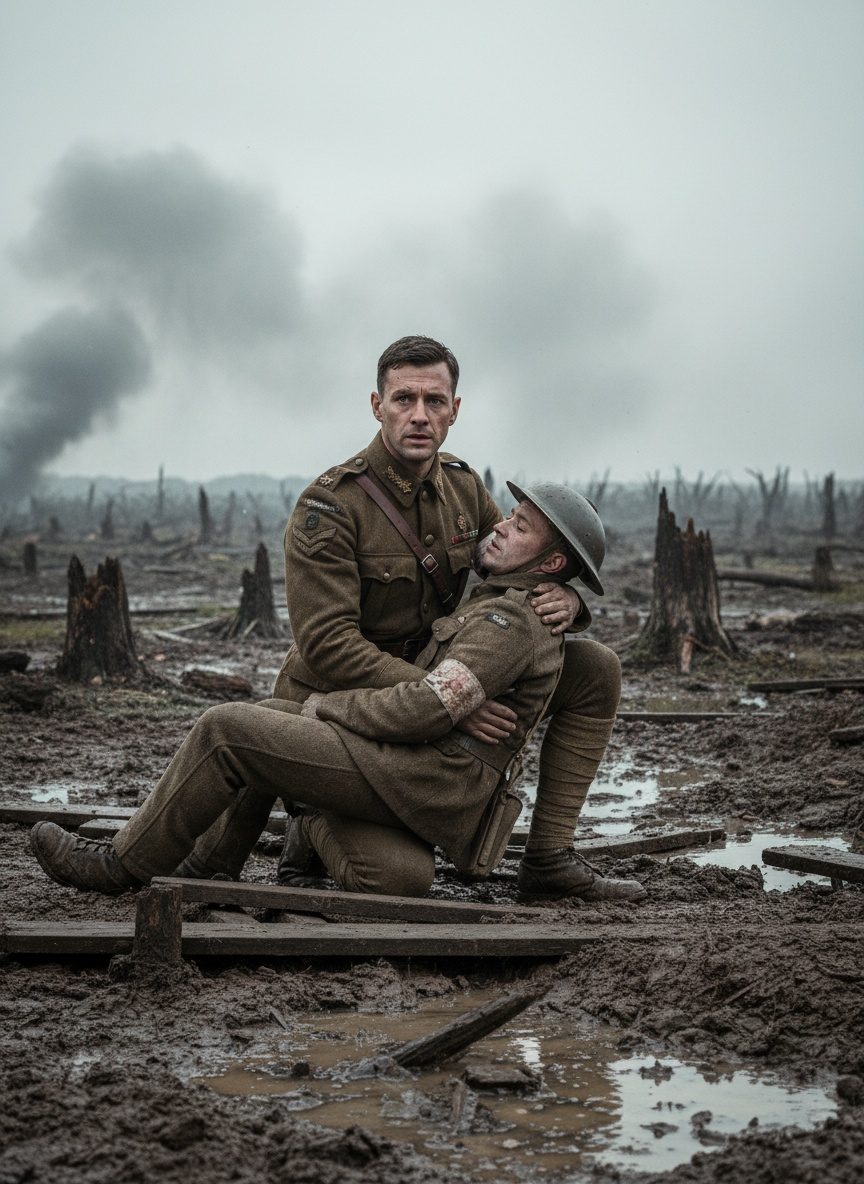
October 1917. The Passchendaele mud was swallowing men alive. Padre Theodore Hardy walked into no man's land alone. No weapon. No orders. Just a stretcher and a rope. He dragged three men back. Then went again.
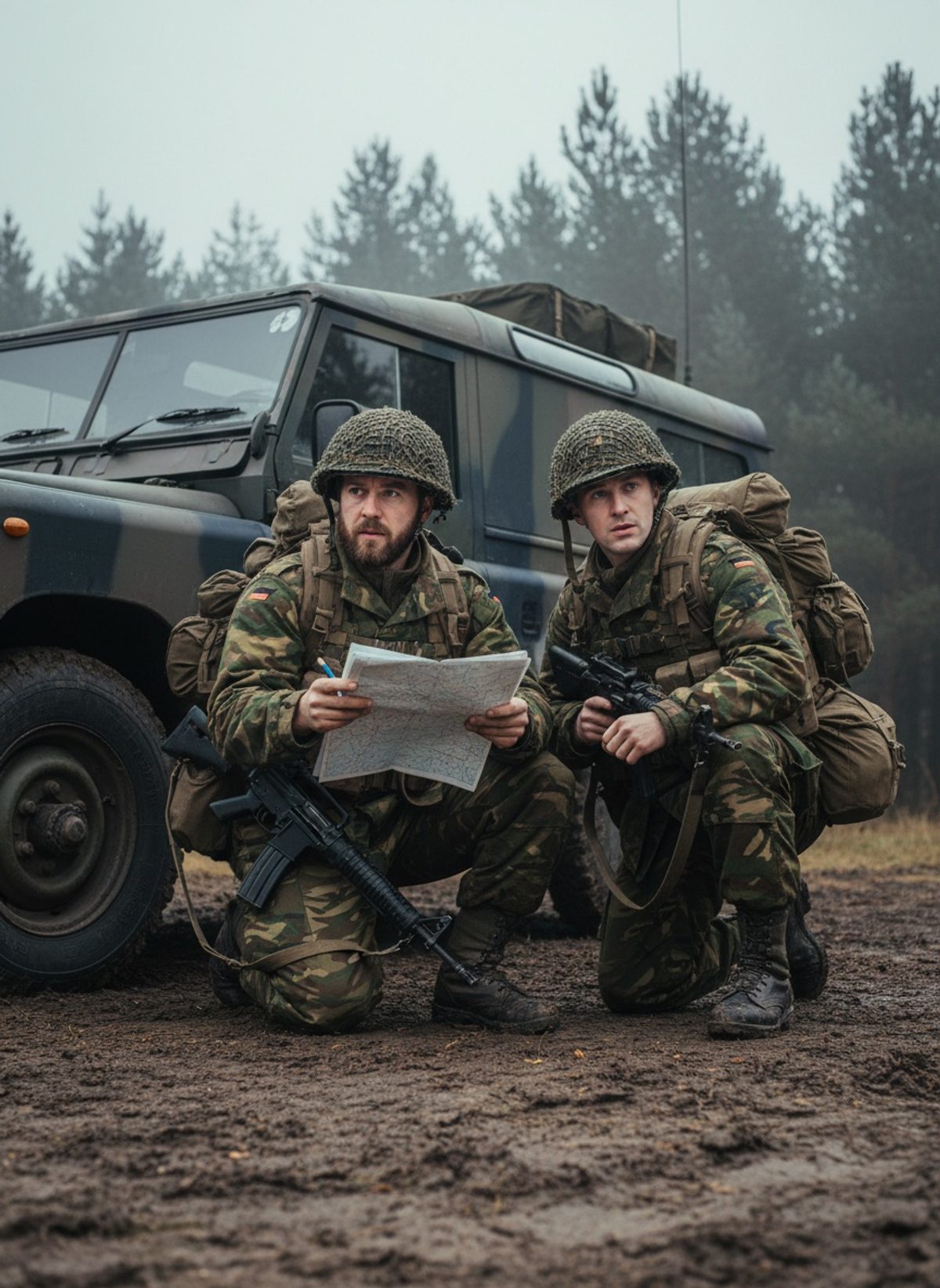
In 1984, Britain launched its largest military exercise since WWII. 55,000 troops. West German fields. A rehearsal for a Soviet invasion that thankfully never happened.
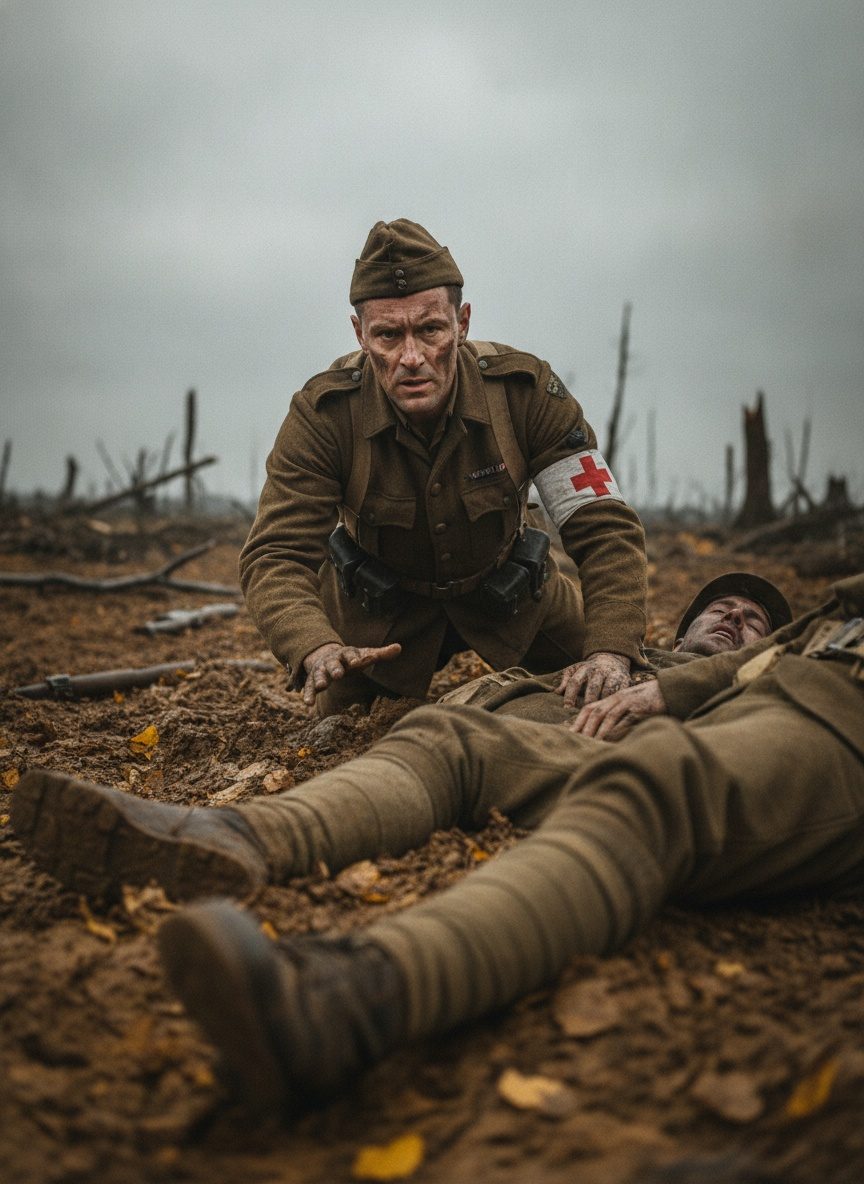
France, 1917. The shelling had stopped. A German soldier lay dying in no man's land. British medic Arthur Martin-Leake crawled out alone. No weapon. No orders. He dragged the man back alive.
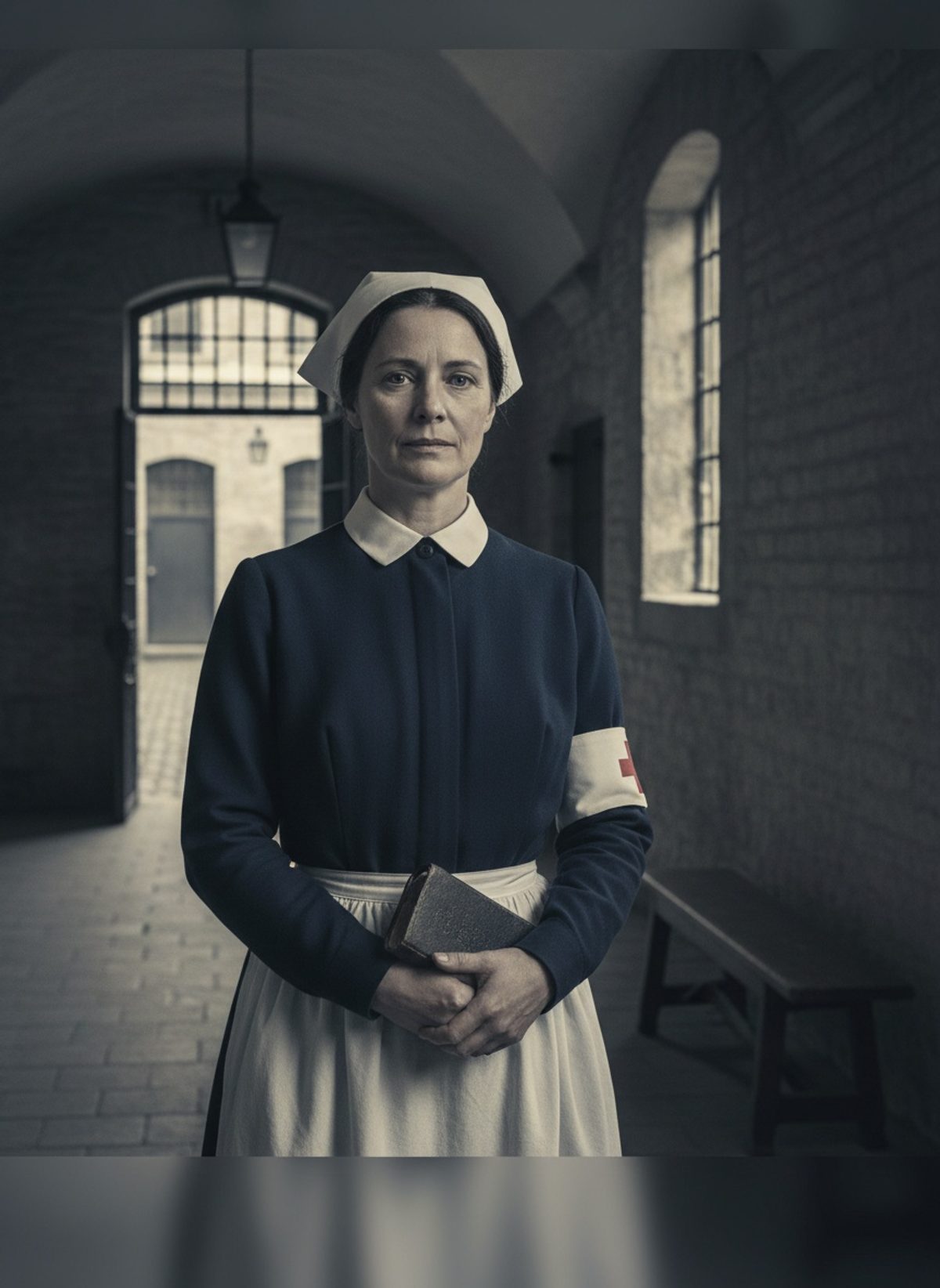
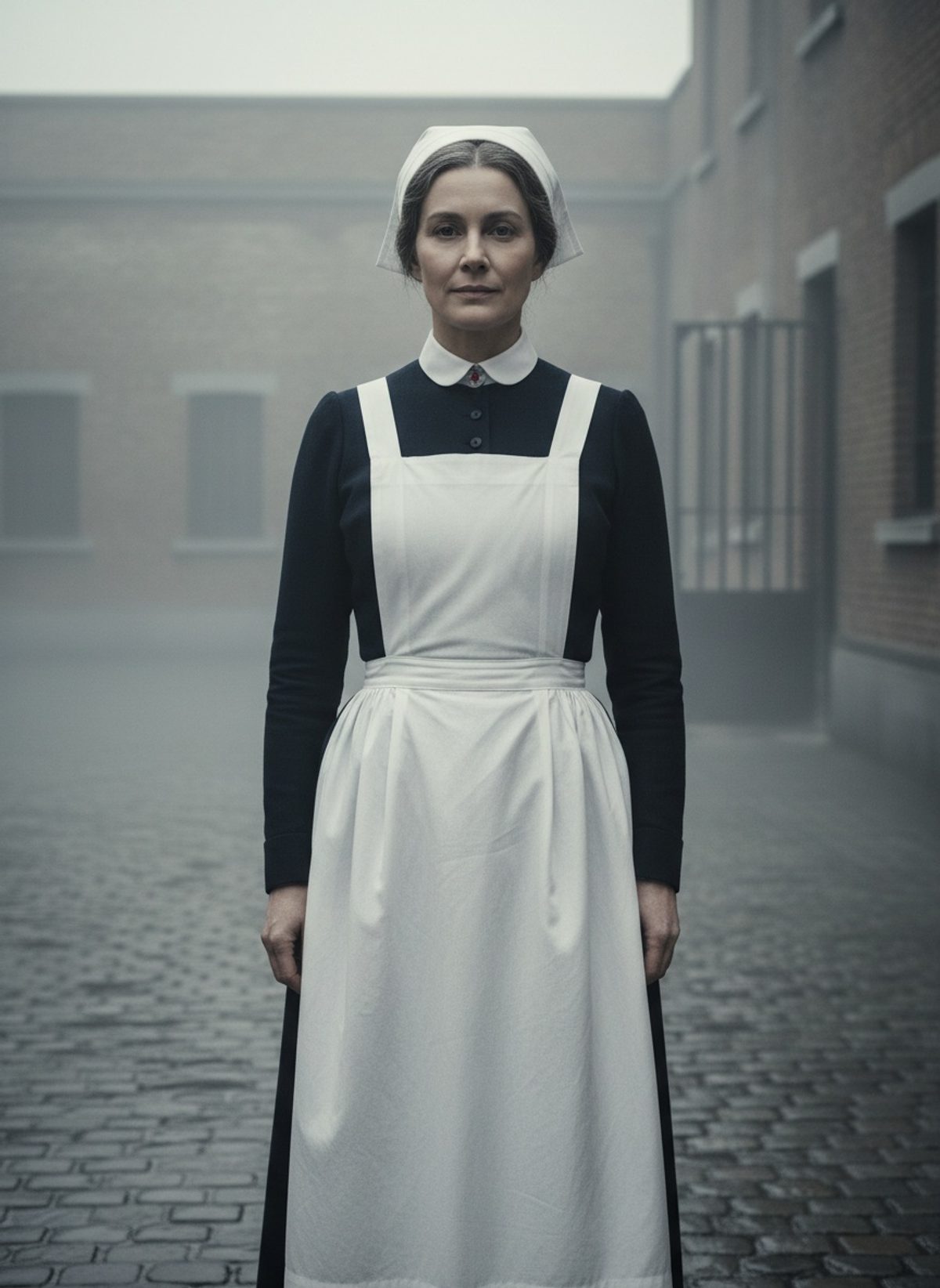
October 1915. Brussels was occupied. Edith Cavell stood before a German court. She had helped over two hundred Allied soldiers escape. She admitted it calmly. They shot her at dawn.
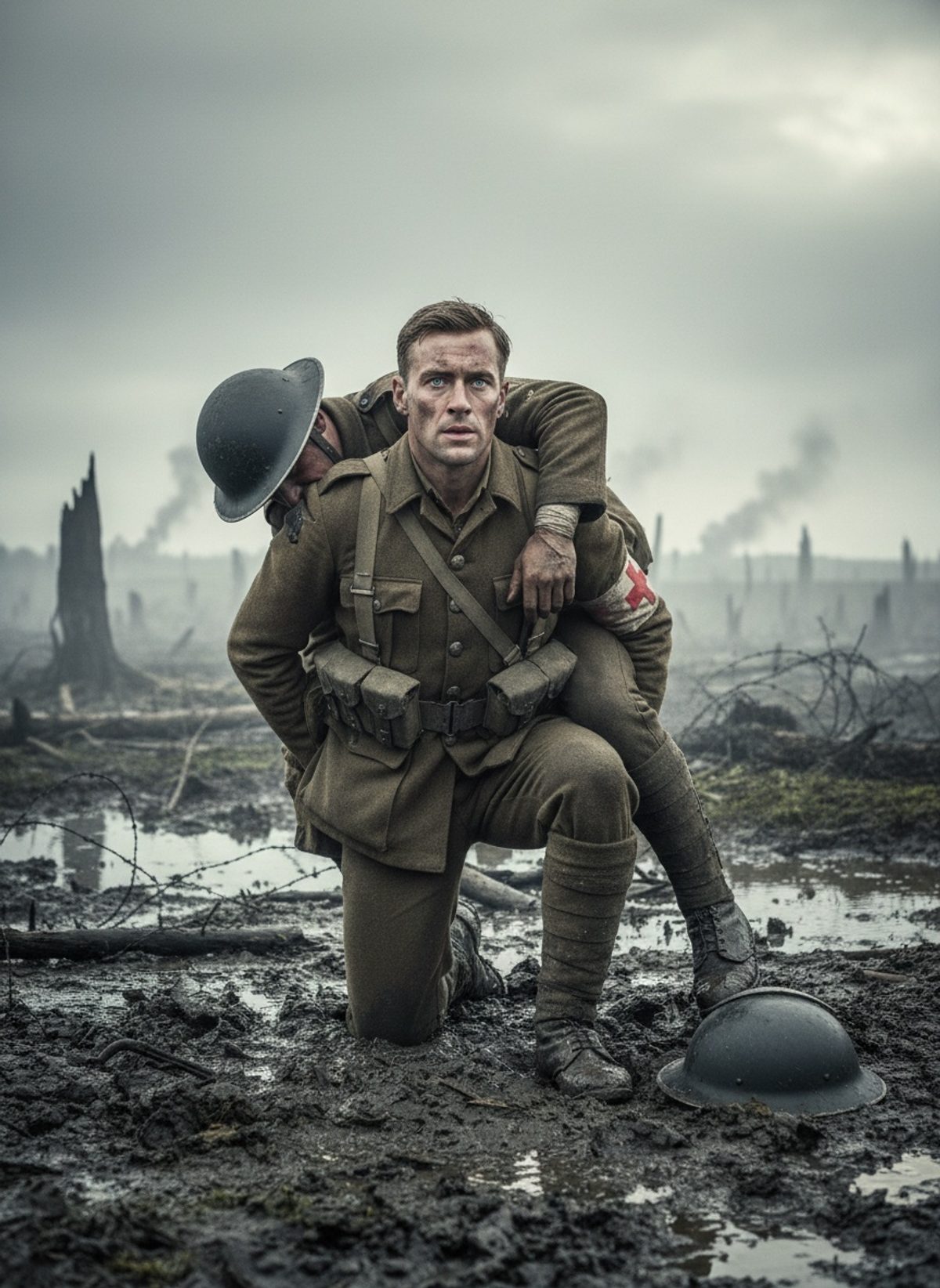
The Somme. 1916. The order came to withdraw. Private William Coltman stayed. Under fire. He crossed the open ground alone. Again. And again. He brought every man back.
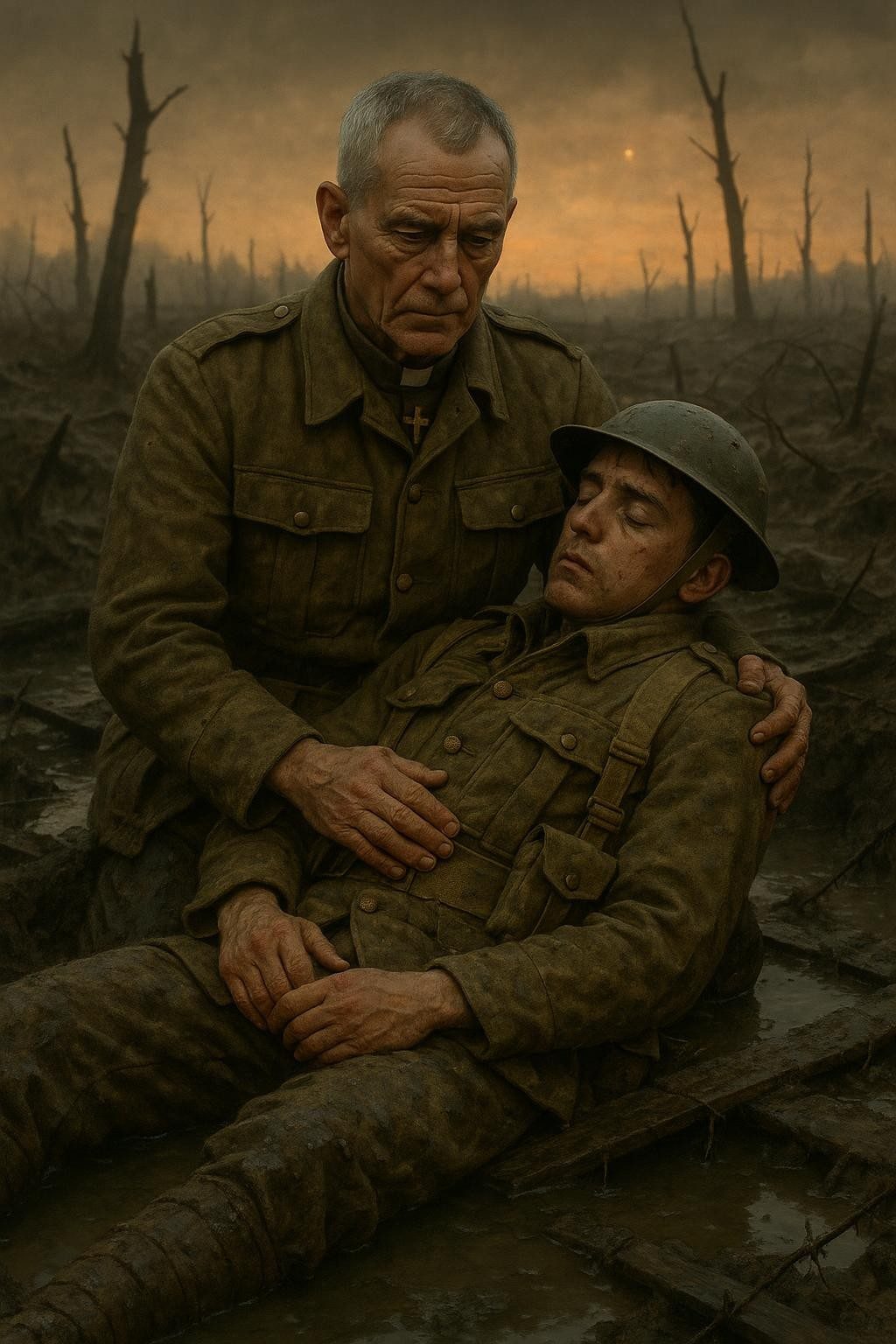
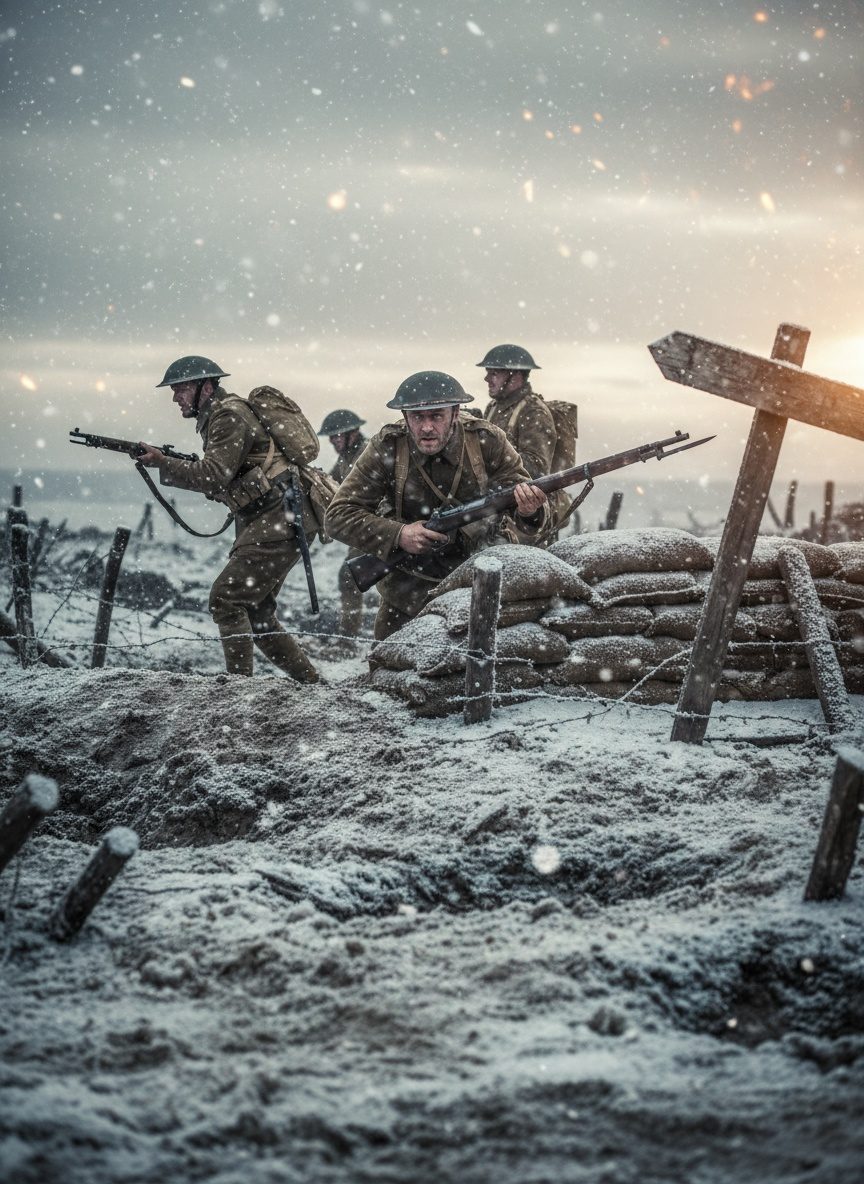
November 1917. The mud of Passchendaele. A wounded German soldier lay freezing in a shell crater. British padre Geoffrey Studdert Kennedy crawled in. Gave the man his coat. Stayed until the end.
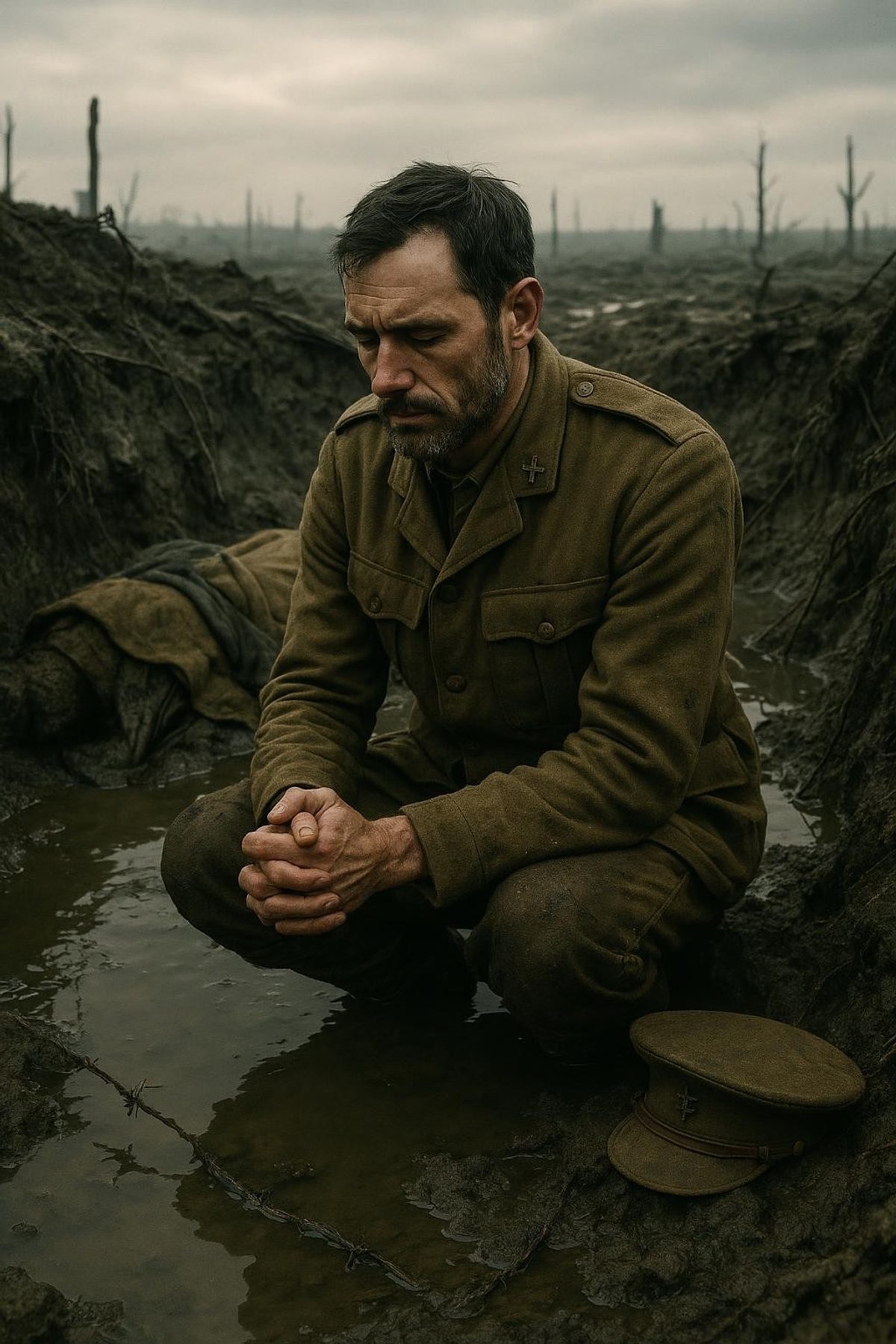
France. 1917. The Germans had left their dead in the mud. Padre David Railton walked out alone. He gathered them. He read the words. He buried them with the same care as his own men.
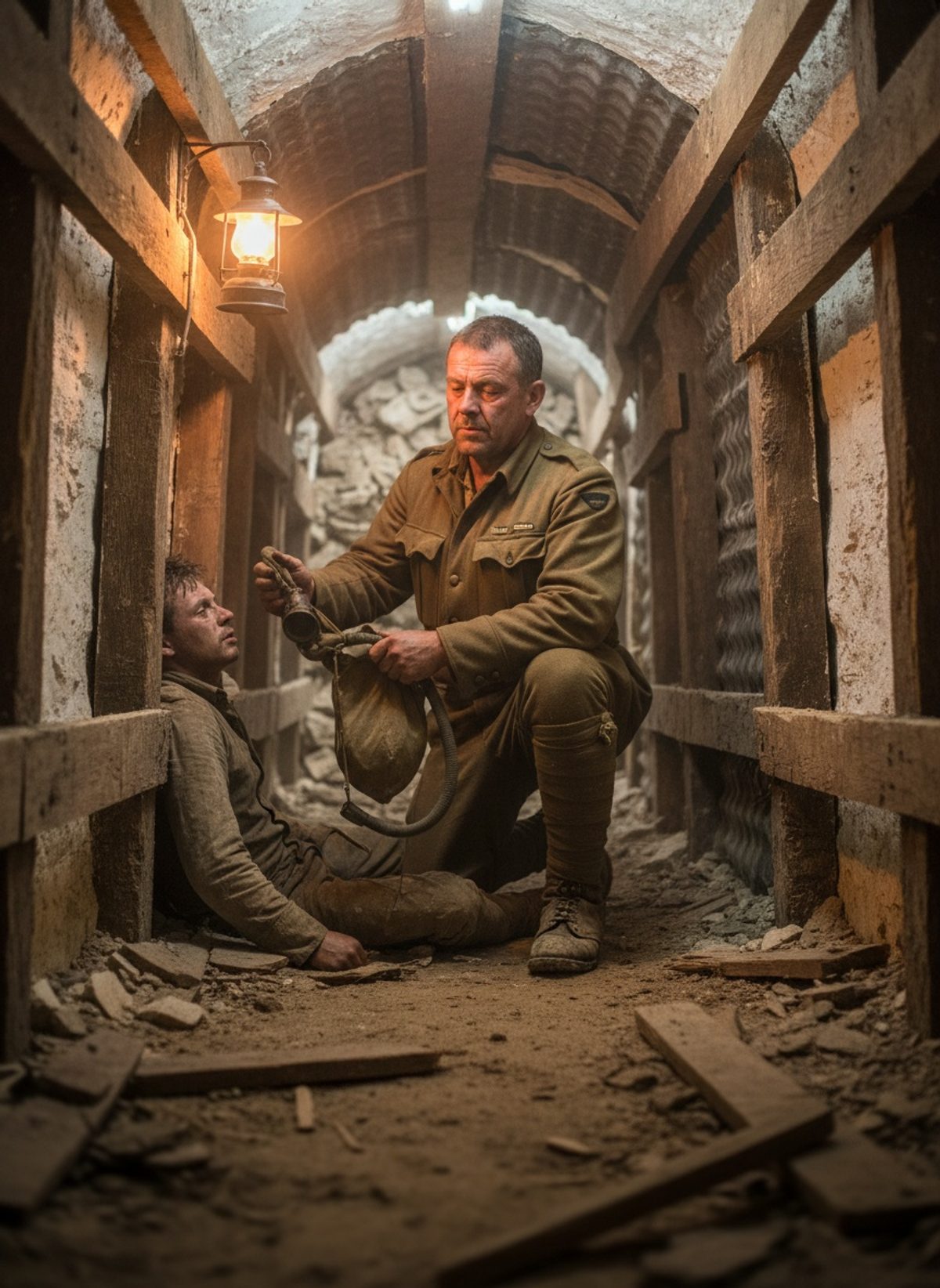
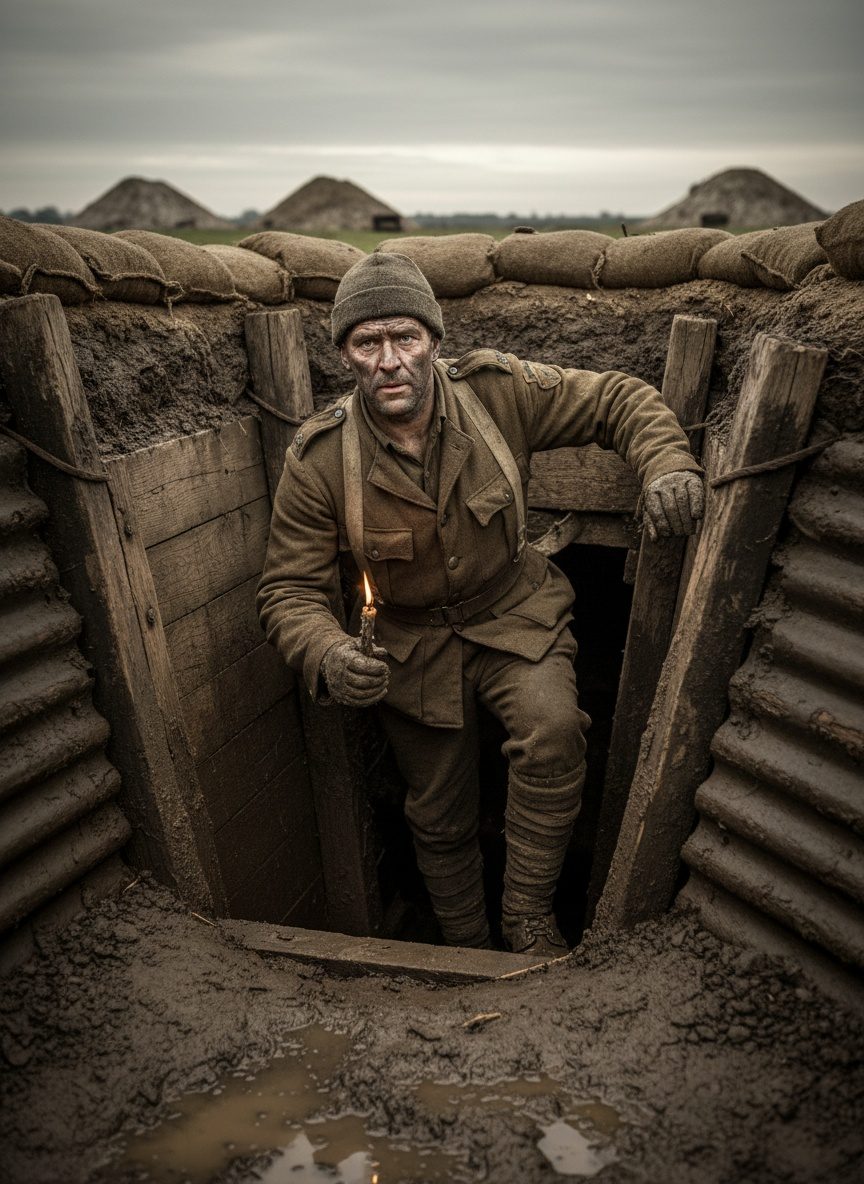
Arras, 1917. The tunnel collapsed. Gas flooded the shaft. Every man above ground pulled back. Sapper William Hackett stayed. He gave his breathing tube to a wounded man. They found him three days later. Still at his post.
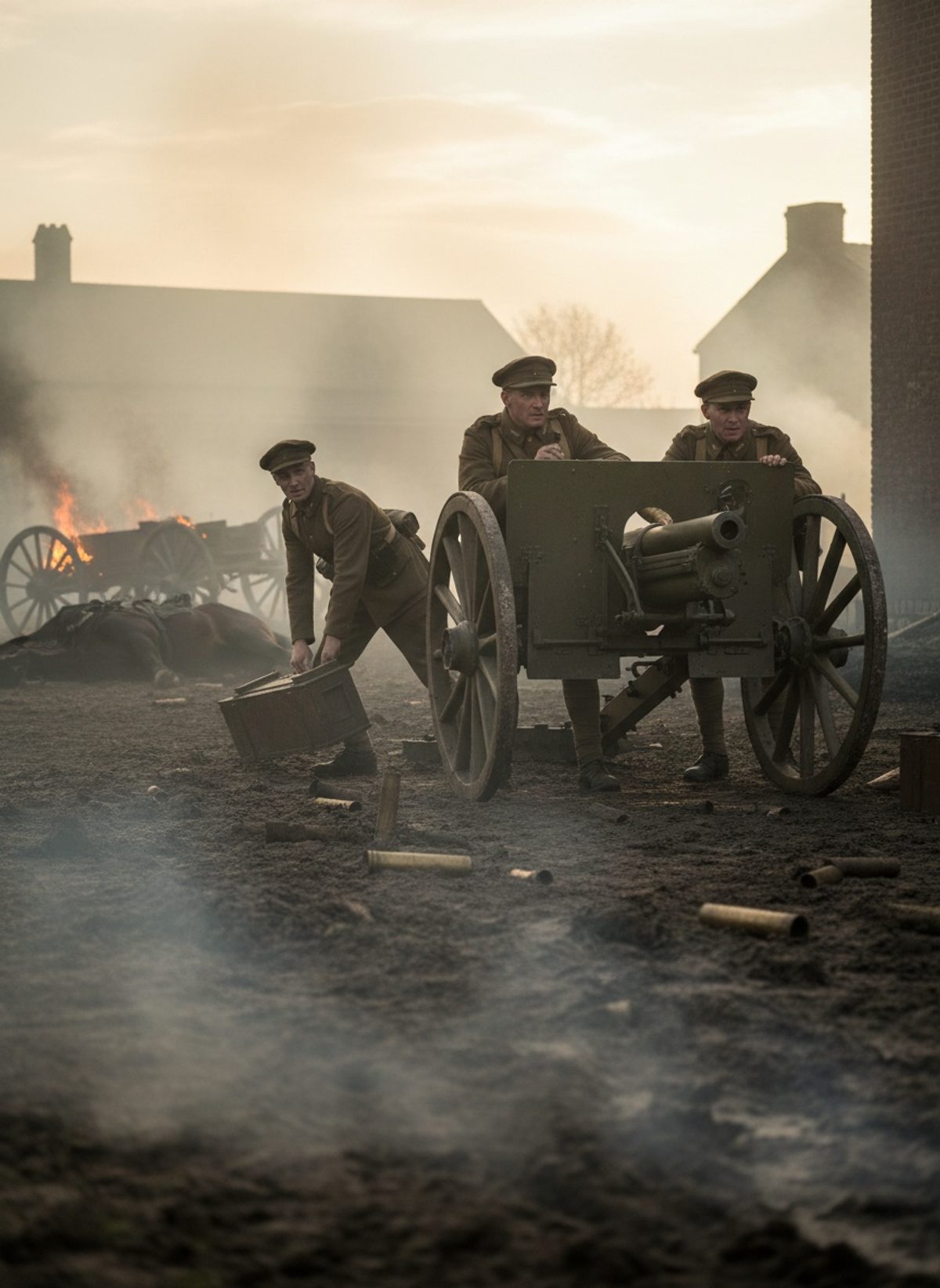
September 1914. L Battery woke to 12 German guns firing point-blank into their camp. Every officer fell. One gun remained. Three men served it for two and a half hours — and held the road to Paris.
Passchendaele. October 1917. The mud swallowed men whole. William Coltman went back. Again and again. Unarmed. Into the open. He saved every man he could reach. He never once fired a shot.
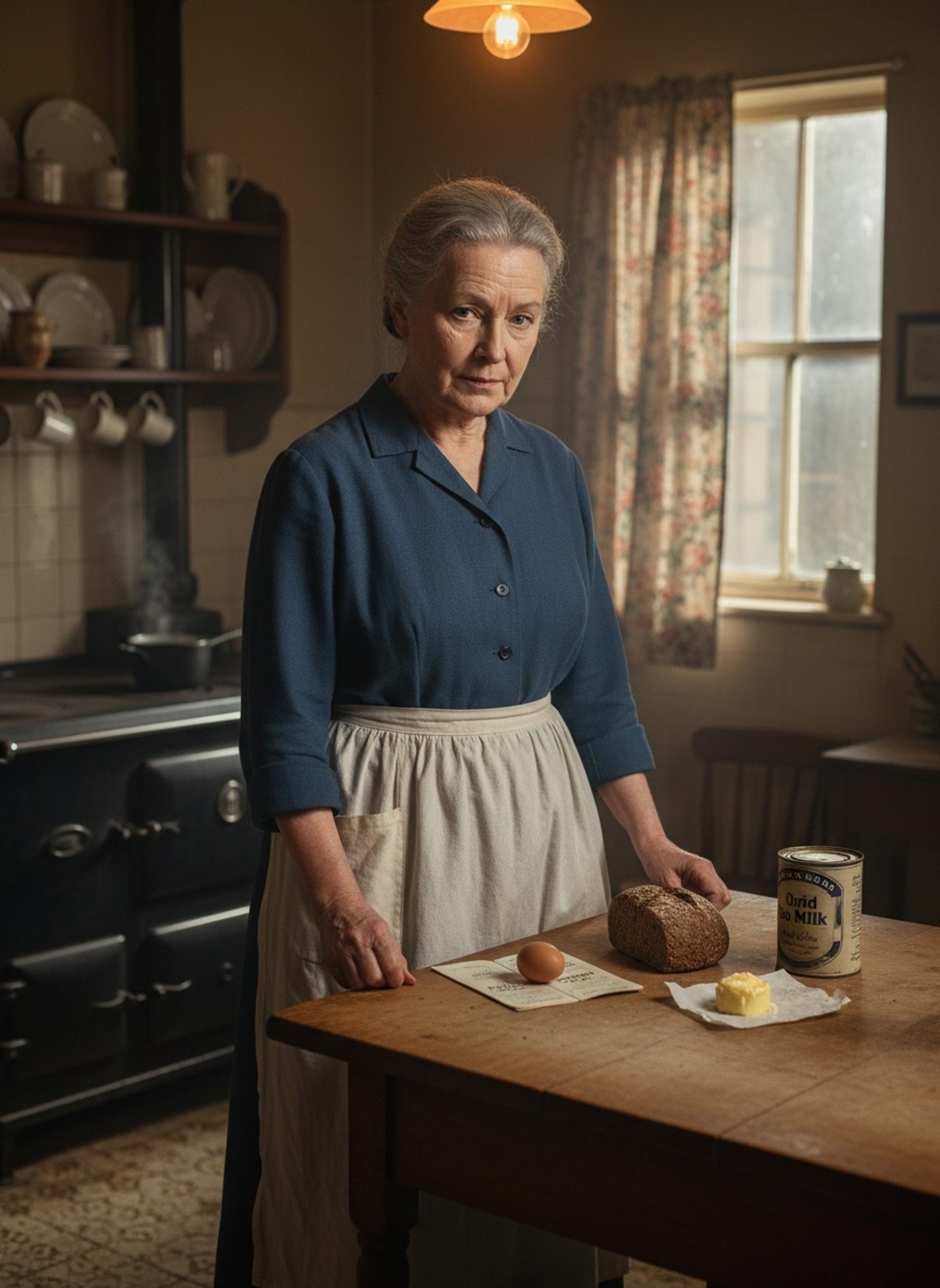
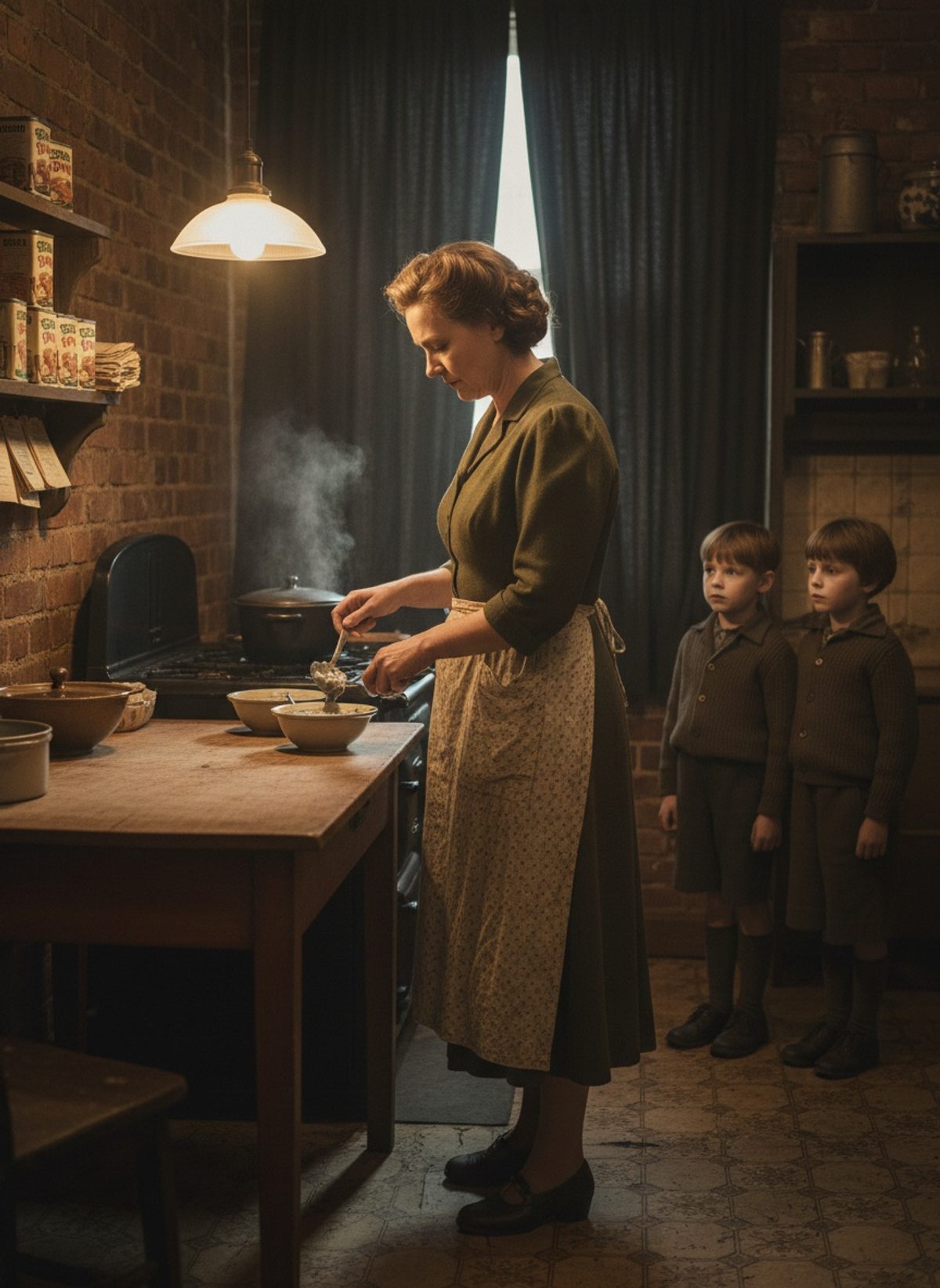
Rationing stripped Britain's kitchens bare. But grandmothers knew older ways. They stretched nothing into something. And fed their families through the darkest years Britain had ever known.
August 1917. The whistles had stopped. The mud was full of the wounded. Everyone else had gone back. Theodore Bayley Hardy walked out alone. Unarmed. Into the open. He carried them back one by one.
April 1918. The German advance was unstoppable. Every man was ordered to fall back. Padre William Doyle stayed. He moved through the open ground alone. He would not leave the wounded behind.
August 1917. Passchendaele. The guns had stopped for one hour. Padre William Doyle walked out alone. No weapon. No escort. He brought back the wounded. Then went again.
November 1914. Father William Doyle asked to enter the German lines. He wanted to reach the British wounded. The Germans let him through. He walked in unarmed. He walked back out with the dying.
Britain's army had just been driven into the sea. Its equipment abandoned on French beaches. And a Lieutenant-Colonel at the War Office was sketching a single page that would change warfare forever. He borrowed the name from the men who once humiliated Britain.
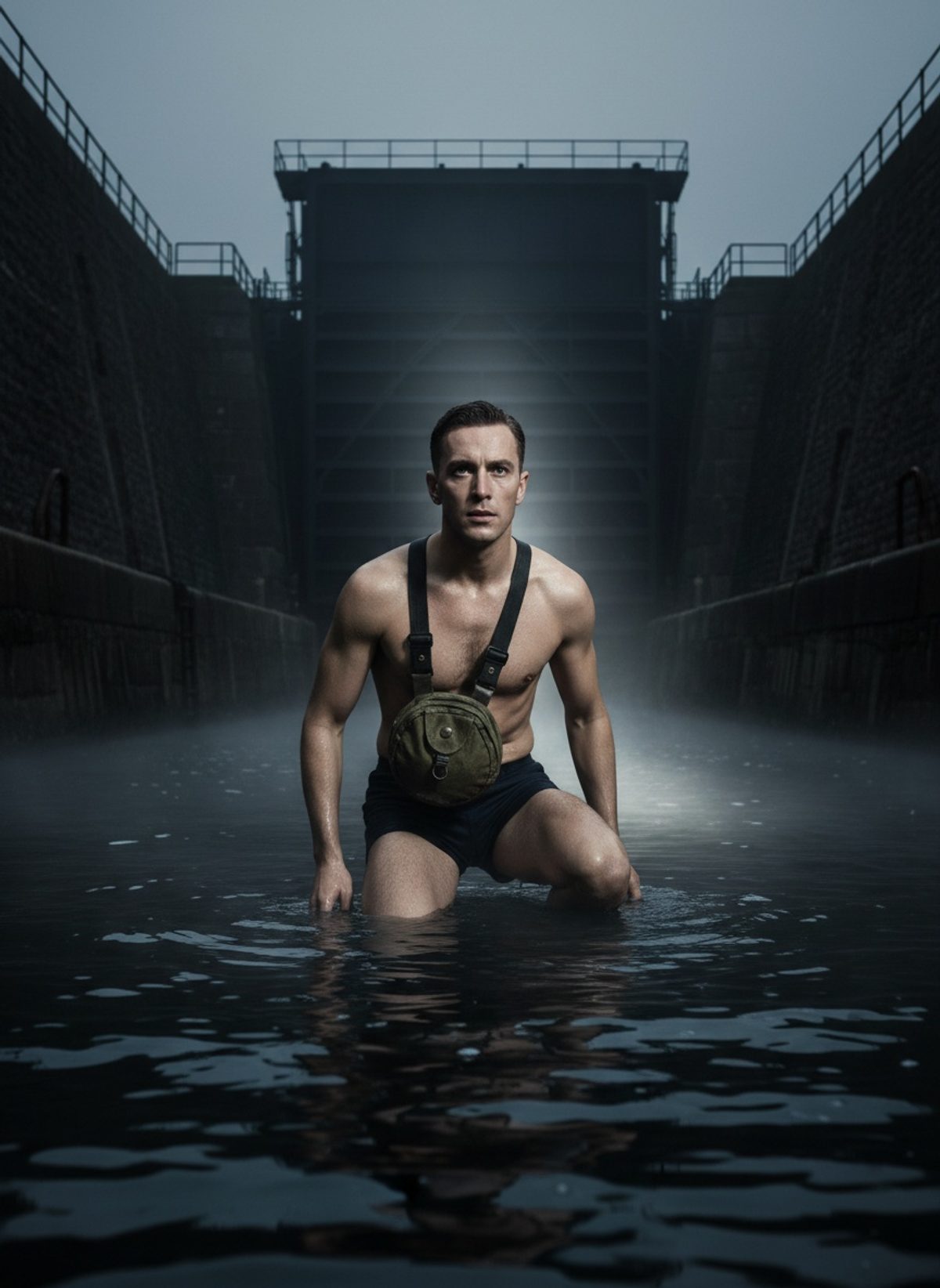
January 1942. A single British officer swam into the most heavily defended port in occupied Europe. No weapon. No backup. Just a waterproof bag and a mission no one else had volunteered for.
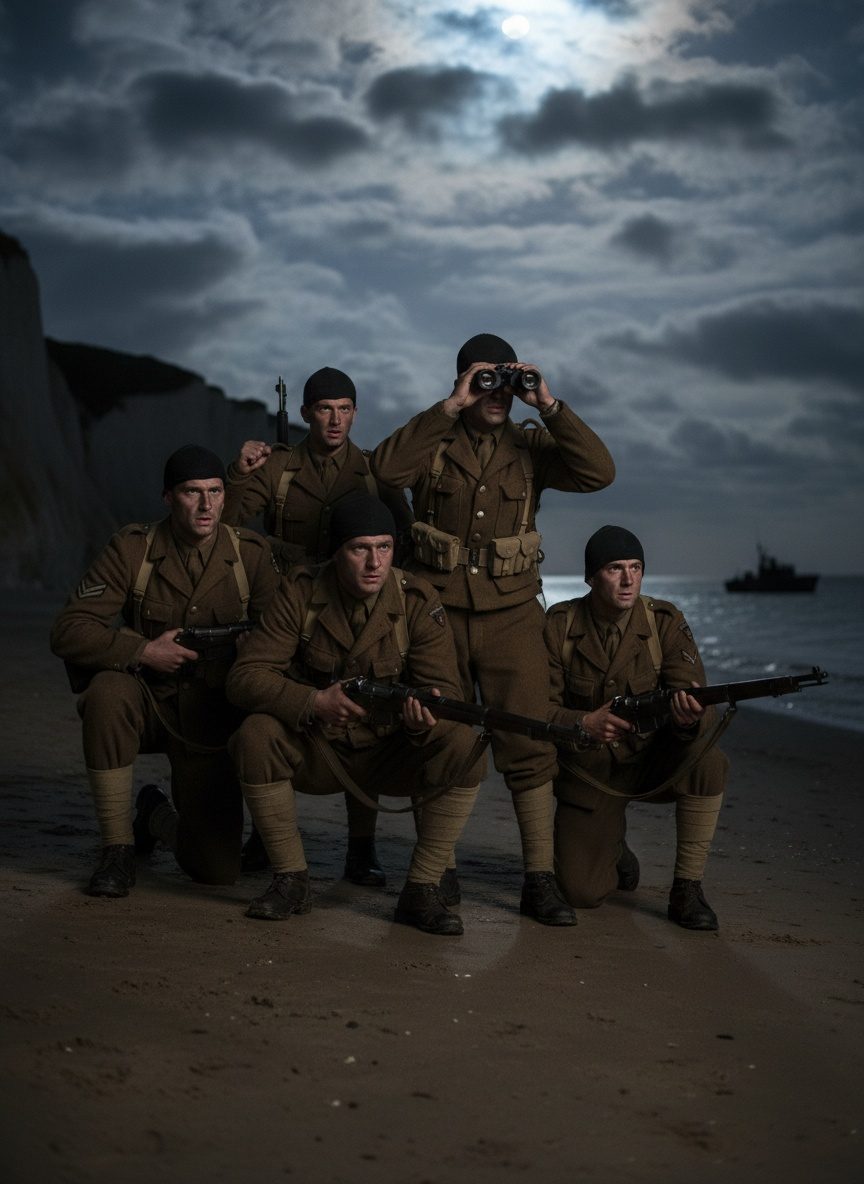
Dunkirk ended on June 4th. By June 23rd, Britain was already raiding back. 115 volunteers crossed the Channel in RAF launches. A German bullet hit an officer — and deflected off his cigarette case.
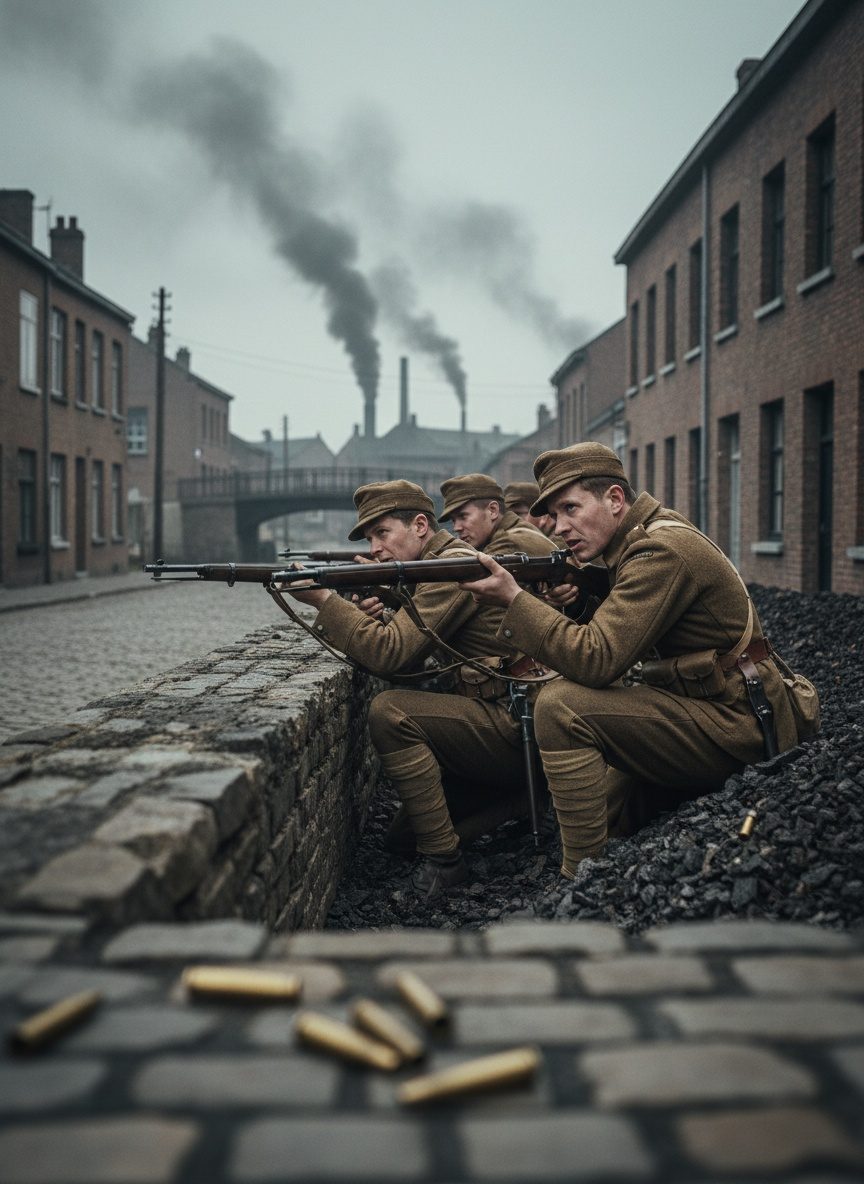
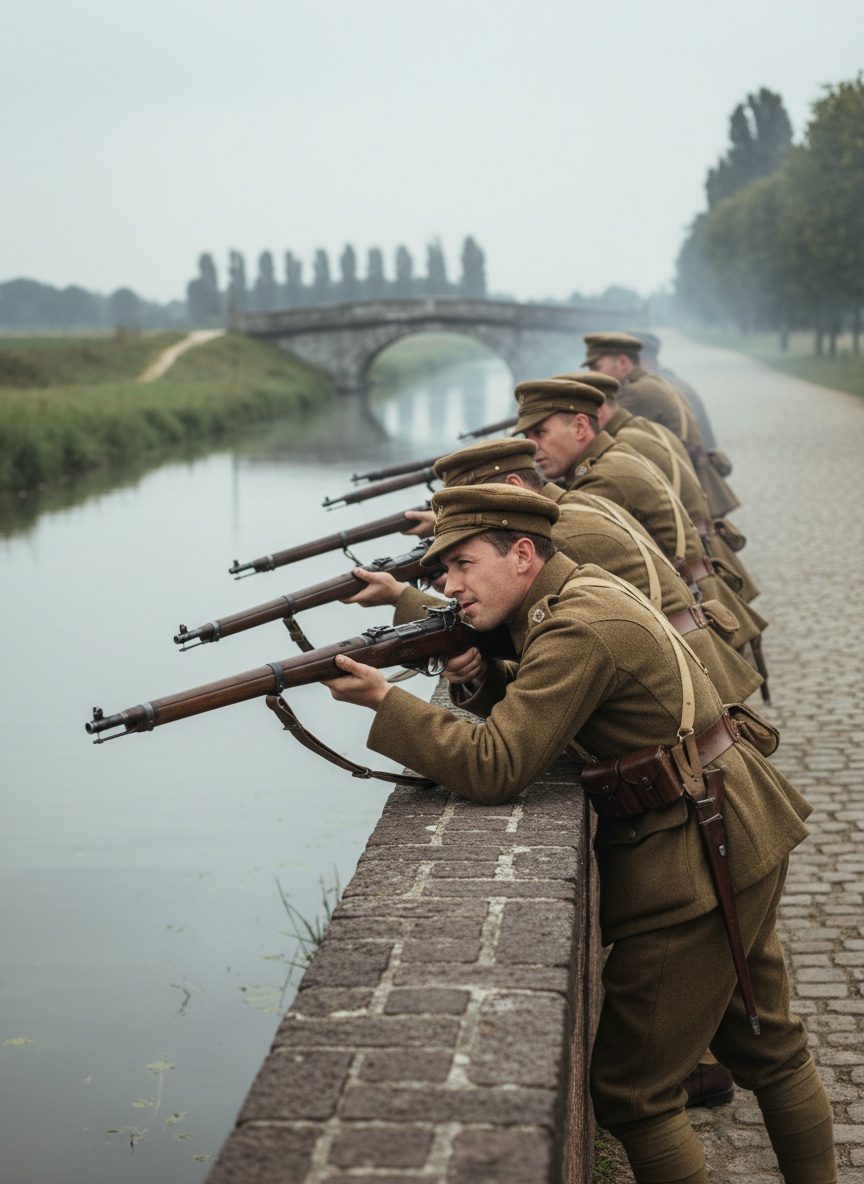
August 1914. The British Army was collapsing. One lance corporal from the Welsh valleys stood at a bridge and refused to move. For six hours, he bought an army time to live.
Shot seven times. Lost an eye. Lost a hand — then tore off his own fingers when a doctor refused to. Won the Victoria Cross on the Somme. His verdict on three wars: 'Frankly, I had enjoyed the war.'
September 1914. L Battery RHA was having breakfast when 12 German guns opened up from the ridge above them. Every officer fell. One gun remained. Three men served it for two and a half hours.
1st July 1916. The Ulster Division broke through. Then the army on their flanks stopped. They were surrounded, outnumbered, and nearly out of ammunition. They held anyway.
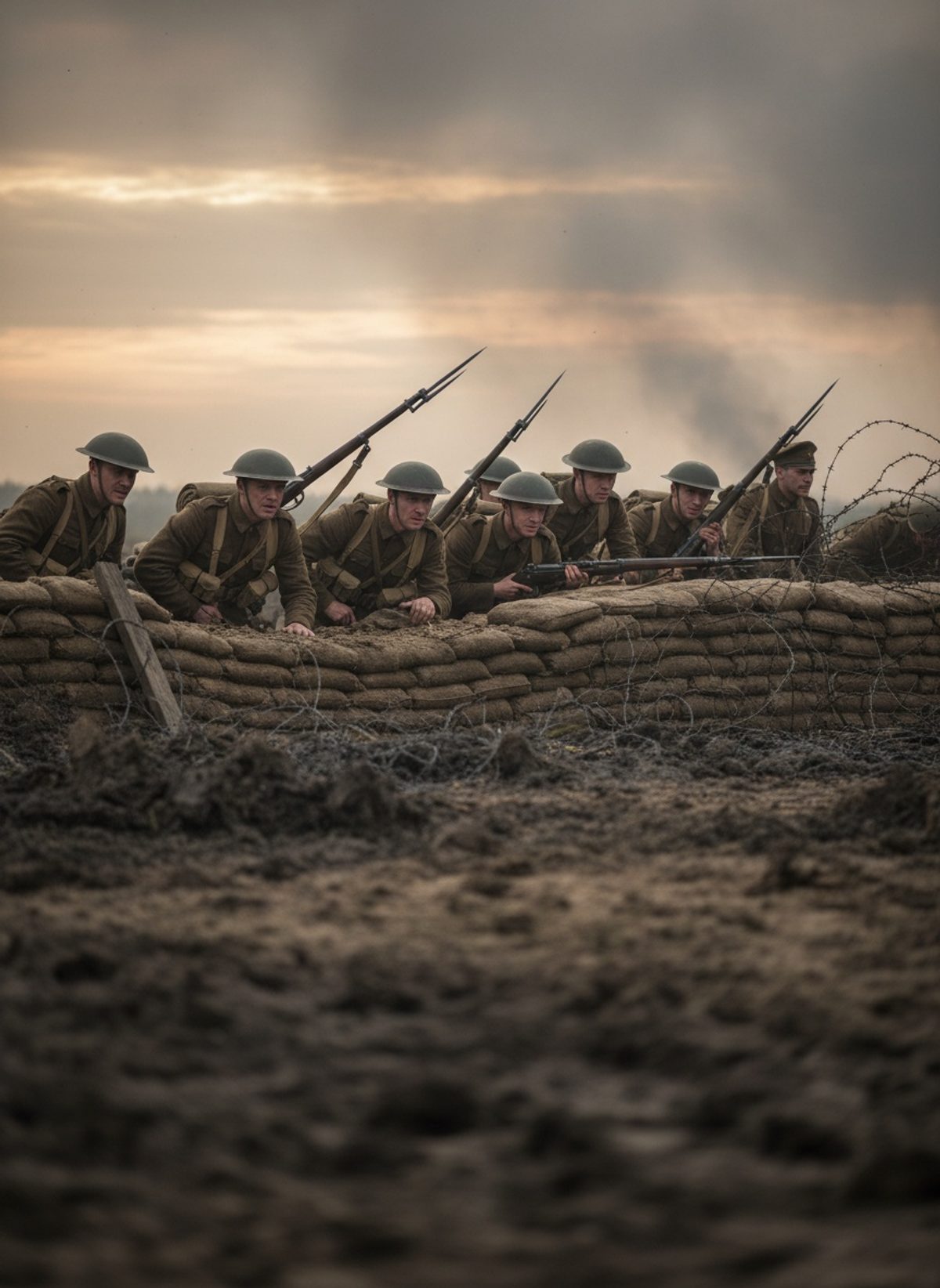
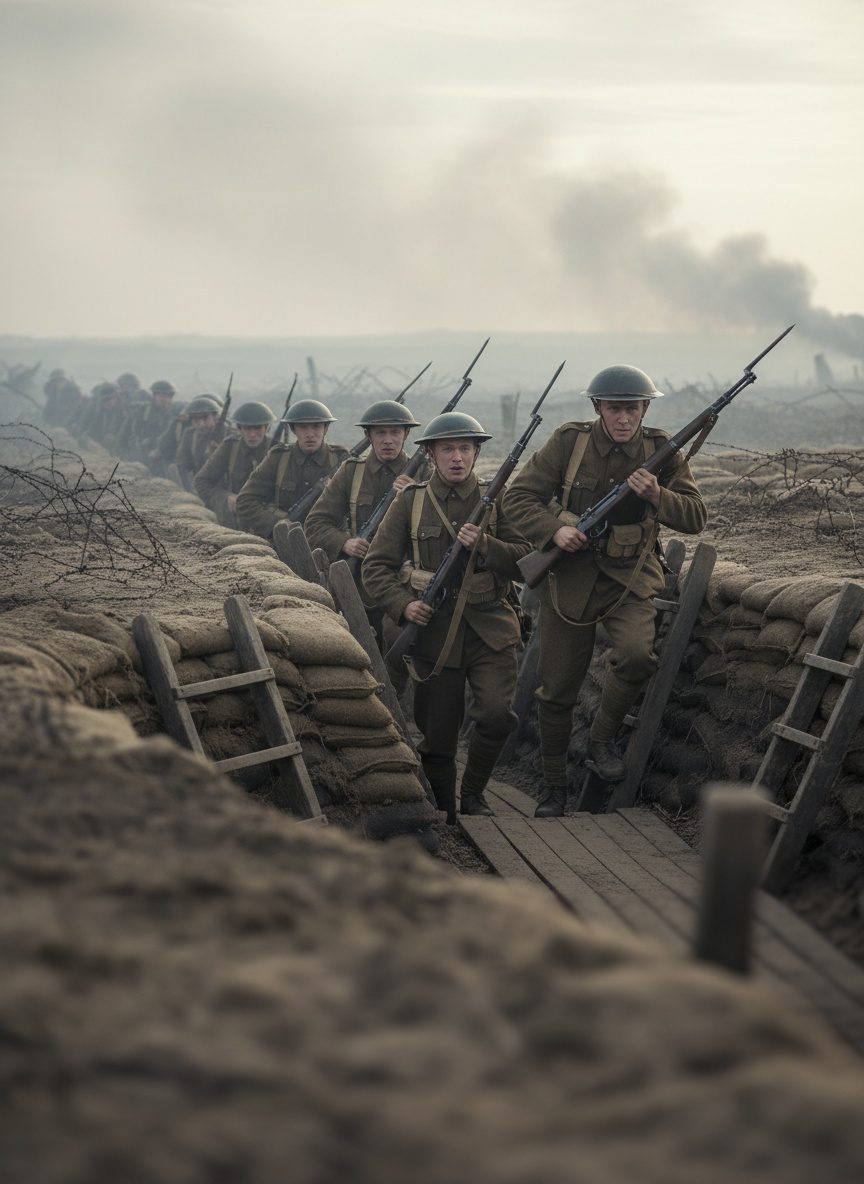
1st July 1916. 7:30am. Whistles blow along eighteen miles of trench. 120,000 British soldiers climb into the open. By nightfall, 57,470 are dead, wounded, or missing. One day. One catastrophe.
August 1917. Passchendaele. The guns had stopped. One chaplain refused to wait behind the lines. He walked out into no man's land. Alone. Unarmed. He carried the dying back himself.
August 1914. 800 Irish soldiers were told to hold a crossroads. 5,000 Germans were coming. They held for 14 hours. When the guns went silent, 127 were dead — and the army they saved was already gone.
April 1915. Ypres was burning. The gas came first. Then the screaming. Private William Coltman walked in anyway. He found them. He carried them out. One by one.
War rationing stripped British kitchens bare. But one woman's recipes fed her whole street. The smells never left the children who ate there.
Ypres, 1917. The guns had stopped. A lone British chaplain walked out. No weapon. No escort. He reached the German wire. Knelt beside a dying enemy soldier. Stayed until the end.
October 1915. Edith Cavell stood before a German firing squad in Brussels. She had sheltered over 200 Allied soldiers. She had no regrets. She faced the dark without flinching.
April 1916. Shell craters stretched to the horizon. A British chaplain climbed out alone. No rifle. No escort. He carried only a stretcher. He brought back the wounded. Then went again.
Shot seven times in one war. Blinded in one eye. Lost a hand — and tore two fingers off himself when the surgeon refused. Three wars. One verdict: 'I had enjoyed it.'
1st July 1916. Zero hour: 7:30am. By nightfall, 19,240 British soldiers were dead. 57,470 casualties in a single day. The bloodiest day in British military history.
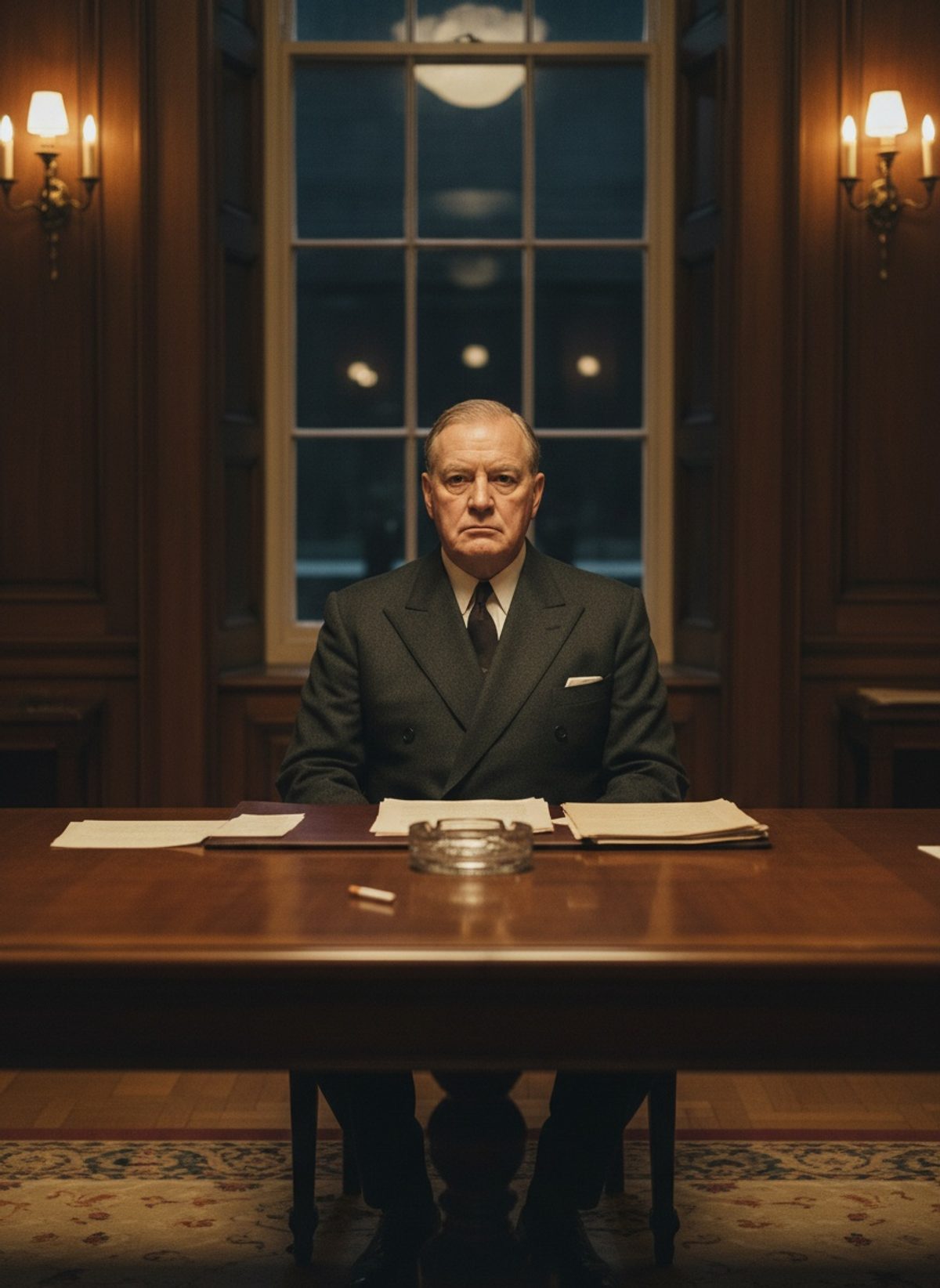
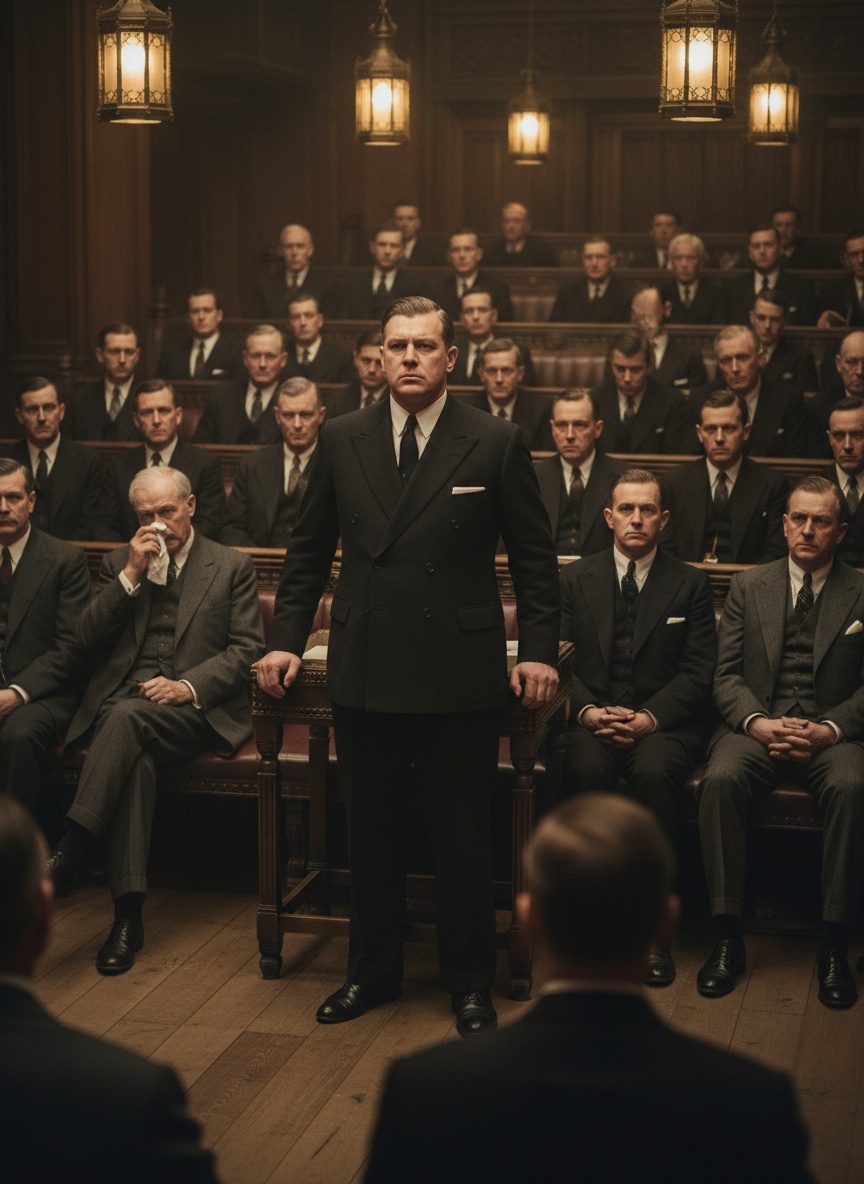
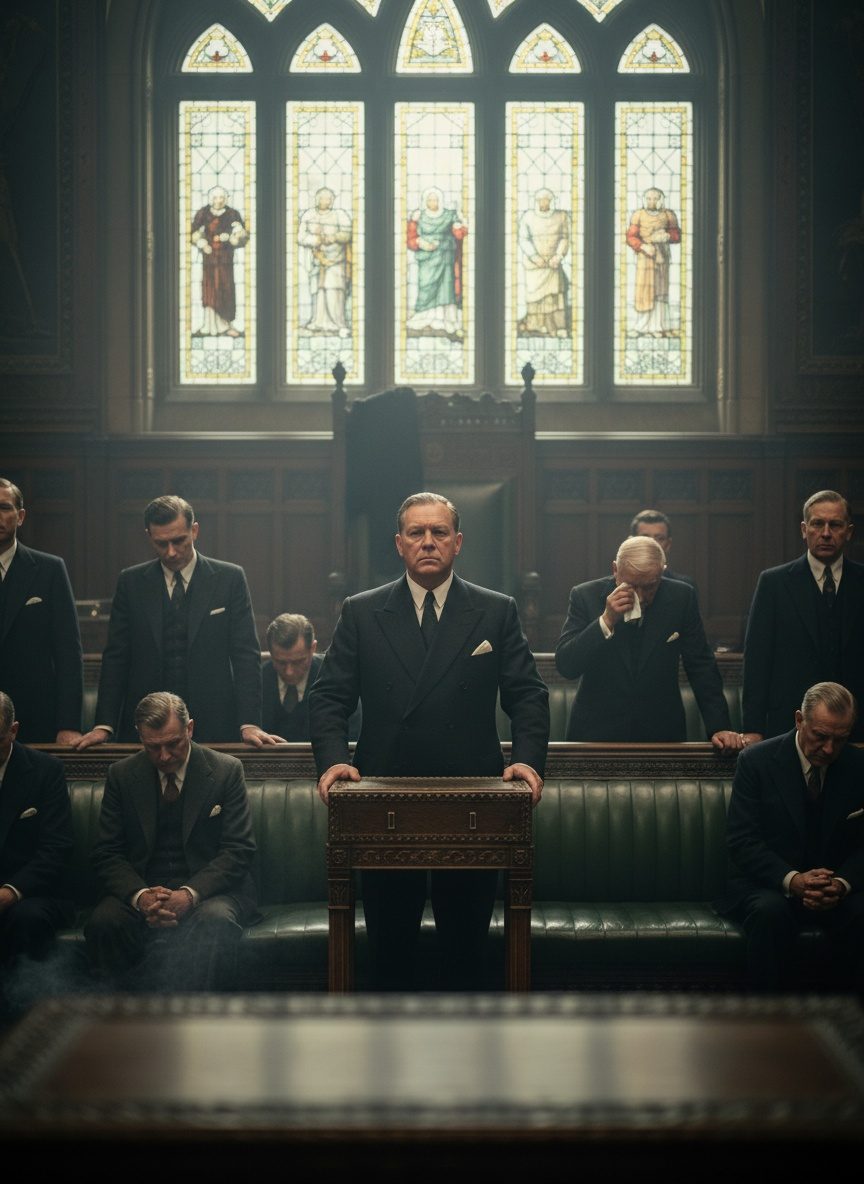
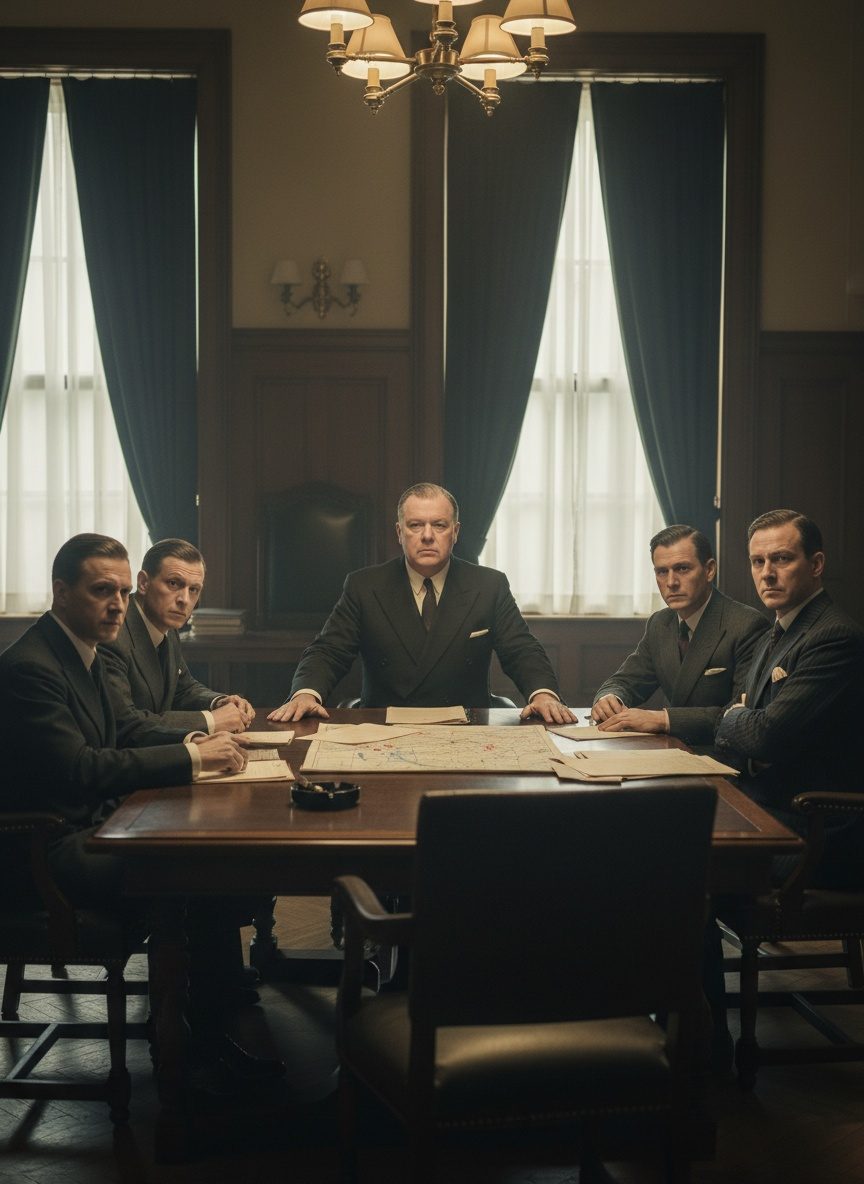
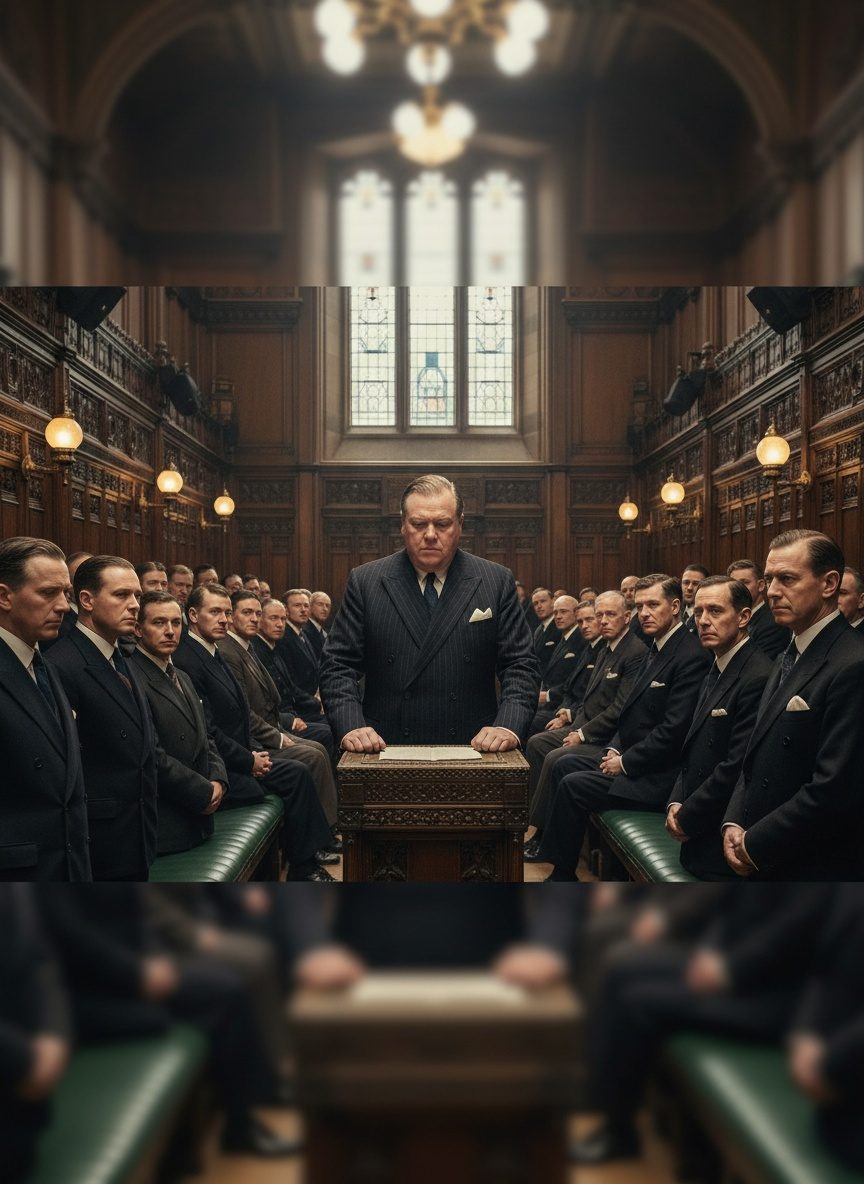
May 1940. The army was trapped. France was falling. In the Cabinet Room, Churchill faced men urging him to make peace. He walked out. Then he did something nobody expected.
August 1917. The shells had stopped. The wounded still lay out in the mud. Padre William Doyle walked out alone. No weapon. No order. Just a cross and a quiet courage. He did not come back.
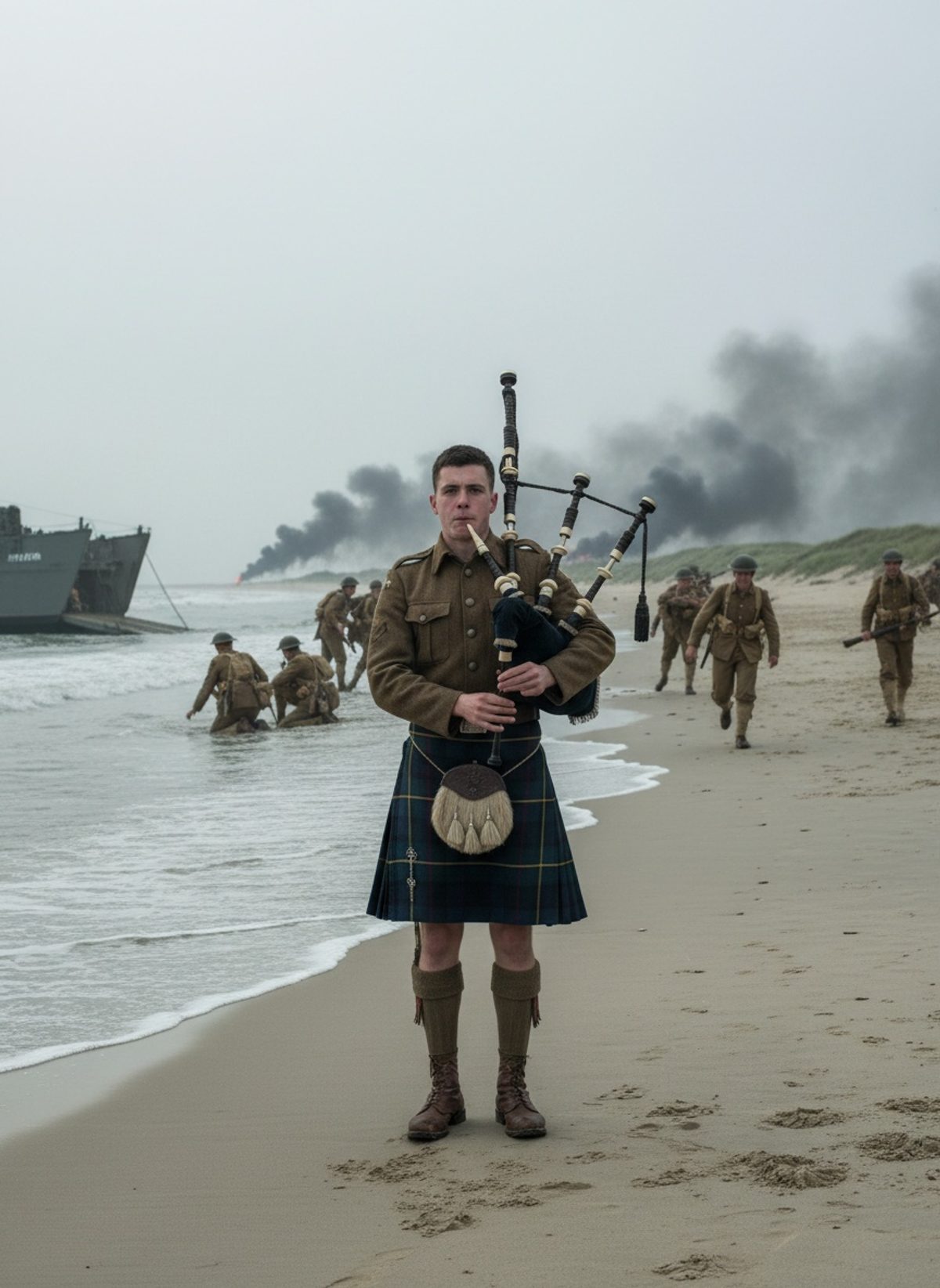
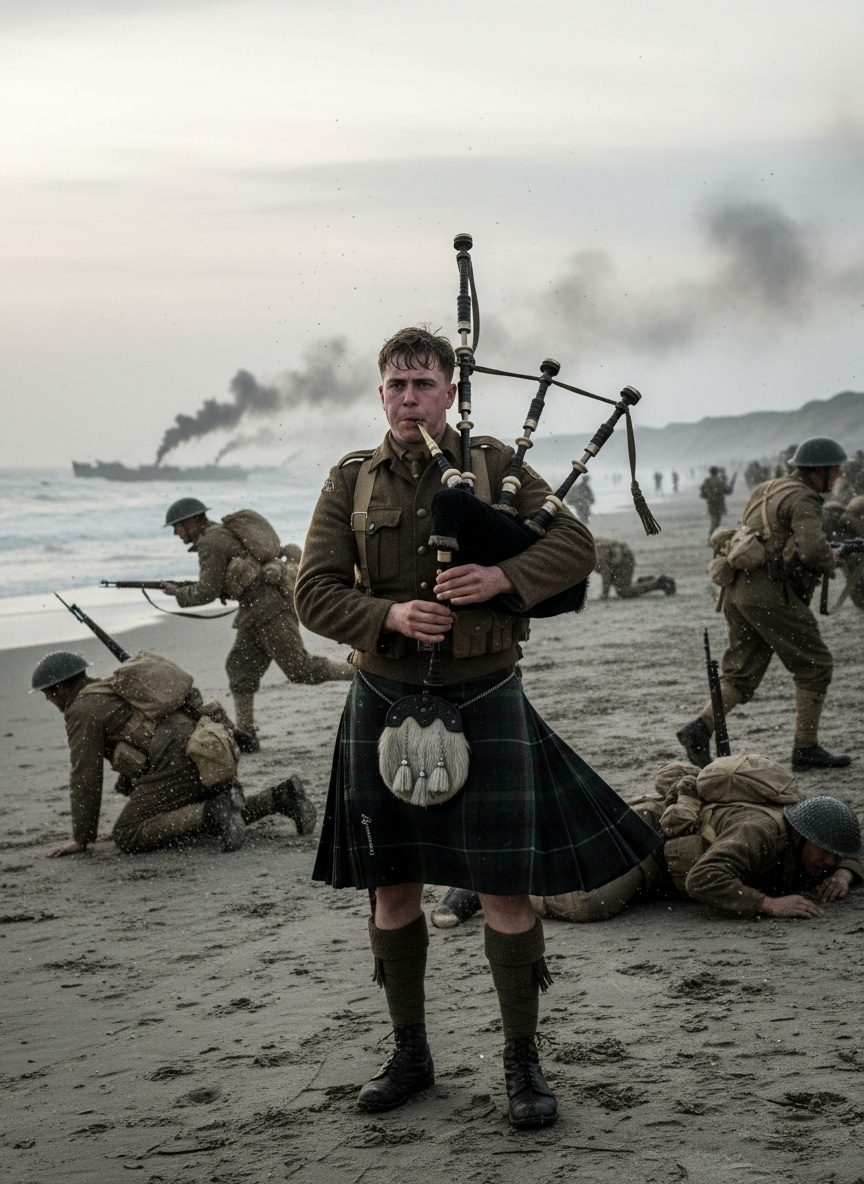
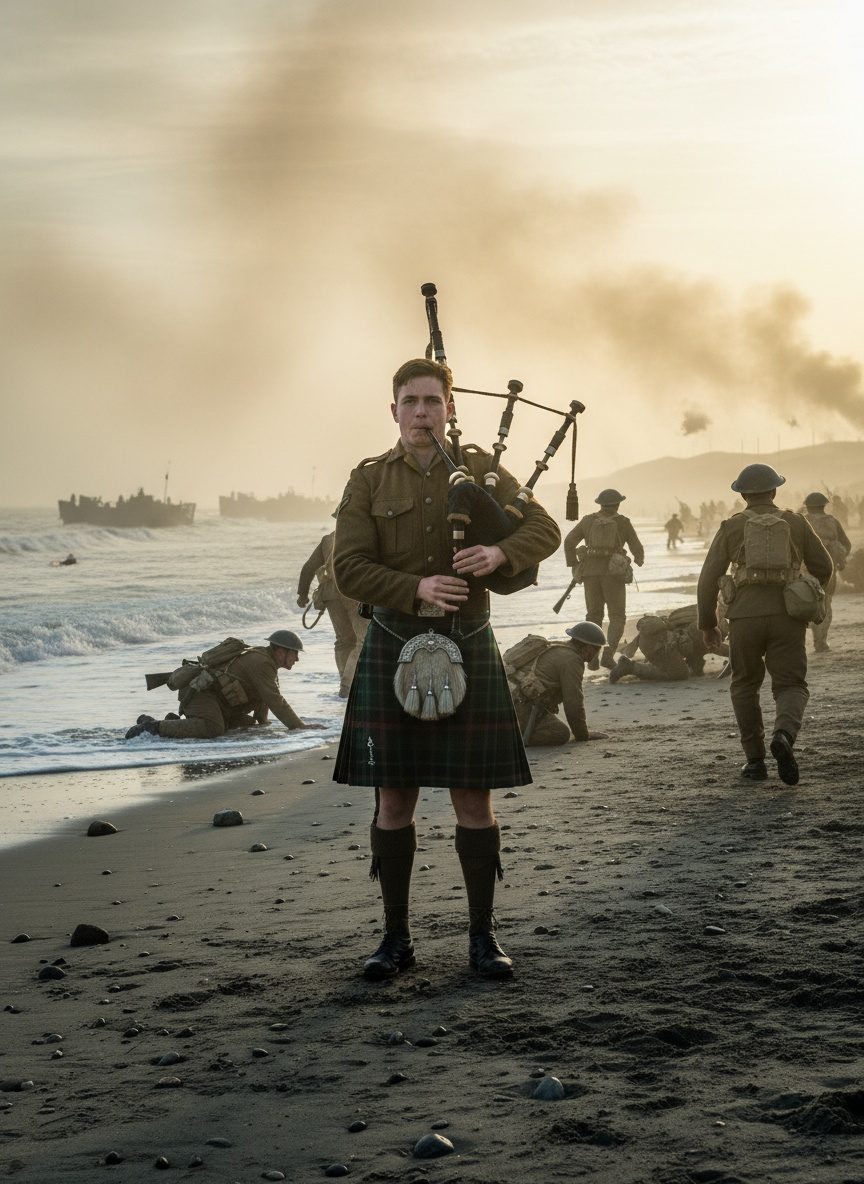
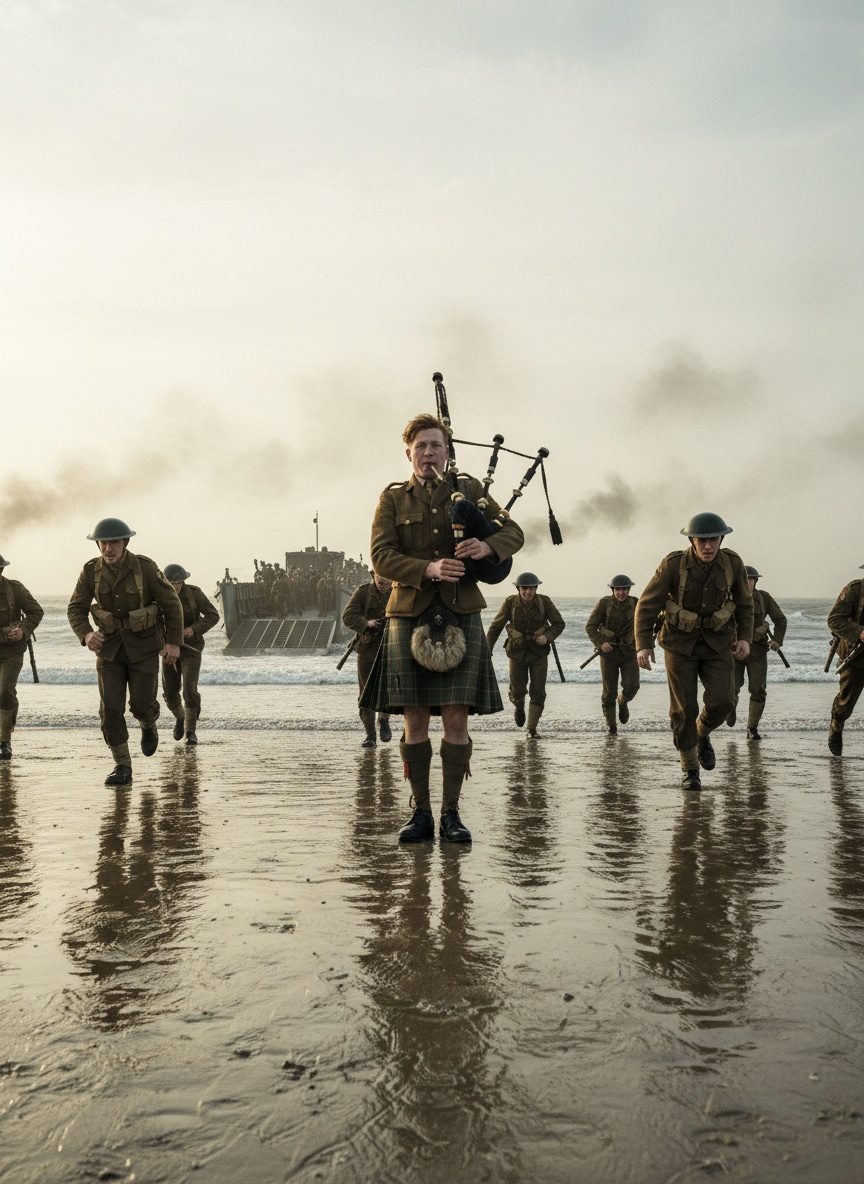
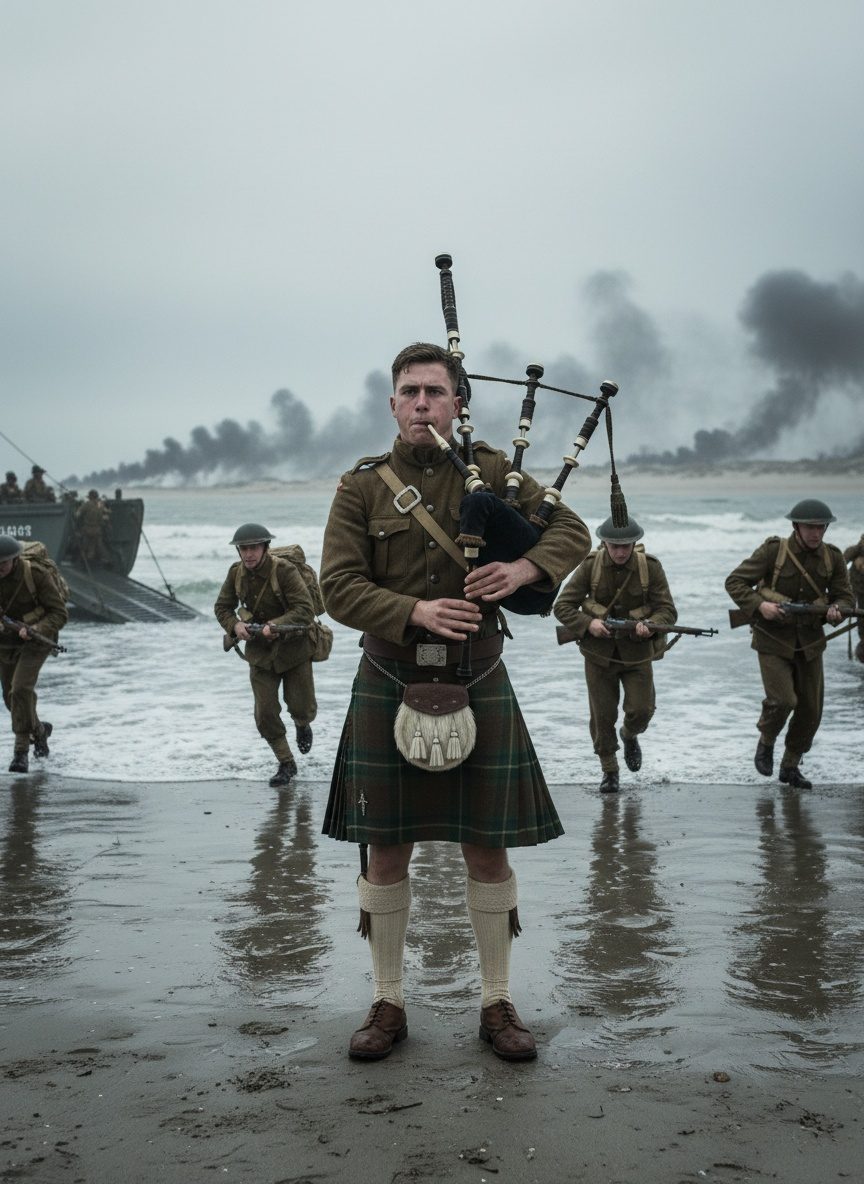
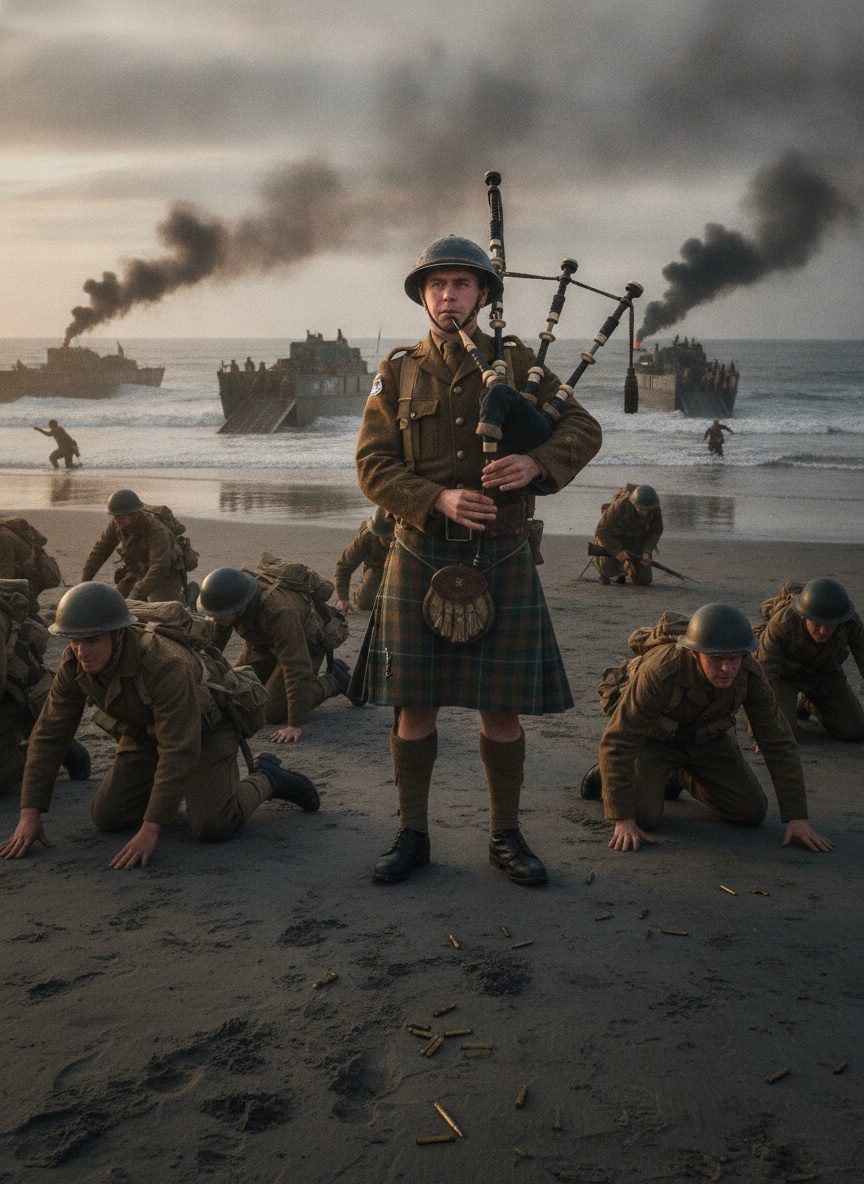
Sword Beach. June 6, 1944. Every man ran for cover. One man walked slowly, upright, playing bagpipes. The German snipers watched him. And chose not to fire. They thought he was already mad.
October 1917. Passchendaele. The mud swallowed men whole. Corporal Ernest Sykes crossed no man's land five times. Unarmed. Under fire. He carried the wounded out one by one. Nobody ordered him to go back.
600 British soldiers. 10,000 Chinese. Four days. No relief coming. The Glosters were told to hold Hill 235. So they held it.
Shot in seven places. Lost an eye. Lost a hand — tore two fingers off himself when the surgeon refused. Fought three wars. Escaped a castle prison. His verdict: he had enjoyed it.
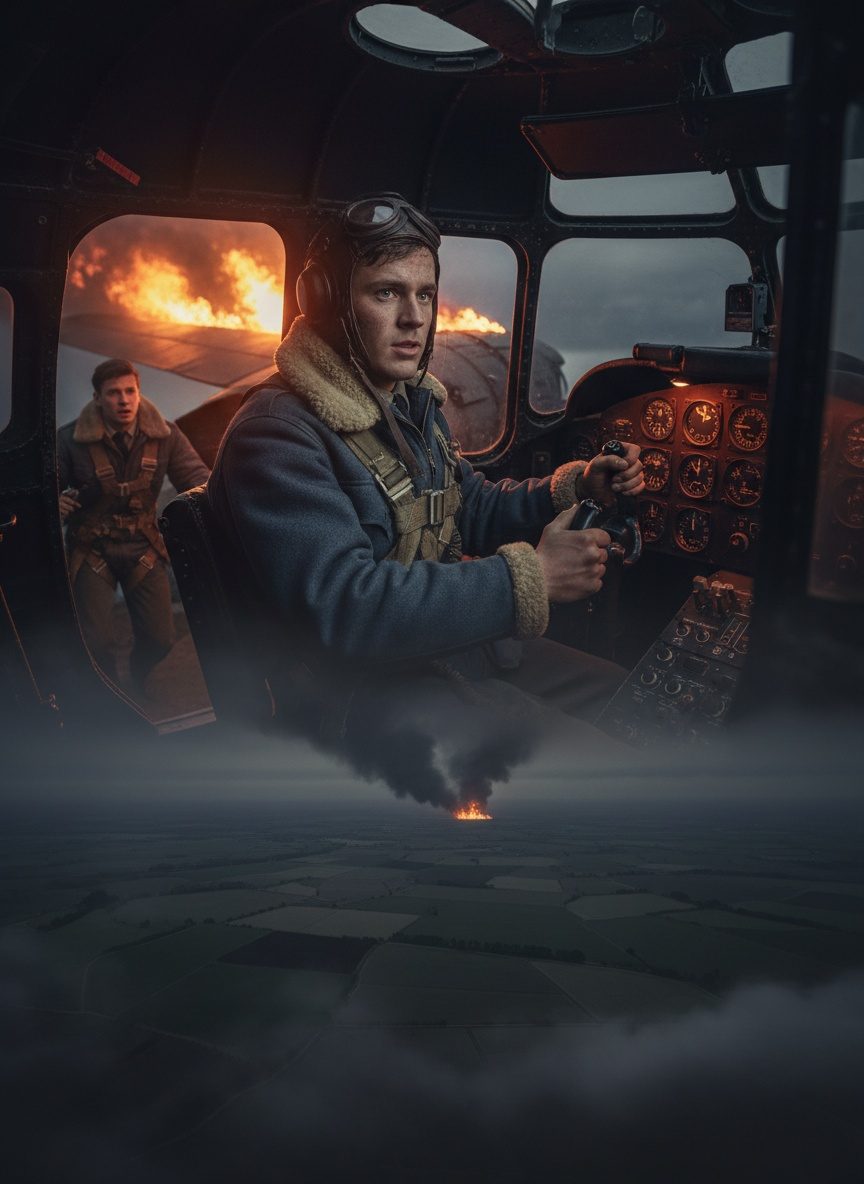
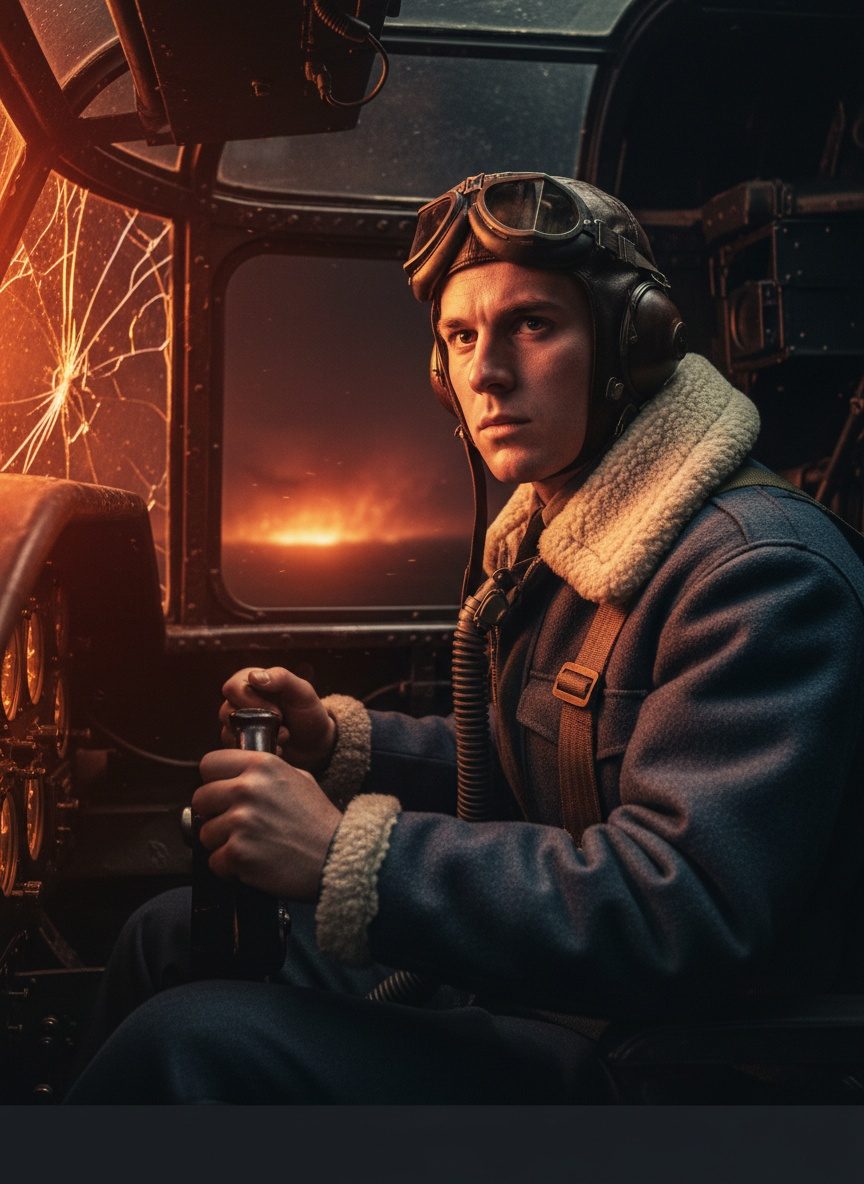
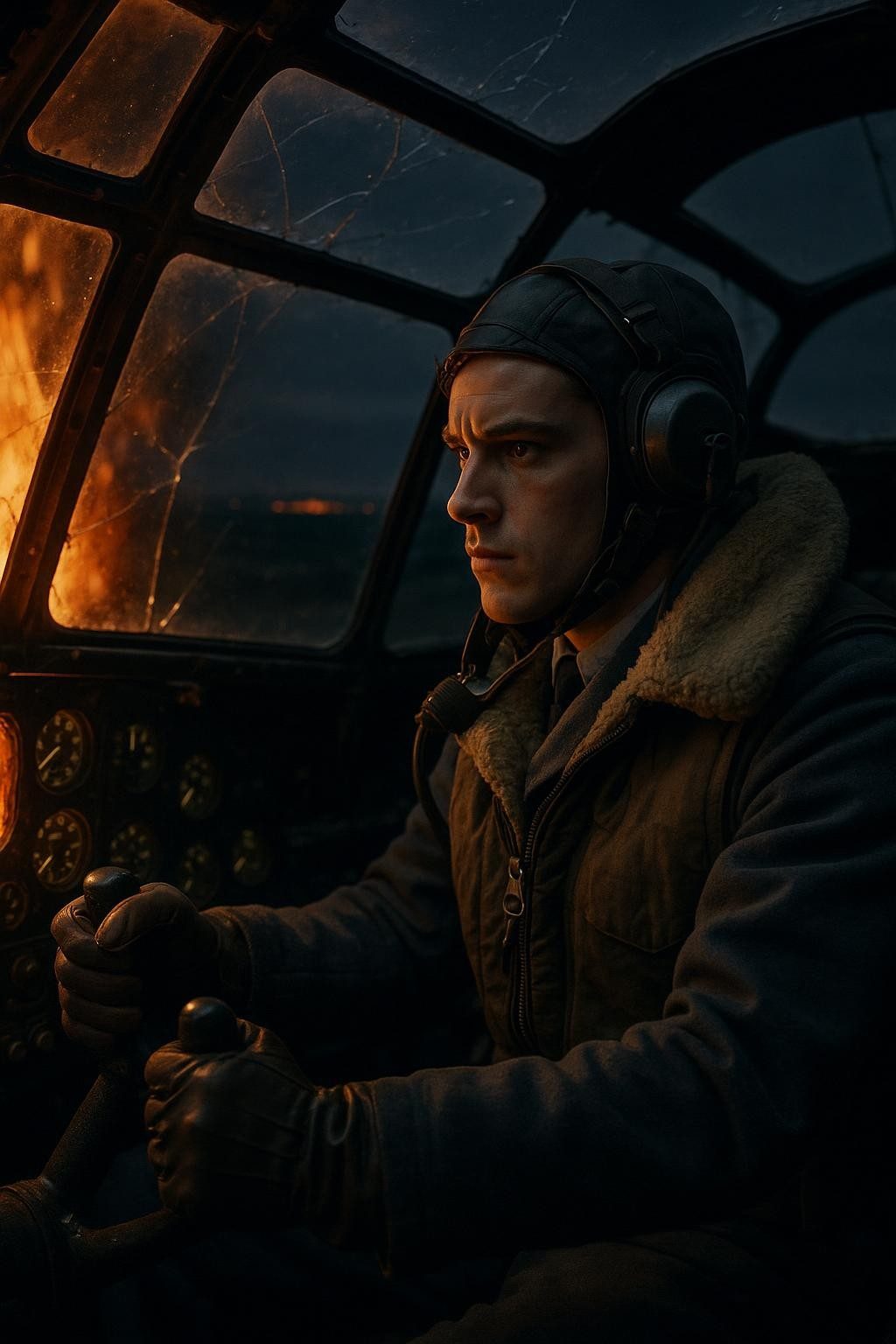
May 1942. A thousand bombers crossed the Channel. One was hit over Cologne and set on fire. The pilot, twenty years old, held it level while his crew jumped. He never put his parachute on.
September 1944. A handful of paratroopers held one end of Arnhem bridge against the whole German army. Among them: a nineteen-year-old gunner who had never fired his weapon in anger. He wouldn't stop firing for four days.
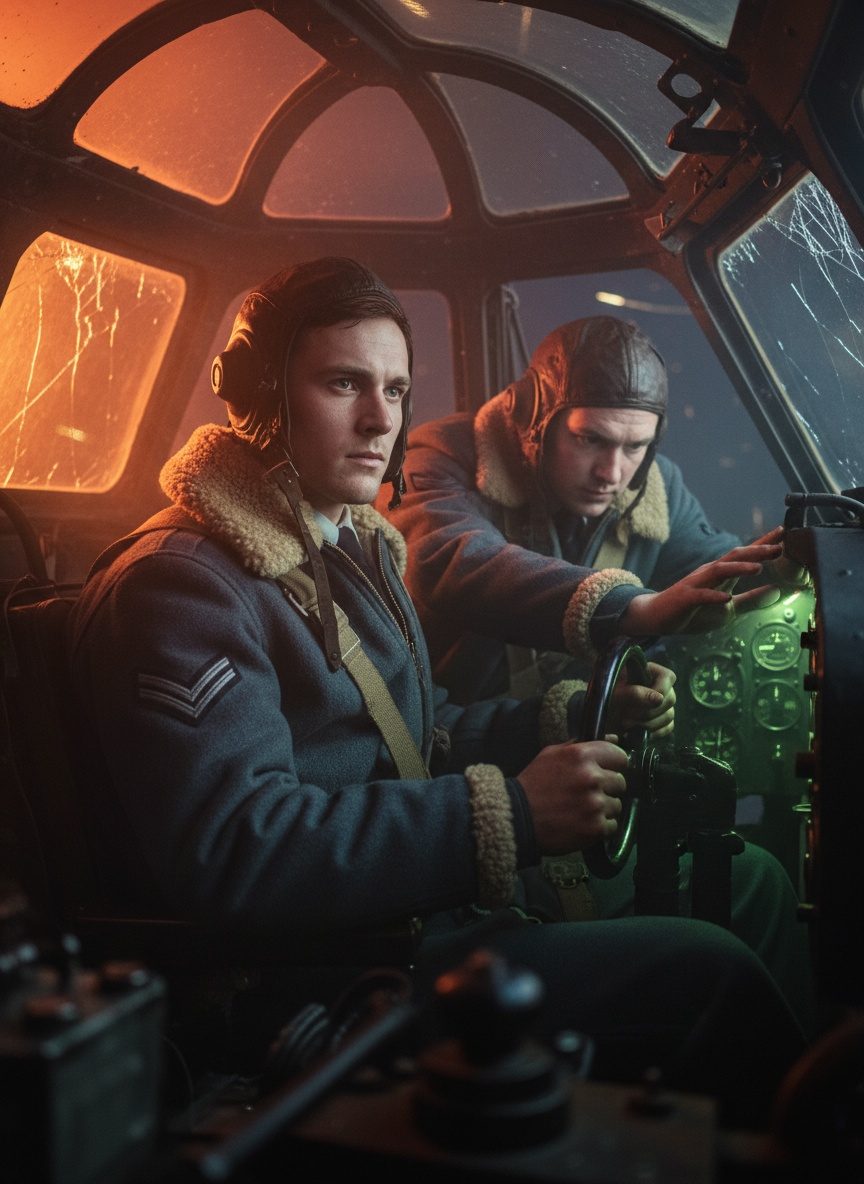
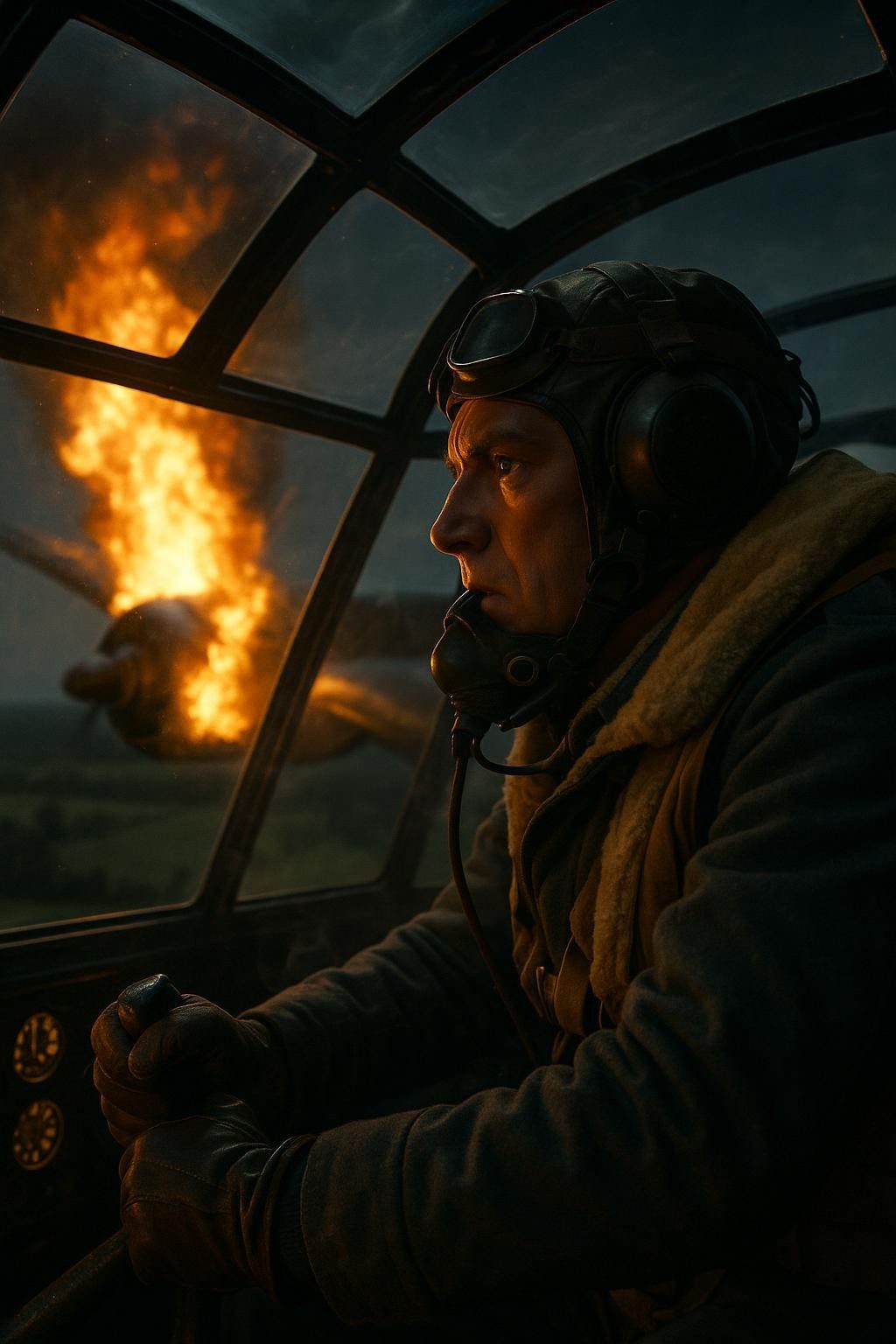
30 May 1942. One thousand bombers. Ninety minutes. A twenty-year-old pilot named Leslie Manser held a burning aircraft steady while six men jumped to safety. Then the wing took him with it.
May 1942. A thousand bombers. One burning Manchester over Cologne. Leslie Manser, twenty years old, held the controls while his crew jumped. He never put his parachute on. He never came back.
August 1914. Britain's first major battle. Outnumbered three to one. The BEF fired so fast the Germans thought they faced machine guns. 1,600 men fell in a single afternoon.
1st July 1916. The whistles blew at 7:30am. By nightfall, nearly 20,000 British soldiers were dead. It was the single bloodiest day in the history of the British Army.
August 1916. The shelling had stopped. A British chaplain climbed over the parapet. No helmet. No weapon. Just a stretcher. He walked into No Man's Land alone. And brought eleven men home.
August 1917. The shelling had stopped. A British padre climbed out of the trench alone. No weapon. No escort. He walked toward the German wire. He brought the wounded home.
August 1918. The guns had not stopped. A British chaplain walked forward anyway. No rifle. No helmet. Just a cross. He knelt beside a dying German soldier. Held his hand. Prayed with him. Then carried him back.
April 1918. The Somme. Shells still falling. Padre William Doyle walked out between the lines. No weapon. No protection. He brought the wounded back. Did it again. And again. He was killed doing it.
August 1917. The attack had stalled. Wounded men lay dying in the mud of Passchendaele. Padre Theodore Hardy walked out to them. No weapon. No escort. Just a man doing his duty.
Winter 1917. The shellfire had stopped. A British chaplain climbed over the parapet alone. No rifle. No orders. He walked into the mud to reach the dying. He did not stop until every man was found.
April 1918. The guns had stopped. A British chaplain stepped over the wire. No helmet. No weapon. He walked toward the German lines. He carried only a cross. He brought back the wounded.
4 June 1940. Churchill rose to speak not in triumph — but in crisis. The army was home. Its weapons were not. The most defiant words ever spoken were, in cold truth, very nearly a bluff.
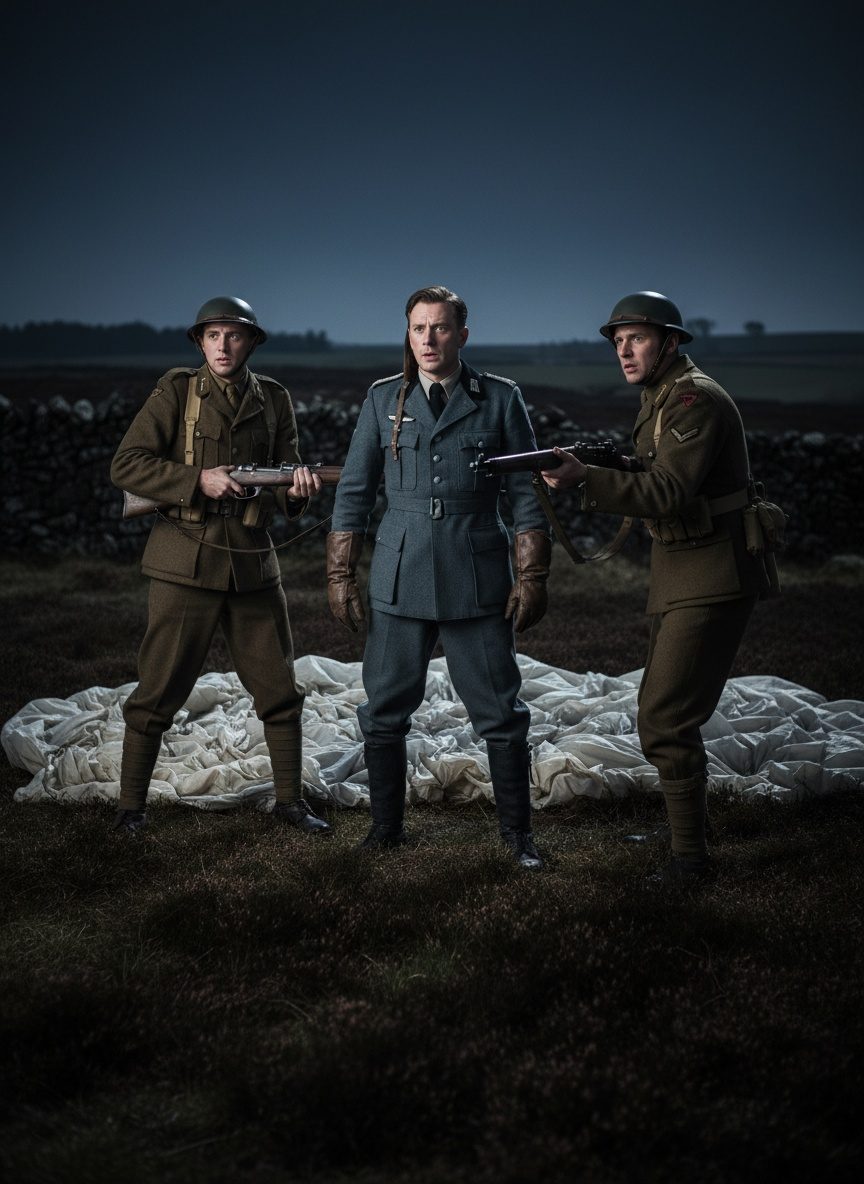
10 May 1941. The Luftwaffe was tearing London apart. That same night, Hitler's deputy parachuted alone into a Scottish field. He had come to end the war himself.
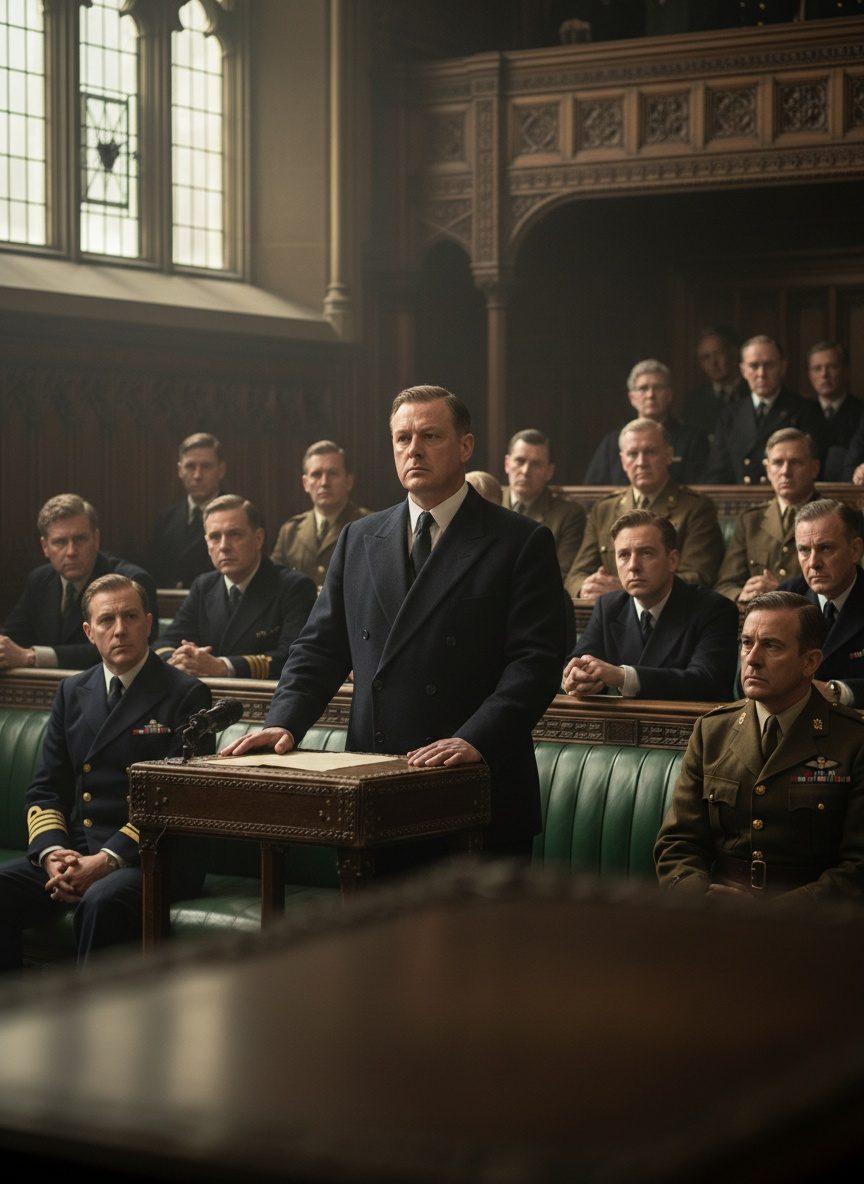
4 June 1940. The army was home. The weapons were not. Churchill stood up in Parliament and made the most defiant promise in British history — with almost nothing left to back it up.
Sword Beach, 6 June 1944. Every man ran for cover. One walked upright, playing bagpipes in his father's kilt. German snipers had him in their sights — and chose not to fire. They thought he had already lost his mind.
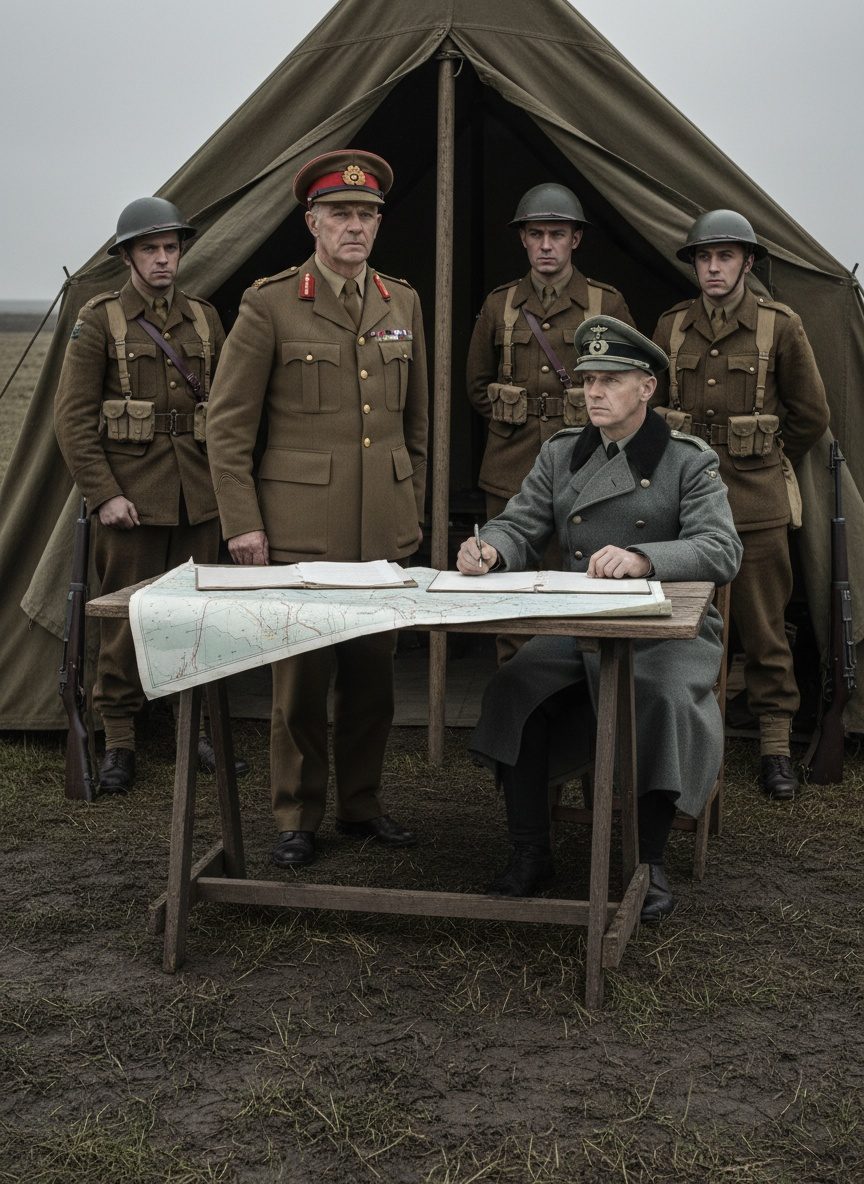
4th May 1945. A tent on a cold heath in Germany. A British Field Marshal waited. Across the table sat the men who had held Europe in terror for six years. They signed. And it was over.
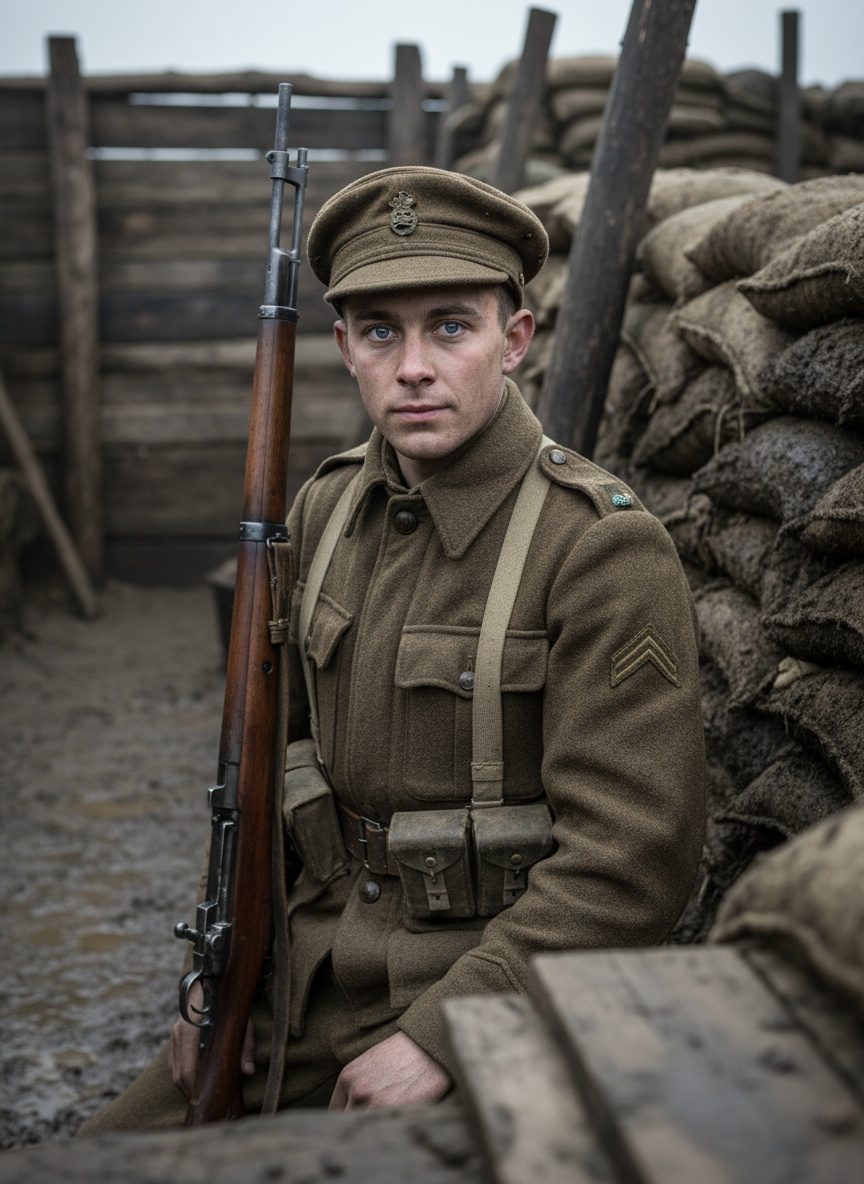
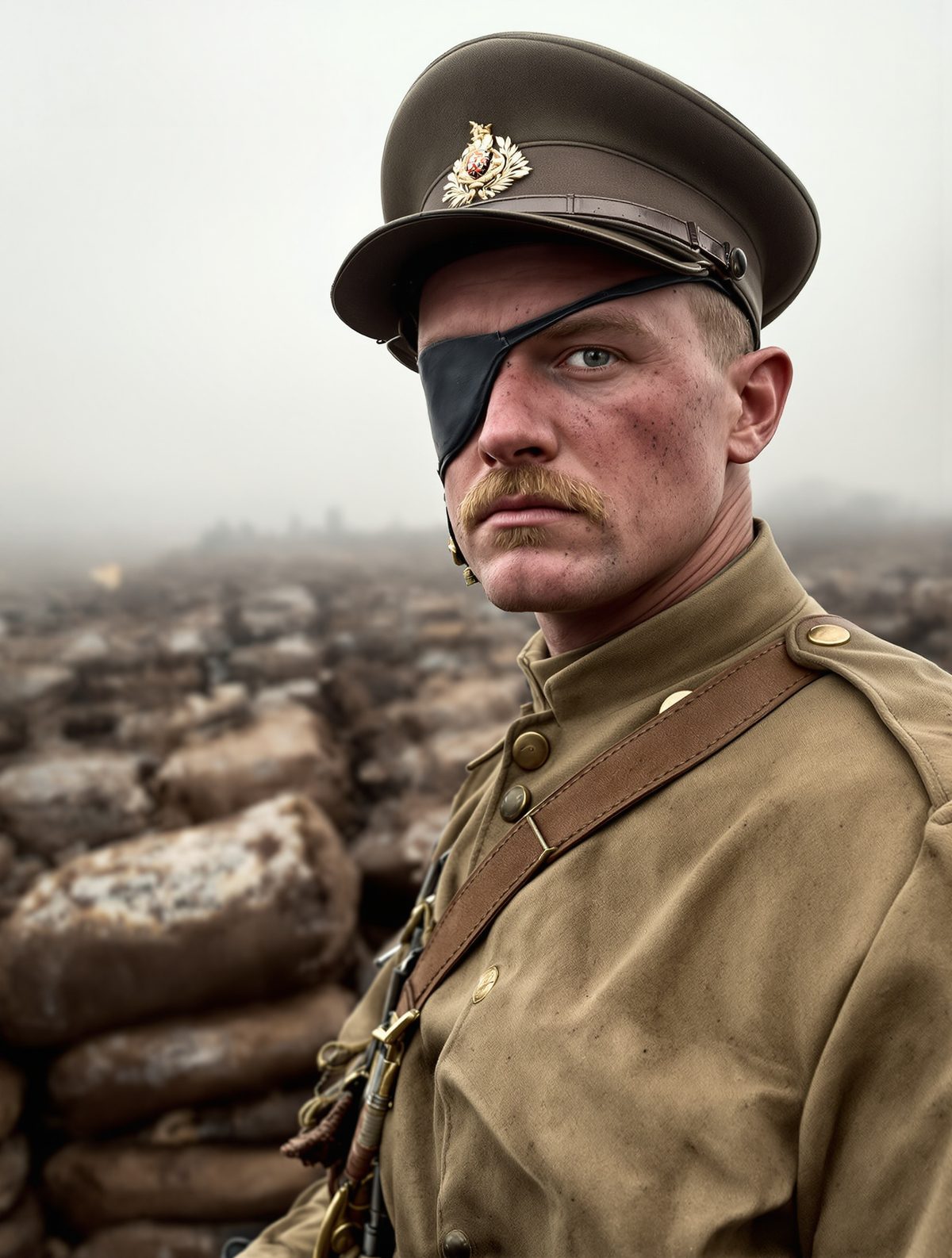
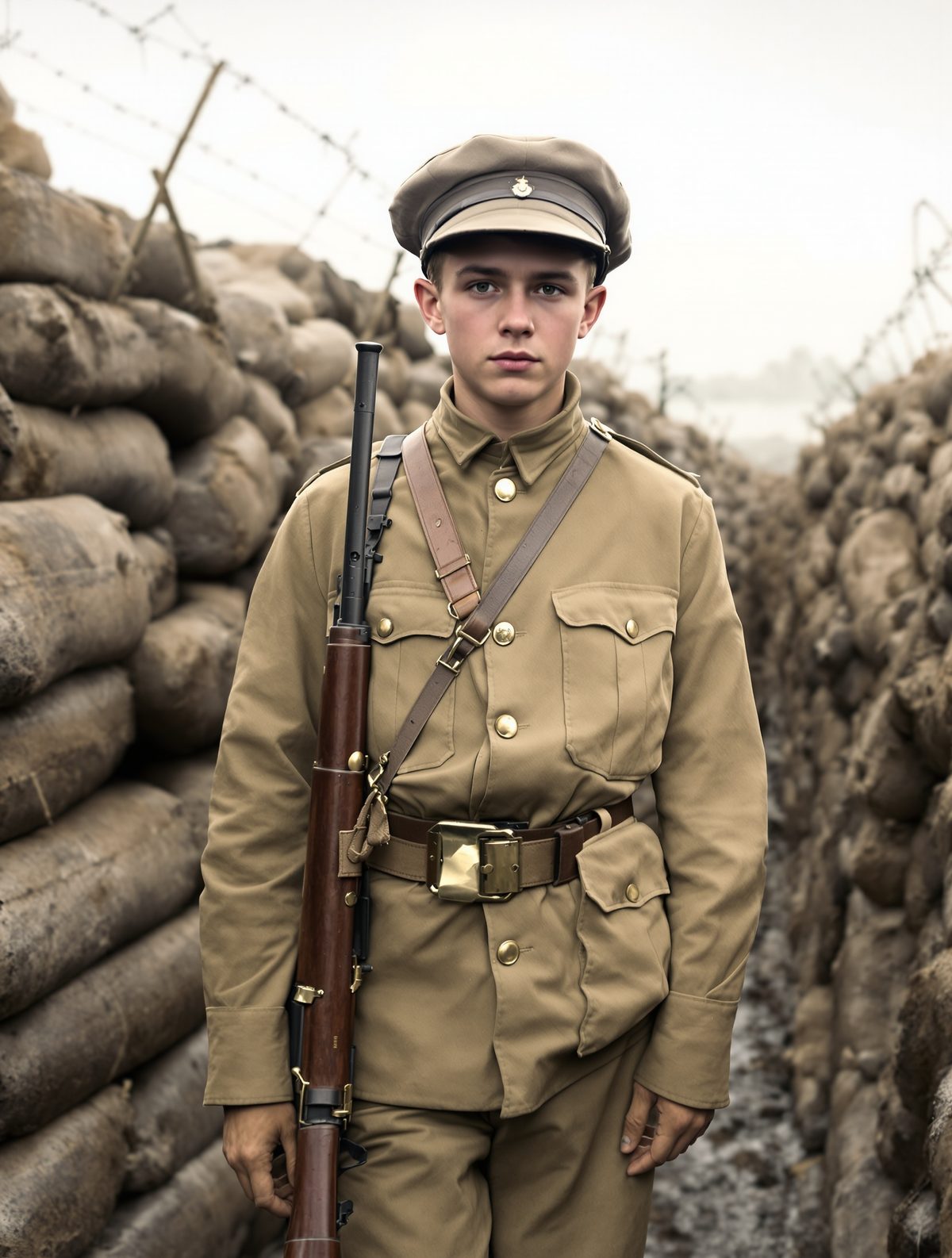
October 1916. The Somme still smouldered. A young lance corporal of the Oxfordshire and Buckinghamshire Light Infantry stood for his portrait. One stripe. One man. An entire war behind his eyes.
September 1944. Arnhem. A single British paratrooper, cut off and surrounded, held his position for four days. No relief came. He fought on anyway.
October 1914. The retreat from Antwerp. Roads choked with wounded. Arthur Martin-Leake had already won the Victoria Cross in the Boer War. He went back out anyway. Crawled into the open. Dragged men to safety. Won it again.
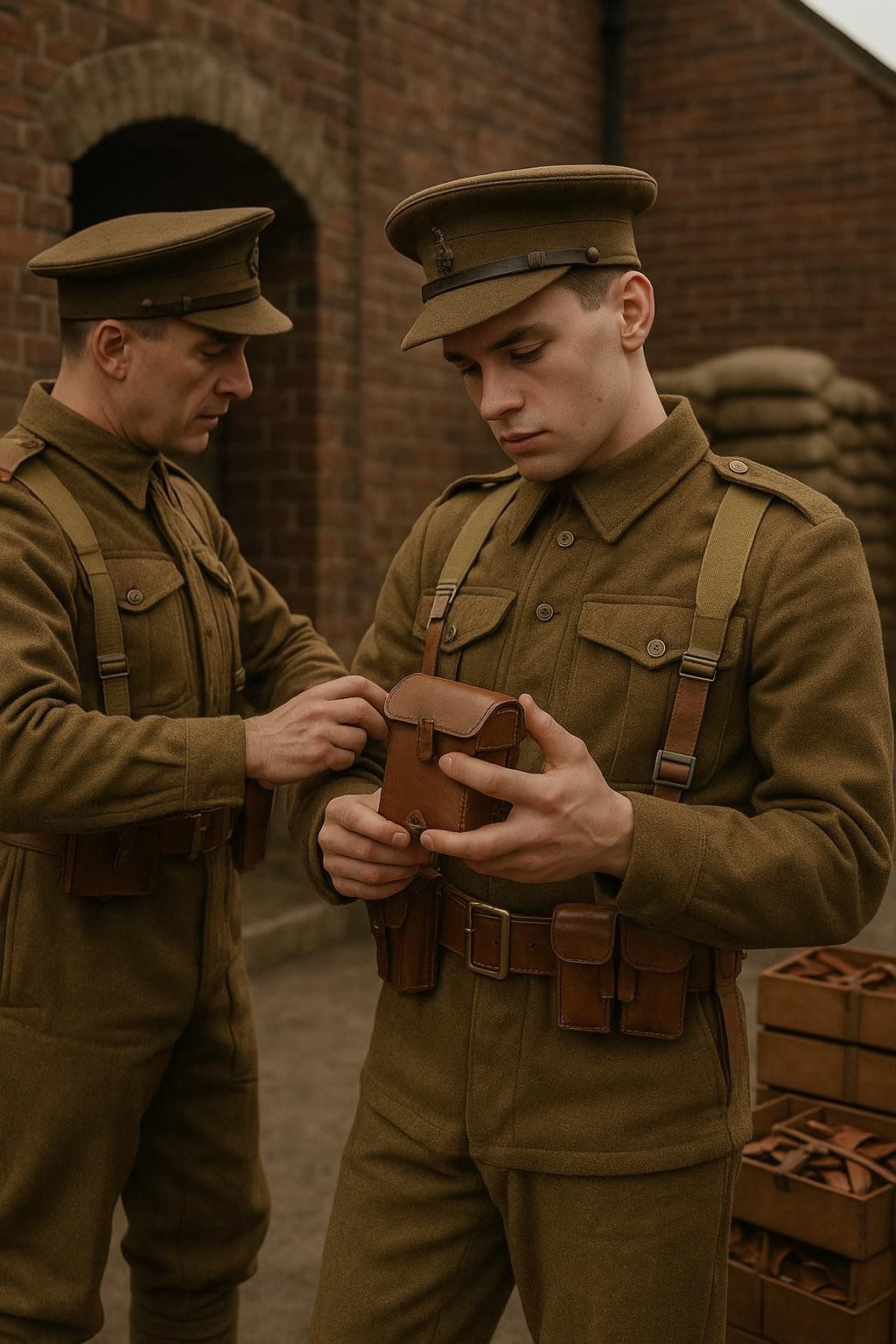
In 1939, the British Army was growing faster than it could be equipped. A new leather kit was designed and approved in a single day. A million sets ordered almost overnight. Not for glory — just to keep the machine running.
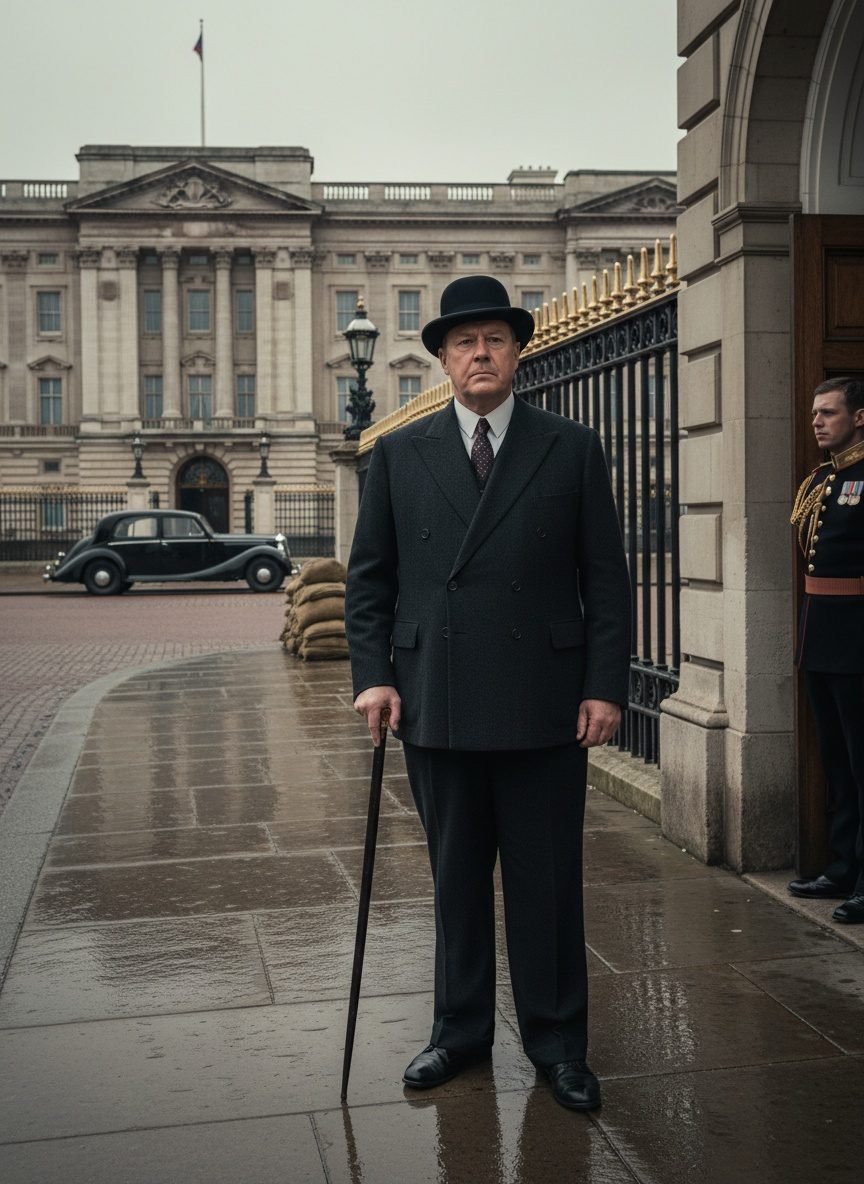
10 May 1940. Germany invaded France. Chamberlain resigned. One man was summoned to the Palace. King George VI did not want Churchill. But Britain had no one else.
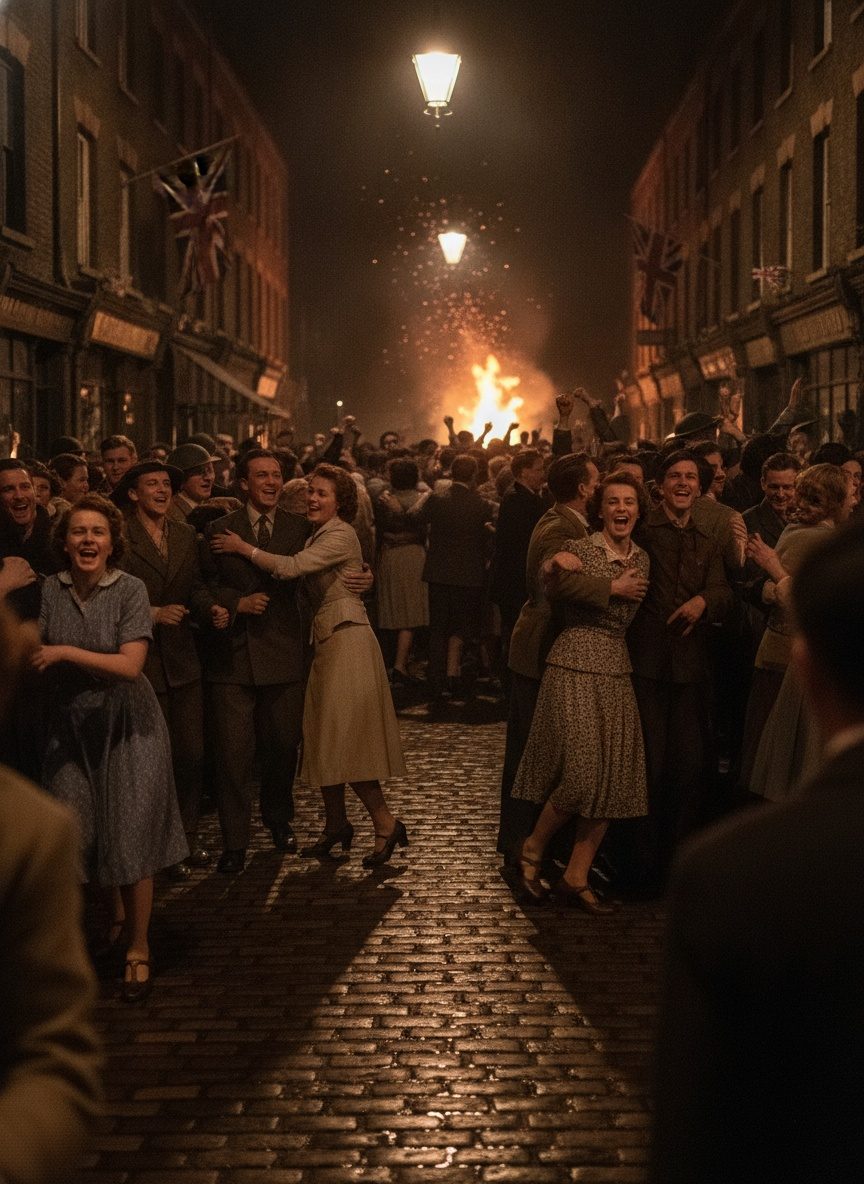
8 May 1945. The lights came back on. After six years of blackout, Britain erupted. Strangers danced in the streets. Bonfires blazed on hilltops. A nation exhaled.
4 June 1940. Churchill spoke the most defiant words in British history. The army had just escaped Dunkirk — but left its weapons behind. He promised to fight. He had almost nothing to fight with.
D-Day, Sword Beach. Every man ran for cover. One walked upright, in a kilt, playing bagpipes. German snipers held their fire. They thought he was mad. He was just Scottish.
They wore the uniforms of men who never came home. At first, it meant everything. Then something shifted. The kit got shinier. The research got thinner. And the ghosts got quieter.
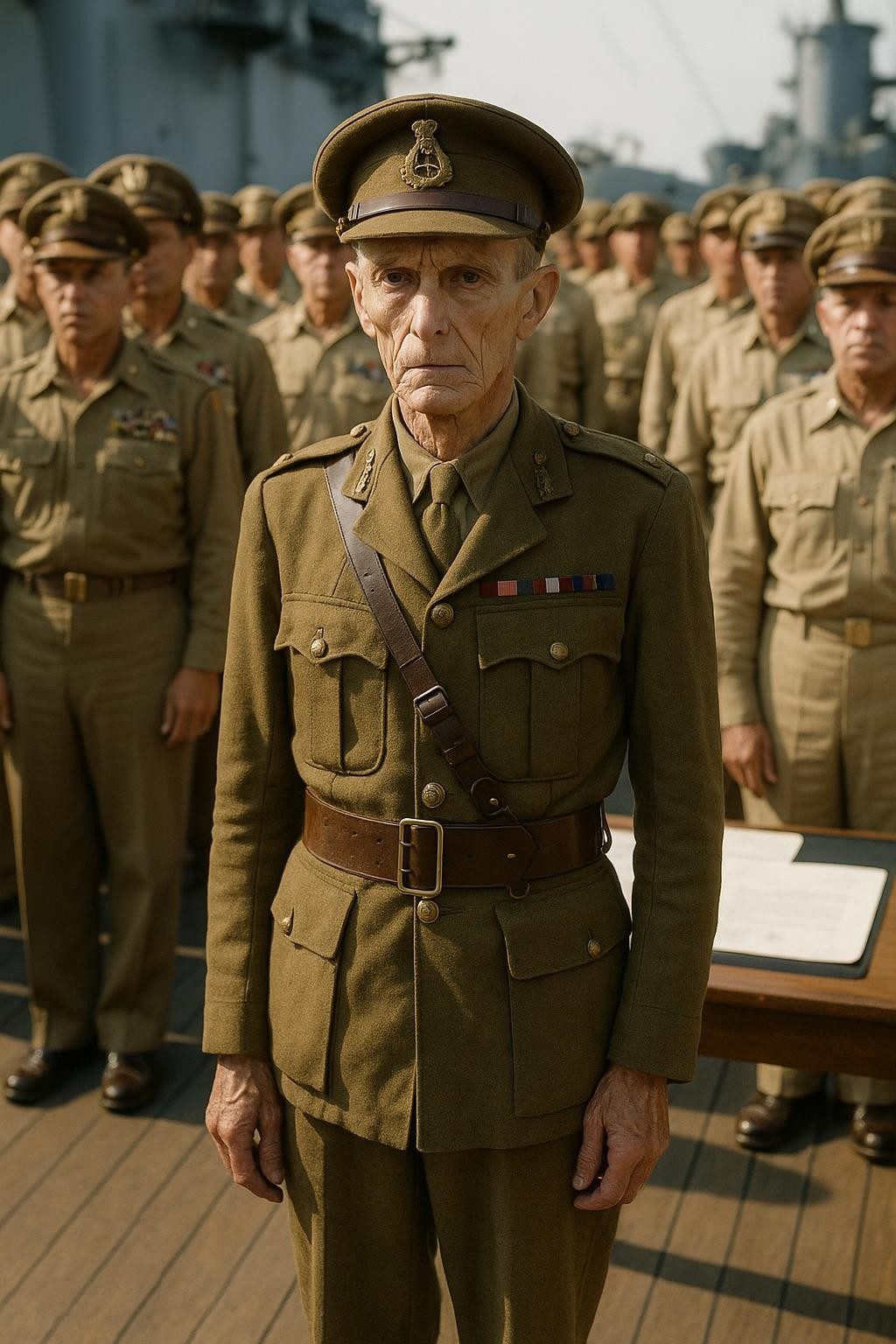
He walked out carrying a white flag. Three years later, he stood in the sun watching the man who humiliated him sign his surrender. Percival had waited for this moment from a prison camp in Manchuria.
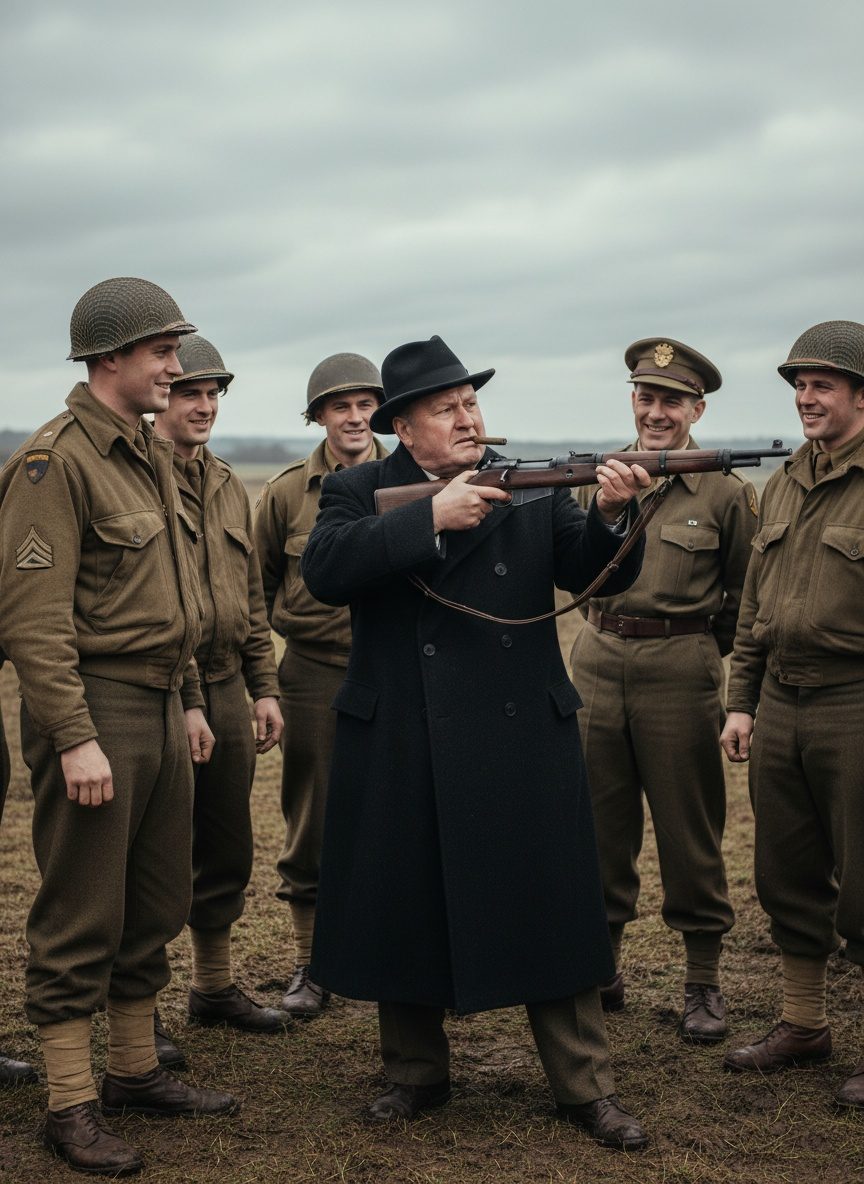
March 1944. Churchill visits US troops on Salisbury Plain. He picks up an American .30 carbine. He fires it. A Prime Minister, a foreign rifle, and an alliance sealed in gunpowder.
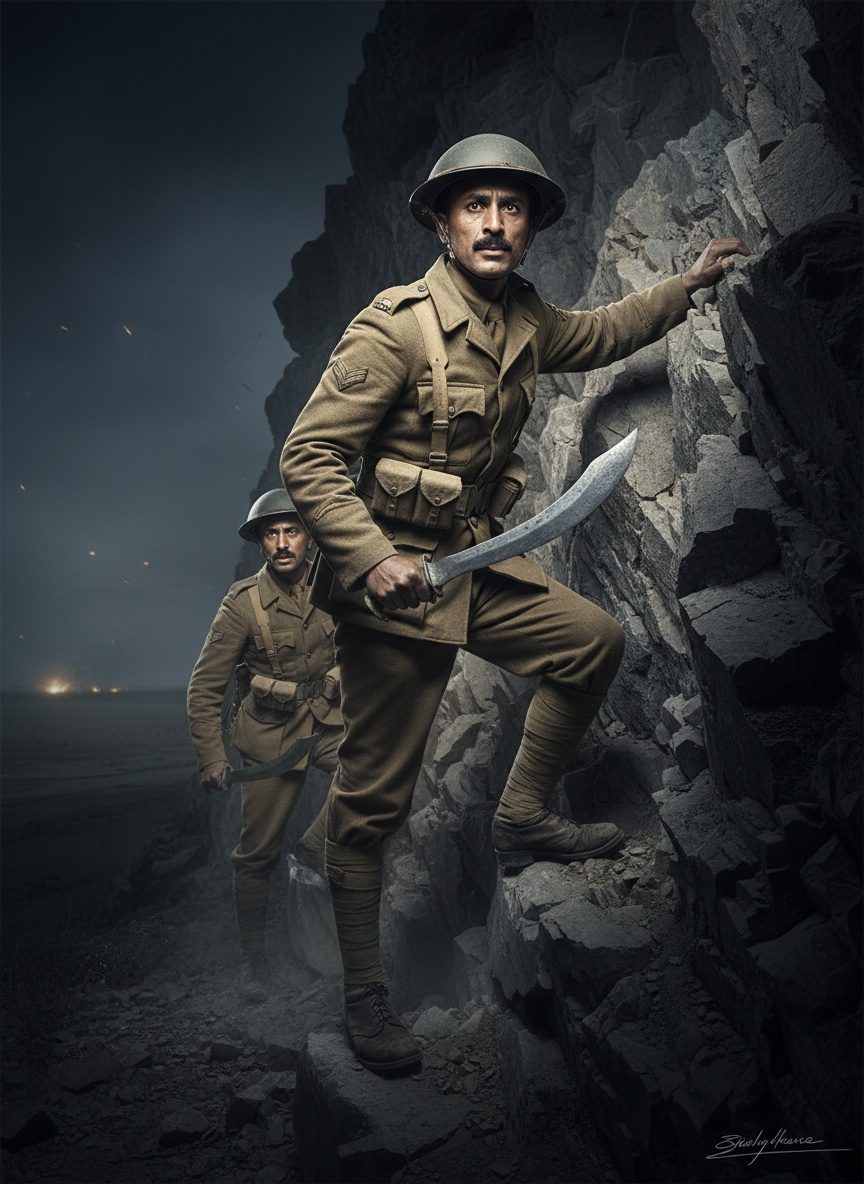
April 1943. One hill stood between Montgomery and Tunis. The slopes were sheer. The enemy was dug in. So the Gurkhas went up in the dark with their kukris drawn.
One man. A ridge in Crete. A German mountain division coming up the slope. Sergeant Hinton ran straight at them. He was listed dead. He wasn't.
30 May 1942. A thousand bombers crossed the sea to Cologne. One caught fire over the city. The pilot had one choice: strap on his parachute, or hold the controls and let his crew live.
740 British paratroopers. One bridge. Ten thousand German troops closing in. They held for nine days. Relief never came. Only 740 went in. Fewer than 200 walked out.
1 July 1916. Zero hour: 7:30am. Within minutes, entire battalions were gone. By nightfall, 57,470 British casualties. The bloodiest day in the history of the British Army. They went forward anyway.
Dunkirk was still burning. Five men held Britain's fate. Two wanted to negotiate with Hitler. One man refused. What happened behind those closed doors changed everything.
Sword Beach, 6 June 1944. Every man ran for cover. One walked upright, playing bagpipes in his father's kilt. German snipers held their fire. They thought he was mad.
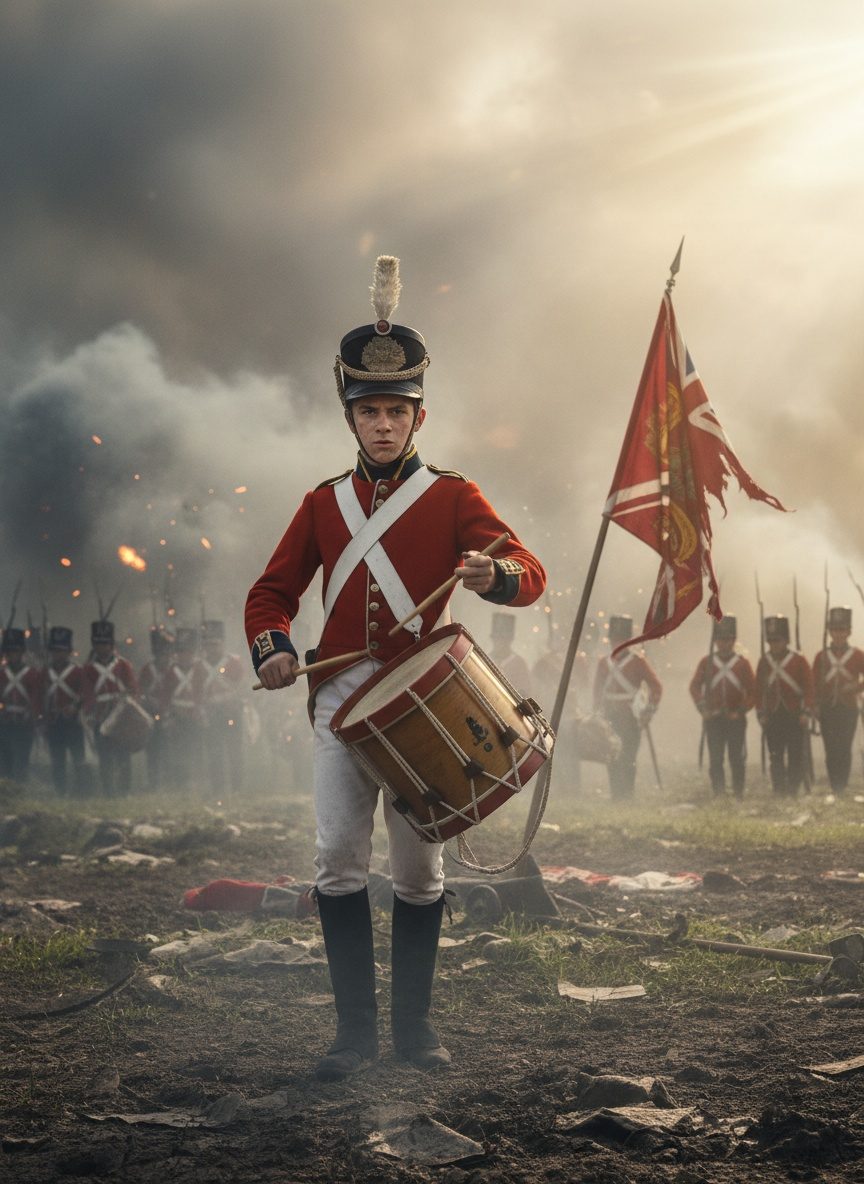
He was fifteen. No gun. No sword. Just a drum. At Waterloo, drummer boys kept the line when everything else broke. Some never came home.
October 1914. Brussels had fallen. Edith Cavell kept her hospital open. She sheltered wounded Allied soldiers. She helped them escape. The Germans came for her. She did not run.
1st July 1916. Zero hour. 100,000 British soldiers climbed out of the trenches. By nightfall, 19,240 were dead. It remains the bloodiest single day in British military history.
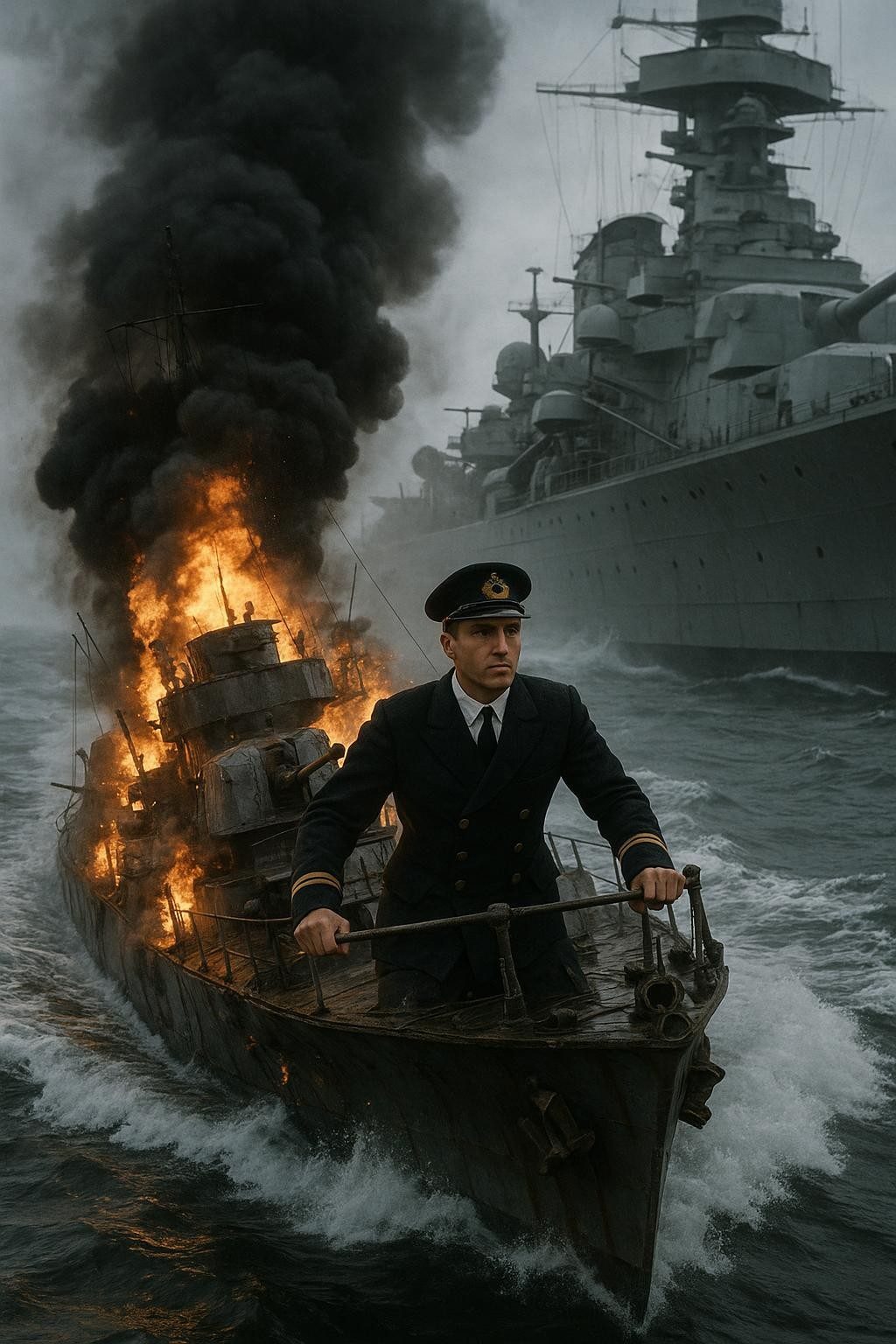
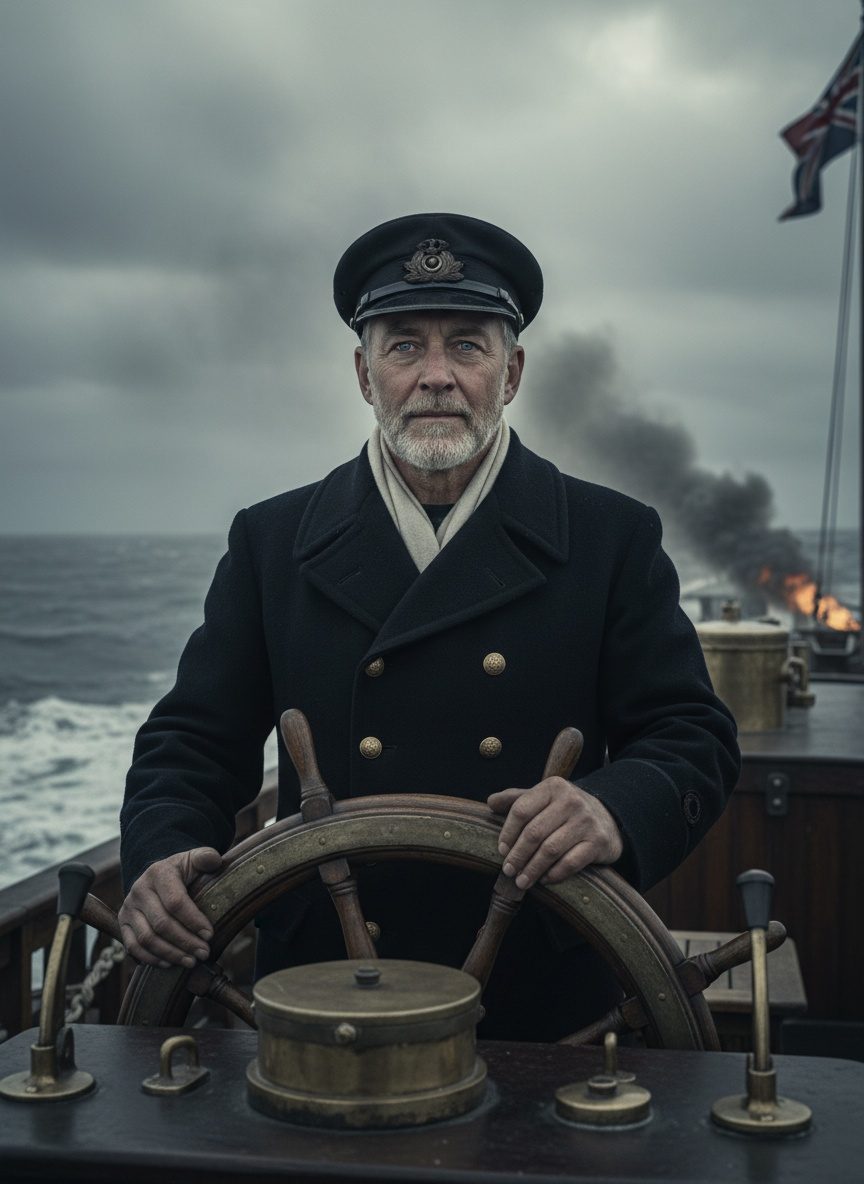
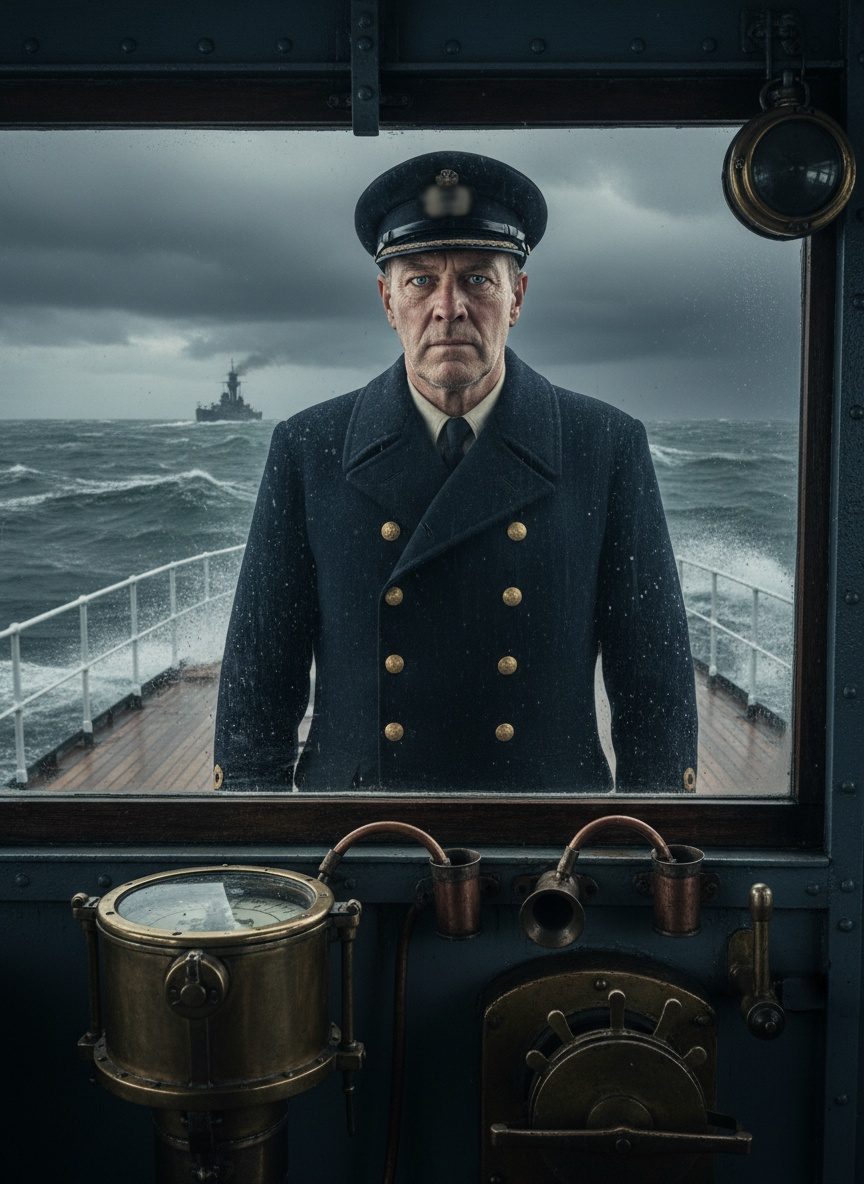
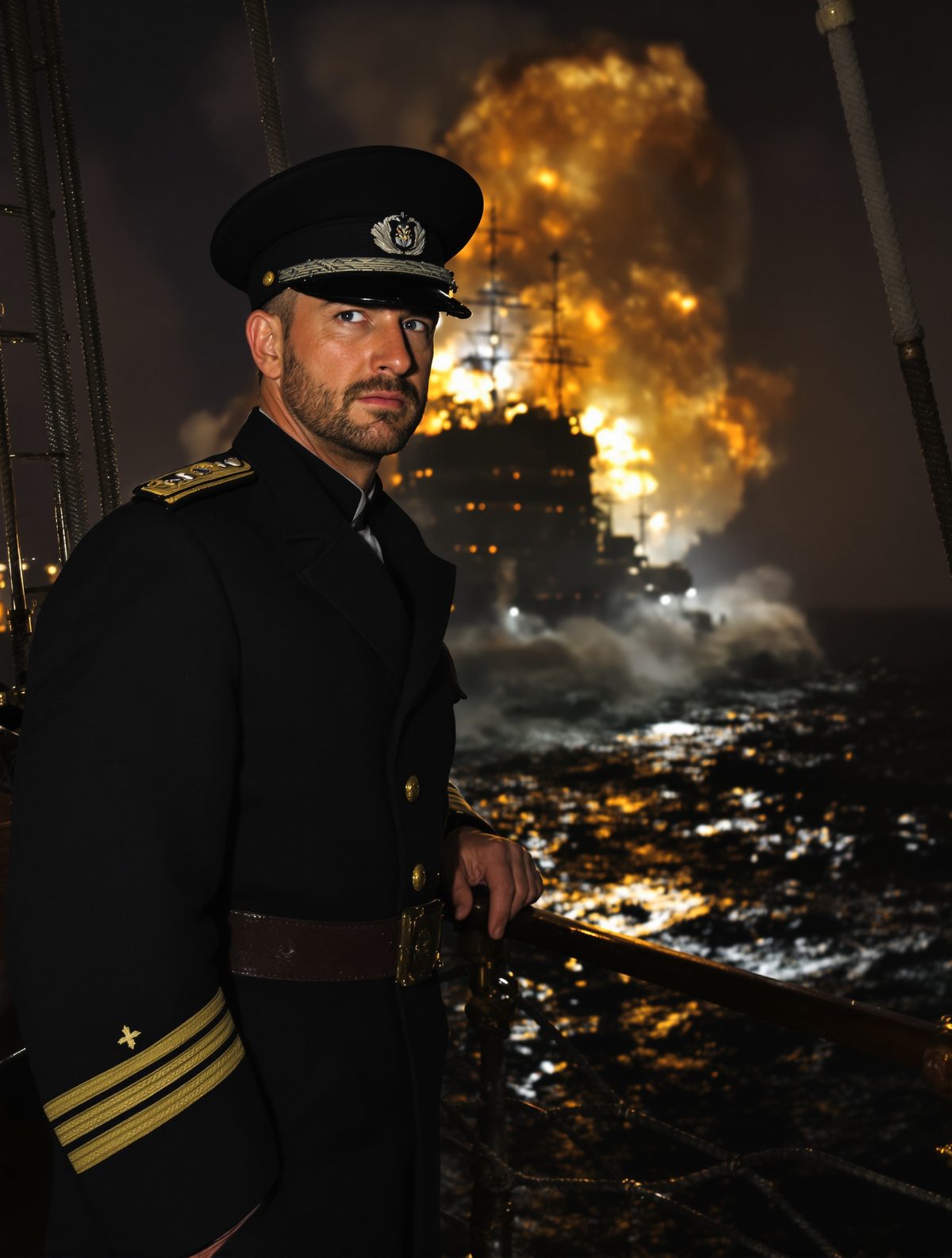
June 1940. Every ship was running. One was not. HMS Glowworm was sinking, on fire, out of torpedoes. Her captain turned her hull into a weapon.
June 4, 1940. The army was home. The nation wanted to cheer. Churchill stood up and told them not to. Before the defiance came the brutal truth: the army had come back, but everything else was still lying in the sand at Dunkirk.
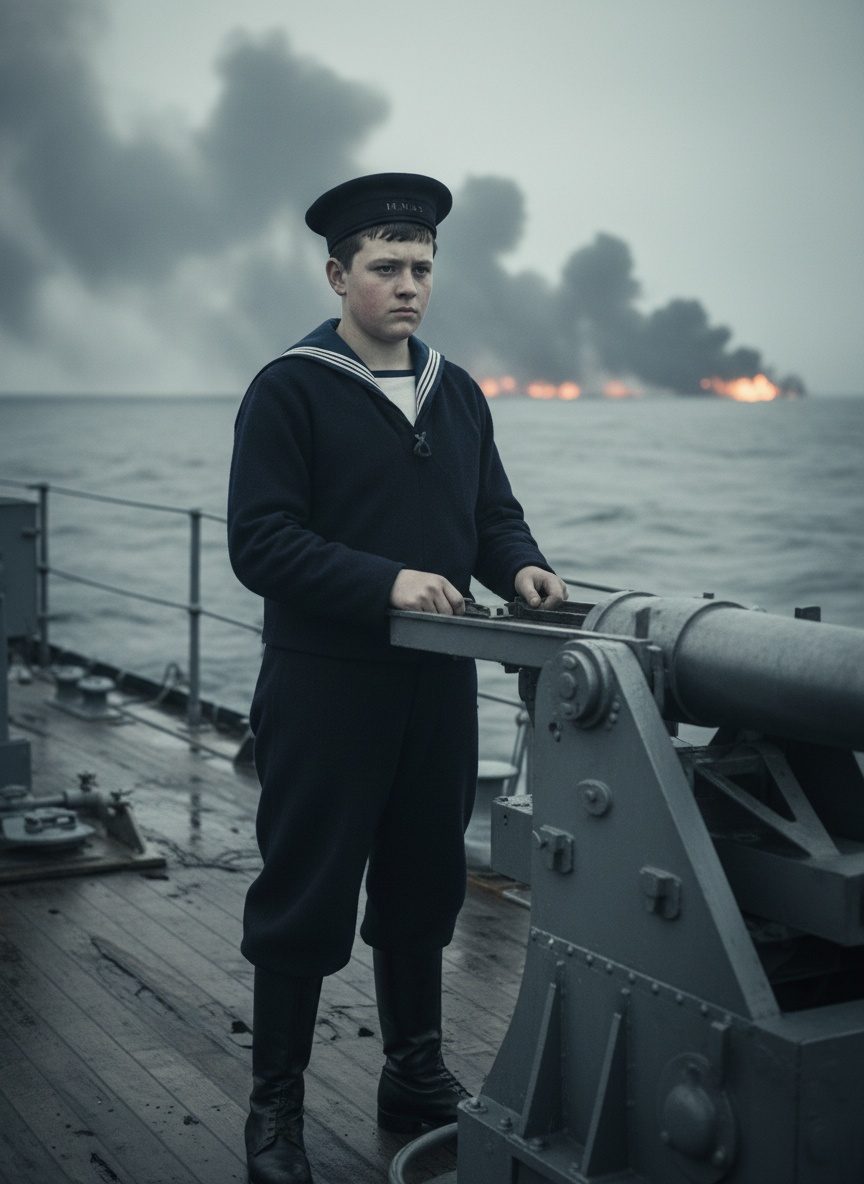
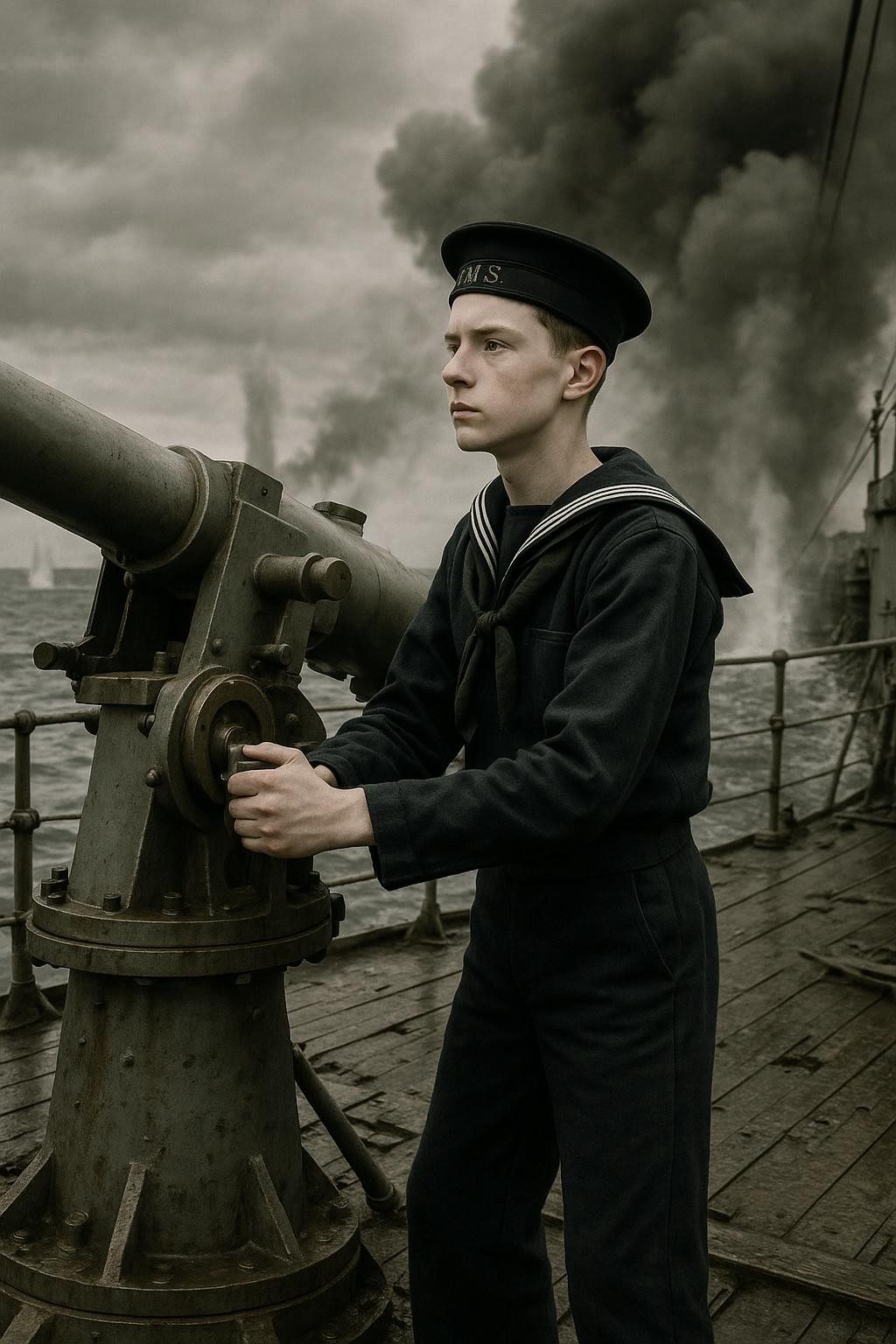
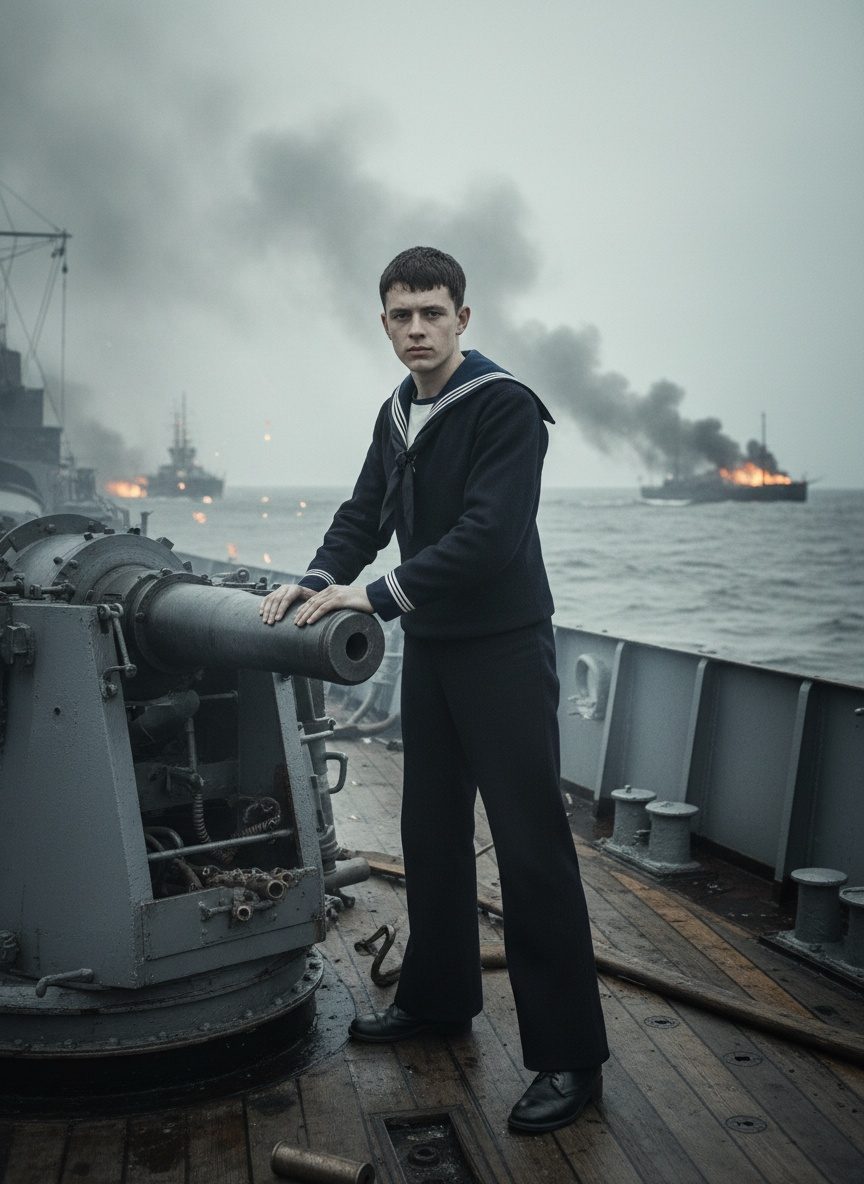
May 1916. The North Sea was burning. Boy Seaman John Travers Cornwell was sixteen years old. A shell had killed his entire gun crew. He stayed at his post. Waited for orders. He died there. Standing.
6 June 1944. No weapon. No cover. Just bagpipes and a dead man's kilt. Bill Millin walked Sword Beach upright while everyone else ran. The Germans watched — and held their fire.
June 1940. Britain had just been driven into the sea. The army had lost its equipment. The country braced for invasion. Churchill wanted raiders back across the Channel within weeks. Three weeks later, they were.
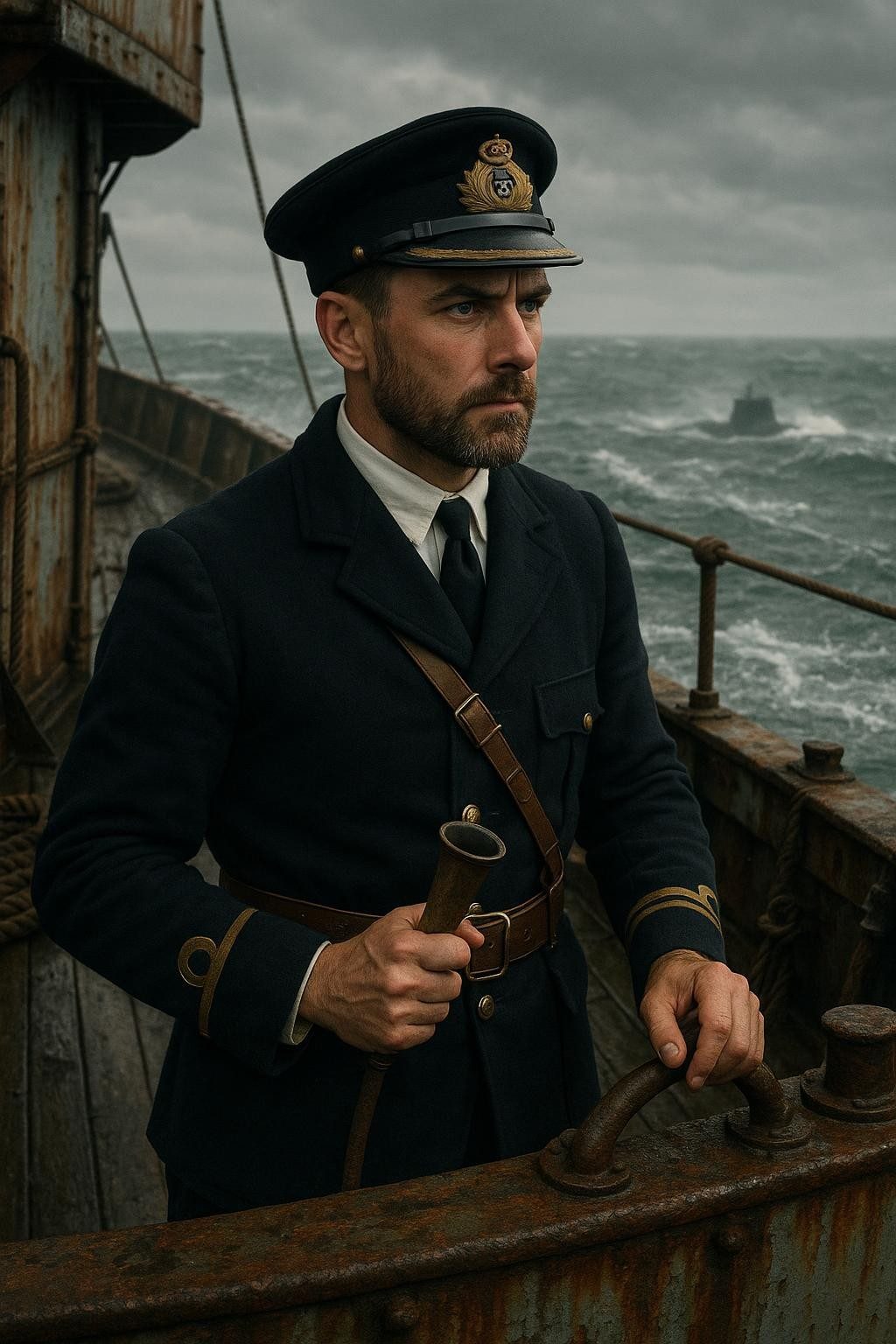
March 1917. The Atlantic was killing Britain. U-boats sank ships faster than they could be built. Captain Gordon Campbell had one answer. He turned his battered tramp steamer into a trap. And waited.
30 May 1942. Over a thousand British bombers crossed into Europe. One was hit, burning, falling. Its pilot had one choice: strap on his parachute — or hold the controls steady. He chose his crew.
May 1942. A thousand British bombers crossed into Germany. One was hit over Cologne. As it burned and fell, the twenty-year-old pilot made a choice. He gave his parachute away.
France lost 100,000 men trying to take it. The Germans called the bombardment the Week of Suffering. On Easter Monday 1917, 15,000 Canadians went over the top into a snowstorm — and took Vimy Ridge in a single day.
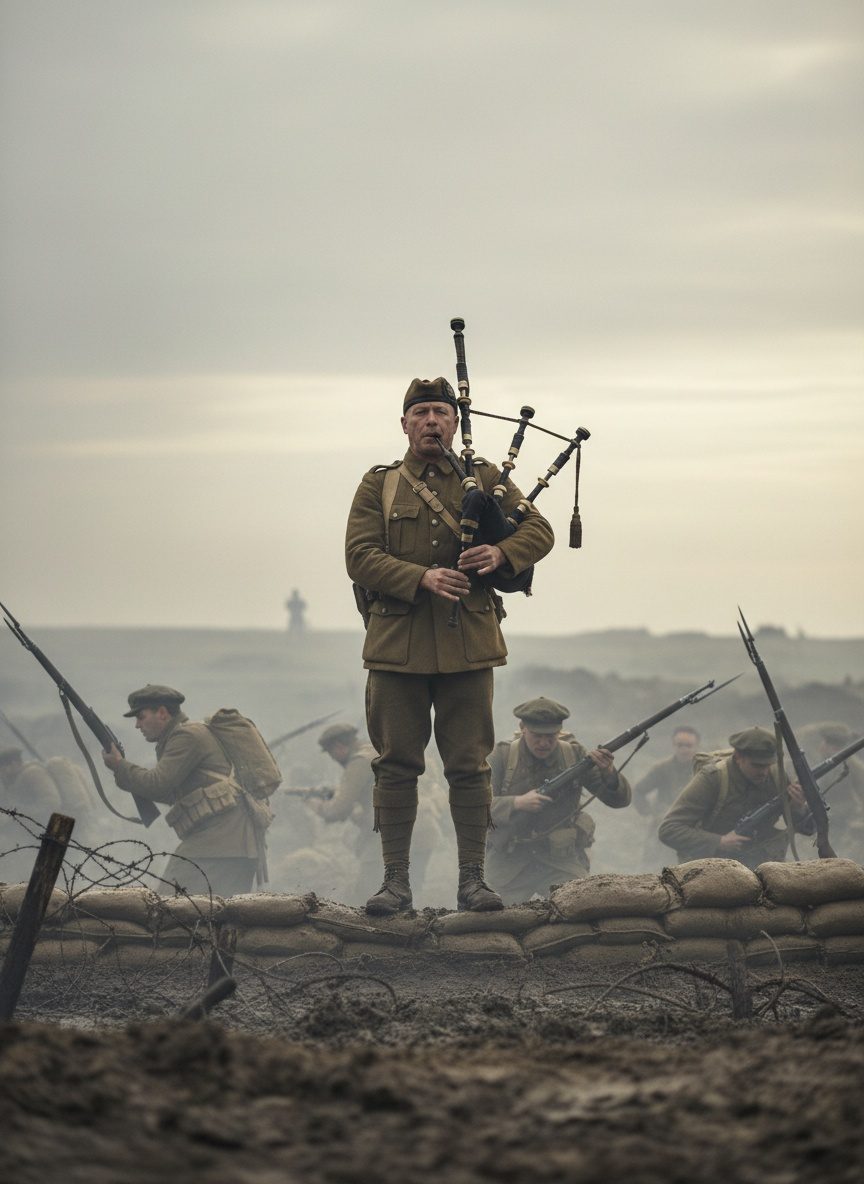
September 1915. Loos, France. The whistles blew. Daniel Laidlaw stepped out of the trench. He stood upright. Playing. Under fire. His company followed. Every man of them.
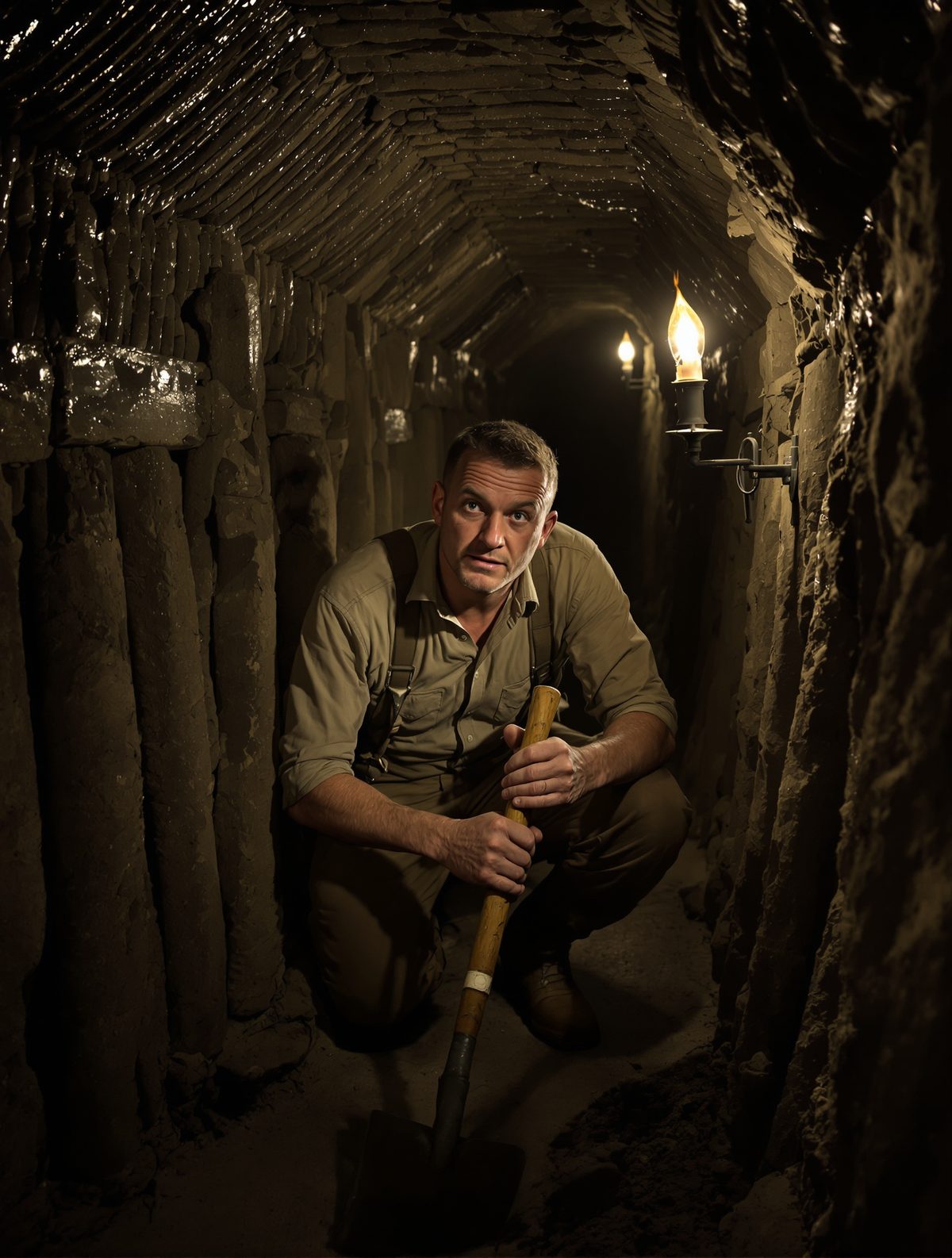
June 1917. Beneath Messines Ridge. A Welsh tunneller had spent two years digging in silence. Then the earth moved. Nineteen mines detonated at once. The largest man-made explosion in history. He had helped build it.
November 1940. Thirty-seven merchant ships crossing the Atlantic. One armed merchant cruiser between them and a German warship. HMS Jervis Bay opened fire. She had no chance. She bought six hours.
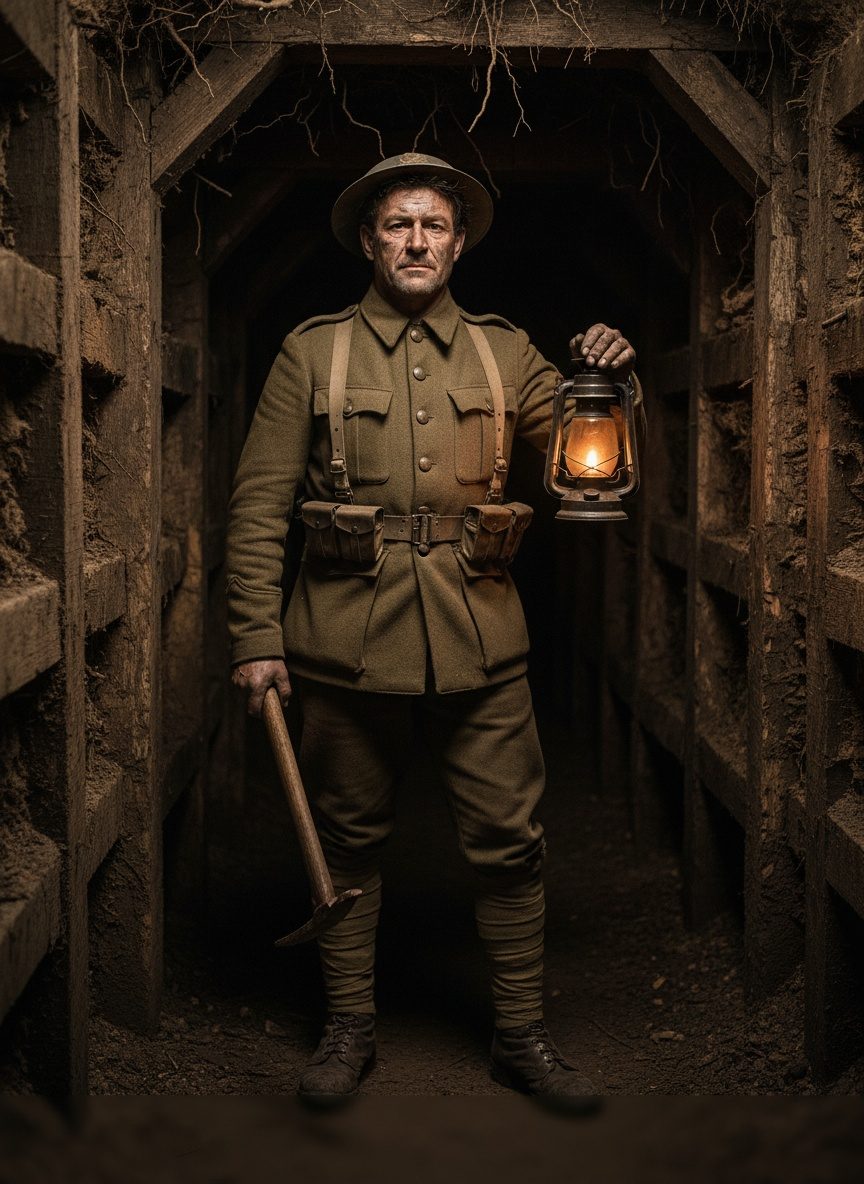
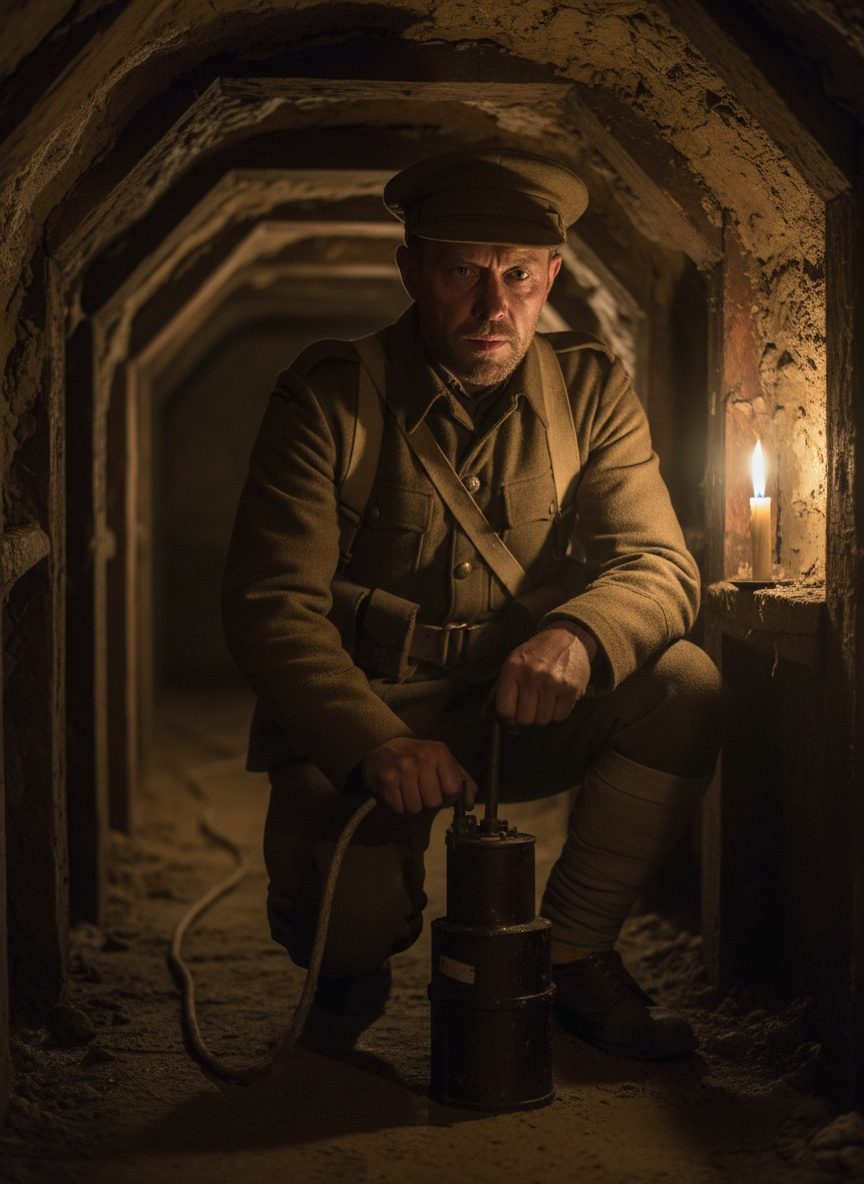
June 1917. Twenty-four mines buried beneath the German lines. The largest man-made explosion in history waited underground. One British tunneller sat at his detonator. He did not flinch. The ridge erupted.
June 1917. Below the Messines Ridge, 220 men had spent two years underground. Digging in silence. In darkness. In terror. At 3:10am, nineteen mines detonated at once. The ridge lifted. The roar was heard in London.
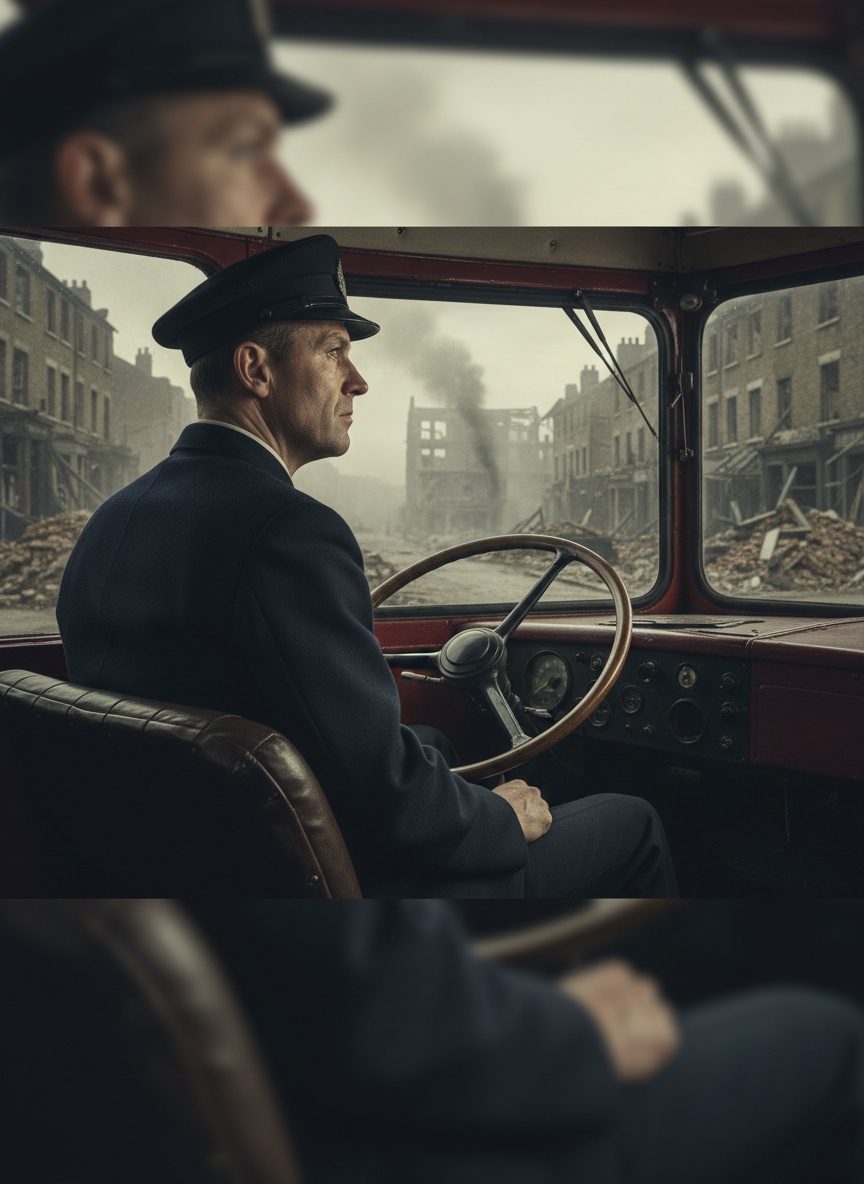
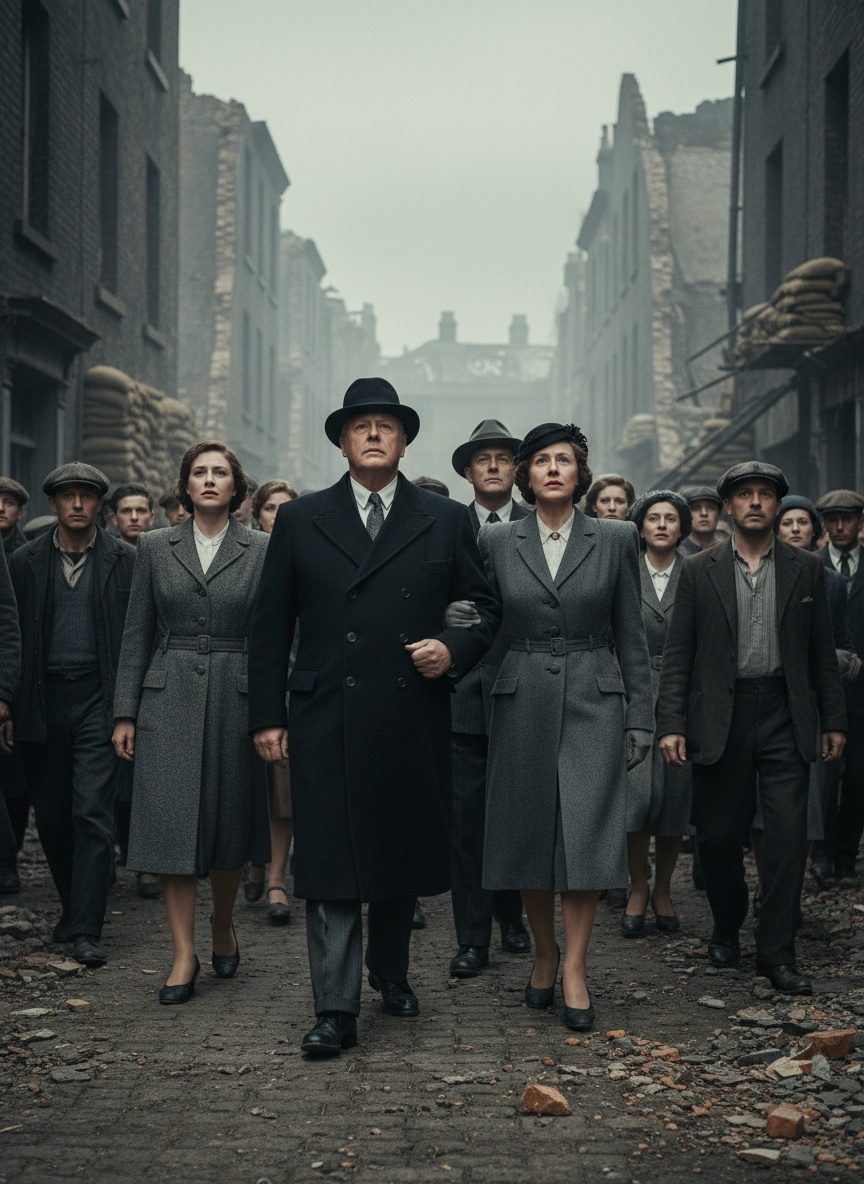
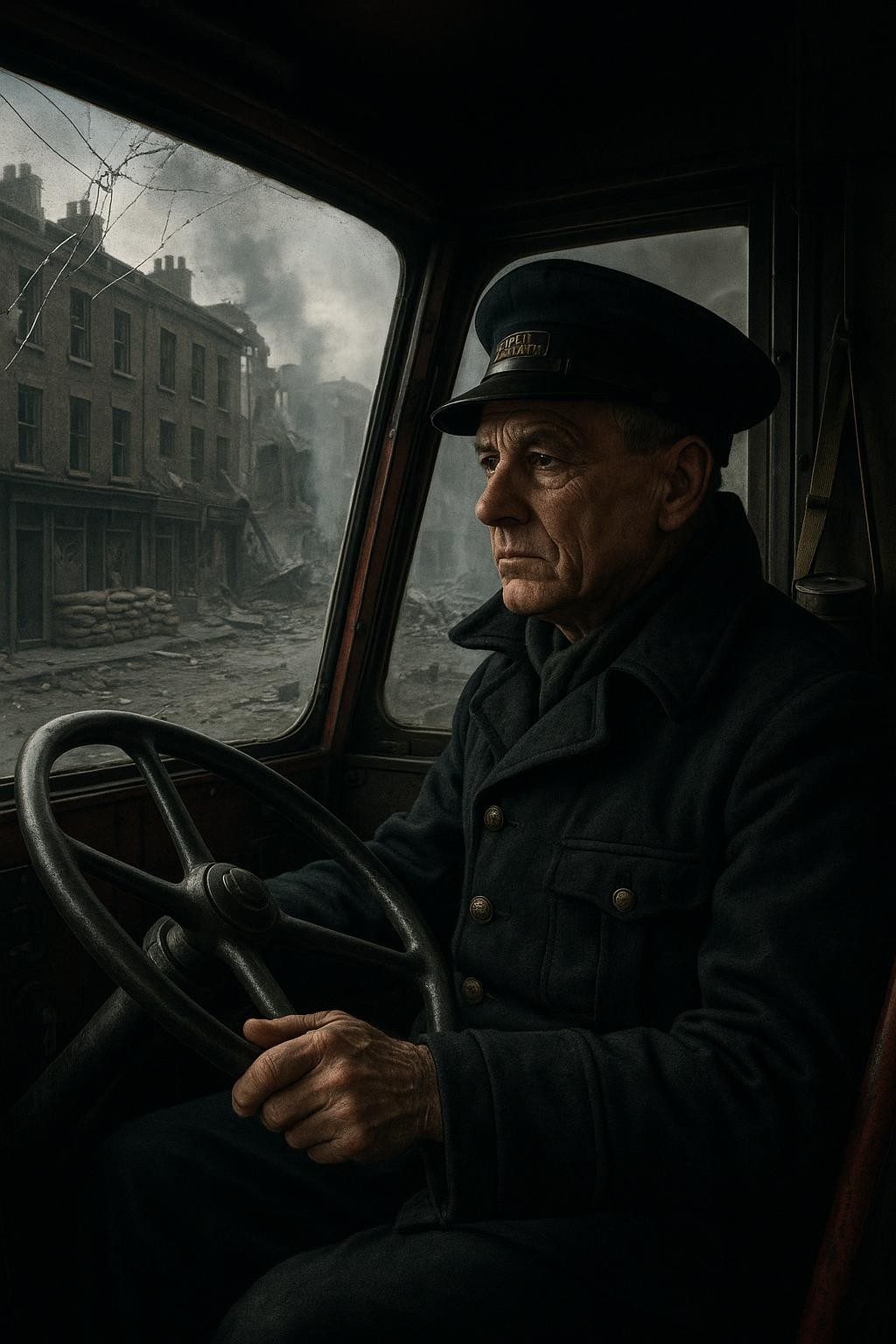
September 1940. The Blitz had turned London into rubble. Bombs fell every night. But the buses kept running. The drivers kept coming. Every morning. Same route. Same stops. An act of quiet, extraordinary defiance.
September 1914. The village of Nery, France. A German cavalry division hit at dawn. Three British batteries were caught sleeping. One gun survived. Three men kept it firing until help came.
November 1940. A German pocket battleship found thirty-seven merchant ships in the North Atlantic. One armed merchant cruiser moved to intercept. She had no armour. No chance. She fought anyway.
338,000 men saved. The country wanted to cheer. Churchill stood up and told them not to. Because the army had come home without its weapons. And the enemy was still coming.
He carried no weapon. Only bagpipes. As men died around him on Sword Beach, Bill Millin played. German snipers held fire. They thought he was mad. He was.
May 1941. Plymouth had been bombed to its bones. Then Churchill came. Not to inspect ruins — but to be seen. Workers cheered a man who refused to look away from what war had done.
He was sixteen years old. His entire gun crew lay dead or dying around him. The shells kept coming. Jack Cornwell did not move. He stood at his post and waited for orders that never came.
One bridge. Nine days. 10,000 men dropped behind enemy lines. They were told it would be over in 48 hours. The Germans had a Panzer division waiting.
Two to one. That was the odds. 80,000 British regulars. 160,000 Germans. They fired so fast the enemy reported machine guns. There were none. Just men. Just discipline. Just the Old Contemptibles.
Passchendaele. October 1917. The mud swallowed men whole. Noel Chavasse crawled back into no man's land. Again. And again. He had already won the VC. He won it twice. He died saving others.
May 1916. The Battle of Jutland. HMS Chester came under devastating fire. Jack Cornwell was sixteen years old. His crew lay dead around him. He stood at his gun. Waited for orders that never came. Did not move.
Nicholas Winton organized trains to rescue Jewish children from Nazi-occupied Czechoslovakia in 1939. He saved 669 lives. Then he put the files in his attic and never spoke of it again. His wife found them 50 years later.
April 7, 1926. An elderly Irishwoman stepped from the crowd in Rome. She raised her pistol at Mussolini. The bullet grazed his nose by millimeters. One small movement could have changed World War II before it began.
August 1943. Wing Commander Forest Yeo-Thomas parachuted into France. His mission: rebuild the French Resistance. The Gestapo called him 'The White Rabbit.' Churchill called him essential. He would be captured, tortured, and escape death three times.
A 23-year-old widow from Stockwell jumped from an RAF bomber into Nazi-occupied France. Her mission: arm the French Resistance for D-Day. Three times she parachuted behind enemy lines. On her final jump, she never came home.
March 1916. Captain Charles Fryatt commanded a passenger ferry between England and Holland. When a German U-boat surfaced and ordered surrender, he made a split-second decision. He rammed full speed ahead. The U-boat fled.
Wounded eight times. Lost an eye in Somaliland. Lost a hand on the Western Front. When surgeons refused to amputate his ruined fingers, he tore them off himself. Then he asked to go back.
23 April 1918. HMS Vindictive approaches Zeebrugge harbor. German guns open fire from the concrete mole. Captain Carpenter drives his ship straight at the enemy fortress. 600 Royal Marines prepare to storm ashore into certain death.
August 1914. Ernest Shackleton's Endurance expedition was ready to sail for Antarctica. Then Britain declared war on Germany. Shackleton immediately telegraphed the Admiralty offering his ship, crew, and supplies to the Royal Navy. Churchill's reply was one word: 'Proceed.'
Captain Albert Ball flew alone into formations of German fighters. No backup. No fear. Just a 20-year-old from Nottingham with nerves of steel. In 18 months he shot down 44 enemy aircraft. Then vanished into the clouds over France.
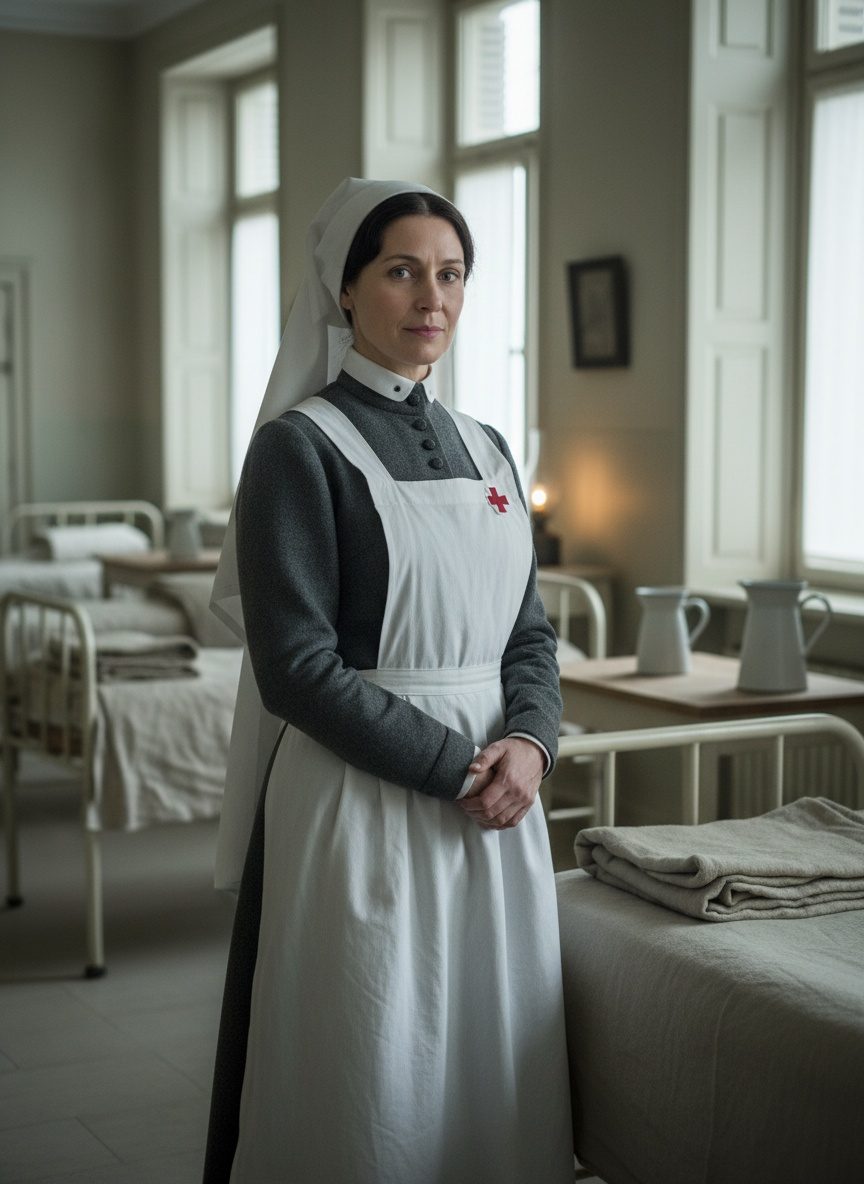
Brussels, 1915. British nurse Edith Cavell ran a Red Cross hospital behind German lines. She saved wounded soldiers from both sides. Then she began smuggling Allied prisoners to safety. 200 men escaped through her secret network. The Germans discovered her treachery. She faced the firing squad at dawn.
Football star Walter Tull enlisted as a private in 1914. Army racism said black men couldn't lead white soldiers. By 1917 he was commissioned as an officer anyway. He led his men over the top at Passchendaele.
An Irish aristocrat raised her pistol in a Roman square. Point-blank range. The shot that could have changed history. Violet Gibson pulled the trigger on Europe's rising dictator in 1926.
Captain Noel Chavasse crawled into no man's land under machine gun fire. Again and again. He dragged wounded men to safety for three days straight. The only man to win the Victoria Cross twice. He died saving others.
23-year-old Violet Szabo stepped from the RAF aircraft into Nazi-occupied France. Her mission: arm the Resistance. Her weapon: a compact Sten gun. Her courage: limitless. She would never see England again.
April 1918. A rusting cruiser sailed straight into the guns of Zeebrugge harbour. Her crew knew they were bait. They went anyway. What happened next left the Kaiser's admirals speechless.
June 7th, 1917. Nineteen mines. Half a million pounds of explosive. Buried beneath Messines Ridge by British tunnellers. At 3:10am, they detonated. The blast was heard in London.
He was 15 years old. Too young to fight. So he lied. John Condon crossed the Channel in secret. He never came home. He is the youngest Commonwealth soldier buried in Flanders.
November 1940. The Luftwaffe had levelled half of London overnight. But the Number 11 bus ran at 7am. Right on time. Because the drivers never stopped coming.
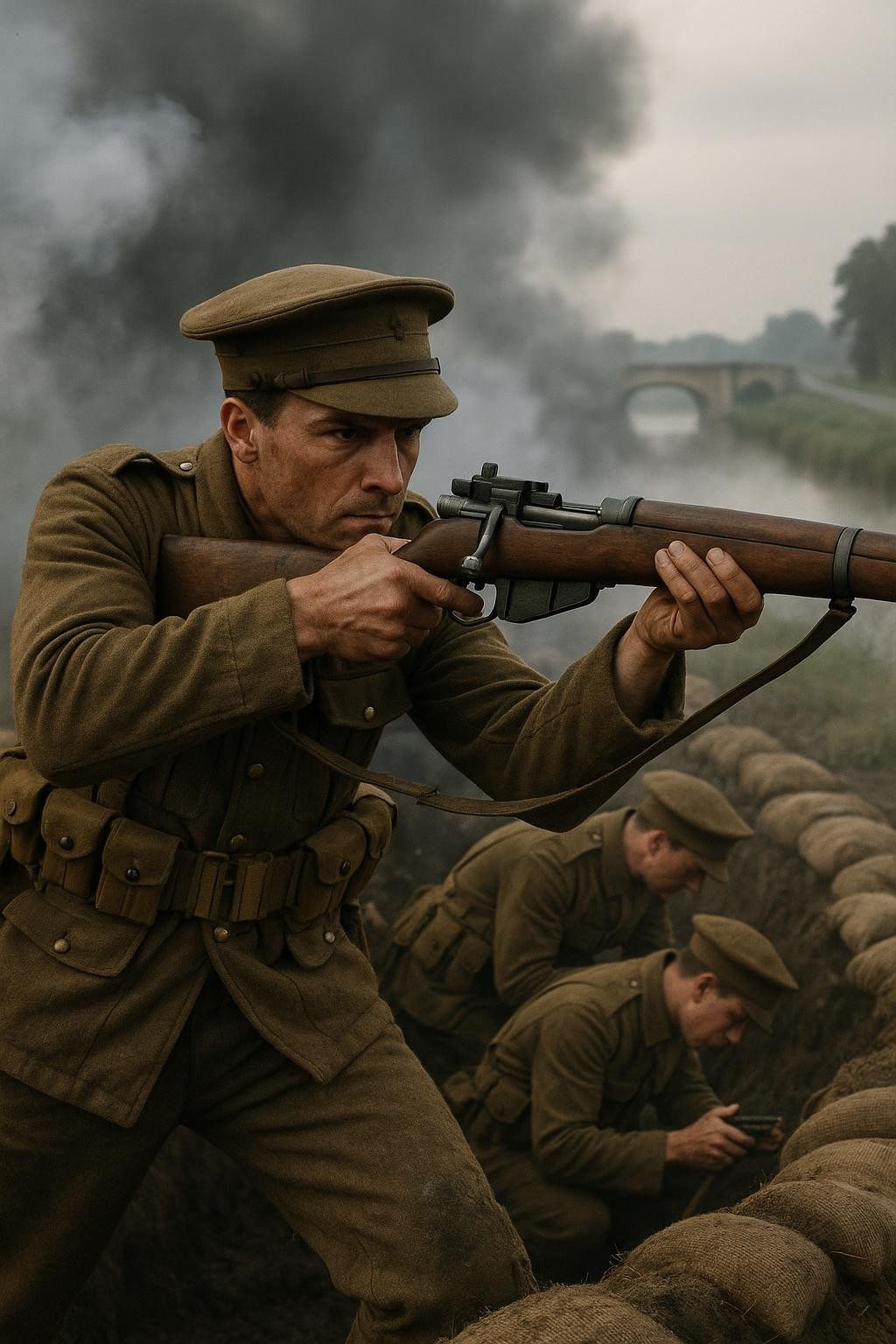
Mons, August 1914. Outnumbered four to one. The Germans thought they faced machine guns. They faced fifteen aimed shots a minute. From bolt-action rifles. And British infantry who refused to break.
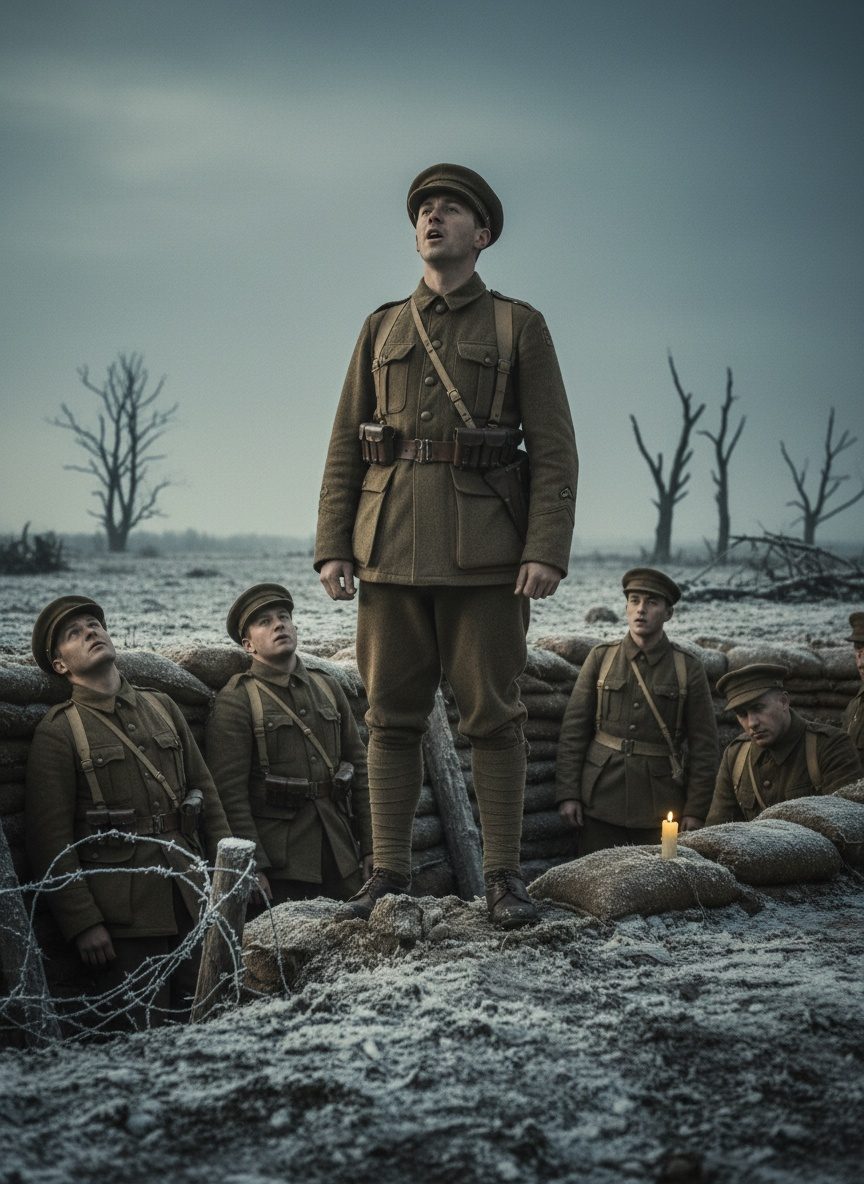
Christmas Eve, 1914. A Welsh soldier stepped from the trench. No weapon. No order. He simply sang. His voice rose across the frozen mud. The guns fell silent. Both sides listened.
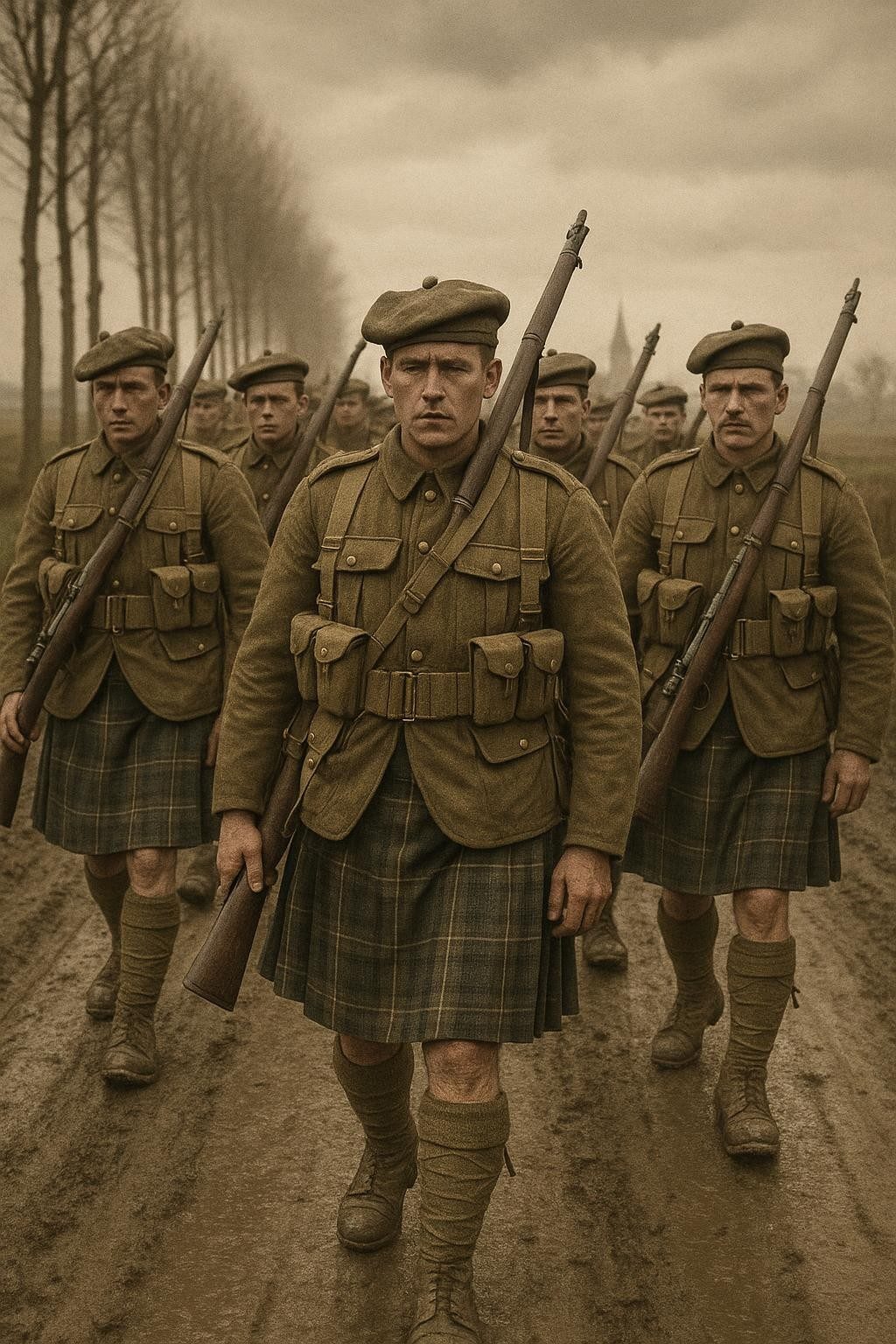
October 1914. The London Scottish Regiment received their orders. They marched to Messines in full Highland dress. The first Territorial unit to fight on the Western Front. They did not flinch.
Hand-picked from Britain Untold's archive. The stories you weren't taught at school. 3-minute read.
No spam. Unsubscribe in one click. We hate spam too. Privacy Policy.